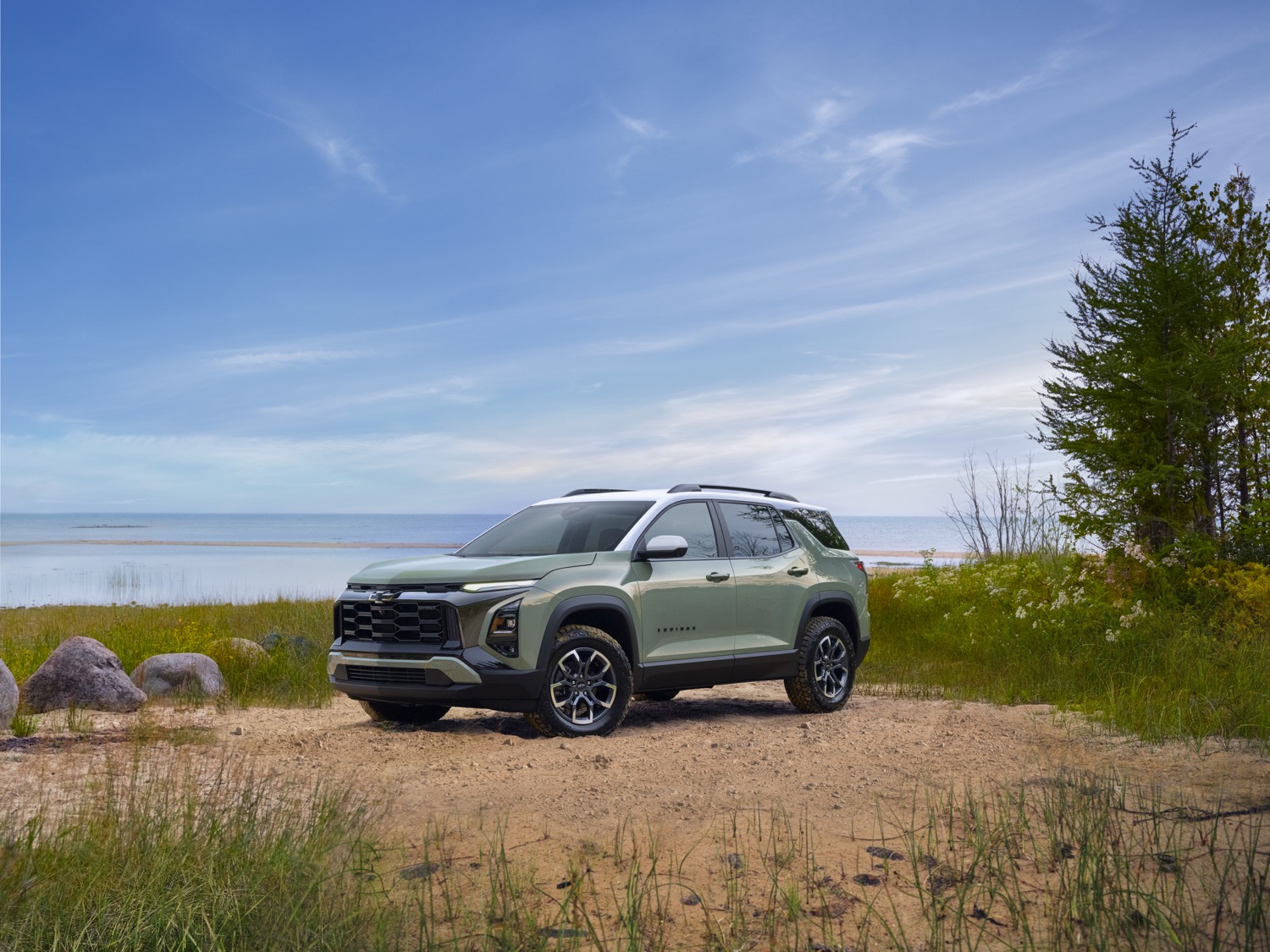
Modern vehicles have become remarkably clever at using space that would otherwise go to waste. Beneath cargo floors, behind seat cushions, and inside adjustable load panels, manufacturers have created small compartments that can make daily driving more organized.
The catch is that many of these spaces are not obvious unless you read the owner’s manual. Some are designed for emergency equipment, others for keeping smaller belongings separated from the main cargo area, and a few can be reconfigured depending on what you are carrying. Here are 12 vehicles with documented storage areas that are easy to overlook.
1. Ford F-150
Pickup owners often think of the bed, center console, and door pockets first when considering storage. The F-150 adds another useful area beneath the rear seats, and it is considerably more substantial than a simple pocket or cubby.
Ford’s owner’s manual explains that the rear seat can be lifted to reveal an under-seat storage bin. The front panel can also be raised to expand the available storage area, giving owners more flexibility than the fixed shape initially suggests.
That design makes the space particularly useful for equipment that needs to stay inside the cabin but does not need to occupy the passenger area. Emergency supplies, tie-down accessories, cleaning equipment, work gloves, or smaller tools can be kept underneath the seat instead of moving around the cab.
There is another interesting aspect to the arrangement. Ford describes a locking function for the rear under-seat storage, with the key in the remote control used to lock or unlock the seat cushion. That makes the compartment more than an open tray. It can provide a more discreet place for belongings when the truck is parked.
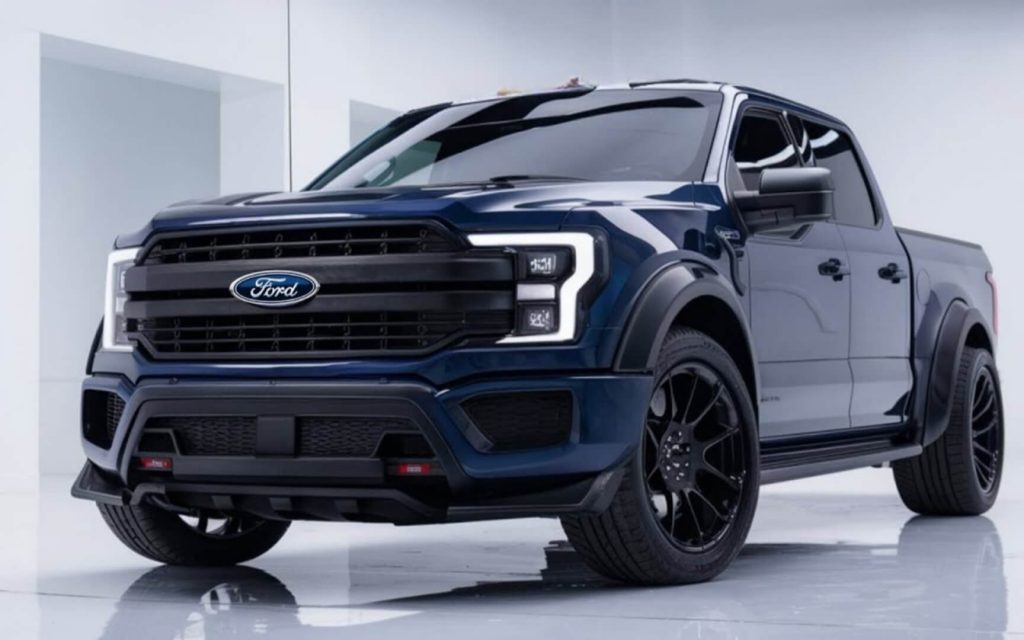
The feature is easy to miss because the seat itself conceals the compartment. Someone unfamiliar with the truck could use it for years without realizing how much of the rear-seat area can be converted into organized storage.
For owners who regularly carry passengers and equipment, that hidden space can be more useful than another visible cupholder.
2. Ram 1500
The Ram 1500 takes the hidden-storage idea outside the passenger cabin with its available RamBox system. Rather than placing all of the truck’s useful storage in the cab or bed, the system integrates lockable compartments into the sides of the cargo bed.
Because the bins are positioned alongside the bed, they can be easy to overlook when someone is focused on the main cargo area.
Ram’s 2026 owner’s manual describes provisions inside the bins for cargo dividers, allowing the available space to be organized rather than treated as one large compartment.
On vehicles equipped with the RamBox inverter, a 115-volt, 400-watt maximum inverter can also be located inside one of these storage areas. The manual says it can power low-power devices such as phones and electronics.
That combination changes the purpose of the space. It is not simply a place to throw loose objects. Owners can separate smaller equipment from larger items in the bed, while the enclosed design keeps certain belongings protected from the weather and out of direct sight. There are important limitations.
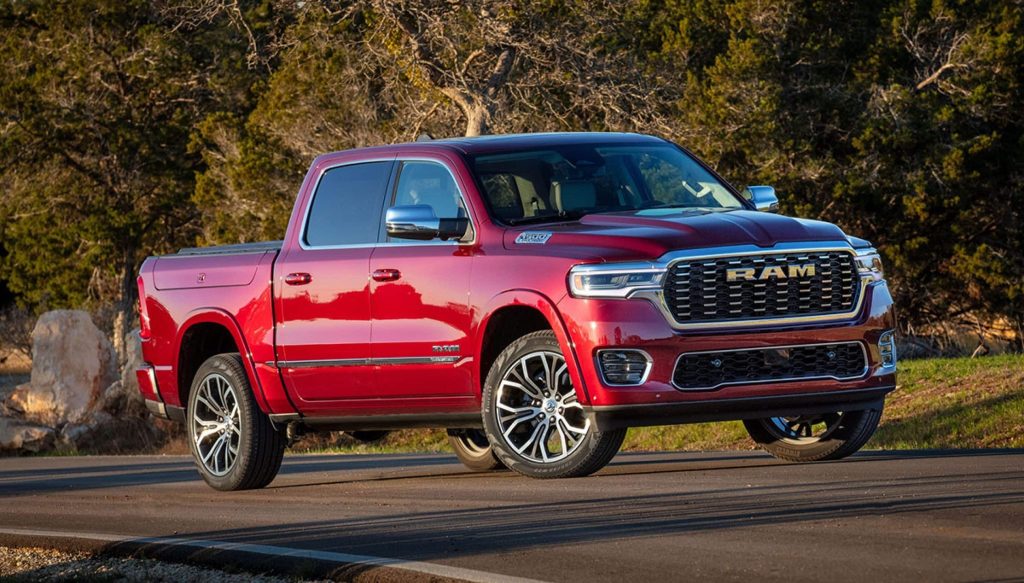
Ram warns owners to keep the covers closed and latched while driving and not to use the bin latches as tie-down points. The manual also includes safety warnings concerning children and accidental confinement.
For someone who bought a pickup primarily for its bed, this feature can be surprisingly easy to ignore. Yet it gives the truck an additional layer of organization without consuming conventional passenger or bed-floor space.
3. Chevrolet Equinox
The Chevrolet Equinox hides one of its most useful storage areas directly underneath the rear cargo floor. At first glance, the cargo area appears to be a straightforward open loading space, but Chevrolet lists hidden storage beneath the rear floor as an intentional feature.
The 2026 owner’s manual outlines the procedure. Lift the load floor to access the storage area underneath. The compartment sits below the main cargo surface, keeping stored items out of sight when the floor is returned to its normal position.
Chevrolet’s own product information also identifies the area as hidden storage under the rear cargo floor, specifically noting that it can help protect belongings and keep them out of view. Chevrolet
That makes the compartment particularly interesting for everyday items that do not need to be accessed every few minutes. A driver could use it for emergency supplies, a tire-inflation kit, reusable shopping bags, small tools, or other equipment that is useful to have nearby but does not need to occupy the primary cargo area.
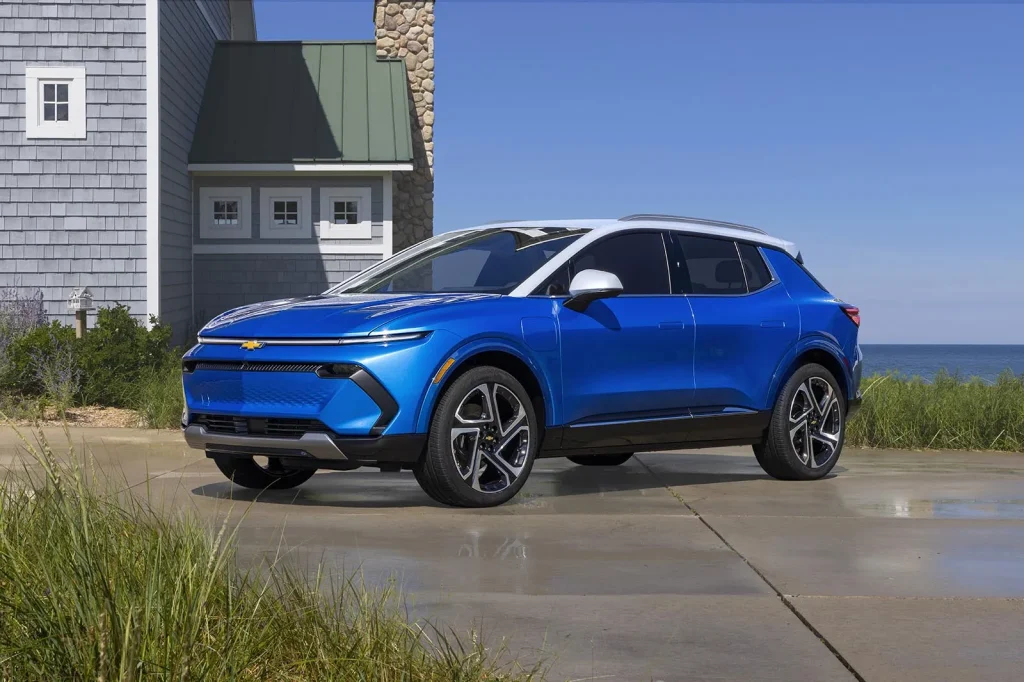
The clever part is how little this arrangement interferes with normal use. The owner does not have to sacrifice the main cargo floor to gain access to the secondary compartment. The hidden area effectively turns unused space beneath the loading surface into another layer of organization.
It is also a good example of why simply looking at a vehicle’s cargo volume does not tell the entire story. Two SUVs can have similar published cargo measurements, while one provides additional concealed areas that make small belongings easier to organize.
4. Honda CR-V
The CR-V’s cargo area contains a feature that can easily disappear from an owner’s attention because it is built into the floor itself. Honda’s 2026 owner’s manual describes a cargo storage area beneath the cargo floor and provides instructions for repositioning the floor lid.
The design is more flexible than simply lifting a cover and dropping it back into place. Honda explains that the floor lid can be pulled upward and disengaged from its support rods.
It can then be positioned lower, creating a different arrangement depending on the owner’s cargo needs. The manual specifically notes that the lowered position can be useful when storing taller items.
That means the hidden area has two purposes. It can provide concealed storage when the floor is positioned normally, while the adjustable panel can also be used to accommodate different types of cargo.
Honda also provides warnings about loose objects in the cargo area and explains that the cargo hooks are intended for light items. That distinction matters because a hidden compartment can look more capable than it actually is. Owners should use it for suitable belongings rather than treating it like a heavy-duty equipment box.

The cleverness here is not about creating an enormous secret compartment. Instead, the vehicle uses the thickness and structure of the cargo floor to give owners another place to organize smaller belongings.
Once someone knows the compartment exists, it becomes an easy place for items that would otherwise roll around the main cargo area.
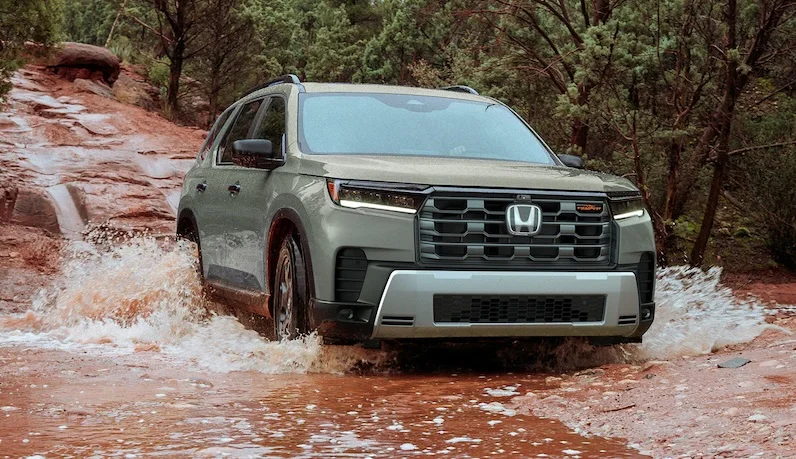
5. Honda Pilot
The Pilot offers another example of a hidden storage area beneath the cargo floor, but its larger body gives the feature a particularly useful role for family travel. Honda’s 2026 owner’s manual identifies an under-floor storage area and explains how to open the cargo floor lid using its handle.
The manual goes further by explaining that the dividers inside the under-floor storage area can be removed. That allows owners to change the configuration of the compartment rather than being restricted to permanently separated sections.
The cargo floor itself can also be positioned in different ways depending on how much room is required.
For a three-row SUV, this kind of organization can be especially valuable. Families tend to carry a mixture of objects that do not belong in the same open cargo space.
Emergency equipment, smaller shopping bags, cleaning materials, and travel accessories can be kept below the primary floor, while larger luggage remains above it.
The compartment also helps keep the main cargo area visually cleaner. Instead of filling the visible floor with small objects, owners can place less frequently used belongings underneath.
There is a practical reason this storage can remain unnoticed.
When the cargo floor is closed, nothing about the surface necessarily suggests that another compartment exists beneath it. Unless an owner lifts the handle or reads the manual, the space can remain effectively invisible.
Honda’s instructions also demonstrate why these features should be used according to the manufacturer’s guidance. The under-floor area is intended for storage, but loose cargo should still be secured appropriately.
A hidden compartment is useful because it adds organization, not because it removes the need for safe cargo management.
6. Subaru Outback
The Outback has long emphasized practical cargo management, and the 2026 model continues that approach with underfloor storage. Subaru lists cargo-area underfloor storage as standard equipment on most of the 2026 Outback’s configurations, although availability varies by trim.
The hidden area is located underneath the cargo floor, allowing owners to place smaller belongings below the main loading surface. That creates a useful separation between everyday cargo and equipment that might only be needed occasionally.
The feature becomes particularly useful when the vehicle is being used for road trips or outdoor activities. Items such as emergency supplies, small tools, straps, or other accessories can remain in the vehicle without taking up visible cargo-floor space.
Subaru also provides a removable cargo-area tray, giving owners another way to configure the rear compartment. The combination means the cargo area is not simply a large open rectangle.

There are layers that can be adapted to different loads. Subaru of America
The important detail is that the feature is not identical across every trim. Subaru’s specifications show the underfloor storage as unavailable on one listed configuration while being standard on others.
That is a reminder that owners should check the equipment fitted to their particular vehicle rather than assuming every example has exactly the same arrangement.
For someone who rarely looks beneath the cargo floor, the Outback’s hidden compartment could remain unnoticed for a surprisingly long time.
Yet it can make a difference in daily organization because the space is already integrated into the vehicle. There is no need for an aftermarket box, hanging organizer or additional storage accessory to take advantage of it.
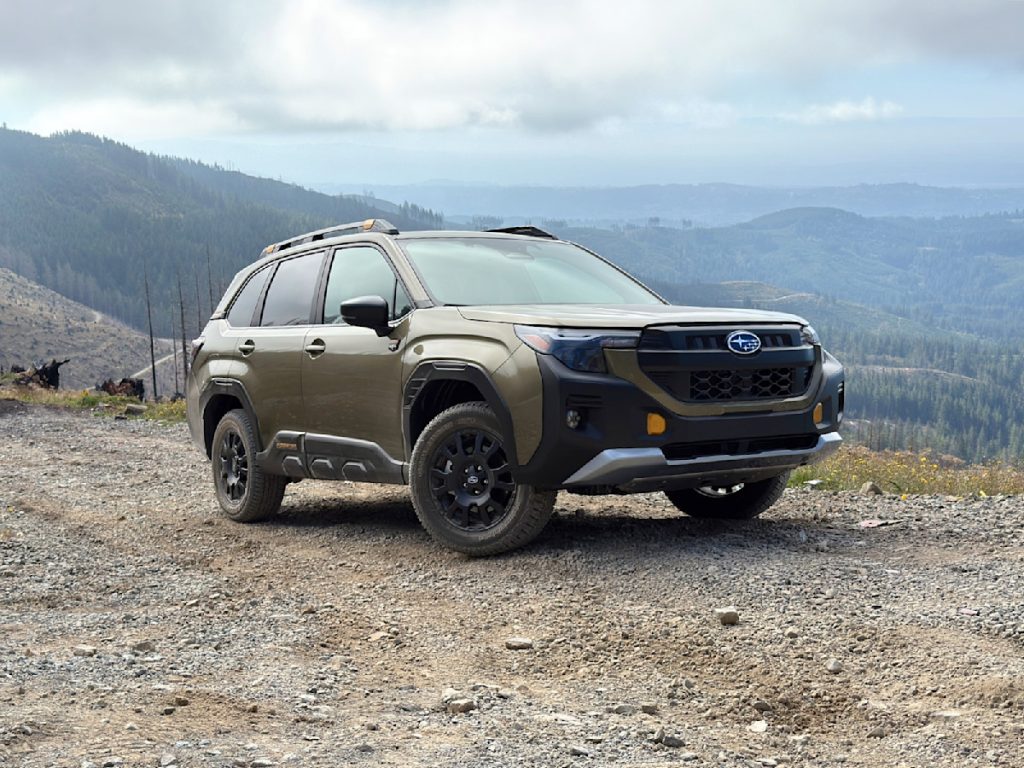
7. Subaru Forester
The Forester also makes use of the otherwise unused space beneath its cargo floor. The 2026 owner’s manual identifies an under-floor storage compartment in the cargo area and explains that it can hold small items. Access is provided by pulling up on the strap attached to the floor lid.
Subaru’s manual also describes the compartment as an area that should remain closed while driving. It specifically cautions against storing spray cans and containers containing flammable or corrosive liquids there.
That guidance gives some indication of how the compartment should be viewed. It is useful concealed storage for relatively small belongings, rather than a replacement for a properly secured cargo container.
There is another clever detail. The cargo-area cover can also be stored beneath the cargo floor when removed. The manual explains that raising and folding the rear section of the cargo floor creates enough space to accommodate the cover housing.
This is exactly the kind of feature owners can miss because it is not needed during ordinary driving. Someone may remove the cargo cover to carry a tall object, put the cover somewhere else temporarily, and never realize the vehicle has a designated location for it.
The 2026 Forester’s specifications also list cargo-area underfloor storage across most trims, with availability differing on one configuration.
So the hidden space serves a dual purpose. It can hold small belongings while also providing a secure place to store removable cargo equipment, keeping it from becoming another loose object inside the vehicle.
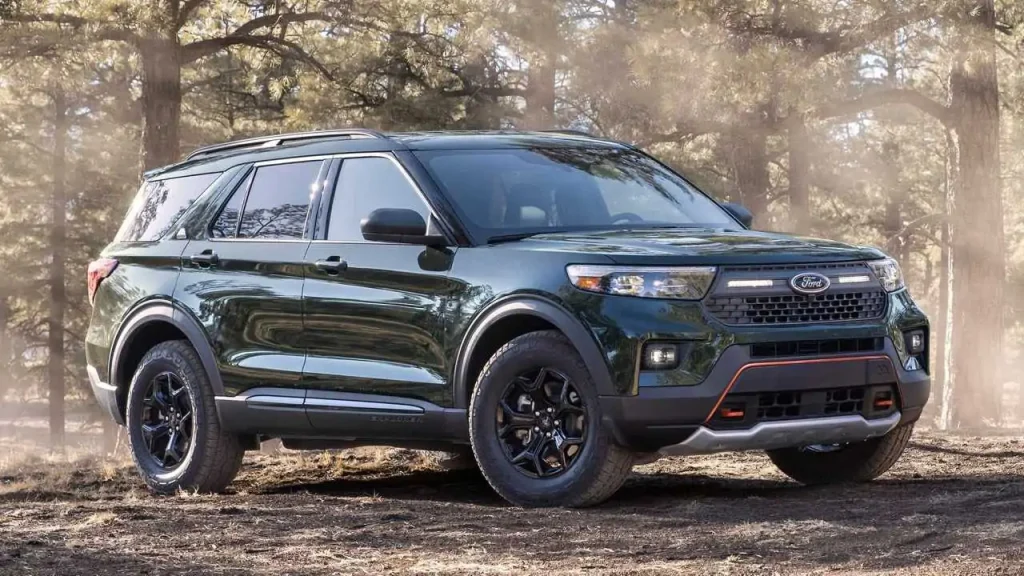
8. Ford Explorer
The Explorer’s hidden storage is located beneath its luggage-compartment floor, but Ford gives the vehicle an unusual two-level arrangement.
The 2026 owner’s manual identifies a storage bin beneath the cargo-area floor and explains that the bin and temporary mobility equipment can be accessed by lifting the floor cover.
That is useful because the storage space does not have to compete directly with the primary cargo area. A driver can place smaller belongings beneath the floor while leaving the upper surface available for luggage, groceries or larger equipment.
The arrangement also demonstrates why cargo-floor design can be more important than a single maximum cargo-volume number. The published volume tells you how much space is available, but it does not necessarily reveal how that space is divided.
A well-designed secondary compartment can make the same amount of cargo volume easier to use. The Explorer’s floor arrangement is particularly relevant to families because the vehicle can be used for everything from daily errands to longer road trips. Keeping smaller objects beneath the floor can prevent them from becoming loose among larger bags.
Ford’s documentation also makes clear that equipment can vary depending on configuration. The manual explains the storage bin and temporary mobility kit arrangement rather than implying that every Explorer has exactly the same equipment.
For owners who have never lifted the rear floor, the feature can remain invisible. Once discovered, however, it becomes a natural location for items that should stay with the vehicle but do not need to be immediately visible.
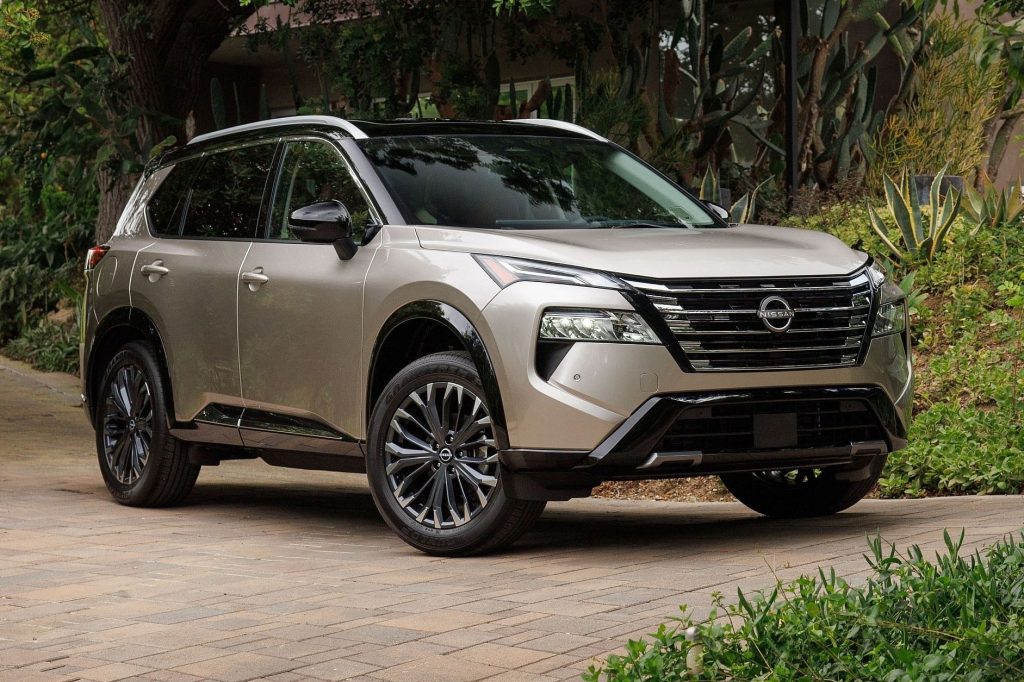
9. Nissan Rogue
The Rogue uses its cargo floor as a movable organizational system rather than treating it as one fixed panel. Nissan describes the Rogue’s cargo setup as having an adjustable rear cargo floor with under-floor storage.
The system is particularly interesting because the floor can be configured to change how the cargo area is divided. Nissan’s Divide-N-Hide concept has been designed around adjustable cargo organization, allowing smaller belongings to remain separated from larger items.
That approach solves a common problem with SUV storage. A large open cargo area is excellent for suitcases and boxes, but smaller objects can quickly become scattered. An adjustable floor gives the owner the ability to create a more controlled arrangement without installing an aftermarket organizer.
The hidden sections can also be useful for belongings that should not be immediately visible through the rear glass. Emergency supplies, small equipment and other personal items can remain beneath the primary loading surface rather than sitting on top of it.
One important detail is that availability can depend on configuration. Nissan’s fleet information confirms the adjustable cargo floor and under-floor storage arrangement, while other descriptions of the Rogue’s Divide-N-Hide system identify certain configurations as having additional flexibility.
That means buyers should verify the exact equipment on a particular Rogue rather than assuming every trim provides every configuration.
The real appeal is the combination of concealment and adaptability. Instead of simply giving owners another small cubby, the Rogue uses the cargo floor itself as part of the storage system. It is an easy feature to overlook until the floor panels are moved and the additional space becomes apparent.
10. Hyundai Tucson
The Tucson has a cargo-area storage area beneath the main floor, making another normally unused section of the vehicle useful for smaller belongings. Current 2026 Tucson equipment listings identify cargo-area under-floor storage as part of the vehicle’s practical cargo setup.
There is also a less obvious use for the area. Information covering the 2022 through 2026 Tucson generation identifies a dedicated location beneath the main cargo floor for storing the removable cargo cover.
That means the space is not necessarily limited to loose belongings. It can also help owners keep removable cargo equipment from occupying the passenger compartment or the visible cargo area.
This kind of design becomes particularly useful when the rear area needs to be converted for taller objects. Instead of leaving the cargo cover somewhere inside the cabin, it can be placed in its designated storage location beneath the floor.
The feature is easy to miss precisely because it does not dramatically change the appearance of the cargo area. With the floor panel closed, the rear compartment still looks like a conventional loading surface.

For daily use, that hidden space can be assigned to items that stay with the vehicle. Drivers can keep emergency equipment, small accessories, or other infrequently used belongings underneath while using the main cargo floor for groceries, luggage, and larger objects.
The Tucson demonstrates an important principle of hidden storage. The best compartments do not necessarily stand out. They work quietly in the background, turning unused structural space into practical storage without requiring owners to give up passenger room or visible cargo capacity.
11. Kia Sportage
The Kia Sportage makes useful use of the space beneath its cargo floor, creating an additional area for belongings that do not need to remain in the main loading space. The hidden compartment can be handy for smaller equipment, emergency supplies, travel accessories, or items that owners want to keep out of immediate sight.
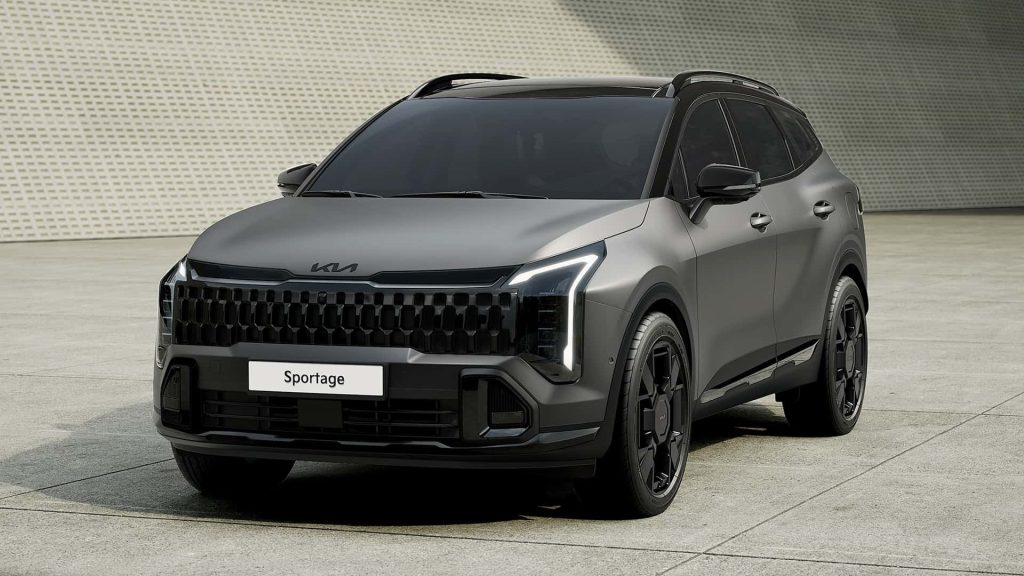
Because the storage sits below the primary cargo surface, it does not interfere with the usable floor area when the compartment is not being accessed. The feature is especially practical during road trips, when larger luggage can remain above while smaller belongings stay separated underneath.
Equipment can vary by trim and configuration, so owners should check their specific vehicle before assuming every Sportage has identical storage. It is an easy feature to miss because the cargo floor looks completely conventional when closed.
12. Chevrolet Traverse
The Chevrolet Traverse also hides useful space beneath its cargo floor. Chevrolet’s owner’s manual describes a cargo bin underneath the load floor and explains how the floor can be lifted to access it.
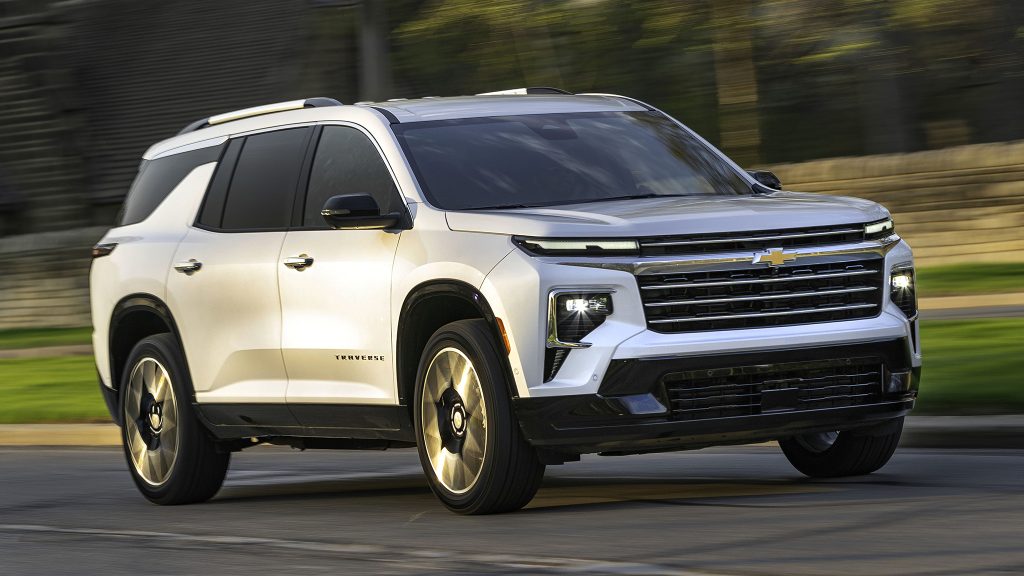
The arrangement gives owners a separate place for smaller belongings while keeping the main cargo area available for luggage, groceries, and larger items. This can be particularly helpful in a three-row SUV, where the rear cargo area often has to handle several different types of equipment at once.
The hidden compartment can keep frequently carried accessories from becoming scattered across the visible floor. Chevrolet also provides instructions for securing the load floor correctly after accessing the bin, which is important before driving.
The feature demonstrates how manufacturers can add practical storage without taking space away from passengers or the primary cargo area.