
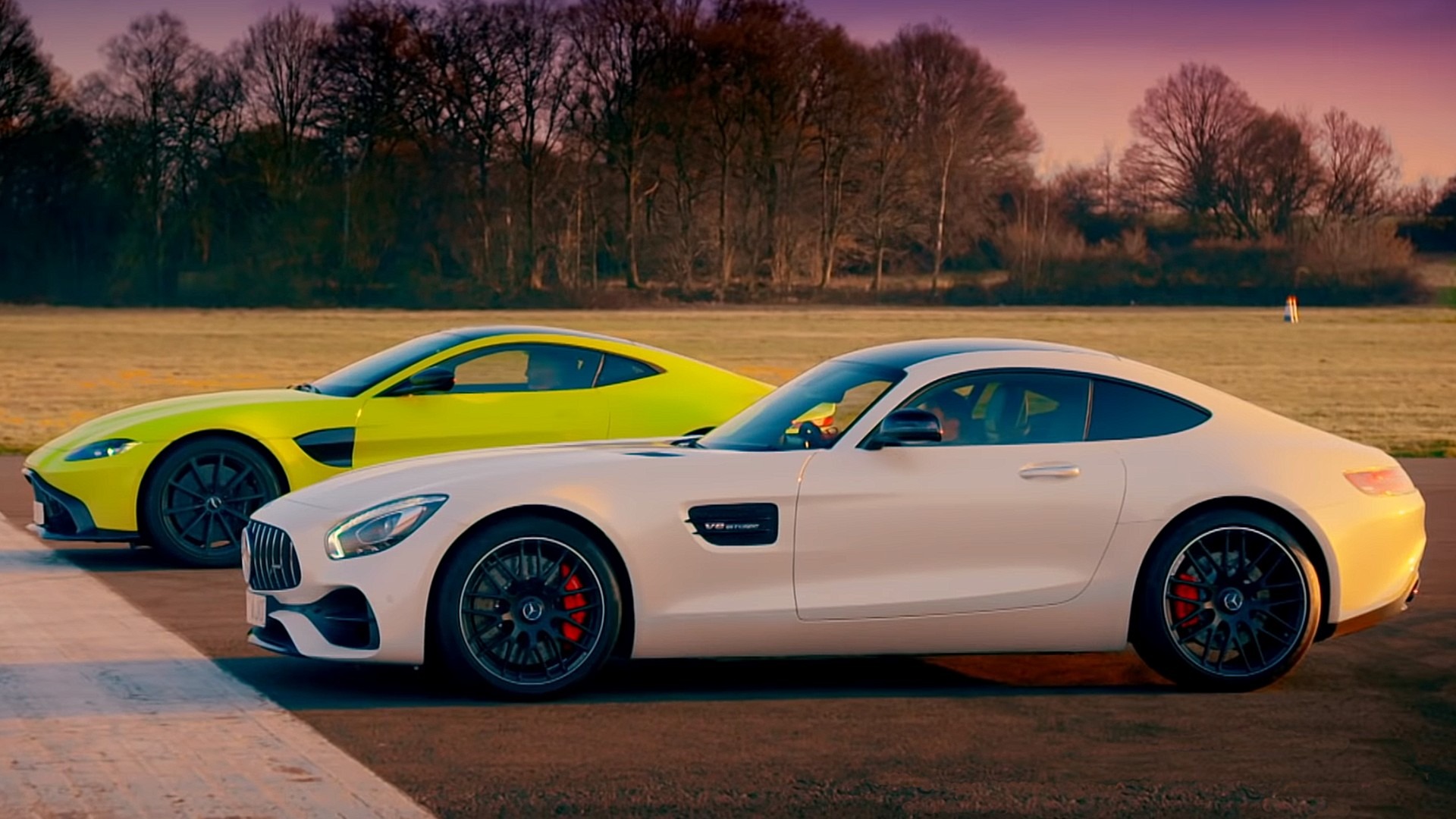
Fuel economy usually rewards restraint, but some 2027 vehicles take a very different approach. The models at the bottom of the EPA combined-MPG list are built around huge engines, high output, luxury appointments, or a mix of all three. At the lowest point sits the Ram 1500 4WD at 12 mpg, while several Rolls-Royce models and the BMW M5 Touring follow at 13 mpg.
Performance cars also occupy plenty of space on the list, including several Chevrolet Corvette variants. These numbers are not necessarily a measure of how desirable a vehicle is. They show what happens when designers give acceleration, power, size, and luxury greater priority than fuel savings. Here are the 20 least efficient 2027 models in the supplied MPG Buddy compilation of EPA data.
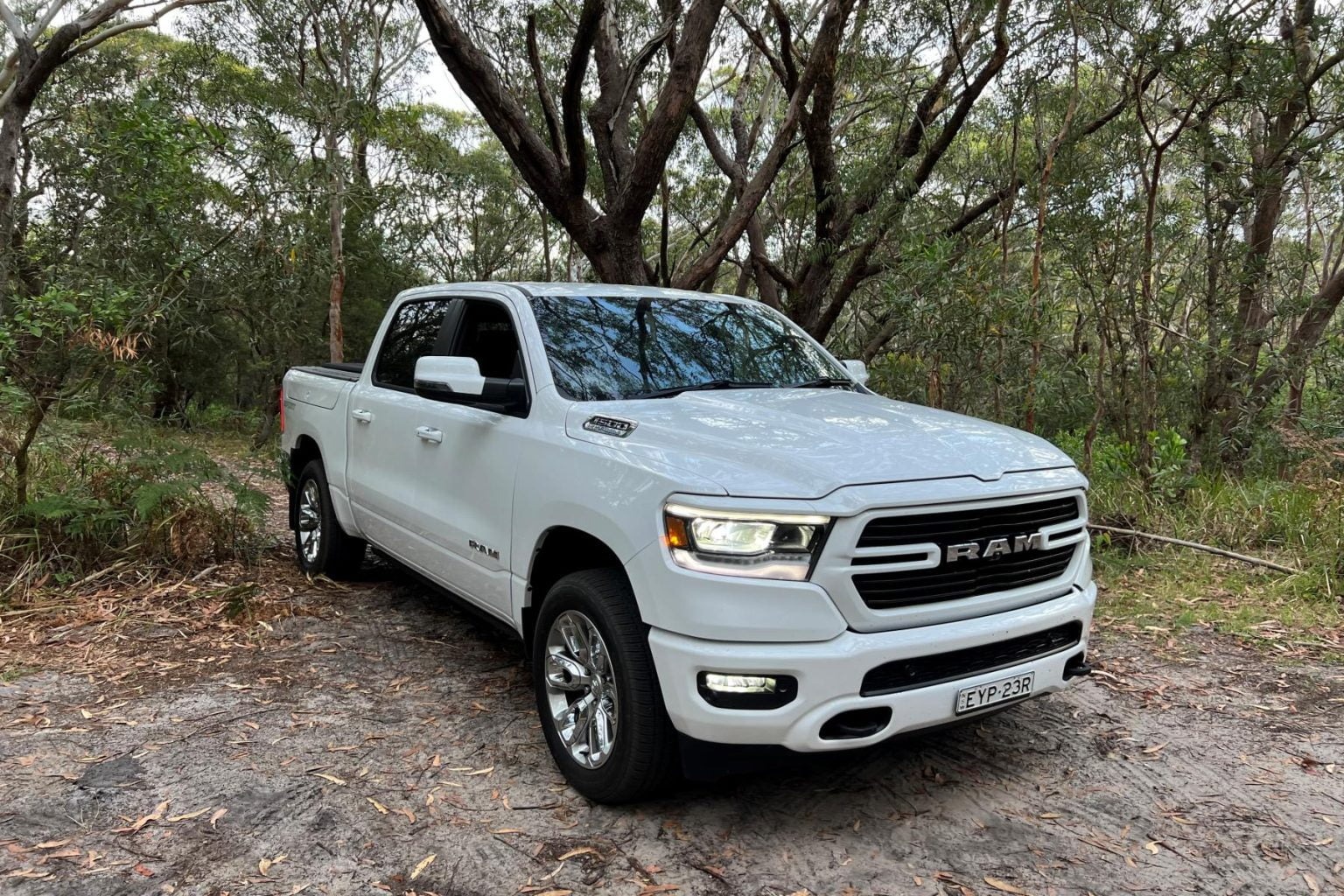
1. Ram 1500 4WD
At 12 mpg combined, the Ram 1500 4WD ranks last in this group. That figure tells you plenty before you even start looking at the truck’s other qualities.
This is a full-size pickup designed around capability, space, and strong road performance rather than frugal fuel use. Four-wheel drive adds hardware and weight, while the truck’s size naturally requires more energy to move.
For shoppers who regularly tow, haul equipment, or simply prefer the commanding seating position of a large pickup, those traits may matter more than the fuel bill.
Still, 12 mpg is a number worth noticing. A driver covering 15,000 miles in a year would consume roughly 1,250 gallons at that rate. Actual fuel use can vary with driving conditions, payload, traffic, and driving habits.
The EPA combined figure provides a standardized comparison, giving this Ram a clear place at the bottom of the supplied list.
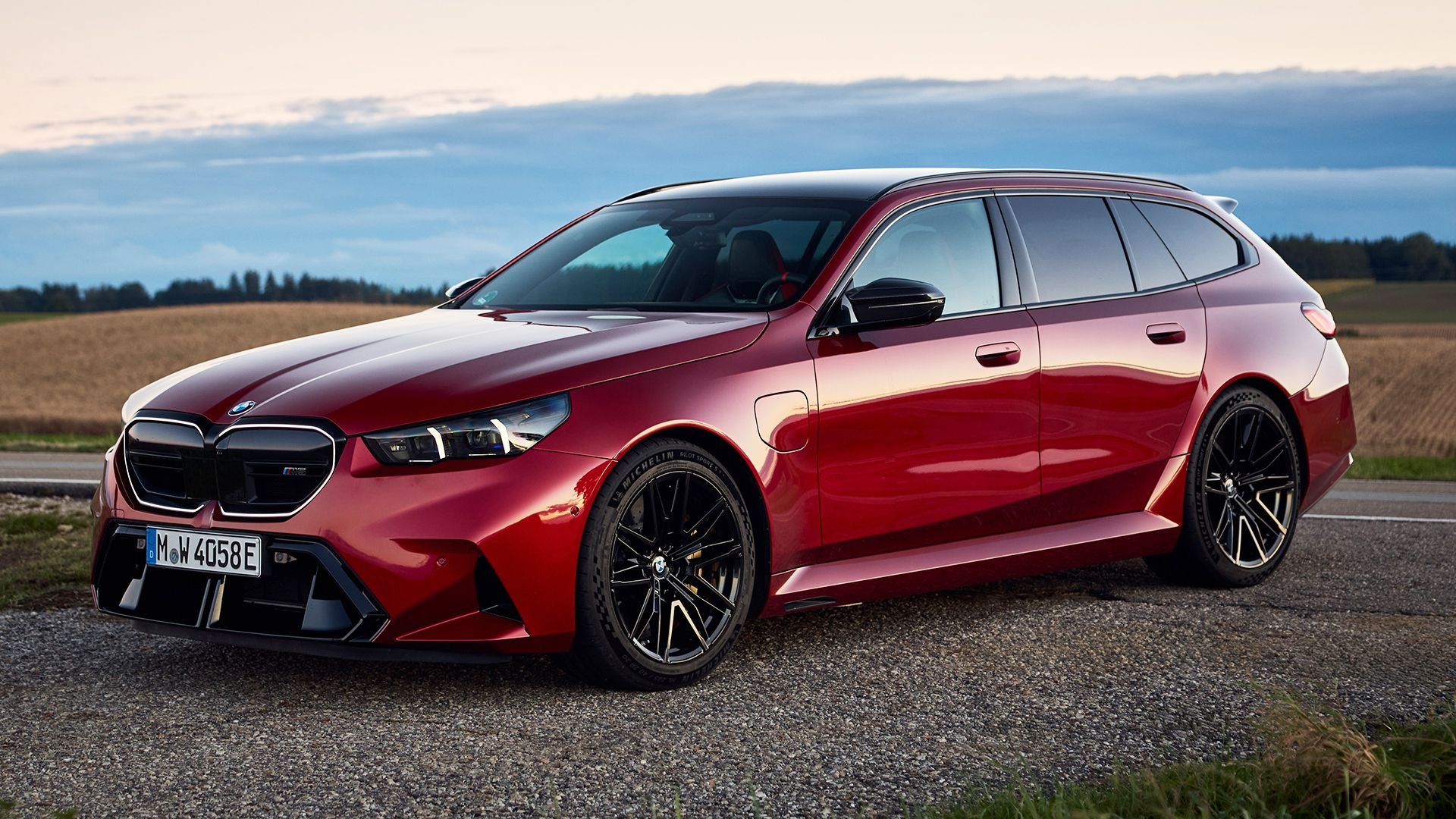
2. BMW M5 Touring
The BMW M5 Touring posts 13 mpg combined, placing this high-performance wagon near the least efficient end of the 2027 lineup. A wagon might sound like a practical choice, yet the M5 Touring pairs its useful body shape with serious performance hardware.
That combination creates an unusual proposition. You can carry passengers and luggage, but you are doing it in a vehicle designed to deliver sports-car levels of urgency. The low combined rating reflects that performance-focused mission.
For a buyer, the appeal is easy to understand. The M5 Touring offers the practicality of a larger cargo area while keeping the character expected from BMW’s M division. Fuel economy simply is not the primary selling point.
At 13 mpg, a driver covering 15,000 miles would theoretically use about 1,154 gallons of fuel. Actual results will depend on how the vehicle is driven.
Gentle highway cruising and aggressive acceleration can produce very different results, even in the same car.
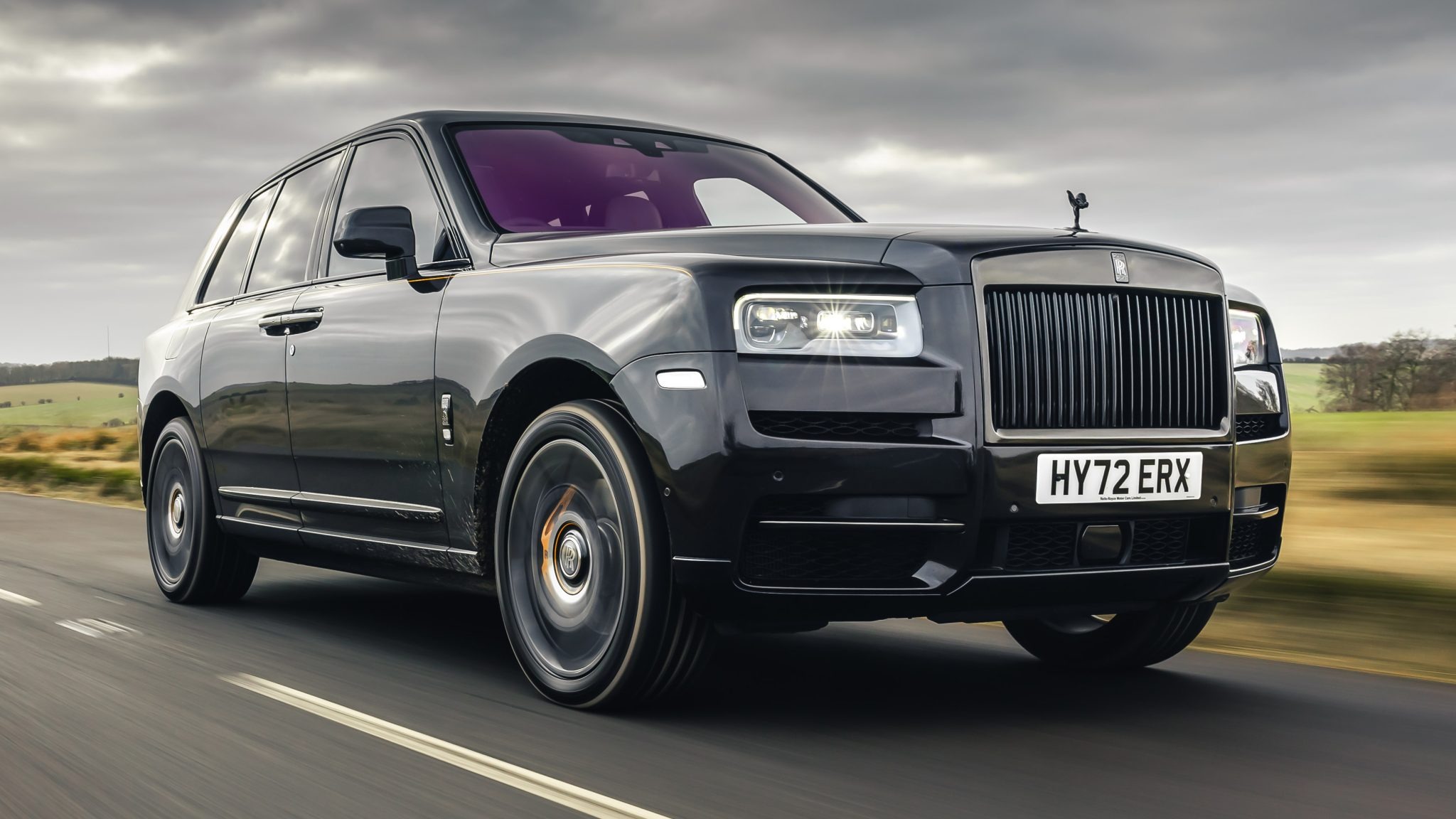
3. Rolls-Royce Cullinan
The Rolls-Royce Cullinan records 13 mpg combined, placing this ultra-luxury SUV alongside several other vehicles with the same rating. The figure may seem surprising for a modern SUV, but the Cullinan was never designed around minimizing fuel consumption.
Its priorities are different. The vehicle emphasizes quiet travel, substantial dimensions, premium materials, and effortless performance. Those qualities require considerable engineering and physical mass, while moving a large luxury SUV naturally requires more energy. For its intended buyers, fuel economy may rank below ride quality, craftsmanship, cabin comfort, and prestige.
The Cullinan therefore illustrates an important point about EPA rankings. The least efficient vehicle is not automatically a poor vehicle. It may simply be designed to serve a different purpose. Based on its combined rating, the Cullinan would use approximately 1,154 gallons to cover 15,000 miles if it consistently achieved its rated efficiency.
That figure is only a calculation, not a guarantee of real-world consumption. Actual fuel use can vary depending on traffic, speed, weather, driving habits, and other conditions.
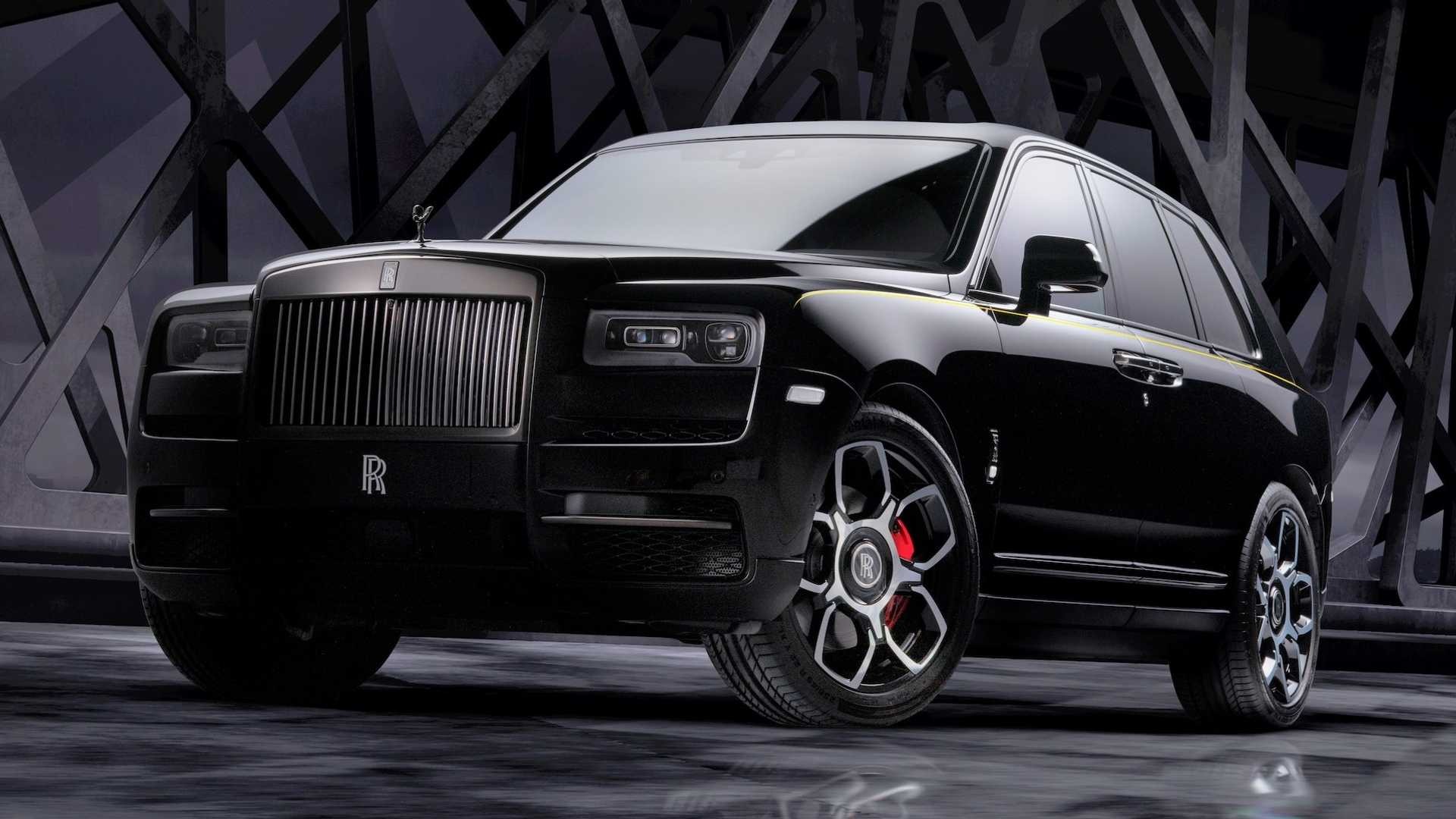
Rolls-Royce Cullinan Black Badge
4. Rolls-Royce Cullinan Black Badge
The Rolls-Royce Cullinan Black Badge also carries a 13-mpg combined rating. This version adds a more performance-oriented identity to an SUV already associated with luxury and substantial road presence.
The Black Badge name signals a different personality within the Rolls-Royce lineup. Buyers are looking for an SUV that delivers a more assertive driving experience while preserving the brand’s focus on refinement.
Fuel consumption naturally receives less attention in that formula. At 13 mpg, the Cullinan Black Badge sits among the least efficient models listed for 2027. If a driver travels 15,000 miles, the EPA figure translates to about 1,154 gallons of fuel.
That estimate makes the cost implications easy to picture. Yet a buyer considering this vehicle is unlikely to be comparing it primarily with fuel-sipping compact cars.
The relevant question is whether the vehicle’s performance, design, comfort, and exclusivity justify its operating costs. For this audience, fuel efficiency is simply one factor among many.
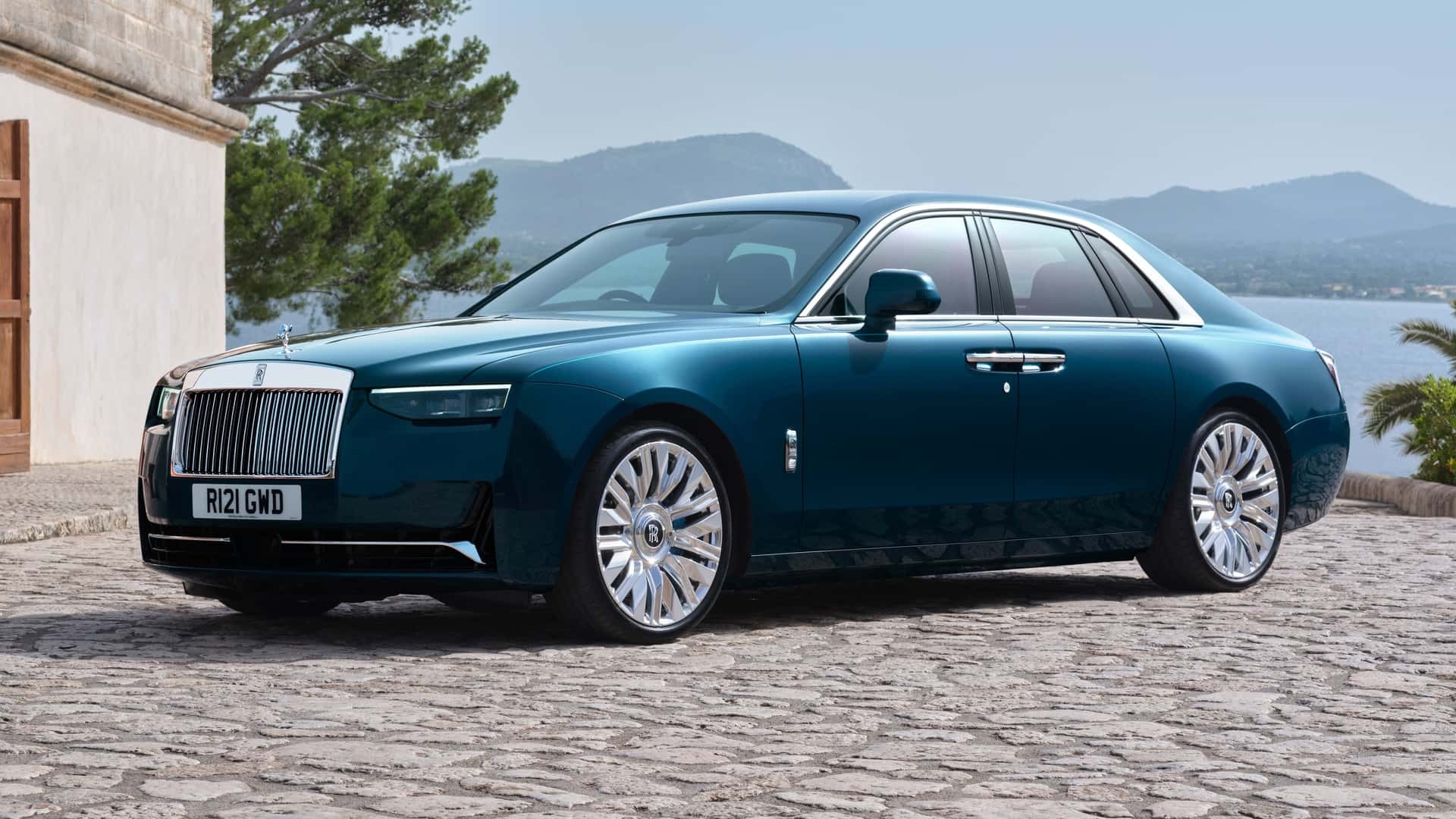
5. Rolls-Royce Ghost
The Rolls-Royce Ghost reaches 13 mpg combined, giving the luxury sedan the same rating as several large Rolls-Royce vehicles in this group. Its inclusion demonstrates that poor fuel economy is not limited to trucks or SUVs.
A large luxury sedan carries considerable weight and provides a spacious cabin filled with equipment designed to make travel comfortable. The Ghost also uses a powerful engine, allowing it to move with the effortless response expected from a flagship luxury car.
At 13 mpg, the calculation is straightforward. Dividing 15,000 miles by 13 mpg results in approximately 1,154 gallons. Actual consumption can be higher or lower depending on traffic, speed, weather, and driving habits.
The Ghost’s position on this list is therefore less about a flaw and more about priorities. It is built to provide a particular kind of driving experience.
Buyers willing to accept higher fuel use receive a vehicle where silence, comfort, craftsmanship, and power receive far more attention than squeezing the maximum distance from every gallon.
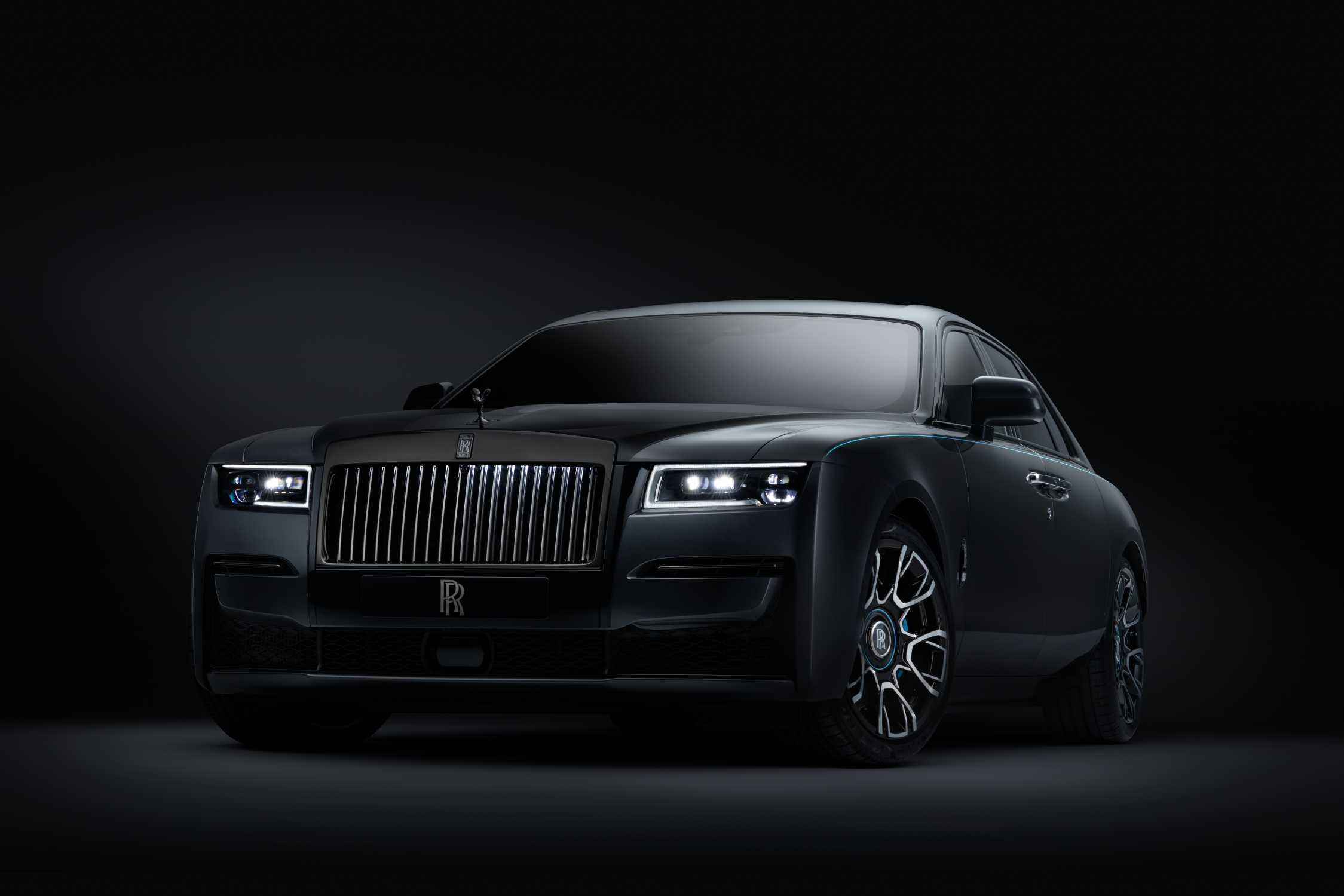
6. Rolls-Royce Ghost Black Badge
The Rolls-Royce Ghost Black Badge records 13 mpg combined, matching the standard Ghost and several other models in this group. The Black Badge designation gives the sedan a sportier identity while retaining the grand character associated with Rolls-Royce.
That balance creates an interesting ownership equation. The car has the dimensions and luxury equipment of an expensive executive sedan, yet it is also intended to deliver a stronger sense of performance.
Fuel economy takes a back seat. A 13-mpg combined rating works out to approximately 1,154 gallons for 15,000 miles of driving. The actual amount could vary considerably depending on how the owner uses the car.
Someone shopping for the Ghost Black Badge is likely making a choice based on performance, design, comfort, and exclusivity. The fuel rating provides useful information, but it does not define the vehicle.
In this list, the car shares its 13-mpg position with other high-end models whose buyers accept higher fuel consumption as part of the package.
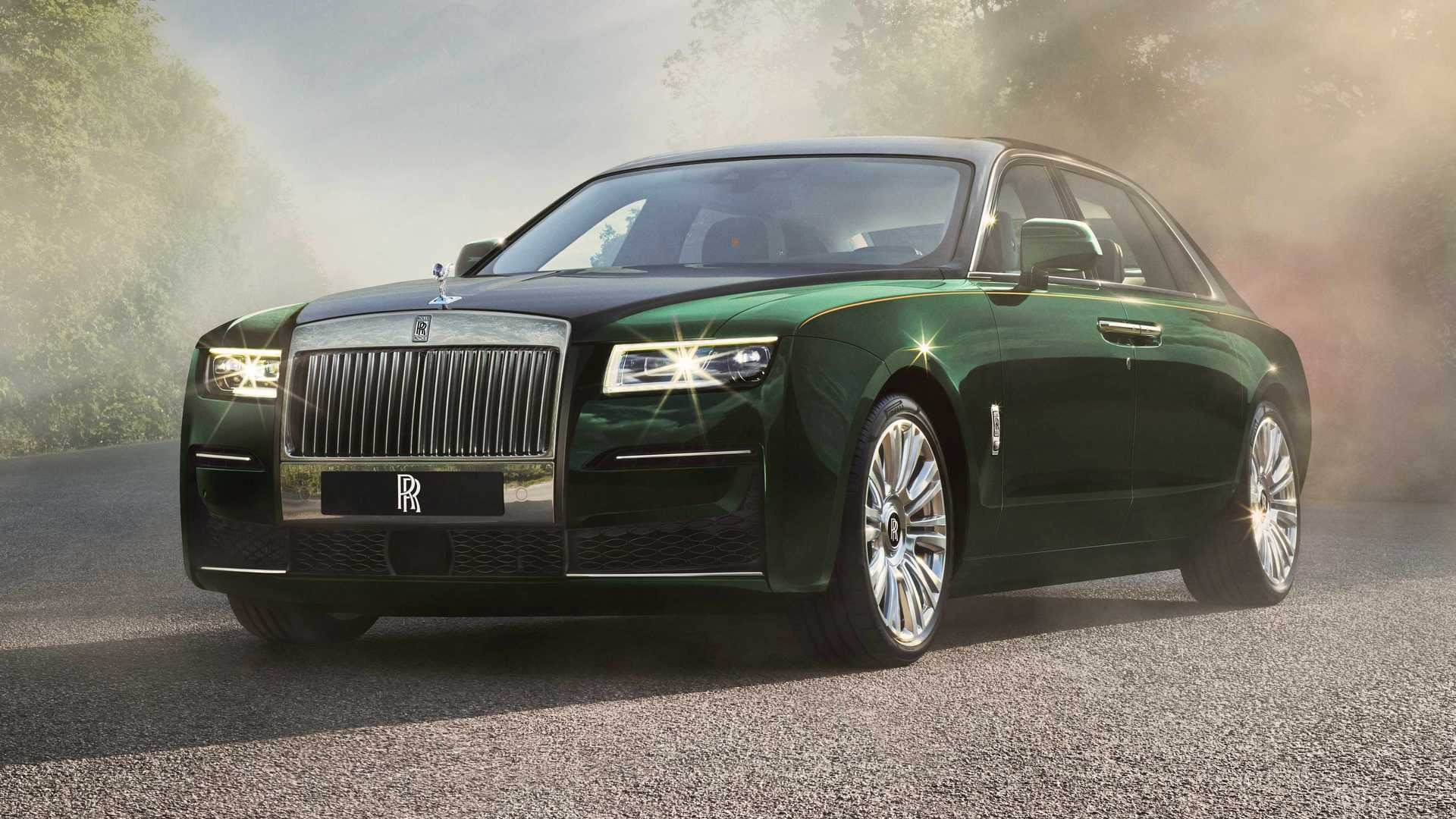
7. Rolls-Royce Ghost Extended
The Rolls-Royce Ghost Extended posts 13 mpg combined, placing the longer-wheelbase sedan in the same fuel-economy bracket as the standard Ghost.
The extended body gives occupants additional space, which reinforces the model’s focus on rear-seat comfort and luxury travel. More interior room also means a substantial vehicle footprint.
Combined with a powerful engine and extensive equipment, that helps explain why the Ghost Extended sits near the bottom of the supplied 2027 MPG list.
At 13 mpg, the estimated fuel requirement for 15,000 miles is about 1,154 gallons. That figure offers a simple way to understand what the rating means in everyday terms.
The Ghost Extended is aimed at buyers who place a premium on passenger comfort and a smooth, imposing ride. For them, fuel economy may be less important than the quality of the cabin experience.
Its ranking shows that luxury vehicles can reach the same low MPG figures as powerful performance cars, even when their primary purpose is comfortable transportation.
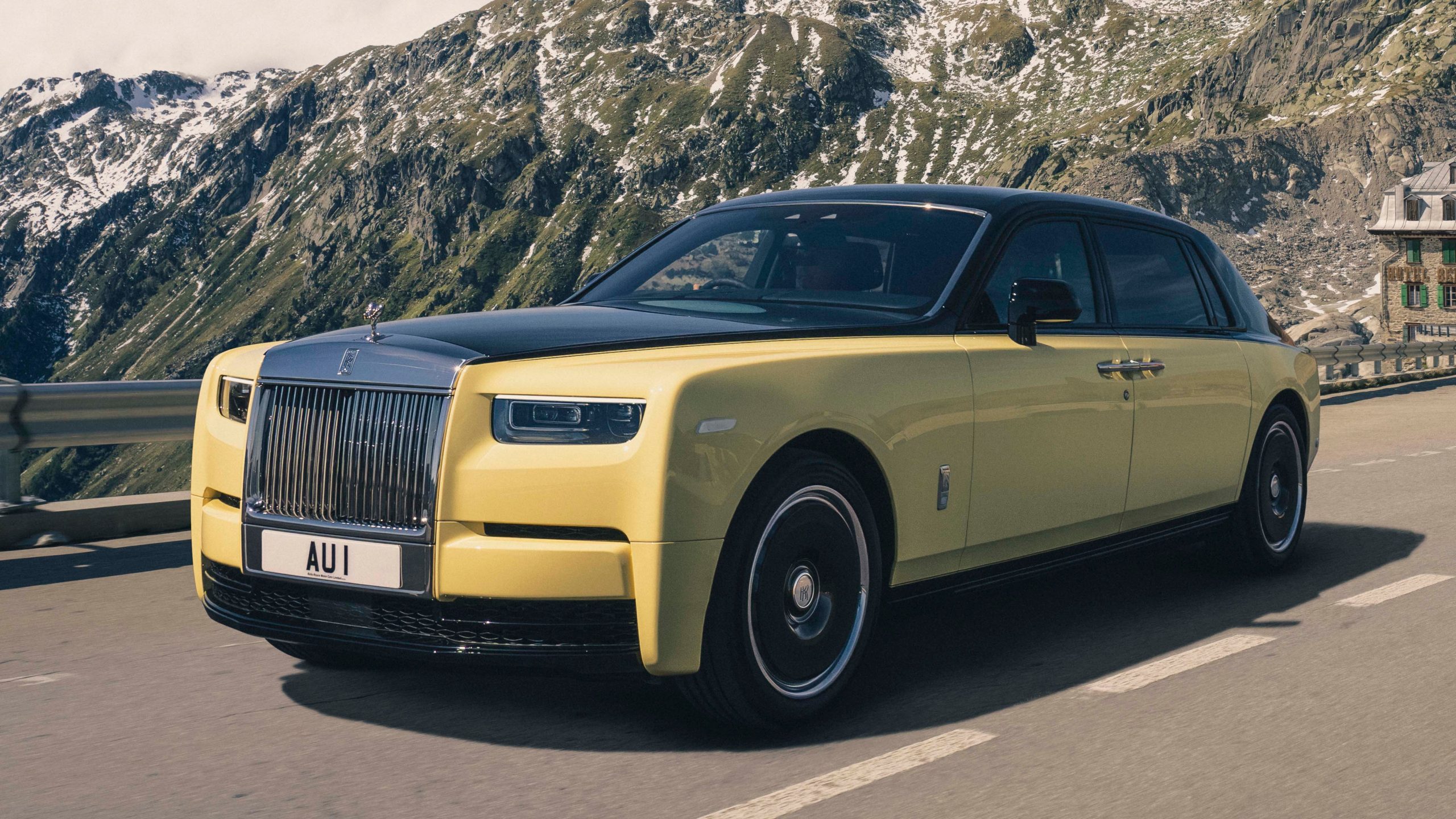
8. Rolls-Royce Phantom
The Rolls-Royce Phantom earns a 13-mpg combined rating, keeping one of the world’s best-known luxury sedans near the bottom of this particular efficiency list.
The Phantom is built around presence, comfort, craftsmanship, and a calm driving experience. Those goals require a large vehicle with substantial equipment.
Its powerful engine is designed to provide smooth performance without making the driver work hard for acceleration. That approach has little connection with fuel-saving priorities.
At the EPA rating, 15,000 miles would require roughly 1,154 gallons. A person’s actual fuel use could differ based on road conditions and driving style.
The Phantom’s place here is a useful reminder that efficiency rankings should be read alongside vehicle purpose. A small commuter car and an ultra-luxury sedan are solving very different transportation needs.
The Phantom chooses comfort and prestige first, while fuel economy receives much less attention. For its target buyer, that tradeoff may be entirely intentional.
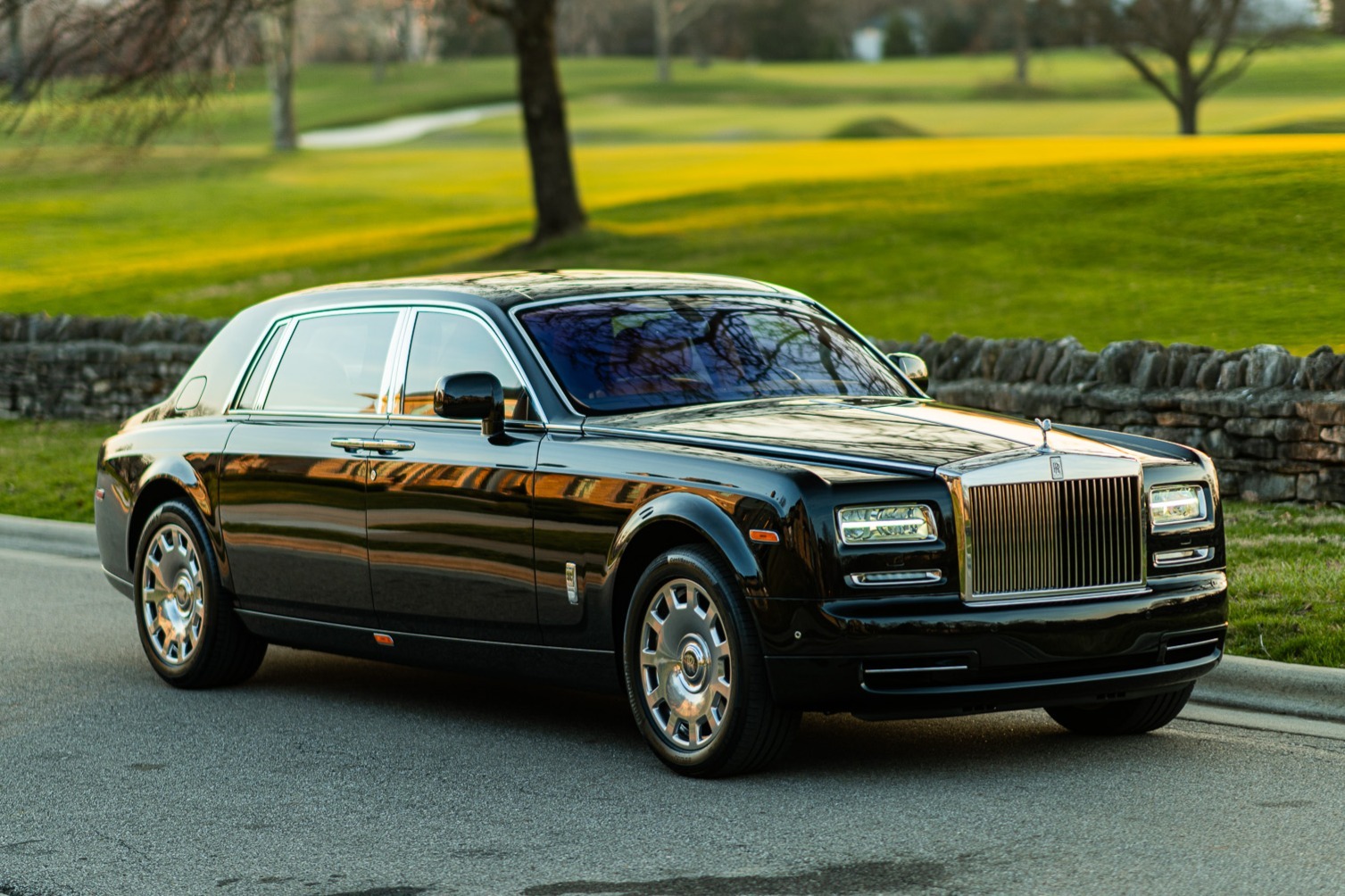
9. Rolls-Royce Phantom Extended
The Rolls-Royce Phantom Extended also returns 13 mpg combined. With its longer body, this model places additional emphasis on passenger space and rear-seat comfort while retaining the characteristics associated with the Phantom name.
A vehicle of this size requires considerable energy to move, especially when its cabin includes extensive luxury equipment and its power train is designed for effortless acceleration.
Its purpose is to provide an exceptional passenger experience, especially for occupants seated in the rear. Buyers considering one are likely to prioritize craftsmanship, comfort, space, and exclusivity over fuel economy.
At 13 mpg, the calculation remains straightforward. The Phantom Extended would need approximately 1,154 gallons to cover 15,000 miles at its rated efficiency. The figure may seem striking, but the Phantom Extended is not designed to serve as an economical daily commuter.
Fuel consumption is part of ownership, but it is not the central reason someone chooses this sedan. Its appeal lies in the experience it provides, from the quality of its materials to the comfort and refinement expected of a flagship luxury car.
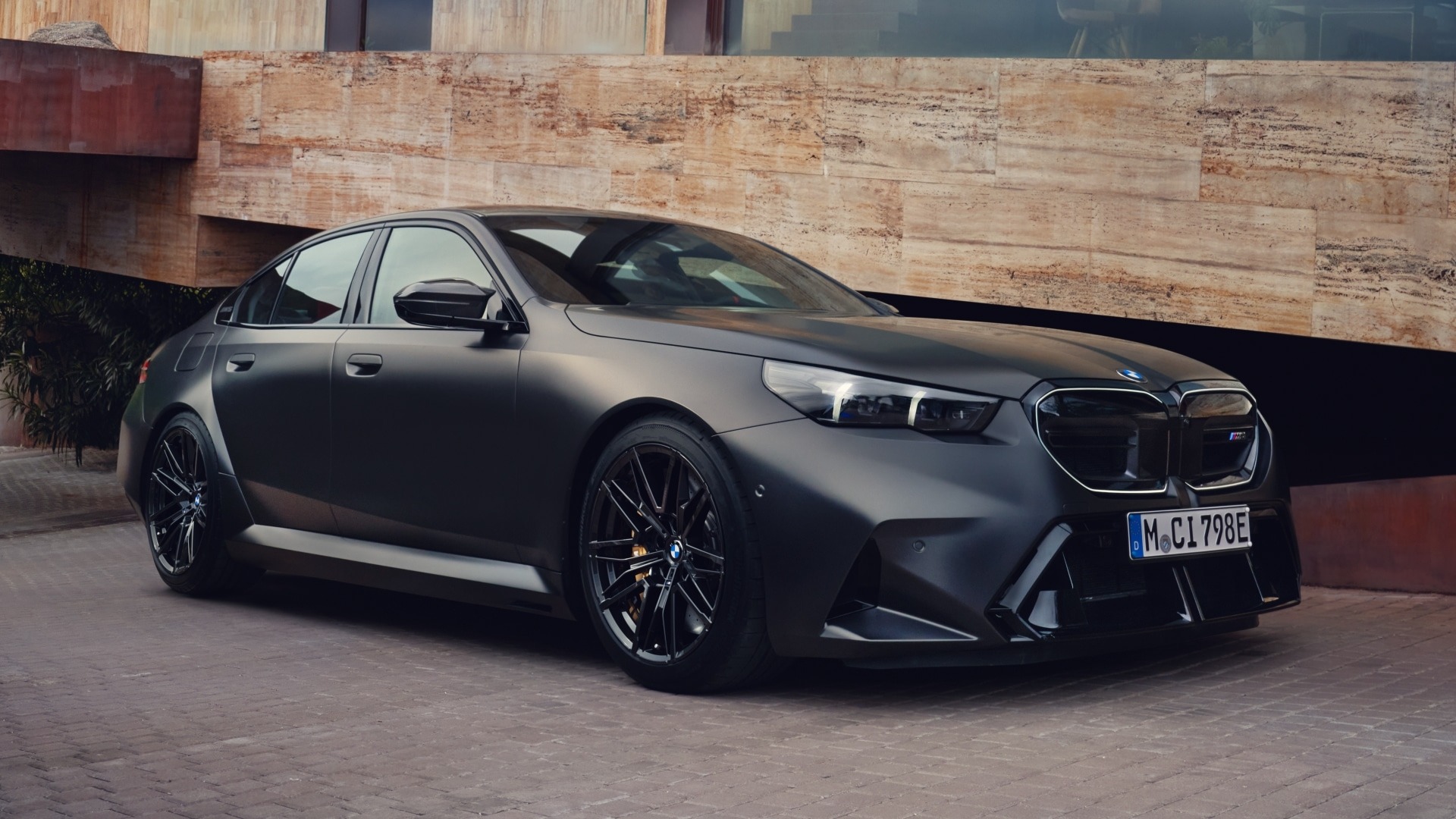
10. BMW M5 Sedan
One mpg makes a difference. The BMW M5 Sedan earns 14 mpg combined, a single mile per gallon better than the Touring wagon. That might sound tiny, and on a weekly basis it is.
Stretch it across 12,000 miles, though, and the sedan uses about 857 gallons while the wagon uses roughly 923. You’d save around 66 gallons a year, which is a couple hundred dollars at an assumed $3.50 per gallon.
Sedan buyers get the same fire-breathing character with a sleeker body. If cargo space doesn’t matter to you, the sedan’s small edge is a nice bonus. Little numbers add up, especially when you keep a car for years.
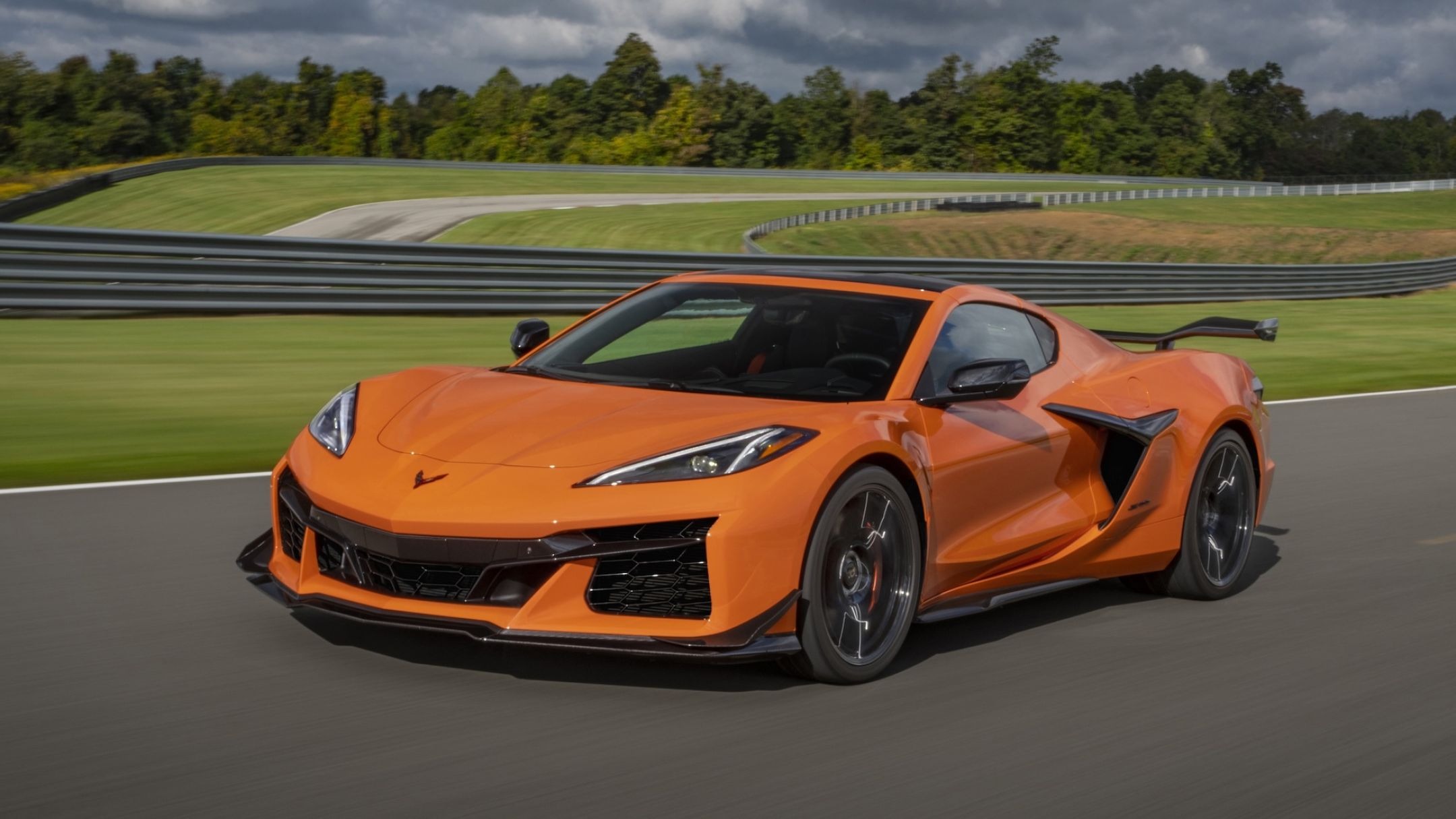
11. Chevrolet Corvette Z06 Carbon Aero
Track weekends, anyone? The Chevrolet Corvette Z06 Carbon Aero is built for speed, and its 14 mpg combined reflects that mission. Aerodynamic parts, wide tires, and a high-revving engine make the car grip and go, but they also demand fuel.
Most owners don’t buy a Z06 to commute. They buy it for the thrill of a perfect corner or a long, open road. If that’s you, treat mpg as a side note, not a deal-breaker.
Fuel costs are part of the price of fun, like tires and brake pads. Fill up with the grade your owner’s manual recommends, and enjoy the sound every time you press the pedal.
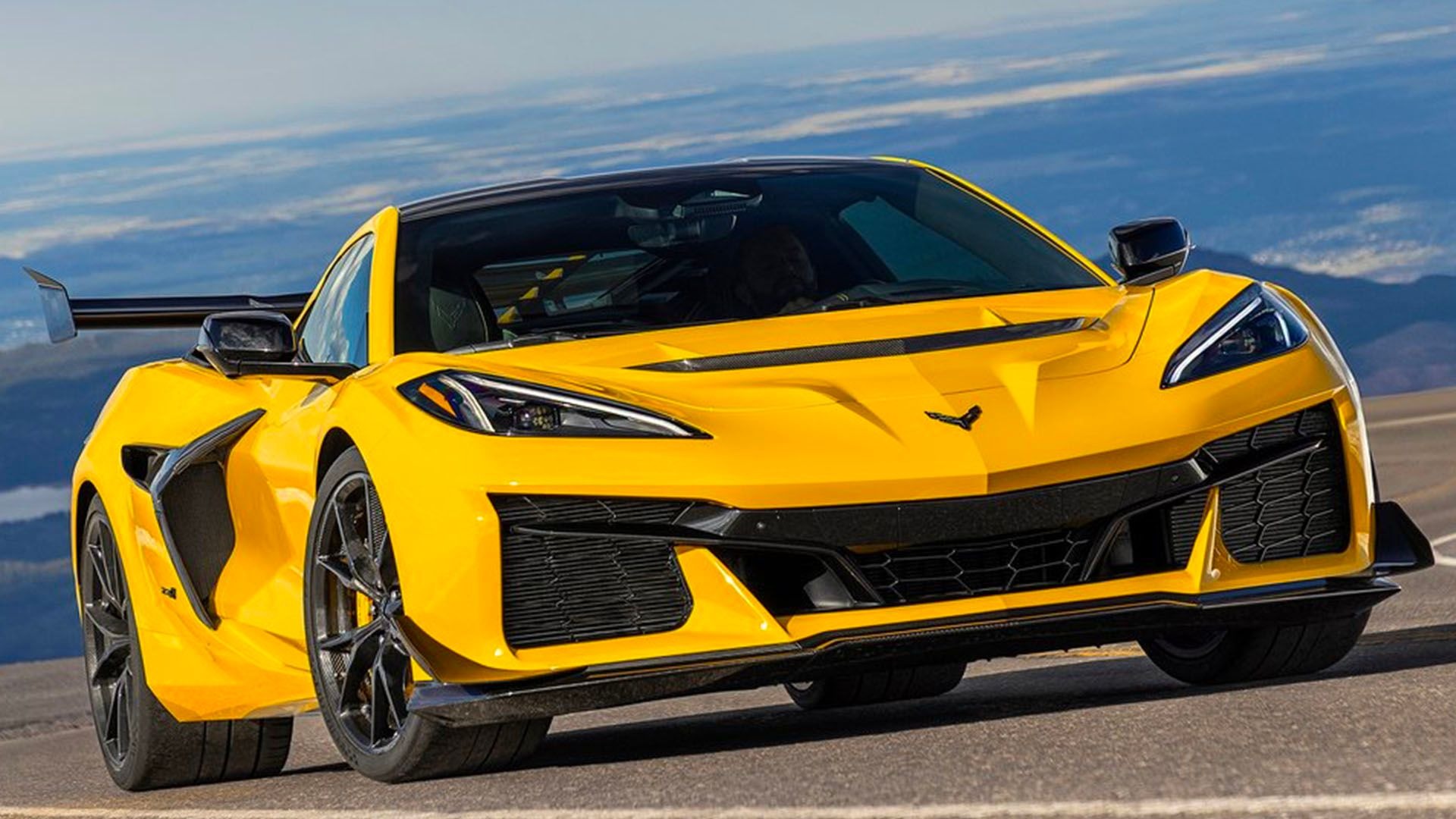
12. Chevrolet Corvette ZR1
The Chevrolet Corvette ZR1 also posts 14 mpg combined. This places the high-performance Corvette beside the Z06 Carbon Aero and the other 14-mpg models in the list.
The ZR1 is built with one clear objective, extreme performance. A vehicle engineered for high output cannot be expected to prioritize fuel efficiency in the same way as a lightweight commuter car.
For perspective, 15,000 miles at 14 mpg equals roughly 1,071 gallons. The real figure can vary because EPA testing is performed under standardized conditions rather than every possible driving situation.
That distinction matters with a car such as the ZR1. Drivers attracted to its capabilities may use the accelerator more aggressively than the average commuter, potentially increasing fuel consumption.
The 14-mpg figure therefore provides a baseline for comparison rather than a guarantee. It tells prospective buyers where the ZR1 sits among these 2027 models.
For someone seeking maximum performance from a Corvette, the fuel rating may be an accepted cost of getting that level of power.
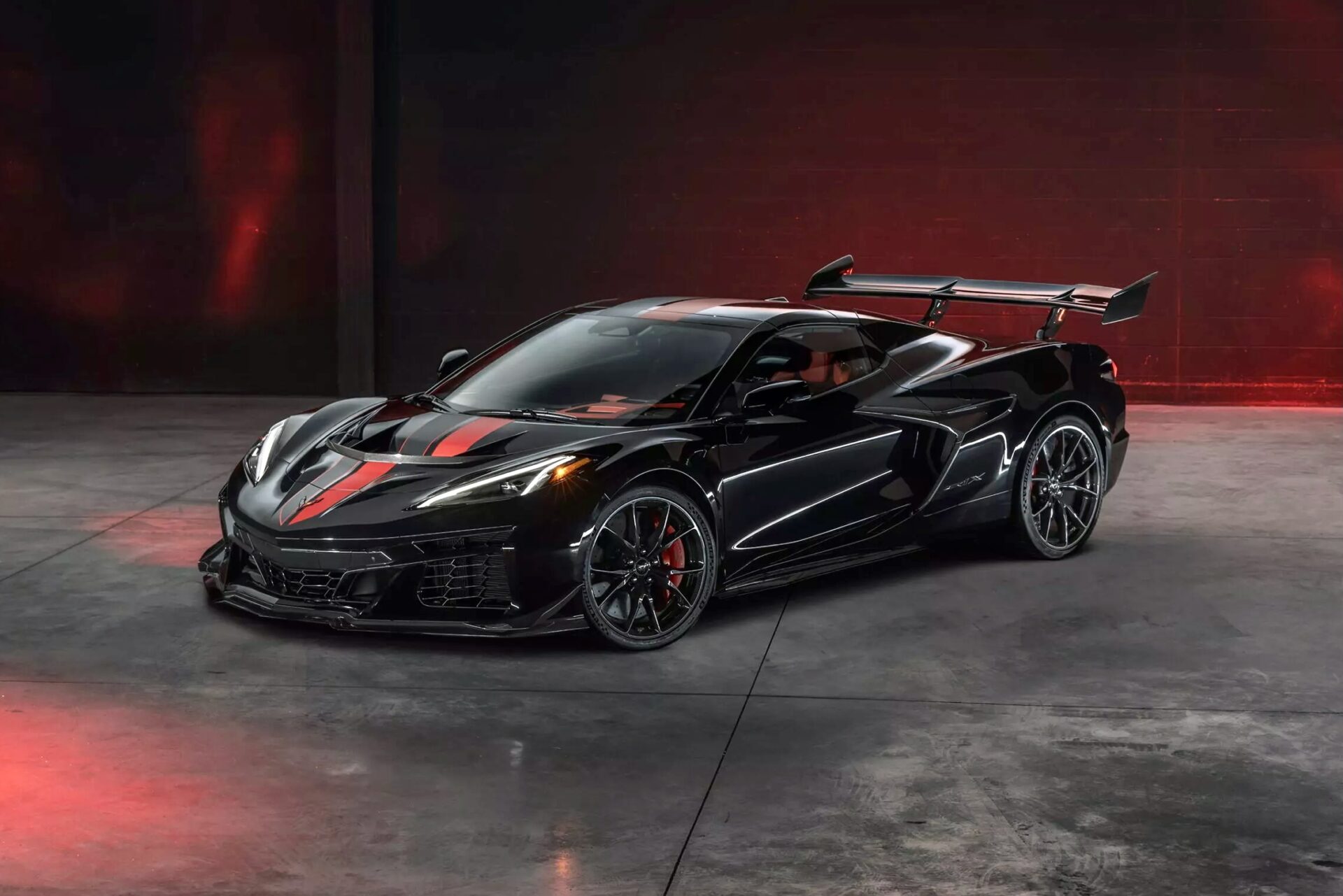
13. Chevrolet Corvette ZR1X Hybrid
The Chevrolet Corvette ZR1X Hybrid posts 14 mpg combined, matching the ZR1 and Z06 Carbon Aero in the supplied data. The hybrid name might make some shoppers expect a much higher fuel-economy result, but this is a performance-focused vehicle rather than a traditional economy hybrid.
Its engineering goal is to combine advanced electrification with very high performance. Hybrid technology can serve purposes beyond saving fuel, including supporting acceleration and delivering additional power.
That helps explain why the 14-mpg rating remains within this group. At 15,000 miles, the EPA figure corresponds to about 1,071 gallons.
The lesson here is useful for anyone comparing hybrid vehicles. The word “hybrid” alone does not guarantee low fuel consumption. A hybrid powertrain can be designed around performance, efficiency, or a balance between the two.
In the ZR1X’s case, the supplied EPA figure places it firmly among high-performance vehicles with substantial fuel requirements.
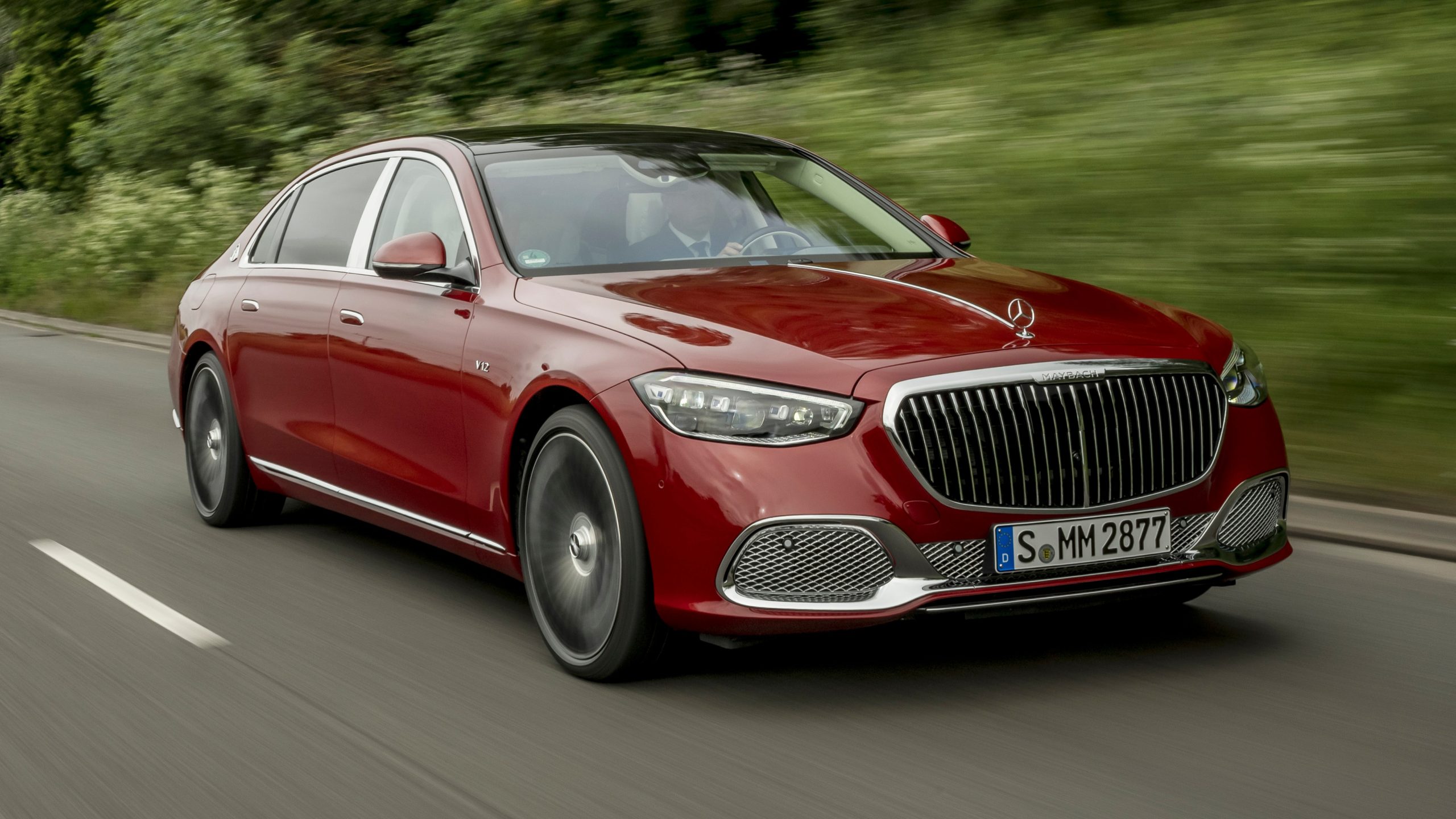
14. Mercedes-Maybach S680
The Mercedes-Maybach S680 records 14 mpg combined, placing this luxury sedan alongside several high-performance models. Its low rating reflects a very different purpose, however. The S680 is designed to deliver exceptional passenger comfort and powerful, effortless transportation.
The S680 is designed around the idea that luxury should feel effortless. Its substantial size, equipment, and powerful engine all contribute to that experience. Those same characteristics can increase fuel consumption.
At 14 mpg, a 15,000-mile driving year would work out to roughly 1,071 gallons under the EPA rating. Actual consumption depends on conditions and driving style.
For a Maybach buyer, the decision is rarely based on fuel economy alone. Interior appointments, ride quality, technology, rear-seat comfort, and prestige carry much greater weight.
The 14-mpg figure is therefore best viewed as an operating consideration rather than a judgment of the vehicle. Its position on the list shows that high fuel consumption can result from two very different formulas, extreme performance or extreme luxury.
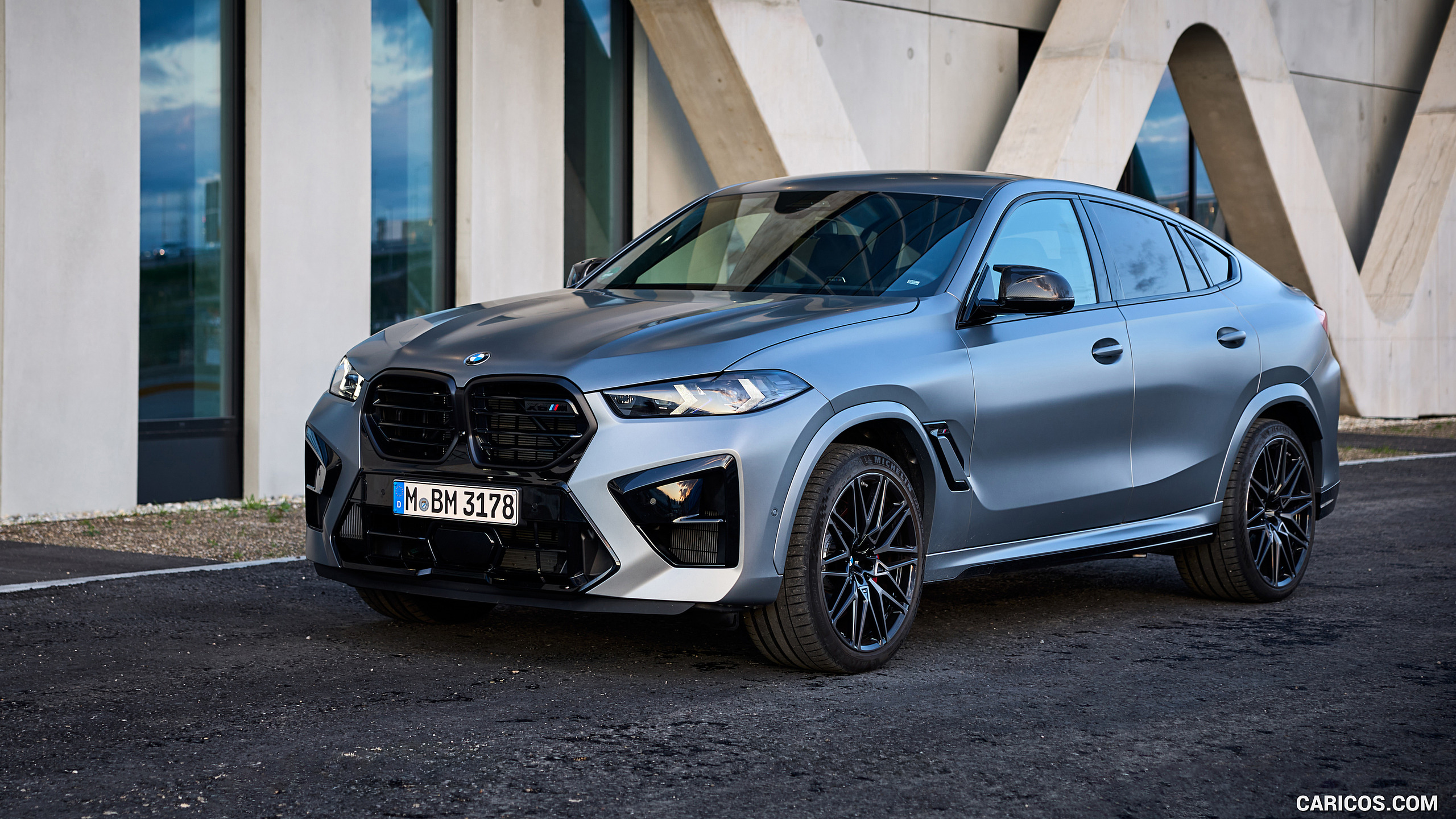
15. BMW X6 M Competition
Quick, is it an SUV or a coupe? The BMW X6 M Competition can’t decide, and that’s the charm. With 15 mpg combined, it’s slightly kinder to your wallet than several cars above it, though still firmly in thirsty territory.
Sloped roofline, big wheels, and aggressive power make it a head-turner. Practicality takes a small hit, since the roof slopes toward the back, yet the driving experience feels thrilling.
If you’re shopping for one, compare fuel costs with a standard X6. The M version brings high speed, but speed has a price at every stop. Decide how much of that speed you’ll really use, and let that answer guide your final choice.
16. Chevrolet Corvette Z06
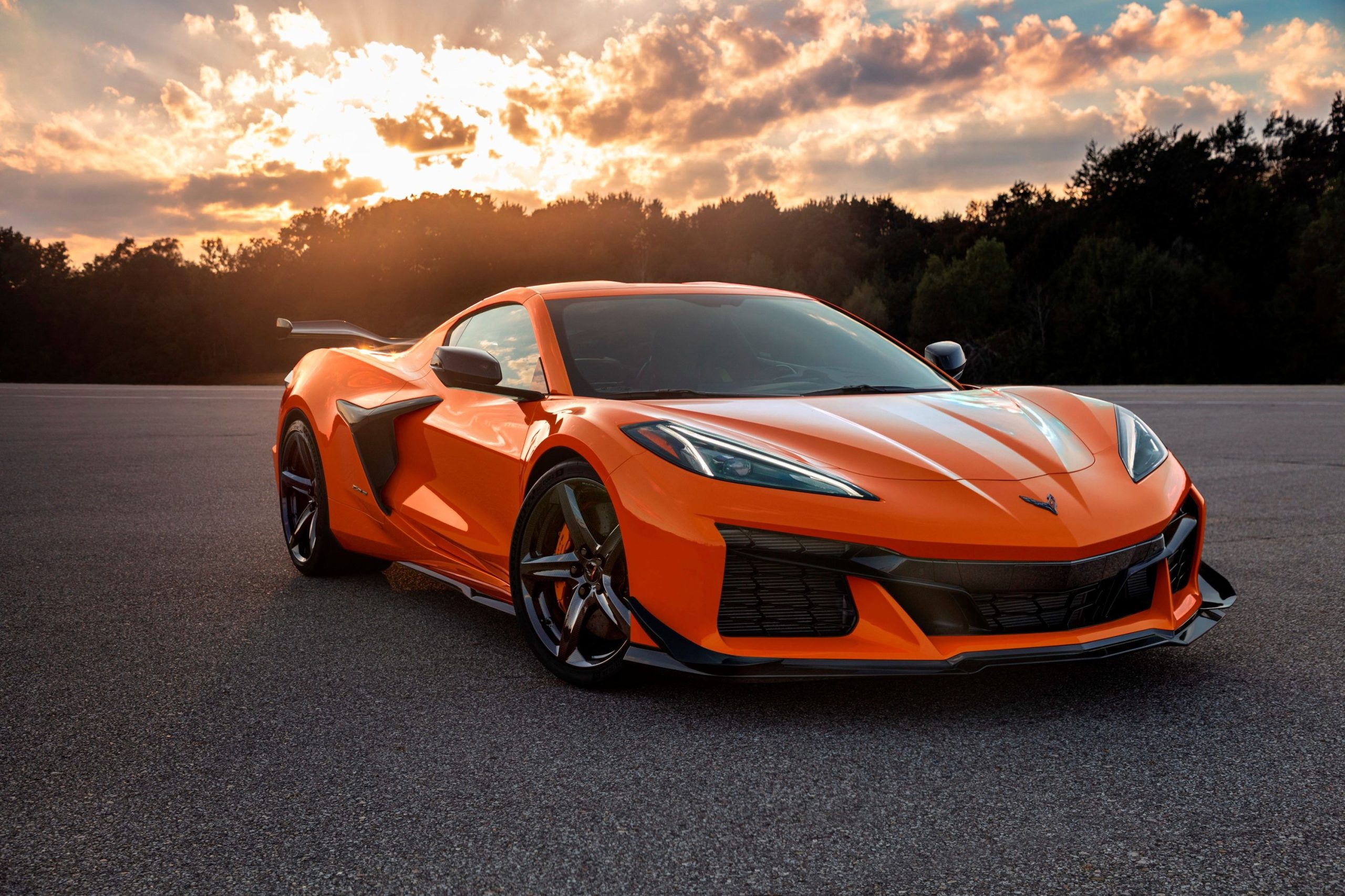
Here’s the friendliest number in the Corvette group. The standard Chevrolet Corvette Z06 earns 15 mpg combined, one better than the Carbon Aero and ZR1 versions.
Small differences in setup can nudge the number in either direction. For a car this fast, 15 mpg is still on the low side, yet it shows how trim choices matter. If you can’t decide among Corvette models, check the EPA label for each one.
A single mile per gallon adds up across years of ownership, and every bit helps when you’re feeding a high-performance engine. Think of it as a small win, hiding in plain sight, waiting for the owner who reads the fine print.
17. Mercedes-AMG G63
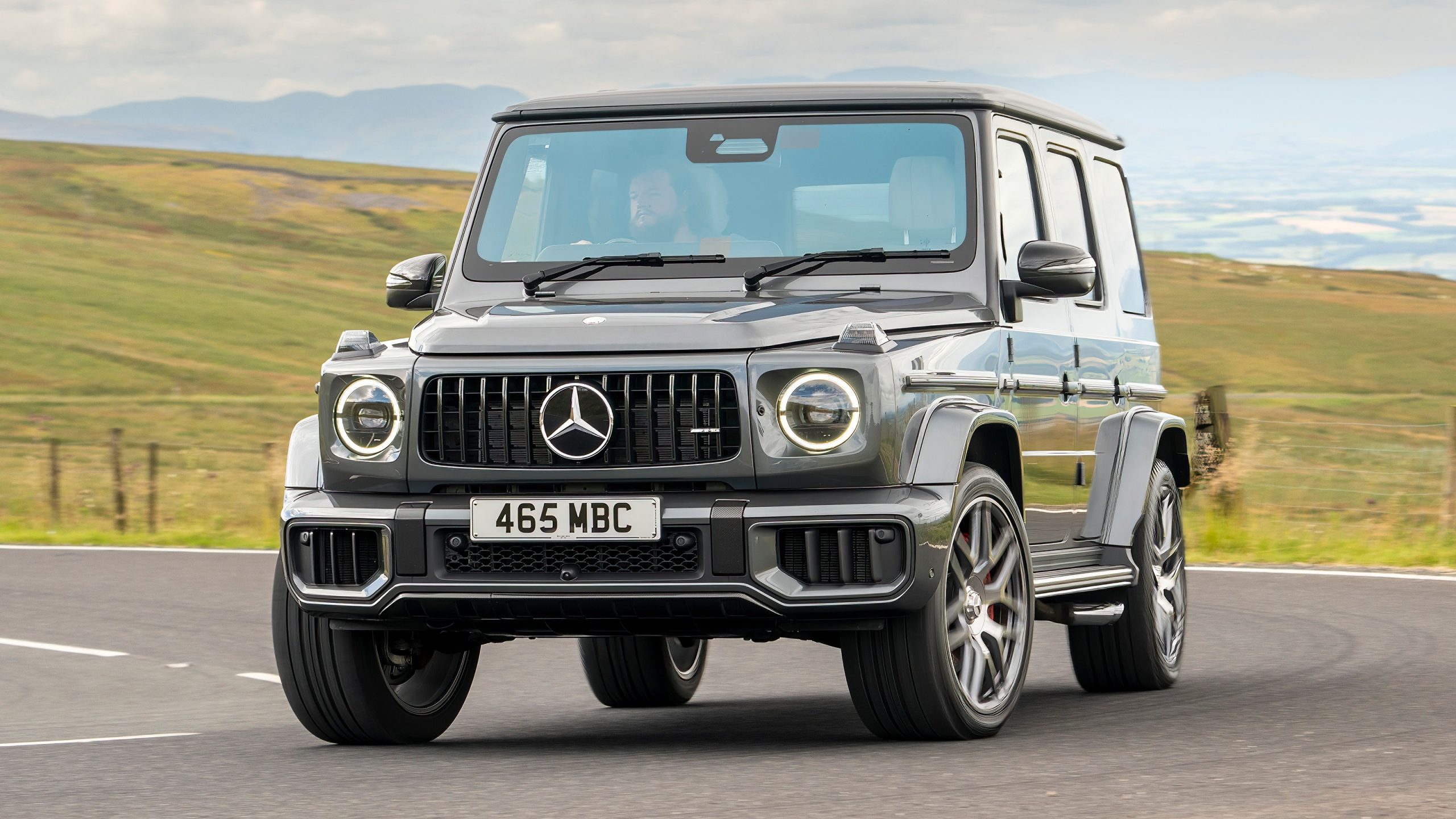
Boxy beauty. The Mercedes-AMG G63 looks like it was carved from a single block, and that shape tells part of the story. Flat surfaces and a tall body push hard against the air, which asks more of the engine.
The result is 15 mpg combined. Yet people adore this SUV for its rugged looks and tough personality. It can handle rough ground, and it makes any parking lot feel like a runway. Fuel costs are a trade-off for presence.
If you pick one, plan for frequent fill-ups, and consider keeping speeds moderate on the highway, where wind resistance bites hardest. A lighter foot saves real money in a vehicle shaped like a brick.
18. Aston Martin Vanquish
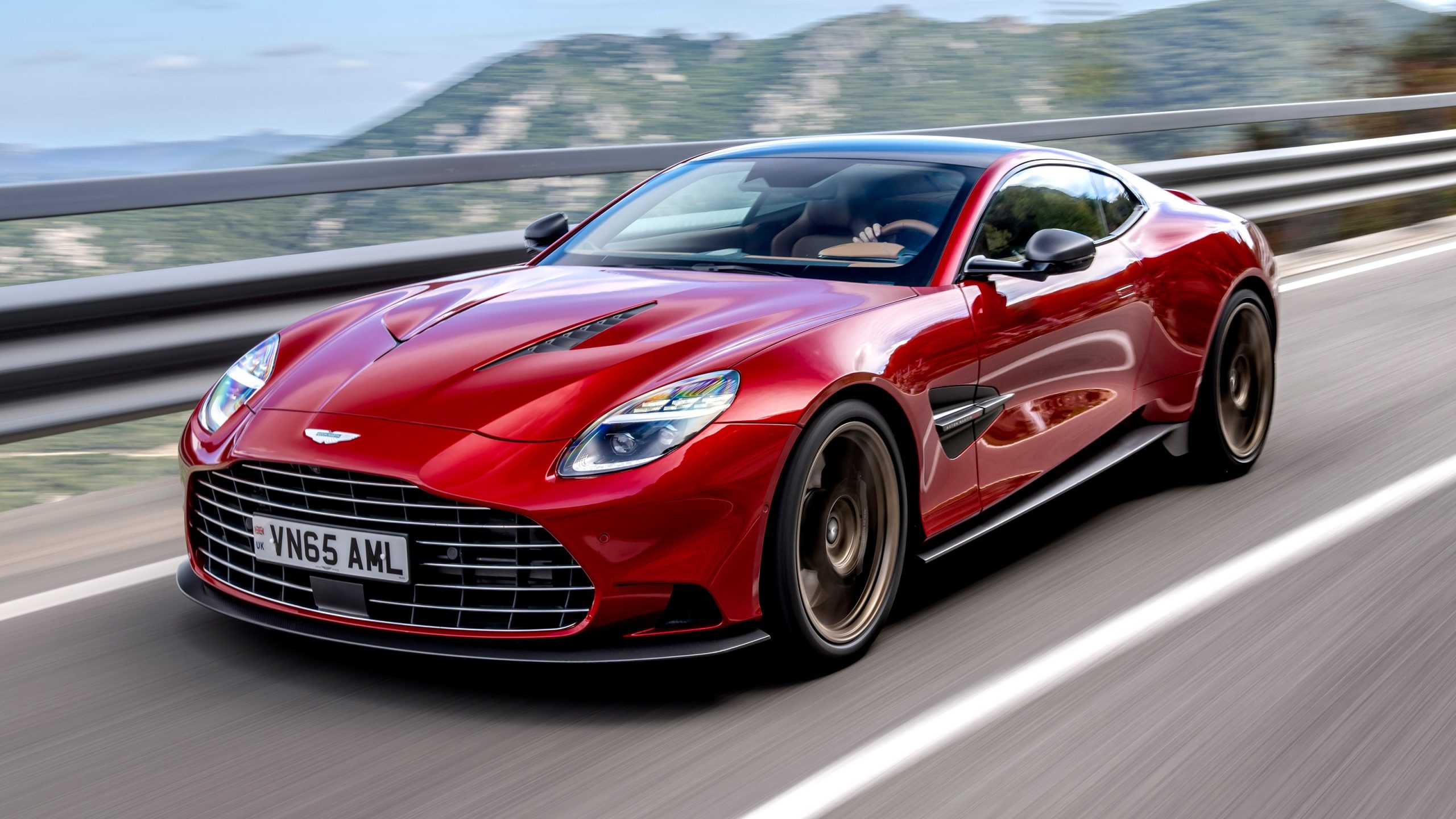
Elegance with a growl. The Aston Martin Vanquish earns 16 mpg combined, which is the best number among the bottom twenty, tied with two others. Sleek lines, refined craftsmanship, and a rumbling engine give it a character few cars match.
Is 16 mpg good? By ordinary standards, no. By supercar standards, it’s decent. Owners who use these cars for weekend drives rarely worry about the average.
Instead, they care about the sound, the look, and the way the car feels on a winding road. For them, a trip to the pump is a small price for that feeling. It’s less about arriving, and more about every mile in between.
19. Aston Martin Vanquish Volante
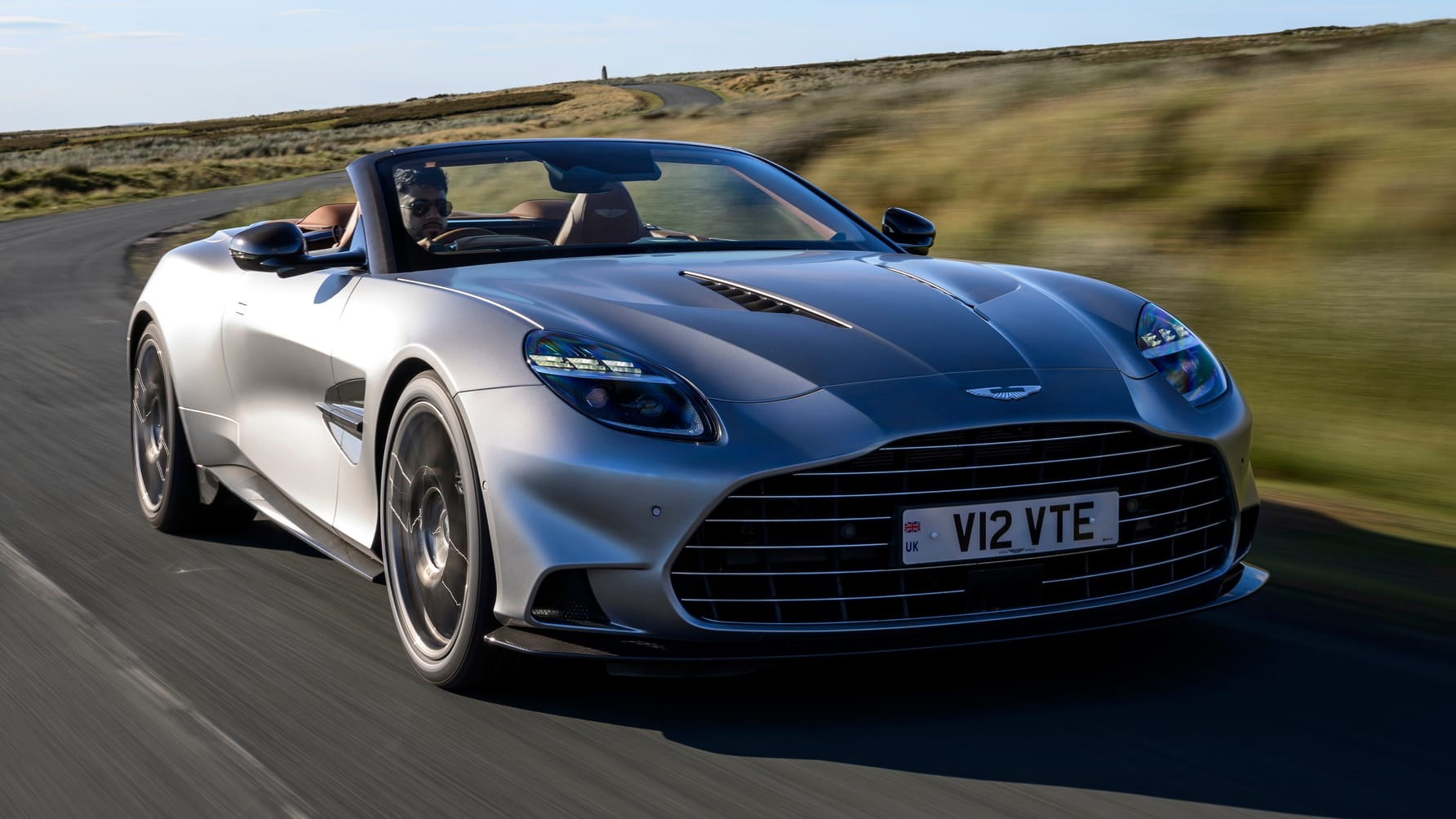
Roof down, sunshine on, 16 mpg combined. The Aston Martin Vanquish Volante is the convertible version, and it matches the coupe’s fuel economy. That’s good news for open-air lovers.
Dropping the top adds drama without hurting the number on paper. Picture a coastal highway at sunset and an engine note bouncing off the cliffs. Fuel is the last thing on your mind.
Still, convertibles often see mixed driving, with short trips and plenty of leisurely cruising, so real-world mpg can vary. Keep a steady pace, avoid long idling, and you’ll get the most from each tank. Then roll the windows up, or don’t, and enjoy the breeze.
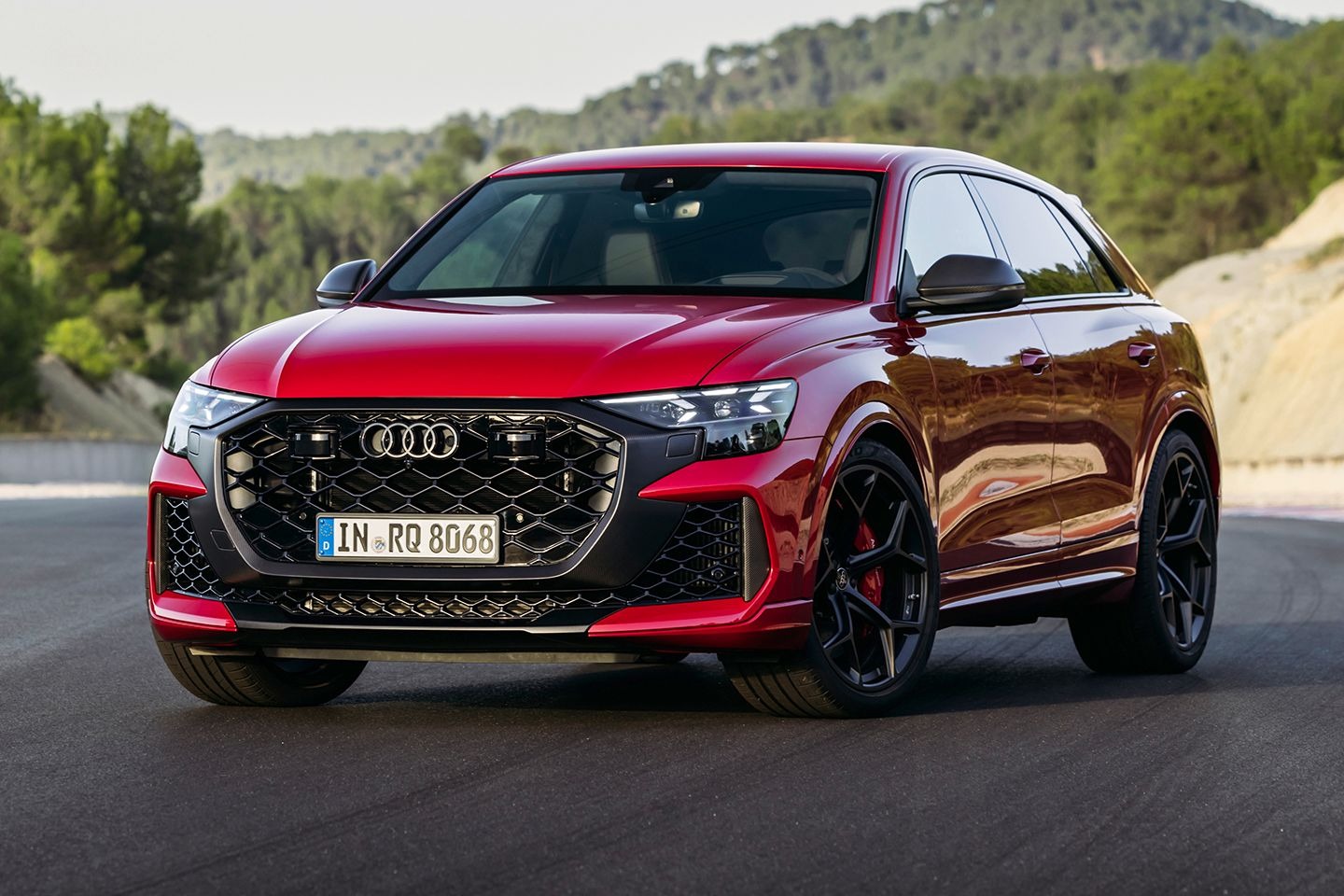
20. Audi RS Q8 Performance
Last stop, and a fitting finale. The Audi RS Q8 Performance wraps a family-sized SUV around a sports car’s ambitions, and it returns 16 mpg combined. Spacious seats, a roomy cargo area, and strong acceleration make it a daily driver with attitude.
You have now seen all 20 vehicles, ranging from 12 mpg to 16 mpg. The lesson is simple. Power, weight, and size all contribute to higher fuel consumption. If you love one of these vehicles, plan for the fuel costs, drive smoothly, and keep the tires properly inflated.
If efficiency matters most, check EPA labels before you buy. The best car is the one you can afford to enjoy, mile after mile, without flinching at the pump.
