
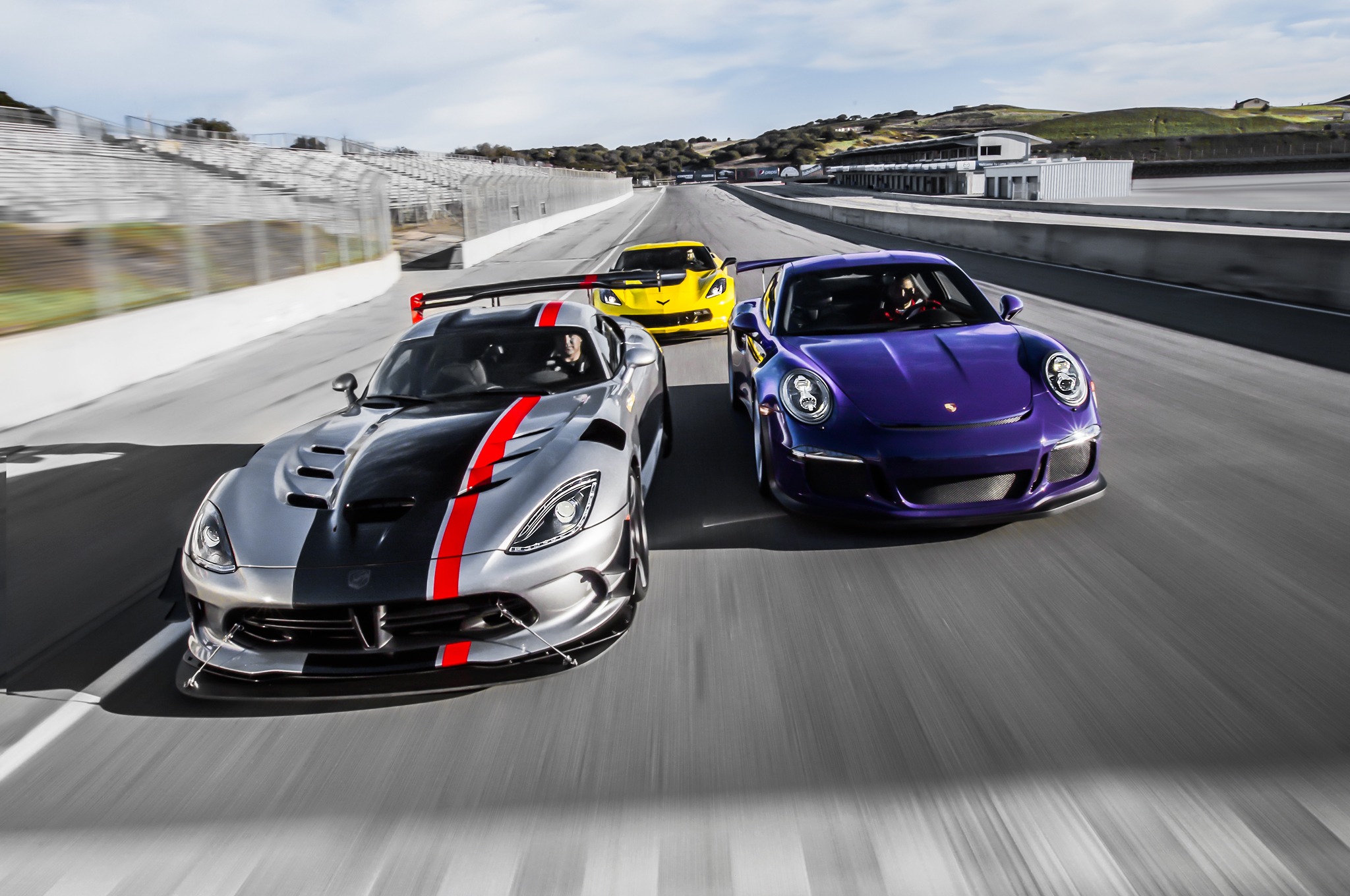
Stopping from 70 mph sounds simple until the numbers get serious. The best-performing cars in Car and Driver’s all-time braking tests can shed speed with astonishing force, with the top 14 needing only 127 to 136 feet to come to a complete stop. These results were measured with a VBOX GPS data logger during a six-stop testing routine, giving the figures a consistent basis for comparison.
The list includes track-focused Corvettes, Porsche 911 variants, exotic supercars, and a few machines built with both road use and circuit work in mind. A difference of just one foot may sound tiny, yet at high speed, every foot represents distance traveled while the car is still moving. Here is how these remarkable stopping machines rank.
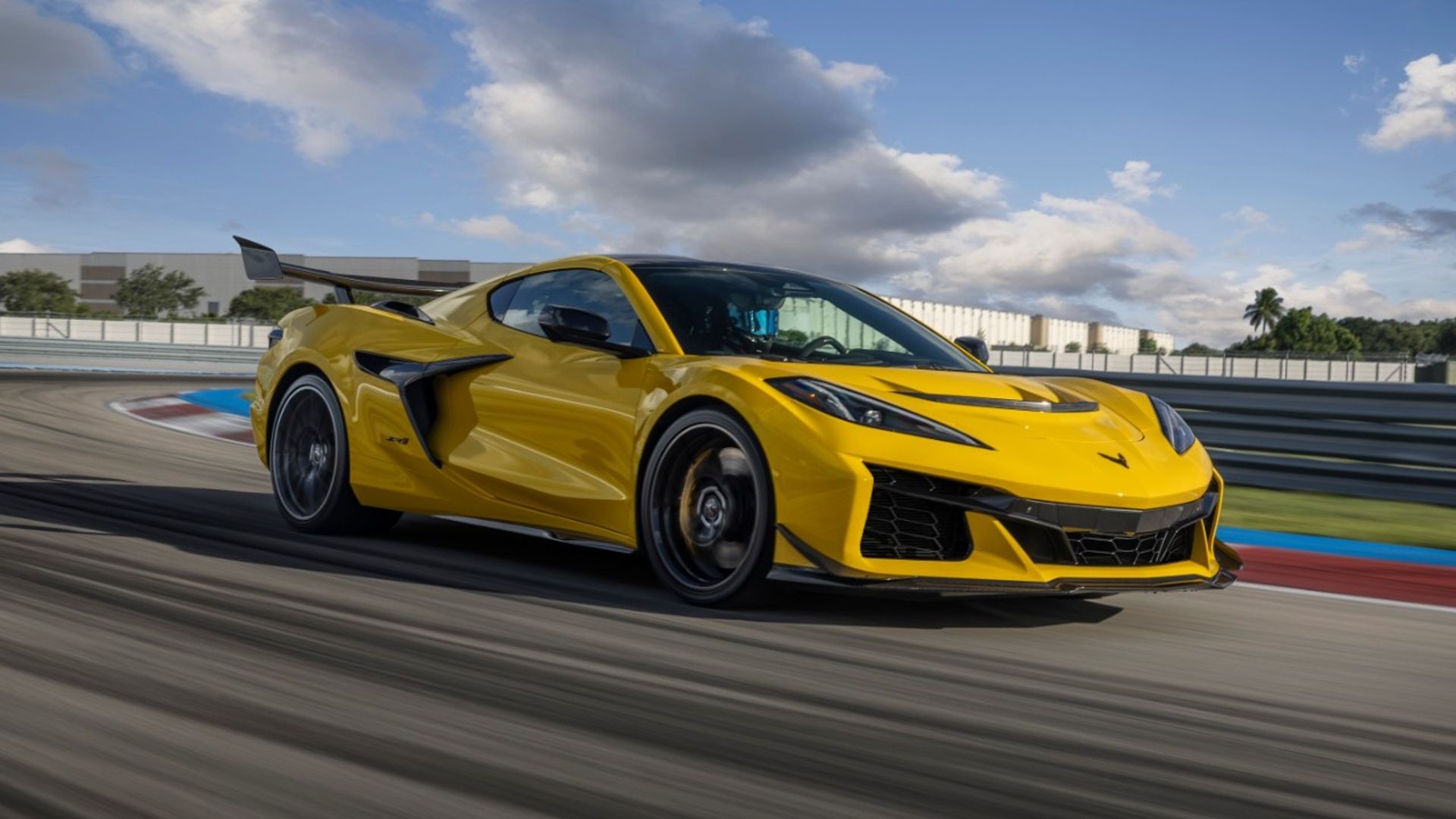
1. Chevrolet Corvette ZR1
The Chevrolet Corvette ZR1 holds the shortest braking distance in Car and Driver’s all-time testing data, stopping from 70 mph in just 127 feet. That result puts it one foot ahead of the Porsche 911 GT3 RS and Chevrolet Corvette Z06 Z07, which each recorded 128 feet.
A 127-foot stop is remarkable because the car must shed an enormous amount of kinetic energy in a very short distance. Braking performance depends on much more than horsepower.
Tire grip, brake hardware, suspension tuning, weight distribution, aerodynamics, and the road surface all influence how quickly a vehicle can stop.
The ZR1’s position reflects a highly focused performance package. Its ability to accelerate rapidly gets plenty of attention, but the stopping system is just as important when the car is driven hard.
Car and Driver’s six-stop routine also matters when reading the result. The publication used a VBOX GPS data logger to record the braking runs, creating a measured figure rather than relying on an impression from the driver’s seat.
At 127 feet, the ZR1 sets the benchmark for this group. It shows just how far modern performance-car engineering has pushed braking ability.
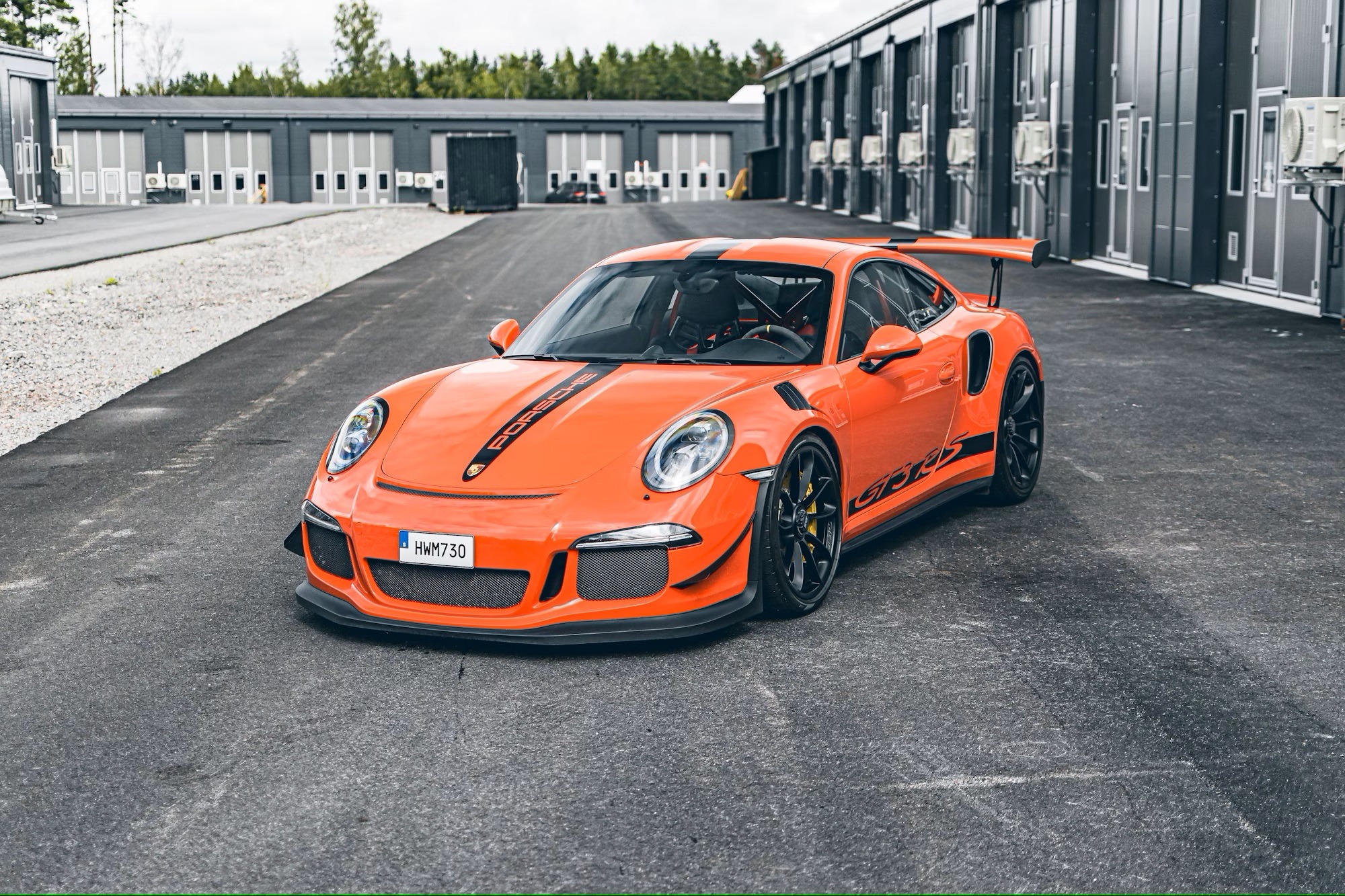
2. Porsche 911 GT3 RS
The Porsche 911 GT3 RS required 128 feet to stop from 70 mph, placing it only one foot behind the Chevrolet Corvette ZR1. That tiny difference makes this one of the closest contests near the top of the list.
The GT3 RS is built with track performance in mind, and its braking ability fits that purpose. A car capable of carrying high speeds into a corner needs a braking system that can rapidly reduce velocity while maintaining stability and control.
One useful way to understand the 128-foot figure is to compare it with ordinary driving. A vehicle traveling at 70 mph covers more than 100 feet every second. Stopping within 128 feet therefore requires the car to lose nearly all of its speed in little more than a second.
The test result also demonstrates why tire technology matters so much. Brakes create the force needed to slow the wheels, but the tires determine how much of that force can be transferred to the road.
Porsche’s GT3 RS combines aggressive aerodynamics, performance tires, suspension tuning, and powerful brakes. The result is a machine capable of producing an exceptionally short stop, earning second place in this group.
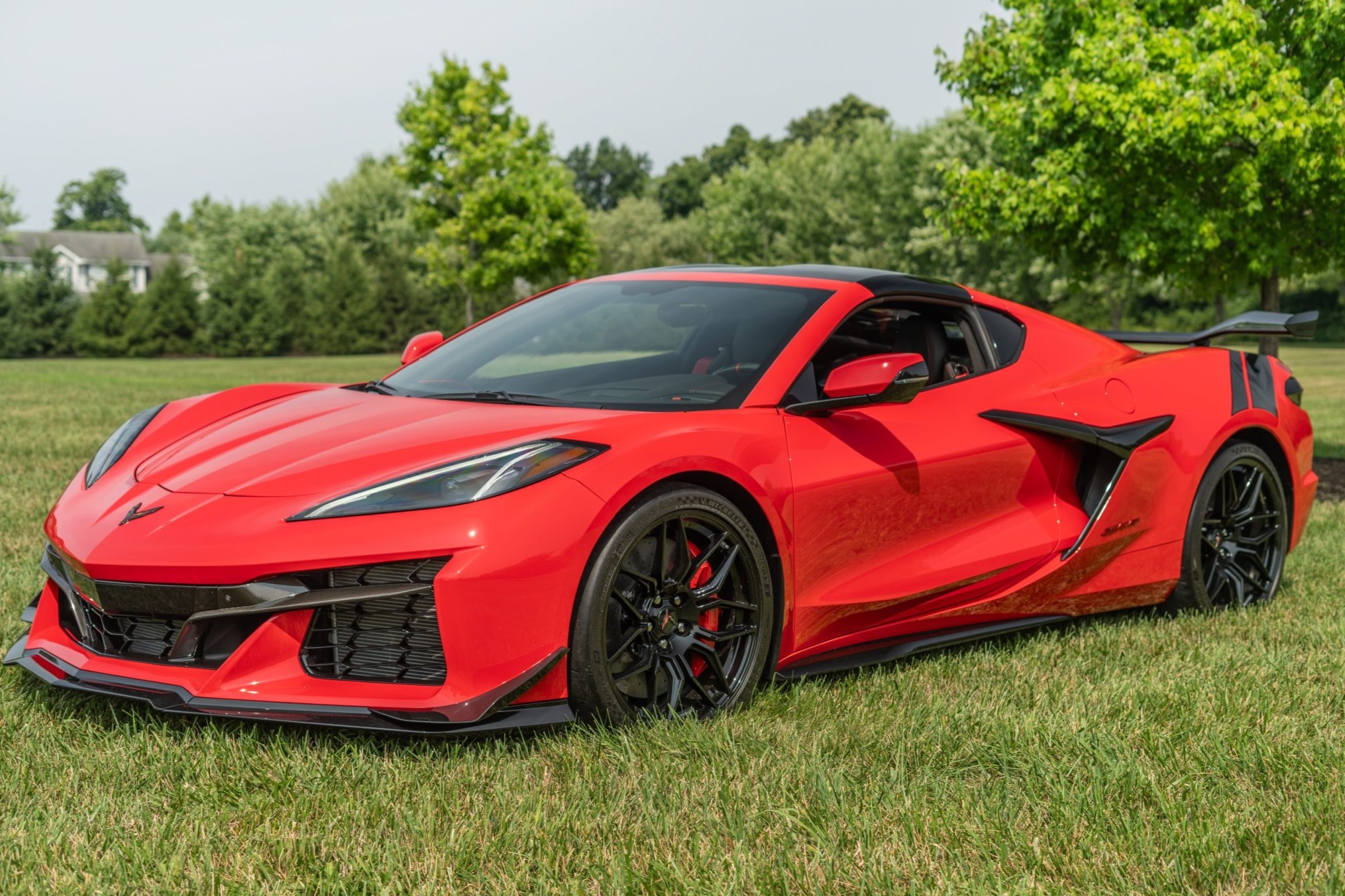
3. Chevrolet Corvette Z06 Z07
The Chevrolet Corvette Z06 Z07 matches the Porsche 911 GT3 RS with a 128-foot stop from 70 mph. That places this Corvette just one foot behind the fastest car in the supplied results.
The Z07 package is designed for serious performance, and its braking result shows what happens when a sports car receives equipment aimed at high-speed driving.
Stopping distance becomes especially important when a vehicle is capable of reaching high speeds quickly. There is also a useful lesson in the one-foot difference between first and second place.
Such a small gap should not be treated as proof that one car is dramatically better than another. Test conditions, tire temperature, pavement, weather, and small variations in a run can all affect braking results.
Car and Driver’s six-stop routine provides a structured basis for comparison, while the VBOX GPS data logger supplies the measured distance.
The 128-foot result therefore represents a controlled test figure rather than an estimate. For drivers, the Z06 Z07 demonstrates that braking performance is part of the complete performance package.
Speed gets the attention, but the ability to shed that speed quickly is just as important when approaching a corner or responding to an unexpected situation.
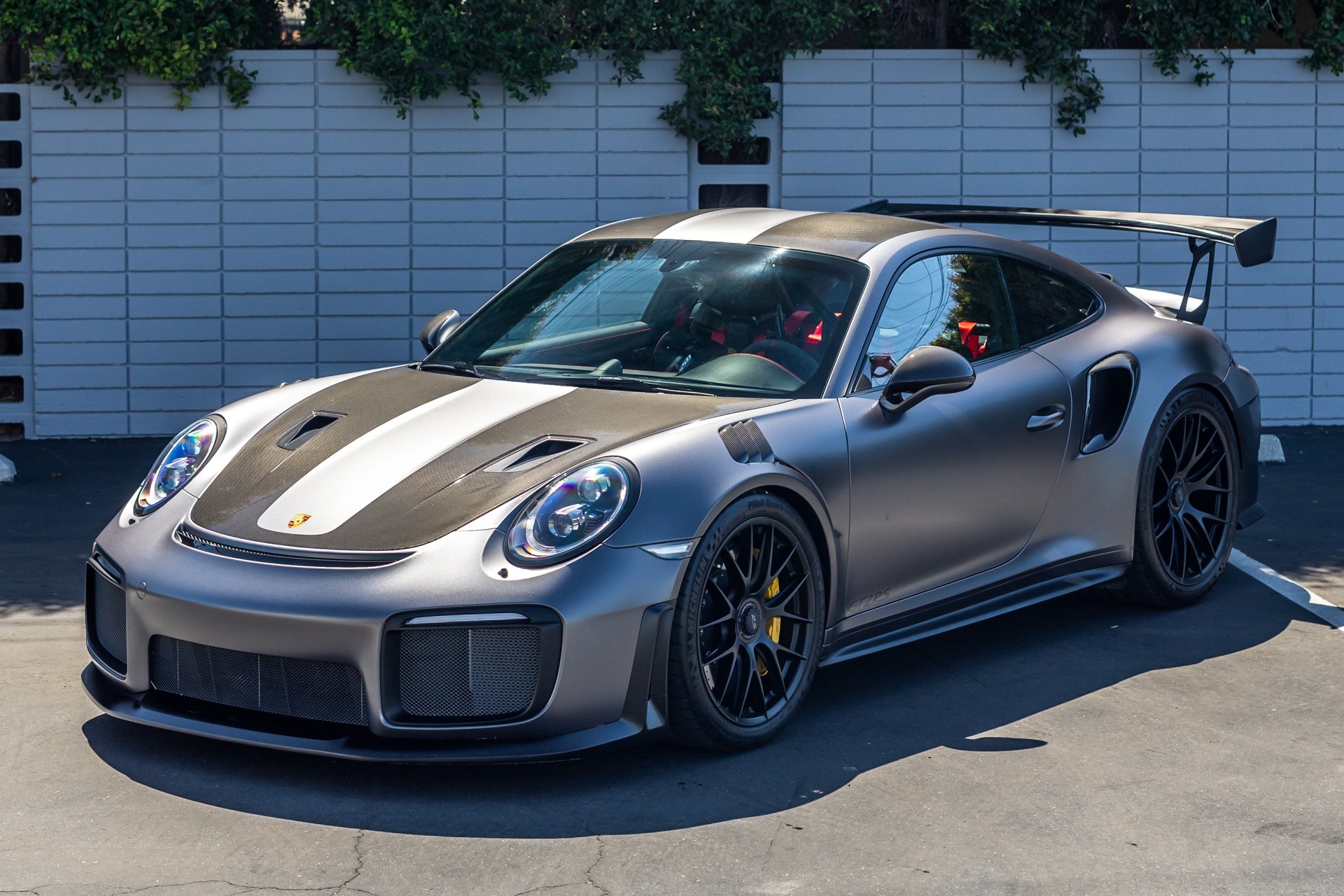
4. Porsche 911 GT2 RS Weissach
Few performance cars can match the reputation of the Porsche 911 GT2 RS Weissach. Known for its huge power and track-focused setup, this machine is built to go fast and bring all that speed back under control.
During testing, it stopped from 70 mph in 129 feet, an excellent result for a car with serious performance. Bringing a powerful car to a complete stop places heavy demands on the braking system.
As the vehicle slows, the brakes turn its motion into heat. Repeated hard stops create even more heat, so the system must remain dependable and consistent.
A firm pedal and predictable response are especially important when the car is driven aggressively. The Weissach package adds another advantage by reducing weight.
Named after Porsche’s development center, the package uses lightweight materials to make the 911 GT2 RS more responsive. Less weight also means there is less mass for the brakes to slow down.
Think about pushing two shopping carts at the same speed. An empty cart takes less effort to stop than one filled with heavy items. Cars follow the same idea. Reducing weight can help with acceleration, handling, and braking.
That 129-foot result shows how Porsche has balanced power, weight, tires, and braking hardware. The result is a car that can reach high speeds and still stop with confidence.
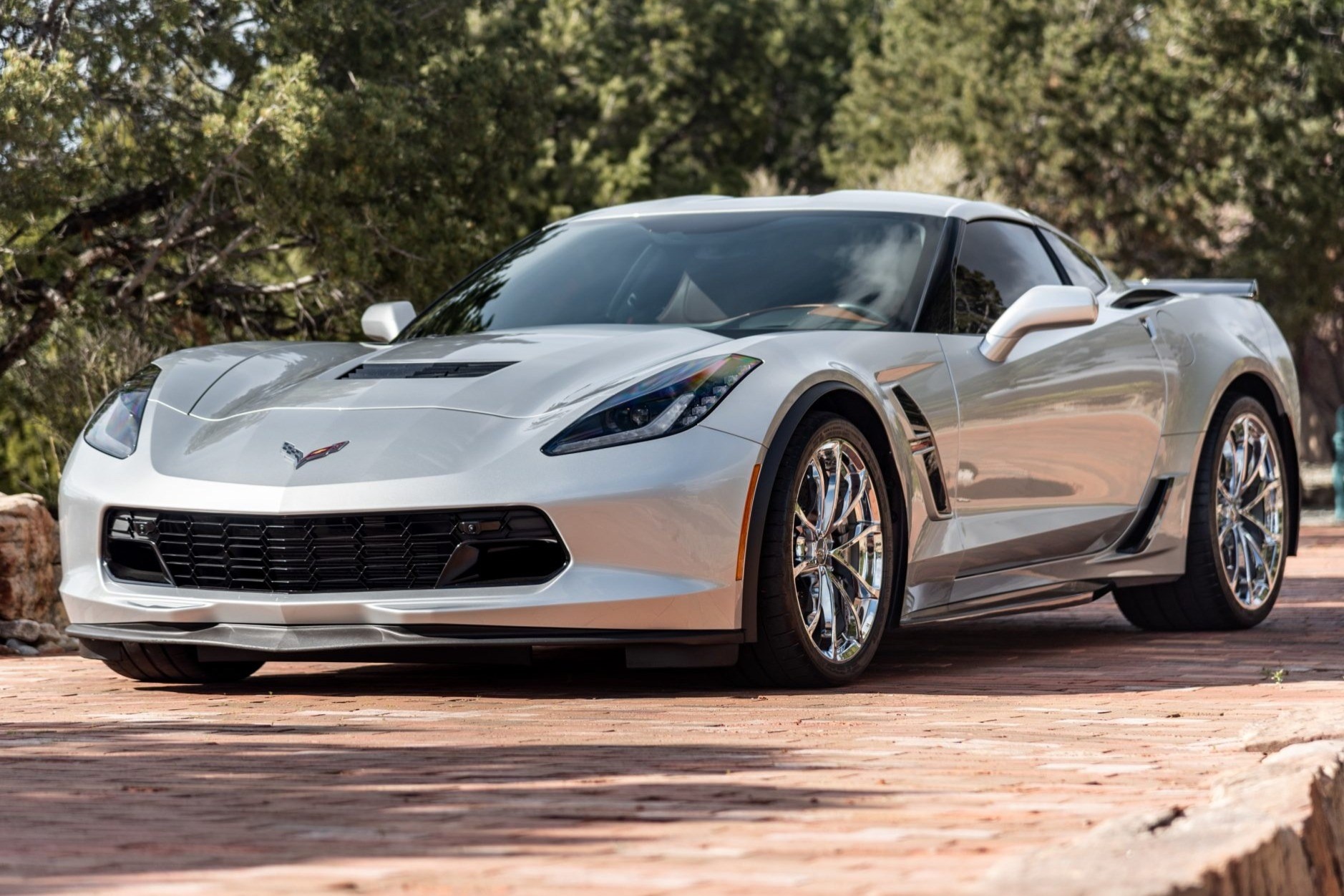
5. Chevrolet Corvette Grand Sport Z07
Price and performance do not always follow the order people expect. The Chevrolet Corvette Grand Sport Z07 proves that point by stopping from 70 mph in 129 feet, matching the Porsche 911 GT2 RS Weissach.
The result is especially interesting because the Grand Sport sits below the more powerful Z06 and ZR1 models in the Corvette range. A difference of just two feet may look important on a test sheet, but it is small in practical driving.
At 70 mph, those two feet pass very quickly. Most drivers would never notice such a difference during normal road use. What matters more is how stable the car feels, how smoothly the brakes respond, and whether the vehicle remains controlled during a sudden stop.
Much of the Grand Sport’s braking ability comes from the Z07 package. It provides performance equipment, including powerful brakes and high-grip tires.
Those components directly affect how quickly a car can stop. Having a larger engine or more horsepower does not automatically make a vehicle better at braking.
For anyone shopping for a car, this is useful information. Horsepower may grab attention, but tires and brakes deserve just as much consideration.
A vehicle with excellent grip and dependable brakes can be more enjoyable and reassuring during everyday driving than a powerful car fitted with ordinary tires.
The Grand Sport shows that thoughtful engineering can produce excellent braking without relying on the biggest engine in the lineup. That makes the car a reminder that stopping performance depends on the complete package, not engine output alone.
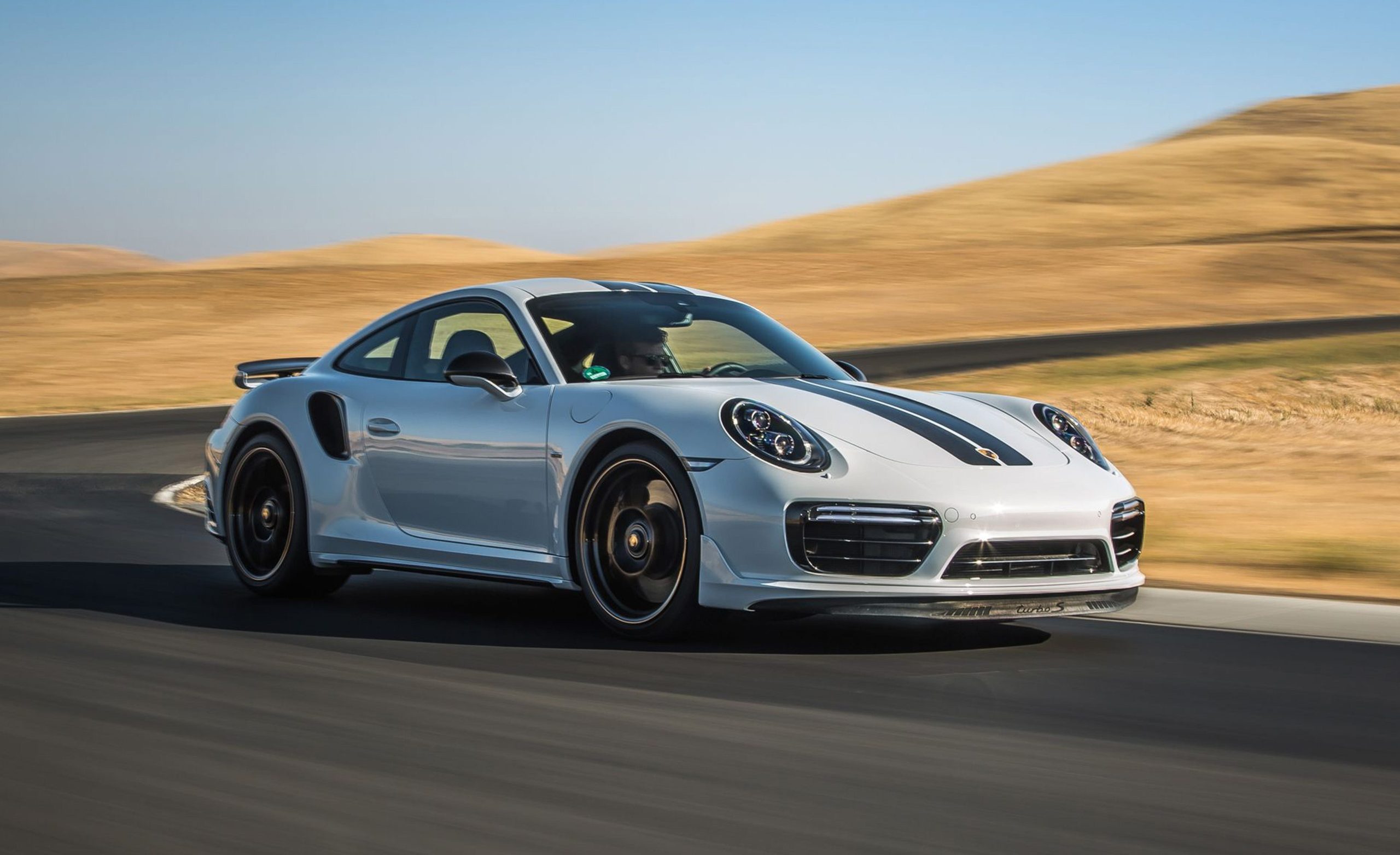
6. Porsche 911 Turbo S
Stopping from 70 mph in just 133 feet puts the Porsche 911 Turbo S firmly among the best-performing cars in this group. It used four more feet than the cars ranked above it, but that small difference does little to take away from its impressive braking ability.
The Turbo S is also an interesting case because it was not built simply as a track-only machine. Porsche designed it to deliver huge performance while remaining comfortable enough for regular road use.
You could use this car for your morning commute, take it on a long weekend trip, and still have plenty of performance waiting whenever you need it.
That mix of comfort and speed means Porsche has to make careful choices with the suspension and tires. Maximum grip is important, but so are ride comfort, tire durability, and everyday driving manners.
The braking test gives us a good example of those choices. A few extra feet can come from using tires that favor comfort and longer service life instead of extremely soft compounds designed mainly for the racetrack.
There is nothing wrong with that approach. In fact, it makes sense for a car expected to handle a wide range of driving situations. For everyday drivers, the lesson is simple. Give yourself enough space, especially when driving on wet roads.
Good tires, proper maintenance, and sensible following distances can make a major difference when sudden braking becomes necessary.
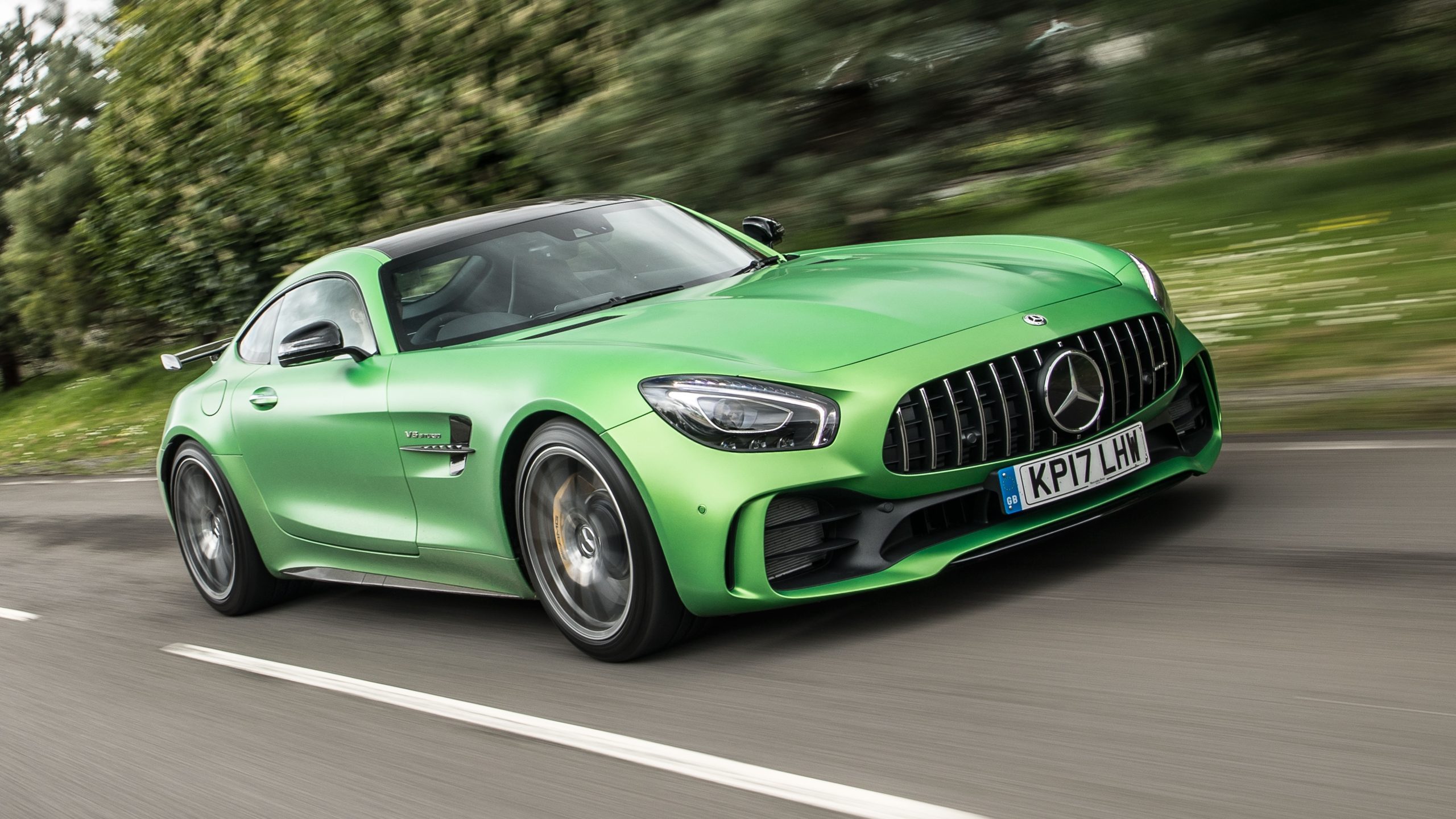
7. Mercedes-AMG GT-R
Few cars look as ready for serious performance as the Mercedes-AMG GT-R. With its long hood, powerful engine, wide stance, and aggressive styling, this coupe makes its purpose clear before the engine even starts.
During testing, it stopped from 70 mph in 133 feet, matching the Porsche 911 Turbo S despite using a very different mechanical layout. One reason the GT-R is interesting is its front-mounted engine.
Heavy braking naturally sends more weight toward the front of the vehicle. That puts greater pressure on the front tires while reducing the load on the rear tires.
If the suspension and braking system are not properly tuned, the car can feel unsettled when the driver applies the brakes hard. Mercedes-AMG had to account for that behavior when developing the GT-R.
The suspension, brakes, tires, and weight distribution all have to work together to keep the coupe stable during aggressive stops. When everything is properly tuned, the driver can brake hard without feeling as though the car wants to wander.
The matching 133-foot result also proves that different engineering approaches can produce similar results. The Turbo S and GT-R use different engine placements, yet both deliver excellent braking performance.
That is useful information when choosing a performance car. Instead of focusing only on engine layout, pay attention to how the entire vehicle works together. A controlled brake pedal and a car that stays straight during hard braking are good signs.
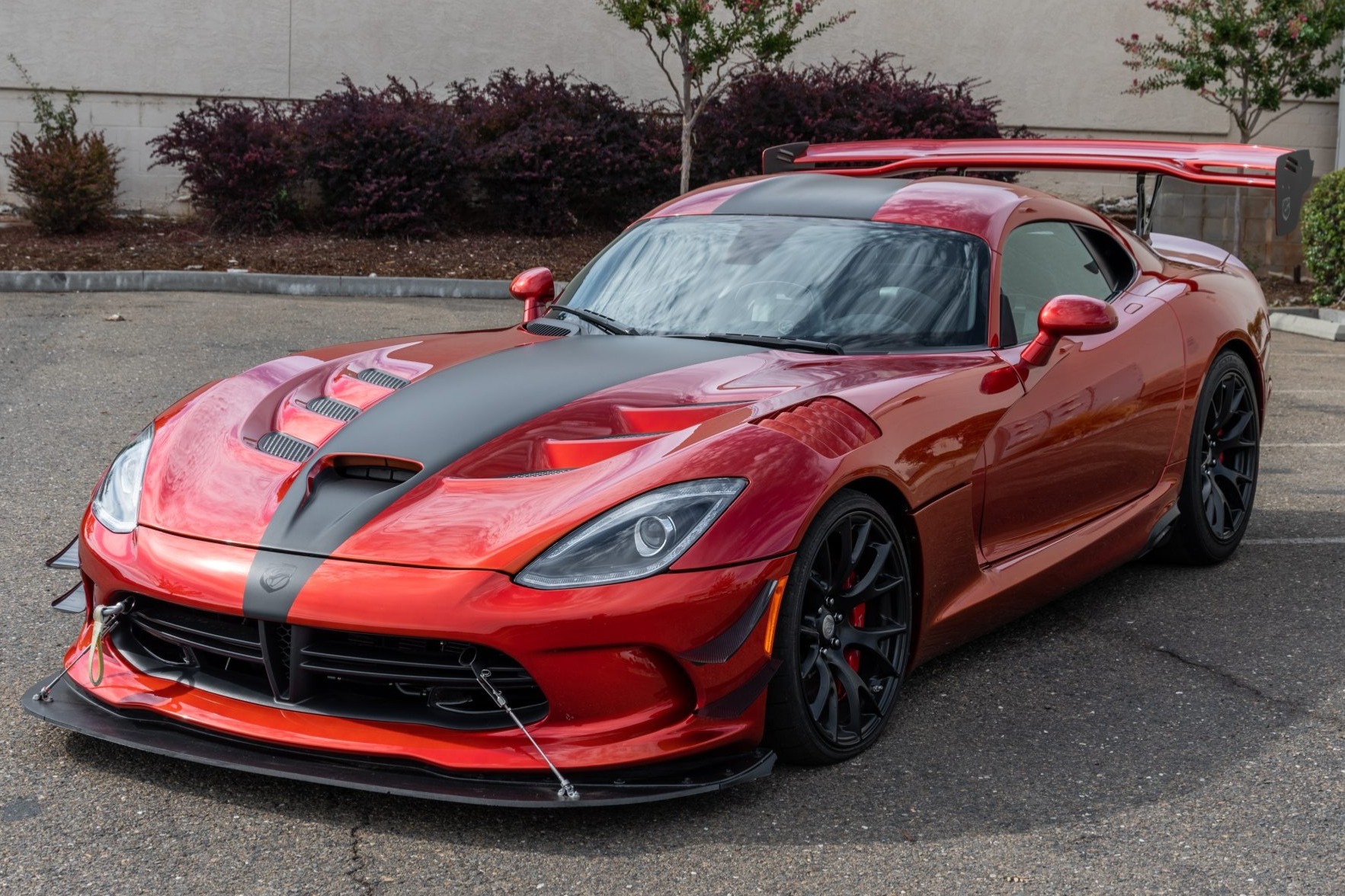
8. Dodge Viper ACR
The Dodge Viper ACR has the kind of personality that is difficult to forget. Its massive V10 engine, low body, aggressive styling, and raw driving character made it one of America’s most recognizable performance cars.
Despite its old-school reputation, the Viper ACR could stop with the best of them. From 70 mph, it needed only 134 feet to come to a complete stop.
The ACR badge stands for American Club Racer, and that name tells you plenty about the car’s purpose. This version was built with track driving in mind, so it received equipment designed to improve performance during hard driving.
Its aerodynamic bodywork, firm suspension, and high-grip tires all played a part in helping the car stay composed when pushed. Aerodynamics are especially interesting here.
A large rear wing and front splitter can create downforce, which pushes the car toward the pavement as speed increases. That extra pressure can help the tires maintain grip during braking and cornering.
At 70 mph, the benefit is not huge, but it is still part of the Viper ACR’s performance package. The car also proves that impressive braking does not require the newest technology available.
Well-developed brakes, good tires, effective aerodynamics, and careful chassis tuning can produce excellent results even in an older performance car.
Seeing a Viper ACR at a car show is worth taking seriously. It represents a period when American performance cars could deliver enormous power while also paying close attention to stopping performance.
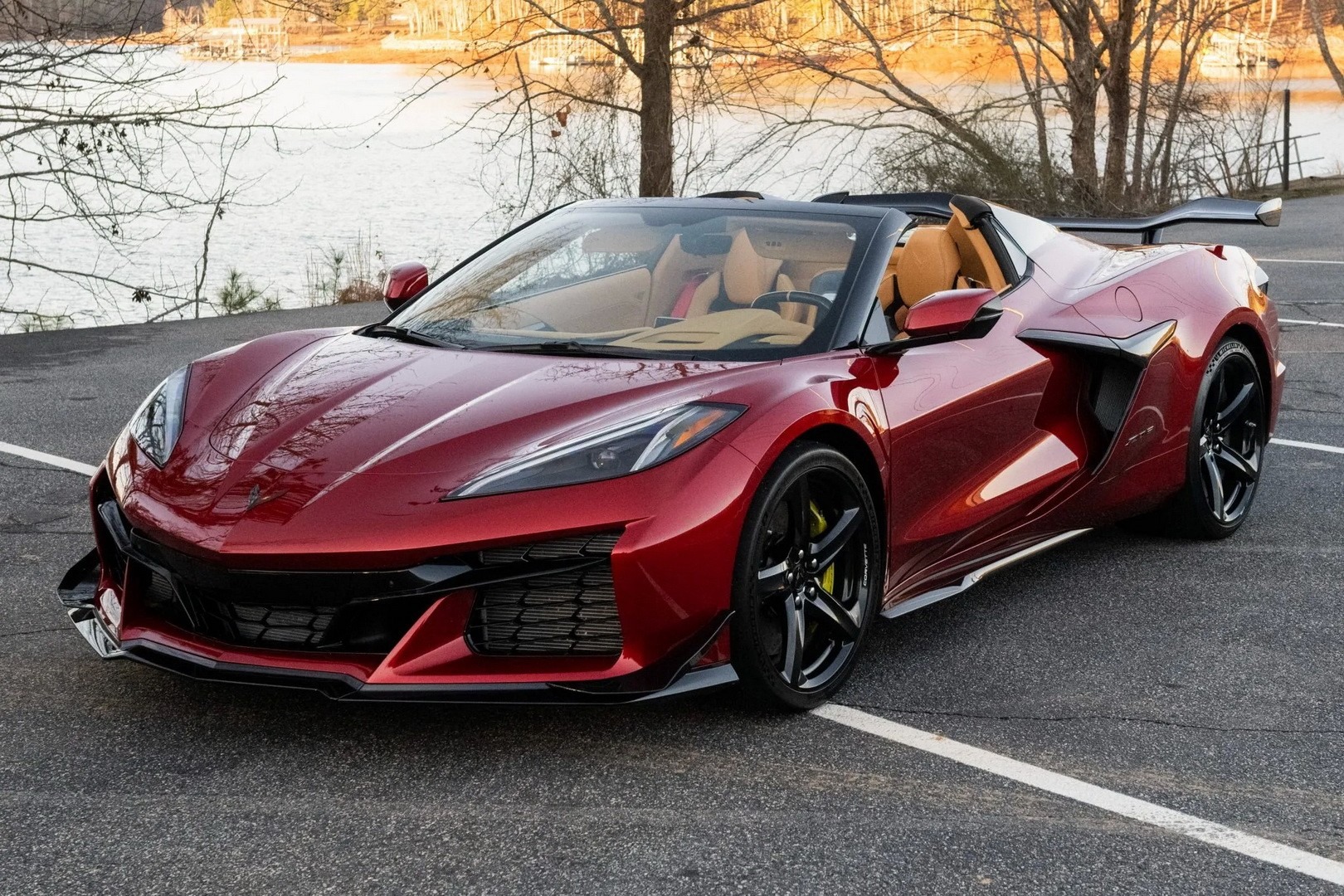
9. Chevrolet Corvette Z06 Convertible
The Chevrolet Corvette Z06 Convertible recorded 134 feet, matching the Dodge Viper ACR. A convertible reaching the same braking distance as a highly focused coupe-based performance car makes the result particularly interesting.
Removing a fixed roof can require additional structural reinforcement, which can affect vehicle weight. Yet the Z06 Convertible still produced a very short stop in Car and Driver’s testing.
The figure reflects the importance of the complete vehicle package. Strong brakes alone cannot guarantee an elite result. The tires, chassis, suspension, brake distribution, and pavement interaction all contribute.
At 134 feet, the Corvette sits seven feet behind the all-time leader in this group. That may sound like a meaningful gap, but the difference is small when viewed against the forces involved in stopping a car from 70 mph.
The convertible also demonstrates that open-air performance does not necessarily require giving up serious braking ability. Drivers can enjoy the flexibility of a retractable roof while still having access to a machine capable of extraordinary deceleration.
Car and Driver’s measured result gives the Z06 Convertible a place among the most capable braking cars in the publication’s historical testing records.
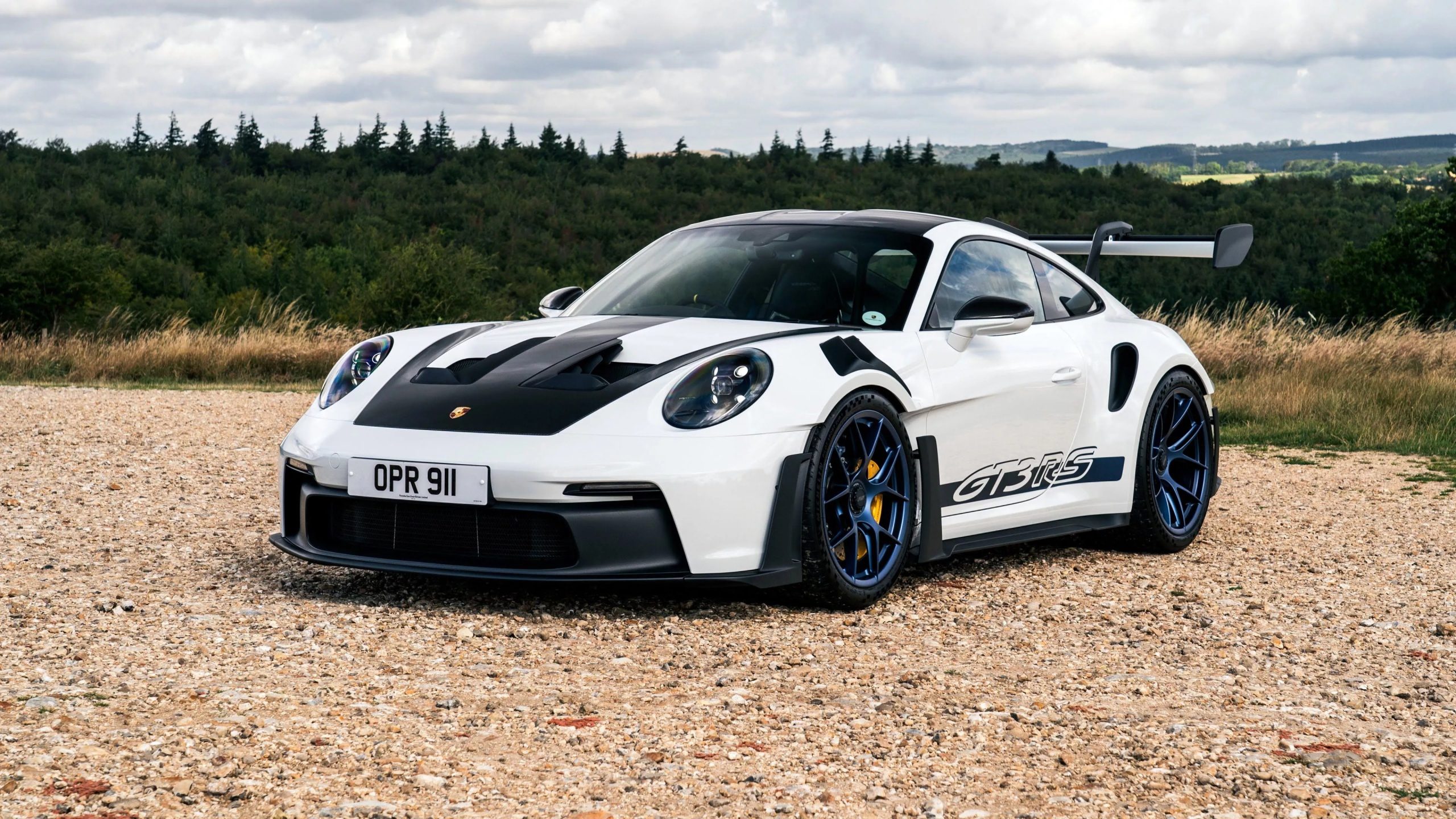
10. Porsche 911 GT3
The Porsche 911 GT3 stopped from 70 mph in 135 feet. That puts it one foot behind the Viper ACR and Corvette Z06 Convertible, while leaving it eight feet behind the Chevrolet Corvette ZR1.
The GT3 has long been associated with precise handling and track-ready engineering, so strong braking performance is an expected part of the package. A car designed to attack corners needs to reduce speed quickly and consistently before turning.
The 135-foot result also shows that a car does not need to occupy the top few spots to have extraordinary braking ability. The difference between 127 feet and 135 feet is only eight feet, yet both figures represent extremely short stops from a speed of 70 mph.
The braking system’s ability to remain consistent matters just as much as its peak force during repeated use. Car and Driver’s six-stop routine gives the test a repeated structure, rather than basing the result on a single isolated stop.
For the GT3, the outcome reinforces its reputation as a performance-focused road car with the hardware needed for demanding driving. Its 135-foot result places it firmly within this elite group.
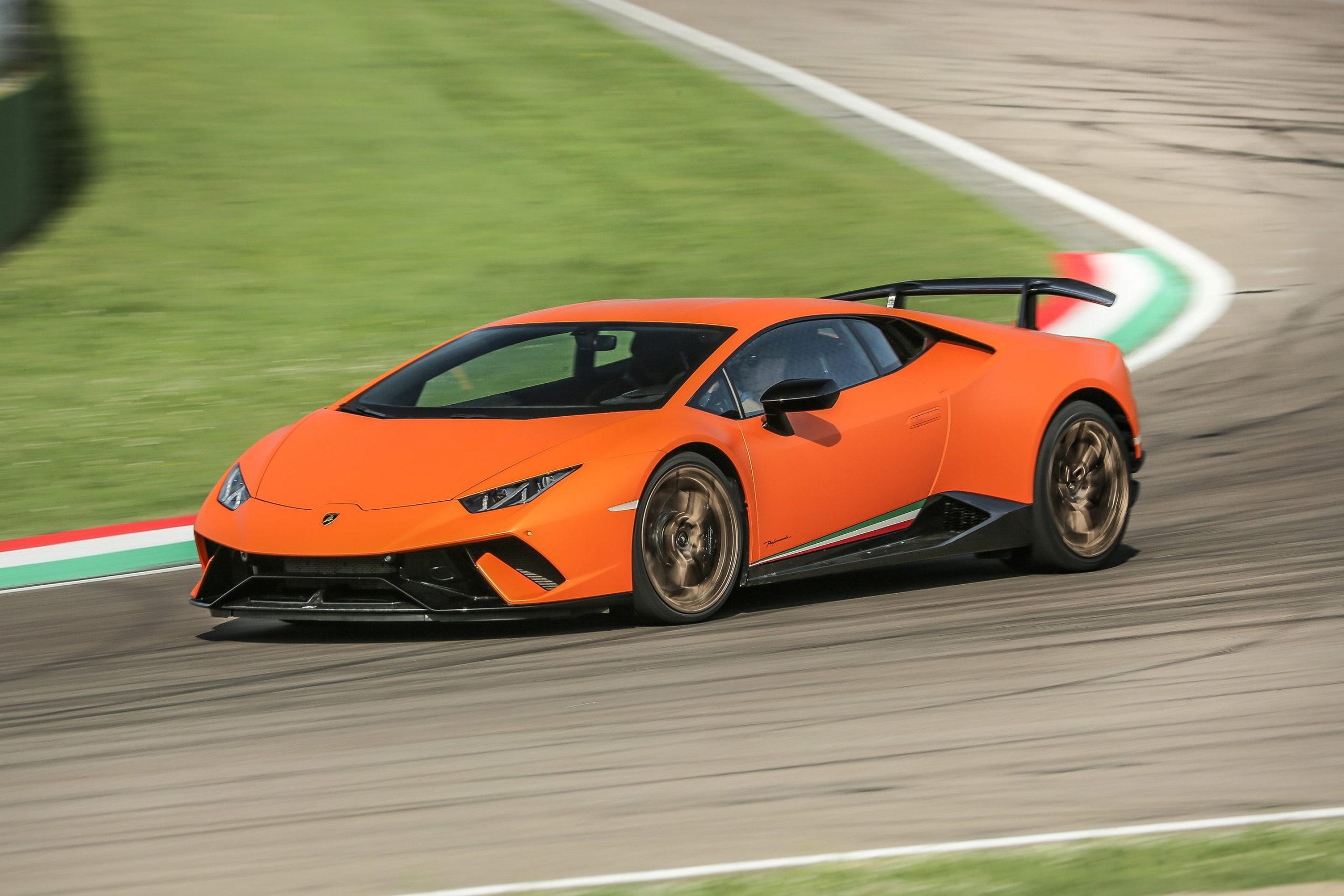
11. Lamborghini Huracan Performante
The Lamborghini Huracan Performante also recorded 135 feet from 70 mph, tying the Porsche 911 GT3. The two cars approach high-performance driving with different styling and engineering identities, yet their measured braking results are identical.
The Performante is designed to extract more performance from Lamborghini’s Huracan platform. Its aerodynamic systems, lightweight construction, and performance-focused hardware all contribute to its track-oriented personality.
Braking becomes especially important in a car capable of reaching high speeds rapidly. Drivers need to know that the vehicle can shed speed with authority before entering a corner or when conditions demand an emergency stop.
A 135-foot result is therefore more than a number on a chart. It represents the combined work of the tires, brake system, chassis, suspension, and aerodynamics.
The Lamborghini’s shared position with the Porsche also illustrates how different engineering approaches can reach similar outcomes. One car may emphasize Italian design and aerodynamic efficiency, while another focuses heavily on precision and track development.
When the stopwatch measures braking distance, both arrive at the same 135-foot figure.
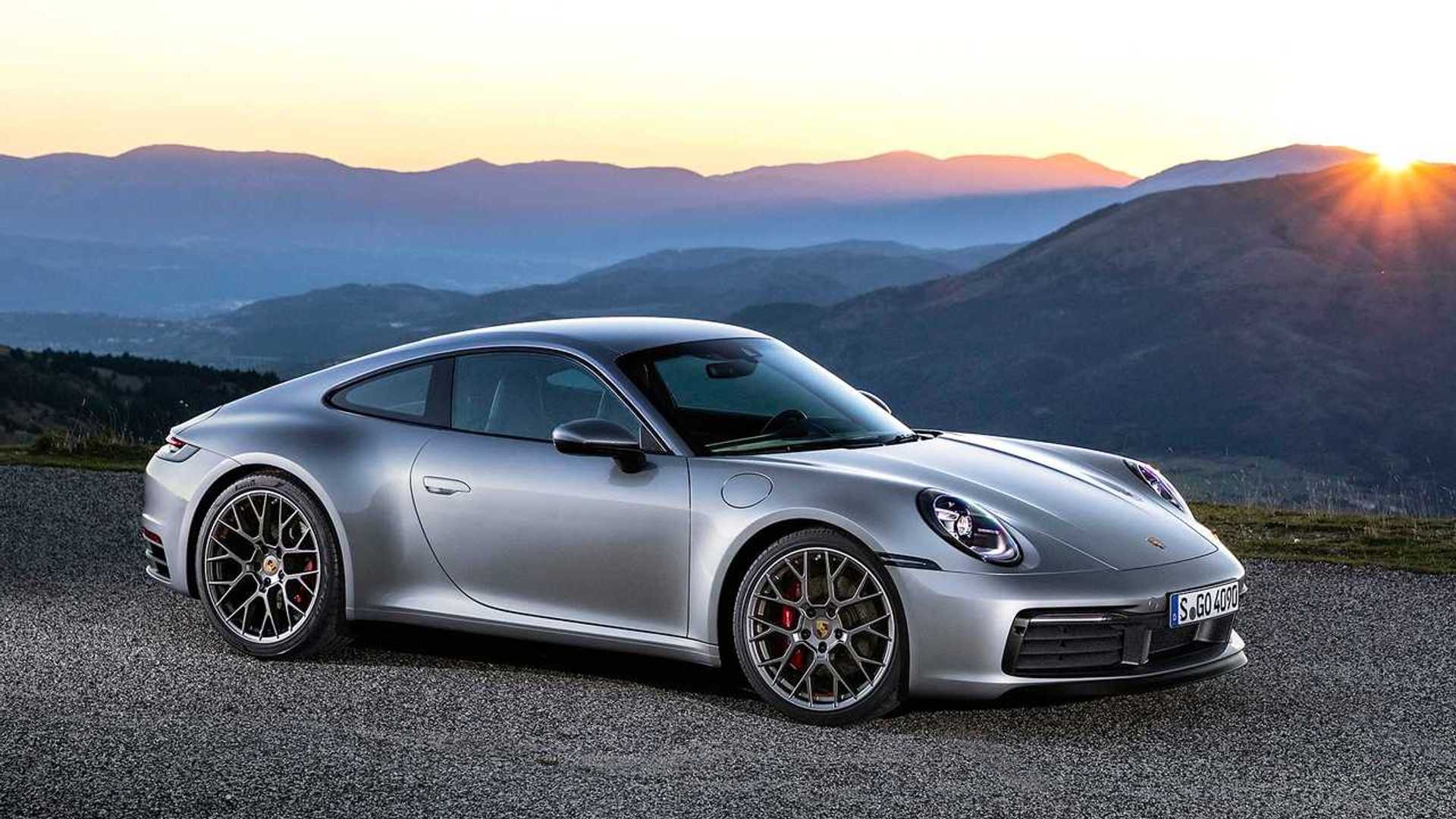
12. Porsche 911 Carrera
Wait, the plain Carrera made the list? Yes, and that’s the happy surprise. The Porsche 911 Carrera stopped from 70 mph in 135 feet, tying the Lamborghini Huracán Performante and the GT3.
This is the 911 many people actually buy. It’s the entry point to the family, built for daily drives, road trips, and weekend fun. It doesn’t have the huge wings or racing tires of its wilder siblings. Yet it still outstops the vast majority of cars on the road.
What explains it? Years of careful tuning, a well-balanced chassis, and strong brakes that don’t overheat quickly. The Carrera proves that excellent stopping ability doesn’t require an extreme car.
For shoppers, this is encouraging. You don’t need the most expensive model to enjoy impressive braking. Whatever vehicle you consider, ask about the tires and read reviews that mention stopping distance.
Many mainstream cars now offer solid braking, and picking one with a strong reputation costs nothing. It’s a free safety upgrade hiding in the research phase.
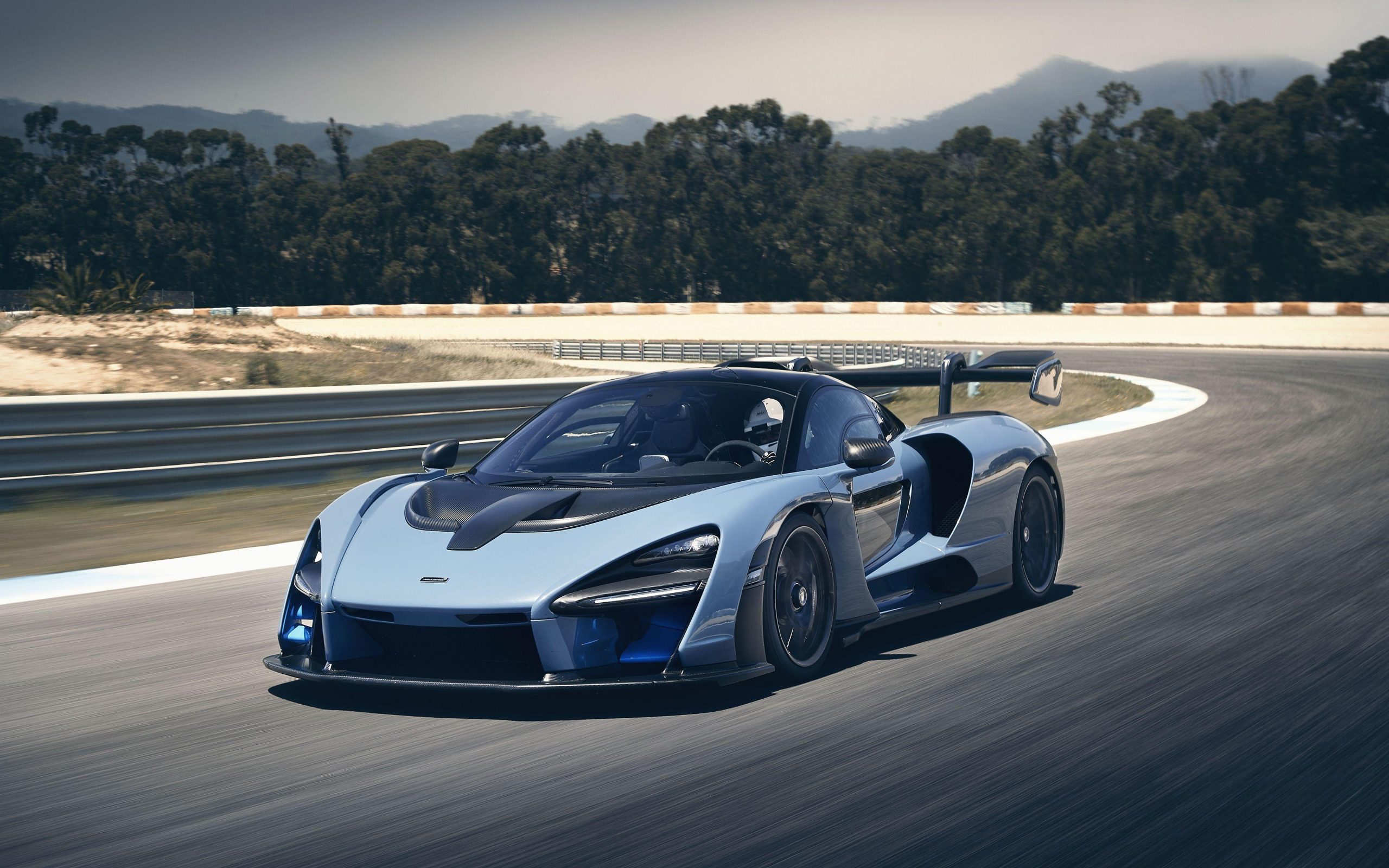
13. McLaren Senna
The name Senna carries weight in racing history, and the McLaren Senna lives up to it. It stopped from 70 mph in 136 feet. That ties it for the longest distance on this particular list, yet it’s still an outstanding result.
The Senna is built around aerodynamics and low weight. Big wings, sculpted channels, and carbon fiber construction help it stick to the road at speed.
At 70 mph, downforce isn’t at its peak, so braking at this speed depends heavily on tires and brake hardware. The Senna’s strengths grow as speeds climb far beyond highway limits.
That’s an important point about this test. The 70 mph figure measures one particular moment. Cars designed for 150 mph or more may show their full talents at higher speeds, where aero and brake cooling really matter.
So don’t read 136 feet as a weakness. Read it as one data point from a car designed for extremes. If you ever see a Senna in person, notice the swooping bodywork. Every curve has a job, and helping the car stop is part of that job.
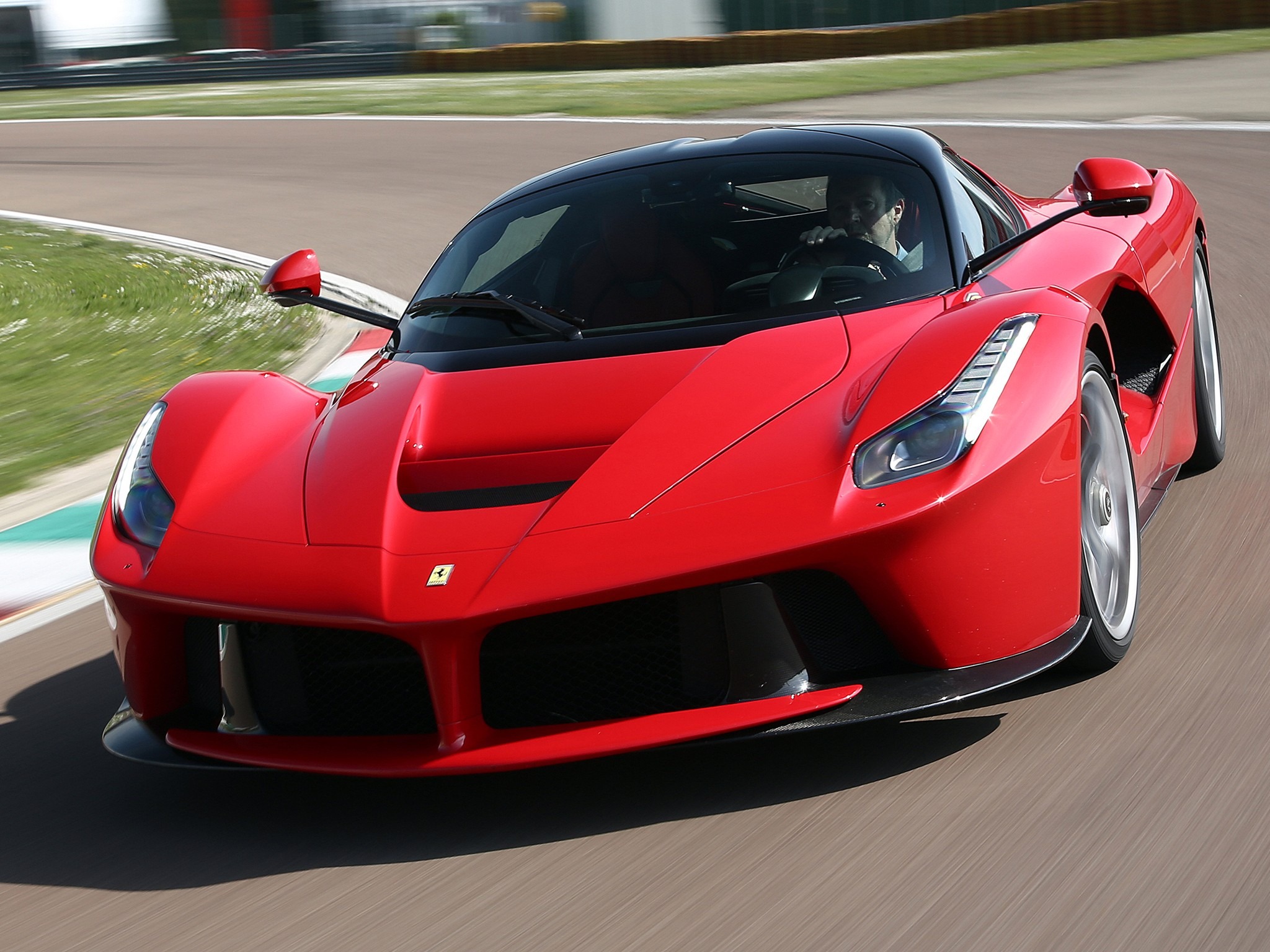
14. Ferrari LaFerrari
Finally, an icon. The Ferrari LaFerrari also stopped from 70 mph in 136 feet, sharing the last spot with the McLaren Senna. It’s a hybrid hypercar, one of the rarest and most celebrated Ferraris ever built, and it closes out our list in style.
Look back at the range. From the Corvette ZR1’s 127 feet to 136 feet here, just nine feet separate the best from the fourteenth. At 70 mph, that’s under a tenth of a second of travel. These cars are all astonishingly close, and every one of them is far beyond ordinary.
Remember how these numbers were gathered. Car and Driver used a VBOX GPS data logger over a six-stop routine, so the results reflect careful, repeatable measurement.
Now bring it home. You can’t buy a LaFerrari, but you can copy the lessons. Keep good tires on your car. Replace worn pads and old brake fluid. Leave a generous following distance.
Brake early and smoothly. Those habits cost far less than a hypercar, and they shorten your stopping distance when it counts.
