Battery replacement is one of the largest potential expenses an electric vehicle owner may face, but the price varies dramatically between models.
The 2026 Jouleio pricing data shows quoted replacement ranges starting at $4,000 for the 40-kWh Nissan Leaf and reaching as high as $50,000 for the Ford F-150 Lightning and Tesla Cybertruck. Battery size, vehicle design, and the complexity of the pack all influence the potential bill.
These figures represent quoted replacement ranges, not guaranteed invoices for every vehicle. Actual costs can vary with the exact battery configuration, labor, parts availability, taxes, and the type of repair required.
For buyers considering an EV, these numbers provide a useful way to compare the potential financial exposure of a complete battery replacement.
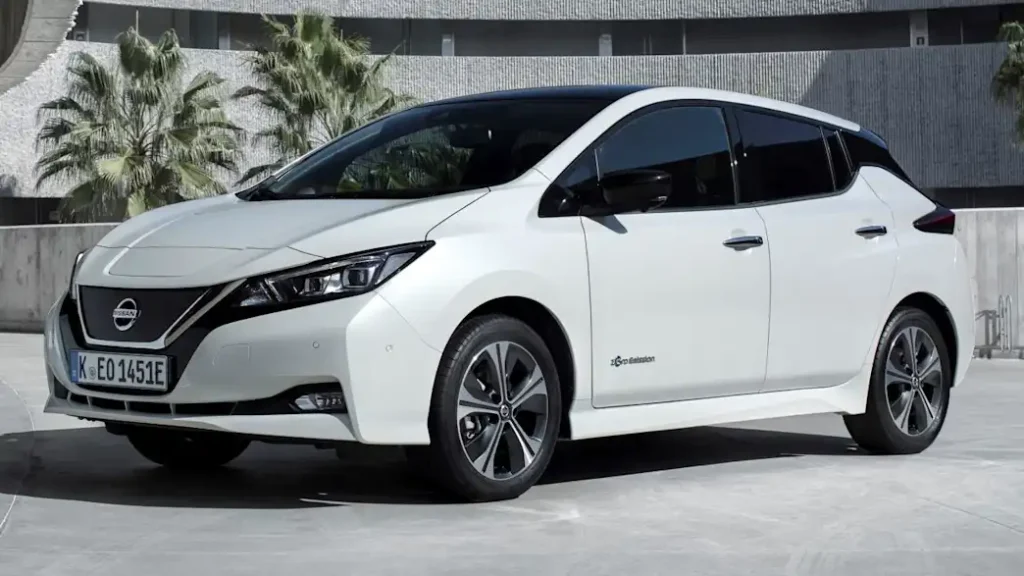
1. Nissan Leaf 40 kWh
The 40-kWh Nissan Leaf has the lowest quoted battery replacement range in this group, with Jouleio listing a price of $4,000 to $6,500.
That puts the maximum replacement estimate at less than half the $16,000 ceiling quoted for the Chevrolet Bolt EV and dramatically below the five-figure costs associated with many newer premium electric vehicles.
The relatively small battery capacity is an important part of the comparison. A 40-kWh pack contains substantially less energy-storage hardware than the large packs used by modern electric pickups and high-performance SUVs. That difference helps explain why a complete replacement can be quoted at a comparatively modest price.
At $4,000, the lower end of the estimate is closer to the cost of a major mechanical repair on some conventional vehicles than the type of bill typically associated with large EV batteries. Even the $6,500 upper estimate remains relatively low within this list.
That does not mean every Leaf owner would receive a $4,000 or $6,500 quote. The actual amount can depend on the exact vehicle, replacement parts, labor, and availability. A battery problem also does not automatically mean the entire pack needs replacement.
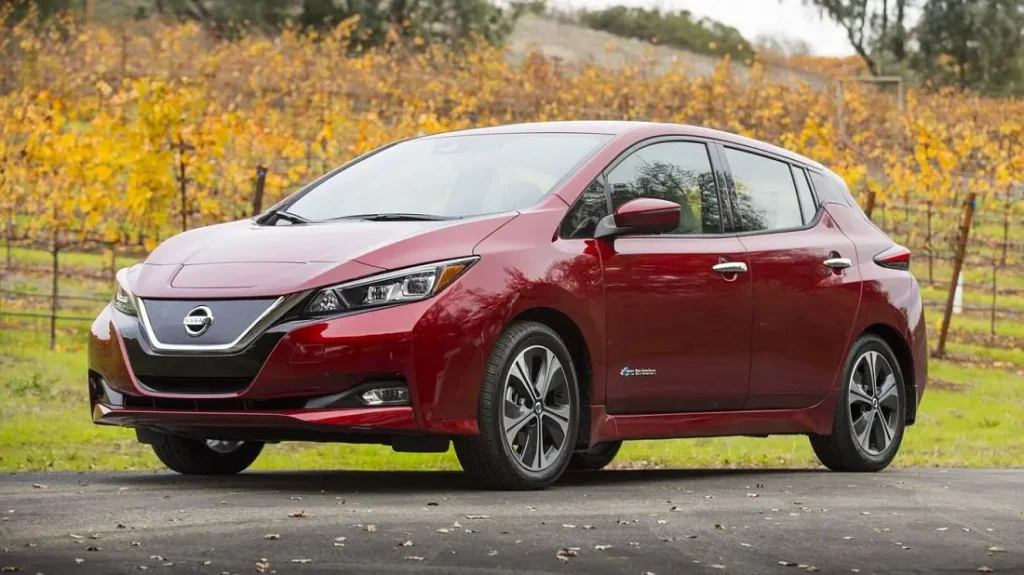
2. Nissan Leaf 62 kWh
The larger 62-kWh Nissan Leaf battery carries a quoted replacement range of $6,500 to $9,500. That means the upper estimate is $3,000 higher than the maximum figure listed for the 40-kWh version, showing how battery capacity can affect replacement economics even within the same model family.
The 62-kWh configuration stores substantially more energy than the smaller pack. More battery material and a larger pack contribute to the higher potential replacement bill, although capacity is not the only factor determining the final price.
Even at $9,500, however, the Leaf remains near the inexpensive end of the 15-vehicle comparison. Its maximum quoted price is $6,500 below the Chevrolet Bolt EV’s ceiling and $12,500 below the Tesla Model 3 Long Range’s upper estimate.
That difference becomes particularly relevant when evaluating older EVs. Buyers sometimes focus heavily on purchase price or estimated range, but the possible cost of replacing a major battery component can also affect the long-term financial picture.
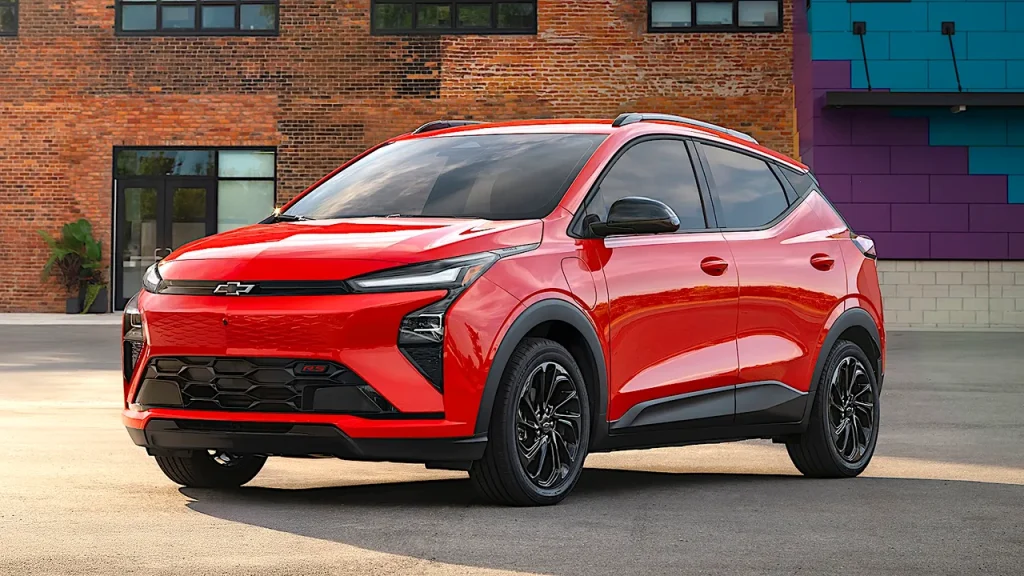
3. Chevrolet Bolt EV
The Chevrolet Bolt EV moves into five-figure territory, with Jouleio quoting $11,000 to $16,000 for a new battery pack. Its $16,000 maximum is $6,500 higher than the largest estimate for the 62-kWh Nissan Leaf.
That jump demonstrates how quickly replacement expenses can rise once an EV moves beyond the smallest battery configurations. The Bolt’s battery is considerably larger than the 40-kWh Leaf pack, and the vehicle’s battery system represents a much larger component investment.
A $11,000 starting point is already a substantial repair bill. At $16,000, the replacement could represent a significant percentage of the market value of an older Bolt, depending on mileage, age, and condition.
That is particularly important when shopping for used electric vehicles. A full battery replacement is not a routine maintenance item, and owners should not assume that reaching a particular mileage automatically means the pack needs to be replaced.
However, understanding the potential cost can help buyers evaluate the risk associated with an older vehicle.
The Bolt’s quoted range also sits in an interesting position within this list. It is more expensive than both Leaf configurations but remains cheaper than the Tesla Model 3 LFP, whose replacement estimate reaches $18,000.
For Bolt owners, the difference between $11,000 and $16,000 is significant enough to justify obtaining a vehicle-specific quote if a serious battery problem occurs.
4. Tesla Model 3 LFP
The Tesla Model 3 with an LFP battery has a quoted replacement range of $13,000 to $18,000. That puts its maximum estimate $2,000 above the Chevrolet Bolt EV and $8,500 above the 40-kWh Leaf’s upper figure.
The LFP designation is important because the Model 3 has been sold with different battery configurations. Buyers cannot necessarily assume that every Model 3 carries the same type of pack or has the same replacement economics.
At $13,000, the lower estimate is already a major repair expense. At $18,000, the replacement enters a range where it could have a substantial effect on the financial decision surrounding an older vehicle.
The quoted range also illustrates why battery replacement should not be confused with normal battery degradation. An EV can lose some usable range over time without requiring a complete new battery pack. A full replacement is a much larger repair and would depend on the nature of the battery problem.
For owners, the useful comparison is with other Tesla configurations. The LFP Model 3’s maximum estimate is below the $21,000 ceiling quoted for the Model Y and well below the $35,000 figure associated with the Model S Plaid.
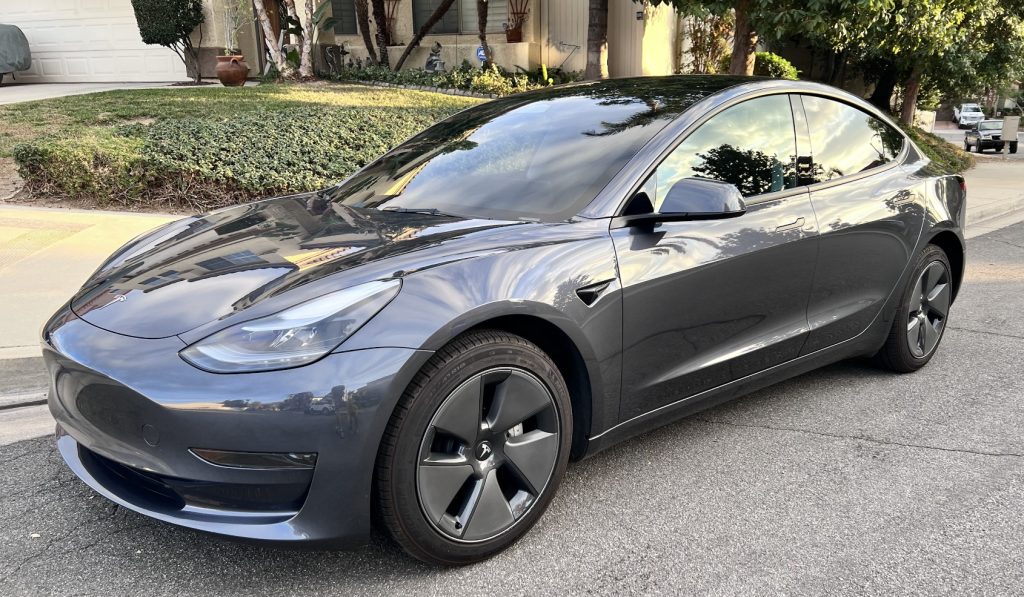
That creates a substantial difference between Tesla vehicles even though they all use the same basic brand and share related electric technology.
The $13,000 to $18,000 range therefore provides a useful benchmark for anyone considering a used Model 3. It is considerably higher than the cheapest Leaf estimates, but it remains far removed from the $40,000 and $50,000 replacement figures appearing later in the list.
5. Hyundai Ioniq 5
The Hyundai Ioniq 5 has a quoted replacement range of $14,000 to $19,000. Its upper estimate is only $1,000 higher than the Tesla Model 3 LFP, placing the two vehicles in a relatively similar part of this comparison.
The Ioniq 5 represents a newer generation of dedicated EV design, and its battery is a central part of the vehicle’s architecture. A complete pack replacement is therefore a major repair rather than a routine service procedure.
At $14,000, the quoted minimum is already more than twice the maximum estimate for the 40-kWh Leaf. The $19,000 ceiling pushes the vehicle close to the $21,000 estimate for the Tesla Model Y.
The range between the two figures also matters. There is a $5,000 difference between the lower and upper estimates, meaning an owner should not treat a generic battery replacement figure as a guaranteed final invoice.
For used-vehicle buyers, this figure is worth considering alongside the vehicle’s age and remaining warranty coverage. A battery replacement is not something every Ioniq 5 owner should expect to pay for, but the potential expense becomes relevant when evaluating a high-mileage vehicle outside its original coverage.
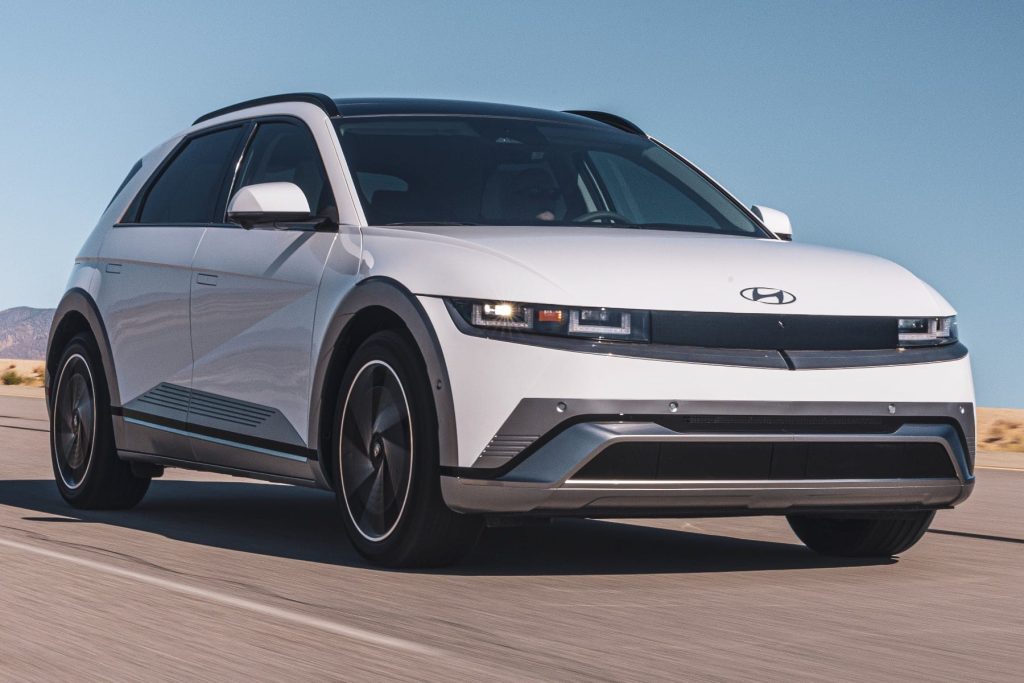
Compared with the most expensive vehicles on this list, the Ioniq 5 remains relatively moderate. Its $19,000 maximum is $21,000 below the highest quoted Cybertruck estimate.
That makes the Ioniq 5 a useful middle-ground example of how battery replacement costs can increase as EVs become larger and more sophisticated.
6. Tesla Model Y
The Tesla Model Y carries a quoted battery replacement range of $16,000 to $21,000. The upper figure is $3,000 higher than the Ioniq 5 and also $3,000 above the LFP Model 3’s maximum estimate.
Different Model Y configurations have used different battery specifications, so the exact vehicle remains important when evaluating a replacement quote. A generic Model Y figure should therefore be treated as a planning range rather than a guaranteed price for every vehicle.
The $16,000 minimum represents a major expense, particularly for an older Model Y whose market value has declined. At $21,000, the replacement cost becomes significant enough that a vehicle owner would reasonably compare the repair against the value of the car before approving a complete pack replacement.
That does not mean battery replacement is an expected routine expense. Battery degradation and complete battery failure are different situations, and many owners may never need to replace the entire pack.
The supplied range nevertheless provides useful context. The Model Y sits well above the Leaf and Bolt in potential replacement cost, but it remains far below the most expensive vehicles in the dataset.
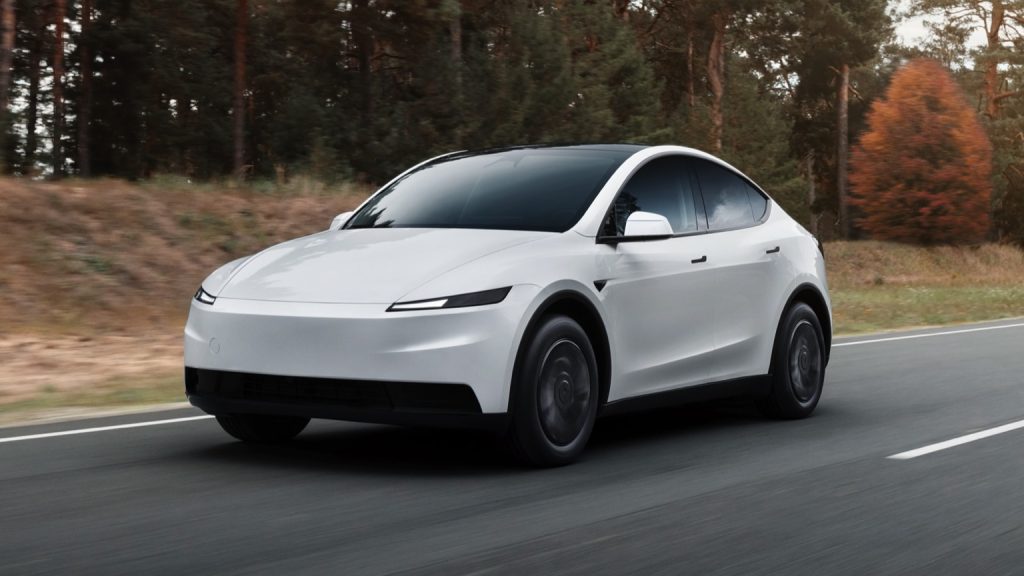
The $5,000 spread between $16,000 and $21,000 also shows why a real diagnosis matters. A vehicle owner facing a battery problem should establish whether the issue involves the complete pack or a smaller repair before assuming that the largest figure applies.
For Model Y shoppers, the battery replacement range is best viewed as a potential long-term financial consideration rather than a guaranteed ownership expense.
7. Tesla Model 3 Long Range
The Tesla Model 3 Long Range has a quoted battery replacement range of $17,000 to $22,000. Its upper figure is $4,000 higher than the LFP Model 3’s maximum and $1,000 above the Model Y’s ceiling.
That difference is a reminder that the Model 3 name alone does not determine battery replacement cost. Different battery configurations can produce different estimates, making the exact specification particularly important for used-car buyers.
The $17,000 lower figure represents a serious component expense. At $22,000, the replacement cost becomes large enough to materially affect the economics of keeping an older vehicle.
Battery size and configuration help explain some of the difference between Model 3 variants. A Long Range vehicle is designed to store more energy than lower-capacity versions, so replacing the entire battery can involve a larger expense.
There is also a substantial $5,000 gap between the two quoted figures. That makes it difficult to assign one universal replacement cost to every Long Range Model 3.
For an owner, the first step after a serious battery problem would be establishing exactly what has failed. A complete pack replacement is different from a repair involving individual components, and the final quote could therefore differ from the broad planning range.
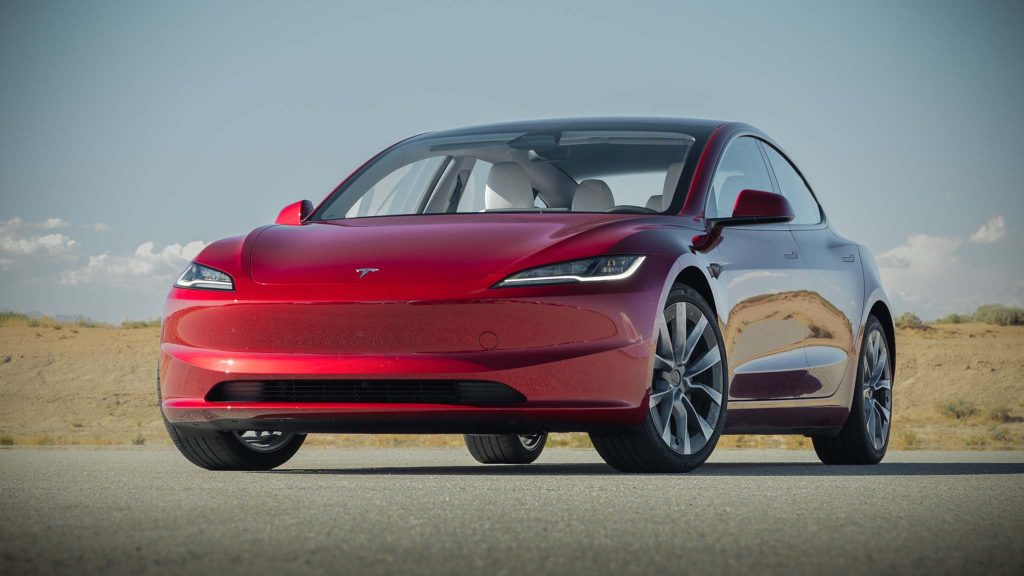
Within this comparison, the Model 3 Long Range sits above the more affordable Leaf and Bolt but below the large battery systems used by the Model S, Rivian and electric trucks.
Its $17,000 to $22,000 range makes it a useful reference point for mainstream EV ownership as battery costs move into the higher five-figure territory.
8. BMW i4 eDrive40
The BMW i4 eDrive40 has a quoted replacement range of $17,000 to $24,000. That gives it a $7,000 spread between the lowest and highest estimates, placing its maximum above both Tesla Model 3 configurations listed here.
The i4 occupies a premium position in the EV market, and replacing its complete battery pack represents a significant component expense. At $17,000, the potential bill is already substantial. At $24,000, it moves beyond the upper estimate for the Tesla Model 3 Long Range.
This is a useful example of why the purchase price of an EV is not the only financial figure worth considering. Premium vehicles can use sophisticated battery systems, and a major out-of-warranty repair can therefore involve a considerable amount of money.
For used i4 shoppers, the $17,000 to $24,000 range provides a useful planning figure. It can be compared with the vehicle’s current market value, remaining warranty coverage, and expected ownership period.
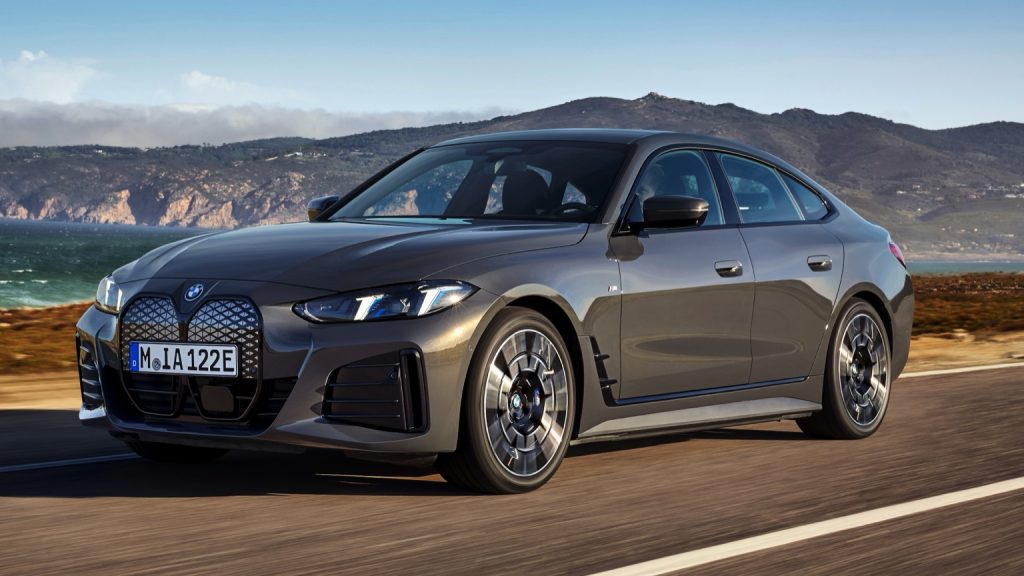
The BMW also illustrates the middle section of this ranking. It is considerably more expensive than the Nissan Leaf, but it remains well below the $40,000 maximum for the Polestar 3 and the $50,000 ceiling for the largest electric trucks.
That makes the i4 a strong example of the point where battery replacement changes from a relatively manageable expense into a potentially major financial decision.
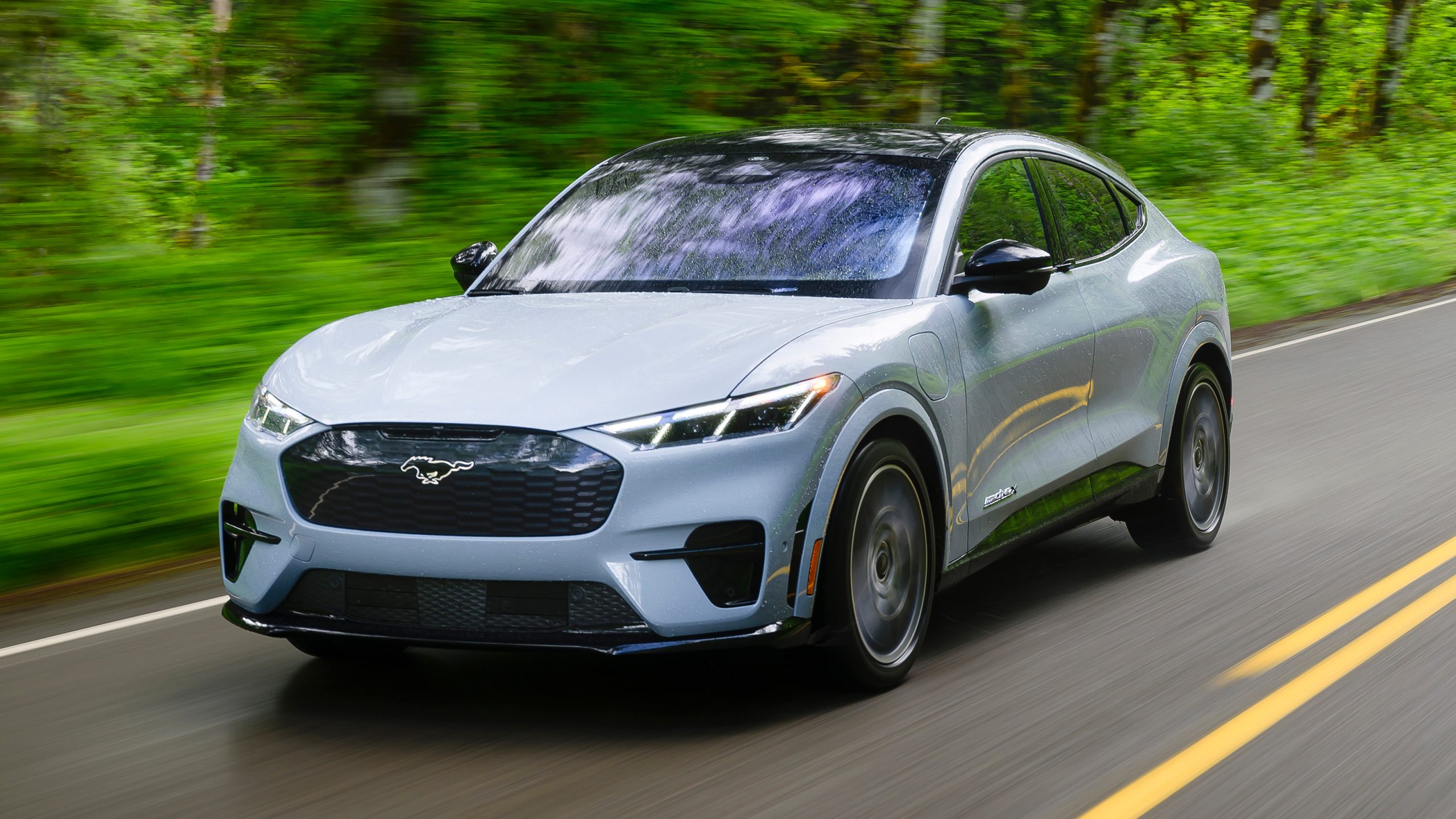
9. Ford Mustang Mach-E
The Ford Mustang Mach-E has a quoted battery replacement range of $18,000 to $28,000. Its $10,000 spread is one of the largest among the vehicles in the middle portion of the list.
The Mach-E has been offered with different battery configurations, so the precise vehicle specification matters when evaluating a potential replacement.
The $18,000 lower figure already exceeds the BMW i4’s minimum estimate, while the $28,000 ceiling matches the maximum quoted for the Kia EV9. That puts the Mach-E firmly into the higher-cost group of mainstream electric vehicles.
For an owner, $18,000 is already a major repair. At $28,000, the expense could represent a substantial percentage of the value of an older Mach-E. That is especially relevant when evaluating used examples where the original battery warranty may be approaching its end.
However, the figures should not create the impression that every Mach-E will eventually require such a repair. A complete battery replacement is a specific response to a major battery problem. Normal loss of range does not automatically mean that the entire pack needs to be changed.
The $10,000 difference between the lower and upper estimates also reinforces the importance of getting a detailed quote. A generic online figure cannot account for every vehicle’s battery configuration or repair circumstances.
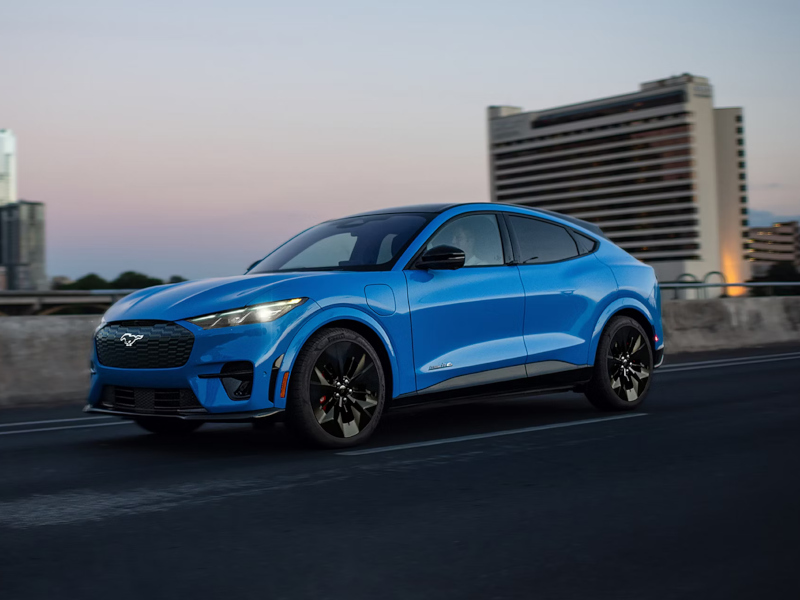
Among the vehicles in this comparison, the Mach-E represents a clear step upward from the $11,000 to $16,000 Bolt range.
Its $18,000 to $28,000 estimate therefore gives used-EV buyers a useful benchmark for the potential cost associated with a larger modern electric crossover.
10. Kia EV9
The Kia EV9 is listed at $19,000 to $28,000 for a complete battery replacement. Its lower estimate is $1,000 above the Ioniq 5’s maximum, while the upper figure matches the Mustang Mach-E.
The EV9 is a large electric SUV, so its battery system represents a significant part of the vehicle. A complete pack replacement is consequently much more expensive than replacing the smaller batteries found in early compact EVs.
At $19,000, the potential repair already exceeds the upper estimate for the Ioniq 5. At $28,000, the bill reaches a level where an owner would need to compare the repair against the vehicle’s current market value before making a decision.
The difference between $19,000 and $28,000 is also notable. A $9,000 range means that the actual cost can vary considerably depending on the vehicle and battery configuration.
For buyers, the key point is not to assume that the $28,000 maximum represents a normal ownership expense. Battery replacements are not routine maintenance, and a vehicle experiencing reduced range may not require a new battery pack.
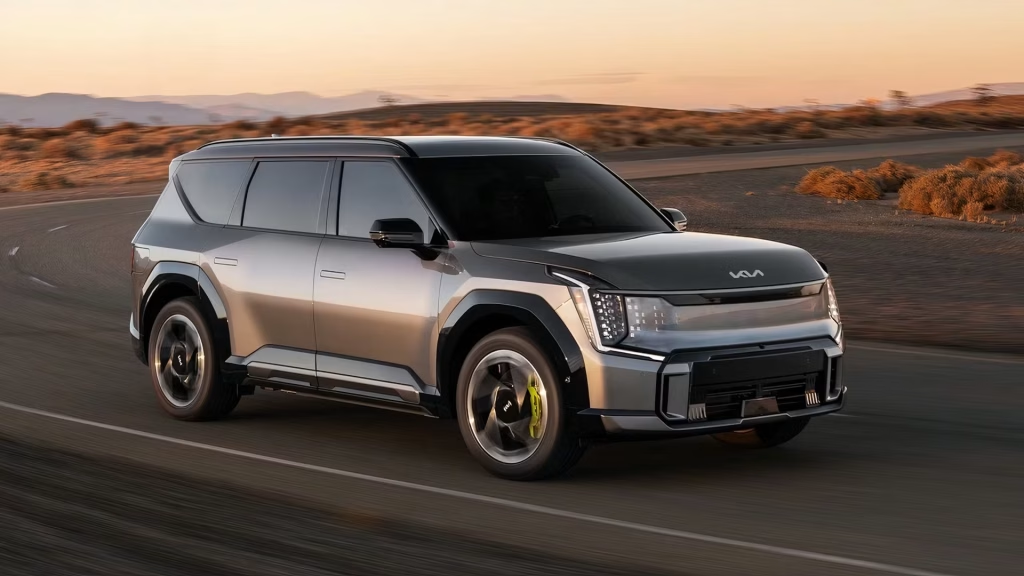
The supplied figures instead provide a financial benchmark for a worst-case major component repair.
The EV9 also marks the transition into the more expensive portion of this list. Its maximum estimate is $12,000 above the Tesla Model 3 LFP and $10,000 above the Model Y.
That makes the $19,000 to $28,000 range particularly relevant for anyone considering a large electric SUV as a used purchase. Battery condition and remaining warranty coverage can be just as important as mileage when evaluating such a vehicle.
11. Tesla Model S Plaid
The Tesla Model S Plaid has a quoted replacement range of $23,000 to $35,000. Its $35,000 ceiling is substantially higher than the $22,000 maximum for the Model 3 Long Range and marks a major jump in potential battery expense.
The Plaid is a high-performance version of the Model S, and its battery system supports a vehicle designed around extremely high power output. That makes the battery a particularly important component of the vehicle’s performance hardware.
At $23,000, the lower replacement estimate is already a significant financial commitment. At $35,000, the potential bill becomes comparable to the price of some complete used vehicles.
The range is also $12,000 wide, demonstrating that there is no single universal figure that can accurately describe every Model S Plaid battery replacement.
For used buyers, the financial calculation becomes particularly important with a high-performance EV. The purchase price may look attractive as the vehicle ages, but a major battery repair can change the economics considerably.
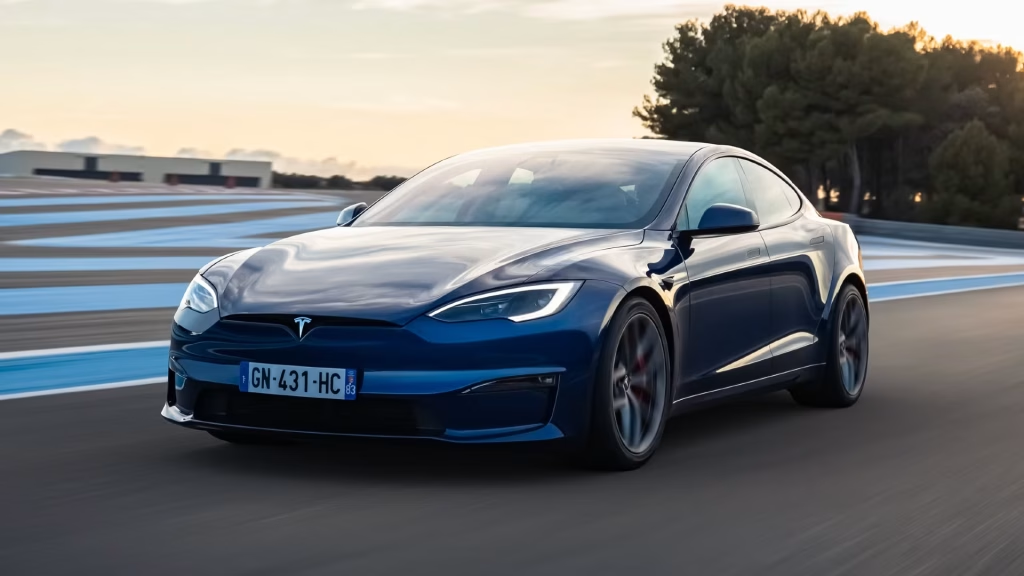
The Model S Plaid sits near the expensive end of the comparison, but it is not the highest. The Polestar 3 reaches $40,000, the Rivian R1S and R1T reach $45,000, and the F-150 Lightning and Cybertruck reach $50,000.
The $23,000 to $35,000 range therefore places the Plaid firmly in the premium battery replacement category.
12. Ford F-150 Lightning
The Ford F-150 Lightning has one of the broadest quoted battery replacement ranges in this comparison, running from $25,000 to $50,000. The difference between the lower and upper figures is an enormous $25,000.
That means the minimum quoted replacement cost for the Lightning is already higher than the maximum estimate for the Tesla Model S Plaid. The $50,000 ceiling then puts the electric Ford at the very top of this ranking.
The large battery required by a full-size electric pickup is a major factor in the potential cost. Unlike a compact EV, the Lightning requires substantial energy storage to support its electric powertrain and truck-oriented duties.
At $25,000, a replacement would represent a serious financial event for virtually any used vehicle. At $50,000, the expense could be large enough to make replacing the vehicle a more attractive option, depending on its condition and market value.
That does not mean owners should automatically budget $50,000 for future battery service. A complete pack replacement is a major repair, and the actual requirement depends on the battery’s condition and the specific failure.
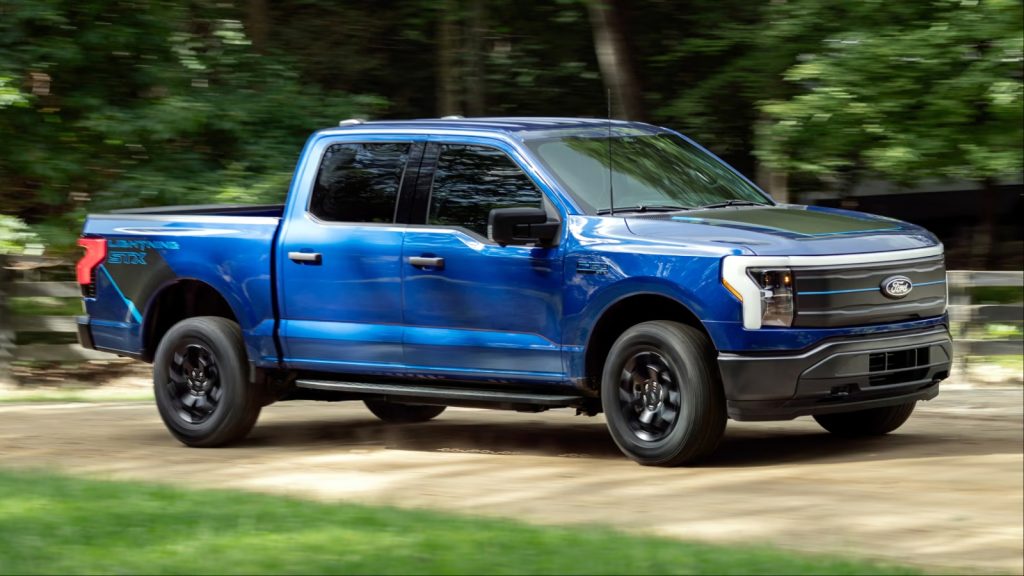
The unusually wide range also makes a detailed diagnosis especially important. The Lightning’s figures demonstrate how battery replacement economics change dramatically when moving from smaller passenger EVs to large electric trucks. Its $25,000 minimum is $21,000 higher than the 40-kWh Leaf’s maximum estimate.
For anyone buying a used F-150 Lightning, battery condition and remaining warranty coverage should therefore be considered alongside mileage, vehicle condition and purchase price.
13. Polestar 3
The Polestar 3 has a quoted battery replacement range of $25,000 to $40,000. Its minimum estimate matches the F-150 Lightning’s lower figure, while its $40,000 maximum is $10,000 below the Lightning’s highest quoted replacement cost.
The numbers place the Polestar 3 firmly in the expensive portion of the comparison. At $25,000, a complete battery replacement would already be a major repair. At $40,000, the bill approaches the cost of some complete vehicles.
As a premium electric SUV, the Polestar 3 uses a substantial battery system, making a complete pack replacement considerably more expensive than the figures associated with the Leaf, Bolt or smaller Tesla models.
The $15,000 spread between the minimum and maximum estimates is also important. It shows why a single headline number cannot accurately represent every replacement situation.
Owners should first determine whether the issue requires the entire battery pack or whether a smaller repair is possible. The distinction can make a major difference to the final bill.
For used buyers, the $25,000 to $40,000 figure deserves particular attention because it can influence the economics of purchasing an older premium EV. A lower purchase price does not necessarily eliminate the financial exposure associated with a large battery.
The Polestar 3 sits above the Tesla Model S Plaid’s $35,000 maximum but below the $45,000 Rivian ceiling.
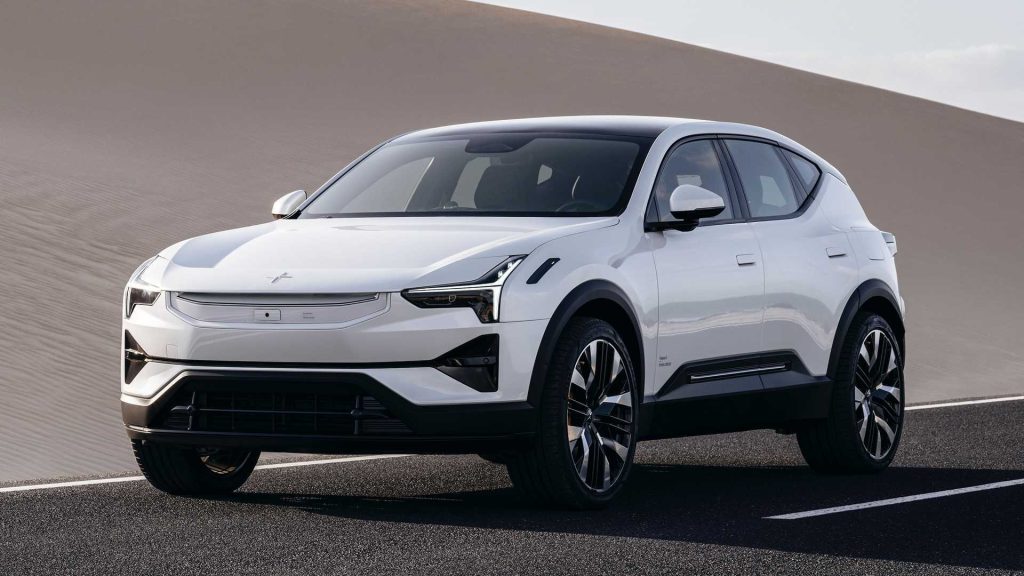
Its position illustrates how premium electric SUVs can carry replacement estimates that approach the cost of a new mainstream vehicle.
For this model, $25,000 to $40,000 is the key range to keep in mind when assessing potential out-of-warranty battery costs.
14. Rivian R1S and R1T
The Rivian R1S and R1T have a quoted battery replacement range of $28,000 to $45,000. That places their lower estimate above the maximum figures for the Tesla Model S Plaid and Kia EV9, while the $45,000 ceiling is only $5,000 below the highest estimates in the entire list.
Both Rivian models are large electric vehicles designed around substantial battery capacity. The battery is therefore one of the most important and expensive components in either vehicle.
At $28,000, a replacement already represents an enormous repair compared with the $4,000 starting figure for the Nissan Leaf. At $45,000, the expense becomes large enough that an owner of an older vehicle would need to carefully compare repair costs with market value.
The $17,000 spread is also significant. A replacement quote near the lower end would be dramatically different from one near the top, making it particularly important to obtain a vehicle-specific estimate before authorizing major work.
These figures should not be mistaken for a routine expectation of ownership. A complete battery replacement is a major repair, and the condition of the battery, warranty status, and exact failure determine whether one is actually necessary.
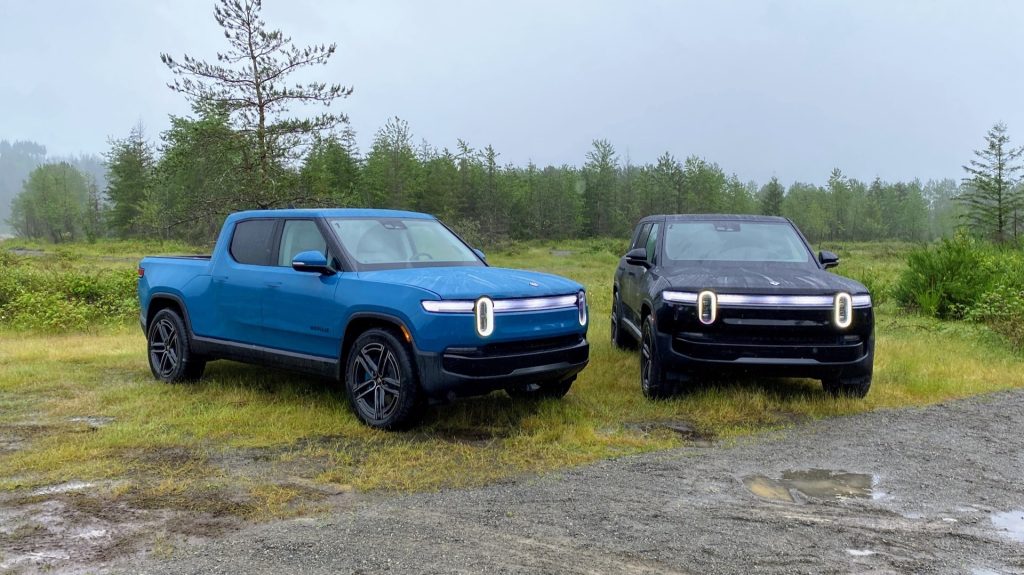
The Rivian’s position is nevertheless revealing. The $28,000 minimum is seven times the lower estimate for the 40-kWh Leaf, while the $45,000 maximum approaches the $50,000 ceiling for the most expensive vehicles here.
For used R1S and R1T shoppers, battery condition is therefore an important part of the financial picture. A large electric vehicle can offer substantial capability, but its battery is also a much larger potential replacement expense.
15. Tesla Cybertruck
The Tesla Cybertruck finishes the ranking with a quoted battery replacement range of $30,000 to $50,000. Its $30,000 minimum is the highest starting figure in the group, while its $50,000 maximum ties the Ford F-150 Lightning for the largest quoted replacement cost.
The difference between the Cybertruck’s minimum and the Nissan Leaf 40-kWh minimum is striking. A $30,000 starting estimate is $26,000 higher than the Leaf’s $4,000 lower figure.
The Cybertruck’s position reflects the economics of a large electric pickup using a substantial battery system. Replacing that entire system represents a very different financial proposition from replacing the battery in a compact passenger EV.
At $50,000, the potential bill reaches the highest figure in this comparison. That is an amount large enough to have a major effect on the repair-versus-replace decision for an older vehicle.
However, the $50,000 number should not be interpreted as a guaranteed cost that every Cybertruck owner will eventually encounter. A complete battery replacement is a specific major repair, not a routine maintenance requirement. The actual need and final invoice depend on the vehicle and the nature of the battery problem.
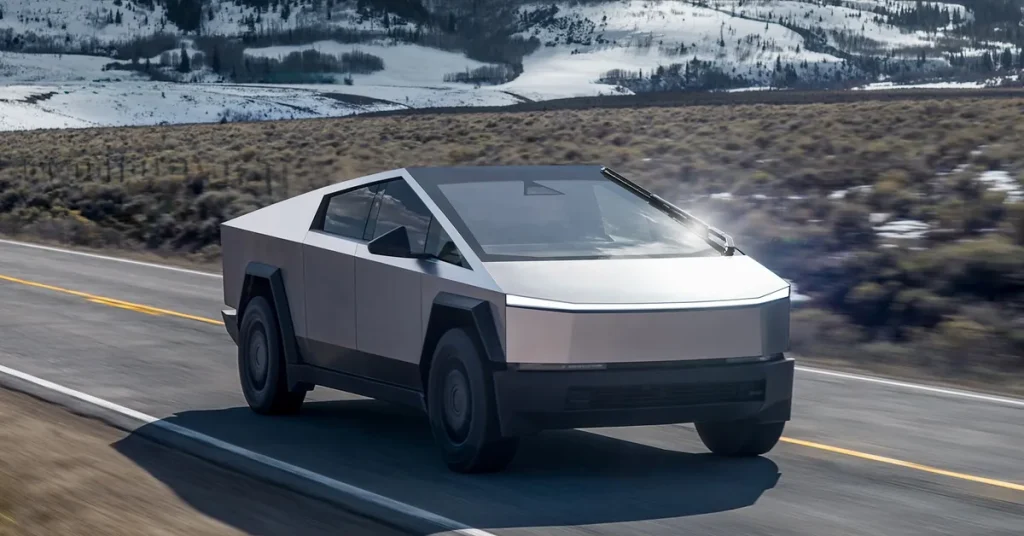
The $20,000 spread between $30,000 and $50,000 also demonstrates how difficult it is to assign one universal replacement price to a complex EV.
The Cybertruck’s position is nevertheless clear. It represents the highest quoted starting price and ties for the highest maximum in the 2026 Jouleio data.
For buyers considering a used electric pickup, the $30,000 to $50,000 range is therefore an important financial benchmark, particularly once the vehicle moves outside its original battery coverage.