EPA range figures give EV shoppers a useful benchmark, but highway testing can produce a different result.
Consumer Reports tests electric vehicles at a steady 70 mph until they can no longer continue, providing a real-world measure of how far each vehicle travels under demanding highway conditions.
In the supplied 2026 comparison, the gaps range from 50 miles for the Ford F-150 Lightning to just 21 miles for the Chevrolet Silverado EV.
The percentage differences are also revealing, with the Lightning falling 15.6% below its 320-mile rating. Consumer Reports says half of the 26 EVs tested fell short of their EPA estimates.
1. Ford F-150 Lightning
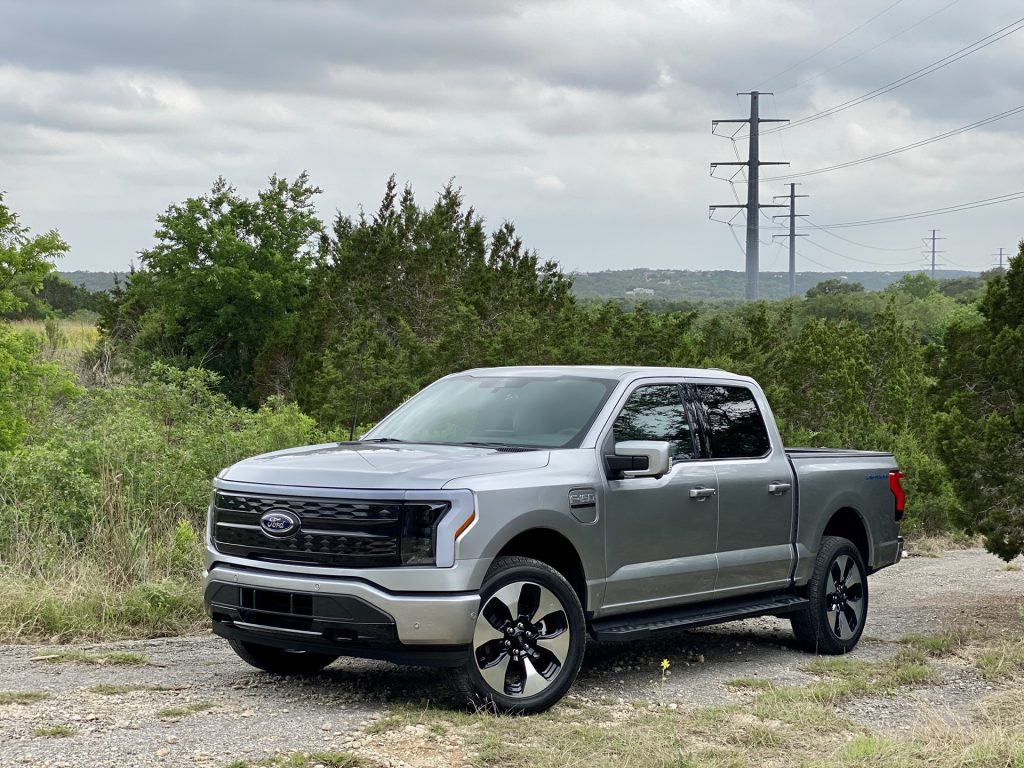
The Ford F-150 Lightning recorded the largest percentage shortfall in the supplied Consumer Reports comparison. Its EPA-rated range was 320 miles, but the truck managed 270 miles in Consumer Reports’ 70-mph highway test.
That represents a difference of 50 miles, or 15.6% below the official rating. Consumer Reports independently confirms the 270-mile result and 320-mile EPA figure for the extended-range version tested.
The result is particularly significant because 50 miles can change the practical rhythm of a long highway journey. A driver planning around a 320-mile maximum might expect considerably more distance between charging stops than the test result actually delivered.
At a steady 70 mph, aerodynamic resistance and other highway-related energy demands can place greater pressure on an EV’s battery than lower-speed mixed driving.
The Lightning tested by Consumer Reports was a Lariat with the extended-range battery. That configuration produces 580 horsepower and has an EPA-estimated 320-mile range. Consumer Reports recorded 270 miles before the battery was depleted.
The result does not mean every Lightning will deliver exactly 270 miles. Temperature, wind, road conditions, tire pressure, payload, and driving style can all influence real-world range. The test is best understood as a controlled comparison rather than a universal guarantee.
Still, the 50-mile gap is large enough to matter for owners who frequently travel long distances. For highway-focused EV buyers, the Lightning’s test result shows why EPA range and real-world highway range should be viewed as two different measurements.
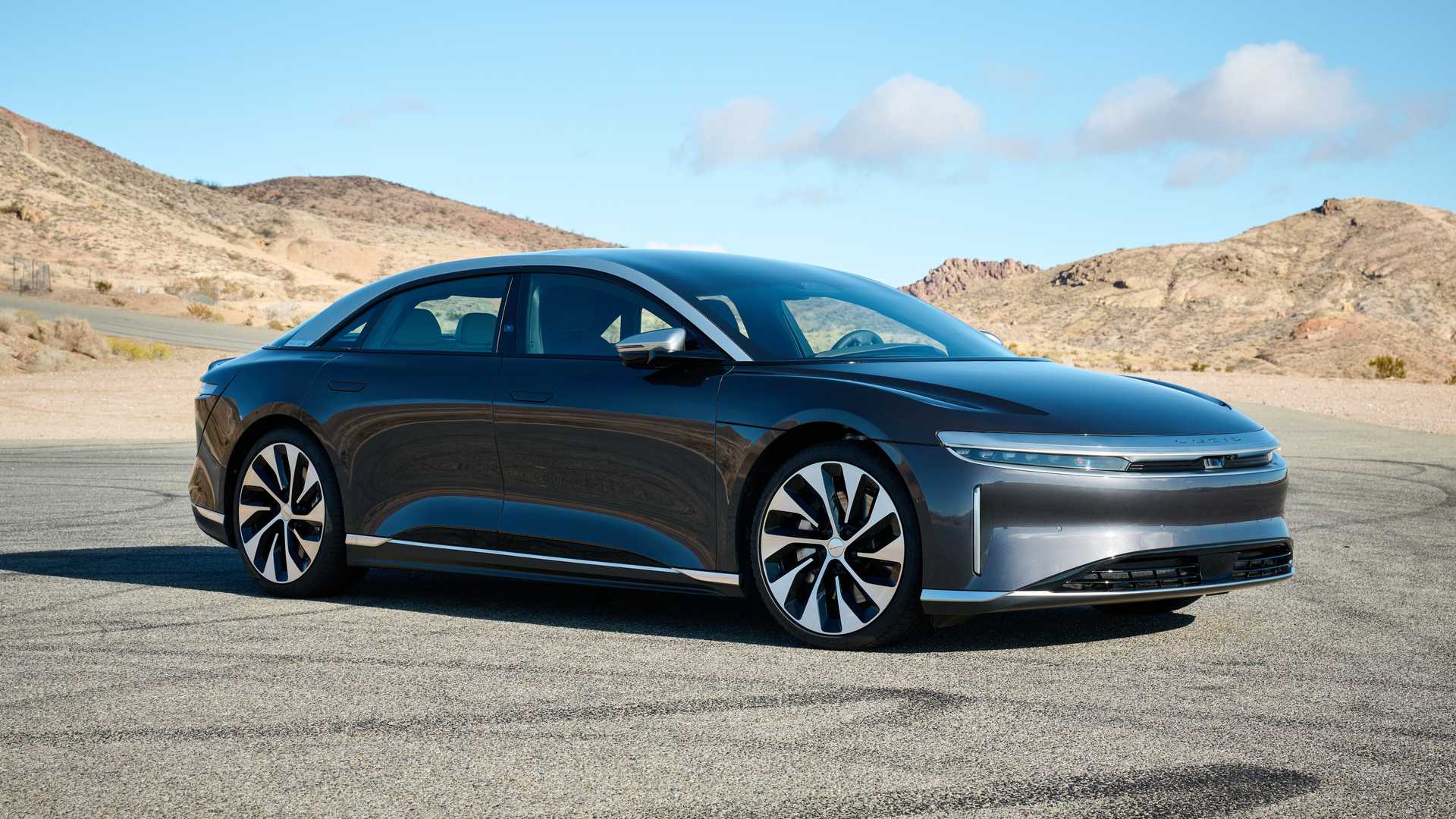
2. Lucid Air
The Lucid Air posted 344 miles in Consumer Reports’ highway range test against an EPA estimate of 396 miles, leaving a 52-mile difference.
Based on the figures supplied, that equals a 13.1% shortfall. Consumer Reports’ own 2026 air road-test page confirms a 396-mile EPA estimate for the 2026 model, while its broader range comparison reports a 344-mile highway result from its tested air.
What makes the result noteworthy is that the Lucid Air has one of the strongest official range figures in the EV market. A 396-mile rating creates an expectation that the vehicle can travel close to 400 miles between charges under favorable conditions. Yet the controlled 70-mph test produced a substantially different number.
The tested vehicle also shows why specifications matter when discussing EV range. Consumer Reports identifies its highway result as coming from a 2023 Air Touring with an EPA estimate of 384 miles, while the current 2026 model page lists 396 miles for the Air tested configuration.
That distinction is important because range figures can vary by model year, trim, battery configuration, and wheel selection. The supplied comparison nevertheless uses 344 miles against 396 miles, producing the stated 13.1% shortfall.
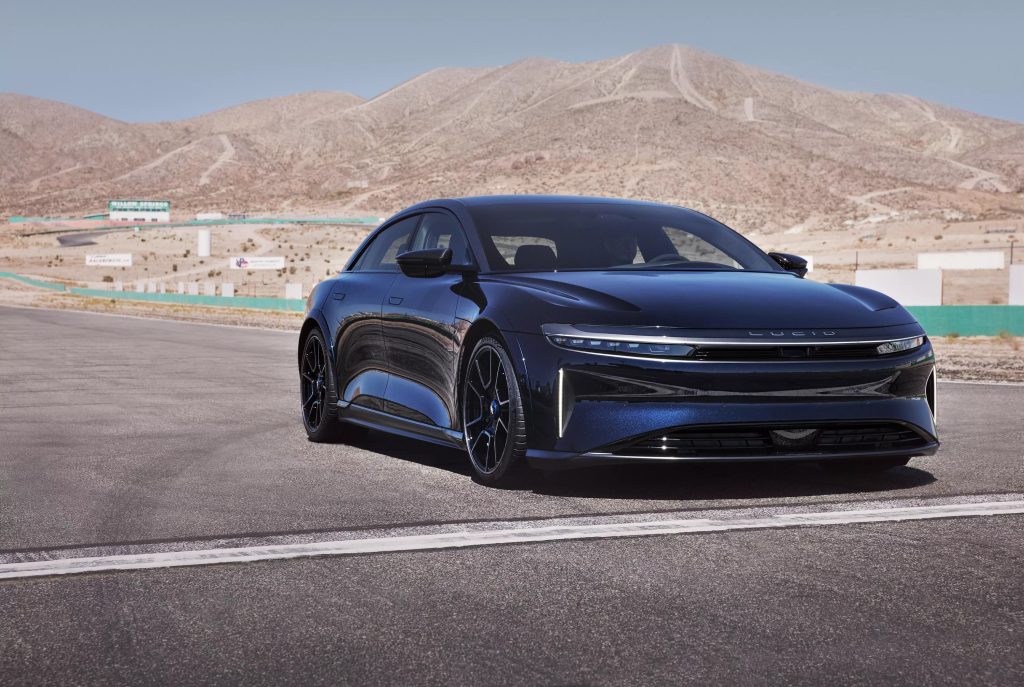
Consumer Reports’ testing method is designed to provide a consistent highway benchmark. The organization says it drives EVs at 70 mph until they run out of charge, allowing vehicles to be compared under the same basic conditions.
For long-distance drivers, the lesson is straightforward. Even an EV with a very high EPA rating can deliver fewer miles when driven continuously at highway speed. The Air’s 52-mile difference demonstrates how meaningful that distinction can become on an extended road trip.
3. Rivian R1S
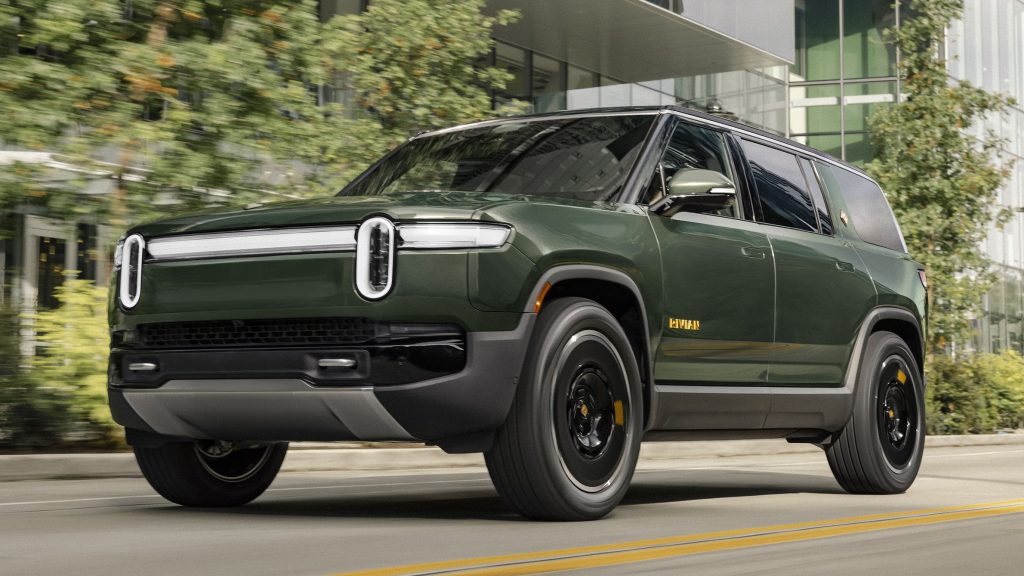
The Rivian R1S delivered 358 miles in Consumer Reports’ highway testing compared with an EPA-rated 410 miles. That is a 52-mile difference and represents a 12.7% shortfall based on the figures supplied. Consumer Reports specifically reports that its 2025 R1S fell 52 miles short of its 410-mile estimate.
A 410-mile EPA rating places the R1S among the longest-range electric SUVs available, so the 358-mile highway result provides an important counterpoint. The difference does not make the official rating meaningless. Instead, it demonstrates how the conditions used for an EPA estimate can differ from a sustained highway run.
Consumer Reports lists the tested R1S as a Dual Max configuration. Its 2026 buying material records a 358-mile Consumer Reports range result for the model, reinforcing the highway-test figure.
The 52-mile gap is identical in absolute terms to the difference recorded for the Lucid Air, but the percentage impact is slightly smaller because the Rivian’s rated range is higher. The supplied calculation puts the R1S at 12.7% below its official figure.
For a three-row electric SUV, the result has practical implications. Long highway trips involving passengers and luggage can make predictable charging stops particularly important.
Drivers planning journeys around the EPA maximum should therefore leave some margin rather than assuming the full 410 miles will be available during sustained highway travel.
It is also important not to treat the 358-mile result as a universal real-world ceiling. Weather, speed, terrain, temperature, tire selection, and cabin climate use can all change energy consumption.
The test establishes a more specific result. Under Consumer Reports’ standardized 70-mph highway procedure, the tested R1S traveled 358 miles. That put it 52 miles below its EPA estimate, one of the largest absolute differences in the comparison.
4. Tesla Model S
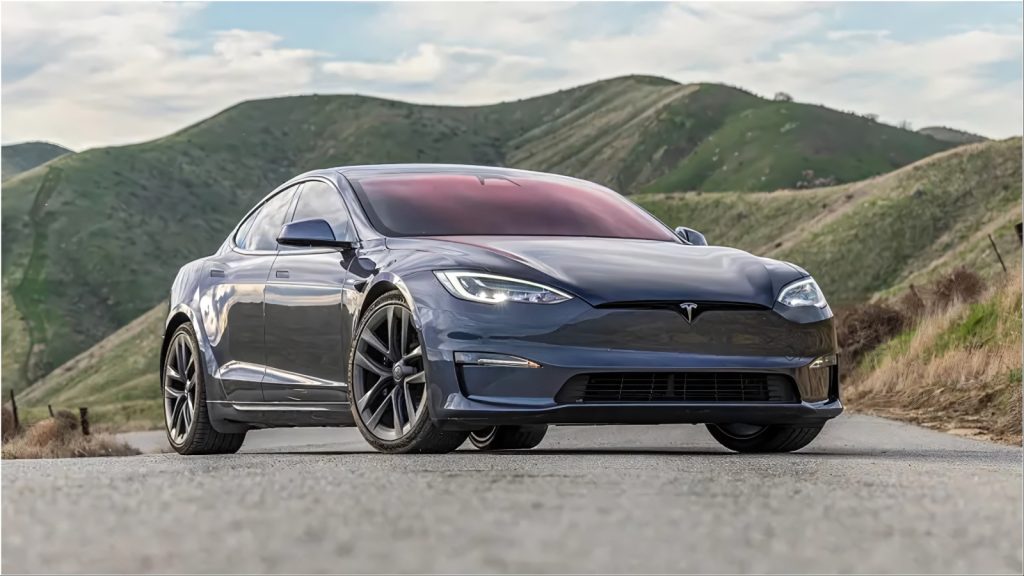
The Tesla Model S traveled 366 miles during Consumer Reports’ highway testing compared with an EPA-rated 410 miles. The resulting 44-mile gap represents a 10.7% shortfall according to the supplied figures.
Unlike the first three vehicles, the Model S did not miss its EPA number by more than 50 miles. Nevertheless, losing 44 miles from a 410-mile rating remains meaningful for drivers planning extended highway journeys. The difference is roughly equivalent to the range of many smaller EVs, making it more than a trivial variation.
Consumer Reports’ broader EV range comparison includes the Model S among the vehicles that fell short of their EPA estimates during highway testing. The organization’s testing procedure uses a steady 70-mph speed and continues until the vehicle can no longer drive.
The exact vehicle configuration matters here as well. The supplied test data identifies a Model S Long Range with all-wheel drive and a 410-mile EPA estimate. Other versions, model years, wheel choices, and software configurations can produce different official ratings.
The 10.7% gap is smaller than the 15.6% difference recorded for the Lightning, but it still illustrates the same fundamental point. An EPA number should not automatically be treated as a guaranteed highway-trip distance.
Drivers also encounter factors that are difficult to reproduce perfectly in any standardized test. Cold temperatures can increase energy consumption, while strong headwinds, rain, elevation changes, and high speeds can reduce available range further.
The 366-mile Consumer Reports result is therefore best viewed as a controlled reference point. It shows what the tested Model S achieved under the organization’s highway conditions rather than predicting exactly how far every Model S will travel.
For owners, the useful takeaway is the 44-mile difference between the 410-mile rating and the 366-mile tested result.
5. Chevrolet Silverado EV
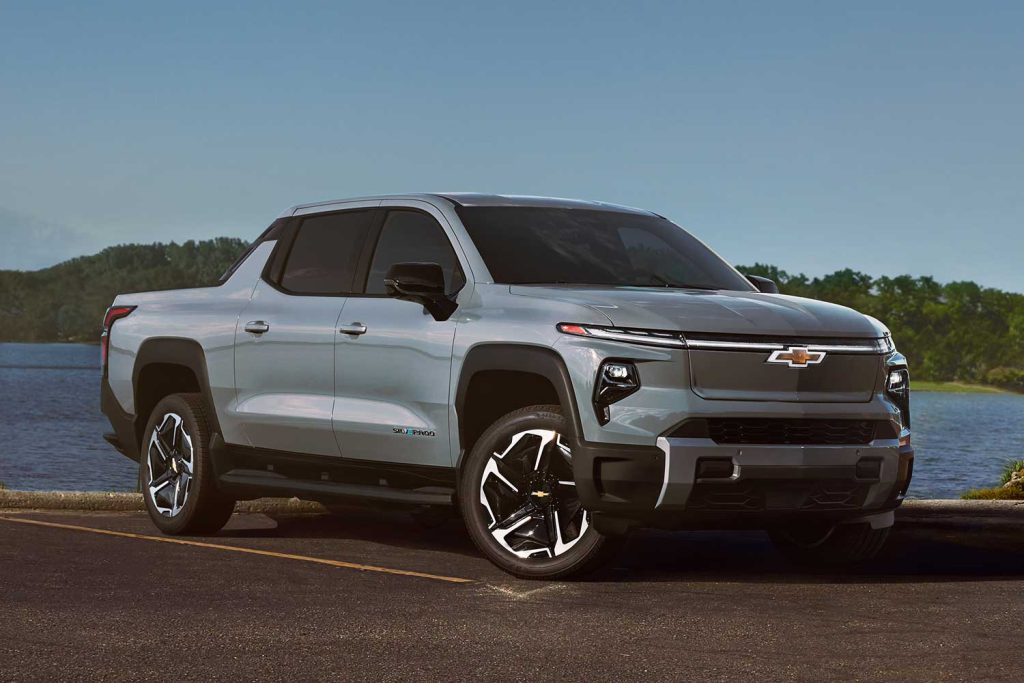
The Chevrolet Silverado EV had the smallest percentage shortfall among the five vehicles listed, but the absolute difference was still 21 miles. Consumer Reports recorded 472 miles in its 70-mph highway test against an EPA figure of 493 miles in the supplied comparison, resulting in a 4.3% shortfall.
Consumer Reports’ road-test information confirms that its tested Silverado EV achieved 472 miles during a 70-mph highway range test. The organization also reports that the tested 2024 RST was EPA-rated at 450 miles, while later versions and configurations can have higher official figures.
That specification difference is important when discussing the 493-mile figure supplied for this comparison. Range ratings can vary according to model year and trim, so the EPA number should always be matched to the exact vehicle being evaluated.
Even with that qualification, the 472-mile highway result is notable because it demonstrates how close a large electric pickup can come to its stated range under Consumer Reports’ test conditions.
The Silverado EV used a 205-kWh battery in the RST configuration tested by Consumer Reports, and the organization described the resulting highway range as impressive.
The 21-mile gap is much smaller than the 50-plus-mile differences recorded by several other vehicles in the supplied comparison. At 4.3%, it represents a relatively modest percentage difference.
For road-trip planning, however, even a 21-mile gap can matter when a driver reaches a charger with little remaining battery capacity. That is why real-world testing provides useful information alongside official ratings.
Consumer Reports’ results show that EPA range and highway range are not interchangeable figures.
The Silverado EV’s 472-mile test result demonstrates the vehicle’s substantial long-distance capability, while the 21-mile difference shows that the official rating should still be treated as a benchmark rather than an absolute promise.
The same principle applies across the entire comparison, regardless of whether the gap is 21 miles or 52 miles.