
Few things in car culture stir people like a great engine note. It can raise the hair on your neck before the car even rounds the corner. Sound is not a spec you can measure with a stopwatch. Taste, memory and context shape what each of us hears. That is why critics, polls and long arguments in car parks all matter here.
Engineering still sets the stage. Cylinder count, firing order and rev ceiling decide the basic pitch. Intake and exhaust design then add the final tone.
This list covers seven engines from very different worlds. The Lexus LFA V10 can rev to 9,000rpm in about 0.6 seconds. The Porsche Carrera GT V10 came from a cancelled Le Mans project and revs to 8,400rpm.
The Cosworth V12 in the Gordon Murray T.50 spins to 12,100rpm. Mazda’s four-rotor R26B won Le Mans and later topped a Hagerty readers’ poll for best sound.
Three more join them. They are the Ferrari 250 GTO V12, the Ferrari 458 Speciale V8 and the AMG V12 in the Pagani Zonda F. Each one takes a different road to the same goal. Read on, listen in your head, and decide which note you would play on repeat.
1. Lexus LFA V10
The LFA’s 4.8-litre V10 is a Lexus legend. It was built to sound as good as it performed. Lexus claims it can rev from idle to 9,000rpm in about 0.6 seconds. That is quicker than an analogue tachometer could follow.
So Lexus fitted a digital rev counter. It was a practical fix for a physical limit. The engine makes roughly 552bhp, with a redline of 9,000rpm. Titanium connecting rods and forged aluminium pistons keep it light.
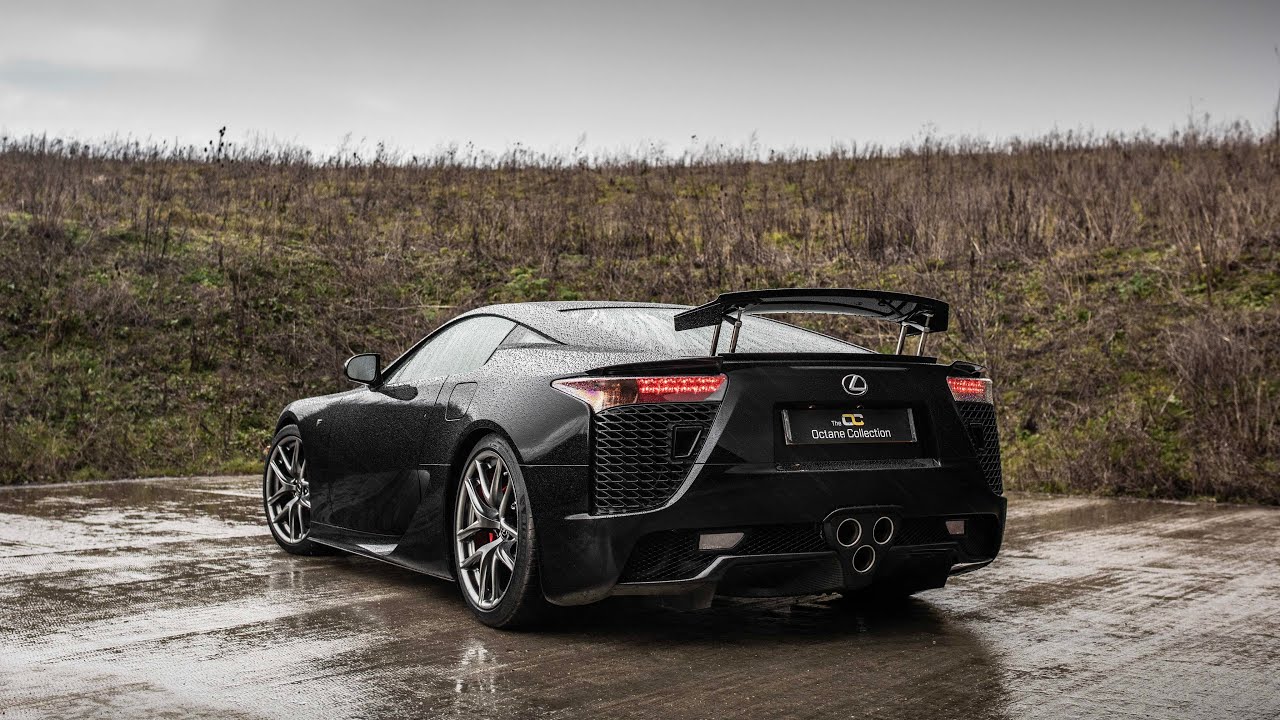
The engine was co-developed with Yamaha. The motorcycle and instrument maker helped shape the engine’s character. Yamaha’s musical background mattered here. Its engineers cared about the tone as much as the output.
The exhaust is a separate story. It was tuned by Sango, a Toyota Group supplier. It was not Yamaha’s work, a point that often gets blurred. Credit Sango for the exhaust and Yamaha for the engine collaboration.
The result is a shriek that builds into a wail. Many critics compare it to a Formula One car from the early 2000s. Lexus built only 500 LFAs, from 2010 to 2012. That rarity feeds the legend.
The note changes with revs. Low down it is a deep, tight growl. Past 6,000rpm it sharpens into a scream. Reviewers across the motoring press often rank it among the best-sounding road cars ever made.
The V10 layout helps. Its firing order gives a smooth, layered tone. Lexus also tuned the intake and the cabin acoustics. The driver hears the engine through the structure of the car.
The LFA was also commercially painful. It lost money for Toyota. That is why nothing like it has followed. The sound was an engineering vanity project. Nothing has quite replaced it since. That is why the LFA tops many “best-sounding” lists.
2. Porsche Carrera GT V10
The Carrera GT’s V10 has an unusual origin. It was born in motorsport, not in a road-car programme. Porsche developed a V10 for Le Mans in the late 1990s. The project was cancelled before it raced.
Porsche then reused the engine idea. It became the heart of the Carrera GT. The road car’s engine is a 5.7-litre V10. It makes about 612bhp and revs to 8,400rpm.
Production ran from 2004 to 2006. Around 1,270 cars were built. The engine is mounted low and behind the cabin. Its note reaches the driver almost unfiltered. The car also has a notoriously tricky clutch and a hard-edged personality. The engine matches it.
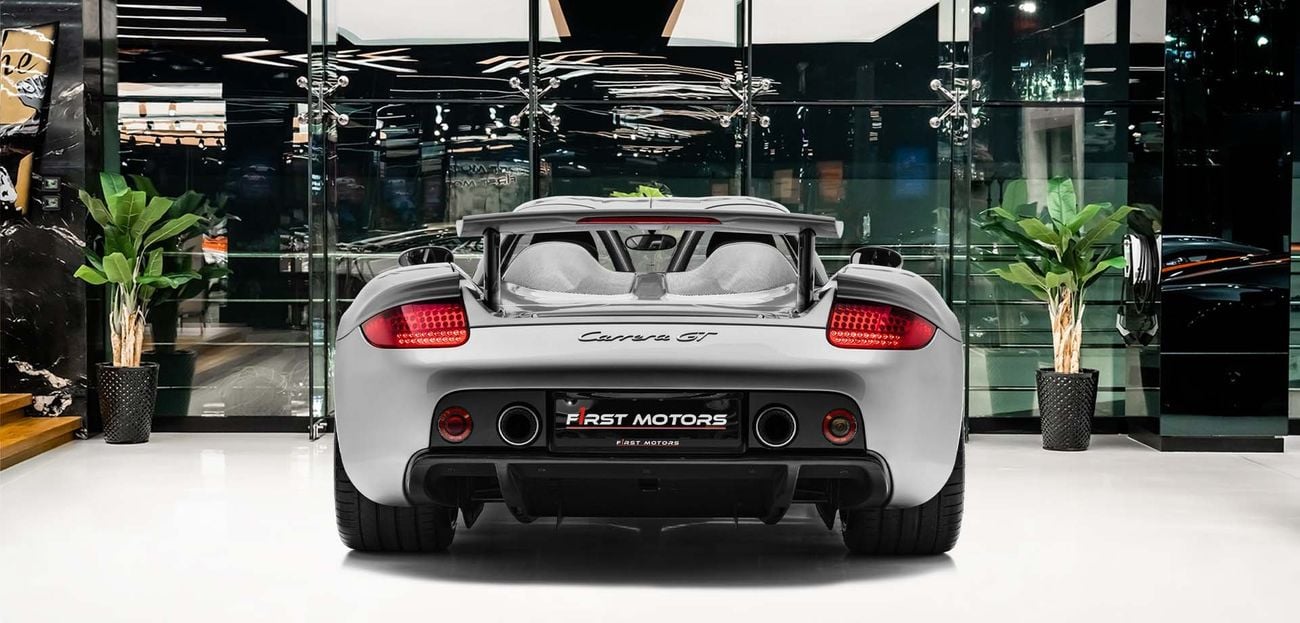
The sound is a hard-edged howl. It is higher and rawer than a typical V8. At low revs it rumbles. As the revs climb, it becomes a metallic shriek. Many critics point to the Carrera GT’s racing roots. The engine feels more like a prototype than a road unit.
Its lightness helps. Lightweight internals let it rev eagerly, so the sound rises fast. The exhaust is also important. A short, direct system sends the note straight out.
Little is hidden by insulation. The cabin is full of mechanical noise. That is part of its appeal. Many owners and writers say it sounds more alive than the LFA.
Others disagree and prefer the Lexus. Opinions split on which V10 wins. Credit goes to critics and enthusiasts on both sides. There is no official verdict.
The Carrera GT remains a benchmark for analogue supercars. It has no turbos and no hybrid system. Its engine is the car’s soul. The sound is the reason people still talk about it.
3. Cosworth V12 (Gordon Murray T.50)
The T.50’s V12 is a modern marvel. It revs to 12,100rpm. Gordon Murray Automotive worked with Cosworth to build it. The engine is a 3.9-litre naturally aspirated V12.
It makes around 654bhp. That works out to about 168bhp per litre. Murray wanted the lightest engine possible. The unit weighs about 178kg. The T.50 itself weighs under 1,000kg. That is very light for a modern supercar.
Murray is famous for his work on the McLaren F1. That car had a BMW V12 and a legendary exhaust note. The T.50 is the spiritual successor. Murray wanted a sound to match.
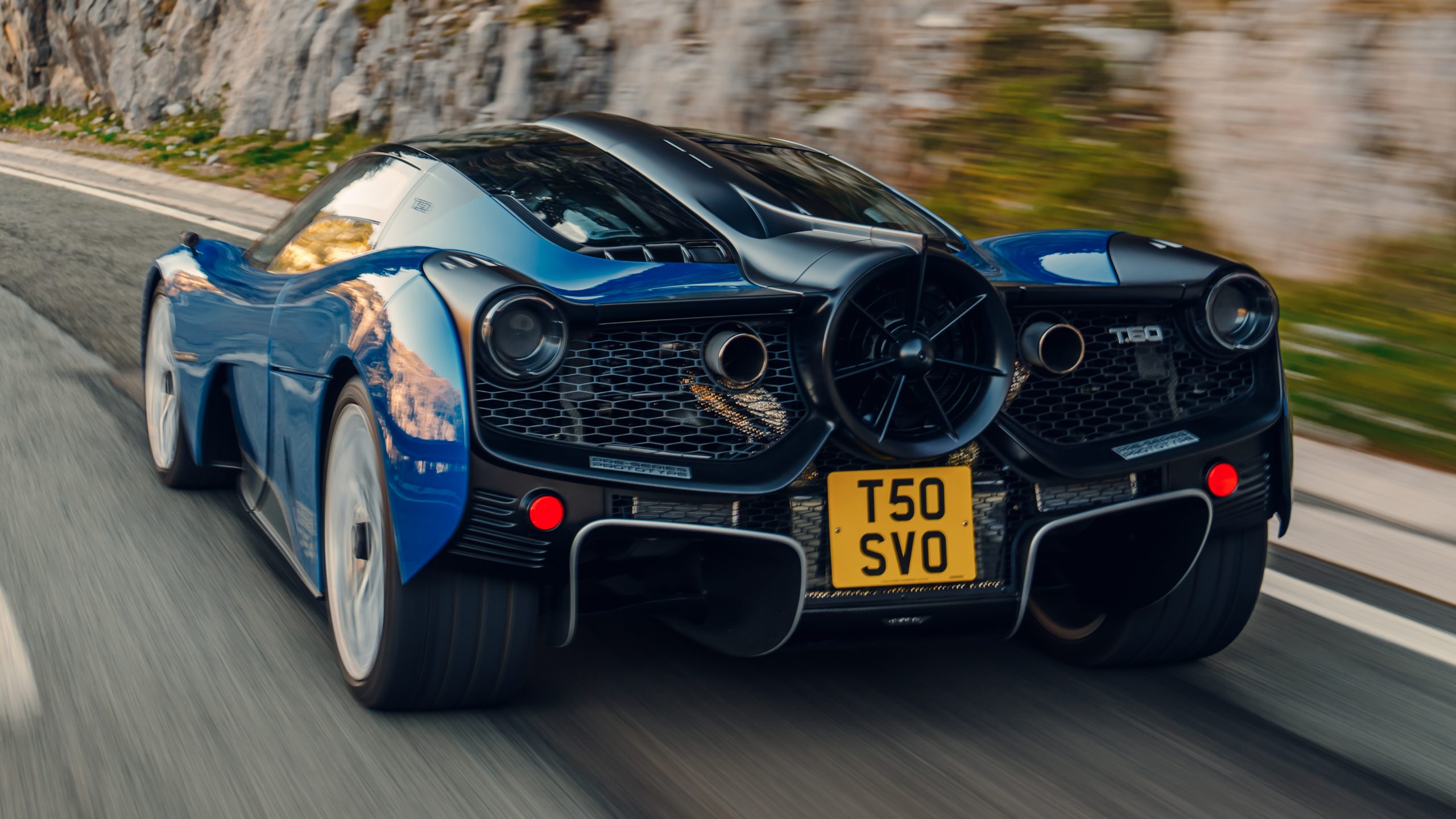
The engine is tuned for a high, pure note. It sounds like a Formula One car from the 1990s. At 12,100rpm the frequency is extreme. Few road cars ever approach it.
The high revs create a shrill, clean scream. Reviewers often describe it as an opera. The T.50 also uses a fan at the rear. It is mostly for aerodynamics, not sound.
The cabin is designed to carry the sound. Murray paid attention to the intake path and the structure. Only 100 road cars will be built. Deliveries began in 2023.
Cosworth’s history adds weight. The firm built the famous DFV that dominated Formula One in the 1960s and 1970s. This V12 continues that story. It proves a small firm can still chase perfection.
Critics who drove early cars praised its response. The sound rises with the throttle. There is no turbo lag and no hybrid assistance. The engine is pure and direct. Many writers now call it the best modern V12. That is an opinion, but a widely shared one.
4. Mazda R26B Four-Rotor
The R26B is the strangest engine on this list. It is a four-rotor Wankel. It powered the Mazda 787B to victory at Le Mans in 1991. No rotary engine has won there since, and Mazda remains the only Japanese manufacturer to win the race.
The engine displaces 2.6 litres in racing terms. It made about 700bhp and revved to around 9,000rpm. A Wankel has no pistons. Triangular rotors spin inside the housing.
That layout produces a unique sound. It is a high, tearing shriek with a ripping edge. Many people describe it as a screaming chainsaw. Others hear a jet-like wail.
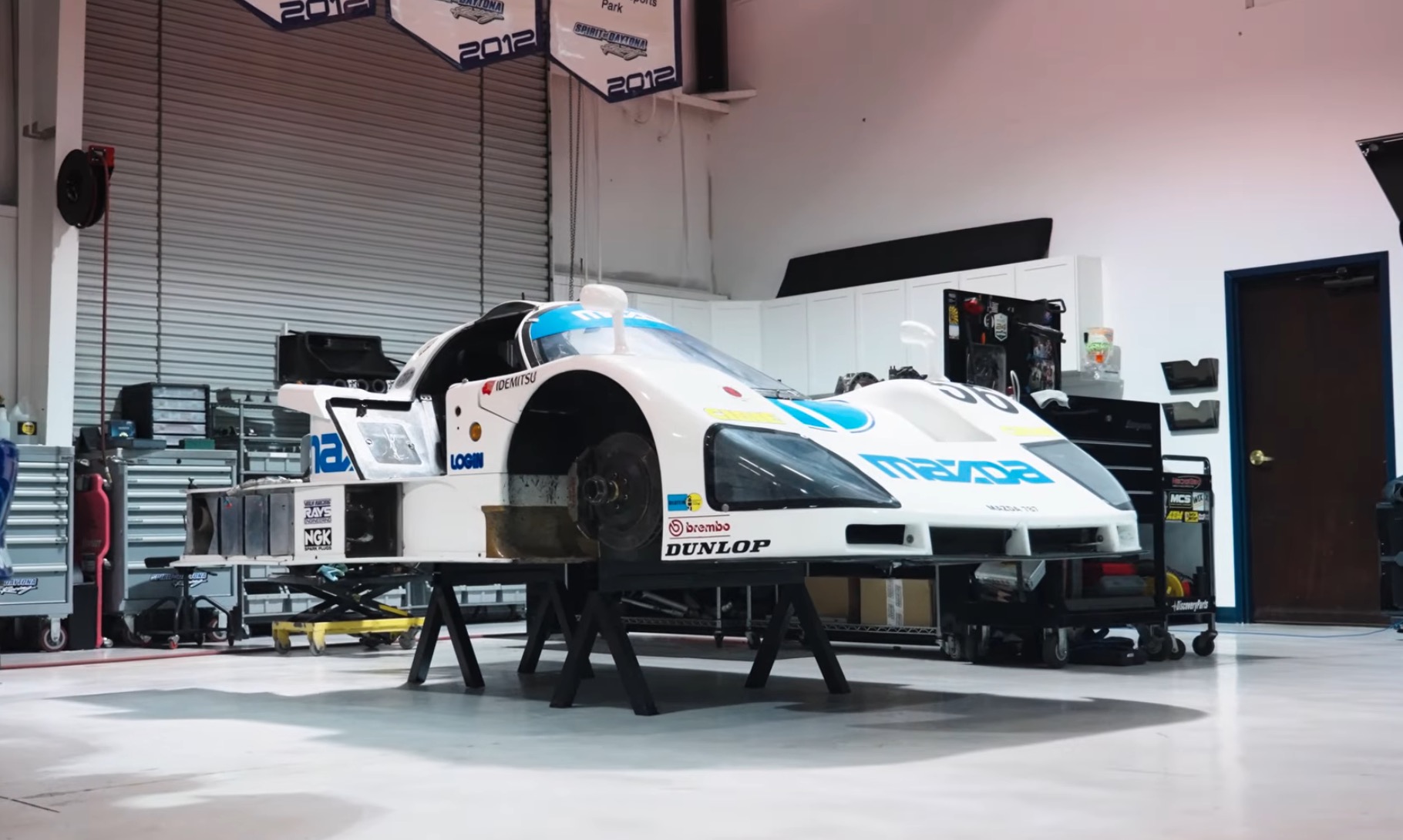
The note has little in common with a piston engine. There are no valves clattering and no pistons slapping. The firing pulses are overlapping. That creates a smooth, continuous tone.
At full throttle the sound can be deafening. Spectators at Le Mans often recall the 787B’s wail from far away. Its fame goes beyond the race win. The engine won a Hagerty readers’ poll for the best sound.
That is a poll result, not a scientific fact. It shows how many fans hold the R26B in affection. The 787B’s paint scheme also helped. The orange and green livery is among the most recognisable in racing.
The car was lighter than many rivals. It also had a more compact engine. Reliability was the question. Rotary engines were thirsty and fragile. Mazda managed to make it last 24 hours. That achievement still impresses engineers.
The engine remains unique to this day. No other manufacturer has matched it. For many fans, it is the best-sounding racing engine of all. That claim is fair, but still subjective. Anyone who hears one live rarely forgets it. The sound stays in the ears for days.
5. Ferrari 250 GTO V12
The 250 GTO is the most valuable Ferrari ever sold. Its engine is part of the reason. The heart is the Colombo V12. It displaces about 3.0 litres. It makes roughly 300bhp at 7,500rpm. That was strong for the early 1960s.
Six Weber carburettors feed the engine. Their intake roar is a big part of the sound. The GTO was built from 1962 to 1964. Only 36 were made. It raced at Le Mans and in the Tour de France. It also dominated GT racing.
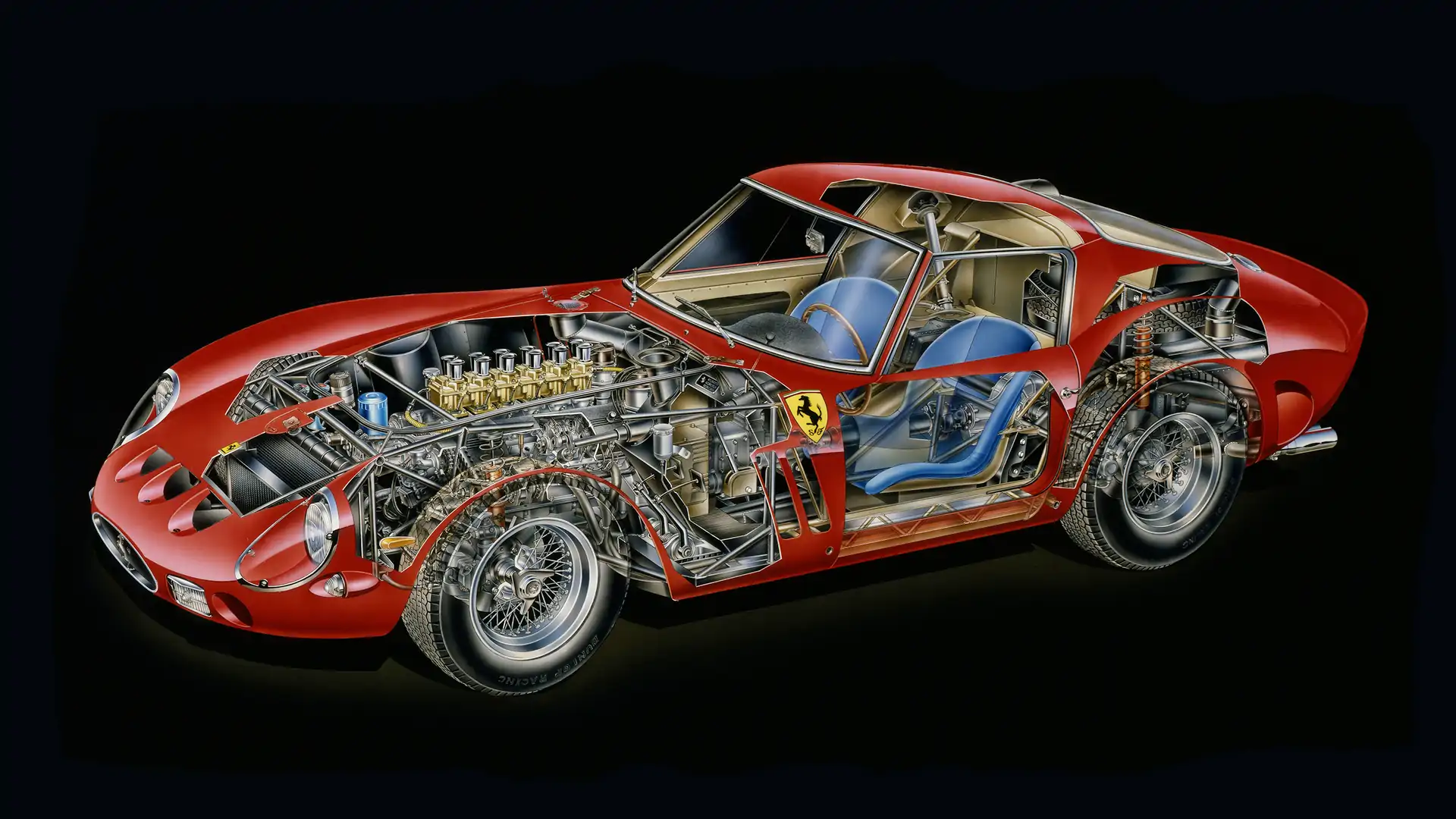
The exhaust note is a rich, metallic bark. It has a smooth, flowing pitch. At low revs it is a soft burble. Higher up, it turns into a clean, soaring wail. The V12 layout is naturally smooth. The cylinders fire in a balanced sequence.
That gives a continuous sound with no gaps. It sounds like one long note. Carburettors also add texture. You hear the intake gulp air and fuel. Modern fuel injection lacks that character. Many fans miss it.
The GTO is also tiny and light. The engine sits in a slim body, so its sound fills the cabin. Collectors prize it as the ultimate classic. Sales have reached tens of millions of dollars. The auction prices are real, but not the point. The sound is the experience.
Many Ferrari enthusiasts call it the best V12 ever made. That is a matter of taste. Some prefer later Ferrari V12s for their power. Others prefer the purity of the early Colombo. Either way, the GTO set the template. Every Ferrari V12 since has been measured against it.
6. Ferrari 458 Speciale V8
The 458 Speciale is the last great naturally aspirated Ferrari V8. It marks the end of an era. The engine is a 4.5-litre V8. It makes about 597bhp and revs to 9,000rpm.
That works out to about 133bhp per litre. It was a record for a naturally aspirated road car at the time. The standard 458 Italia used the same basic engine. It made 562bhp.
The Speciale was a special, track-focused version. Ferrari revealed it in 2013. The key to the sound is the flat-plane crankshaft. It lets the engine rev very freely. A flat-plane crank also changes the firing order. The result is a harder, more urgent note.
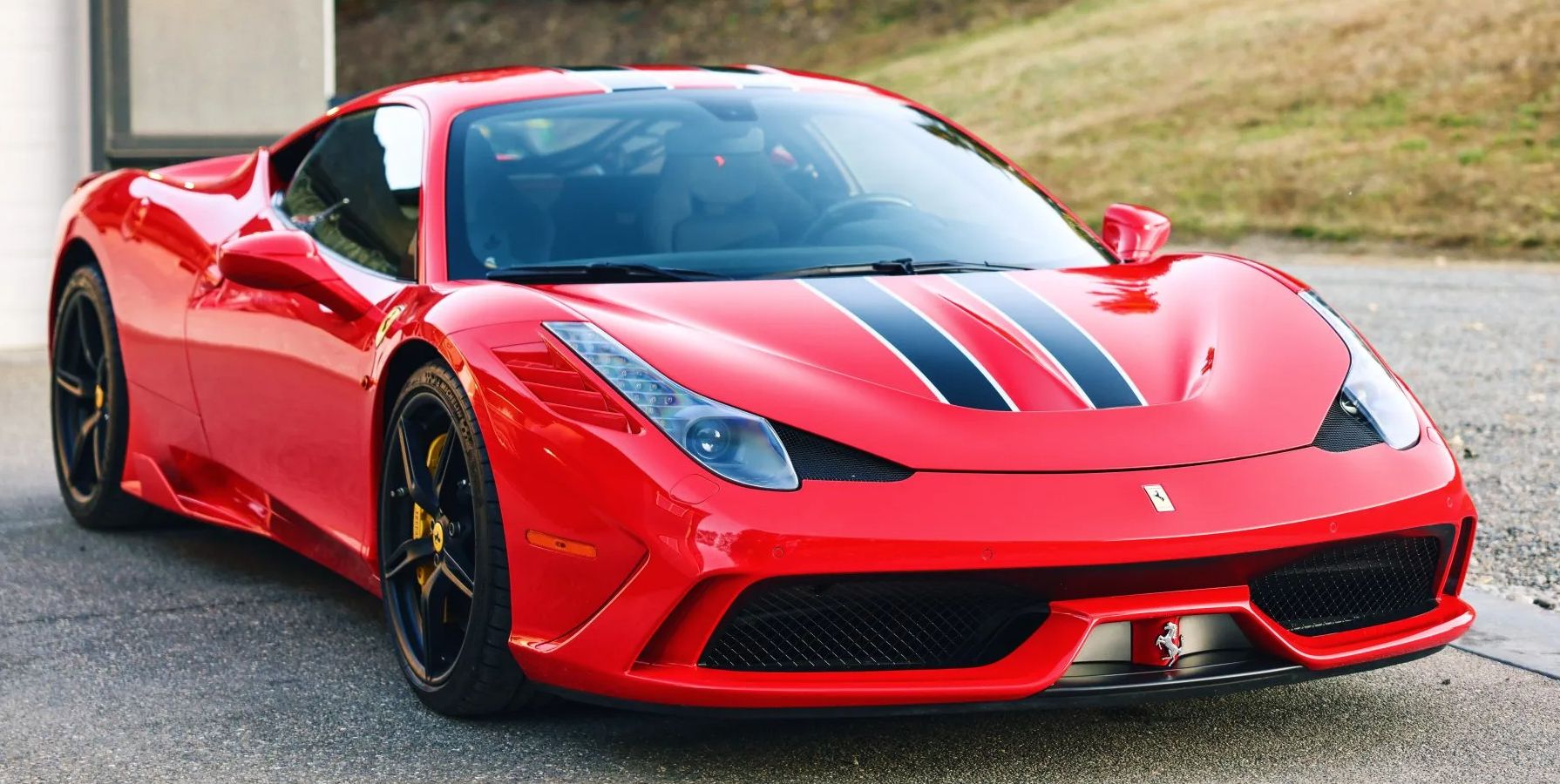
Many people hear it as a mini Ferrari V12. It has a rising, wailing character. At the top of the rev range, it screams. The sound is closer to a racing engine than a road car.
The intake and exhaust were tuned together. Ferrari spent considerable effort on the acoustics. The cabin carries the sound well. The engine sits just behind the driver.
Turbocharging came later. The 488 and F8 use twin turbos. Those engines are quicker but muffled. Many enthusiasts say they lost some of the drama.
That is why the Speciale is so loved. It is the end of the line for the old style. Critics often rank it among the best-sounding V8s ever. The 458 line appears on many such lists.
Ferrari built about 3,000 Speciales. They keep their value well. The car is also fast and exciting to drive. The engine is the star. Its sound is clean and sharp. It leaves a lasting impression.
7. Pagani Zonda F AMG V12
The Zonda is Horacio Pagani’s masterpiece. Its engine came from Mercedes-AMG. The Zonda F used a 7.3-litre V12. It made about 602bhp. The engine came from AMG’s M120 family. It was an enlarged, tuned version.
Pagani chose AMG for its reliability and torque. He wanted a big, effortless engine. Redline sits near 7,500rpm. That is lower than the Japanese and Italian engines here. The sound is different as a result. It is deeper and heavier. The Zonda’s exhaust is its signature. Four tailpipes sit in the centre of the rear.
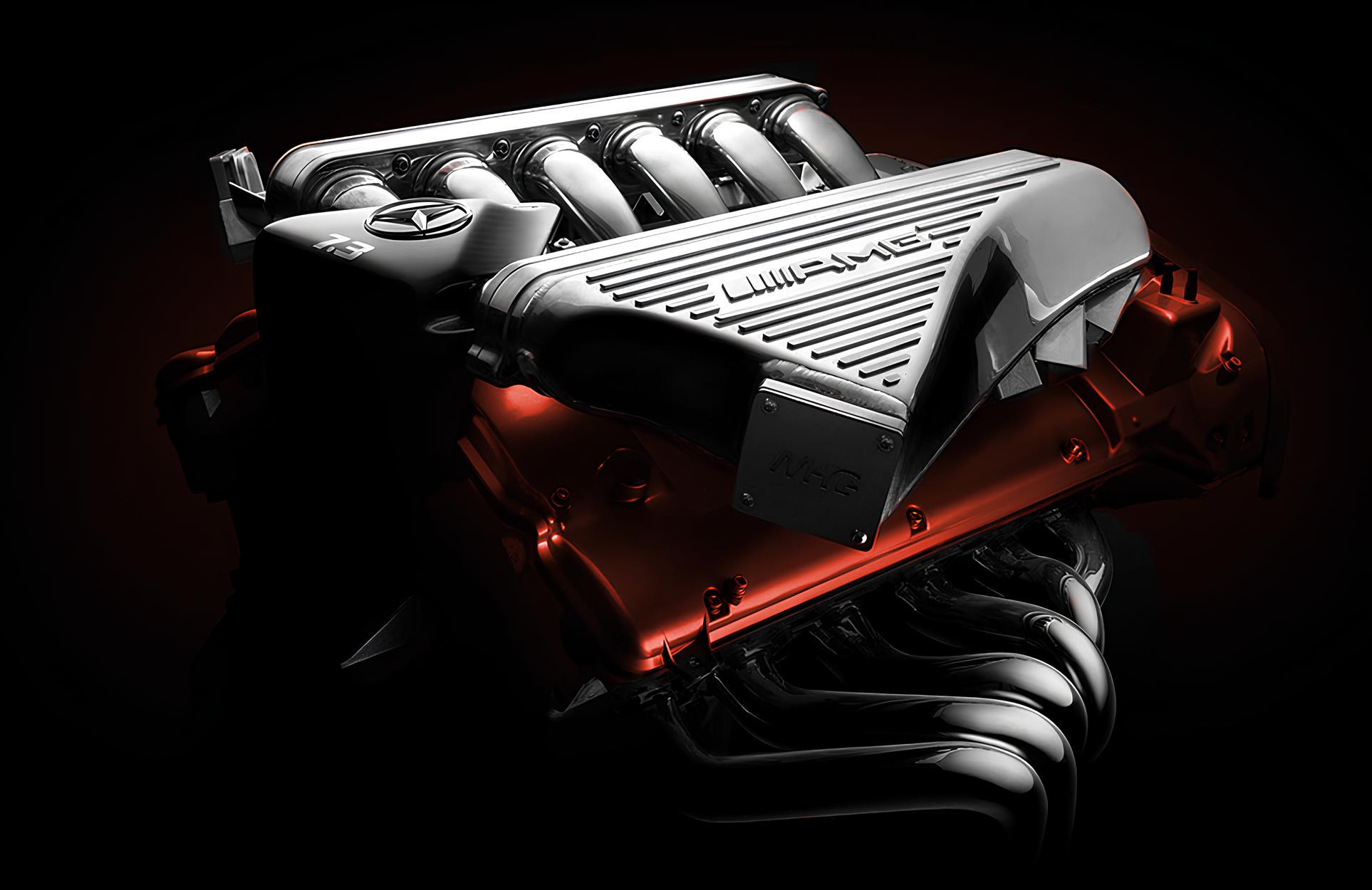
They create a distinctive layout. They also help shape the sound. The note is a thunderous, layered roar. It has a hard metallic edge. At high revs it turns into a howl. Many people hear a fighter jet.
The big capacity gives it presence. It sounds massive, even from far away. Pagani is known for artistic detail. He wanted the car to sound as special as it looks.
Production of the Zonda continued for years, in many versions. Some were extremely rare track specials. The sound varied slightly between versions. Different exhausts gave different tones.
Many fans love the Zonda for its theatre. It is loud, but also musical. Some critics find it less pure than the Ferrari or Lexus. They prefer a higher-pitched scream.
Others love the deep roar. It is a matter of taste once again. Pagani later switched to a twin-turbo V12 for the Huayra. Many say the Zonda sounds better. Naturally aspirated engines feel more direct. The Zonda is among the finest examples.
