
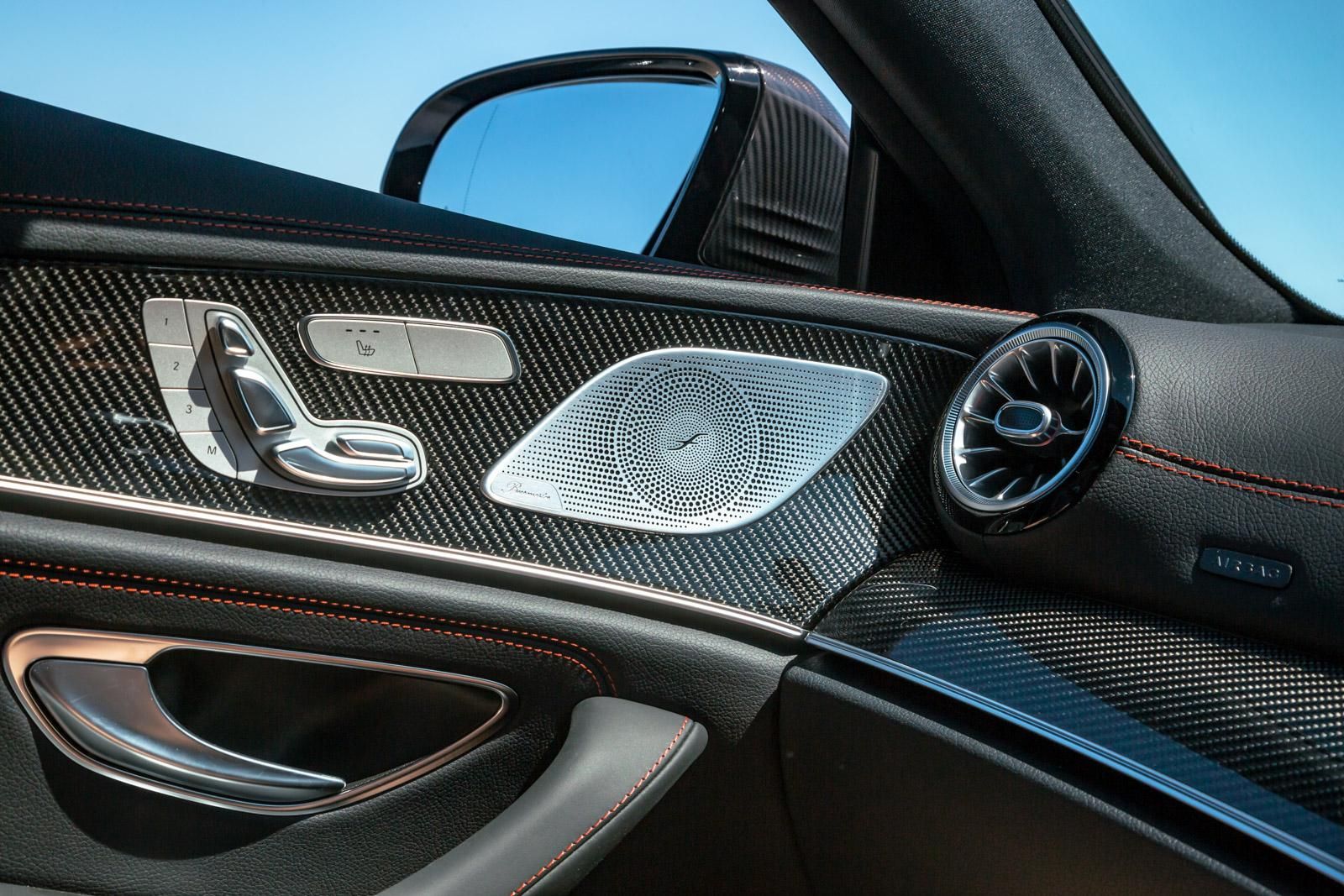
Silence changed how performance cars feel. An electric motor hums softly and gives the driver little to react to. Engineers saw the problem early. They decided to add sound through speakers.
Some people call it fake. Others call it feedback. Either way, the logic is simple. The car reads throttle, speed and load. It then builds a matching soundtrack.
Gas cars joined in too. Turbochargers, particulate filters and noise laws have muffled many engines. Heavy insulation hides even more. Brands now use enhanced sound to bring character back into the cabin.
The real engine still runs. The speakers simply add depth. This list covers six very different cars. Two chase muscle-car drama. Two lean on sci-fi themes. Two pair luxury with calm, quiet power.
Each one handles sound in its own way. Some copy a V8. Some invent a brand-new voice. A few let you switch it all off. The goal is the same in every case. Give the driver something to feel. Here is how each car does it.
1. Hyundai Ioniq 5 N
The Ioniq 5 N is built to feel alive. It is a fast electric hatchback with a loud personality. Hyundai’s N division tuned it like a hot hatch, not a commuter. Every part of it asks to be driven hard.
Two motors power all four wheels. Output reaches 641 horsepower when the N Grin Boost button is pressed. Torque peaks at about 568 lb-ft. An 84 kWh battery feeds the whole system.
The car measures about 185 inches long and 76 inches wide. That is a large frame for a hot hatch. It also weighs well over two tons. Sound helps hide that bulk and sells the speed.
The system is called N Active Sound+. It plays through ten speakers placed in and around the car. Some serve the cabin. Others serve the outside. The output follows the throttle closely. Press harder and the pitch climbs.
Drivers pick from three sound themes. Ignition copies a classic gas engine. Evolution is a modern, digital take on performance. Supersonic sounds like a jet passing overhead. Each theme changes the mood of a drive.
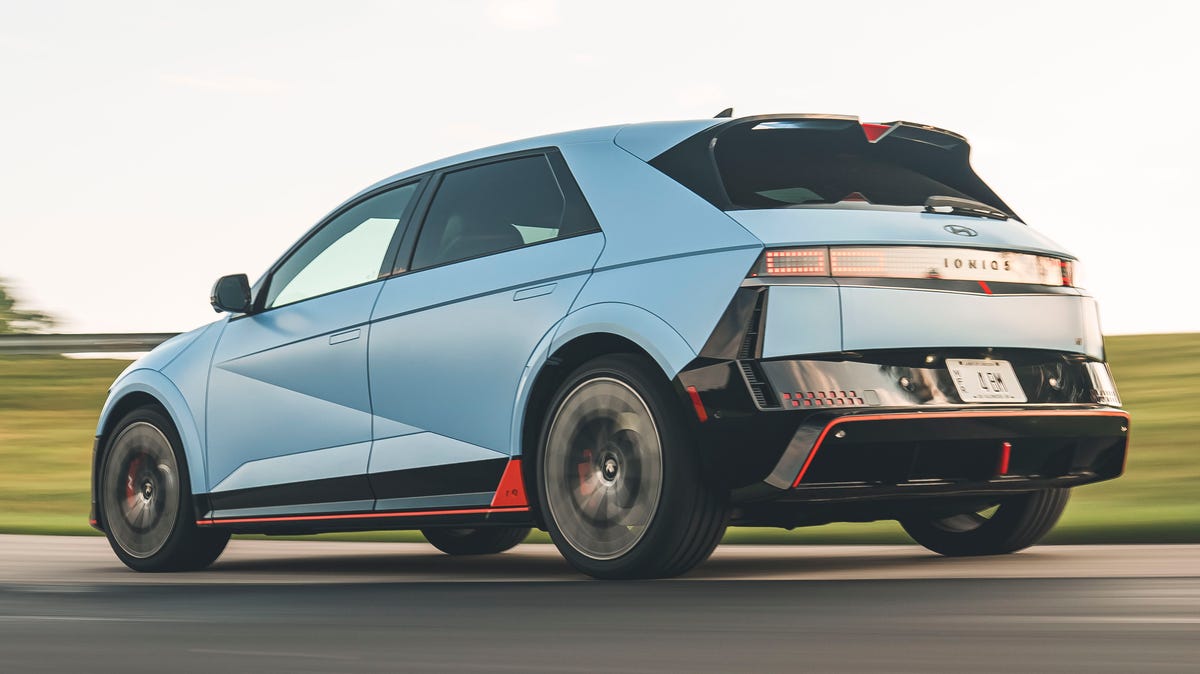
Hyundai adds a feature called N e-shift. It simulates an eight-speed dual-clutch gearbox. The car creates small shift jolts with matching sound cues. Power dips for a moment, then surges again.
This matters because electric cars have no gears. Without them, acceleration feels like one long surge. N e-shift breaks that surge into steps. Each step has a rising note and a sharp drop. The driver feels a rhythm. It revives the habit of chasing the redline.
There is a practical side as well. The sound also plays outside the car. Pedestrians hear a tuned note, not a plain whine. Hyundai says the tuning draws on its racing work.
Many testers call the sound the car’s boldest feature. It splits opinion, though. Some love the theater. Others find it staged. Both reactions are fair.
Control is easy. Drivers can lower the volume or turn the effect off. That freedom is part of the appeal. Digital displays also show boost and shift data. The Ioniq 5 N also keeps its daily manners. It rides well and seats five. The sound is a bonus for the weekend, not a burden on the weekday.
The Ioniq 5 N delivers one clear lesson. Speed alone does not make a car exciting. Sound, shifts and feedback matter just as much. Hyundai built a car that proves it, one note at a time.
2. Dodge Charger Daytona EV
The Charger name carries real weight. The old cars were loud, rough and proud of it. Dodge wanted the electric one to keep that spirit. That was a tough job for a silent powertrain.
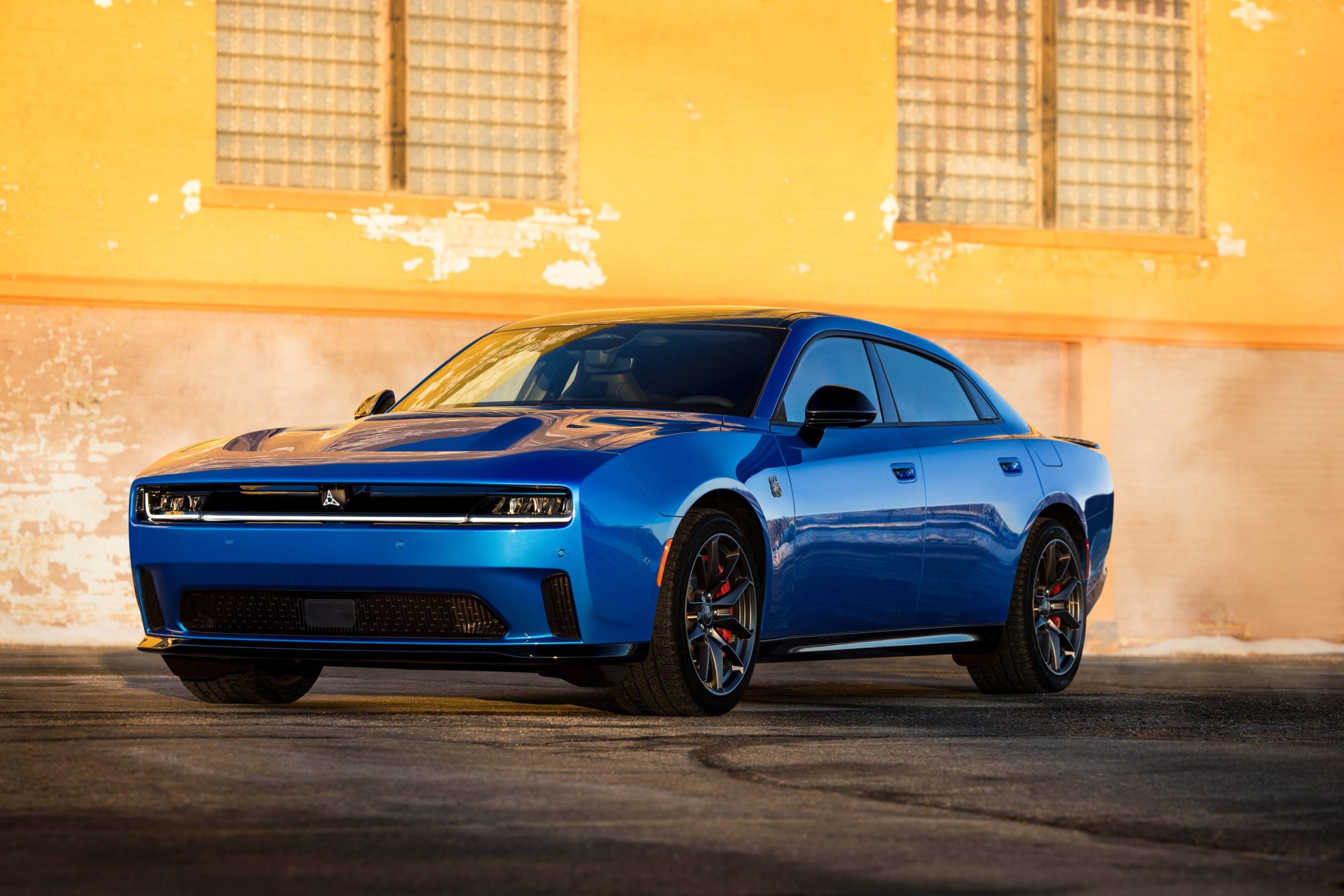
The answer is Fratzonic Chambered Exhaust. The name is playful. The hardware is real. It uses an amplifier, a tone generator and a tuned chamber at the rear of the car.
This is not just a speaker in the cabin. The sound is pushed outward through a tuned passage. Dodge says it reaches 126 decibels. That matches the volume of the Hellcat Charger.
The tone generator builds the note in real time. It reacts to speed and throttle. The result is a deep, rough rumble. It sounds closer to a muscle car than an EV. Dodge shaped it to feel raw, not polished.
Power is strong too. The Scat Pack makes about 670 horsepower. Torque sits near 627 lb-ft. A 100.5 kWh battery feeds the motors. Dodge adds a Power Shot button for a brief boost.
The R/T is the cheaper version. It makes about 496 horsepower. It uses the same sound idea. Only the output differs. Dodge knew some fans would object. Muscle car buyers love noise. They also distrust anything artificial. A silent Charger was never going to sell on its own.
So the brand leaned into the volume. The sound is not hidden. It is a headline feature. Dodge treats it as part of the car’s identity, not as an afterthought.
The car looks the part too. The wide, low stance echoes the classic coupes. Sound completes the picture. Reactions are mixed. Some owners enjoy the show. Others want a quieter ride. The volume can be adjusted to suit both.
Sound also helps safety. Pedestrians can hear the car approach. A quiet electric muscle car would be easy to miss. Regulations require a warning sound at low speeds anyway.
Critics argue that synthetic roar is a gimmick. Fans argue that it is the whole point. Dodge sits firmly with the fans. It sells attitude, and the exhaust note delivers it. Charging speed matters too, but sound sells the first impression. A buyer hears the car before reading any spec sheet.
The Charger Daytona proves one point. Noise can be a brand asset. Even when it comes from an amplifier, a chamber and some clever code, it still gets attention. Few electric cars shout this loud. Fewer still do it so openly. That honesty is the Daytona’s quiet strength.
3. BMW M5
The M5 is a gas-powered car, so its sound is enhanced, not invented. A real engine still sits under the hood. The speakers add to what you hear. The current M5 is a plug-in hybrid. It pairs a 4.4-liter twin-turbo V8 with an electric motor. Combined output is about 717 horsepower. Torque reaches roughly 738 lb-ft.
It is also a big car. It measures about 200 inches long and 77 inches wide. It weighs close to 5,400 pounds. That mass needs sound to feel urgent. BMW calls its approach Active Sound Design. The system reads engine speed and load. It then adds matched tones through the cabin speakers. The aim is a richer, fuller note.
This solves a modern problem. Turbo engines can sound flat inside. Heavy insulation blocks much of the noise. Active Sound Design restores some of the drama.
The enhanced sound blends with the real V8. A good system should be hard to spot. BMW tunes the mix with care. The speakers support the engine without replacing it.
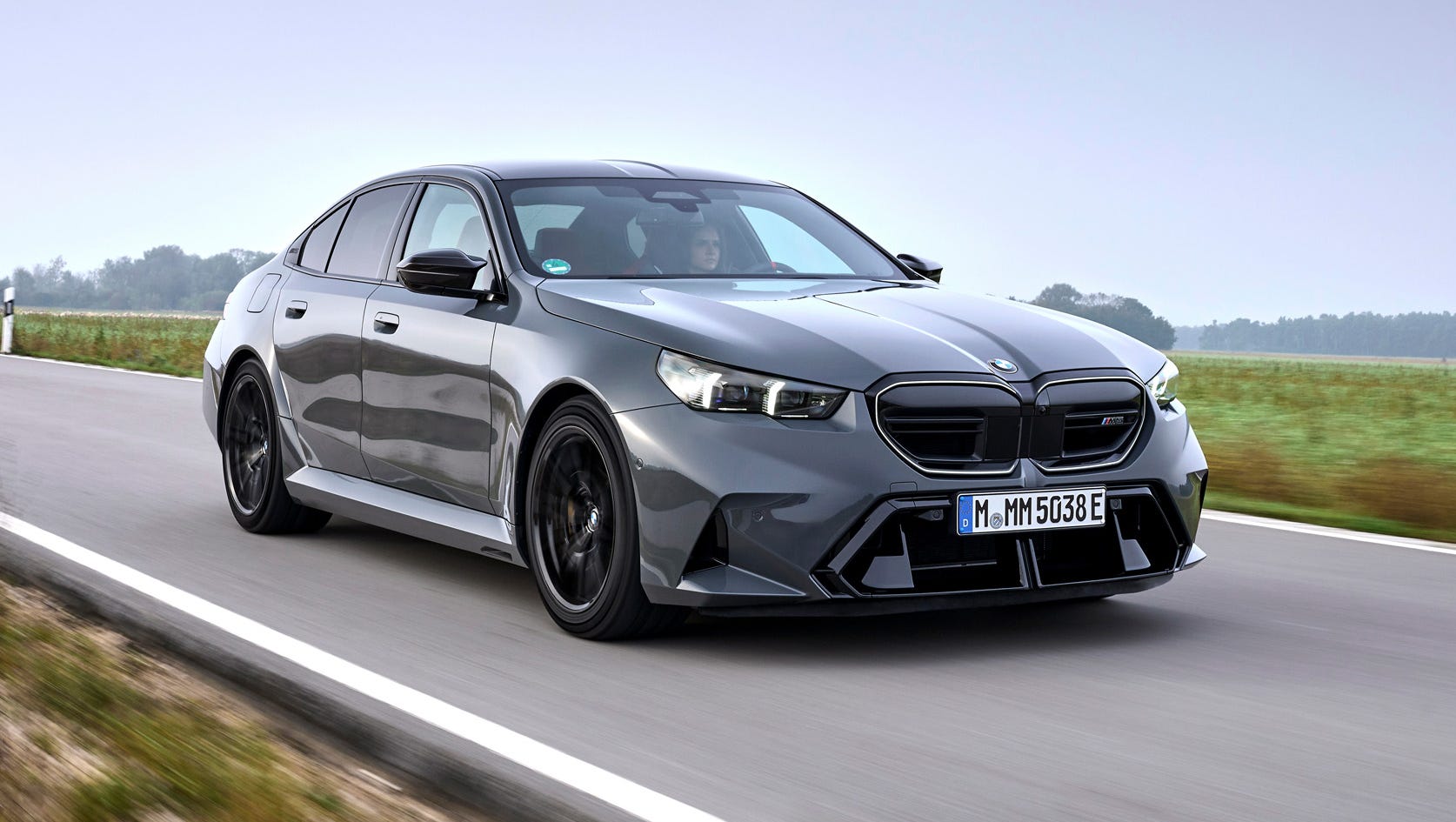
Drive modes change the character. Comfort keeps things calm. Sport raises the volume and sharpens the note. Drivers can adjust the level in the settings.
The hybrid system adds another layer. In electric mode the car runs almost silent. BMW plays gentle cues to signal speed and power. The driver always has some feedback.
BMW has also worked on sound for its electric models. It brought in a famous film composer for that project. The same design thinking shapes how its gas cars are tuned.
Purists may still object. They want pure mechanical noise. Yet the M5 is a heavy, well-insulated car. Without help, the V8 would sound distant. Enthusiasts often ask if the sound is real. The honest answer is both. The V8 makes the noise, and the system shapes how it reaches the cabin.
Many reviewers say the enhancement feels natural. They note that it follows the throttle without lag. That quality is hard to build. A late or mismatched note would ruin the effect.
The M5 also shows how far the car has moved from older models. Early M5s relied on raw engine noise. This one relies on engineering, layered carefully, from intake to speaker.
Owners get choice too. Sound can be reduced if they dislike it. The V8 remains present either way. That makes the system easy to live with. The M5 shows the quieter side of the trend. The sound is subtle. It is a polish, not a performance. Even so, it changes how the car feels at every speed.
That is the key to good enhancement. The driver should feel the engine, not the speaker. BMW comes close to that goal. The M5 sounds like a V8, because it still is one.
4. Kia Stinger
The Stinger was Kia’s bold sports sedan. It was fast, rear-biased and surprisingly fun. It also leaned on sound to feel sporty. Kia wanted drivers to feel the car’s energy.
Its gas engines are real. The top model used a 3.3-liter twin-turbo V6. Output was around 365 horsepower. Torque reached about 376 lb-ft. The car is about 190 inches long and 74 inches wide. It is a long, low fastback. That shape suits a grand touring feel. It also adds weight and insulation.
Kia added an enhanced sound system for the cabin. It plays extra engine tones through the speakers. The tones follow throttle and engine speed. The goal is a stronger link between foot and ear.
Sound changes with drive mode. The Stinger offers five modes in total. Each one shapes the cabin note differently. Comfort is calm. Sport is louder and tighter.
This helps the car feel more flexible. A driver can cruise quietly on the highway. Then they can switch modes and hear a sharper edge. One car can play two roles.
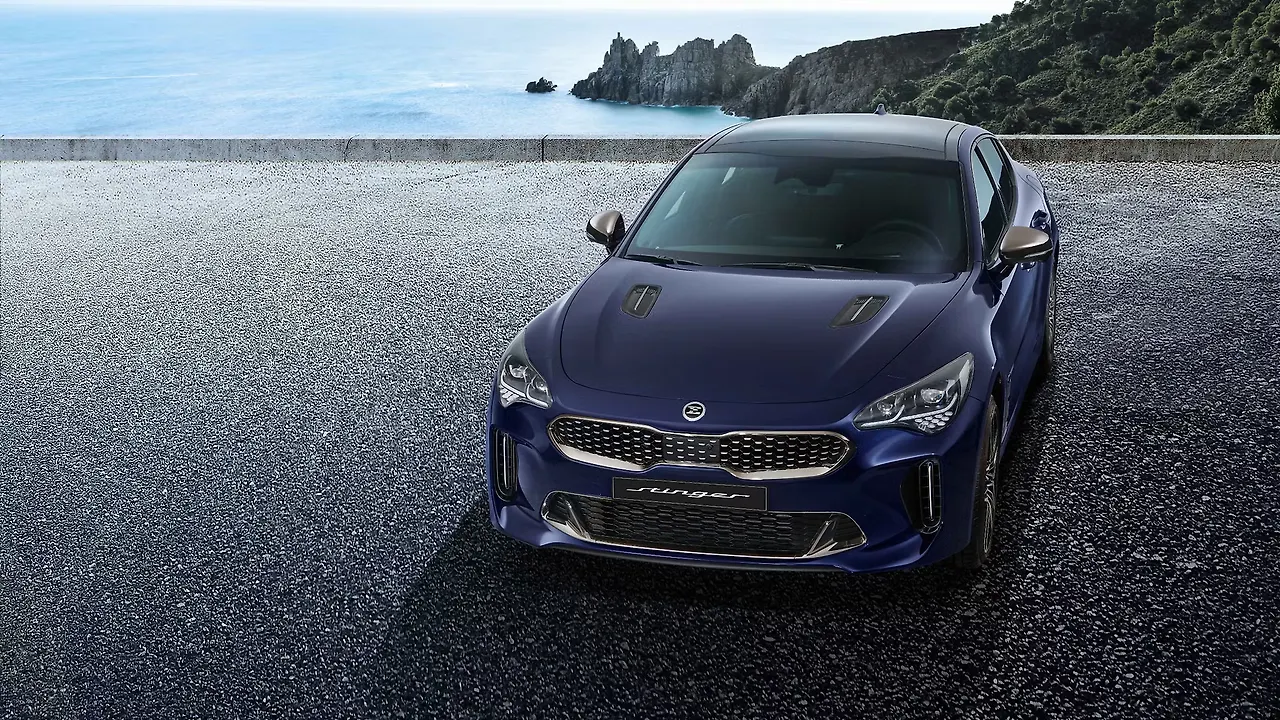
The Stinger’s cabin is well insulated. That makes it a good luxury car. It also means the real V6 can sound muted. Without help, the engine would feel far away.
Enhancement fills the gap. It brings the engine closer to the driver. The result feels more athletic. The sound also covers some turbo flatness at lower revs. Some reviewers praised the effect. Others said the sound was a little synthetic. Both views are fair. The system is not shy about being heard.
The rear-drive layout adds to the appeal. The car steers sweetly and slides with control. Sound ties those traits to the driving experience. It turns a good chassis into a good story.
A good drive is more than numbers. Feel, weight and sound blend together. The Stinger understood that, even at its price point. The Stinger is now out of production. Kia has moved toward electric models. Many of them carry their own sound systems. The idea has simply changed shape.
Still, the Stinger deserves credit. It tried to balance comfort and drama. It did so without a large price tag. Few rivals managed that blend. It also showed Kia’s ambition. The brand wanted to compete with German rivals. Sound tuning was one small part of that plan. Every detail was meant to say the same thing.
Today the Stinger is a used-car favorite. Fans praise its engines and its looks. The sound system is a talking point as well. It reminds buyers that even a modest brand can chase character. Enhanced sound is not cheating here. It is simply part of the recipe.
5. Porsche Taycan
The Taycan is Porsche’s first full electric sports car. It had to feel like a Porsche. That meant solving the sound question early. A silent Porsche would have felt wrong.
Porsche created Electric Sport Sound. It plays a custom note through the cabin speakers. The note is a mix of tones, not a recorded engine. It rises and falls with speed and load.
Porsche’s sound designers wanted a new voice. They avoided copying a flat-six. The result is a calm, technical tone. It sounds modern, with a hint of a spacecraft.
Performance backs it up. The first Taycan Turbo S made up to 750 horsepower with launch control. Torque reached about 774 lb-ft. It is brutally quick.
The car is about 195 inches long and 77 inches wide. That is a large sedan. Yet it moves with the poise of a smaller coupe. Sound adds to that feeling.
The note also reflects the driving mode. Normal mode is soft and light. Sport and Sport Plus raise the volume. The sound becomes sharper and more urgent.
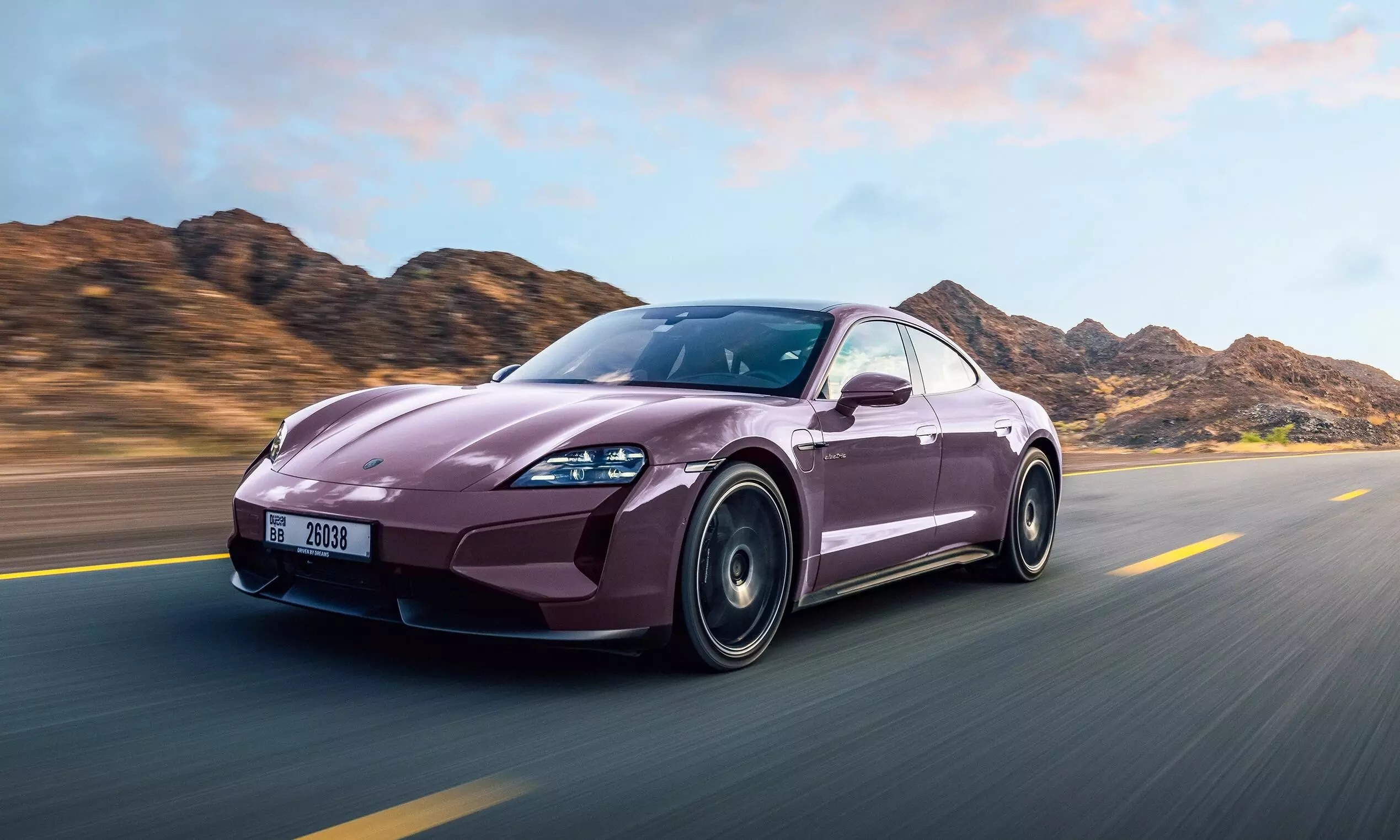
Porsche also thinks about the outside. Pedestrians need to hear the car. The Taycan produces a warning sound at low speeds. It fades as speed rises. Owners can adjust the system. The sound can be turned down or off. That keeps long trips quiet. Not every driver wants a soundtrack all day.
Many drivers say the sound adds to the experience. It tells them how hard the car is working. Without it, speed can feel oddly flat. A silent surge hides the effort.
Porsche engineers know this well. Their cars have long been judged by feel. Steering, brakes and sound all count. The Taycan had to pass on every point.
Even the Taycan’s sound has a purpose beyond fun. It warns, informs and reassures. Few audio systems do so much in so little space. The Taycan also shows restraint. It does not shout. It hums with purpose and lets the chassis do the talking. That suits the brand’s image.
This approach fits Porsche’s reputation. The brand is known for precision. A subtle, refined sound matches that well. Nothing about it feels cheap or loud.
Reviewers often note the sound is most useful when pushing hard. It gives clear cues about speed. That helps the driver judge corners. Information, not noise, is the real purpose.
The Taycan proves electric cars can have character. They simply need a different kind of voice. Porsche found one that feels honest. It does not borrow from the past. It builds something new. It is a quiet lesson in good taste. That choice has shaped how other brands approach the problem.
6. Audi RS e-tron GT
The RS e-tron GT is Audi’s electric grand tourer. It shares a platform with the Taycan. It has its own style and its own sound. Audi wanted it to feel distinct.
Audi calls the system e-tron Sport Sound. It plays through speakers inside the car. The sound follows speed, throttle and drive mode. It feels like a smooth, futuristic whoosh.
Audi’s sound designers wanted something new. They did not copy a combustion engine. They aimed for a high-tech tone. Some people describe it as a spaceship.
Power is strong. The first RS model made about 637 horsepower in overboost. Torque reached roughly 612 lb-ft. A 93.4 kWh battery feeds the dual motors.
Newer versions go much further. The sound system has kept pace. It scales with the added power. The core idea remains the same. The car is about 196 inches long and 77 inches wide. That is a wide, low shape. It looks fast even when parked. Sound makes it feel fast, too.
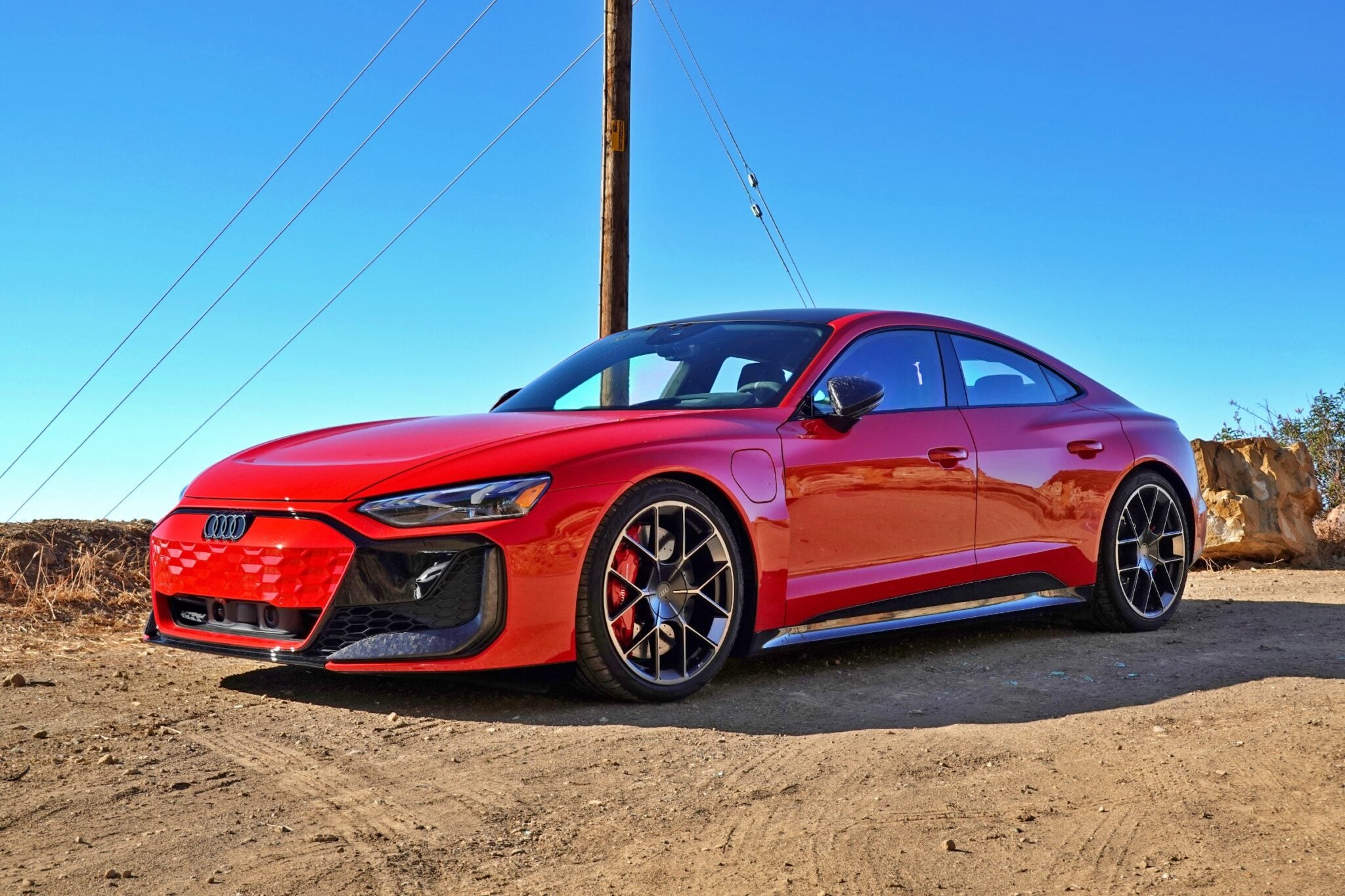
The system also covers the outside. Electric cars must warn pedestrians at low speeds. Audi uses a dedicated sound for this. It is designed to be clear but not harsh.
Inside, the sound is more refined. It rises as the car accelerates. The note stays smooth at cruising speed. It avoids the buzzing of cheaper systems.
Drive modes change the output. Comfort is quiet and relaxed. Dynamic raises the volume and adds a sharper edge. The driver can feel the shift in character.
This matters for a grand tourer. Long trips need calm. Short blasts need excitement. A flexible sound system serves both. Audi also lets drivers reduce the effect. Those who dislike artificial sound can turn it down. The car stays fast either way. Choice keeps the system honest.
Audi’s approach also fits its design. The cabin is clean and digital. The sound matches that mood. Everything feels part of one plan. Audi has a long history with sound. Its five-cylinder and V10 engines had famous voices. Fans expected something special from the first electric RS. The brand took that duty seriously.
The result is not nostalgic. It does not try to bring back the old growl. It looks ahead instead. That bold choice suits an electric flagship. The RS e-tron GT proves a clear point. Fake sound does not need to imitate the past. It can create a new identity.
That is what sets Audi apart here. The car does not try to imitate a V8. It sounds like what it is, a fast, clean, modern machine. Drivers who appreciate that character will likely enjoy it. Those who do not can simply turn down the volume.
