
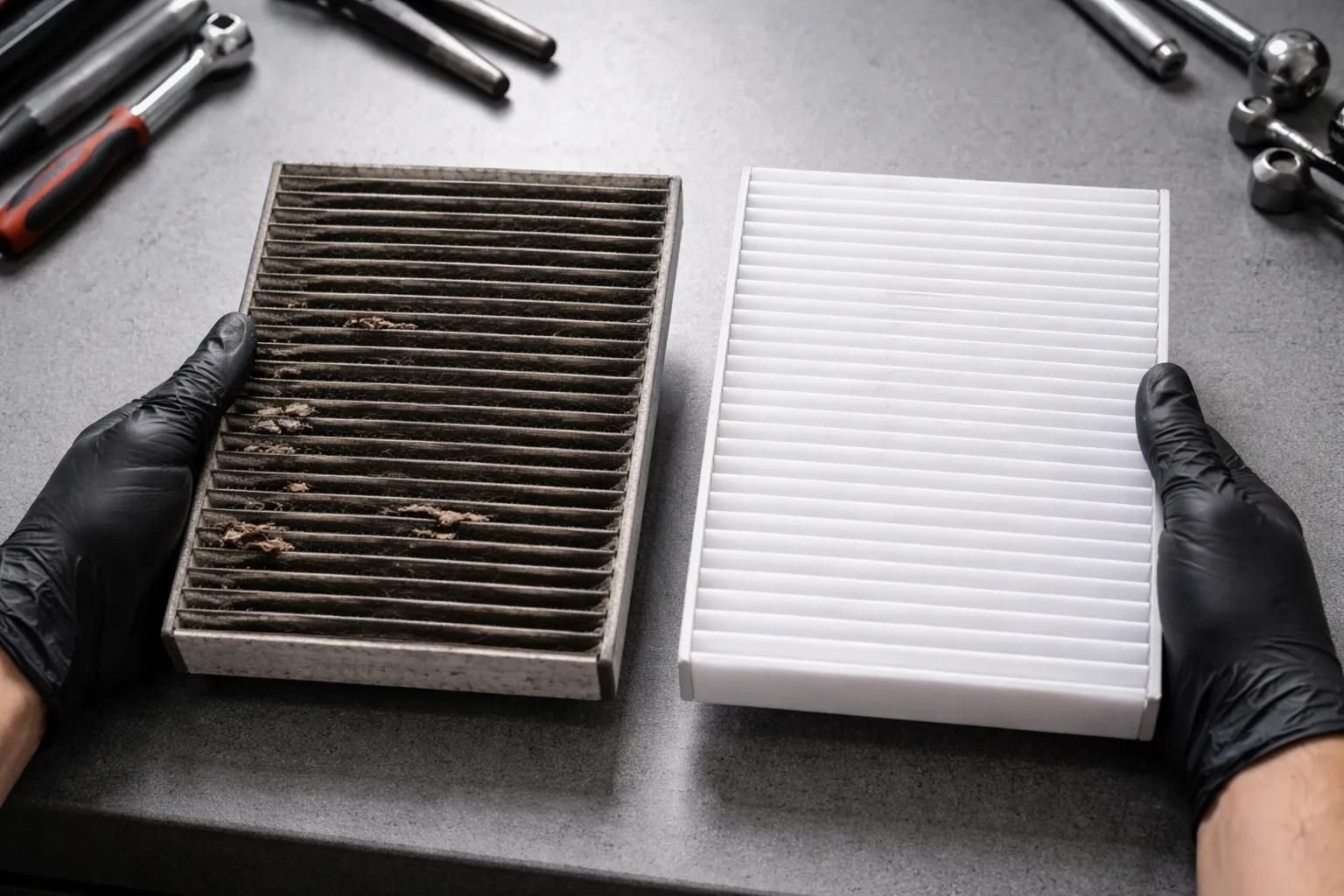
Most drivers never think about their cabin air filter. It sits quietly behind the glove box and does its job. Yet every breath you take inside your car passes through it.
A good filter traps dust, pollen, soot, and road debris. A better one also cuts odors and exhaust fumes. A bad one clogs fast and weakens your AC. Choosing a brand is harder than it looks. Many filters look identical on the shelf. The real differences lie in media quality, fit, and carbon content.
For this ranking, I judged five things. They were build quality, filtration design, fit accuracy, availability, and long-term value. I also weighed OE supply relationships, because carmakers audit their suppliers closely.
Cabin filters usually need changing every 12,000 to 15,000 miles. Dusty roads and heavy traffic shorten that window. Always confirm the part number for your exact model before buying. Here are the eight best brands, from first to eighth.
1. Bosch
Bosch tops this list because it balances quality, range, and availability better than anyone. The German company was founded in 1886. It supplies parts to many of the world’s largest carmakers.
That OE experience shows in the filters. Frames are rigid and the pleats are even. The edges seal well inside the housing. Bosch sells several tiers of cabin filters. The standard version handles dust and pollen. The carbon version adds activated charcoal for odors and exhaust gases.
Bosch also offers premium options with multi-layer media for finer particles. Coverage is wide across European, American, and Asian models. That makes it easy to find the right fit. Fit is where Bosch really shines. Filters slide into the housing without forcing. There are no gaps that let dirty air slip past.
Airflow is another strong point. The pleated media does not choke the blower motor. Your AC keeps its normal strength. Durability is solid too. The media holds its shape even in humid climates. It resists sagging when damp.
Bosch is easy to buy. Auto parts chains, online retailers, and dealerships all stock it. Prices sit in the mid-range. There are a few downsides. The premium lines cost more than store brands. A few niche models may have limited options. Still, the package is hard to beat. You get OE-grade engineering without paying dealership prices. Quality control is consistent from box to box.
I recommend Bosch for most drivers. It suits daily commuters and families alike. It also works well for anyone who wants a buy-once, forget-it choice. If you choose one brand without much research, choose this one. It rarely disappoints. That reliability earns it the top spot.
2. Mann-Filter
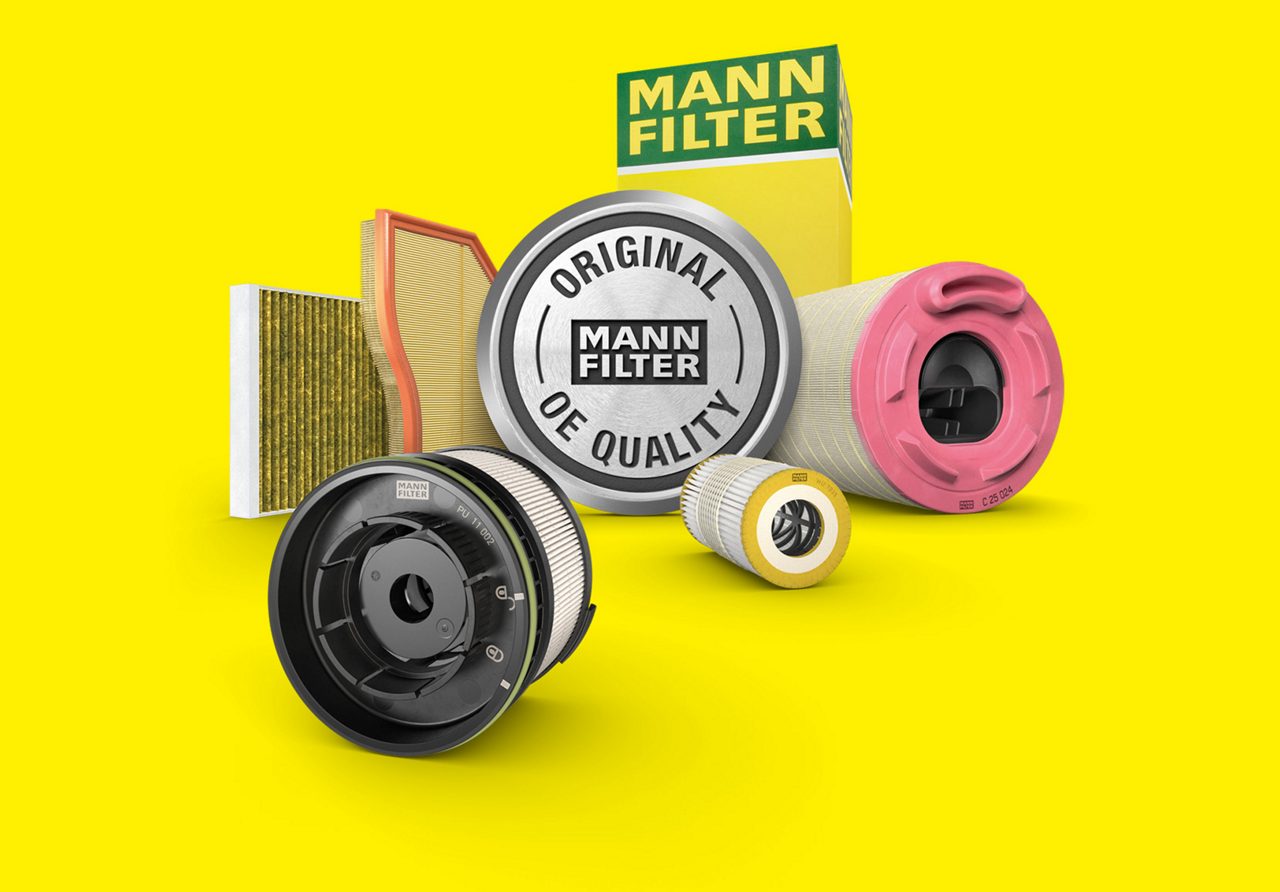
Mann-Filter is the consumer brand of Mann+Hummel. The German group began in 1941. It is one of the world’s largest filtration specialists. Many European carmakers rely on its filters at the factory. That makes it a natural pick for German cars. Owners of Volkswagen, BMW, and Mercedes models often swear by it.
The brand is known for its FreciousPlus line. This filter adds a biofunctional layer to the media. It is designed to bind allergens such as pollen and mold spores. That makes it popular with allergy sufferers. The layer also helps limit bacterial growth on the filter. Fewer musty smells follow.
Mann-Filter also sells activated carbon versions. These reduce exhaust fumes, ozone, and unpleasant odors. They are useful in heavy city traffic. Build quality is excellent. The pleats are tight and uniform. The frames match OE dimensions closely.
Fit is typically perfect on European vehicles. Installation feels clean and tool-free. You rarely need to trim or bend anything. Coverage on Asian and American vehicles is decent. It is not quite as broad as Bosch. Some models may require checking the catalog carefully.
Price runs a little higher than average. The FreciousPlus line costs more again. For allergy-prone drivers, the extra spend makes sense. Availability is strong online and at specialist stores. Big-box retailers may carry fewer options. Dealers often stock it for European models.
One drawback is that the premium media can load up faster in very dusty areas. In those conditions, replace it earlier than the schedule says. That is true of most fine-media filters. Mann-Filter is a top-tier choice. It earns second place for filtration science and OE trust. Only Bosch beats it on breadth and ease of purchase.
3. Mahle
Mahle is another German heavyweight. The company dates back to 1920 in Stuttgart. It is a major OE supplier across the industry. Mahle approaches cabin filters with real engineering depth. Its catalog covers particle filters, carbon filters, and anti-allergen types. Part numbers follow a clear system.
The brand’s particle filters use dense, multi-layer media. They catch fine dust and pollen well. Airflow stays healthy. Carbon versions add a charcoal layer for gases and smells. They suit stop-and-go commuting. They are also useful near industrial areas.
Mahle also offers polyphenol-treated filters. These are aimed at allergen control. They appeal to buyers who want extra protection. Build quality is very consistent. Frames are firm, and edges are sealed cleanly. Many filters feel identical to the originals.

Fit accuracy is a big strength. Mahle supplies many carmakers directly. That gives it exact dimensions for hundreds of models. Durability is good in normal use. The media resists collapse in damp air. It holds up through a full service interval.
The main weakness is retail presence. Mahle is less visible in some big-box stores than Bosch or Fram. You may need to order online or visit a parts specialist.
Pricing is fair for the quality. It sits near Bosch and Mann-Filter. Premium variants cost more. Brand awareness among casual buyers is lower. That does not reflect quality. It simply reflects weaker marketing in some regions.
Mahle suits owners of European and Asian vehicles especially well. It also works for anyone who wants OE-level fit. Mechanics trust it for that reason.
It lands third because availability trails the top two. In pure product quality, it is nearly their equal. If you can find your part number, buy it with confidence.
4. Denso
Denso is a Japanese giant that grew out of Toyota. It was founded in 1949. Today it is one of the largest auto suppliers on Earth. The company is famous for HVAC systems and air conditioning parts. That gives it deep knowledge of how cabin filters interact with airflow. Its filters are designed with the whole system in mind.
Denso is a major OE supplier to Toyota, Honda, Subaru, and other Japanese makers. Owners of these cars often prefer Denso filters. The fit is typically exact.
Standard Denso filters use pleated particle media. They capture dust and pollen reliably. Airflow resistance stays low. Carbon-equipped versions are available for many models. They help reduce odors and exhaust gases. Not every application offers them.
Build quality is precise and neat. The frames are well molded. Seals are tidy. Installation is easy on most Japanese vehicles. The filter drops in without fuss. It closes the housing cleanly.

Durability is respectable. Filters resist moisture and keep their shape. Service life matches the usual schedule. The main limitation is coverage. Denso focuses heavily on Asian models. Choices for European and American vehicles are narrower.
Pricing is fair, often slightly above budget brands. It is well below premium European lines for many models. That makes it good value for compatible cars.
Availability is strong at dealers and parts specialists. Online retailers also stock it widely. Big-box stores carry fewer options. Denso is best for Toyota, Lexus, Honda, and Subaru owners.
If you drive one of these, it may be your top pick. The OE match is hard to argue with. It ranks fourth because it is more specialized than the first three. Its quality is excellent. Its narrower coverage keeps it from climbing higher.
5. ACDelco
ACDelco is General Motors’ own parts brand. It has supplied GM dealers and owners for decades. Its name is deeply tied to American vehicles. The brand sells cabin filters in two main tiers. The Professional line targets repair shops and everyday buyers. The Gold line offers upgraded materials.
The OE connection is the main selling point. ACDelco filters are built to GM specifications. They fit Chevrolet, GMC, Buick, and Cadillac vehicles very well.
Standard filters use pleated media for dust and pollen. They deliver good airflow. They do the basic job well. Some versions add activated carbon. These help with odors and traffic fumes. Check the listing for the carbon option.
Build quality is generally solid. Frames hold their shape. Seals are decent. Fit on GM trucks and SUVs is excellent. Owners of Silverado, Equinox, and similar models often choose it. Installation is straightforward.
Durability is good in daily use. The media resists tearing during installation. It lasts a full interval in normal conditions. Coverage beyond GM is more limited. Some non-GM vehicles are supported. The catalog is best when matched to American brands.
Price is moderate and often competitive. It is usually cheaper than European premium brands. That helps fleet owners and budget-minded drivers.
Availability is strong in North America. Dealers, chain stores, and online sellers stock it widely. Finding a replacement is rarely a problem. One drawback is that filtration claims are less detailed than Mann-Filter or Mahle.
Premium media options are fewer. Allergy-focused buyers may want more. ACDelco is the best choice for GM owners. It delivers dependable OE-style quality at fair prices. That earns it fifth place.
6. Purolator
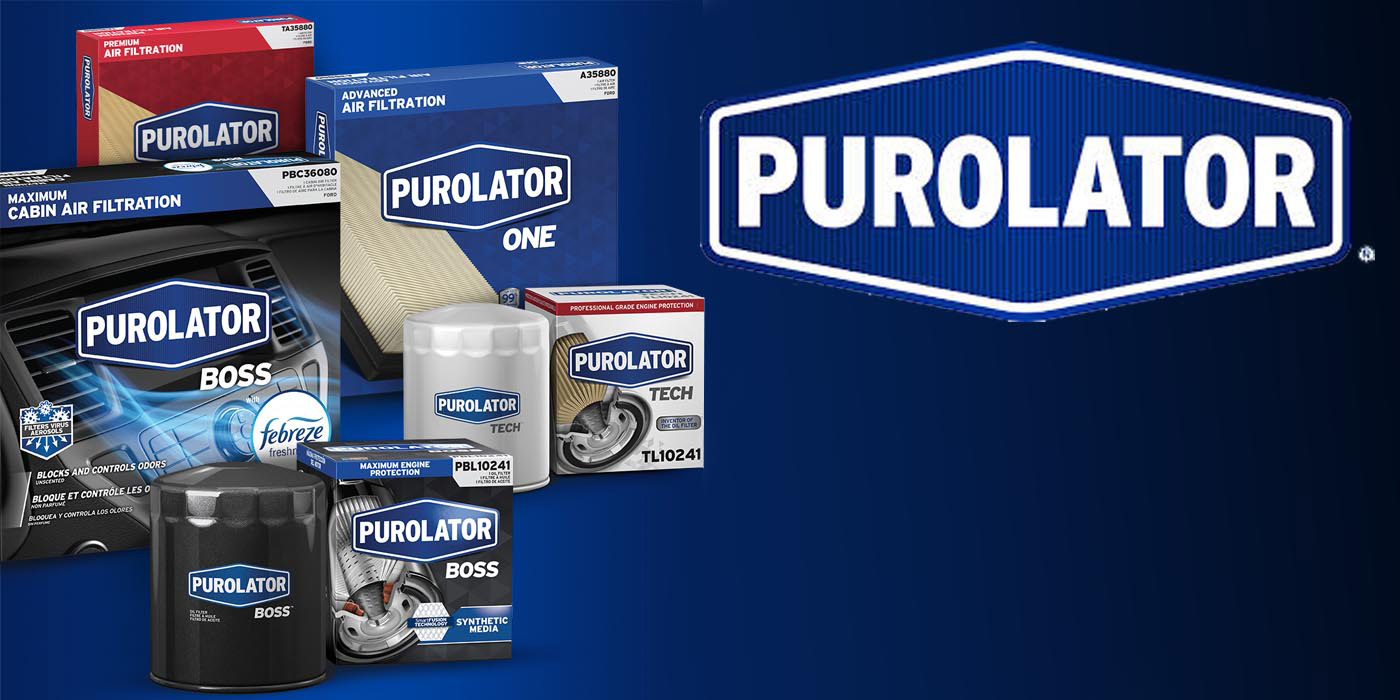
Purolator is one of America’s oldest filter names. It was founded in 1923. The brand helped popularize the modern oil filter. Today it is part of the Mann+Hummel family. That gives it access to serious filtration technology. It shows in the cabin filter line.
The flagship product is PurolatorONE. It uses multi-layer media with an electrostatic charge. This helps capture fine particles without hurting airflow.
Carbon-enhanced versions are also available. They reduce odors and exhaust fumes. They suit city commuters. Build quality is better than many budget options.
Pleats are even, and frames are stiff. The filters feel substantial. Fit is good across a wide range of vehicles. Coverage includes American, Asian, and European models. It is easy to find a match.
Installation is usually simple. Most filters slide in smoothly. Occasional tight fits can occur on certain models. Durability is respectable. The media resists moisture and holds its shape. Intervals match industry norms.
Pricing is competitive. It sits comfortably between store brands and premium European lines. That makes it appealing to value shoppers. Availability is strong. Auto parts stores and online retailers carry it widely. Many shops use it as a trusted house standard.
The main weakness is consistency across the lineup. The upgraded PurolatorONE is strong. The entry-level versions are less impressive. Another drawback is limited brand marketing for cabin filters. Buyers often know Purolator for oil filters instead. Many never explore its cabin line.
Purolator is a smart pick for balanced value. You get proven engineering at a fair price. It is a great middle-ground brand. It ranks sixth because the top five offer tighter OE fit or stronger premium options. Still, it is a safe and dependable choice. Few drivers will regret buying it.
7. Fram
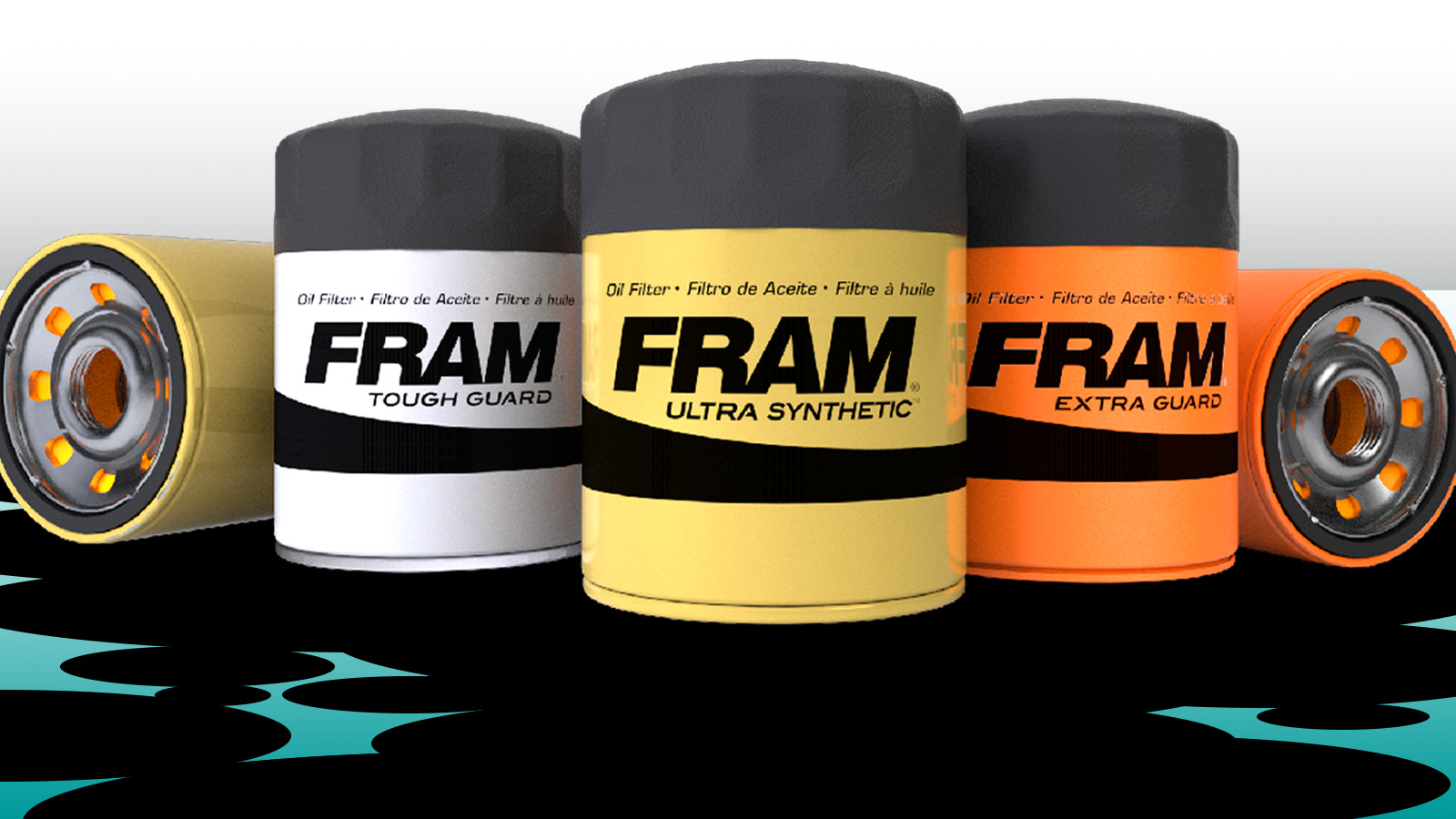
Fram is probably the most recognizable name on this list. Its orange boxes fill store shelves across North America. Availability is its greatest strength.
The brand offers several cabin filter lines. Fresh Breeze uses baking soda in the media to fight odors. Other versions use activated carbon. Fresh Breeze is unusual and popular. The baking soda helps neutralize smells. Many buyers like the idea.
Standard Fram filters cover basic dust and pollen. They do the job for normal use. Airflow is generally fine. Pricing is one of Fram’s best features. Filters are affordable and easy to find. That suits tight budgets.
Coverage is vast. Fram supports an enormous range of vehicles. You will rarely fail to find a match. Installation is usually easy. Most filters fit properly. Occasional loose frames can occur.
Build quality is the weak spot. Some filters feel lighter than European or Japanese rivals. Pleats may be less uniform. Durability is acceptable. In humid conditions, some filters can sag sooner. Replacing at the early end of the interval is wise.
Filtration performance is adequate. It handles everyday dust and pollen. It does not match the finest media from premium brands. Quality can vary by product tier. The higher lines are noticeably better than the basic ones. Check which version you are buying.
Fram is ideal for convenience and price. If you need a filter today, it is easy to find. Many shoppers value that more than perfection. It ranks seventh because quality control and media do not match the leaders. It is not a bad filter. It is simply a budget-first option.
8. Wix
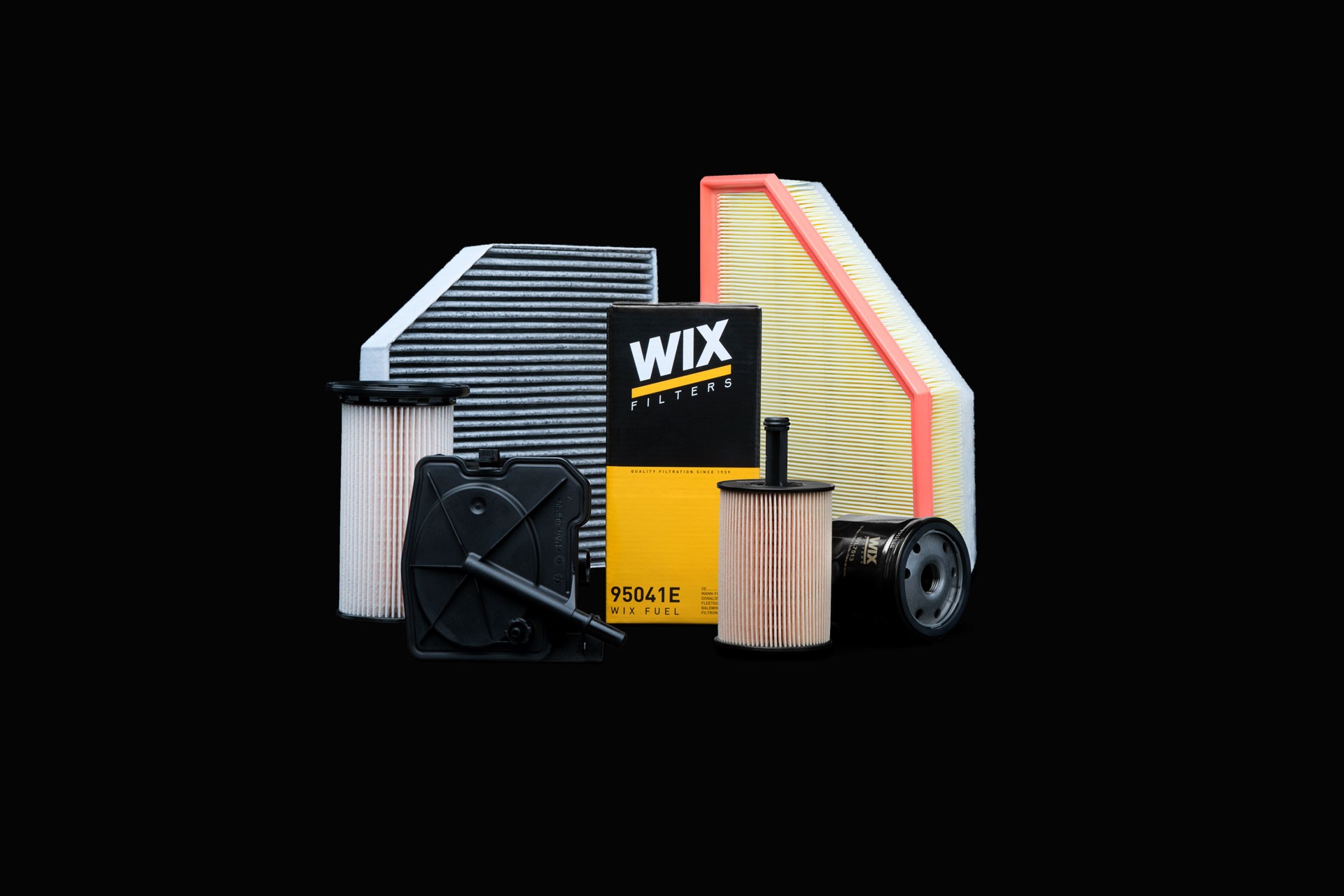
Wix rounds out this list as a reliable, workshop-friendly brand. It is a long-standing name in automotive filtration. Many professional mechanics know and trust it.
The brand has a strong racing reputation. It has been closely tied to motorsport for years. That image carries into its consumer products. Wix offers standard particulate cabin filters. It also sells carbon-enhanced versions. Both are widely used in repair shops.
Build quality is solid and workmanlike. Frames are sturdy and the pleats are consistent. The filters feel dependable. Fit is generally accurate. Wix covers a broad range of domestic and import vehicles. Shops appreciate that variety.
Airflow is healthy with both types. The media does not strangle the blower. AC performance stays strong. Durability is good for the price. Filters resist moisture and keep their shape. They last a standard service interval.
Pricing is moderate. It is often slightly higher than Fram. It is usually lower than premium European brands. Availability is mostly through professional channels. Parts stores and online sellers carry it. Some big-box shops may stock fewer options.
The main drawback is limited innovation in the cabin filter line. It lacks standout features like biofunctional layers. Allergy sufferers may want something more advanced.
Marketing is also quieter than rivals. Consumers see less information about its media. That makes comparison harder. Wix works best for owners who trust mechanic-approved brands. It is a safe, no-drama pick. Fleet buyers often like that consistency.
It lands eighth because it offers fewer premium options than the brands above. Quality is still respectable. For straightforward replacements, it remains a sensible choice.
