
The global chip shortage turned the U.S. used-car market upside down. As automakers struggled to build enough new vehicles, buyers increasingly turned to used inventory, pushing prices far beyond normal depreciation patterns.
In some cases, lightly used vehicles actually cost more than comparable new cars. iSeeCars documented the shift with millions of U.S. vehicle transactions, finding that the average one-year-old used car cost 1.3 percent more than new in January 2022.
Certain models experienced dramatically larger premiums because demand was strong while dealer inventories remained limited. These six vehicles provide some of the clearest examples of that unusual pricing period.
1. Subaru Crosstrek
The Subaru Crosstrek became one of the clearest examples of how severe the used-car shortage became during the chip crisis.
In January 2022, iSeeCars found that a lightly used Crosstrek cost 28.3 percent more than its new equivalent in Alaska, representing an $8,261 difference. That figure came from an analysis of more than 1.5 million new and used vehicles sold in the United States during January 2022.
Alaska’s result was not necessarily representative of every U.S. market, but it demonstrated just how distorted pricing could become when supply was extremely limited.
The Crosstrek was particularly well positioned to benefit from that environment because it combined the characteristics buyers wanted from several segments. It offered standard all-wheel drive, crossover practicality, and Subaru’s reputation for winter-weather capability.
The vehicle also appealed to buyers who wanted something smaller and more affordable than a three-row SUV. That broad demand mattered when new-car inventories became thin. Consumers who could not find a new Crosstrek at a dealer could turn to lightly used inventory instead, even if the price was unusually high.
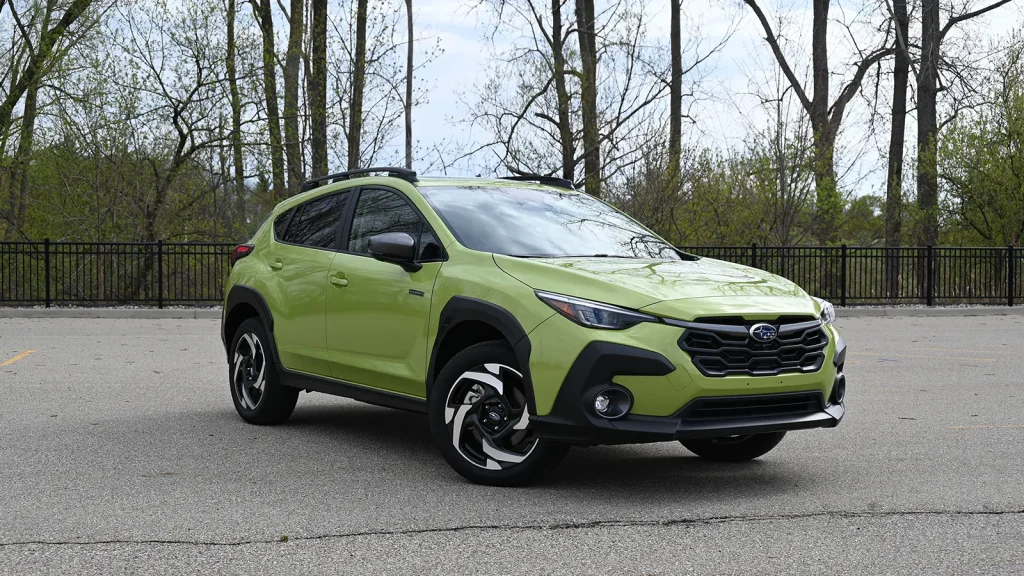
The shortage did not make the Crosstrek mechanically different. It changed the economic relationship between supply and demand. A buyer could end up paying a premium for a vehicle that had already been driven simply because obtaining an immediately available used example was easier than finding a new one.
That $8,261 Alaska premium provides a striking snapshot of the period. It also demonstrates why used-car pricing during the chip shortage cannot be judged using ordinary depreciation expectations.
2. Toyota Tacoma
The Toyota Tacoma was already famous for holding its value before the semiconductor shortage, but the supply crisis pushed its used pricing into unusual territory.
In January 2022, iSeeCars found that lightly used Tacomas were priced above new versions in Alabama by 15.0 percent, representing a $5,701 premium. The analysis covered more than 1.5 million U.S. new and used vehicles sold that month.
The Tacoma’s position was helped by a combination of strong demand and limited availability. Pickup trucks have a broad customer base in the United States, and the Tacoma occupies an especially important position among midsize trucks.
Buyers use them for commuting, recreation, construction work, and off-road activities, giving the model demand that extends well beyond one particular buyer group.
Its reputation for durability also supports strong resale values in normal market conditions. Current iSeeCars data continues to show the Tacoma losing considerably less value than the average vehicle over five years, illustrating that its strong resale performance did not begin with the chip shortage.
What changed during the shortage was the scale of the premium. A lightly used pickup selling for thousands more than a comparable new vehicle would normally be an obvious pricing anomaly. During the supply crisis, however, it reflected the reality facing buyers who could not locate new inventory.
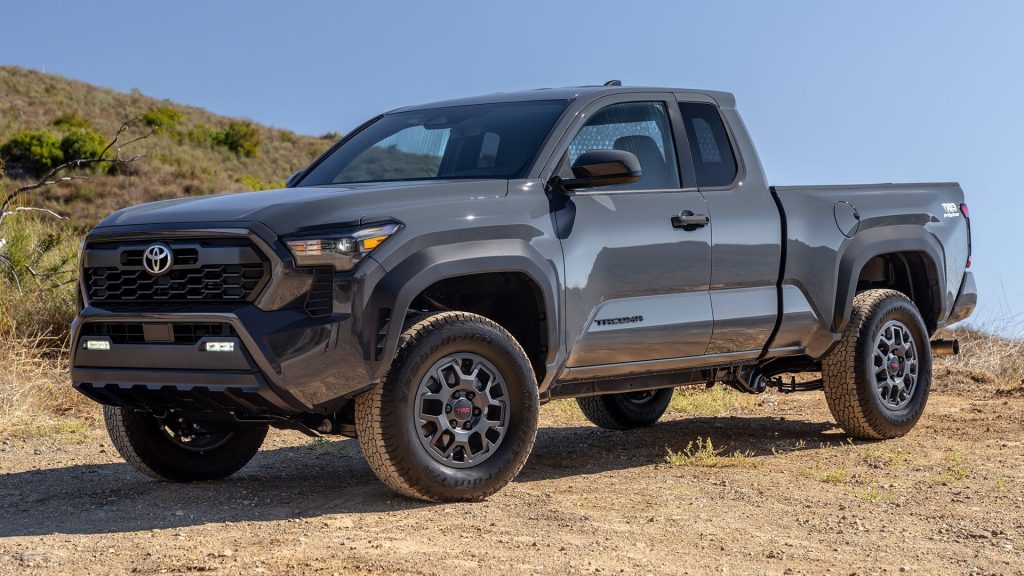
The Tacoma therefore became an important example of scarcity overriding traditional used-car economics. A used truck with miles already accumulated could command a substantial premium simply because the alternative was waiting for a new vehicle to arrive.
That $5,701 Alabama difference captures the unusual nature of the market. Buyers were not necessarily paying more because the used Tacoma had become better. They were paying more because finding the right new truck had become significantly harder.
3. Ford Bronco
The Ford Bronco became one of the most sought-after new vehicles during the semiconductor shortage, and its popularity carried directly into the used market.
Ford had relaunched the Bronco for the 2021 model year, creating enormous consumer interest at precisely the time when production and inventory were being constrained by supply-chain problems.
iSeeCars later documented how the pricing effect persisted. In its analysis of lightly used vehicles, a used Ford Bronco averaged $55,372 and was priced 1.7 percent above the equivalent new vehicle, a $901 difference. The study analyzed more than 8.9 million new and lightly used vehicles listed for sale from February through March 2023.
That later figure is useful because it shows that Bronco pricing remained unusually strong even after the market had started moving away from its peak shortage conditions. iSeeCars specifically identified the Bronco as a special-interest vehicle whose demand and limited supply helped keep used pricing above new pricing.
The Bronco had several characteristics that amplified demand. Its revived nameplate appealed to buyers interested in off-roading, removable body panels, and an alternative to the Jeep Wrangler. It also arrived with a modern chassis, multiple powertrain choices, and a strong lifestyle image.
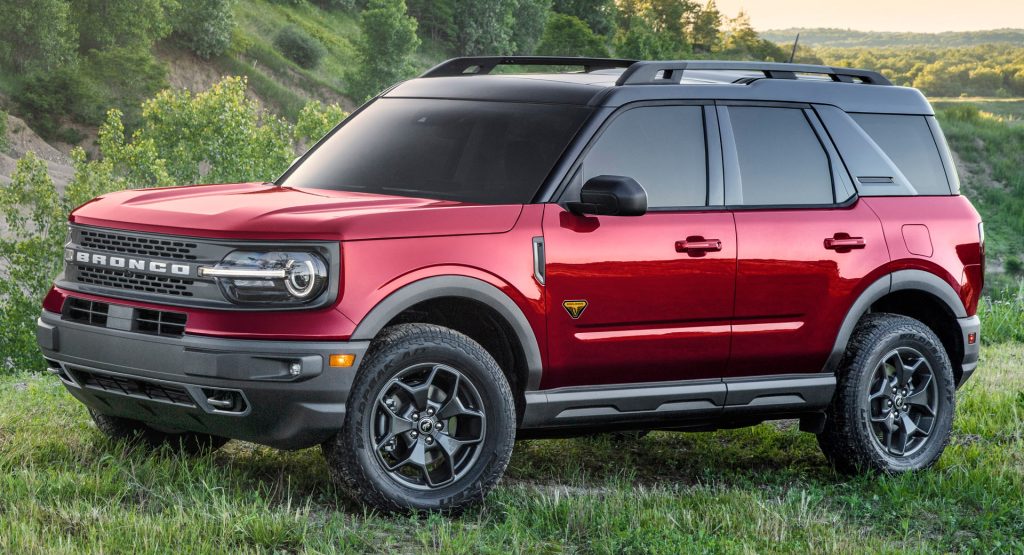
The chip shortage added another layer. Buyers who wanted a Bronco could face long waits for new inventory, making a lightly used vehicle with immediate availability more attractive despite its mileage.
The $901 premium recorded by iSeeCars in 2023 was considerably smaller than some of the extreme premiums seen earlier in the shortage. Nevertheless, it demonstrated how the Bronco resisted the conventional used-car price curve.
Few mainstream vehicles illustrate the interaction between a new product launch, intense demand, and supply restrictions as clearly as the modern Bronco.
4. Chevrolet Corvette
The C8 Chevrolet Corvette entered the market at almost exactly the wrong time for buyers hoping to purchase one at a normal transaction price. Chevrolet’s move to a mid-engine layout had already generated enormous interest, and the semiconductor shortage then limited production at a moment when demand was exceptionally high.
iSeeCars found that lightly used Corvettes were still priced above new examples in its 2023 study. The average used Corvette cost $84,827, which was 0.4 percent higher than its new equivalent, or $324 more. The study compared more than 8.9 million new and lightly used vehicles.
That premium was modest compared with the most extreme examples from the shortage, but it was significant because conventional depreciation normally moves in the opposite direction. A nearly new sports car with miles on the odometer would ordinarily be expected to sell for less than a comparable new model.
The C8’s unusual market position was tied to its demand and supply situation. The 2020 model introduced the first production mid-engine Corvette, fundamentally changing the architecture of Chevrolet’s iconic sports car. The standard 6.2-liter V8 produced 490 horsepower, with the performance package increasing output to 495 horsepower.
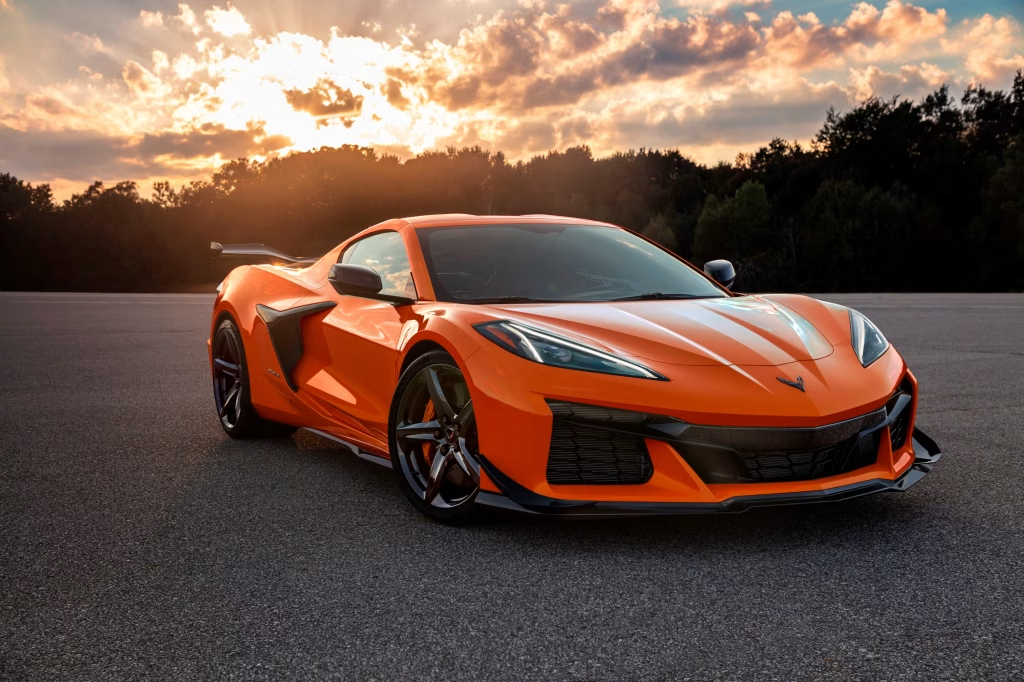
That combination made the car exceptionally desirable among enthusiasts. When supply became restricted, buyers who did not want to wait could turn toward lightly used inventory.
The Corvette therefore illustrates an important feature of the chip-shortage market. The premium did not have to reach five figures to be historically unusual. Even a $324 premium represented a reversal of the normal depreciation process.
For a vehicle that had already accumulated miles, paying more than the new-car equivalent seemed counterintuitive. During the shortage, however, immediate availability could itself carry monetary value.
5. Mercedes-Benz G-Class
The Mercedes-Benz G-Class occupied a different part of the market, but its used prices also benefited from the supply imbalance. Unlike mainstream compact cars, the G-Class was already an expensive, limited-volume luxury SUV, making supply particularly important when production constraints affected the industry.
iSeeCars’ later analysis found that a lightly used G-Class averaged $196,228 and cost 4.6 percent more than its new equivalent. That translated into an $8,633 premium. The study identified the G-Class as one of the special-interest vehicles whose strong demand and limited supply helped keep used prices above new ones.
The model’s scarcity was especially relevant because the G-Class was never produced in the same volumes as mainstream SUVs. Its boxy design, three-locking-differential four-wheel-drive system, and luxury positioning gave it a distinctive customer base.
The pricing behavior was therefore not solely a consequence of semiconductor shortages. The shortage intensified an existing supply-demand imbalance. Buyers who wanted a G-Class were already shopping within a relatively small pool of vehicles, and production constraints made that pool tighter.
The $8,633 premium is substantial in dollar terms, particularly when applied to an already expensive SUV. It also illustrates why luxury vehicles could behave very differently from ordinary used cars during the shortage.
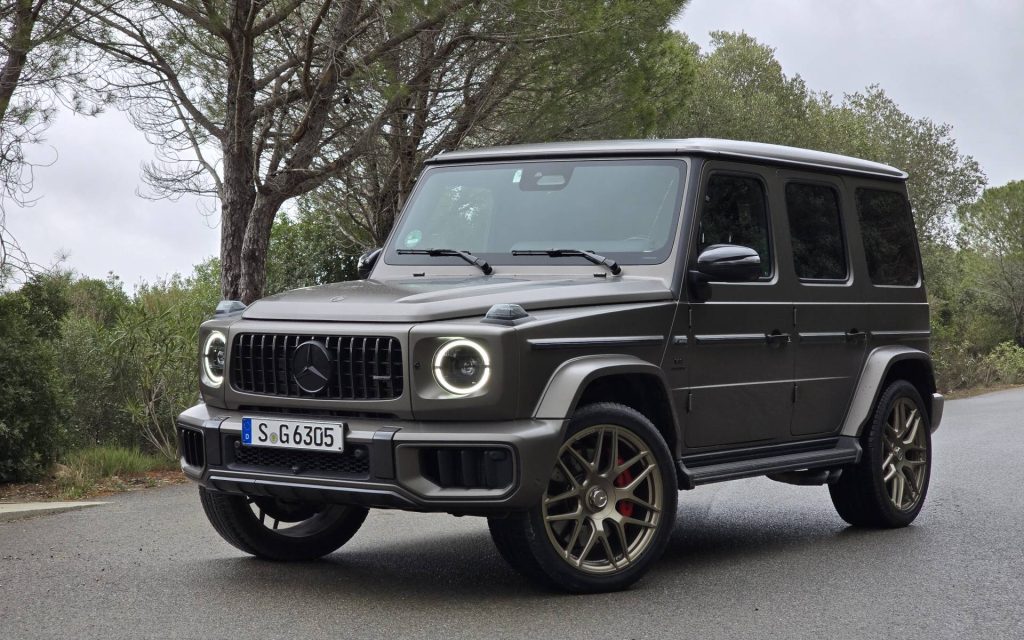
A lightly used G-Class normally would be expected to carry some depreciation. Instead, the market temporarily valued immediate access more highly than the discount associated with buying used.
That unusual situation did not last forever. As new-car inventories improved and used-car supply increased, pricing began moving back toward conventional relationships. But during the shortage era, the G-Class stood among the clearest examples of an expensive vehicle whose used-market value could temporarily exceed its new-car equivalent.
6. Ford Maverick
The Ford Maverick provides one of the most striking examples because it combined an entirely new product with unusually strong demand. Ford introduced the compact pickup for the 2022 model year, offering an affordable entry point into the truck market and a standard hybrid powertrain on front-wheel-drive versions.
By the time the market was moving away from the peak of the chip shortage, the Maverick was still commanding a remarkable premium. iSeeCars’ analysis found an average lightly used Maverick price of $36,777, which was 12.3 percent above the comparable new vehicle. That represented a $4,038 difference.
The Maverick’s appeal was easy to understand. It was smaller and less expensive than traditional midsize and full-size pickups, yet retained a four-door cabin and useful cargo bed. Its standard hybrid configuration also gave it a distinct fuel-economy advantage over many conventional trucks.
Supply constraints made that combination particularly valuable. Buyers interested in the new compact pickup could face limited availability, while demand remained high enough to support strong used pricing. A lightly used truck that was already sitting on a dealer lot could therefore become more attractive than waiting for a new order.
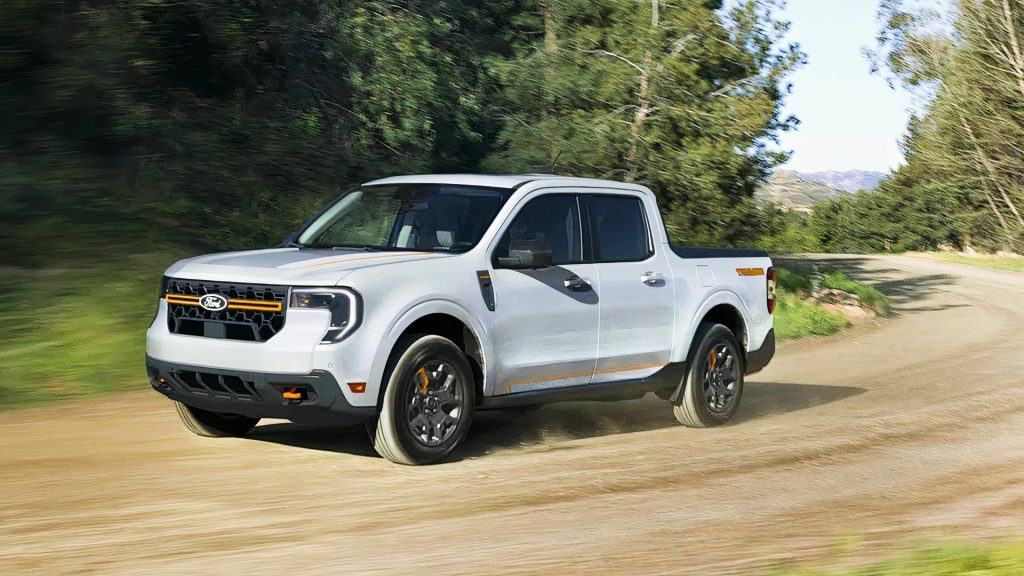
The $4,038 premium is especially revealing because the Maverick was designed as an affordable vehicle. A percentage increase that might seem manageable on an expensive luxury car represented a meaningful amount of money on a compact pickup.
iSeeCars also noted that the Maverick remained one of the models where used prices exceeded new prices even after the market had begun cooling.
The Maverick’s experience shows how the chip shortage was not simply a luxury-car phenomenon. A relatively inexpensive pickup with high demand and constrained production could experience the same unusual pricing behavior, turning a nearly new vehicle into something worth more than its factory-fresh counterpart.