Some speeding tickets cost more than the cars involved, while a handful have reached six or even seven figures. The biggest examples generally come from countries where traffic penalties can be linked to a driver’s income or wealth, meaning the same offense can produce radically different fines for different people.
This list focuses on documented cases involving cars, with the reported penalties converted to U.S. dollars where reliable contemporary figures are available.
Because exchange rates varied by year, dollar amounts are approximate historical equivalents rather than today’s converted values. The cases also distinguish between an initially issued or assessed fine and a later reduction by a court.
1. Mercedes-Benz SLS AMG
One of the largest speeding penalties ever reported was issued to a Swedish motorist who was driving a Mercedes-Benz SLS AMG in Switzerland. The case became extraordinary not simply because of the speed involved, but because Switzerland uses a system in which serious traffic fines can take an offender’s financial circumstances into account.
The driver was reportedly caught traveling at about 180 mph in a 75 mph zone in 2010. Contemporary reporting said prosecutors sought a fine of approximately 1 million Swiss francs, equivalent to roughly $1 million at the time.
The final penalty was reported at approximately 299,000 Swiss francs, or about $315,000 depending on the exchange rate used. The difference between the proposed and final amounts is important, because many internet lists incorrectly present the million-franc figure as the amount ultimately paid.
The incident demonstrated how dramatically Switzerland’s means-tested approach could affect wealthy drivers. A conventional fixed fine might have represented a manageable expense for someone with substantial assets. The Swiss system was designed to make the punishment financially meaningful regardless of wealth.
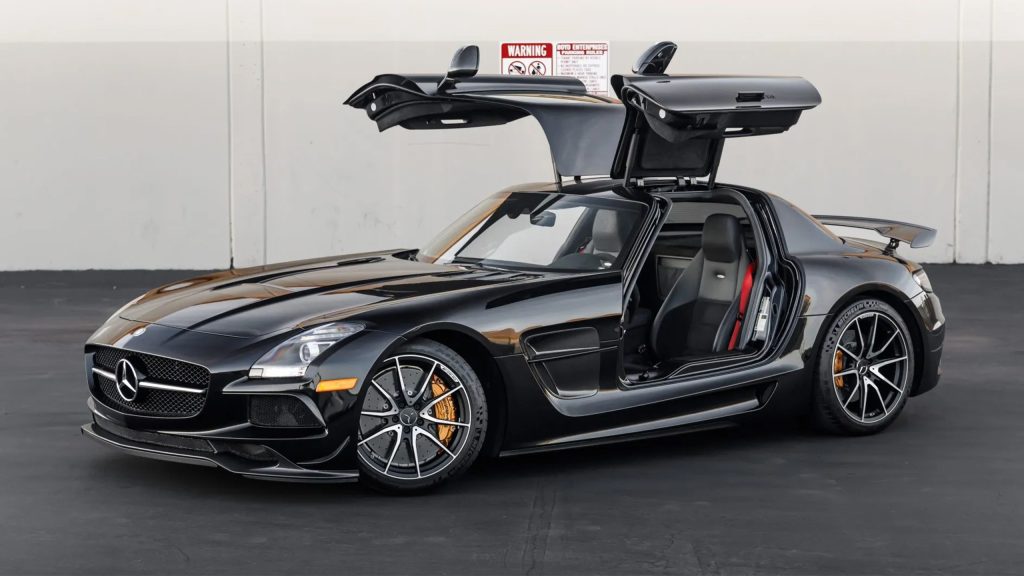
The SLS AMG itself was an appropriate machine for such a case. Mercedes-Benz’s gullwing-door supercar used a naturally aspirated 6.2-liter V8 producing 563 horsepower and was capable of approximately 197 mph.
The episode remains notable because the reported proposed penalty approached seven figures, while the eventual court-imposed amount was still enormous by normal speeding-ticket standards.
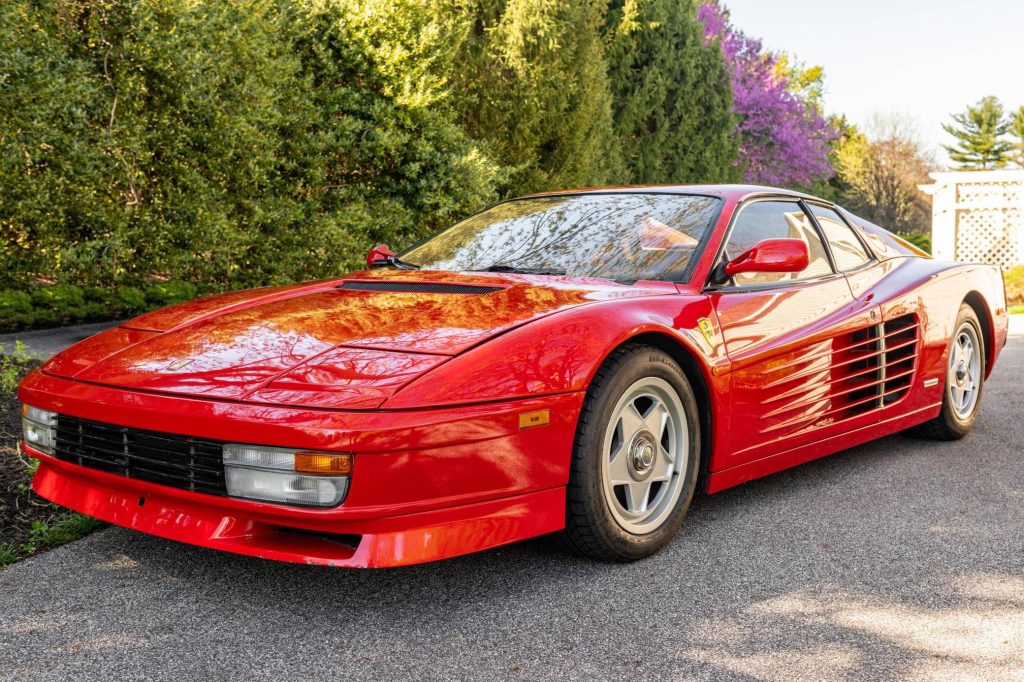
2. Ferrari Testarossa
A Ferrari Testarossa became associated with what Guinness World Records identifies as the largest reported speeding fine at $290,000. The case occurred in Switzerland in January 2010 and involved a repeat offender who was caught speeding through a village near St. Gallen.
The driver was recorded traveling at approximately 85 mph in a 50 mph zone. Swiss authorities considered both the seriousness of the offense and the driver’s financial circumstances when determining the penalty.
Guinness says the man’s wealth was assessed at approximately $22.7 million, and his repeat-offender status contributed to the unusually large fine.
Contemporary reports gave the fine as 299,000 Swiss francs, approximately $290,000 at the time. The St. Gallen Cantonal Court calculated the punishment after determining that the motorist had substantial assets, including a collection of five luxury cars.
The Testarossa itself was one of Ferrari’s most recognizable cars of the 1980s and 1990s. Its mid-mounted 4.9-liter flat-12 engine produced roughly 380 horsepower in U.S.-specification form, giving the car the performance necessary to reach well beyond ordinary highway speeds.
Yet the incident was not about the Ferrari’s maximum capability. The problem was the location and speed. Traveling 85 mph through a zone limited to 50 mph represented a substantial violation, and previous offenses made the consequences more severe.
The case is particularly interesting because it illustrates why enormous European speeding fines cannot simply be compared with ordinary fixed penalties in the United States. The amount was strongly influenced by the driver’s wealth, not merely the number of miles per hour above the limit.
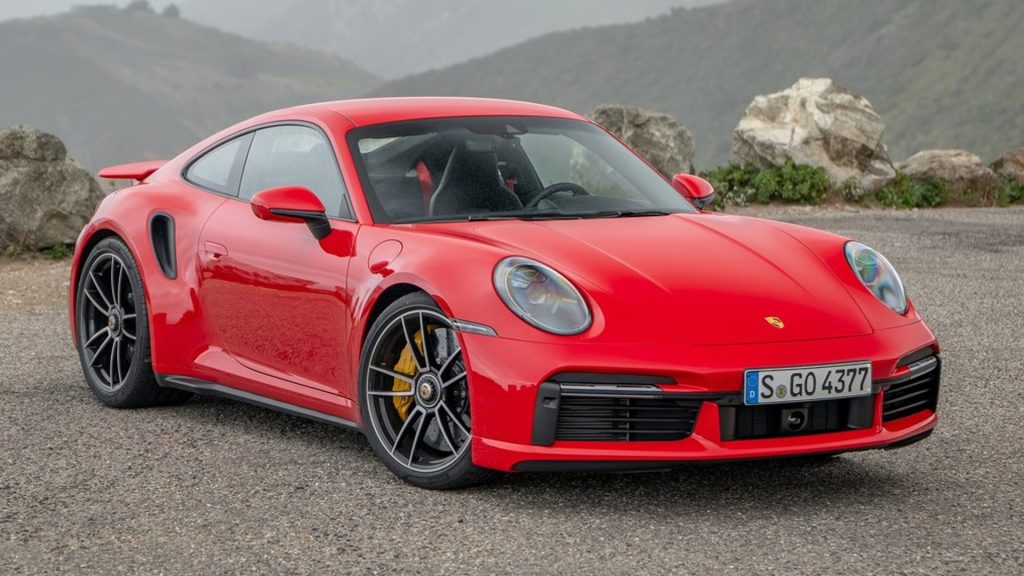
3. Porsche 911
Before the Ferrari Testarossa case made headlines, a Porsche driver in Zurich received one of Switzerland’s largest recorded speeding penalties. The fine was 111,000 Swiss francs, which was roughly $100,000 or more depending on the exchange rate used at the time. The case was reported as the previous Swiss record before the 2010 Testarossa incident.
The exact Porsche variant is not consistently identified in reliable reporting, so it is safer to describe it simply as a Porsche rather than attaching an unsupported model designation. That distinction matters because many online lists incorrectly add a specific 911 generation or engine without reliable documentation.
What is known is that the Swiss penalty system played a central role. Switzerland can calculate substantial fines according to the seriousness of an offense and the financial position of the offender. As a result, a wealthy driver can face a dramatically larger penalty than someone committing a similar violation with a lower income.
The 111,000-franc penalty remained the Swiss benchmark until the 299,000-franc Ferrari Testarossa case in 2010. Contemporary reporting specifically identified the Porsche case as the previous record.
That progression illustrates how unusual these penalties were. A six-figure speeding fine is almost unimaginable under the standard fixed-ticket structure used in most U.S. jurisdictions.
The Porsche connection also reinforces an important point about high-profile speeding cases. The vehicle’s ability to travel quickly often attracts attention, but the size of the fine is determined by the legal system and circumstances surrounding the offense.
In this case, the Porsche itself was not the reason for the six-figure penalty. The driver’s conduct, the applicable Swiss law, and financial circumstances were the decisive factors.
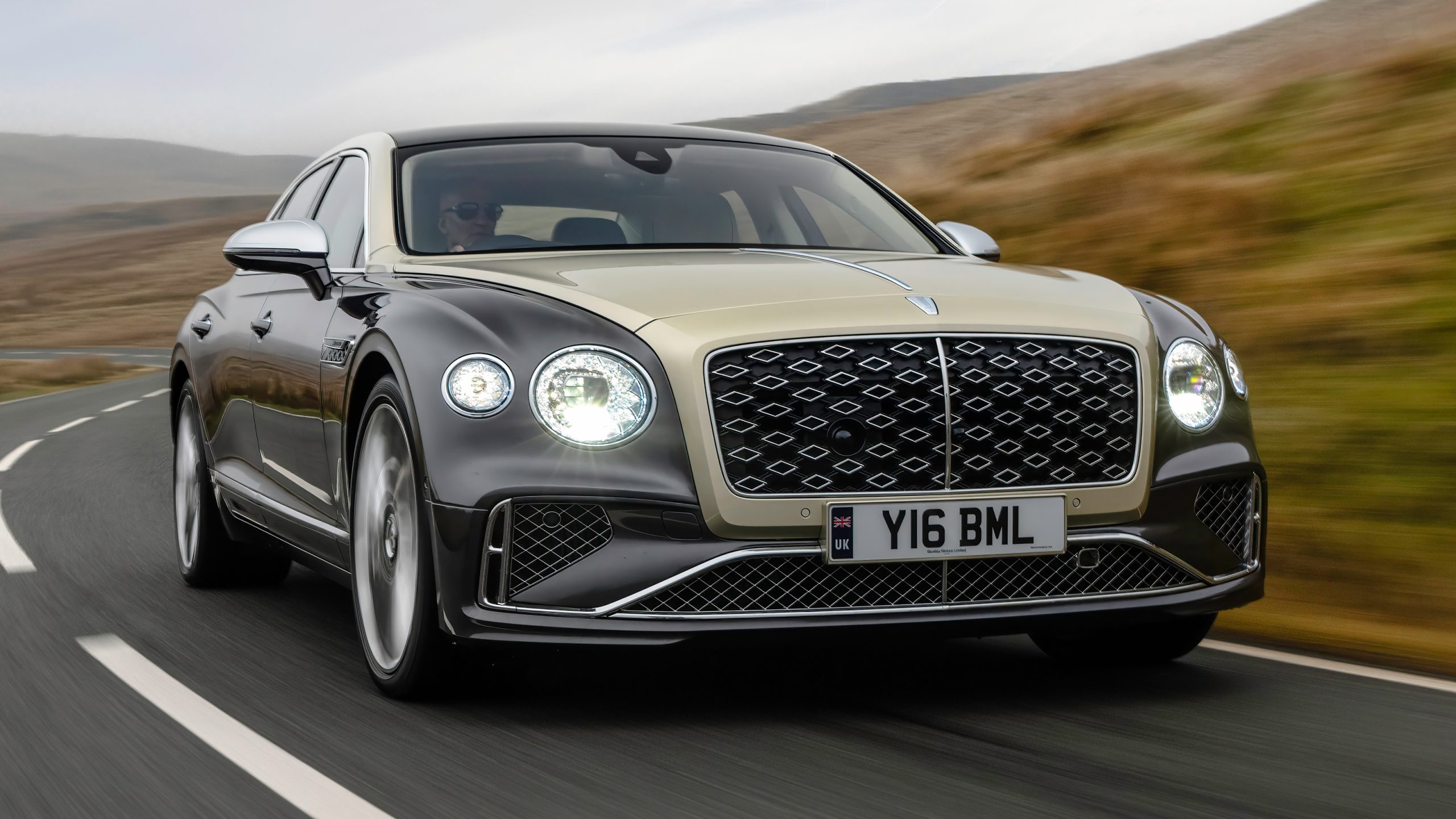
4. Bentley Flying Spur
Finland’s income-based speeding penalty system produced another extraordinary case involving a Bentley Flying Spur. The incident involved Finnish businessman Anders Wiklöf, who was caught driving 82 km/h in a 50 km/h zone in the Åland Islands.
The violation was significant, but the remarkable part was the size of the financial penalty that followed. Because Finland can calculate certain traffic fines according to an offender’s income, a wealthy motorist can face a dramatically larger payment than someone committing the same offense with a lower income.
Wiklöf was ordered to pay a fine of €121,000, which was widely reported as one of Finland’s largest speeding penalties. The amount was based on his substantial financial circumstances rather than a standard fixed ticket.
Reports noted that Wiklöf had previously received other major speeding penalties, making his case particularly notable in discussions about Finland’s progressive traffic-fine system.
The Bentley itself was a luxury grand tourer rather than an inexpensive commuter car. Its presence in the case helped attract international attention, but the vehicle’s value was not what directly determined the penalty. Finnish law focuses heavily on the driver’s financial position when calculating certain fines.
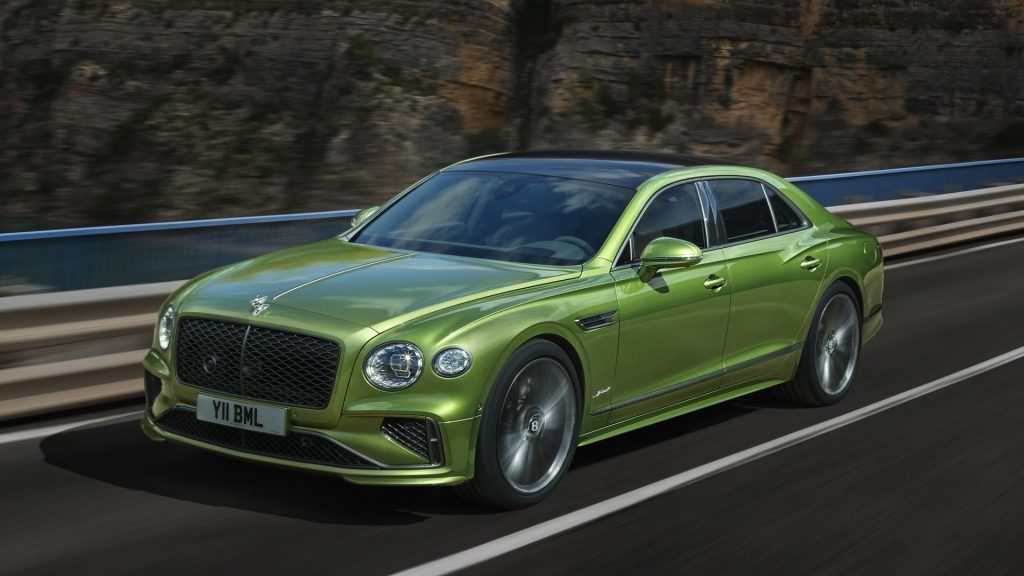
That distinction is important because the case demonstrates why some of Europe’s largest speeding penalties look completely different from conventional U.S. traffic tickets. The offense was speeding through a 50 km/h zone, but the final financial consequence was influenced heavily by the driver’s ability to pay.
The Flying Spur therefore became part of a much larger debate about whether traffic penalties should be fixed amounts or scaled according to wealth.
5. Lamborghini Diablo
Jaakko Rytsölä became one of the most recognizable names associated with Finland’s unusual income-based speeding fines during the country’s late-1990s technology boom. Rytsölä and his brother Antti became wealthy through the rapidly growing technology sector and were known for spending heavily on exotic automobiles.
Among the cars associated with Jaakko was a Lamborghini Diablo, a supercar whose dramatic performance made it an obvious symbol of his extravagant lifestyle.
His speeding case became notable because the penalty was calculated under Finland’s system of income-based fines. Contemporary reporting described Rytsölä receiving a penalty of more than 300,000 Finnish marks for a speeding incident involving his Ferrari, equivalent to roughly $50,000 at the time.
The amount was subsequently reduced to approximately one-third after the case went through the legal process.
The distinction between the original and final penalty is crucial. Many historical lists present the largest figure without explaining that it was an initial assessment rather than the amount ultimately retained. Rytsölä’s case illustrates why headline figures from Finland’s speeding-fine history need to be treated carefully.
His Lamborghini ownership nevertheless became part of the public fascination surrounding these cases. The Washington Post reported that Rytsölä and his brother had each imported a Lamborghini valued at approximately $295,000 during the period when their wealth and extravagant purchases attracted attention.
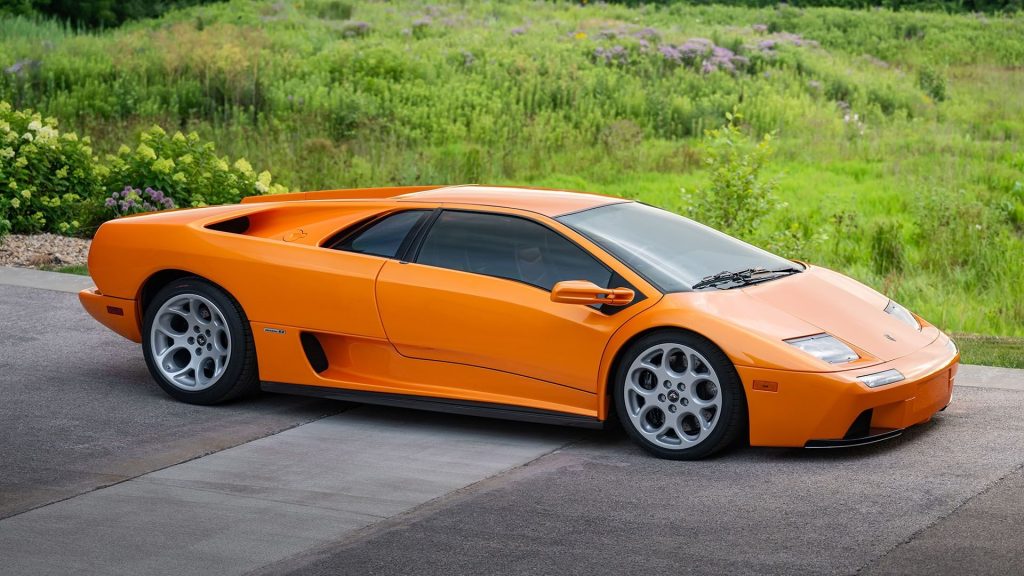
The Lamborghini Diablo represented the kind of high-value vehicle that made Rytsölä’s lifestyle famous, but the car itself did not determine the size of the fine. The critical factor was Finland’s system for connecting certain traffic penalties to the offender’s financial circumstances.
That is what made Rytsölä’s case so unusual. A speeding violation could result in a massive financial penalty without requiring an exceptionally high speed.
6. Mercedes-Benz S-Class
Finland’s income-based traffic penalty system produced another remarkable case involving a Mercedes-Benz, demonstrating that enormous speeding fines were not limited to supercar owners.
Reima Kuisla became an example of how a relatively modest speeding violation could turn into a substantial financial penalty when the driver’s income was taken into account.
Kuisla was reportedly caught traveling approximately 103 km/h in an 80 km/h zone.
Instead of receiving a conventional fixed-dollar ticket, his financial circumstances were considered when the penalty was calculated. Contemporary reporting placed the resulting fine at roughly €54,000, making the case one of the most striking examples of Finland’s progressive approach to traffic enforcement.
The important element was not the Mercedes-Benz itself. The vehicle was a luxury automobile, but the monetary punishment was connected primarily to the driver’s financial position and the legal framework used to calculate the offense.
That makes this case fundamentally different from a conventional speeding ticket in jurisdictions where the same violation generally produces the same basic fine regardless of income.
Finland’s approach was designed around the principle that a penalty should have a meaningful financial impact on the person receiving it. For a low-income driver, a fixed penalty might represent a significant burden. For someone with substantial wealth or income, the same amount could have very little deterrent effect.
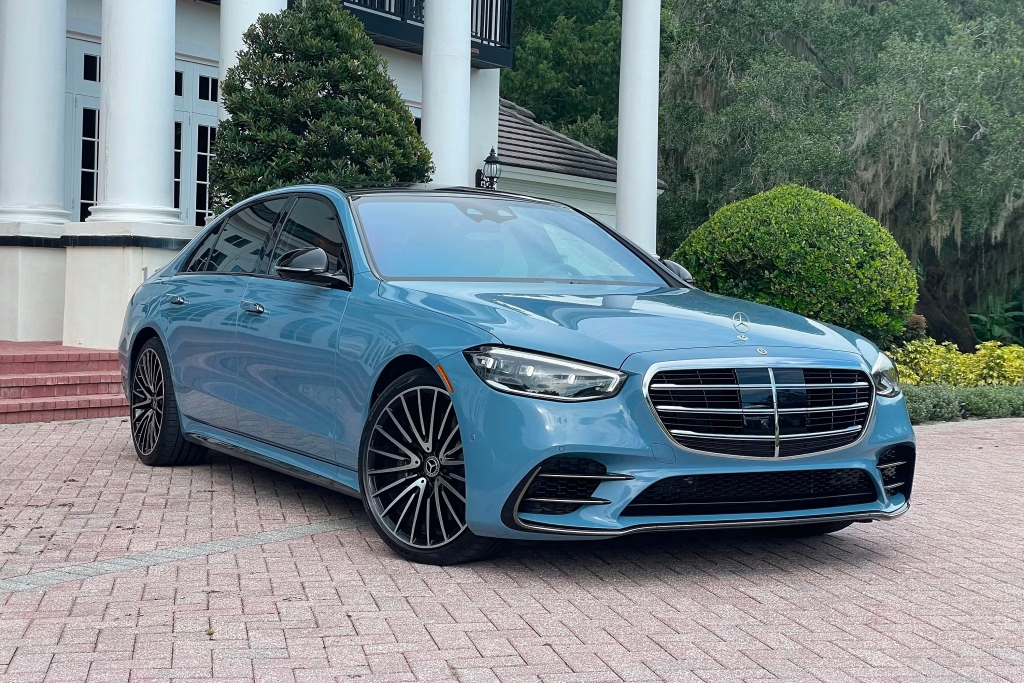
Kuisla’s case therefore became an important example of the philosophy behind Finland’s system. The speed was nowhere near the spectacular figures associated with some famous European speeding cases, yet the financial consequence was enormous.
It also reinforces why these historical rankings need context. The largest speeding penalties are not necessarily connected to the fastest cars or most extreme speeds. In countries using income-based systems, the driver’s financial circumstances can be just as important as the violation itself.