Most drivers think of tires as simple rubber parts that connect a vehicle to the road, yet their design, maintenance, and condition have a major effect on safety, fuel use, comfort, and handling. Many common tire facts remain unknown until a problem occurs.
From air pressure changes to tread wear, tire age, temperature effects, and load limits, small details can make a meaningful difference during daily driving.
Understanding these facts helps motorists make smarter maintenance decisions, recognize warning signs early, and get better performance from their tires. Here are seven important tire facts every driver should know before their next journey.
1. Tire Pressure Changes With Temperature
Tire pressure is not a fixed measurement. It changes as the surrounding temperature changes, which means the reading you see on a pressure gauge can vary during different seasons or even between morning and afternoon. Air inside a tire expands when it becomes warmer and contracts when it becomes colder.
This basic principle explains why a tire may show a higher pressure after a long drive than it did before leaving home. Checking pressure at different times without considering temperature can therefore create confusing readings.
Cold weather can have a noticeable effect on tire pressure. When temperatures fall, the air inside the tire contracts, causing the pressure reading to decrease.
This is why drivers may notice a low-pressure warning during a cold morning even when there is no puncture. A reduction in pressure can affect steering response, braking, handling, and rolling resistance. For this reason, seasonal temperature changes should encourage drivers to check their tire pressures more frequently.
Hot weather can produce the opposite effect. As tires warm up through sunlight, road contact, and driving, the air inside them becomes warmer, and pressure rises.
Drivers should not release air from a warm tire simply because the gauge shows a higher number than expected. Tire pressure recommendations are generally based on cold inflation pressure, meaning the vehicle has not been driven recently. Adjustments are best made when the tires are cool.
The correct pressure is usually listed on the vehicle manufacturer’s information label, often located on the driver’s door frame or door pillar. It may also appear in the owner’s manual.
The recommended figure can differ from the maximum pressure printed on the tire sidewall. The maximum sidewall figure indicates a limit associated with the tire, while the vehicle manufacturer’s recommended pressure is selected for that particular vehicle’s handling, load, and efficiency requirements.
Checking tire pressure regularly is a simple maintenance habit that can prevent several problems. Underinflated tires can generate more heat and rolling resistance, while overinflation can affect ride comfort and reduce the tire’s contact characteristics. Neither condition is ideal for normal driving.
A reliable pressure gauge and a few minutes of monthly inspection can help keep tires within the manufacturer’s recommended range.
2. Tire Age Matters Even When the Tread Looks Good
Many motorists judge a tire mainly by looking at its tread depth. Tread is important, but it does not tell the complete story. Tires are made from rubber compounds that can change over time due to heat, sunlight, oxygen, moisture, and storage conditions.
A tire with plenty of visible tread can still become less suitable for service as it ages. This makes the manufacturing date an important piece of information for vehicle owners.
Every road tire has a date code molded into its sidewall as part of its identification information. The final four digits of the common DOT date code indicate the week and year of manufacture.
For example, a code ending in 2424 means the tire was manufactured during the 24th week of 2024. Learning how to read this code allows drivers to determine how old their tires actually are instead of relying only on their appearance.
Age does not automatically mean a tire is unsafe on a specific day. Tire life depends on factors such as climate, storage, inflation, loading, driving habits, road conditions, and the tire’s construction.
A vehicle used in a hot climate may expose its tires to significant heat over time. Tires on a vehicle that sits unused for long periods also require attention because lack of use does not stop rubber from aging.
Signs of aging can include small cracks in the sidewall or tread area, changes in appearance, hardening of the rubber, or other visible deterioration. However, not every internal problem can be detected through a simple visual inspection. A qualified tire professional can provide a more reliable assessment when there is uncertainty about a tire’s condition.
Drivers should also check the age of spare tires. A spare may remain untouched for years and can easily be forgotten during routine maintenance. If a flat occurs, the spare becomes critical equipment.
Its condition should therefore be checked along with the tires fitted to the vehicle. Keeping track of tire age can help prevent an unpleasant surprise when a replacement is urgently needed.
3. The Tread Pattern Does More Than Provide Grip
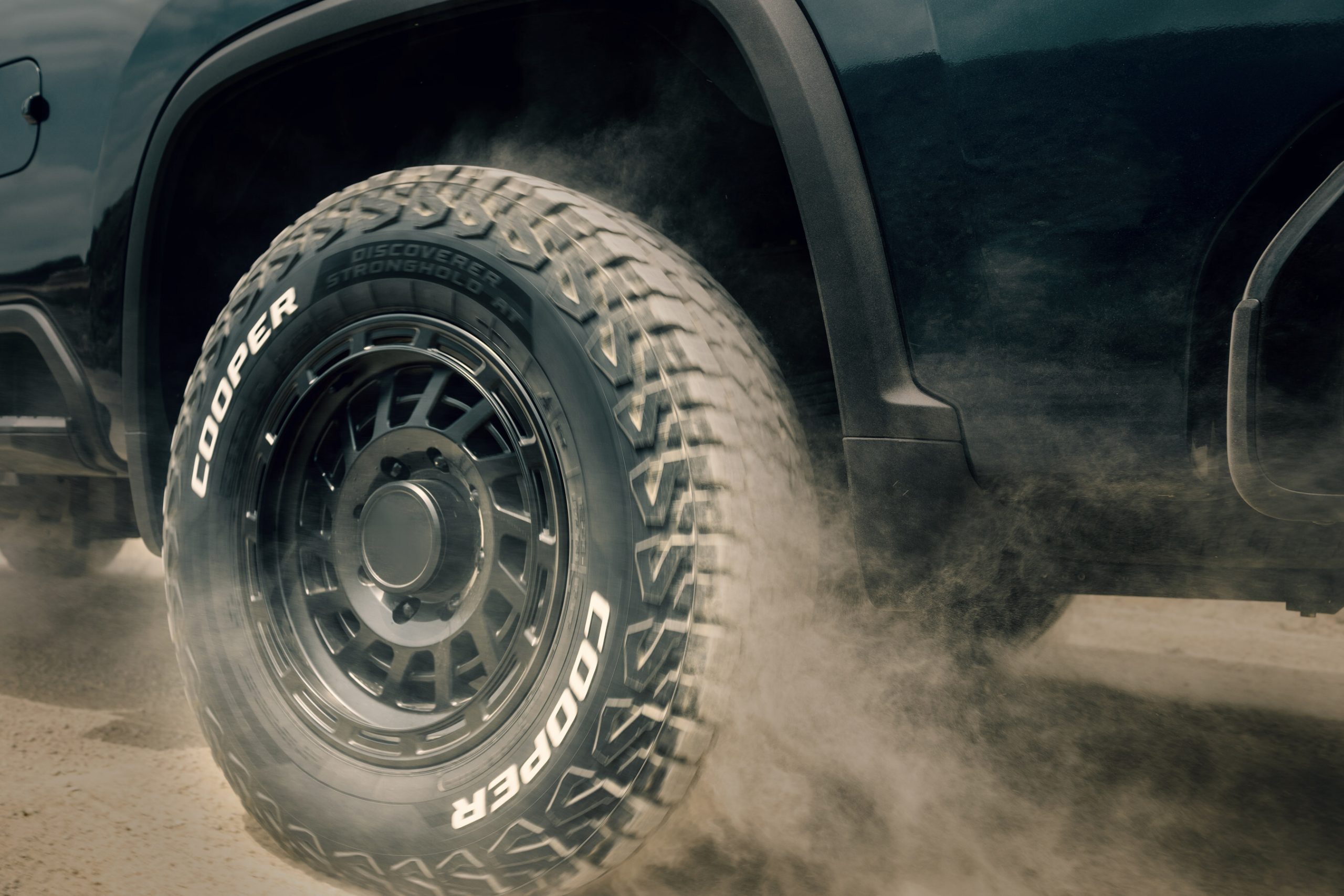
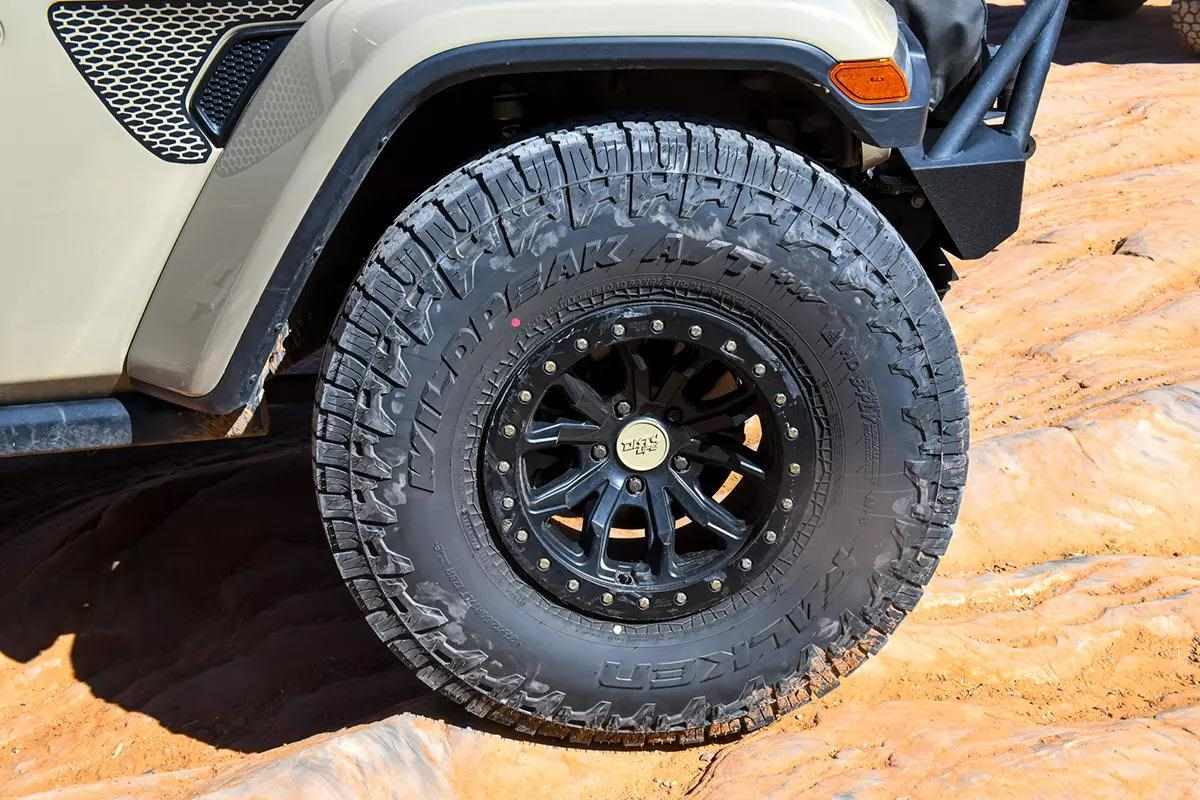
The grooves and channels visible across a tire’s tread are not merely decorative. They are carefully designed to manage water, maintain contact with the road, reduce noise, and influence handling characteristics.
On wet roads, tread channels help move water away from the contact area between the tire and pavement. This process can reduce the risk of losing traction when traveling through standing water.
Different tires use different tread designs because they are developed for different conditions. Touring tires may prioritize quiet operation and long tread life, while performance tires can focus more heavily on steering response and dry-road grip.
Winter tires use rubber compounds and tread patterns designed to remain effective in colder conditions. All-season tires attempt to provide balanced performance across a wider range of temperatures and road conditions.
Tread depth also matters because grooves become less capable of managing water as they wear down. A tire that has reached its legal or manufacturer’s wear limit should be replaced rather than pushed further.
Many tires contain built-in tread wear indicators that show when the remaining tread has reached a specified level. These indicators provide a useful visual reference during inspections.
The shape of tread wear can reveal problems beyond simple aging. Uneven wear on the edges may suggest incorrect inflation, while certain patterns can indicate alignment, suspension, or wheel-balance problems.
If a driver notices that one part of a tire is wearing much faster than the rest, replacing the tire without investigating the cause may allow the same problem to damage the replacement.
Drivers should also remember that tread is only part of a tire’s performance. Rubber compound, internal construction, inflation pressure, temperature, vehicle weight, suspension condition, and road surface all influence how a tire behaves.
A tire with an attractive tread pattern is not automatically the best choice for every vehicle. Selecting the correct tire specification for the car and intended driving conditions is equally important.
4. Front and Rear Tires Can Wear Differently
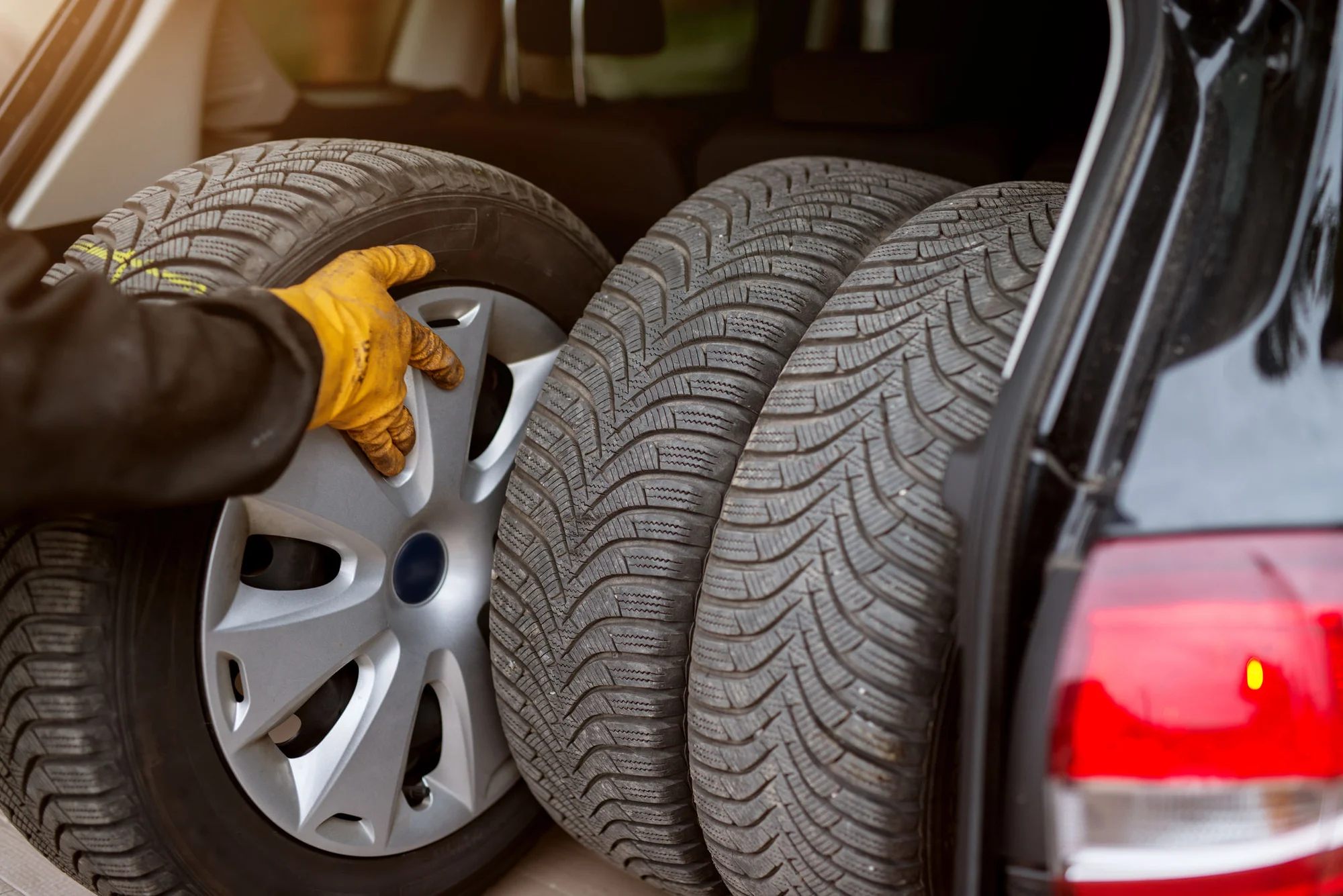
Tires on the same vehicle do not always experience identical forces. Their wear rate and pattern can vary depending on whether they are fitted to the front or rear axle, the type of drivetrain, steering characteristics, suspension geometry, road conditions, and driving habits.
On a front-wheel-drive vehicle, the front tires typically handle steering and transmit engine power, so they may experience greater demands than the rear tires.
Rear tires can also experience significant stress, particularly during cornering, braking, carrying heavy loads, or towing. On rear-wheel-drive vehicles, the rear tires transmit engine power while the front tires perform much of the steering work.
All-wheel-drive vehicles distribute power across multiple wheels, but that does not mean every tire will wear at the same rate.
Regular tire rotation can help promote more even wear when the vehicle and tire design allow it. Rotation involves moving tires between approved positions according to a pattern recommended for that vehicle and tire type. Some tires are directional, staggered, or designed for specific axle positions, so not every tire can be moved freely from front to rear.
Even wear can extend the useful service life of a tire set by preventing one pair from becoming worn much earlier than the other pair. It can also help maintain more consistent handling. The recommended rotation interval varies by manufacturer and vehicle, so the owner’s manual should be checked instead of relying on a universal mileage figure.
Drivers should pay attention to changes in handling as well. If the vehicle begins pulling to one side, develops vibration, or produces unusual road noise, the cause may involve tires, wheels, alignment, suspension components, or several factors together.
A professional inspection can identify the source. Tire rotation is useful maintenance, but it should not be treated as a substitute for checking mechanical problems.
5. The Maximum Pressure on the Sidewall Is Not the Recommended Pressure
A common misunderstanding involves the numbers printed on a tire’s sidewall. Some drivers see a pressure value there and assume it is the pressure they should use during routine driving.
In many cases, that number represents the tire’s maximum permitted inflation pressure under specified conditions rather than the vehicle manufacturer’s recommended operating pressure.
The correct inflation pressure for a vehicle is normally found on a placard supplied by the vehicle manufacturer or in the owner’s manual. This recommendation is selected based on the vehicle’s weight, suspension characteristics, tire specification, handling requirements, and expected loading conditions. Following this figure helps maintain the balance intended by the manufacturer.
Using an excessively high pressure can alter the tire’s behavior. The ride may feel firmer, and the contact characteristics of the tread can change. Very high pressure may also make the vehicle more sensitive to road irregularities. At the other extreme, significantly low pressure can increase rolling resistance and heat buildup while affecting steering and braking behavior.
The recommended pressure can sometimes vary depending on the vehicle’s load. Some manufacturers specify different pressures for normal and heavy loading conditions.
Vehicles used for carrying several passengers or substantial cargo may therefore require a different setting. Drivers who frequently transport heavy loads should check the vehicle’s instructions rather than guessing based on the tire sidewall.
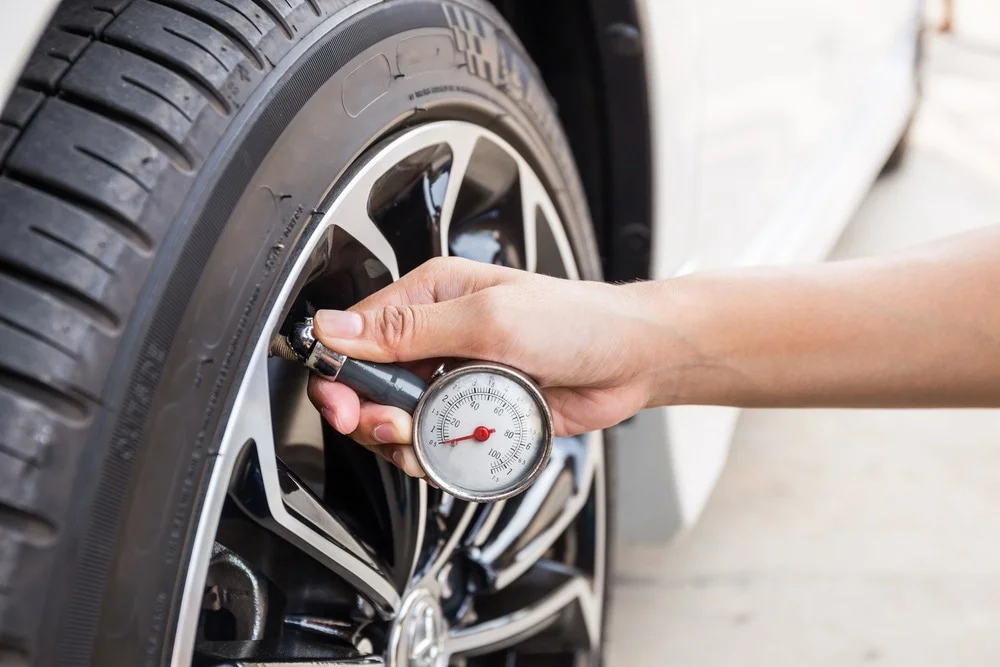
A tire pressure gauge is a simple but valuable tool for motorists. Digital and mechanical gauges can both provide useful readings when properly used. Tire pressure should ideally be checked when the tires are cold, before extended driving.
Regular checks are especially useful before long trips because a small pressure problem can become more significant as driving distance and tire temperature increase.
6. A Tire Can Lose Air Without Having a Visible Puncture
Drivers sometimes assume that a tire must have a nail, screw, cut, or other obvious object if its pressure keeps dropping. That is not always the case. Air can escape through several less noticeable routes, including valve problems, damage around the bead, wheel corrosion, or small punctures that are difficult to see without inspection.
The valve stem is a small component, but it plays an important role in maintaining tire pressure. A damaged or aging valve can allow gradual air loss. The valve core can also develop a problem.
If a tire repeatedly loses pressure while no puncture is visible, the valve assembly should be inspected rather than simply adding air each time.
The tire bead is another potential source of leakage. This is the area where the tire seals against the wheel. Corrosion, dirt, physical damage, or an issue with mounting can interfere with that seal.
Such leaks may be slow and difficult to notice during a casual visual check. A tire professional can use appropriate diagnostic methods to locate the source.
Wheel damage can also contribute to air loss. A bent wheel caused by a pothole or impact may prevent the tire from maintaining a proper seal. In some cases, the driver may notice vibration, steering changes, or repeated pressure loss after an impact. Continuing to drive without checking the wheel and tire can increase the risk of further damage.
A tire that repeatedly loses pressure should never be treated as a minor inconvenience. Adding air temporarily may restore the pressure, but it does not solve the underlying problem.
Driving with insufficient pressure can increase heat generation and affect vehicle control. If a tire requires frequent inflation, it should be inspected promptly so the cause can be identified and repaired or replaced as appropriate.

7. Tires Can Affect Fuel Economy More Than Many Drivers Realize
Fuel consumption is influenced by many factors, including vehicle weight, engine design, speed, acceleration, traffic, weather, road conditions, and driving style.
Tires also play a role because they create rolling resistance as they move across the road. Some of the energy produced by the engine is used to overcome this resistance, meaning tire condition and specification can contribute to fuel use.
Underinflated tires generally create greater rolling resistance. When inflation pressure is too low, the tire can deform more as it rotates.
This deformation requires additional energy and can increase heat generation. The effect on fuel economy varies by vehicle and driving conditions, but maintaining the recommended pressure is a practical way to avoid unnecessary rolling resistance.
Tire selection can influence efficiency as well. Manufacturers develop some tire models with lower rolling resistance to help reduce energy consumption. However, drivers should not select tires based solely on fuel economy.
The tire must also have the correct size, load rating, speed rating, construction, and suitability for the vehicle and expected driving conditions.
Driving habits can have a much larger influence on fuel consumption than small differences between comparable tire models. Rapid acceleration, high speeds, frequent hard braking, excessive idling, and carrying unnecessary weight can all increase fuel use. Proper tire maintenance works best when combined with sensible driving habits and regular vehicle servicing.
Maintaining the correct tire pressure, checking tread condition, keeping wheels properly aligned, and replacing damaged tires can support both safety and efficiency.
These actions may seem routine, but they help ensure that the tires perform as intended. Since tires are the vehicle’s direct connection with the road, their condition deserves more attention than many drivers give them.