Buying a brand-new car feels exciting, but the newest model is not always the smartest financial decision. A vehicle that is three years old may offer nearly the same design, comfort, performance, and technology for thousands of dollars less.
The opportunity depends on how much the model has changed, how quickly it depreciates, and whether a used example retains factory warranty coverage. For American buyers, mileage, trim, equipment, financing, and local inventory matter just as much as model year.
These comparisons focus on vehicles sold in the United States, where a carefully inspected three-year-old example may deliver better value than its brand-new counterpart.
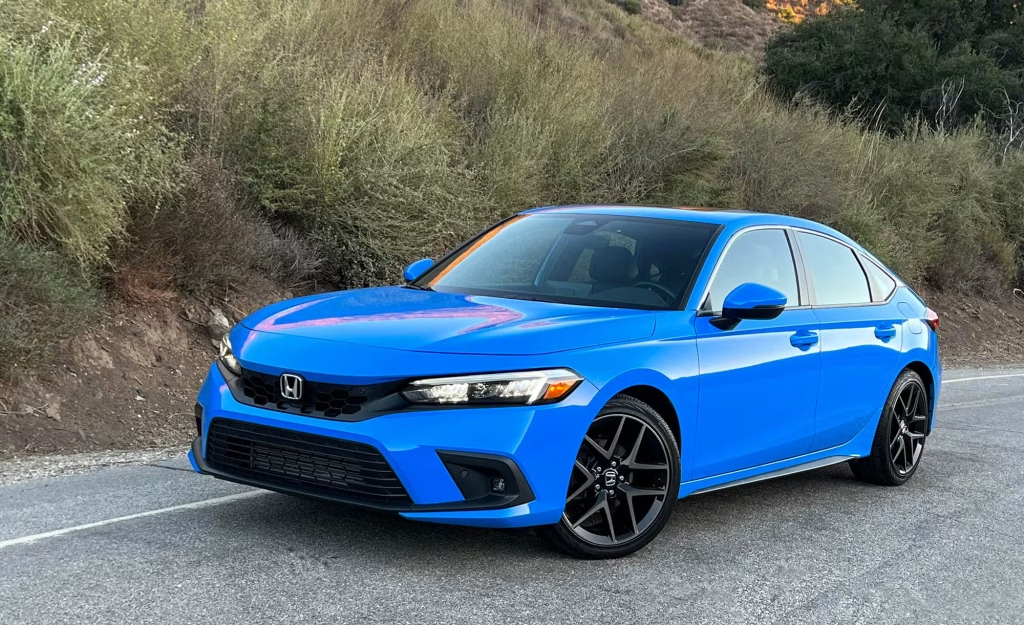
1. Honda Civic
The Honda Civic is a strong choice for buyers who want practical, efficient transportation without paying the premium attached to a new-car purchase. The 2023 Civic introduced the eleventh generation, and the 2026 model remains part of that generation.
The 2023 sedan’s engine choices illustrate why a used example can remain competitive. Its standard 2.0-liter four-cylinder produces 158 horsepower and 138 lb-ft of torque, while the available 1.5-liter turbocharged engine delivers 180 horsepower and 177 lb-ft.
A three-year-old Civic can also provide a modern cabin, driver-assistance technology, and sensible fuel consumption without requiring buyers to pay for the newest model year.
However, the 2023 and 2026 models differ in several respects, including standard features, infotainment technology, trim configurations, and pricing. Buyers should compare equivalent trims and equipment levels instead of assuming that a used base model offers the same value as a newer vehicle with more features.
Depreciation creates the opportunity, but the actual savings depend on local used-car prices and financing. Request insurance quotes for both cars, inspect the tires and brakes, and check whether factory coverage remains. Pay extra for the new one only if its equipment, financing incentives, or warranty advantages justify the difference.
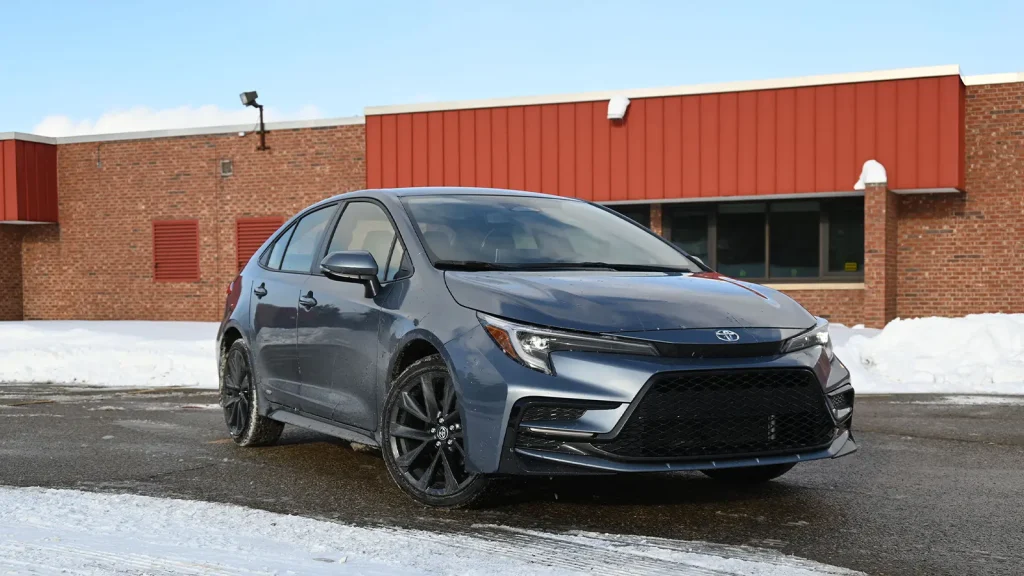
2. Toyota Corolla
The Toyota Corolla is appealing because its strengths are practical transportation, efficiency, and everyday usability rather than constant redesigns. The 2023 and 2026 versions belong to the same twelfth-generation family, allowing shoppers to compare them without jumping between entirely different vehicle architectures.
Toyota’s 2023 U.S. gasoline lineup offered a 2.0-liter four-cylinder engine producing 169 horsepower. Specified gasoline grades included Toyota Safety Sense 3.0 and an eight-inch multimedia touchscreen, giving used-car buyers access to modern safety and connectivity equipment.
Savings are not guaranteed. Popular compact cars can retain value, and a low-mileage used example may cost surprisingly close to a discounted new vehicle.
A 2023 LE should not be judged against a better-equipped 2026 version without accounting for the difference. Review the vehicle history report, maintenance records, tire wear, accident repairs, and open recalls. A used Corolla may retain part of its original factory coverage depending on its first in-service date and mileage, so confirm eligibility with Toyota.
The Corolla is worth buying used when the discount is meaningful, and the vehicle has been properly maintained. If dealer incentives narrow the price gap to almost nothing, a new car may be preferable. Otherwise, the older model can deliver the essentials without making the latest model year a priority.
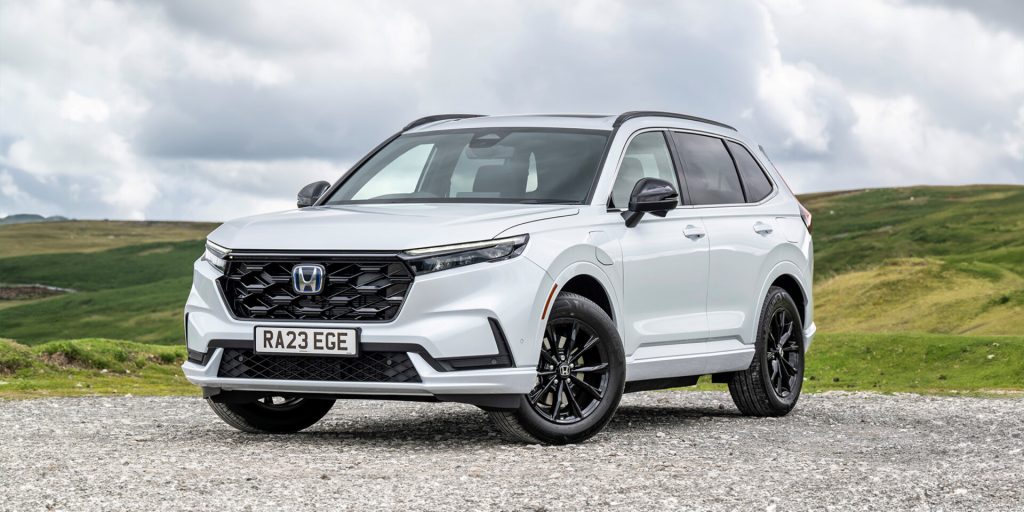
3. Honda CR-V
A new compact SUV can be tempting, but the Honda CR-V shows why a three-year-old alternative deserves attention. The 2023 model introduced the sixth generation, bringing revised styling, a roomier-feeling cabin, and an updated hybrid system to the U.S. market.
It remains a practical choice for families who need passenger space without moving to a larger vehicle.
Honda’s published 2023 specifications list the conventional turbocharged engine at 190 horsepower and 179 lb-ft of torque. The hybrid version produces 204 horsepower in total system output.
Honda quoted EPA estimates of 30 mpg combined for the front-wheel-drive turbocharged EX and 40 mpg combined for the hybrid Sport. Actual fuel economy depends on driving conditions, maintenance, weather, and vehicle condition.
It offers useful passenger space, everyday comfort, and available hybrid efficiency without requiring the newest model year. A clean 2023 example may cost less than a comparable new CR-V, though the difference depends on mileage, trim, location, and dealer incentives.
High mileage, neglected maintenance, worn tires, or collision repairs can erase the savings. Hybrid shoppers should verify the electrified system and compare equipment across the two vehicles.
Test-drive the SUV on city streets and at highway speeds. Listen for suspension noises, assess braking, and make sure driver-assistance and infotainment features work. Request a history report and an independent pre-purchase inspection.
The 2023 CR-V makes sense when it offers the space and equipment you need at a clearly lower total cost. A new model is easier to justify if added features or promotional financing close the gap.
4. Kia Sportage
The Kia Sportage received a major redesign for the 2023 model year, making it substantially more modern than the outgoing generation. Its cabin technology, expanded dimensions, and broad trim range strengthened its position among compact SUVs. Buyers considering a newer Sportage may find that a three-year-old version already provides much of what matters.
Kia’s U.S. specifications list the 2023 gasoline model’s 2.5-liter four-cylinder at 187 horsepower, paired with an eight-speed automatic transmission. The lineup also included X-Line and X-Pro versions, while hybrid and plug-in hybrid variants used different powertrains.
A 2023 Sportage can still look modern and provide a contemporary infotainment experience. However, features vary by trim, so check the actual car rather than relying on the model name alone.
Kia’s original warranty can make a used example appealing, but coverage must be verified. Powertrain warranty terms, eligibility for subsequent owners, and exclusions may affect how much protection remains. Ask a Kia dealer to confirm the specific vehicle’s warranty status in writing.
Review maintenance records, inspect tires and brakes, test the infotainment system, and look for evidence of collision repair. Hybrid versions should receive a qualified assessment of their electrified powertrain.
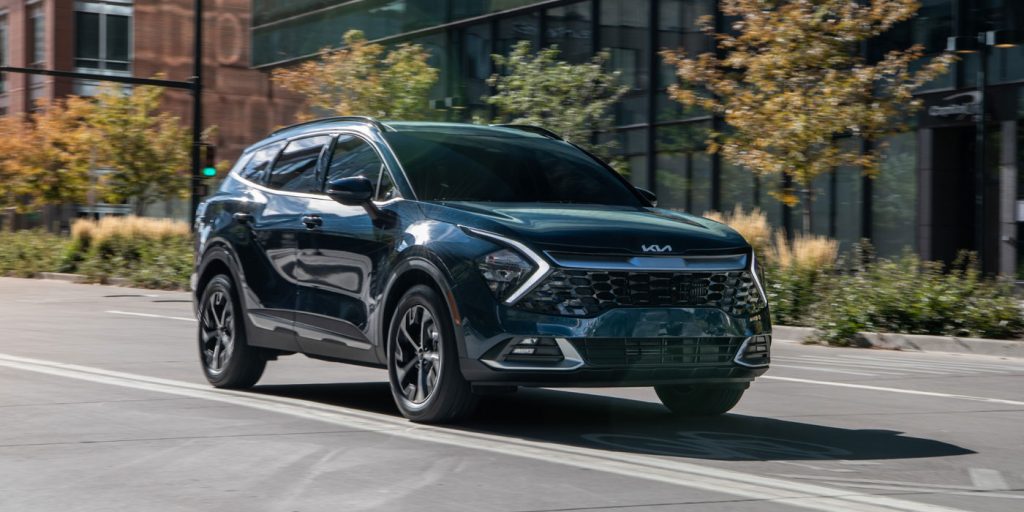
The Sportage deserves consideration when a well-maintained 2023 model costs meaningfully less than a comparable new one. If the difference is small, newer equipment, a fresh warranty period, and financing offers may justify buying new instead.
5. Hyundai Tucson
The Hyundai Tucson is another compact SUV for which a three-year-old version can offer value. The 2023 model belonged to the fourth generation, which introduced distinctive styling, a contemporary interior, and gasoline, hybrid, and plug-in hybrid powertrains.
Hyundai’s 2023 lineup offered a 2.5-liter four-cylinder gasoline engine producing 187 horsepower, while hybrid and plug-in hybrid versions used different configurations. Buyers should compare the exact powertrain because fuel economy, acceleration, equipment, and operating costs differ.
An important distinction is that Hyundai refreshed the Tucson for the 2025 model year, updating its styling and interior technology.
A 2023 example does not include every feature available in a 2026 vehicle. It can still be a strong value, but shoppers who specifically want the refreshed dashboard or newer interface should inspect both versions before deciding.
The financial advantage depends on trim, mileage, condition, and local inventory. A top-trim 2023 vehicle may cost more than a base model from a later year, so headline prices alone can mislead.
Inspect cabin electronics, air-conditioning performance, tires, brakes, and service history. For a hybrid or plug-in hybrid, arrange a qualified assessment of the electrified system and verify remaining battery coverage. Ask a Hyundai dealer to check for open recalls.
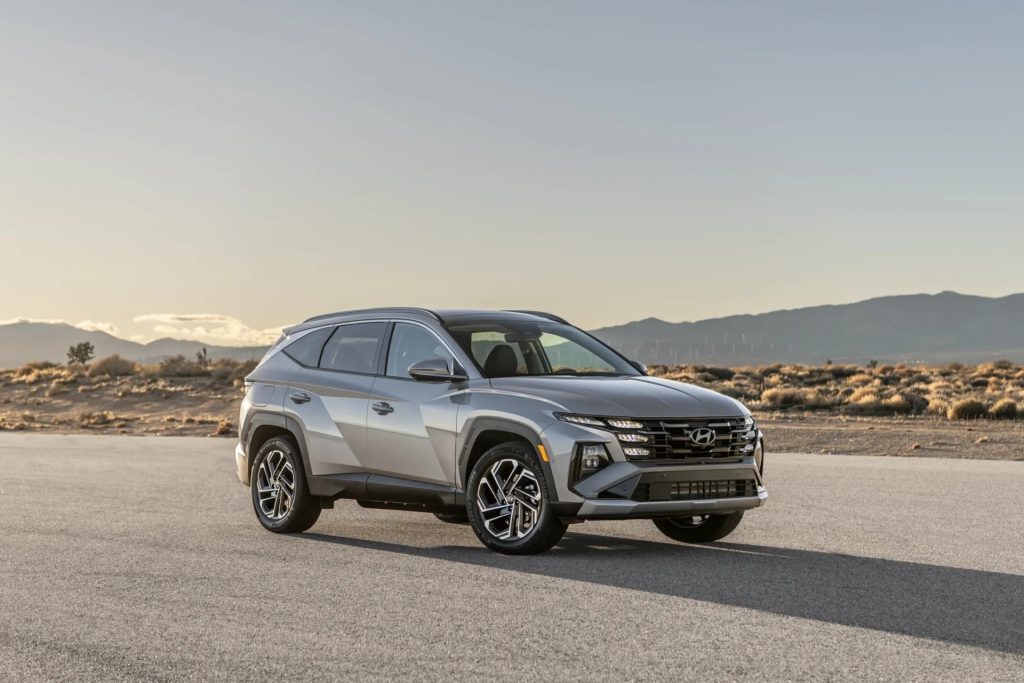
The Tucson makes sense if a clean older example provides the features you need at a substantial discount. If the 2025 refresh matters to you, a newer vehicle may justify its premium.
6. Mazda CX-30
The Mazda CX-30 suits buyers who want a premium-feeling cabin without moving into a larger, more expensive SUV. Its compact dimensions help with city parking, while its interior design and road manners give it an upscale character. Since the model has remained within the same generation since its U.S. debut, a three-year-old example can still feel current.
The 2023 CX-30 offered a naturally aspirated 2.5-liter four-cylinder engine producing 191 horsepower or an available turbocharged 2.5-liter engine producing up to 250 horsepower on premium fuel. All-wheel drive was standard on U.S. models in this period.
A three-year-old CX-30 may offer the same basic cabin layout and driving character for less money, but the discount is not guaranteed. Popular trims and low-mileage examples can retain value, while a new-car promotion may narrow the gap.
Size is one limitation to remember. The CX-30 is smaller than the CR-V, Tucson, and Sportage, so rear-seat room and cargo capacity should be tested in person. Families who regularly carry adults in the back may find it less convenient.
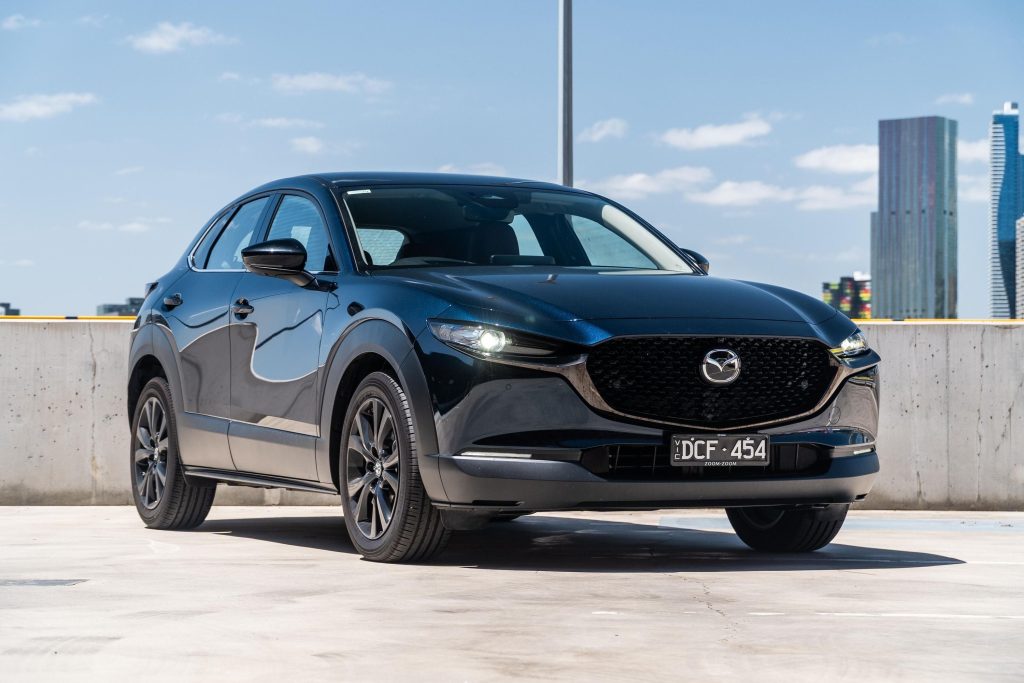
Before buying, inspect tires, brakes, suspension, and infotainment. Review service records and compare insurance quotes, especially for a turbocharged version. A pre-purchase inspection can reveal damage that is not obvious in photographs or a short drive.
Buying new becomes more attractive when the used price approaches that of a similarly equipped car with a full factory warranty.
7. Nissan Rogue
The Nissan Rogue appeals to drivers seeking a comfortable family vehicle, useful cargo space, and good highway fuel economy without stepping up to a larger SUV. The 2023 model belongs to the third generation introduced for 2021, so a used example retains the basic design and packaging that made the generation competitive.
For the U.S. market, the 2023 Rogue used a 1.5-liter variable-compression turbocharged three-cylinder engine producing 201 horsepower and 225 lb-ft of torque, paired with a continuously variable transmission (CVT). EPA-rated fuel economy varied by drivetrain and configuration.
A used Rogue can be attractive when depreciation has reduced its purchase price while the cabin, driver-assistance features, and everyday practicality remain sufficient. However, a low asking price should not distract from mechanical condition. The engine and CVT deserve careful inspection.
Take the vehicle on a varied test drive. Check transmission behavior during acceleration, listen for unusual engine sounds, and assess the brakes and suspension. An independent inspection is particularly useful if the seller cannot provide complete service documentation.
Warranty coverage depends on the original in-service date, mileage, and applicable terms. Ask Nissan to verify the vehicle’s status and check for outstanding recalls or service campaigns using the VIN.
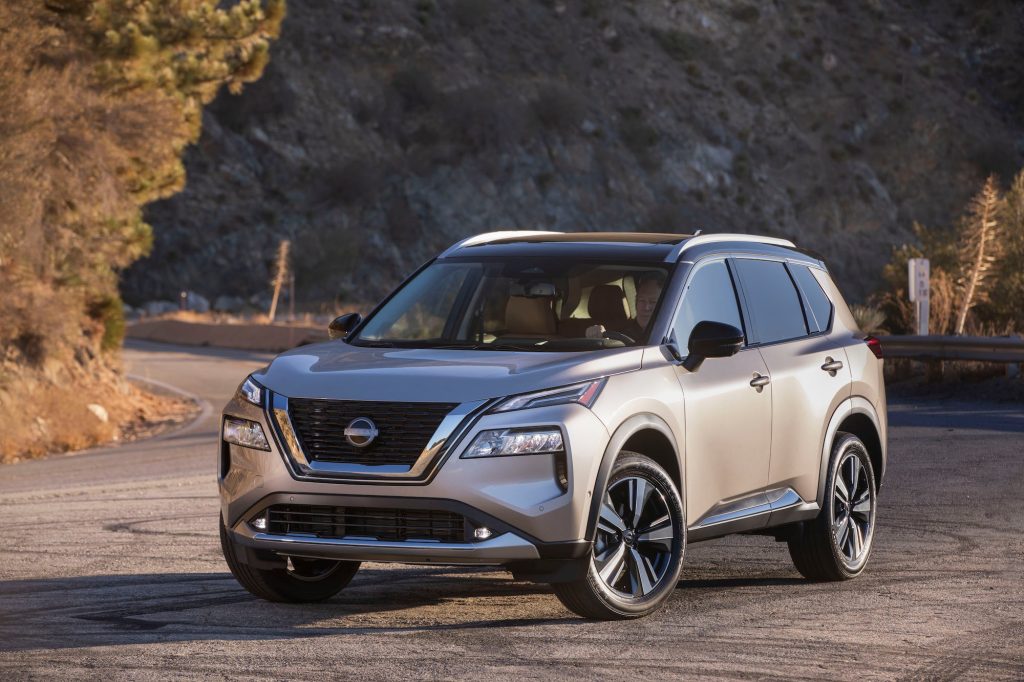
The Rogue is worth considering when it has a clean history and costs meaningfully less than a comparable new crossover. If the difference is small, new-car financing, warranty coverage, or updated equipment may outweigh the appeal of the older model. Judge the total cost of ownership, not just the sticker price.
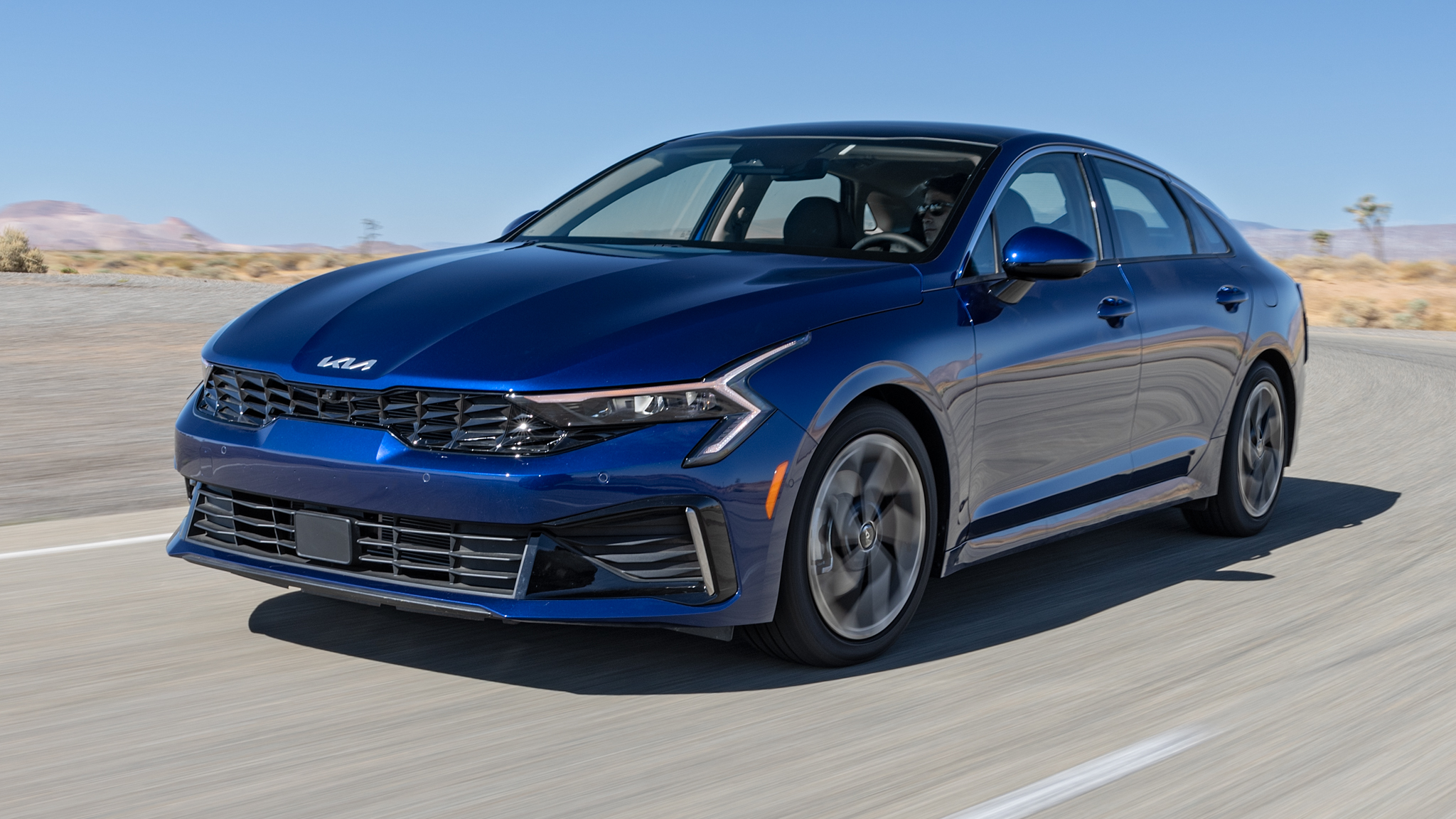
8. Kia K5
The Kia K5 suits buyers who want a stylish midsize sedan but do not necessarily need the newest model year. The 2023 version belonged to the generation introduced for 2021, with a low profile, a spacious cabin for the class, and a choice of powertrains.
Its design still looks contemporary, making it worth considering for shoppers who value appearance without paying new-car prices.
In the U.S. market, the 2023 K5’s standard engine was a 1.6-liter turbocharged four-cylinder producing 180 horsepower and 195 lb-ft of torque. The GT used a 2.5-liter turbocharged engine rated at 290 horsepower and 311 lb-ft of torque, paired with an eight-speed dual-clutch transmission.
Depreciation and vehicle condition create an opportunity for used-car buyers. A well-maintained 2023 Kia K5 can offer modern infotainment, driver-assistance technology, and comfortable everyday driving at a more affordable price. The 2025 model year introduced styling and feature updates, meaning the newer version differs from its predecessor in several ways.
Check the trim, accident history, service records, and tire condition. For a GT, pay particular attention to maintenance and how the vehicle has been driven. Verify warranty eligibility with Kia because coverage can depend on ownership status and original terms.
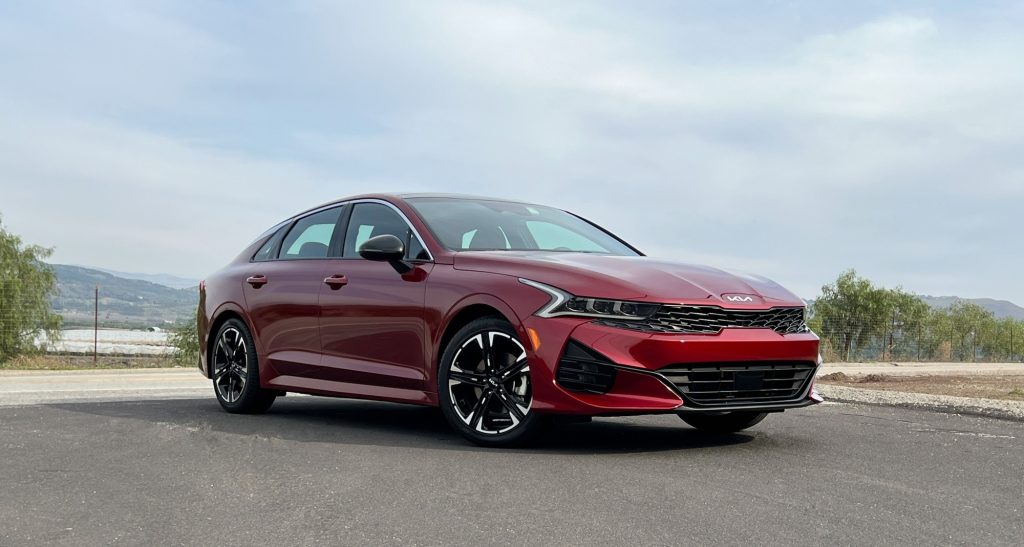
A three-year-old K5 is most appealing when it offers a meaningful saving over a comparable new sedan. If you want the refreshed appearance or a specific newer feature, paying more may be reasonable. Otherwise, a carefully inspected earlier model can provide much of the everyday experience without the full new-car expense.
9. Honda Accord
The Honda Accord deserves attention from buyers who want a roomy sedan without paying for a brand-new example. Honda redesigned the Accord for the 2023 model year, introducing its eleventh generation with revised styling, a cleaner dashboard layout, and a greater emphasis on hybrid powertrains.
A three-year-old example is therefore not an outdated design simply because it is no longer new.
U.S. 2023 models offered a 1.5-liter turbocharged four-cylinder engine producing 192 horsepower and 192 lb-ft of torque. Hybrid versions paired a 2.0-liter engine with Honda’s two-motor hybrid system and delivered 204 horsepower in total system output.
A used Accord can provide generous passenger space, a comfortable ride, and contemporary safety technology while avoiding some of the initial expense of buying new. The price difference varies with mileage, trim, local inventory, and dealer incentives. Hybrid versions may also command stronger used prices than gasoline models.
Before buying, check maintenance history, tire wear, braking performance, and the operation of infotainment and driver-assistance systems. Hybrid shoppers should request a qualified inspection of the hybrid system and verify any remaining battery warranty.
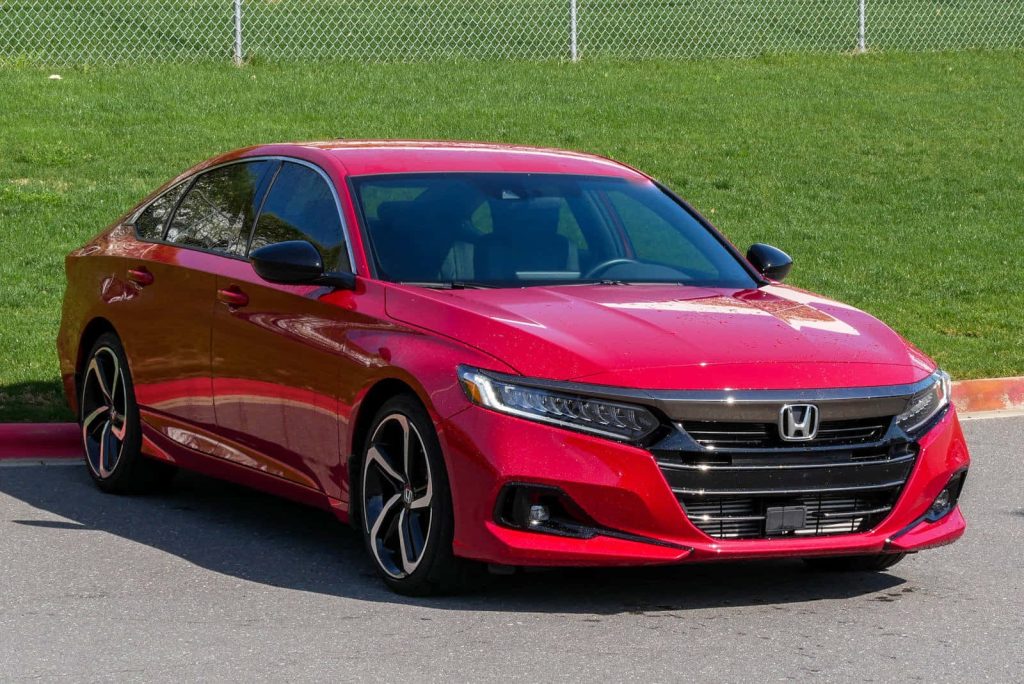
The Accord makes sense used when its condition is excellent, and its price is clearly below that of a comparable new model. If a new trim offers a feature you need, or promotional financing makes the gap small, buying new may be justified.
Otherwise, the older version can deliver the spaciousness and refinement that make the Accord appealing without requiring a new-car budget.
10. Mazda3
The Mazda3 is a strong candidate for buyers who appreciate a well-finished interior and responsive handling but want to avoid unnecessary new-car spending. The current generation arrived for the 2019 model year, and the 2023 version already offered a mature design, available all-wheel drive, and sedan or hatchback body styles.
For the U.S. market, the 2023 Mazda3 offered a naturally aspirated 2.5-liter four-cylinder engine rated at 191 horsepower and 186 lb-ft of torque. An available turbocharged version produced up to 250 horsepower and 320 lb-ft of torque on premium fuel.
These differences matter because a turbocharged, all-wheel-drive model can cost significantly more than a base front-wheel-drive sedan.
A three-year-old Mazda3 can still deliver a polished cabin, useful infotainment, and engaging road manners. Buyers do not necessarily gain a fundamentally different car by choosing the latest model year, although equipment and technology updates should be checked.
Body style also matters. The hatchback offers a different cargo opening and more flexible loading than the sedan, while rear-seat space is less generous than in many larger compact cars.
Inspect tires, brakes, suspension, and bodywork, and ask for maintenance records. Test infotainment controls and safety systems, obtain an independent inspection, and confirm that any remaining factory warranty applies to the vehicle.
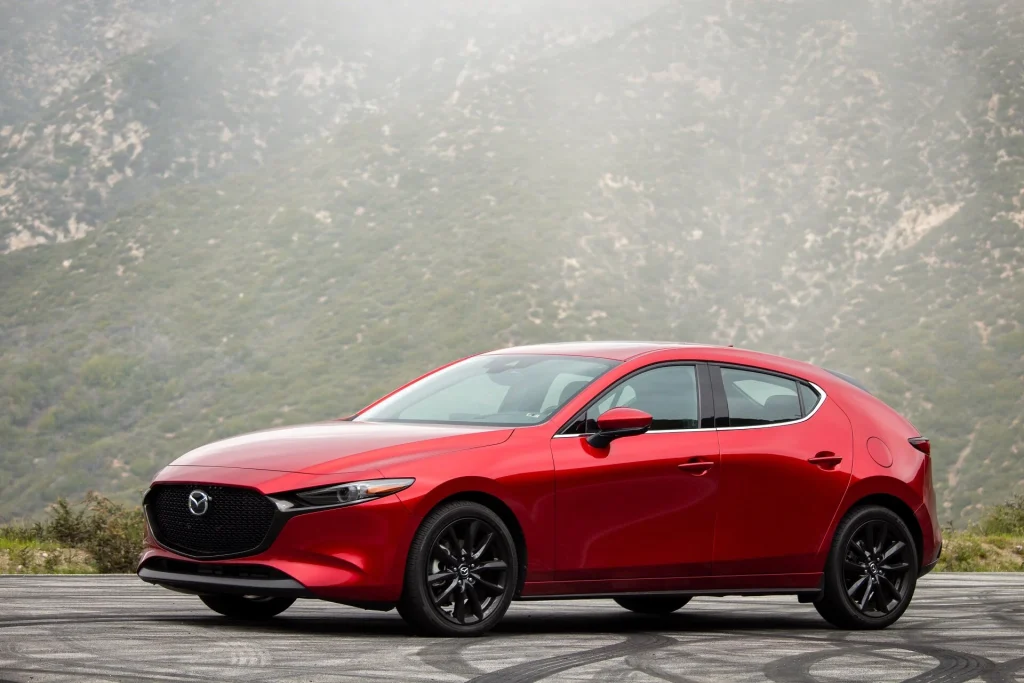
A used Mazda3 is a smart option when you value its driving character more than owning the newest model year. If a new example costs only slightly more after incentives, the fresh warranty and updated equipment may make it worthwhile.
11. Subaru Crosstrek
The Subaru Crosstrek appeals to drivers who want compact dimensions, standard all-wheel drive, and enough ground clearance for gravel roads and outdoor trips. The 2023 model represents the first generation’s later years, while the 2024 model introduced a redesigned generation.
The 2023 U.S. Crosstrek offered a 2.0-liter four-cylinder engine producing 152 horsepower, with a 2.5-liter engine rated at 182 horsepower available on higher trims. Subaru’s symmetrical all-wheel-drive system was standard.
For someone who mainly commutes, travels on highways, and occasionally drives unpaved roads, the older Crosstrek may meet every practical requirement. Its compact footprint helps with parking, while all-wheel drive can provide additional traction in suitable conditions.
The newer generation brought changes to the body structure, interior, and technology. Buyers who value the latest safety and cabin features should test both versions. A lower price is not enough if the older trim lacks equipment you consider essential.
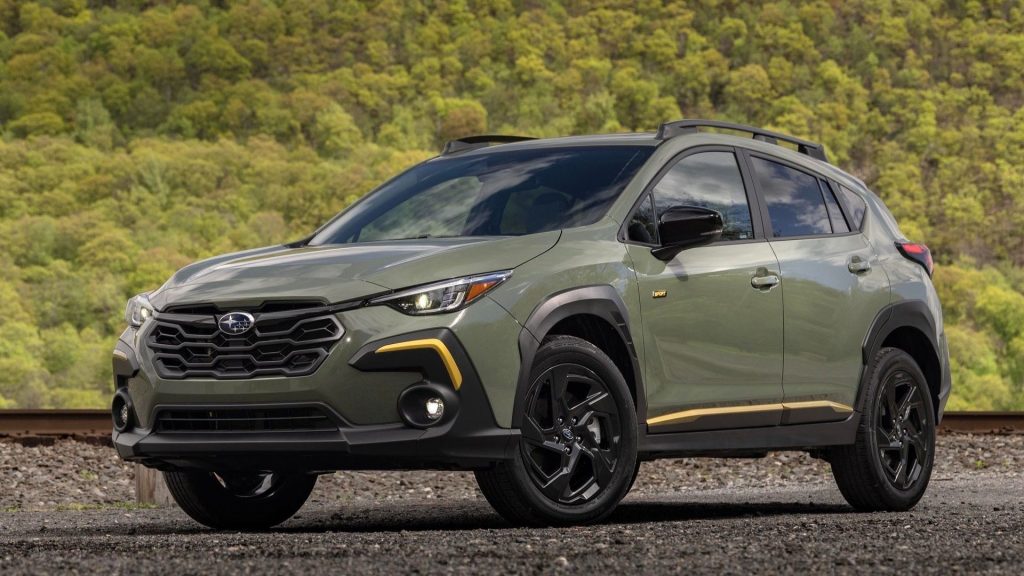
Check service records, tire condition, suspension components, and evidence of off-road damage. Uneven tire wear is worth investigating on an all-wheel-drive vehicle, where mismatched tires or substantially different tread depths can create drivetrain concerns. Confirm outstanding recalls with a Subaru dealer.
A 2023 Crosstrek is worth considering when its history is clean, and it costs substantially less than a comparable newer model. If the redesigned vehicle’s features matter to you, the premium may be justified. Otherwise, the older version can provide practical crossover capability without the cost of buying new.