
SUV ownership does not have to mean paying hundreds of dollars every year in maintenance alone.
Some popular models have relatively modest projected service and repair expenses, giving budget-conscious American drivers a way to enjoy extra cargo space and a higher seating position without automatically taking on premium running costs.
SlashGear, citing CarEdge estimates, identifies several SUVs with projected annual maintenance costs below $500, including the Honda HR-V at $301 and the Toyota RAV4 at $429. These are estimates, not guaranteed bills, and actual spending depends on mileage, vehicle age, condition, and repair needs.
1. Honda HR-V
The Honda HR-V leads this list with an estimated $301 per year in repair and maintenance costs, according to RepairPal. That is substantially below the $466 average for subcompact SUVs and the $652 average across all vehicle models in RepairPal’s data.
Its compact dimensions make it well suited to city driving, tight parking spaces, and everyday commuting. The HR-V gives buyers a raised seating position and flexible cargo space without the size of a three-row family SUV. Those practical advantages can also make routine ownership easier for drivers who do not need a larger vehicle.
The $301 figure represents average unscheduled repair and maintenance spending across model years, rather than a promise that every owner will spend that amount. Scheduled servicing, tire replacement, driving conditions, and the condition of a particular vehicle can change the real cost.
A car driven heavily in stop-and-go traffic may need different attention from one used mainly for highway commuting.
RepairPal gives the HR-V a 5.0 out of 5 reliability rating, ranking it first among seven subcompact SUVs in its comparison. That supports its place on a low-cost shortlist, although reliability ratings and repair-cost averages measure different things.

For used-car buyers, check the service history, tires, brakes, and suspension before purchasing. New-car shoppers should compare the purchase price and warranty with competing small SUVs rather than focusing exclusively on maintenance estimates.
The HR-V is particularly appealing for drivers who want practical transportation with relatively modest repair expenses. Its $301 estimate offers a useful benchmark, but the condition and maintenance history of the individual vehicle remain decisive.
2. Toyota RAV4
The Toyota RAV4 combines everyday practicality with an estimated $429 in annual repair and maintenance costs, according to RepairPal. That is $92 below the $521 average for compact SUVs, making it a useful option for buyers who want additional cargo capacity without exceeding a modest maintenance budget.
The RAV4’s popularity comes from its flexible cabin, useful cargo area, and broad appeal as a family vehicle. U.S. buyers can find gasoline and hybrid versions, with specifications and service needs varying by model year and powertrain.
That distinction matters when comparing maintenance expenses because the exact version can affect the work required and the cost of replacement components.
RepairPal rates the RAV4 4.0 out of 5 for reliability and ranks it third among 26 compact SUVs. Its $429 figure is an average for unscheduled repairs and maintenance across model years, not a fixed annual service bill.
Oil changes, scheduled inspections, tires, brakes, and unexpected repairs can make an individual owner’s spending higher or lower.
CarEdge provides a separate long-term perspective, estimating the RAV4’s maintenance cost at approximately $1,938 over five years. That figure uses a different ownership-cost model, so it should not be directly equated with RepairPal’s annual repair average.
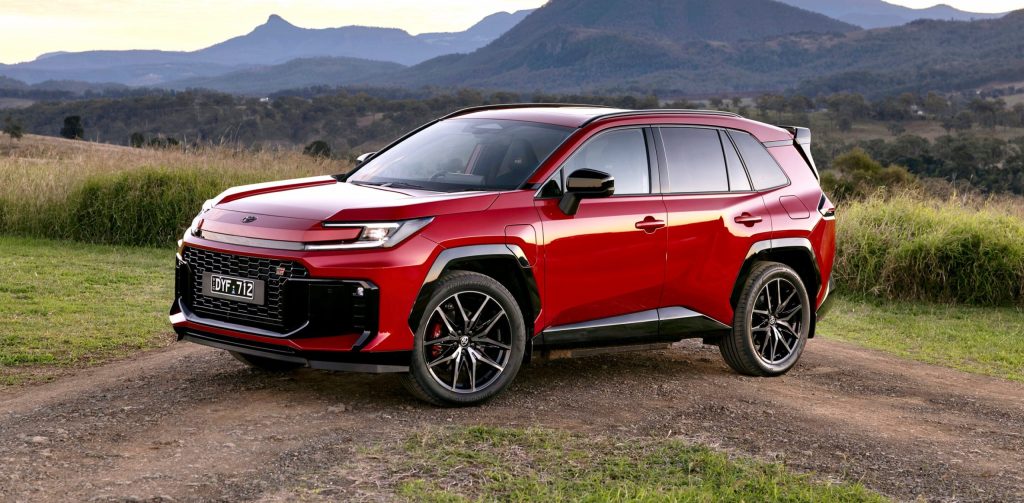
For buyers planning to keep an SUV for years, the RAV4 offers a reasonable balance of space and projected upkeep. Check service records and inspect the tires, brakes, suspension, and drivetrain before buying used. Hybrid shoppers should also verify the hybrid system’s condition.
Its maintenance estimate is below the compact-SUV average, but the smartest purchase still depends on the vehicle’s price, condition, and suitability for your needs.
3. Toyota Highlander
For families who need more passenger room, the Toyota Highlander stands out with an estimated $489 per year in repair and maintenance costs. RepairPal’s figure keeps it below the $500 threshold, an appealing result for a midsize SUV that offers three-row seating on applicable versions.
The Highlander’s appeal is its ability to serve several roles. It can handle school runs, family holidays, grocery trips, and long highway journeys without requiring owners to move up to a full-size SUV. Depending on model year, buyers can choose gasoline or hybrid powertrains, so the exact version matters when estimating running costs.
CarEdge estimates approximately $2,048 in Highlander maintenance costs over five years and $6,224 over 10 years. Those figures come from a separate projection model and should not be confused with RepairPal’s annual repair and maintenance average. Both provide useful context, but neither guarantees an individual owner’s future bills.
A three-row vehicle has practical considerations beyond the headline estimate. Larger tires can cost more to replace than those on a small crossover, and frequent use with passengers or cargo can increase wear on brakes and suspension components. Routine servicing and prompt repairs help prevent small problems from becoming more expensive.
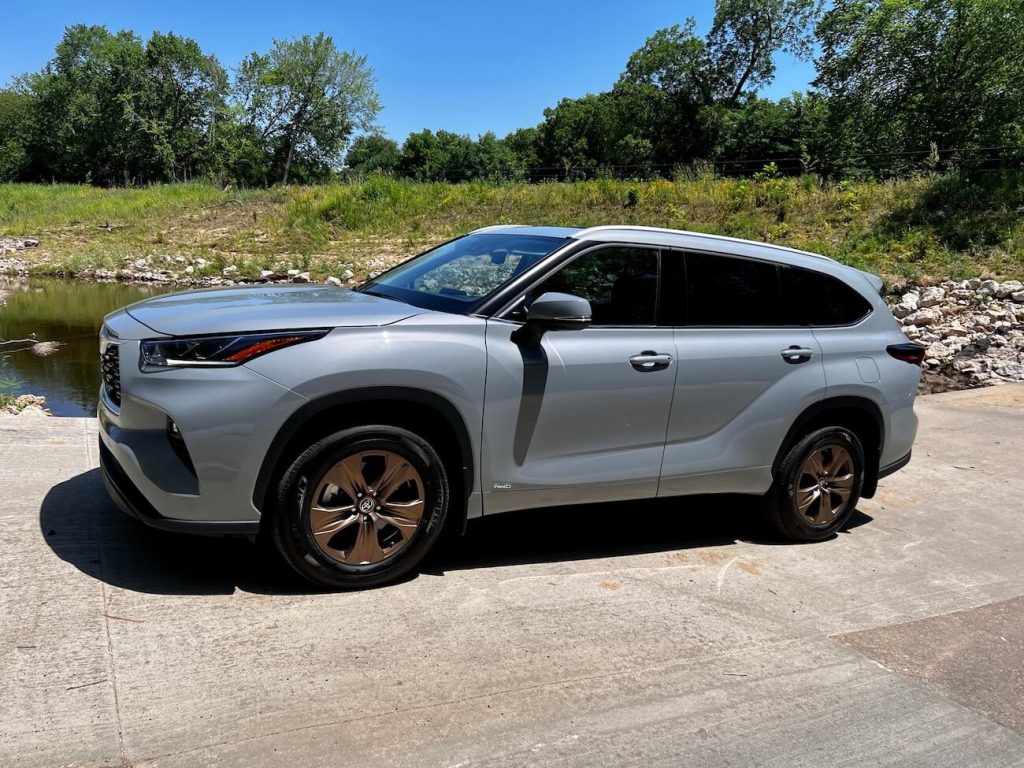
Before buying a used Highlander, review its service records, test the air-conditioning system, inspect the tires and brakes, and check for warning lights. Hybrid versions should receive an appropriate inspection of their electrified components. Also confirm the vehicle’s seating configuration, since equipment varies by year and trim.
The Highlander is worth considering for households that need extra space but still want to manage maintenance expenses. Its $489 estimate is encouraging, although a clean service history and a well-maintained vehicle matter more than a single average.
4. Subaru Crosstrek
The Subaru Crosstrek comes in at $492 per year in average repair and maintenance costs, according to RepairPal. That puts it just under the $500 mark and makes it an interesting option for drivers who want a compact SUV with standard all-wheel drive.
The Crosstrek is smaller than many family SUVs, but its raised ride height and all-wheel-drive system suit drivers who regularly encounter wet roads, snow, or gravel.
Subaru lists nearly nine inches of ground clearance on recent U.S. versions, which can be useful on uneven surfaces. It is not a replacement for a dedicated off-road vehicle, but it offers extra versatility for everyday travel and occasional outdoor trips.
RepairPal’s $492 figure is an average across model years, not a guarantee of what any one owner will spend. The actual amount depends on mileage, vehicle age, maintenance history, and the severity of any repairs.
RepairPal ranks the Crosstrek highly in its segment for reliability, but even a well-regarded vehicle needs routine servicing.
An important consideration is that all-wheel-drive vehicles typically require tires with closely matched circumferences. Differences in tire size or wear can place additional strain on drivetrain components. Replacing tires as a compatible set may therefore be necessary, making this an important expense to factor into the overall cost of ownership.
Used-car shoppers should inspect tire wear, brakes, suspension, and the underside for signs of damage from rough roads. Ask for maintenance records and have a qualified technician check the vehicle before purchase.
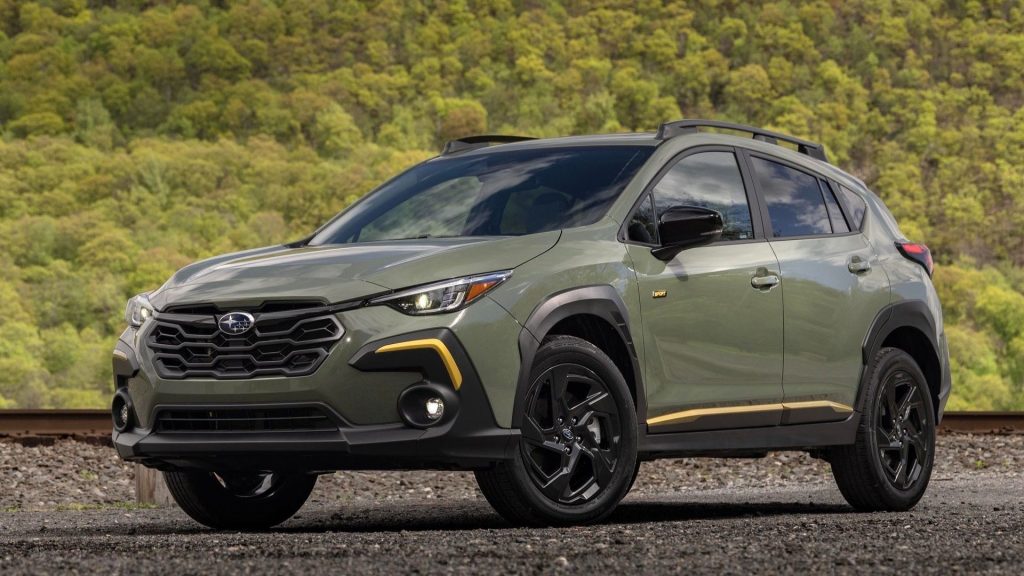
The Crosstrek makes sense for buyers who value traction and compact dimensions without moving into a larger SUV. Its $492 estimate stays within the target, but careful tire maintenance and a clean service history remain important to keeping costs manageable.
5. Hyundai Ioniq 5
The Hyundai Ioniq 5 brings an electric option to this list. CarEdge estimates its maintenance costs at approximately $1,712 over five years, equivalent to about $342 per year when divided evenly across that period. This is a calculated annual average, not a separate RepairPal annual repair estimate.
Unlike the four gasoline or hybrid SUVs above, the Ioniq 5 uses an all-electric powertrain. It does not need engine oil changes, spark plugs, or conventional engine-related servicing. However, it still requires attention to tires, brakes, suspension, cabin filters, coolant systems where applicable, and high-voltage components.
Hyundai has also addressed a known issue involving the Integrated Charging Control Unit, or ICCU, on certain vehicles. The component can affect charging and the low-voltage electrical system.
The applicable recall or service campaign should be checked using the vehicle identification number, and eligible repairs should be confirmed with a Hyundai dealer. Not every Ioniq 5 is affected, and repair coverage depends on the specific vehicle and applicable terms.
Electric vehicles can have lower routine maintenance needs than gasoline models, but that does not mean they are free of expensive repairs.
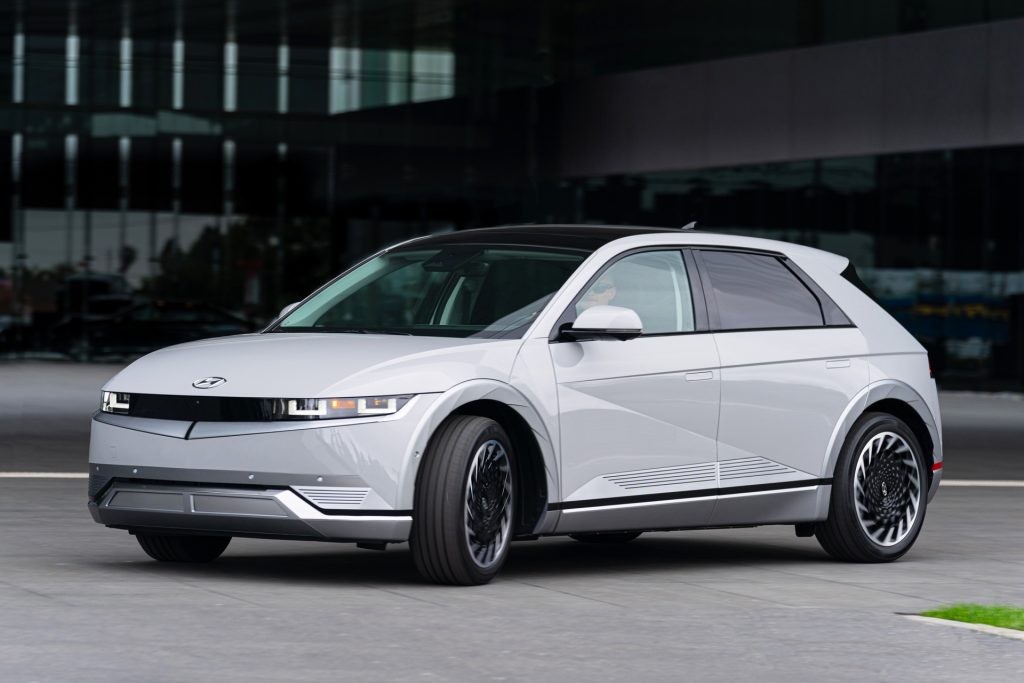
Tire wear, collision damage, charging-system faults, and high-voltage battery issues can create significant bills outside applicable warranty coverage. Buyers should understand what the factory warranty covers and how long that protection remains.
For a used Ioniq 5, check charging performance, battery warnings, service records, recall completion, and the condition of the tires. Ask a qualified EV technician to inspect the high-voltage system if the vehicle’s history is incomplete.
The Ioniq 5 is a compelling alternative for drivers who can charge conveniently and want to avoid many routine engine services. Its projected maintenance average fits the under-$500 target, but buyers should budget separately for electricity, insurance, tires, and any repairs not covered by warranty.