

Anyone who has driven on an American interstate knows the frustration. One driver cruises in the left lane at or below the speed limit while a line of cars builds up behind them. For decades, the rule to keep right except when passing was widely treated as common courtesy. Today, many states have made it law, with police issuing tickets to drivers who fail to comply. However, the penalties and enforcement vary by state.
The ten states below stand out because their left lane rules are explicit and actually enforced. Each section explains what the law requires, where it applies, and how it plays out on the road. Penalties and speed thresholds change over time, so confirm current details with your state’s motor vehicle code or DMV before relying on them.
1. Georgia
Georgia’s “Slow Poke Law,” in effect since 2014, is one of the best-known left lane statutes in the country. It was passed to reduce congestion and road rage around metro Atlanta, where the left lane often becomes a rolling roadblock.
The law prohibits drivers from staying in the left lane of a multi-lane highway when they know, or reasonably should know, that a faster vehicle is approaching from behind. The lane is for passing, and drivers are expected to move right once the pass is complete.
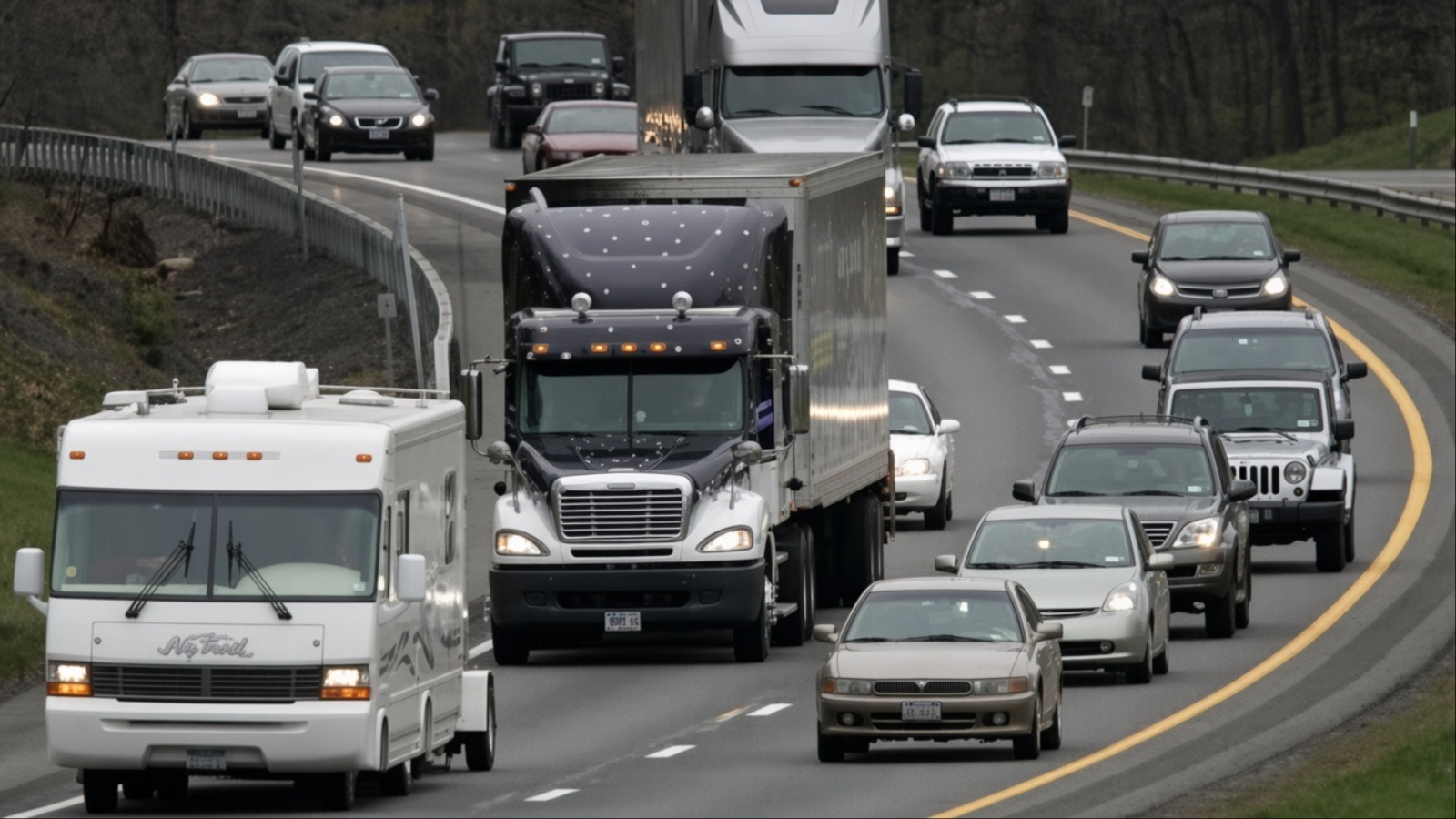
The statute includes sensible exceptions. A driver may stay left to pass, to prepare for a left turn or exit, when heavy traffic makes moving over impractical, or when weather or hazards require it. A driver boxed in by a slower truck on the right is not breaking the law just by being there. The law targets the driver who cruises in the passing lane for miles with open pavement on the right.
Enforcement falls to the Georgia State Patrol and local agencies, who can cite the offense as a traffic misdemeanor with fines and possible points. Public awareness campaigns have raised the law’s profile.
The practical lesson is to check your mirrors often, treat the left lane as a passing lane rather than a travel lane, and move right as soon as it is safe.
2. Texas
Texas applies its left-lane restrictions primarily to high-speed roads. State law limits continuous travel in the left lane on certain divided highways with higher posted speed limits, reflecting the state’s long stretches of interstate and toll roads.
The reasoning is straightforward. When traffic moves quickly, slower vehicles in the passing lane can cause delays and increase the risk of collisions. Drivers are expected to use the left lane to pass and then return to the right.
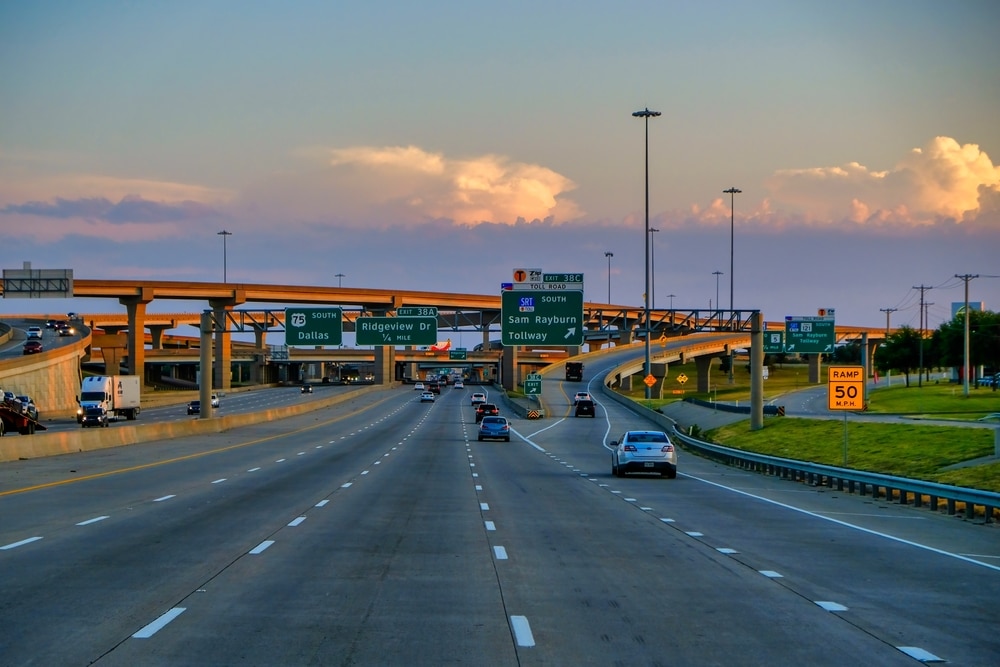
The statute carries familiar exceptions. A driver may remain in the left lane when passing, when preparing to turn left, when avoiding a hazard, or when traffic conditions make moving right unsafe. Highway signs reading “Left Lane for Passing Only” appear along many Texas corridors, which helps reinforce the rule.
Penalties typically take the form of traffic fines rather than serious criminal charges, although the amounts and court costs vary by jurisdiction. Enforcement can be inconsistent. Texas Department of Public Safety troopers issue citations for violations, but the state’s vast road network makes it difficult to catch every offender. Enforcement may be more noticeable on busy corridors around Dallas–Fort Worth and Houston, where traffic volumes are high.
For visitors, the rule of thumb is to stay out of the left lane unless you are actively passing. In Texas, a lane that looks empty can fill quickly with fast-moving traffic, and officers have little patience for drivers who cruise there.
3. Florida
Florida’s left lane law is a familiar one among drivers who travel I-95, I-75, and the Florida Turnpike. State law directs drivers not to continue in the left lane on multi-lane highways when they are being overtaken from behind by a faster vehicle, and it applies most firmly on roads with higher posted limits. The goal is to keep the passing lane free for passing and to cut down on aggressive tailgating and weaving.
As with other states, exceptions exist. Drivers can use the left lane to pass, to turn left, to avoid a hazard, or when heavy traffic makes moving over impractical. Highway signs along major routes remind drivers that the left lane is for passing only, and the Florida Highway Patrol has publicized the rule repeatedly.
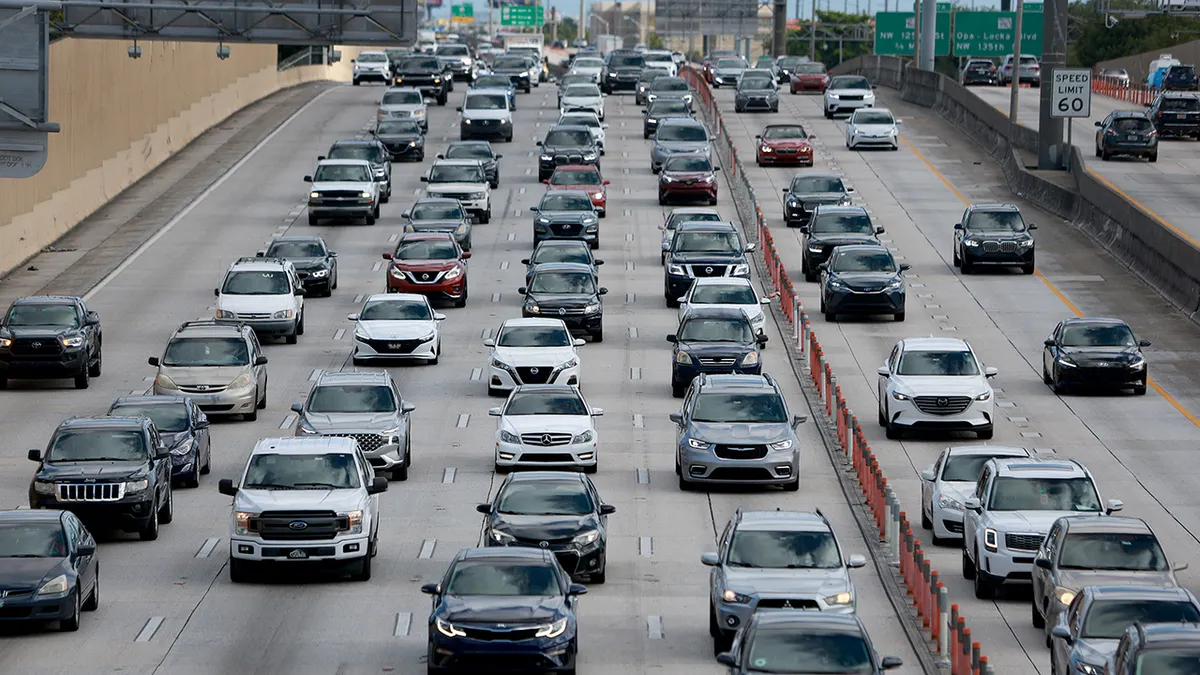
A violation is generally treated as a noncriminal traffic infraction, but it is a moving violation, which means a fine and potentially points on the driver’s record. That can affect insurance rates, so a ticket costs more than its face value. Enforcement often appears in waves, with troopers focusing on busy corridors, holiday weekends, and areas where crashes have been tied to left lane congestion.
Florida’s mix of residents, tourists, and heavy commercial traffic makes the rule especially useful. If you are not passing, stay right, and expect troopers to notice when you do not.
4. Washington
Washington has one of the more straightforward left lane laws in the western United States. Under state law, drivers may not continuously occupy the left lane of a multi-lane highway when doing so impedes the flow of traffic. The rule is aimed at the Puget Sound corridor, where I-5, I-405, and State Route 520 carry enormous volumes and a single slow driver in the left lane can ripple backward for miles.
Washington’s version stands out for how it is written. It is framed around impeding traffic rather than simply requiring drivers to use the right lane, which gives officers discretion but also requires them to show actual obstruction.
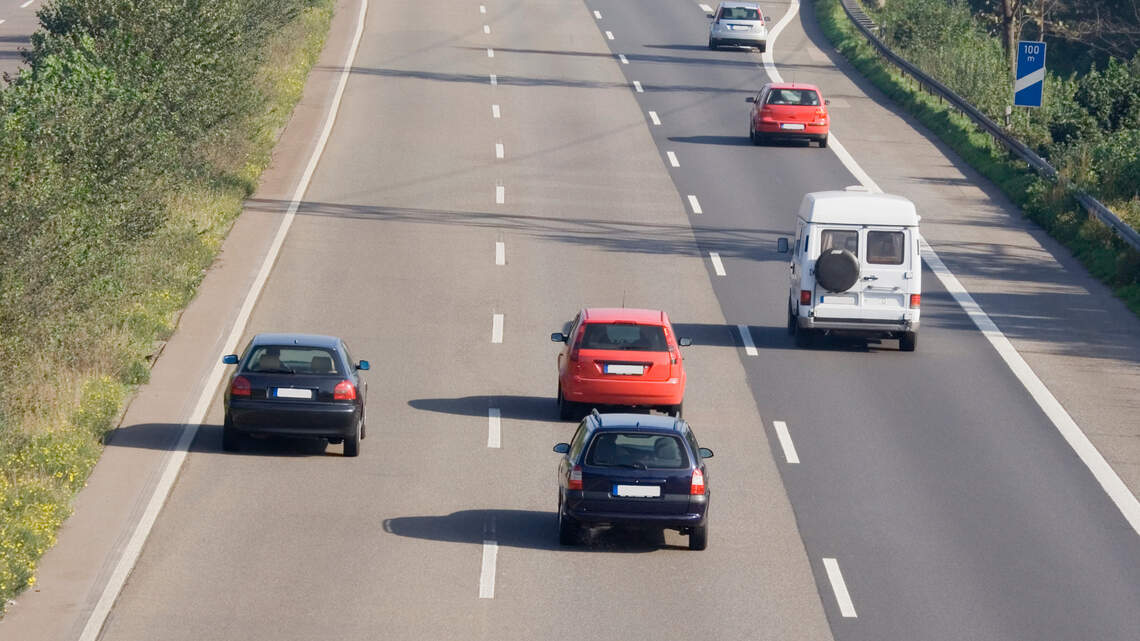
Exceptions cover passing, left turns, avoiding obstructions, and situations where traffic conditions make moving right unreasonable. HOV and express lane rules sit on top of this, so drivers need to understand which lane they are in.
The Washington State Patrol is known for emphasizing patrols on the left lane rule, and the fine is among the more noticeable in the country, often cited at well over a hundred dollars. Because it is an infraction rather than a crime, it does not carry jail time, but it still shows up on a driving record.
For commuters, the takeaway is to pass and then return right. Cruise control in the left lane is one of the easiest ways to earn a ticket here.
5. Colorado
Colorado’s left lane law reflects the state’s mix of mountain driving, high-speed interstates, and heavy Front Range commuting. State law requires drivers to keep right on multi-lane roads when moving slower than the normal flow of traffic, and it specifically discourages occupying the left lane without a reason. On I-25, I-70, and C-470, congestion often comes from the left lane being used as a general travel lane.
The law includes expected exceptions. Drivers may use the left lane to pass, to turn left, to avoid hazards, or when the right lane is blocked or unsafe. Some mountain corridors add their own wrinkles, including passing-lane rules on steep grades and chain law conditions that push trucks to the right. Express lanes and HOV lanes add further complexity.
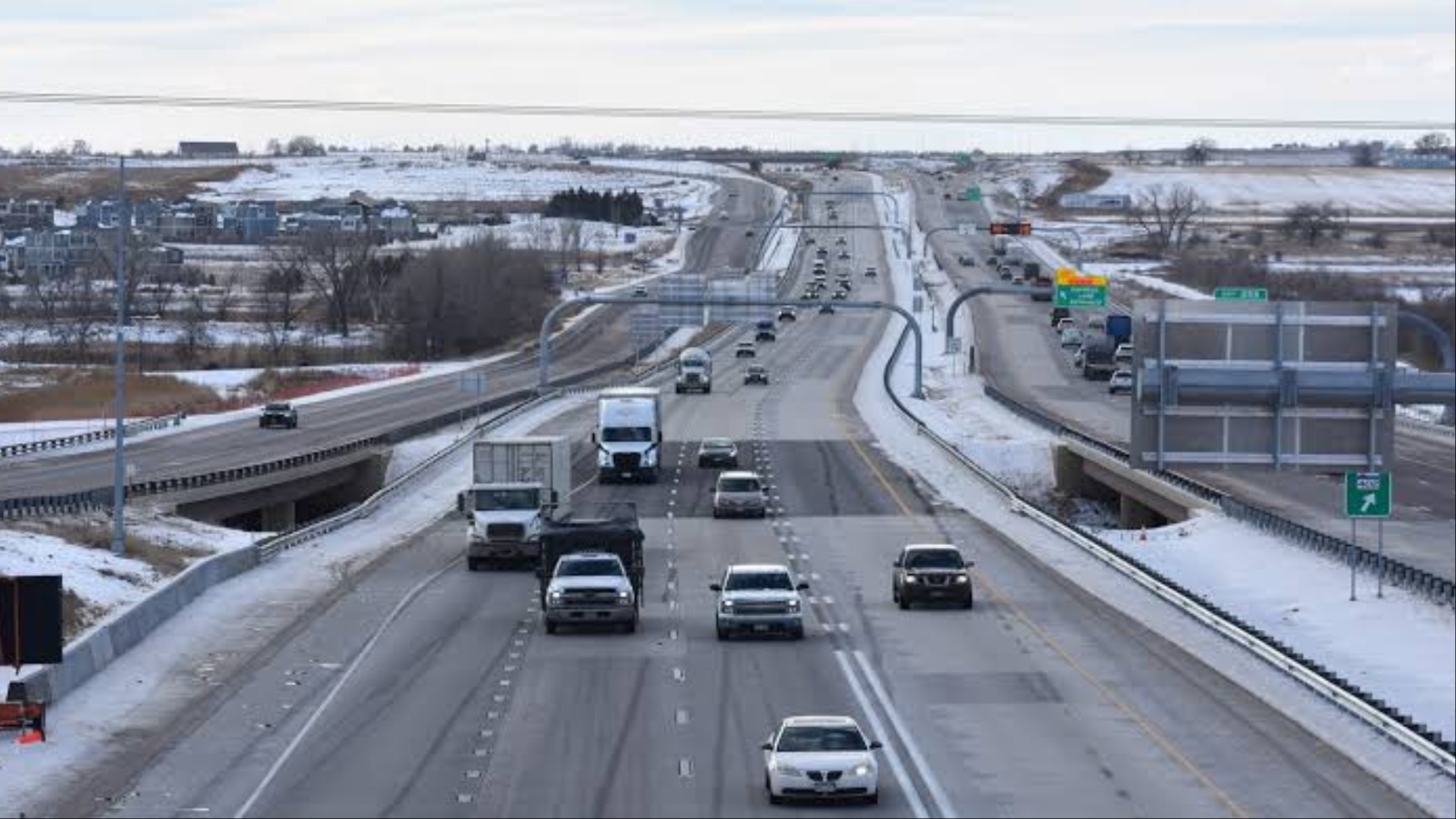
Enforcement by the Colorado State Patrol tends to be moderate but real, especially on Front Range interstates where backups are common. The offense is generally a traffic citation with fines and possible points, and it can be paired with other charges, such as careless driving, if a slow driver’s behavior contributes to a crash.
For drivers new to the state, the key is awareness of speed differentials. Colorado traffic often moves faster than the limit, and a car doing the limit in the left lane may be violating the law even if technically not speeding.
6. Virginia
Virginia’s left lane law has gotten more attention in recent years as the state has tightened rules aimed at reducing distracted and impeding driving on its busiest corridors. State law requires slower traffic to keep right on multi-lane highways, and it specifically restricts remaining in the left lane when a faster vehicle approaches. Northern Virginia’s stretch of I-95, I-66, and I-495 is the main focus, since congestion there is notorious.
The statute follows the familiar pattern of exceptions. Passing, left turns, avoiding hazards, and heavy traffic that makes lane changes unsafe are all acceptable reasons to remain left. Virginia also has HOV and express lane rules that interact with the left lane law, so drivers should watch signage closely, particularly during peak hours.
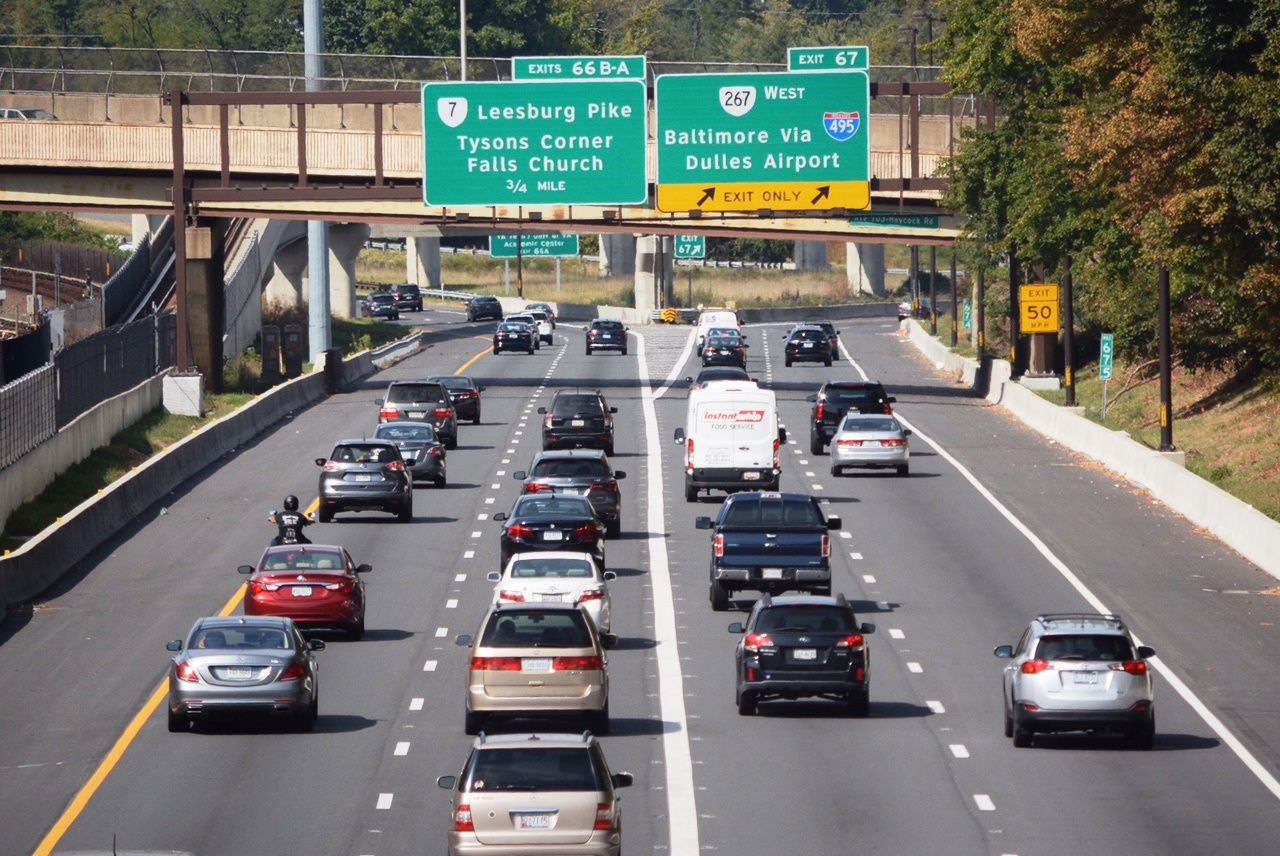
Virginia State Police and local agencies have run enforcement campaigns that mention the left lane rule, and the offense is treated as a traffic infraction with fines and potential demerit points. Some versions of the rule have drawn debate over how often officers should enforce it and how clearly drivers understand the rule, but the law remains on the books.
Visitors passing through the Washington, D.C., region should be especially careful. Traffic can be dense and unpredictable, and drivers who linger in the left lane draw both police attention and the irritation of commuters.
7. Illinois
Illinois is among the states that have formalized a left lane rule specifically for expressways and interstates. The law restricts driving in the left lane on multi-lane highways except when passing or when conditions require it, and it has been used to address congestion around Chicago and on long rural stretches of I-55, I-57, and I-80. The state also updated its rules to discourage drivers from using the left lane as a default cruising lane.
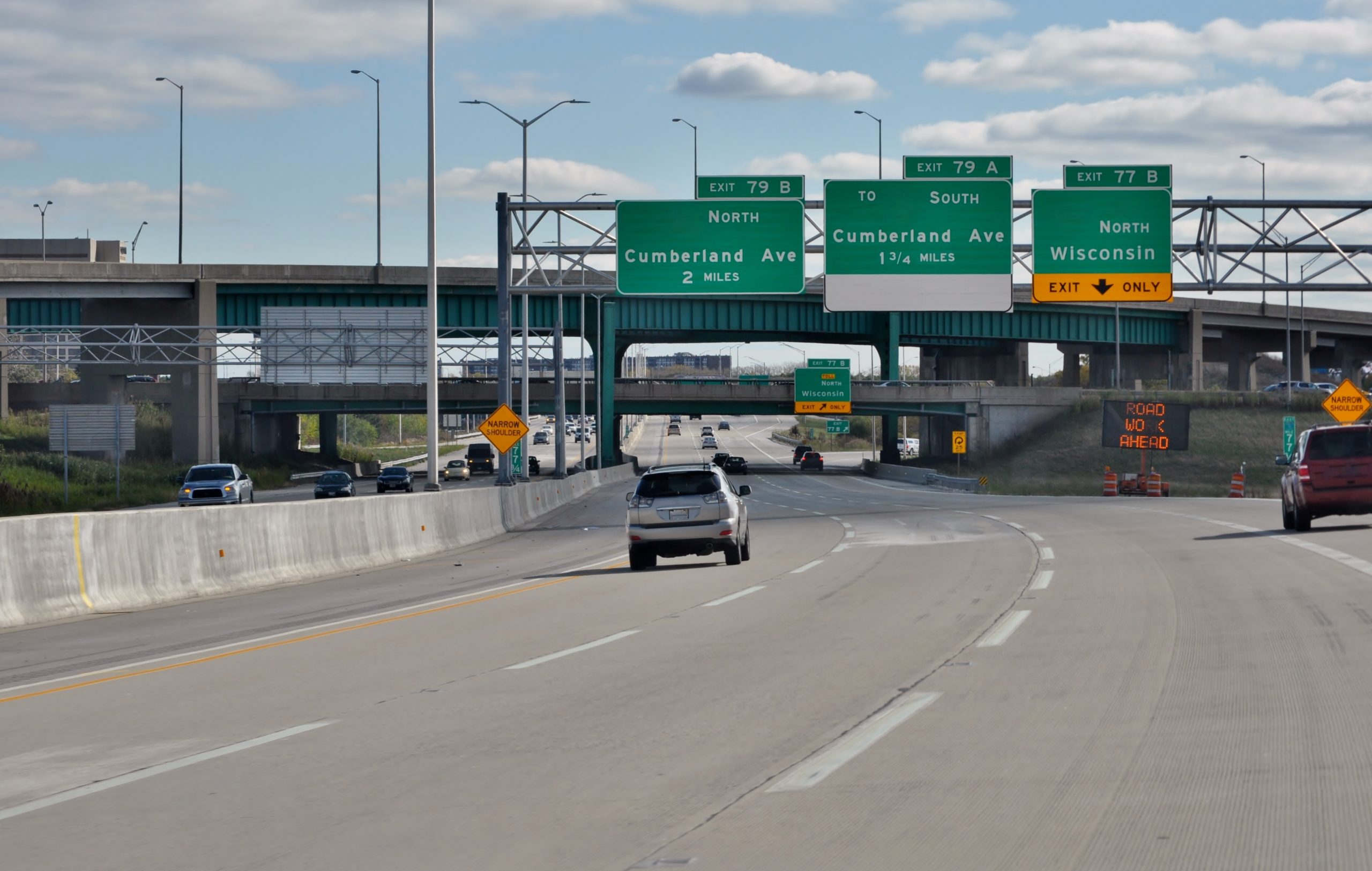
The exceptions are standard. Drivers may use the left lane to pass, to prepare for a left turn or exit, to avoid hazards, or when traffic conditions require it. The Illinois State Police have publicized the law and, at times, run enforcement operations focusing on left lane violations along heavily traveled corridors.
Penalties are usually a fine-based citation, and a conviction can become part of a driver’s record. Because Illinois also has strict speed-camera and work-zone enforcement in some areas, drivers who linger in the left lane may face other trouble on top of a left lane ticket. Illinois enforcement is not uniform, though, and a driver in a rural area may see far less attention than one near Chicago.
8. Oregon
Oregon’s left lane rule is rooted in a general principle of keeping slower traffic to the right, and it has become increasingly visible as the state’s freeway traffic has grown. State law directs drivers to use the right lane on multi-lane roads unless passing, turning left, or avoiding a hazard. The rule applies broadly, and I-5, I-84, and U.S. 26 all see frequent complaints about left lane hogging.
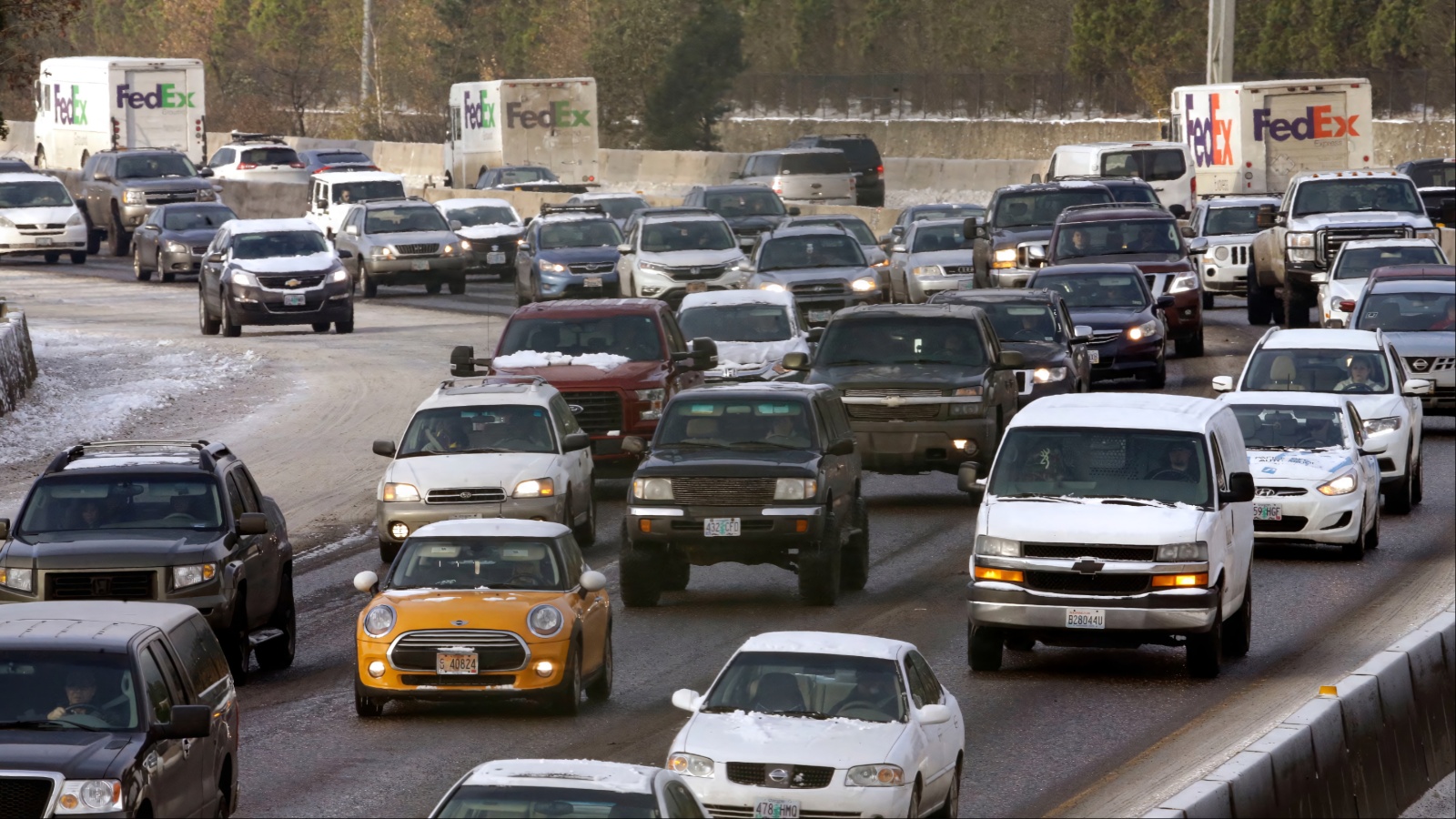
Oregon allows drivers to use the left lane for passing, preparing for a left turn, avoiding obstacles, and situations where heavy traffic makes moving right impractical. The state has also installed signs along major highways to reinforce these rules. Weather conditions add another factor, as rain and snow in the Cascades often cause drivers to slow down. In these conditions, proper lane discipline becomes even more important.
The Oregon State Police enforce the law as a traffic violation, and fines can be substantial compared to many other states. Because the offense is usually a violation rather than a crime, there is no jail exposure, but the cost and record impact can add up. Enforcement is more visible around the Portland metro area, where congestion is worst.
Drivers should remember that “slower traffic” is judged relative to the flow around them. If cars are approaching quickly in your mirror, that is usually the signal to move right.
9. Delaware
Delaware is small, but its left lane law carries real weight because the state sits on a heavily traveled corridor between the Mid-Atlantic and the Northeast. Drivers on I-95 and Route 1 cross the state quickly, and officers have little tolerance for left lane obstruction. Delaware law requires drivers on multi-lane roads to keep right unless passing, and it prohibits impeding the normal flow of traffic from the left lane.
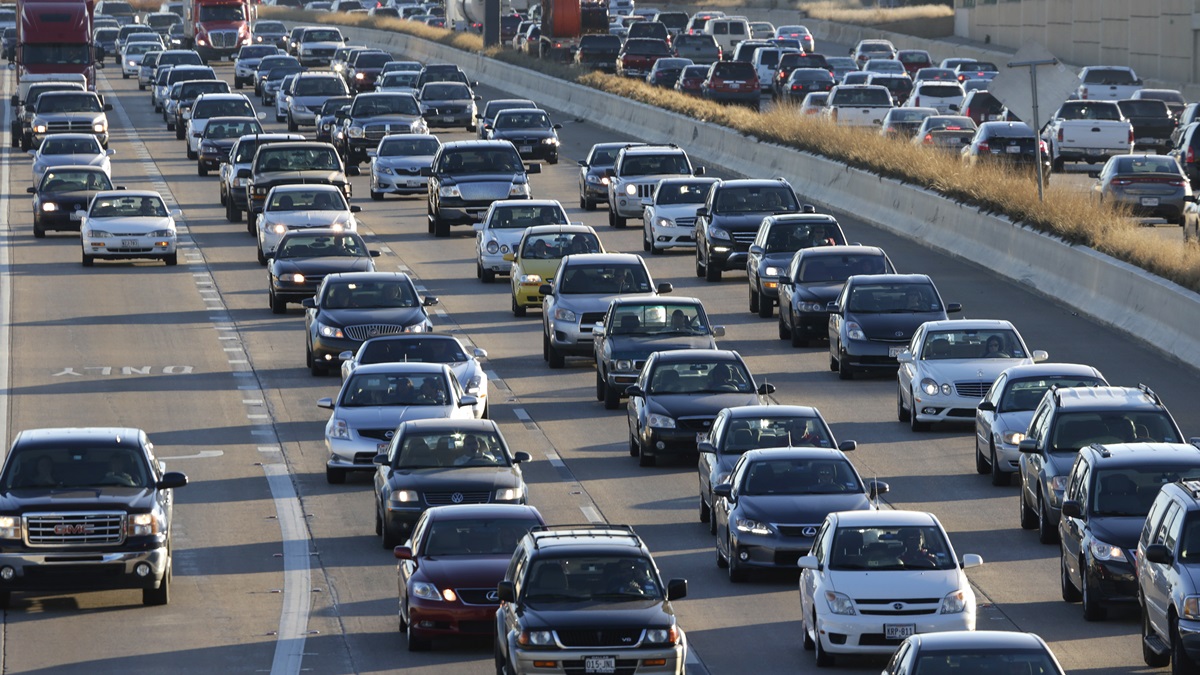
The statute includes the usual exceptions. A driver may remain left to pass, to turn, to avoid hazards, or when traffic conditions require it. Because Delaware is compact and its highways are busy, the law is relevant to commuters, truckers, and beach traffic alike, especially in summer when drivers head to the shore.
The Delaware State Police and local departments enforce the rule as a traffic offense, with fines and possible points. Enforcement may be higher during peak travel seasons, and drivers passing through should not assume a lighter touch just because the state is small. Delaware’s toll roads and interchange-heavy design can also make lane changes tricky, which increases the importance of planning ahead.
If you are driving through Delaware, particularly on I-95, treat the left lane as strictly for overtaking. A short pass is fine, but lingering invites a stop.
10. Nevada
Nevada’s left lane law fits the state’s long, fast highways, particularly on I-15, I-80, and U.S. 95, where speeds are high and distances are large. State law directs drivers to keep right when moving slower than surrounding traffic on multi-lane roads and prohibits impeding traffic in the left lane. In a state with long empty stretches, left lane hogging is both irritating and a genuine safety risk, since faster cars approach quickly.
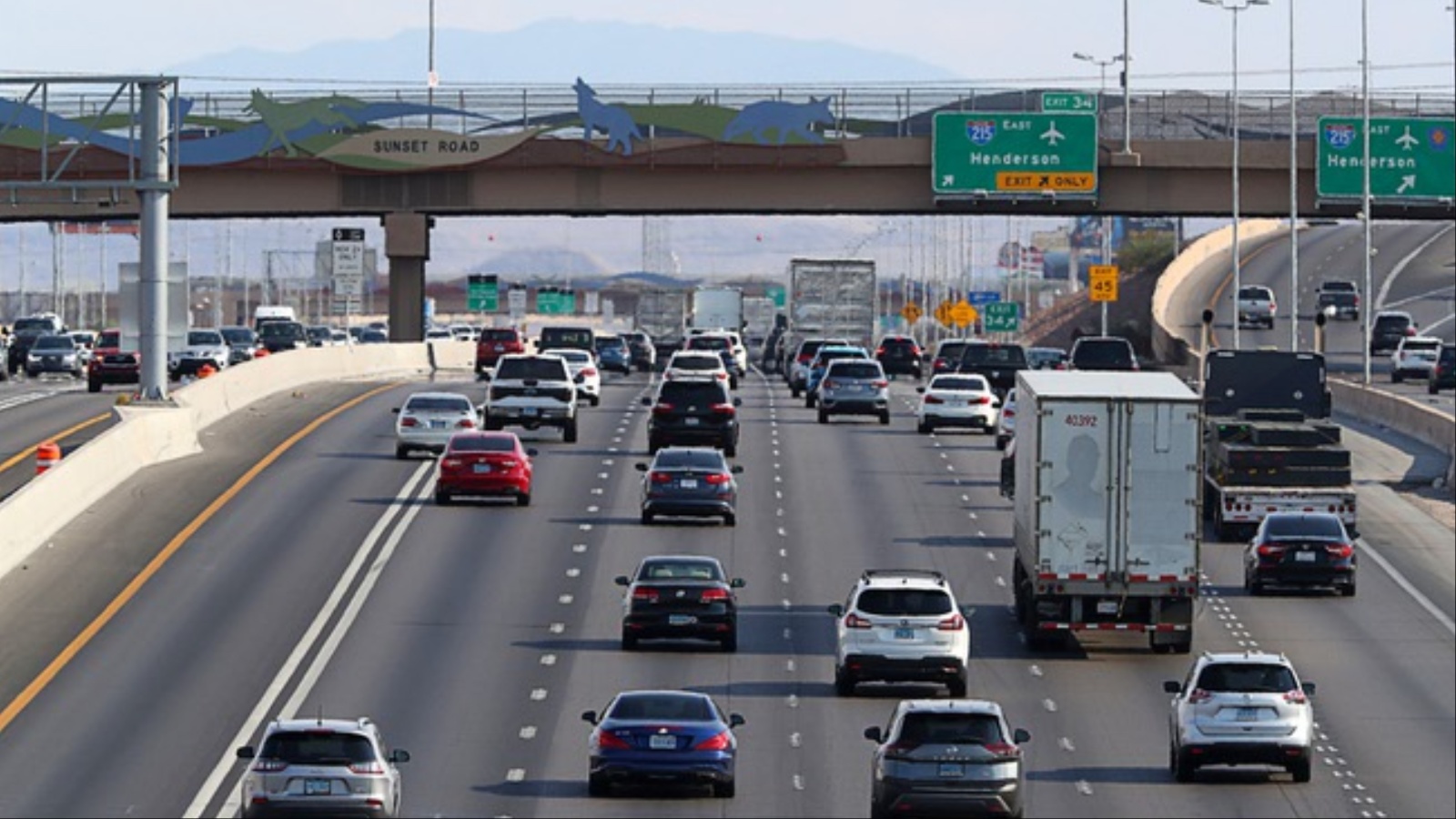
Exceptions track the standard pattern. Drivers can use the left lane to pass, to turn left, to avoid hazards, or when traffic conditions require. Around Las Vegas and Reno, heavy traffic and complicated interchanges can make it harder to follow the rule perfectly, but officers generally look for drivers who linger without a reason.
Enforcement comes from the Nevada Highway Patrol and local departments, with penalties generally taking the form of fines and possible demerit points. As in many states, enforcement is stronger in congested metro areas and in places where crashes have been linked to slow-moving left lane traffic. Rural patrols can also be active, particularly on routes popular with tourists.
