A vehicle’s safety record involves more than crash-test scores, airbags, and driver-assistance technology. The Insurance Institute for Highway Safety’s July 2026 analysis compared driver death rates using crash data from 2021 through 2024.
Six configurations recorded zero estimated driver deaths per million registered vehicle years, while the fleet average was 37. The remaining vehicles in this ranking reported rates between four and seven.
These results concern 2023 models and equivalent earlier versions, not necessarily today’s redesigned vehicles. They measure deaths among drivers of the listed vehicles, not every person involved in a crash.
IIHS adjusts the rates for driver age and gender, but the figures still reflect real-world conditions and statistical uncertainty.
A zero estimate does not mean a vehicle is incapable of being involved in a fatal crash. Treat the results as one useful safety indicator, alongside model-year crash tests, recalls, equipment, maintenance, and responsible driving.
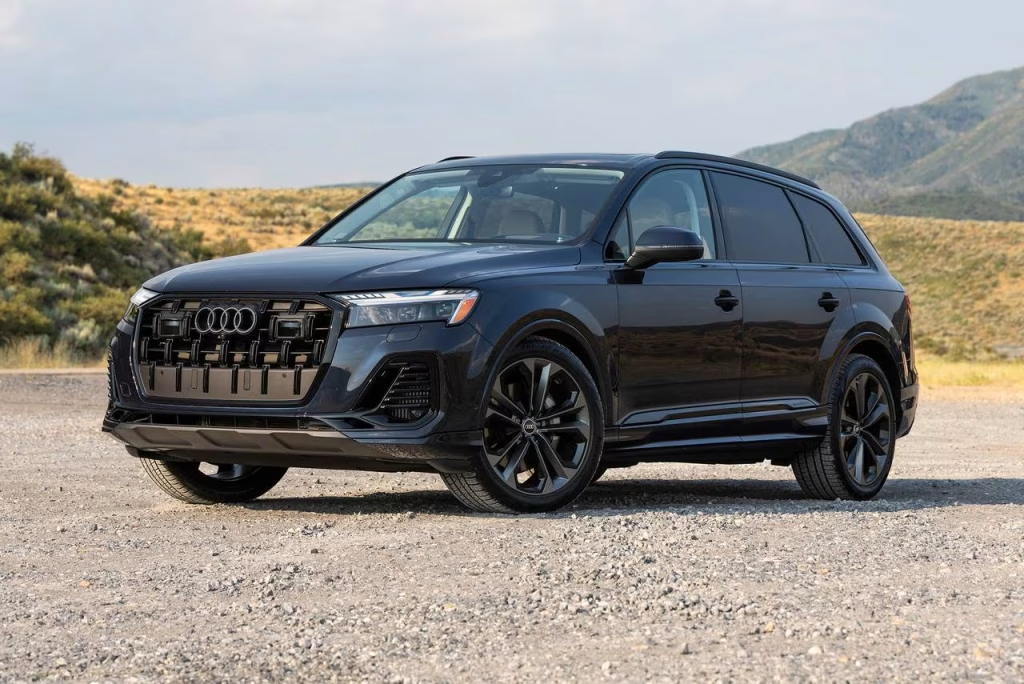
1. Audi Q7 4WD
Driver death rate: 0 per million registered vehicle years
The Audi Q7 4WD recorded a zero estimated driver death rate in the July 2026 IIHS analysis. The applicable model-year span was 2020 through 2023, combining versions considered sufficiently equivalent for the study.
The large luxury SUV class averaged 10 deaths per million registered vehicle years, putting the Q7’s reported result below that benchmark.
The statistic needs careful interpretation. Its 95% confidence interval extended from zero to 20 deaths per million registered vehicle years, showing that uncertainty remains even when the estimated rate is zero. It does not prove that no Q7 driver died in any crash or that the vehicle cannot be involved in a fatal collision.
The Q7 offers a substantial body structure, available all-wheel drive, and driver-assistance technology that varies by trim and year. Four-wheel drive can help deliver power on slippery surfaces, but it does not guarantee shorter stopping distances.
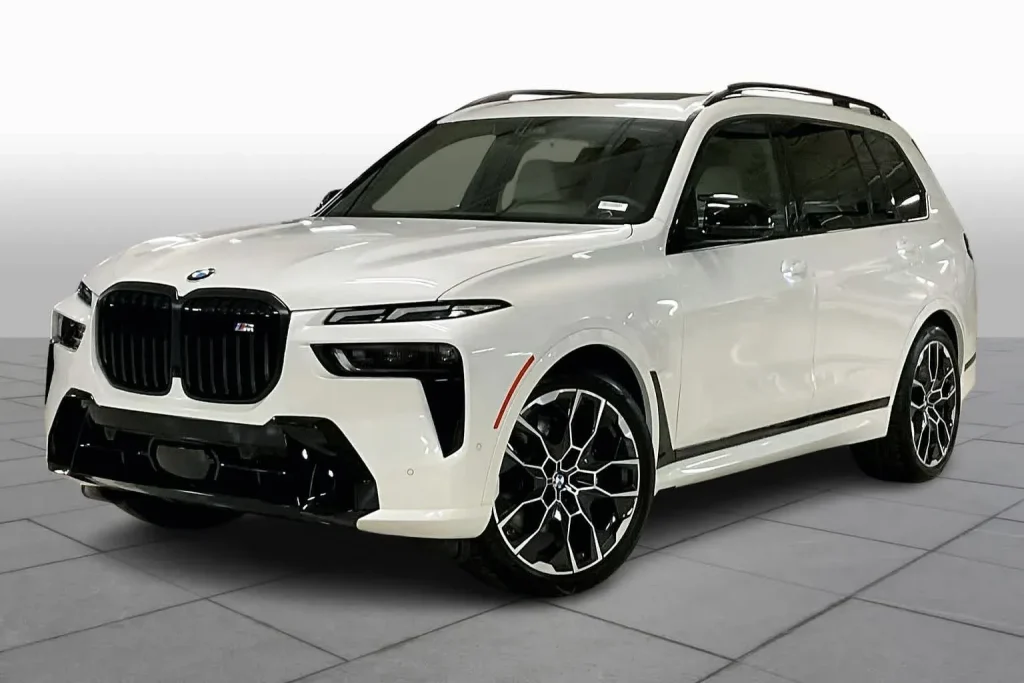
2. BMW X7 4WD
Driver death rate: 0 per million registered vehicle years
The BMW X7 4WD likewise had an estimated rate of zero driver fatalities per million registered vehicle years. The study covered model years 2020 to 2023 and reported a 95% confidence interval ranging from zero to 17. While the estimated rate was zero, the confidence interval highlights that the actual level of risk remains uncertain and cannot be measured with absolute precision.
As BMW’s full-size luxury SUV, the X7 combines a large passenger compartment with modern restraint and crash-avoidance systems, depending on configuration.
Its size may offer advantages to occupants in some collisions, but mass can also increase consequences for people in smaller vehicles. IIHS separately tracks deaths among drivers of other vehicles involved in crashes, providing context beyond the X7 driver’s outcome.
The study’s result applies to the four-wheel-drive configuration and should not automatically be assigned to two-wheel-drive versions, redesigned models, or other BMW SUVs. The analysis adjusts for driver age and gender but cannot remove every difference in use or crash circumstances.
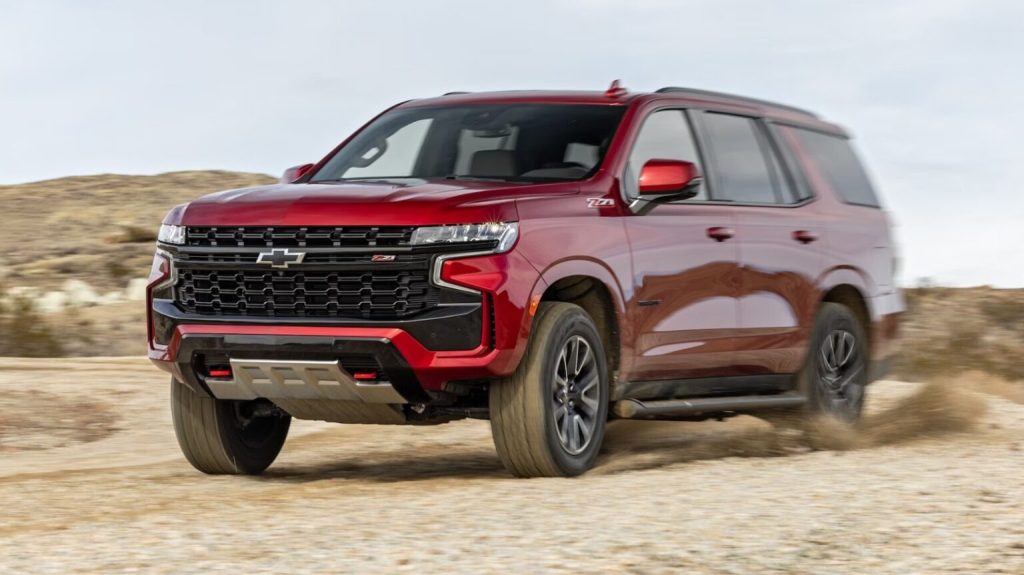
3. Chevrolet Tahoe 4WD
Driver death rate: 0 per million registered vehicle years
The Chevrolet Tahoe 4WD recorded zero estimated driver deaths per million registered vehicle years. The study’s applicable model-year span was 2022 to 2023, with a 95% confidence interval from zero to 16. It is one of six configurations in the analysis with a zero estimate.
The Tahoe’s size and body-on-frame construction distinguish it from smaller crossovers. Its four-wheel-drive system can help maintain forward motion on loose or slippery surfaces, but traction during acceleration is not the same as the ability to stop quickly or avoid a collision. Suitable tires, safe following distances, and sensible speeds remain essential.
A large SUV’s safety picture also includes people outside it. IIHS separately reports deaths among drivers of other vehicles involved in crashes, so a low rate for Tahoe drivers should not be assumed to mean low risk to everyone else.
4. Mercedes-Benz GLB 4WD
Driver death rate: 0 per million registered vehicle years
The Mercedes-Benz GLB 4WD recorded a zero estimated driver death rate, with a 95% confidence interval extending from zero to 19 deaths per million registered vehicle years.
The applicable study years were 2020 through 2023, allowing earlier versions with sufficiently equivalent designs and safety features to be included. The GLB is smaller than the full-size SUVs elsewhere in this group.
Its result is noteworthy because the lowest observed rate was not limited to the largest vehicles. Still, the statistic does not establish that size, weight, or four-wheel drive alone caused the outcome. Driver behavior, crash circumstances, and the mix of vehicles on the road can also affect observed results.
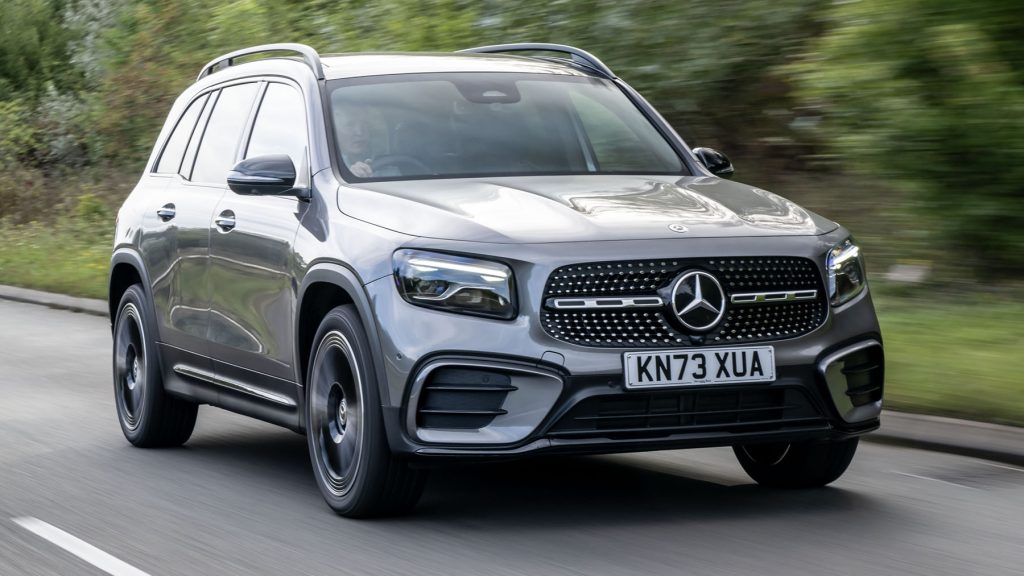
Four-wheel drive can help deliver engine power on slippery surfaces, but it does not guarantee better braking or cornering in snow. Tires suited to the season and appropriate speed remain important.
5. Mercedes-Benz GLE 2WD
Driver death rate: 0 per million registered vehicle years
The Mercedes-Benz GLE 2WD is another configuration with zero estimated driver deaths per million registered vehicle years. Its 95% confidence interval ran from zero to 17. The finding is specific to the two-wheel-drive version and should not be transferred to four-wheel-drive models without checking their separate data.
The GLE belongs to the midsize luxury SUV class. Depending on year and trim, it may offer active safety technologies intended to assist with braking, lane monitoring, and driver awareness. Equipment availability varies, so a model’s reputation should never replace a check of the actual vehicle’s installed systems.
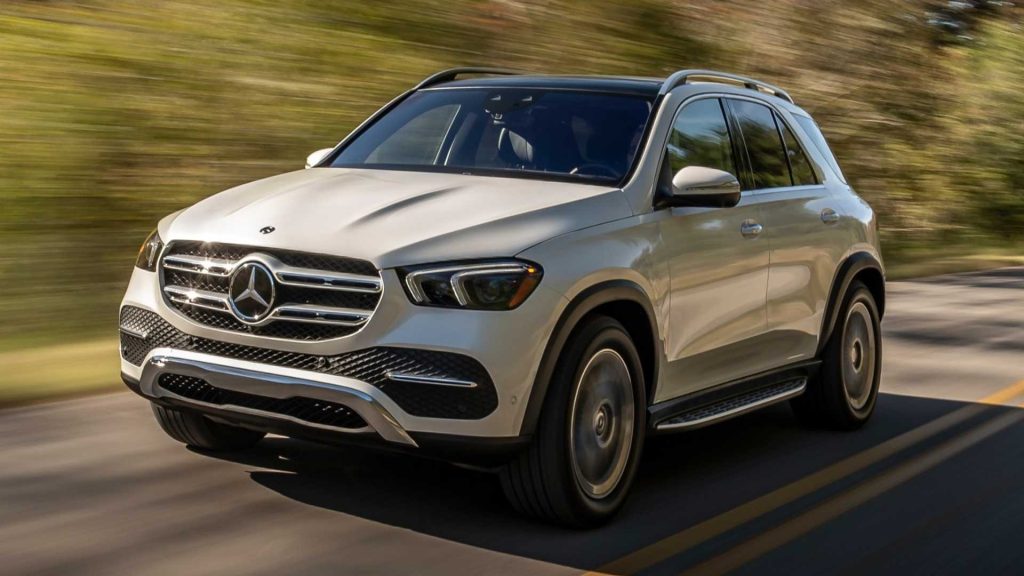
The result is also a reminder that drivetrain labels matter in safety data. Two versions may look nearly identical while being analyzed separately. The GLE’s zero estimate does not prove that two-wheel drive is inherently safer than four-wheel drive, nor does it show that the drivetrain caused the observed result.
6. Toyota Tundra CrewMax 4WD
Driver death rate: 0 per million registered vehicle years
The Toyota Tundra CrewMax 4WD completes the six-configuration group with a zero estimated driver death rate. IIHS lists the relevant model-year span as 2022 to 2023, and the 95% confidence interval extends from zero to 16 deaths per million registered vehicle years. The CrewMax designation identifies the Tundra’s larger passenger-cabin configuration.
As a pickup, it differs from the SUVs in this ranking in how it is used, carries cargo, and responds to changing loads. Weight distribution can change when the bed is loaded, affecting braking and cornering. Drivers should remain within the manufacturer’s payload and towing limits.
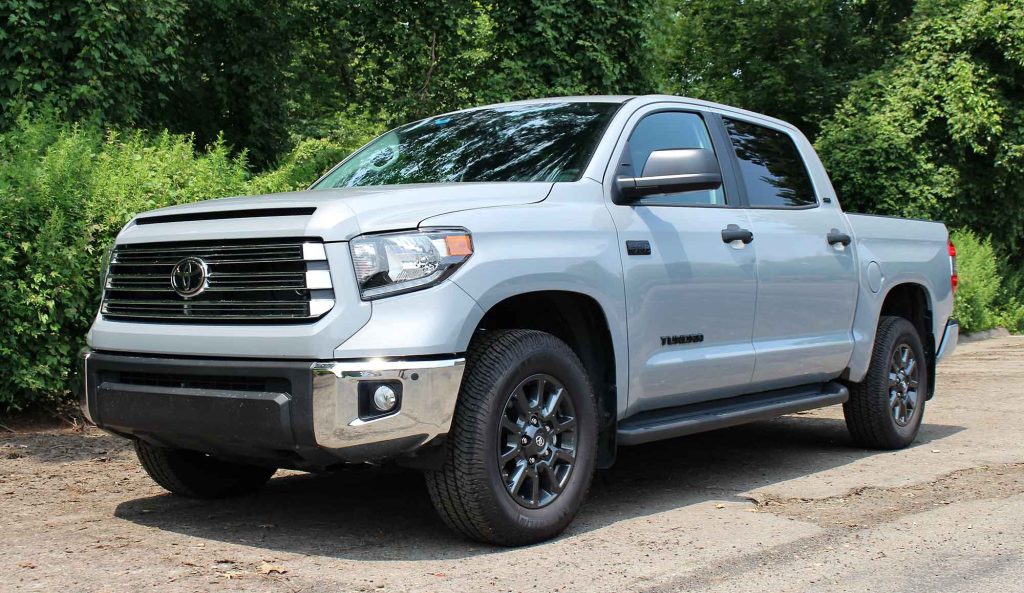
Four-wheel drive can help on loose ground, but it does not remove the need for careful driving on wet or icy roads. The reported zero rate is a statistical estimate for a particular configuration and study period. It cannot be directly applied to another model year, body style, or drivetrain.
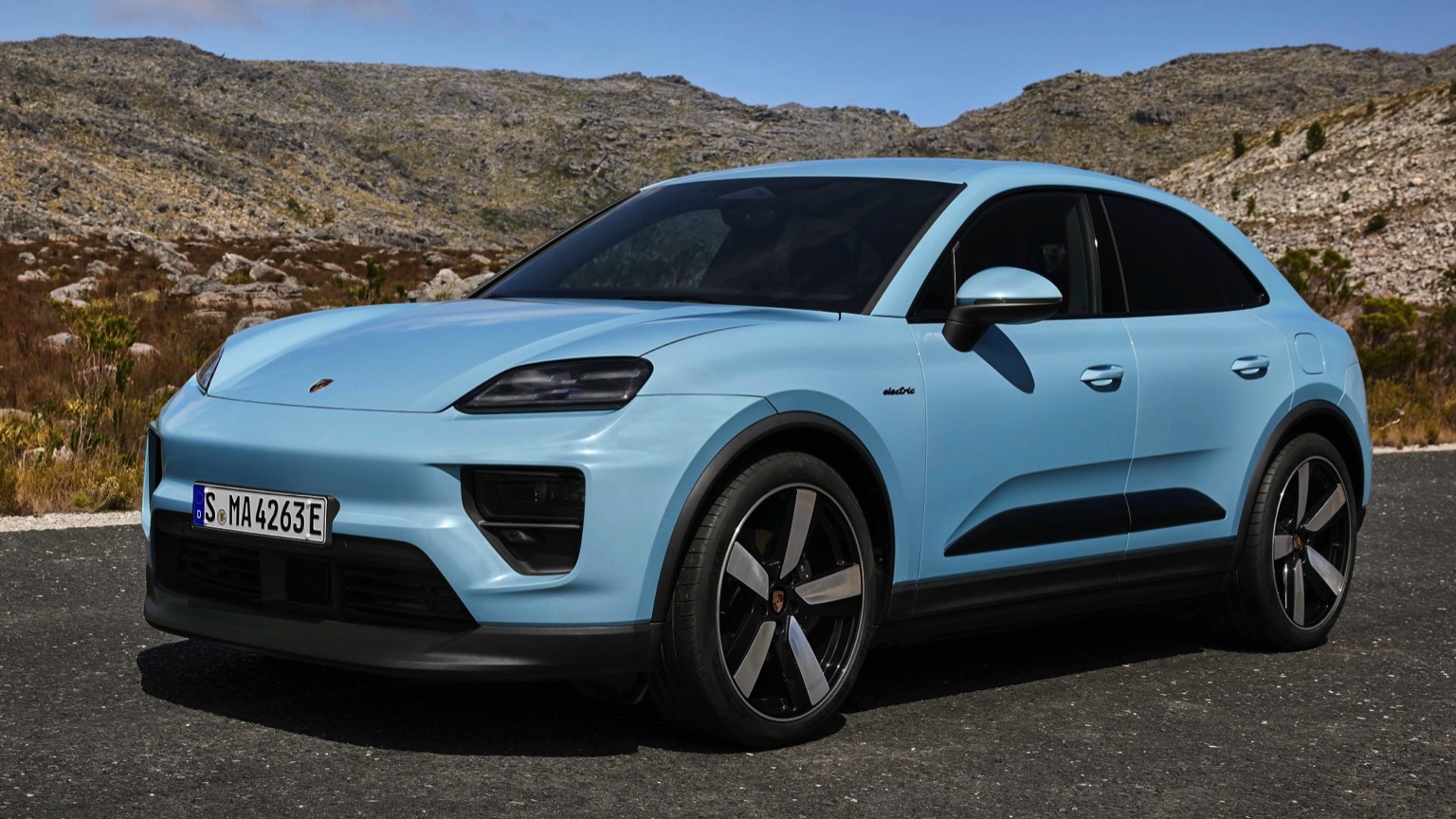
7. Porsche Macan 4WD
Driver death rate: 4 per million registered vehicle years
The Porsche Macan 4WD recorded four driver deaths per million registered vehicle years, making it the first vehicle in this ranking with a nonzero reported rate.
The figure remains far below the study-wide average of 37, but it should not be read as a direct prediction of an individual owner’s risk. The Macan is a compact luxury SUV with a performance-oriented design.
Its handling, braking capability, and available driver-assistance features can contribute to a reassuring driving experience, but performance equipment cannot override physics.
High speed, poor road conditions, distraction, and inappropriate tires can undermine a capable vehicle’s safety advantages. IIHS’s real-world data offer information beyond laboratory crash tests.

However, observed rates also reflect how a vehicle is driven, where it is used, and who owns it. These factors make it difficult to attribute a low rate to one specific piece of hardware.
8. BMW X5 4WD
Driver death rate: 5 per million registered vehicle years
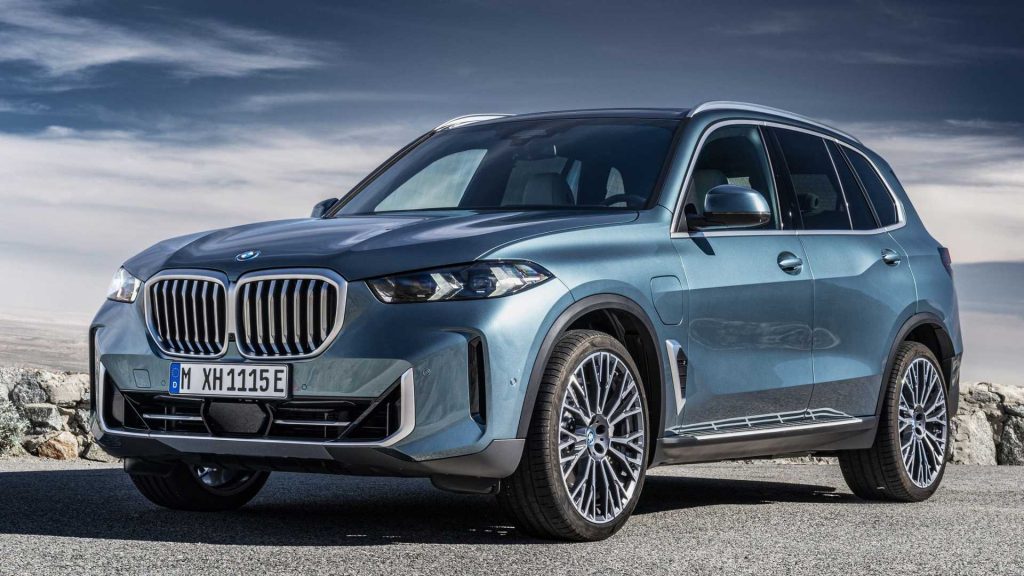
The BMW X5 4WD recorded five driver deaths per million registered vehicle years, placing it among the lower-rate configurations in the July 2026 report. The result applies to the four-wheel-drive configuration and the model-year span included in the study. The X5 combines a substantial vehicle structure with safety technologies that vary by year and trim.
Systems such as automatic emergency braking, lane-departure assistance, and blind-spot monitoring can help drivers recognize or respond to hazards when fitted and operating within their limits.
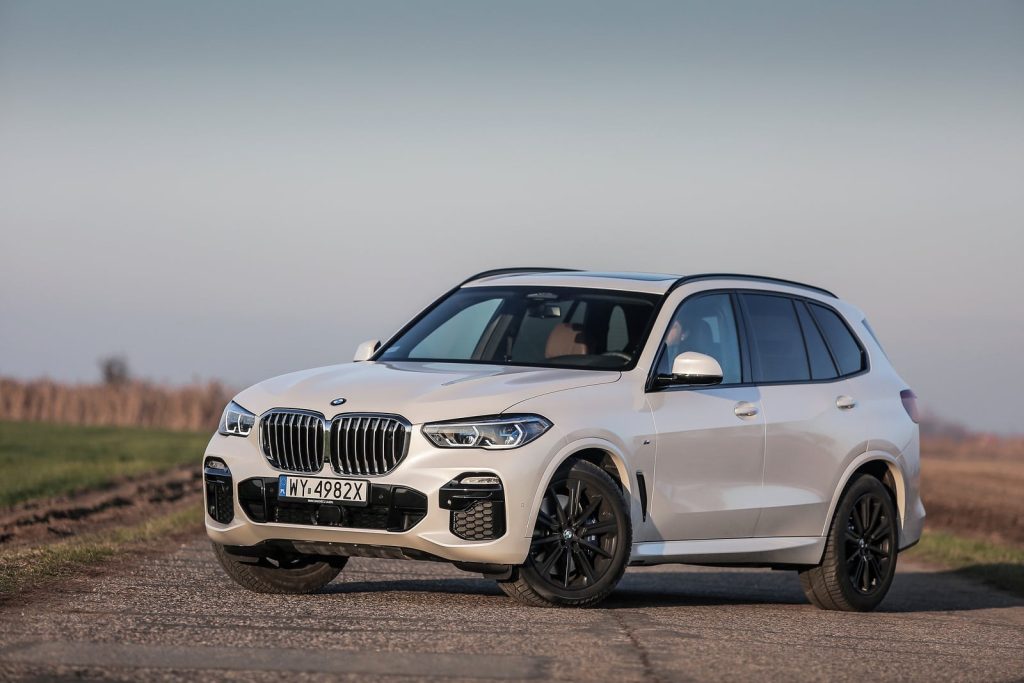
They do not eliminate every crash, so buyers should confirm which functions are installed on the specific vehicle. The IIHS rate is based on fatalities from 2021 through 2024 for 2023 models and equivalent earlier versions.
It is a historical real-world indicator, not a test of every X5 currently on sale. Redesigns and equipment changes can affect how relevant older results are to newer vehicles.
9. Toyota RAV4 Prime 4WD
Driver death rate: 5 per million registered vehicle years
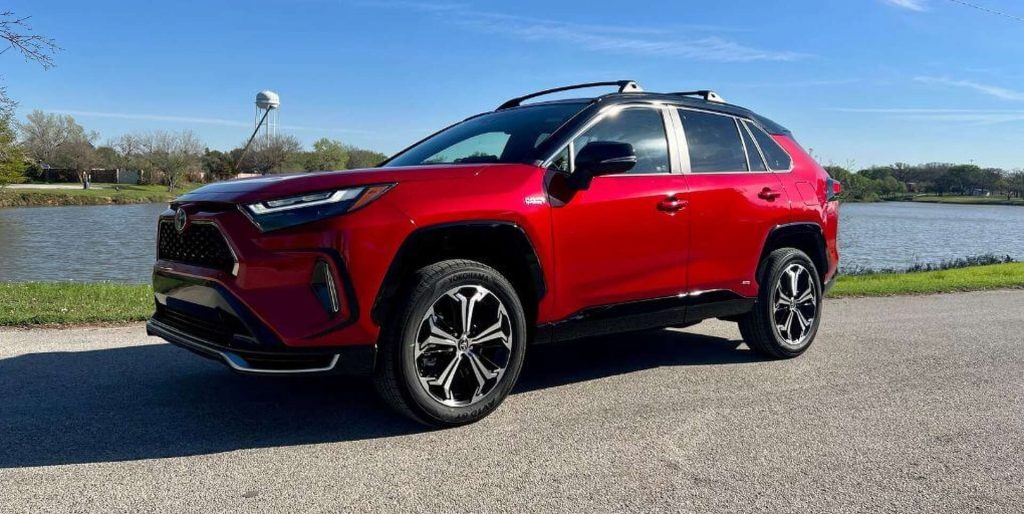
The Toyota RAV4 Prime 4WD, a plug-in hybrid compact SUV, recorded five driver deaths per million registered vehicle years. The result puts it among the ten lowest-rate configurations in the IIHS analysis. It belongs specifically to the plug-in hybrid and drivetrain combination, not every RAV4 variant.
Plug-in hybrids combine a gasoline engine with electric drive and a rechargeable battery. This arrangement does not automatically make a vehicle safer in a crash, though it can affect weight distribution and packaging. Crash protection depends on the full vehicle structure, restraint systems, and performance in the relevant type of collision.
IIHS draws on fatal-crash information and registration data, adjusting its estimates for driver age and gender. Even with those adjustments, differences in driving patterns and crash circumstances remain.
The five-death rate cannot identify a single cause for the model’s result, nor should it be generalized to a conventional hybrid or gasoline-powered RAV4.
10. Volkswagen Atlas 2WD
Driver death rate: 5 per million registered vehicle years
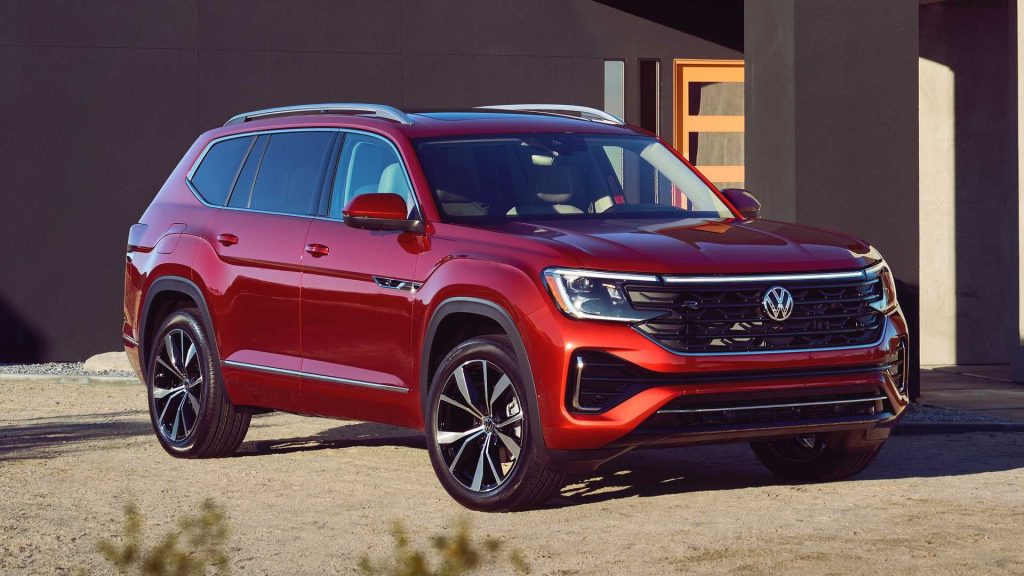
The Volkswagen Atlas 2WD recorded five driver deaths per million registered vehicle years. IIHS lists the two-wheel-drive version separately from the four-wheel-drive model later in this ranking. This distinction matters because the study evaluates specific vehicle and drivetrain combinations rather than treating all versions as identical.
The Volkswagen Atlas is a midsize SUV built to accommodate families with seating across multiple rows. Its spacious interior may suit buyers who need more passenger and cargo room than a compact crossover can provide. However, a roomy cabin does not automatically translate to better crash protection, which depends on the vehicle’s structural design, restraint systems, and available collision-avoidance features.
The rate measures driver deaths relative to registered vehicle years. It is not a count of every crash involving the Atlas and does not measure passenger, pedestrian, or other-driver deaths. The five-death rate is below the fleet average of 37, but statistical uncertainty and model-year coverage matter.
It should not be interpreted as proof that the Atlas is a specific multiple safer than another model.
11. BMW X5 2WD
Driver death rate: 6 per million registered vehicle years
The two-wheel-drive BMW X5 recorded six driver deaths per million registered vehicle years. It appears separately from the four-wheel-drive configuration, which recorded five. That small difference does not prove that one drivetrain creates a meaningful safety advantage over the other.
This comparison shows why precise vehicle identification matters when interpreting safety data. Two versions may share a name, cabin, and much of their equipment while differing mechanically. Their outcomes can also reflect driver populations, locations, and usage patterns.
Two-wheel drive may suit drivers who rarely encounter snow or unpaved roads, while four-wheel drive can help deliver power in low-traction conditions. Neither configuration guarantees safe stopping on ice. Tire quality, tread depth, speed, and driver response remain important regardless of drivetrain.
IIHS bases these figures on fatal-crash records and registration exposure for the relevant years, adjusting for driver age and gender. The six-death figure is an observed statistical estimate, not an individual prediction.
12. Chevrolet Suburban 1500 4WD
Driver death rate: 6 per million registered vehicle years
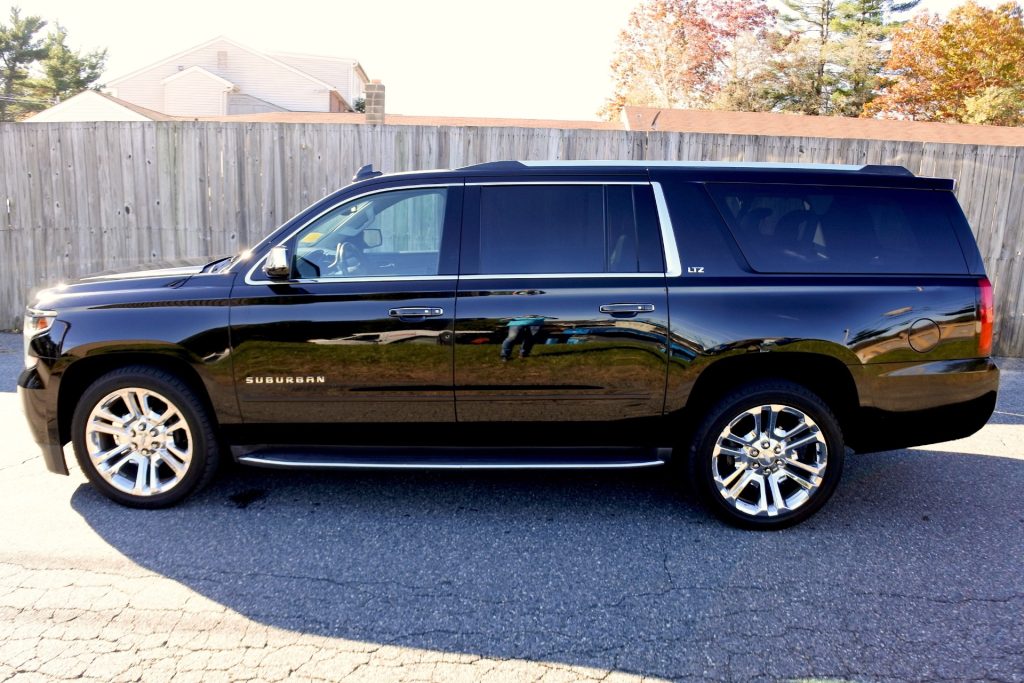
The Chevrolet Suburban 1500 4WD recorded six driver deaths per million registered vehicle years. Its classification as a very large SUV reflects its substantial size and passenger-carrying role. The result is below the fleet average of 37, but it applies to the configuration evaluated rather than every Suburban.
The long body and three-row layout appeal to large families and people who regularly carry passengers or cargo. Those dimensions also affect parking, maneuvering, and visibility in crowded areas. A high seating position does not eliminate blind spots, so drivers should understand the vehicle’s visibility limitations and use assistance systems appropriately.
Four-wheel drive can help when traction is limited, but it does not replace winter tires or cautious braking. Added passengers and cargo affect vehicle dynamics, so drivers should remain within payload and towing limits.
IIHS’s analysis measures driver fatalities, not every occupant death or the harm a vehicle may cause to people in other cars.
13. Ford Escape Hybrid 4WD
Driver death rate: 6 per million registered vehicle years
The Ford Escape Hybrid 4WD recorded six driver deaths per million registered vehicle years. This figure applies to the hybrid powertrain paired with four-wheel drive, not a gasoline-only Escape or another drivetrain.
The Escape Hybrid combines a gasoline engine with an electric motor to improve efficiency in appropriate driving conditions.
That powertrain does not itself prove better crash protection. Occupant safety still depends on the structure, restraints, crash-avoidance systems, and circumstances of a collision. The rate is well below the fleet average of 37, but it remains a statistical estimate based on observed fatalities and registration exposure.
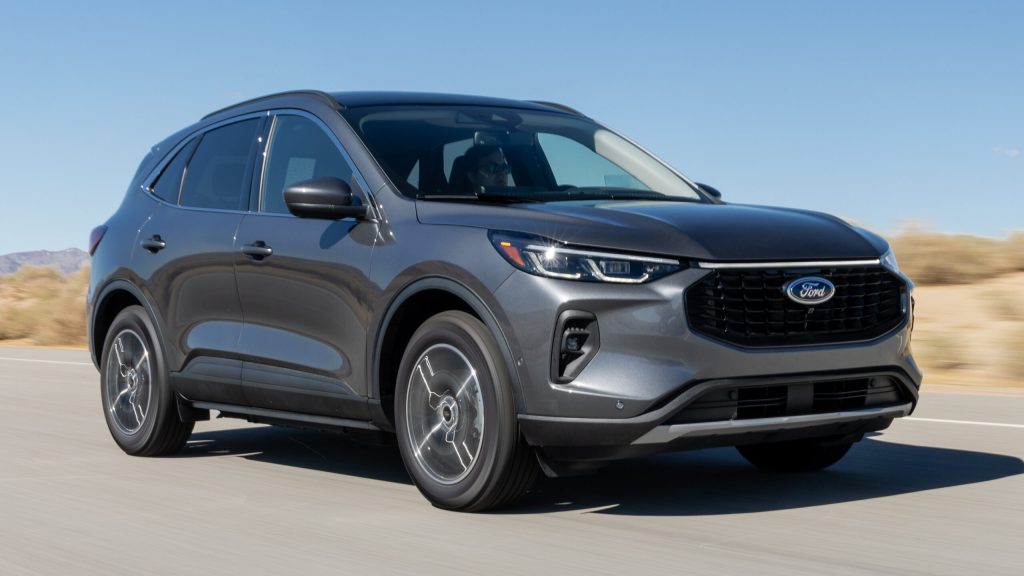
It is not a promise that the Escape Hybrid is free from fatal-crash risk, nor does it establish that the hybrid system caused the low rate. A compact SUV’s appeal often comes from balancing passenger space with everyday maneuverability.
14. Ford F-150 SuperCrew 2WD
Driver death rate: 7 per million registered vehicle years
The Ford F-150 SuperCrew 2WD recorded seven driver deaths per million registered vehicle years. This entry refers to the two-wheel-drive SuperCrew configuration, not every F-150 body style or drivetrain. IIHS separates configurations because equipment, vehicle design, and usage can vary.
The F-150 is a full-size pickup used for commuting, work, towing, and hauling. Real-world safety depends not only on its size and construction but also on load, speed, tires, and the condition of braking and stability systems. A truck carrying heavy cargo or towing a trailer may respond differently from one driven empty.
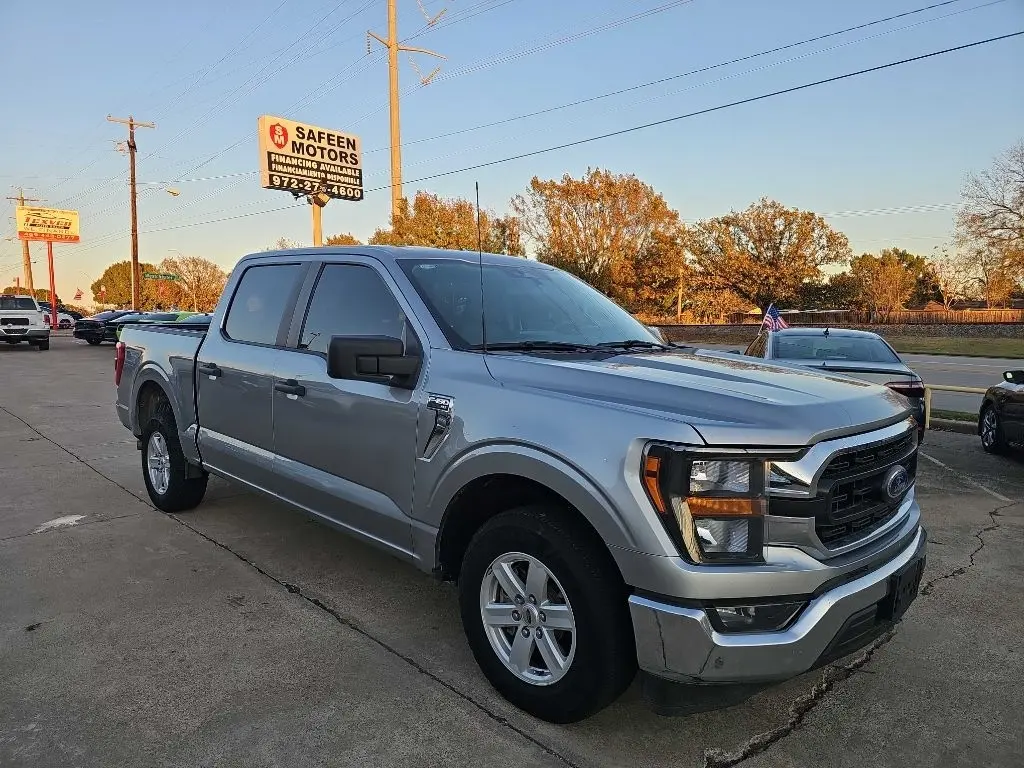
Seven deaths per million registered vehicle years is below the fleet average of 37, but the truck is not risk-free. IIHS also reports other-driver death rates, and large pickups can pose greater risks to occupants of smaller vehicles in certain collisions. A responsible comparison considers people inside the truck as well as those sharing the road.
15. Hyundai Tucson Hybrid 4WD
Driver death rate: 7 per million registered vehicle years
The Hyundai Tucson Hybrid 4WD recorded seven driver deaths per million registered vehicle years. This result applies to the hybrid powertrain with four-wheel drive rather than all Tucson versions. The gasoline model and other configurations can differ in equipment, weight, and design.
The Tucson Hybrid combines an internal-combustion engine with electric propulsion to improve fuel efficiency in suitable conditions. Buyers may value that efficiency, but it should not be confused with a direct safety advantage. Crash protection depends on engineering, restraint systems, and active safety equipment.
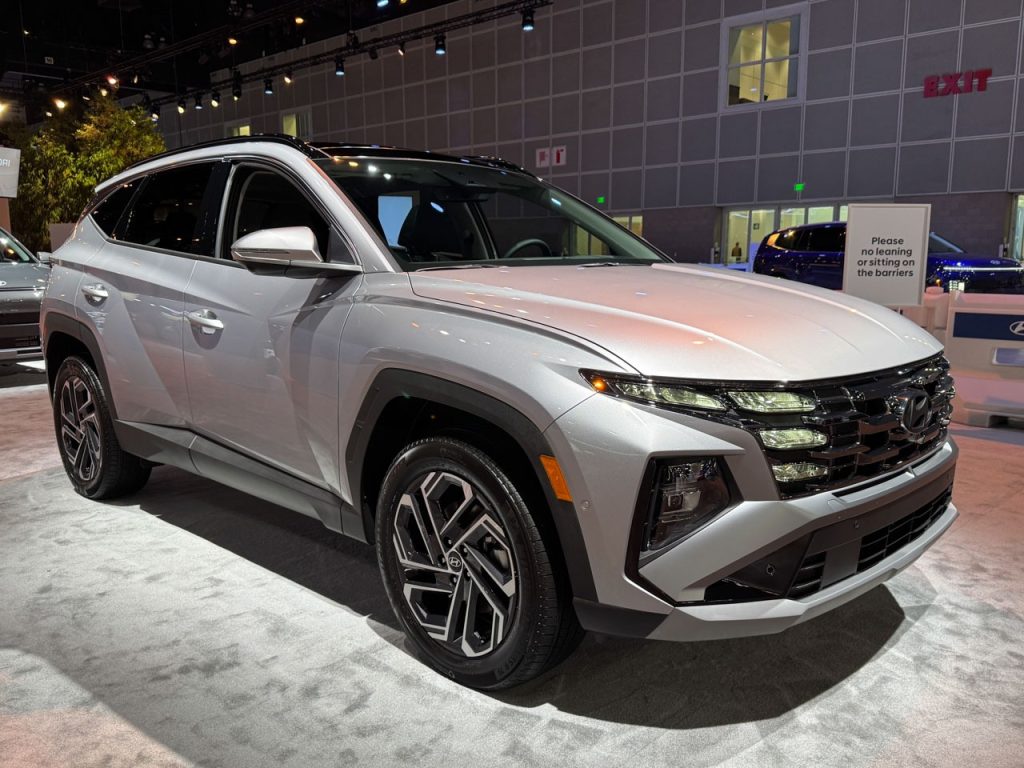
The reported rate is significantly lower than the fleet-wide average of 37. However, the IIHS calculates this figure using recorded driver fatalities and registered vehicle years; it does not represent the exact risk of death for an individual motorist involved in a crash. Other factors, such as road conditions, driving behavior, and the vehicles involved, also affect vehicle safety.
16. Porsche Cayenne 4WD
Driver death rate: 7 per million registered vehicle years
The Porsche Cayenne 4WD recorded seven driver deaths per million registered vehicle years in the July 2026 IIHS analysis. As a luxury SUV with a performance-focused design, it combines acceleration and handling with the ride height and passenger space associated with the segment.
Its reported rate is far below the fleet average of 37, but remains tied to the model-year span and configuration evaluated.
Performance vehicles may offer strong acceleration and braking, but those capabilities do not remove crash risk. Higher speeds reduce reaction time and increase collision energy. Driver-assistance systems can help with certain hazards, yet they cannot replace attention or guarantee avoidance.
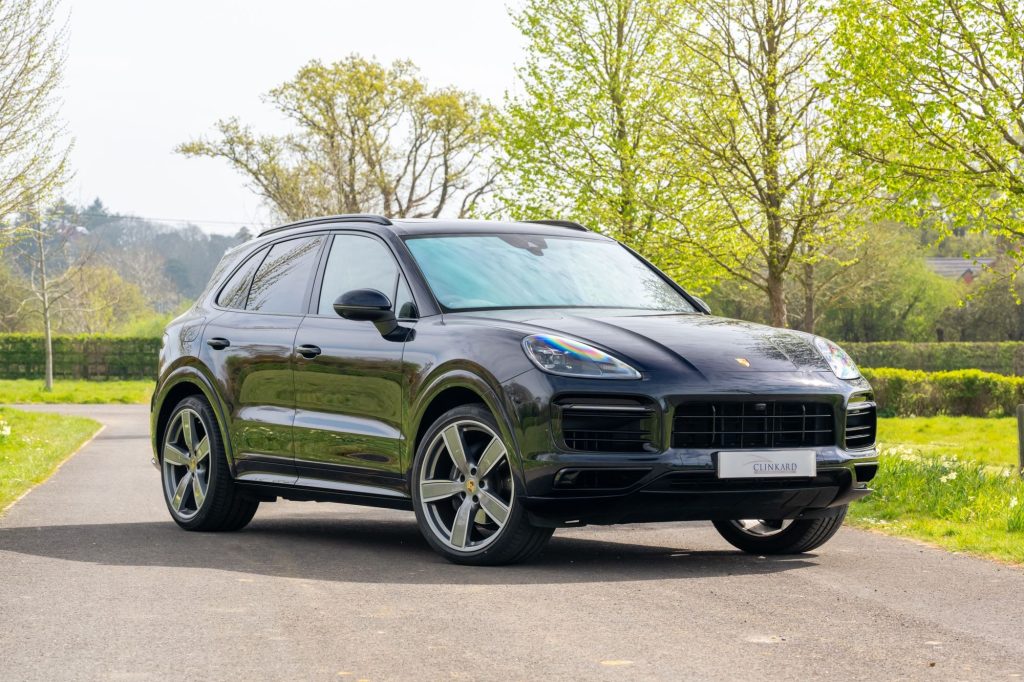
IIHS uses actual fatal-crash data, but it cannot isolate the effect of the Cayenne’s design from owner behavior, road environments, or driving frequency. A low rate should not be treated as proof that one engineering feature made the difference.
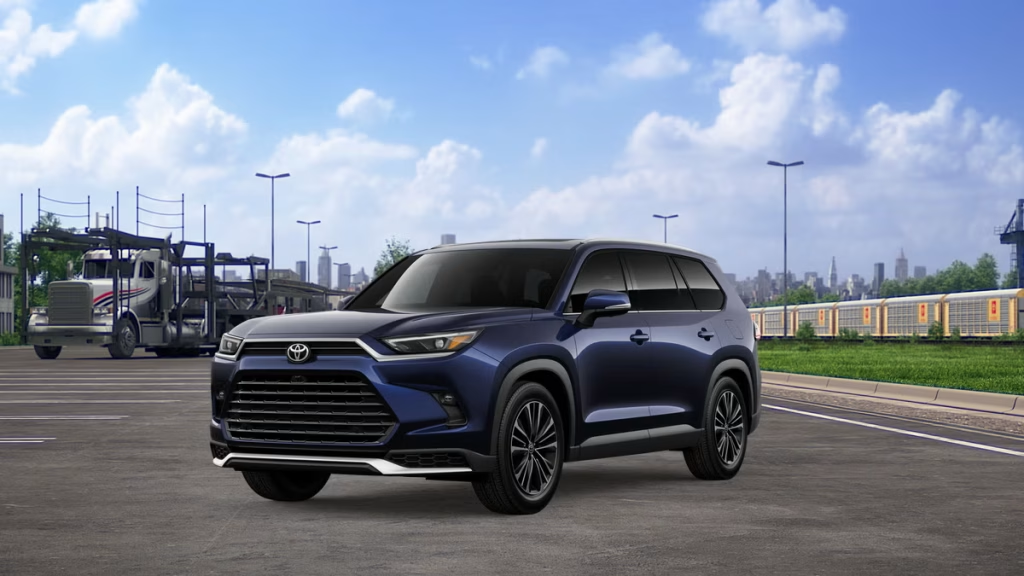
17. Toyota Highlander 4WD
Driver death rate: 7 per million registered vehicle years
The Toyota Highlander 4WD recorded seven driver deaths per million registered vehicle years. This midsize SUV is designed for family use and offers multiple rows of seating, making it different from compact crossovers and performance SUVs elsewhere in the ranking. Its low reported rate provides a real-world safety measure to consider alongside crash-test results.
Family vehicles often carry passengers of different ages and sizes, so safety involves more than the driver’s seat. Correctly installed child restraints, proper seat belt use, and suitable seating positions matter alongside the vehicle’s crash performance.
Four-wheel drive can help transfer power when traction is uneven, but it cannot guarantee control on ice or shorten stopping distances in every condition.
Drivers should not rely on drivetrain technology to compensate for worn tires or excessive speed. IIHS’s rate reflects driver deaths per million registered vehicle years and is adjusted for driver age and gender.
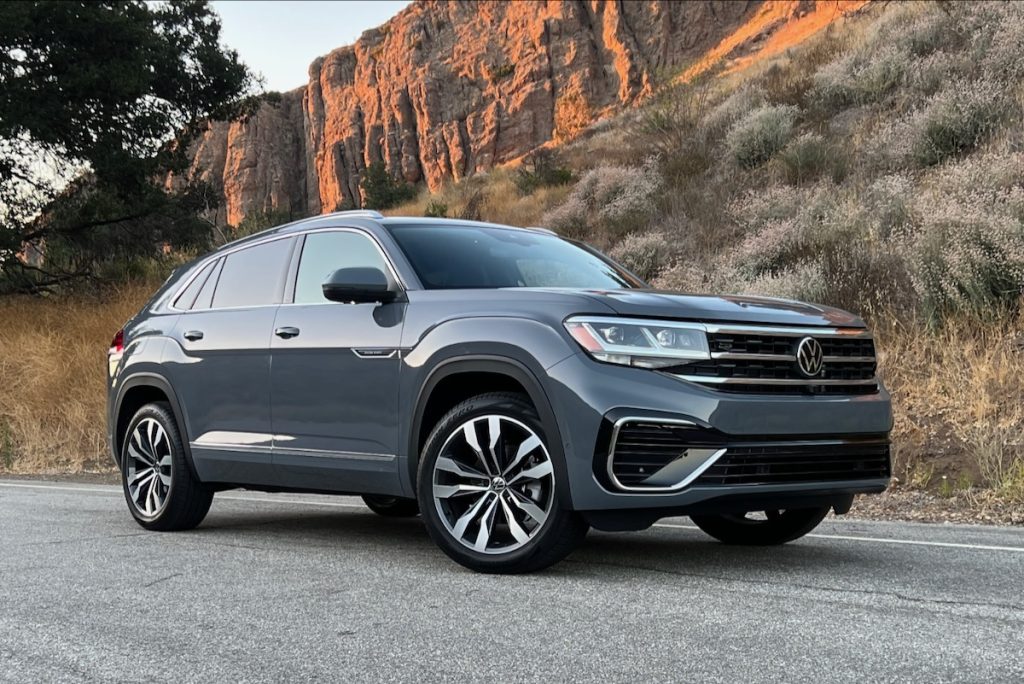
18. Volkswagen Atlas 4WD
Driver death rate: 7 per million registered vehicle years
The Volkswagen Atlas 4WD is listed separately from the two-wheel-drive version because IIHS reports each configuration individually.
In this report, the four-wheel-drive model recorded seven driver fatalities per million registered vehicle years, while the two-wheel-drive version recorded five. However, these figures do not establish that one drivetrain is inherently safer than the other, as the data alone cannot prove a direct cause-and-effect relationship.
The Atlas is a midsize SUV designed for buyers who need a roomy cabin and multiple seating rows. Four-wheel drive can be helpful on slippery or loose surfaces, but its primary benefit is delivering power to the wheels. Safe braking and cornering still depend on tire grip, road conditions, and driver input.
The analysis uses fatal-crash data from 2021 through 2024 and combines the 2023 model with earlier equivalent versions where appropriate. It provides a historical view of the specified configuration rather than a definitive statement about every Atlas sold today.
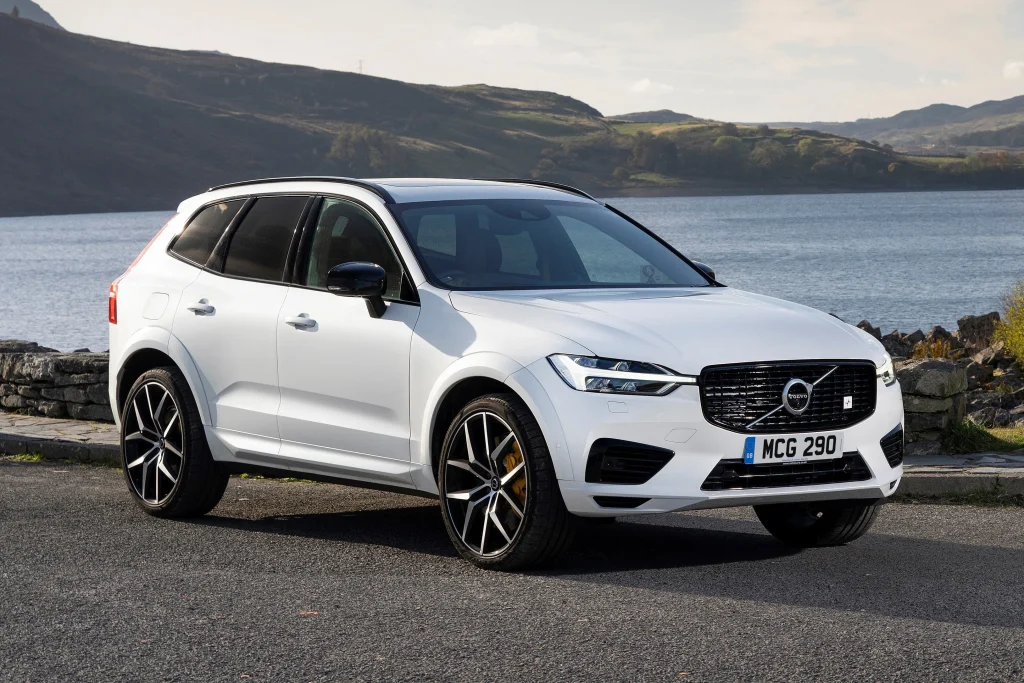
19. Volvo XC60 4WD
Driver death rate: 7 per million registered vehicle years
The Volvo XC60 4WD recorded seven driver deaths per million registered vehicle years in the July 2026 IIHS edition. It is a midsize luxury SUV, and its result places another premium crossover among the study’s lowest-rate configurations. However, the finding does not prove that luxury branding itself guarantees a safer outcome.
Volvo emphasizes occupant protection and driver-assistance technology, but the exact features available depend on model year and trim.
Systems intended to assist with collision avoidance, lane monitoring, and driver awareness can help when they correctly detect a hazard. They have limits, especially when road markings, visibility, or sensor conditions are poor.
The seven-death rate comes from observed fatalities relative to registration exposure, not a laboratory crash-test score.
IIHS adjusts estimates for driver age and gender, but other influences remain, including how often a vehicle is driven and the conditions in which it operates. The result is a useful comparison, not an individualized risk estimate.
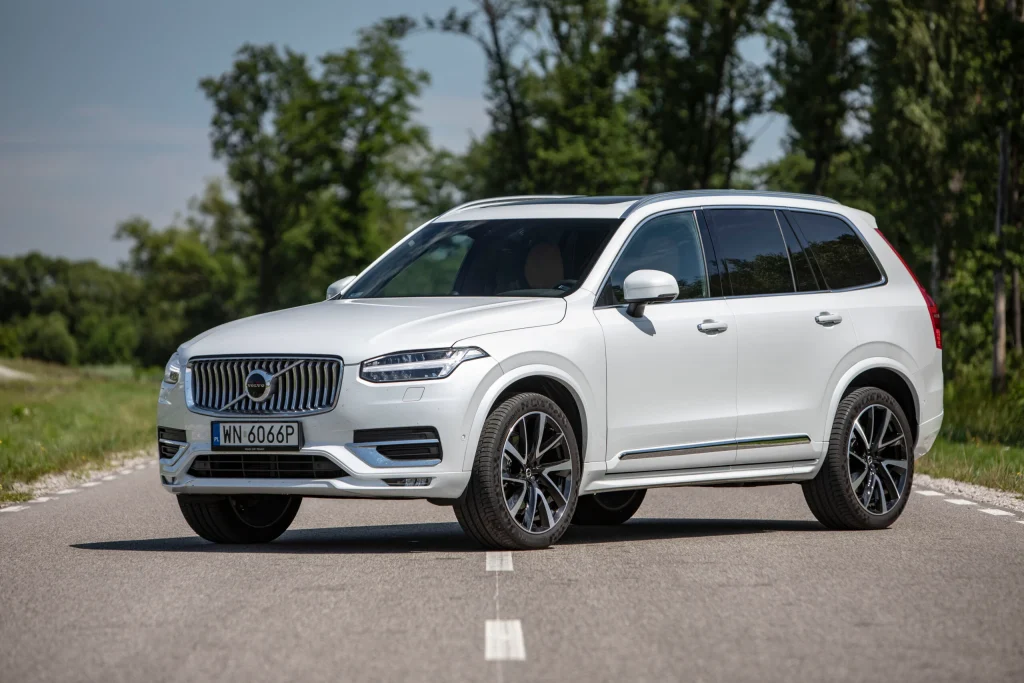
20. Volvo XC90 4WD
Driver death rate: 7 per million registered vehicle years
The Volvo XC90 4WD completes the list with seven driver deaths per million registered vehicle years. This larger luxury SUV offers three-row seating and a range of occupant-protection and driver-assistance features that vary by model year. The IIHS figure applies to the configuration studied, not automatically to every XC90 generation.
The XC90’s position is consistent with the wider finding that many vehicles with low driver death rates in this analysis are SUVs. That pattern does not mean size alone determines safety. Vehicle structure, restraint systems, crash-avoidance equipment, driving behavior, and the types of vehicles involved in crashes all influence outcomes.
A three-row SUV requires careful attention to passenger protection. Every occupant should use the correct seat belt or child restraint, and drivers should follow instructions for installing child seats. Advanced assistance systems cannot compensate for an unrestrained passenger or unsafe driving.