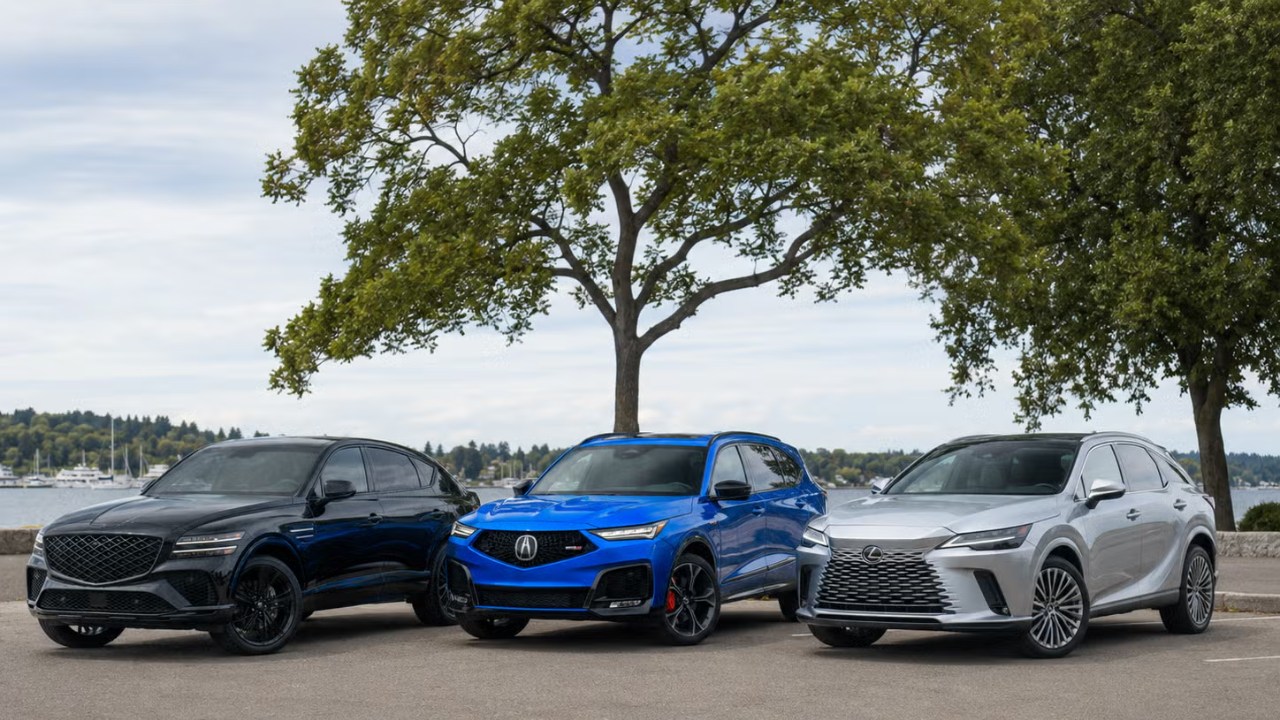
Choosing between the Lexus RX, Acura MDX, and Genesis GV80 means deciding which luxury SUV delivers the best combination of fuel economy, safety, reliability, and everyday usability. All three offer premium interiors, modern technology, and strong performance, but their priorities differ significantly.
The Lexus RX is the efficiency-focused choice, especially with its hybrid powertrain. The Acura MDX targets families who want three rows of seating and an engaging driving experience. The Genesis GV80 emphasizes luxury, sophisticated styling, and advanced safety.
Fuel efficiency, crash safety, and annual repair expenses are three important factors to consider when comparing these SUVs. EPA estimates show how efficiently each vehicle uses fuel, IIHS ratings provide insight into crash protection, and RepairPal data helps assess typical repair costs over time. Together, these measures offer a more practical view of ownership than engine performance or interior features alone.
An important difference is passenger capacity. The Lexus RX accommodates five people, whereas the Acura MDX and certain Genesis GV80 configurations provide three rows of seating. Your decision will therefore depend in part on whether you prefer a two-row luxury SUV or need extra seating for a larger family or additional passengers.
This comparison focuses on 2026 U.S.-market models. Fuel economy varies by engine and drivetrain, while RepairPal’s repair-cost figures are historical averages, not guaranteed annual expenses for a new vehicle.
EPA Fuel Economy: Which Luxury SUV Uses Less Gas?
Winner: Lexus RX
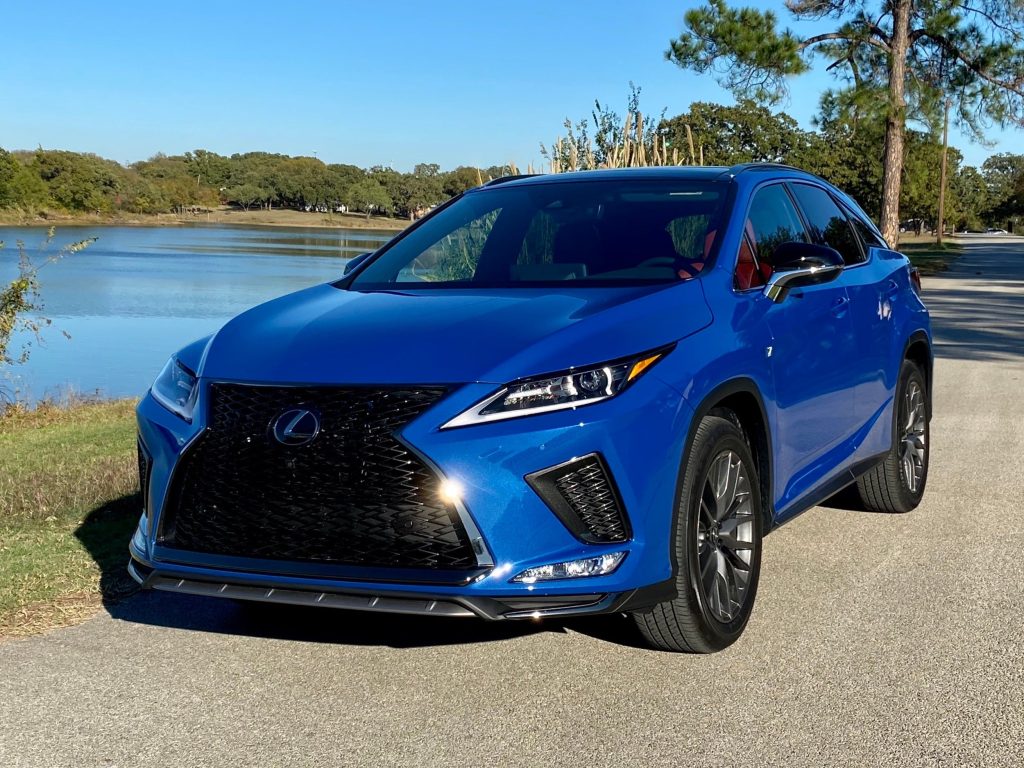
Fuel economy is the Lexus RX’s strongest advantage, particularly for buyers who choose the RX 350h hybrid instead of a conventional gasoline engine.
The 2026 RX 350h achieves an EPA-estimated 36 mpg combined, with ratings of 37 mpg city and 34 mpg highway. That makes it an especially appealing option for commuters and families who regularly drive in urban traffic.
The Acura MDX takes a more traditional approach. Its standard 3.5-liter V6 returns approximately 22 mpg combined in front-wheel-drive form, while all-wheel-drive versions achieve around 21 mpg combined. The performance-focused MDX Type S Advance drops to approximately 19 mpg combined.
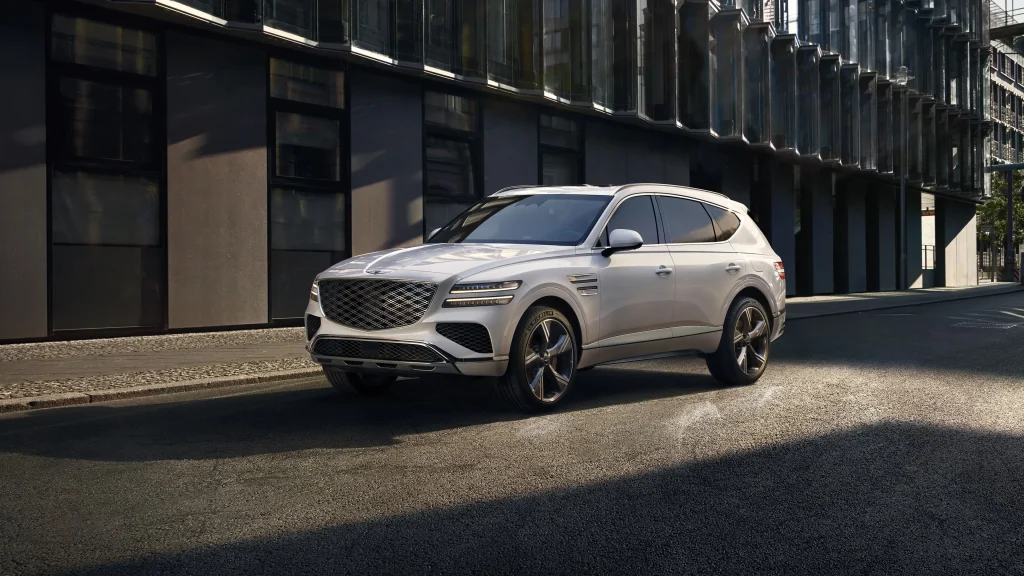
The Genesis GV80 also uses conventional gasoline engines. Its 2.5-liter turbocharged four-cylinder achieves approximately 21 mpg combined, while the 3.5-liter twin-turbo V6 returns approximately 19 mpg combined.
Here is how their efficiency compares:
| Model | EPA combined MPG |
|---|---|
| Lexus RX 350h | 36 |
| Acura MDX FWD | 22 |
| Acura MDX AWD | 21 |
| Genesis GV80 2.5T AWD | 21 |
| Genesis GV80 3.5T AWD | 19 |
The difference becomes significant when annual mileage increases. Consider a driver covering 15,000 miles annually. Using these combined ratings, the RX 350h would consume approximately 417 gallons of gasoline, compared with 682 gallons for the MDX FWD and 714 gallons for the GV80 2.5T AWD.
At an illustrative gasoline price of $3.50 per gallon, that translates to estimated annual fuel spending of approximately $1,458 for the Lexus, $2,386 for the Acura, and $2,500 for the Genesis.
These are calculations based on EPA ratings, not guarantees of real-world consumption. Traffic, weather, driving style, and fuel prices will affect actual expenses.
The Lexus lineup also offers alternatives for buyers who want more performance. The RX 500h F SPORT Performance produces 366 horsepower, while the RX 450h+ plug-in hybrid offers an estimated 38 miles of electric driving range. Neither should be confused with the more efficiency-focused RX 350h.
The Acura and Genesis have their own strengths, particularly in acceleration and available power. However, neither matches the RX 350h’s fuel economy.
Why the Lexus wins: Its hybrid powertrain provides a substantial efficiency advantage, potentially saving hundreds of dollars annually for drivers who cover significant mileage.
IIHS Safety Ratings: Which SUV Offers the Strongest Protection?
Winner: Genesis GV80
Safety ratings deserve close attention because luxury equipment alone does not guarantee superior crash protection. The IIHS evaluates crashworthiness, headlights, and crash-prevention systems, and its award requirements can change from one model year to another.
For the 2026 models, the Genesis GV80 has the strongest award recognition among these three SUVs.
The GV80 earns the IIHS Top Safety Pick+ designation. This recognition reflects its performance in the institute’s required crashworthiness evaluations and qualifying results for headlights and crash-prevention technology.
The Acura MDX earns a Top Safety Pick designation. It performs well in several important crash tests, but its results in the updated moderate-overlap front test fall short of the highest rating achieved by the Genesis.
The Lexus RX presents a more mixed picture. Although it receives strong results in certain crash tests, its poor rating in the updated moderate-overlap front test affects its standing under the latest IIHS requirements.
| Safety measure | Lexus RX | Acura MDX | Genesis GV80 |
|---|---|---|---|
| 2026 IIHS award | No award | Top Safety Pick | Top Safety Pick+ |
| Small-overlap front test | Good | Good | Good |
| Updated moderate-overlap front test | Poor | Acceptable | Good |
| Updated side test | Good | Good | Good |
These results illustrate why checking individual test scores matters. An SUV may perform well in several evaluations without qualifying for the highest award.
The Genesis stands out because its recognition reflects strong performance across the tests required for the Top Safety Pick+ designation. That gives safety-conscious buyers a clear reason to consider it.
The Acura remains a strong alternative. Its Top Safety Pick recognition demonstrates that it meets demanding safety criteria, even though its award level is below Genesis.
The RX’s lack of a 2026 award should not automatically be interpreted as proof that it is unsafe. It does, however, mean that buyers comparing the latest IIHS results should investigate the specific test scores rather than relying solely on Lexus’s reputation.
Equipment also matters. Driver-assistance features can differ by trim, and the presence of a particular technology does not necessarily mean every version has identical capabilities.
Why Genesis wins: Its 2026 Top Safety Pick+ recognition gives it the strongest IIHS award result in this comparison.
RepairPal Annual Costs: Which Is Cheapest to Own?
Winner: Lexus RX
Luxury SUVs can become expensive to maintain after their warranties expire. RepairPal’s historical repair-cost averages provide a useful reference point, although they should not be treated as precise forecasts for brand-new vehicles.
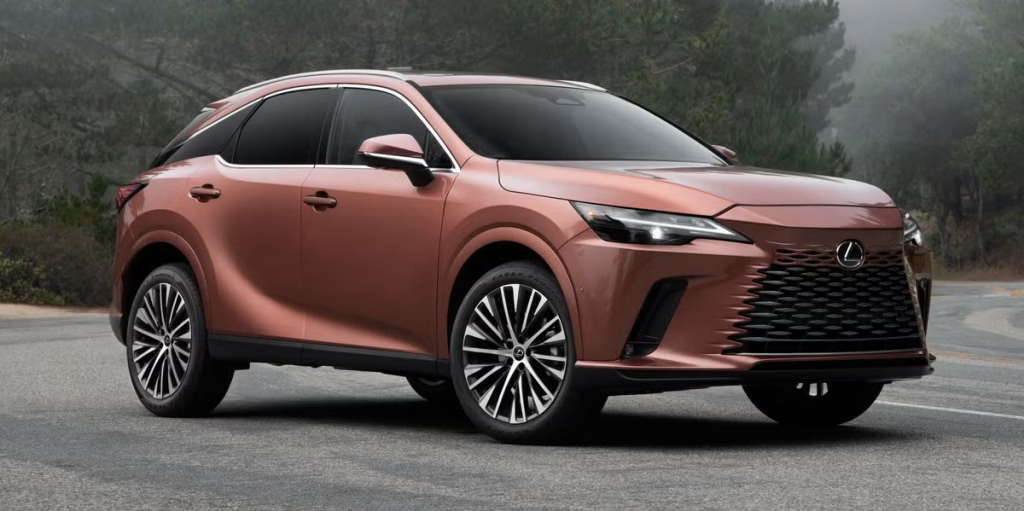
The Lexus RX 350 has an average annual repair cost of approximately $550, according to RepairPal. Its reliability rating is 4.0 out of 5, placing it among the stronger performers in the luxury midsize SUV category.
The Acura MDX has an average annual repair cost of approximately $571 and also receives a 4.0 out of 5 reliability rating from RepairPal.
The difference is relatively small, so it would be misleading to suggest that the Lexus is dramatically cheaper to repair than the Acura based on these figures alone.
| Vehicle | RepairPal reliability rating | Average annual repair cost |
|---|---|---|
| Lexus RX 350 | 4.0/5 | $550 |
| Acura MDX | 4.0/5 | $571 |
| Genesis GV80 | Insufficient data | Not available |
RepairPal does not have sufficient data to provide a reliable average annual repair cost for the Genesis GV80. That does not establish that the Genesis is unreliable or expensive to maintain. It simply means a direct comparison using the same measure is not possible.
One caveat is that RepairPal’s estimates are based on historical maintenance and repair data across vehicles, so they may not accurately predict the costs of owning a brand-new 2026 model during its first few years.
Actual bills depend on mileage, local labor rates, parts prices, driving conditions, and service history. Routine maintenance, unexpected repairs, and warranty coverage also need to be considered separately.
The RX’s ownership case becomes more compelling when fuel economy is included. Its low reported repair cost and efficient hybrid option give it two potential advantages for long-term ownership.
The MDX comes close and may be worth the small difference for buyers who need three rows of seating. Its larger cabin and performance-oriented character can justify choosing it despite the slightly higher reported annual repair cost.
Genesis buyers should request a maintenance schedule and review warranty coverage before making a decision. Without sufficient RepairPal data, assigning the GV80 a specific annual repair figure would create a misleading comparison.
Why the Lexus wins: It has the lowest documented RepairPal annual repair cost among the vehicles with reliable published figures, alongside an efficient hybrid option.
Performance and Driving Character
Winner: Acura MDX
The Lexus RX, Acura MDX, and Genesis GV80 have different driving personalities. The RX prioritizes comfort and efficiency, the MDX combines family practicality with an athletic character, and the GV80 emphasizes refined performance.
The standard RX 350 uses a 2.4-liter turbocharged four-cylinder engine producing 275 horsepower. Buyers seeking greater efficiency can choose the RX 350h hybrid, which produces 246 horsepower. The RX 500h F SPORT Performance delivers 366 horsepower, while the RX 450h+ plug-in hybrid produces 304 horsepower.
The Acura MDX uses a 3.5-liter V6 generating 290 horsepower in standard form. It pairs the engine with a 10-speed automatic transmission and offers front-wheel drive or Acura’s Super Handling All-Wheel Drive system.
For drivers who want more performance, the MDX Type S Advance uses a 3.0-liter turbocharged V6 producing 355 horsepower. Its stronger engine gives the Acura a more performance-focused character than the standard version.
The Genesis GV80 also offers two primary engine options. Its 2.5-liter turbocharged four-cylinder produces 300 horsepower, while the 3.5-liter twin-turbo V6 generates 375 horsepower. Both powertrains are paired with all-wheel drive in the U.S. lineup.
On paper, the GV80’s 375-horsepower V6 is the most powerful of the three SUVs’ main performance-oriented options. However, horsepower alone does not determine handling, braking or acceleration.
The MDX wins because it provides an appealing balance between conventional V6 performance and driver engagement. Its 10-speed transmission gives drivers access to a broad range of ratios, while available SH-AWD is designed to improve power distribution and cornering behavior.
The RX remains a good choice for buyers who prefer smooth, relaxed driving. Its hybrid models also demonstrate that efficiency and respectable performance do not have to be mutually exclusive.
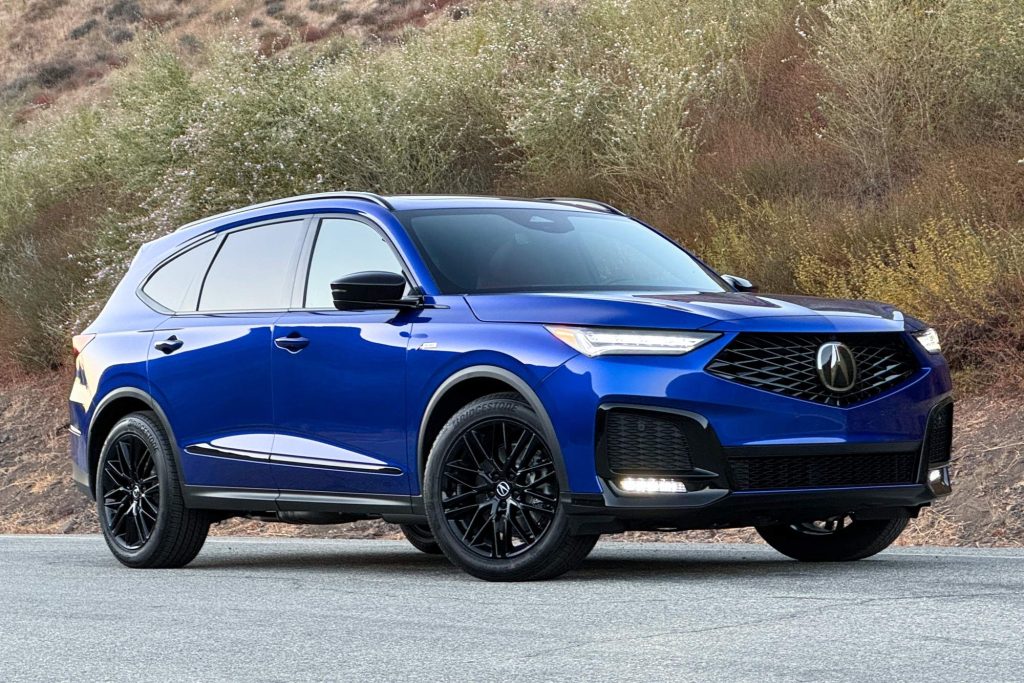
The GV80 is compelling for shoppers who want a more powerful engine and a premium cabin, but the Acura’s standard V6 and available Type S configuration create a convincing range for drivers who care about how their SUV responds on the road.
Why the Acura wins: Its V6 powertrain, 10-speed automatic and available SH-AWD provide an appealing blend of performance and everyday usability.
Passenger Space and Everyday Practicality
Winner: Acura MDX
Passenger capacity is one of the most important differences in this comparison. The Lexus RX is a five-seat SUV, while the Acura MDX offers seating for up to seven. The Genesis GV80 also offers a third row in selected configurations.
The RX’s two-row layout suits buyers who rarely carry more than four passengers. It provides a premium environment without requiring the additional length and complexity of a three-row SUV. For couples, small families and commuters, that can be a sensible compromise.
However, households that regularly transport children, grandparents or friends may benefit from the MDX’s third row. It adds flexibility for family trips and gives buyers the ability to carry more passengers when needed.
The Genesis GV80 is also attractive for larger families, but its third-row availability depends on configuration. Buyers should check the specific vehicle’s seating layout rather than assuming every trim provides seven seats.
Cargo capacity also changes depending on whether the third row is in use. With all seats occupied, there is less space for luggage than when the rear seats are folded. That is a common trade-off among three-row SUVs, and buyers who frequently travel with a full passenger load should consider it before purchasing.
The MDX’s strength is its combination of passenger capacity and driving ability. It is designed to accommodate a larger family without sacrificing the athletic character that distinguishes it from some comfort-focused competitors.
The RX remains easier to justify when five seats are sufficient. Its more efficient hybrid powertrain can be particularly attractive for daily commuting and long-distance travel.
The GV80 places greater emphasis on luxury design and cabin presentation. For buyers who prioritize premium materials and styling, it can be the most appealing interior environment of the three.
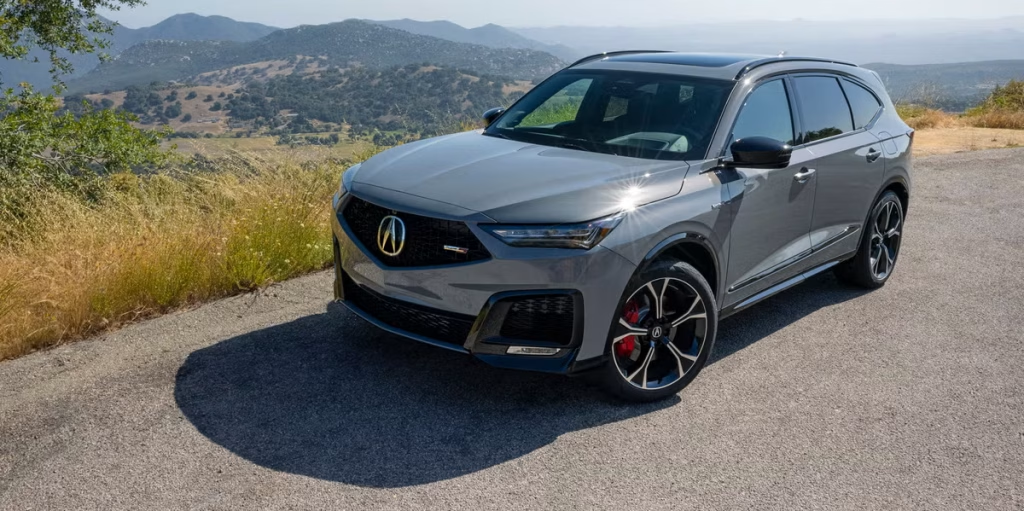
But for everyday family duties, the MDX offers a practical balance of seating flexibility, power and available all-wheel drive.
Why the Acura wins: Its seven-seat layout and available SH-AWD make it a versatile choice for families who need extra passenger capacity.
Pricing, Features and Value for Money
Winner: Lexus RX
Comparing purchase prices requires care because engine choices, drivetrain configurations and standard equipment differ. A lower starting price does not necessarily mean a better-equipped vehicle.
The 2026 Lexus RX 350 Premium starts at approximately $54,950, while the RX 350h Premium+ starts at approximately $60,740. The hybrid therefore costs more upfront in these configurations, but its fuel economy may help offset the difference for buyers who drive regularly.
The 2026 Acura MDX starts at approximately $53,350 including destination for the base front-wheel-drive model. Higher trims add equipment, while the Type S Advance reaches approximately $77,400.
The 2026 Genesis GV80 starts at approximately $57,700 for the 2.5T AWD. The 2.5T Advanced starts at approximately $63,750, while the 3.5T Advanced begins at approximately $75,950.
| Model | Approximate starting price |
|---|---|
| Lexus RX 350 Premium | $54,950 |
| Acura MDX base FWD | $53,350 |
| Genesis GV80 2.5T AWD | $57,700 |
These are configuration-specific starting prices, not perfectly matched trim comparisons. The Acura’s entry-level price includes front-wheel drive, while the GV80 starts with AWD. Buyers should compare similarly equipped versions before making a final decision.
The RX’s strongest value proposition comes from its combination of fuel efficiency, documented repair costs and premium comfort. The RX 350h costs more than certain gasoline alternatives, but its lower fuel consumption can help compensate for the higher purchase price over time.
The MDX remains appealing for families who need three rows and want a more engaging driving experience. The GV80 is attractive for buyers who prioritize upscale styling, luxury features and its strong IIHS award recognition.
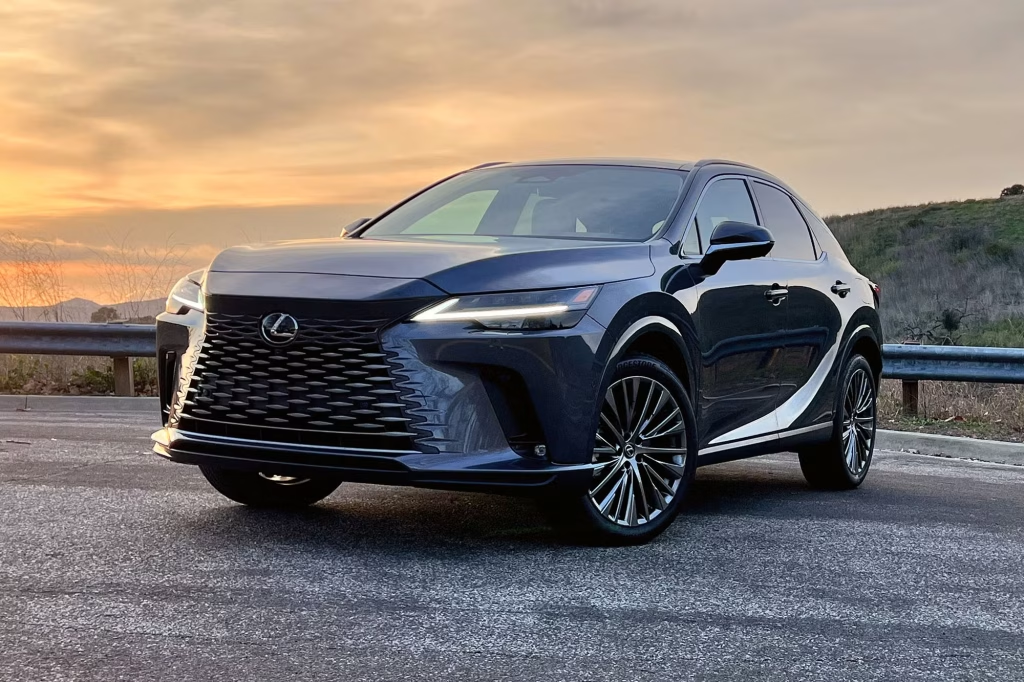
The RX does not necessarily offer the lowest purchase price in every configuration. Its advantage is the complete ownership package, particularly for buyers who select the hybrid and plan to keep their SUV for many years.
Why the Lexus wins: Its efficient hybrid option and low documented repair costs strengthen its value proposition for long-term ownership.
Comparison Summary
| Category | Winner | The Edge |
|---|---|---|
| EPA fuel economy | Lexus RX | RX 350h achieves 36 MPG combined, reducing fuel consumption significantly. |
| IIHS safety ratings | Genesis GV80 | Top Safety Pick+ recognition leads the 2026 IIHS award comparison. |
| RepairPal annual costs | Lexus RX | $550 average annual repair cost is below the MDX’s $571 estimate. |
| Performance and driving | Acura MDX | V6 power, a 10-speed automatic and available SH-AWD provide an engaging balance. |
| Passenger space | Acura MDX | Three-row seating accommodates up to seven passengers for family flexibility. |
| Pricing and value | Lexus RX | Hybrid efficiency and low documented repair costs strengthen long-term value. |
Final Verdict: Which Is Better?
The Lexus RX is the strongest choice for fuel economy and predictable ownership costs. The RX 350h achieves up to 36 mpg combined, and the RX 350 has a documented RepairPal average annual repair cost of approximately $550. For buyers who want a comfortable luxury SUV without needing a third row, the Lexus makes a compelling case.
The Acura MDX is the better option for families. It seats up to seven, offers available SH-AWD and delivers a more performance-oriented driving experience. Its reported annual repair cost of approximately $571 is close to the Lexus figure, making it a reasonable alternative for buyers who need additional passenger capacity.
The Genesis GV80 is the standout for IIHS safety award recognition. Its 2026 Top Safety Pick+ designation, upscale interior and available 375-horsepower twin-turbo V6 make it attractive to shoppers who prioritize safety ratings, design and power. Its RepairPal annual repair cost remains unavailable because there is insufficient data for a reliable estimate.
The best choice depends on your priorities:
Choose the Lexus RX for efficiency, lower documented repair costs and comfortable five-seat transportation.
Choose the Acura MDX for three-row family practicality, available AWD and a more engaging driving experience.
Choose the Genesis GV80 for premium styling, strong performance options and the strongest 2026 IIHS award result.
For buyers who want to minimize fuel spending and keep ownership costs in check, the Lexus RX 350h is the smartest all-around choice. The MDX is the better family SUV, while the GV80 is the most compelling option for buyers who prioritise luxury and safety-award recognition.