For aging parents, the easiest car to live with is not always the smallest, cheapest, or most luxurious. What matters more is how naturally they can get in and out, how easy it is to see the road, and whether the controls feel simple rather than overwhelming.
A seat that is too low can make standing up difficult, while a seat that is too high can require an uncomfortable climb. Wide door openings, supportive seats, good visibility, and straightforward controls can make everyday trips much easier.
The best choices are usually compact or midsize crossovers, plus a few unusually accessible sedans and hatchbacks. These vehicles combine manageable step-in height with upright seating and enough cabin space for comfortable entry.
Features such as power-adjustable seats, large door openings, blind-spot monitoring, parking sensors, and clear infotainment systems can also help. The seven models below stand out as practical options for older drivers or passengers who value comfort, accessibility, and confidence over flashy performance.
1. Honda CR-V
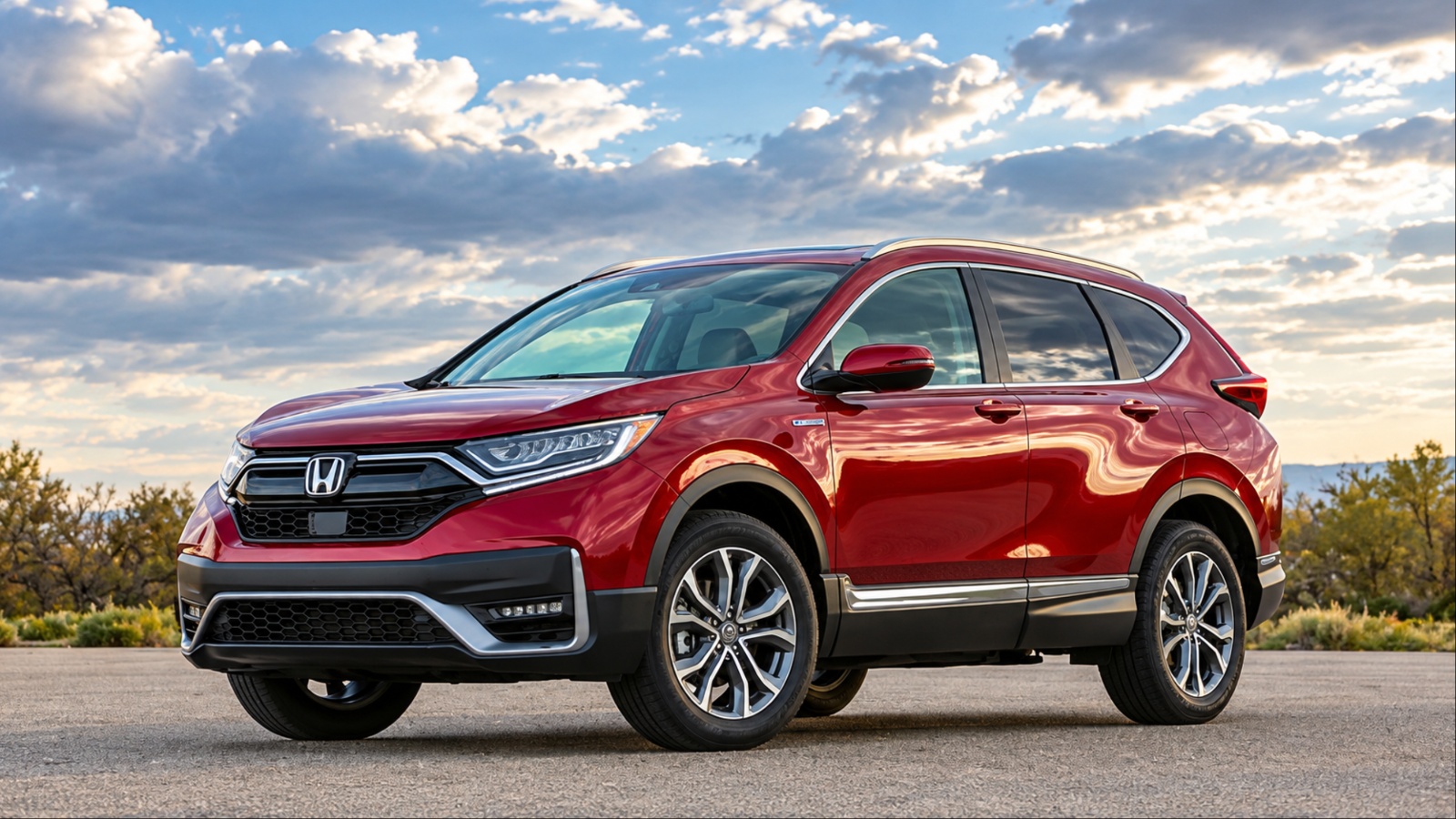
The Honda CR-V is one of the strongest all-around choices for aging parents because it gets the basics of accessibility right. Its seating position is higher than a conventional sedan but not so tall that most people have to climb up into the cabin. That middle-ground height can make entry and exit noticeably easier for anyone dealing with stiff knees, reduced hip flexibility, or limited lower-body strength.
The front doors open wide, and the roofline gives passengers enough space to move their heads and shoulders through the opening without awkward twisting. Once seated, the CR-V offers an upright driving position with good forward visibility. The relatively low beltline and large windows also help drivers judge surrounding traffic and parking spaces.
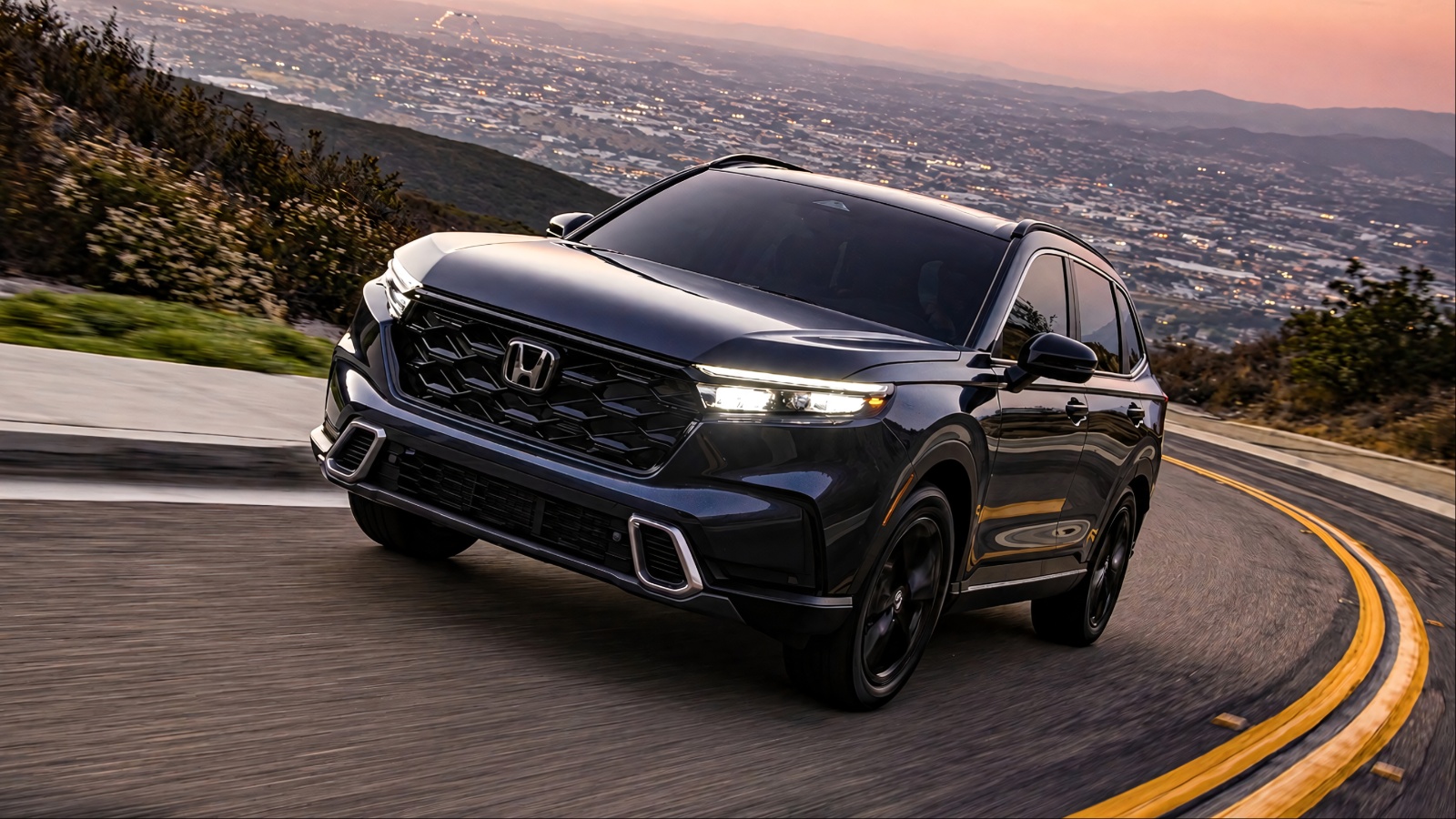
Comfort is another strength. The seats provide useful support without feeling overly bolstered, and higher trims offer power adjustment that can make it easier to find a comfortable driving position. The dashboard layout is also more straightforward than many newer vehicles with highly complicated touch controls.
The CR-V is especially appealing for parents who still drive regularly but want something easier to manage than a large SUV. It offers plenty of cargo space for groceries, walkers, luggage, or medical equipment without becoming difficult to park.
For many families, the CR-V works because it does not ask older drivers to adapt to the vehicle. The vehicle adapts reasonably well to them.
2. Subaru Forester
The Subaru Forester is particularly well suited to older drivers because visibility is one of its greatest strengths. Large windows, relatively thin roof pillars, and an upright body give the driver a clear view in nearly every direction. That can reduce the amount of head and torso movement needed when checking intersections, changing lanes, or backing out of a parking space.
Entry is also easy. The Forester sits higher than a sedan but lower than many traditional SUVs, creating a natural step-in height. Passengers can slide sideways into the seat instead of dropping down or climbing upward. The doors open generously, and the squared roofline creates plenty of headroom.
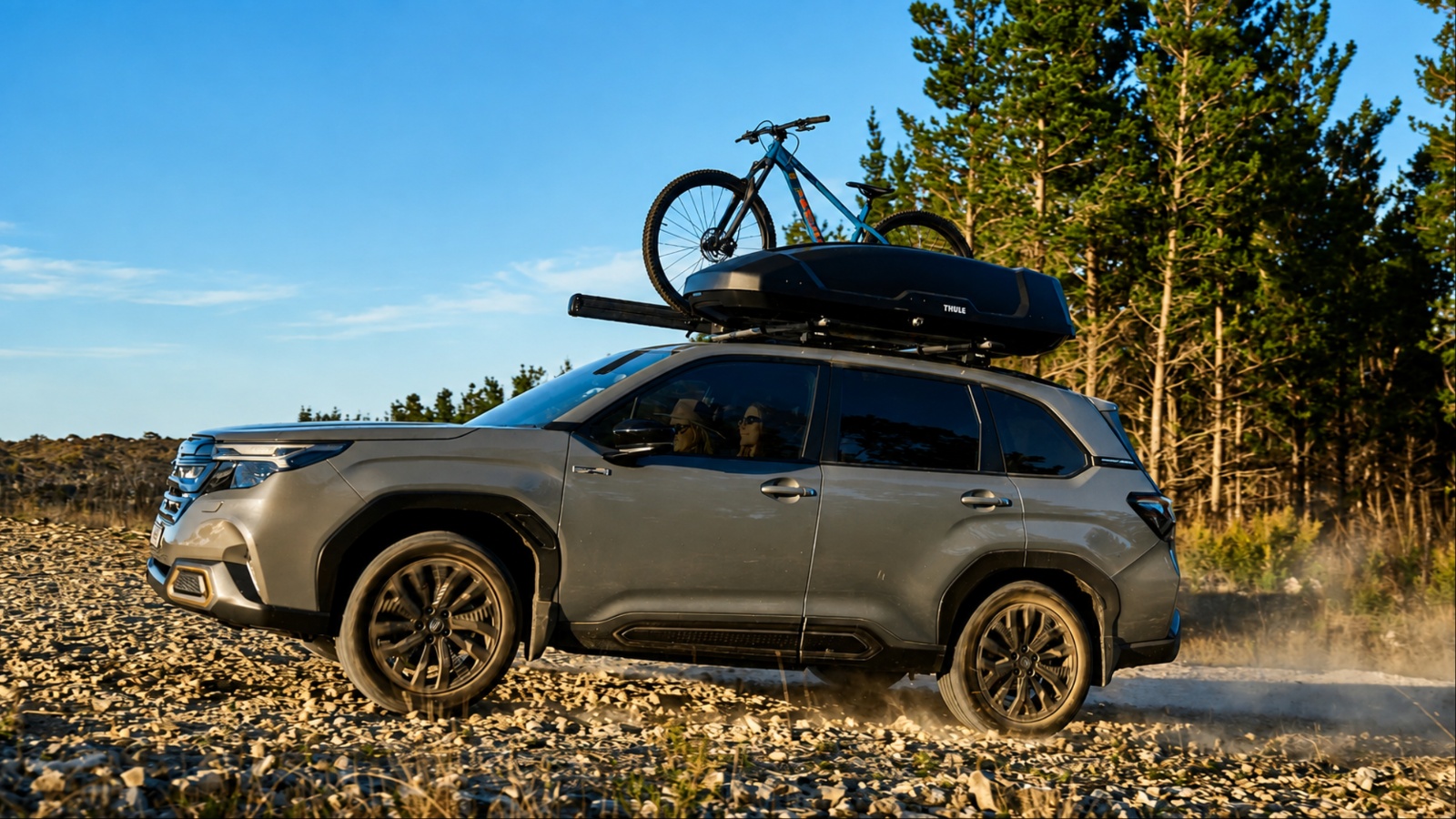
The seating position is upright and supportive, which can be especially helpful for someone who finds low sports-car-style seats uncomfortable. Controls are generally easy to understand, and the cabin has a practical rather than intimidating feel.
Standard all-wheel drive is another benefit for families living in areas with frequent rain, snow, or slippery roads. It does not eliminate the need for careful driving, but it can provide additional traction in difficult conditions.
The Forester also offers a useful cargo area with a relatively low loading height. That makes it easier to place groceries, mobility aids, or luggage in the rear without lifting them unnecessarily high.
For aging parents who prioritize visibility, easy access, and practical everyday use, the Forester remains one of the most natural fits available.
3. Toyota RAV4
The Toyota RAV4 combines easy access with the kind of familiarity many older buyers appreciate. It uses the compact crossover formula that has become popular partly because passengers can enter without the deep downward movement required by many sedans.
The front seats sit at a comfortable height for most adults. A passenger can back toward the seat, sit down, and rotate their legs into the cabin with relatively little effort. That sequence can be much easier for someone with limited hip or knee mobility than lowering into a low car.
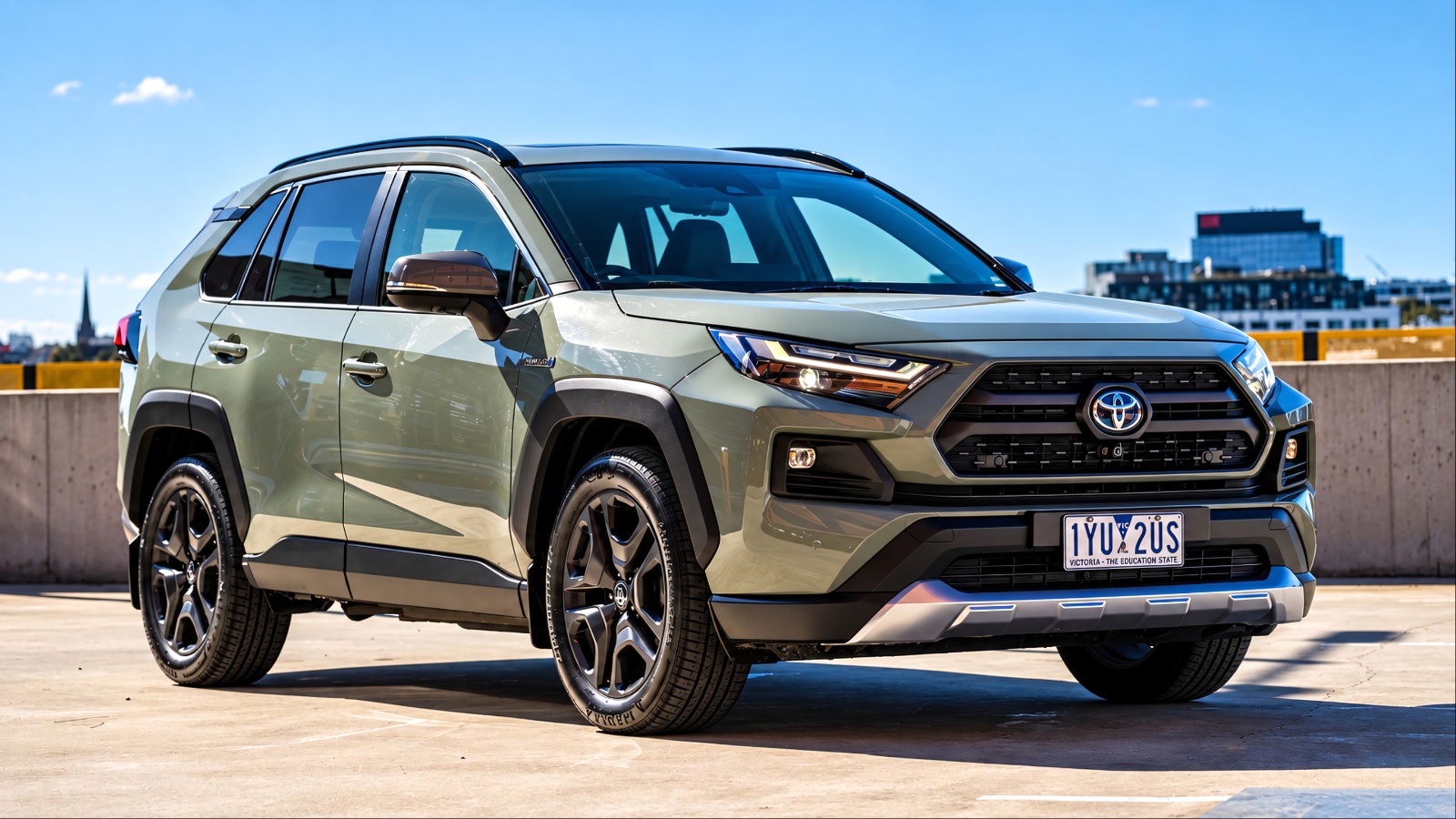
The RAV4 also offers a commanding view of the road without the bulk of a full-size SUV. Its dimensions remain manageable in parking lots, garages, and suburban streets. That balance is important for aging drivers who want a better view but do not want to handle an oversized vehicle.
Toyota’s controls are generally straightforward, and physical buttons remain available for many commonly used functions. That can be easier for drivers who dislike navigating multiple touchscreen menus just to change climate settings or perform basic tasks.
The cargo area is large enough for everyday family needs, and the rear hatch makes loading easier than the trunk opening of a conventional sedan. Hybrid versions also provide excellent fuel efficiency for drivers who spend a lot of time making short local trips.
The RAV4 may not feel especially luxurious, but its predictability is a major advantage. For aging parents, a familiar, uncomplicated vehicle can be more valuable than a car packed with features they may never use.
4. Kia Soul
The Kia Soul is one of the easiest small vehicles to enter because of its unusual boxy proportions. It has the footprint of a compact car but the seating position and roof height of a small crossover. That combination makes it especially useful for older adults who want easy access without driving a larger SUV.
The tall doors and upright roof create a large opening. Passengers do not need to duck as much as they would in many hatchbacks or sedans, and the seats are positioned high enough that getting up afterward is relatively easy.
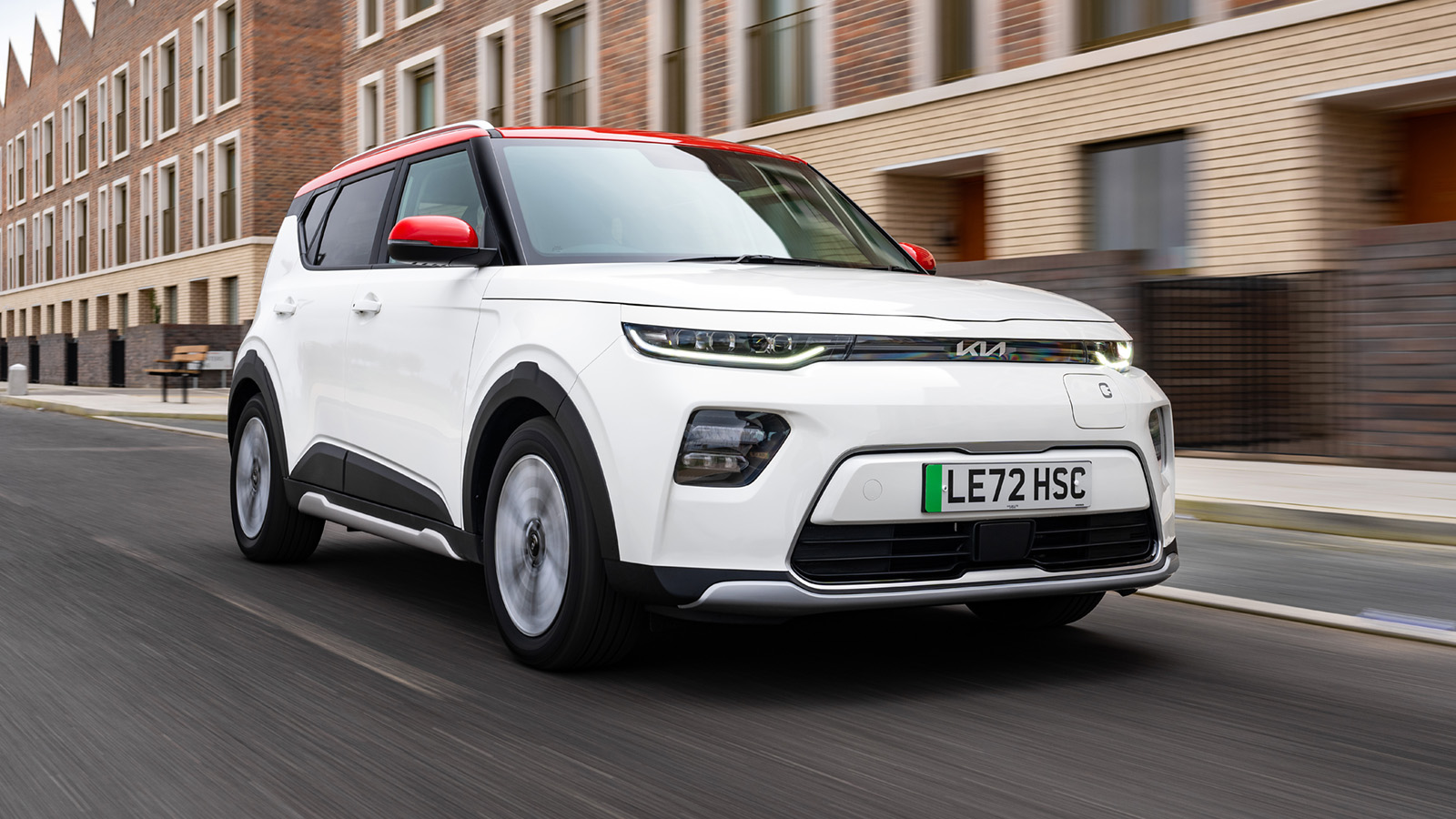
Visibility is another strong point, thanks to the tall windshield and upright seating position that provide a clear view of the road. Its compact length also makes the Kia Soul easy to maneuver in tight spaces, park in crowded areas, and fit into garages.
Inside, the cabin is roomy relative to the vehicle’s exterior size. Rear-seat access is also better than in many compact cars, which matters when older parents ride as passengers rather than drivers.
The cargo area is not as large as what you get in a CR-V or RAV4, but the hatchback layout is practical for groceries and everyday items. Folding the rear seats provides additional flexibility.
The Soul also tends to be less expensive than many crossovers, making it attractive for retirees or families watching expenses.
For someone who wants a vehicle that feels small on the road but does not force them down into a low seat, the Soul is an unusually effective solution.
5. Hyundai Tucson
The Hyundai Tucson works well for aging parents because its cabin combines generous space with a comfortable step-in height. The front seats are high enough to reduce bending but not so elevated that entry becomes a climb.
Wide doors make access easier, and the cabin offers plenty of legroom for passengers who need to reposition themselves slowly. The roofline also provides good clearance, reducing the chance of hitting your head while getting in.
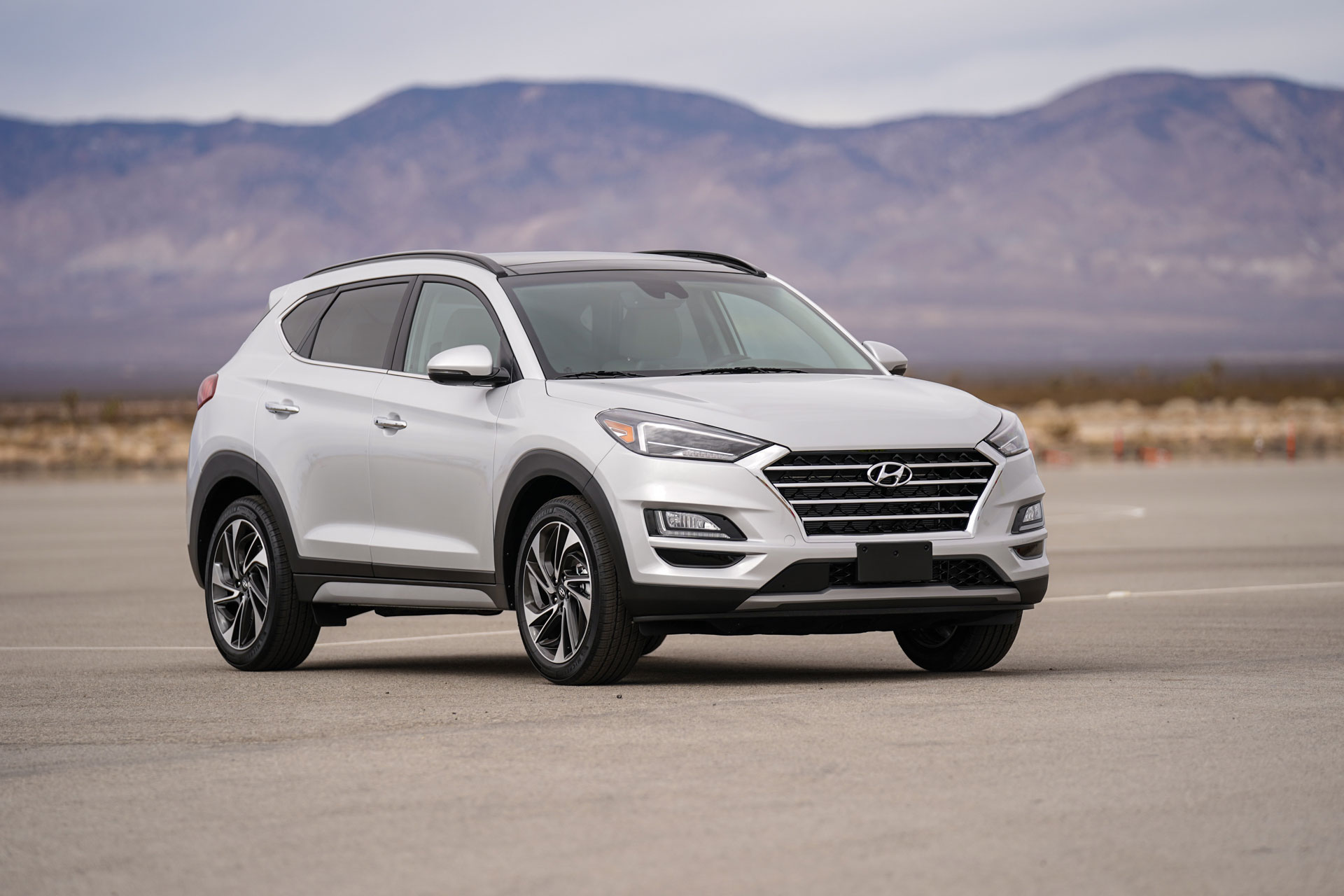
The Tucson’s seats are comfortable for longer drives, and power adjustment is available on many trims. That can help older drivers fine-tune seat height, distance from the pedals, and backrest angle without struggling with manual levers.
Modern safety technology is another advantage. Available blind-spot monitoring, rear cross-traffic alerts, parking cameras, and driver-assistance systems can be helpful for drivers whose flexibility or peripheral awareness is not what it once was.
The Tucson is also relatively easy to maneuver. It provides the elevated view of an SUV without the width and length of a large three-row model.
Its cargo area is useful for walkers, folding wheelchairs, luggage, or groceries, and the rear hatch avoids the deep reach sometimes required by sedan trunks.
The Tucson features a more technology-driven cabin than some rival SUVs, making it worth testing the controls in person before settling on a trim. Even so, its layout remains accessible and user-friendly. Families looking for a modern crossover with generous space and comfortable seating should keep the Tucson on their shortlist.
6. Toyota Camry
Not every aging driver wants an SUV. For parents who still prefer a traditional sedan, the Toyota Camry remains one of the easier options to live with.
The Camry sits lower than a crossover, so it will not be ideal for someone with serious mobility limitations. However, its doors open widely, the cabin is spacious, and the seats are not excessively low or aggressively shaped. Compared with sportier sedans, getting in and out is relatively straightforward.
The biggest advantage is familiarity. The Camry has long been designed around everyday comfort and predictable operation. Steering is light, visibility is good, and the controls generally do not require a steep learning curve.
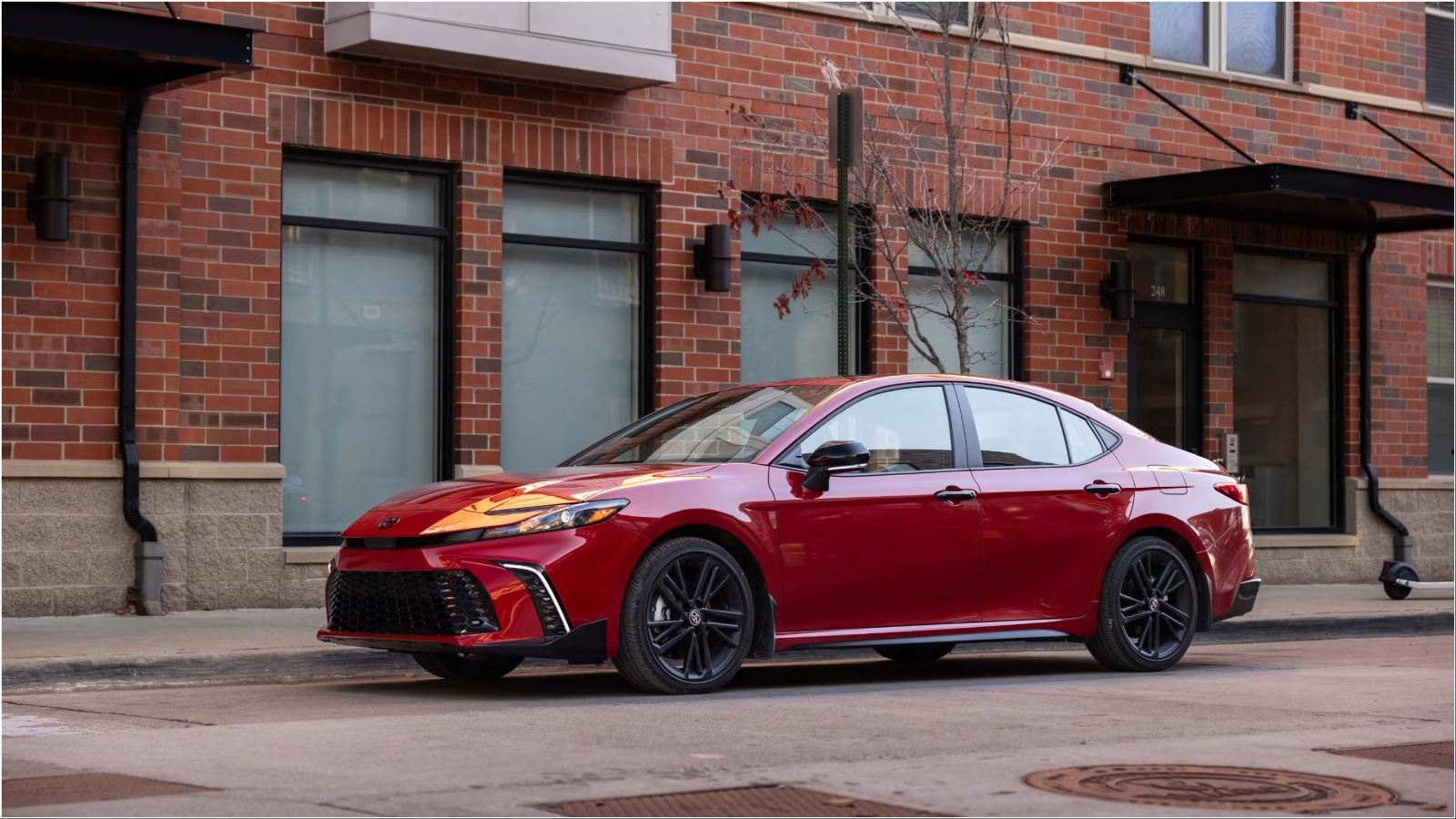
The ride is comfortable enough for errands and longer highway trips, and the suspension does a good job of isolating occupants from rough pavement. That can matter for older passengers who are more sensitive to harsh impacts.
The trunk is also large and easy to use for groceries or luggage, although it cannot match the loading flexibility of a crossover hatch.
Modern Camry models offer a broad set of driver-assistance features, which can provide useful support in traffic without changing the basic driving experience too dramatically.
For parents who dislike the idea of switching to an SUV, the Camry is a sensible compromise. It retains the lower, familiar feel of a sedan while still being roomy, comfortable, and relatively easy to enter compared with many other passenger cars.
7. Honda HR-V
The Honda HR-V is a strong option for aging parents who want the accessibility of a crossover without the size of a CR-V.
Its seating position is elevated enough to make entry easier than in most compact sedans, but the vehicle remains small enough to feel manageable in crowded parking lots and narrow streets. That makes it particularly appealing for older drivers who want something easy to place on the road.
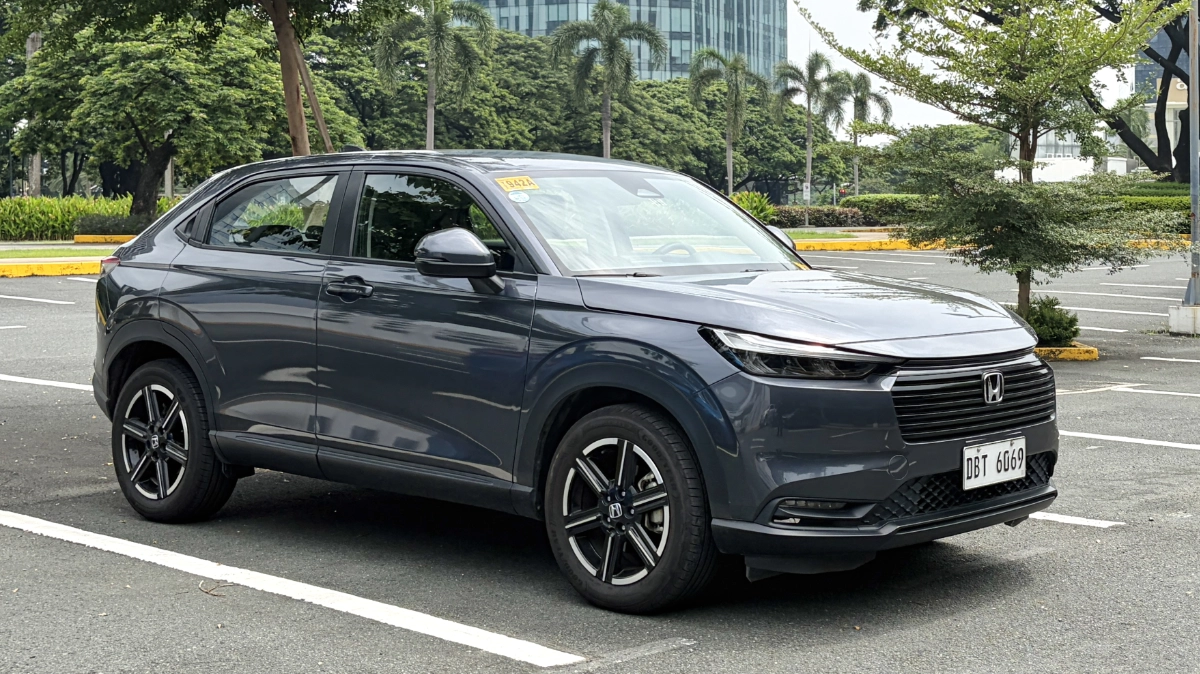
The doors provide good access, and the cabin is more spacious than the HR-V’s exterior dimensions might suggest. The upright seating position gives passengers reasonable headroom and allows drivers to see traffic more clearly.
Honda’s control layout is another advantage. The HR-V avoids some of the most confusing trends in modern interiors and retains simple physical controls for frequently used functions. That can reduce frustration for drivers who prefer traditional buttons and knobs.
The steering is light, and the vehicle is easy to maneuver at low speeds. Available driver-assistance features can also help with lane awareness, braking support, and everyday traffic situations.
Cargo capacity is useful for a vehicle of this size, and the rear hatch is convenient for groceries or small mobility equipment.
The HR-V is best suited to parents who do not need the extra cabin width or cargo room of a larger crossover. It offers many of the same accessibility benefits in a smaller package, making it a practical choice for older adults who still value independence and easy urban driving.