Luxury cars are expected to deliver refined cabins, strong performance, and advanced technology, but premium badges do not guarantee a five-star Euro NCAP safety rating. Several upscale models have received four stars after testing revealed weaknesses in areas such as crash avoidance, pedestrian protection, or standard safety equipment.
The results do not automatically make these cars unsafe, and ratings from different years cannot be compared without considering changes in testing standards.
This list focuses on documented Euro NCAP assessments of premium vehicles, explaining the specific reasons each fell short of the maximum rating.
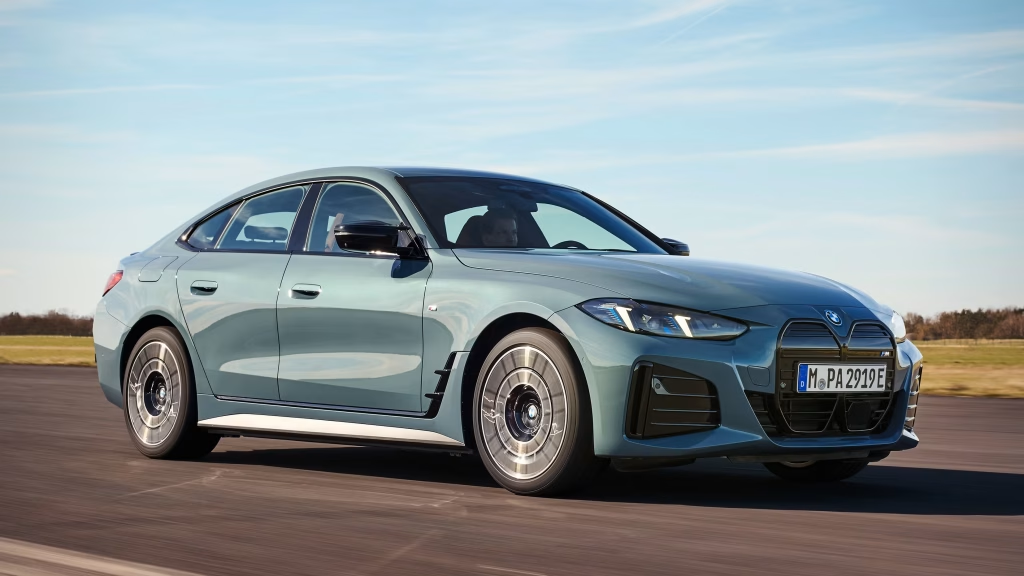
1. BMW i4: Four Stars in 2022
The BMW i4 combines electric performance with the comfort and refinement expected from a premium sedan. However, its 2022 Euro NCAP assessment resulted in four stars, with scores of 87% for adult occupant protection, 87% for child occupant protection, 71% for vulnerable road users, and 64% for safety assist.
These results show that strong crash protection alone was not enough to secure the maximum rating.
There were plenty of positives in the crash tests. The passenger compartment remained stable during the frontal offset impact, and protection for the driver’s and front passenger’s knees and femurs was good.
Side-barrier and side-pole testing also demonstrated good protection across critical body areas. The i4 therefore performed well in several important occupant-protection scenarios.
The weaker results appeared in the car’s interaction with vulnerable road users and its active safety performance. Euro NCAP identified less consistent protection around the front of the vehicle, including poor pelvis protection in pedestrian-impact testing.
Its autonomous emergency braking system also produced mixed results in scenarios involving pedestrians and cyclists. The 64% safety-assist score reflected shortcomings in the tested assistance systems.
For prospective buyers, this distinction matters. Four stars does not mean the i4 offers poor crash protection. It means the tested vehicle did not achieve the necessary performance across every assessment category to earn five stars.
The rating applies to the European-market i4 variants covered by the 2022 assessment. U.S.-market equipment and later model updates may differ, so American buyers should not treat this result as a direct rating of every i4 sold in the United States.
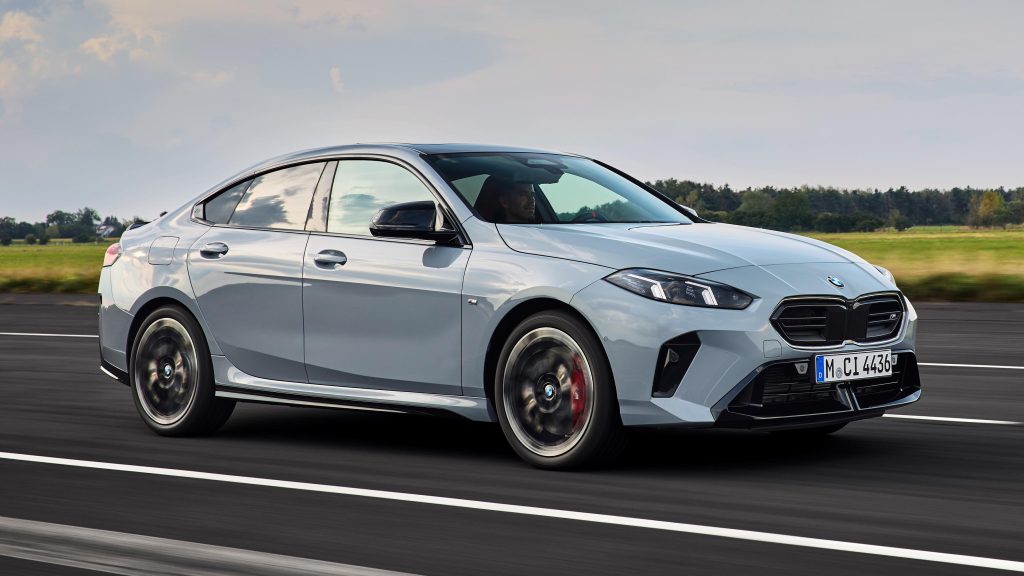
2. BMW 2 Series Coupé: Four Stars in 2022
A compact luxury coupe can deliver a rewarding driving experience while still falling short of the highest safety rating. The BMW 2 Series Coupé received four stars in Euro NCAP’s 2022 assessment.
The passenger compartment remained stable in the frontal offset test, and dummy readings indicated good protection for the driver’s and passenger’s knees and femurs. Side-barrier testing also earned maximum points.
The four-star result was not simply a reflection of weak protection for people inside the car. In the full-width frontal test, critical body areas received good or adequate protection for the driver and rear passenger.
The more severe side-pole test also produced good or adequate results for critical areas. Those findings demonstrate that the coupe performed strongly in several major impact scenarios.
One issue highlighted by Euro NCAP was the car’s potential to act as an aggressive impact partner in a frontal collision. This assessment considers how a vehicle’s front structure interacts with another car, not just how well it protects its own occupants.
A vehicle’s mass and structural behavior can influence the consequences for people in the other vehicle involved.
The tested driver-assistance systems also had limitations in certain scenarios. Euro NCAP found that autonomous emergency braking did not respond consistently in more challenging situations involving vulnerable road users, including cyclists.
Such results matter because the rating combines crash protection with technology designed to prevent collisions.
The four-star result applies to the European specification assessed in 2022. Buyers should check the exact model year and equipment of any vehicle they are considering, especially when comparing it with U.S.-market versions.
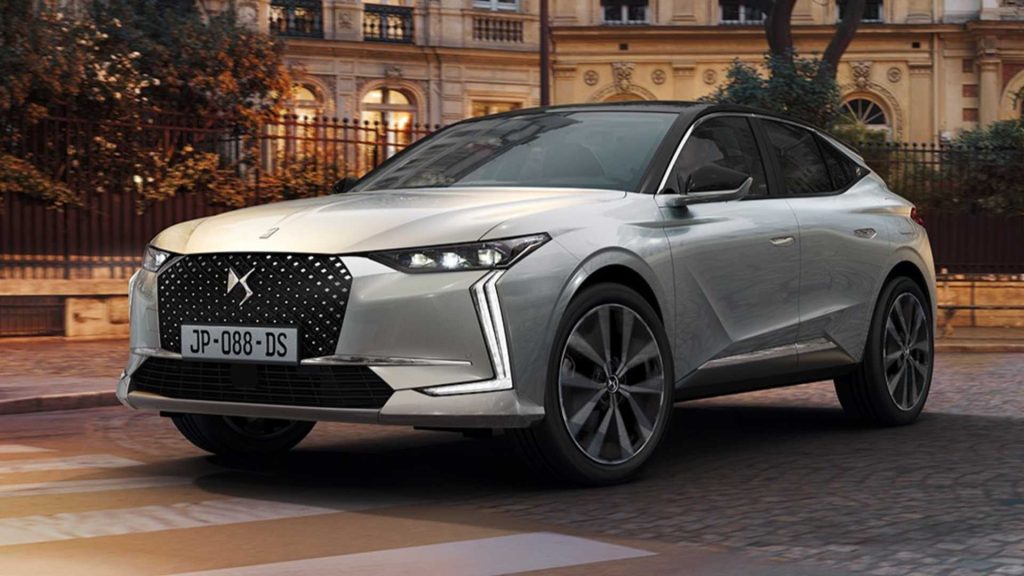
3. DS 4: Four Stars With Standard Equipment in 2022
The DS 4 illustrates how optional equipment can change a vehicle’s safety rating. Euro NCAP awarded the premium compact hatchback four stars with standard safety equipment in April 2022, but a version fitted with the optional Safety Pack achieved five stars. The distinction is important: the model did not receive one universal rating regardless of specification.
The standard-equipped car scored 85% for adult occupant protection, 86% for child occupant protection, 74% for vulnerable road users, and 65% for safety assist. During the frontal offset test, the passenger compartment remained stable, and protection for the driver’s and front passenger’s knees and femurs was good.
However, the driver’s chest protection was rated marginal in the frontal offset test, and chest protection was also marginal in the full-width frontal and side-pole assessments.
The key difference between the standard model and the higher-rated version involved the emergency braking system. The standard car used a camera-only arrangement, while the optional Safety Pack Plus added camera-radar fusion.
Euro NCAP found the standard system underwhelming in tests involving other vehicles, including scenarios designed to simulate rear-end collisions. The optional system performed better in tests of its response to other cars.
This is a practical reminder that a car’s badge and body structure do not tell the whole story. The technology fitted to a specific vehicle can influence its final assessment, even when the model name remains unchanged.
Anyone shopping for a used DS 4 should verify which safety equipment is installed rather than assuming the five-star result applies to every version. The four-star rating belongs to the standard-equipped specification tested in 2022.
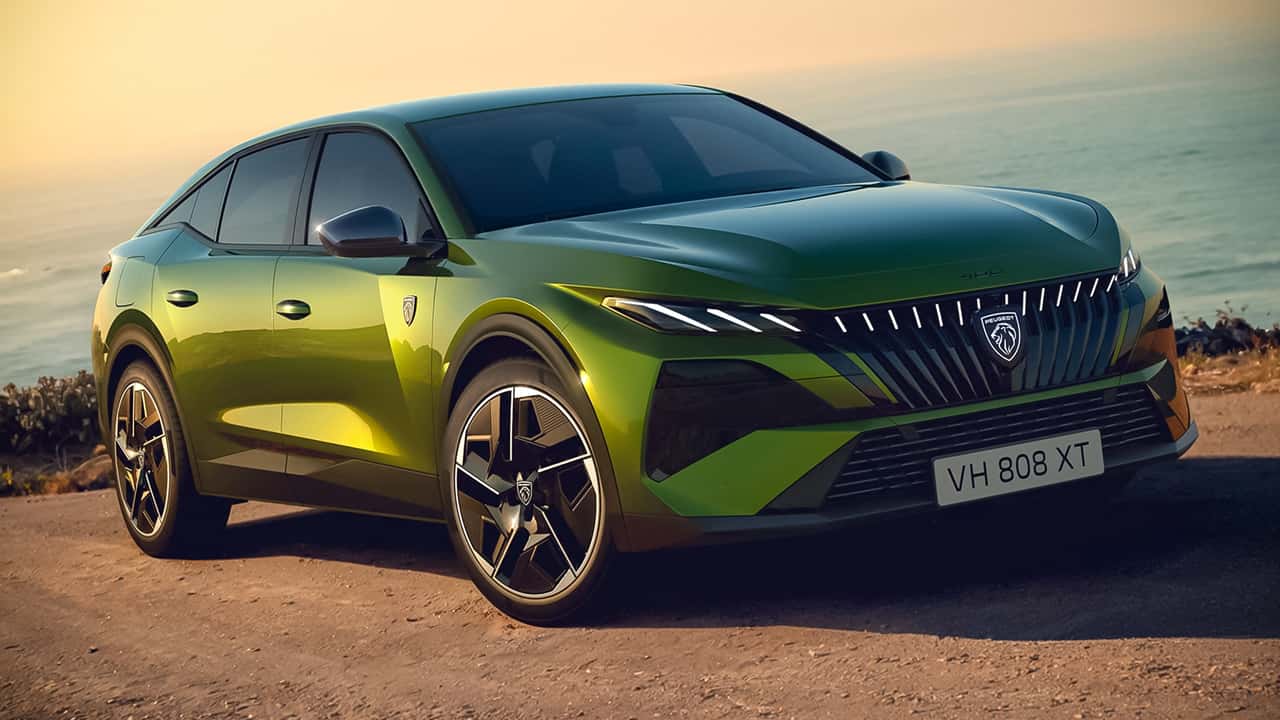
4. Peugeot 408: Four Stars in 2022
The Peugeot 408 brings a fastback profile and crossover-inspired styling to the family-car segment. Its Euro NCAP assessment in 2022 resulted in four stars, with scores of 76% for adult occupant protection, 84% for child occupant protection, 78% for vulnerable road users, and 65% for safety assist.
The assessment was largely based on the closely related Peugeot 308, with additional tests carried out on the 408.
The test results included some encouraging findings. The passenger compartment remained stable during the frontal offset impact, and protection for the driver’s and front passenger’s knees and femurs was good.
The front bumper also provided good protection for pedestrians’ legs, while protection for the pelvis along the front edge of the bonnet was good across the tested locations.
However, the driver’s chest protection was rated weak in the frontal offset test, based on dummy readings of chest compression. Lower-leg protection was marginal, and chest protection was also marginal in the full-width frontal test.
These specific results contributed to a more mixed assessment despite the vehicle’s strong child occupant and vulnerable-road-user scores.
The safety-assist category presented another limitation. Although the vehicle included autonomous emergency braking for other cars and vulnerable road users, the system performed only marginally in tests involving other vehicles.
Lane support and camera-based speed assistance were also assessed, but the combined performance did not reach the five-star threshold.
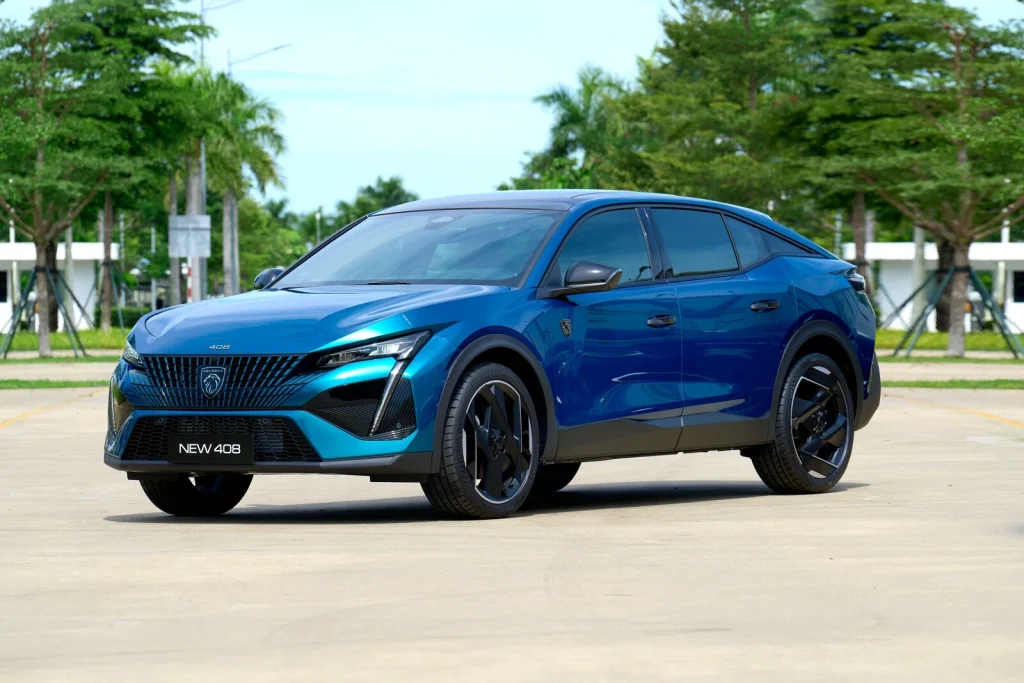
The 408 is better described as an upmarket family car than a traditional luxury vehicle, but its rating is relevant to buyers drawn to premium styling. The result also highlights the importance of checking the tested year and configuration.
A four-star rating does not mean the car provides inadequate occupant protection in every crash. Instead, it reflects the vehicle’s performance across the full range of tests in the assessment program.
5. Ford Puma: Four Stars Under the 2022 Protocol
The Ford Puma is not a conventional luxury car, but its updated model provides another useful example of a vehicle that missed five stars under a later Euro NCAP protocol.
The updated Puma was reassessed in 2022, with some earlier test results carried over where applicable. Its scores were 75% for adult occupant protection, 84% for child occupant protection, 70% for vulnerable road users, and 69% for safety assist.
The passenger compartment remained stable in the frontal offset test, and protection for the driver’s and passenger’s knees and femurs was good. The side-barrier and side-pole tests also delivered good protection to critical body areas.
However, the driver’s chest protection was rated marginal in the frontal offset test, while the rear passenger’s chest protection was marginal in the full-width frontal test. These findings limited the car’s results in occupant protection.
Pedestrian protection was also mixed. Euro NCAP found good or adequate protection across much of the bonnet, but poor results appeared around the base of the windscreen and on the stiff windscreen pillars.
The front bumper performed well in protecting pedestrians’ legs, and pelvis protection was good at the tested locations.
The car’s active safety technology contributed to the final result as well. Its emergency braking system performed well in tests involving other vehicles, but its response to pedestrians and cyclists was rated adequate.
Marginal performance associated with the front seats and head restraints also affected the assessment of low-speed emergency braking.
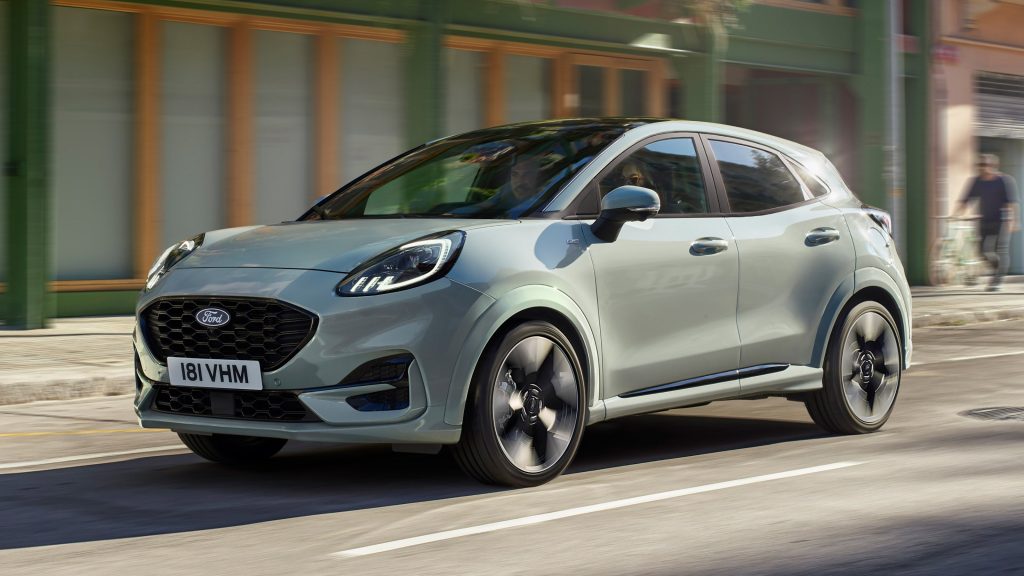
It is important not to confuse this 2022 reassessment with the earlier five-star rating awarded in 2019. Different testing protocols and equipment specifications can produce different results. The four-star rating discussed here refers to the updated car assessed against the tougher 2022 requirements, not every Puma ever sold.
6. BMW i3: Four Stars in 2013
The BMW i3 was an early premium electric car, notable for its compact design and use of lightweight construction. When Euro NCAP tested it in 2013, it received four stars.
The published scores were 86% for adult occupant protection, 81% for child occupant protection, 57% for pedestrian protection, and 55% for safety assist. Its rating reflected the standards and test procedures in place at that time.
The i3 performed well in important parts of the crash programme. Euro NCAP reported that the passenger compartment remained stable during the frontal impact, while dummy readings indicated good protection for the driver’s and passenger’s knees and femurs.
Its side-impact protection also contributed positively to the assessment. These results showed that the car’s unconventional construction did not prevent it from providing meaningful occupant protection.
The weaker areas were pedestrian protection and safety assistance. Its pedestrian score of 57% was notably lower than its adult occupant result, and its safety-assist score reached 55%.
Those categories reflected the technology and pedestrian-impact performance evaluated in 2013, before many of today’s advanced emergency-braking and driver-monitoring systems became widespread.
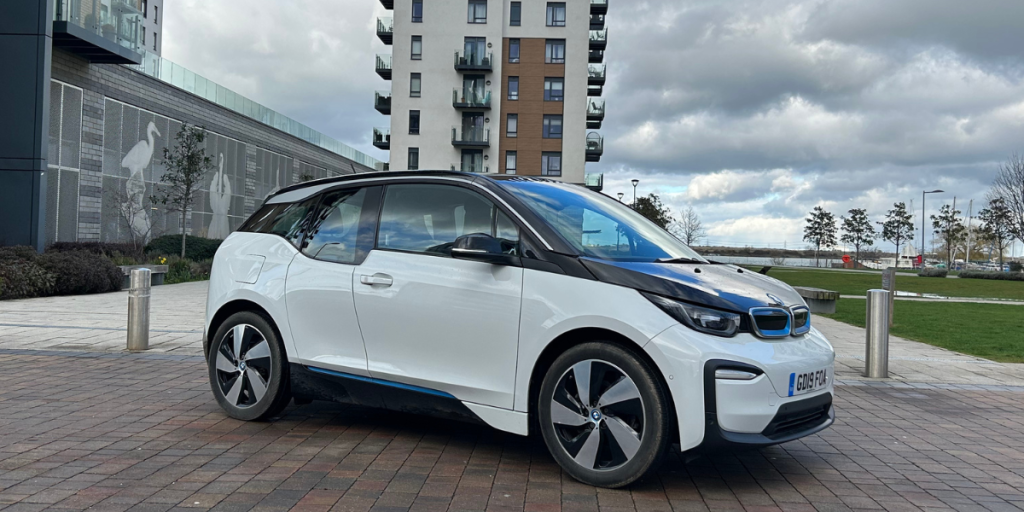
The i3 also demonstrates why older star ratings must be treated carefully. Euro NCAP regularly updates its protocols, adding more demanding crash scenarios and assessing newer safety technologies. A four-star rating from 2013 cannot be compared directly with a four-star result from 2022 as though both vehicles faced identical requirements.
For used-car shoppers, the historical result provides useful context, but it should be combined with information about the individual vehicle’s condition, safety equipment and model year.
The i3’s four stars do not mean it was judged by the same standards as the newer cars in this list, and the rating should not be interpreted as a direct verdict on present-day U.S.-market vehicles.