A sales drop does not always mean a bad car. Sometimes it means a plan. Sometimes it means a policy change nobody controlled. This list ranks 29 models by percentage decline this year. The steepest falls come first. The mildest come last.
But the ranking hides three very different stories. The cause matters far more than the number. A 100% drop and a 20% drop can mean the opposite of what you expect.
Eight of these nameplates are run-out models. Their makers chose to end them. Those collapses are deliberate and often healthy for the business.
Seven are electric vehicles, and that is a different problem entirely. The federal EV tax credit ended last year. Cheap leases disappeared with it. Buyers who loved the monthly price walked away. Demand fell faster than automakers expected. Several EV programs are now being rethought.
Tariffs hit many imported models as well. Japan and Korea build a lot of these cars. Higher import costs pushed sticker prices up. Other drops come from generation changes.
Old stock sells out before the new model arrives. The gap looks like a collapse but is only a pause. Read each entry with its cause in mind. The percentage shows how far a car fell. The reason shows whether anyone should worry.
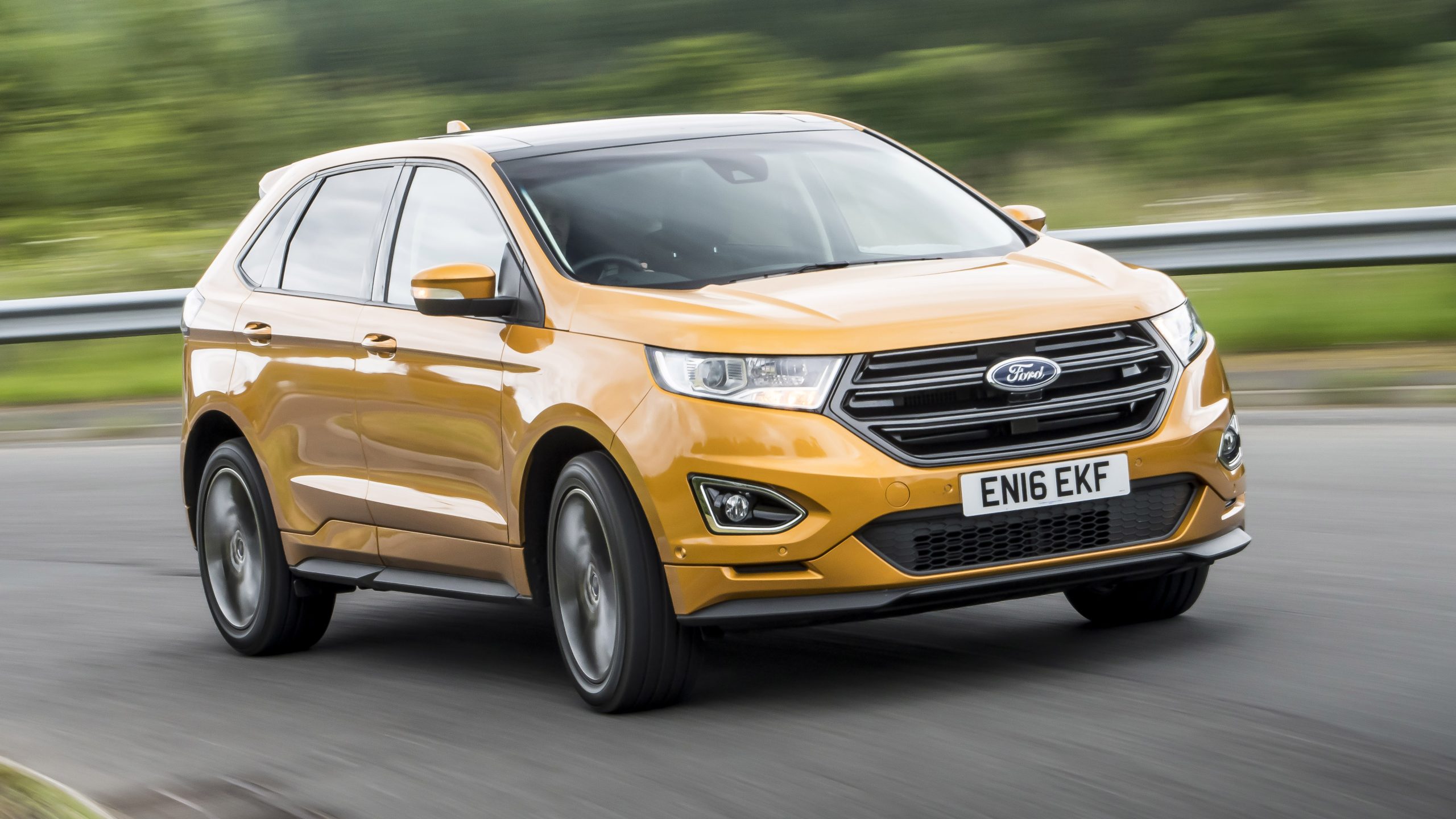
1. Ford Edge: down 100% to zero
The Edge is gone. Ford ended production after the 2024 model year. Nothing is left on dealer lots. It was a dependable two-row crossover for years. Buyers liked its size and fair price. Many families kept one for a decade.
Ford shifted its money toward trucks, the Explorer, and electric projects. The Edge never received a hybrid. Rivals added efficiency while it stood still.
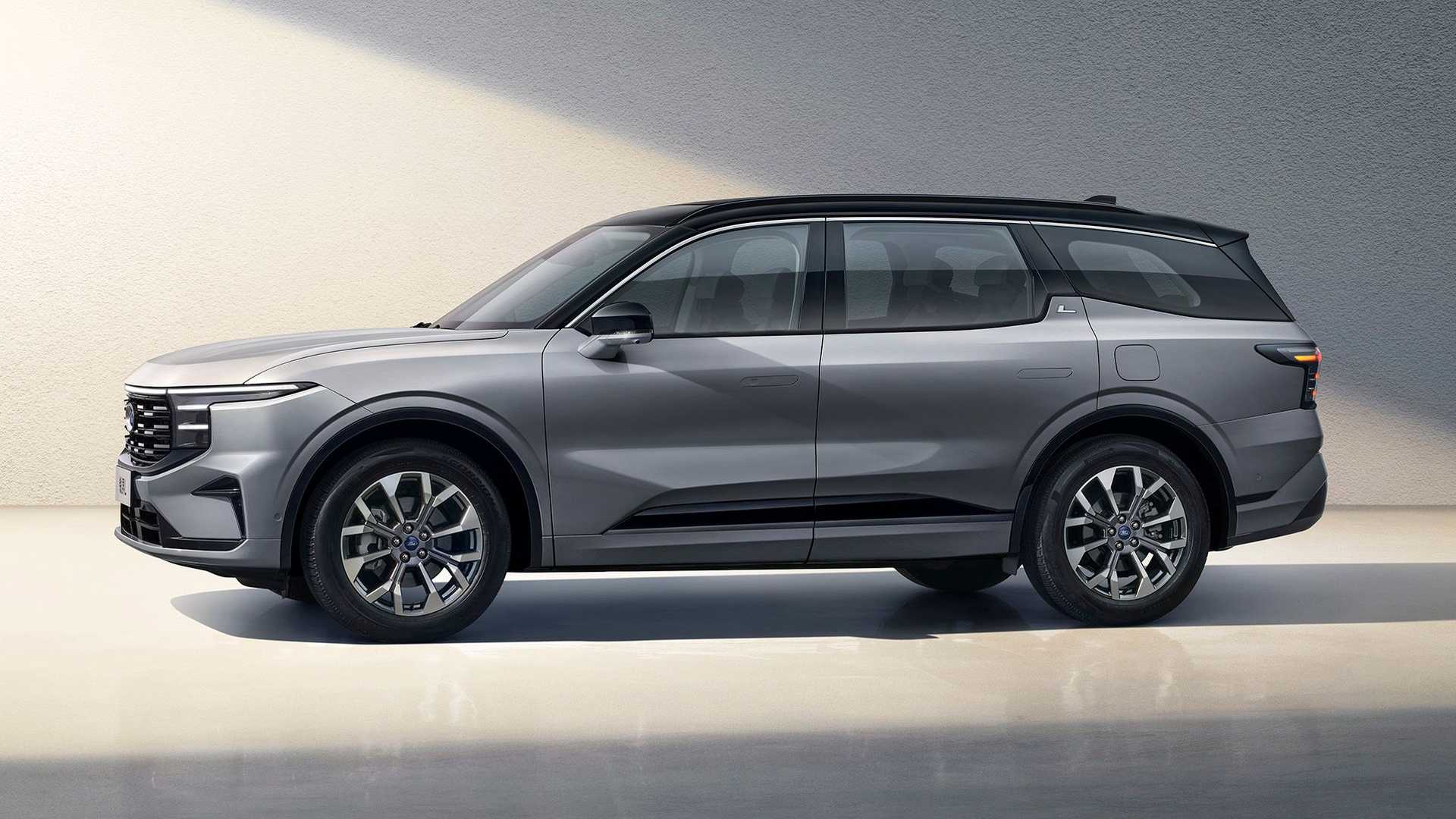
The Escape and Bronco Sport cover similar ground. Ford loses little by dropping it. A zero here means a planned exit, not a failed car. It is the cleanest example of a deliberate collapse. Its fate was sealed years ago. Ford simply waited for the last units to sell through. Nobody should read panic into this.
2. Hyundai Nexo: down 100% to zero
The Nexo is a hydrogen fuel-cell SUV. The first generation wound down before this year. American dealers had almost nothing left to sell. Hydrogen fueling is the core problem. California has very few stations.
Many of them are unreliable or closed. Hydrogen also costs far more per mile than gasoline. Owners reported long drives just to refuel. Buyers reasonably stayed away.
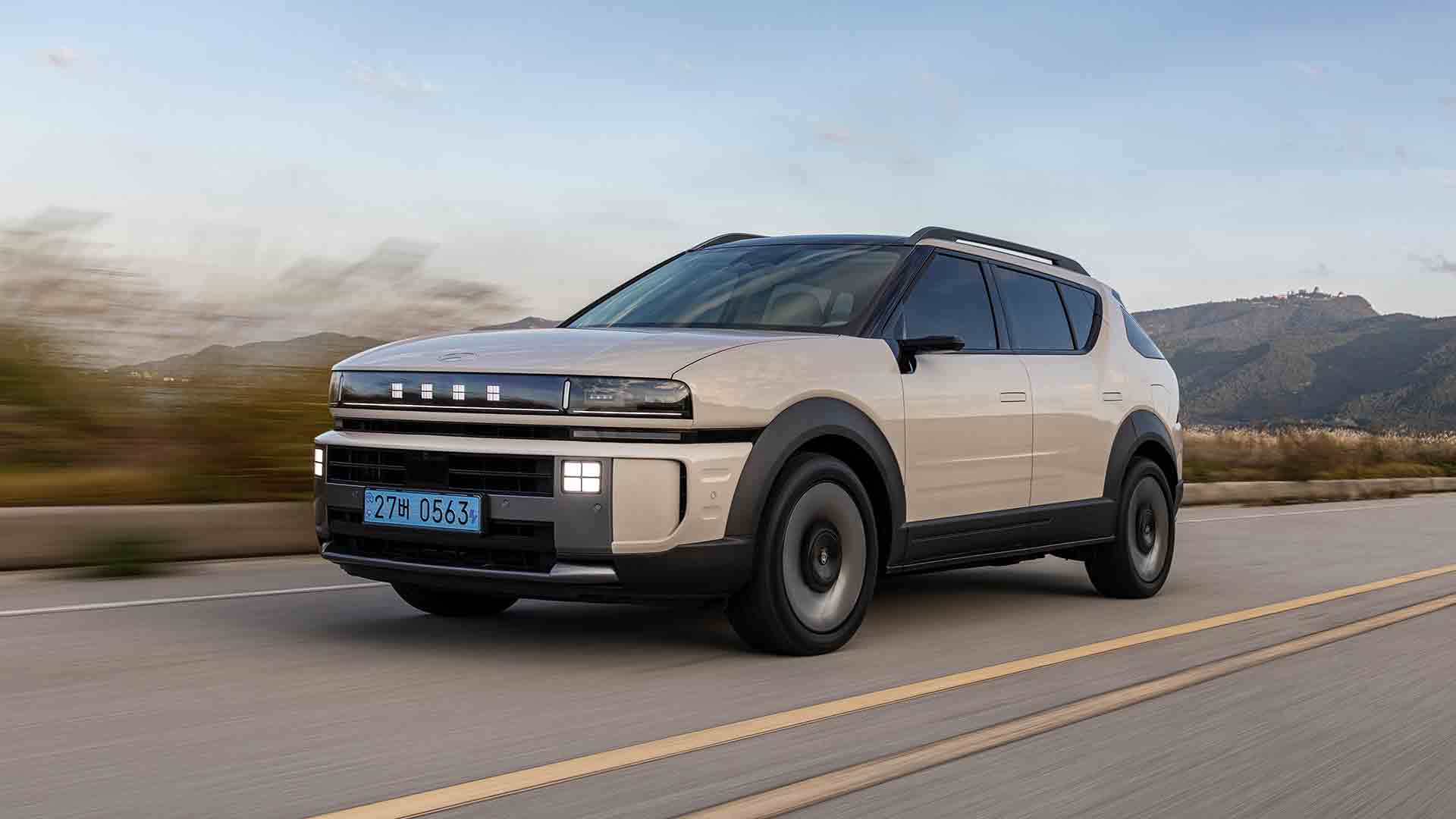
A newer generation exists overseas. Its US volume is small. The zero reflects missing supply and missing infrastructure, not a sudden change in taste. Hyundai still believes in hydrogen, but America is not ready. Fuel-cell cars need stations before they need buyers. Until that changes, volumes will stay tiny. Hydrogen remains a long-term experiment.
3. Acura ZDX: down 99.1% to 108
The ZDX was Acura’s first full EV. General Motors built it on the same platform as the Honda Prologue. It had a very short life. Acura cut the model quickly. It never found a real audience.
The 108 sales are probably leftover stock. Pricing hurt it badly. It cost more than the Prologue for similar hardware. Luxury buyers wanted more for the premium.
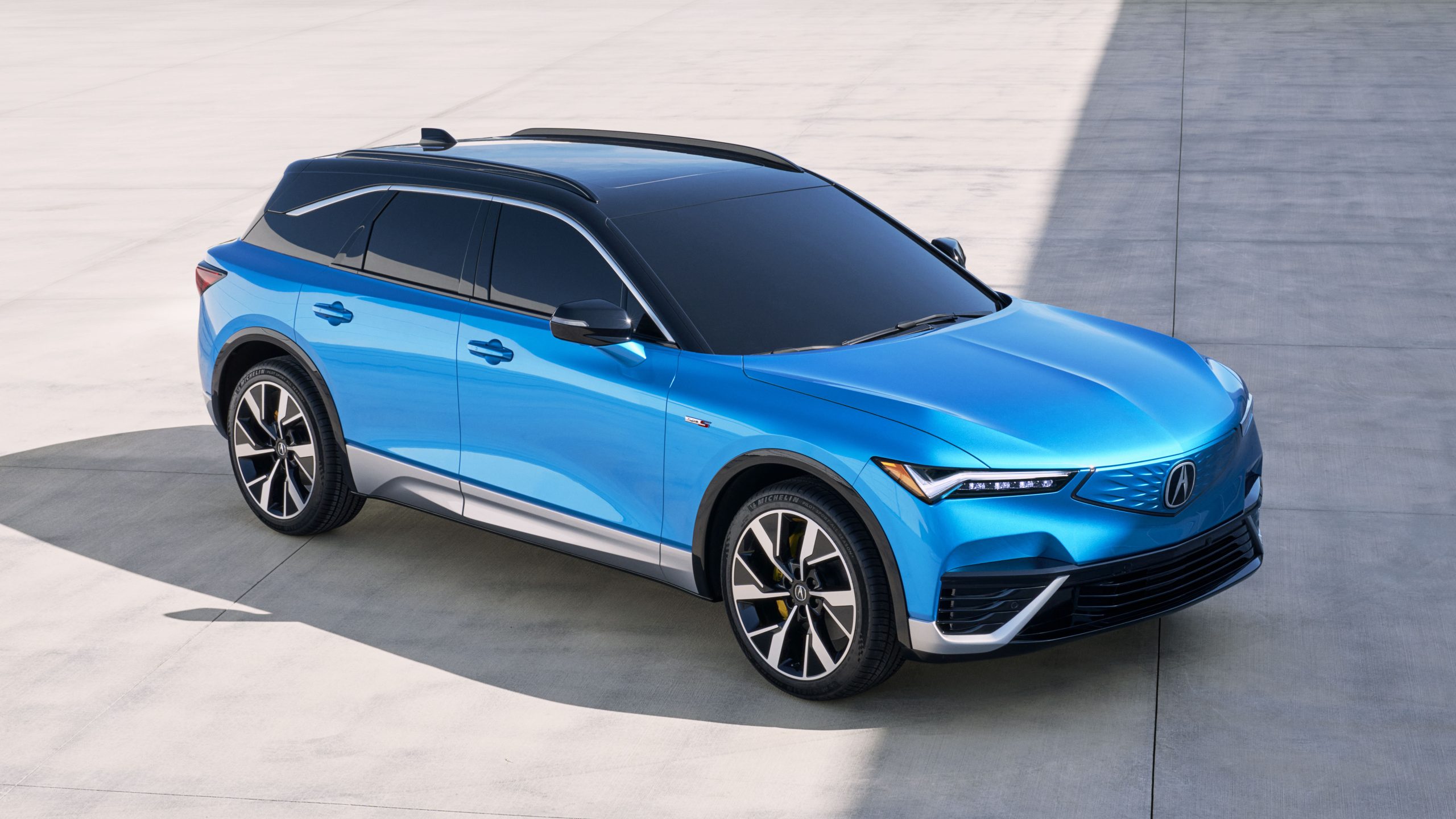
The loss of the tax credit sealed its fate. Leasing deals had propped up demand. This is the clearest EV casualty on the list. It shows how fast a premium EV can fail when incentives vanish. Honda’s own Prologue shows the platform was fine. The Acura badge could not justify the extra money. Few will remember this model.
4. Toyota Venza: down 98.4% to 11
The Venza was a hybrid-only midsize crossover. Toyota stopped selling it after 2024. The eleven sales are dealer leftovers. It sat awkwardly between the RAV4 and the Highlander. Few buyers needed that middle size.
Toyota already had better options. The RAV4 Hybrid and Crown Signia absorbed its role. Hybrids now sell in every Toyota showroom. A separate Venza made little sense.
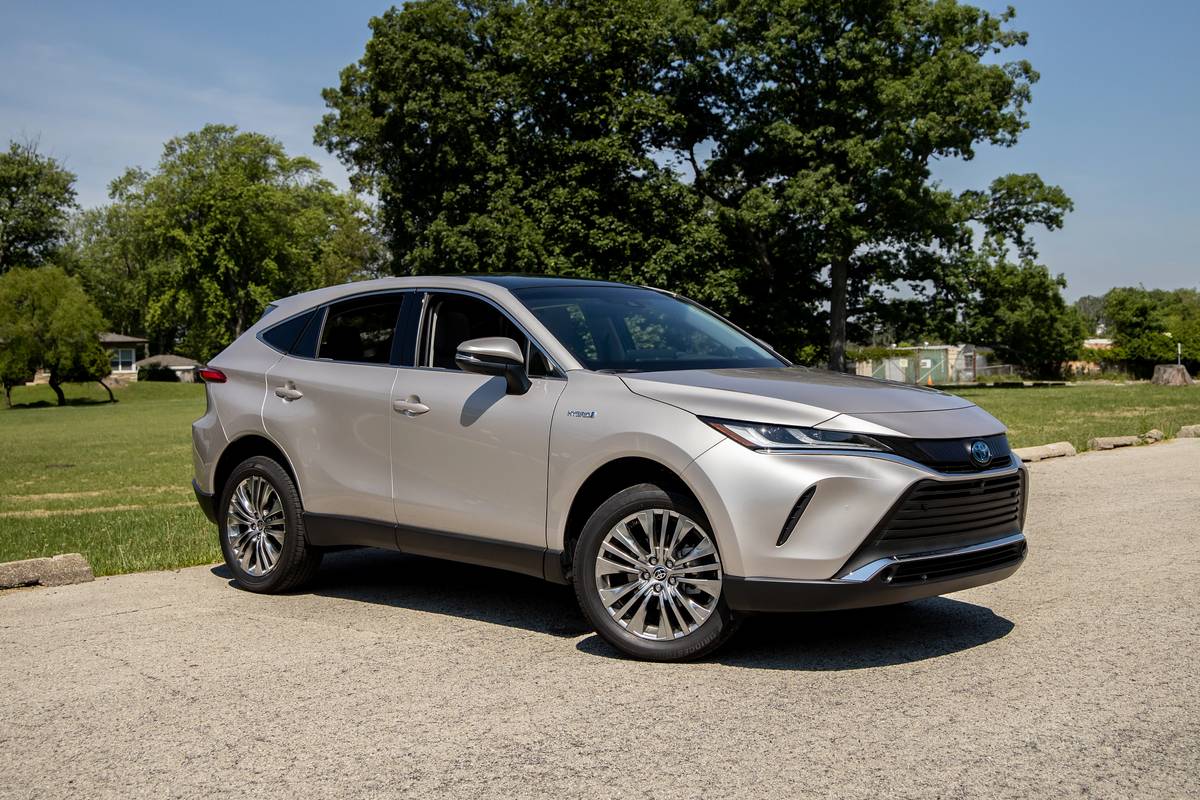
This is a tidy product cleanup. Toyota removed an overlapping model. Nothing here signals trouble for the brand. If anything, it shows how strong Toyota’s hybrid lineup has become. Fewer nameplates also mean simpler dealer inventories. Toyota tends to prune quietly and early. The Venza barely made a ripple.
5. Kia Soul: down 90.4% to 3,480
The Soul was a quirky box with loyal fans. Kia is winding it down in the US. The remaining sales are final inventory. Small hatchbacks lost their audience years ago. Crossovers took over that space.
The Soul outlasted most of its rivals. Kia now leans on the Seltos and Sportage. Both sell in far higher volume. The brand’s focus has clearly moved.
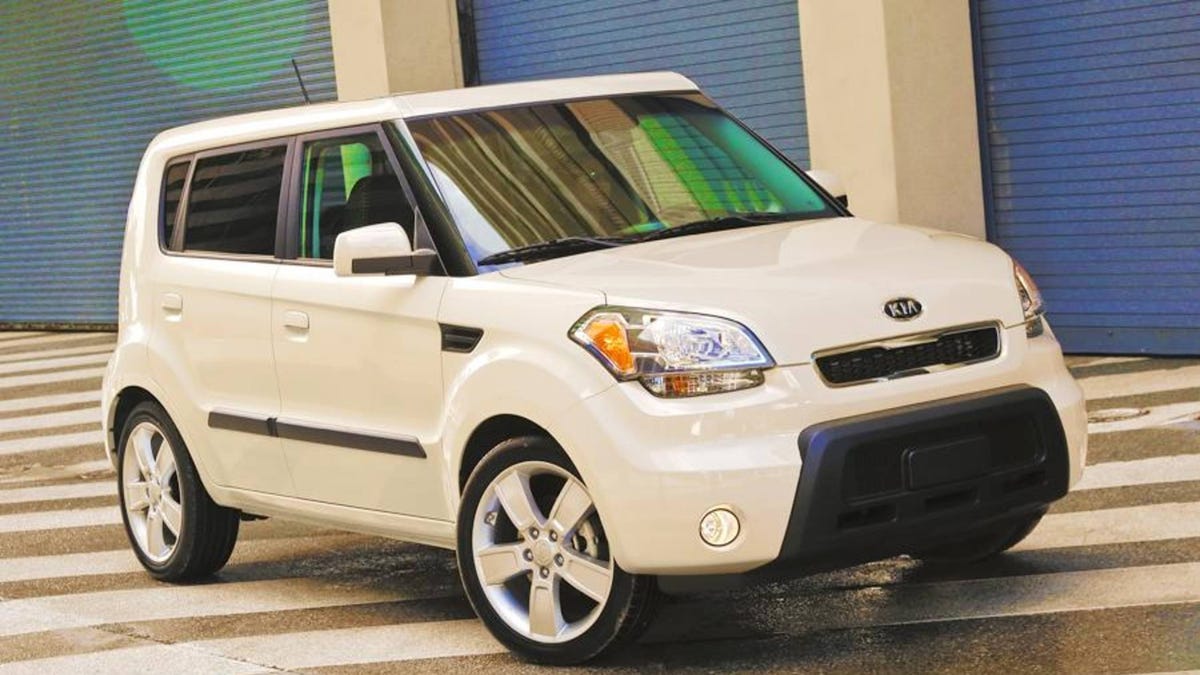
An electric successor is expected to carry some of its spirit. For now, a long-running favorite is leaving. The loss is more sentimental than financial.
Fans of the boxy shape will miss it most. Its cheerful design made it a cult favorite. Few budget cars ever had such personality. Used examples will keep it alive.
6. Subaru Legacy: down 85.5% to 2,206
The Legacy was Subaru’s last sedan in America. It ended after the 2025 model year. The remaining sales are stock clearing out. Subaru buyers want height and ground clearance.
The Outback and Forester deliver both. The Legacy was left behind. It was once the brand’s flagship. That history stretches back decades. Few mourned its end commercially.
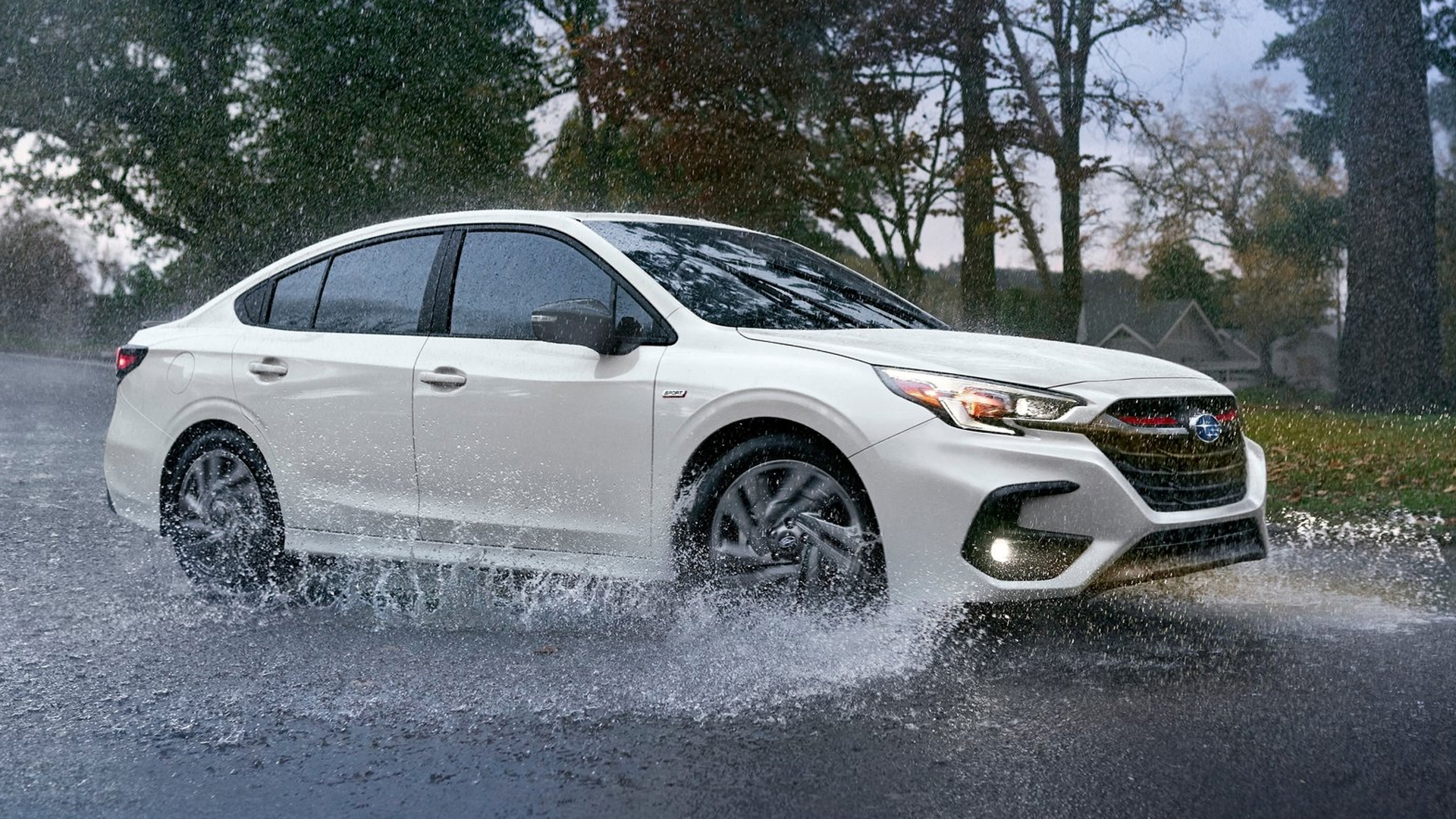
Subaru can now build more of its crossovers. That is the smarter profit play. The Legacy’s end was predictable. A sedan simply did not fit Subaru’s modern buyer. Sedan sales at Subaru had shrunk for years. Dealers wanted taller cars. The company followed its customers, as it should.
7. Hyundai Ioniq 6: down 83.8% to 1,345
The Ioniq 6 has a sleek, low shape. Its range and charging speed are strong. Its sales still fell off a cliff. The tax credit loss hit hard. Many buyers leased these cars at low monthly rates. When the incentive vanished, demand followed. The swoopy body also limits space. Americans prefer tall vehicles. A sedan EV is a hard sell here.
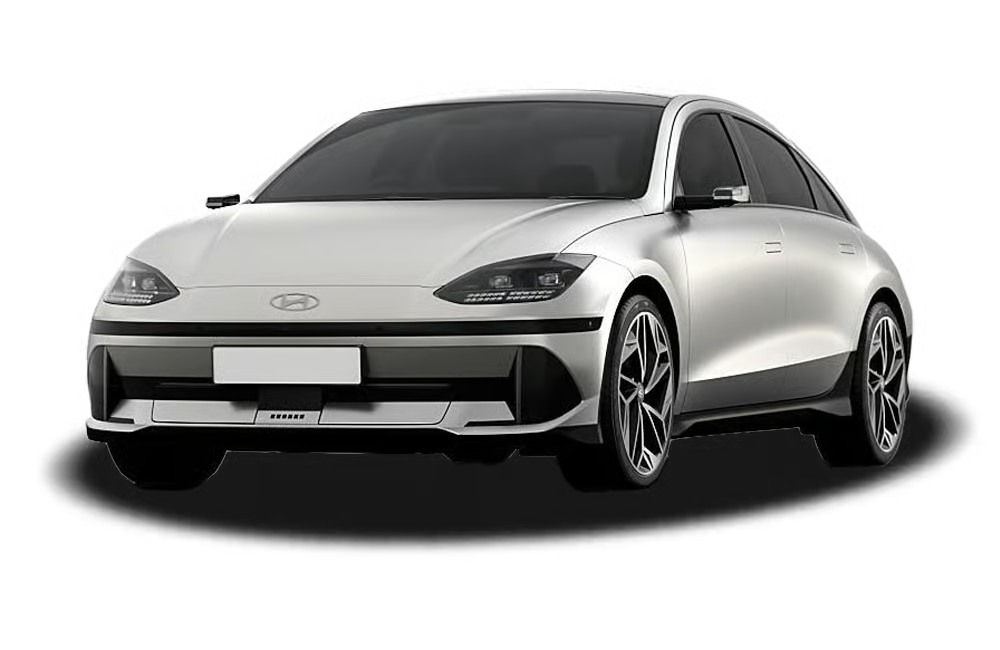
The Ioniq 6 is imported from Korea. That leaves it exposed to tariffs. It is an excellent car with unlucky timing. Its engineering deserved better than this market gave it. Hyundai still sells it worldwide. The US numbers show a policy problem, not a product problem. Cheaper leases would likely change the story.
8. Lexus LS: down 82.6% to 148
The LS launched the Lexus brand in 1989. It once defined Japanese luxury. Today it barely sells. Big luxury sedans have faded everywhere. SUVs ate that market.
Even a great flagship could not stop it. Lexus is stepping away from the old formula. Its newer concepts point toward a different kind of flagship. The current LS is a farewell.
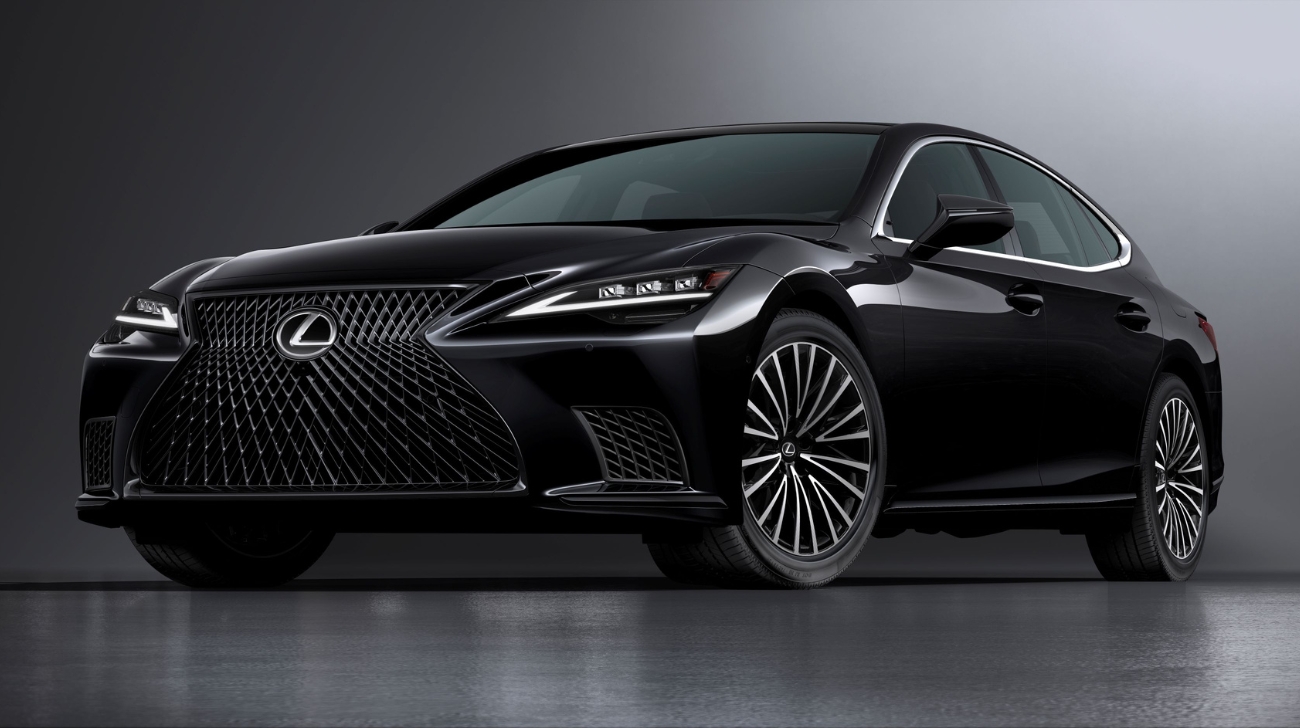
At 148 units, it is nearly a collector’s item. Few people buy these new anymore. The decline is deliberate and dignified. Lexus is letting a legend retire quietly. Younger luxury buyers look to SUVs and EVs. The old sedan formula no longer excites them. Lexus knows this well.
9. Acura TLX: down 79.7% to 1,102
The TLX was Acura’s mainstream sport sedan. It aged badly. Production ended with the 2025 model year. Sedans have lost ground at every luxury brand.
Acura buyers moved to the MDX and RDX. The TLX lost its purpose. The Type S version still earned praise. Its turbo V6 was a highlight. It was too small a niche to save the line.
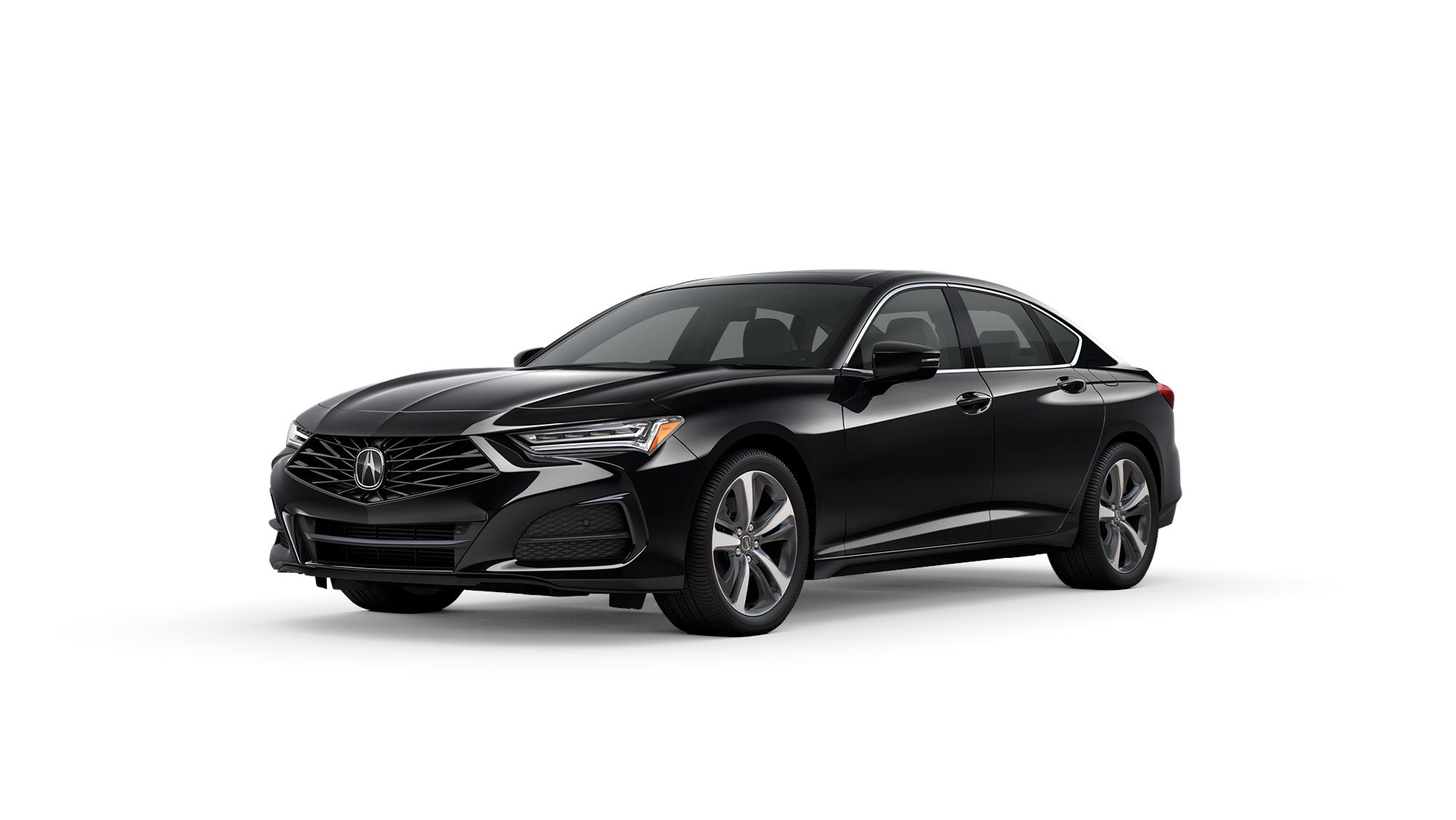
Acura has hinted at a future performance sedan. Nothing is confirmed. For now, the TLX is finished. Its fade is typical of the whole luxury sedan class. Honda’s luxury arm now relies on SUVs for volume. The MDX carries most of the weight. Sedans are now a side story.
10. Lexus RC: down 75.8% to 238
The RC is a coupe in a world without coupes. Lexus ended it after the 2025 model year. The remaining sales are old stock. The RC F was the real prize.
Its naturally aspirated V8 sounded wonderful. It deserved a better send-off than slow sales. Coupe buyers are scarce now. Lexus sees more value in SUVs. That is simple arithmetic.
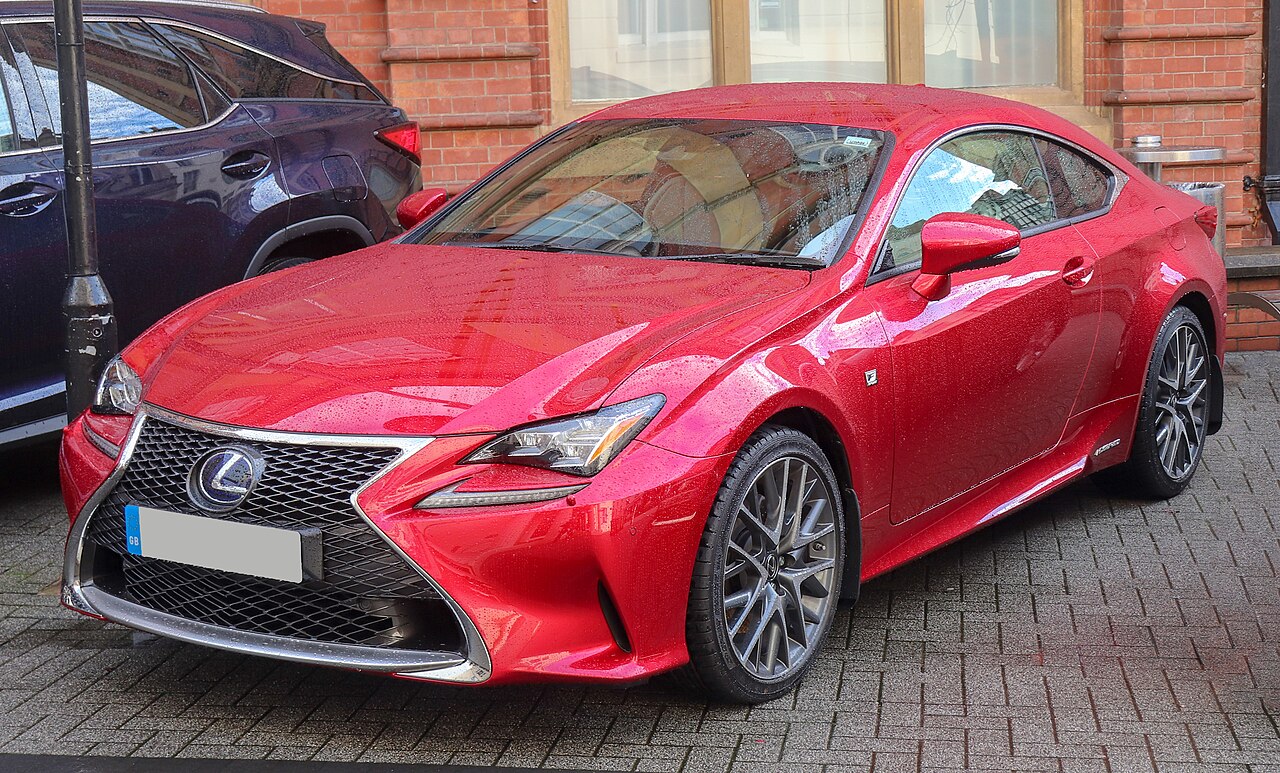
Enthusiasts will remember it fondly. The market did not agree. This is a deliberate fade-out. The sound of that V8 will outlive the sales numbers. Few coupes survive in the current market. Lexus kept this one longer than most. That loyalty to enthusiasts deserves credit.
11. Ford Escape: down 73.4% to 28,182
The Escape is being retired. Ford’s Louisville plant is being retooled for a new electric pickup. The sales drop is the wind-down. It was a core volume model for years. Ford sold hundreds of thousands in good years.
Now the line is running dry. The Bronco Sport and Maverick cover similar ground. They are fresher and more distinctive. Ford wants buyers to move there.
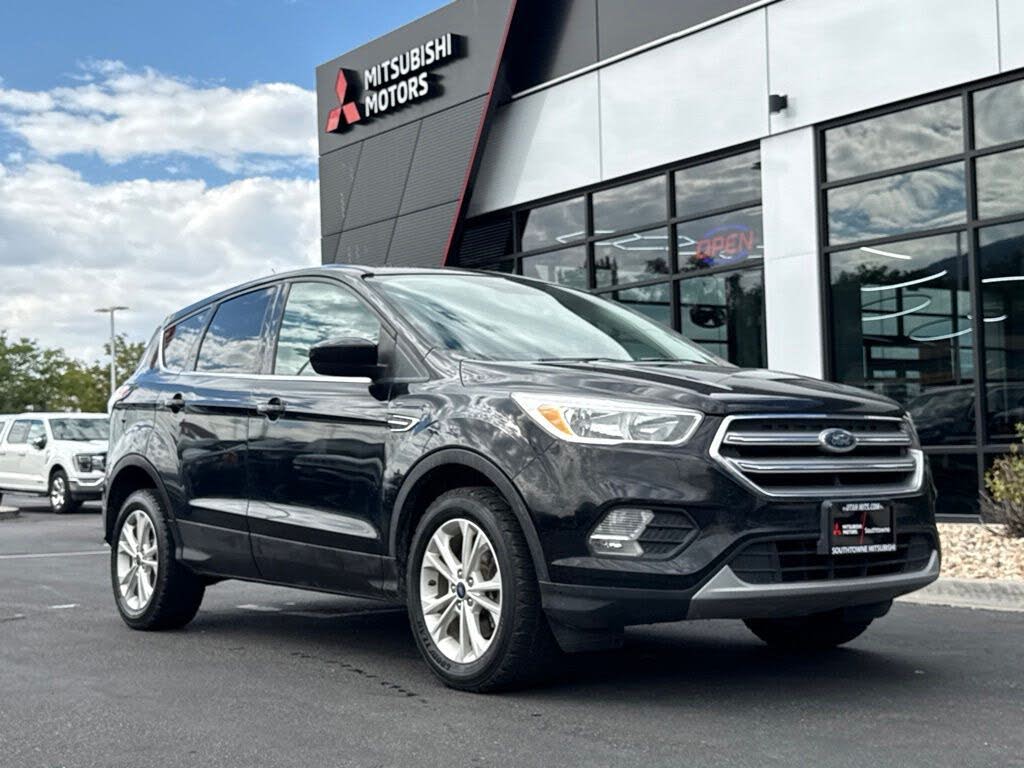
Even so, 28,000 sales is still large. Few “dead” cars sell that many. The Escape is fading gently, not abruptly. Ford is trading a familiar volume seller for a bet on electric trucks. Ford also saves money by cutting overlap. Louisville’s retool is a big and costly project. Buyers will notice the missing Escape badge.
12. Lexus ES: down 72.7% to 7,256
The ES is a changeover case. Lexus introduced an all-new generation. The old car’s stock dried up first. The new ES brings hybrid and electric power. That is a big shift from the old formula.
Dealers had few cars to sell in between. Gaps like this are common during generation changes. Buyers wait for the new one. Sales look weak until supply catches up.
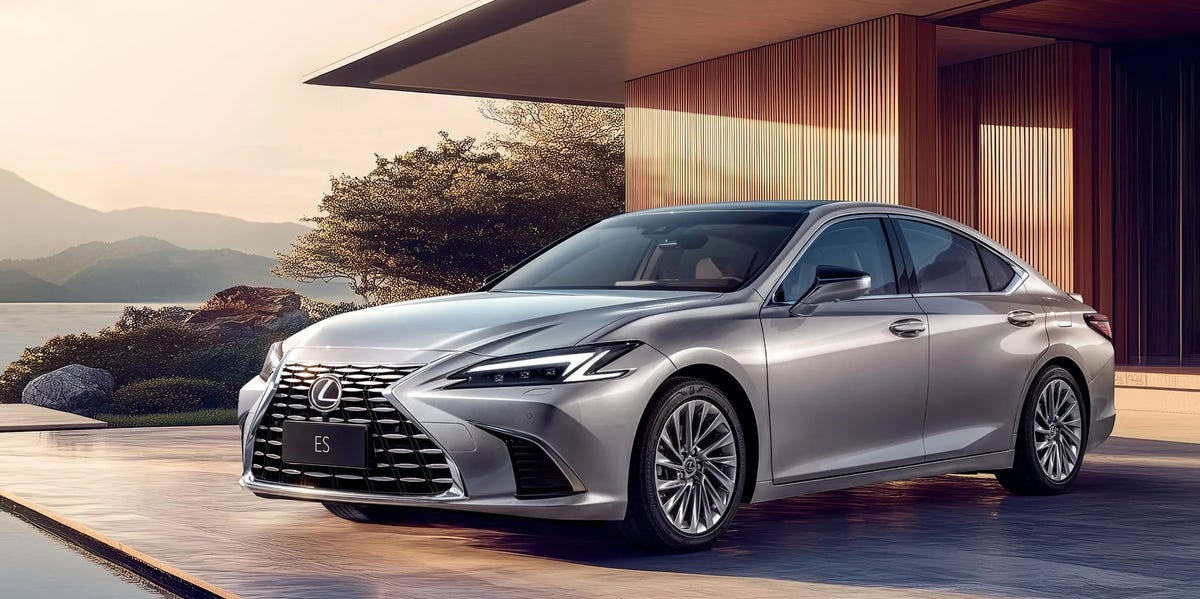
The ES has been a quiet Lexus bestseller for decades. Expect a recovery once the new model ships in volume. This is a pause, not a collapse. Read the percentage with caution here. Check the new model’s arrival date before judging this number. Sales usually jump once showrooms fill again. Lexus loyalists tend to wait.
13. Honda Prologue: down 63.3% to 11,749
The Prologue is Honda’s first big EV for America. General Motors builds it. It sold well while incentives were generous. The tax credit ended and demand cooled. Leases had been the main appeal.
Without them, the price looked steep. Competition is intense. The Chevrolet Equinox EV, its platform twin, undercuts it in some trims. Hyundai and Kia also offer strong rivals.
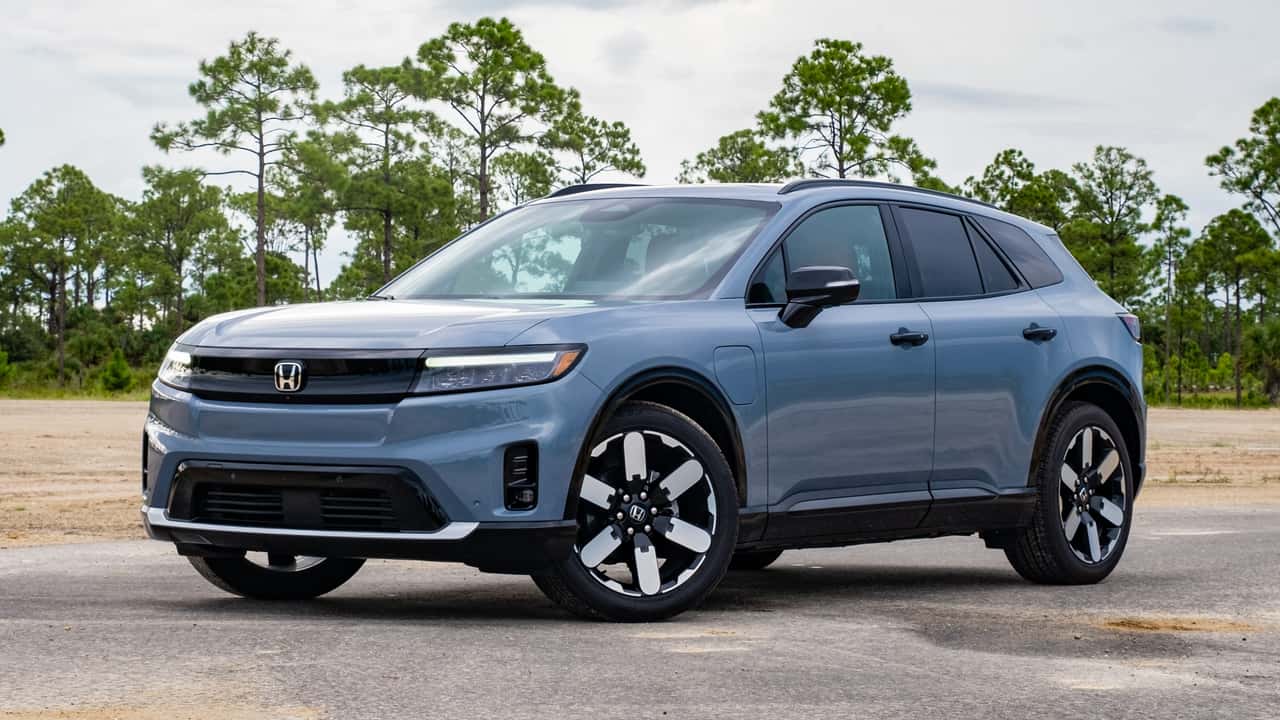
Honda has pivoted toward hybrids. That is where its buyers are heading. The Prologue is a casualty of that swing. Even so, nearly 12,000 sales are far from a failure. Honda leaders admit EV demand is slower than hoped. They are leaning on hybrids to fill the gap. That strategy looks sensible.
14. Ford Mustang Mach-E: down 54.9% to 15,484
The Mach-E was Ford’s EV pioneer. It carried the Mustang badge and won good reviews. Its sales have now fallen by more than half. Cheaper rivals arrived. Tesla also cut prices repeatedly.
The incentives that fueled early sales are gone. Ford itself has changed course. It pulled back on some EV plans. A cheaper electric pickup is its next big bet.
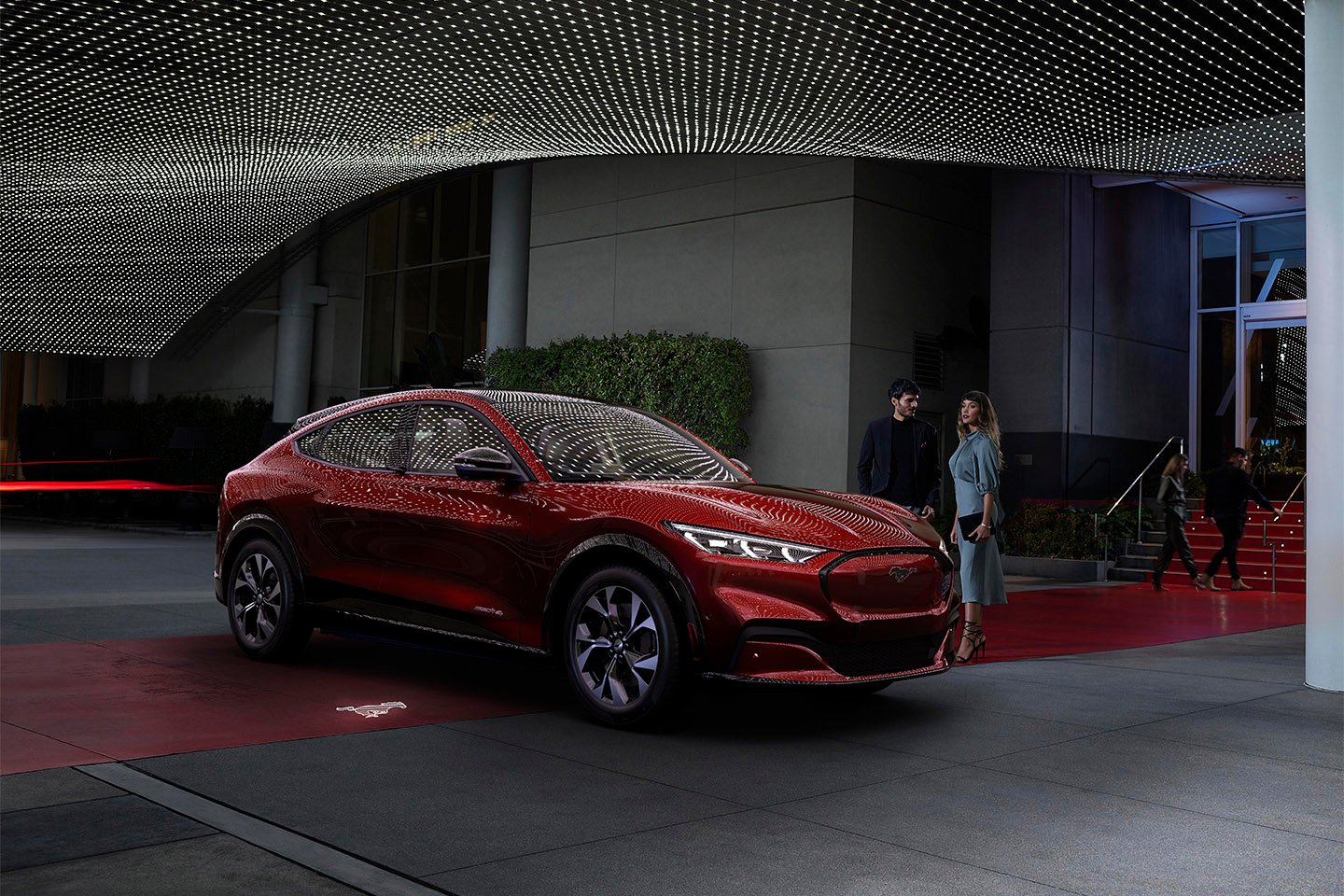
The Mach-E remains a good car. Its market just got harder. Expect modest volume ahead. It still sells in the five figures, which few EVs manage. Ford’s EV division has lost heavy money. That pressure explains the careful new approach. A smaller, cheaper product is coming.
15. Genesis GV60: down 53.0% to 712
The GV60 is Genesis’s compact luxury EV. It is stylish and charges quickly. Few people are buying it. Luxury EVs lean heavily on leasing. Those deals shrank. A small brand like Genesis feels that sharply. At 712 units, the volume is tiny. The brand sells far more gas SUVs. The GV70 carries the line.
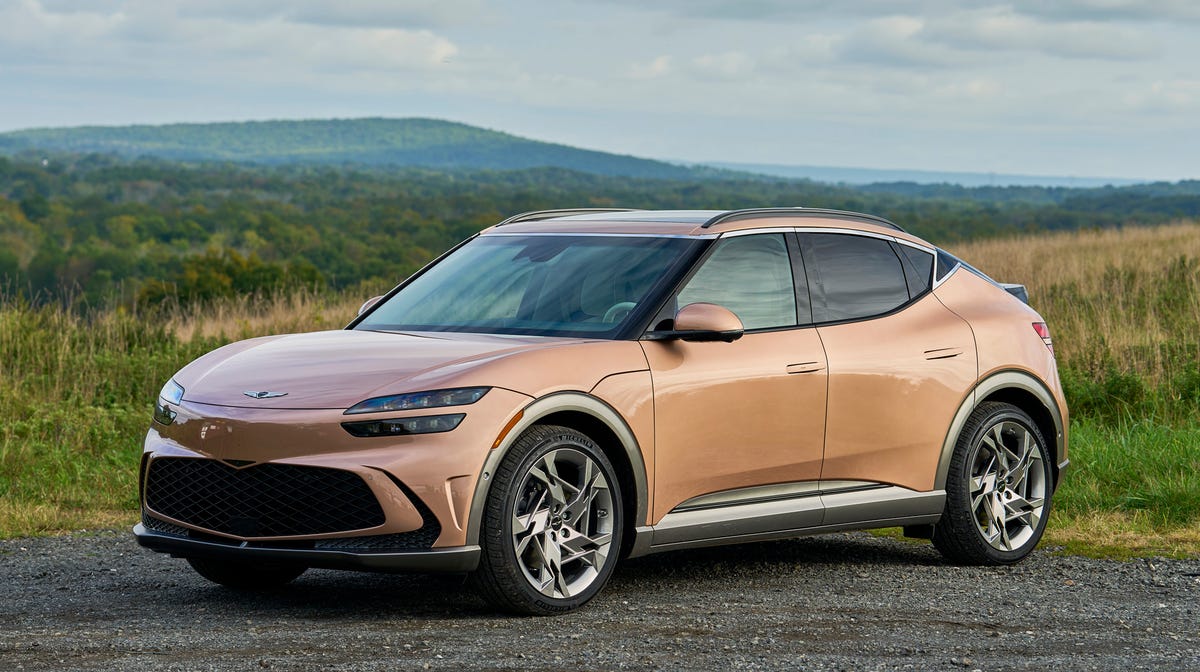
Genesis is still growing. The GV60 is a niche play. Its drop looks big mostly because the base was small. A few hundred fewer buyers can swing the percentage wildly. Genesis buyers love design and value. The GV60 has plenty of both. It simply needs a friendlier incentive environment.
16. Lincoln Corsair: down 52.4% to 8,414
The Corsair shares a plant with the Escape. Both are built in Louisville. That plant is being retooled. Production disruption explains much of the fall. Fewer cars were built. Fewer cars were sold. Lincoln’s lineup is small to begin with. The Corsair had been a steady seller. Its plug-in hybrid version adds appeal.
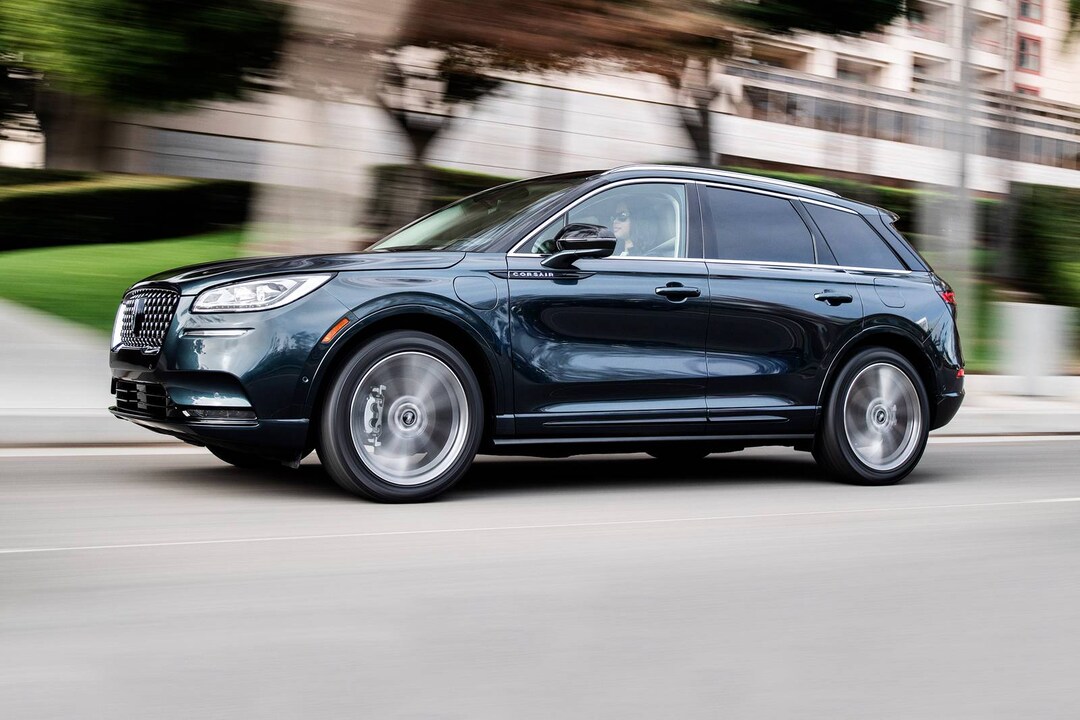
Its future is tied to Ford’s plan for the plant. Details remain unclear. The drop looks more like supply than demand. Buyers did not leave Lincoln so much as run out of cars. Lincoln customers tend to be loyal. Many will wait for production to normalize. A rebound is plausible once the plant settles.
17. Subaru Impreza: down 43.0% to 11,396
The Impreza is Subaru’s small hatchback. It sells well below the Crosstrek. Subaru buyers prefer higher ride heights. The Impreza is built in Japan. Tariffs add cost. A budget car loses its edge when its price climbs. The Crosstrek shares much of its hardware. It sells far more. The Impreza is the overlooked sibling.
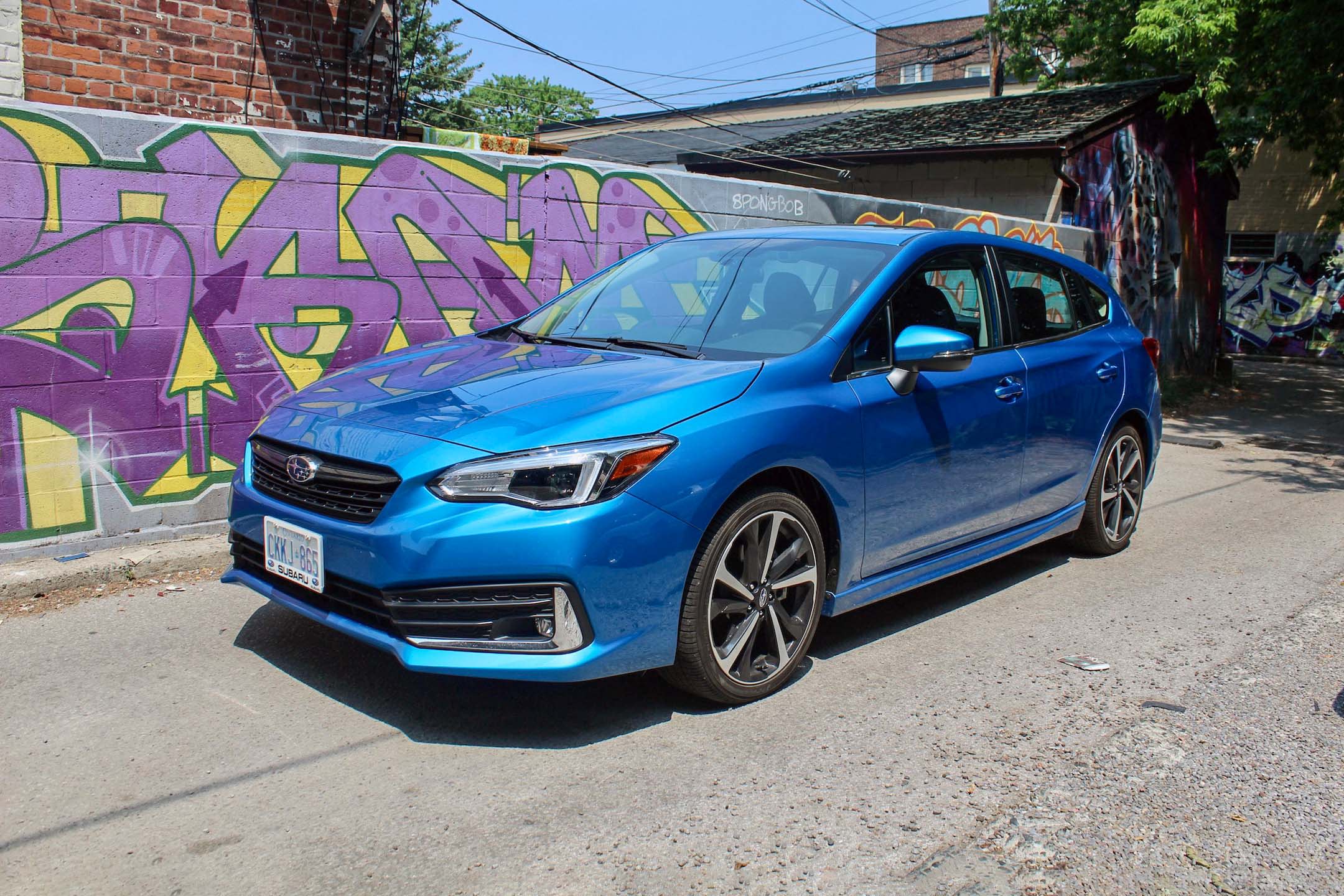
Subaru may keep it as an entry point. It is not a priority. A slow slide is likely. Cheap cars suffer first when import costs rise. Hatchbacks are an acquired taste in America. Subaru understands that and builds accordingly. The Impreza matters mostly as a price leader.
18. Subaru Solterra: down 42.6% to 5,472
The Solterra is Subaru’s first full EV. It was developed with Toyota. Early reviews were mixed. Subaru updated it for the new model year. Range and charging improved. The late fix did not stop the fall. The tax credit loss hurt it too. Many buyers had leased. That market has dried up.
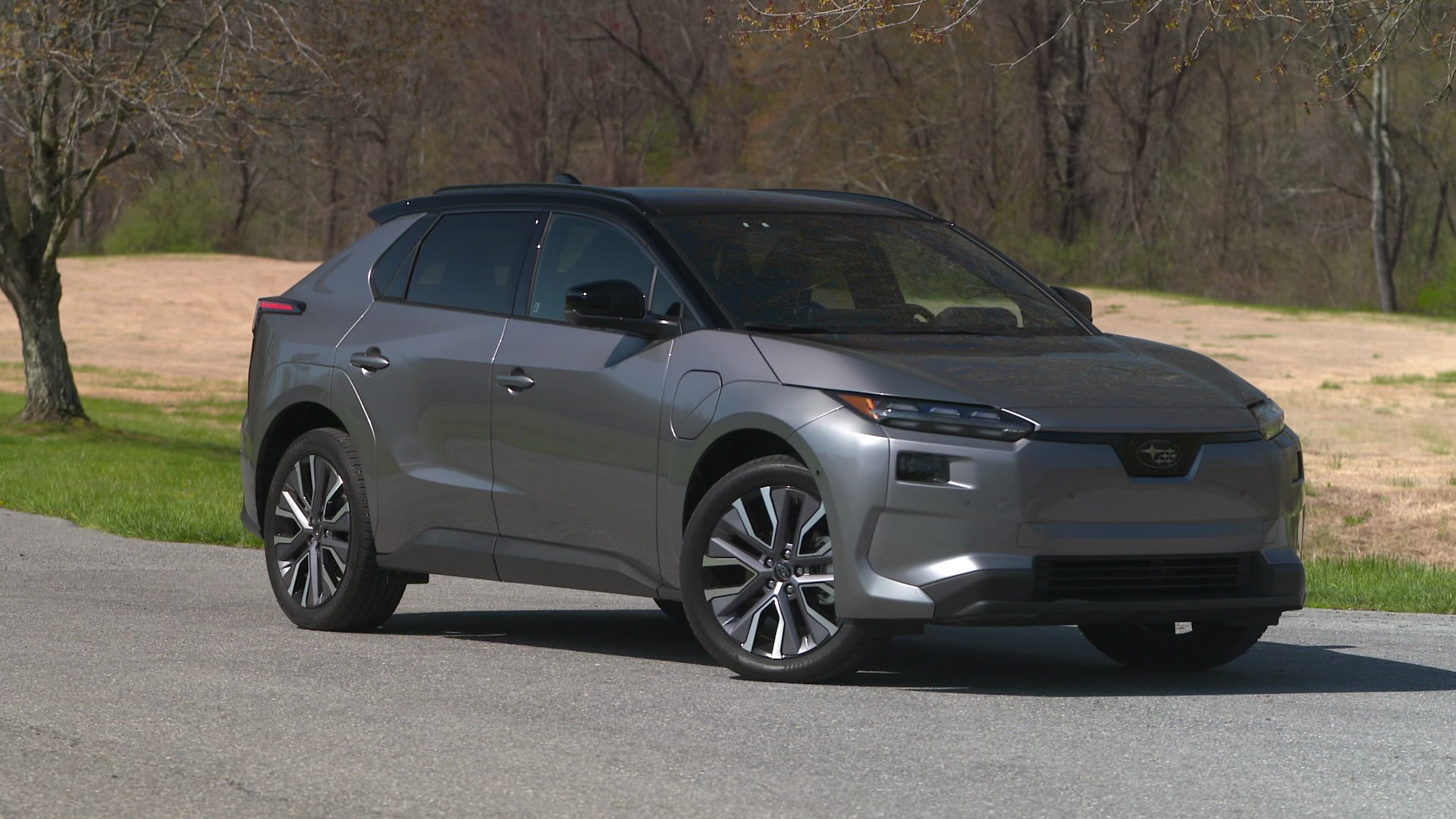
Subaru’s identity is practical, not electric. Its buyers still prefer gas and hybrid models. The Solterra is a side project. Subaru’s core fans simply are not asking for EVs yet. Toyota’s twin, the bZ, faces the same headwinds. Neither brand got the volume it hoped for. Partnership cannot beat policy.
19. Toyota Prius: down 39.4% to 26,054
The Prius dropped after a strong start. The fifth generation launched with great fanfare. Its sharp design won new buyers. That early rush faded. Hybrids now fill Toyota’s whole lineup. The Prius is no longer the only choice. The RAV4 Hybrid and Camry steal sales. They are easier to live with. Many buyers want a normal-looking car.
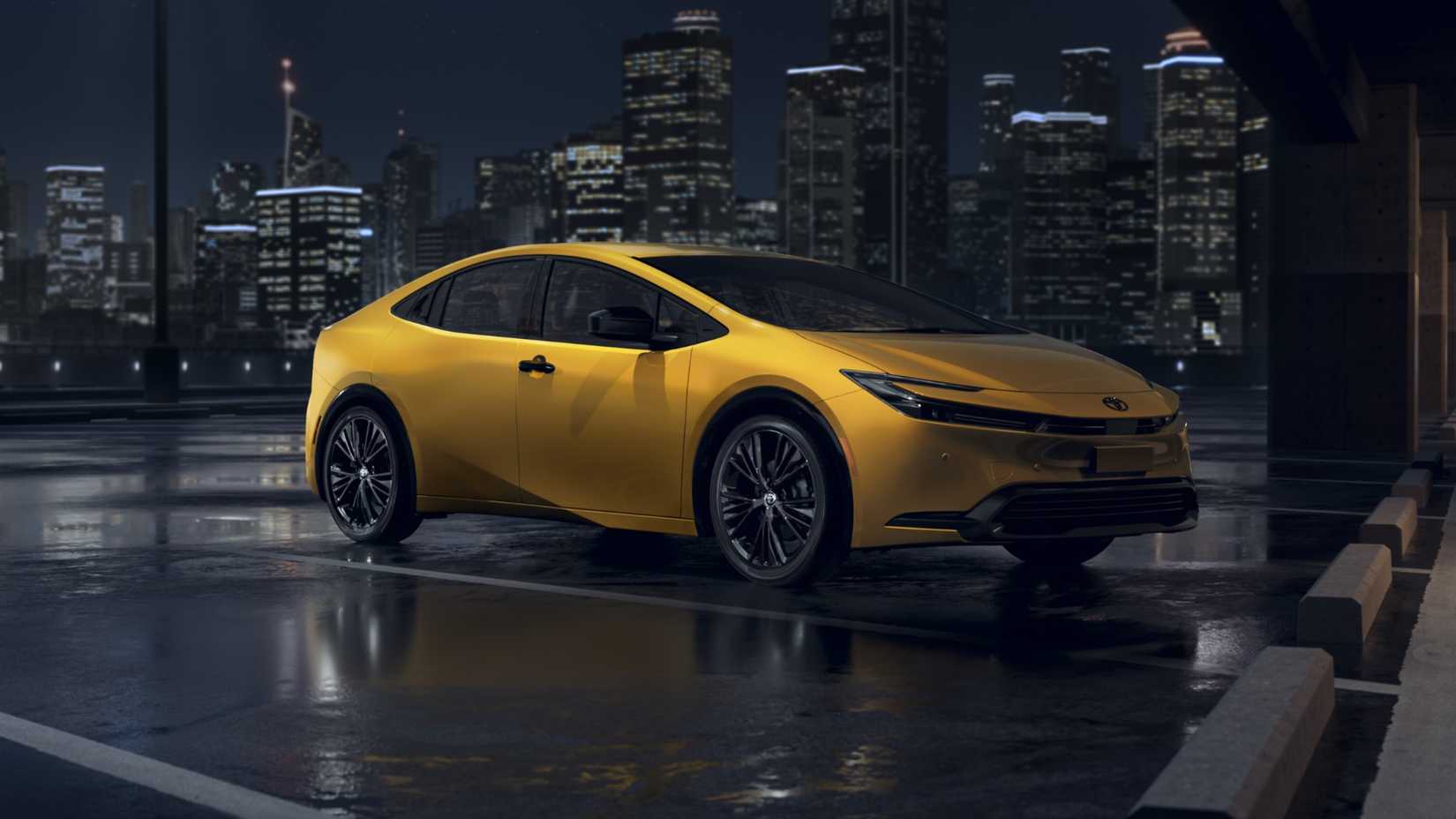
Still, 26,000 sales is healthy. This is a normalizing drop. No crisis is hiding here. The Prius is a victim of its own success across the Toyota range. The Prius also lost its status as a fashion statement. Hybrid tech is common now. That is a victory, not a loss.
20. Kia EV6: down 39.4% to 5,429
The EV6 is a fast and handsome electric crossover. Critics loved it. Sales still slid. Kia’s EV9 and EV3 now take the attention. The EV6 is older. Its tax advantages vanished. It is imported from Korea. Tariffs squeeze pricing. Kia cannot easily cut prices to compensate.
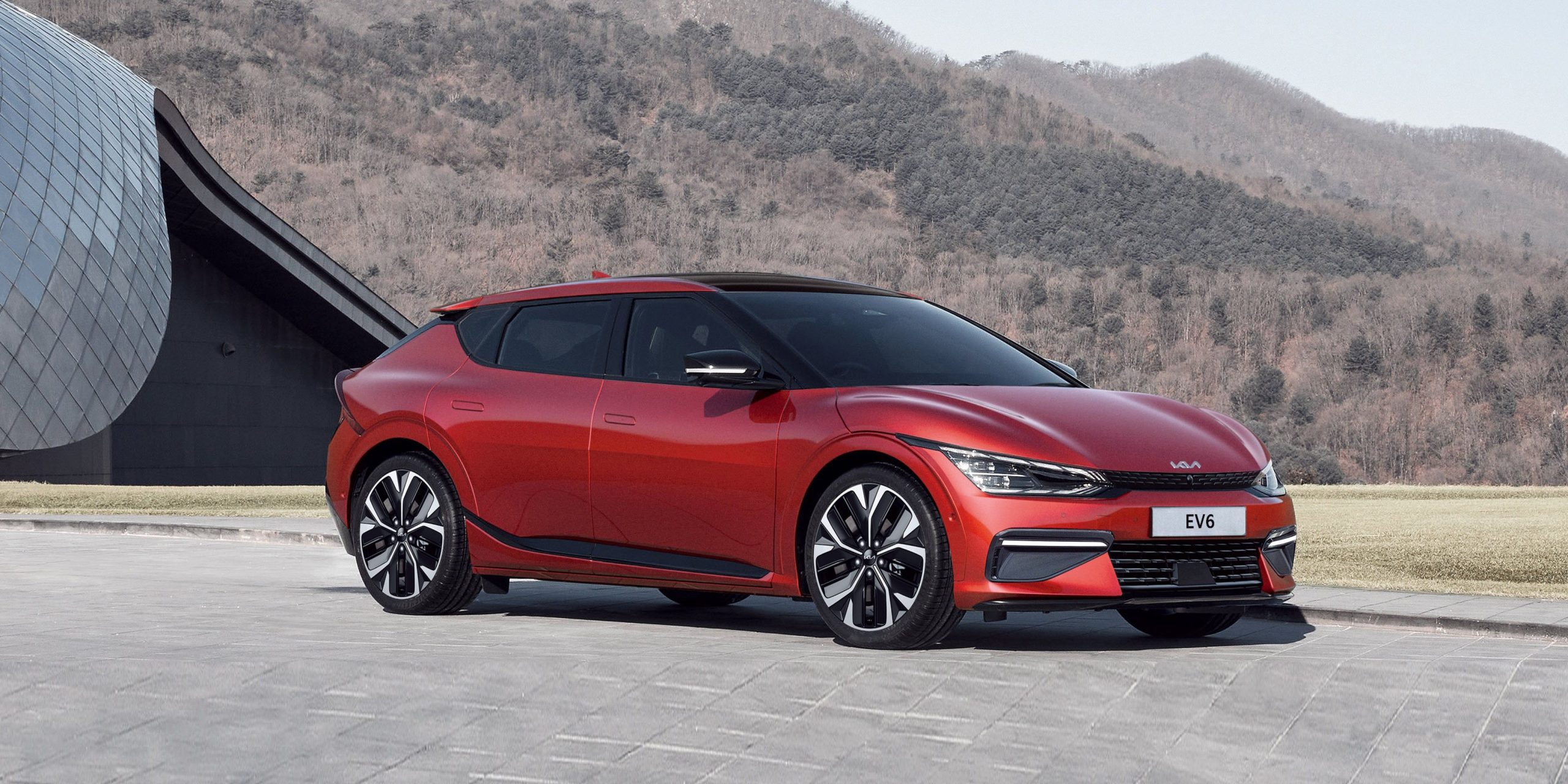
The brand still sells plenty of gas models. EVs are a smaller share. The EV6 mirrors the wider market slump. A refresh could help, but demand for EVs must recover first.
Reviewers still rate the EV6 among the best EVs. Its charging speed remains class-leading. Great engineering cannot offset a weak incentive climate.
21. Toyota RAV4: down 31.7% to 219,472
The RAV4 is America’s best-selling non-pickup. A drop this size is huge in raw volume. Yet the cause is mostly timing. An all-new generation is arriving.
Toyota is moving the lineup toward hybrids. Old stock ran down during the changeover. Supply gaps like this are normal. Buyers wait for the new design. Dealers cannot sell what they lack.
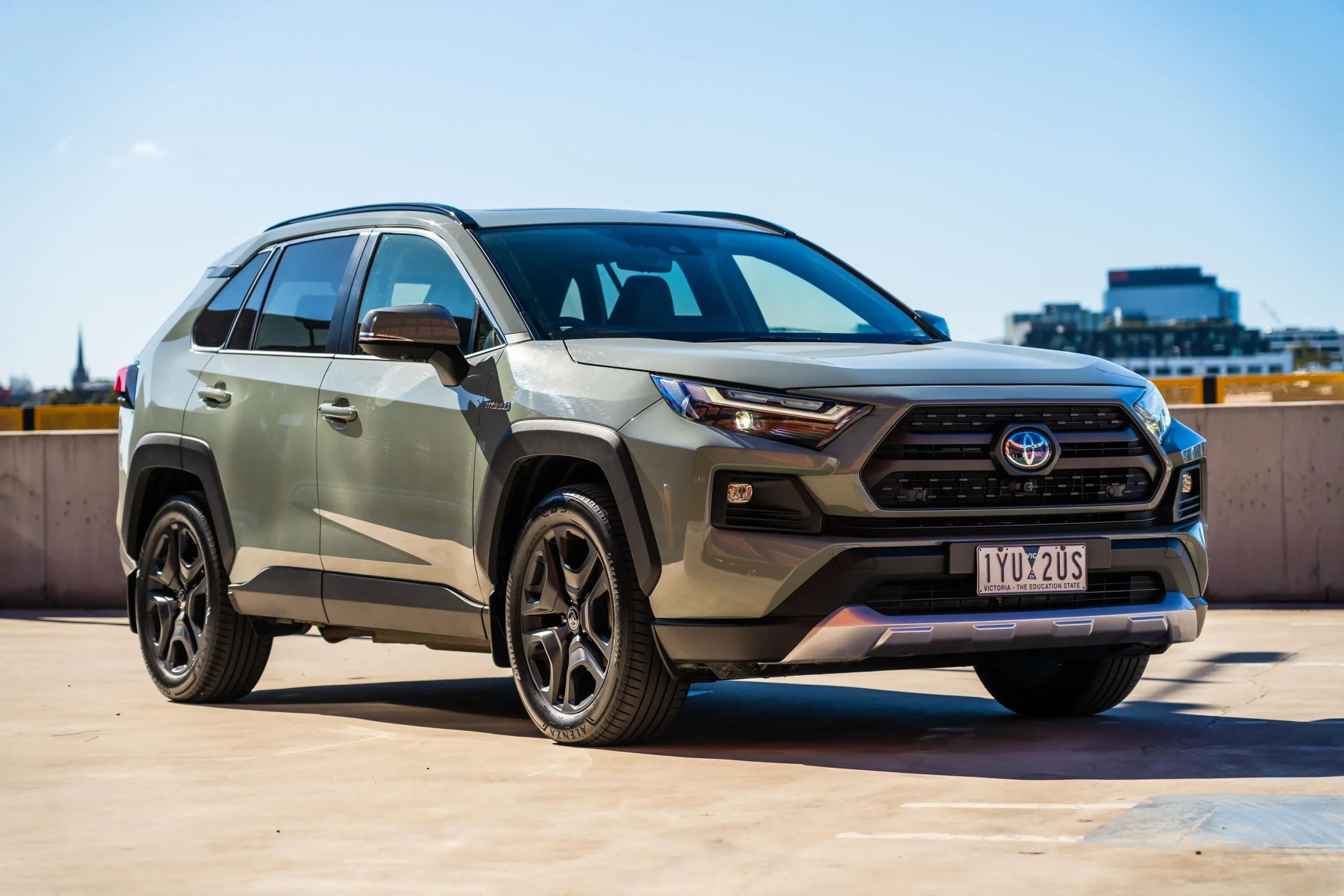
Even at 219,000, the RAV4 outsells most rivals. Expect it to rebound. This is the least worrying drop on the list. Toyota will likely recover most of this volume next year. Hybrid demand keeps Toyota’s showrooms busy. The new model should answer that appetite. Watch next year’s figures closely.
22. Toyota GR86: down 30.5% to 5,182
The GR86 is a small rear-drive sports coupe. Subaru builds it in Japan. Tariffs added to its cost. It was always a niche car. Enthusiasts adore it. Few others buy one. Price rises hurt a budget sports car most. Buyers compare it with used alternatives. The value case got weaker.
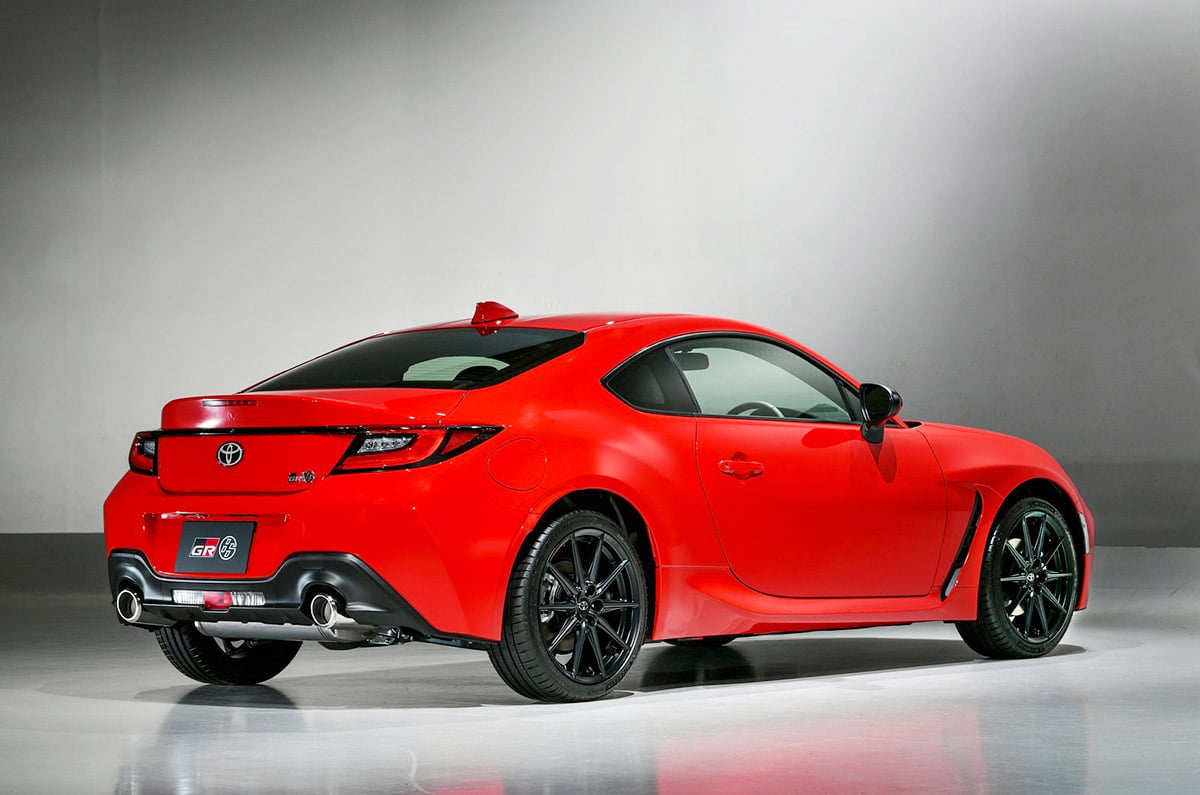
Its twin, the Subaru BRZ, faces the same problem. Neither sells in large numbers. The GR86 remains a passion project. Toyota keeps it for brand image, not for profit. Cheap fun is hard to build under tariffs. Used examples and the Mazda Miata compete strongly. Few drivers will mind the low volume.
23. Mazda CX-30: down 30.1% to 30,680
The CX-30 is Mazda’s small crossover. It sells decently but is aging. Its drop reflects tariffs and competition. Mazda builds it overseas. Import costs raised its price. Small SUVs are a price-sensitive segment. The CX-5 is Mazda’s real hero. It sells in much larger numbers. The CX-30 lives in its shadow.
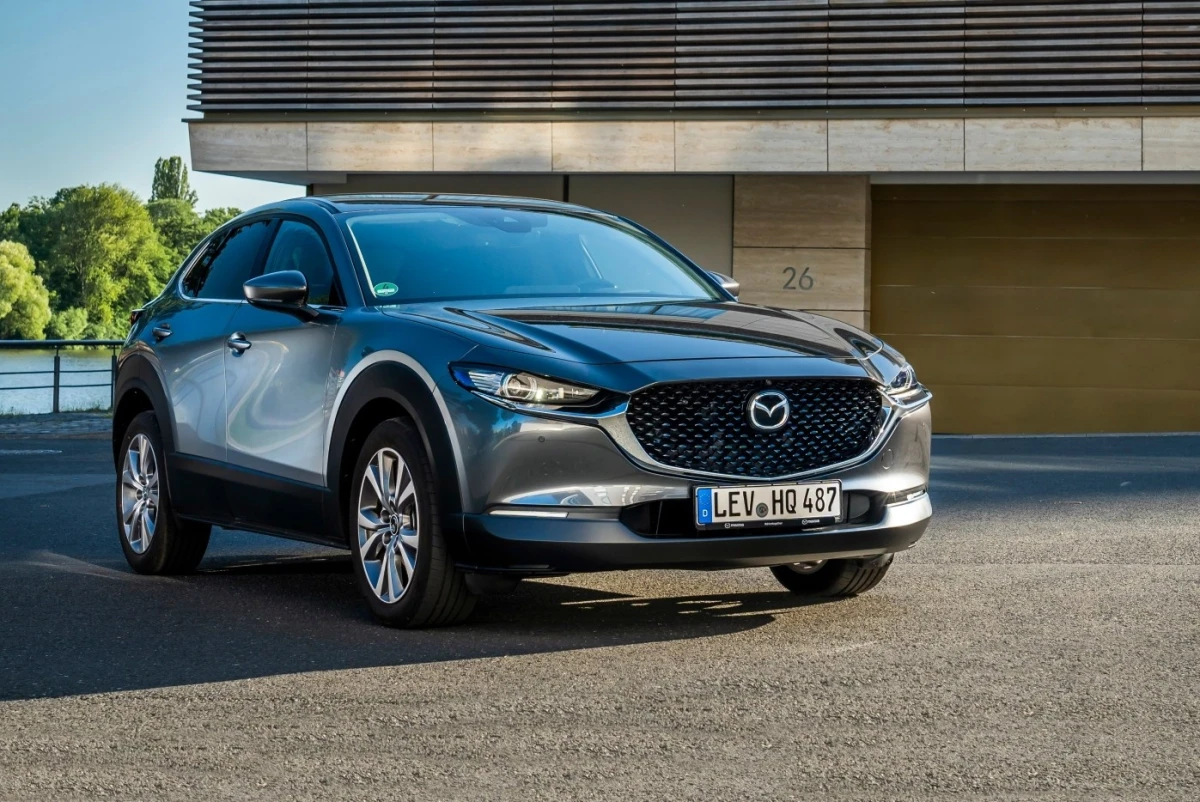
Buyers may also be waiting for refreshed models. That delays purchases. The decline looks temporary. Thirty thousand sales still make it a solid contributor. Mazda’s compact crossover remains stylish inside. Its turbo option gives it character. A price cut or refresh would help.
24. Hyundai Santa Cruz: down 30.0% to 13,191
The Santa Cruz is a small pickup on a car platform. It is built in Alabama. It never became a mass hit. Its novelty wore off. Sales spiked at launch and then cooled. The Ford Maverick outsells it easily. Hyundai likely keeps it for variety. It adds a distinct option to the lineup. Volume stays modest.
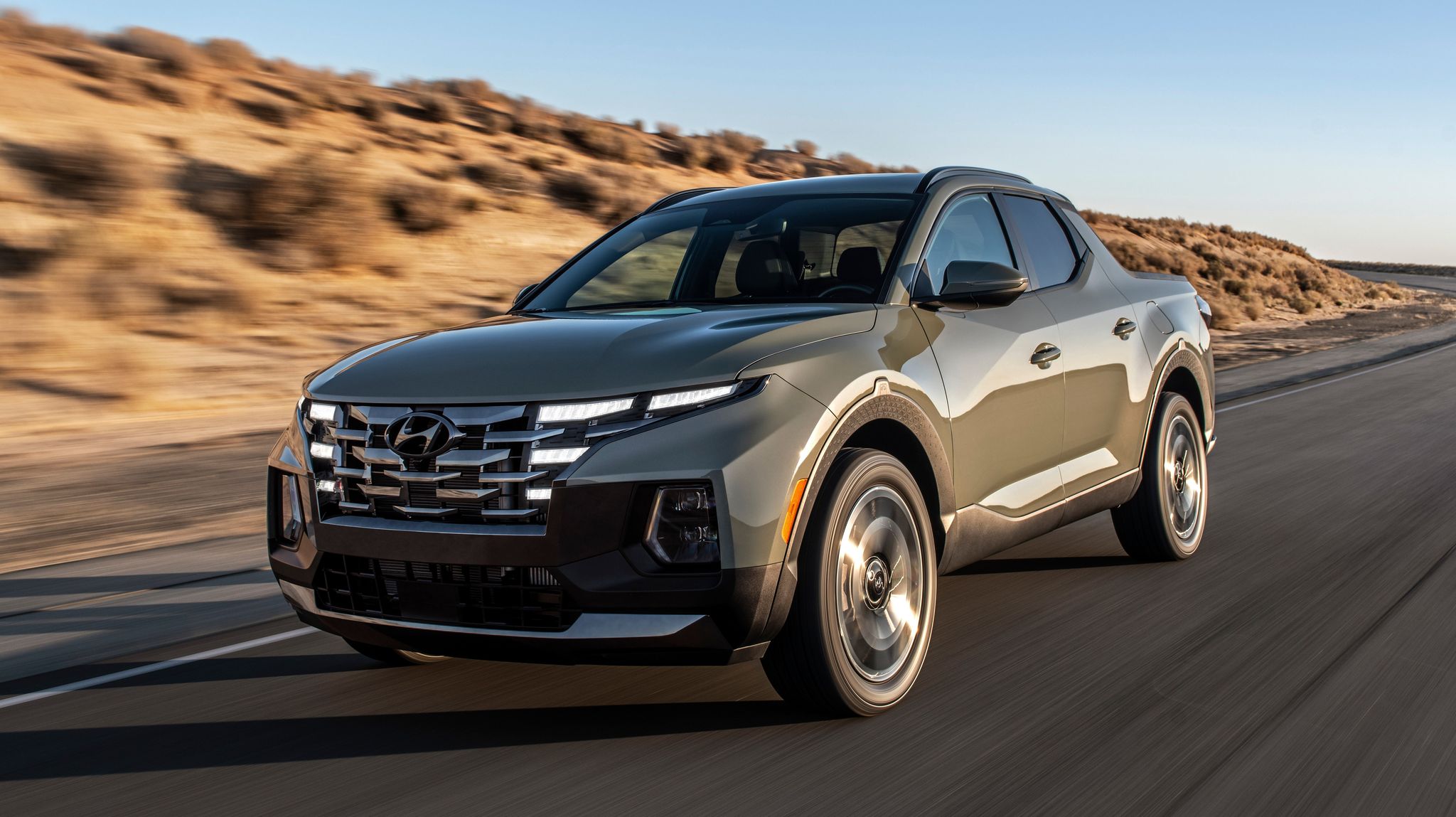
Buyers in this segment shop on price. The Maverick wins that fight. The Santa Cruz is stuck in second place. Being built in America at least shields it from import tariffs. Hyundai also faces fresh competition from small hybrid pickups. The segment is getting crowded. Standing out gets harder each year.
25. Toyota Land Cruiser: down 28.5% to 23,582
The new Land Cruiser launched with huge excitement. Its retro style hit a nerve. That first surge is hard to repeat. Prices rose as well. Dealer markups were common early on. Some buyers lost interest. It still sells well for a premium off-roader. Twenty-three thousand is solid. The drop reflects a normal cooling.
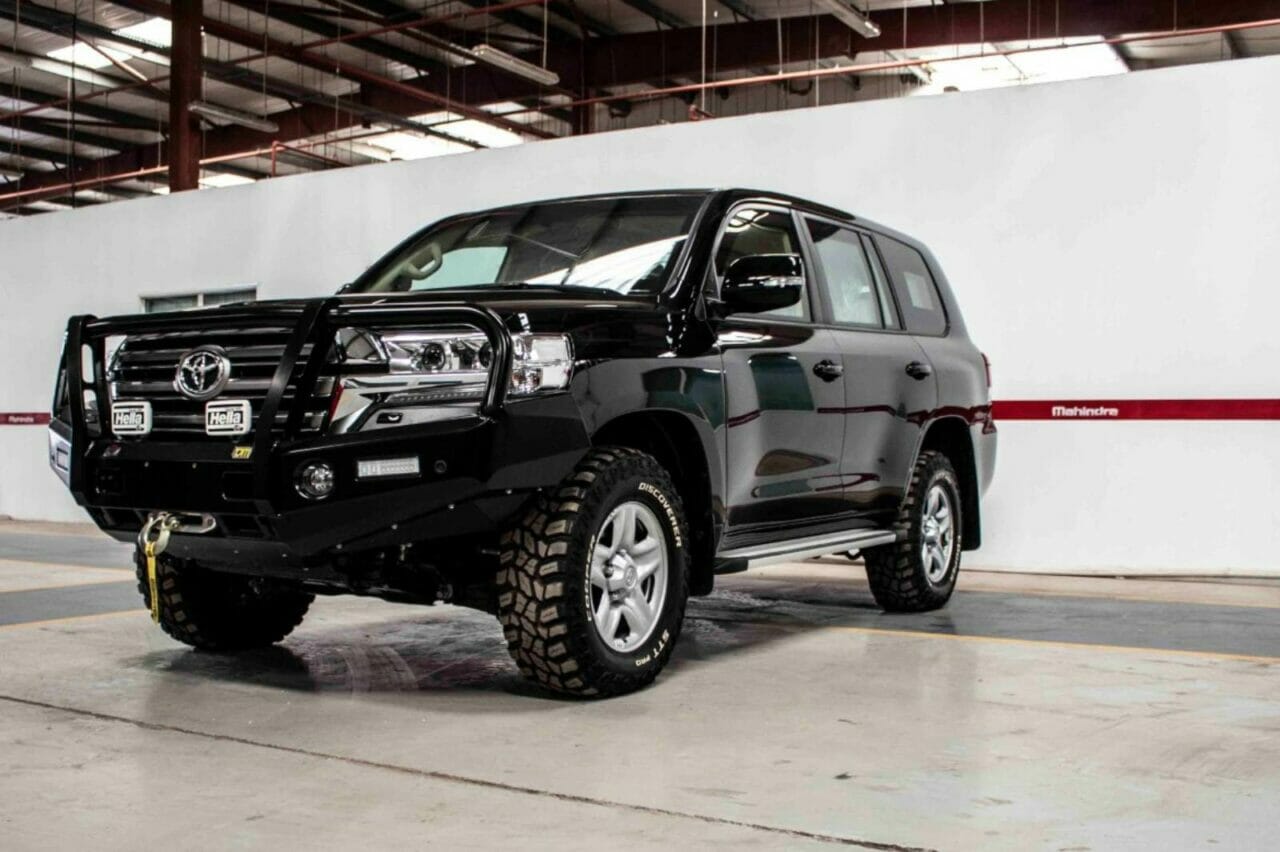
Fan demand remains strong. Waiting lists once existed. Now supply has caught up. The Land Cruiser is a healthy model returning to earth. Toyota keeps the lineup tightly supplied on purpose. That protects resale values. Scarcity is part of its charm.
26. Mazda CX-70: down 27.7% to 8,390
The CX-70 is the two-row sibling of the CX-90. It launched only recently. Early sales leaned on novelty. Mazda builds it in Japan. Tariffs raised costs.
The price gap with rivals narrowed. It competes with strong alternatives. Many buyers choose the CX-90 for the extra space. The CX-70 serves a smaller group.
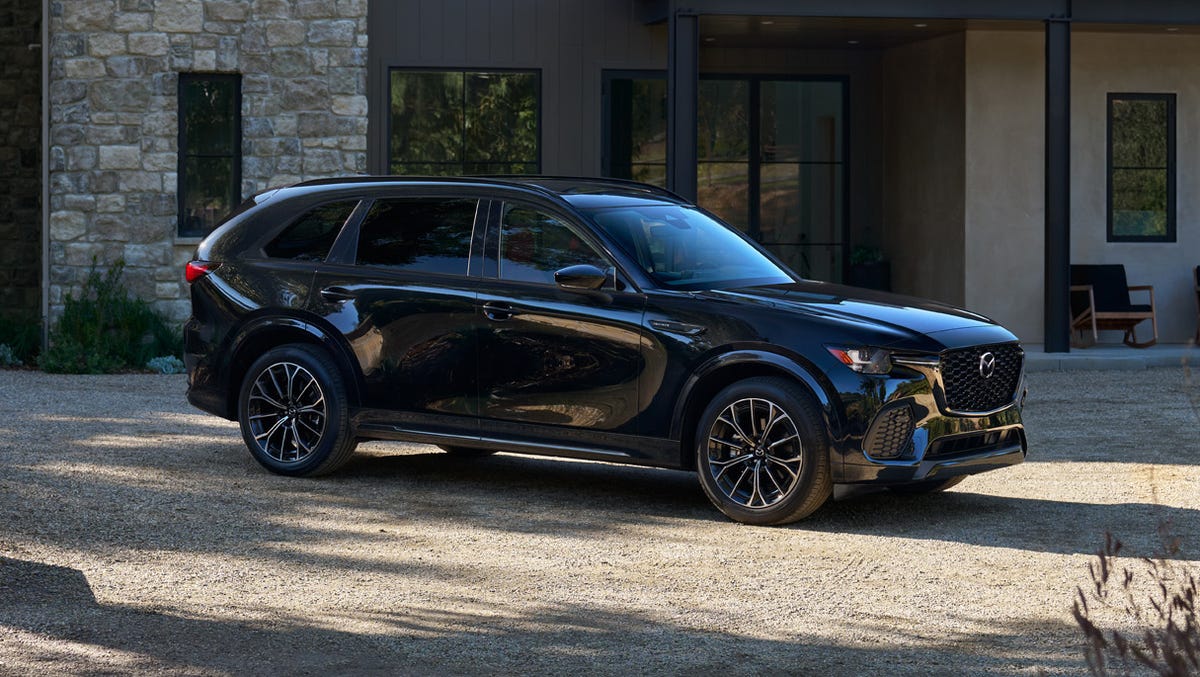
Mazda positioned both models as upscale. That raises expectations. The brand is still learning to sell at this level. The CX-70 will likely stay a niche player. Two-row luxury crossovers are a crowded space. Mazda needs sharper pricing to stand out. Time will tell if it works.
27. Mazda CX-90: down 27.0% to 30,367
The CX-90 is Mazda’s flagship three-row SUV. It earned praise for its driving feel. Sales now sit lower. Tariffs and pricing both matter. Higher costs push buyers toward rivals.
Hyundai and Kia offer more space for less money. The CX-90 depends on a premium image. That is harder to defend in a tough market. Still, 30,000 sales is respectable.
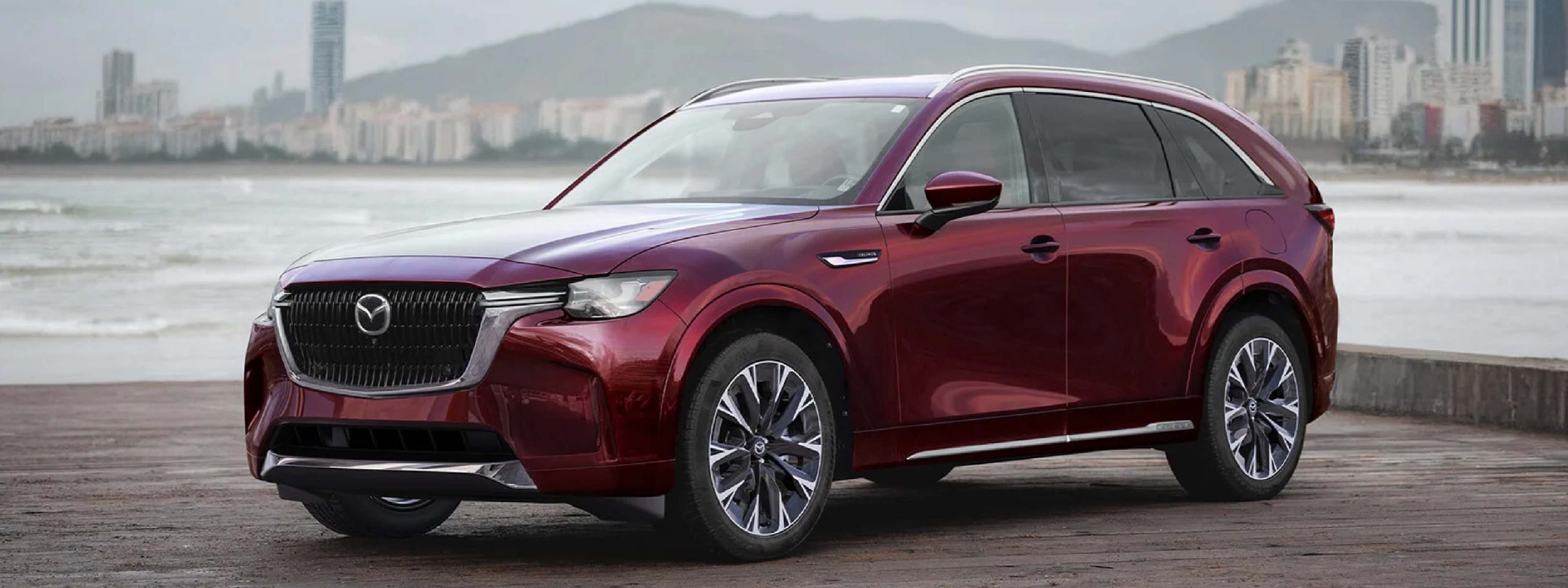
Mazda’s gamble is clear. It wants to move upmarket. Results so far are mixed. Its plug-in hybrid version gives it a useful point of difference. The three-row segment is brutally competitive. Rivals offer more space and lower prices. Mazda must keep proving its value.
28. Acura RDX: down 25.9% to 17,350
The RDX is Acura’s compact luxury SUV. It is aging in a hot segment. Its sales fall with it. Competitors have been refreshed. The Lexus NX and BMW X3 feel newer. The RDX looks dated by comparison. Acura has lost momentum across its lineup. The brand is waiting for new products. The RDX sits in that gap.
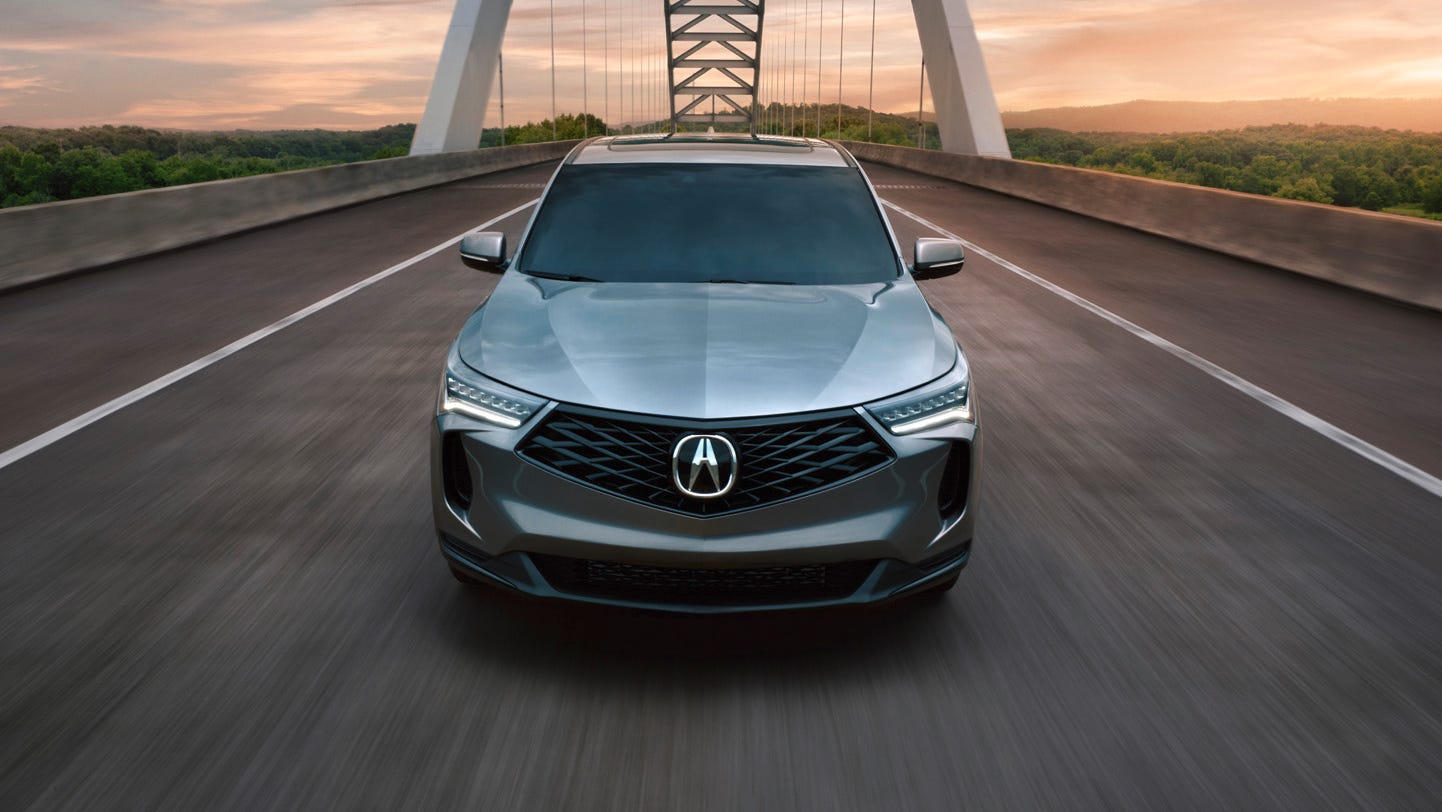
A redesign would help. Honda has not confirmed the plans. Until then, expect more softness. Seventeen thousand sales still keep it among Acura’s top sellers. Acura’s engineers know the car needs a fresh design. Until it arrives, rivals will keep winning. Loyal owners still buy it.
29. Lexus GX: down 20.0% to 20,505
The GX is the mildest drop here. It launched a fresh generation just before this period. That surge makes this year look weaker. It is a rugged luxury SUV with real off-road skill. Its fans are loyal. It sells steadily. Prices have risen too. That trimmed some demand. But supply is healthy.
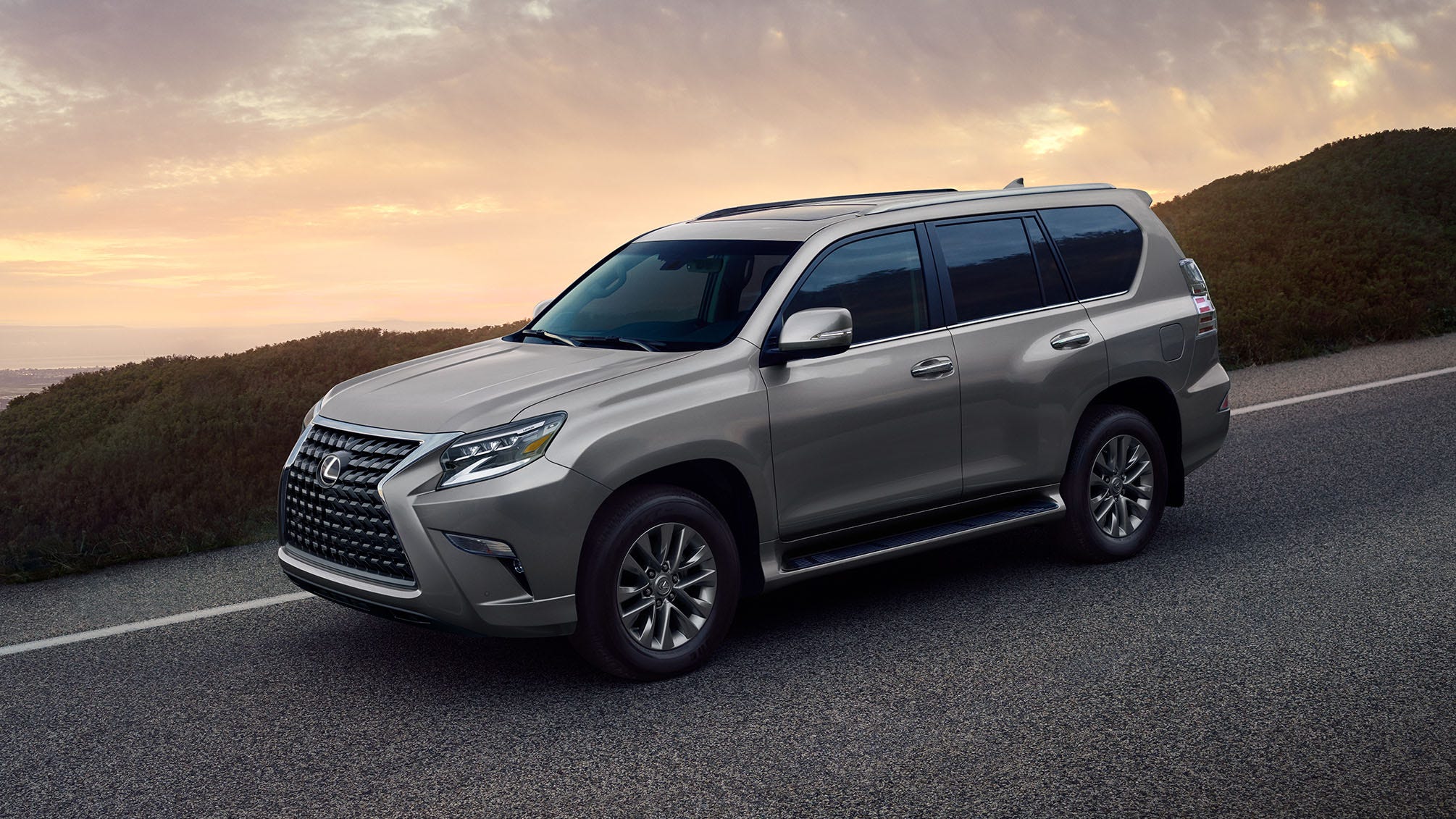
Twenty thousand sales is strong for this class. The GX is simply returning to normal. There is no cause for concern. It ends the list on a calm note. A fresh design usually boosts sales for two years. This explains the year-on-year slide. The GX remains healthy underneath. In