Owning a car costs more than the sticker price. The real bill arrives slowly. It shows up in brake jobs, fluid services, and surprise repairs. Researchers tracked ten-year maintenance and repair costs across major brands. The spread between them is huge. One brand costs nearly three times as much as another.
Land Rover sits on top at $19,250. That is $12,050 more than Subaru at the bottom. It is also a wider gap than the whole spread among the other nine brands.
Subaru’s place on this list is the real shock. Buyers pick the brand for durability and low drama. Yet it still lands in the top ten for cost. Luxury badges explain most of the list. Complex electronics and costly parts push bills up. Specialist labor adds more.
The pattern holds across the board. More technology means more things to fail. Premium parts also cost more to replace. Here is the full ranking. Each entry explains where the money goes. Some of the reasons may surprise you.
1. Land Rover: $19,250
Land Rover leads by a wide margin. The ten-year cost works out to about $1,925 a year. No other brand comes close. These vehicles are built for rough terrain. They also carry heavy luxury equipment. That mix is expensive to keep running.
Air suspension is a common culprit. Air springs wear out with age. Compressors can fail too. A single corner replacement can run well into four figures. Many owners face it more than once.
The Range Rover and Discovery are known for this. Electronics add more trouble. Modern models carry dozens of control modules. A faulty sensor can trigger warnings across the dash.
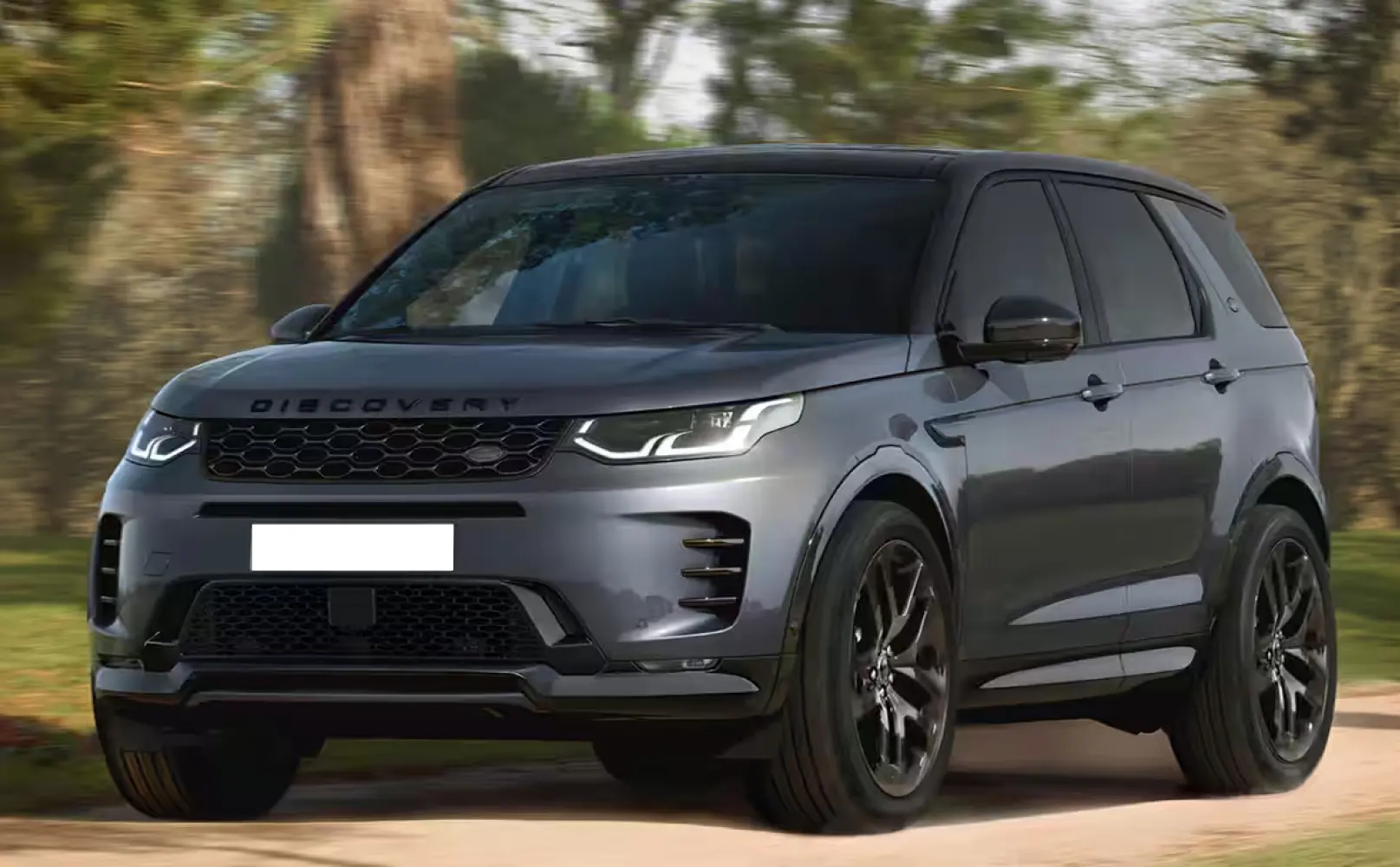
Diagnosis alone can eat hours of labor. Dealers charge premium rates for that time. Independent shops often lack the right tools. Engines and drivetrains bring their own costs. Heavy bodies strain brakes and tires. Big wheels make replacement tires costly.
Parts also travel a long way. Many come from the United Kingdom. That raises both price and wait times. Depreciation compounds the pain. Used examples often sell cheap because owners fear repairs. Buyers then inherit worn components.
Warranty coverage matters a great deal here. Once it ends, bills climb fast. Many owners trade in before that point. The brand has improved in recent years. Newer models are more reliable than older ones. But the cost record still sets it apart.
2. Porsche: $14,090
Porsche takes second place at $14,090. That is roughly $1,409 a year. It is the sports car tax in action. Performance parts wear faster. Brakes, tires, and clutches take real abuse. Spirited driving speeds up the damage.
Brake costs show the gap clearly. Large rotors and multi-piston calipers are not cheap. Optional ceramic brakes cost several thousand dollars to replace.
Tires are another big line item. High-performance rubber wears quickly. Many models use different sizes front and rear. Routine service is pricey too. Oil changes need large volumes of synthetic oil. Dealer labor rates are high.
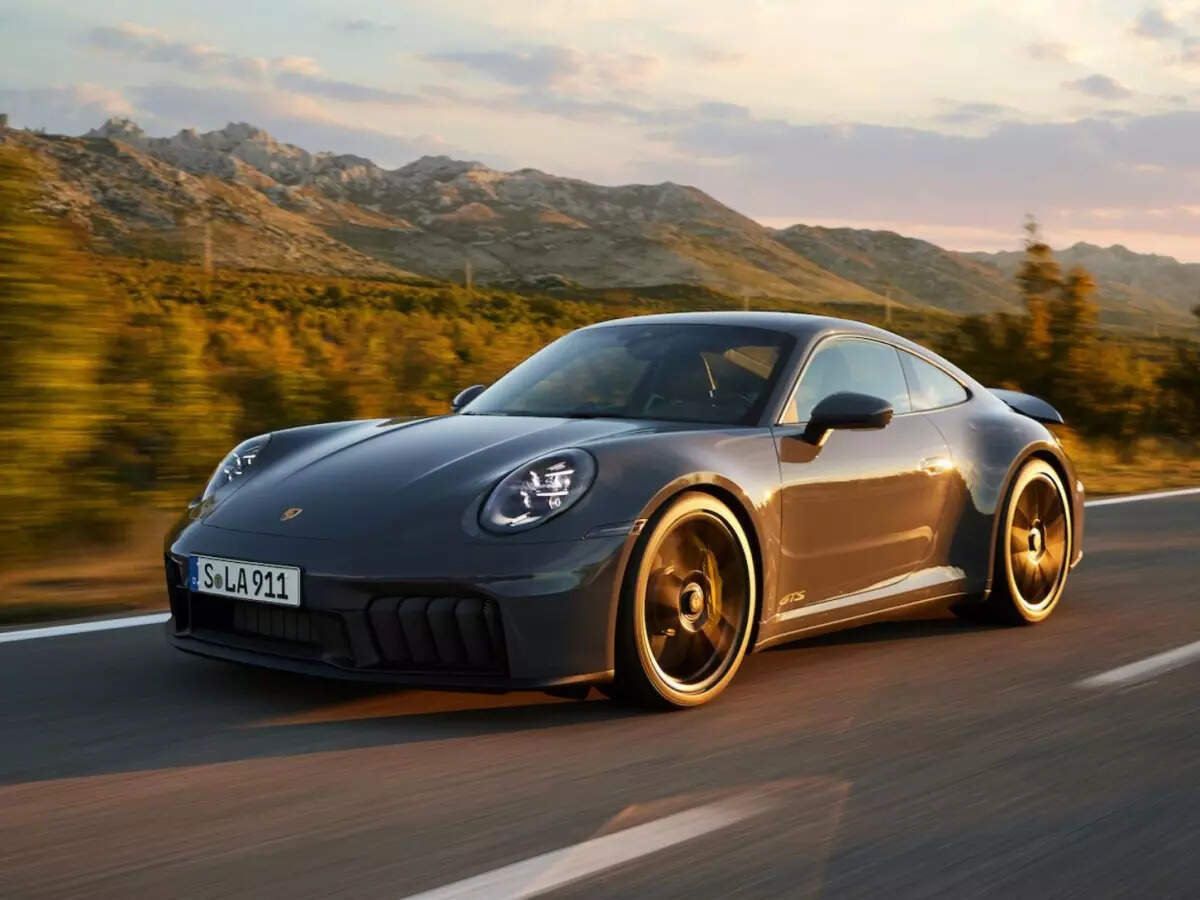
Older models carry known risks. Some early water-cooled flat-six engines had a bearing weakness. Repairs on those cars can be steep. The Cayenne and Macan add SUV complexity. Air suspension and all-wheel-drive systems raise costs. Parts are shared with other premium brands but still priced high.
Engineering quality helps Porsche here. The brand often scores better on reliability than its price suggests. Its engines are built to last. That explains why it ranks below Land Rover. The costs are high but predictable. Owners know what they are signing up for.
Specialist shops can lower the bill. Independent Porsche experts often charge less than dealers. Many enthusiasts rely on them. Still, the badge carries a premium. Every part, from a sensor to a bumper, costs more. Owners pay for performance every year.
3. Mercedes-Benz: $10,525
Mercedes-Benz comes third at $10,525. That is about $1,053 a year. The brand mixes comfort with heavy technology. Complexity drives the cost. Cars carry advanced air suspensions, driver aids, and large screens. Each system can fail on its own schedule.
Service intervals follow a strict plan. Mercedes uses alternating service visits. Each one covers different checks and fluids. Dealers charge well for these visits. Even basic work costs more than at mass brands. Fluids and filters are priced at a premium.
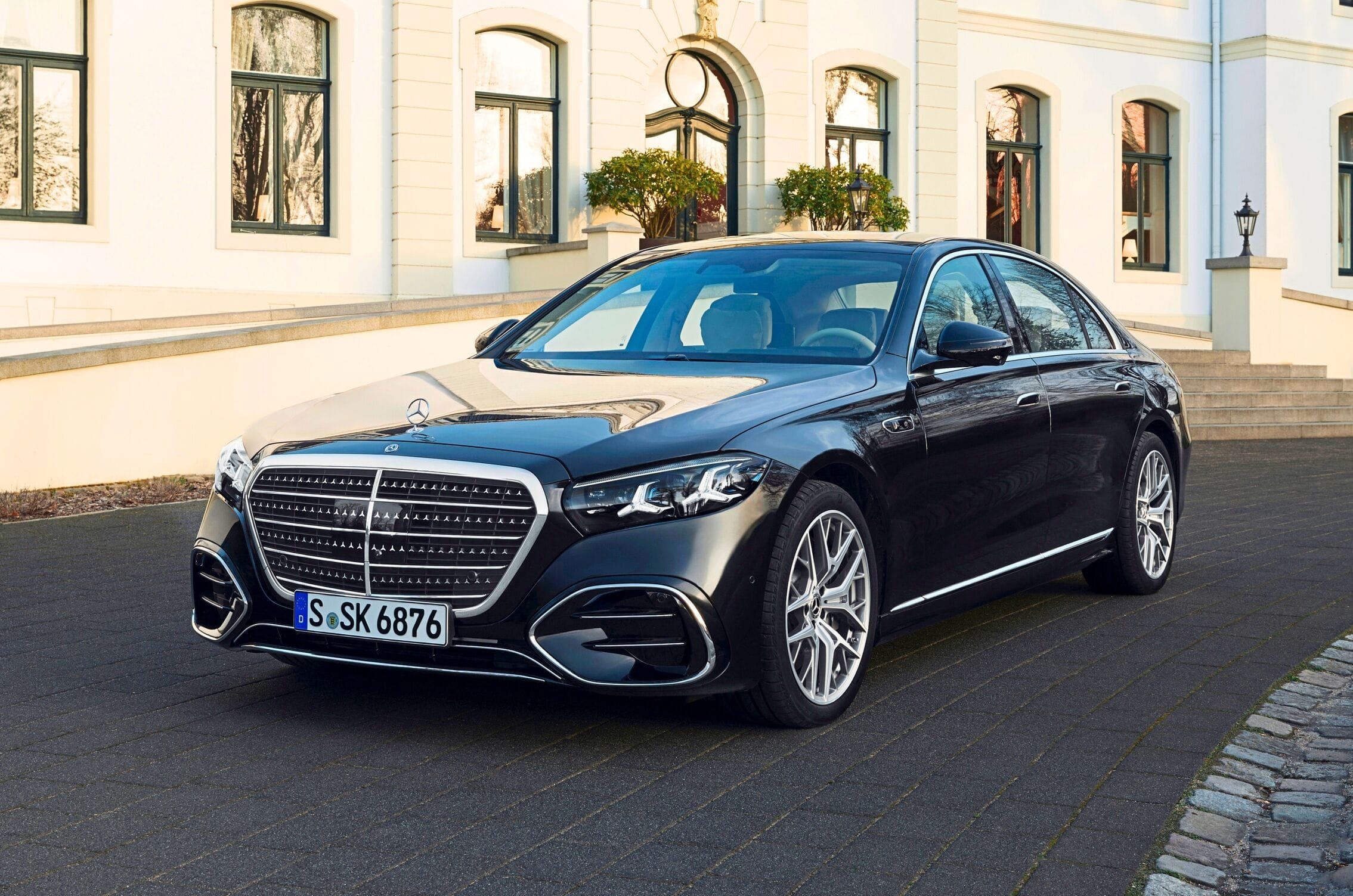
Some model years had known weak spots. Certain V6 engines from the mid-2000s suffered internal wear. Repairs were expensive and time-consuming.
Diesel models bring extra needs. Emissions systems use a urea fluid that needs refills. Those parts can be costly if they fail. Air suspension appears here too. The S-Class and GLE lean on it. Replacement parts cost a lot.
Interior electronics can also be a headache. Screens, modules, and seat motors all break eventually. Fixes often require full unit swaps. The brand does hold some advantages. Build quality is strong. Many cars run well past 150,000 miles with proper care.
The price comes from the details. Each repair uses specialized parts. Labor is expensive and often slow. Used buyers should be careful. A cheap older Mercedes can become a money pit. A full service history is vital.
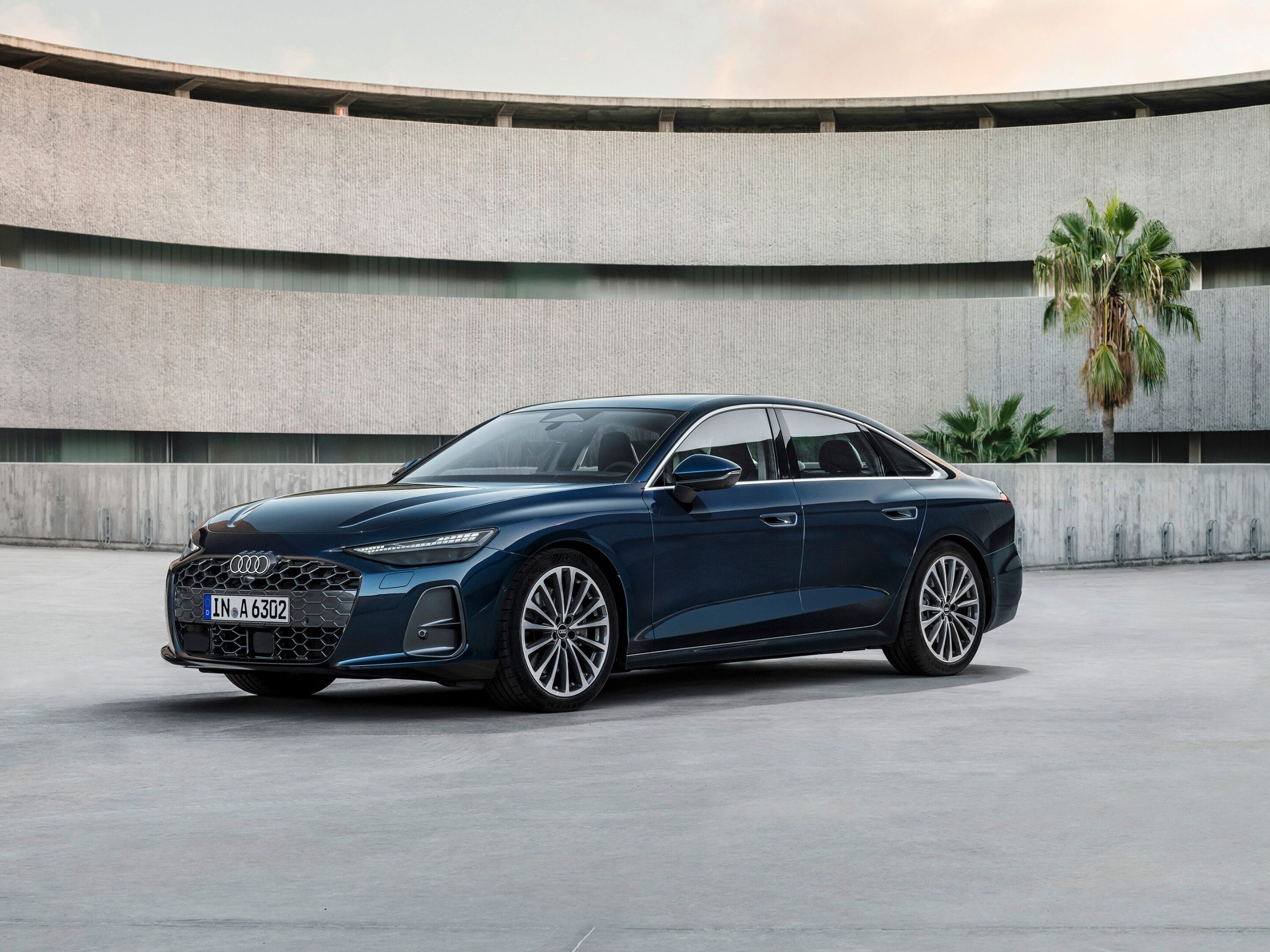
4. Audi: $9,890
Audi places fourth at $9,890. That is roughly $989 a year. It is close to Mercedes but a bit lower. Direct-injection engines are a known issue. Carbon deposits build up on intake valves. Cleaning them takes labor and special tools.
Plastic cooling parts also fail. Water pumps and thermostat housings often use plastic. Heat and age make them brittle. Some early turbocharged four-cylinders burned oil. Owners had to top up between services. Severe cases needed engine work.
Dual-clutch gearboxes need regular fluid changes. Skipping them risks serious wear. A full service costs far more than a conventional automatic. Quattro all-wheel drive adds value but also costs. Extra differentials and driveshafts need fluids. Repairs are more involved.
Electronics matter here as well. Digital dashboards and driver aids add risk. Software updates and module swaps are common. Audi shares parts with Volkswagen. That helps keep some costs down. Yet badge-specific parts still carry a premium. Brakes and tires follow the pattern. Large wheels are fashionable. They also cost more to replace.
The brand improved in some areas. Newer engines handle heat better. Build quality has stayed strong. Used Audis can be bargains at purchase. They are rarely bargains over ten years. Smart buyers budget for repairs early.
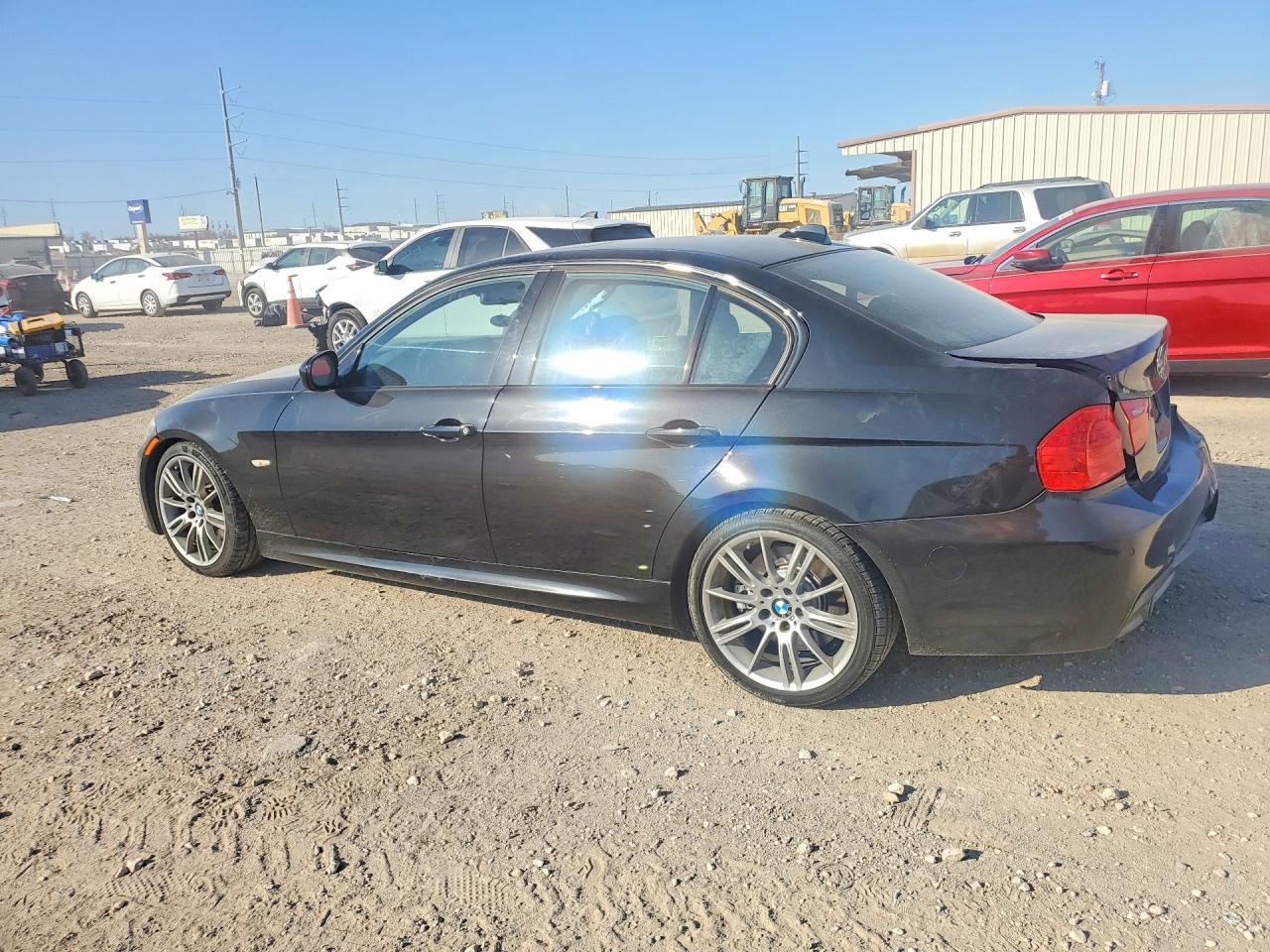
5. BMW: $9,500
BMW lands fifth at $9,500. That is about $950 a year. The brand’s sporty image comes with a price. Oil leaks are a long-running theme. Valve cover gaskets and oil filter housing seals age badly. They sit near hot engine parts.
Cooling systems need attention too. Many parts are plastic. Water pumps and expansion tanks fail with age. Certain turbocharged engines had known weak points.
Wastegate actuators and fuel pumps were common failures. Some owners faced repeat visits. Run-flat tires add cost. They are expensive to buy. They also wear faster and ride harder.
BMW uses condition-based servicing. The car decides when it needs work. That can stretch intervals but surprise owners with bills. Suspension parts wear on enthusiast driving. Control arm bushings and shocks need renewal. Labor adds up quickly.
Electronics are another cost. The iDrive system and driver aids are advanced. Module failures can be expensive. Independent specialists help a lot. Many shops know BMW quirks well. They often charge far less than dealers.
BMW’s engineering is strong. The cars drive beautifully. Many last long with careful care. The cost story is about upkeep. Preventive work saves money later. Neglect gets punished quickly.
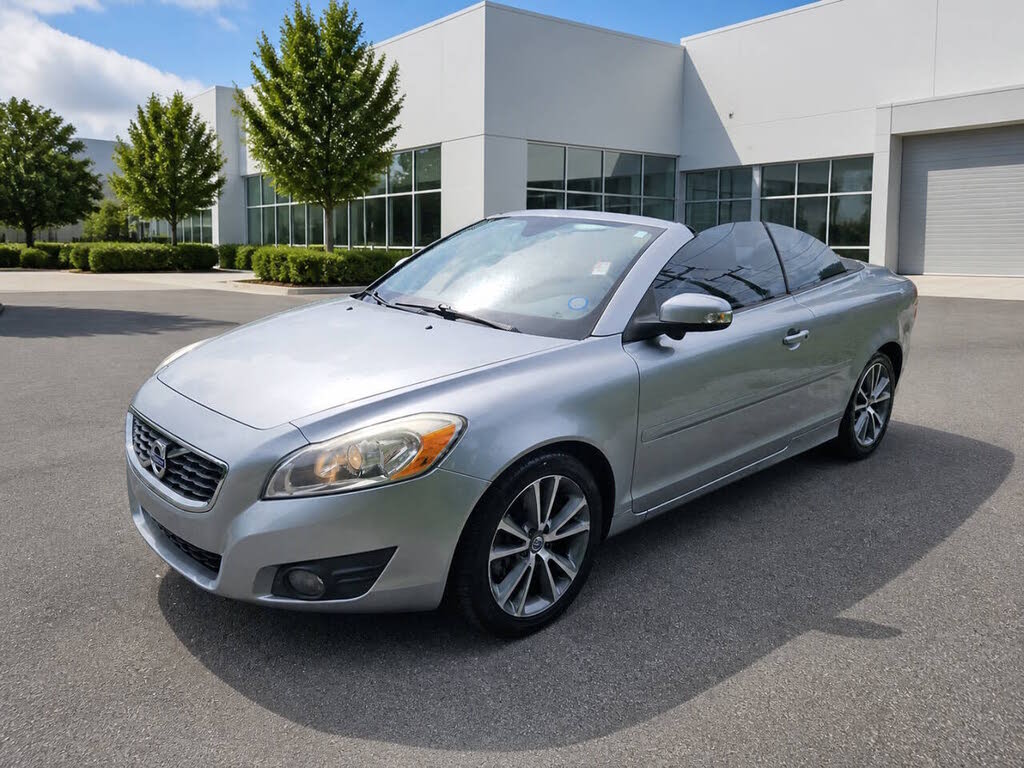
6. Volvo: $9,285
Volvo takes sixth at $9,285. That is roughly $929 a year. The brand’s old reputation for tank-like cars may not match its recent costs. Ownership has changed the story. Volvo has been under Chinese ownership since 2010. Its cars now share more technology and parts.
Modern Volvos are packed with safety tech. Cameras, radars, and sensors sit around the car. A minor crash can damage many of them. Calibration is a costly step.
After a windshield or bumper repair, sensors need setup. Shops charge extra for the work. Engines have shifted to compact turbocharged units. Most use four cylinders with turbos or electric assist. They are efficient but complex.
Plug-in hybrid models add more systems. Batteries, chargers, and extra cooling loops all need care. Repairs can be pricey. The infotainment system has drawn complaints. Early versions of the vertical touchscreen had glitches. Fixes sometimes needed software or hardware swaps.
Volvo’s service network is smaller than some rivals. In some areas, choices are limited. Dealer labor rates are high. The brand still earns respect for durability. Chassis and bodies hold up well.
Many cars reach high mileage. Cost comes from technology, not poor build. More features mean more parts to repair. Owners pay for the safety edge.
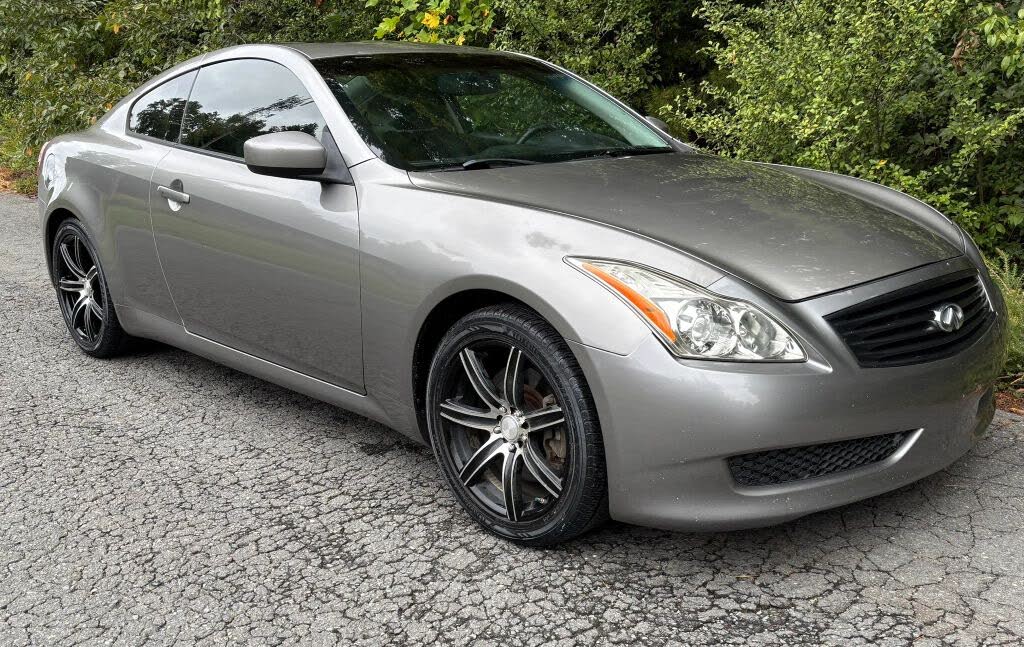
7. Infiniti: $8,500
Infiniti ranks seventh at $8,500. That is about $850 a year. It is Nissan’s luxury arm. Shared parts help in theory. Many components come from Nissan. Yet Infiniti-specific pieces still cost more.
Continuously variable transmissions are a weak point. Some earlier models had trouble with them. Replacement is expensive. Engine choices vary.
The older V6 has a strong record. Newer twin-turbo units are more complex. Infotainment has also drawn criticism. Older systems feel dated and can glitch. Screen replacements cost a lot.
Interiors share plastics and switches with Nissan. Some owners say wear shows early. Fixes can be pricey for a luxury brand. Depreciation is steep. Used Infinitis sell cheaply. That attracts buyers who may skip maintenance.
The dealer network is thinner than rivals. Parts can take time to arrive. Labor rates still follow luxury norms. Brakes and tires are not cheap. Larger wheels raise costs. Sport trims add even more.
Infiniti sits in the middle of the pack. It is not as costly as the Germans. But it is far from a budget pick. Buyers should check transmission history. A clean record is worth paying for. It can save thousands.
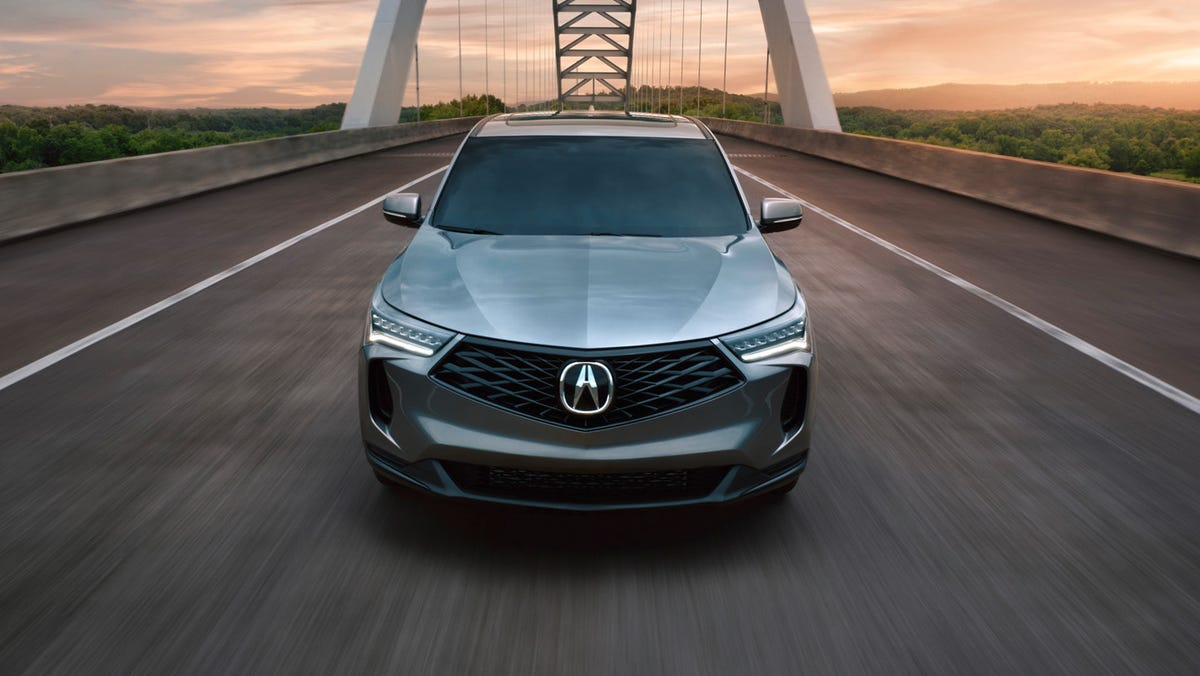
8. Acura: $7,800
Acura ranks eighth at $7,800. That is roughly $780 a year. It is the cheapest of the true luxury brands here. Honda’s engineering is the reason. Acuras share many parts with Hondas. That keeps repair costs lower.
The V6 engines are well regarded. They are smooth and tough. Many pass 200,000 miles. VTEC variable valve timing is reliable. It rarely needs more than regular oil changes.
Maintenance is simple. Some transmissions have drawn complaints. Certain nine-speed automatics gave trouble in early years. Software updates fixed some cases.
Torque-vectoring all-wheel drive adds cost. The system needs fluid changes. Repairs are not cheap. Infotainment is another sore point. Dual-screen systems drew criticism for being clunky. Hardware fixes can be pricey.
Acura’s service costs are moderate. Dealers charge less than German rivals. Independent shops can handle most work. The brand lacks the complex air suspensions of rivals. Fewer fragile systems mean fewer bills. That helps over ten years.
Resale value is solid. Used buyers trust the Honda link. That keeps demand healthy. Acura proves luxury need not mean pain. It offers comfort with fair costs. Its place on the list is modest.
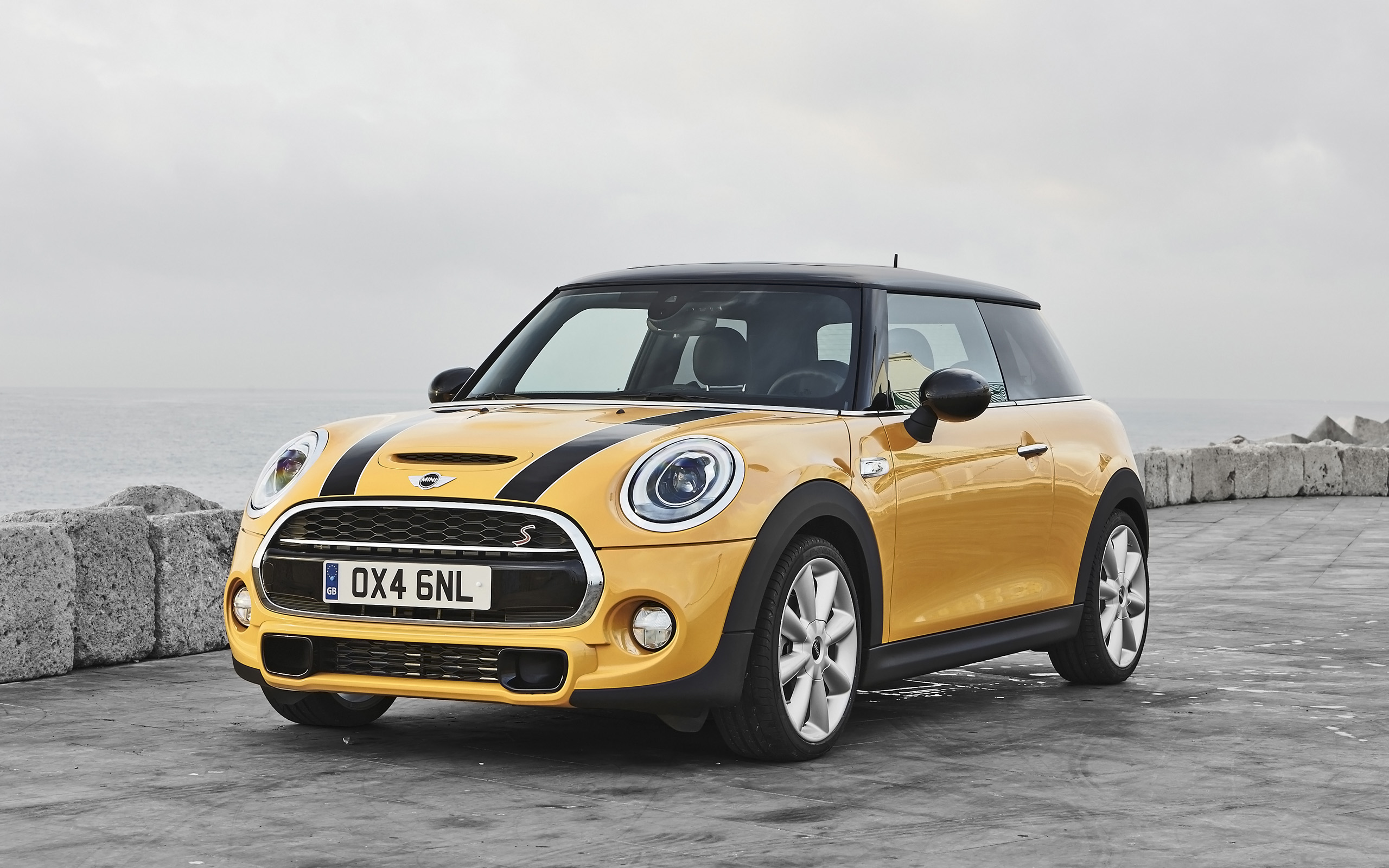
9. MINI: $7,625
MINI lands ninth at $7,625. That is about $763 a year. Small size does not mean small bills. BMW ownership shapes the car. MINI uses BMW engineering and parts. Many repairs mirror those on bigger BMWs.
Some earlier engines had real problems. Certain four-cylinders suffered timing chain wear. Fixes needed deep engine work. Oil and coolant leaks were common.
Gaskets and housings aged poorly. Plastic parts cracked with heat. Electronics can cause trouble. Power windows, sensors, and modules fail at times. Diagnosis takes skill.
Run-flat tires appear here too. They are costly and wear quickly. Many owners swap to conventional tires. Turbocharged versions run hot. Heat strains parts and fluids. Strict servicing matters.
Handling is a MINI strength. Drivers love the go-kart feel. That sporty driving can wear suspension parts. Parts availability is decent. The brand has a loyal following. Independent specialists are easy to find.
Newer models are better. Build quality has improved. Reliability scores have crept up. MINI shows that small cars can cost plenty. Premium parts and BMW tech add up. Buyers should budget wisely.
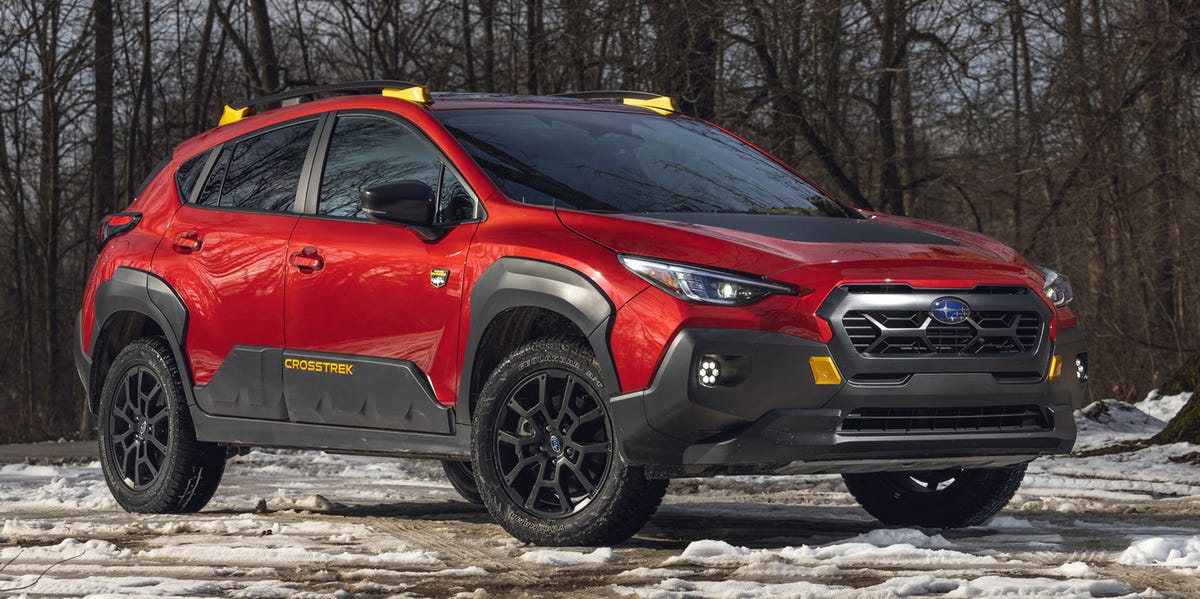
10. Subaru: $7,200
Subaru ends the list at $7,200. That is about $720 a year. It is the cheapest here but still surprising. Buyers choose Subaru for dependable, practical cars. Many expect rock-bottom costs. The numbers show a middle path.
All-wheel drive is standard on most models. It adds drivetrain parts. Differentials, transfer cases, and axles all need care. The boxer engine has a quirk.
Older versions had head gasket problems. Repairs were costly. Newer engines fixed that issue. But some owners report oil use. Others note wheel bearing wear.
Continuously variable transmissions are now common. Some earlier ones drew complaints. Replacements can cost thousands. Tires matter more on a Subaru. All four need matching tread depth. Replacing just one can strain the drivetrain.
That often means buying a full set early. Owners pay for it up front. It raises the long-term total. Subaru’s parts are affordable. Labor rates are fair. Independent shops handle most work.
Resale value stays strong. Cars hold worth well. That offsets some of the upkeep. The brand’s reputation is deserved in part. It is still one of the cheapest on this list. But no brand escapes upkeep.