
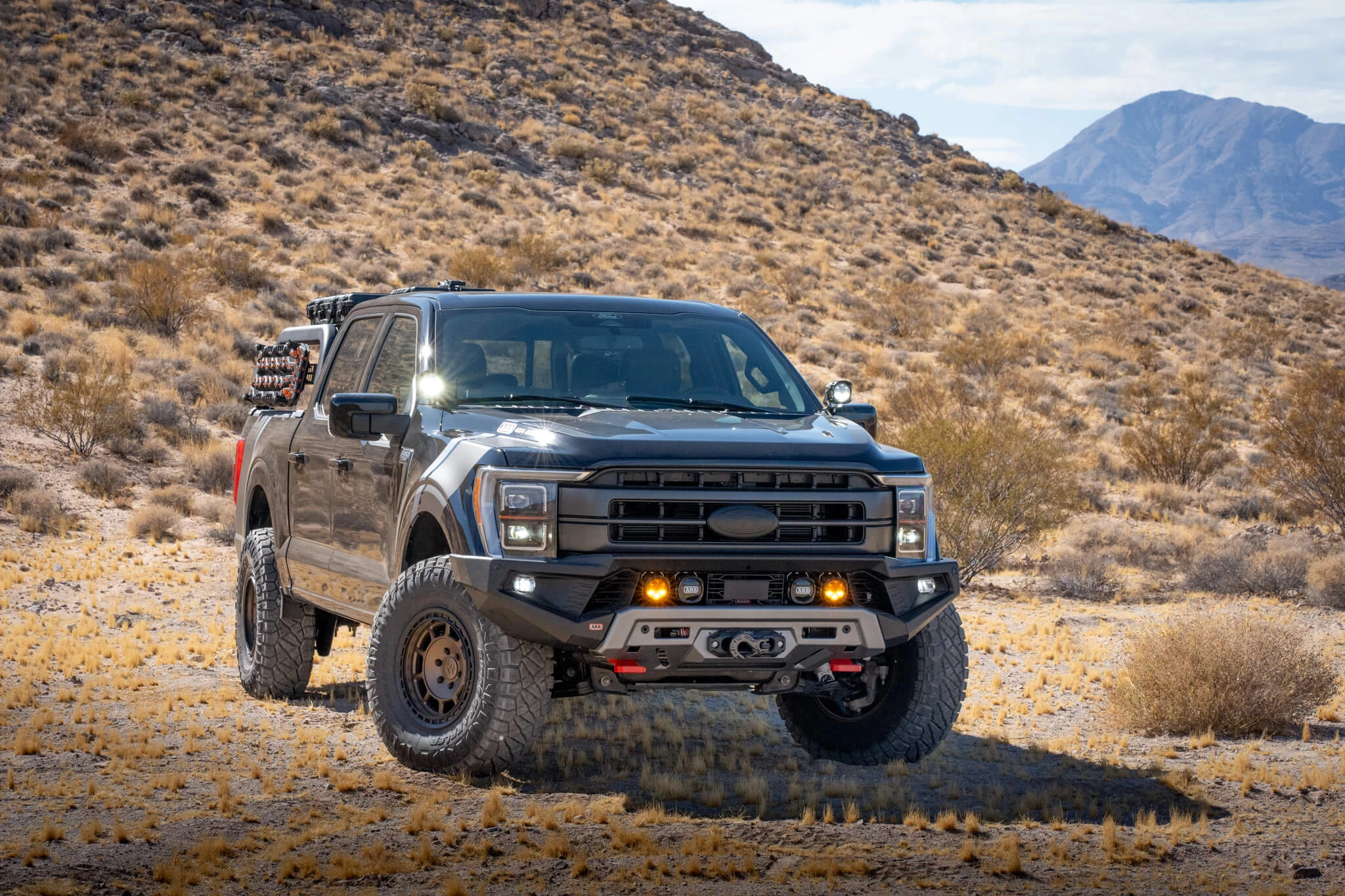
Vehicle recalls have surged since 2020. Modern cars carry more software, sensors, and electronics than ever. More parts mean more chances for something to fail. Regulators now see record recall activity.
Ford led the pack by a wide margin. In 2025, it broke the single-year record for recall campaigns by any automaker. Other brands followed close behind. Stellantis, General Motors, Tesla, and Honda all issued large campaigns.
This list ranks vehicles by how often their model lines appeared in federal recall filings. It draws on the federal recall database sorted by manufacturer. Some entries cover a model family rather than one trim.
A high recall count is not always bad news. It can show that a maker finds and reports defects. It can also show deep quality problems. Size matters too. Best-sellers collect more recalls because there are more of them on the road.
Still, patterns emerge. Software faults, rearview cameras, and fuel system flaws appear again and again. Fire risk and loss of drive power show up often. These are the defects regulators care about most.
Read each entry for the cause, the scale, and what owners should do. Recalls are free to fix at a dealer. If you own one of these vehicles, check it today. A short search by VIN takes minutes.
1. Ford F-150
The F-150 is America’s best-selling truck. It also sits near the top of the recall charts. Ford has issued dozens of campaigns on it since 2020. The scale is large because so many were built. Problems have ranged widely. Rearview camera failures have hit multiple model years.
A blank or frozen camera screen breaks federal rules. Ford has recalled well over a million vehicles for this issue across its lineup. Brake issues have also appeared. Some trucks risked losing brake fluid pressure or had faulty parking brake behavior.
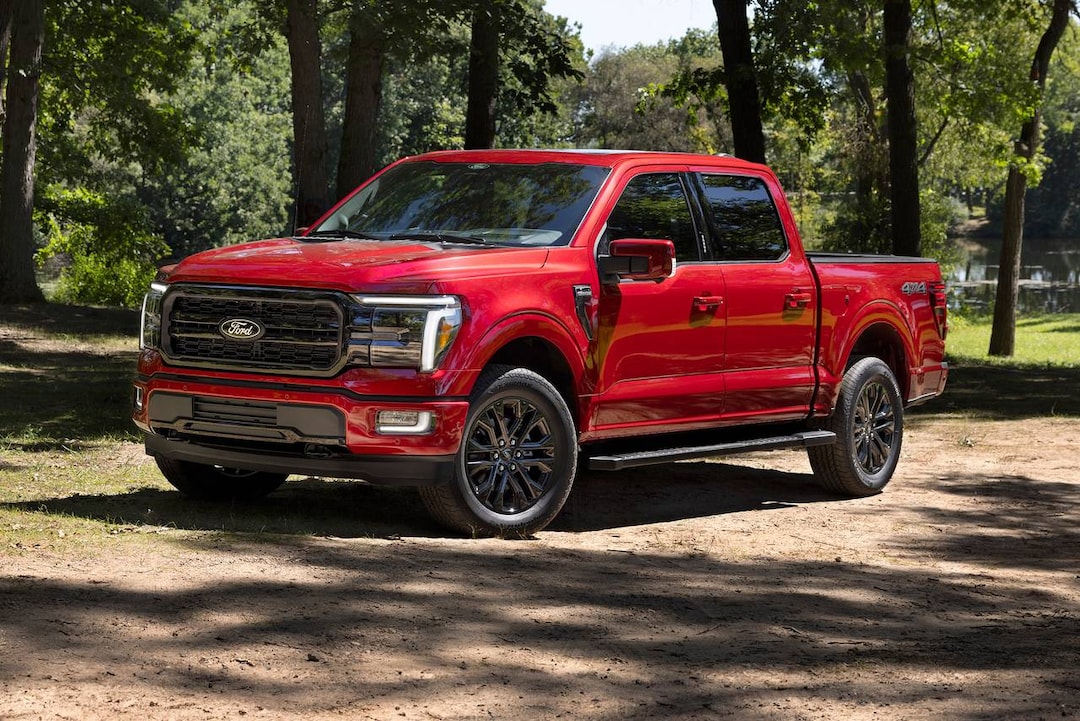
Transmission faults caused unexpected downshifts on some trucks. That can lock the rear wheels at speed. Rear axle hardware has drawn recalls too. A loose part can cause loss of drive power.
The electric F-150 Lightning has its own record. Battery and software issues led to several stop-sale and recall actions. Ford says the volume reflects more aggressive self-reporting. Critics say rushed launches and complex parts are the cause.
Both views have some truth. Ford also faced heavy civil penalties for slow handling of rearview camera recalls. Owners often report repeat visits to the dealer. Parts shortages sometimes delay repairs for weeks.
Used buyers should check recall status before purchase. Open recalls follow the truck, not the owner. Most fixes are software updates or part swaps. They cost nothing at a franchised dealer.
If your F-150 shows a warning light, do not ignore it. Brake and drive-power faults can escalate fast. Treat the F-150 as a strong truck with a heavy recall history. Staying on top of notices matters.
2. Ford Explorer
The Explorer is Ford’s family SUV workhorse. Its redesign for 2020 brought a rocky start. Recalls began almost at launch. Several early campaigns involved rear suspension parts.
A fractured rear toe link could cause a loss of control. That led to a notable recall of recent models. Seat belt and electrical faults followed. Some Explorers also had brake line concerns.
The rearview camera recall touched this model as well. Software or connector faults cause the display to fail. Another campaign addressed a trim piece that could detach. Loose parts on the highway are a real hazard.
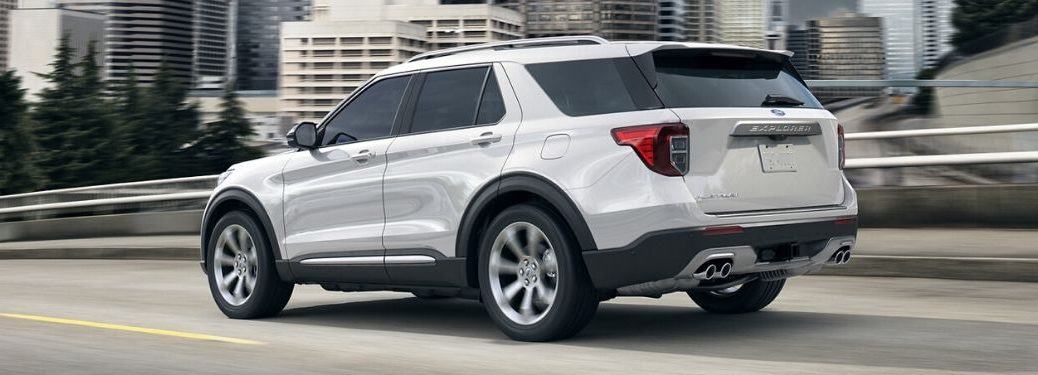
The Police Interceptor Utility version has its own filings. Fleet use puts extra stress on parts. Hybrid versions added battery-related notices. Those are usually narrower than the main campaigns.
Ford built the Explorer in Chicago. Production ramp-up issues often show up in early recall data. Owner complaints piled up in the first two model years. Many centered on electronics glitches and rough transmissions.
Not every complaint became a recall. The regulator also opened investigations into some systems. Resale values stayed decent despite the noise. Buyers still like the space and towing ability.
Used 2020 and 2021 models deserve extra care. Ask for a full service and recall history. Dealers can check open campaigns in seconds. Do this before you buy.
The Explorer is a capable vehicle with a messy early record. Later model years look somewhat better. If you own one, register for recall alerts. Fixes are free and often quick.
3. Ford Mustang Mach-E
Ford’s electric crossover arrived in late 2020. Early adopters became early testers. Recalls followed in steady waves. Many involved software and high-voltage systems.
One major campaign addressed loss of drive power. A faulty contactor in the battery could open unexpectedly. That meant the car could lose propulsion without warning. Ford issued over-the-air and dealer fixes.
Another recall covered a possible battery isolation fault. Such faults can raise fire or shock concerns. Door latch and cable issues also surfaced. Some owners reported being unable to open a door normally.
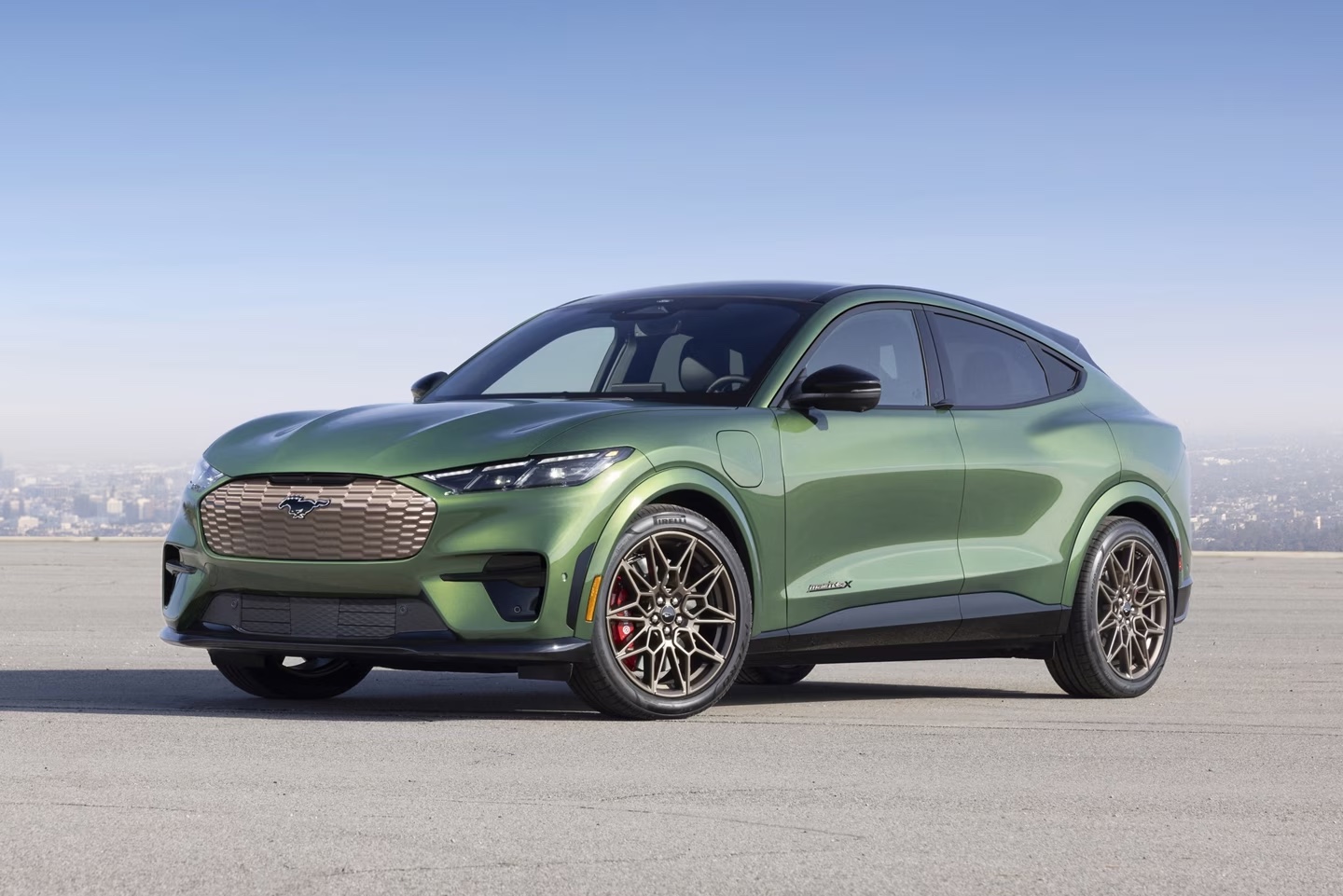
Seat and airbag sensor faults drew attention too. These often come from supplier parts. The Mach-E has been sold in the US in large numbers. That raised the total volume of affected cars.
Over-the-air updates helped. Some fixes arrived without a dealer visit. Not every fix can be done by software. Hardware swaps still require a shop appointment.
Ford has said it learned from each campaign. Quality scores for newer builds have improved. Owners praise the performance and range. Many still grumble about repeat repairs.
Early production cars carry the most risk. Check the build date on the door jamb. Shoppers of used Mach-Es should ask for recall proof. Battery warranty terms matter too.
Charging habits can affect some campaigns. Follow any maker guidance until your car is fixed. The Mach-E shows how new platforms collect recalls fast. It remains popular despite that.
4. Chevrolet Silverado 1500
Chevrolet’s full-size pickup is another volume leader. Volume brings recall counts. General Motors has filed many campaigns on the Silverado family. Recalls have touched both gas and diesel versions.
Some trucks had steering and suspension concerns. Others involved wheel hub and brake parts. Seat belt and airbag faults have appeared. A few were supplier-driven. Engine issues also drew attention. Certain V8 engines faced oil and valve train complaints.
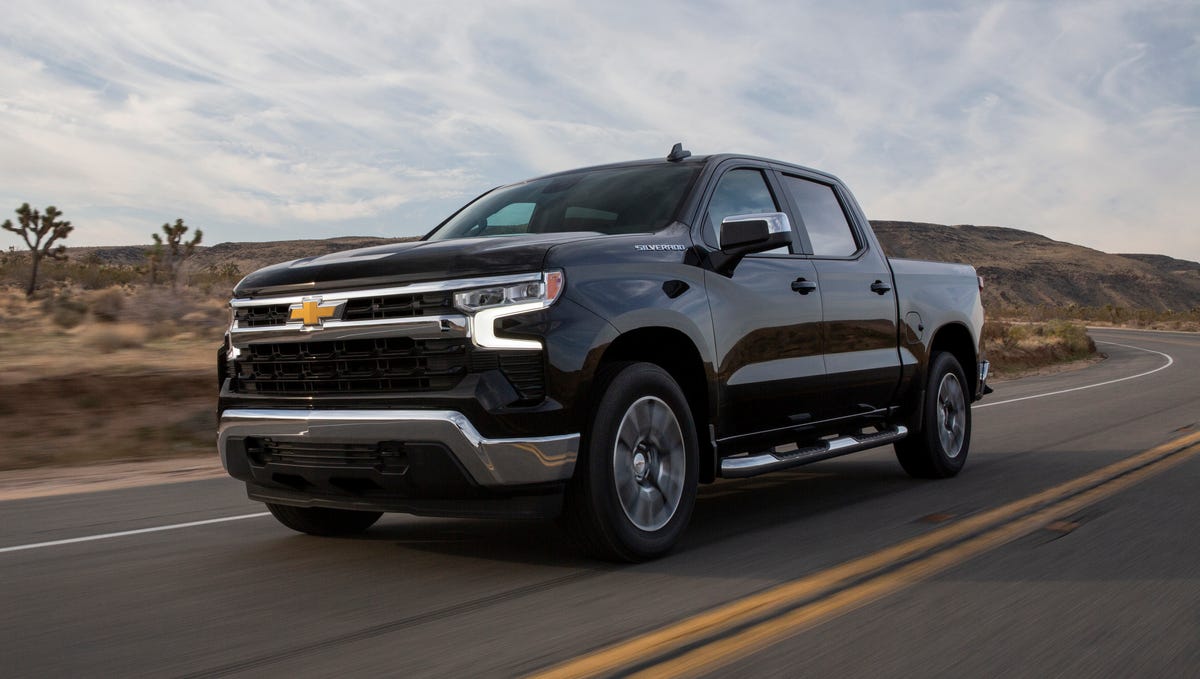
Rearview camera and infotainment glitches were common. Screens that go blank trigger a federal safety rule. The electric Silverado EV added new filings. Early software bugs affected charging and drive systems.
GM stopped sales on some models briefly. This happened with airbag and wiring concerns. The company also recalled heavy-duty versions. Those share many parts with the 1500.
Dealers often face part shortages after big recalls. Customers sometimes wait weeks. Silverado owners report mixed experiences. Many love the truck but dread repeat visits.
The truck remains a top seller. Fleet buyers keep demand strong. Always match your VIN against open campaigns. Some affect only specific build dates.
Towing heavily can stress certain parts. Follow guidance until the fix is done. The Silverado shows how popularity and recall counts rise together. Check yours regularly.
5. Jeep Grand Cherokee
The Grand Cherokee is Stellantis’s premium SUV. Its recall list is long. The 2022 redesign brought new technology. It also brought new problems. Software issues were frequent. Some caused the instrument cluster or camera to fail.
Plug-in hybrid versions, called 4xe, drew serious attention. Battery cell faults raised fire risk. Stellantis told some owners to park outside and avoid charging. That kind of warning is rare.
Wiring and electrical faults affected other trims. A few caused loss of power steering assist. Airbag and seat belt recalls also appeared. Some were tied to supplier parts.
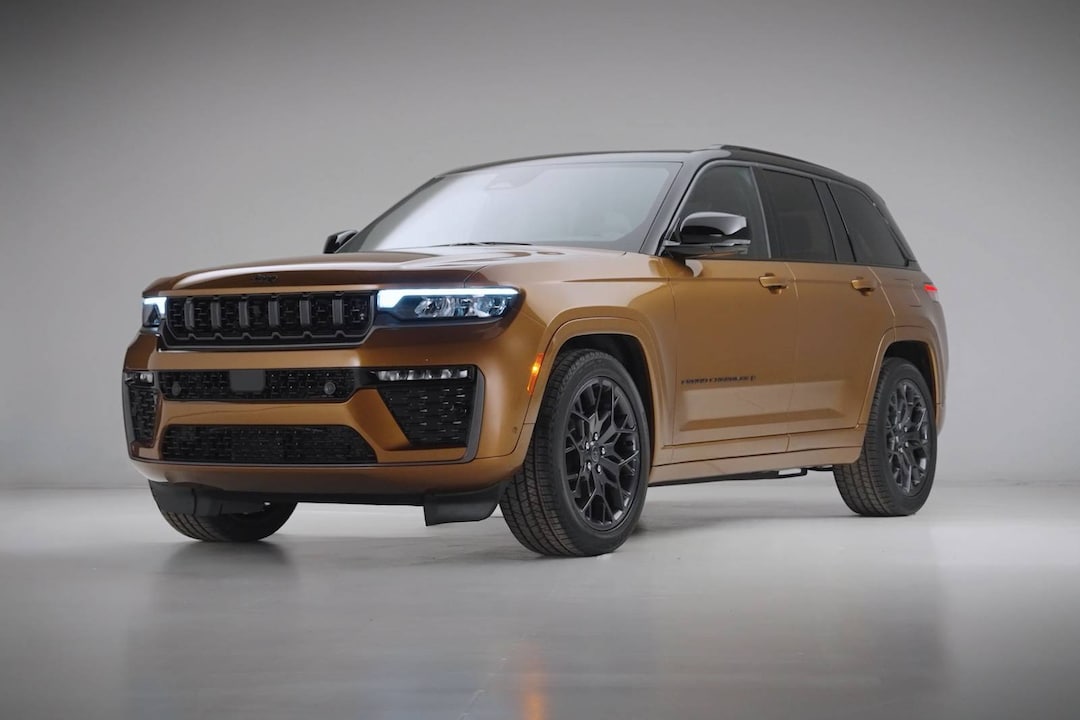
Older Grand Cherokees were hit too. Takata airbag inflators remain a legacy issue. Stellantis has faced criticism for slow fixes. Regulators have questioned repair timelines.
Owner forums are full of repeat-repair stories. Some owners wait months for parts. The company has said it is improving supplier checks. Results are still being watched.
Resale values have been uneven. Plug-in models took the biggest hit. Used buyers should be cautious with early 2022 builds. Ask for a full repair history.
Check every open recall before driving long distances. Fire risk campaigns are urgent. The Grand Cherokee is stylish and capable. Its recall record is its weak point.
6. Ram 1500
Ram’s half-ton truck competes directly with the F-150. Its recall tally is high too. Stellantis has filed many campaigns on the Ram 1500. Some cover hundreds of thousands of trucks.
Electrical faults were common. Software and wiring problems affected displays and lighting. A few recalls involved loss of power. Others covered steering and suspension parts. Airbag issues surfaced in several model years. Some were linked to inflator or sensor faults.
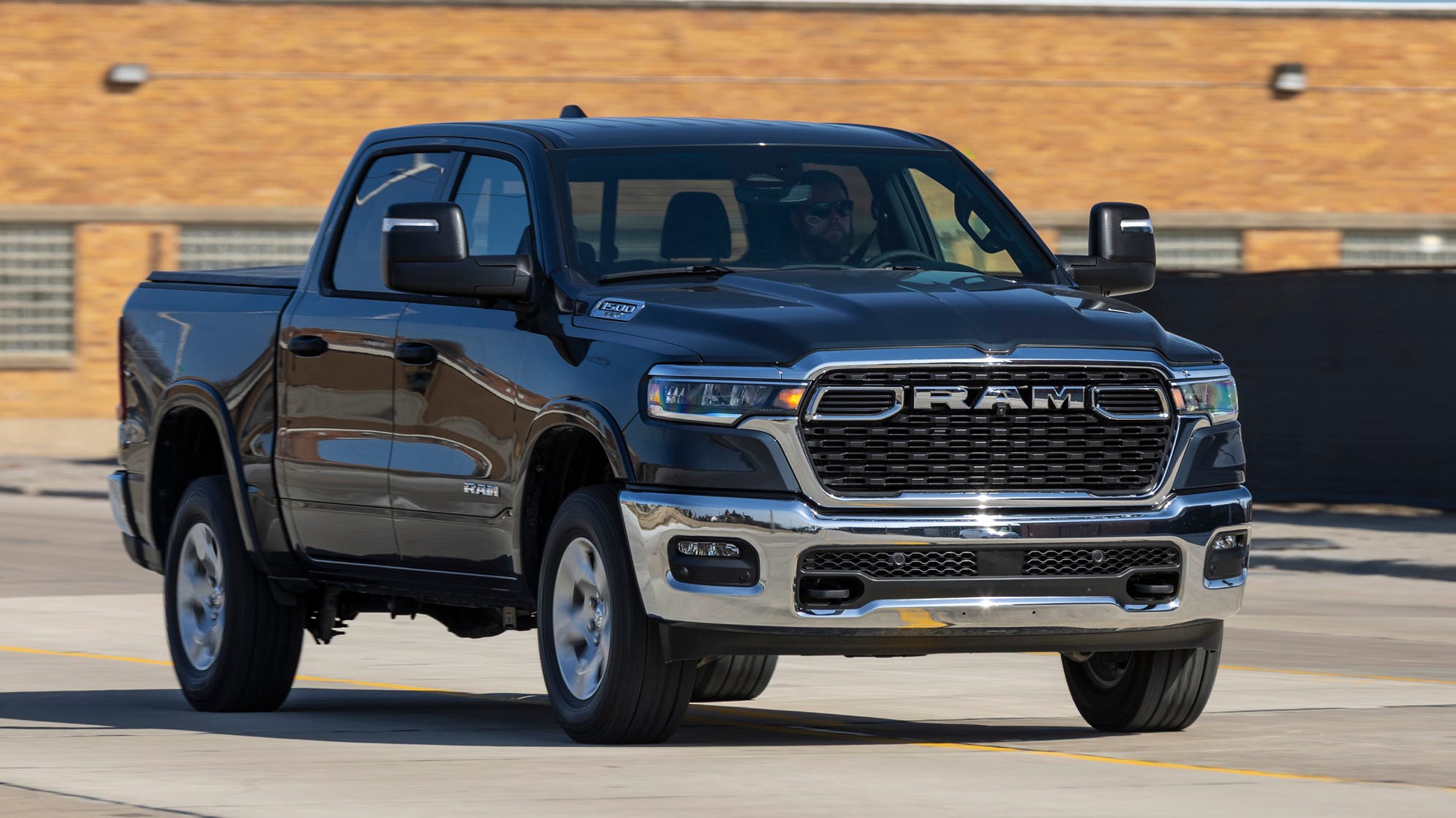
Tailgate and trim recalls also appeared. A tailgate that opens on the road is dangerous. The mild-hybrid eTorque system saw its own notices. Battery and belt faults were among them.
The Ram 1500 REV electric truck was delayed and reworked. Stellantis shifted its plans for it. Diesel versions had emissions-related actions. Those are not always safety recalls.
Fleet customers feel these campaigns acutely. Downtime costs money. Ram buyers praise the interior and ride quality. Many accept the recall risk as a trade-off. Quality surveys have placed Ram in the middle of the pack. Recall counts remain above average.
If you own one, check often. Campaigns can be added months after sale. Parts supply can be slow. Ask your dealer for an estimated wait. The Ram 1500 is a strong truck with a busy recall file. Stay informed.
7. Tesla Model 3 and Model Y
Tesla’s two best-sellers lead the electric field in recall volume. Most fixes arrive by software. That changes how recalls feel. Many owners never visit a shop.
Still, the filings are real. Each one goes into the federal database. Some campaigns covered Autopilot and driver-assist behavior. Regulators pushed Tesla to update monitoring features.
Seat belt warning chimes and rearview camera faults were also recalled. Several were fixed over the air. Hardware issues did occur. Some cars had loose or faulty suspension and steering parts. Brake fluid and light issues drew attention. Window pinch protection was another one.
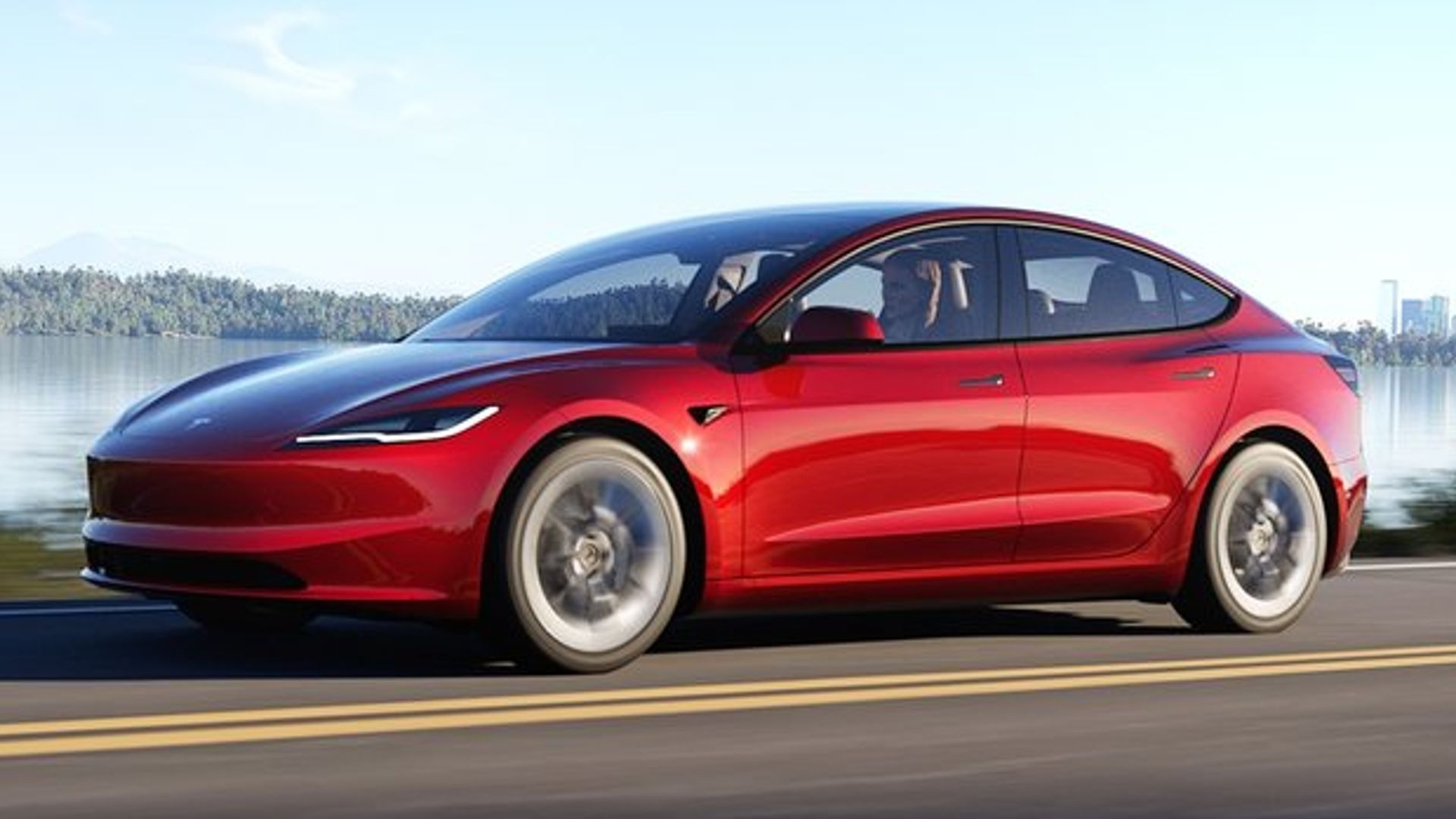
Tesla has recalled millions of cars across its lineup. The Model 3 and Y account for most. The company argues that software fixes are faster and safer. Many agree.
Critics say the word “recall” overstates minor updates. Regulators still require filing. Investigations into driver-assist crashes continue. They shape how future updates are reviewed.
Build quality has improved in recent years. Panel gaps and paint complaints have eased. Owners should still check for updates. A pending update may be a safety fix.
Hardware recalls require service appointments. Tesla service wait times vary by region. The Model 3 and Y show that recall counts do not always mean disruption. Context matters.
8. Honda Accord and Odyssey
Honda has a reputation for reliability. Its recall record since 2020 is more mixed. The Accord and Odyssey both appear often. Some campaigns reached over a million vehicles.
Fuel pump failures were a major theme. A faulty impeller could cause engine stalling. That recall spanned multiple Honda and Acura models. It built on earlier pump issues.
Seat belt faults also appeared. Some Odysseys had a problem with the third-row belts. Software issues affected brake and steering assist. A few caused false warnings. The Odyssey had sliding door and seat track concerns. Family vehicles carry extra risk there.
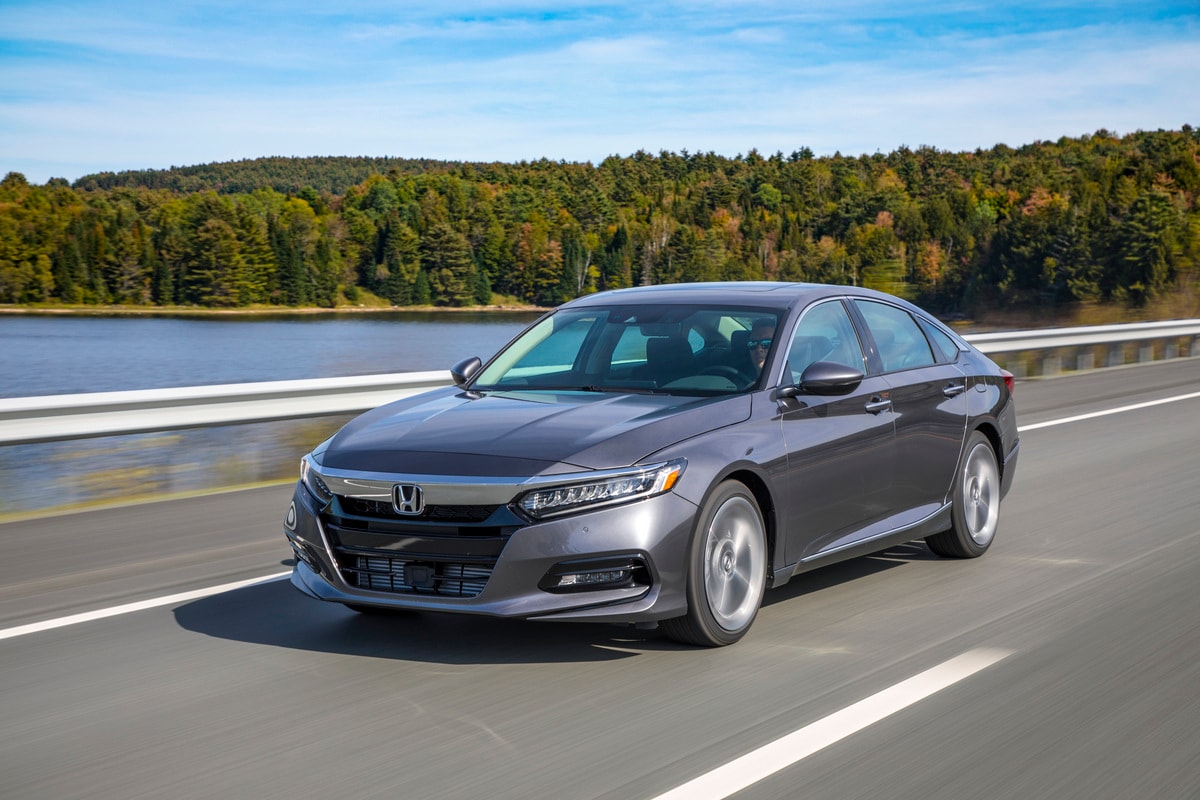
Takata airbag inflators still affect older Hondas. Some of those cars are more than a decade old. Honda responded with parts replacement and outreach. The company also urged owners to act.
Reliability surveys still rank Honda highly. Recalls rarely mean the car is poor. New-generation launches bring fresh issues. Early 2023 builds saw several campaigns.
Check the VIN before buying a used Honda. Older cars may still have open airbags. Dealers usually complete recall work quickly. Parts supply is generally decent. The Accord and Odyssey remain solid choices. They simply are not recall-free.
9. Hyundai Palisade and Kia Telluride
These twin three-row SUVs share a platform. They also share some recall history. The Palisade and Telluride launched to big acclaim. Safety filings followed.
Seat belt issues stood out. Some Palisades had belts that could fail to latch properly. That led to a large recall of the Palisade. Related campaigns hit the Telluride.
Fire risk campaigns have long affected both brands. Hyundai and Kia have recalled many models for engine fires. Electrical and wiring faults played a role. Some involved the anti-lock brake module.
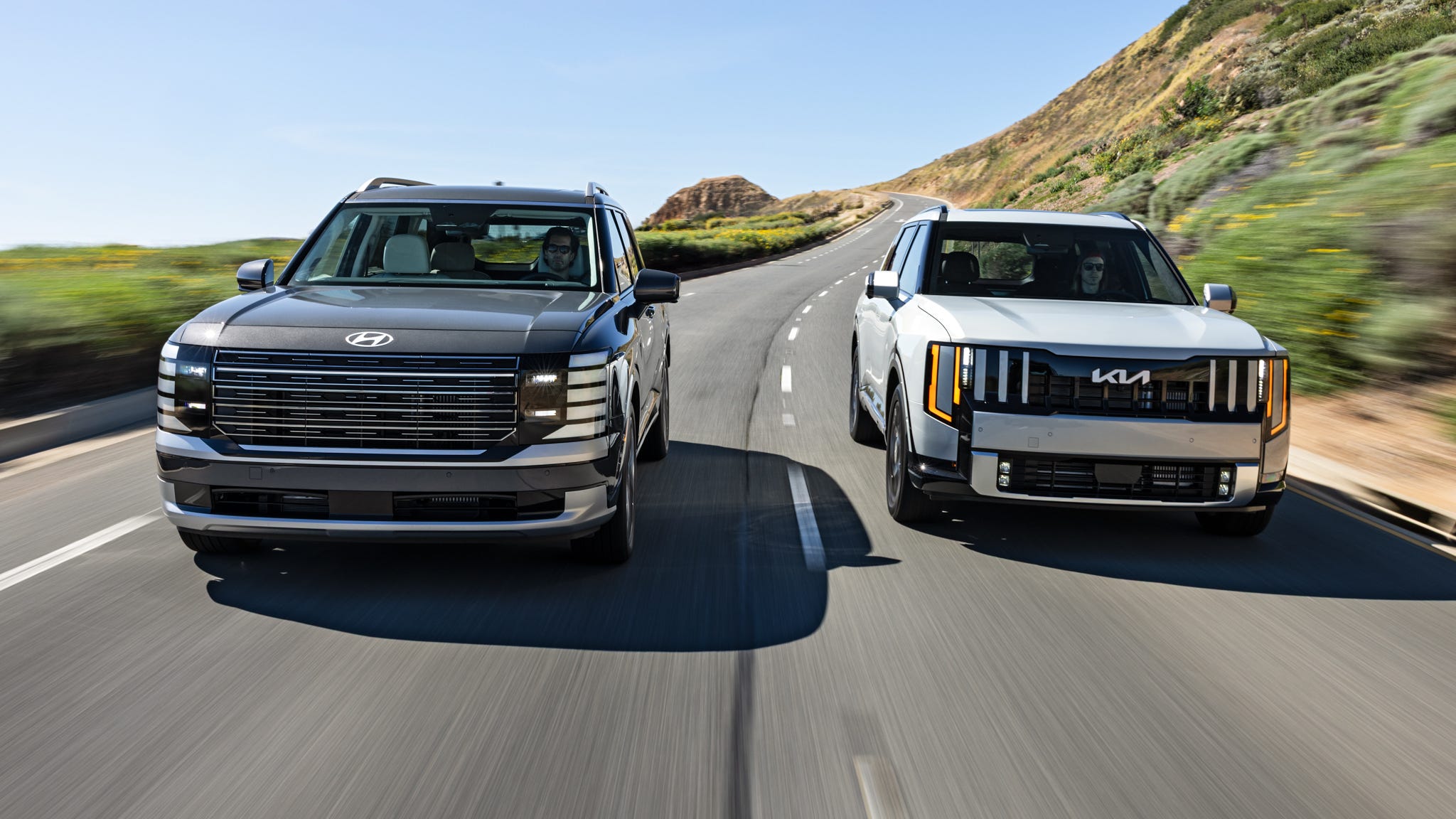
Owners were told to park outside in certain cases. That warning applied to specific models. The brands also faced theft problems. Missing immobilizers made some models easy targets.
Both companies offered software fixes and steering wheel locks. Insurance costs still rose. Quality has improved in recent years. Awards and sales remain strong.
The Telluride and Palisade are popular with families. That means more owners to notify. Check the recall list for your trim and year. Not all models are affected. Dealer wait times can vary. Parts are usually available. Both vehicles are good buys with some history. Stay alert to new notices.
10. Nissan Rogue
Nissan’s compact SUV rounds out the list. It is one of the brand’s top sellers. The Rogue has had recurring recalls since 2020. Many involved electrical faults.
Rearview camera and software issues were common. Some affected the display and warnings. Seat belt and airbag faults also appeared. A few came from supplier parts.
Fuel and engine concerns were reported on certain years. Some Rogues risked stalling. Hybrid and e-Power variants have added notices. These involve newer hardware. The CVT transmission has drawn complaints. Not all complaints became recalls.
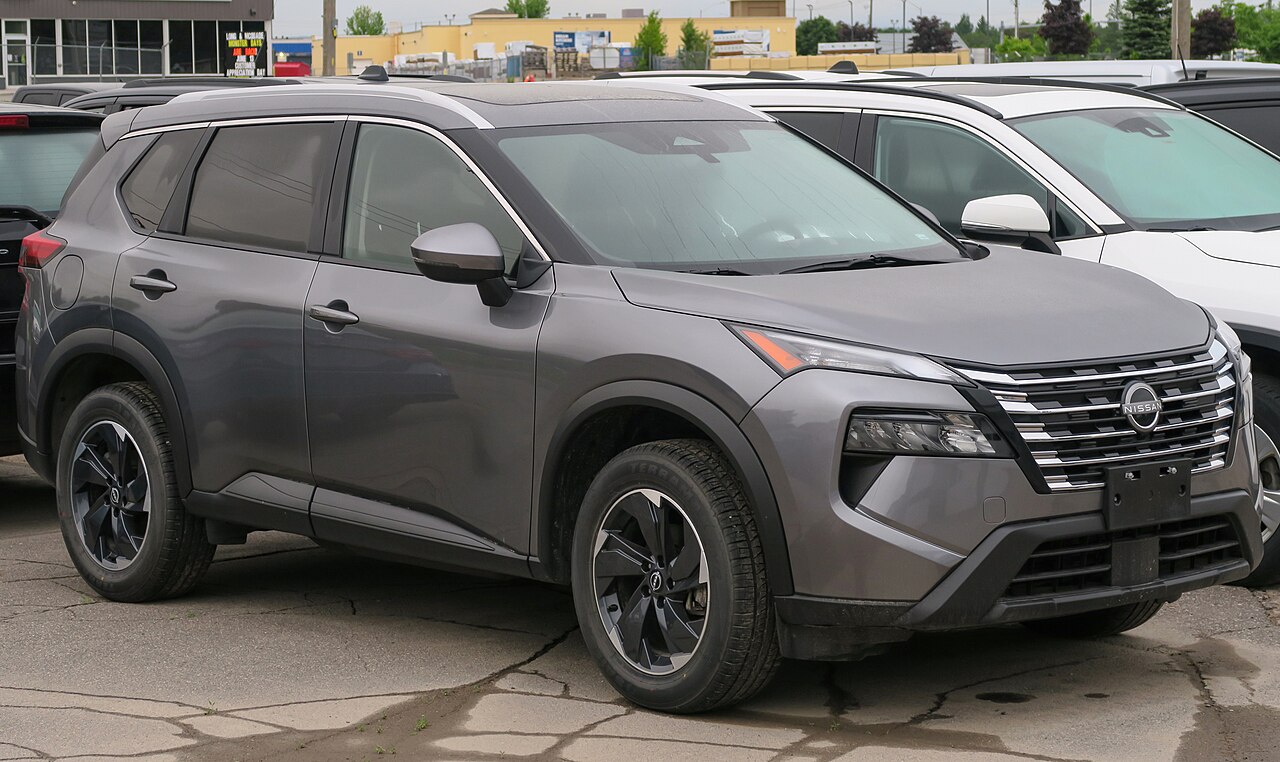
Nissan has faced lawsuits over some components. Investigations are ongoing in some places. The company has been restructuring. That has raised questions about future quality control. Rogue owners report mixed satisfaction. Many like the price and space.
Resale values are decent but not top tier. Reliability worries affect pricing. Look closely at 2021 and 2022 models. Ask about repairs and open campaigns. Free recall work is available at dealers. Keep your service records. The Rogue is a practical choice with notable recall history. Verify before you buy.
