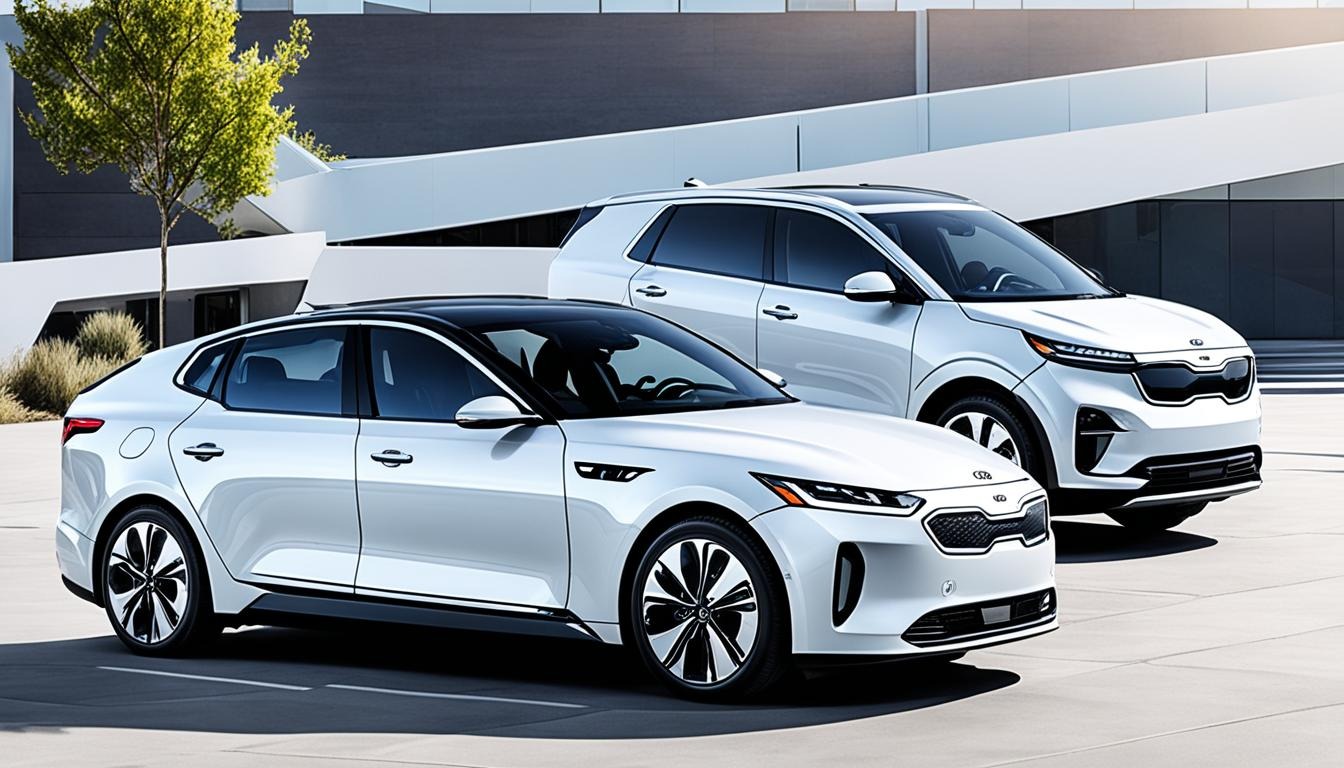
Buying an electric vehicle is a big decision, and the real test begins after the first drive home. Does the car deliver the comfort, performance, technology, and everyday convenience its owner expected? A 2025 GreenCars owner-satisfaction study offers useful clues by ranking electric vehicles according to reported first-year ownership experiences. The BMW iX takes the top spot, with the BMW i4 and Hyundai Ioniq 6 following close behind.
Several other popular electric cars and SUVs also earn places on the list, giving prospective buyers a broader view of what current owners appreciate. From premium performance to practical family transportation, these 11 electric vehicles offer different reasons to feel good about going electric. Here is how they rank and what makes each one worth considering.
1. BMW iX (highest satisfaction)
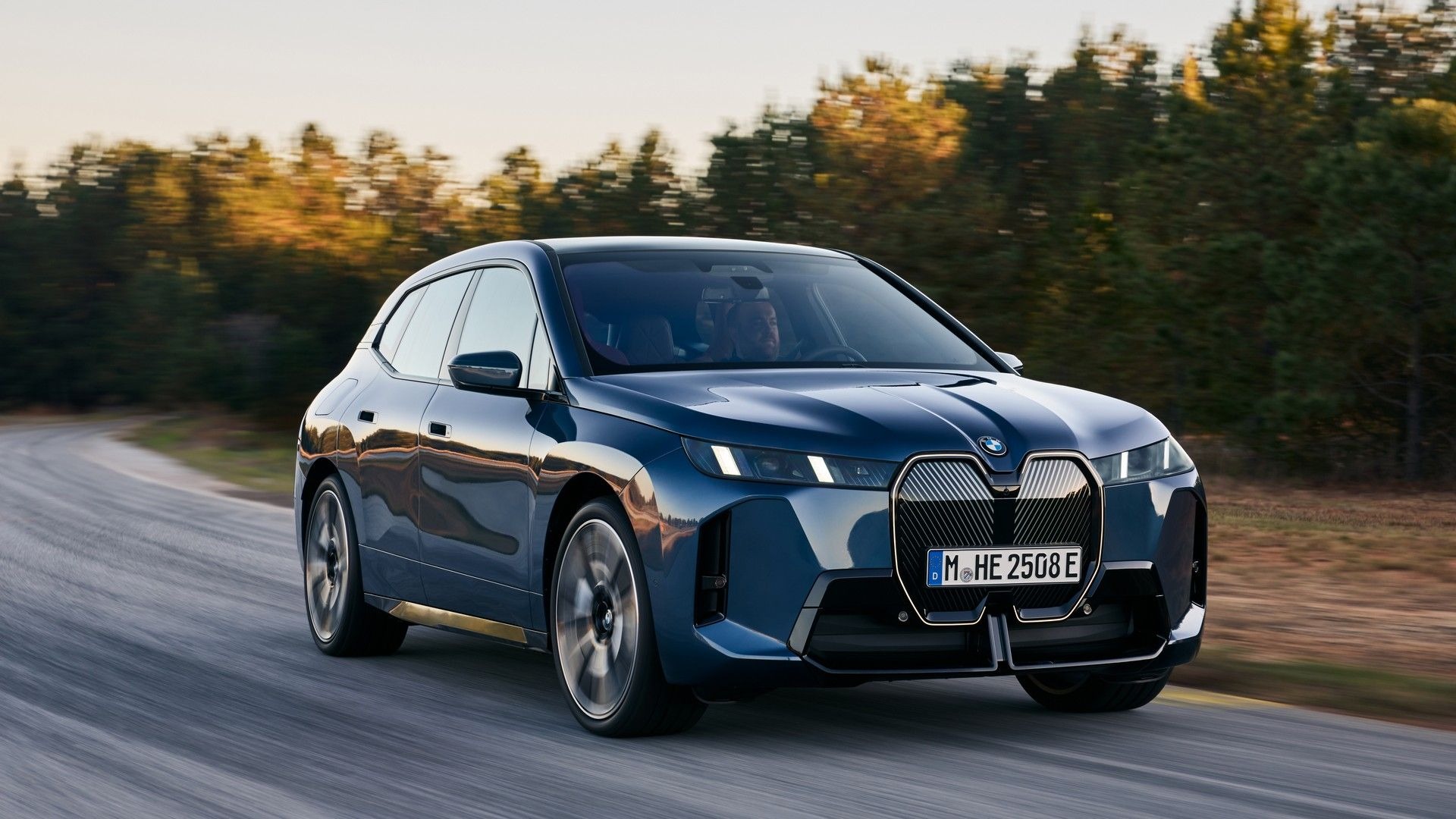
The BMW iX claims first place with a satisfaction score of 790 out of 1,000, making it the highest-ranked vehicle in the GreenCars study. That result suggests owners have plenty to appreciate about this premium electric SUV during their first year of ownership.
Its appeal begins with a refined cabin, modern technology, and strong electric performance. The iX is designed for drivers who want an upscale daily vehicle without giving up the quiet operation and smooth acceleration associated with electric power.
Its SUV body also gives it the versatility needed for commuting, shopping, and weekend trips. Comfort plays an important role in the ownership experience.
A thoughtfully designed interior, supportive seating, and a composed ride can make routine journeys feel more pleasant. BMW also places considerable emphasis on digital features, giving drivers access to vehicle information and convenience functions through its modern infotainment system.
Of course, a high satisfaction score does not mean every owner has identical experiences. Purchase price, charging access, insurance costs, and personal preferences can all influence long-term happiness.
Still, the iX’s leading score makes it an appealing choice for shoppers seeking a luxurious electric SUV. Buyers who value premium appointments, smooth driving manners, and an advanced cabin have good reasons to place it near the top of their shortlist.
2. BMW i4 (2nd in premium segment)
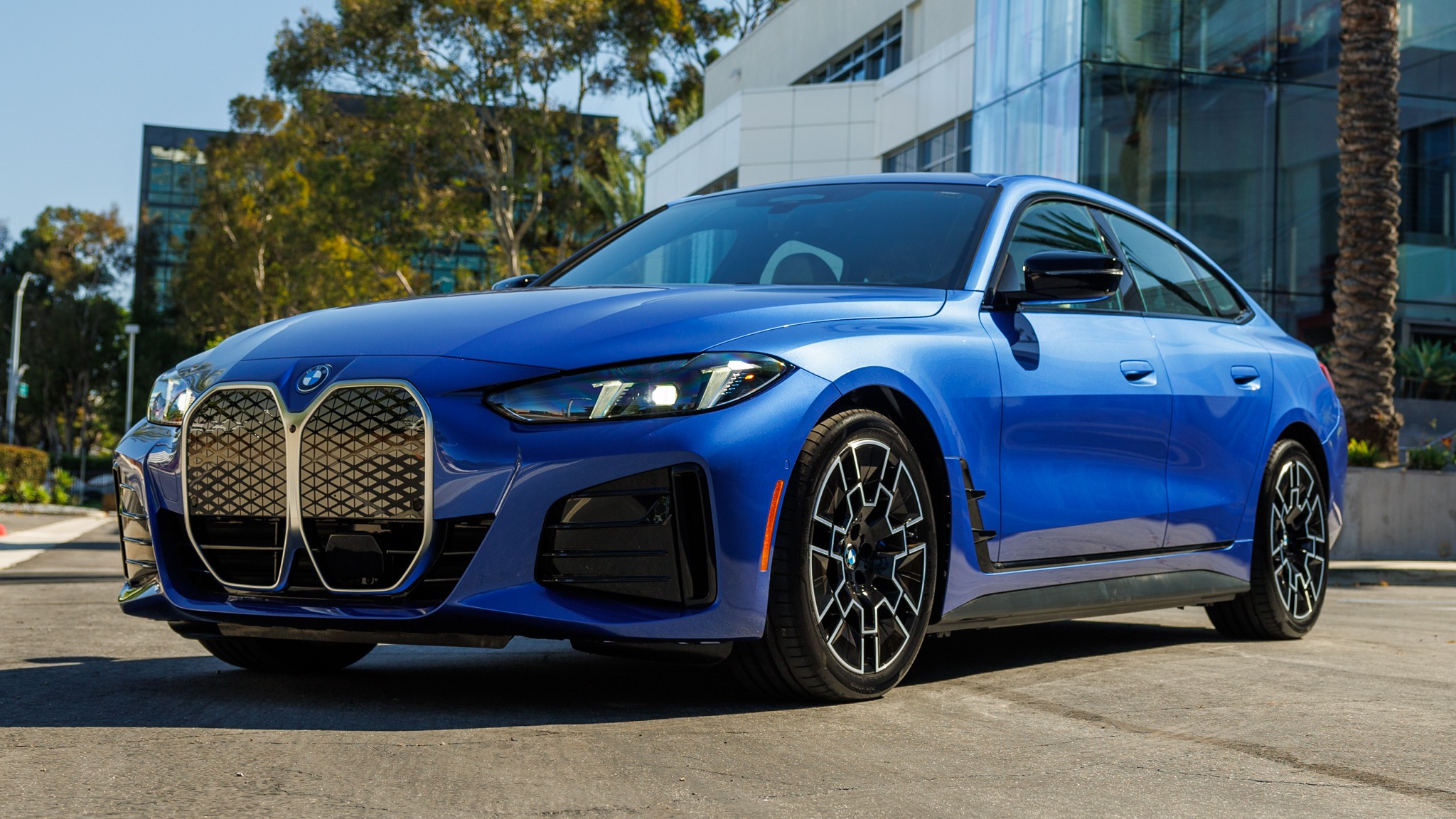
Seven points separate the BMW i4 from the top-ranked iX. With a score of 783 out of 1,000, this electric four-door demonstrates that drivers can appreciate an EV without choosing a large SUV.
The i4 combines BMW’s familiar driving-focused approach with an electric powertrain. Its sleek profile gives it a more traditional passenger-car appearance, making it attractive to motorists who prefer a lower seating position and a sportier shape.
Depending on the version selected, buyers can prioritize efficiency, brisk acceleration, or stronger performance. Inside, the i4 offers a premium environment with contemporary displays, connected features, and a driver-oriented cockpit.
These touches matter because satisfaction is rarely determined by acceleration alone. Easy-to-use controls, comfortable seating, and a cabin that feels well assembled can make daily ownership more rewarding.
Its car-based design may also appeal to drivers who do not need the extra height or cargo flexibility of an SUV. Commuters and couples, in particular, may find its proportions practical for regular travel.
The score places the i4 just behind its larger sibling, suggesting a similarly positive ownership experience among surveyed drivers. Shoppers should still compare available equipment, real-world driving range, charging options, and pricing before choosing a version.
For someone who wants an upscale electric car with a distinctly sporty character, the BMW i4 earns a strong position on this list.
3. Hyundai Ioniq 6 (Top Mainstream EV)
Picture a shopper who wants an EV that looks like nothing else in the parking lot, yet does not want to pay luxury-brand prices. That person walks into a Hyundai dealership, spots the Ioniq 6, and takes a second look.
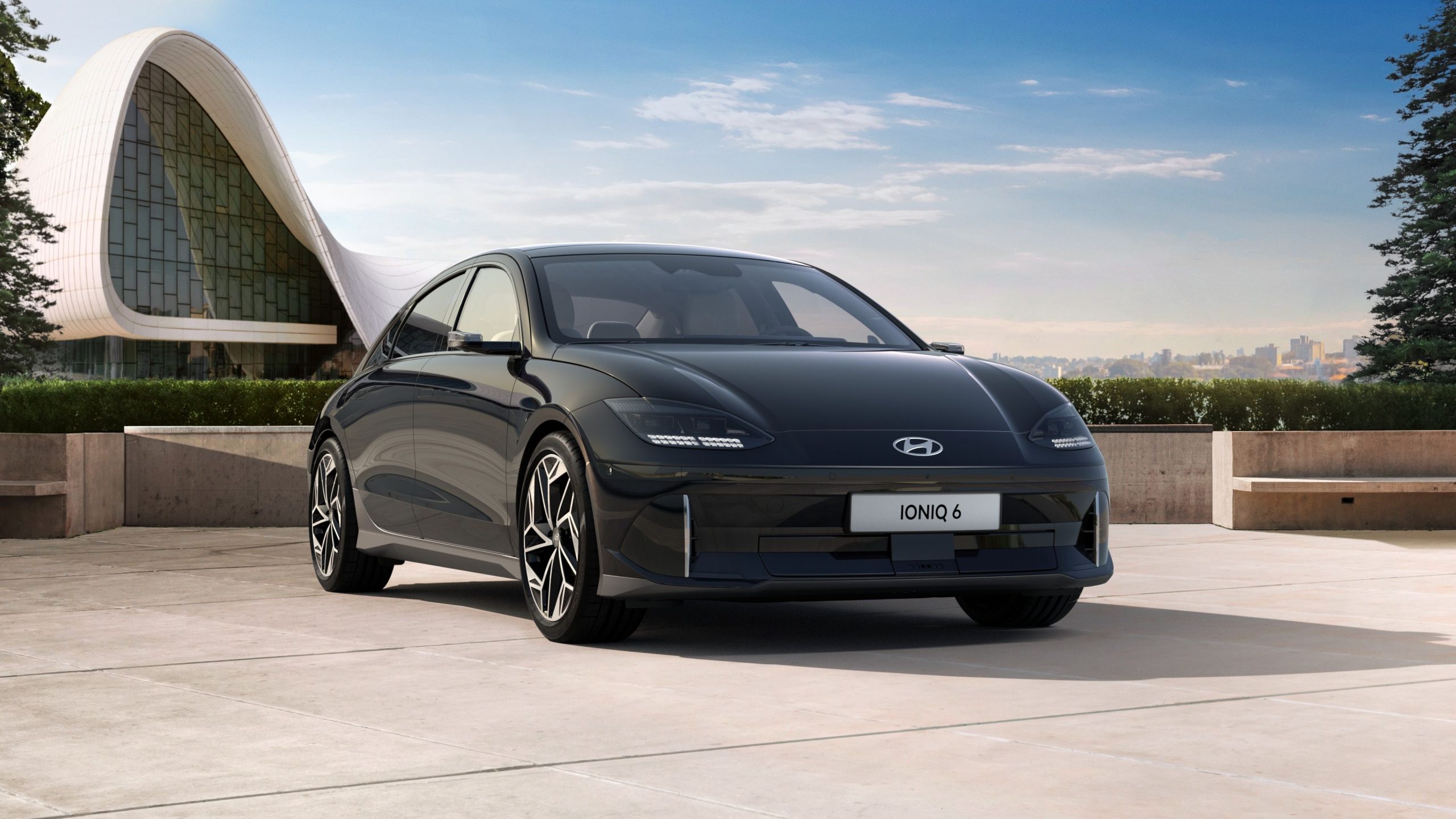
Based on the survey, plenty of owners who made that choice are glad they did. The Ioniq 6 scored 751 out of 1000, which makes it the top mainstream EV in the study and puts it third on the combined list.
Think about how rare that is. It sits right behind two BMWs, vehicles that cost considerably more, and it holds its own. The Ioniq 6 has a rounded, streamlined shape that stands apart from the boxy crossovers filling most showrooms.
Owners appear to appreciate that boldness, and the satisfaction score backs it up. For anyone on a tighter budget, this result should be encouraging.
You do not have to buy a premium badge to land near the top of a satisfaction ranking. Sometimes a mainstream car with a distinct personality is all it takes to keep an owner smiling after twelve months.
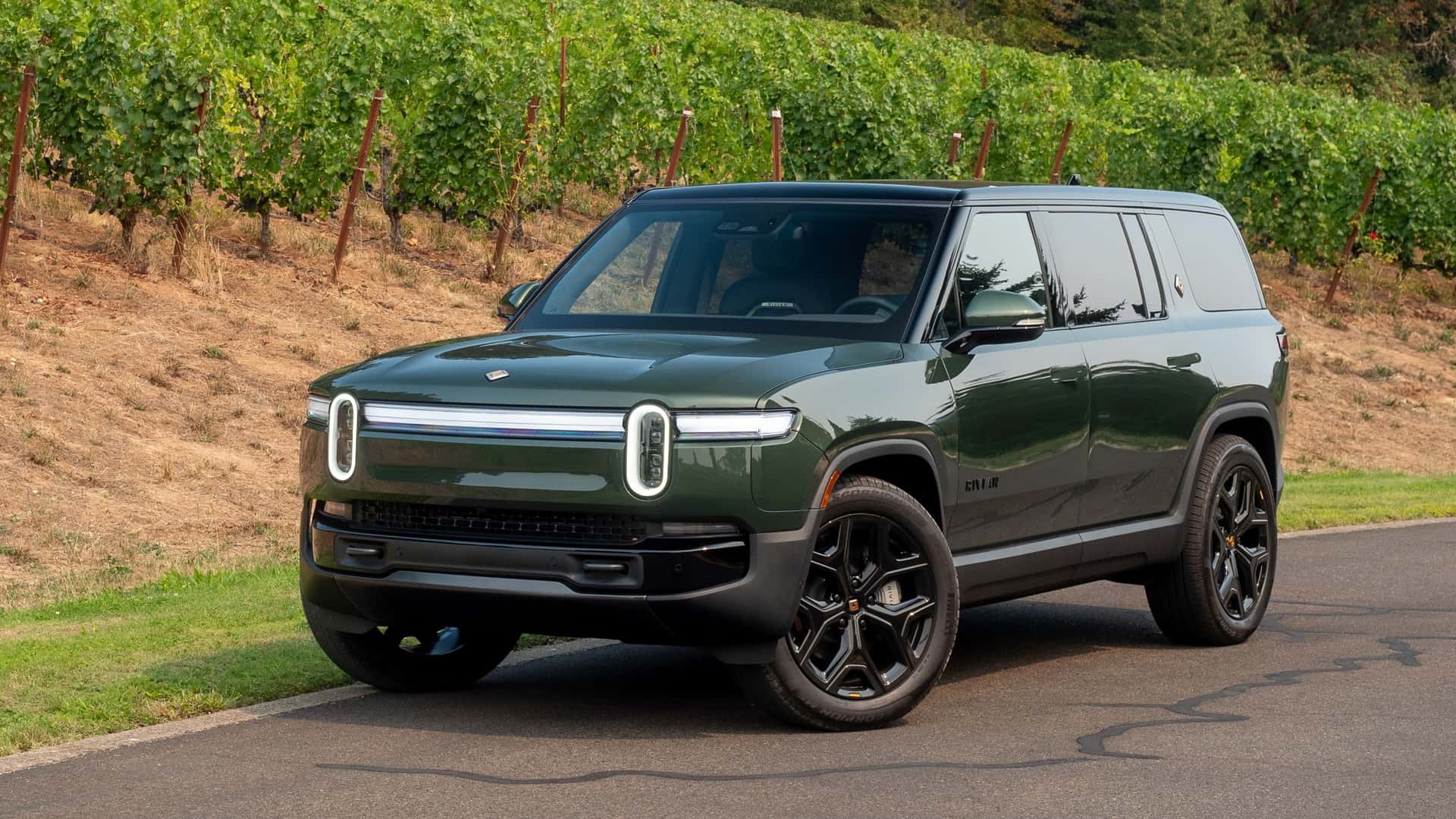
4. Rivian R1S (Ranked 3rd in Premium Segment)
Big. Bold. Built for adventure. That is the pitch behind the Rivian R1S, and owners appear to buy into it. The survey ranked the R1S third in the premium segment, which also places it fourth on the combined list.
No numerical score was provided for this one, so its position comes from the order the study reported. Still, a podium finish in a competitive group is worth noting for a vehicle from a relatively young brand.
The R1S is a three-row electric SUV, designed with families and outdoor lovers in mind. Picture loading up the kids, the dog, and the camping gear, then heading for the hills without a single gas station stop.
That kind of lifestyle appeal likely helps explain why owners rate it so well. Newer automakers often face a tough road, since buyers expect polish from the first day.
Landing among the top premium choices suggests Rivian has found a way to meet those expectations. If you want an EV that feels more like an adventure partner than an appliance, the R1S deserves a place on your shortlist.
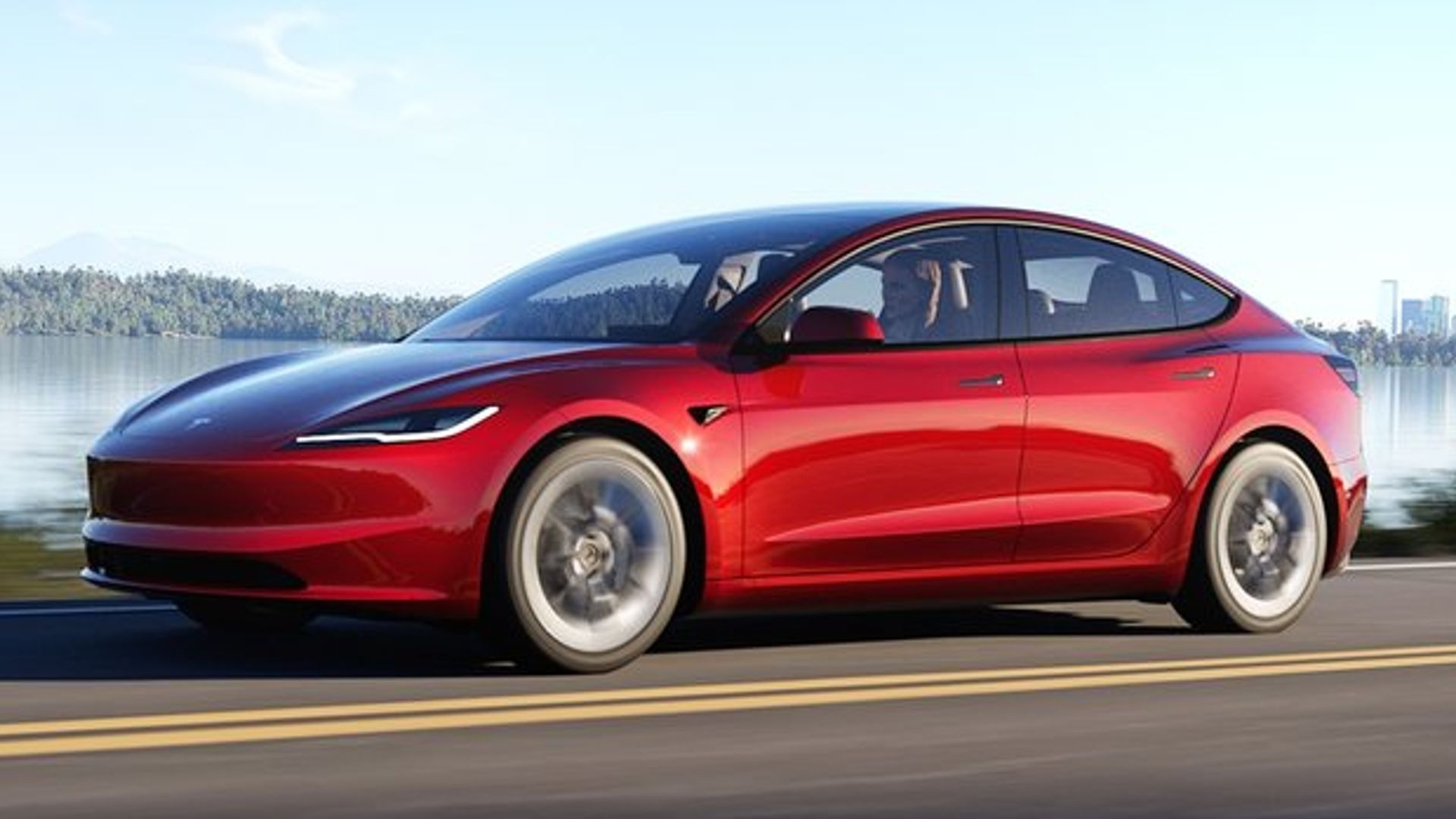
5. Tesla Model 3 (Ranked 4th in Premium Segment)
Here is a name almost everyone knows. The Tesla Model 3 came in fourth in the premium segment, which places it fifth on the combined list. Is that a surprise? Maybe a little, given how much attention the brand gets.
But a fourth-place finish in a segment with strong competitors is hardly a bad showing. The Model 3 remains one of the most recognizable EVs on the road, and it has introduced countless drivers to electric life for the first time.
That matters, because first-time EV owners tend to judge a car differently than longtime enthusiasts. They notice the quiet ride, the instant acceleration, and the simple minimalist cabin.
They also notice the quirks. Satisfaction scores capture all of it. The survey did not give a numerical score for this model, so its spot comes from the reported ranking order. What should you take from this?
The Model 3 is a solid, proven choice, but it is not the runaway favorite many people assume. If you are comparing it against the BMWs or the Rivian, test drive them back to back and see which one feels right to you.
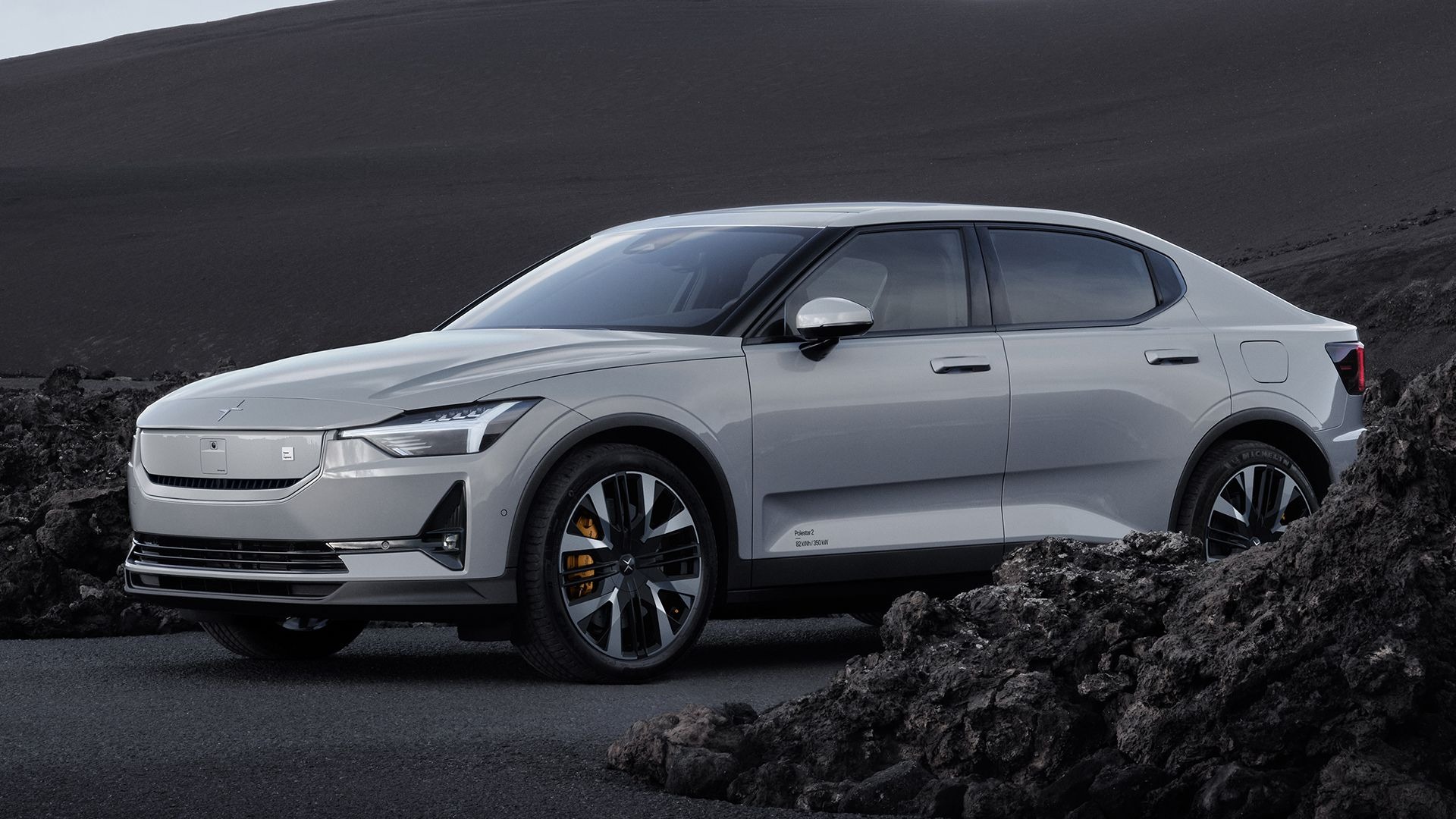
6. Polestar 2 (Ranked 5th in Premium Segment)
The Polestar 2 occupies sixth place in the combined ranking after finishing fifth in the premium category. Its appeal rests on a distinctive Scandinavian-inspired design, a restrained interior, and a driving experience aimed at motorists who want something different from the most familiar electric sedans.
From the outside, the Polestar 2 combines a compact footprint with a fastback profile. This gives it a practical appearance without following the conventional shape of a family sedan. Inside, the emphasis is on clean design, useful storage, and digital controls.
The vehicle’s infotainment system uses Google-based technology, depending on market and model year, to provide features such as navigation and voice assistance.
Such integration can be helpful for drivers who rely on connected services throughout the day. Available functions and subscriptions should be checked for the specific vehicle.
Performance varies by powertrain, with some versions offering all-wheel drive and stronger acceleration. Range also depends on the selected battery and drivetrain, along with temperature, speed, and driving style.
Potential buyers should pay attention to service availability in their area, since support arrangements can differ by market. Charging access, warranty coverage, and the cost of routine maintenance deserve equal consideration.
The Polestar 2 may suit drivers who want a premium electric vehicle that feels understated rather than flashy. Its position in the survey indicates favorable first-year satisfaction among participating owners, making it worth comparing with other compact luxury EVs.
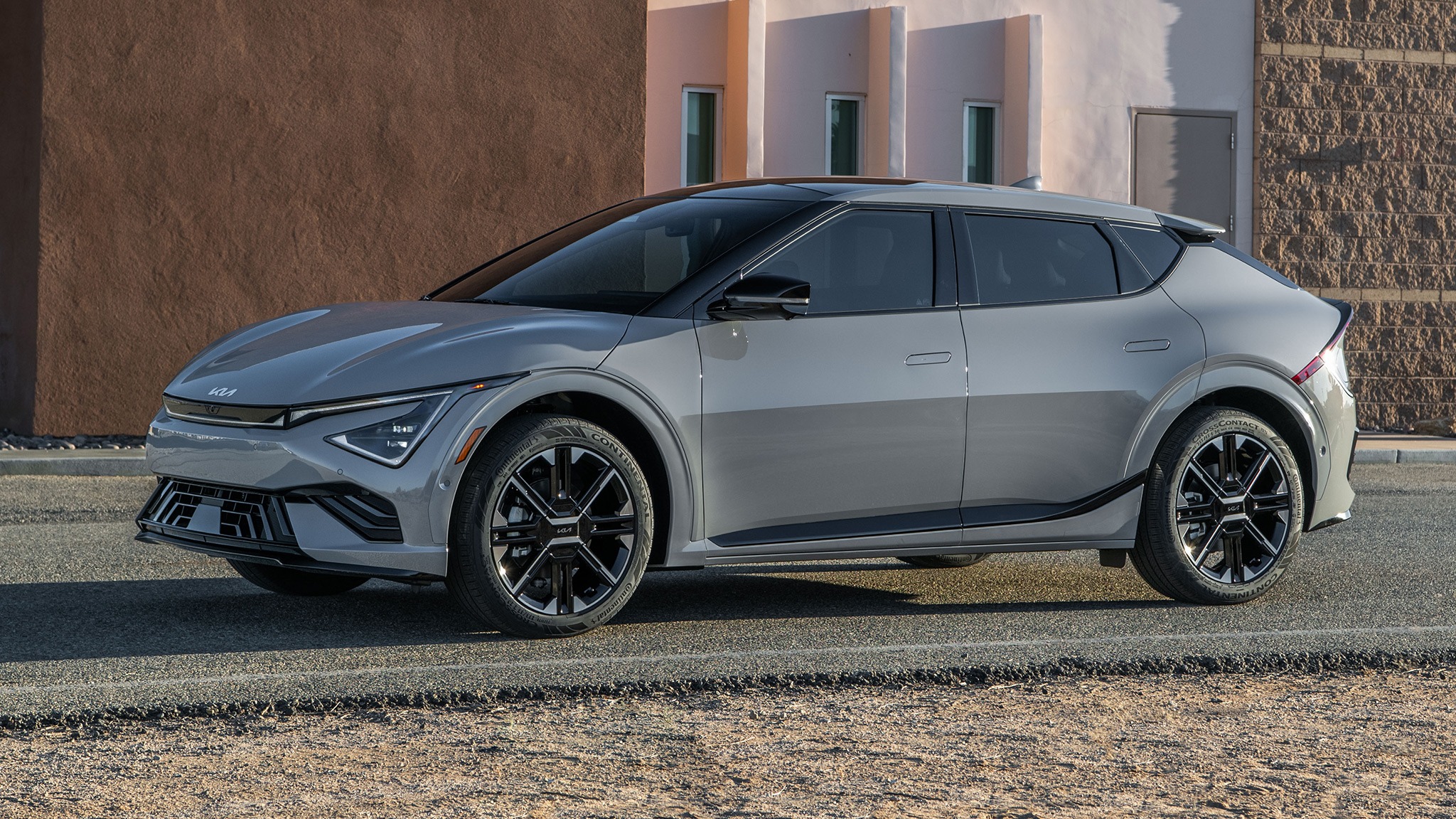
7. Kia EV6 (2nd in Mainstream Segment)
Practicality meets a sporty personality in the Kia EV6, which ranks second among mainstream electric vehicles and seventh in the combined list. It is a crossover designed for drivers who want the flexibility of an SUV without choosing a particularly bulky vehicle.
The EV6 has a distinctive exterior, a spacious-feeling cabin, and a driving position that many crossover shoppers will find familiar. Its interior provides room for passengers and useful cargo capacity, making it suitable for commuting, grocery runs, and family outings.
One of its strongest selling points is its fast-charging capability. On compatible high-powered chargers, certain versions can replenish their batteries quickly under favorable conditions.
Charging performance is not guaranteed to remain at its peak throughout a session, and factors such as battery temperature and charger output can affect the result.
Buyers can also choose among different powertrain configurations. Some emphasize efficiency and range, while others focus more heavily on acceleration and all-wheel-drive traction.
Comparing the exact specifications is essential because the name EV6 covers several configurations. For many households, the appeal lies in versatility.
The vehicle can handle weekday responsibilities while remaining comfortable enough for longer journeys. Available driver-assistance features and infotainment functions add convenience, though their operation and availability should be reviewed during a test drive.
The EV6’s ranking suggests that owners value its blend of usability, technology, and electric performance. Shoppers seeking a mainstream electric crossover should seriously consider it, especially if fast charging and flexible passenger space rank high on their wish lists.
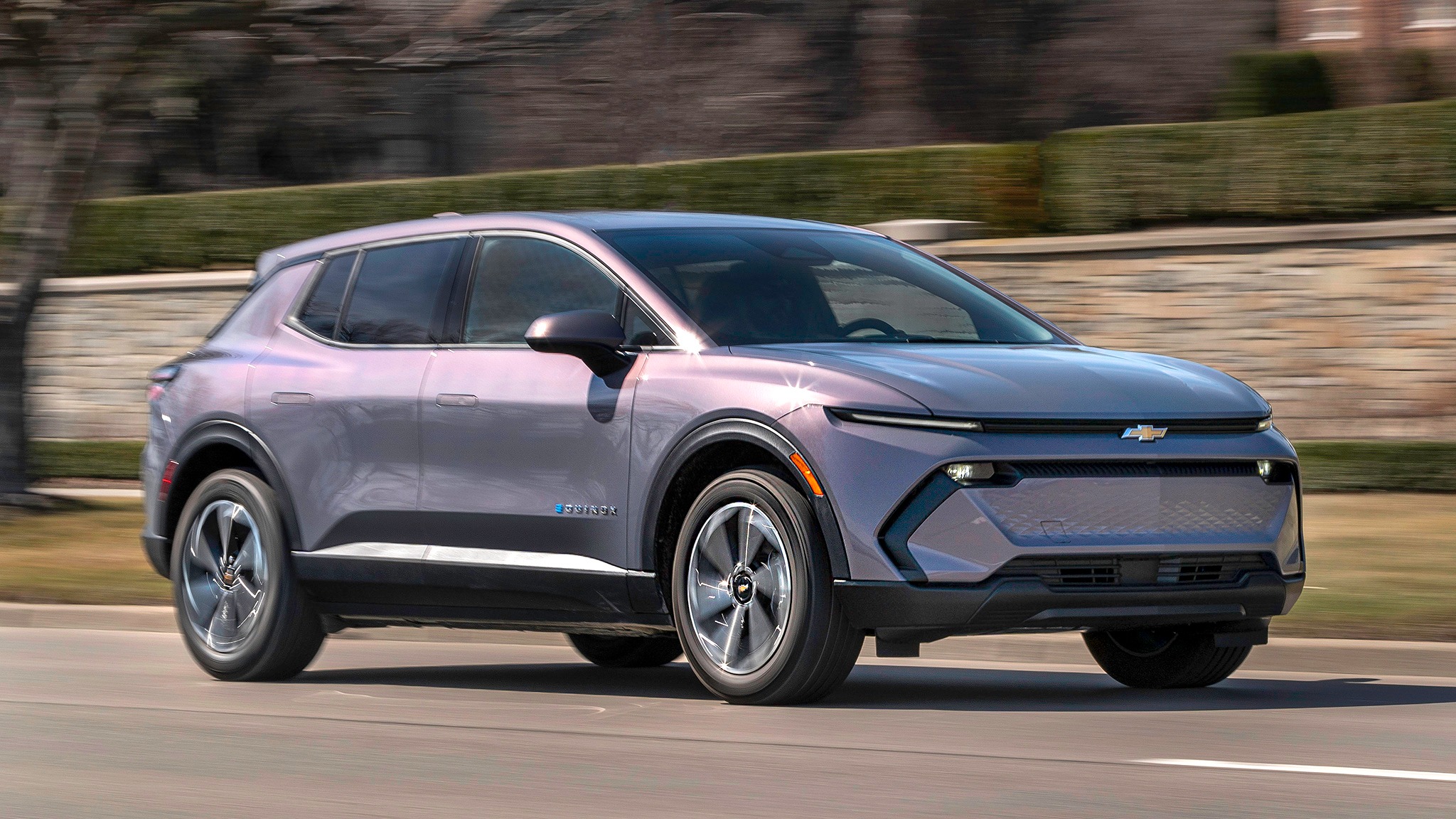
8. Chevrolet Equinox EV (3rd in Mainstream Segment)
Not everyone needs a luxury badge or a futuristic shape. Some people just want a practical electric SUV that fits a normal budget and a normal life.
That is the space the Chevrolet Equinox EV occupies, and the survey suggests it does a decent job. It placed third in the mainstream segment, which lands it eighth on the combined list.
The Equinox name has long been familiar to American families, and the EV version carries that comfortable familiarity into the electric era. Buyers who are nervous about making the jump from gas to electric often find reassurance in a nameplate they already trust.
The survey did not offer a numerical score for this model, so its rank follows the order given in the study. A third-place finish among mainstream choices tells us owners are generally pleased.
It may not turn heads the way a Rivian or a BMW would, but plenty of buyers do not want that. They want dependable transportation with a modern powertrain.
If that sounds like you, the Equinox EV is worth a serious look, especially when comparing monthly payments and everyday running costs.
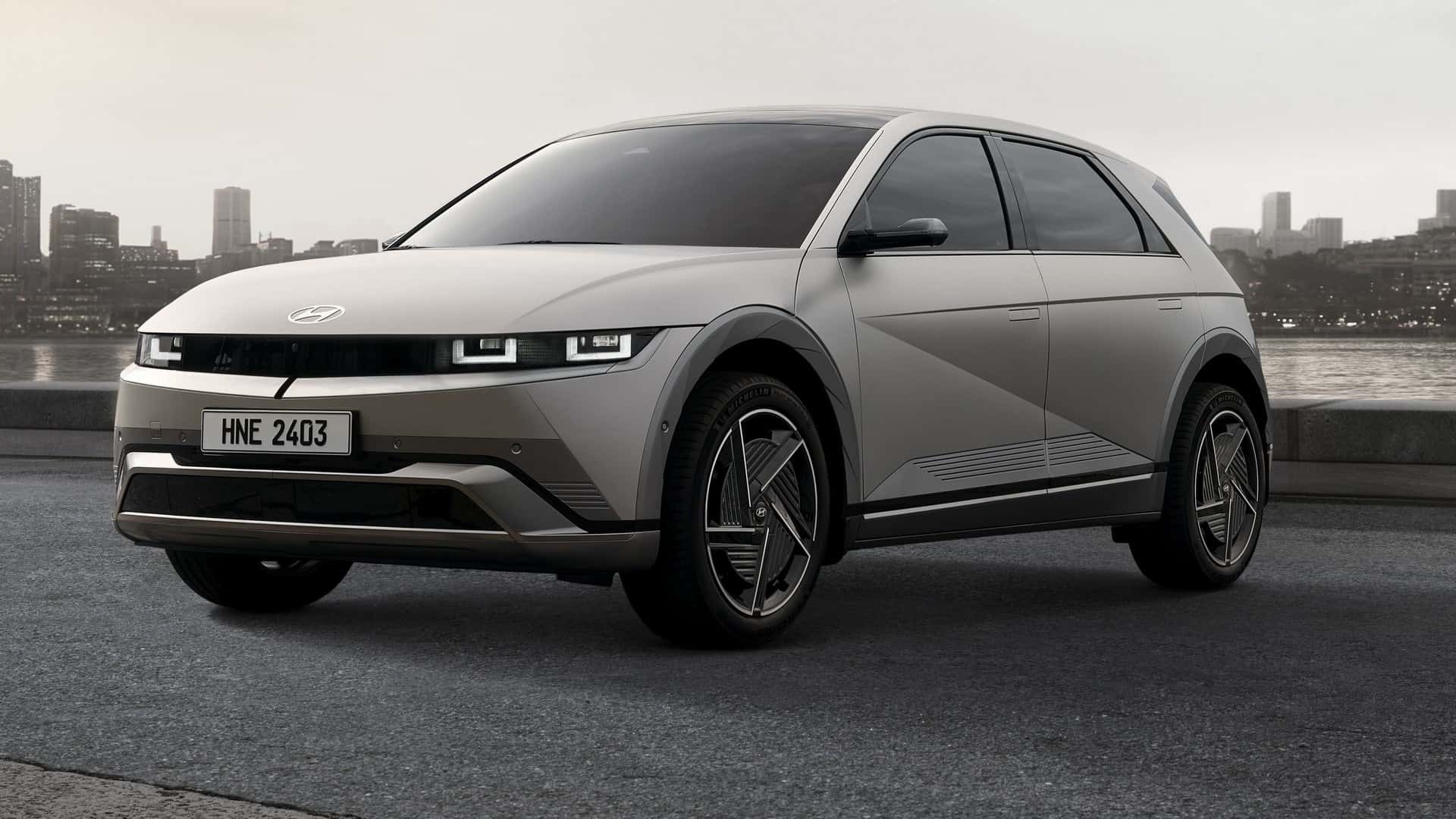
9. Hyundai Ioniq 5 (4th in Mainstream Segment)
So how does the Hyundai Ioniq 5 stack up? It ranked fourth in the mainstream segment and ninth on the combined list. Does that mean owners dislike it? Not at all.
A fourth-place finish in a group this competitive is respectable, and the vehicle has a devoted audience thanks to its retro-inspired, boxy look. Is it better than its sibling, the Ioniq 6?
Based on this survey, owners rated the Ioniq 6 higher, so the sedan has the edge on satisfaction. Should that stop you from considering the Ioniq 5? Probably not.
Satisfaction is personal, and some drivers simply prefer an upright hatchback shape with plenty of cargo room over a swooping sedan. The survey did not publish a numerical score for the Ioniq 5, so its spot comes from the study’s ranking order.
What matters most is how well a vehicle fits your needs. If you carry bulky items, enjoy a higher seating position, or just love the throwback styling, the Ioniq 5 could still be your best match. Test drive both Hyundai models before deciding.
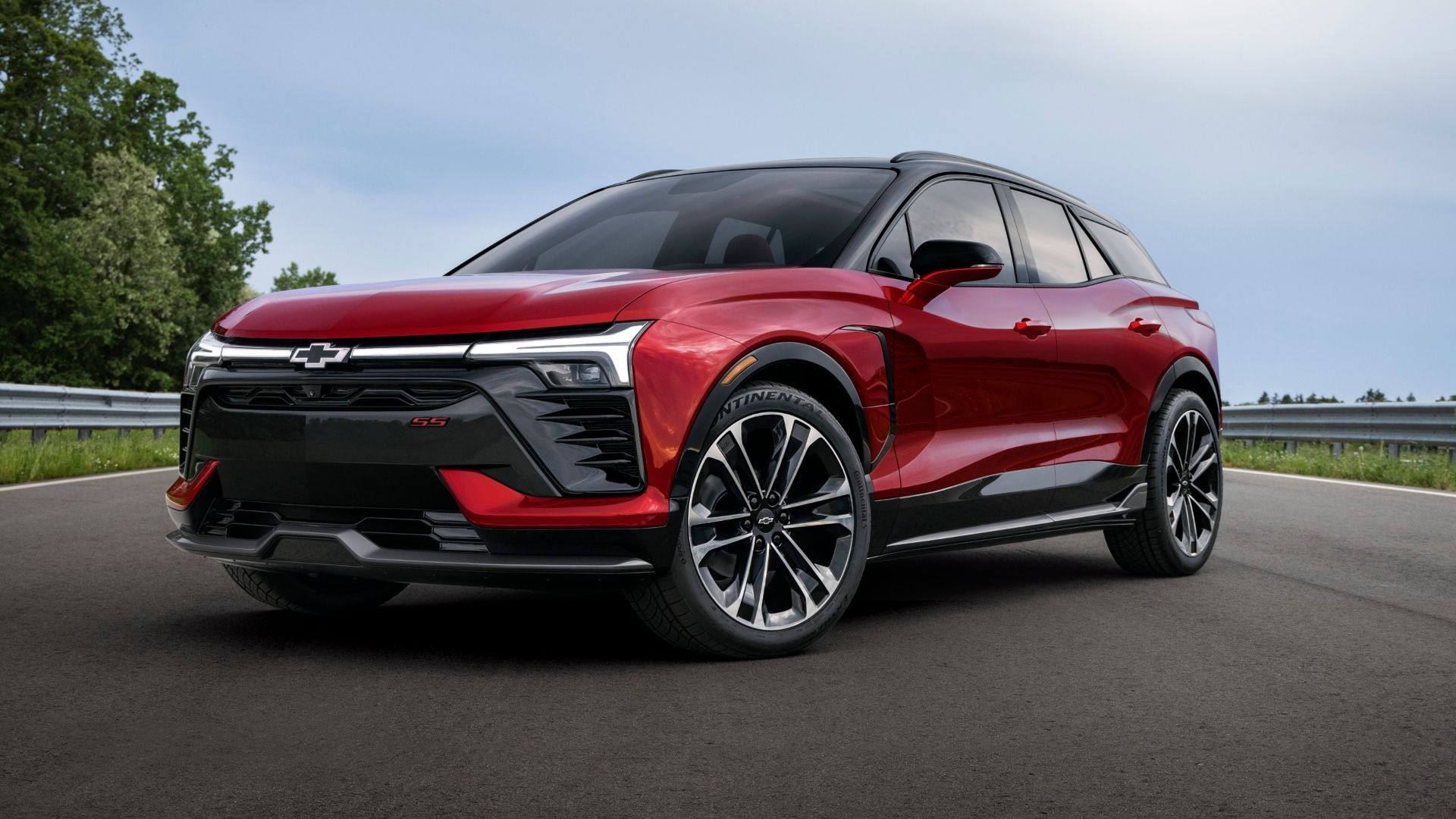
10. Chevrolet Blazer EV (5th in Mainstream Segment)
Every car has strengths and weaknesses, and the Chevrolet Blazer EV is no exception. On the positive side, it offers a midsize electric SUV package from a brand with a huge dealer network, which can make service and support easier for many owners.
It also gives buyers a sporty look that sets it apart from more conservative crossovers. On the less flattering side, the survey placed it fifth in the mainstream segment, tenth on the combined list.
That means owners were less satisfied with it than with several rivals, including the Equinox EV from the same brand. The study did not provide a numerical score for the Blazer EV, so its rank comes directly from the published order.
What should shoppers do with this information? Treat it as one data point, not a verdict. A lower ranking does not mean the vehicle is bad, only that other models pleased owners more during the first year.
If you are interested in the Blazer EV, spend extra time on the test drive, ask about warranty coverage, and compare it against the models above before you sign.
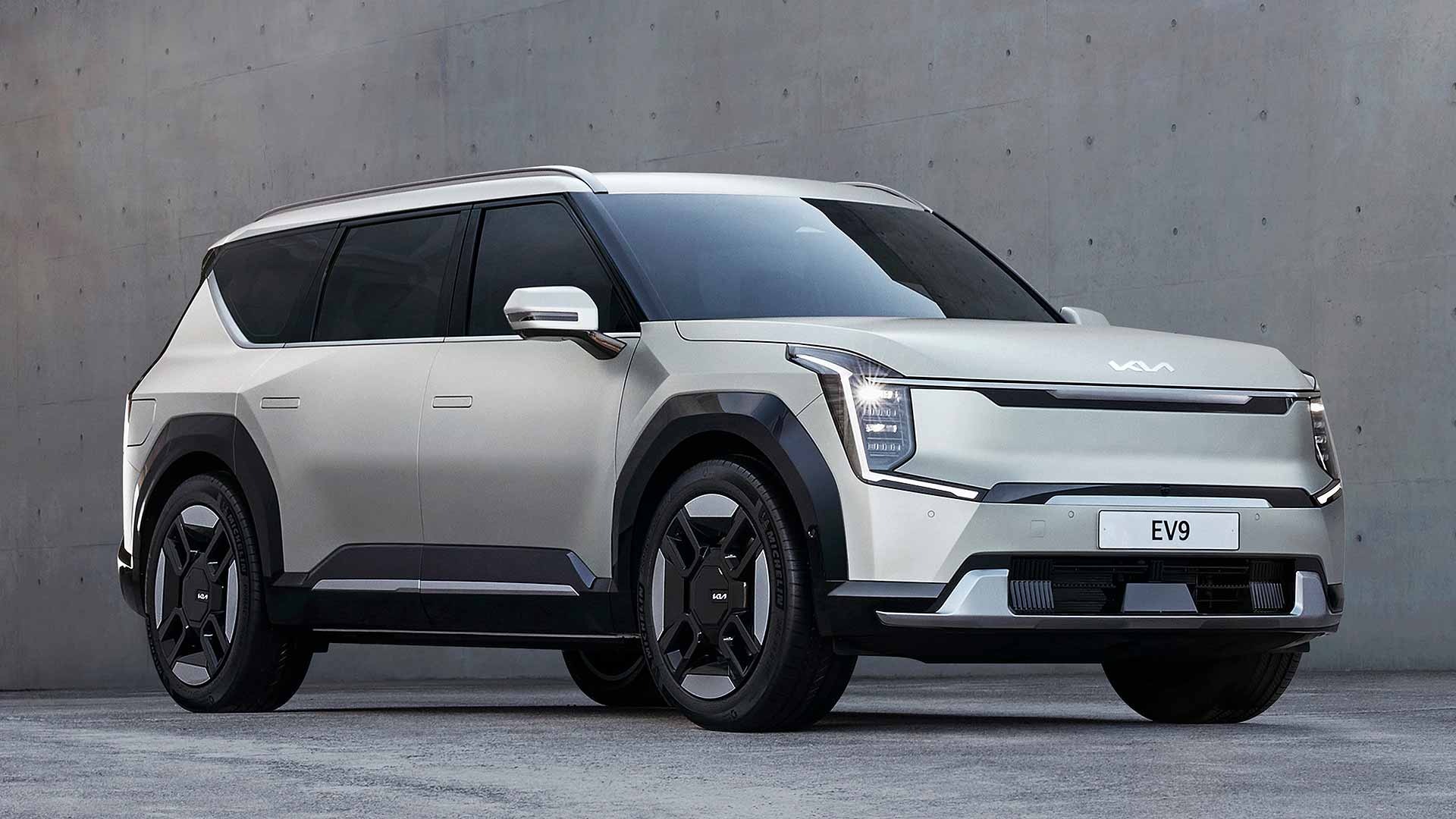
11. Kia EV9 (6th in Mainstream Segment)
Last on the list, but far from forgettable. The Kia EV9 placed sixth in the mainstream segment, which makes it eleventh on the combined ranking.
Picture a family of six heading out on a long weekend trip, bags piled in the back, kids buckled in across three rows. That is the kind of scene the EV9 was designed for.
As a large three-row electric SUV, it tries to give big households a way to go electric without squeezing everyone into a smaller vehicle.
Bigger vehicles often face higher expectations, since owners want space, comfort, range, and charging convenience all at once. That is a tall order, and it may help explain why satisfaction scores can vary.
The survey did not publish a numerical score for the EV9, so its position follows the ranking order. Even so, being last in this particular list does not erase what the vehicle offers.
If you need seating for more people than most EVs allow, the EV9 deserves a spot on your comparison chart. Just test it thoroughly and make sure it fits your family’s routine.
Every EV on this list offers something, and the ranking tells only part of the story. The BMW iX and i4 clearly pleased their owners, and the Hyundai Ioniq 6 proved that a mainstream car can compete with luxury names. Others, from the Rivian R1S to the Kia EV9, serve different needs, from outdoor adventures to big family road trips.