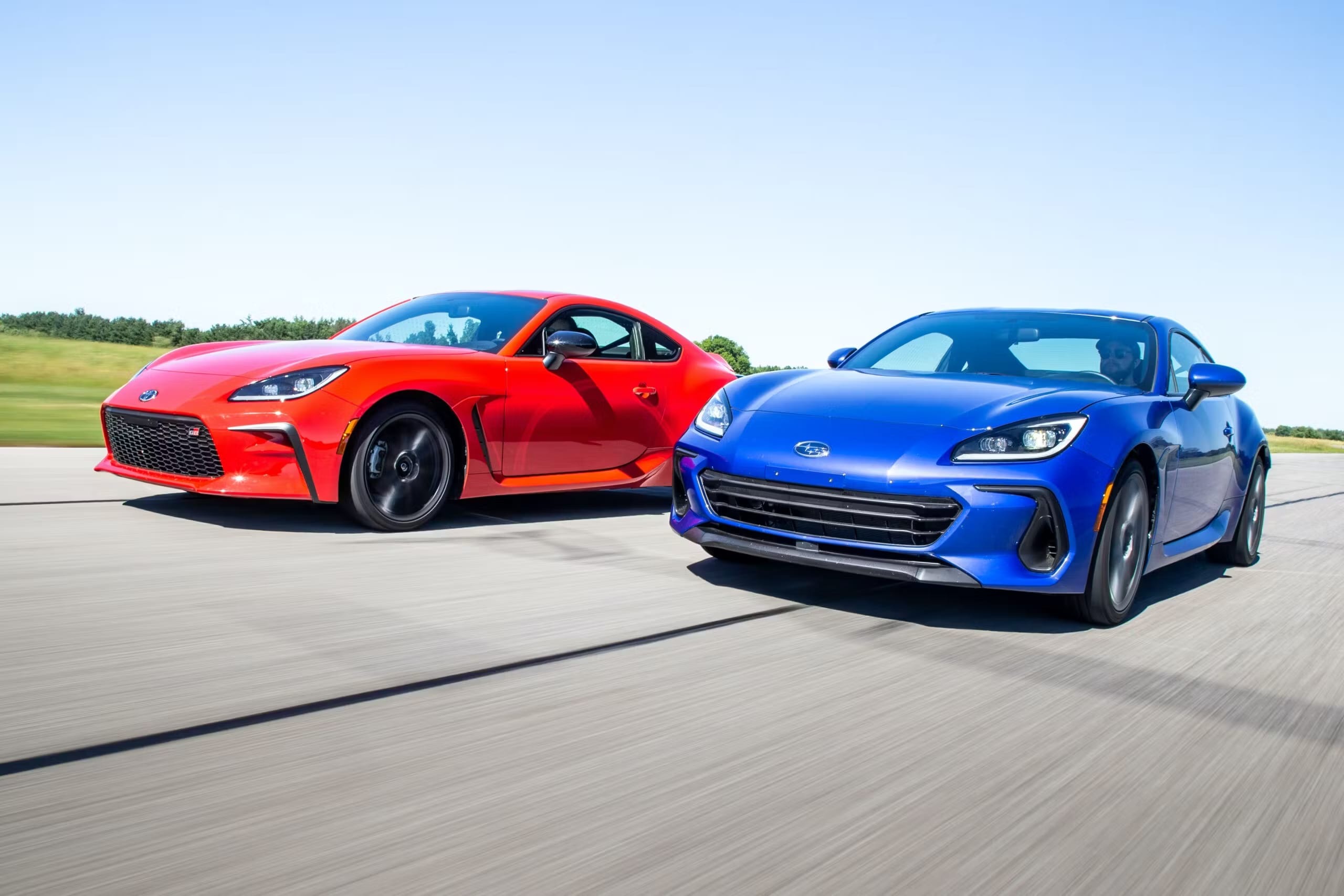
Sticker price gets all the attention, yet the bills that arrive after you drive off the lot can sting just as much. Oil changes, tires, brakes, and the occasional surprise repair all add up across the first five years. The good news is that some cars cost far less to keep running than others. Using CarEdge’s estimates, this guide ranks 13 models from the lowest projected five-year repair and maintenance cost to the highest.
The spread is tight, running from $1,095 to $1,571, but every dollar counts when you’re budgeting. Keep in mind that your real costs depend on mileage, driving habits, location, and service history. Think of these numbers as a smart starting point, then read on.
1. Nissan Leaf
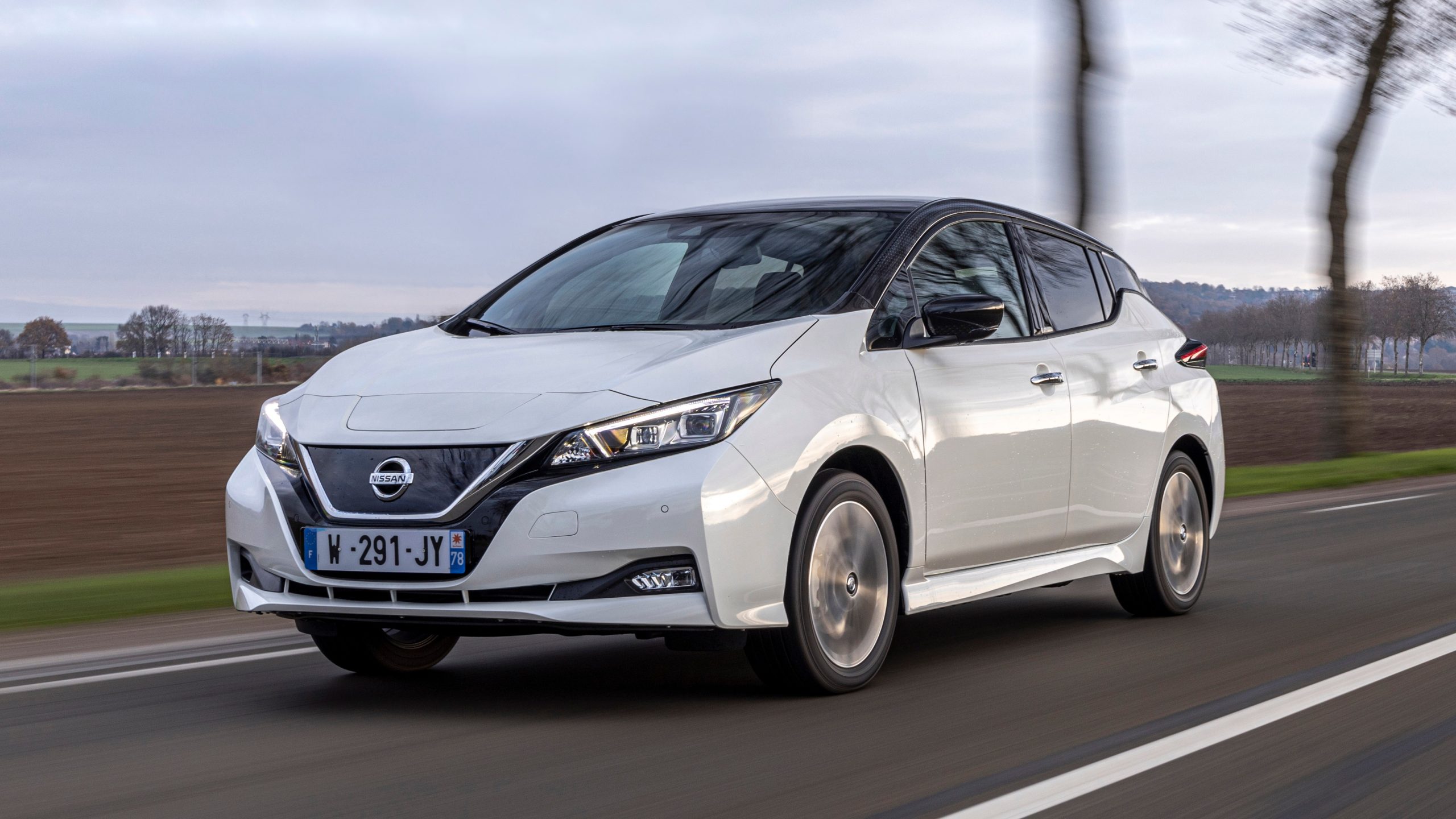
Keeping vehicle expenses under control can be easier when the car itself requires less routine attention. The Nissan Leaf earns the top spot on this list with an estimated five-year repair and maintenance bill of just $1,095, according to the supplied CarEdge figures.
For drivers considering an electric vehicle, that projection makes the Leaf an attractive starting point. Its fully electric powertrain eliminates several maintenance tasks associated with gasoline engines.
Owners do not need conventional engine oil changes, spark plug replacements, or exhaust system servicing. Regenerative braking can also reduce wear on the brake pads because the electric motor helps slow the vehicle while recovering energy.
The Leaf is designed primarily for everyday transportation rather than high-performance driving. It can suit commuters, students, and households seeking a vehicle for errands and regular trips. Its hatchback layout also provides useful cargo flexibility.
Still, a low projected maintenance bill does not guarantee that every owner will spend the same amount. Battery condition, tire wear, driving habits, and local labor rates can affect actual expenses.
Buyers should also consider driving range, charging access, and battery warranty coverage before making a purchase. For shoppers who want a straightforward electric vehicle with a low projected five-year maintenance burden, the Nissan Leaf deserves serious consideration.
2. Fiat 500e
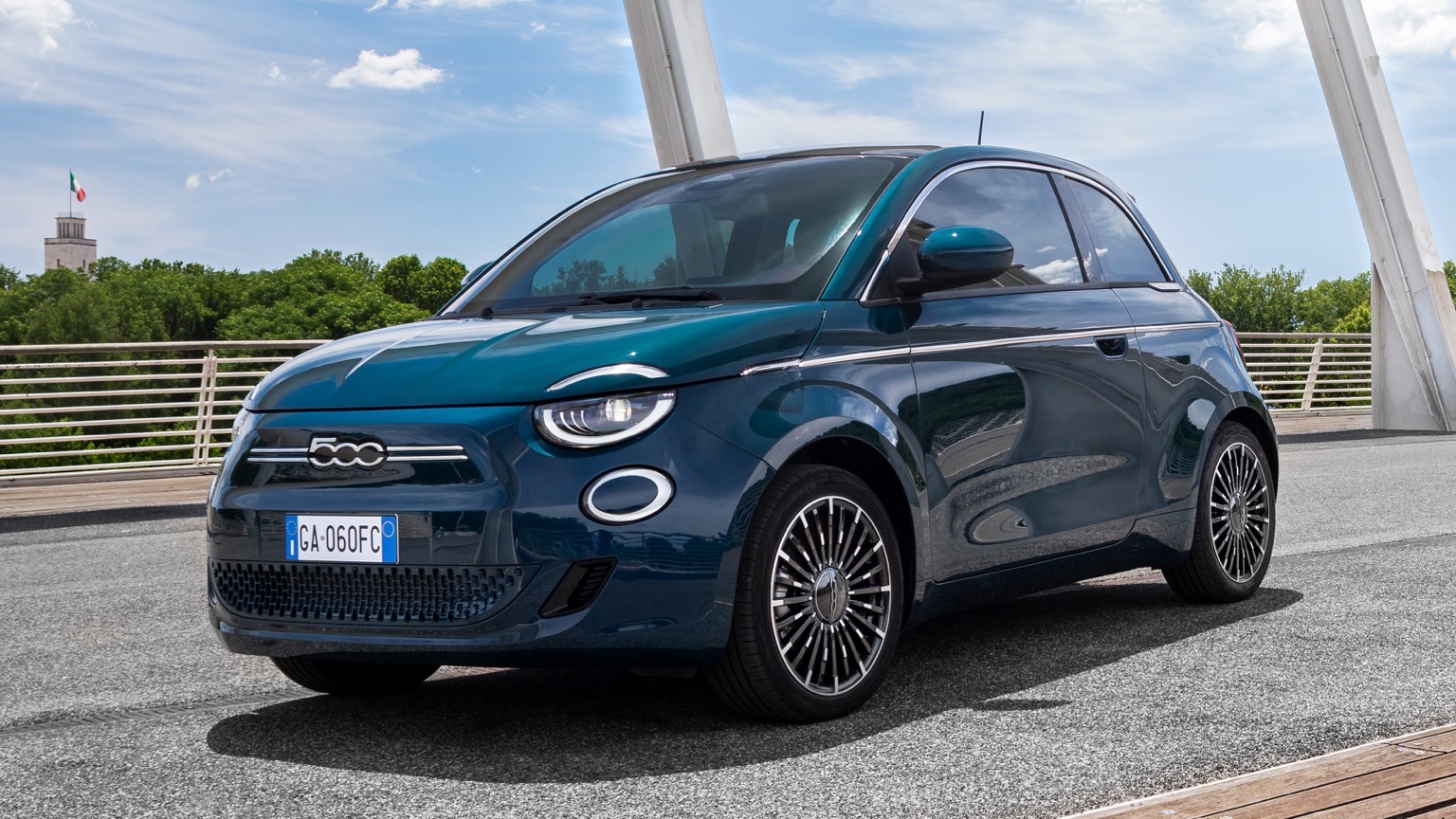
Small cars can make daily driving less demanding, especially when parking space is limited, and most journeys take place in town. The Fiat 500e follows that approach with a compact body, fully electric powertrain, and an estimated five-year repair and maintenance cost of $1,178.
That figure places it second in this ranking, just $83 above the Nissan Leaf. The 500e is built for drivers who appreciate a smaller vehicle that feels suited to busy streets.
Its compact dimensions can make parking in crowded areas easier, while its electric drivetrain removes the need for conventional engine maintenance. There are no routine engine oil changes, and regenerative braking can help reduce brake wear in suitable driving conditions.
This car may appeal to city residents, couples, and commuters who rarely need a large cargo area. Its small footprint also makes it a practical choice for short trips to shops, offices, and other nearby destinations.
However, the 500e’s compact size may not suit every household. Buyers who regularly transport several passengers, carry bulky equipment, or take long highway journeys should assess their space and range requirements carefully.
The projected maintenance figure is encouraging, but insurance, tire replacement, charging costs, and repairs outside routine servicing can still affect ownership expenses. A test drive and a review of the vehicle’s warranty are sensible steps before buying.
3. Toyota Mirai
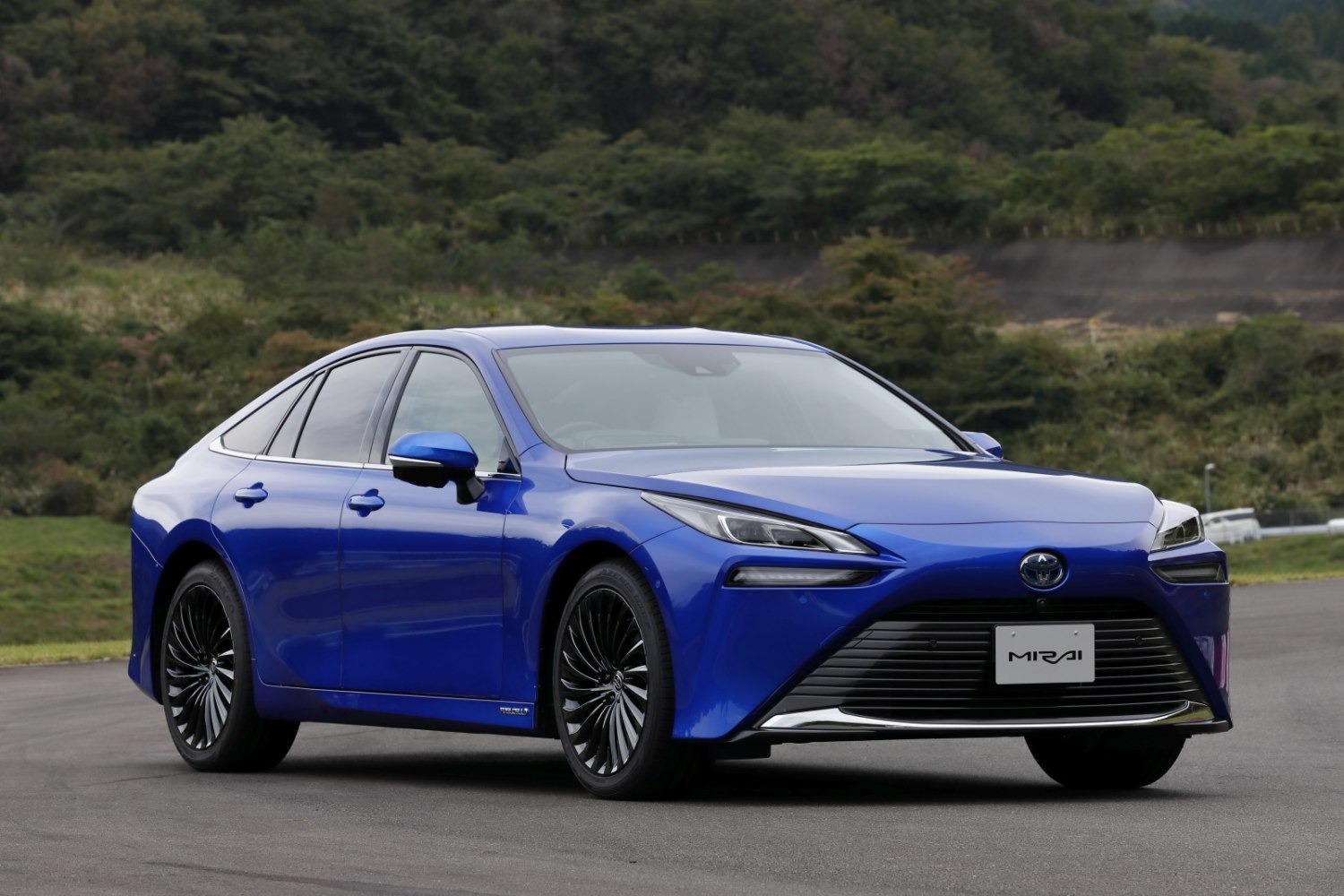
Hydrogen power gives the Toyota Mirai a different place in the automotive market. Rather than storing electricity in a large battery that must be recharged from an external power source, the Mirai uses a hydrogen fuel cell to generate electricity for its electric motor.
Its estimated five-year repair and maintenance cost is $1,196, placing it third on the supplied list. The result may interest drivers who want electric propulsion but are curious about alternatives to conventional battery-electric vehicles.
The Mirai offers a sedan body and an electric driving experience without requiring the owner to plug it in for routine energy replenishment. Instead, hydrogen is dispensed at compatible fueling stations.
That convenience depends heavily on location. Hydrogen stations remain far less common than gasoline stations and public electric charging points in many areas.
Prospective buyers should confirm that reliable stations are available along their regular routes before committing to this model. The cost estimate also deserves careful interpretation.
A projected maintenance figure is not the same as the total cost of ownership, and hydrogen fuel expenses can affect the amount an owner spends each month. Insurance, depreciation, and unexpected component failures also belong in a complete budget.
For someone with dependable access to hydrogen fueling, the Mirai offers an unusual alternative to mainstream cars. Its low projected five-year maintenance cost adds appeal, but the local fueling network should be a major part of the buying decision.
4. Toyota bZ4X
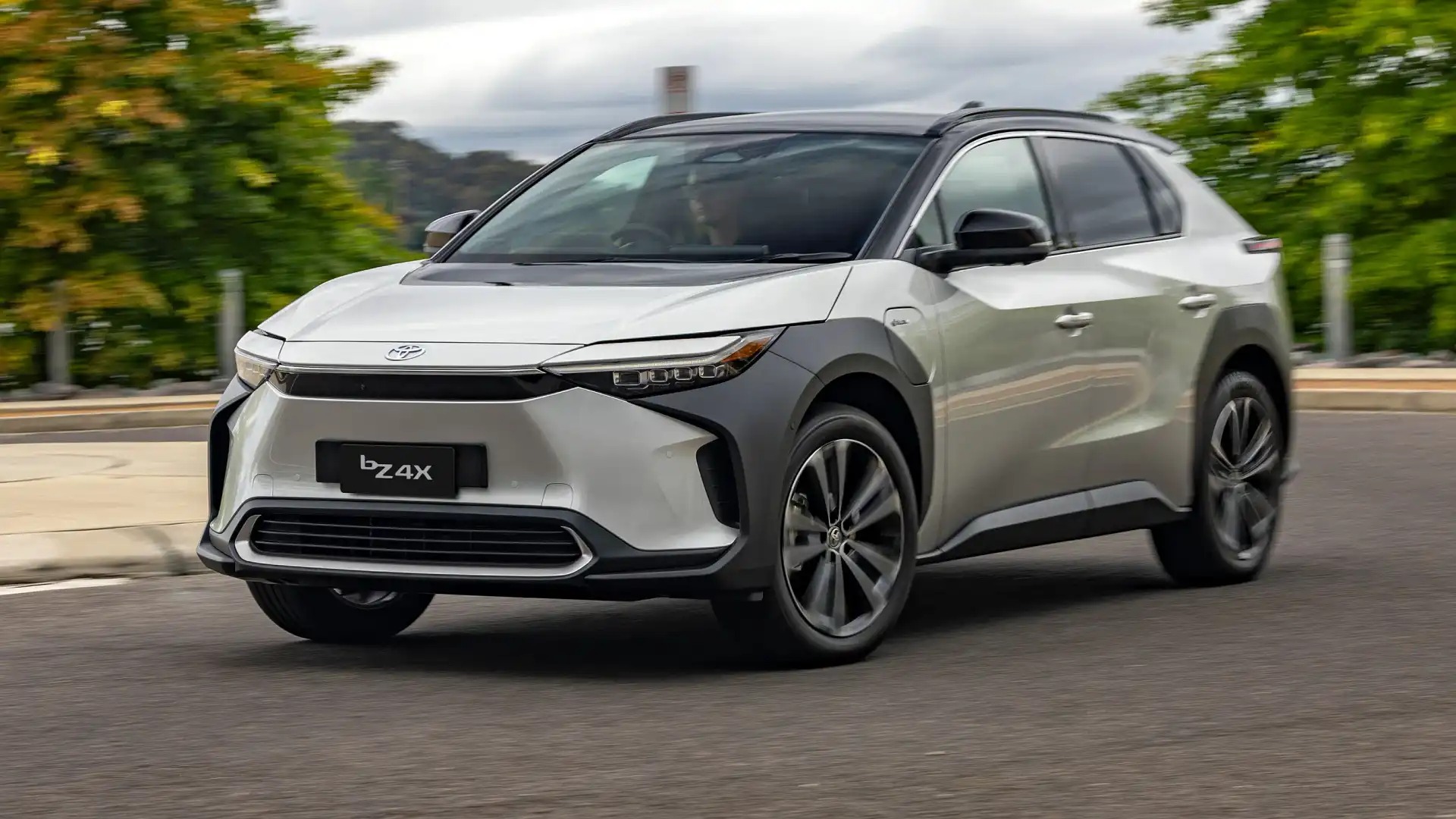
What if you want an electric car but like sitting up high? That’s where the Toyota bZ4X comes in. It ranks fourth with an estimated cost of $1,208, and it’s an all-electric SUV built for drivers who prefer a higher seating position.
Why does that seating position matter? Many people feel more comfortable and confident when they can see over surrounding traffic. Getting in and out is easier, too, especially for older passengers or anyone with a bad knee.
Is it a good value? On the maintenance side, the numbers say yes. At $1,208, it’s only $113 more than the Leaf, and it gives you an SUV body instead of a small hatchback. Do keep in mind that the estimate covers upkeep and repairs, not the purchase price.
What should you check before buying? Look at range for your daily routine, charging options at home or work, and cargo space for the things you carry. If you buy used, ask about battery health and remaining warranty.
Does low maintenance guarantee low cost? No. Tires, insurance, and electricity still add up. But a low repair estimate is a reassuring starting point for a family-friendly electric SUV.
5. Toyota Corolla Hatchback
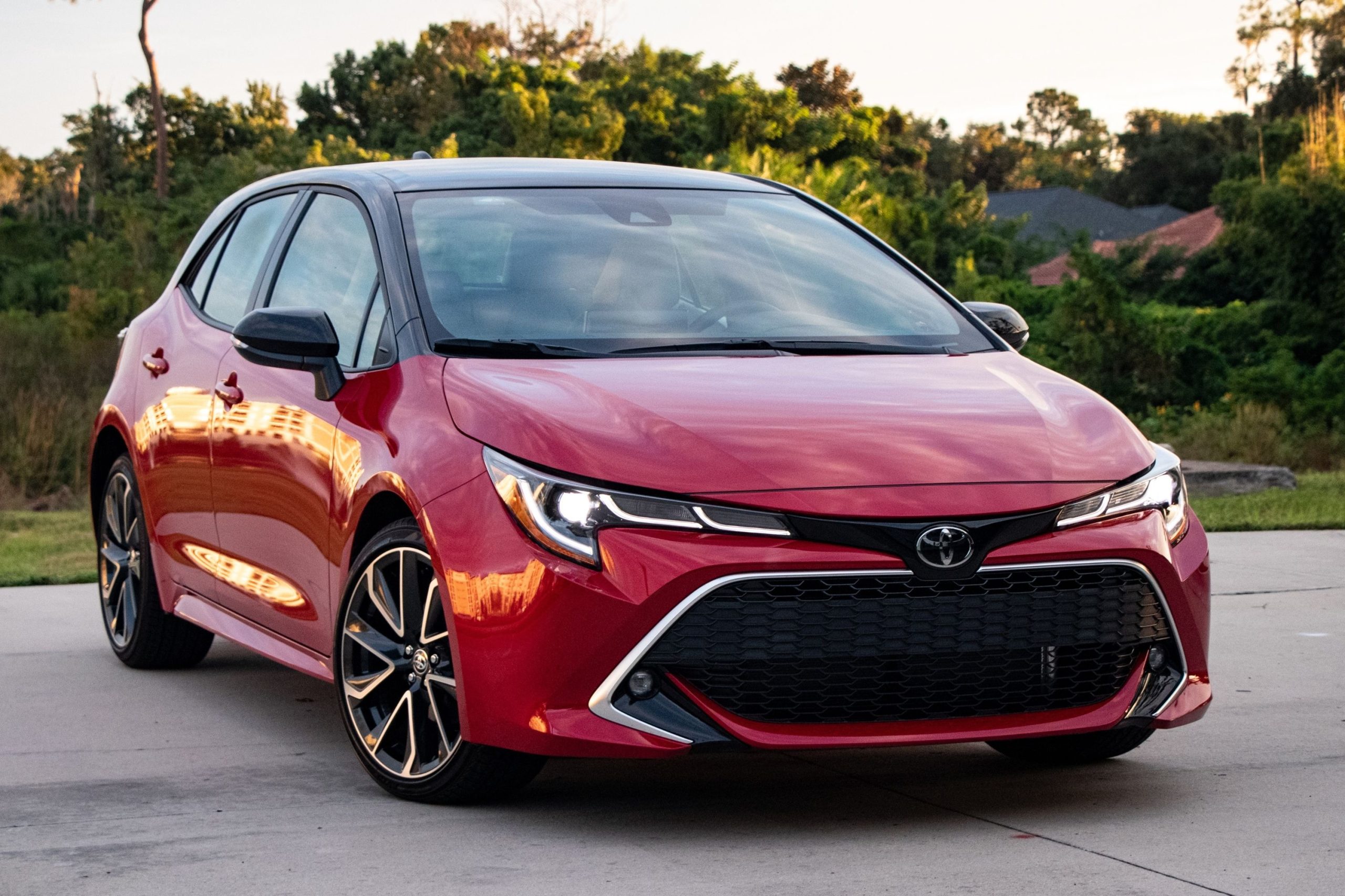
Not every smart pick needs a plug. The Toyota Corolla Hatchback places fifth at $1,357, and it’s the first gasoline-only car on this list. Its compact design, flexible cargo area, and conventional powertrain make it a practical choice for motorists looking to keep routine vehicle expenses manageable.
Gasoline cars come with a familiar routine. Oil changes, filters, brakes, and tires are the usual items, and almost any repair shop knows how to handle them. That broad availability of service can save time and money when something needs attention.
The hatchback shape adds everyday usefulness. Fold the rear seats, and you can carry boxes, sports gear, or a bike wheel without fuss. Parking is easy, and fuel costs tend to be modest for a compact car, though the data here covers repairs and maintenance only.
Compare it with the electric cars above it. The Corolla Hatchback’s estimate is $262 higher than the Leaf’s, yet you avoid charging concerns entirely. For many drivers, that trade is worth it, especially those without a place to plug in at home.
If you want simple, familiar, and predictable ownership, this is a sensible candidate.
6. Hyundai Ioniq 6
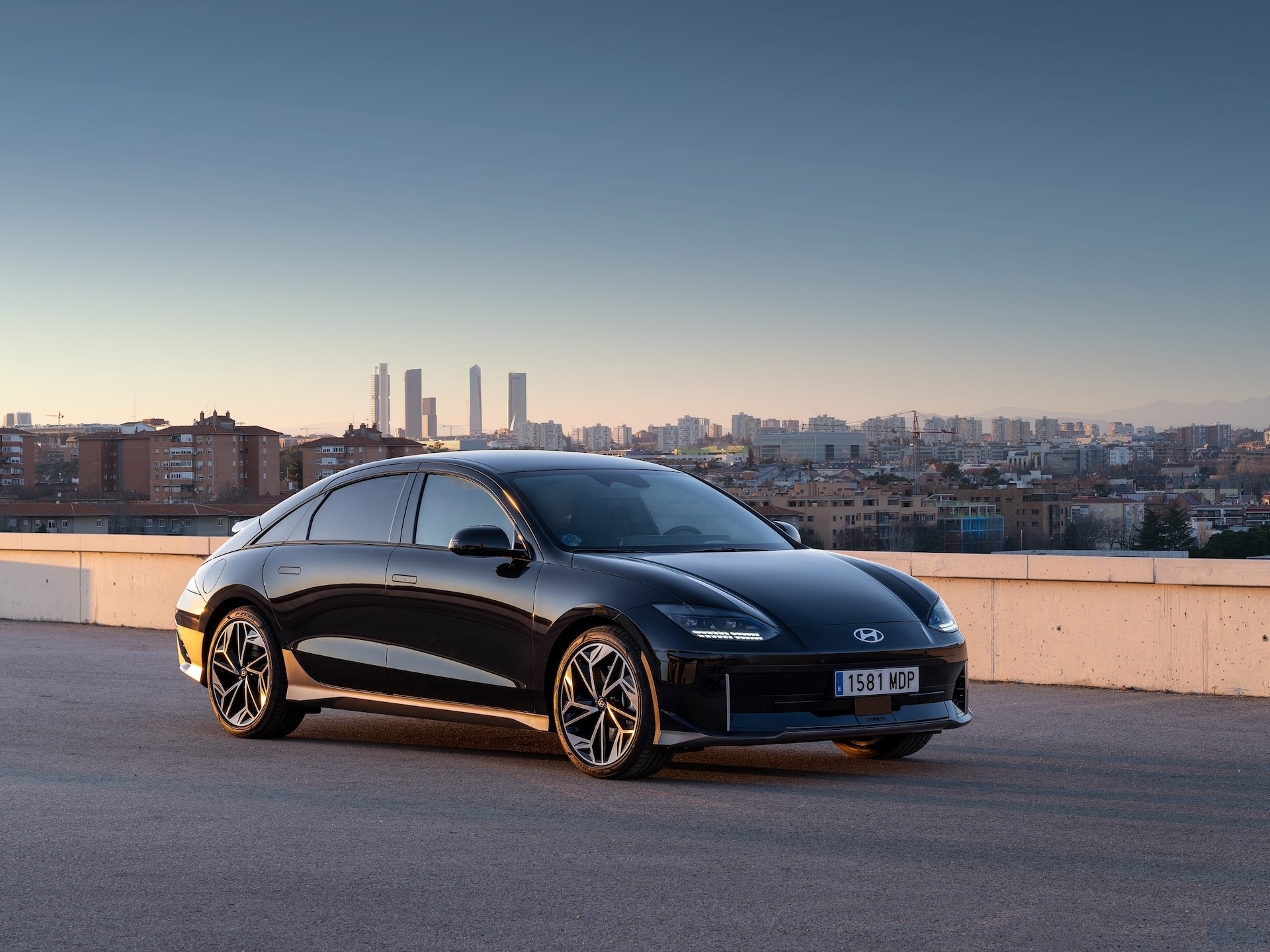
Sleek is the word for the Hyundai Ioniq 6. It ranks sixth, with projected expenses of $1,360, and this electric sedan combines an aerodynamic design with modern technology.
The smooth shape isn’t only for looks. Cutting through the air with less resistance generally helps an electric car stretch its range.
This combination makes the electric sedan appealing to buyers seeking modern technology alongside relatively low estimated maintenance costs, without putting too much strain on their repair budget.
Let’s talk about who it suits. Commuters will like the quiet, smooth ride. Tech lovers will enjoy a cabin that feels up to date. And anyone tired of gas station visits can swap them for charging at home.
There are things to check, as with any electric car. Confirm home charging options, look at real-world range, and ask about battery warranty terms. If you’re shopping used, request a battery health report.
Also note that the Ioniq 6 is a sedan, so cargo space and seat height differ from an SUV. Sit in the back seat and test the trunk before deciding.
Pair the low estimate with a good test drive, and you’ll know quickly whether this car fits.
7. Toyota Corolla
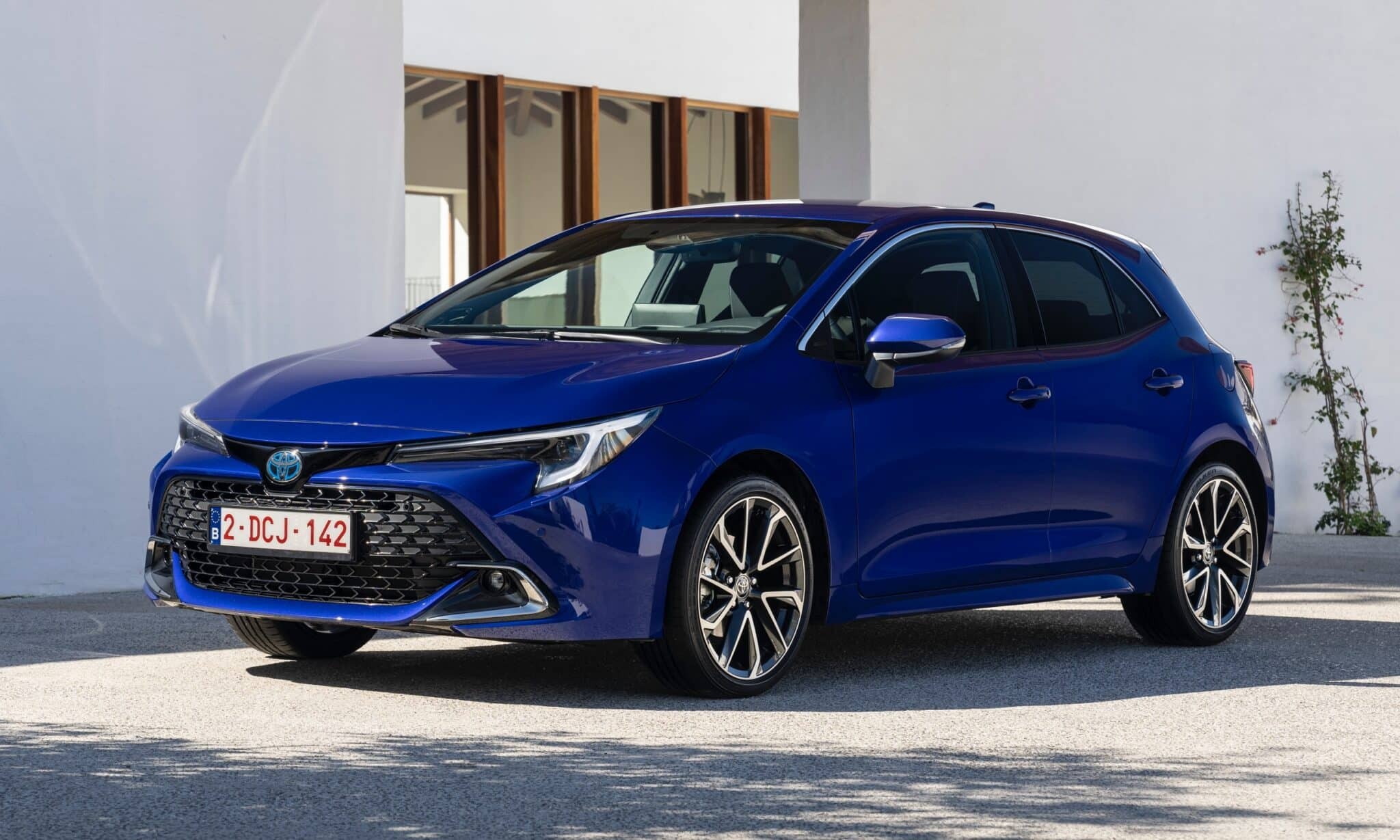
Reliability, reasonable fuel consumption, and familiar servicing requirements have helped the Toyota Corolla remain a popular choice among compact cars. In this ranking, it takes seventh place with a projected five-year repair and maintenance cost of $1,430.
The Corolla is a sensible option for people who want transportation that can handle commuting, shopping, school runs, and regular highway journeys without requiring the space of a large vehicle.
Its straightforward gasoline powertrain also appeals to drivers who prefer refueling at conventional gas stations instead of planning around charging stops.
Routine ownership still involves expenses. Engine oil and filters need periodic replacement, tires wear with use, and brakes require inspection.
Following the recommended service schedule can help identify developing problems before they become more expensive to address. Actual bills depend on the vehicle’s age, mileage, condition, and the labor rates charged by local repair shops.
Fuel economy is another part of the Corolla’s appeal, although the exact results depend on the engine, transmission, model year, and driving conditions.
Buyers comparing used examples should pay attention to service records, accident history, and signs of neglected maintenance rather than relying on the model name alone.
At $1,430, the supplied five-year estimate places the Corolla in the middle of this selection. It costs more to maintain than the Corolla Hatchback according to these figures, yet its familiar design and practical size make it worth considering for drivers who value uncomplicated everyday transportation.
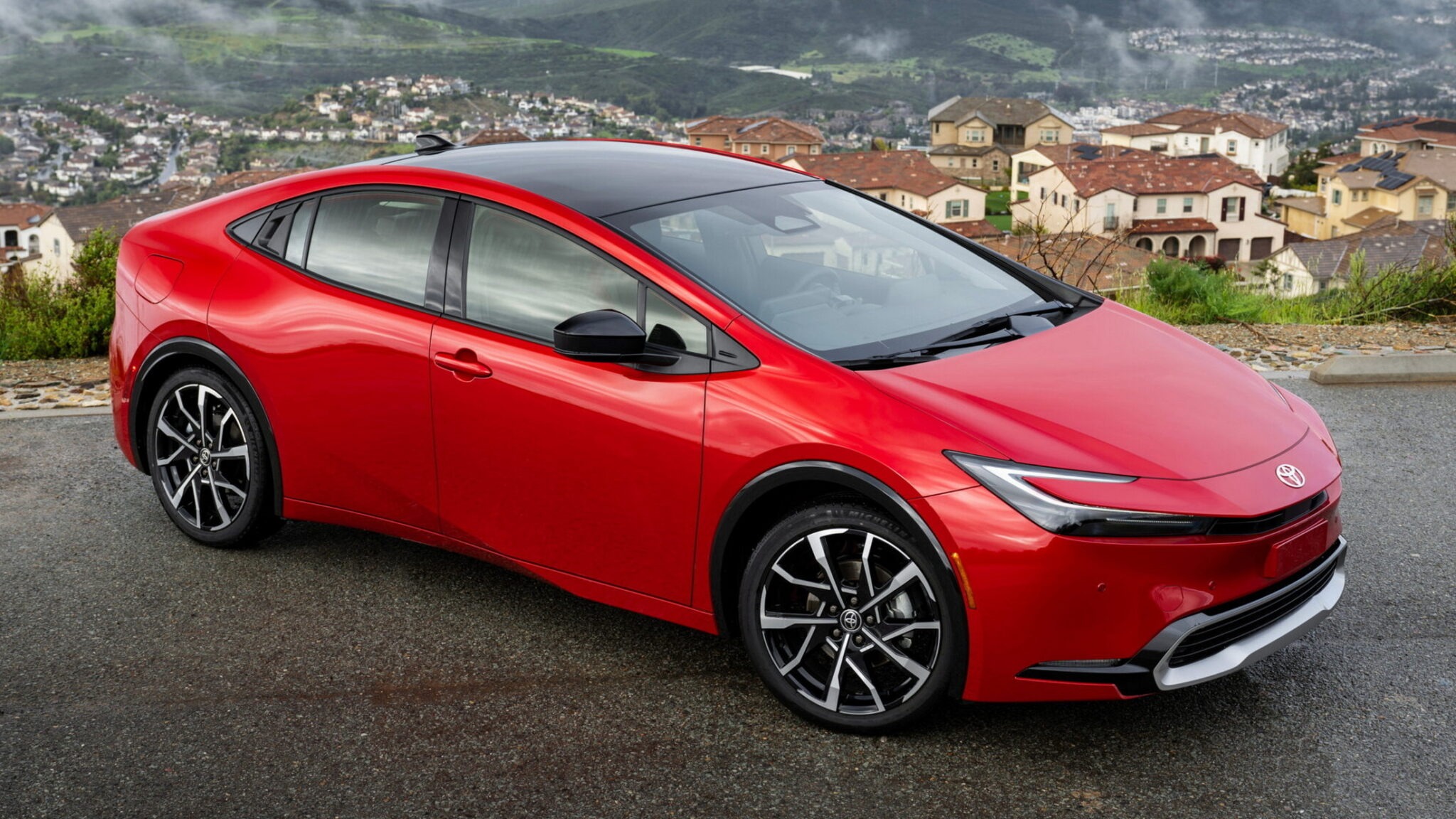
8. Toyota Prius
Fuel efficiency is a major reason shoppers consider the Toyota Prius, but its hybrid powertrain also makes it an interesting choice for drivers comparing long-term ownership expenses.
The Prius ranks eighth with an estimated five-year repair and maintenance cost of $1,437, according to the figures supplied for this article. Unlike a conventional gasoline vehicle, the Prius combines an internal combustion engine with an electric motor and battery.
The system can use electric assistance during acceleration and recover energy through regenerative braking. Depending on driving conditions, this arrangement can reduce fuel consumption, particularly in stop-and-go traffic.
The hybrid design does not eliminate maintenance. Owners still need engine oil changes, fluid checks, tire replacements, and scheduled inspections.
The hybrid battery and related electrical components also form part of the vehicle’s equipment, so warranty terms and service procedures are worth reviewing before a purchase.
Drivers who spend considerable time commuting may appreciate the Prius’s emphasis on efficiency. Families and individuals who need a practical daily car may also value its passenger space and cargo flexibility, depending on the model year.
The difference between the Prius and the standard Corolla in this ranking is only $7 in projected five-year maintenance and repair costs. That narrow gap shows how close the estimates are for these two Toyota models, though it does not mean their fuel bills will be identical.
Anyone comparing them should calculate expected annual mileage, local fuel prices, purchase costs, and insurance. The Prius can be an appealing option for motorists who want hybrid efficiency without moving to a fully electric vehicle.
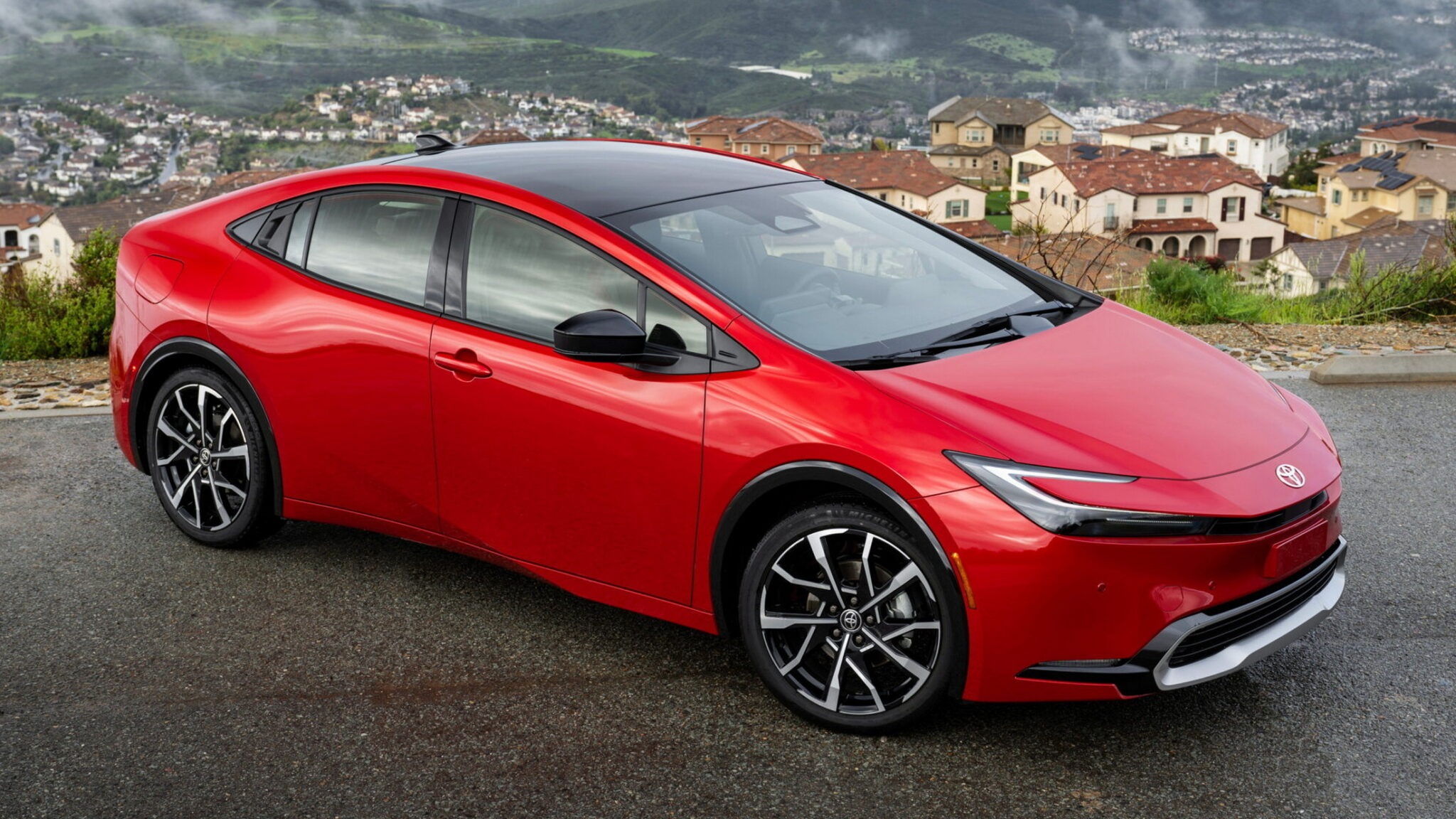
9. Toyota Prius Prime
Charging at home can make a plug-in hybrid particularly useful for drivers whose daily journeys are relatively short. The Toyota Prius Prime ranks ninth in this comparison, with an estimated five-year repair and maintenance cost of $1,472.
It builds on the Prius concept by adding a larger rechargeable battery and the ability to travel on electric power for suitable trips. When its battery has sufficient charge, the Prius Prime can complete some journeys without using gasoline.
Once the available electric range is depleted, its hybrid system allows the vehicle to continue operating using its gasoline engine and electric assistance. The actual electric distance depends on model year, weather, speed, and driving style.
This flexibility can be useful for people who commute short distances during the week but occasionally travel farther. Regular charging helps owners make greater use of the electric driving capability. Drivers who rarely plug in may find that they do not take full advantage of the system.
Maintenance requirements include the needs of a gasoline engine as well as inspections of the vehicle’s electrical and charging equipment. Owners should review the manufacturer’s schedule, battery warranty, and any charging equipment costs when planning their budget.
The projected five-year maintenance bill is $35 higher than the standard Prius estimate provided here. That difference is modest, but it does not account for electricity, gasoline, insurance, depreciation, or the price premium a plug-in model may carry.
The Prius Prime is worth considering for buyers who can charge regularly and want electric driving for many everyday journeys without giving up the flexibility of gasoline power.
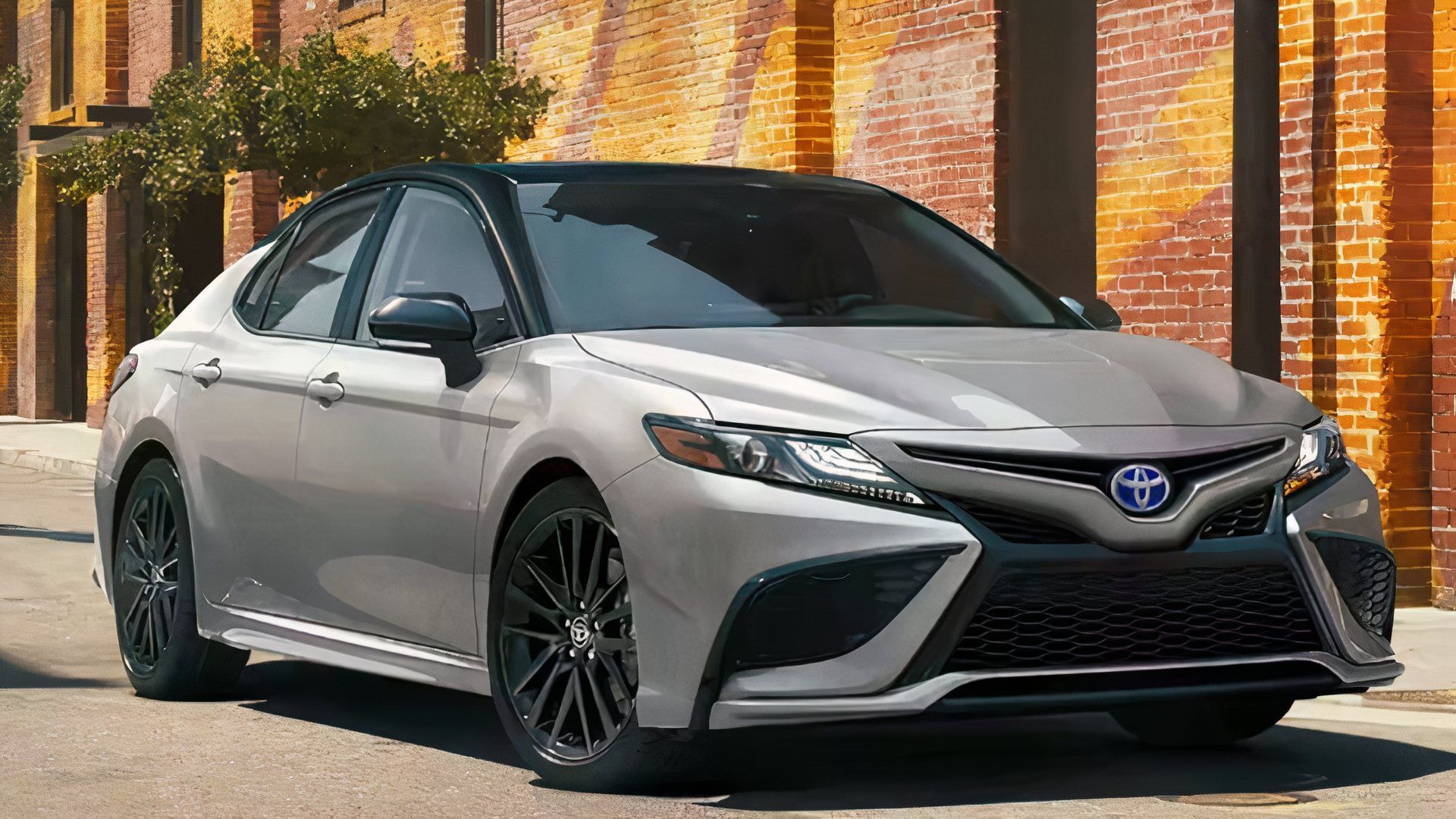
10. Toyota Camry
Room for everyone. The Toyota Camry ranks tenth, with projected costs of $1,503, and its spacious cabin, comfortable ride, and broad appeal make it a practical midsize sedan for commuters and families alike.
Picture a Sunday afternoon with groceries in the trunk, two kids in the back seat, and a long drive to visit relatives. A midsize sedan offers a comfortable ride for the whole family, helping everyone arrive feeling more relaxed and less fatigued.
The Camry also offers more passenger room than the compact cars above it. If you need extra space, that’s an important advantage. Larger cars often cost more to maintain, yet the estimate stays close to the Corolla’s, just $73 above it.
Think about what you value. Do you want space, comfort, and a calm highway ride? The Camry is widely known for those things, though the supplied data focuses on cost rather than comfort.
Before you buy, review service history, look at tire wear, and test drive the car on both city streets and highways. A careful check now makes sure the low estimate holds up in your own driveway.
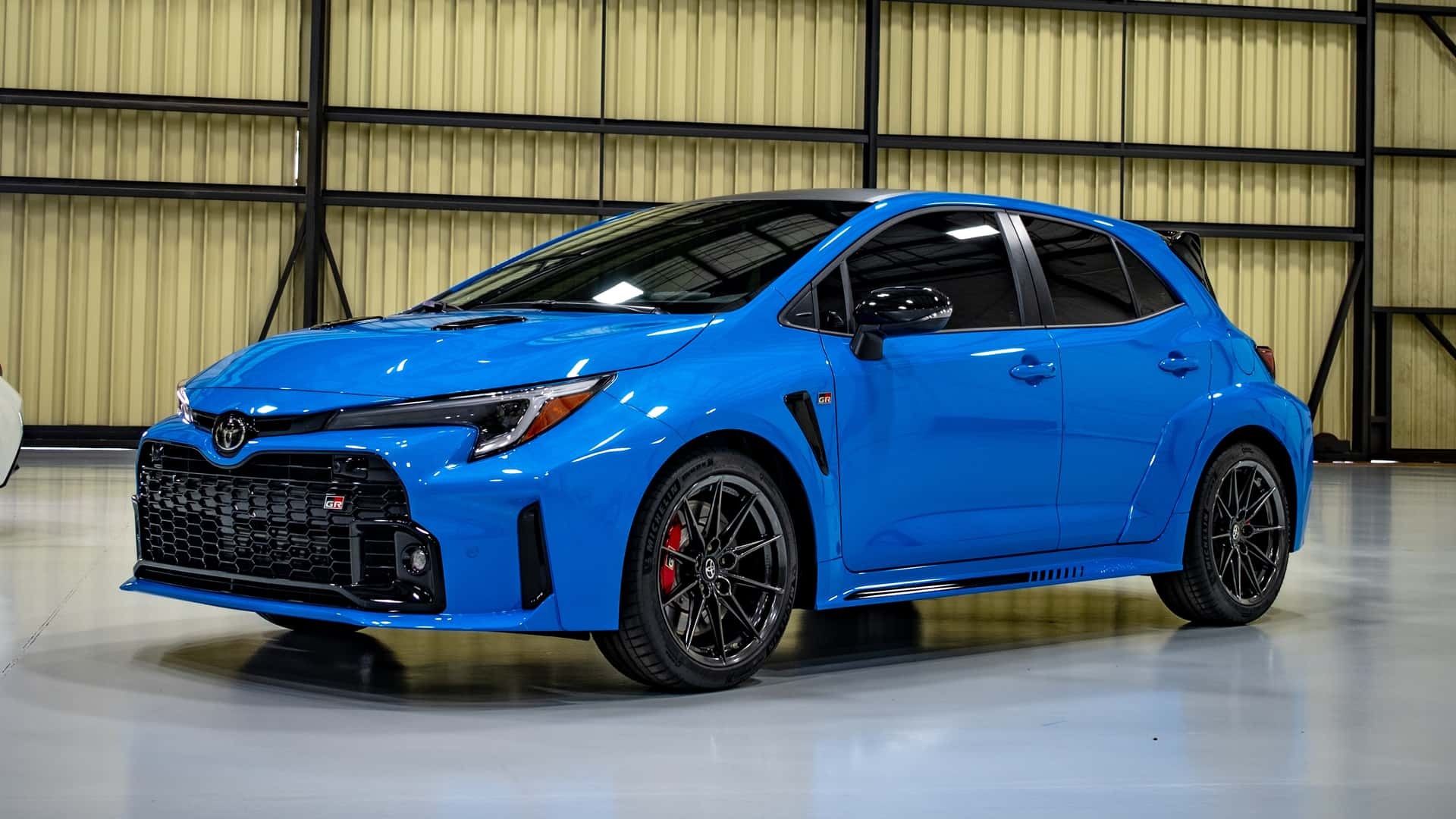
11. Toyota GR Corolla
Now we’re talking fun. The Toyota GR Corolla places eleventh at $1,541. This performance-focused hatchback adds a more powerful engine and sport-oriented engineering to the Corolla formula, appealing to drivers who want excitement alongside manageable projected expenses.
Think of it as the Corolla’s wild cousin. It shares a name and a hatchback shape with the calmer versions above, but it’s built to feel lively on a winding road.
Does a sportier car cost much more to maintain? According to this estimate, the gap is modest. The GR Corolla’s figure is $184 higher than the regular Corolla Hatchback’s. That’s a small price for a more thrilling drive, at least on paper.
Still, performance cars can bring other costs that the estimate may not capture. Tires can wear faster with spirited driving, and insurance may run higher.
Your driving style plays a big role, too. Someone who enjoys hard acceleration and fast corners will likely spend more than someone who drives gently.
If you love driving and want a car that feels special without a scary repair budget, this one deserves a test drive. Just be honest about how you’ll use it.
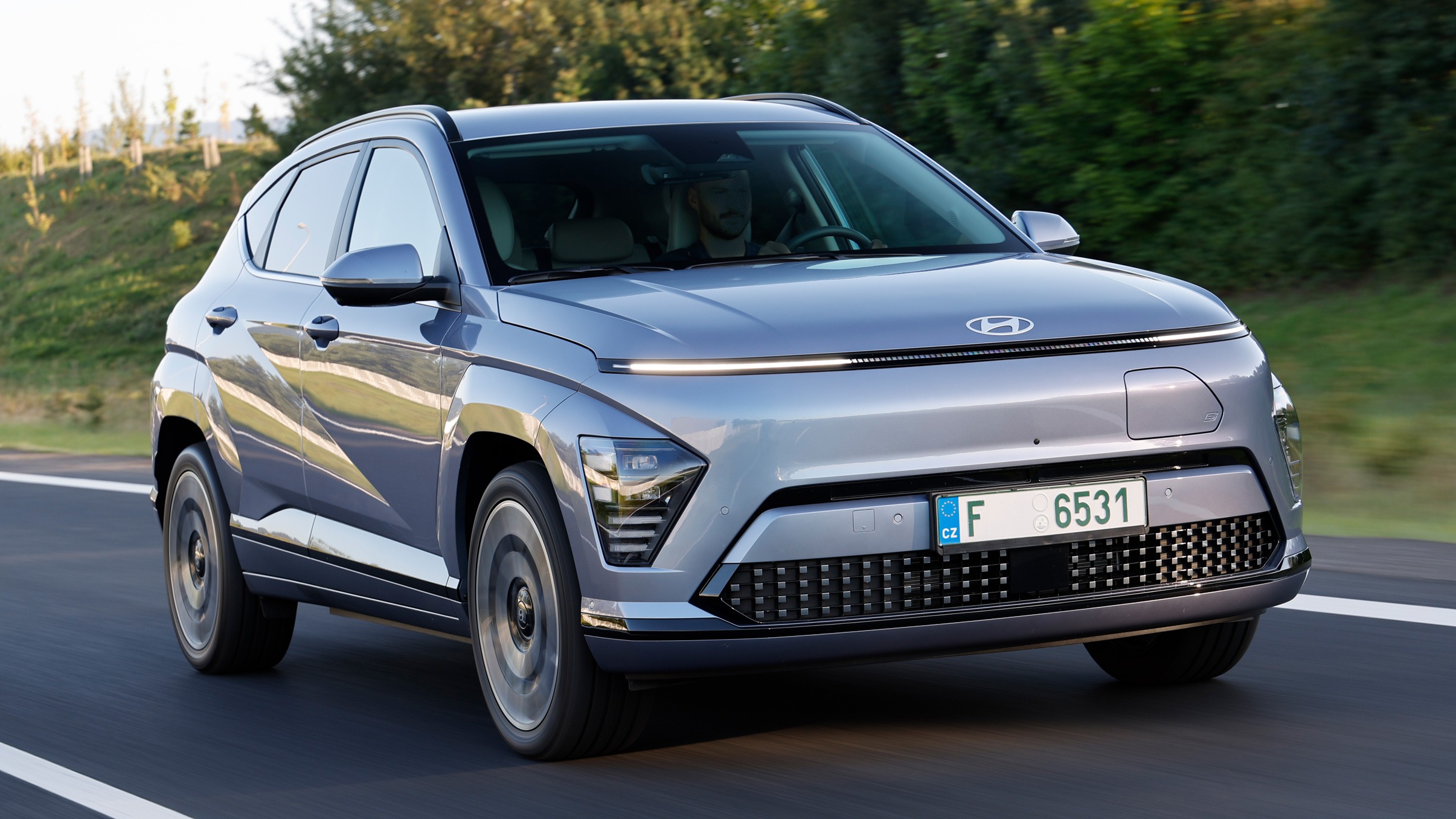
12. Hyundai Kona Electric
Compact SUV, electric heart. The Hyundai Kona Electric ranks twelfth with an estimated five-year cost of $1,561. Its compact SUV design, electric powertrain, and useful passenger space make it an option for drivers seeking an electric vehicle for daily use.
Here’s how to think about it. The Kona Electric is the priciest electric car to maintain on this list, at $466 more than the Leaf. Still, $1,561 over five years is about $312 a year, which remains modest for a vehicle with an SUV body.
The compact SUV format has its own appeal. You sit higher than in a sedan, the cargo area is flexible, and parking stays manageable. For city dwellers and suburban families alike, that mix is hard to beat.
Before buying, consider how far the vehicle can travel on a single charge in your area, where you can charge it, and what the battery warranty covers. If you are purchasing a used model, ask for a battery health report to assess its remaining capacity and condition.
Remember that the estimate covers repairs and maintenance only. Charging costs, insurance, and tires are separate. Add them up before you decide, and you’ll have a realistic picture of what this electric SUV will cost.
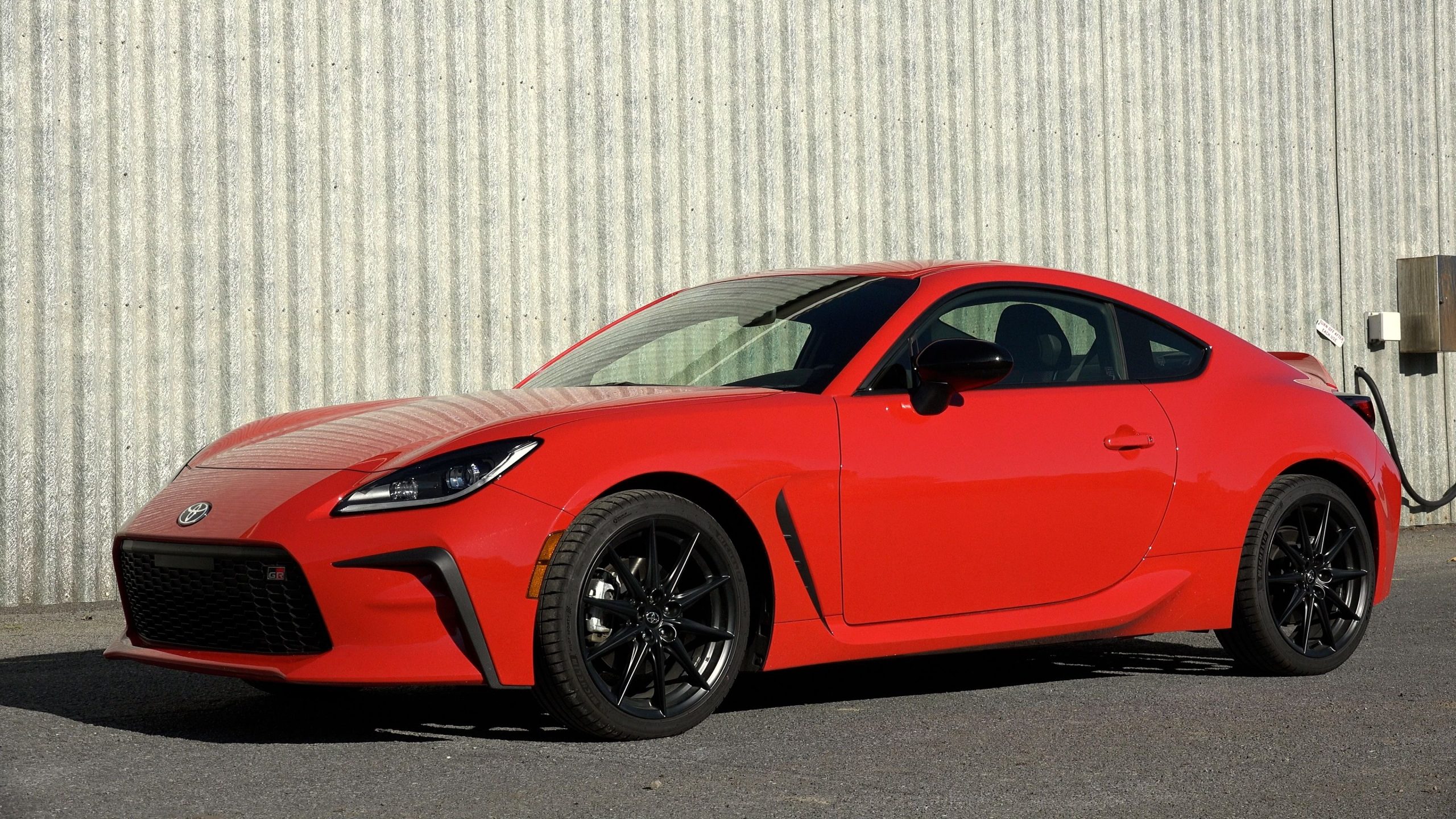
13. Toyota GR86
The Toyota GR86 closes this ranking with an estimated five-year repair and maintenance cost of $1,571. Although it has the highest projected figure among these 13 cars, the difference between first place and thirteenth place is only $476.
That makes the GR86 an interesting example of how vehicles with very different purposes can appear within a relatively narrow range of estimated maintenance costs.
Unlike the electric cars and practical sedans earlier in the list, the GR86 is a lightweight sports coupe developed with driver engagement in mind.
Its rear-wheel-drive layout, responsive handling, and naturally aspirated engine appeal to people who enjoy a more involved driving experience. The low seating position and two-door design also give it a different character from a conventional family sedan.
That sporty focus calls for sensible ownership habits. Regular oil changes, tire inspections, brake checks, and scheduled servicing remain important.
Drivers who frequently accelerate hard or take the car to a track may experience greater wear on tires, brakes, and other components than those who use it mainly for ordinary road trips.
Passenger capacity and cargo space are also limited compared with a sedan or SUV, so the GR86 may not suit households that need one vehicle to handle every task.
Buyers should consider insurance, fuel, and the condition of any used example alongside the projected maintenance figure. For someone who values handling and driving enjoyment, the GR86 offers a compelling alternative to ordinary commuter cars.
Its placement at the bottom of the list does not necessarily mean the vehicle is expensive to maintain. It simply ranks thirteenth among the 13 models compared using these estimates.