
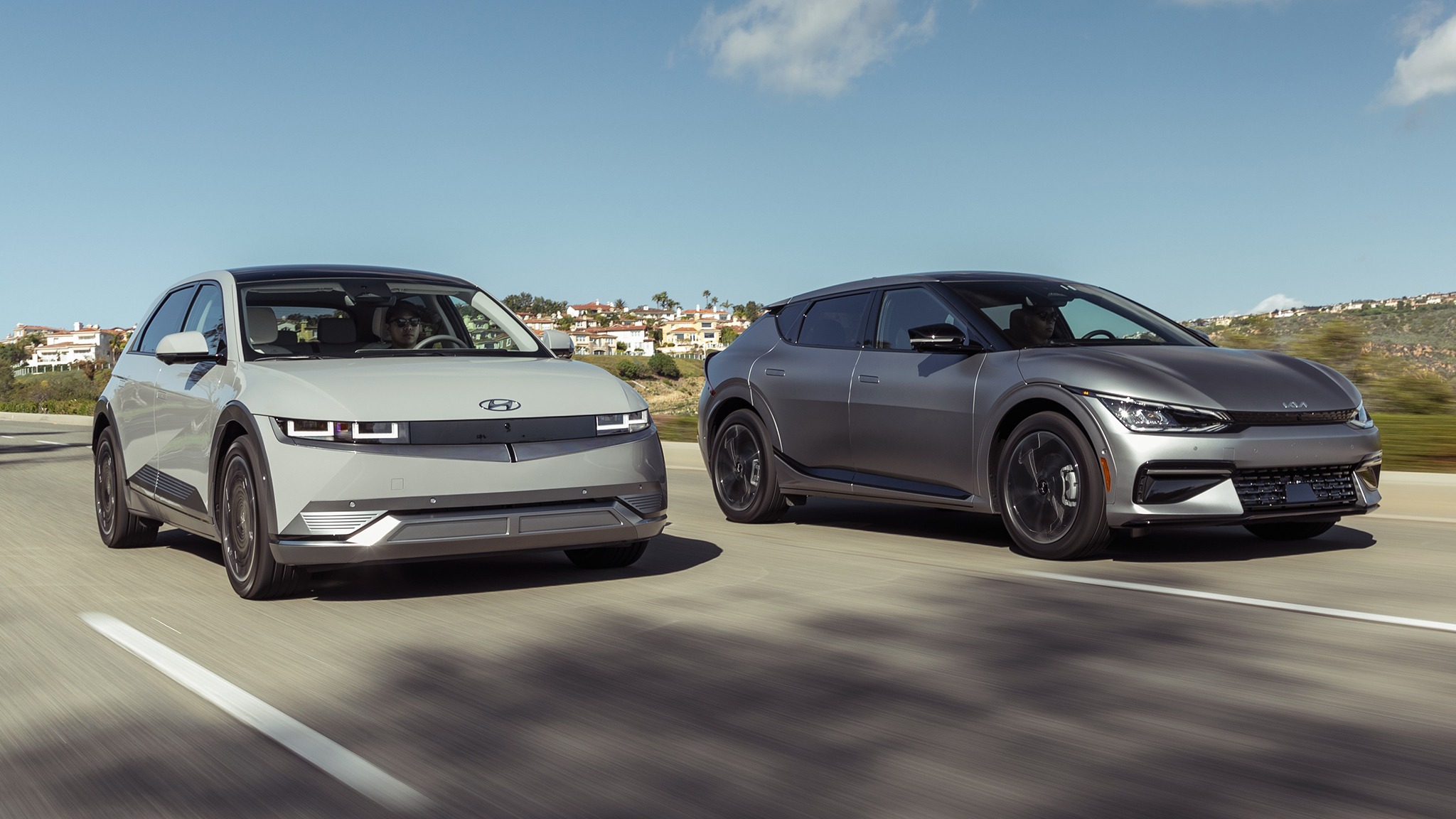
Buying an electric vehicle means trusting it to charge when you need it. A failed charging session can disrupt a commute, delay a road trip, or leave you searching for another charging station.
That is why charging reliability deserves as much attention as driving range, performance, and price. Some electric vehicles have earned positive reports for dependable charging, while others have experienced hardware or software problems that deserve closer attention.
This ranking compares 11 EVs using available information about charging-system performance, reported faults, and known technical concerns. However, verified, comparable failure-rate figures are not available for every model, so the order should be treated as an informed guide rather than a definitive statistical ranking. Here is what prospective buyers should know before choosing their next electric vehicle.
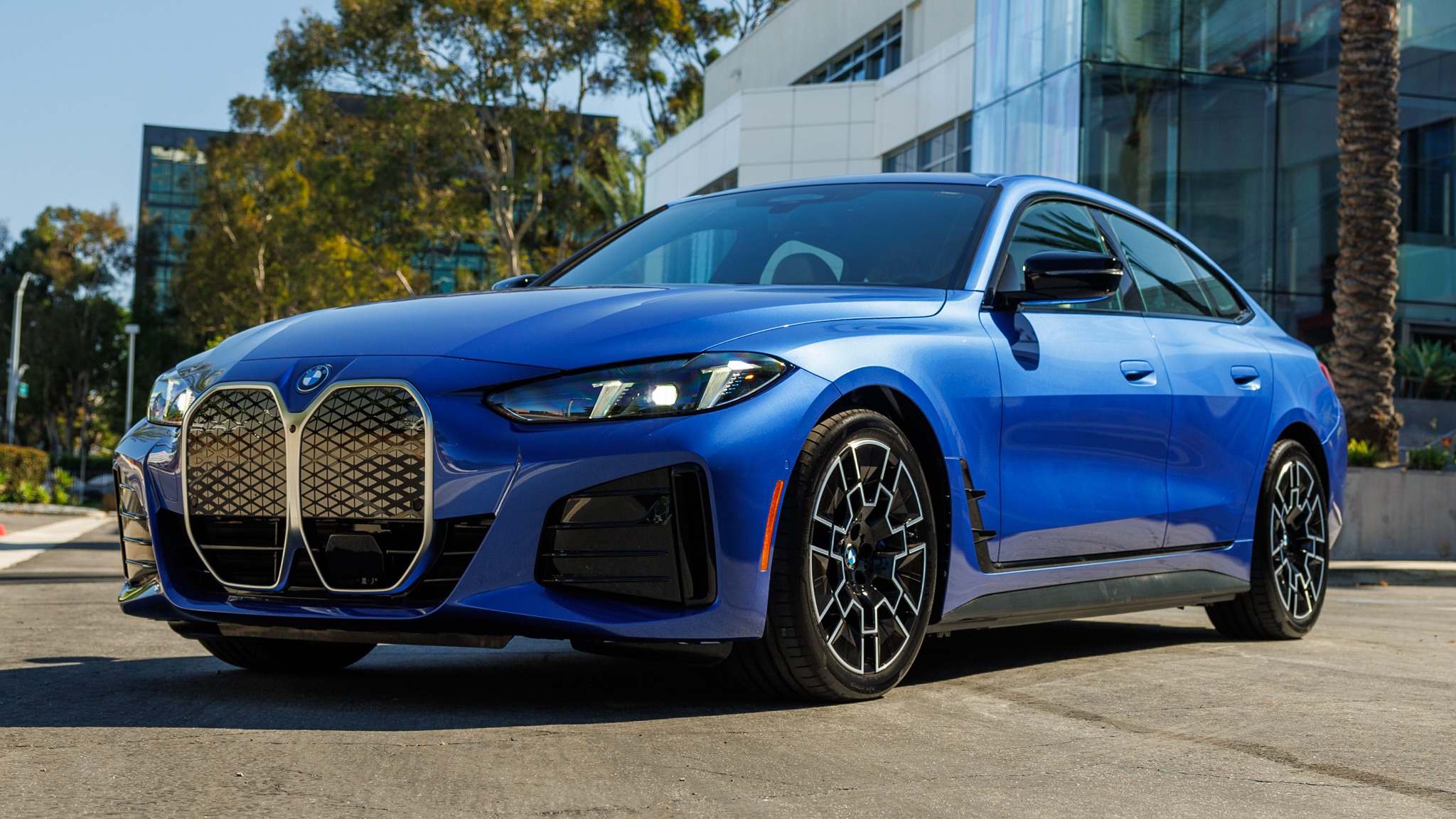
1. BMW i4
The BMW i4 ranks first in this list because the supplied information describes its charging performance as stable, with relatively few reported charging-port and communication problems. For drivers who depend on reliable charging, this is an encouraging sign.
The i4 combines a premium electric powertrain with a familiar four-door design. Beyond acceleration and cabin comfort, owners need charging that fits naturally into their daily routines.
Reliable connections to compatible chargers can reduce frustration during home charging and public charging stops. Reports of a few problems do not establish a verified failure rate.
The available information provides no comparative data showing the percentage of owners experiencing charging faults, failed sessions per thousand attempts, or warranty repair frequency.
Its first-place position reflects a qualitative assessment rather than proven statistical superiority. Prospective buyers should inspect the charging port, review available charging history, and confirm that the equipment functions correctly.
Used vehicles should also be checked for outstanding recalls and documented electrical repairs. Buyers should consider whether the i4’s charging capabilities suit their daily driving requirements and access to charging stations.
Testing the vehicle with compatible equipment before purchase can help identify potential problems. The available description suggests dependable charging behavior and relatively few reported connection issues.
However, these indications do not guarantee that every BMW i4 will charge without problems.
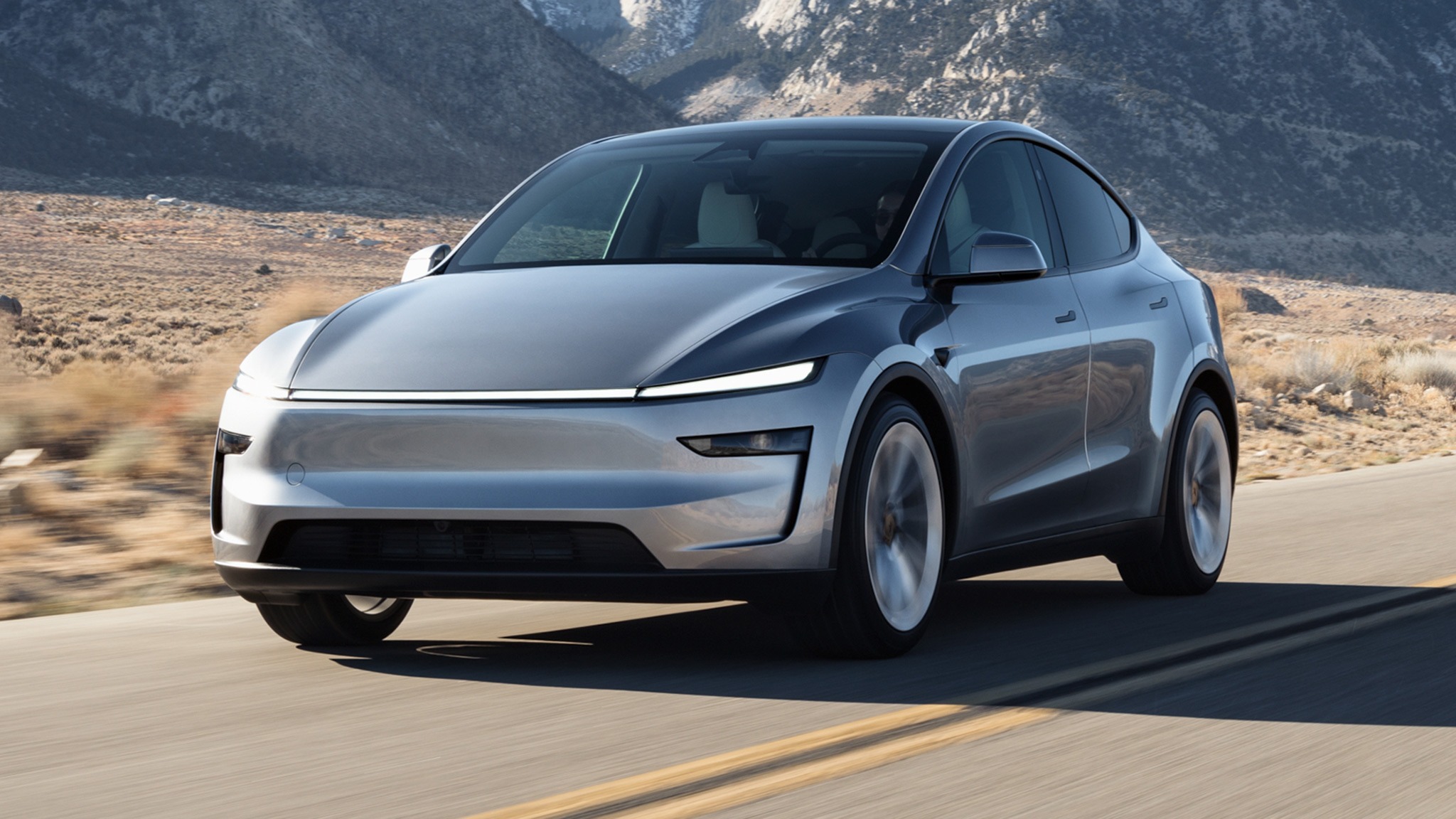
2. Tesla Model Y
The Tesla Model Y ranks second, supported by its integrated charging network and practical electric SUV design. Access to Tesla’s charging stations can simplify trip planning and help drivers locate compatible charging points along supported routes.
The Model Y offers generous passenger space, useful cargo capacity, and versatility for commuting, errands, and longer journeys. Convenient charging can improve everyday ownership, particularly for households that rely heavily on one vehicle.
The supplied information describes its vehicle-side charging reliability favorably. However, successful charging depends on more than the vehicle itself.
Damaged connectors, station communication faults, power interruptions, and network outages can prevent charging even when the car operates correctly.
A failed charging session may result from a vehicle malfunction, a station problem, payment difficulties, authentication errors, or communication failures between the vehicle and charger.
These incidents should not automatically be classified as vehicle defects. Before purchasing a used Model Y, buyers should examine service records, confirm applicable recall completion, and test the charging system.
Checking charging availability along regular routes is also advisable. The Model Y’s integrated charging services and favorable reliability assessment make it an attractive option for drivers prioritizing convenience.
However, comparative failure statistics are needed to establish whether it performs better than competing electric vehicles in charging reliability.
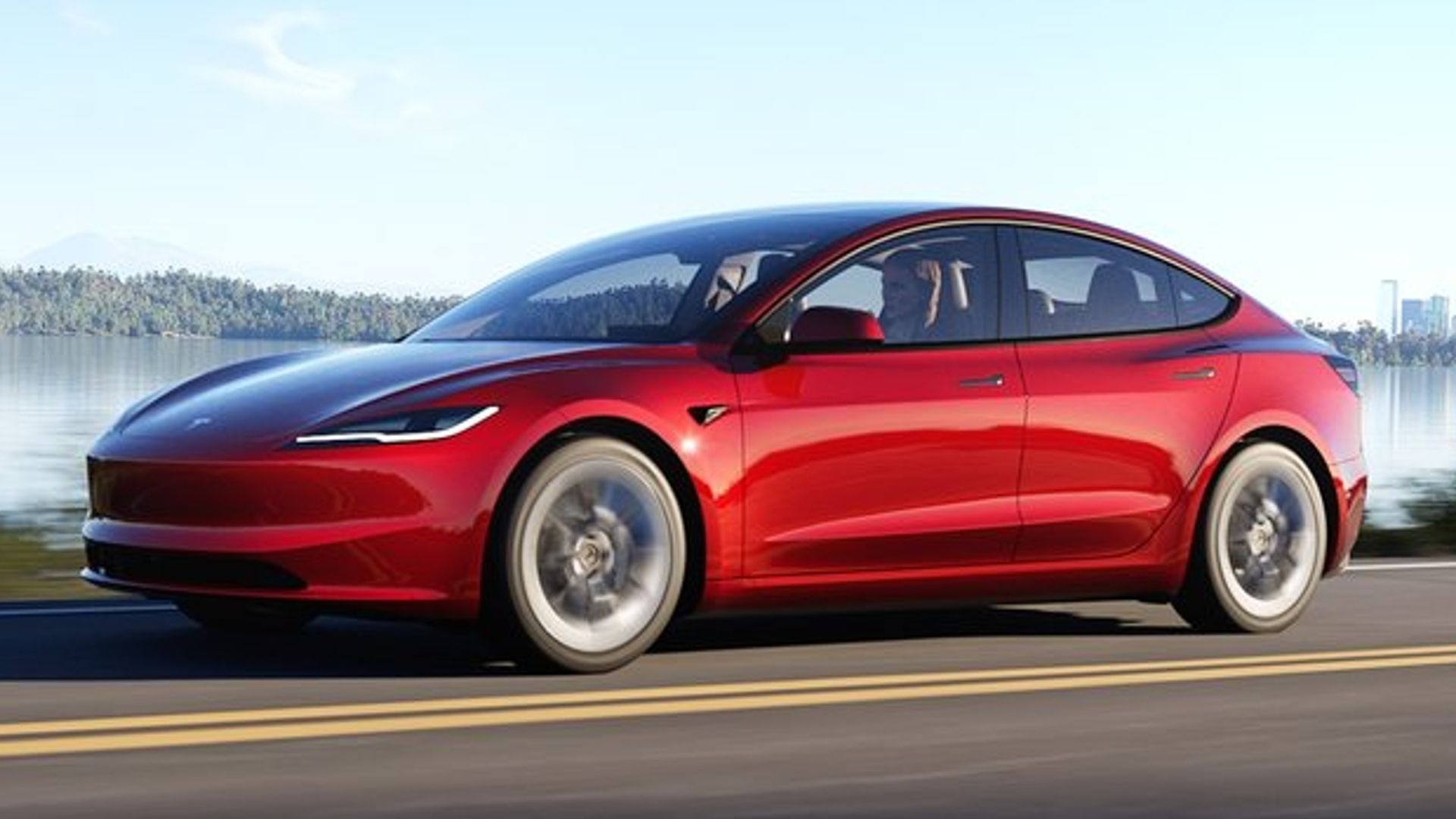
3. Tesla Model 3
The Tesla Model 3 deserves consideration from drivers who prefer a sedan to an SUV. It shares substantial charging technology with the Model Y and benefits from Tesla’s established charging network, supporting a convenient ownership experience.
Its smaller body and passenger-car proportions appeal to commuters seeking an electric vehicle for city driving and highway journeys. Digital controls, responsive acceleration, and access to charging services strengthen its appeal.
Charging reliability requires more than a vehicle’s general reputation. A car may perform dependably while experiencing occasional charging interruptions.
Connector damage, software faults, electrical problems, and charger compatibility can affect individual charging sessions. The supplied information describes the Model 3 as experiencing relatively few vehicle-side charging faults.
However, no verified failure percentage is provided. Without consistent data covering charging attempts, model years, repair records, and vehicles in service, its precise reliability compared with competing EVs remains uncertain.
Used-car buyers should inspect the charging port for physical damage and ask about previous charging-system repairs. They should also confirm that applicable recalls and software updates have been completed.
Before completing a purchase, buyers should test charging with compatible equipment. Where possible, testing both AC charging and DC fast charging can provide a clearer picture of performance.
The Model 3’s shared technology with the Model Y and established charging support make it a promising choice. Its exact charging-system failure rate remains unverified, so buyers should consider the condition and maintenance history of each vehicle.
4. BMW i5
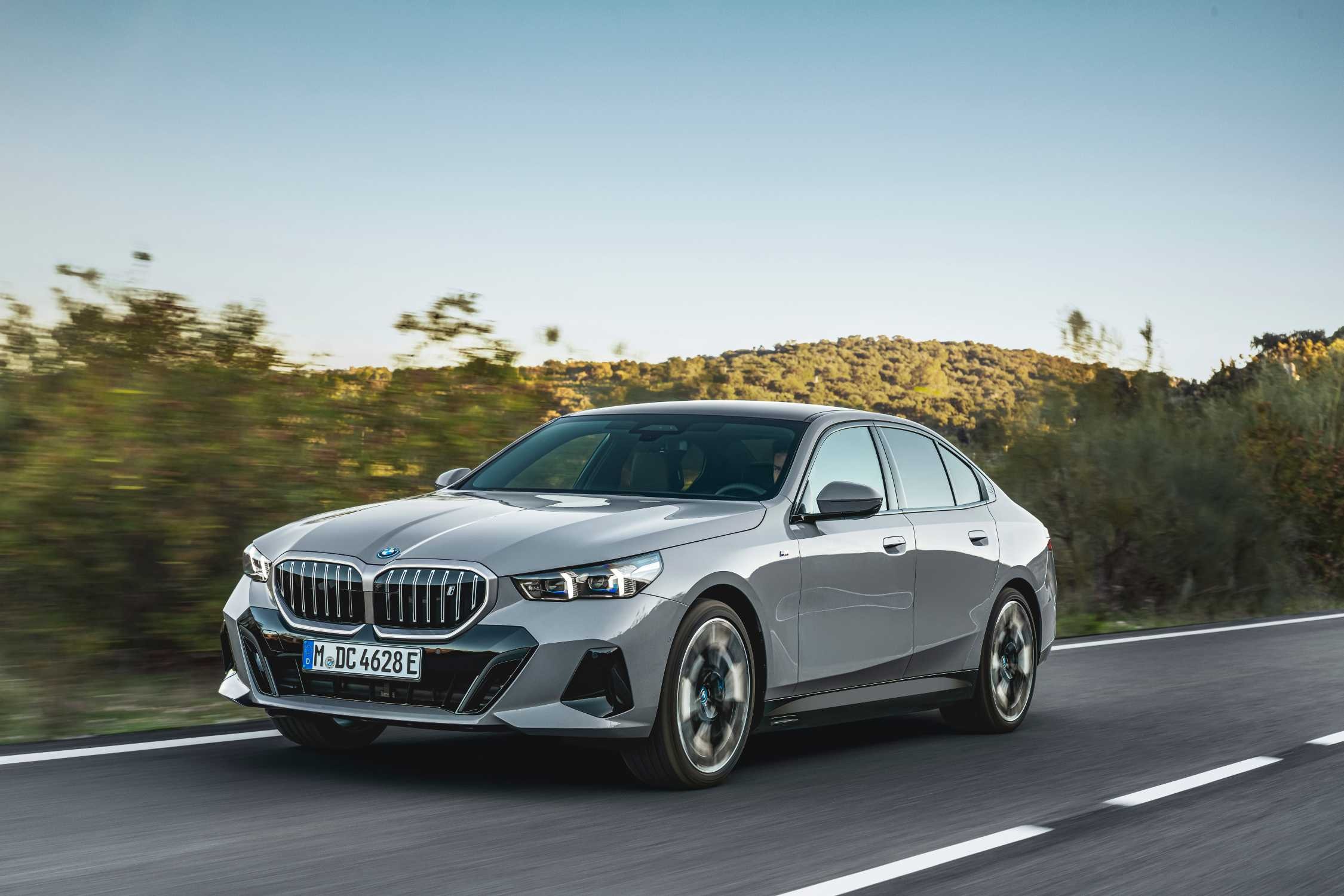
Here is a case where promise meets a missing piece of evidence. The BMW i5 uses BMW’s modern electric vehicle technology, and the brand’s track record with the i4 gives some reason for optimism.
Yet longer-term charging-failure data remains limited for this model. That is the honest situation, and it affects how much weight you should give its position on this list.
Four years of ownership data tells a very different story than a year or less. Early reports can look rosy simply because components have not had time to age, and problems that appear after heavy use or harsh weather may not have shown up yet.
So treat this ranking as a reasoned estimate rather than a firm verdict. If you are considering an i5, there are practical steps you can take.
Review the warranty terms covering the charging system, ask whether any software updates or recalls relate to charging, and look at owner forums for recent experiences.
Do not rely on a single review. Compare several sources, and watch for new information as the car piles up more miles on the road. The picture will get clearer as more data arrives.
5. Nissan Ariya
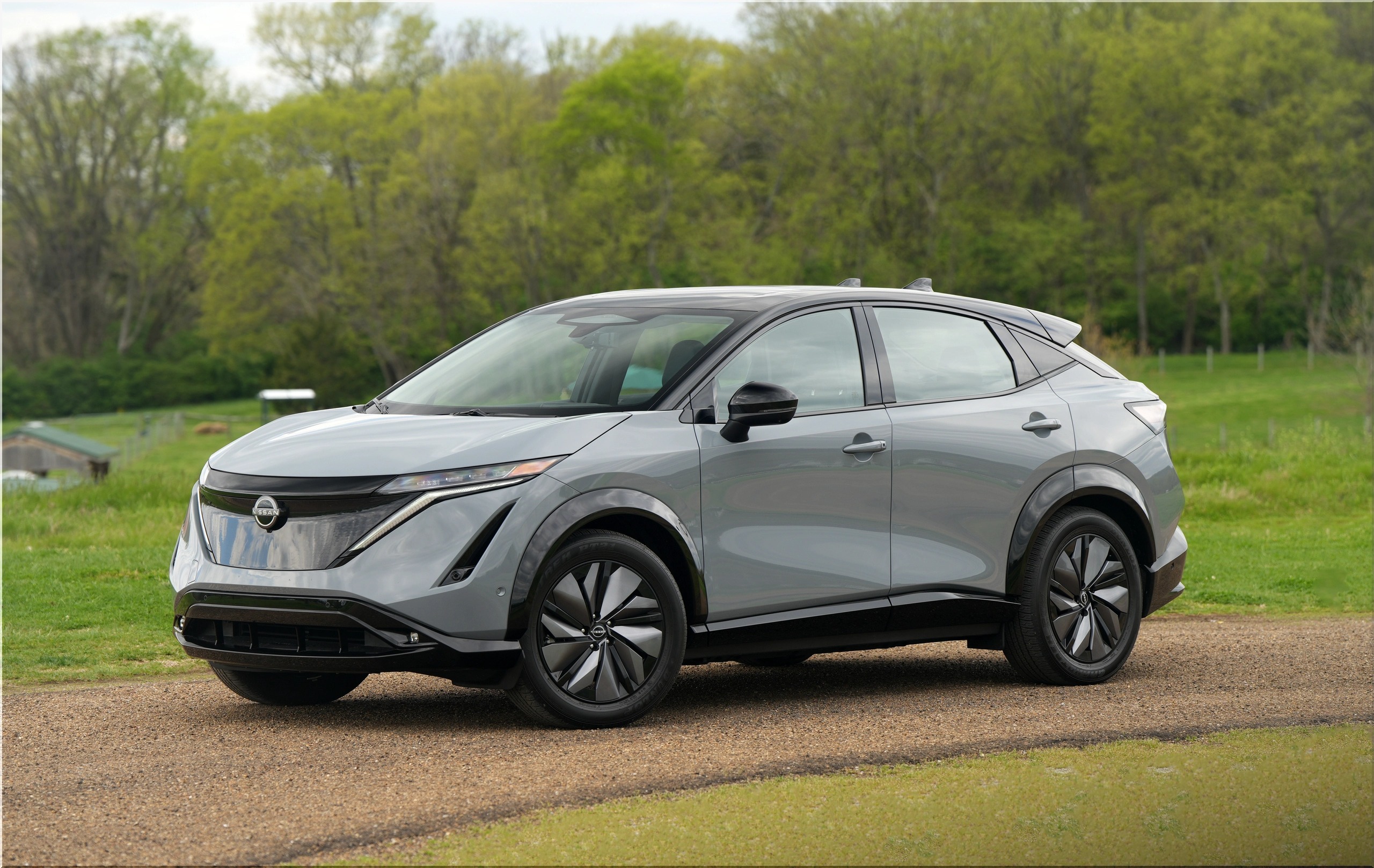
Dependable is the word most often attached to charging on the Nissan Ariya. Reports generally point to reliable charging, which is good news for anyone who wants a straightforward ownership experience.
There is a limit to what can be said, however. Comparative data is insufficient to establish a precise failure rate, so the Ariya’s fifth-place spot reflects a general impression rather than a hard number.
Think of it as a solid mid-pack position backed by positive reports and a lack of loud complaints. That absence of alarm bells counts for something, but it is not proof.
A fair approach is to weigh three things. First, how the car behaves at home, where most charging takes place. Second, how it handles public fast chargers, since compatibility can vary between networks.
Third, what the dealer and service department say about charging-related repairs. Ask direct questions and write down the answers. If you can, rent or borrow an Ariya for a weekend and charge it the way you normally would.
Real-life use reveals things that spec sheets cannot. Based on what is known, the Ariya looks like a sensible choice for buyers who value calm, predictable charging.
6. Toyota bZ4X
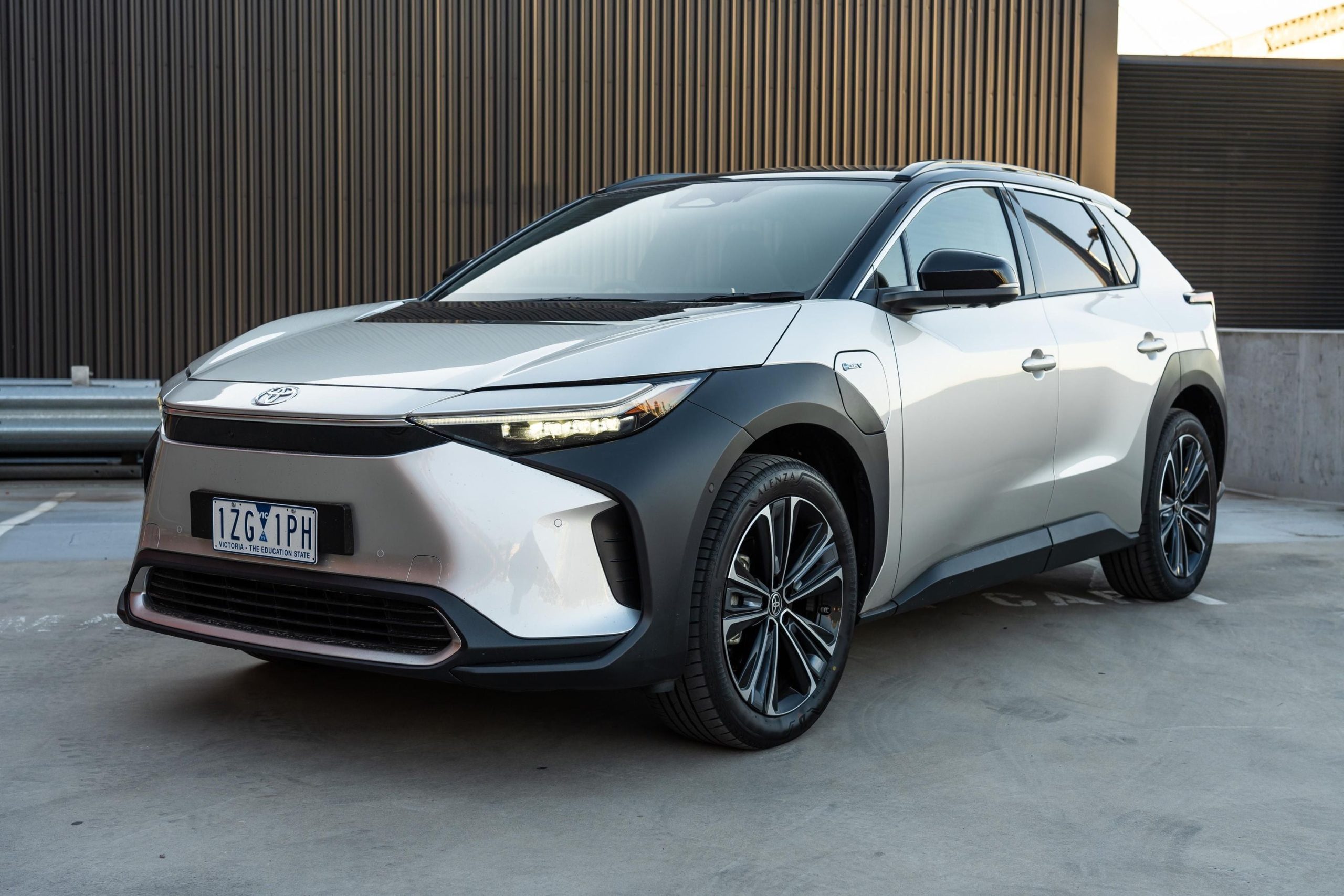
The Toyota bZ4X ranks sixth on this list. Its controlled charging strategy may offer advantages, although available evidence does not establish how frequently its charging system fails.
The electric SUV provides a practical design for everyday driving, with elevated seating, passenger comfort, and useful cargo space. These features make it appealing to drivers transitioning from gasoline-powered crossovers to electric vehicles.
Charging reliability should be evaluated through successful charging sessions, confirmed hardware faults, warranty claims, and repair frequency.
A conservative charging curve does not necessarily indicate a low failure rate. Charging speed and reliability are separate measurements, and slower charging does not automatically mean a malfunction.
Owners should monitor warning messages and repeated charging interruptions. If problems occur at only one station, the charging equipment or connector may be responsible.
Repeated faults across multiple compatible stations may indicate a vehicle-related issue requiring inspection. Used-car buyers should review service records and confirm that applicable recalls and software updates have been completed.
They should also verify the charging specifications for the particular model year. Although the bZ4X’s charging strategy may support predictable operation, available information does not establish a verified failure rate or conclusively justify its ranking among electric vehicles with charging-system problems.
7. Kia Niro EV
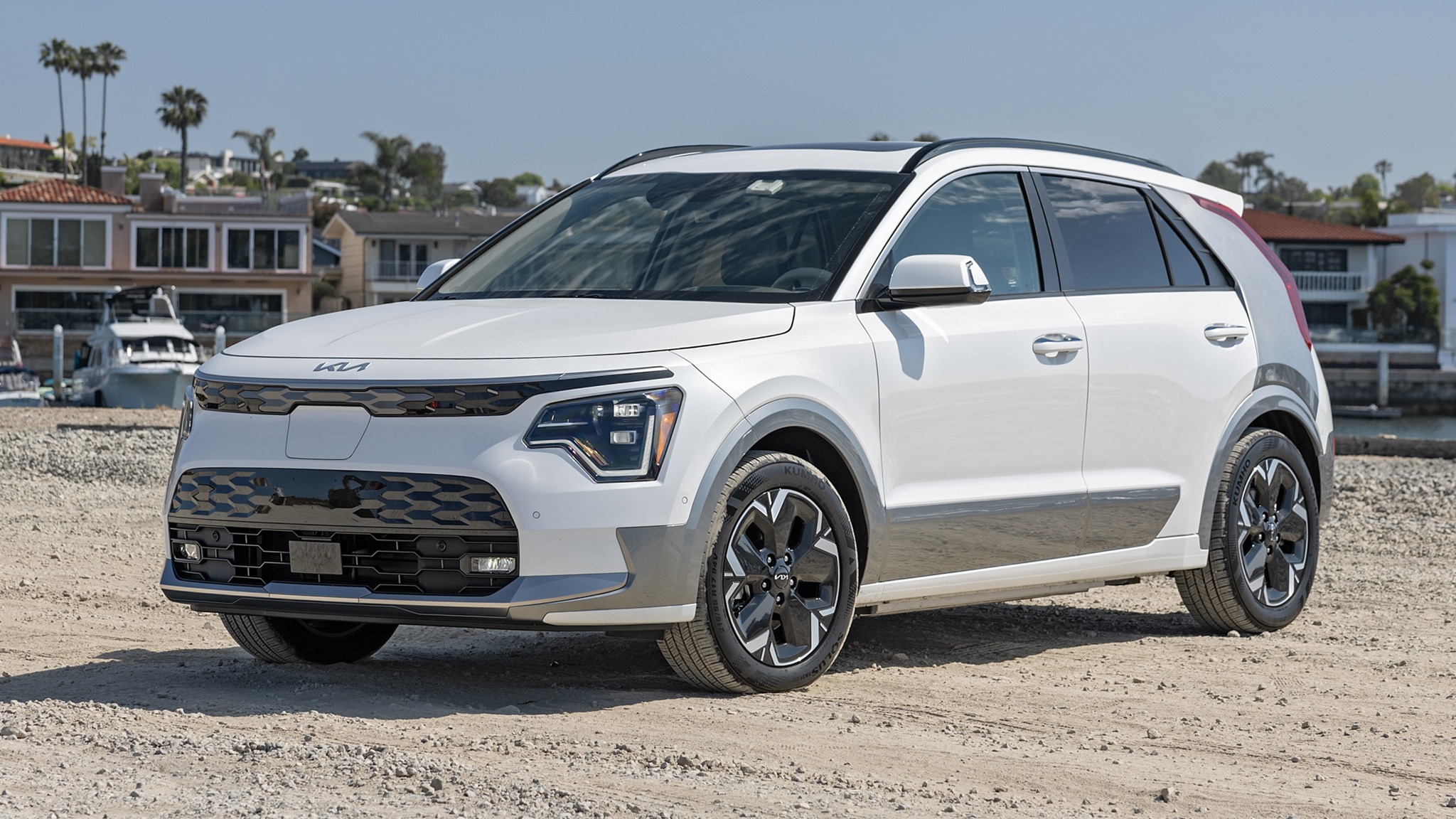
The Kia Niro EV ranks seventh and should be evaluated according to its own technical characteristics. Although Kia shares technology across some models, the Niro EV uses a different platform from the Hyundai Ioniq 5 and Kia EV6.
The integrated charging control unit (ICCU) has been associated with certain problems in some Hyundai and Kia vehicles. However, these reports should not automatically be attributed to the Niro EV because different platforms and electrical systems can experience different failure patterns.
The Niro EV is a compact electric crossover designed for everyday practicality. Its manageable size suits urban driving, while its passenger space and cargo capacity accommodate commuting, shopping, and family activities.
Reliable home charging is particularly valuable for owners seeking convenient daily transportation. Available information characterizes the Niro EV’s charging reliability favorably, but no verified failure percentage is provided.
The absence of widespread complaints does not prove that charging faults never occur. Used-car buyers should check charging warning messages, examine service records, and test the vehicle with compatible charging equipment.
Repeated interruptions should be investigated rather than dismissed as normal behavior. Buyers should also confirm the maximum AC and DC charging rates for their chosen model year, as specifications may vary.
The Niro EV’s separate platform means ICCU concerns reported for other models should not automatically apply, although reliable comparative failure data remains limited.
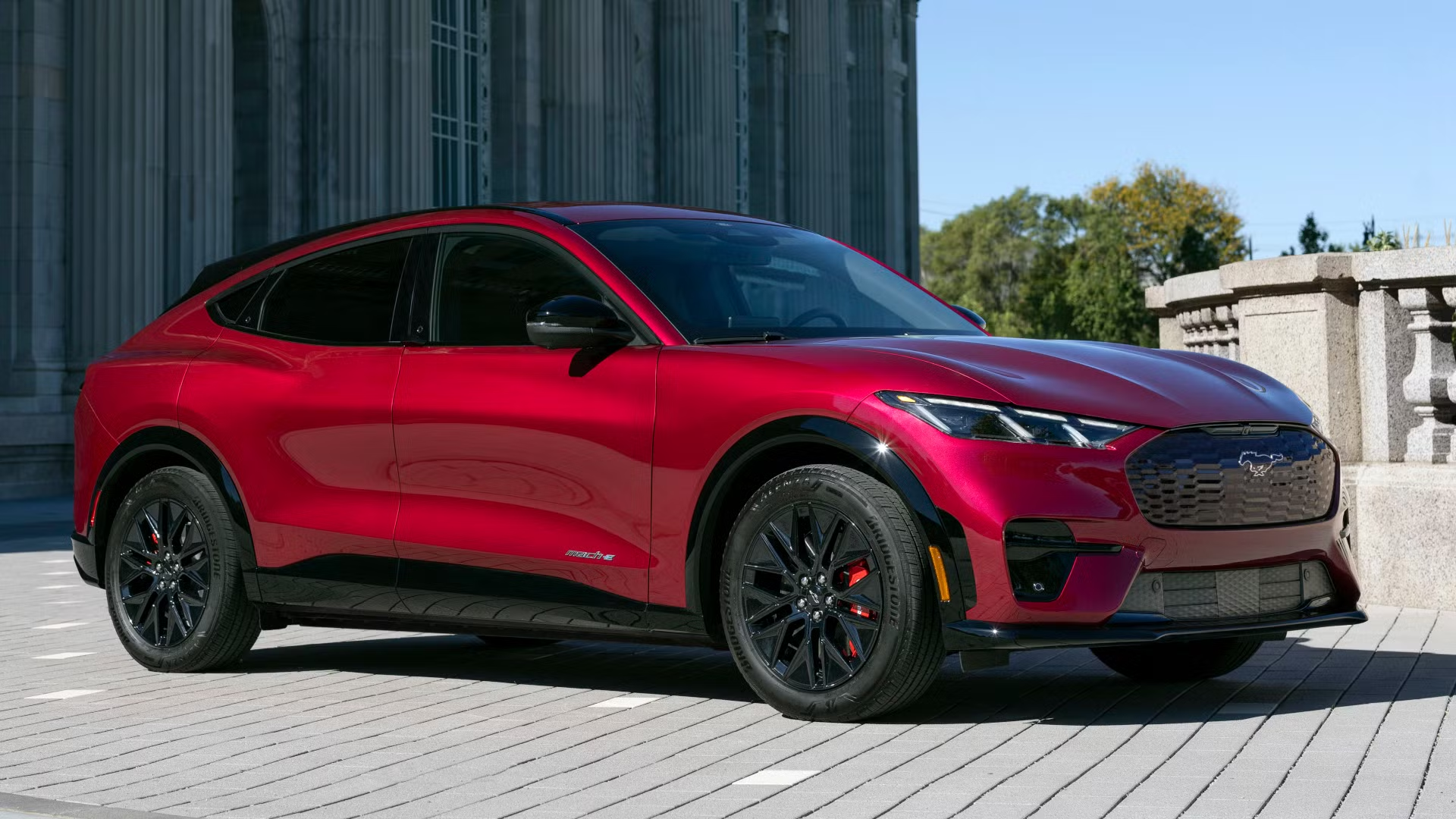
8. Ford Mustang Mach-E
The Ford Mustang Mach-E ranks eighth because some model years have experienced charging-related software or hardware concerns. Buyers should carefully examine the specific vehicle’s model year, service history, and recall status.
The Mach-E combines an electric powertrain with crossover practicality and styling inspired by the Mustang name. Its passenger space, cargo capacity, and performance options appeal to different driving needs.
Charging problems should not be assumed to affect every model year equally. Manufacturers may introduce software updates, replace defective components, or revise production equipment to address technical issues.
Consequently, reports involving earlier vehicles may not accurately represent later models. Buyers should investigate whether a vehicle has experienced repeated charging interruptions or warning messages.
An isolated interruption at a public charging station does not necessarily indicate a defective onboard charger. Testing at another compatible station can help determine whether the problem originates from the vehicle or charging equipment.
Reviewing applicable recalls and technical service information is also important. Buyers should confirm with a dealer that required repairs have been completed and that the charging system functions correctly.
For used Mach-E models, documented repair records can reveal whether previous problems were properly diagnosed, components were replaced, and post-repair testing was performed.
Charging-related concerns reported in some model years justify careful inspections. However, available information does not establish a universal failure rate across the entire Mustang Mach-E lineup.
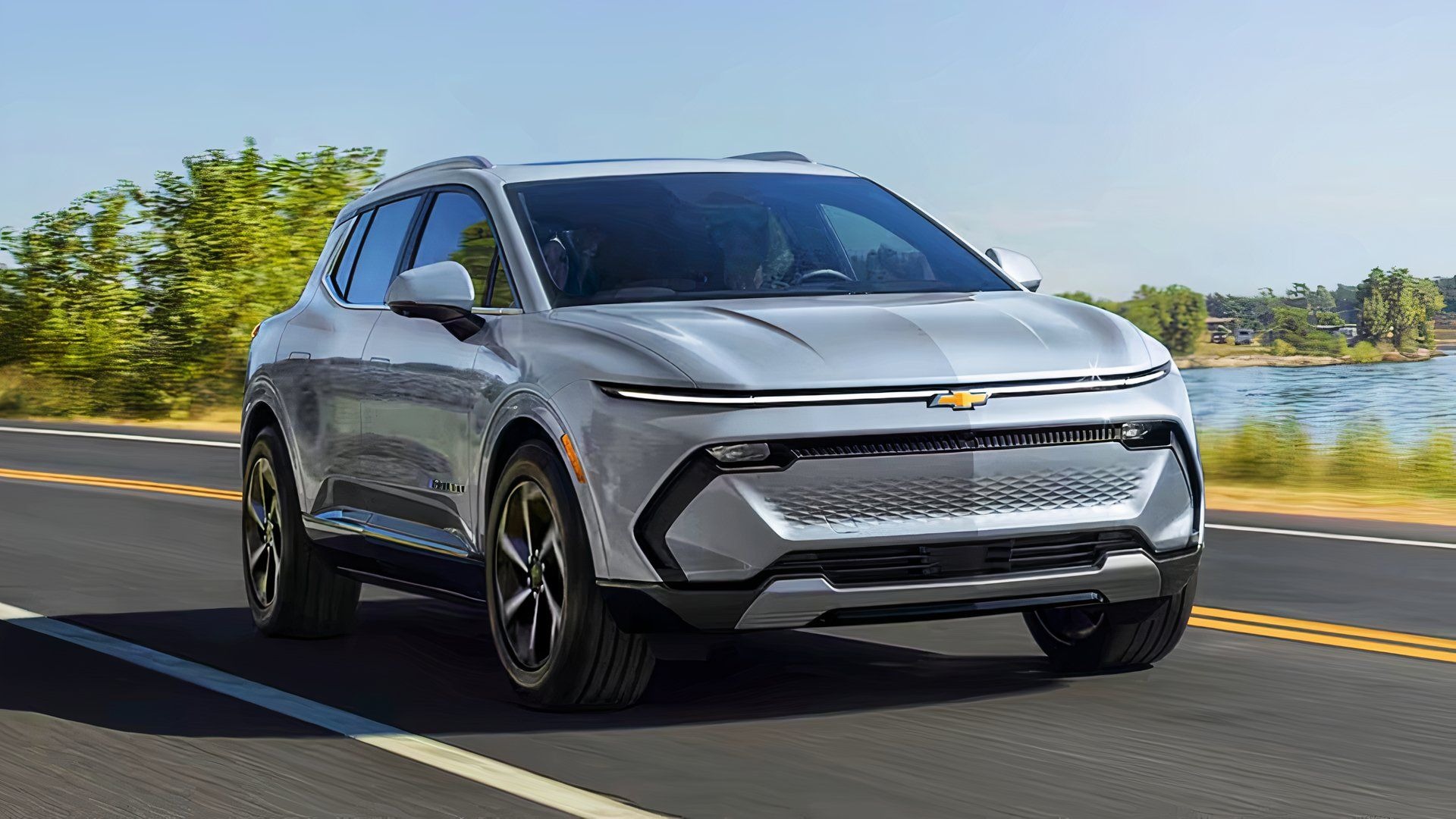
9. Chevrolet Equinox EV
New cars come with a built-in question mark, and the Chevrolet Equinox EV is a good example. Its relatively recent introduction means long-term, comparable charging-failure data is still limited.
Put simply, there has not been enough time or enough miles to say how its charging hardware holds up after years of use. That does not make it risky by default.
A newer design can benefit from modern engineering, and many early buyers will happily report smooth charging. But a ranking needs evidence, and the evidence is still being gathered.
Ninth place here reflects that uncertainty more than any proven flaw. What should you do if the Equinox EV appeals to you? Think of yourself as an early adopter and act accordingly.
Read the warranty carefully, especially the coverage for the battery and charging components. Check for software updates at every service visit. Join an owner group so you can hear about problems early.
Keep records of any charging errors you experience, including dates and station locations, because documentation helps if a repair is needed. As more owners rack up more miles, the picture will sharpen. Until then, go in with open eyes and a good warranty.
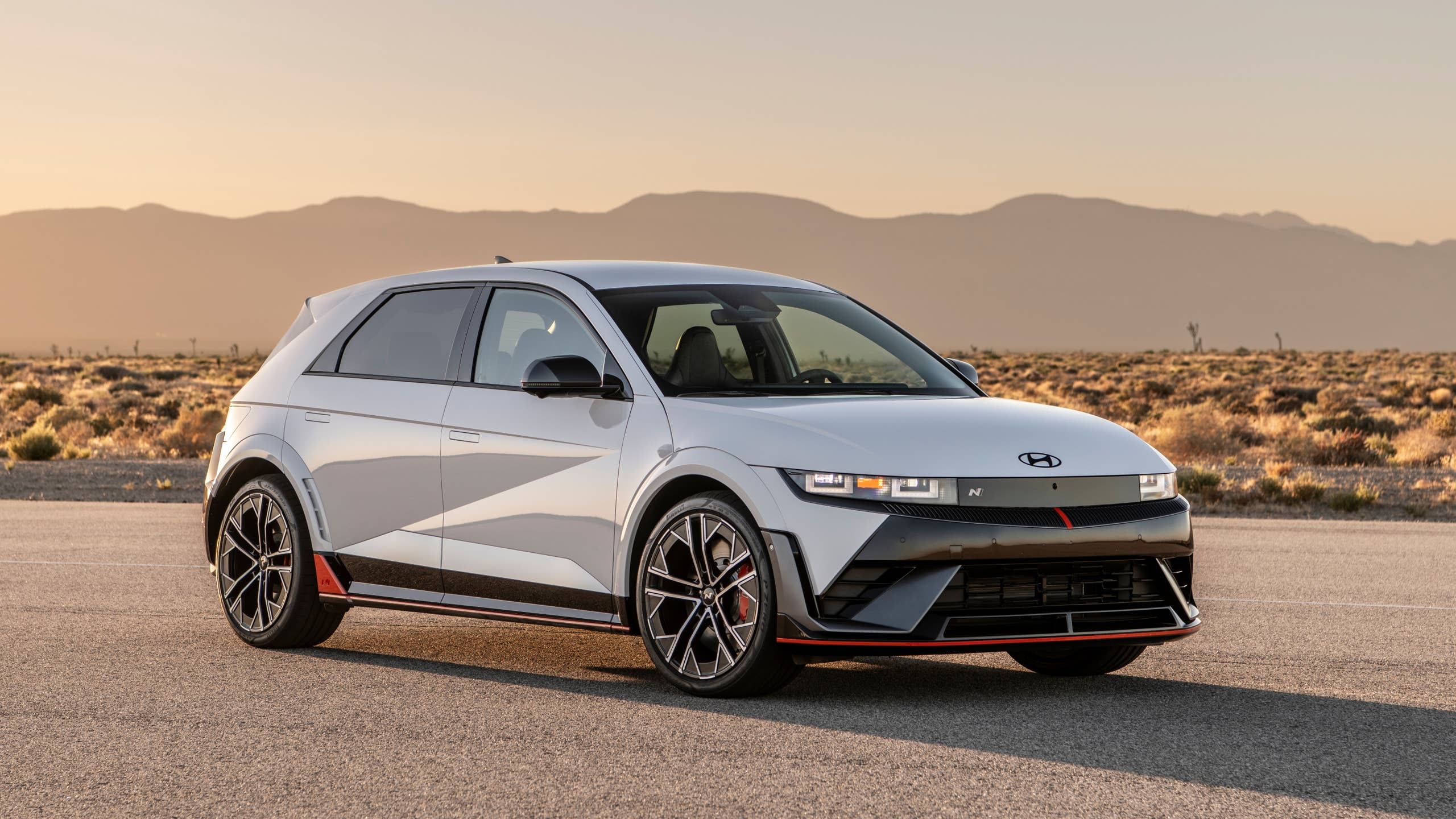
10. Hyundai Ioniq 5
Now the list gets more cautionary. Certain Hyundai Ioniq 5 vehicles have experienced integrated charging control unit problems, commonly called ICCU problems.
This component plays a role in charging the high-voltage battery and supporting the 12-volt electrical system. When it malfunctions, owners can face trouble charging the main battery and issues with the smaller electrical system that powers everyday functions.
This fault draws significant attention because it can affect both charging and normal vehicle operation. However, the wording is important, as the issue applies only to certain vehicles rather than every model.
Not every Ioniq 5 is affected, and the risk depends on the individual car. That is why it lands tenth rather than at the very bottom, and why it still deserves a fair look.
Before buying one, check the VIN for open recalls, ask the seller or dealer about any ICCU repairs, and confirm that completed work is documented. Ask about warranty coverage for the part, too.
If an Ioniq 5 has a clean repair record and documented fixes, it may serve you well. If the history is murky, think twice or negotiate carefully. Knowing the specific weak spot helps you ask the right questions and avoid unpleasant surprises.
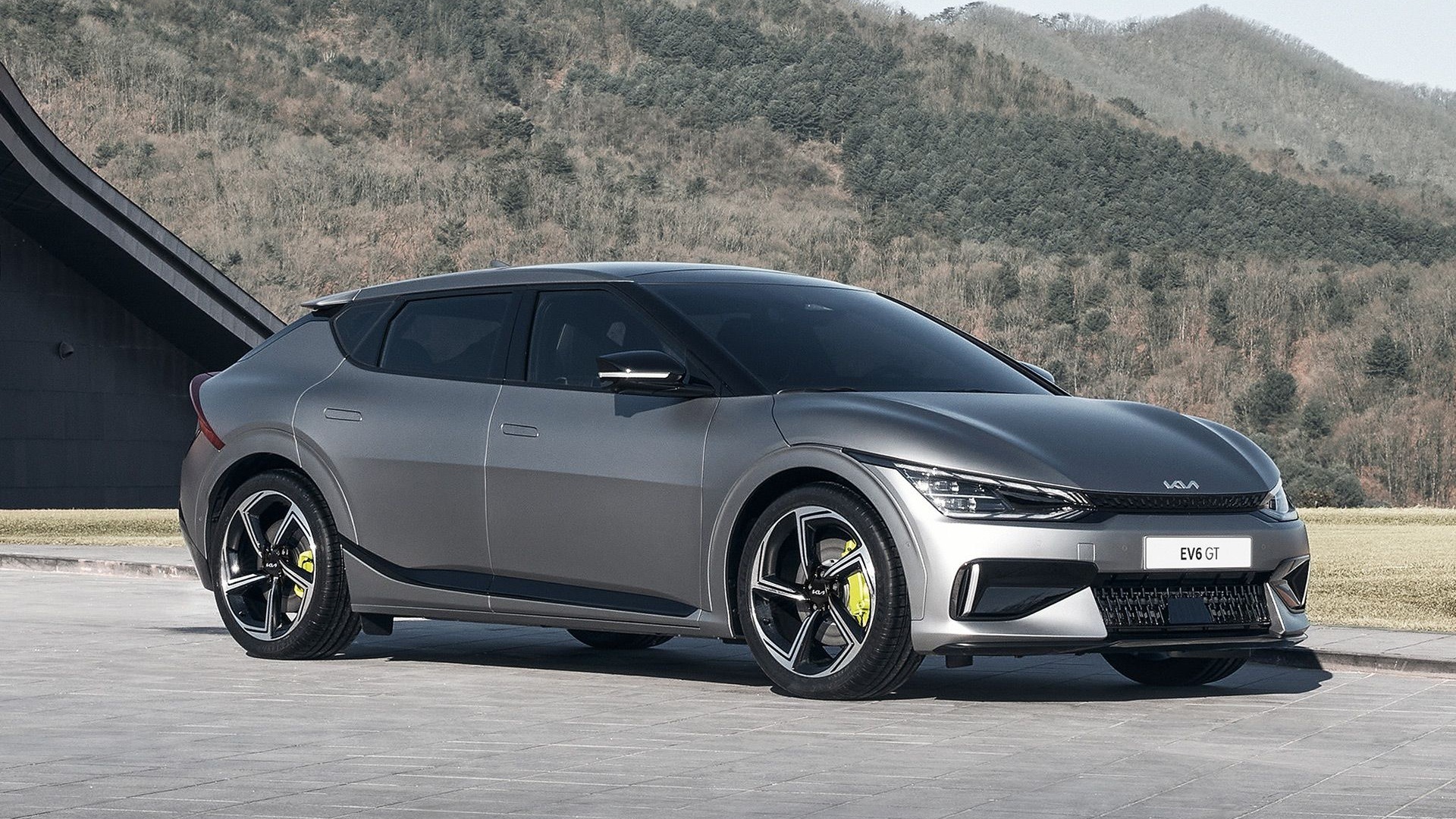
11. Kia EV6
Last place deserves context, not panic. The Kia EV6 sits at the bottom of this list because certain vehicles have experienced ICCU-related problems similar to those reported for the Ioniq 5.
The two cars share engineering roots, so it is not shocking that they share a concern. Still, the word certain matters. Actual risk depends on model year, recall status, and repair history, which means your odds depend on the specific car in front of you.
Start by identifying the vehicle’s exact model year, then check its VIN using the official recall lookup tool. Then request all service records related to charging issues, the 12-volt battery, and any associated electrical repairs.
The fourth step is to obtain written confirmation of warranty coverage. A well-documented EV6 with completed repairs may be a worthwhile purchase, while one with incomplete service records warrants greater caution or a lower asking price.
Many owners enjoy this car, and nothing here says otherwise. The ranking only reflects charging-related concerns, not driving fun, comfort, or style. If the EV6 appeals to you, go in prepared, ask pointed questions, and let the paperwork guide your decision.
