The cost of buying a new car in the United States has changed significantly over the past decade. Vehicles that once offered affordable transportation now come with higher starting prices, updated technology, improved safety systems, and more efficient powertrains.
Comparing prices from 2016, 2019, and 2026 helps buyers understand these changes. This article examines ten popular American-market cars and SUVs, covering original prices, major features, and increases since 2019. It also explains how changes in engines, comfort, safety, and technology affect the value buyers receive when choosing between an older used vehicle and a new model.
All prices listed below are approximate U.S. starting prices for representative base models and generally exclude destination fees, taxes, registration costs, and optional features.
The 2026 figures are estimates based on available model-year pricing knowledge and may differ from final manufacturer prices. Historical prices can vary by trim, transmission, and configuration.
1. Honda Civic
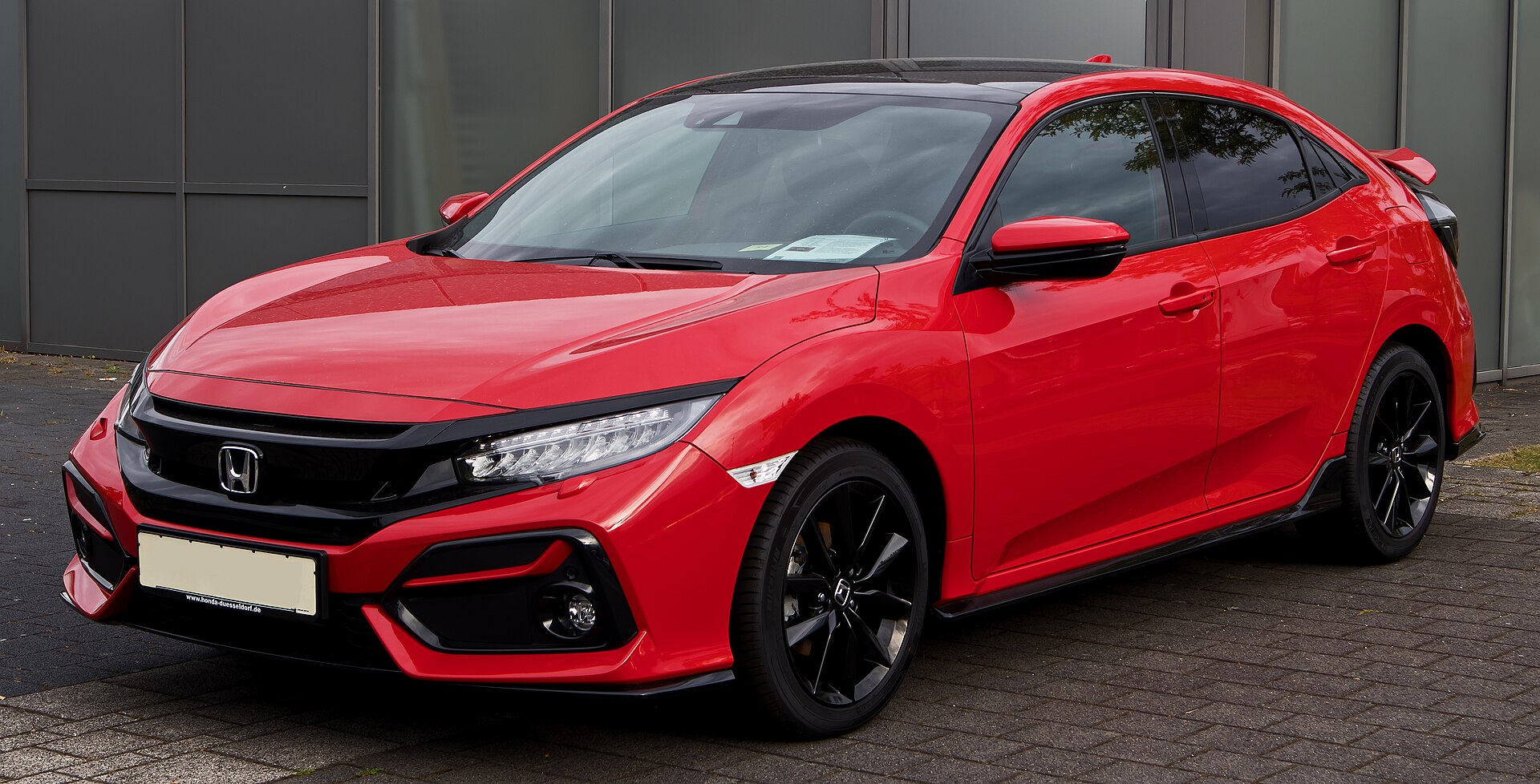
The Honda Civic has been a popular choice for American drivers who want good fuel economy, dependable transportation, and manageable maintenance expenses. The 2016 Honda Civic LX sedan started at approximately $18,640, while the 2019 LX cost around $19,450.
The 2026 Civic LX has an estimated starting price of $24,695. That represents an increase of approximately $5,245, or 27%, compared with 2019. Destination charges and other expenses can raise the final purchase price.
The 2016 Civic offered a 2.0-liter four-cylinder engine in the base model, while higher trims offered a turbocharged 1.5-liter engine. Buyers received a practical cabin, comfortable seating, and a useful trunk.
Equipment varied by trim, with higher-priced versions adding touchscreen entertainment, upgraded audio, and additional convenience features. Its efficient engines and compact dimensions made it suitable for commuting, college students, and households looking for an economical second vehicle.
The 2019 Civic continued with the same basic strengths while offering updated styling and more modern connectivity. Apple CarPlay and Android Auto were available on compatible trims, and Honda Sensing driver-assistance technology added features such as collision mitigation and adaptive cruise control on equipped versions.
Sedan, coupe, and hatchback body styles gave customers different options. The model remained relatively easy to park, while its rear seating and trunk provided enough room for many everyday family needs.
The 2026 Civic offers a more contemporary interior, updated infotainment equipment, and a greater emphasis on hybrid technology. The base LX retains a gasoline-powered four-cylinder engine, while hybrid trims combine a gasoline engine with electric motors.
Hybrid versions offer stronger acceleration and improved fuel economy compared with many conventional compact sedans. Buyers can also find modern driver-assistance systems and updated convenience features, depending on trim. The hybrid model costs more than the base gasoline version, so the two should not be treated as identical vehicles.
2. Honda Accord
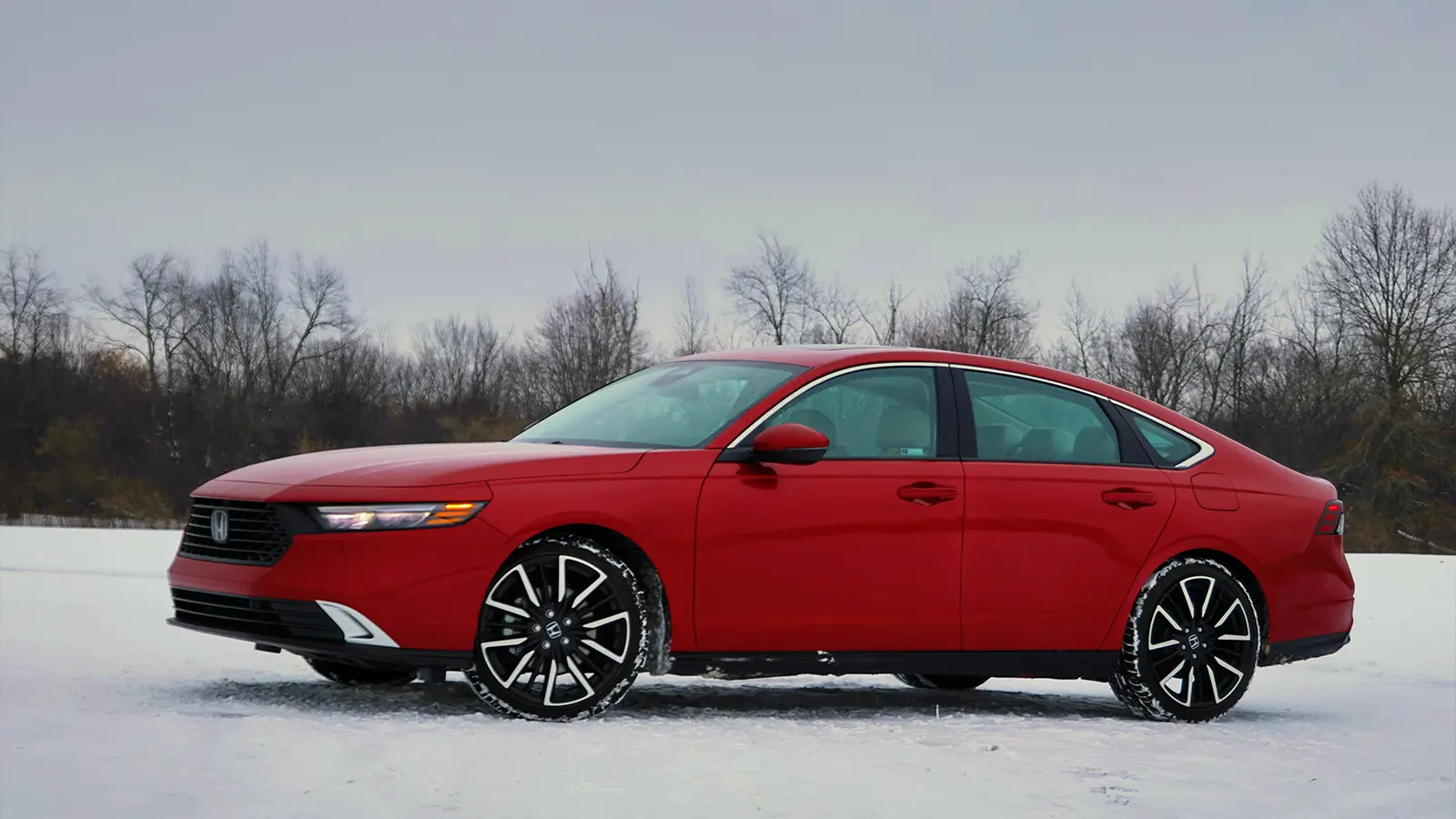
The Honda Accord has long appealed to American households that need more interior room than a compact sedan provides. The 2016 Accord LX sedan started at approximately $22,205, while the 2019 LX cost around $23,720.
The 2026 Accord has an estimated starting price of $28,395. Compared with 2019, that is an increase of about $4,675, or 20%. Hybrid versions cost more at the entry point, so buyers should compare gasoline and hybrid models separately when assessing affordability.
The 2016 Accord offered a 2.4-liter four-cylinder engine in the base model and a 3.5-liter V6 in selected higher trims. Its spacious cabin, comfortable ride, and practical trunk made it suitable for families and commuters.
Depending on the version, buyers could obtain leather upholstery, navigation, heated seats, and upgraded audio equipment. The V6 option also appealed to drivers seeking stronger acceleration without purchasing a luxury vehicle. Its straightforward design and roomy seating remained important advantages.
The 2019 Accord introduced a more modern design and moved to turbocharged four-cylinder engines for its standard gasoline and higher-performance configurations. A hybrid version was also available for drivers seeking better fuel efficiency.
Apple CarPlay and Android Auto, a modern multimedia interface, and additional driver-assistance technology were available depending on trim. The redesigned cabin offered generous passenger space, making the Accord a practical option for adults sitting in the rear as well as drivers who regularly travel with family members.
The 2026 Accord continues with a turbocharged gasoline engine in the standard model and hybrid powertrains in designated trims. Modern connectivity, driver-assistance systems, and available comfort features help it compete with newer family sedans.
Hybrid versions use electric assistance to reduce gasoline consumption in suitable driving conditions. Equipment varies by trim, and the price of a well-equipped model can be substantially higher than the advertised starting price. The current Accord therefore offers a different equipment package from the older base model.
3. Toyota Camry
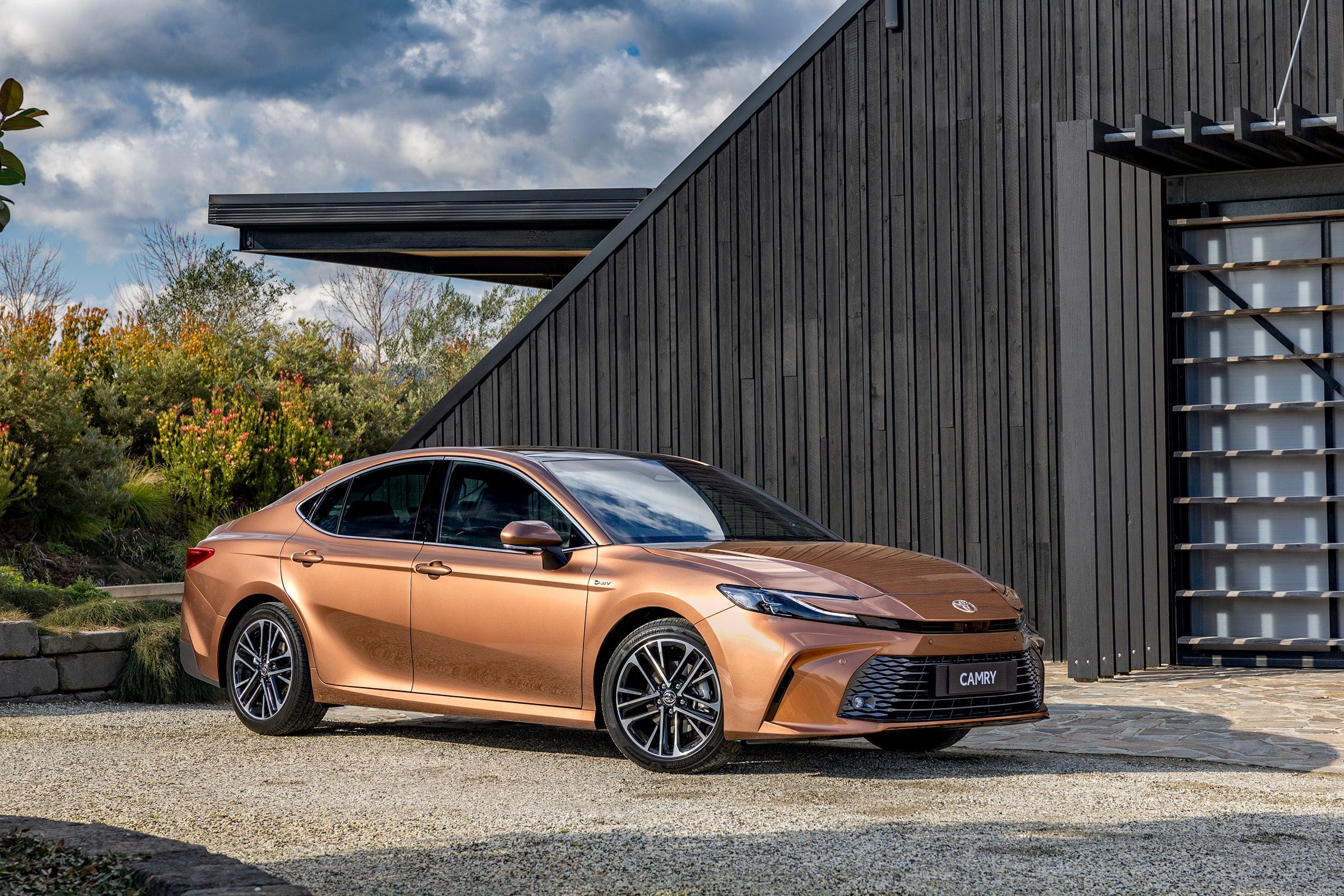
The Toyota Camry has remained a familiar American family sedan because of its practical cabin, comfortable ride, and reputation for long-term usability. The 2016 Camry LE started at approximately $23,070, while the 2019 LE cost around $24,095.
The 2026 Camry LE has an estimated starting price of approximately $29,600. That is an increase of about $5,505, or 23%, compared with 2019. These figures refer to representative starting prices rather than fully equipped versions.
The 2016 Camry offered a 2.5-liter four-cylinder engine and an available 3.5-liter V6. The four-cylinder version prioritized daily comfort and reasonable fuel consumption, while the V6 provided stronger acceleration.
Buyers could choose from several trims, with more expensive models adding leather seating, upgraded audio, navigation, and other convenience features. A hybrid version was also available. This range allowed customers to select a Camry according to their budget, driving preferences, and expected annual mileage.
The 2019 Camry featured a redesigned exterior, a revised cabin, and a chassis intended to improve handling. The standard four-cylinder engine provided adequate performance for commuting, while the V6 remained available on selected trims. Toyota also offered a hybrid model for customers who wanted lower gasoline consumption.
Safety equipment improved through the availability of Toyota Safety Sense technology, while infotainment and comfort features varied by trim. The redesigned vehicle delivered a more modern driving experience than the 2016 version.
The 2026 Camry uses hybrid power throughout its current lineup, marking a significant change from the gasoline-powered base models sold in earlier years. The hybrid system combines a gasoline engine with electric motors to provide responsive acceleration and improved efficiency.
Depending on configuration, buyers can obtain available all-wheel drive, updated multimedia equipment, and additional convenience features. The current vehicle’s powertrain makes it particularly appealing to people who regularly drive through city traffic or cover substantial distances each year.
4. Toyota Corolla
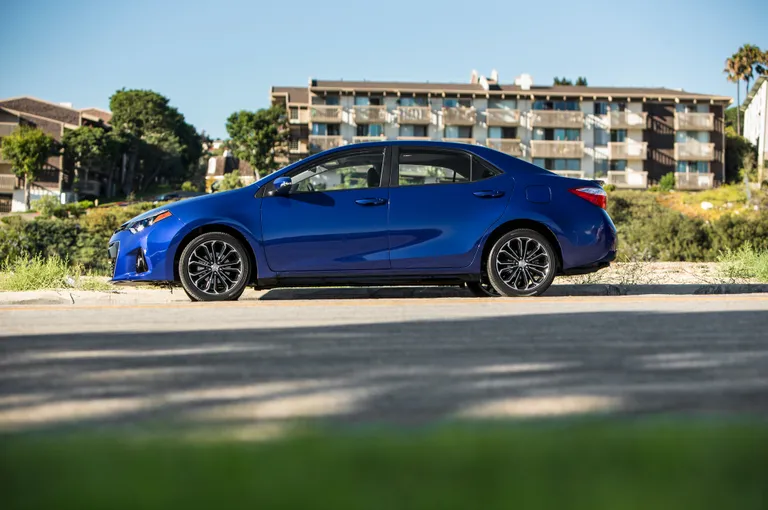
The Toyota Corolla has traditionally been a popular choice for first-time buyers, students, commuters, and households looking for economical transportation. The 2016 Corolla L started at approximately $17,300, while the 2019 Corolla L cost around $18,700.
The 2026 Corolla has an estimated starting price of $22,925. This represents an increase of approximately $4,225, or 23%, compared with 2019. The Corolla remains relatively affordable compared with many larger vehicles, but its entry price has moved considerably higher.
The 2016 Corolla focused on straightforward transportation, with a four-cylinder engine, a practical cabin, and compact exterior dimensions. These characteristics made it convenient for urban driving and parking.
Depending on the trim, buyers received different combinations of audio equipment, climate controls, and convenience features. Higher trims offered additional amenities, while the base version concentrated on essential transportation. Its appeal rested on fuel efficiency, ease of use, and a purchase price that suited people seeking a new car without spending too much.
By 2019, the Corolla offered a more modern design and additional safety technology. Toyota Safety Sense features included systems designed to help drivers respond to potential collisions and maintain their position on the road. Equipment varied across trims, and multimedia connectivity differed by configuration.
The Corolla hatchback also offered a practical alternative to the sedan, with a different body style and useful cargo flexibility. These changes helped the car remain competitive with other compact vehicles sold in the United States.
The 2026 Corolla retains its compact dimensions and emphasis on efficient daily driving. Depending on trim, buyers can receive updated multimedia equipment, smartphone connectivity, and contemporary driver-assistance systems.
Its cabin remains designed for practical use rather than luxury, with equipment levels increasing as the price rises. Hybrid options in the Corolla family provide an alternative for customers who want improved fuel economy, though the precise availability and price depend on the body style and configuration being considered.
For buyers on a tight budget, the Corolla’s increased starting price can make a used example more appealing. A well-maintained 2019 Corolla may provide reliable everyday transportation at a lower upfront cost than a new model.
However, shoppers should account for mileage, tire condition, service history, and possible repairs. Newer vehicles may offer warranty protection and more modern equipment, while older cars can reduce financing expenses. The best choice depends on how much the buyer drives and how long the vehicle will be kept.
5. Honda CR-V
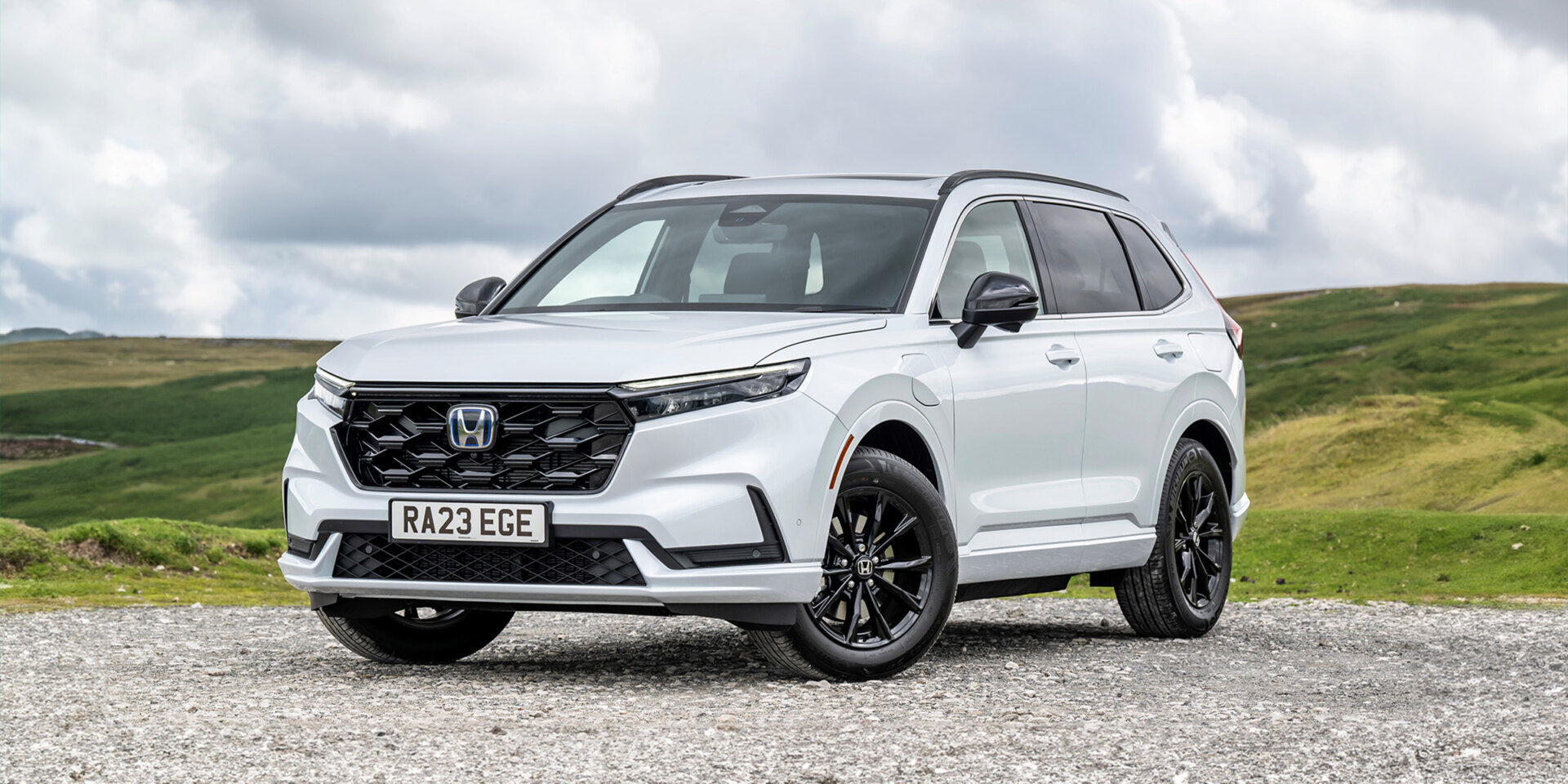
The Honda CR-V has become a familiar choice among American families who want passenger space, cargo flexibility, and a comfortable driving position. The 2016 CR-V LX started at approximately $23,845, while the 2019 LX cost around $24,450.
The 2026 CR-V has an estimated starting price of $30,920. That is an increase of approximately $6,470, or 26%, compared with 2019. Optional equipment, destination charges, and the selection of front-wheel drive or all-wheel drive can change the final price.
The 2016 CR-V used a 2.4-liter four-cylinder engine in the base model, paired with a continuously variable transmission. Buyers could select front-wheel drive or available all-wheel drive.
The cabin offered comfortable seating for five and a useful cargo area for shopping, luggage, and family equipment. Higher trims included additional amenities such as heated front seats, leather upholstery, and upgraded infotainment. Its combination of practical dimensions and useful storage made it suitable for both urban and suburban households.
The 2019 CR-V brought modern styling and a broader use of turbocharged power. The base LX retained a naturally aspirated engine, while most higher trims used a turbocharged 1.5-liter four-cylinder. Apple CarPlay, Android Auto, and Honda Sensing technology were available depending on configuration.
Its roomy rear seating and flexible cargo area suited families who needed to transport children, groceries, and luggage. Available all-wheel drive also appealed to drivers living in regions that experience winter weather or frequent rain.
The 2026 CR-V offers gasoline and hybrid powertrains, updated infotainment equipment, and modern driver-assistance technology. Hybrid versions can improve fuel efficiency during city driving, while gasoline versions may provide a lower entry price.
Higher trims offer additional comfort features, upgraded upholstery, and other convenience equipment. Buyers should compare the precise trim and drivetrain because a hybrid model can cost substantially more than the base gasoline version. These differences make direct price comparisons more complicated than the headline figures suggest.
6. Toyota RAV4
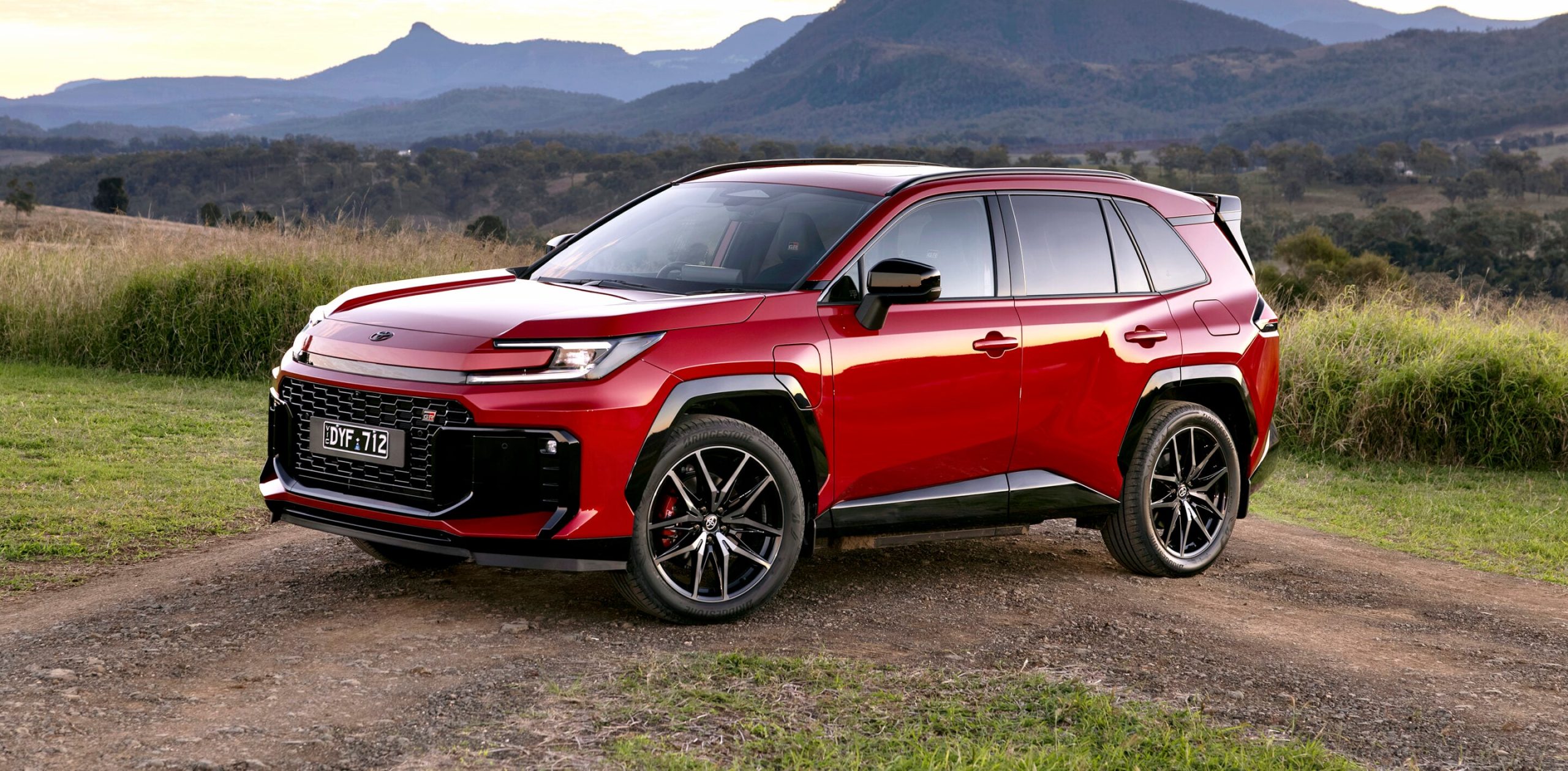
The Toyota RAV4 is a popular American SUV because it combines a practical cabin, flexible cargo capacity, and available all-wheel drive. The 2016 RAV4 LE started at approximately $24,350, while the 2019 LE cost around $25,650.
The 2026 RAV4 LE has an estimated starting price of $31,900. That represents an increase of about $6,250, or 24%, compared with 2019. These figures exclude destination charges, taxes, registration, and optional features.
The 2016 RAV4 offered a 2.5-liter four-cylinder gasoline engine and a six-speed automatic transmission. Front-wheel drive was standard on many versions, while all-wheel drive was available. The five-seat interior and folding rear seats provided practical space for shopping, luggage, and outdoor equipment.
Higher trims offered upgraded audio, touchscreen equipment, heated seating, and additional convenience features. A hybrid version was also available, providing an alternative for drivers who wanted better fuel efficiency without moving to a smaller vehicle.
The 2019 RAV4 introduced a redesigned exterior, a new platform, and changes intended to improve handling and everyday usability. Its standard four-cylinder engine produced approximately 203 horsepower, paired with an eight-speed automatic transmission in gasoline versions.
The hybrid model offered a different powertrain for efficiency-conscious buyers. Available safety systems, multimedia equipment, and comfort features varied by trim. The redesigned vehicle provided a more rugged appearance while retaining the practical dimensions and cargo space that helped establish the RAV4’s popularity.
The 2026 RAV4 moves further toward electrification, with hybrid power central to the current lineup and plug-in hybrid versions available in the broader range where offered. Buyers can find modern multimedia technology, driver-assistance equipment, and available all-wheel drive.
Higher trims provide additional comfort and convenience features, which increase the purchase price. Because the current lineup differs mechanically from older gasoline models, shoppers should compare the exact powertrain, equipment, and drivetrain before deciding how much more a new RAV4 costs.
7. Ford F-150
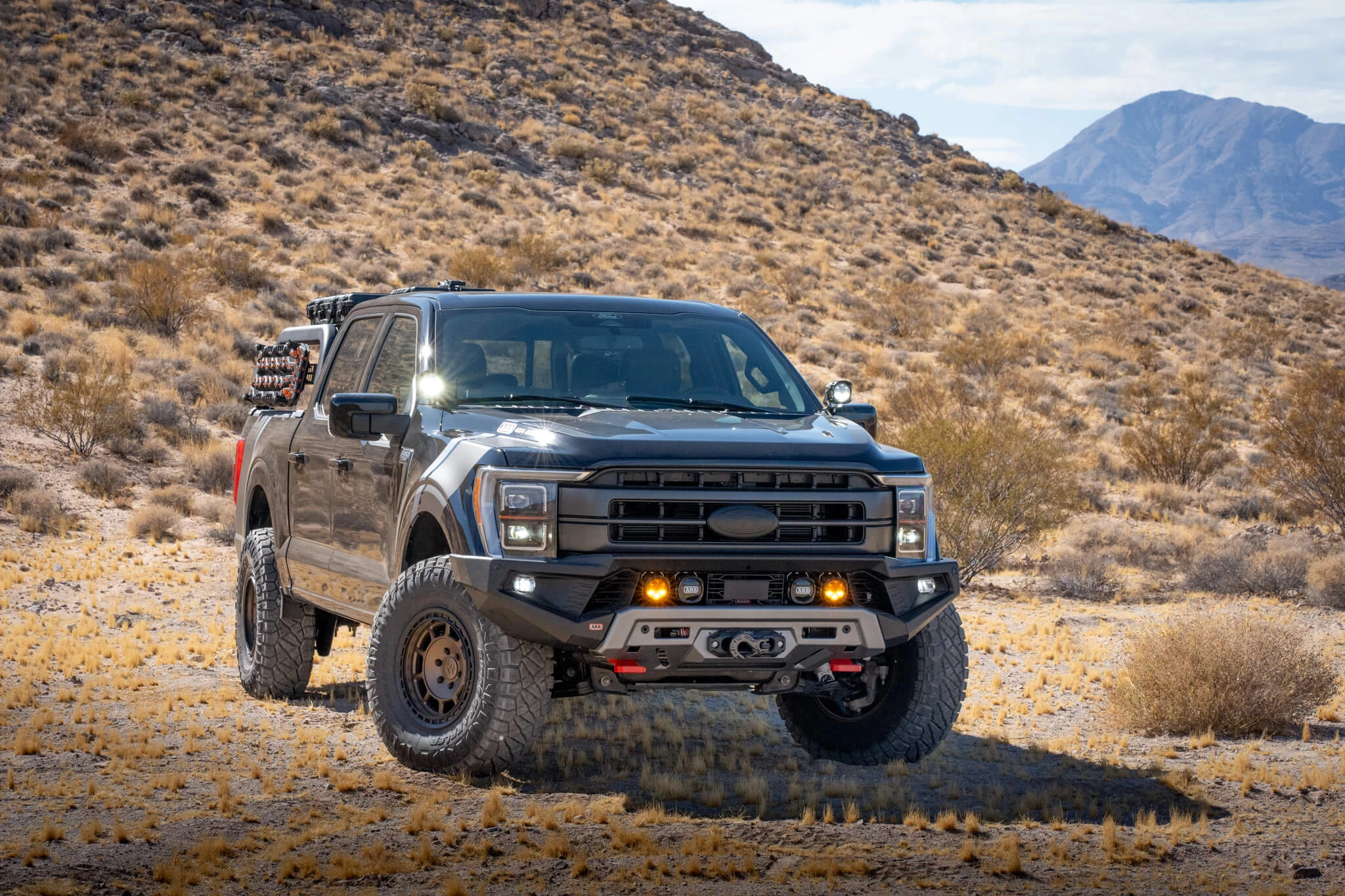
The Ford F-150 serves American buyers who need towing, hauling, work capability, or the flexibility of a full-size pickup. The 2016 F-150 XL started at approximately $26,540, while the 2019 XL cost around $28,155.
The 2026 F-150 has an estimated starting price of approximately $39,000 to $42,000, depending on configuration and published pricing. Using $41,000 as a representative figure, the increase from 2019 is about $12,845, or 46%. The exact difference depends on the cab, engine, bed, and equipment selected.
The 2016 F-150 offered several engine choices, including V6, turbocharged EcoBoost, and V8 options depending on configuration. Its aluminum-alloy body panels reduced weight compared with a traditional steel-bodied design. Buyers could select regular, SuperCab, or SuperCrew configurations, along with different bed lengths.
The entry-level XL focused on utility, while higher trims added more comfortable seating, upgraded infotainment, and convenience features. These options allowed customers to tailor the truck for work, recreation, or everyday transportation.
The 2019 F-150 offered revised engine choices and additional technology. Depending on trim, buyers could obtain touchscreen infotainment, smartphone connectivity, driver-assistance systems, and towing aids.
Turbocharged engines delivered a combination of power and efficiency, while V8 options remained available for customers with different performance preferences. The truck’s broad range of configurations meant that its actual price could vary substantially. A basic work truck and a premium family-oriented version could differ by tens of thousands of dollars.
The 2026 F-150 continues to offer multiple engines and equipment packages, including available hybrid power in selected configurations. Modern versions can provide large infotainment displays, advanced camera systems, driver-assistance features, and sophisticated towing technology.
Higher trims add comfort equipment and premium materials, while the XL focuses on practical use. Buyers who regularly tow heavy trailers should compare the precise engine, axle ratio, payload rating, and towing capacity rather than relying solely on the advertised starting price.
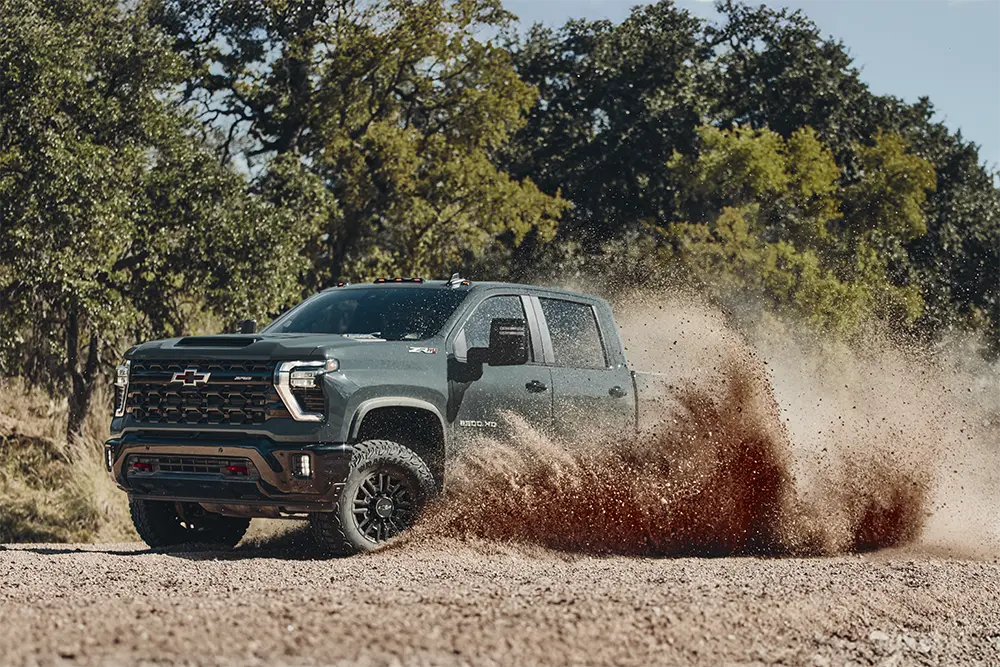
8. Chevrolet Silverado 1500
The Chevrolet Silverado 1500 competes directly with the Ford F-150 and serves customers who need a full-size truck for work, towing, and personal use. The 2016 Silverado 1500 WT started at approximately $27,195, while the 2019 WT cost around $28,300.
A representative 2026 starting-price estimate is approximately $39,000 to $40,000, depending on configuration and published pricing. Using $39,695 as an illustrative figure, the increase from 2019 is approximately $11,395, or 40%. Final pricing depends on the selected configuration and options.
The 2016 Silverado offered several engine choices, including V6 and V8 options depending on configuration. Buyers could select regular, double, or crew cab body styles and different bed lengths.
The basic WT emphasized durable, practical transportation, while higher trims offered upgraded audio, touchscreen equipment, leather upholstery, and additional convenience features. The truck’s broad configuration range made it suitable for construction work, towing recreational equipment, and family use. Buyers could prioritize carrying capacity, passenger room, or comfort.
The 2019 Silverado introduced a redesigned body, revised cabin packaging, and a wider range of powertrain choices. Available features included smartphone connectivity, infotainment upgrades, and driver-assistance systems.
Selected configurations offered diesel power for customers who valued its characteristics for highway travel and towing. The model retained multiple cab and bed combinations, so the price of a basic work version differed considerably from that of a premium trim. Equipment and capability depended on the exact vehicle ordered.
The 2026 Silverado offers modern multimedia equipment, available camera systems, and advanced towing assistance on selected trims. Some configurations provide large displays, additional driver aids, and hands-free driving technology on compatible roads.
Engine options and towing capacity vary by model, so buyers must check the manufacturer’s specifications for the precise version they are considering. A basic work-focused truck costs less than a fully equipped model with premium materials, advanced driver assistance, and specialized towing equipment.
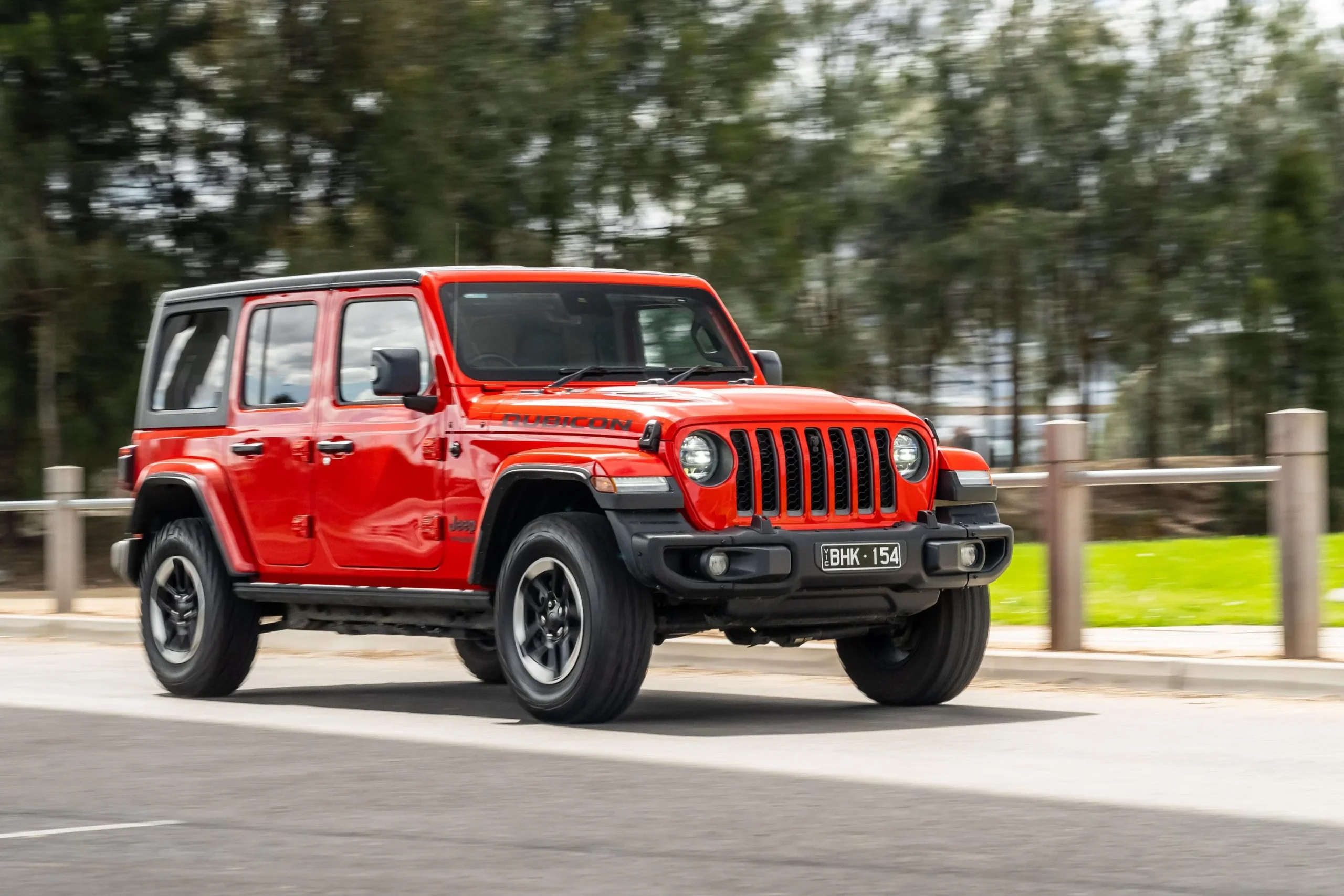
9. Jeep Wrangler
The Jeep Wrangler attracts buyers who value off-road ability, removable roof panels, and a distinctive design. The 2016 Wrangler Sport started at approximately $23,895, while the 2019 Wrangler Sport cost around $28,045.
A representative 2026 starting price is approximately $34,000, depending on configuration and current pricing. That suggests an increase of roughly $5,955, or 21%, compared with 2019. The precise difference depends on the body style, engine, drivetrain, destination charges, and optional equipment.
The 2016 Wrangler offered two-door and four-door body styles, four-wheel drive, and engineering designed for uneven terrain. Its solid axles, ground clearance, and short overhangs helped it tackle trails that many road-focused crossovers could not manage.
The interior was relatively utilitarian in lower trims, though more expensive versions provided additional comfort and convenience features. Removable doors and roof options appealed to drivers who wanted open-air motoring as well as a vehicle capable of handling difficult terrain.
The 2019 Wrangler introduced a redesigned generation that retained its recognizable appearance while improving several aspects of its construction and interior. Engine choices included a 3.6-liter V6 and a turbocharged four-cylinder in selected configurations.
Available infotainment systems offered more modern connectivity, and the cabin received practical improvements. The vehicle continued to provide removable body components and specialized four-wheel-drive systems. Buyers could choose a basic version for recreational use or higher trims with equipment suited to more demanding trails.
The 2026 Wrangler continues to focus on off-road capability, with multiple trims and powertrain options depending on the model. Available equipment includes specialized suspension components, off-road tires, locking differentials, and advanced four-wheel-drive systems.
Modern infotainment and safety features make daily driving more convenient, while premium trims add comfort equipment. Not every feature is standard on the base version, and off-road-focused models can become expensive when optional equipment is added.
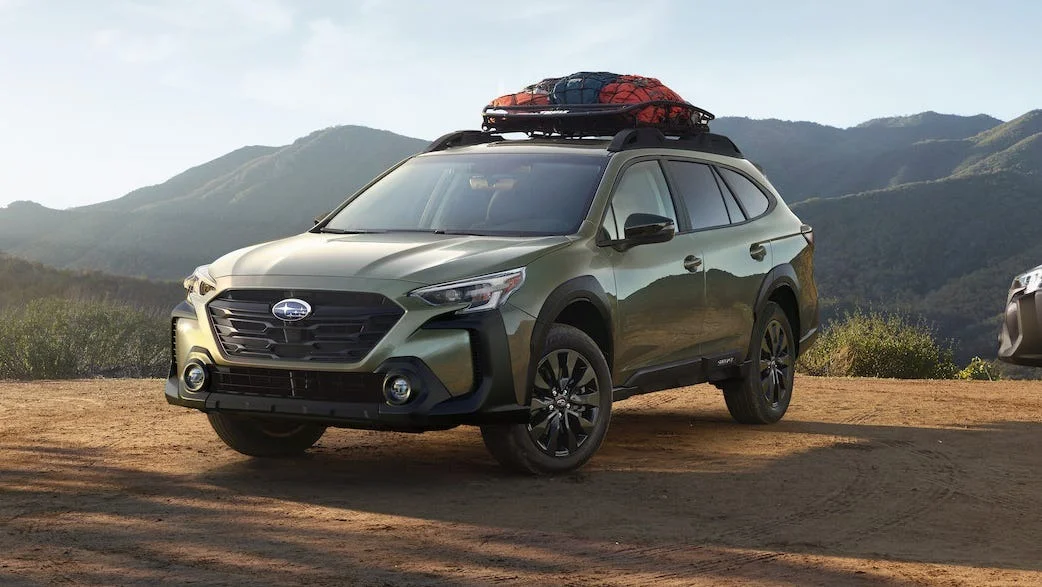
10. Subaru Outback
The Subaru Outback combines the cargo space of a wagon with the raised ride height and versatility associated with SUVs. The 2016 Outback 2.5i started at approximately $25,745, while the 2019 2.5i cost around $26,345. The 2026 Outback has an estimated starting price of approximately $29,995, depending on the current configuration.
That represents an increase of about $3,650, or 14%, compared with 2019. These estimates refer to representative base models rather than higher trims.
The 2016 Outback used a 2.5-liter four-cylinder engine as standard, with a stronger six-cylinder engine available on selected versions. Subaru’s symmetrical all-wheel-drive system was standard, giving it useful traction in rain and snow.
The spacious cabin and cargo area accommodated luggage, camping equipment, and family belongings. Roof rails added practical carrying flexibility, while available equipment included heated seats, upgraded audio, and driver-assistance technology. The vehicle appealed to people who wanted everyday comfort and outdoor versatility.
The 2019 Outback retained the standard four-cylinder engine and offered a six-cylinder option on higher trims. Its cabin provided generous passenger room, while the cargo area made it suitable for road trips and outdoor activities.
Subaru EyeSight driver-assistance technology was available with features such as adaptive cruise control and pre-collision braking, depending on configuration. The combination of all-wheel drive, raised ground clearance, and useful storage made it attractive to drivers living in areas with challenging weather conditions.
The 2026 Outback brings more contemporary technology, updated safety equipment, and a redesigned cabin and exterior. Subaru continues to emphasize standard all-wheel drive, practical cargo space, and comfort for longer journeys. Depending on trim, buyers can receive upgraded infotainment, additional driver-assistance features, and more powerful engine options.
Its design remains distinct from traditional truck-based SUVs, providing a car-like driving experience with additional ground clearance. Buyers should compare exact specifications because equipment and engine choices differ by trim.