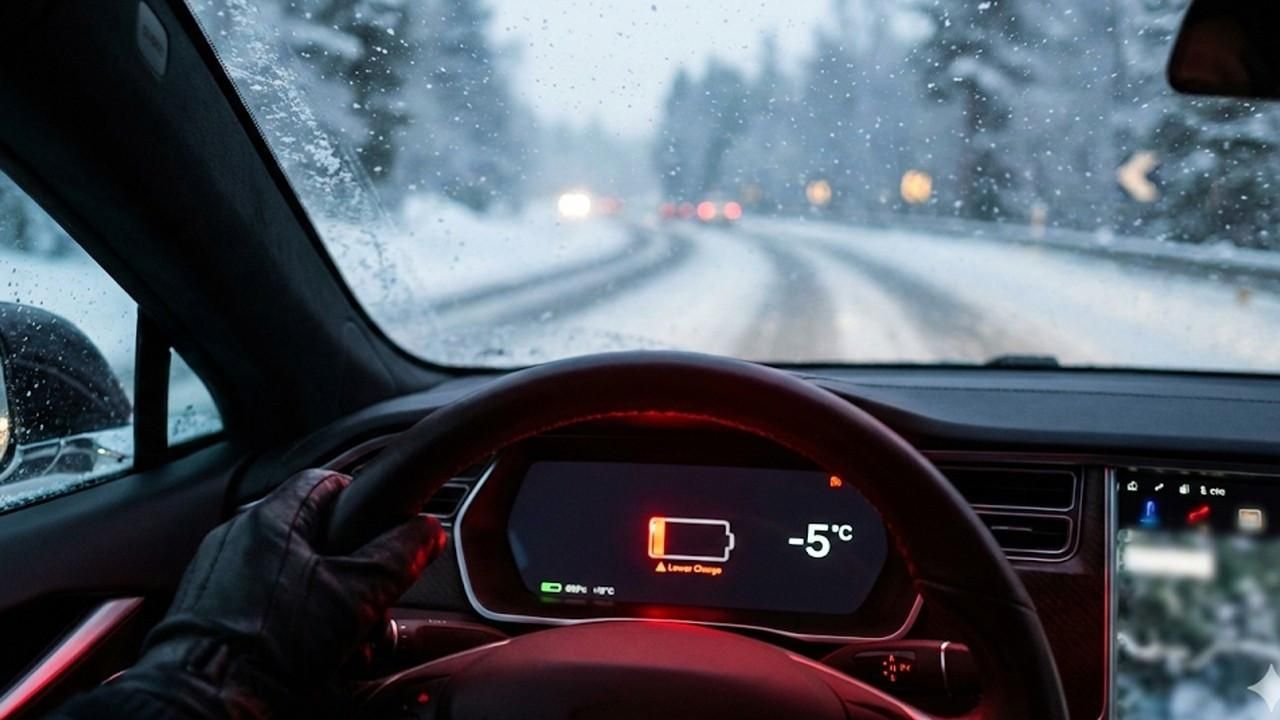
The electric vehicle market is sending a strange signal right now. Fewer people are buying EVs, yet the people who already own one are happier than ever.
January EV sales in the United States fell nearly 30% from a year earlier. The drop followed the end of federal EV tax credits last fall. At the same time, a major annual ownership study found record satisfaction. Current EV owners are more satisfied with their vehicles than ever before.
This looks like a contradiction, but it is not one. Sales respond to price, policy and fear, while satisfaction responds to daily experience. Buyers who hesitate are judging EVs from the outside. Owners judge them from the driver’s seat.
This article looks at why sales dropped, why owners are so pleased, and what the gap means for the industry. It also asks whether happy owners can pull hesitant shoppers back into showrooms.
Why EV Sales Dropped So Sharply
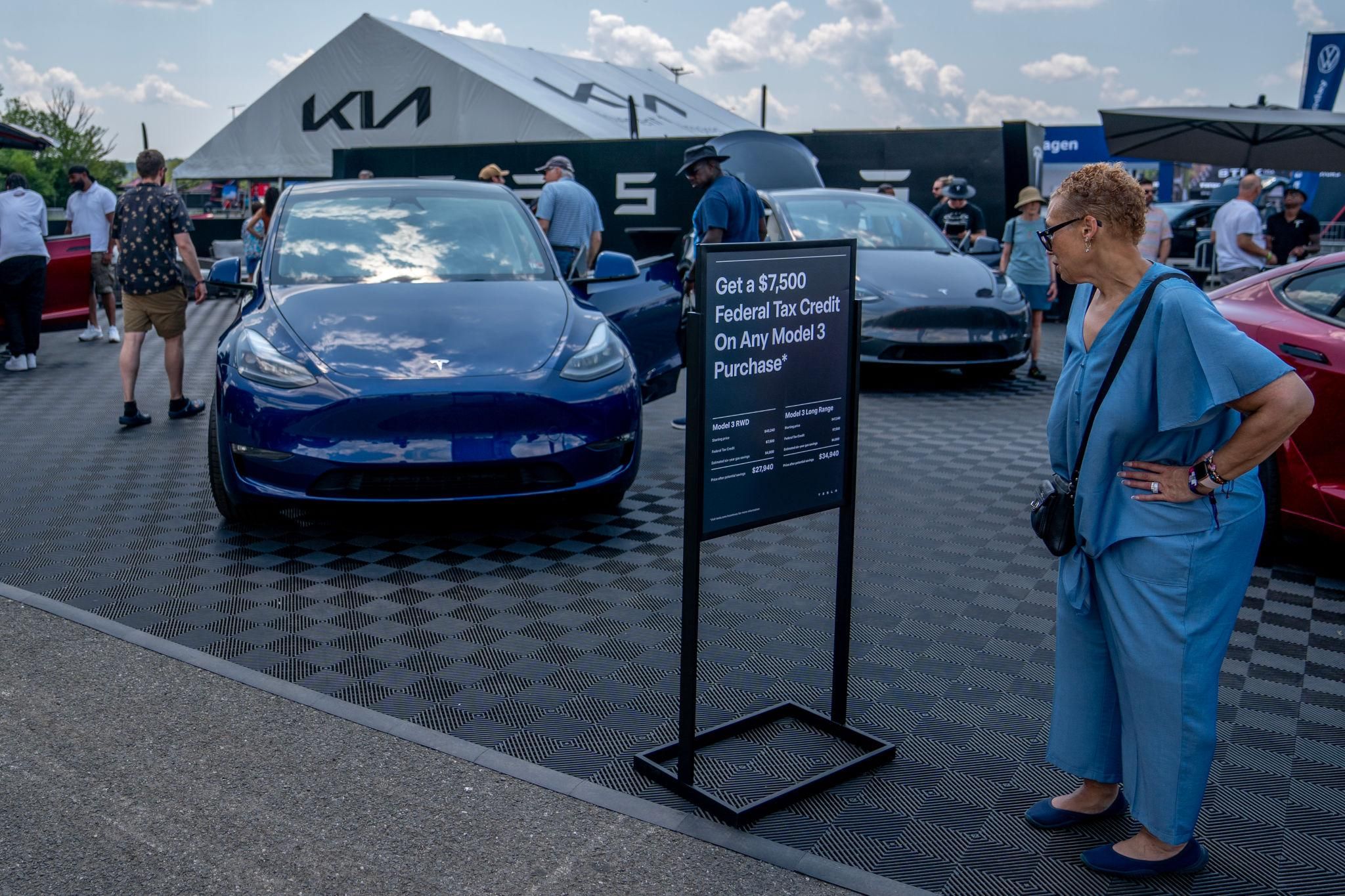
The main cause was the end of the federal tax credit. Sales slowed significantly after the credits expired last fall. For years, that credit of up to $7,500 helped close the price gap with petrol cars. When it vanished, the monthly payment on many EVs jumped overnight.
Price matters more than almost anything else for car buyers. A few hundred dollars on a monthly payment can decide the whole purchase. Many shoppers also pulled their purchases forward. They rushed to buy before the deadline, which inflated sales in late 2025.
That rush created a hangover. People who would have bought in January had already bought in September. January is also a weak month for car sales in general. The industry treats it as a slow start to the year, not a full verdict.
Because January volume is small, percentage swings look dramatic. A modest change in units can produce a large headline number. Different trackers also report different figures. One analysis put the year-over-year drop in battery electric sales at about 45% for the same month.
That gap comes from definitions. Some counts include plug-in hybrids, and some use registrations instead of dealer reports. The headline of nearly 30% is still serious. It tells us the market lost momentum quickly.
Automakers had already been cautious before this. Several slowed new EV programs and shifted money toward hybrids. Higher interest rates added pressure. Financing a car costs more than it did a few years ago.
Concern about used EV values has also lingered. Some buyers fear that a new EV will lose value faster than a petrol car. Public confidence in charging has been another brake. Many people still imagine long queues and broken chargers.
Policy uncertainty makes things harder. Buyers do not like making a big purchase when the rules keep shifting. Housing plays a role too. Renters and apartment dwellers often cannot install a home charger.
Without home charging, the EV case becomes weaker. Public charging has to do all the work. Inventory and choice matter as well. Cheaper EV models remain limited in many markets.
Most new EVs still sit in the premium price range. That leaves a narrow gap in the affordable middle. Cultural debate has also cooled interest. EVs became part of a political argument, and many shoppers avoid that noise.
The slowdown is real, but it is not a collapse of demand. It is a market adjusting to higher real prices. Early adopters have already bought. The next wave of buyers is more price-sensitive and more cautious.
That is a normal pattern for new technology. Growth slows after the enthusiasts finish buying. What makes this moment unusual is the timing. The slowdown arrived just as the product itself got better.
Why Owners Have Never Been Happier
The satisfaction numbers are striking. Owner satisfaction reached its highest level in the six-year history of the study. Premium brands averaged 786 and mass-market brands averaged 727 on a 1,000-point scale. Both scores are the best the study has recorded.
The study focuses on the first year of ownership. That is the period when problems and regrets usually show up. It scores ten factors, including range, cost of ownership and quality. Others include driving enjoyment, styling, technology and service.
The loyalty figure is even more telling. Ninety-six percent of owners would consider another battery-powered model. That is a very high number for any consumer product. Few car categories earn that level of repeat interest.
Charging is the biggest reason for the improvement. Public charger availability was the most improved factor across both segments. Premium owners scored it 652 and mass-market owners scored it 511, each up by more than 100 points. That is a large jump in a single year.
Two things drove that change. The public charger network kept growing, and Tesla opened its Supercharger network to other brands. Access to a reliable network removes the biggest daily worry. Owners no longer plan every trip around a few chargers.
Reliability has improved too. Total problems reported by EV drivers fell, especially among premium brands. Early EVs had software glitches and charging faults. Newer models appear to have worked through many of those issues.
Cost of ownership is another strong point. EV owners rated cost satisfaction more than 100 points higher than plug-in hybrid drivers. Premium EVs led plug-in hybrids by 114 points and mass-market EVs led by 117 points. The research firm linked this to lower maintenance needs.
That makes sense mechanically. An EV has no oil changes, fewer moving parts and less brake wear. Running costs also tend to be lower. Electricity usually costs less per kilometre than petrol, especially with home charging.
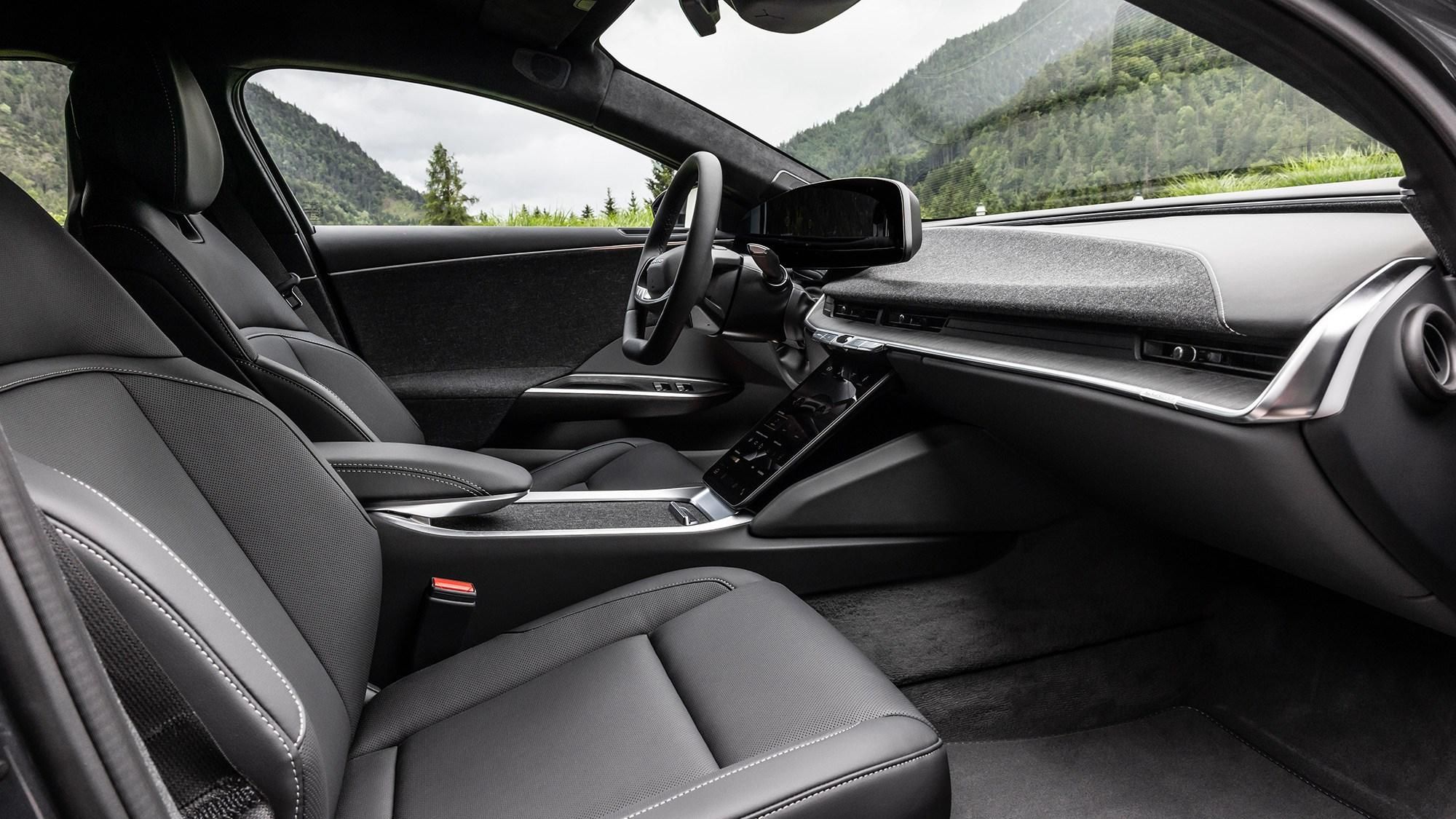
Driving feel matters more than people expect. EVs deliver instant torque and a quiet, smooth ride. Owners often say they do not want to go back. Once you get used to that calm, petrol cars feel noisy.
Another factor is who is buying now. Today’s buyers are more informed than early adopters were. They chose an EV knowing the trade-offs. That means expectations match reality better.
Survey timing helps explain the mood as well. Owners were surveyed in late 2025, after charging had already improved. There is also a selection effect. Buyers who stayed through a policy shock are likely committed believers.
Even so, the result is not just a quirk. Satisfaction has risen steadily as the technology matured. The headline works because both facts are true together. Sales fell because buying got harder, and satisfaction rose because owning got easier.
What the Gap Means for the Future of EVs
The key lesson is that the product is not the problem. The barriers sit around the product. Price, financing and policy shape the decision to buy. Experience shapes whether owners stay loyal.
One industry analysis described the issue well. Positive owner experience has not yet turned into wide adoption. That is the central challenge. Satisfaction is high, but it stays inside the owner community.
Word of mouth could change that over time. A neighbour who loves their EV is a stronger advertisement than any campaign. Automakers should lean into real owner stories. Practical details about charging and costs persuade more than glossy promises.
Test drives and rental programs can help. A few days behind the wheel often changes opinions. Dealers need better training as well. Many salespeople still struggle to explain charging and incentives clearly.
Affordability must come next. The industry needs more EVs priced for ordinary households. Smaller and cheaper models would widen the market quickly. Several manufacturers are already working on them.
Battery costs are the key variable. Falling cell prices could bring EV prices closer to petrol cars without subsidies. Charging must keep improving. The biggest satisfaction gains came from charging, so that investment clearly works.
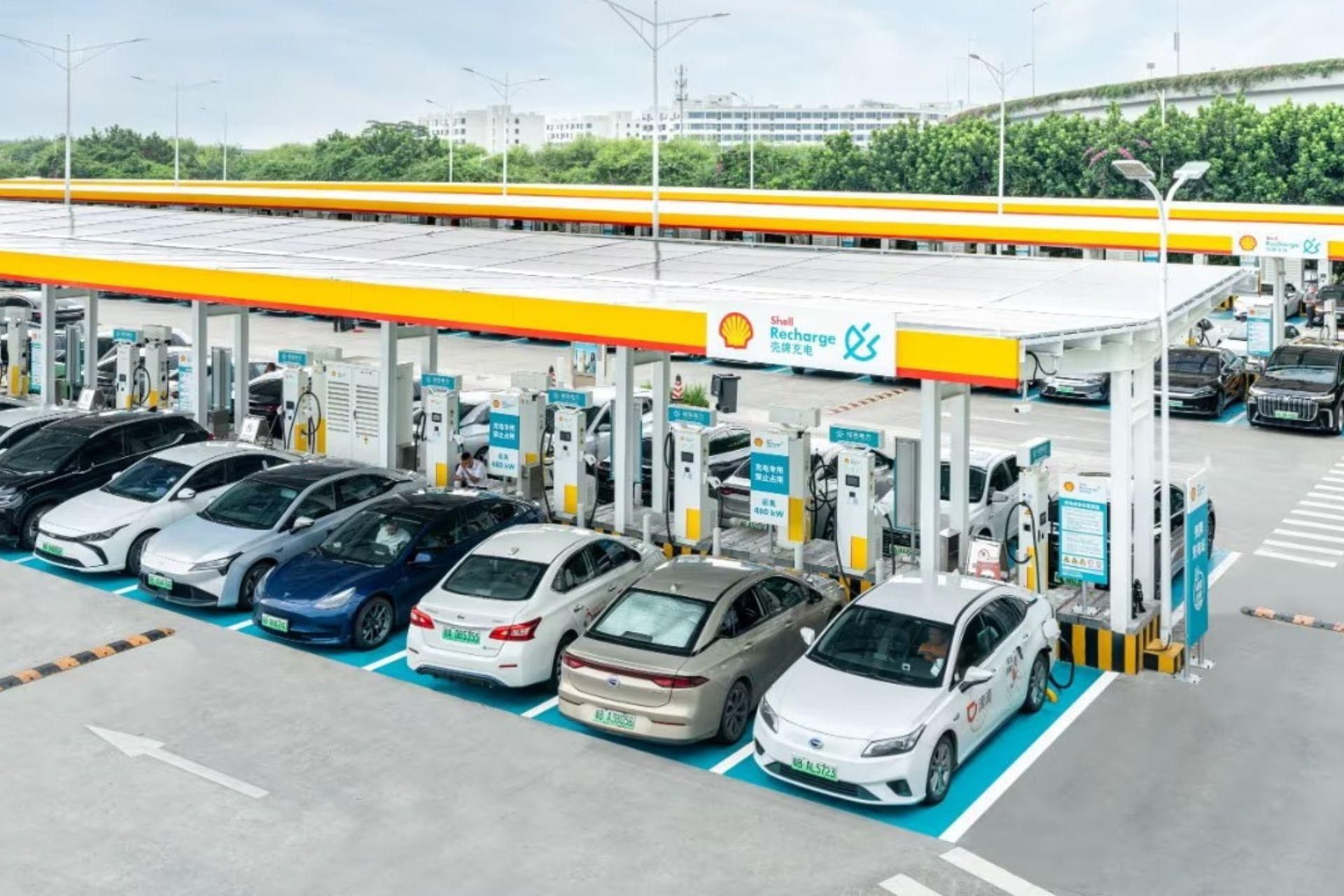
Reliability of chargers matters as much as the count. A broken charger damages trust more than a missing one. Home charging support is another opening. Programs for renters and apartment residents could unlock a large group of buyers.
Utilities and employers can help. Workplace chargers and off-peak tariffs lower the cost and effort of switching. Hybrids will stay important in the near term. Many cautious buyers will choose them as a stepping stone.
The ownership data suggests that stepping stone may not be the final stop. Fully electric owners report better cost satisfaction than hybrid owners.
Policy still matters. Stable, predictable rules help both buyers and manufacturers plan. Governments can support charging, grid upgrades and consumer confidence. Those steps work even when direct purchase subsidies fade.
For buyers, the message is practical. Look at the total cost of ownership, not only the sticker price. Check your charging access before you decide. Home charging makes the strongest case, but public networks are now far better.
For investors and analysts, one month should not drive conclusions. A slow January after a policy change tells only part of the story. The real test comes over several quarters. Watch whether sales recover as prices fall and new models arrive.
There are risks. If high prices persist, satisfaction alone will not fill showrooms. There are also reasons for optimism. Loyalty, reliability and charging are all moving in the right direction.
A market with unhappy owners would be in deep trouble. A market with delighted owners and weak sales has a fixable problem. The gap between sales and satisfaction is therefore a sign of timing, not failure.
The technology has matured faster than the market’s confidence in it. If prices ease and charging keeps improving, that confidence can catch up. The owners are already showing the way.