
Winter changes how every car behaves, but electric vehicles feel the shift more than most. A new study now puts hard numbers on that experience.
Researchers tested six vehicles, three electric and three hybrid, at 20°F, 75°F, and 95°F. The goal was to see how electrified cars handle non-ideal weather.
At 20°F, the electric cars lost 39 percent of their calculated driving range. That is nearly two-fifths of the distance drivers expect on a full charge. Hybrids did not escape either, losing almost 23 percent of their fuel economy in the cold. Heat also took a smaller toll on both types.
These results matter because many buyers choose a car based on its rated range. Real winter driving can look very different from the sticker. Money is part of the story too. Cold weather raised running costs sharply, especially for drivers who depend on public chargers.
This article explains what the testing found and why it happened. It also covers costs, buyer interest, and practical ways to cope. The aim is to help you set realistic expectations before you buy or travel. Knowing the numbers makes every decision easier and calmer.
What the Testing Found and Why Temperature Matters
The research came from the automotive engineering team of the largest US motoring club, working with a Southern California research center. It built on an earlier study from 2019.
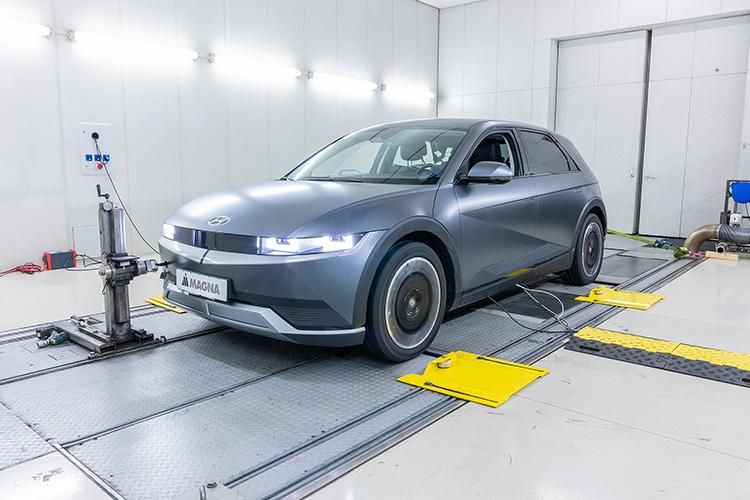
Three electric vehicles and three hybrids were tested on a chassis dynamometer. Think of it as a treadmill for cars. The cabin climate control stayed at 72 degrees throughout. Laboratory temperatures were set at 20°F, 75°F, and 95°F.
Using one cabin setting kept the comparison fair. Only the outside temperature changed from test to test. Why test at three temperatures? A moderate 75°F baseline shows how each car performs under ideal conditions.
Comparing against that baseline isolates the effect of weather. It turns vague winter complaints into measurable percentages. Dynamometer testing also removes wind, traffic, and road variation. That makes results repeatable and fair across vehicles.
Real roads add complications the lab cannot copy. Snow, slush, and strong headwinds would likely make the numbers worse. Treat the lab figures as a solid starting point for planning.
Cost figures used national average fuel and electricity prices from late March 2026. That keeps the dollar estimates tied to real prices. Start with the heat results at 95°F. Both vehicle types lost some efficiency, though the losses were modest.
Hybrids saw fuel economy fall by 12 percent compared with mild weather. Electric cars lost 10.4 percent of their efficiency. Electric vehicles also gave up 8.5 percent of their driving range in the heat. That is noticeable but rarely a trip-breaker.
Air conditioning is the main culprit in hot weather. Batteries also need cooling to stay in a healthy range. Cold weather told a harsher story at 20°F. Every vehicle used more energy for each mile driven.
Hybrids lost 22.8 percent of their fuel economy. The researchers admitted that figure surprised them. Hybrids deserve more attention in these conclusions than they usually get. A 23 percent winter fuel loss is larger than many drivers expect.
Electric vehicles fared worse, with efficiency dropping 35.6 percent. Calculated range fell by 39 percent. So a car rated for 300 miles might manage closer to 183. That gap can change how you plan a winter trip.
Why does cold hurt so much? Battery chemistry slows down when temperatures fall, so the pack delivers energy less freely. Cabin heating adds a second burden. An electric car has little engine waste heat, so warmth must come from the battery.
Hybrids have an advantage here, since the engine produces plenty of warmth. Even so, engine warm-up and heating demands increase their fuel use.
Other cold-weather factors play a part too. Denser air, stiffer tires, and thicker lubricants all raise resistance. Regenerative braking also suffers in cold. A chilly battery cannot absorb as much recovered energy.
That means less energy returns to the pack during city driving. It quietly adds to the winter range penalty. Consider a driver in a northern city during January. Frequent short trips mean the battery never fully warms up.
Cold starts hurt hybrids similarly, since the engine runs more to build heat. Short trips are therefore the least efficient. Highway speed matters as well. Sustained fast driving in extreme temperatures drains an EV battery quickly.
Combine fast driving with cold weather and the loss can feel dramatic. Slowing down a little often recovers a surprising amount of range. Now consider what this means for your wallet. Efficiency losses translate directly into higher running costs.
In the cold, hybrids cost $28.44 more per 1,000 miles to fuel. Electric cars at home rates cost $32.11 more. Public charging changed the picture dramatically. Cold-weather EV costs rose $76.93 per 1,000 miles on public chargers.
Heat brought smaller increases. Hybrids rose $13.02 per 1,000 miles in 95°F weather. Home-charged EVs added just $6.78 per 1,000 miles in the heat. Public charging added $16.25.
The comparison between powertrains is where things get interesting. Where you charge decides who wins. At 20°F, home-charged EVs cost $36.19 less per 1,000 miles than hybrids. Public charging flipped that, making EVs $86.26 more expensive.
The same trend appeared in hot weather. EV owners saved $46.11 when charging at home but paid $41.00 more when using public chargers. The takeaway is clear. Home charging helps keep costs down, while relying on public fast chargers can wipe out much of the savings that make EVs appealing.
Winter also affects charging itself, a point worth noting. Cold batteries often accept power more slowly. That can mean longer stops at the very moment you need range most. Planning ahead reduces the frustration.
The study’s director of automotive engineering, Greg Brannon, summed it up well. He said EVs are efficient in moderate weather but lose significant range in the cold.
He added that drivers should weigh climate, energy costs, and driving patterns. That advice applies to hybrids and EVs alike. Results varied by vehicle, because each car manages heat differently. Control strategies and thermal systems play a big role.
So treat the averages as guides, not guarantees. Your own car, route, and habits will shift the numbers. The headline figures still deserve respect. A nearly 40 percent range loss is large by any measure. The hot-weather numbers deserve respect too. Summer road trips with air conditioning running will also shorten range.
What It Means for Drivers and Buyers
The same research also surveyed consumer attitudes in March 2026. It spoke with 1,088 American adults. Hybrids won the popularity contest. About 35 percent said they are likely or very likely to buy one next.
Those favoring hybrids cite fewer range worries and easier fueling. They like not planning life around a charger. Interest in fully electric cars remains real. Fans mention lower fuel costs, environmental benefits, and cheaper maintenance.
Charging infrastructure has grown. Public stations rose from roughly 55,000 in 2022 to about 80,000 today. Yet hesitation remains despite that growth. Numbers alone do not guarantee a charger is nearby when you need one.
Climate should be your first filter when choosing a car. A driver in a mild coastal city faces very different results than one in a snowy state. In cold regions, plan for reduced range and more frequent stops. Treat the rated range as a best-case figure.
A useful rule is to subtract a large cushion in winter. Based on the study, losing close to 40 percent is realistic at 20°F. Budget for seasons too. Winter raises energy use for every powertrain.
EV cost jumps are biggest with public charging. Hybrids burn more fuel through engine warm-up and cabin heating. Home charging is the strongest protection against seasonal swings. It keeps electricity prices predictable and usually lower.
If you cannot charge at home, think carefully. Reliance on public chargers can make an EV more expensive than a hybrid. Gather quotes for home charger installation early. Upfront costs there often decide whether an EV makes financial sense.
Ask your utility about off-peak electricity rates. Cheaper overnight charging can offset much of the winter increase. Now for practical habits that help. Preconditioning the cabin while the car is still plugged in is the best start.
That warms the cabin using grid power instead of battery power. You leave with a full battery and a comfortable car. Use seat and steering-wheel heaters where possible. They warm your body directly and use less energy than heating the whole cabin.
Keep your tires properly inflated. Cold air lowers tire pressure, which raises rolling resistance. Check the pressure often during winter. It takes a minute and protects your range.
Avoid sustained high speeds in extreme temperatures. Aerodynamic drag grows quickly and the battery works harder. Plan charging sessions to avoid unnecessary fast charging in the cold. Gentler charging is easier on the battery and your wallet. Park in a garage when you can. A sheltered car starts the day warmer and wastes less energy.
