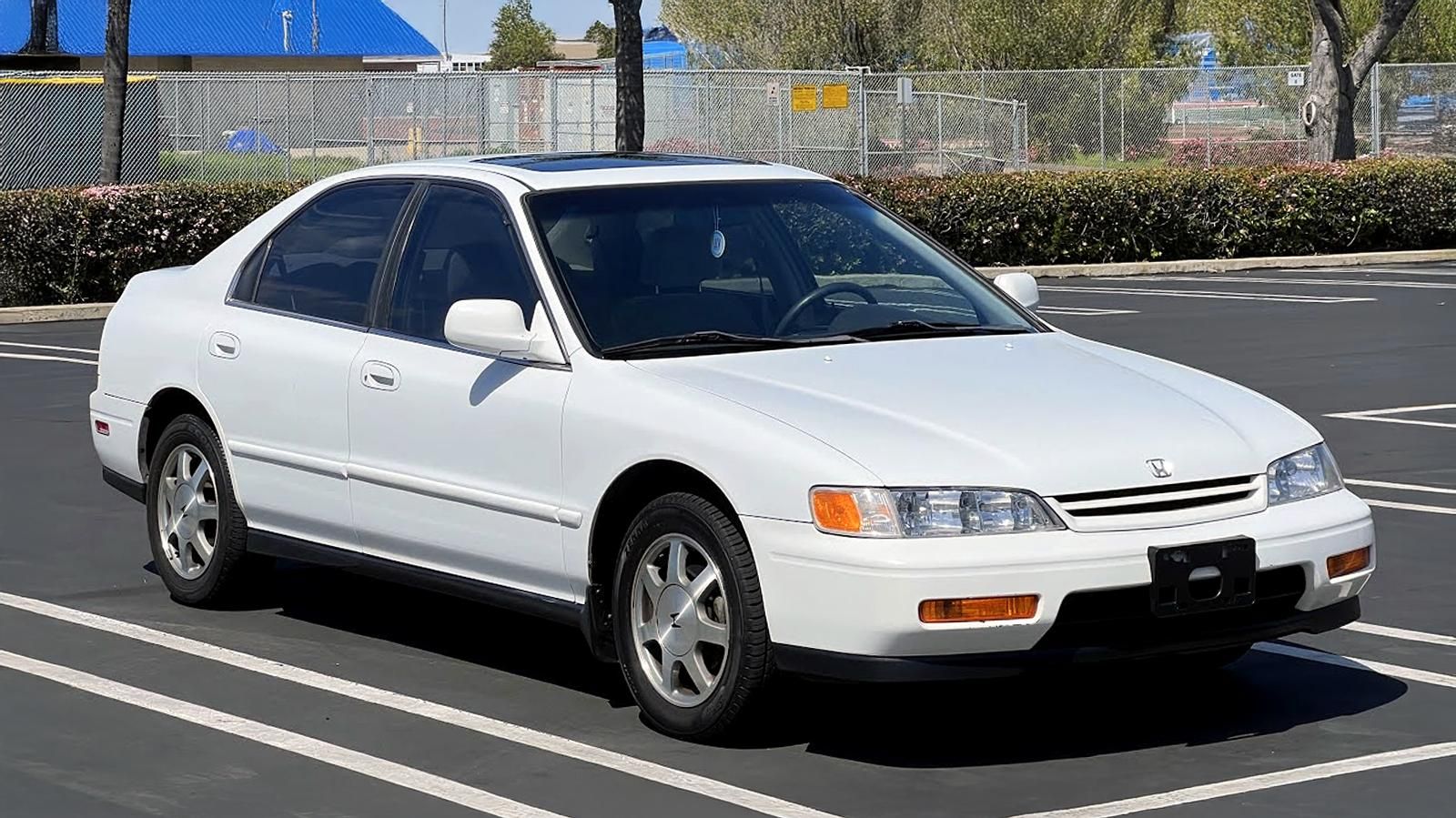
A family sedan from 1995 and one from 2026 look like cars from different planets. Yet both do the same job of carrying a family safely. The real difference shows up over years of ownership, not at the showroom. Running cost decides which car is truly cheaper.
Running cost is more than the fuel bill. It includes repairs, insurance, tyres, depreciation and the cost of lost time. A 1995 sedan is very cheap to buy today. That low price can hide a long list of future expenses.
A 2026 sedan costs far more upfront. It promises better mileage, fewer breakdowns and much stronger safety. Many buyers assume old means cheap and new means expensive. The truth is more balanced than that.
This article compares both cars on fuel, maintenance, insurance, safety and ownership value. The figures are broad estimates and vary by country and model.
Think of a typical mid-size petrol sedan from each era. A Corolla, Civic or Mondeo class car is a fair example. By the end, you will know which one suits your budget and driving habits. Let us begin.
Fuel, Maintenance and Repairs: Where the Daily Money Goes
Fuel is the biggest regular expense for most families. It is also where the two eras differ most. A 1995 sedan with a 1.6 to 2.0 litre engine often gives 8 to 12 km per litre. Real-world city driving can push that even lower.
Engines of that time used carburettors or basic fuel injection. They had no turbocharging, no start-stop, and no smart energy recovery. A 2026 petrol sedan commonly returns 14 to 18 km per litre. Turbo engines, better gearboxes and lighter materials make this possible.
A 2026 hybrid sedan can reach 20 to 25 km per litre. Some models cross that figure in gentle city traffic. Take a family that drives 15,000 km each year. The old car at 10 km per litre burns about 1,500 litres.
The new petrol car at 15 km per litre burns about 1,000 litres. The hybrid at 20 km per litre burns only 750 litres. At a fuel price of 1.50 dollars per litre, the old car costs about 2,250 dollars a year. The hybrid costs about 1,125 dollars.
That gap is over 1,100 dollars every year. Over ten years, it adds up to a major saving. Fuel quality also matters here. Old engines were tuned for leaded or low-grade petrol and waste energy as they age.
Maintenance tells a different story. Old cars need service more often, but each visit is usually cheaper. A 1995 sedan needs an oil change every 5,000 km. Spark plugs, points and filters also need regular attention.
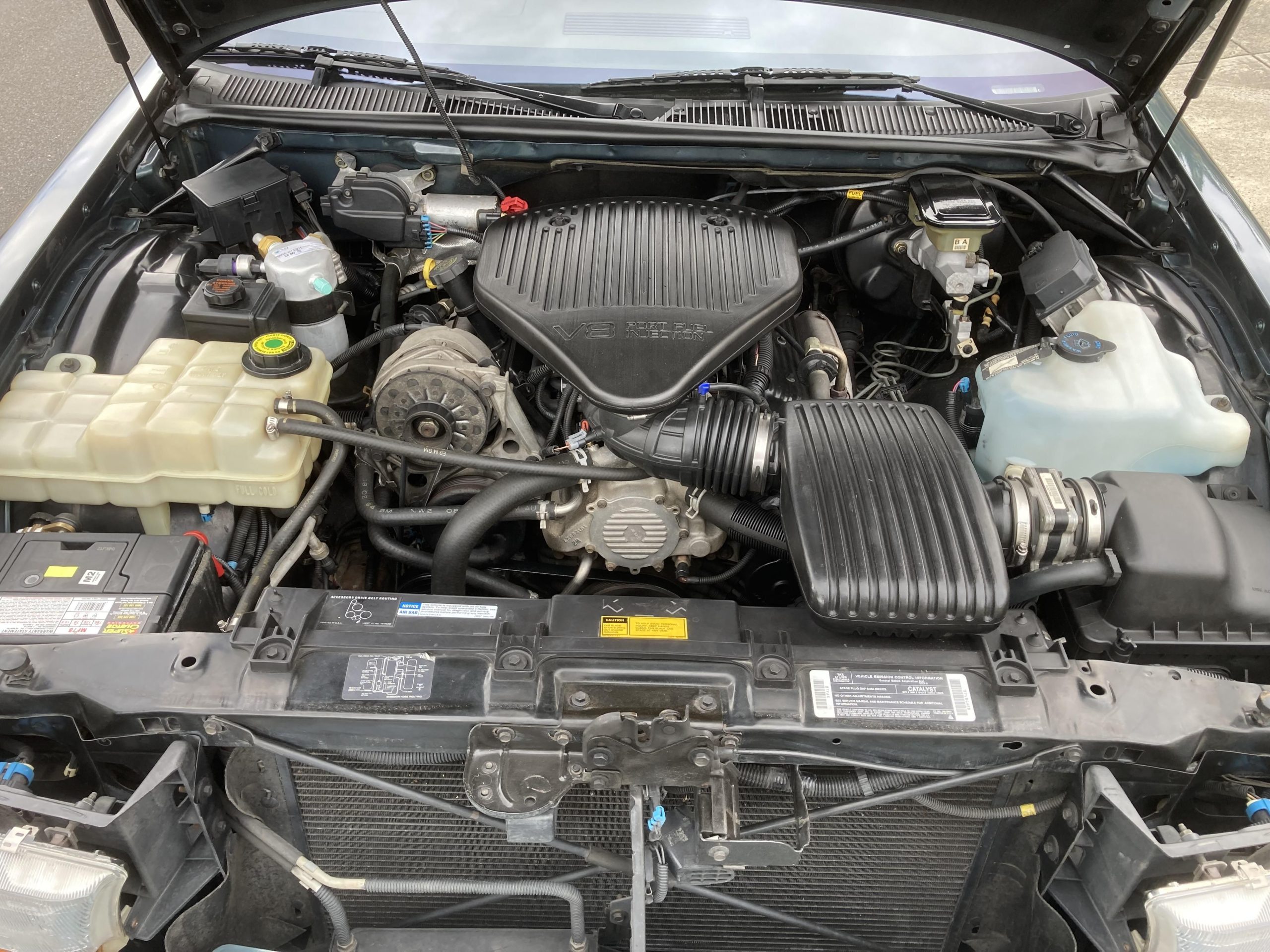
A 2026 sedan often goes 10,000 to 15,000 km between oil changes. Modern spark plugs can last 60,000 km or more. Fewer visits mean fewer hours lost at the workshop. That convenience has a real value for working families.
However, a 2026 service is not always cheap. Synthetic oil, special filters and software updates raise the bill. Old cars are simple machines. Almost any local mechanic can fix them with basic tools.
New cars are packed with sensors and computers. Diagnosis often needs a scan tool and trained technicians. Spare parts for a 1995 sedan can be cheap if the model was popular. For rare models, parts may be hard to find.
Parts for a 2026 sedan are easy to order. Yet they are priced much higher, especially for electronic modules. Age brings its own repair list for the old car. Rubber hoses, bushes, belts and seals all harden over time.
Water pumps, alternators and radiators fail after thirty years. Rust in the floor and sills can become a costly problem. Air conditioning in a 1995 car often needs a full rebuild. Gas, compressor and condenser costs can reach several hundred dollars.
A 2026 sedan comes with a warranty of three to five years. Some brands offer seven or even ten years. Under warranty, most major repairs cost the owner nothing. That removes surprise bills in the first years.
After the warranty ends, repairs get expensive. A failed infotainment screen or camera can cost hundreds. Replacing a windscreen with a driver-assist camera needs recalibration. That single job can cost several times more than in 1995.
Tyres are another quiet cost. A 2026 sedan often wears 17 or 18-inch wheels with low-profile tyres. A 1995 sedan usually runs 14 or 15-inch tyres. A full set can cost half as much.
Brakes follow the same pattern. Old cars use simple parts, while new cars may add electronic parking brakes and bigger rotors. Timing is another factor. Old engines used rubber timing belts that need replacing every 60,000 to 100,000 km.
Many new engines use timing chains designed to last longer. Hybrid systems also reduce brake wear through regenerative braking. Reliability must be counted too. A well-kept 1995 car can still run for years, but breakdowns are more likely.
Each breakdown costs towing, time and stress. A 2026 sedan rarely leaves its owner stranded in the first five years. Over a ten-year period, a 1995 sedan may need repairs worth 1,000 to 2,000 dollars each year.
A new car may cost under 500 dollars a year in the same stretch. Fuel and repairs together tilt the balance toward the new car. The old car wins only on cost per single repair.
Insurance, Safety, Depreciation and the Final Verdict
Insurance is where an old car often looks attractive. Premiums depend on the car’s value, repair cost and risk. A 1995 sedan is worth little, so comprehensive cover is cheap. Many owners choose only third-party cover to save more.
A 2026 sedan is worth much more, so premiums are higher. A comprehensive policy can cost two to four times as much. New cars also have costly parts. A small bumper hit can damage radar sensors and cameras.
Insurers price that risk into the premium. Still, strong safety features can earn discounts in some markets. Safety is a cost that rarely shows on a bill. It still matters more than any other item.
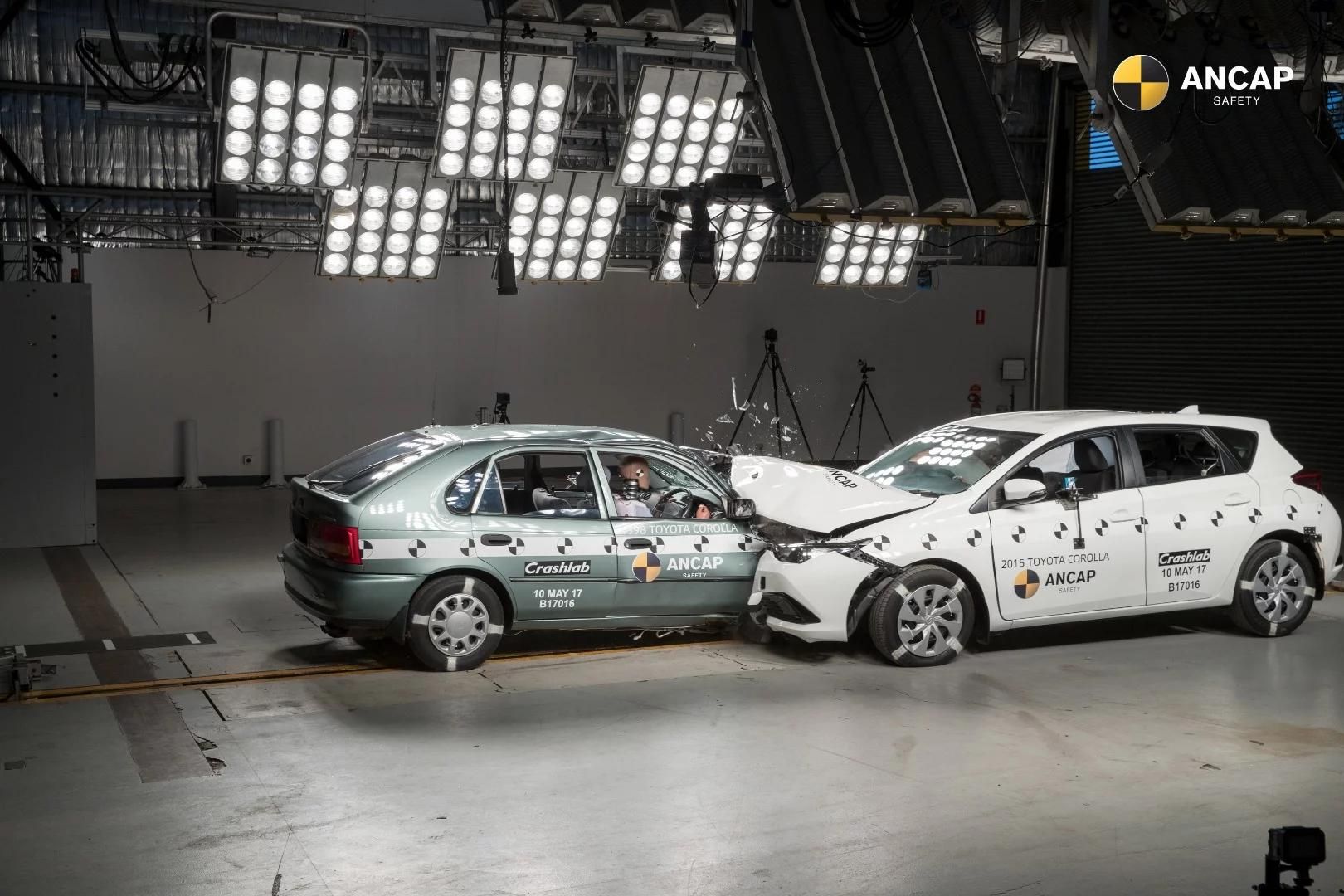
A 1995 sedan usually has one or two airbags at best. Many had none, and anti-lock brakes were optional. A 2026 sedan comes with six or more airbags. It also has stability control, anti-lock brakes and strong crash structures.
Many new sedans add automatic emergency braking and lane assist. These systems help prevent crashes before they happen. Crash studies show newer cars protect occupants far better. The chance of serious injury in a collision drops sharply.
A hospital stay or lost income can cost more than ten years of fuel. Safety is a hidden saving for any family. Depreciation is the highest cost of owning a new car. A 2026 sedan can lose 15 to 20 percent of its value in the first year.
After five years, it may be worth only half of its purchase price. That loss often exceeds fuel and service costs combined. A 1995 sedan has already lost almost all its value. Its price may stay flat or even rise if the model becomes collectible.
For a buyer, this is the old car’s biggest advantage. You cannot lose much money on something that is already cheap. Yet the savings on depreciation can be eaten by repair bills. One engine or gearbox failure can cost more than the car itself.
Taxes and regulations also matter. Many cities now charge extra for older, polluting vehicles. Some areas limit entry of pre-2000 cars into city centres. Emission tests are harder to pass as engines age.
A 2026 sedan meets strict emission rules. It faces fewer restrictions and often pays lower road tax in some countries. A 1995 sedan may pay more tax in places that rate cars by emissions. In other places, age brings a discount.
Technology adds comfort but also cost. A new car has a touchscreen, wireless phone link and many convenience features. These features make driving easier, but software faults can appear. Fixing them often means a dealer visit.
An old car has simple switches and a basic radio. There is little to break, though comfort is limited. Noise, vibration and ride quality are also different. A 2026 sedan is quieter and easier to drive on long trips.
Fatigue costs nothing on paper, yet it affects safety. A calm cabin helps drivers stay alert. Financing changes the picture further. A new car usually comes with a loan or lease.
Interest adds a few thousand dollars over the term. A cheap old car can often be paid for in cash. Let us put the numbers together for ten years. Imagine 15,000 km driven each year.
The old sedan costs about 2,250 dollars a year in fuel, 1,500 in repairs and 500 in insurance. That totals roughly 4,250 dollars a year, or 42,500 over ten years.
The new hybrid costs about 1,125 dollars in fuel, 400 in service and 1,000 in insurance. That totals about 2,525 a year before depreciation. Add depreciation of around 12,000 dollars over ten years on a mid-size sedan. The new car then costs roughly 37,000 dollars in running expenses alone.
Purchase price must be added to both. An old car at 3,000 dollars versus a new one at 28,000 changes the full picture. When resale value is counted, the new car’s real cost narrows. The old car’s cost stays close to its running expenses.
So which is cheaper? For low-mileage drivers, the 1995 sedan usually wins on total cash spent. For high-mileage families, the 2026 sedan wins through fuel savings. Reliability and safety push it further ahead.
A hybrid or efficient model is the best choice for daily commuters. It repays its higher price within six to eight years. A 1995 sedan suits a second car, a weekend ride, or a tight budget. It needs a trusted mechanic and a repair reserve.
Always inspect an old car for rust, engine health and service history. A bad purchase can erase every saving. For a new car, compare warranties and service plans before buying. Hybrid battery cover is worth checking carefully.
In short, old cars are cheap to own but costly to run. New cars are costly to own but cheaper to run. Your yearly distance, safety needs and budget should guide the final choice. Calculate your own numbers before you decide.