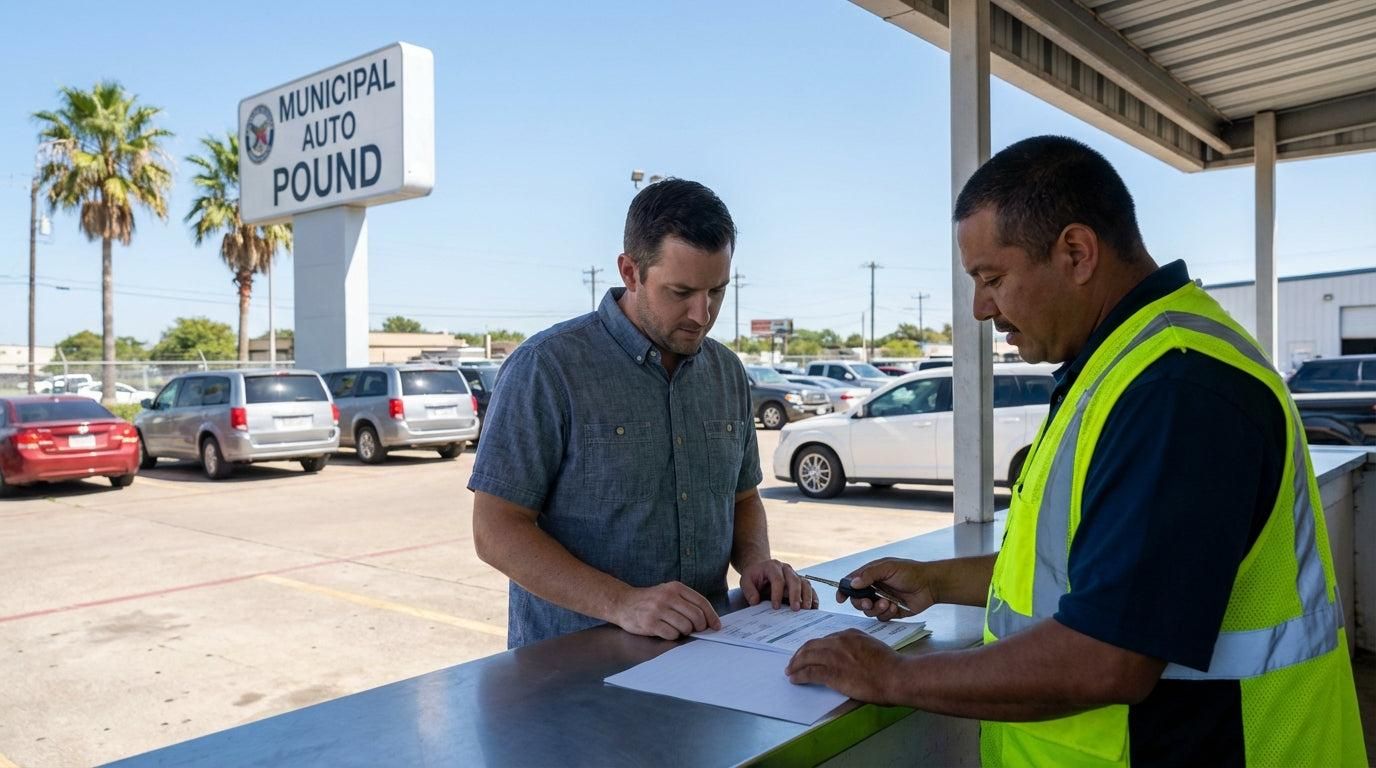
Getting your car towed is stressful enough. The bill that follows can make it worse. Many drivers walk into an impound lot with no idea what to expect. The daily charge often surprises them.
Impound lots do not charge one flat price. Fees depend on the city, the state, and the type of vehicle. They also depend on who ordered the tow. A police tow costs differently from a private property tow.
Most lots charge three kinds of fees. There is a tow fee, a daily storage fee, and an administrative fee. Each one can grow fast. Delays make the total climb every single day.
Daily storage is usually the biggest moving part. In most U.S. cities, it falls between about $20 and $100 per day. Large vehicles and big metro areas sit at the higher end. Small towns often charge less.
This guide explains how those daily charges work. It shows what affects the price. It also covers how to cut the bill and avoid extra costs. Read it before you head to the lot. A little knowledge can save you hundreds of dollars. You will also learn which questions to ask at the counter. Let’s get started.
How Daily Impound Fees Are Calculated
Daily storage is the charge that grows while you wait. Most lots bill it for each 24-hour period. Some bill by the calendar day instead. That difference matters a lot.
A calendar-day system can be costly. A car towed at 11:50 p.m. may be billed a full day. The next billing day starts only minutes later. Always ask which method the lot uses.
Typical daily storage rates vary widely. Many cities cap them by law or by contract. Common figures range from about $20 to $75 a day for a standard car. Some urban lots charge well above that.
Tow fees come before storage even starts. A basic tow often runs $100 to $250. Heavy-duty or long-distance tows cost more. Night and holiday tows can add extra.
Then comes the administrative fee. This covers paperwork and record handling. It usually sits between $25 and $150. Some lots call it a release fee or a gate fee.
Here is a simple example. Say the tow costs $175. Storage is $45 per day and the admin fee is $60. You collect the car after three days. Your bill would be $175 plus $135 plus $60. That makes $370 in total. One extra day adds another $45. The math is simple, but the total rises fast.
Some lots also charge a lien or notice fee. This applies when the car sits for several days. The lot must mail a notice to the registered owner. The postage and processing costs get passed on to you.
Many places also add a dolly or winch fee. This applies if the car needs special handling. Accident recovery can trigger it too. These fees often run $50 to $150.
Payment rules also affect your cost. Many lots accept only cash or debit cards. Some add a card processing charge. Ask before you arrive so you can plan.
After-hours release is another hidden cost. Many lots close at night or on Sundays. Some will open for a surcharge. That fee can reach $50 to $100.
Government rules shape these numbers. States often set maximum towing and storage rates. Cities can add their own limits. These caps protect drivers from price gouging.
Private property tows work differently. Parking lots and apartment complexes hire towing firms. Those firms often follow local rate schedules. Still, the rules vary by state.
Police tows follow another path. Cities often contract with one company. The city then posts a fee schedule. You can usually find it on the city website.
Daily rates also differ by free periods. A few lots give a grace period. It may last 24 hours in some areas. Most give no grace at all. Always request an itemized receipt. It should list each fee on its own line. Check the dates and the daily rate. Errors do happen, and they cost you money.
Compare the receipt with the posted rate sheet. Lots must usually display their rates. Look near the payment window. If you see no sign, ask a manager.
Keep every document you receive. Photos of the car help as well. They support any dispute you raise later. Good records can win you a refund. Taxes may apply as well. Some states tax towing services. Others do not. The receipt will show whether tax was added.
Remember that fees often rise every year. Cities review their rate sheets regularly. Old figures online may be outdated. Always confirm current prices by phone. Understanding the structure puts you in control. You can then compare every line on your bill. Each fee has a purpose. Some are negotiable.
What Affects the Daily Rate You Pay
Vehicle size is the first factor. Standard cars sit at the base rate. SUVs and trucks often cost more. Large vehicles need more space and heavier equipment.
Commercial vehicles face the highest rates. Box trucks, buses, and trailers fill big lots. Daily storage can pass $100. Some lots charge by the foot of length.
Motorcycles usually cost less. They take up little room. Rates may drop by 20 to 40 percent. Some lots still apply the standard price. Location is the next big factor. Large cities have high land costs. That pushes storage rates up. New York, Los Angeles, and Chicago often rank high.
Small towns charge much less. Land is cheaper, and lots are bigger. Daily fees may sit near $15 to $30. Tow distances can be longer, though. The reason for the tow also matters. A parking violation tow is the most common. An accident tow can cost more. Evidence holds and police investigations add fees.
Police holds can last for days. The car may be locked as evidence. Storage keeps running during that time. You may owe fees even when you did nothing wrong.
Ask the officer for the hold details. Write down the case number. Call the lot every day for updates. Request a release as soon as it is allowed. Time of day affects the tow fee. Night tows often cost extra. Weekend and holiday tows can too. Some firms add a flat after-hours charge.
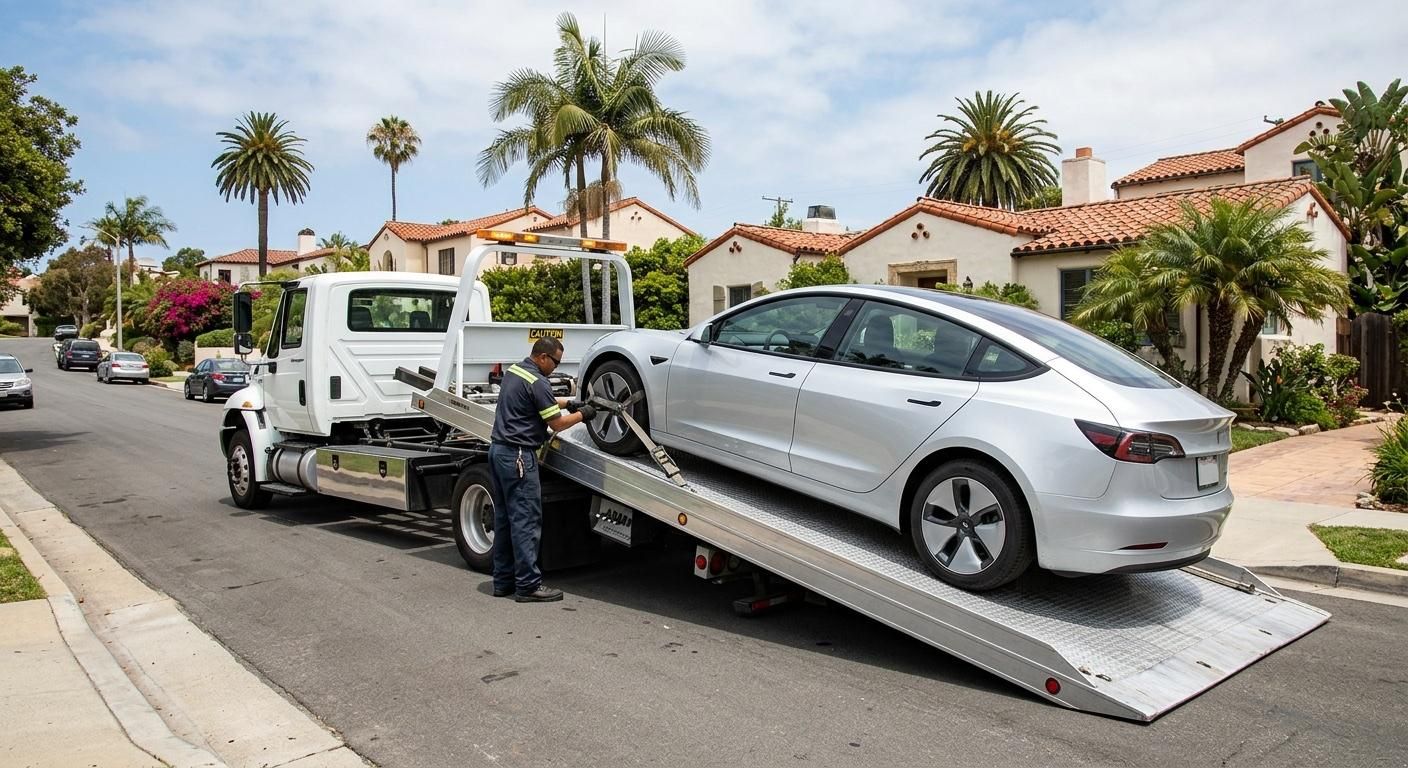
Weather can also raise prices. Snow and ice make tows harder. Some operators add a recovery charge. Cars stuck in ditches cost the most. Vehicle condition changes the price. A car that cannot roll needs a flatbed or dolly. Locked wheels and flat tires add labor. All-wheel-drive cars often need a flatbed too.
Electric vehicles bring new costs. Many cannot be towed on drive wheels. They need a flatbed to protect the motor. Some lots add a small premium for this.
Mileage changes the tow bill. Most firms charge a hook-up fee. They then add a per-mile rate. Rates often run $3 to $7 per mile. Lot type plays a role too. Outdoor lots cost less than covered ones. Secure indoor storage can double the rate. Few impound lots offer indoor space.
Time in storage can change the rate. Some lots lower the fee after a week. Others raise it after 30 days. Long stays may also trigger auction notices.
Auction is the worst outcome. The lot can sell your car to cover costs. This usually follows a legal notice period. You may lose the car and still owe money.
Ownership paperwork can create delays. You need proof of ownership. You also need a valid ID and insurance. Missing papers mean extra days of storage.
Registration problems add trouble. An expired registration can block a release. Unpaid tickets may need clearing first. Some cities require a boot removal fee as well.
Someone else can collect the car for you. They need a signed letter and a copy of your ID. Call the lot to confirm its rules. This avoids a wasted trip and another day of fees.
Insurance sometimes helps. Some policies cover towing after a covered accident. Roadside plans may pay for the tow only. Storage fees are rarely included.
Check your policy before you pay. Call your agent and ask about reimbursement. Keep the itemized receipt for your claim. A covered loss can save real money. Rates are never the same everywhere. Two lots in one city can differ. Always verify the figures for your own case. Compare before you commit.
How to Lower Your Impound Bill
Speed is your best money saver. Every extra day adds to the bill. Act within hours, not days. A quick response keeps the total low. First, confirm where your car is. Call the local police non-emergency line. Many cities also have online tow lookup tools. Search with your plate number.
Next, ask the lot for the exact total. Request the fee for today and for tomorrow. Ask about hours and accepted payments. Write down the name of the person you speak with.
Gather your documents before you go. Bring a government photo ID. Bring registration and proof of insurance. Bring a spare key if the keys were locked inside.
Inspect the car before you pay. Walk around it and take photos. Note any scratches, dents, or missing parts. Report damage to the lot manager right away.
Damage claims are easier at the lot. Once you drive off, proof gets harder. Many lots post a liability notice. Your photos can still support a claim. Check whether the tow was legal. Look at the signs where you parked. Photograph them if they are unclear. Illegal tows can be reversed.
Private tows have strict rules in many states. The firm may need clear signage. It may need written permission from the property owner. Missing steps can void the charge.

You can contest a tow in most places. Many areas offer a hearing process. You must usually file within a short window. Often that window is 10 to 30 days.
Pay first and dispute later when needed. This keeps storage from growing. Many courts can order a refund. Keep your receipt and all photos. Ask whether any fee can be waived. Some lots reduce the admin fee politely. Others waive the first day for hardship. It never hurts to ask.
Be calm and respectful at the counter. Staff are more helpful when you are polite. Anger rarely lowers a bill. Clear questions get clear answers. Reach out to the tow company directly. Some firms release a car from their yard at a lower rate. Do this before it moves to a long-term lot. Ask about it quickly.
Ask to retrieve your belongings early. Many lots allow this without a full release. You may only need a quick gate visit. Rules differ, so ask first. Prevention is better than any discount. Read parking signs carefully. Check time limits and permit zones. Never park in a fire lane or blocked driveway.
Keep your registration current. Pay tickets before they pile up. Unpaid fines can lead to a boot or tow. Set reminders on your phone. Keep key papers easy to reach. Store a photo of your registration and insurance. Know your plate number by heart. Preparation saves precious hours.
Consider a roadside assistance plan. Some plans include towing and limited storage help. Review the terms with care. Coverage caps and exclusions vary.
Consider your car’s value too. An old car may cost less than its fees. Abandoning it can bring penalties. You may still owe the full bill. Talk to the lot about payment plans. A few lots allow partial payments. Most require full payment at release. Ask about every option you have.
Local legal aid can help low-income drivers. Some cities run tow relief programs. Others offer fee reductions after hearings. Ask your city’s consumer office.