

Car owners have felt it at the garage counter. The bill keeps getting bigger, and nobody can quite explain why. Now the numbers confirm the feeling. Repair costs rose 60% on average between January 2019 and August 2026.
Consumer prices rose 32% over the same stretch. Repairs have climbed at nearly twice that pace. The August consumer price index, released on 11 September, adds fresh detail. Motor vehicle maintenance and repair is up 5.2% over twelve months.
It rose 1.1% in a single month. That is a big jump for one line in a household budget. Yet the same report shows two other car costs moving the other way. Insurance is down 5.1% over the year, while motor fuel is up 27.9%.
Household car expenses are moving in three different directions. Repair costs are rising sharply, insurance premiums are coming down, and fuel prices are climbing quickly. This article breaks down each trend, explaining what is driving repair bills higher, why insurance costs are easing, and what is causing fuel prices to increase.
It also explores practical ways drivers can adjust their spending and manage these changing expenses. The aim is to help readers understand where their money is going and how to make informed decisions about their car budgets.
Repairs Have Outrun Everything Else
A 60% rise is easy to say and hard to feel. Put it in rupee or dollar terms and it bites. Take a repair that cost 500 in January 2019. At the average rise, the same job now costs about 800.
If that 500 had tracked general inflation instead, it would be about 660. The gap of roughly 140 is the extra squeeze on drivers. That gap is the story. Repairs did not just follow prices up. They ran well ahead of them.
The ratio makes this plain. Sixty divided by thirty-two is about 1.9. Repairs rose almost twice as fast as the average basket of goods. The August report adds a monthly view. Maintenance and repair rose 1.1% in one month.
That is not a slow drift. A move that size in a single month suggests pressure is still building. The twelve-month figure of 5.2% points the same way. It is higher than the pace many households have seen for most other services.
Now look at what sits inside a repair bill. Every bill has two parts: parts and labor. In the August release, parts rose only 0.9% in the month. Repairs rose 1.1%.
That small gap matters. It means parts are not the main driver, and labor is doing much of the work. Labor costs have several causes. Skilled technicians are scarce, and shops compete to hire them.
Wages for those workers have risen to keep them. Shops pass that cost to customers through higher hourly rates. Cars have also become harder to fix. Modern vehicles carry cameras, radar, sensors and complex software.

A simple bumper repair can now involve recalibrating safety systems. That adds hours to the job and skill to the bill. Hybrid and electric vehicles add another layer. They need trained staff and special equipment.
Fewer shops can do that work. Less competition tends to mean higher prices. The age of the cars on the road also plays a part. Average vehicle age in the United States now sits above twelve years.
Older cars need more repairs. More demand for repair work keeps shop capacity tight. High new-car prices feed this loop. Many owners hold on to their vehicles longer instead of replacing them.
That means more brakes, more suspensions and more engine work. Each visit lands in the same stretched labor market. Parts still matter, even if they are not leading the climb. Supply chains have been disrupted for years.
Trade costs on imported components have also been a worry for shops. Even a small rise in parts adds to a bill already swollen by labor. There is a quiet effect here too. When labor rises, it stays up.
Prices for goods can fall when supply recovers. Wages rarely do, so labor-led inflation tends to be sticky. That is why a 1.1% monthly jump deserves attention. It may signal a higher floor, not a passing spike.
For drivers, the result is simple. Staying on the road costs far more than it did in 2019. Routine jobs like oil changes, tyres and brake pads feel it first. Bigger repairs feel it hardest.
The gap between repairs and inflation is the key number in this piece. It shows a cost that is climbing faster than almost anything else a driver pays for.
Insurance Is Falling and Fuel Is Climbing
If repairs were the only story, the picture would be bleak. But the same report shows a mixed budget. Motor vehicle insurance fell 5.1% over the twelve months to August. That is a rare piece of good news for car owners.
To see why it matters, look back a few years. Insurance premiums jumped sharply in the period after 2021. Insurers faced higher claim costs and paid more for repairs. They raised rates to catch up.
Now that wave appears to be easing. Competition among insurers has returned in many markets. Some insurers have also found their rates were high enough. When profits recover, companies cut prices to win customers.
Take a policy that cost 2,000 a year. A 5.1% fall brings it down to about 1,898. That saves roughly 100 a year. It is welcome, but it does not cover the extra spent on repairs.
There is a tension inside this data. Repairs are rising while insurance is falling. Insurers pay for repairs after crashes. If repair costs stay high, insurers will eventually feel it.
That could push premiums back up later. The current dip may not last. Drivers should treat the fall as a window. It is a good time to shop around and lock in a better rate.
Now turn to fuel. Motor fuel is up 27.9% over twelve months. That is the largest of the three moves in this report. It is also the one drivers see every week.
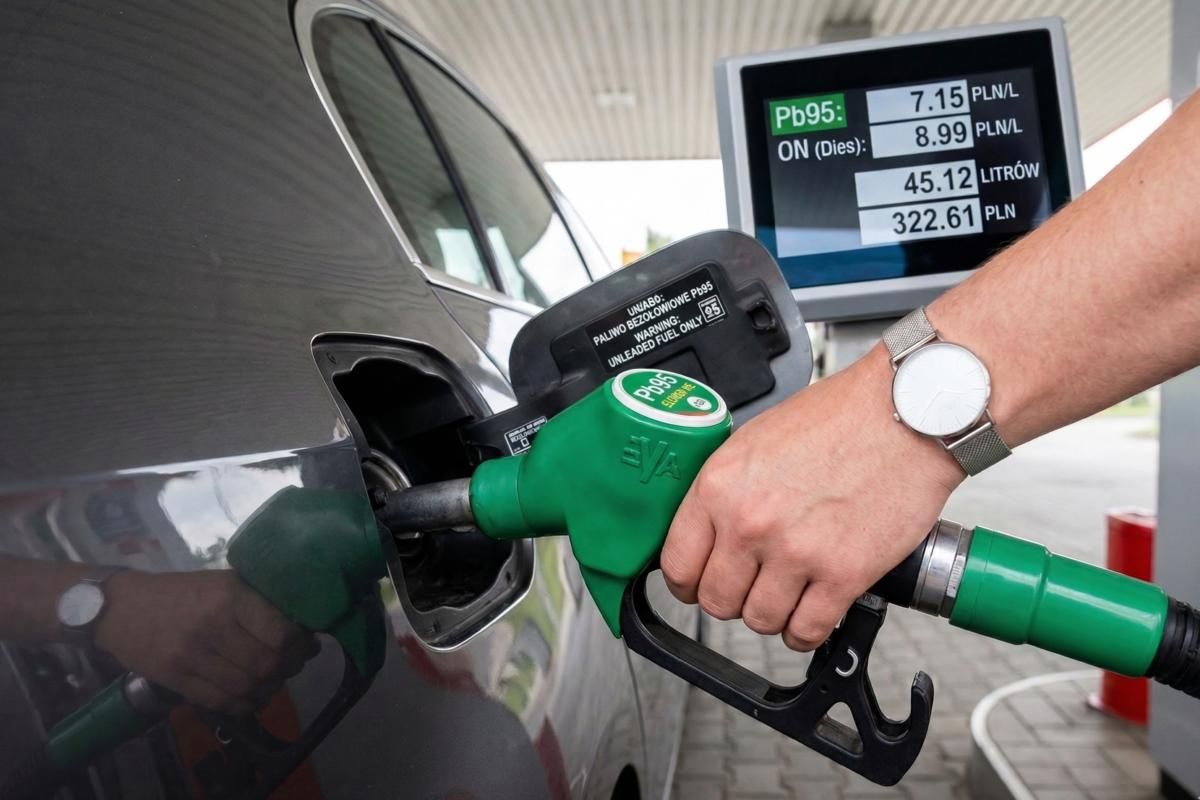
A 50 fill-up a year ago now costs about 64. Over a month of regular driving, that adds up fast. Fuel is different from repairs in one key way. Its price swings with the global energy market.
That means it can fall as quickly as it rose. Repairs rarely work like that. Still, a 27.9% rise leaves a mark. It hits commuters, delivery drivers and families who rely on a car.
Fuel also affects other costs. Higher transport costs feed into the price of many goods. That can lift inflation. In turn, it raises the cost of running a business, including repair shops.
So the three lines are linked, even when they move apart. Fuel pushes costs up in the wider economy, repairs follow with a lag, and insurers react to both.
Look at the three together. Repairs are up 5.2%, insurance is down 5.1%, and fuel is up 27.9%. These are three different forces at work. One is labor, one is competition, and one is energy.
A driver who only watches one line misses the picture. Savings on insurance can vanish at the petrol pump. Likewise, a cheap policy does little if a single repair costs more than a year of savings. The budget has to be read as a whole.
This is the real shift of the last few years. Car ownership used to feel like a few predictable costs. Now it behaves more like a portfolio. Some items rise, some fall, and the mix changes month to month.
What This Means for Drivers and Household Budgets
So what should a driver do with this mix? The first step is to treat repairs as a real budget line. Many households plan for fuel and insurance. Fewer set money aside for repairs.
Given a 60% rise since 2019, that is a mistake. A small monthly repair fund can soften the shock of a large bill. Preventive care is the second step. Regular servicing is cheaper than fixing a failure.
Small jobs done on time can avoid large ones later. Fluids, filters and tyres are the usual examples. When labor drives the price, fewer hours means a smaller bill. A problem caught early usually takes fewer hours to fix.
Third, compare shops. Labor rates differ widely between dealers and independent garages. Ask for a written estimate that splits parts from labor. That shows where the money goes.
Parts rose only 0.9% in the latest month, so labor is where prices vary most. That is where comparing quotes pays off. Ask about options on parts as well. Quality aftermarket parts can cost less than original ones.
Do this where it is safe and sensible. Safety systems and critical components deserve more caution. Fourth, use the fall in insurance. A 5.1% drop in the market means better quotes may exist.
Check your renewal price against other offers. Do it before the policy rolls over, not after. Do not cut cover just to save money. A cheaper policy that leaves you exposed can cost far more in a crisis.

Fifth, manage fuel use. With fuel up 27.9%, small habits matter. Steady driving, correct tyre pressure and fewer short trips all help. Combining errands into one drive saves fuel too.
For some households, a bigger question is whether to keep an older car. Rising repair bills raise the cost of holding on. At some point, repair costs approach the value of the car. That is the moment to weigh a replacement.
But new cars are expensive, so the choice is not easy. A well-kept older car may still beat the cost of a new loan. The right answer depends on the car, the repairs due and your budget. Run the numbers before deciding.
Policymakers and the industry also have work to do. Training more technicians would ease the labor squeeze. Clearer pricing would help customers compare shops. Wider access to repair data and tools would add competition.
None of that will happen overnight. Drivers must manage the present while those fixes take shape. There is also a lesson in how we measure inflation. A single headline figure hides sharp differences between categories.
The prices rose 32% since January 2019. Repairs rose 60%, and that gap is invisible in the headline number. Households live in categories, not averages. Your own inflation rate depends on what you buy.
A heavy driver with an old car has felt far more than 32%. Someone who rarely drives has felt far less. This is why the three-way split matters. It shows that costs inside one budget can move in opposite directions.
Watch the next data release closely. It will show whether repairs keep climbing, insurance keeps easing and fuel keeps rising. If labor stays the main driver, expect repair costs to stay high. If insurance turns, the relief may be short. For now, the lesson is clear. The cost of keeping a car running is no longer one number, and drivers who track each line will be better prepared.
