The 1990s gave enthusiasts memorable sports cars with sharp handling, distinctive engines, and impressive performance for their time. Yet modern family vehicles can now deliver power figures that once belonged to dedicated two-seat coupes and performance machines.
Better engine technology, turbocharging, improved electronics, and hybrid assistance have changed what everyday transportation can achieve. This list compares six modern family-oriented vehicles with genuine 1990s sports cars, using published U.S.-market horsepower figures.
The aim is not to suggest that horsepower alone determines performance but to show how much power has become accessible in vehicles designed for ordinary daily duties.
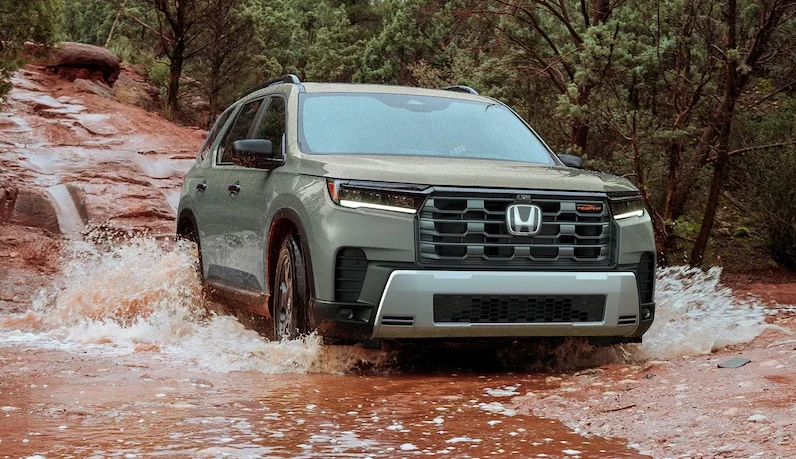
1. Honda Pilot: A Three-Row Family SUV With More Power Than a 1995 Nissan 300ZX
The Honda Pilot is built to move families, not chase sports cars around a racetrack. Yet the 2025 model’s 3.5-liter V6 produces 285 horsepower, giving this three-row SUV a power advantage over the standard 1995 Nissan 300ZX, which delivered 222 horsepower from its naturally aspirated 3.0-liter V6.
The modern Honda leads by 63 horsepower, a difference of roughly 28 percent. That comparison sounds surprising because the 300ZX was a purpose-built sports coupe, with rear-wheel drive and a low, two-door body. Its power was directed toward a very different driving experience.
The Pilot, meanwhile, provides three rows of seating, family-friendly storage, and available all-wheel drive. Honda pairs its V6 with a 10-speed automatic transmission, while certain configurations can tow up to 5,000 pounds when properly equipped.
Horsepower alone does not make the Pilot a more sporting vehicle. The Nissan is much lower and lighter, and its rear-wheel-drive layout gives it a different balance and character. The Pilot carries more passengers and equipment, so its engine has a different job to perform. Still, the numerical comparison shows how far everyday vehicle power has advanced.
The 1995 300ZX remains an interesting benchmark because its 222-hp rating was respectable for a Japanese sports coupe of its period. Today, a mainstream family SUV can exceed that figure while offering modern crash protection, driver-assistance technology, and room for up to eight occupants, depending on configuration.
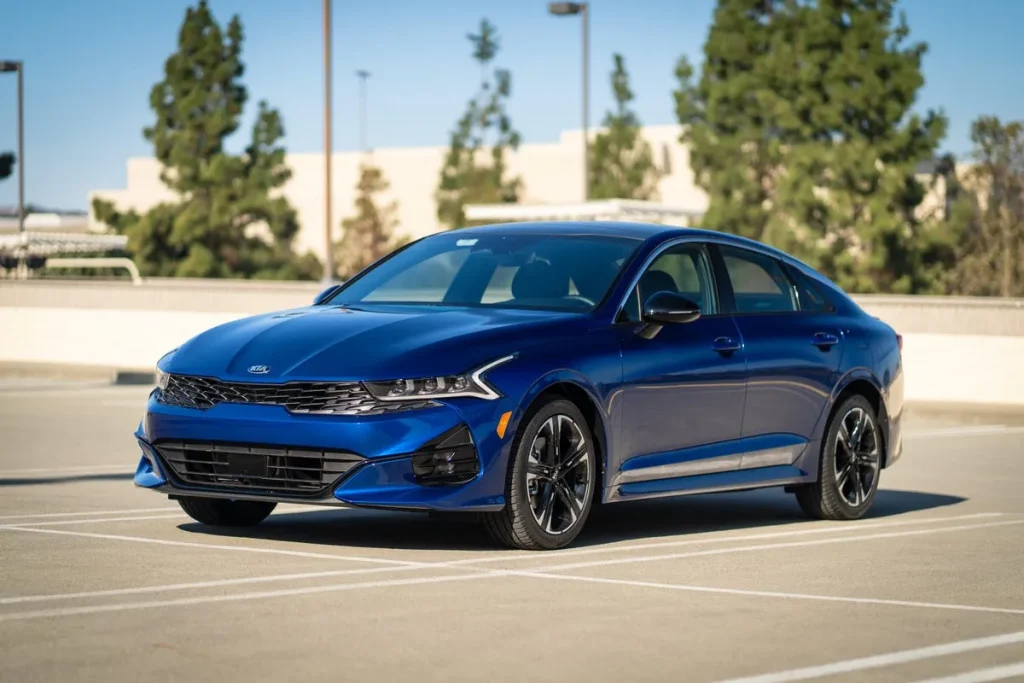
2. Kia K5 GT: A Practical Sedan That Outmuscles the 1993 Mazda RX-7
A family sedan does not need a dramatic body kit or a two-seat cabin to deliver serious horsepower. The 2025 Kia K5 GT makes that point with a turbocharged 2.5-liter four-cylinder engine producing 290 horsepower and 311 lb-ft of torque.
That output exceeds the 255 horsepower produced by the turbocharged 1.3-liter rotary engine in the 1993 Mazda RX-7 sold in the United States. The Kia has a 35-hp advantage on paper.
The RX-7 was engineered around a very different philosophy. Its compact body, rear-wheel-drive layout, and rotary engine gave it the character of a dedicated enthusiast’s car.
The 1993 model’s engine produced its peak power at 6,500 rpm, and it was available with a five-speed manual transmission. The K5 GT instead combines its turbocharged engine with an eight-speed dual-clutch automatic transmission and front-wheel drive.
The Kia’s advantage is not simply a bigger horsepower figure. It offers four doors, a conventional rear seat, and everyday practicality without abandoning acceleration-focused engineering.
Its 311 lb-ft of torque also gives it substantial pulling force from the engine, although torque figures from different engines do not directly predict which car will accelerate faster.
It would be misleading to declare the K5 GT a better sports car based on horsepower alone. Vehicle weight, gearing, traction, tires, and chassis tuning all affect real-world performance.
The RX-7 was lighter and purpose-built for sporting driving, while the Kia must balance performance with daily comfort. Still, a modern midsize sedan producing 290 horsepower demonstrates how the gap between ordinary transportation and performance machinery has narrowed.
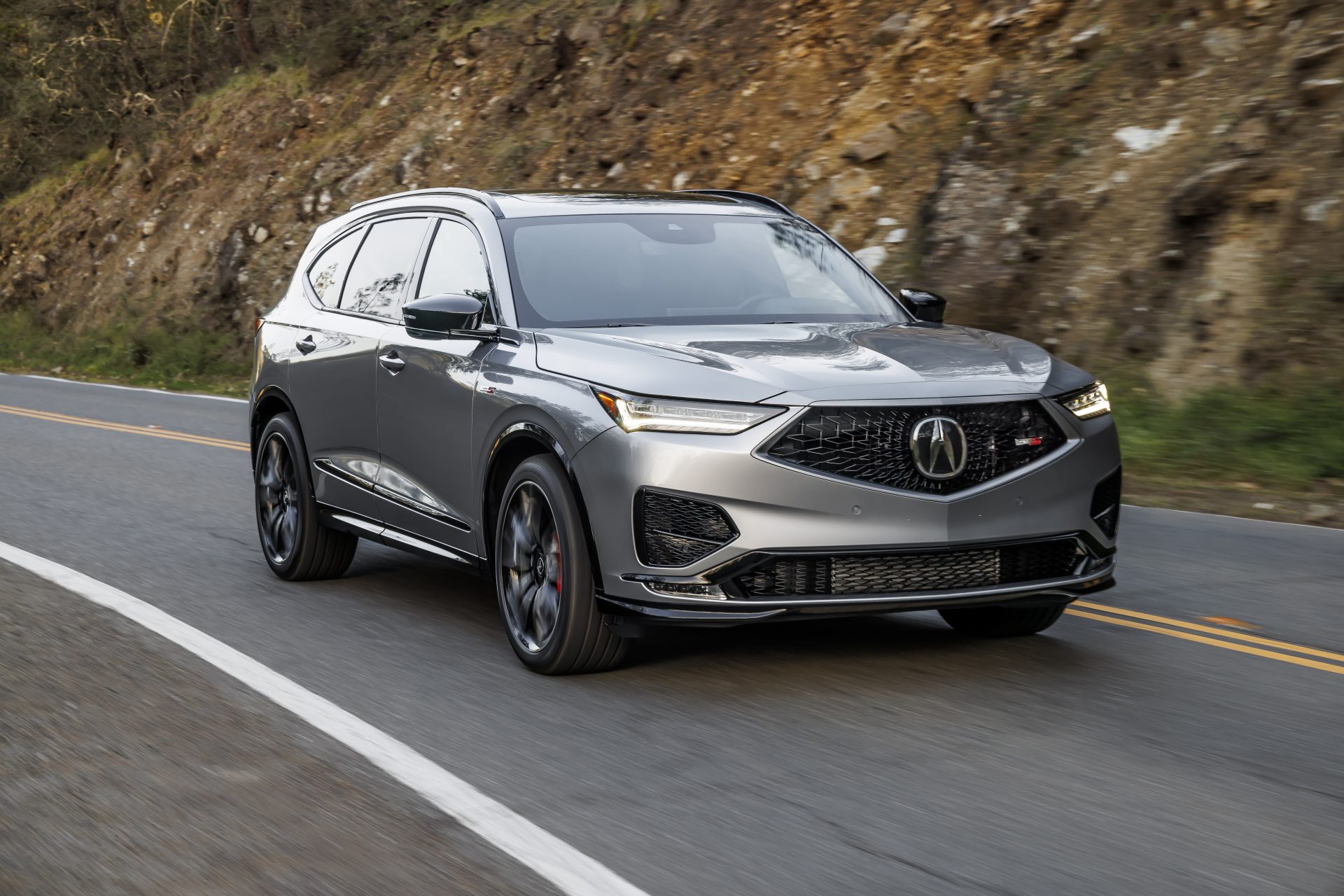
3. Acura MDX Type S: A Three-Row SUV With More Power Than a 1996 Porsche 911 Carrera
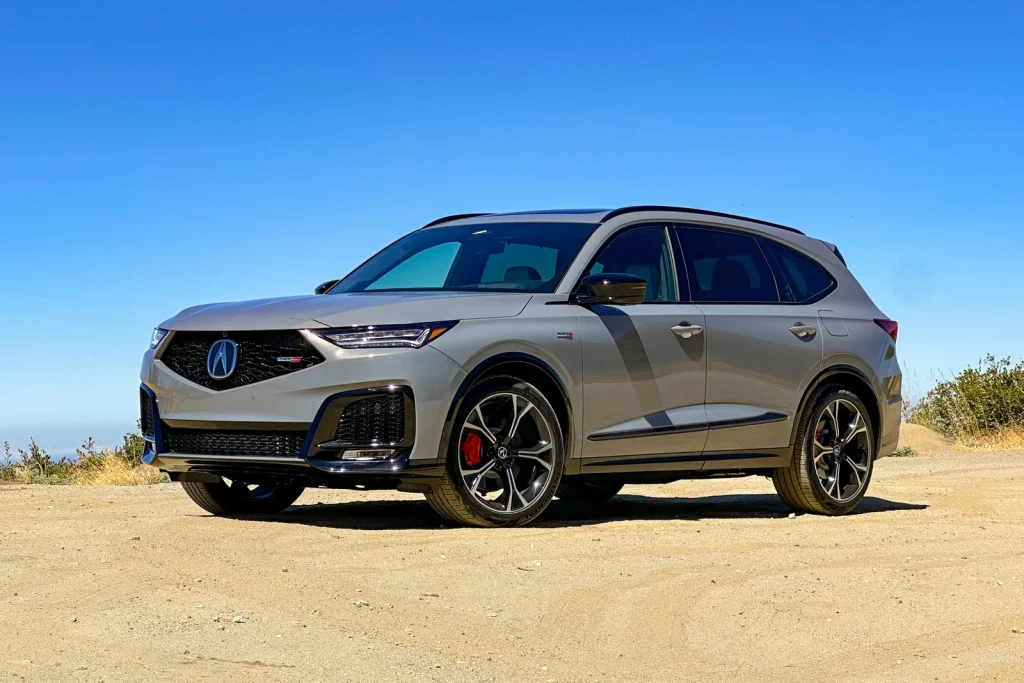
The idea that a family SUV can outgun a classic Porsche sounds unlikely until the horsepower figures are compared. The 2025 Acura MDX Type S produces 355 horsepower from a turbocharged 3.0-liter V6.
The 1996 Porsche 911 Carrera produced 282 horsepower from its naturally aspirated 3.6-liter flat-six engine. That gives the Acura a 73-hp advantage, even though the Porsche was designed primarily around sporting performance rather than carrying a family.
The Acura’s output is especially impressive considering its size and purpose. It has three rows of seating, room for up to seven occupants, and standard Super Handling All-Wheel Drive on the Type S.
Its turbocharged engine produces 354 lb-ft of torque, helping the SUV deliver strong acceleration without requiring the driver to keep the engine at high revs. Acura also fits the Type S with a sport-tuned 10-speed automatic transmission, performance brakes, and adaptive air suspension.
The Porsche, however, has advantages that horsepower cannot capture. Its rear-engine layout, lower body, and sports-car chassis give it a fundamentally different driving character. At a reported curb weight of around 3,130 pounds for one 1996 Carrera configuration, it is far lighter than a three-row luxury SUV.
This is not a claim that the MDX Type S is the better sports car. Instead, it shows how turbocharging and modern powertrain development have raised the performance ceiling for family vehicles.
The Porsche’s 282 horsepower was impressive for the 1990s, while today’s Acura delivers 355 horsepower in a vehicle designed to transport passengers, luggage, and groceries with everyday comfort.
4. Toyota Camry Hybrid AWD: A Mainstream Sedan With More Power Than a 1995 Ford Mustang GT
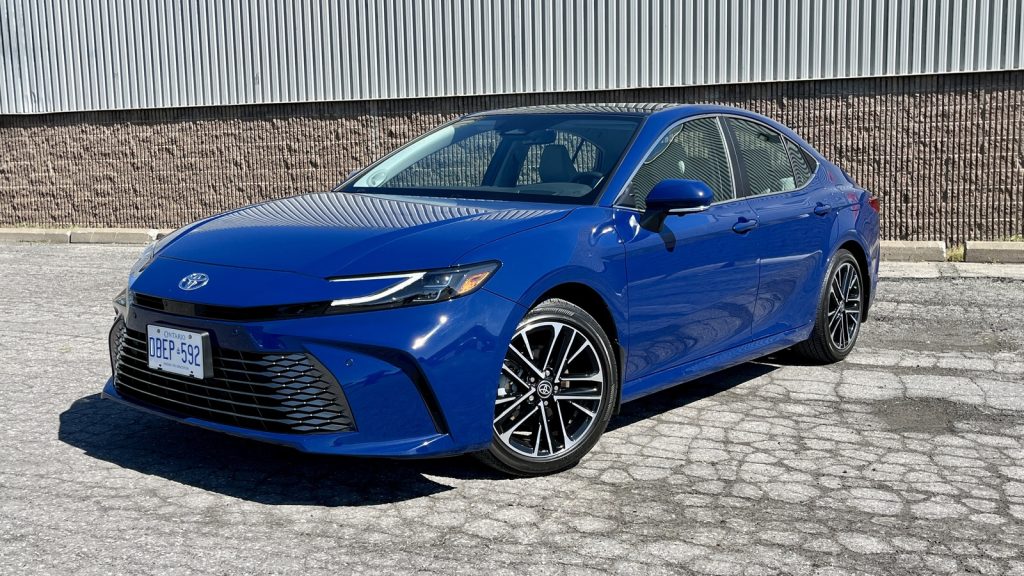
For decades, the Toyota Camry was associated with sensible transportation rather than high performance. The 2025 Toyota Camry Hybrid challenges that old image by delivering up to 232 net combined horsepower when equipped with all-wheel drive.
That figure exceeds the 215 horsepower produced by the 5.0-liter V8 in the 1995 Ford Mustang GT. On paper, the everyday Toyota has a 17-hp advantage over a V8-powered sports coupe from the middle of the 1990s.
The Camry achieves its output through a combination of a 2.5-liter four-cylinder engine and electric motors. Toyota’s hybrid system coordinates those power sources to provide a total system rating of 232 horsepower in AWD models, while front-wheel-drive versions are rated at 225 horsepower.
The electric motors also help the sedan respond smoothly from a stop, making its power useful in city traffic rather than only at high engine speeds.
The 1995 Mustang GT offers a very different experience. Its 5.0-liter V8 produces 285 lb-ft of torque and sends power to the rear wheels, with a five-speed manual transmission available. Its engine note and traditional rear-wheel-drive layout remain central to its appeal.
The Camry’s higher horsepower rating does not automatically make it quicker in every situation. Weight, gearing, traction, and power delivery all influence acceleration, and the two vehicles were designed for different priorities.
The Mustang emphasizes driver engagement, while the Camry focuses on comfortable daily driving and fuel economy. Yet the comparison is a useful reminder that hybrid technology has made respectable power accessible in a mainstream family sedan without requiring a large V8 or a dedicated performance-car body.
5. Hyundai Santa Fe: A Family SUV With More Power Than a 1990 Mazda MX-5 Miata
The 1990 Mazda MX-5 Miata helped revive the affordable sports-car formula with a lightweight body, rear-wheel drive, and a willing four-cylinder engine. Its 1.6-liter engine produced 116 horsepower in the U.S. market.
That was enough to make the original Miata entertaining because it weighed relatively little and was designed around nimble handling rather than outright power.
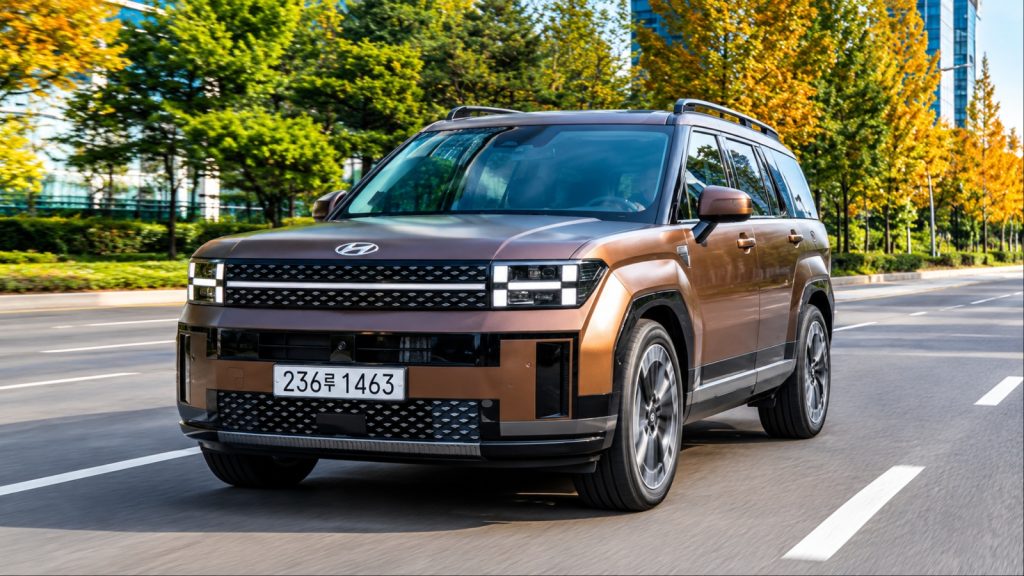
Now consider the 2025 Hyundai Santa Fe. Its available turbocharged 2.5-liter four-cylinder engine produces 277 horsepower and 311 lb-ft of torque. The Santa Fe therefore delivers 161 more horsepower than the original Miata, producing well over twice its engine output despite being a three-row family SUV available with seating for up to seven.
The contrast highlights how differently manufacturers approach performance today. The Miata’s appeal came from its low weight, responsive handling, and direct connection between driver and machine.
The Santa Fe uses turbocharging to produce substantial power and torque while carrying passengers, luggage, and everyday equipment. Its available all-wheel drive adds traction in poor weather, and properly equipped versions can tow a trailer.
Horsepower alone does not determine how a vehicle performs. The Miata’s light weight and compact size give it nimble handling that a larger SUV cannot match. The Santa Fe, by contrast, is designed for everyday practicality and comfort rather than the agile cornering of a roadster on winding roads.
Still, its 277-hp rating shows how an ordinary family vehicle can now deliver engine output that would have seemed extravagant compared with many accessible sports cars of the early 1990s.
6. Genesis GV80: A Luxury Family SUV That Beats the 1999 Chevrolet Corvette on Horsepower
The fifth-generation C5 Chevrolet Corvette arrived for the 1997 model year, bringing a new platform and the LS1 small-block V8. By 1999, the Corvette’s 5.7-liter V8 produced 345 horsepower, an impressive figure for a two-seat American sports car at the time.
Its low body, rear-wheel-drive layout, and performance-focused engineering helped make that power central to the driving experience.
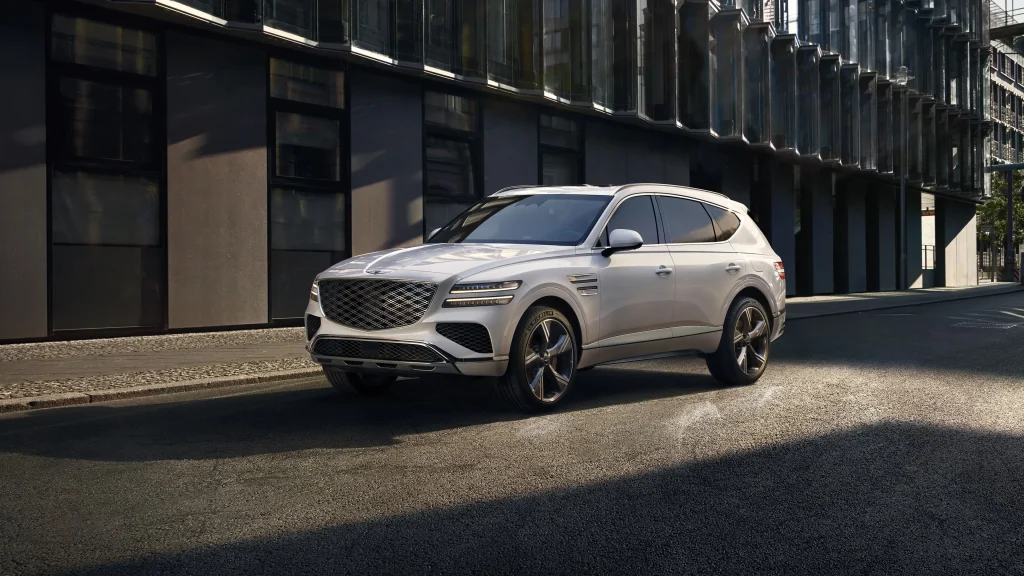
The 2025 Genesis GV80 3.5T can surpass that figure while serving a very different purpose. Its twin-turbocharged 3.5-liter V6 produces 375 horsepower and 391 lb-ft of torque, giving it a 30-hp advantage over the 1999 Corvette.
The GV80 also provides a refined cabin, available seating for seven, and standard all-wheel drive in the U.S. configuration discussed here.
The comparison is a reminder that luxury SUVs have become serious performance vehicles in their own right. Twin turbochargers help the Genesis generate substantial power, while an eight-speed automatic transmission manages delivery.
The Corvette, meanwhile, relies on a naturally aspirated V8 and a lighter sports-car body to deliver a more traditional performance experience.
Despite the Genesis’s higher horsepower rating, it would be inaccurate to assume that it is quicker in every situation. The Corvette weighs less and has a lower center of gravity, both important advantages for acceleration and cornering.
The figures highlight how much automotive performance has advanced, with a comfortable luxury SUV built for families now delivering more horsepower than a renowned American sports car from the late 1990s.