

Electric vehicles can deliver impressive performance, quiet driving, and reduced routine maintenance, but their resale values vary considerably. Some models lose more than half their original value within three years, creating significant losses for first owners and opportunities for used-car shoppers.
Others retain a larger share of their purchase price because of demand, performance, brand appeal, or competitive pricing. Comparing these outcomes helps buyers understand why an EV’s original price is only one part of its financial story.
The following U.S. market comparison uses published three-year depreciation estimates and clearly identifies when figures come from different valuation methods.
6 EVs That Lost Half Their Value in Three Years
1. Mercedes-Benz EQS
The Mercedes-Benz EQS illustrates how expensive electric luxury cars can lose a large share of their value in a short time. Edmunds reported a trade-in value of $39,828 for a 2022 EQS sedan that originally carried an MSRP of $116,388. That leaves it retaining just 34.3% of its original sticker price, equivalent to depreciation of 65.7%.
Mercedes-Benz positioned the EQS as an electric flagship, with a focus on cabin comfort, sophisticated infotainment, and a quiet, refined driving experience. Its original price reflected that premium positioning, but used-car shoppers do not necessarily pay a comparable premium several years later.
A luxury EV must compete with newer vehicles that may offer revised technology, different battery capabilities, or more attractive purchase incentives. Buyers also consider long-term repair expenses and the availability of service support. Those concerns can affect resale values without proving that a particular car is unreliable.
For used-car shoppers, the EQS’s depreciation can make high-end electric motoring considerably more accessible. However, the purchase deserves careful inspection. Battery condition, electronic equipment, charging performance, warranty coverage, and maintenance records should all be reviewed before negotiating.
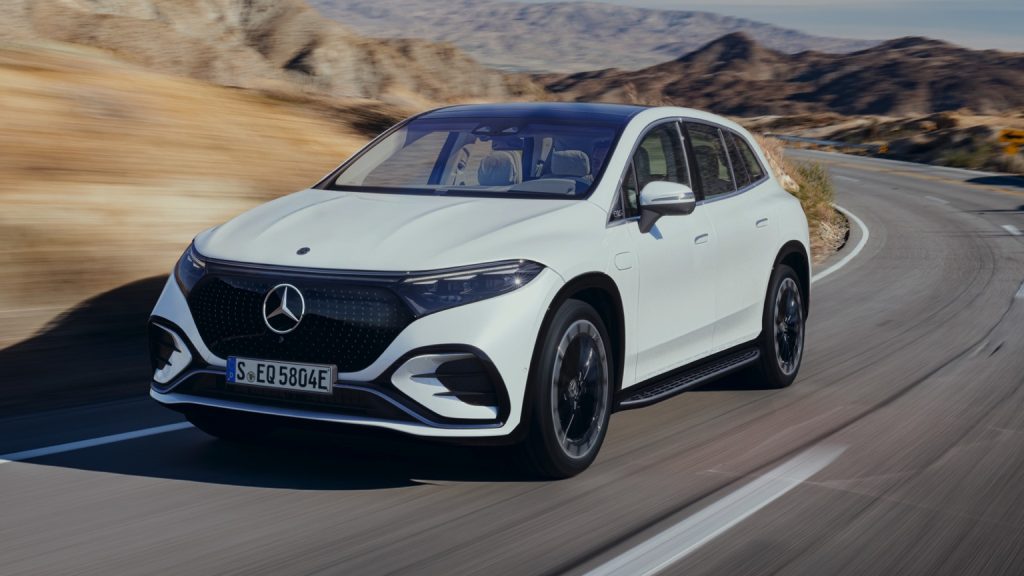
The EQS belongs in this section because the reported figures demonstrate a loss substantially greater than half its original MSRP. It also shows why a luxury vehicle’s advanced features do not guarantee strong resale value.
Although the original owner may suffer a significant loss in value, the depreciation can give a second owner the chance to buy a premium sedan at a much more affordable price.
2. Nissan LEAF
The Nissan LEAF demonstrates that steep depreciation is not restricted to luxury vehicles. Edmunds reported that a three-year-old LEAF in its valuation comparison retained approximately 36% of its original MSRP, implying a loss of roughly 64%.
The figure comes from Edmunds’ used-EV analysis and should be understood as a valuation snapshot rather than a guaranteed price for every LEAF.
The LEAF was designed as an accessible electric car for everyday transportation. Its compact body suits urban driving, while its hatchback layout makes it useful for errands and commuting. Yet secondhand demand depends heavily on driving range, battery condition, and charging compatibility.
Electric-car buyers have more options than they did when earlier LEAF models were introduced. Newer vehicles may offer longer range, faster charging, and more flexible road-trip capability. When shoppers compare those alternatives, an older electric hatchback may need a much lower price to remain attractive.
This depreciation can benefit buyers who mainly drive short distances and can charge at home. Such drivers may not need the latest battery technology or the range offered by more expensive EVs. The LEAF can therefore make sense as an economical commuter, provided the specific vehicle meets their requirements.
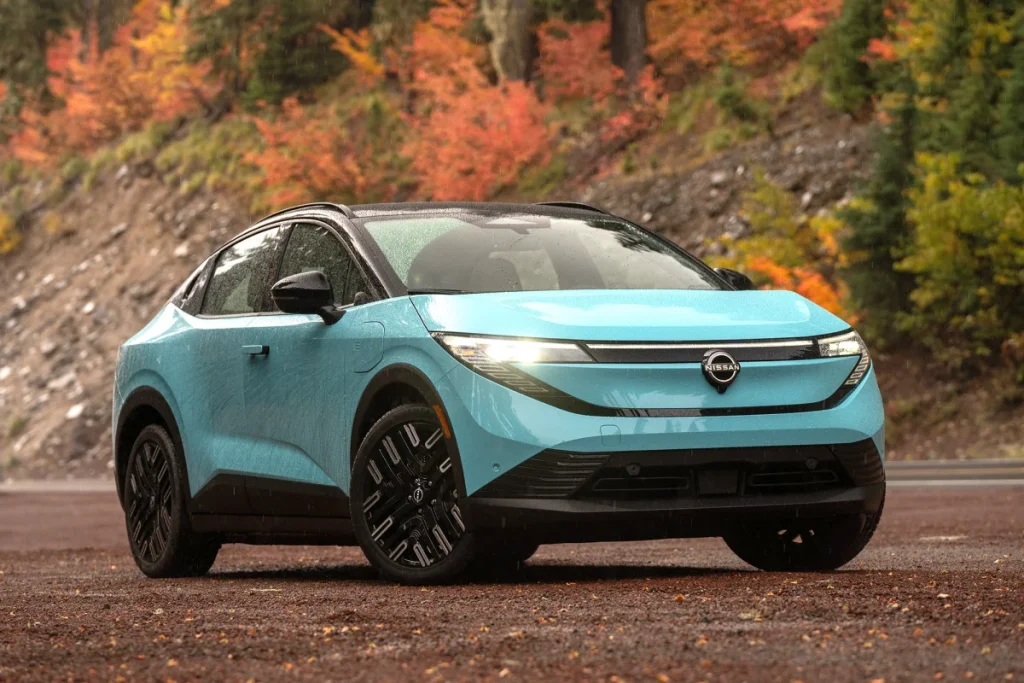
Before buying, check battery health rather than relying solely on the dashboard range estimate. Confirm that the charging connector suits your needs, review the service history, and investigate warranty coverage.
The LEAF’s value loss is significant, but the right used example can still provide practical transportation for someone whose driving routine matches its capabilities.
3. Chevrolet Bolt EV
The Chevrolet Bolt EV combines a compact footprint with a practical cabin and a relatively accessible original price. Yet Edmunds reported that a three-year-old Bolt in its comparison retained approximately 43% of its original MSRP, implying depreciation of about 57%.
That makes it another example of an EV losing more than half its benchmark value within three years.
The Bolt’s appeal has traditionally rested on everyday usefulness rather than luxury. Its hatchback shape accommodates passengers and cargo, while its electric powertrain suits commuting and local trips. A lower used price can make those advantages accessible to households that cannot justify the cost of a newer electric crossover.
Why does its value fall so sharply? Used-EV prices are affected by changing battery technology, new-vehicle incentives, and buyer expectations around range and charging.
Shoppers may also compare the cost of a used Bolt with newer EVs that offer different equipment or greater road-trip flexibility. These factors influence resale prices even when a vehicle remains useful.
The Bolt can be an appealing used purchase for drivers with predictable daily journeys and convenient charging access.
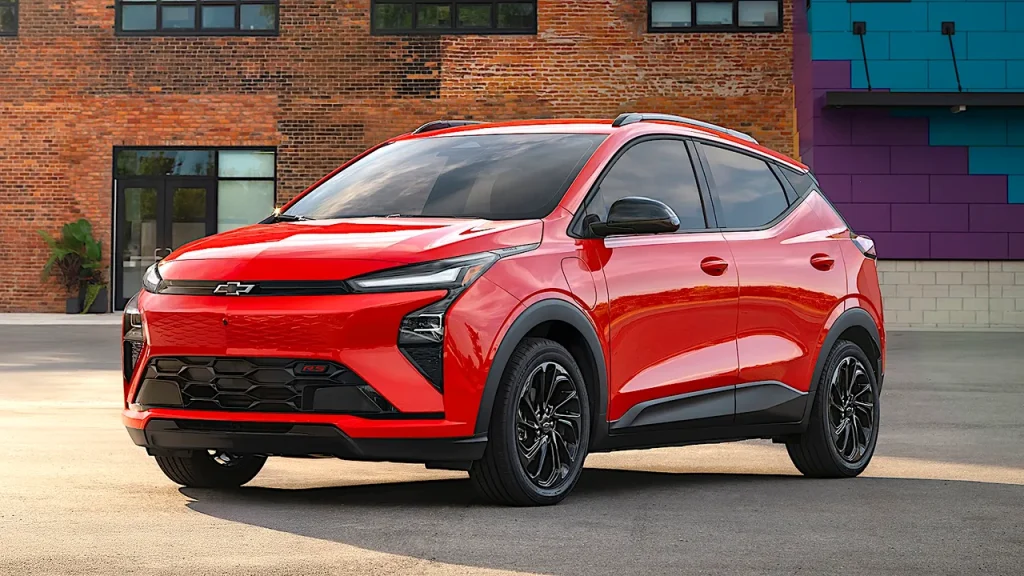
However, shoppers should confirm the exact model year, battery-related service history, recall completion where applicable, and warranty status. Charging speed and range should be assessed against real travel needs rather than headline specifications alone.
Its depreciation makes the Bolt worth examining because the financial loss is large relative to the vehicle’s original price. For a used buyer, the same decline may create an affordable route into electric motoring, provided the car’s battery condition and charging capabilities suit the intended use.
4. Hyundai IONIQ 5
The Hyundai IONIQ 5 stands out for its distinctive styling, spacious interior, and fast-charging capability. Nevertheless, Edmunds reported a trade-in value of $22,205 for a 2022 model with an original MSRP of $50,338. That represents a retained value of approximately 44.1% and depreciation of about 55.9%.
The IONIQ 5 entered a competitive segment where shoppers can compare electric crossovers from several manufacturers. Its original appeal came from combining modern design with everyday practicality, but secondhand prices also reflect new-car incentives, battery developments, and the availability of alternative models.
Depreciation does not mean the vehicle has lost its usefulness. A three-year-old IONIQ 5 can still offer generous passenger space and a convenient electric driving experience. Its lower used price may appeal to families who want a modern crossover without paying the original new-car price.
The financial calculation is particularly important for owners who plan to trade their vehicles after only a few years. A substantial reduction in resale value can outweigh some of the savings they expected from lower energy and routine maintenance costs.
Buyers should therefore consider depreciation alongside charging expenses, insurance, and ownership duration.
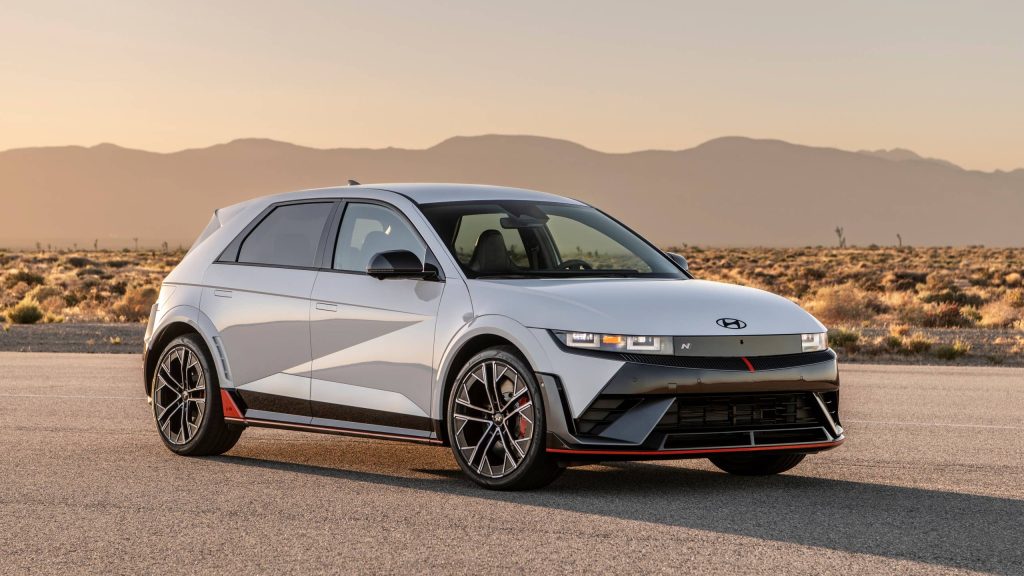
A used IONIQ 5 deserves checks of battery warranty coverage, charging operation, software, tire wear, and service history. Confirm that the car’s specific battery configuration and real-world range meet your needs.
The model belongs here because the Edmunds comparison provides a clear MSRP and trade-in figure. Those numbers show that a popular, well-equipped electric crossover can still experience substantial depreciation, creating a potential bargain for the next owner.
5. Ford F-150 Lightning
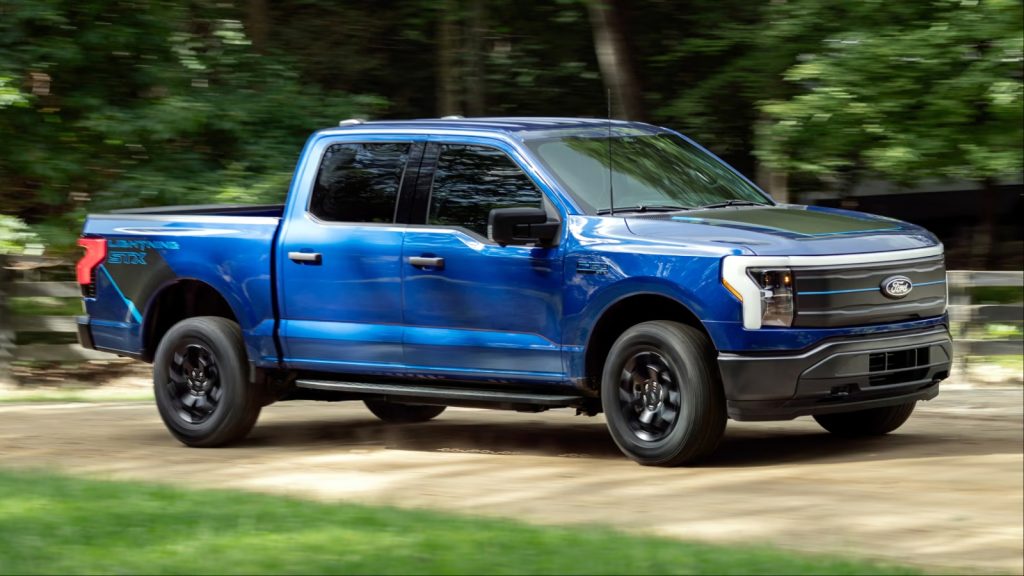
The Ford F-150 Lightning brings electric propulsion to a familiar full-size truck format. Edmunds reported that a three-year-old example was worth $37,800 against an original MSRP of $80,955. That means it retained less than 47% of its initial sticker price, representing depreciation of more than 53%.
The Lightning offers strong acceleration, a front trunk, and the ability to supply power to compatible equipment. Those features can appeal to truck buyers who want electric driving without abandoning a pickup’s general utility. However, an electric truck’s value also depends on how well it serves its owner’s specific workload.
Towing and carrying heavy loads can reduce range, while drivers who cover long distances may need to plan charging stops. Buyers evaluating a used Lightning must consider whether its remaining range and charging arrangements fit their work and recreational needs.
Its high original MSRP magnifies the financial consequences of depreciation. A truck losing more than half its value can represent a substantial dollar loss even if it remains mechanically sound. For the second owner, however, the lower purchase price may make electric pickup ownership much more attainable.
Used examples should be checked for battery health, charging performance, service records, warranty coverage, tire condition, and any completed recall work. Buyers who intend to tow regularly should assess expected range under load rather than rely solely on the advertised maximum.
The Lightning belongs in this section because the published MSRP and three-year valuation show a loss exceeding 50%. It also demonstrates that a well-known truck name does not automatically protect an electric vehicle’s resale value when the market and technology are changing quickly.
6. Audi e-tron
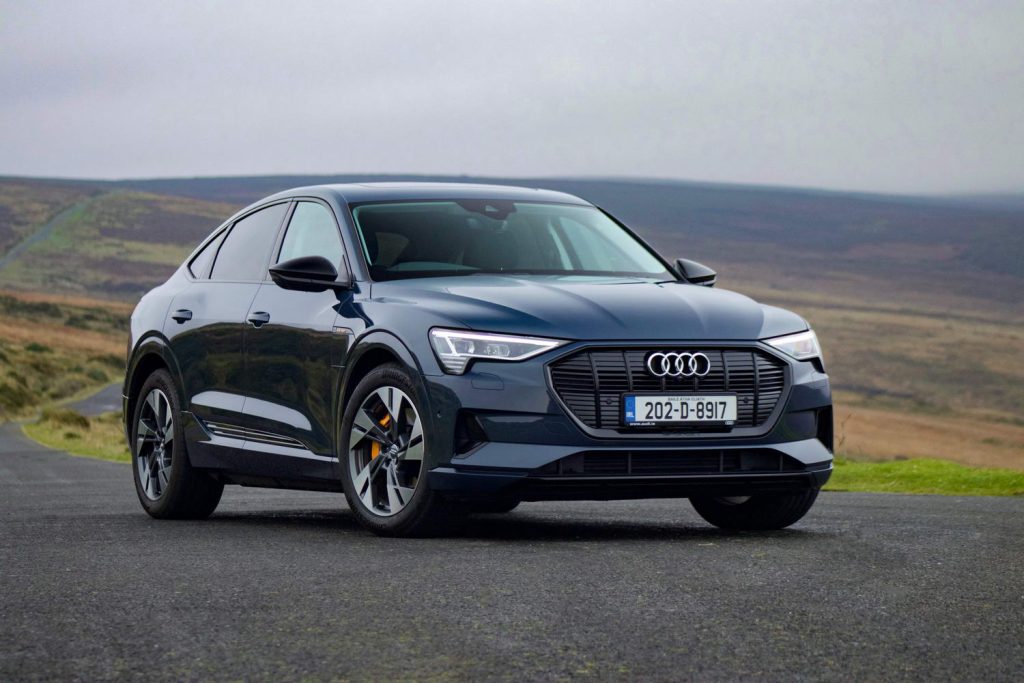
The Audi e-tron combines premium cabin materials, quiet cruising, and all-wheel-drive capability. iSeeCars estimates that the model loses 57.1% of its value after three years, leaving an estimated resale value of $54,774.
The estimate is based on its model-level depreciation analysis, which compares new and used vehicle prices across a large dataset.
A major reason the e-tron merits attention is its expensive starting point. Luxury equipment and premium engineering contribute to the original price, but used-car shoppers may be less willing to pay for those features once newer electric SUVs offer different ranges, charging systems, and technology.
This does not mean the e-tron suddenly becomes a poor vehicle at three years old. Rather, depreciation reflects what buyers are willing to pay in the current market. A premium EV can remain comfortable and capable while losing a substantial percentage of its original price.
For used buyers, the e-tron’s value decline can make luxury electric driving more affordable. It is important, however, to distinguish a reduced purchase price from low maintenance costs. Premium electronic components and repairs can remain expensive even after the vehicle’s market value falls.
A careful inspection should cover battery condition, charging operation, electronic features, service history, and warranty coverage. Buyers should also compare the particular trim and mileage with equivalent listings.
iSeeCars estimates that the e-tron loses more than half its value within three years, making it a notable example of steep depreciation. This illustrates how a luxury EV’s original price can differ significantly from its resale value just a few years later.
6 EVs That Held Their Worth
1. Ford Mustang Mach-E
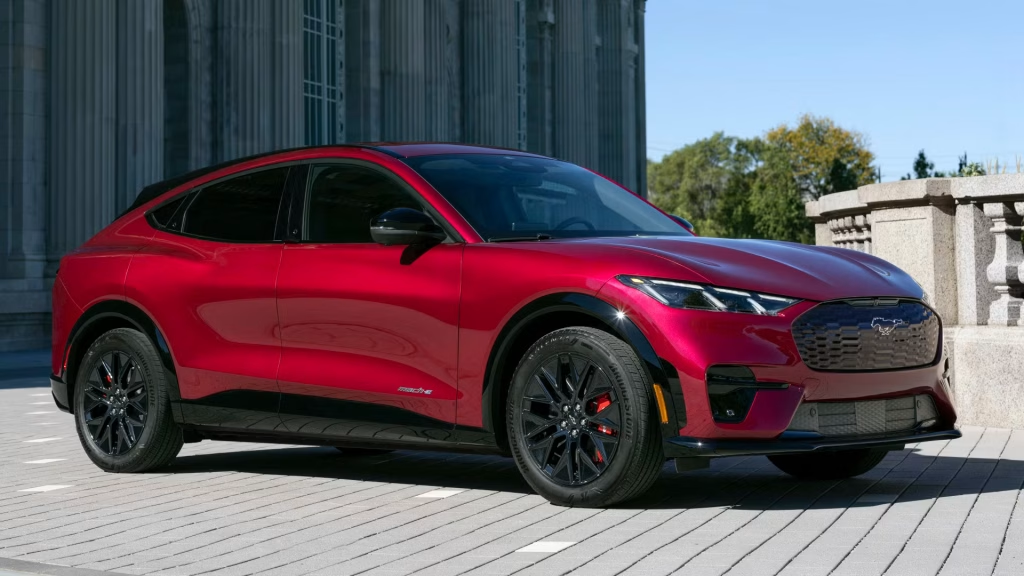
The Ford Mustang Mach-E retains approximately 61.8% of its estimated original value after three years, according to iSeeCars. Its estimated depreciation of 38.2% is lower than the 50% threshold used in the first section, placing it among the models that retain a comparatively larger share of their value.
The Mach-E’s appeal comes from its crossover practicality and performance-oriented character. It offers the elevated seating position and useful cargo space expected of a family vehicle, while its electric powertrain provides immediate acceleration. The Mustang name also gives it a recognizable identity in a crowded EV market.
Resale value depends on more than styling, though. Buyers compare range, charging capability, equipment, and purchase prices across competing electric crossovers. The Mach-E’s depreciation estimate suggests that it has held onto a greater proportion of its benchmark value than some EVs that have experienced much steeper declines.
For owners planning to sell after three years, retaining more than 60% of the estimated value can reduce the financial impact of depreciation. Actual results still depend on the specific trim, mileage, condition, and market at the time of sale.
Used buyers should inspect the battery and charging systems, review service records, check software operation, and verify warranty coverage. Tire condition also matters because electric vehicles can place considerable demands on tires through their weight and instant torque.
The Mach-E belongs in this section because its estimated three-year loss is below 40%. That makes it a useful example of how a mainstream electric crossover can retain a larger share of its price than some more expensive EVs, although individual resale outcomes will vary.
2. Tesla Model 3
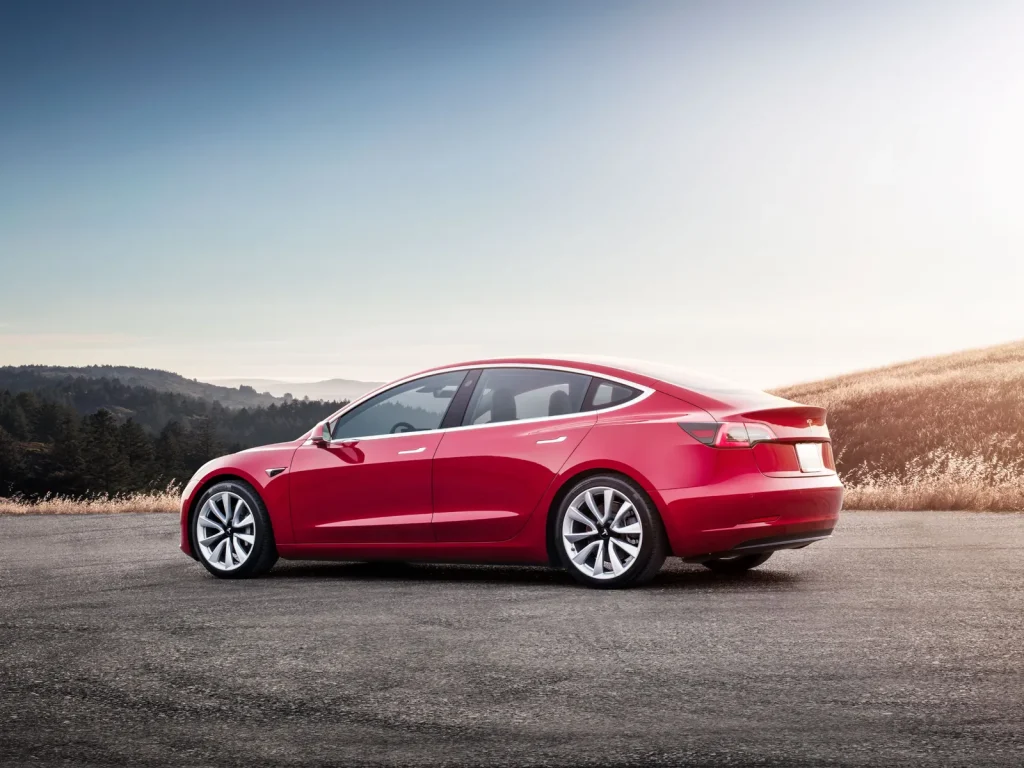
The Tesla Model 3 has lost an estimated 43.2% of its value after three years in iSeeCars’ model-level calculation. That leaves approximately 56.8% of its benchmark value, with an estimated resale value of $21,023. Although the loss is significant, the vehicle remains above the halfway-retention mark.
The Model 3 benefits from broad recognition in the electric-car market, a sedan format that suits daily commuting, and access to Tesla’s charging ecosystem. These features make it familiar to shoppers comparing used EVs, although they do not guarantee that every trim or model year will retain value equally well.
New-car price changes remain an important consideration. If a manufacturer reduces prices or introduces more attractive financing, used examples may lose value because buyers can obtain a new vehicle for less than expected. Tesla’s pricing strategy therefore matters to owners considering a resale.
Even with that exposure, the Model 3’s three-year estimate shows a smaller loss than the half-value declines recorded for several models in the first section. Buyers considering a used example should compare its price with similar vehicles and account for mileage, battery condition, warranty coverage, and equipment.
The sedan’s lower running costs may appeal to commuters who can charge at home, but energy savings alone do not determine ownership value. Insurance, tire replacement, repairs, and depreciation should also be included in the calculation.
The Model 3 belongs in this group because it retains more than half its estimated benchmark value after three years. It is a useful reminder that EV depreciation varies substantially by model, and that the cheapest-to-run vehicle is not automatically the one with the strongest resale performance.
3. Hyundai Kona Electric
The Hyundai Kona Electric offers a smaller, more city-friendly alternative to larger electric crossovers. iSeeCars estimates that it loses approximately 45.3% of its value after three years, leaving an estimated resale value of $17,999. It therefore retains roughly 54.7% of its benchmark value.
Its appeal lies in its compact dimensions, which can make parking and urban driving easier than in a full-size SUV. At the same time, its crossover body gives drivers a practical seating position and useful everyday versatility. For households that do not need a large battery or a three-row interior, that balance can be attractive.
The Kona Electric’s depreciation remains substantial, but it stays below the 50% loss threshold. That distinction matters when comparing EVs over a fixed ownership period. A buyer who expects to sell after three years may benefit from choosing a model whose used-market value remains comparatively strong.
Real-world resale outcomes depend on the exact version, mileage, battery condition, equipment, and local demand. Buyers should also compare the Kona Electric with similarly priced used EVs and newer models that may offer different range or charging capabilities.
For used shoppers, a depreciated Kona Electric may provide practical electric transportation without the purchase price of a larger SUV. A thorough inspection should cover battery health, charging operation, tire wear, software, service history, and warranty terms.
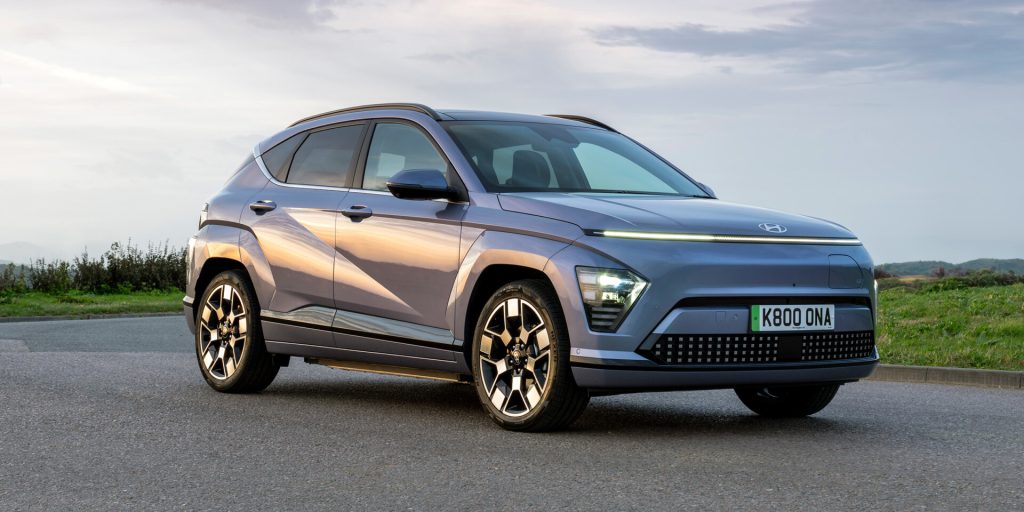
The model belongs in this section because its three-year depreciation estimate is below 50%, leaving more than half its benchmark value. Its example also demonstrates that a smaller EV can remain financially competitive for buyers whose driving needs do not require a larger, more expensive vehicle.
4. Kia Niro EV
The Kia Niro EV retains approximately 54.6% of its estimated benchmark value after three years, according to iSeeCars. Its reported depreciation is 45.4%, leaving a calculated resale value of $21,682. The model therefore remains above the halfway-retention line, although its value loss is still substantial.
The Niro EV is aimed at drivers who want an everyday electric crossover without moving into the more expensive luxury segment. Its practical proportions, passenger space, and useful cargo area make it suitable for commuting and ordinary household duties. Buyers who prioritize convenience over outright performance may find that formula appealing.
A vehicle’s resale performance depends partly on how many secondhand shoppers consider it a suitable purchase. Practical body styles and accessible pricing can help a used EV appeal to a wide range of drivers. However, the Niro EV still faces competition from other compact electric crossovers and from newer vehicles with updated charging technology.
Its three-year depreciation estimate is below 50%, which gives it a place in this section. That does not mean every Niro EV will sell for the published average. The exact model year, trim, mileage, condition, local market, and incentives available for newer alternatives can change the result.
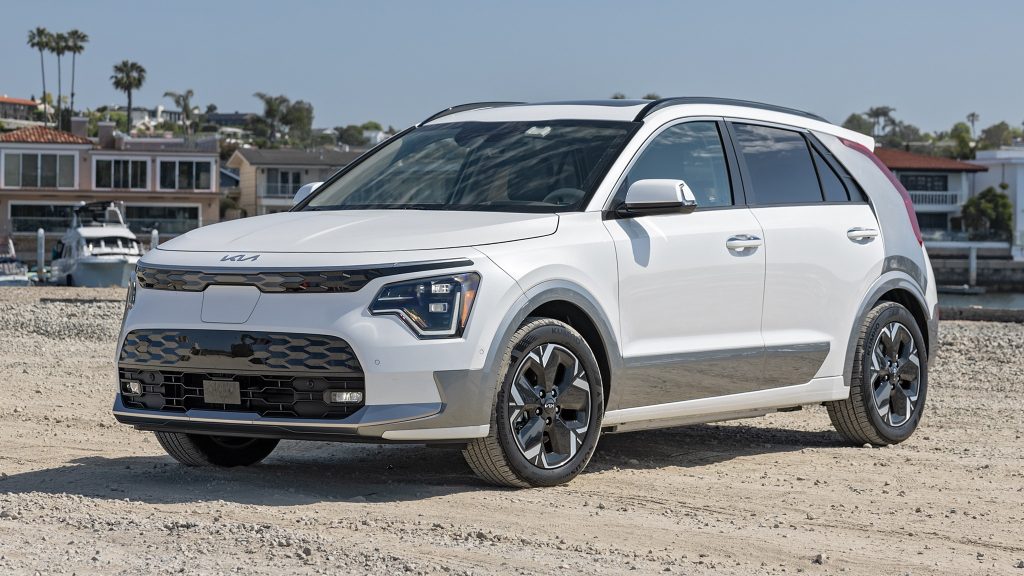
A prospective owner should inspect the battery and charging system, check service documentation, confirm warranty coverage, and compare the asking price with similar vehicles. It is also sensible to verify that the vehicle’s range suits daily travel and occasional longer journeys.
The Niro EV illustrates why practical needs should guide used-EV shopping. A car that meets a household’s daily requirements and retains more than half its estimated value may be a sensible candidate, provided its condition and purchase price support the decision.
5. Tesla Model Y
The Tesla Model Y loses an estimated 44.1% of its value after three years in iSeeCars’ model-level data. Its estimated resale value is $22,361, meaning it retains about 55.9% of its benchmark value.
That performance places it on the stronger-retention side of this comparison, although the remaining depreciation is far from negligible.
The Model Y’s crossover shape makes it useful for households that need passenger space and cargo flexibility. It combines those practical qualities with electric performance and access to Tesla’s charging network. Its familiarity among EV shoppers can also make it a natural candidate for buyers comparing used electric family vehicles.
However, resale values can be sensitive to changes in the new-car market. When new prices fall, or financing offers improve, used vehicles must compete against a lower effective purchase price. That pressure can affect the Model Y even when the vehicle itself remains capable and well maintained.
Its three-year depreciation estimate is below the 50% threshold, but the financial difference between models can still be meaningful. An owner who sells after three years will generally recover a greater proportion of the benchmark value from a vehicle with lower depreciation, all else being equal.
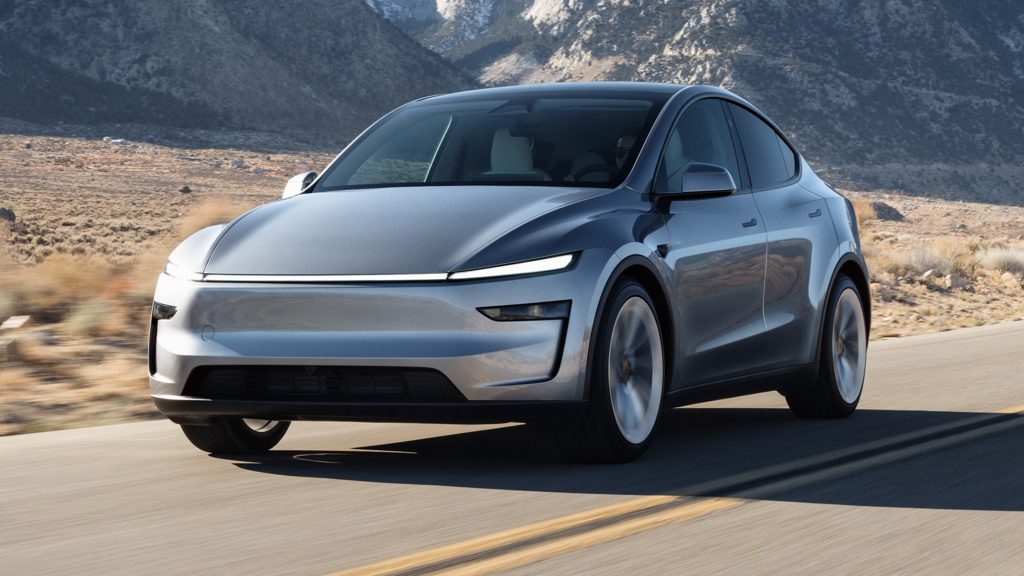
Used buyers should assess battery condition, charging performance, tire wear, suspension condition, software features, and warranty coverage. They should also compare equivalent trims rather than assume that every Model Y carries the same resale value.
The Model Y belongs in this section because its estimated loss is below half the benchmark value. Its example shows that popularity and everyday practicality can coexist with meaningful depreciation, making careful price comparisons important for both new and used buyers.
6. Rivian R1S
The Rivian R1S records the lowest three-year depreciation estimate among the six models in this section. iSeeCars calculates a loss of approximately 31.3%, leaving an estimated resale value of $52,879. That means it retains around 68.7% of its benchmark value after three years.
The R1S occupies a different part of the market from compact electric hatchbacks. Its three-row layout, substantial cargo capacity, and adventure-oriented positioning appeal to buyers who need a large electric SUV for family travel and outdoor activities. Its combination of space and capability can make it difficult to compare directly with smaller EVs.
Strong retention does not mean the R1S avoids financial risk. Its original purchase price is high, so even a smaller percentage decline can represent a substantial dollar loss. Repair costs, insurance, service availability, and the price of replacement components also deserve attention when calculating ownership expenses.
For buyers considering a used R1S, the resale estimate suggests that a comparatively large share of its benchmark value remains after three years.
The actual selling price will depend on the version, mileage, condition, equipment, and market demand. A well-maintained vehicle with a documented history may command a different price from one with extensive use or damage.
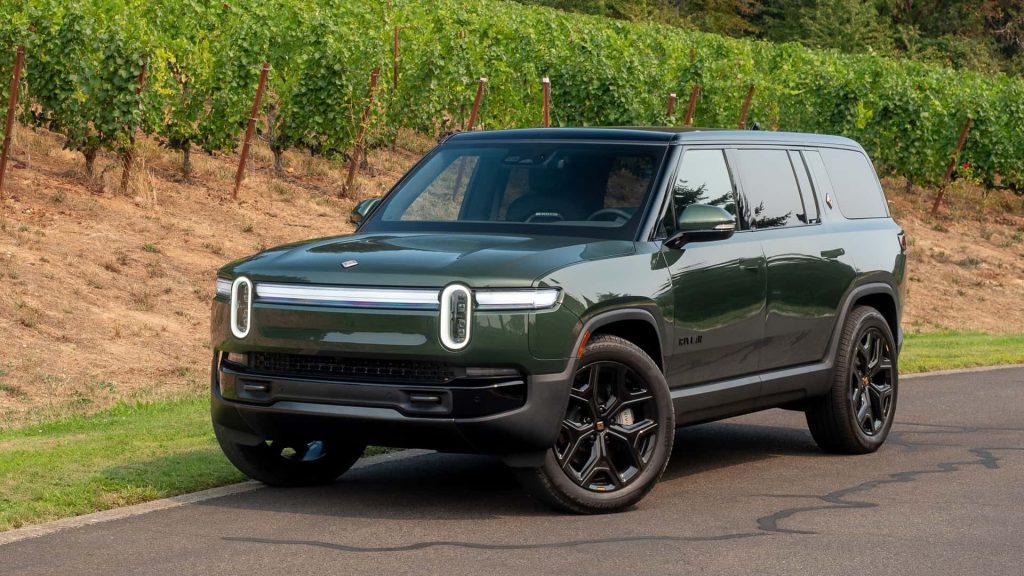
A prospective owner should check battery and charging performance, inspect the suspension and tires, review service records, and verify warranty coverage. It is also worth confirming that local service facilities can support the vehicle.
The R1S belongs in this section because its estimated three-year depreciation is substantially below 50%. Its example demonstrates that an expensive EV can retain a relatively high share of its value, even though the absolute cost of ownership remains important.
