
Classic-car prices can change as collector tastes, auction results, restoration expenses, and economic conditions shift.
A model once considered a safe collectible can lose value when demand weakens, while an overlooked sports car or performance model may attract renewed interest.
These changes create opportunities for enthusiasts seeking affordable classics, but they also warn against assuming that age, rarity, or a famous badge guarantees appreciation. The key is to distinguish documented price declines from predictions about future demand.
This article examines six classics with evidence of falling valuations, explaining what influenced their markets and why buyers should look beyond reputation before making a purchase.
6 Classic Cars That Dropped in Value
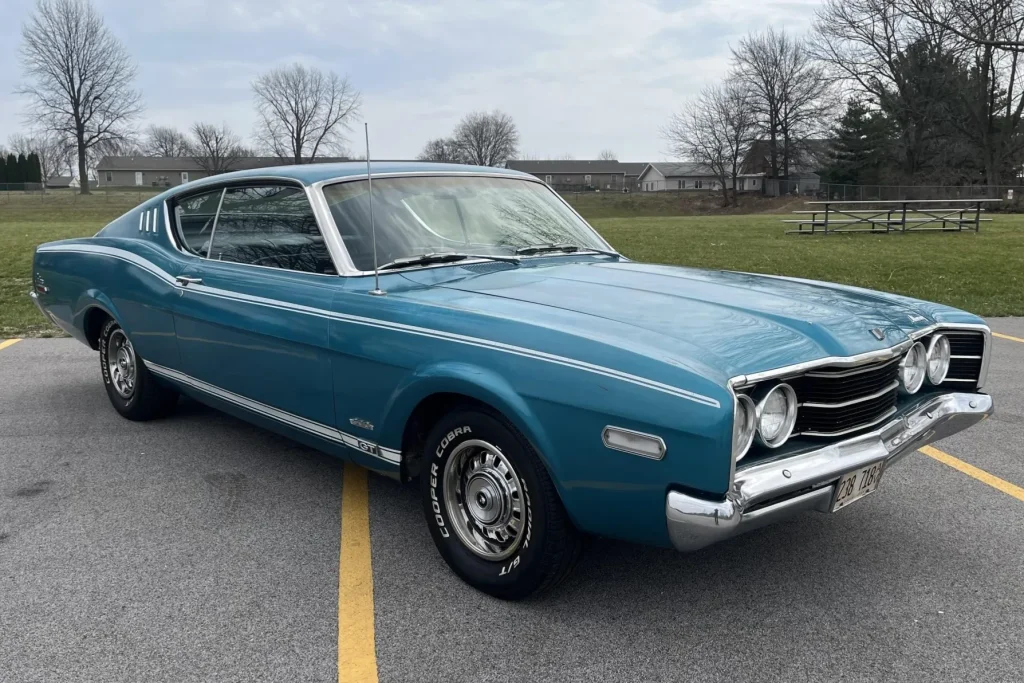
1. 1968-1971 Mercury Cyclone
The Mercury Cyclone recorded the largest decline in Hagerty’s May 2025 report on five American classics losing value. Its valuation adjustment averaged 15% across the four condition categories used by the guide.
Hagerty linked the decline partly to weak auction results at Kissimmee and Scottsdale, two major events that can influence expectations across the muscle-car market.
Mercury offered the Cyclone with a variety of V8 engines, including small-block and big-block options. Its NASCAR connections and relationship to Ford’s Torino gave it genuine performance credentials, while its styling helped distinguish it from more common muscle cars.
The market weakness illustrates how collector demand can shift even when a car has a strong history. The Cyclone has a smaller following than some better-known American performance models, so buyers may become more cautious when auction competition declines. That does not mean every Cyclone has lost 15% of its selling price.
For prospective owners, the adjustment may create negotiating opportunities. A car needing cosmetic work or mechanical attention might become more accessible, but restoration expenses must be calculated before deciding that the asking price is attractive.
Engine specifications, originality, rust condition, and documentation can produce major differences in value between two Cyclones. A rare, well-preserved example may not follow the same path as an ordinary driver.
The Cyclone belongs in this article because its decline is documented and substantial. It demonstrates that even a distinctive muscle car can experience a market correction, reminding collectors to evaluate recent sales rather than rely on historical reputation alone.
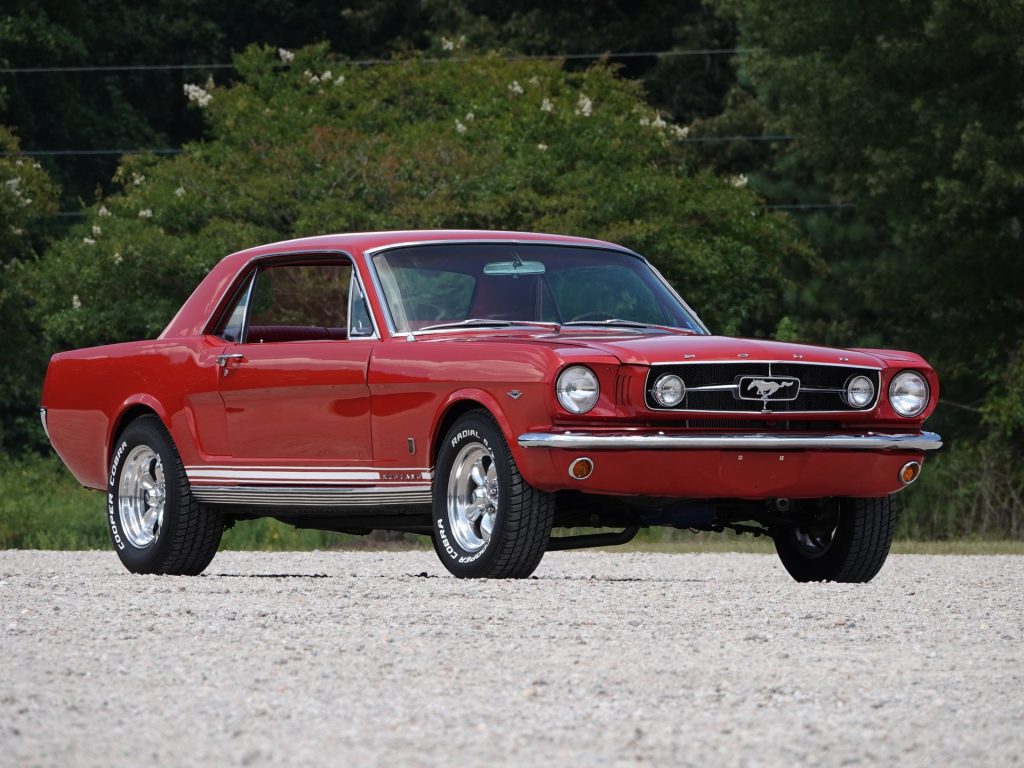
2. 1965-1966 Ford Mustang GT
The first-generation Ford Mustang GT remains an icon of the pony-car era, yet Hagerty reported a 12% decline in values for these early GT models during the quarter covered by its May 2025 market review.
The figure represented a guide adjustment across condition categories, not a universal reduction in the price of every Mustang.
Ford sold more than one million Mustangs during the model’s first two years, making the original design a tremendous commercial success. GT versions added performance-focused equipment and could be ordered with V8 power. Their connection to the Shelby GT350 program further strengthened the early Mustang’s place in performance-car history.
High production numbers help explain why collector values can behave differently across individual examples. Buyers have many surviving cars to choose from, and ordinary configurations must compete with other examples offering different equipment, restoration quality, or documented histories.
When demand cools, the market may become more selective rather than treating every Mustang as equally desirable.
This decline may give buyers an opportunity to negotiate, particularly when a car requires mechanical work or cosmetic restoration. However, the cost of correcting rust, repainting body panels, sourcing original trim, and repairing worn interiors can quickly erase a price advantage.
Collectors should verify the car’s factory specification, engine, transmission, and authenticity before paying a premium. A well-documented original example may command a different price from a modified car, even when both carry the same GT badge.
The Mustang GT belongs here because its reported valuation decline challenges the assumption that iconic status automatically protects resale value. Its history remains important, but a purchase should be based on the specific car and recent comparable sales.
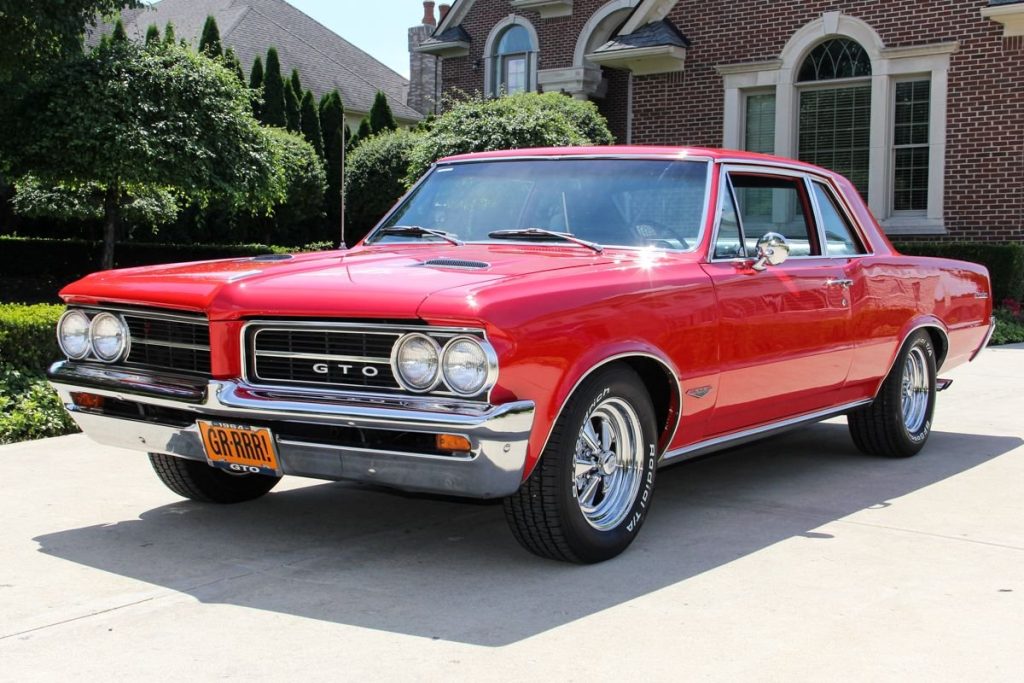
3. 1964-1967 Pontiac GTO
The Pontiac GTO helped define the muscle-car movement by combining a midsize American body with a powerful V8 engine and performance-focused engineering. Yet its historic status has not prevented market fluctuations. In Hagerty’s early-2025 review, values for 1964–1967 GTO models fell by 6%, showing that even iconic classics can experience declines in collector demand.
The original GTO used 389-cubic-inch V8 engines, with specifications and equipment varying by year. Its success encouraged competitors to develop their own performance-oriented midsize cars, making it one of the defining models of the 1960s American performance boom.
The reason for its appearance here is the contrast between historical importance and current market movement. Hagerty observed that more readily available GTOs were weakening even while certain rarer Chevrolet Chevelle variants continued to gain value. That suggests buyers were becoming more selective about which specifications justified a premium.
For someone considering a GTO, the decline could create a more favorable entry point, particularly for a driver-quality car rather than a concours restoration. However, the price depends heavily on authenticity.
Original engines, factory options, documentation, and restoration quality can distinguish a desirable example from a modified car with a similar appearance.
Restoration costs should also be considered. Older muscle cars can require substantial work on body panels, chassis components, suspension, and drivetrain parts. A low asking price may conceal a much larger financial commitment.
The GTO belongs in this section because its documented decline shows that an influential classic can experience weaker demand. Collectors should research the exact year and specification before buying, rather than assuming that every GTO will appreciate simply because of its place in automotive history.
4. 1961-1964 Chevrolet Impala SS Convertible
The Chevrolet Impala SS Convertible combines full-size American styling with open-top motoring and the Super Sport performance identity.
Hagerty reported a 4.5% decline in values for 1961-1964 Impala SS convertibles in its May 2025 review. The analysis grouped the convertible models regardless of engine specification.
These cars were produced during a period when American manufacturers offered large, stylish convertibles with increasingly powerful engine options. Their long bodies, spacious interiors, and period styling appeal to collectors who value the experience of classic American cruising as much as outright performance.
The valuation decline requires context. Hagerty noted that values for concours-condition cars remained high and that some particularly desirable versions with high-performance 409-cubic-inch V8 engines were still gaining value. The 4.5% reduction therefore describes the broader category, not every example within it.
That distinction matters to buyers. A standard-engine convertible in average condition may follow a different market path from a rare, highly specified car with documented originality. The quality of the restoration, the condition of the convertible top, and the operation of the electrical and mechanical systems can all affect the selling price.
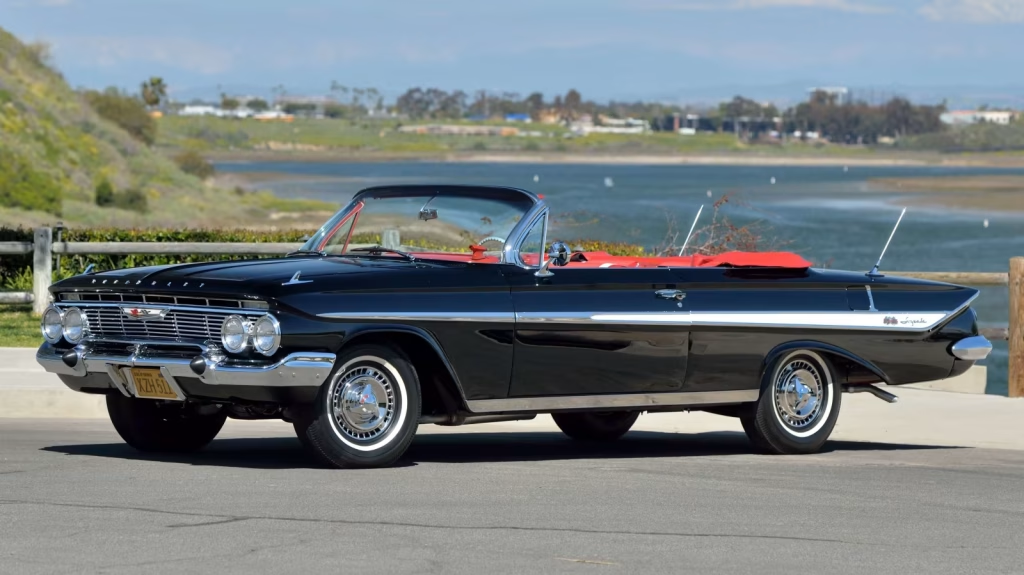
A lower valuation may offer an opportunity to buy a classic convertible for enjoyment rather than speculation. Nevertheless, bodywork and rust repairs can be expensive, while replacement trim and correct interior components may take time to source.
The Impala SS belongs in this section because its market decline is documented despite its distinctive styling and historical appeal. It demonstrates that even a recognizable American classic can soften in value, while rare or exceptional examples within the same category may continue to command strong prices.
5. 1973 Jaguar E-Type Series III Coupe
The Jaguar E-Type Series III Coupe has experienced a substantial valuation decline in Hagerty’s U.S. price guide. The July 2026 guide reported a three-year change of minus 21.4% for the 1973 Series III coupe in good condition. This is a model-specific valuation change, not a claim that every E-Type sold for 21.4% less.
The Series III introduced a 5.3-liter V12 engine, giving the later E-Type a different character from earlier six-cylinder versions. Its long bonnet, flowing bodywork, and grand-touring capabilities remain important parts of Jaguar’s heritage. Yet classic-car values depend on current demand as well as historical significance.
The decline is a reminder that even a celebrated sports car can experience a market correction. Collectors may be more selective about later variants, while restoration expenses and the cost of maintaining an aging V12 can influence what buyers are prepared to pay.
Differences between coupes, roadsters, and 2+2 models also matter, so prices should not be generalized across the entire E-Type range.
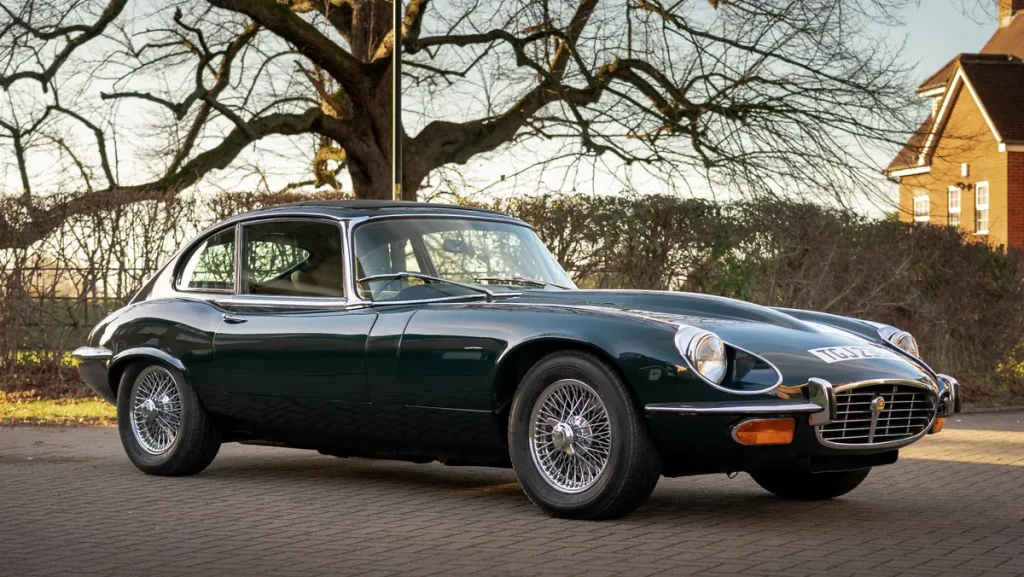
For buyers, a falling valuation may make a desirable British sports car more accessible. However, the engine, cooling system, bodywork, electrical equipment, and chassis should be inspected carefully. Corrosion repairs and mechanical restoration can be expensive, particularly when work must preserve the car’s originality.
The E-Type belongs in this section because its three-year decline is documented in a named valuation guide. It shows that a car’s reputation and design importance do not guarantee rising prices. Prospective owners should compare similar examples and budget for maintenance before treating a lower valuation as a buying opportunity.
6. Volkswagen Type 2 Split-Screen
The Volkswagen Type 2 Split-Screen has a very different collector appeal from American muscle cars and British sports coupes. Its distinctive front design, practical body, and association with road trips and counterculture have made it a recognizable classic.
Nevertheless, Hagerty UK reported that split-screen Type 2 values fell by 18% in the year covered by its earlier market analysis.
The van’s popularity grew partly because it represented more than basic transportation. Campers and converted examples became symbols of independent travel, while commercial versions reflected the practical role the vehicle played in everyday life. That cultural appeal helped establish a strong enthusiast market.
However, prices rose sharply during the pandemic period as buyers sought vehicles suited to domestic travel and leisure. Hagerty described the subsequent decline as a correction after that earlier increase.
When asking prices climb rapidly, buyers can become more cautious, especially when restoration costs are high and usable examples command substantial premiums.
For prospective owners, the reduction may provide an opportunity to find a split-screen van at a lower price than during the market peak.
Condition remains critical. Corrosion in structural areas, poor-quality camper conversions, tired engines, and missing original components can turn an apparently affordable vehicle into an expensive project.
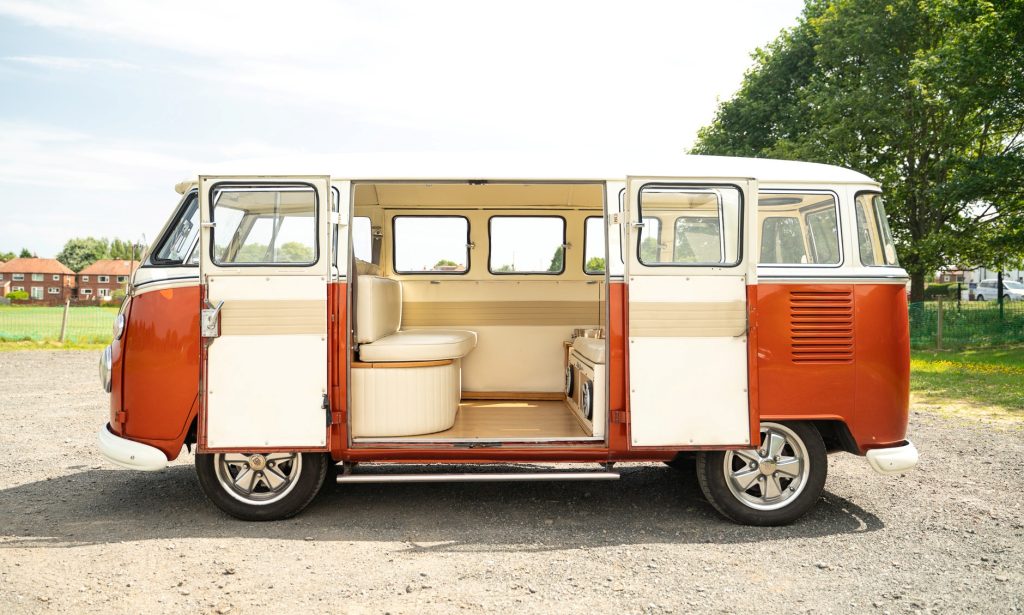
The split-screen Type 2 belongs in this section because its reported 18% annual decline provides evidence of a market correction. Its cultural significance remains strong, but that does not prevent values from moving downward when buyer enthusiasm cools.
The figure comes from an earlier UK market analysis, not the same period as Hagerty’s American muscle-car report. Readers should therefore treat the six cars as documented examples of declining values across different markets and periods, rather than as a single, directly comparable ranking.
6 Classic Cars Rising in Value
1. Toyota Supra A80
The Toyota Supra A80 has recorded one of the strongest price increases among the modern classics featured in Hagerty UK’s 2026 Bull Market research. Its reference value stands at £40,000, with a reported five-year increase of 41.8%.
However, Hagerty notes that values peaked in mid-2023 and have since remained relatively flat, so the historical gain should not be mistaken for uninterrupted recent growth.
Introduced in 1993, the fourth-generation Supra became famous for its turbocharged performance, tuning potential, and strong motorsport associations. Its popularity grew further through video games and film appearances, introducing the car to enthusiasts who were too young to experience it when new.
Scarcity supports its collector appeal. Hagerty notes that UK-market examples were sold in relatively small numbers, and some have been exported to overseas buyers. Younger ownership demographics may also help sustain interest as a new generation gains purchasing power.
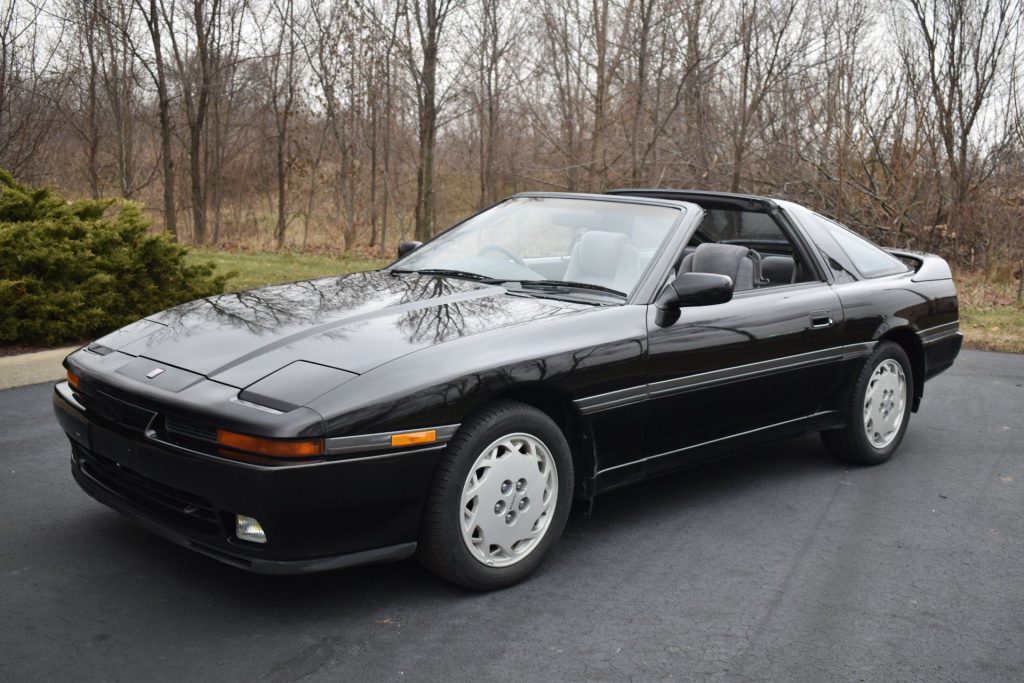
Yet the Supra’s history is not a guarantee of future appreciation. The market has already experienced a major rise, and modified examples can command very different prices from original, well-documented cars. Buyers should carefully assess engine condition, turbocharging components, transmission, bodywork, and modification history.
The Supra qualifies for this category because its value has risen over the past five years. However, recent price stability adds important context, as collectors should weigh both historical appreciation and current market trends when determining whether a specific model is worth the investment.
2. Ferrari F430
The Ferrari F430 offers a different route into the modern-classic market. Hagerty UK’s 2026 Bull Market research reports that the F430 Spider gained approximately 19% over five years, with an indicated value of £95,400 for an excellent example. The figure describes a historical market increase, not a promise that prices will continue rising.
Its 4.3-liter naturally aspirated V8, mid-engine layout, and styling by Frank Stephenson with Pininfarina make the F430 a distinctive product of Ferrari’s early-2000s era. It also represents a generation of high-performance cars whose driving experience was shaped by a high-revving combustion engine rather than extensive electrification.
Hagerty’s research notes that a relatively young group of owners has shown interest in the model. That matters because collector demand can shift as younger enthusiasts gain the means to buy the cars they admired earlier in life.
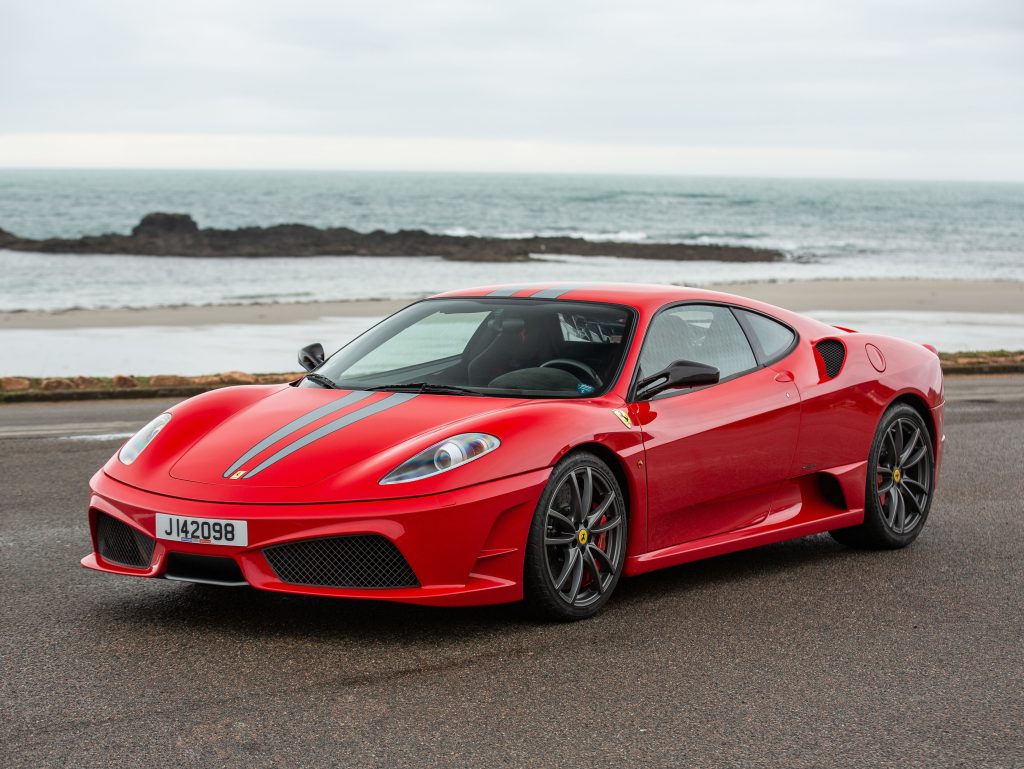
Ownership costs remain an essential part of the calculation. Ferrari servicing, specialist repairs, insurance, and replacement parts can be expensive, and a car’s condition can strongly influence its market value. Buyers should review maintenance records, inspect the drivetrain, and pay close attention to the specification and service history.
The F430 belongs here because its five-year gain is supported by published valuation research. Its appeal rests on a distinctive engine and driving experience, but prospective owners should treat appreciation as a possibility rather than a guaranteed return.
3. Volkswagen Golf GTI Mk2
The Volkswagen Golf GTI Mk2 has recorded a strong increase in Hagerty’s U.S. valuation guide. For a 1986 example in good condition, the October 2026 guide reports a three-year value increase of approximately 34%. This is a valuation-guide movement, not a guarantee that every Mk2 GTI has sold for 34% more.
The Mk2 GTI built on the original Golf GTI’s formula with a larger body, improved practicality, and responsive handling. Buyers could choose eight-valve and 16-valve versions, with the latter offering stronger performance. Its combination of usable everyday transport and engaging driving dynamics has helped it remain popular among enthusiasts.
The broader hot-hatch market has also attracted attention from younger collectors. Hagerty UK’s 2026 analysis noted renewed interest in performance hatchbacks, while its U.S. valuation data show the Mk2’s recent appreciation. These are separate market measures, but both suggest that this generation is attracting serious collector attention.
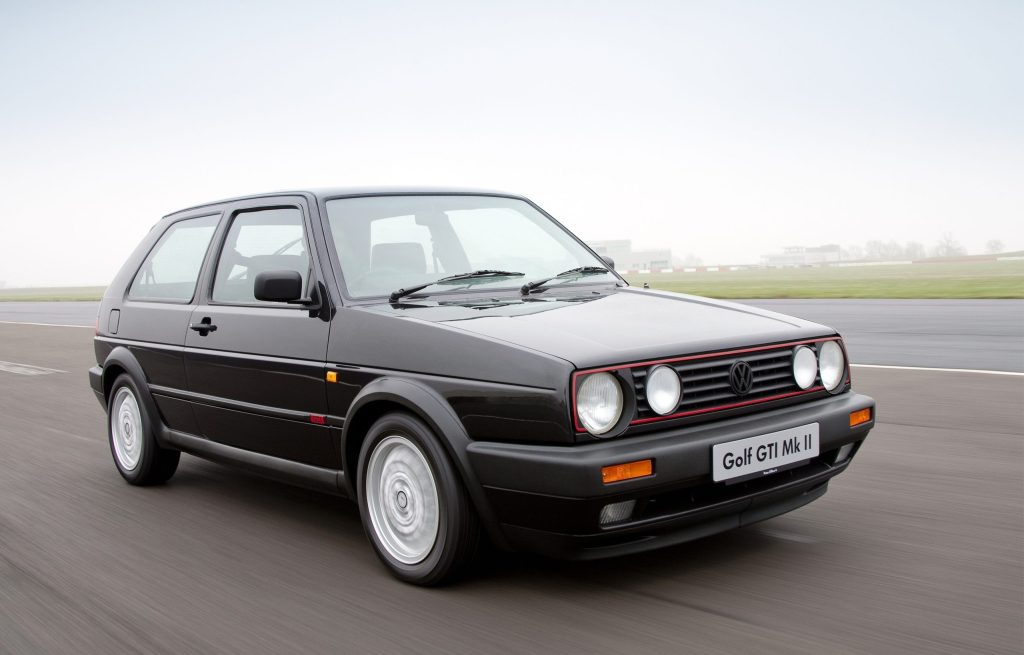
Condition is crucial when buying one. Rust, worn suspension components, tired interiors, modifications, and incomplete service records can make two apparently similar cars worth very different amounts. Original examples with documented maintenance may appeal more strongly to collectors seeking an authentic period car.
The Golf GTI Mk2 belongs in this section because its recent three-year valuation increase is substantial and measurable. Nevertheless, buyers should not assume the same rate will continue. A purchase should make sense as a car to own and enjoy, rather than depending entirely on future price appreciation.
4. Ford Transit Mk1
The Ford Transit Mk1 demonstrates that collector appreciation is not limited to sports cars. Hagerty UK’s 2026 Bull Market research reports a five-year value increase of 6.2% for the two-litre petrol version, with a reference value of £17,200.
The same research identifies the Transit as a model with potential for further growth, although that outlook is not a guarantee.
Introduced in 1965, the first-generation Transit became a familiar sight across Britain. Its long working life gave it a place in commercial history, while surviving examples now offer a distinctive alternative to traditional classic cars. Enthusiasts appreciate its period design, practical character, and connection to everyday British motoring.
Scarcity is an important part of its appeal. Many vans spent decades working hard, leaving fewer well-preserved examples available today. Hagerty notes that the Transit has a passionate enthusiast following and that recent strong asking prices could help support future values.
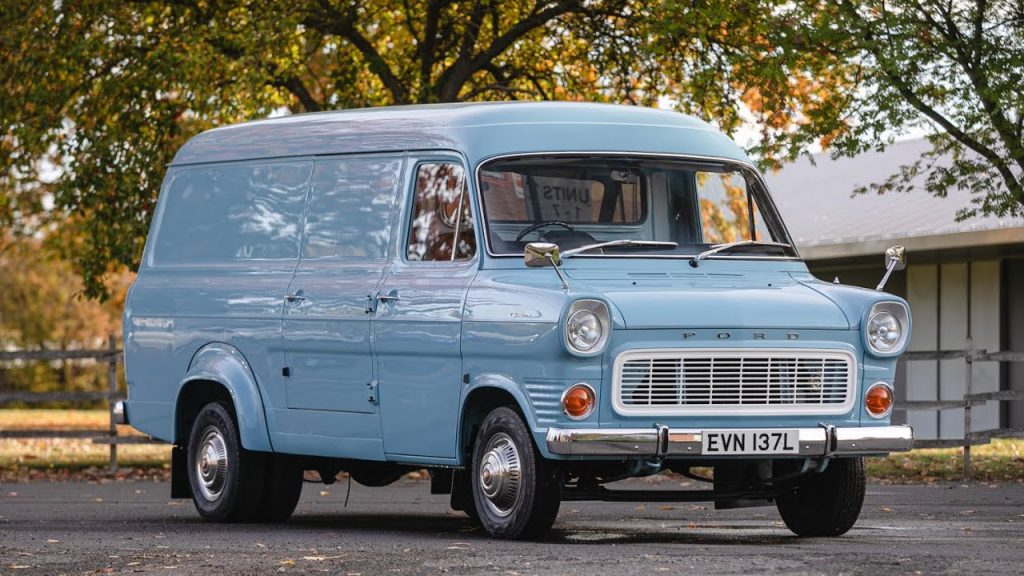
Condition remains decisive. Rust, tired engines, worn interiors, and poorly executed conversions can turn a seemingly inexpensive van into a costly restoration project. Buyers should inspect structural areas carefully and verify the quality of any previous repairs.
The Transit belongs in this section because its five-year increase is documented, even though the gain is modest compared with the Toyota Supra’s.
Its appeal rests on historical significance and growing interest in practical classics, showing how an ordinary commercial vehicle can become collectible. Prospective owners should treat future appreciation as a possibility rather than a certainty.
5. Mazda MX-5 Miata NB
The Mazda MX-5 Miata NB is attracting collector attention because it combines lightweight construction, rear-wheel drive, and an engaging driving experience at a relatively accessible price.
Hagerty included the 1999-2005 generation on its 2026 U.S. Bull Market list, identifying it as a car with potential for appreciation rather than claiming a guaranteed price increase.
Mazda retained the original Miata’s basic formula while improving the second generation with a stiffer body, revised styling, and stronger available engines. Its approachable performance and straightforward mechanical layout make it appealing to enthusiasts who want a classic sports car they can drive regularly.
Demand also benefits from the Miata’s broad fan base. It attracts first-time sports-car owners as well as experienced collectors, creating a wider audience than some specialized performance models. Hagerty points to consistently strong demand relative to supply as part of the car’s appeal.
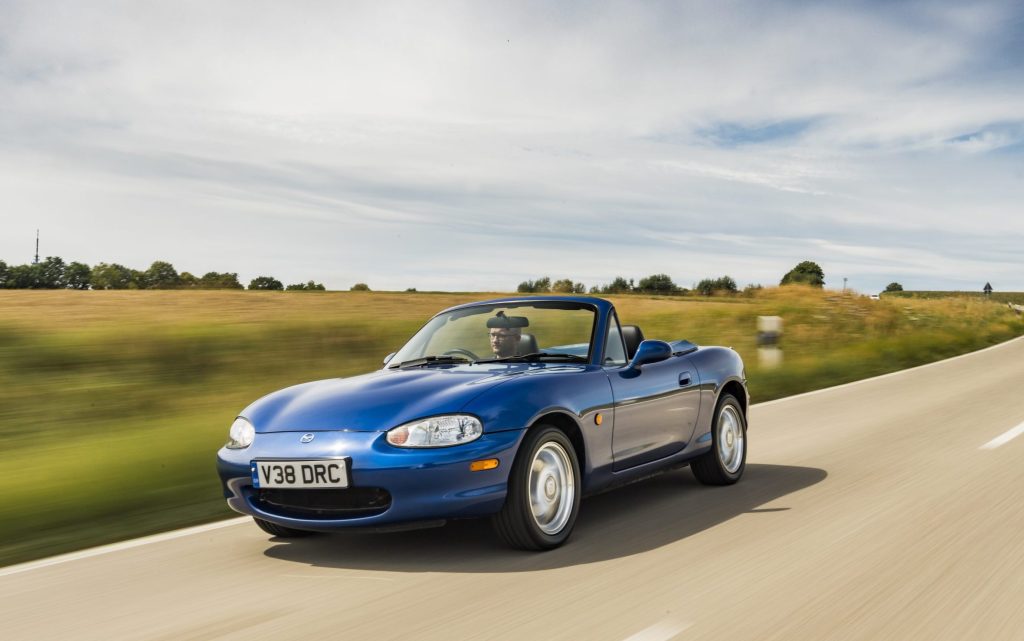
Condition remains crucial. Rust, accident repairs, neglected maintenance, and modifications can sharply affect an individual car’s desirability. Buyers should prioritize sound bodywork and documented servicing rather than choosing solely on the lowest asking price.
The NB Miata deserves attention because it offers an accessible entry into modern-classic ownership. Hagerty’s selection signals collector interest, but it is a forecast, not proof that every example is already rising in value.
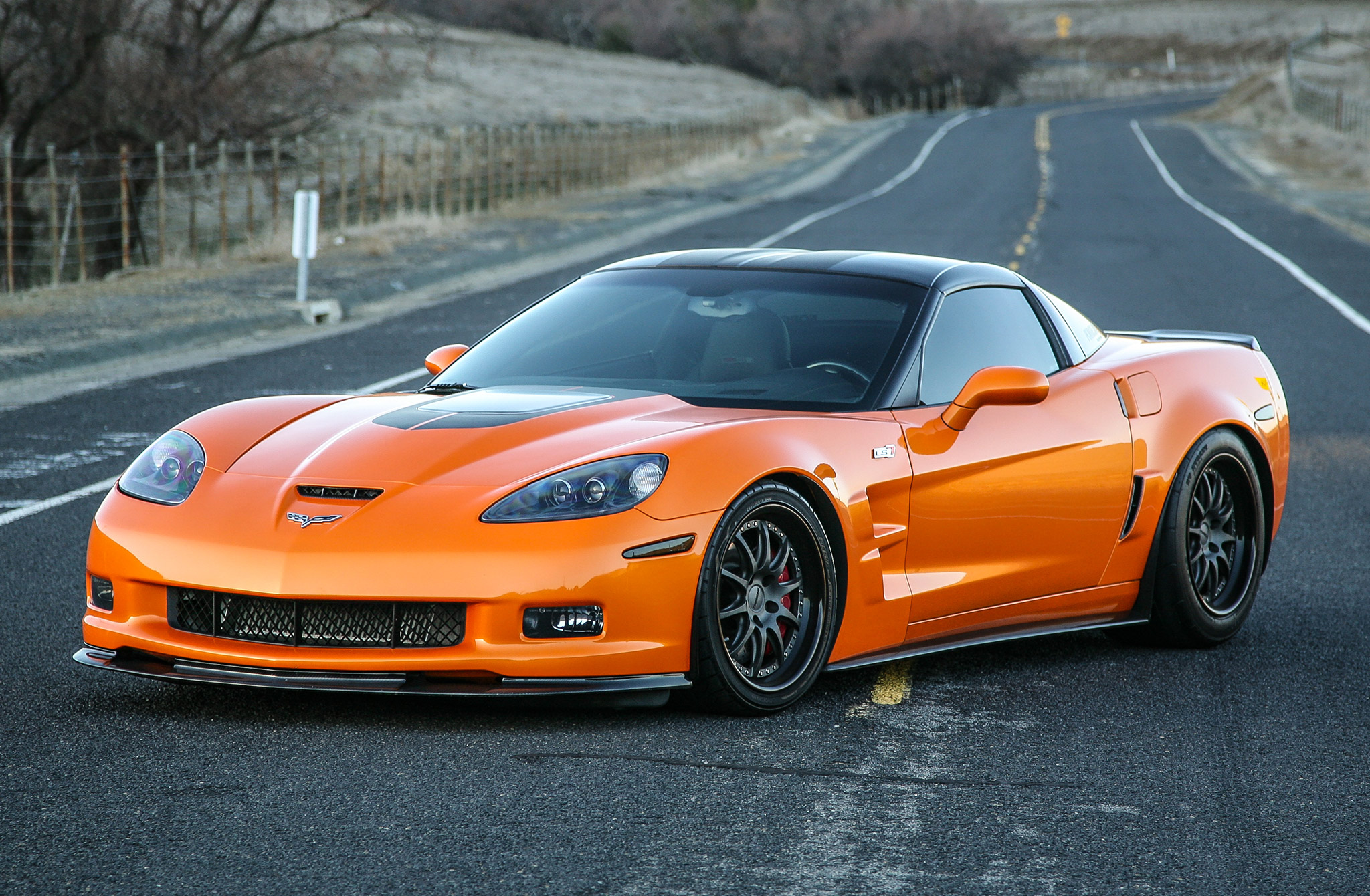
6. Chevrolet Corvette Z06 C6
The Chevrolet Corvette Z06 C6 offers a different proposition from the compact Mazda. Hagerty selected the 2006-2013 Corvette Z06 for its 2026 U.S. Bull Market list, highlighting its 7.0-liter V8, 505-horsepower output, and strong performance relative to its price.
The selection indicates expected collector potential, not a verified percentage increase in resale value.
The C6 Z06 occupies a distinctive place in Corvette history. Its naturally aspirated LS7 V8, lightweight construction, and track-oriented engineering give it performance credentials that remain compelling even as newer sports cars become more powerful. It also avoids some of the complexity associated with later generations.
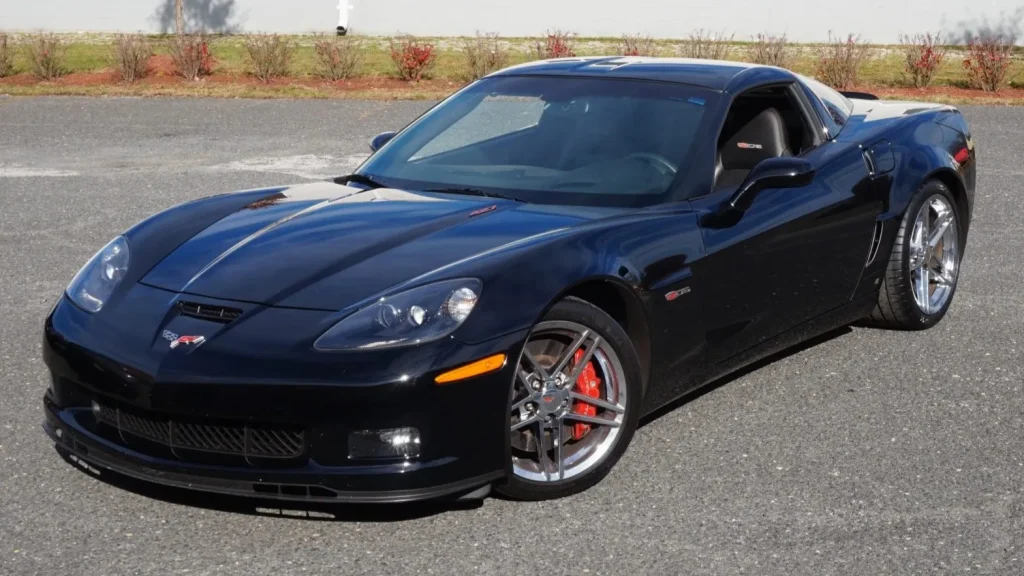
Collector interest may strengthen as enthusiasts seek high-performance combustion cars with a direct driving experience. The Z06’s specific engine and performance package distinguish it from ordinary C6 Corvettes, making exact specification important when comparing prices.
Prospective buyers should inspect the engine, drivetrain, cooling system, suspension, brakes, and evidence of track use. A car with documented maintenance and careful ownership can be a very different proposition from one that has been heavily modified or driven hard without adequate servicing.
The C6 Z06 belongs in this section because Hagerty identifies it as a potential collector opportunity for 2026. However, that recommendation should not be presented as proof that values have already risen. Buyers should check recent comparable sales and ownership costs before treating it as a financial investment.
