
Honda has earned a strong reputation for practical vehicles, efficient engines, and dependable everyday transportation. Yet owner complaints reveal differences between models, generations, and individual model years. Some Honda vehicles have accumulated thousands of reports about mechanical faults, electrical failures, safety equipment, and drivability.
Others have attracted considerably fewer complaints over their production histories. Understanding these figures helps buyers make informed decisions when comparing used cars or researching a new purchase.
This article examines five Honda models with high complaint totals and five with low totals, explaining what the numbers mean and how shoppers should interpret them.
5 Honda Models with the Most Reports
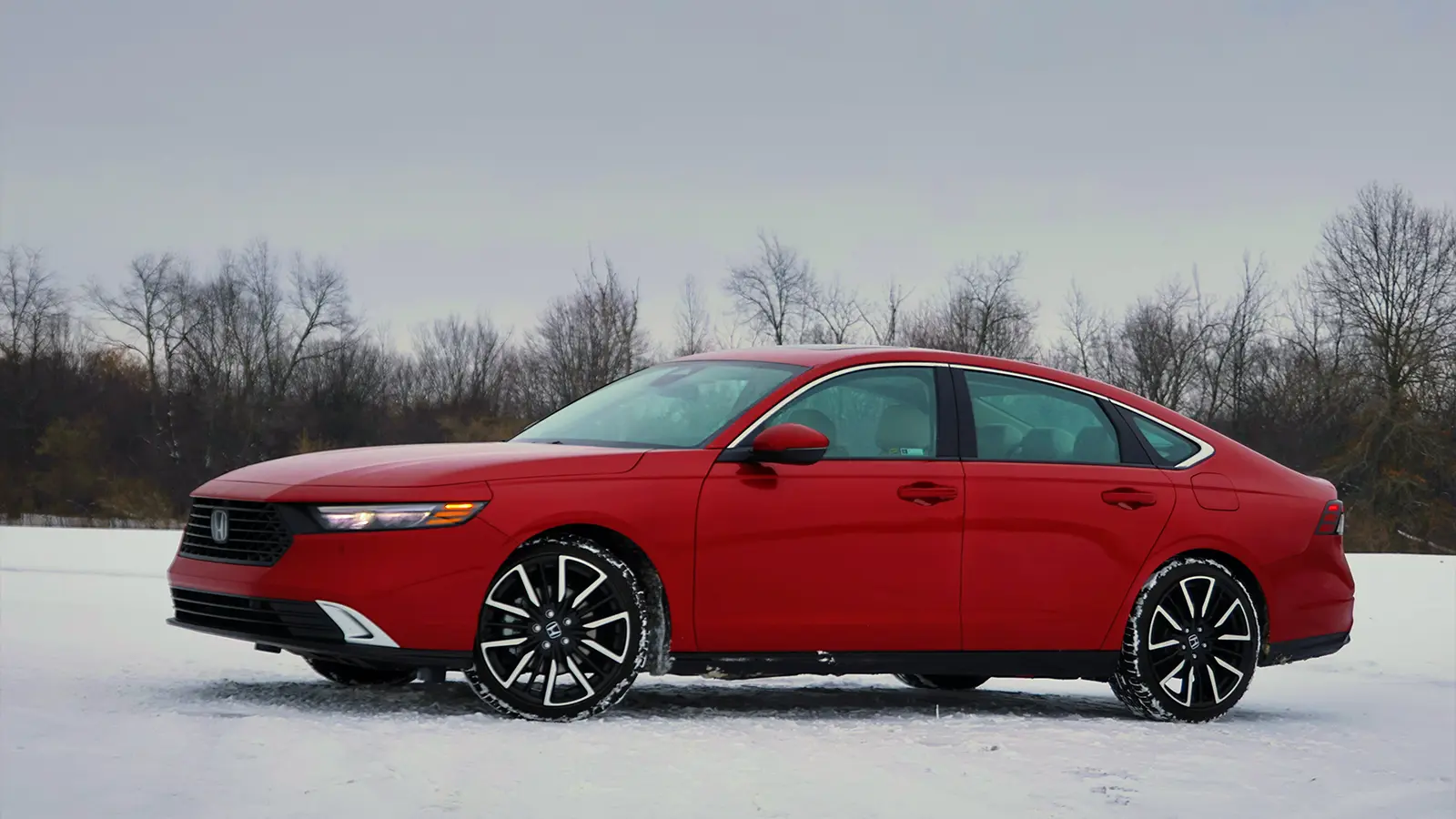
1. Honda Accord
The Honda Accord is among the most widely recognized vehicles in Honda’s lineup, with a long history as a family sedan. Its comfortable cabin, practical design, fuel efficiency, and enjoyable driving characteristics have helped it attract buyers across multiple generations.
However, the Accord also ranks near the top of historical Honda owner complaint lists. Aggregated records based on National Highway Traffic Safety Administration (NHTSA) data show tens of thousands of reports associated with the model across its long production history.
The exact figure varies by database, reporting period, and the model years included. A high total reflects the number of submitted complaints, not a verified count of defective vehicles.
Several factors help explain why the Accord accumulates so many reports. Honda has sold large numbers of these sedans over several decades, creating a substantial population of vehicles on the road. Older cars have also had more time to develop age-related problems, including worn suspension components, deteriorating rubber parts, electrical faults, and engine leaks.
When millions of vehicles are driven for many years, even a relatively low problem rate can generate a considerable number of complaints. This makes sales volume and vehicle age important considerations when comparing the Accord with less common Honda models.
Reported concerns vary significantly by model year and generation. Historical complaint databases identify airbag and other safety equipment issues, engine concerns, electrical faults, and transmission-related problems among the categories associated with Accord vehicles.
Some generations have attracted attention for particular mechanical or safety issues, while other versions have delivered years of dependable service. It would be inaccurate to assume that every Accord has the same weaknesses.
Buyers should research the exact year, engine, transmission, and trim they intend to purchase, rather than relying exclusively on the model’s cumulative complaint count.
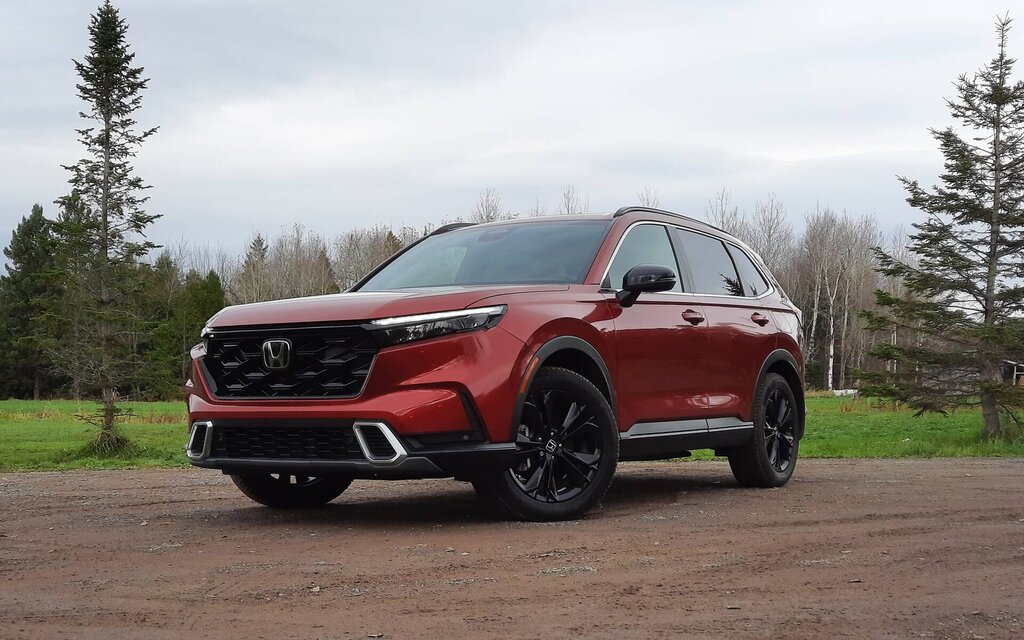
2. Honda CR-V
The Honda CR-V is a popular compact sport utility vehicle known for its roomy interior, flexible cargo area, comfortable ride, and family-friendly design. Its popularity has helped make it a major part of Honda’s sales success.
The CR-V also appears at the top of several historical complaint databases, with some records placing it ahead of other Honda models in cumulative reports for selected periods. Its large number of vehicles on the road contributes to this position. As with the Accord, the total reflects complaints submitted by owners rather than a confirmed defect rate for every CR-V produced.
The CR-V has passed through several generations, and the systems fitted to each generation differ. Older examples may develop conventional age-related issues, including worn suspension parts, leaks, failing sensors, and electrical problems.
Newer versions introduce additional technology, such as turbocharged engines in certain trims, advanced driver assistance features, and more sophisticated infotainment systems.
These features can improve convenience and efficiency, but they also create more components that may require diagnosis or repair. Problems associated with a particular engine or model year should not be automatically attributed to the entire CR-V range.
Owner complaints involving CR-V vehicles have covered areas such as engines, steering, electrical systems, and driver assistance equipment. The significance of each issue depends on its frequency, severity, and the affected model years.
A minor infotainment malfunction does not carry the same implications as a steering fault or a problem that could cause an engine to lose power.
Complaint databases are useful for identifying recurring concerns, but they do not establish that every report is accurate or that the manufacturer has confirmed a defect. Checking official recall notices and technical service information helps place individual reports in context.
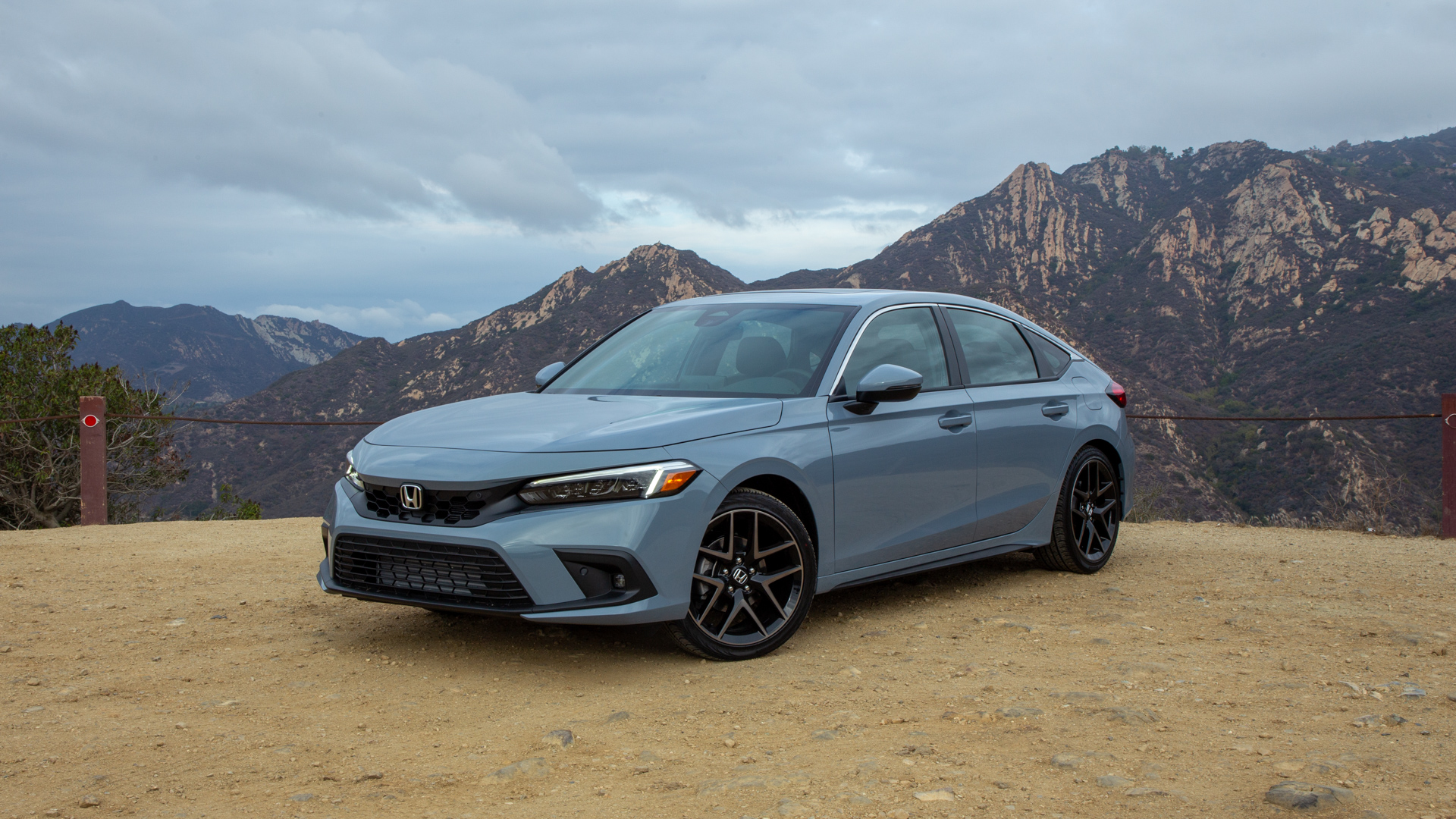
3. Honda Civic
The Honda Civic has built its reputation on compact dimensions, practical running costs, fuel efficiency, and a broad range of body styles. It has served commuters, students, small families, and enthusiasts for decades. Because the Civic has been produced in large numbers across many generations, its cumulative complaint count is substantial.
Historical NHTSA-based databases regularly place it among Honda’s most frequently reported models. This does not necessarily mean the Civic is less dependable than every Honda with a lower total. Sales volume, vehicle age, and the number of model years included all influence its ranking.
The Civic’s long production history means that complaint records cover a wide range of mechanical designs. Older models may have problems associated with corrosion, aging seals, worn engine mounts, suspension wear, and deteriorating electrical connections.
Newer versions have more complex electronics and safety features, creating different maintenance and diagnostic needs. Turbocharged engines and continuously variable transmissions are fitted to certain versions, while other models use different powertrains. The reliability of a Civic should therefore be assessed by generation and configuration instead of treating every vehicle carrying the badge as mechanically identical.
Reports associated with Civic vehicles include concerns involving airbags, steering, engines, electrical systems, and other vehicle components. Some historical safety issues have affected specific model years, demonstrating why year-specific research matters.
A buyer should distinguish between a widespread defect documented in an official recall and an isolated owner complaint about an individual car. Both can be informative, but they provide different levels of evidence.
The presence of a complaint does not prove that the same problem affects every vehicle, and the absence of complaints does not establish that a component cannot fail.
4. Honda Odyssey
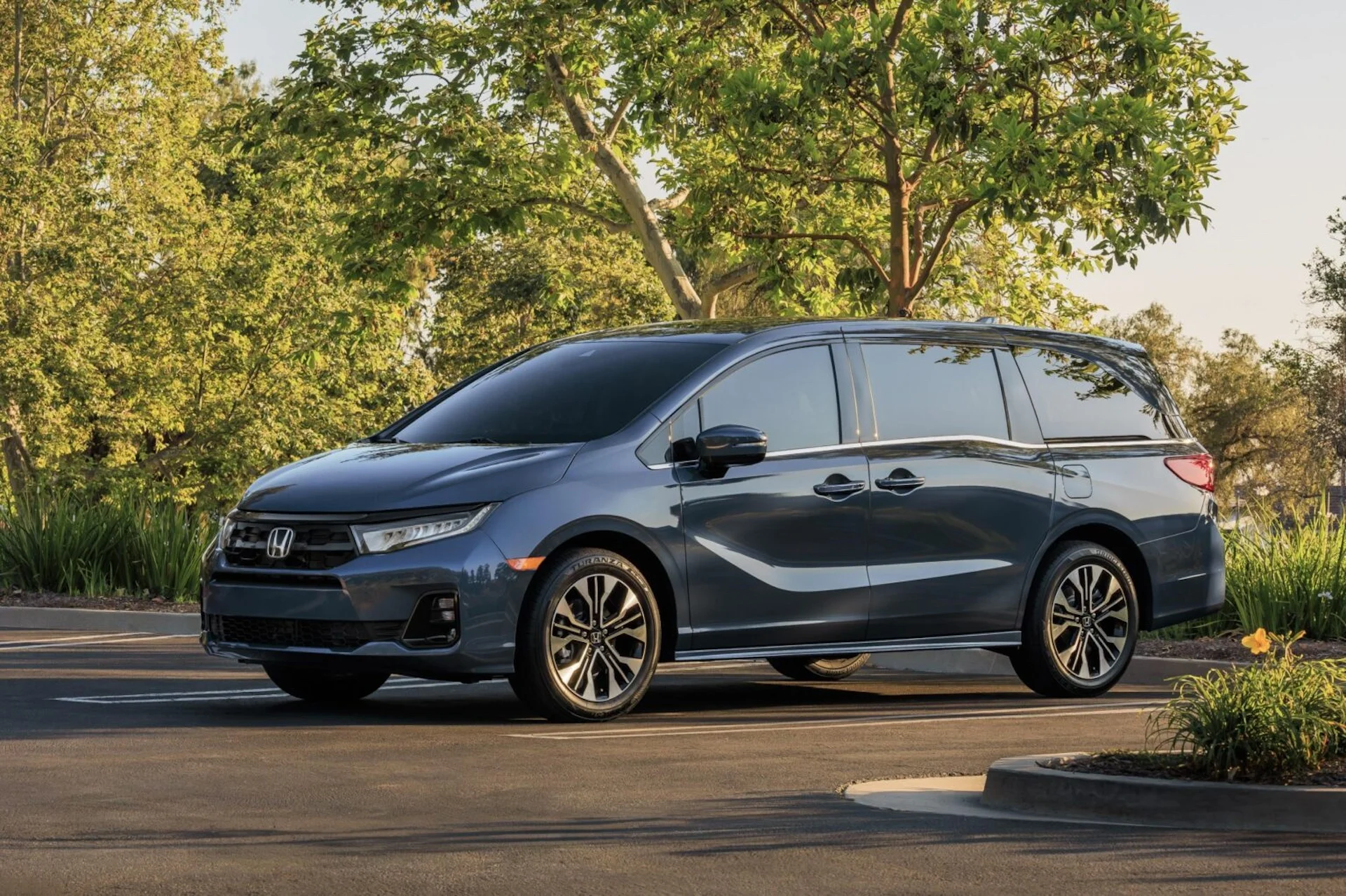
The Honda Odyssey is a minivan designed for families who need substantial passenger space, flexible seating, and practical cargo capacity. Its long production history and popularity among larger households have contributed to its presence in historical Honda complaint records.
Some databases show thousands of reports associated with the Odyssey, including complaints involving powertrain and electrical systems. The vehicle’s greater size, complex cabin equipment, and extensive use by families can create maintenance demands that differ from those of a compact sedan. Total reports alone, however, cannot determine whether a particular Odyssey is a reliable purchase.
Minivans often experience demanding daily use. Sliding doors, powered tailgates, multiple seating mechanisms, rear entertainment equipment, and climate control systems may be used frequently. Over time, motors, switches, latches, and sensors can wear or malfunction.
These repairs can be inconvenient because some components are integrated into larger assemblies. Used Odyssey shoppers should test both sliding doors several times, confirm that the seats fold and move correctly, and check the operation of the rear climate controls. The condition of these convenience features can make a substantial difference to ownership costs.
Mechanical concerns vary by Odyssey generation and model year. Historical complaints have included powertrain issues and electrical faults, while aging examples may also require suspension, brake, cooling system, and air conditioning repairs. Certain years may have specific problems that deserve closer investigation.
Buyers should not assume that a fault reported for an older transmission or engine applies to every later version. Manufacturer service information, recall records, and a detailed inspection can help determine whether a particular vehicle has received the necessary repairs and whether it needs additional work.
5. Honda Pilot
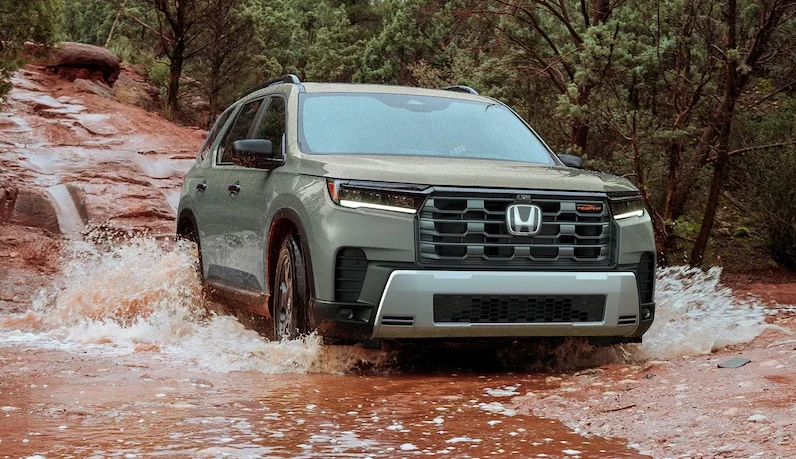
The Honda Pilot is a midsize SUV that appeals to buyers who need three rows of seating, useful cargo capacity, and the flexibility to carry passengers on longer journeys. It has been sold across multiple generations, with changes to its engines, transmissions, safety equipment, and cabin technology.
Its popularity and extended production history have helped it accumulate thousands of owner complaints in historical records. Some NHTSA-based databases place it among the Honda models with the highest total complaint counts. That ranking reflects reporting volume, rather than a direct measurement of the probability that an individual Pilot will fail.
The Pilot’s size and equipment can create different ownership considerations from those of a smaller Honda. Three-row seating, all-wheel-drive components on equipped versions, and additional electronic systems may increase maintenance complexity.
Older vehicles can develop worn suspension components, fluid leaks, cooling system problems, and electrical faults. Vehicles used for frequent family trips, towing within approved limits, or travel on rough roads may experience greater wear in certain areas. Driving conditions and maintenance quality can therefore influence the condition of two Pilots of the same age.
Complaint records for the Pilot have included engine, powertrain, electrical, steering, and other system concerns. Their relevance depends on the affected model year and the details of the reported problem.
A safety-related defect requires a different response from a minor comfort issue, and an official recall deserves more attention than an isolated unverified report. Prospective buyers should look for recurring patterns rather than reacting to the total number alone. Researching a specific generation can help identify which systems deserve closer inspection before purchase.
5 Honda Models with the Fewest Reports
1. Honda CR-Z
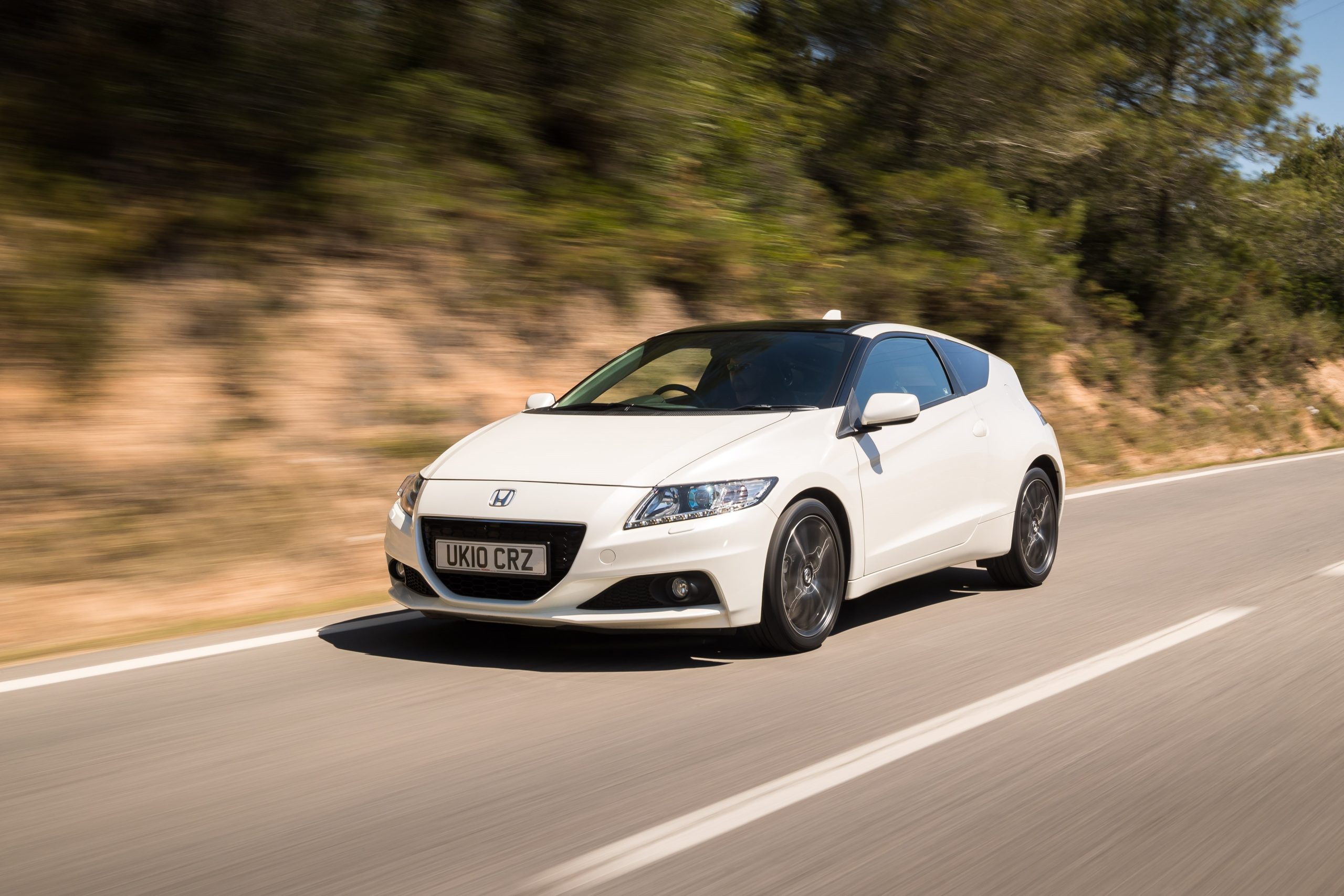
The Honda CR-Z was a compact hybrid sport coupe sold in the United States from the 2011 through 2016 model years. It combined a small gasoline engine with an electric motor, offering a distinctive design and a driving experience aimed at buyers who wanted something different from a conventional economy car.
Historical complaint databases show far fewer reports for the CR-Z than for high-volume Honda models such as the Accord and Civic. Its limited production run and smaller population of vehicles on the road are important reasons for that difference. The lower total should not be mistaken for proof that every CR-Z is exceptionally reliable.
The CR-Z’s hybrid system makes it important to examine both conventional mechanical components and hybrid-specific equipment. Buyers should check for warning lights, irregular engine operation, charging-system concerns, and evidence of previous electrical repairs.
The hybrid battery’s condition deserves attention because age can affect battery performance, even when a vehicle has relatively modest mileage. A qualified technician familiar with Honda hybrid systems can evaluate relevant diagnostic information. Repair options and costs should be investigated before purchase, particularly for older examples with incomplete service records.
The car’s compact two-seat-plus-small-rear-seat layout also affects how it suits everyday life. Its rear seating and cargo space are limited compared with those of a Civic sedan or a CR-V. Buyers should make sure the cabin and storage arrangement meet their needs before prioritizing a low complaint count.
The driving position, visibility, ride comfort, and access to the rear cargo area should be assessed during a test drive. A vehicle can have a relatively small complaint history and still be unsuitable for a buyer’s regular requirements.
2. Honda Crosstour
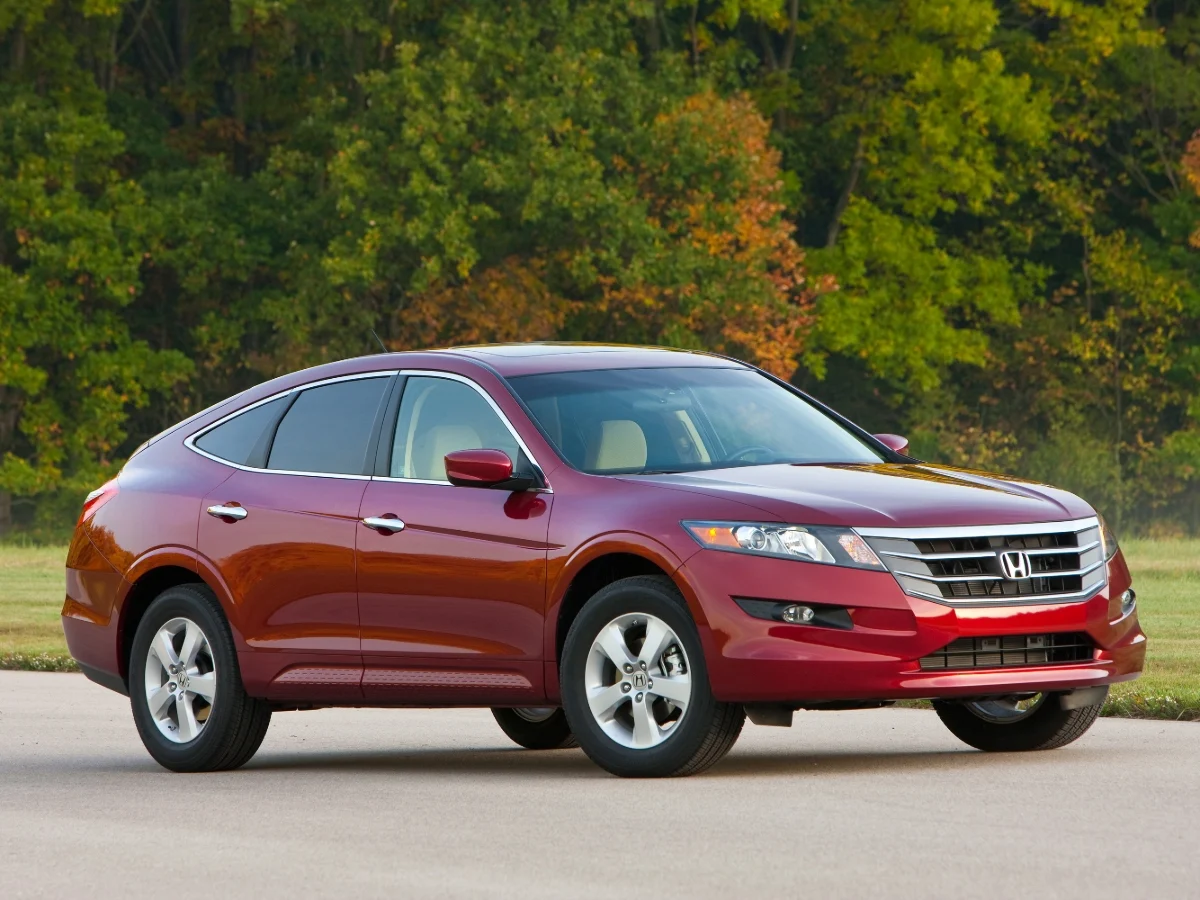
The Honda Crosstour was a crossover-style vehicle that combined elements of a passenger car and a sport utility vehicle. Sold in the United States for a relatively short period, it offered a raised body profile, a spacious cabin, and a distinctive rear design.
Its sales volume was much lower than that of the Accord, Civic, or CR-V. As a result, historical complaint databases contain considerably fewer reports associated with the Crosstour. Its position among models with low report totals reflects its limited numbers and production history, not necessarily a superior mechanical record.
The Crosstour shared some engineering and components with other Honda vehicles, but its exact specifications varied by model year and configuration. Buyers should identify whether a particular example has a four-cylinder or V6 engine and confirm its drivetrain.
Different configurations can carry different maintenance needs, fuel costs, and repair considerations. An inspection should focus on the engine, transmission, cooling system, brakes, suspension, and electrical equipment. Buyers should also look for oil leaks, uneven tire wear, and evidence of collision repairs.
The vehicle’s age is a major factor for anyone shopping for a used Crosstour today. Even a model with relatively few historical complaints can develop age-related faults, particularly if it has been driven in harsh weather or maintained irregularly. Rubber seals can deteriorate, suspension bushings can wear, and electrical connectors can become unreliable.
Service records help establish whether routine maintenance has been completed. A test drive should include city streets and faster roads so the buyer can evaluate acceleration, braking, steering, and cabin noise under different conditions.
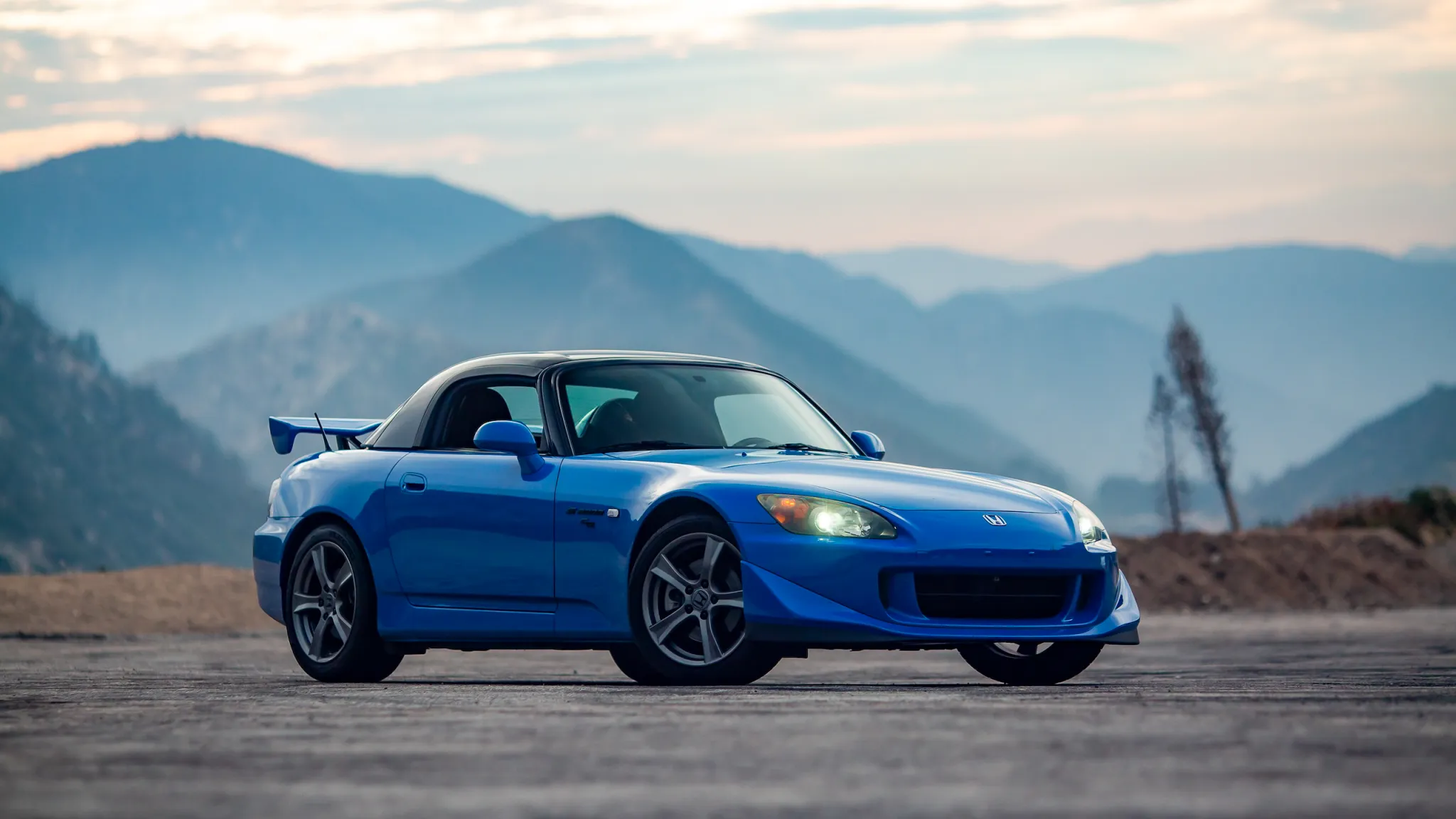
3. Honda S2000
The Honda S2000 is a two-seat roadster produced from 1999 through 2009, with United States model years beginning in 2000. It became known for its high-revving naturally aspirated engine, rear-wheel-drive layout, precise manual transmission, and focused driving character.
Its specialized design and relatively low production volume distinguish it from Honda’s mainstream vehicles. Historical complaint databases show far fewer total reports for the S2000 than for high-volume sedans and SUVs. That result is partly explained by the smaller number of vehicles produced, along with its shorter production history.
The S2000’s sporting nature means that condition and previous use deserve special attention. Some examples have been driven enthusiastically, modified, or used for track events. Hard driving is not automatically evidence of poor maintenance, but modifications and intensive use can increase wear on the engine, clutch, transmission, suspension, brakes, and tires.
Buyers should check for nonstandard engine components, altered suspension settings, accident damage, and poor-quality repairs. Service documentation is particularly valuable when assessing a car whose ownership history may include performance modifications.
A pre-purchase inspection should include a careful review of the engine, cooling system, clutch operation, gearbox, differential, and suspension. The engine should start and run correctly, with no unexplained warning lights or concerning noises.
The manual transmission should shift cleanly, and the clutch should engage consistently. Buyers should also examine the soft top, seals, and interior for signs of water intrusion or weather damage. Because older roadsters may have spent time outdoors, checking for corrosion and evidence of poorly repaired bodywork is important.
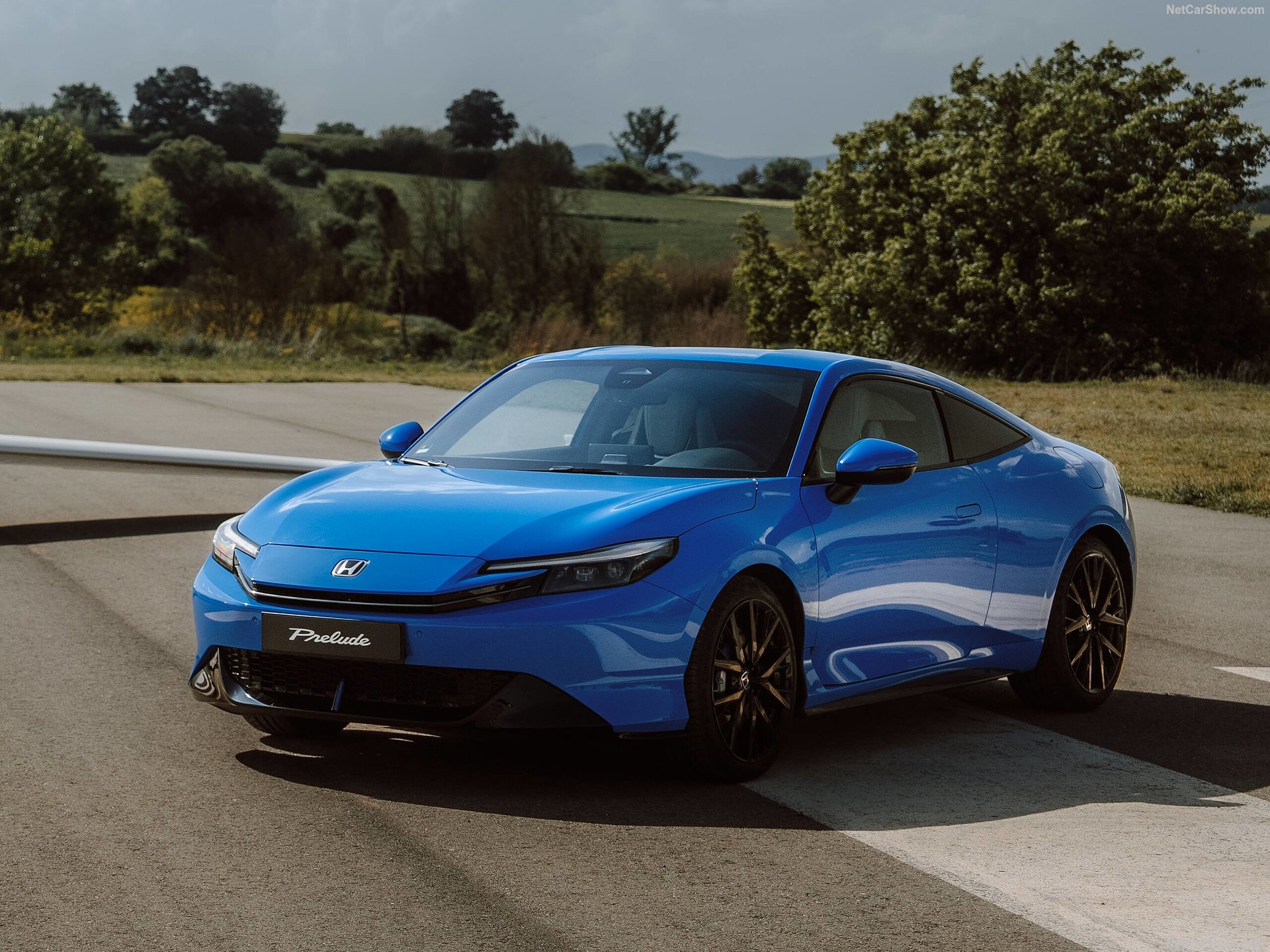
4. Honda Prelude
The Honda Prelude was a sporty coupe sold across multiple generations, with its original United States model years spanning the late 1970s through 2001. It offered a more driver-focused design than Honda’s mainstream family sedans and became popular among buyers who valued handling and coupe styling.
Historical complaint records contain fewer total Prelude reports than those for high-volume Honda models. Its lower production volume, shorter availability in recent decades, and age all influence this result. The number of reports alone cannot establish whether the Prelude is more reliable than a Civic or Accord.
The Prelude’s different generations use different engines, transmissions, and mechanical systems, so buyers need to identify the exact model year and configuration. Age-related problems may include oil leaks, worn suspension components, deteriorated engine mounts, electrical faults, and corrosion.
Certain versions have particular transmission or engine concerns that should be researched before purchase. A vehicle’s condition may vary widely depending on storage, climate, driving habits, and maintenance. It is unwise to assume that a problem associated with one generation necessarily applies to every Prelude.
Because the Prelude is an older coupe, body condition and parts availability are especially important. Rust can affect structural areas, while damaged body panels or interior trim may be difficult to replace economically.
Buyers should inspect the wheel arches, underbody, door sills, suspension mounting points, and other areas vulnerable to corrosion. Signs of previous collision repairs deserve attention as well. A specialist familiar with older Hondas can help identify model-specific weaknesses and determine whether the vehicle has been maintained in accordance with its needs.
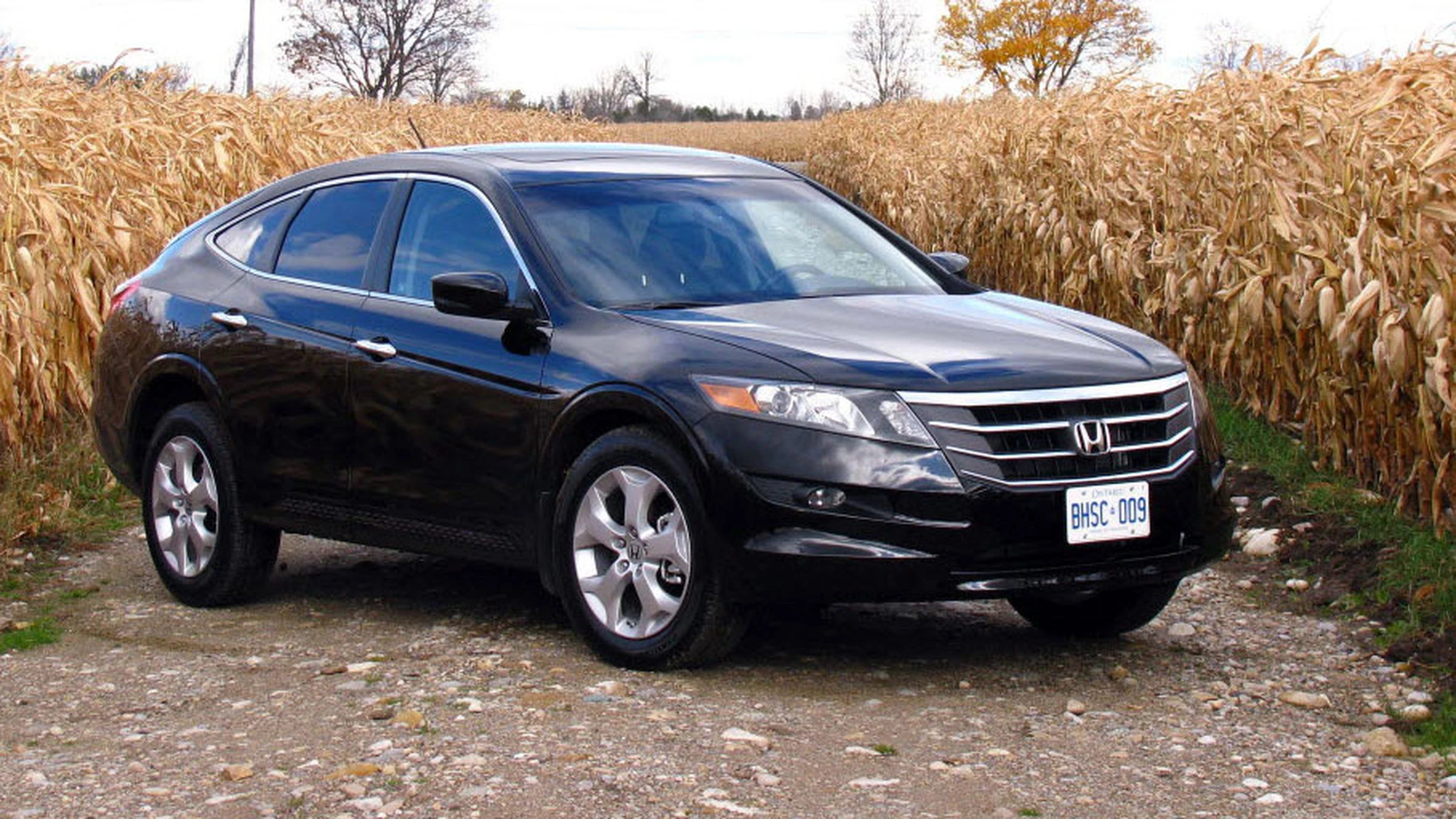
5. Honda Accord Crosstour
The Honda Accord Crosstour was a short-lived crossover-style model introduced for the 2010 model year in the United States. It combined elements of the Accord platform with a taller body and a rear hatch, offering an alternative to conventional sedans and traditional SUVs. Its production period and sales volume were limited compared with Honda’s major models.
Historical complaint databases consequently show relatively few reports associated with the Accord Crosstour. The low total is a useful description of reporting volume, but it does not provide a complete measure of mechanical quality or long-term reliability.
Its relationship to the Accord means that some mechanical components and service procedures overlap with other Honda vehicles, depending on the year and configuration. Buyers should confirm the engine, transmission, and drivetrain fitted to the specific vehicle before researching maintenance requirements.
Inspection should cover engine performance, transmission operation, fluid leaks, cooling system condition, suspension wear, and electrical accessories. The condition of the tires and brakes also deserves attention, particularly if the vehicle has covered substantial mileage or has been used on rough roads.
As an older discontinued model, the Accord Crosstour may require more careful parts research than a newer, common Honda. Routine service parts are often easier to obtain than unique exterior trim, body panels, or model-specific interior pieces. Buyers should investigate the availability and cost of any components that already need replacement.
It is also worth checking whether local mechanics have experience with the model. These practical considerations can affect the total cost of ownership even when the vehicle has no major mechanical faults.
