A five-star safety rating sounds reassuring, but it does not mean a vehicle performs exceptionally in every safety evaluation. The National Highway Traffic Safety Administration (NHTSA) and the Insurance Institute for Highway Safety (IIHS) use different testing programs, criteria, and rating systems.
A car can earn five stars from NHTSA while receiving a poor rating from IIHS for a particular feature, such as headlights.
The examples below use specific U.S. model years with documented five-star NHTSA ratings and Poor IIHS headlight evaluations. These are not claims that every car listed performed poorly in crash protection.
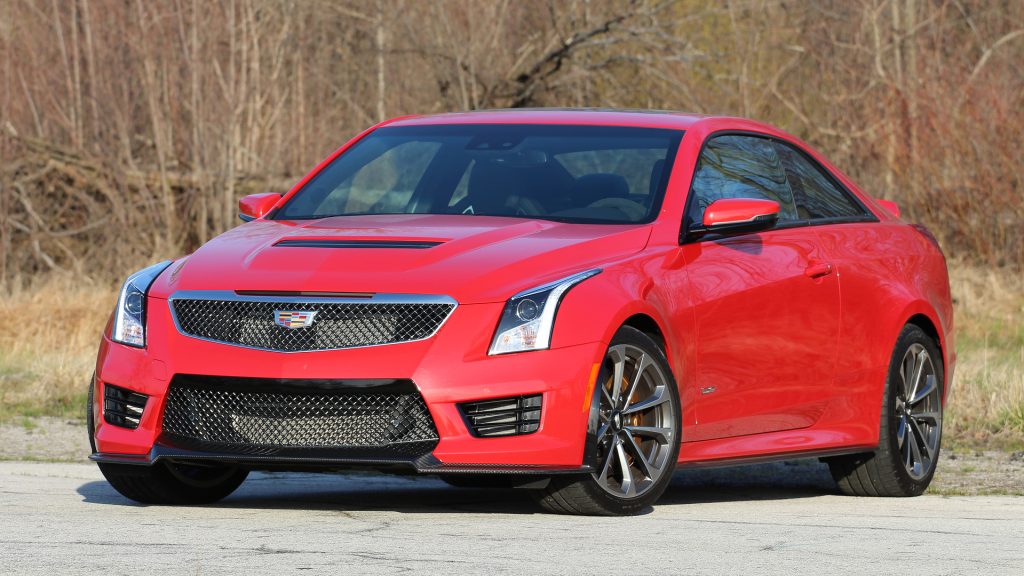
1. Cadillac ATS (2016)
The 2016 Cadillac ATS earned a five-star NHTSA crash-test rating, yet IIHS identified poor performance from its tested headlight configurations. That contrast illustrates why a government crash rating and an IIHS headlight score should not be treated as interchangeable measures.
The Cadillac performed well in several NHTSA crash categories, but its lighting evaluation exposed a separate limitation that matters when driving after dark.
IIHS tested different headlight setups for the ATS, including halogen and HID systems. The institute’s headlight evaluation measures illumination on straight roads and curves, as well as glare from low beams.
A poor result means the tested system did not provide enough useful light in important parts of the test course. It does not mean the car received a poor rating in every IIHS crashworthiness test.
For shoppers, the distinction is particularly relevant when considering an older luxury sedan. The ATS offered premium features and engaging driving characteristics, but neither its badge nor its NHTSA score guarantees strong nighttime visibility.
A buyer should confirm which headlight assembly is fitted to the specific car and check the IIHS rating for that configuration.
The 2016 ATS is therefore an example of a vehicle with strong NHTSA crash-test results but a documented weakness in a separate IIHS safety category.
It is not evidence that the two organizations disagree about the same test. They measure different aspects of safety, and both results can be useful when evaluating a used car.
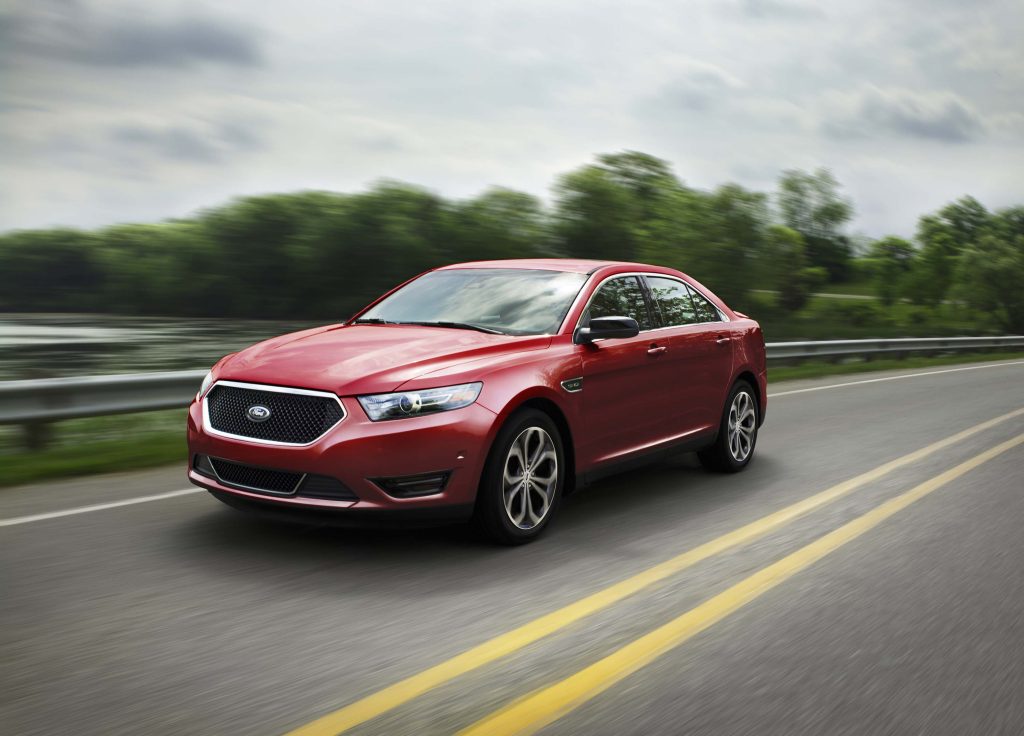
2. Ford Taurus (2017)
The 2017 Ford Taurus received a five-star NHTSA crash-test rating, but IIHS rated its headlights poor across the tested configurations. The Taurus is a large sedan, and its size and substantial cabin may give buyers a sense of security.
However, headlight performance is a separate consideration, and the IIHS findings show that the car’s lighting did not consistently illuminate the road adequately.
The IIHS tested three headlight configurations on the 2017 Ford Taurus, covering the SHO’s HID projectors and the halogen projectors fitted to the Limited, SE, and SEL trims. All three setups received a poor rating, indicating that none delivered satisfactory headlight performance under the institute’s evaluation.
The low beams struggled to provide adequate visibility on straight roads and curves, with the standard halogen systems performing particularly weakly in the test scenarios. High-beam assist on certain configurations could compensate for some limitations, but it did not raise the rating.
The Taurus’s strong NHTSA crash-test results remain significant, but they do not address every aspect of safety. Its poor headlight ratings point to a separate concern, as limited nighttime visibility can make it harder for drivers to spot pedestrians, road debris, and sudden changes in road conditions before they become hazards.
Anyone considering a used 2017 Taurus should verify the installed headlights, inspect the lenses for clouding or damage, and ensure the beams are aimed correctly.
A Poor IIHS rating applies to the tested equipment, while wear or misalignment can further affect real-world visibility. The key is to consider crash ratings and nighttime visibility as separate pieces of a complete safety assessment.
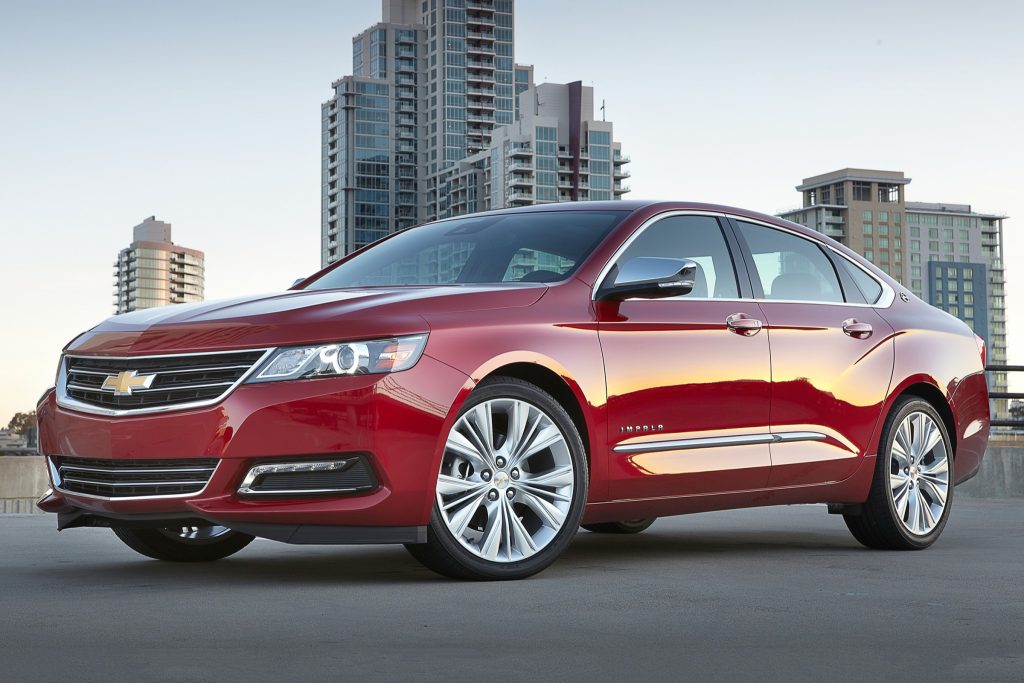
3. Chevrolet Impala (2017)
The 2017 Chevrolet Impala earned five stars from NHTSA, but IIHS assigned a poor rating to both headlight variations it tested.
The contrast is notable because the Impala performed well in several IIHS crashworthiness categories, including the original moderate-overlap front test, side test, roof strength evaluation, and head restraints and seats. Its lighting performance was a separate weak point.
IIHS evaluated HID projector headlights on the Premier trim and halogen projector headlights on the LS and LT trims. Both configurations received poor ratings.
The Premier’s low beams provided inadequate visibility on both sides of a straight road and on the left side of curves. The LS and LT configurations performed worse on curves, where the institute recorded inadequate illumination across all four curve tests.
These results show why a five-star government rating should not be used as a shortcut for judging every safety feature. NHTSA’s star system focuses on crash-test performance and rollover resistance, whereas IIHS also evaluates lighting and crash-avoidance technologies. The Impala’s five stars do not mean its headlights were rated highly by IIHS.
For a used-car buyer, the model’s strong crashworthiness results remain relevant, but the poor headlight rating should not be ignored. Check whether the headlight assemblies are original, confirm proper alignment, and look for faded lenses or replacement bulbs that do not match the intended specification.
If nighttime driving is frequent, compare the Impala with vehicles whose tested headlights earned Acceptable or Good ratings. That is a more useful approach than relying on a single star score to summarize safety.
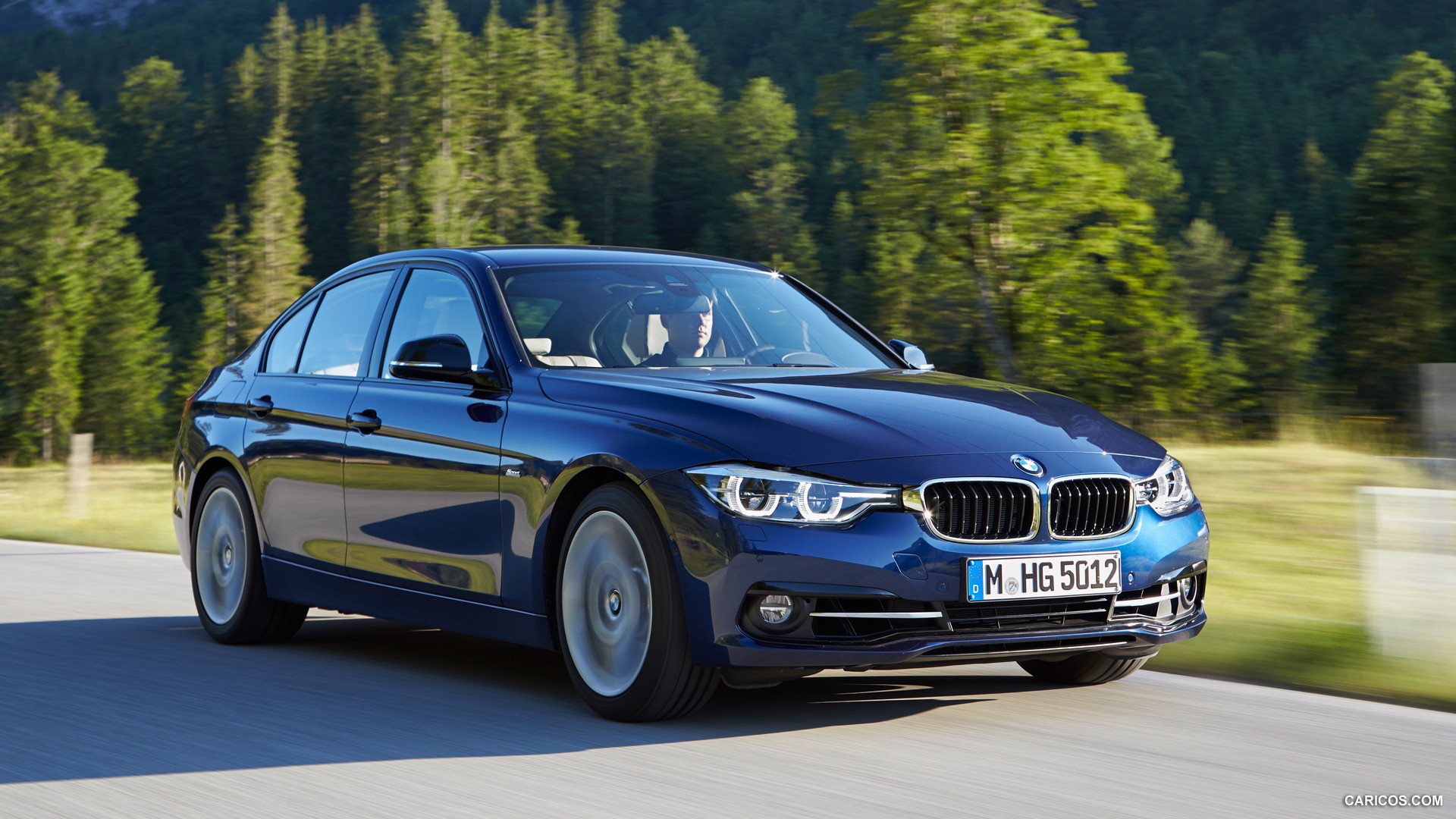
4. BMW 3 Series (2016)
The 2016 BMW 3 Series received a five-star NHTSA crash-test rating, but IIHS gave poor ratings to several of its headlight configurations.
That includes certain versions equipped with LED reflectors, demonstrating that the presence of LED technology does not guarantee effective road illumination. The BMW’s results also varied by equipment, making it especially important to distinguish between the different headlight packages.
IIHS listed the 3 Series’ headlight rating as varying by trim and option. Its LED reflector setup with curve-adaptive lighting and high-beam assist earned a marginal rating, while other LED and halogen configurations received poor ratings.
For the poorly rated systems, the low beams provided inadequate illumination on both sides of the straightaway and across the curve tests. High beams improved visibility in some areas, but not enough to produce a better rating for those configurations.
Although the BMW earned Good ratings in several IIHS crashworthiness tests, it received a Marginal rating in the driver-side small-overlap front crash test. This contrast shows why vehicle safety should not be judged by a single rating, since individual tests assess different crash scenarios and can reveal specific areas where protection may be weaker.
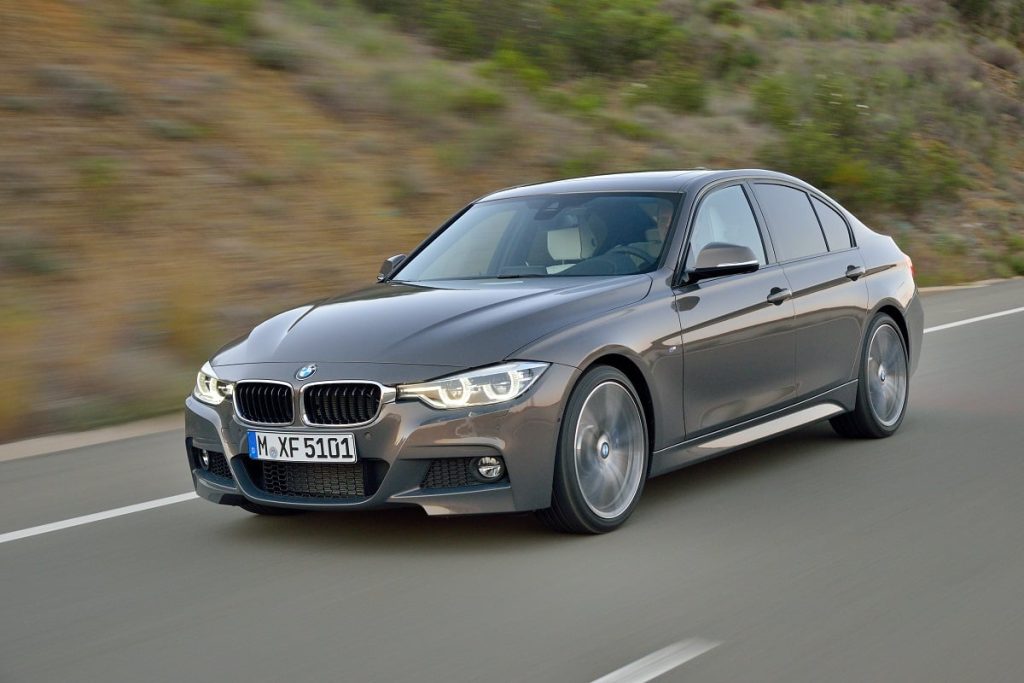
Anyone shopping for a used 2016 3 Series should check the exact trim and lighting package before assuming its headlights perform like another version of the same model. Inspect the lenses and verify that replacement bulbs or assemblies meet the vehicle’s requirements.
The five-star NHTSA result is a positive part of the safety picture, but it does not cancel out the IIHS findings. Buyers should consider crash protection, lighting, and available driver-assistance equipment together.
5. Mercedes-Benz C-Class (2016)
The 2016 Mercedes-Benz C-Class earned a five-star NHTSA crash-test rating, yet IIHS rated its tested headlight configurations poor. The finding is striking because the C-Class was positioned as a premium sedan and could be equipped with LED projector headlights, adaptive lighting, and high-beam assist.
Those features sound advanced, but the IIHS assessment was based on the illumination they actually delivered.
The IIHS assessed three headlight setups, including LED projectors with the Lighting package, an alternative LED design with the Premium 2 package, and standard halogen reflectors. Despite their differences in technology and equipment, all three configurations earned poor ratings, indicating that none met the institute’s expectations for effective headlight performance.
On the Lighting package version, low beams provided inadequate visibility on both sides of the straightaway and on all four curves. They also produced some glare. The available high-beam assist compensated for some shortcomings, but the system still failed to reach a higher rating.
The C-Class did perform well in the main IIHS crashworthiness tests listed for the model, including small-overlap front, moderate-overlap front, side, roof strength, and head restraints and seats. The poor result therefore concerns headlights, not a blanket finding that the sedan offered poor crash protection.
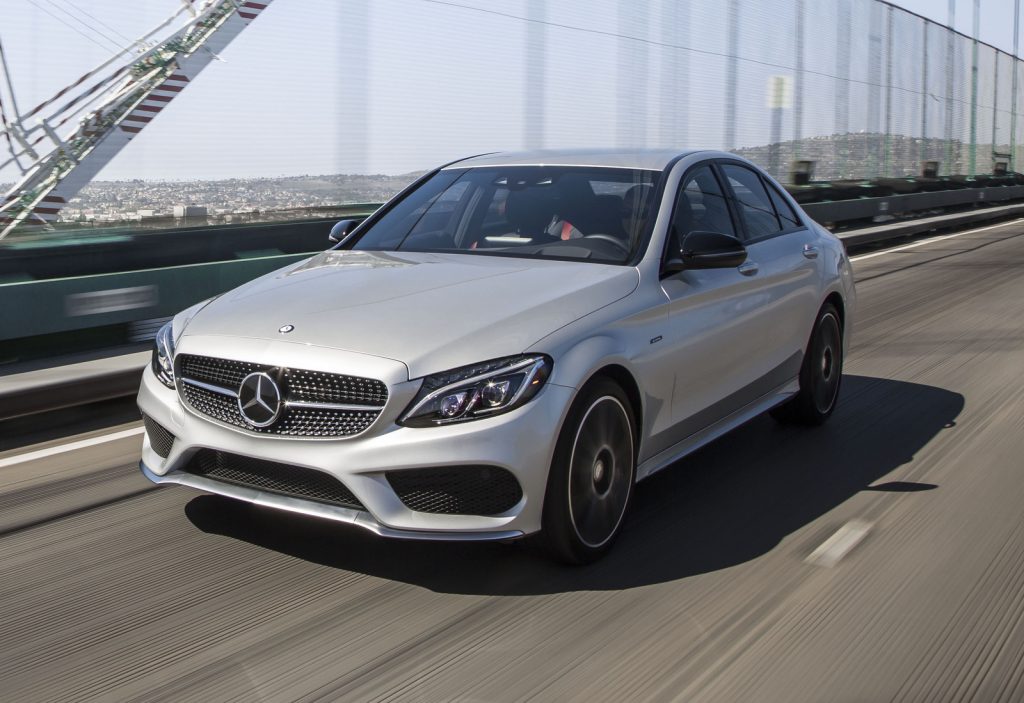
For used-car shoppers, this distinction matters. A premium cabin and strong crash-test scores cannot ensure that a vehicle illuminates dark roads effectively. Confirm the headlight equipment fitted to the particular car, and check the lights for damage, haze, or incorrect alignment.
The 2016 C-Class is a clear example of why buyers should read category-level safety results instead of relying on the NHTSA star rating alone.
6. Ford Fusion (2017)
The 2017 Ford Fusion received a five-star NHTSA safety rating, but IIHS rated several of its headlight configurations poor. The midsize sedan performed well in multiple IIHS crashworthiness tests, including the driver-side small-overlap front test, moderate-overlap front test, side test, roof-strength evaluation, and head-restraint assessment.
Its headlight score, however, revealed a weakness that the crash-test results alone would not show.
IIHS evaluated several lighting configurations for the Fusion. Poor-rated versions included certain LED projector systems and halogen projector headlights fitted to S, SE, and related trims. In the tested configurations, low-beam visibility was inadequate across the curves, with some systems also producing glare.
High-beam assist could compensate for some limitations by switching between beam settings, but it did not eliminate the shortcomings recorded in the tests.
The Fusion demonstrates why the two safety ratings should be read together rather than treated as contradictory verdicts.
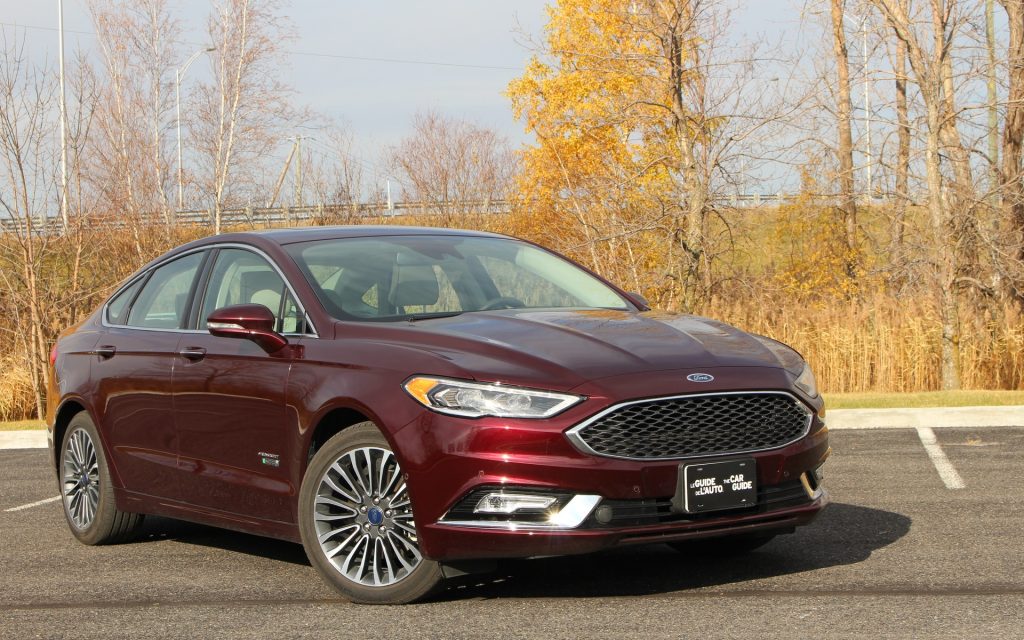
NHTSA’s five-star result describes its government crash-test assessment, while IIHS’s Poor headlight rating addresses nighttime illumination. Neither result cancels the other, and the headlight score does not mean the Fusion performed poorly in every crash test.
For buyers considering a used 2017 Fusion, the exact trim and lighting package matter. Confirm the equipment installed on the vehicle, inspect the lenses, and ensure the headlights are correctly aimed.
A car with a Poor-rated lighting configuration may still offer strong performance in other safety categories, but drivers who regularly travel on unlit roads should give nighttime visibility particular attention.