Car theft is a concern for drivers everywhere, but some vehicles attract far less attention from thieves than others. Strong factory security, electronic immobilizers, tracking technology, and limited demand in illegal parts markets can make certain models less attractive targets. Some electric vehicles also benefit from connected security features that help owners monitor their cars remotely.
While no vehicle is completely theft-proof, insurance claim data can offer useful clues about which models experience fewer thefts relative to the number insured. The Tesla Model 3, Volvo XC60, and Nissan Leaf are among the vehicles reported to have exceptionally low theft-claim rates. Here are eight cars worth knowing about if theft prevention matters to you, along with the security features that may help protect them.
1. Tesla Model 3
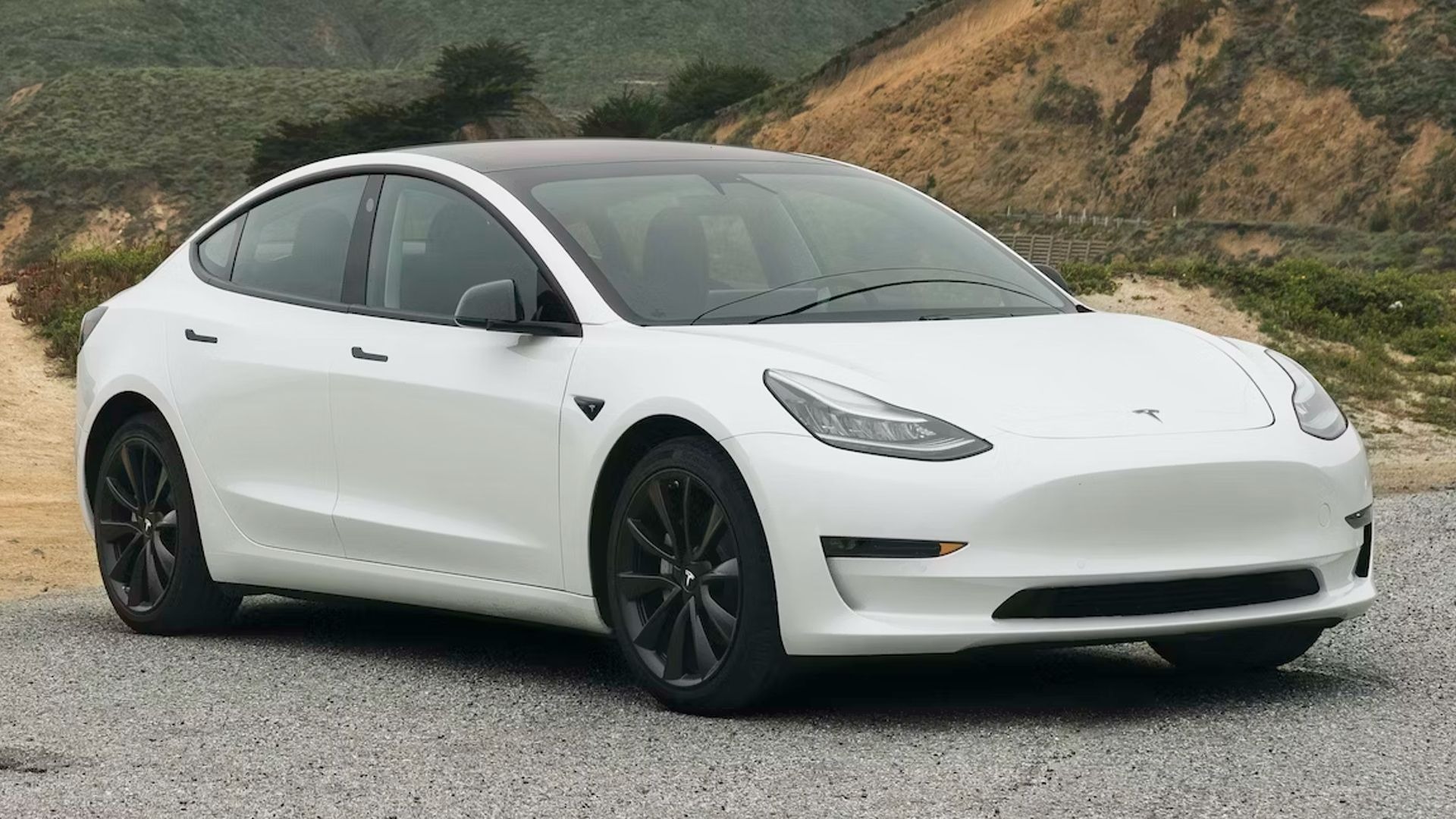
The Tesla Model 3 stands out for its reported low theft-claim frequency and extensive electronic security features. According to the supplied figures from Gadget Review, the model recorded just three theft claims among approximately 256,000 insured vehicles.
That is an exceptionally low reported rate, although the result reflects a particular dataset and should not be treated as a guarantee that every Model 3 is difficult to steal.
One of the car’s useful security features is Sentry Mode, which uses the vehicle’s cameras to monitor suspicious activity around the parked car when the feature is enabled and conditions permit.
The system can alert the owner to potential threats and record certain events. Tesla also offers location tracking through its app, allowing owners to check where their vehicle is parked.
Electronic access controls add another layer of protection. Owners can manage phone-key access, use a key card, and enable a PIN requirement for driving. These options make it harder for someone who gains access to a key or attempts unauthorized entry to drive away unnoticed.
Still, technology works best when owners use it correctly. Keep software updated, secure your Tesla account with a strong password and multifactor authentication where available, and never leave an access card inside the vehicle.
The Model 3’s reported theft figures are encouraging, but location, parking conditions, vehicle configuration, and insurance reporting practices all affect the risk.
Its strongest advantage is the combination of connected monitoring and access controls rather than any single feature.
2. Tesla Model Y
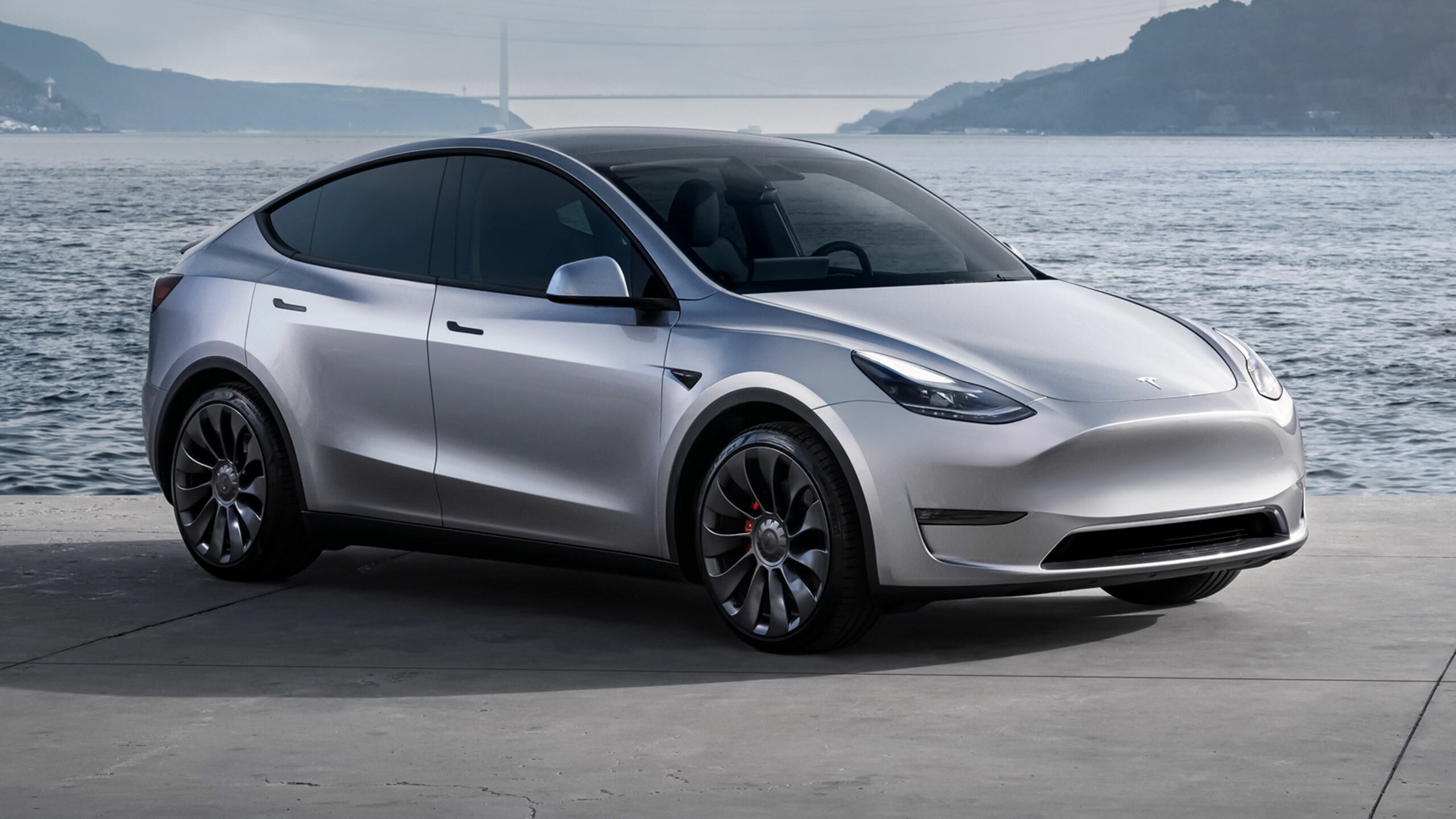
For drivers considering an electric SUV, the Tesla Model Y is another vehicle associated with an exceptionally low theft-claim rate. The supplied Gadget Review figures report five theft claims among approximately 373,000 insured units, placing it among the least-stolen vehicles in the cited dataset.
Why might the Model Y be less attractive to thieves? Its security setup shares many features with the Model 3, including app-based location services, electronic access controls, and optional PIN-to-drive protection.
Sentry Mode can also record activity around the vehicle when enabled and supported by the vehicle’s settings. The Model Y’s connected systems give owners tools to monitor their car without relying entirely on a conventional alarm.
If the vehicle is moved or accessed under suspicious circumstances, available alerts and location information may help the owner respond promptly. The exact functions depend on software version, settings, and subscription availability where applicable.
Another factor is whether a stolen vehicle is easy to use or resell. Modern electric vehicles may require specialized knowledge and equipment to access, remove, or dismantle certain components, potentially making them more difficult targets for thieves.
That can make some theft attempts less appealing, although organized criminals can still target EVs and their parts.
Owners should enable available security features, protect their Tesla account, and park in well-lit areas when possible. A secure garage or monitored parking facility adds another layer of protection.
The reported claim count makes the Model Y worth considering for security-conscious buyers, but it does not prove that the vehicle cannot be stolen.
Low claims in one insurance sample should be viewed as an encouraging indicator, not a universal prediction.
3. Volvo XC60
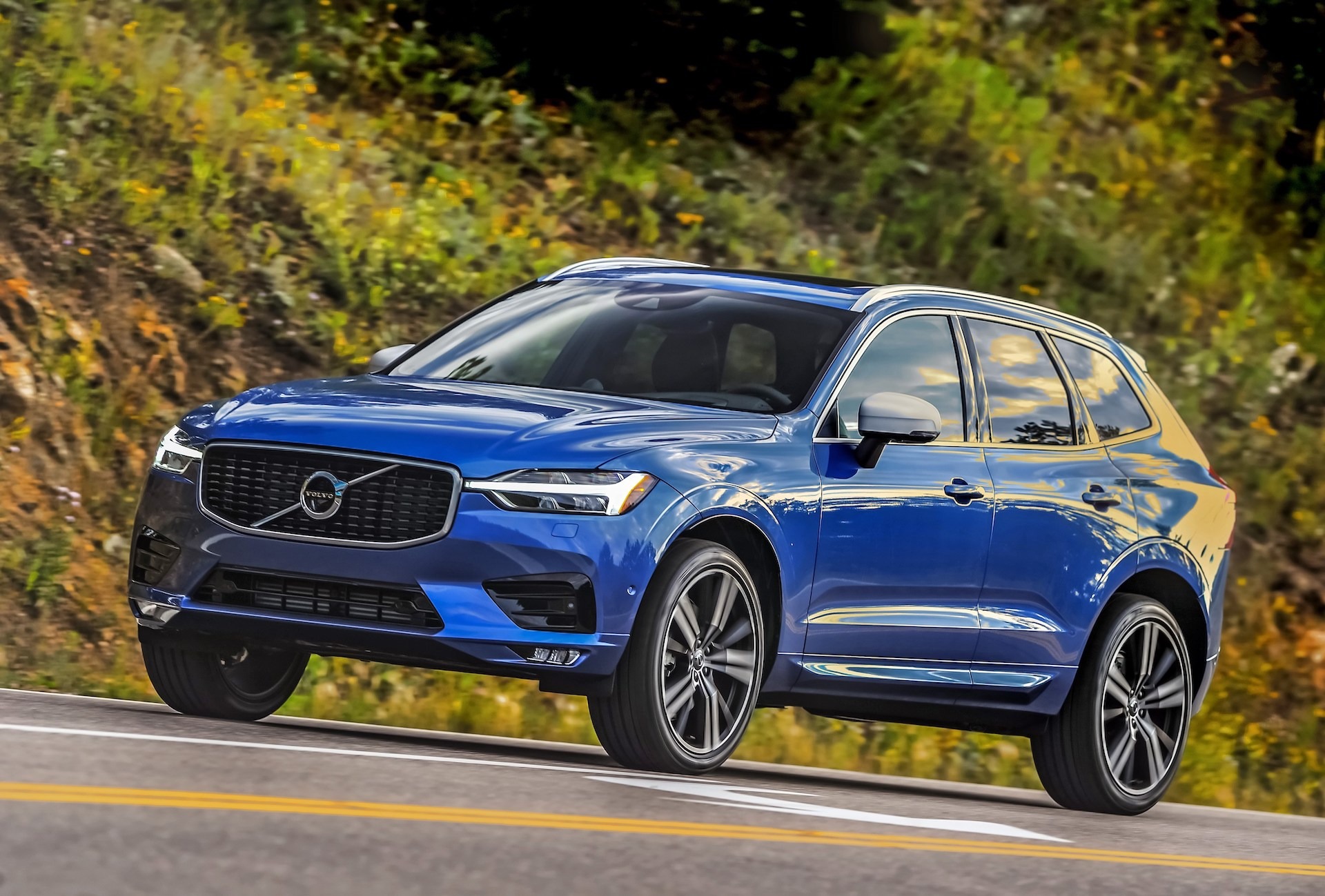
Meet a calm, practical SUV that thieves rarely bother. The Volvo XC60 recorded only 2 theft claims from 31,000 insured units, according to the supplied data.
Here’s what the sources say protects it. Advanced immobilizers keep the engine from starting without the right key. Real-time tracking can help locate a vehicle quickly. And constantly changing lock codes make it harder for a thief to copy a signal and reuse it later.
Think of it like a combination lock that changes the combination every time you use it. Even if someone watched you open it once, that knowledge would be useless on the next try.
One important caveat is that 31,000 insured units represent a smaller sample than some other vehicles on the list, meaning even one additional theft claim could noticeably affect the results. Low claim counts are useful indicators, but they should not be viewed as guarantees against theft.
Why should you care if you don’t drive a Volvo? Because the lesson applies broadly. Strong immobilizers and changing codes are the kinds of features to ask about when you shop.
Ask the dealer what anti-theft technology comes standard, and whether tracking requires a subscription. Smart buyers compare security the way they compare fuel economy.
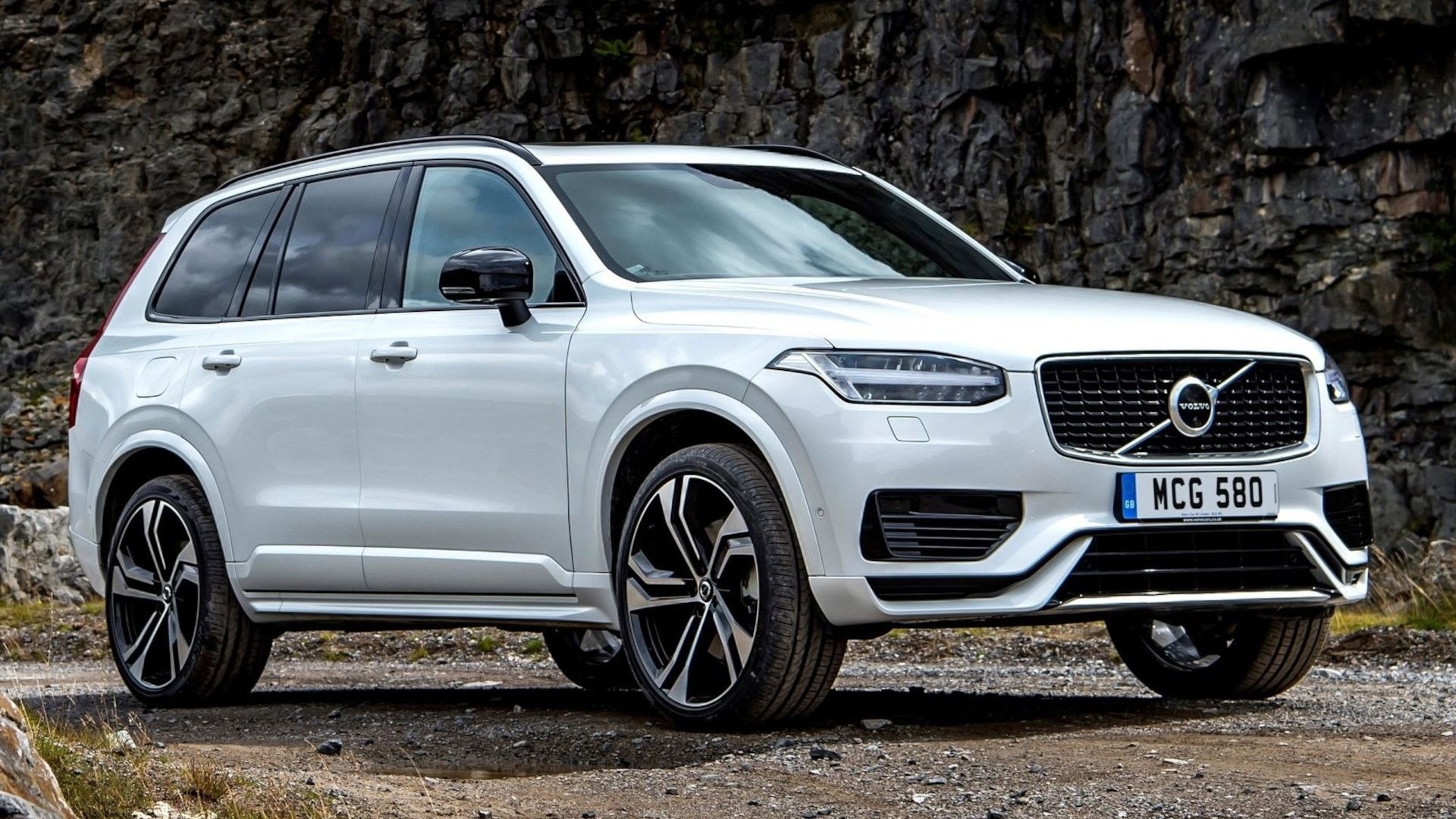
4. Volvo XC90
Thieves are practical people, in a grim way. They steal what sells. That’s where the Volvo XC90 helps itself, with just 3 theft claims from 108,000 units.
According to the supplied results, two factors keep its theft rate low. First, high-tech anti-theft systems make the car difficult to take. Second, low black-market parts demand means a stolen XC90 isn’t worth much to someone who plans to strip it.
Think about how the illegal market works. A thief who steals a popular economy car can sell its parts quickly, because repair shops and buyers everywhere need them.
A premium SUV with specialized parts is harder to move, so the profit shrinks while the risk stays the same. That’s a useful way to think about theft in general. Cars that are hard to steal and hard to sell make poor targets. Cars that are easy to steal and easy to sell attract more attention.
If you’re buying a car, consider two key questions: How well is it protected against theft, and how easily could its parts be resold? While you can’t control the latter, understanding both factors can help you make a more informed decision.
At 108,000 units, the XC90’s pool is also sizable, which makes its low count more convincing.
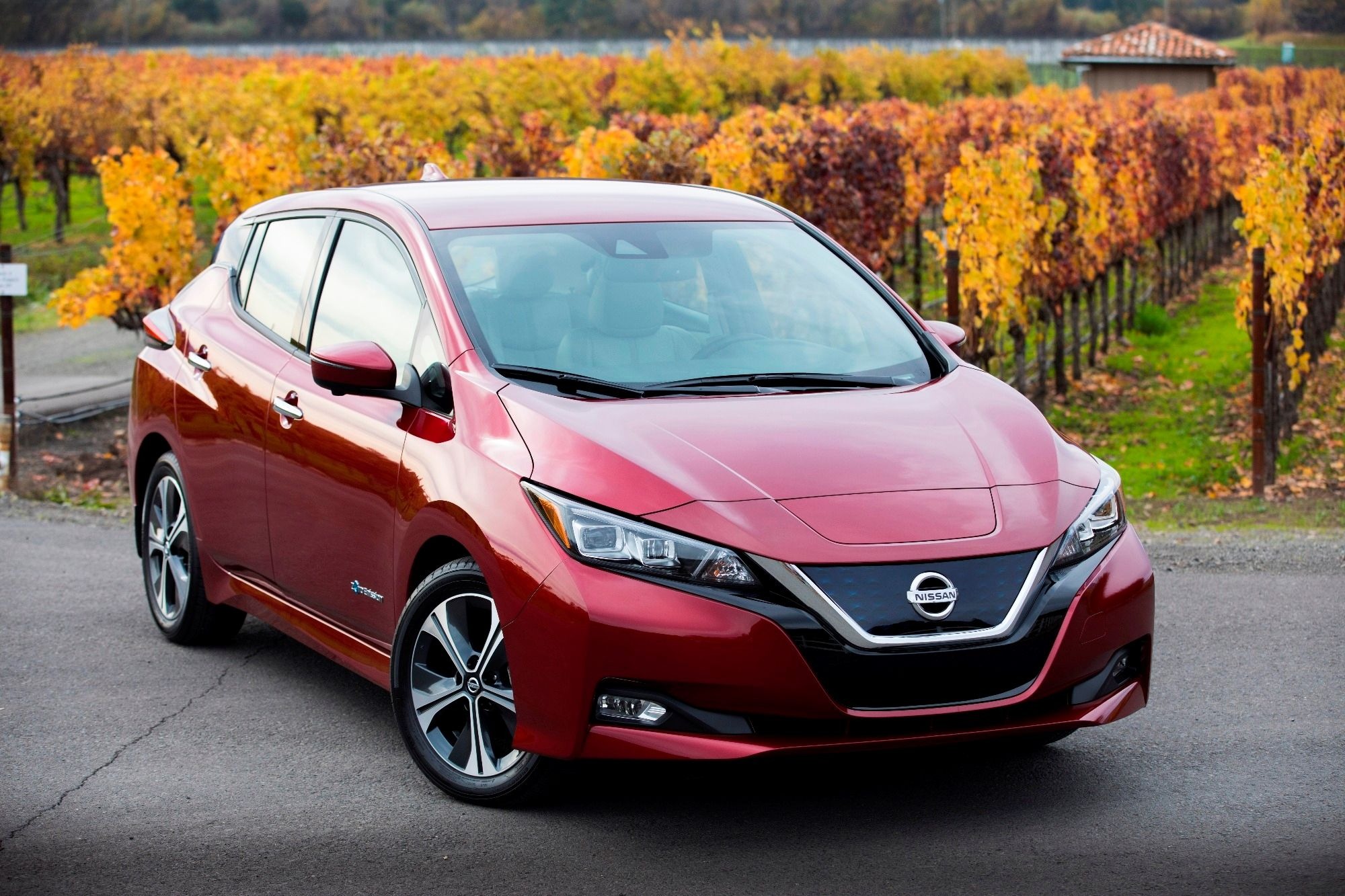
5. Nissan Leaf
The Nissan Leaf is an established electric hatchback that appears among the vehicles with very low theft-claim figures in the supplied material. Gadget Review reports two claims among nearly 33,000 insured Leaf vehicles.
Its electric powertrain differs from that of a conventional gasoline car. Starting and operating the vehicle depends on electronic systems, and unauthorized access may require tools or knowledge beyond what is needed to steal an older car with a traditional mechanical ignition.
However, having an electric drivetrain does not make a vehicle immune to theft. Thieves can still target keyless entry systems, electronic components, wheels, and other high-value parts.
The Leaf uses an intelligent key system on equipped versions, allowing authorized access and starting without inserting a conventional metal key.
An immobilizer adds a further barrier by requiring valid electronic authorization. Available connected functions can vary by model year and trim, so buyers should check whether remote services and location-related features are supported.
One practical advantage for owners is that theft prevention does not always require expensive equipment. Keeping the car locked, securing its charging cable, parking in a visible area, and avoiding the storage of valuables in plain sight can all reduce opportunities for crime.
The Leaf’s reported theft-claim rate is low in the cited sample, but it is important not to confuse that finding with a guarantee that electric cars are inherently safer from theft. Criminal methods continue to develop, and the popularity of particular parts can influence which vehicles become targets.
For shoppers considering a used Leaf, verify the vehicle’s history, inspect its locking and alarm systems, and ask whether all original keys are accounted for. These basic checks complement the car’s fitted security systems.
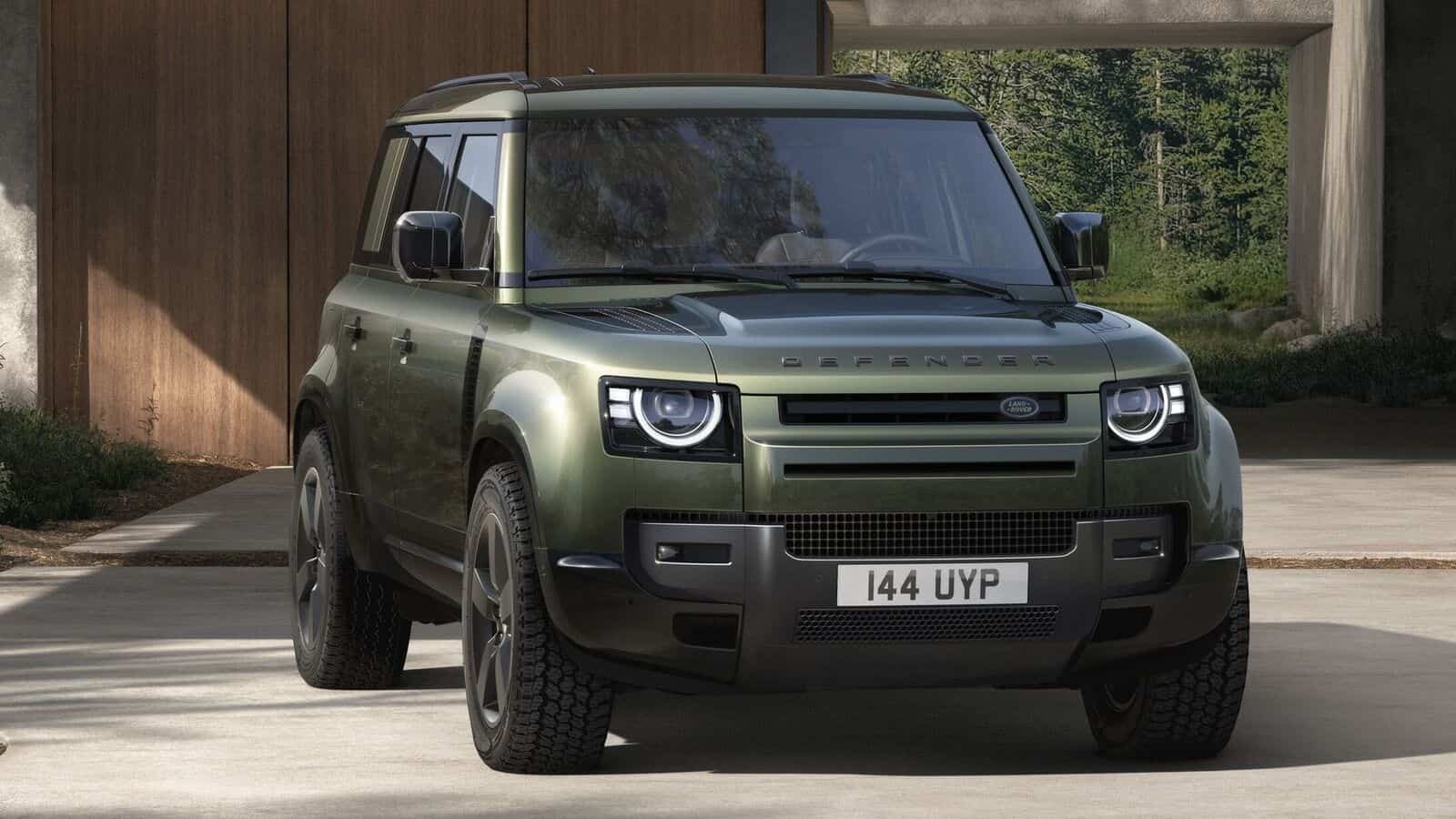
6. Land Rover Defender
The Land Rover Defender combines rugged styling with modern electronics and off-road capability. Despite its strong market appeal, the supplied data reports only two theft claims among approximately 33,000 insured Defenders.
One security feature associated with certain newer vehicles is Ultra-Wideband technology. When implemented as part of an appropriate digital key system, this technology can help establish the distance between a key and a vehicle more accurately than some older wireless systems.
That can make certain relay attacks harder to carry out. However, the exact technology fitted to a Defender depends on its model year, trim, and market.
Buyers should verify the equipment on the specific vehicle rather than assume every version has Ultra-Wideband protection. Traditional electronic security measures, including an immobilizer and alarm, also play a role.
The Defender’s low reported theft-claim count may reflect several factors, including the vehicles included in the insurance sample and the period studied.
It does not establish that thieves never target the model. High-value SUVs can remain attractive to criminals, especially in locations where demand for stolen vehicles or components is strong.
Owners can improve security by keeping keys secure, using a garage or monitored parking area when available, and activating any supported tracking or theft-alert services.
An additional steering-wheel lock may provide a visible deterrent, though it should complement rather than replace the factory systems.
For buyers who want a vehicle suited to both daily use and outdoor travel, the Defender offers a distinctive package. Its reported theft figures are promising, but checking local theft records and insurance costs remains a sensible step before purchasing.
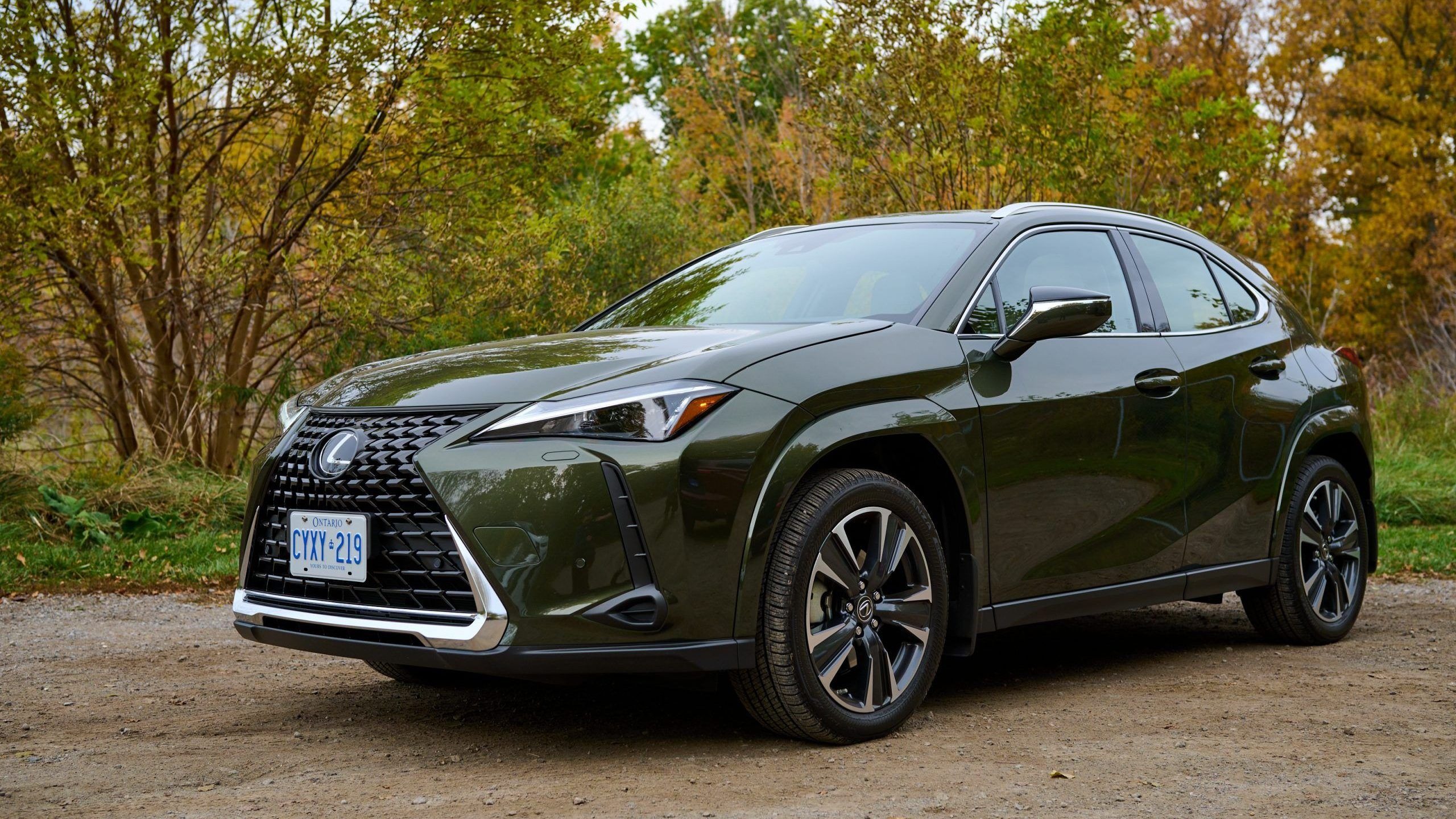
7. Lexus UX 250h
The Lexus UX 250h is a compact luxury hybrid that combines a gasoline engine with electric-motor assistance. According to the supplied Gadget Review data, it recorded two theft claims among nearly 40,000 insured vehicles, placing it among the models with low reported theft-claim rates.
The vehicle’s hybrid system uses sophisticated electronic controls to coordinate its power sources. Those systems are not designed solely to prevent theft, but operating the vehicle requires appropriate authorization through its security and starting systems.
An electronic immobilizer helps stop someone from starting the car without a recognized key. Lexus vehicles may also include alarm systems, smart-key access, and connected services, depending on specification and market.
These features can help deter unauthorized entry or assist an owner after a theft, but availability varies. Buyers should check the equipment list and ask a dealer to demonstrate the security functions before making a purchase.
Hybrid vehicles should not be considered theft-proof simply because their powertrains are more complicated than those of traditional gasoline cars.
Thieves may target the entire vehicle, valuable components, or items left inside. The level of demand for those items can differ from one area to another.
A few everyday habits can improve protection. Keep the key away from doors and windows, lock the car even when leaving it briefly, and park where lighting and visibility discourage unauthorized access. If the vehicle supports remote monitoring, activate it and keep the associated account secure.
The UX 250h’s reported claim count is encouraging, though the sample and reporting method matter when interpreting the result. Buyers should compare local theft rates alongside fuel economy, maintenance costs, and insurance premiums.
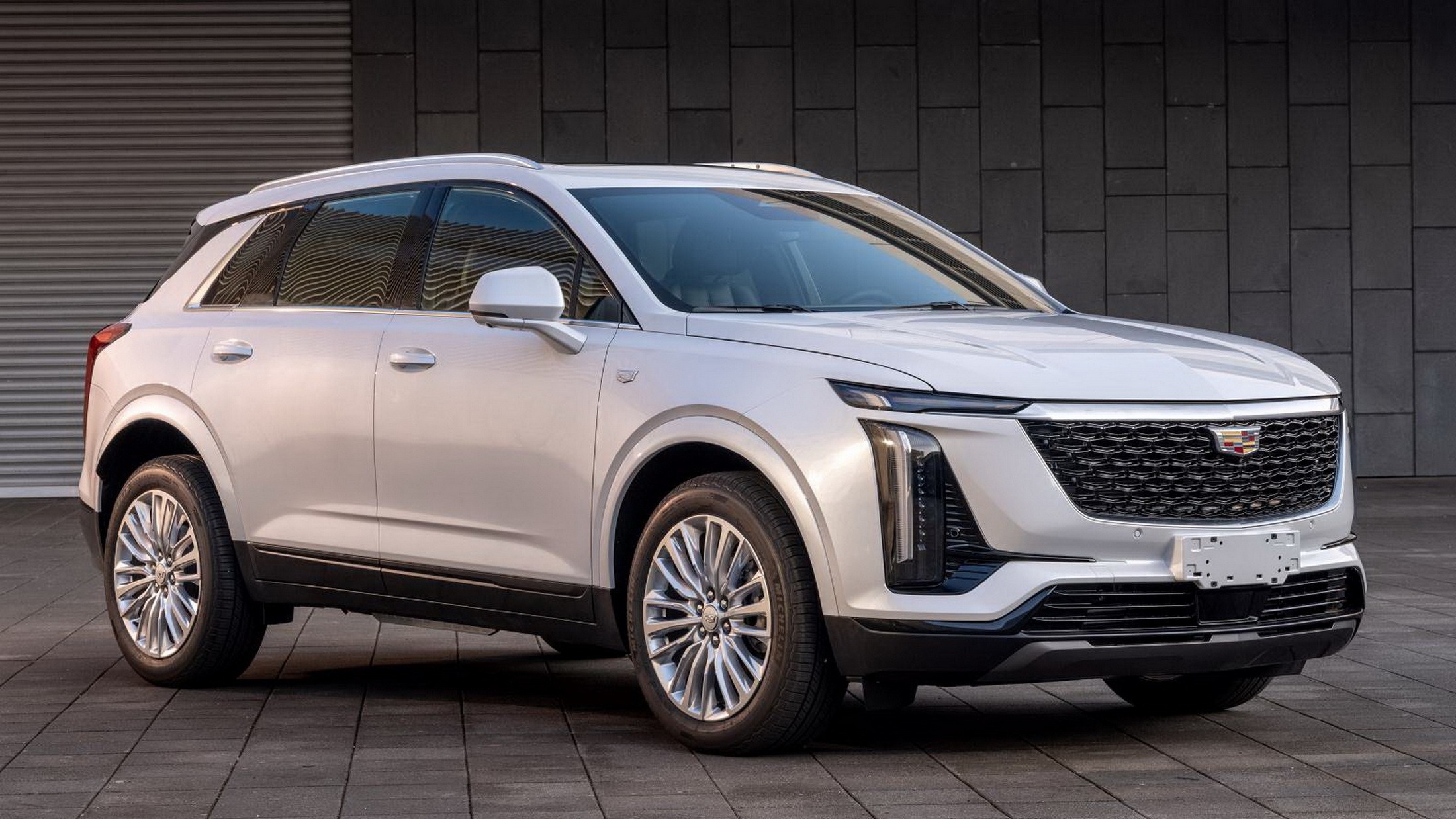
8. Cadillac XT5
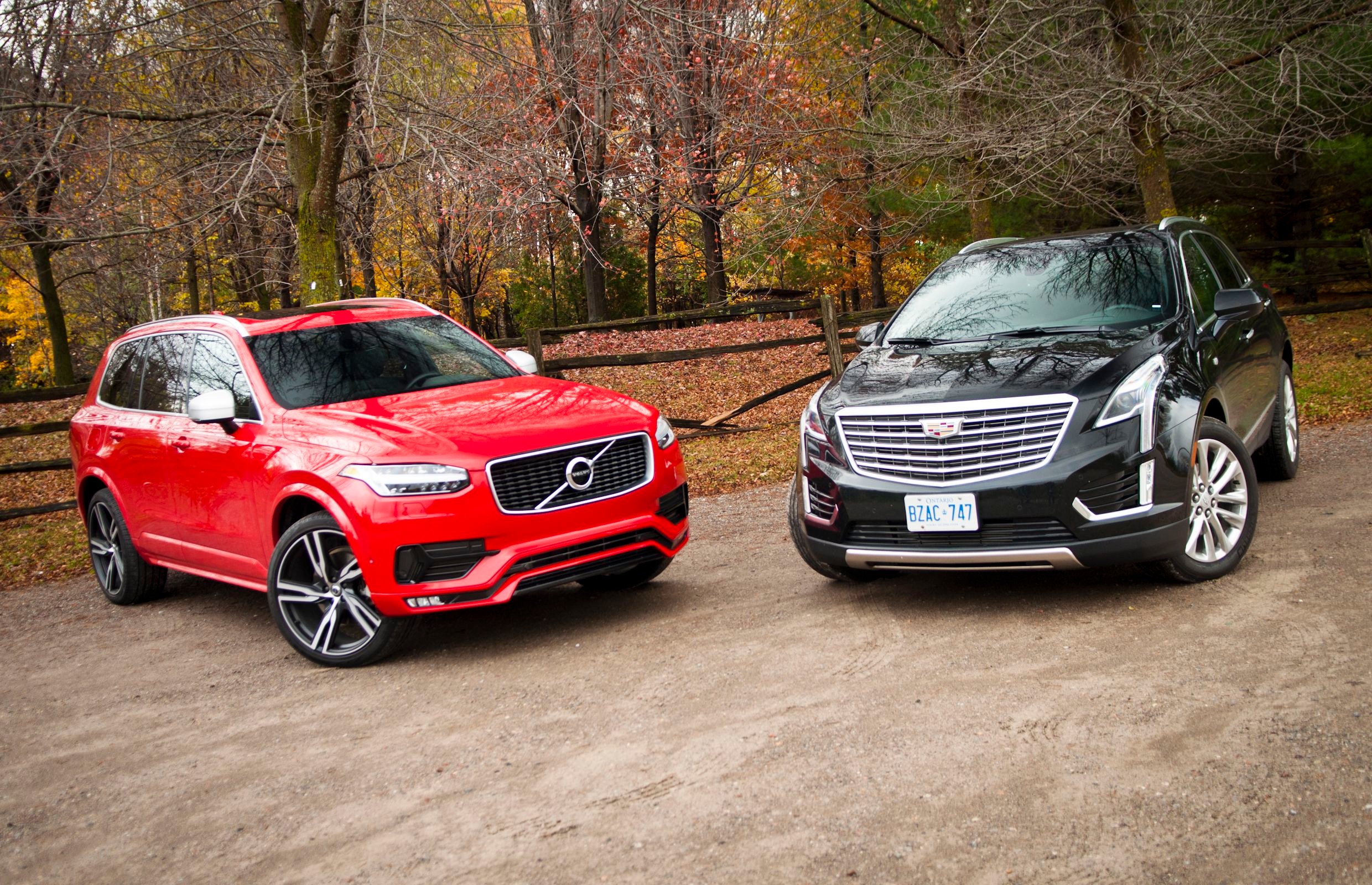
The Cadillac XT5 rounds out the list with just two theft claims among 53,000 units. According to the supplied results, its security features include GM’s PASS-Key III+ immobilizer and OnStar vehicle tracking.
The immobilizer is the lock. It keeps the engine from starting unless the correct key is present. OnStar is the safety net, helping locate a vehicle if someone does manage to take it.
That’s a pattern we’ve seen all through this list. Stopping a theft and finding a stolen car are two different jobs, and the safest vehicles do both.
Let’s pull the lessons together. The cars here share low claim counts, strong factory security, and little black-market appeal. Tesla leans on tracking and software locks.
Volvo uses immobilizers and changing codes. Land Rover uses Ultra-Wideband to block relay attacks. Each approach protects the car in a different way.
Remember the limits, too. Small counts can move, theft patterns change, and claims data doesn’t cover every attempt. A low-theft car still needs a careful owner.
So the next time you shop, ask about anti-theft features along with horsepower and cargo space. Lock up, park smart, and keep your keys safe. A car that thieves skip is a car you get to keep driving.