Vehicle recalls can turn an ordinary drive into a trip to the repair shop, especially when a defect affects braking, steering, airbags, or other safety equipment. Some automakers issue far more recall campaigns than others, drawing attention from drivers, regulators, and industry watchers.
A recall does not automatically mean a vehicle is unreliable, but the number of campaigns associated with a brand can reveal where manufacturers have had to address problems.
Based on reported National Highway Traffic Safety Administration (NHTSA) recall campaign data cited in a December 2023 ranking, Ford led the list, followed by Chrysler, Forest River, BMW, Mercedes-Benz, General Motors, and Nissan. Here is a closer look at the seven brands and what their recall counts tell consumers.
1. Ford – 54 Recalls
Ford topped the cited December 2023 ranking with 54 recall campaigns, placing the automaker ahead of every other brand on the list. The figure reflects reported recall campaigns, not 54 separate defects affecting every Ford vehicle.
Each campaign can cover particular models, production years, components, or groups of vehicles. For drivers, the distinction matters.
A recall involving one model’s rearview camera does not automatically apply to another model from the same manufacturer. Some campaigns address relatively minor equipment issues, while others concern parts that may affect the safe operation of a vehicle.
Ford produces a wide selection of cars, SUVs, pickup trucks, and commercial vehicles. Its broad product range means that defects involving different components can result in separate recall announcements.
The number of campaigns alone cannot establish how many Ford vehicles experienced problems or how severe those problems were.
Owners should check their vehicle identification number (VIN) through the NHTSA recall lookup tool to determine whether their specific vehicle has an open recall. Ford owners can also consult the company’s official recall information service.
A recall notice should never be ignored simply because a vehicle appears to run normally. Some defects provide little or no warning before a problem occurs.
Following the manufacturer’s repair instructions and arranging the recommended work can help owners address identified safety risks.
2. Chrysler – 45 Recalls
Chrysler ranked second with 45 recall campaigns in the cited ranking, nine fewer than Ford. The count places the brand near the top of the list and highlights the number of occasions on which recall action was reported during the period covered by the source.
Chrysler has produced several types of passenger vehicles, including family-oriented sedans and minivans. Different vehicle generations use different equipment, electrical systems, and mechanical components, so recall campaigns can vary widely in their causes and the vehicles affected.
A recall may involve an incorrectly installed component, a software issue, a manufacturing defect, or a part that fails to perform as intended.
Depending on the problem, the remedy could involve an inspection, a software update, component replacement, or another repair specified by the manufacturer.
The figure of 45 does not mean every Chrysler model suffered from 45 problems. Individual campaigns may affect only a limited production batch, while others can cover a much larger number of vehicles.
The number of affected vehicles and the nature of each defect are therefore important parts of the story. Anyone considering a used Chrysler should review its recall history before completing a purchase.
Ask the seller for available service records, verify the VIN, and confirm that outstanding safety repairs have been completed. These steps provide a clearer picture of the individual vehicle than the brand’s ranking alone.
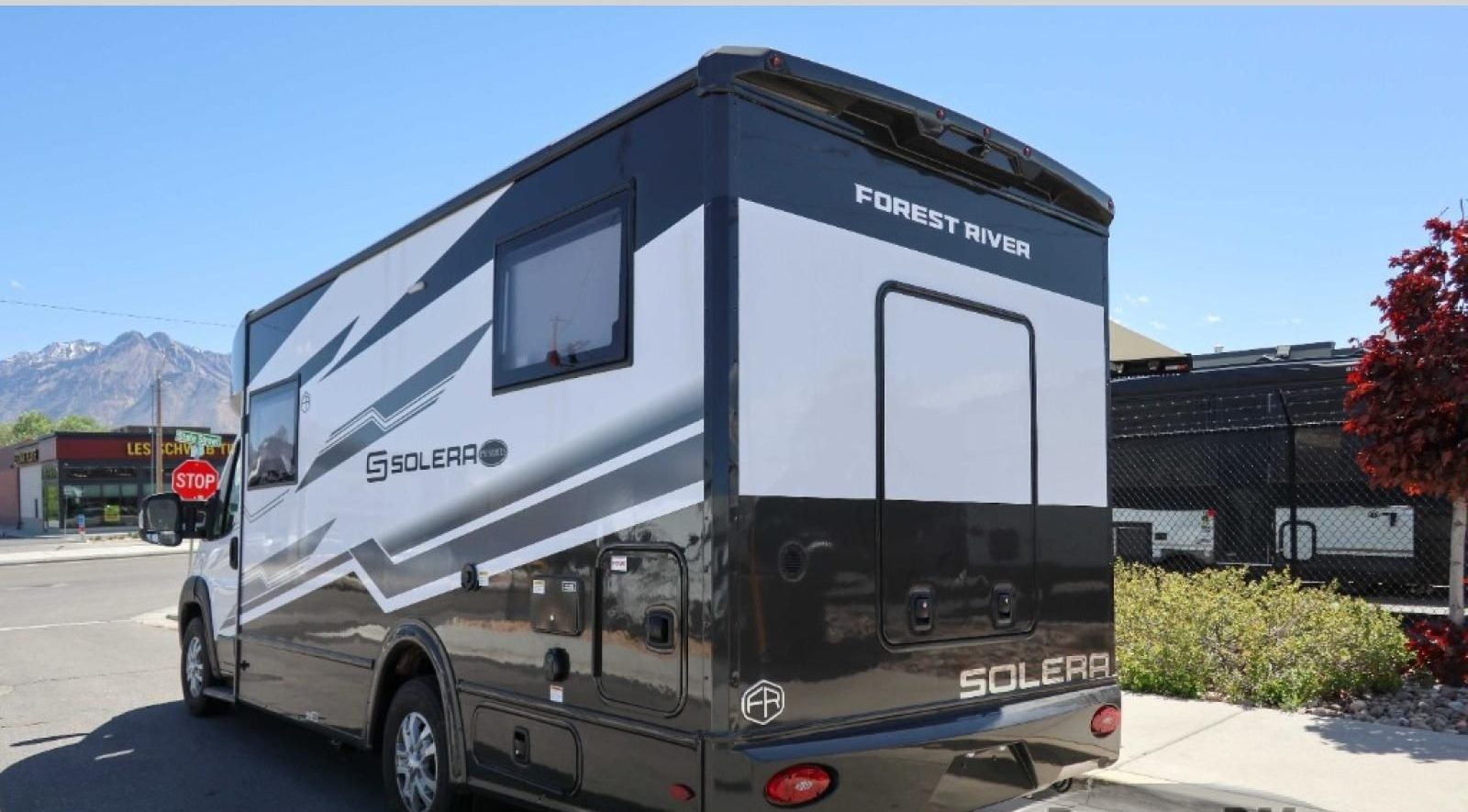
3. Forest River – 37 Recalls
Forest River recorded 37 recall campaigns, placing it third in the cited ranking. Its presence on a list commonly associated with passenger-vehicle manufacturers may surprise readers, but the company operates in the recreational vehicle and specialty vehicle market.
That distinction is worth keeping in mind when comparing recall figures. Forest River manufactures products such as motorhomes, travel trailers, and other recreational vehicles.
These products contain numerous systems, including electrical equipment, plumbing, appliances, towing connections, and structural components.
Depending on the vehicle and the defect, a recall can concern equipment supplied by the manufacturer or a component incorporated into the finished product.
Problems involving recreational vehicles can create risks for occupants and other road users. A defect in a trailer’s lighting, for instance, presents a different concern from a problem involving an appliance or an electrical connection.
The remedy depends on the defect described in the official recall notice. Forest River’s count should not be treated as a direct measure of passenger-car reliability because its products differ from conventional cars and SUVs.
A meaningful comparison requires consideration of vehicle type, production volume, the number of units affected, and the seriousness of the reported defect.
Buyers of new or used recreational vehicles should check for outstanding recalls before traveling. They should also review maintenance records and confirm that any required corrective work has been performed.
A vehicle that looks well maintained may still have an unresolved manufacturer recall, making verification an important part of ownership.
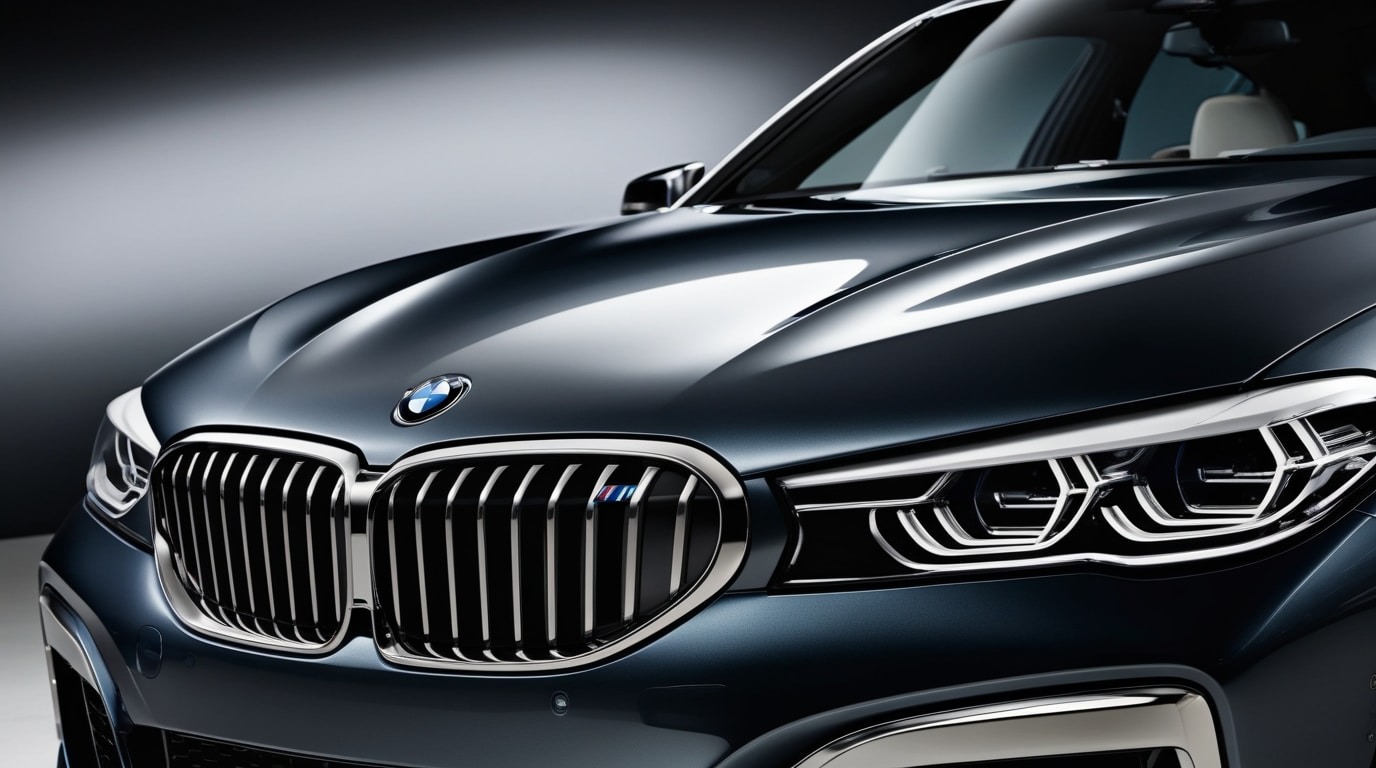
4. BMW – 29 Recalls
BMW ranked fourth with 29 recall campaigns in the cited December 2023 figures. The German automaker sells luxury sedans, coupes, SUVs, and performance-oriented vehicles, with many models relying on advanced electronic systems alongside traditional mechanical equipment.
Modern vehicles can require recall action for a range of reasons. An issue involving an airbag component, an electrical connection, a fuel system, or vehicle software may require a manufacturer to contact owners and provide a remedy.
These examples represent common types of recalls, but they do not account for every BMW recall included in the ranking.
A premium badge does not guarantee that a vehicle will never develop a manufacturing defect. At the same time, a recall count cannot establish that a brand makes poor vehicles.
Recall reporting is also part of a manufacturer’s response to identified problems, and a company that announces a defect and provides a repair is taking corrective action.
BMW owners can use the company’s official recall resources and the NHTSA database to check their vehicles. The VIN is especially useful because two vehicles of the same model and year may have different recall statuses depending on their production details.
Shoppers interested in a used BMW should pay attention to both service history and recall completion. Ask whether previous owners received recall notices and whether the recommended repairs were completed at an authorized repair facility.
Checking these details can help prevent an unresolved safety issue from becoming the next owner’s responsibility.
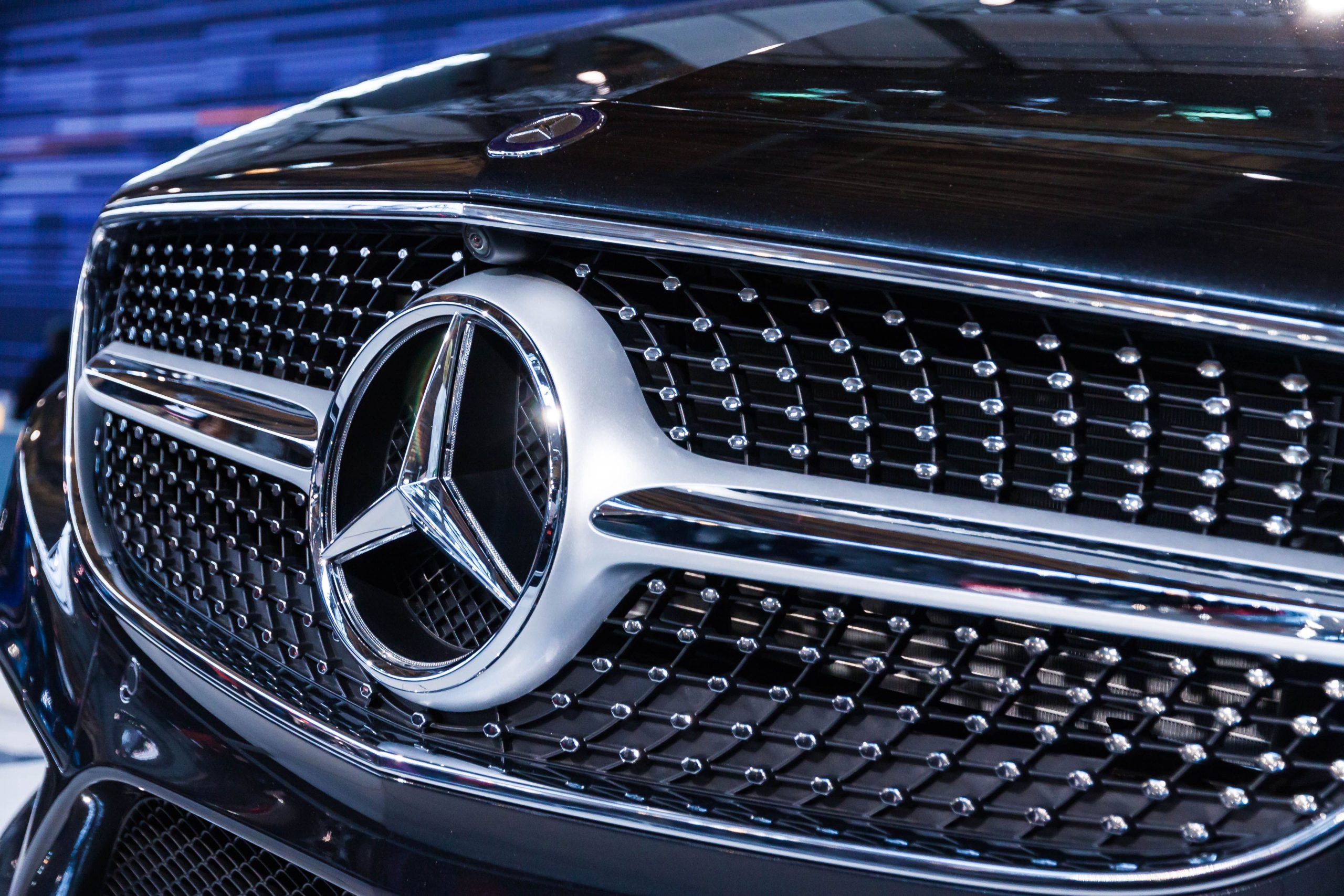
5. Mercedes-Benz – 27 recalls
A Mercedes-Benz badge often brings to mind premium engineering, advanced safety features, and a comfortable driving experience. However, even expensive vehicles can develop manufacturing defects that require a recall.
In the December 2023 ranking cited for this article, Mercedes-Benz recorded 27 recall campaigns, placing fifth among the seven brands listed.
That figure puts the German automaker two campaigns behind BMW and five ahead of General Motors and Nissan, which tied for sixth place with 22 each.
Ford led the ranking with 54 campaigns, exactly twice Mercedes-Benz’s total. These numbers provide a useful comparison, but they do not tell the complete story of vehicle safety.
A recall can involve anything from a faulty electronic component to a defect affecting an important safety system. Some problems require a software update, while others call for replacement parts or a more involved repair.
The actual risk depends on the defect, the vehicles affected, and the instructions provided by the manufacturer. For anyone shopping for a used Mercedes-Benz, checking the recall history should be part of the buying process.
Ask the seller whether outstanding recalls have been addressed, then verify the information independently using the vehicle identification number (VIN).
An attractive price, clean interior, and complete service history cannot guarantee that every manufacturer recall has been resolved.
Current owners should also check official recall notices rather than assume their vehicle is unaffected. Mercedes-Benz offers recall information through its owner resources, and the National Highway Traffic Safety Administration (NHTSA) provides a VIN lookup tool.
The key point is that luxury and safety should go hand in hand. While the number of recall campaigns is worth noting, checking the recall status of a specific vehicle is far more important when determining what steps to take.
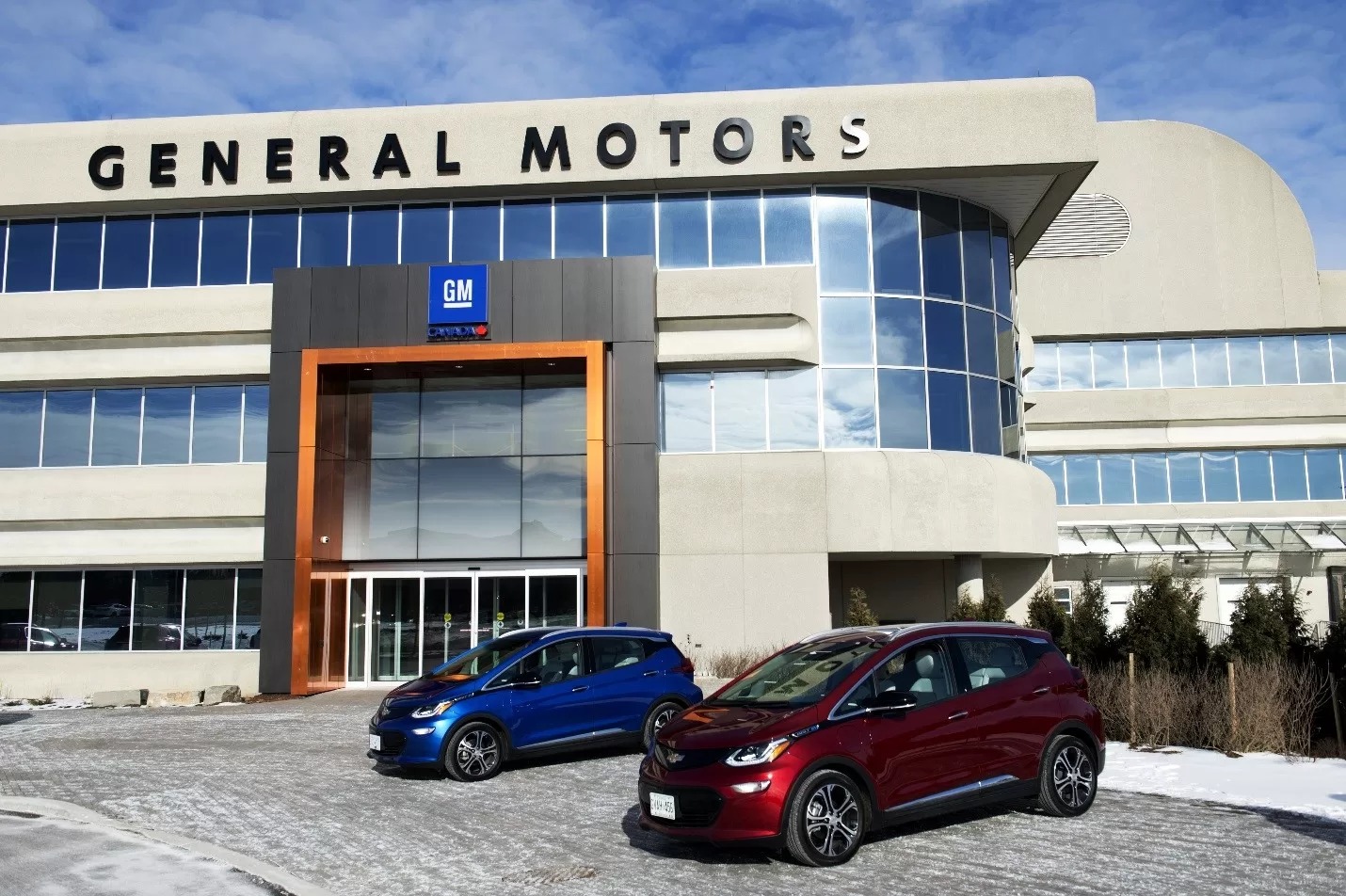
6. General Motors – 22 recalls
General Motors secured sixth place in the cited ranking with 22 recall campaigns, sharing that position with Nissan. The result deserves a closer look because GM is not a single vehicle brand.
Its portfolio includes Chevrolet, Buick, GMC, and Cadillac, covering everything from everyday passenger cars and family SUVs to pickup trucks and luxury models.
With such a broad range of vehicles, recall campaigns can concern very different components and affect different groups of owners. A defect in one Chevrolet model, for example, does not automatically mean that a GMC truck or Cadillac SUV has the same problem.
Even vehicles carrying the same model name may be affected differently depending on their production dates and installed equipment.
One important distinction is that recall campaign totals do not reflect the number of vehicles affected. A single campaign may involve a limited production batch, while another could cover millions of vehicles.
That is why recall counts should be considered alongside the number of vehicles affected, the nature of each defect, and the remedy offered.
For GM owners, checking the vehicle identification number is a practical first step. The NHTSA website allows drivers to search for open safety recalls, while the relevant brand’s official website may provide additional information.
Owners can then contact a dealer to confirm the required repair and arrange an appointment. Anyone purchasing a used Chevrolet, Buick, GMC, or Cadillac should make this check before completing the sale.
Do not rely entirely on a seller’s verbal assurance or a vehicle inspection, since some recalled components may appear to work normally until a fault occurs.
GM’s position on this list does not establish that every vehicle it produces is unsafe. What matters most is identifying applicable recalls and ensuring that the required repairs have been completed.
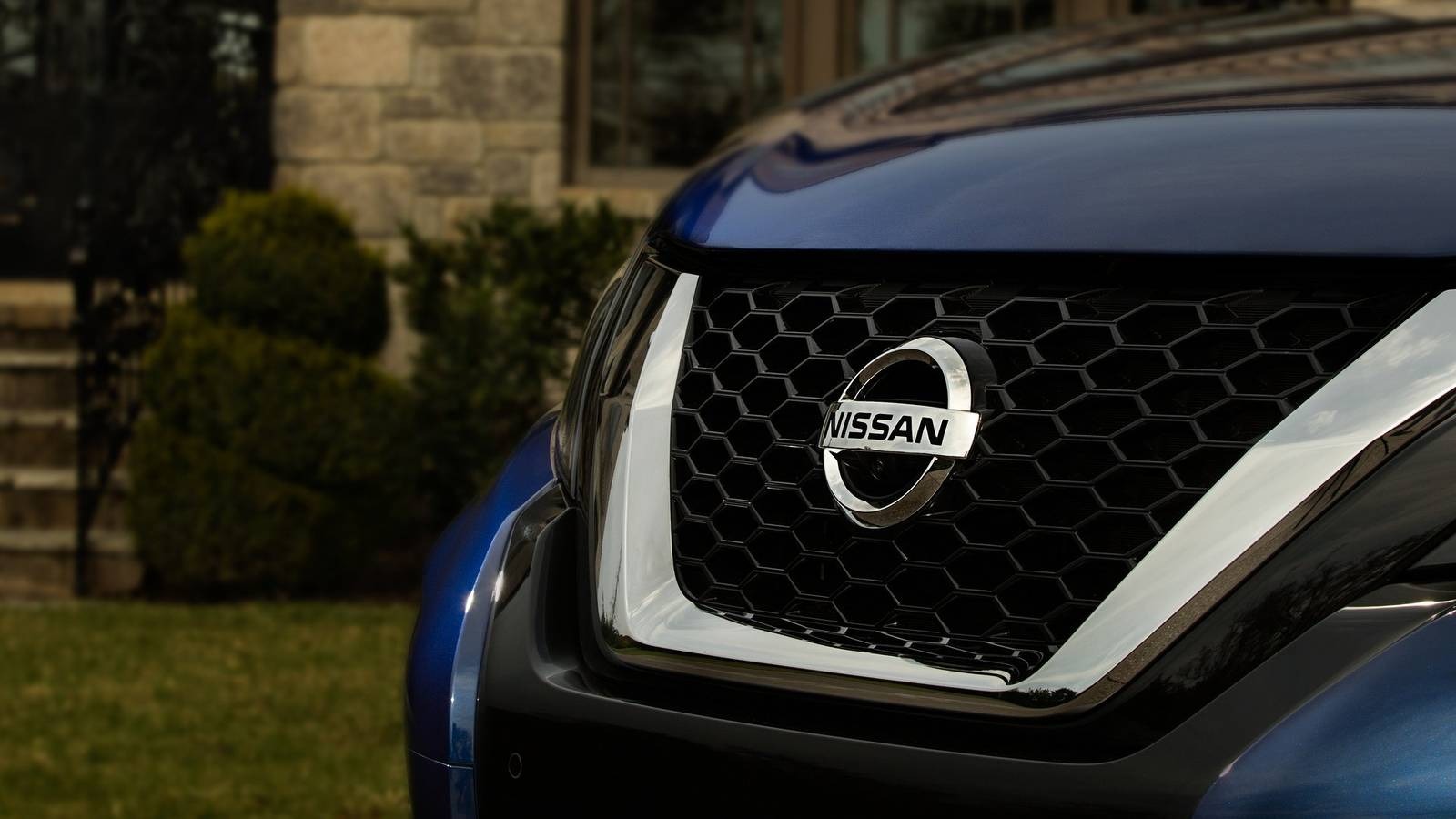
7. Nissan – 22 recalls (tied with General Motors)
Nissan rounds out the ranking alongside General Motors, with both manufacturers recording 22 recall campaigns in the cited December 2023 figures. Their shared position shows why recall counts alone cannot determine a vehicle’s quality or safety.
Nissan produces a wide range of vehicles, including sedans, SUVs, compact cars, and pickup trucks. A recall affecting one model does not automatically apply to every vehicle manufactured by the company.
The specific defect, production date, and affected vehicle population all matter. For Nissan owners, checking recall status is a simple but important step. Locate your 17-character vehicle identification number (VIN), usually found near the windshield or inside the driver’s door.
Enter it into the National Highway Traffic Safety Administration (NHTSA) recall lookup tool to identify open safety recalls. If your vehicle has an outstanding recall, contact an authorized Nissan dealer to discuss the required repair.
Recall repairs are generally free, although the remedy depends on the particular problem. Ask about parts availability and any safety precautions you should follow before the repair is completed.
Used-car buyers should also check recall records before purchasing a vehicle and confirm that previous repairs were completed. A car can look well maintained while still having an unresolved safety issue.
Remember that these figures come from a December 2023 ranking, not necessarily the latest data. Rather than judging Nissan solely by its position, verify your vehicle’s recall status and address any outstanding safety concerns promptly.