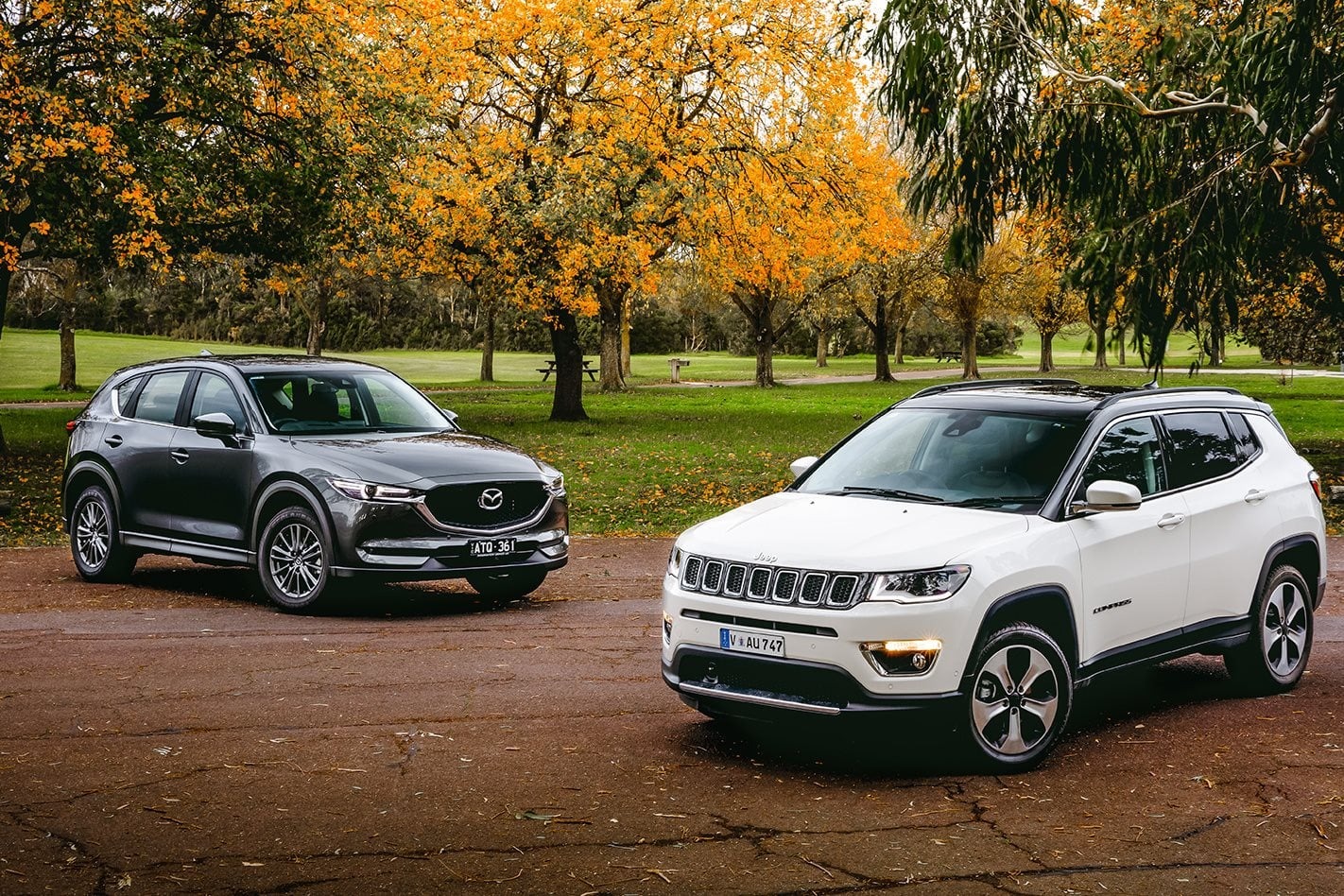
When shopping for a vehicle, many buyers focus on crash ratings, airbags, and driver-assistance features. But what about the people sitting in the back? Rear-seat passengers need strong protection, too, especially children, teenagers, and adults who regularly travel behind the driver. The Insurance Institute for Highway Safety (IIHS) updated its moderate-overlap front crash test to examine rear-seat safety more closely.
The results identified several vehicles with weaknesses that could increase injury risks during a collision. Seven models in the supplied results received a Poor rating for rear-seat protection. Here is what the tests revealed about each vehicle and why these findings matter to anyone choosing a family car.
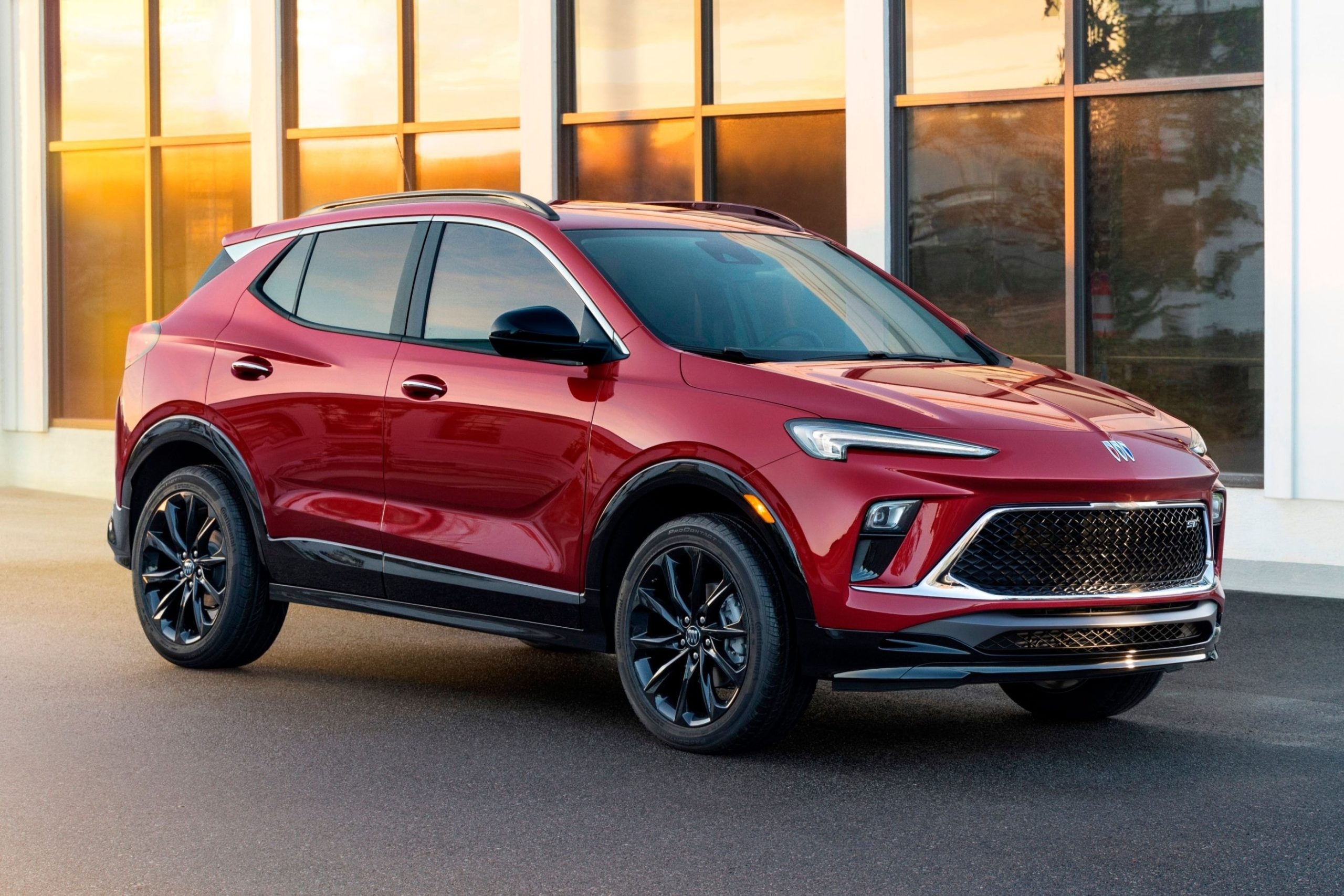
1. Buick Encore
The Buick Encore’s rear-seat crash-test results raised concerns about how well it protects passengers during a frontal collision. In the test described in the supplied information, the rear-seat dummy’s head came close to the back of the front seat, increasing concern about potential head injuries.
Why does that matter? During a crash, a passenger’s body moves forward as the vehicle decelerates. Seat belts and other restraint systems must control that movement while helping prevent the head and chest from striking nearby surfaces.
If a passenger’s head approaches the front seatback too closely, the available protection may be less effective than intended. The IIHS updated its moderate-overlap test to place greater emphasis on rear-seat occupants.
A vehicle can provide strong protection for the driver while still having weaknesses for someone sitting behind the front seats. This is why separate assessments of rear-seat performance are useful for families and other regular passengers.
The Buick Encore’s reported result should encourage shoppers to examine the vehicle’s specific crash-test performance rather than relying on its size, price, or equipment list.
A long list of safety features does not guarantee that every seating position offers the same level of protection. Anyone considering a used Encore should review the relevant IIHS ratings and compare them with the results for other vehicles in the same class.
It is also worth checking that the seat belts operate properly and that child safety seats can be installed according to their manufacturers’ instructions.
A Poor rating in this test does not mean every crash will produce serious injuries. It indicates that the vehicle demonstrated weaknesses under the test conditions and that rear-seat protection deserves careful consideration before purchase.
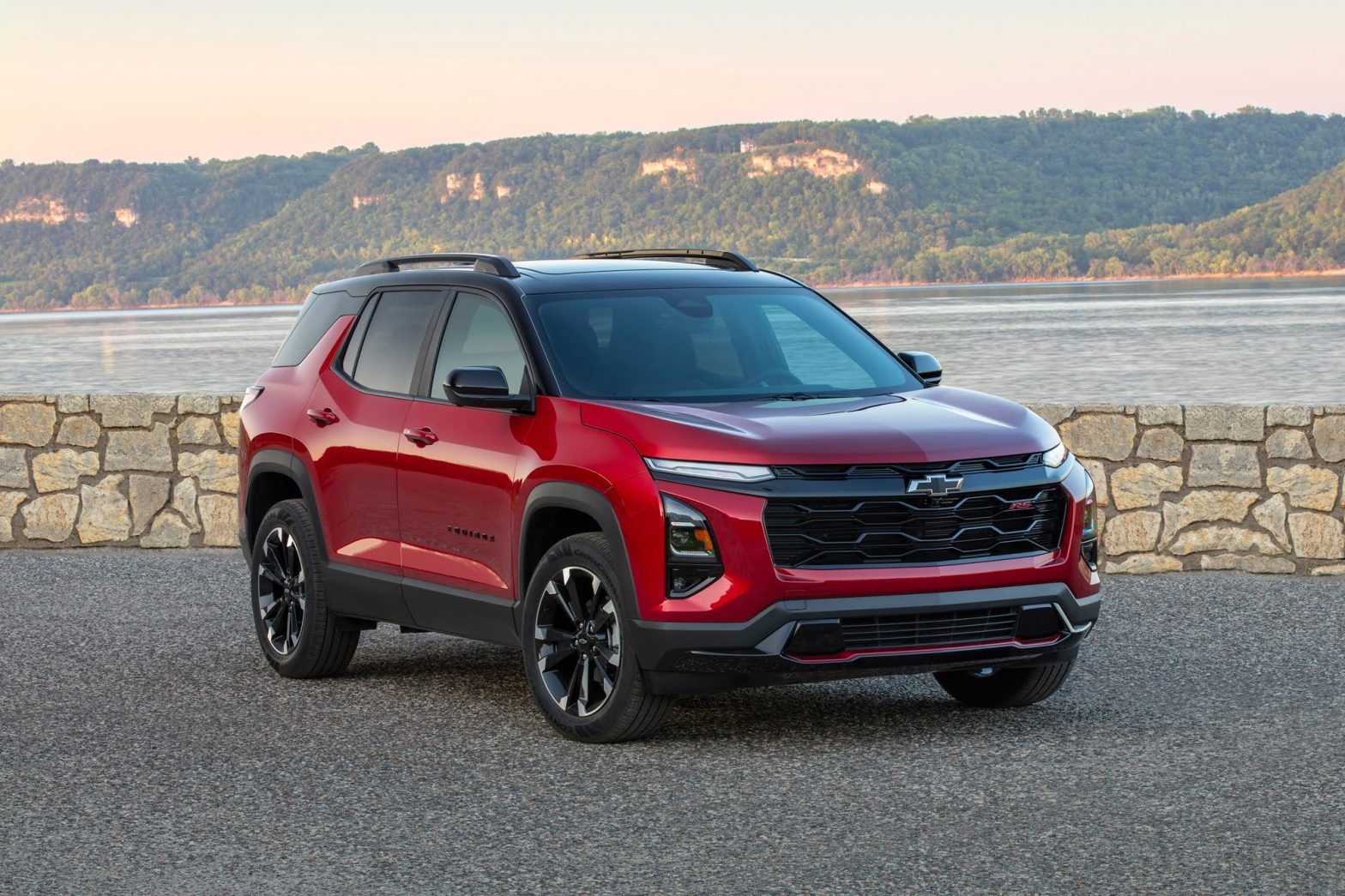
2. Chevrolet Equinox
For families who often travel with passengers, the Chevrolet Equinox’s reported rear-seat crash test results raise a key safety question: how well does it protect those seated in the back during a frontal collision?
The supplied information identifies elevated risks of head, neck, and chest injuries for the rear-seat dummy. These body areas are vulnerable during a crash because the passenger’s body can move rapidly as the vehicle comes to a stop.
The restraint system must manage that movement while limiting harmful forces on the head, neck, and chest. If the belt does not control the body effectively, the risk of injury can increase.
The IIHS moderate-overlap test is designed to assess how vehicles protect occupants during a frontal impact in which part of the front end strikes an obstacle.
Its updated version places greater attention on the rear passenger, helping reveal weaknesses that might not be apparent from driver-focused results alone.
For Equinox shoppers, this finding is a reason to review the exact model year and crash-test record before making a decision. Safety performance can vary between generations, so the results for one model year should not automatically be applied to every Equinox ever produced.
Parents should also consider how children will be restrained in the back seat. Correctly installed child safety seats, properly adjusted belts, and compliance with age- and size-based restraint guidance remain important, regardless of a vehicle’s crash rating.
The supplied result does not establish that every Chevrolet Equinox has the same level of risk in every collision. Rather, it identifies a weakness under a particular test procedure.
Buyers should use the rating alongside other safety information, including available crash-prevention features and ratings for different types of crashes.
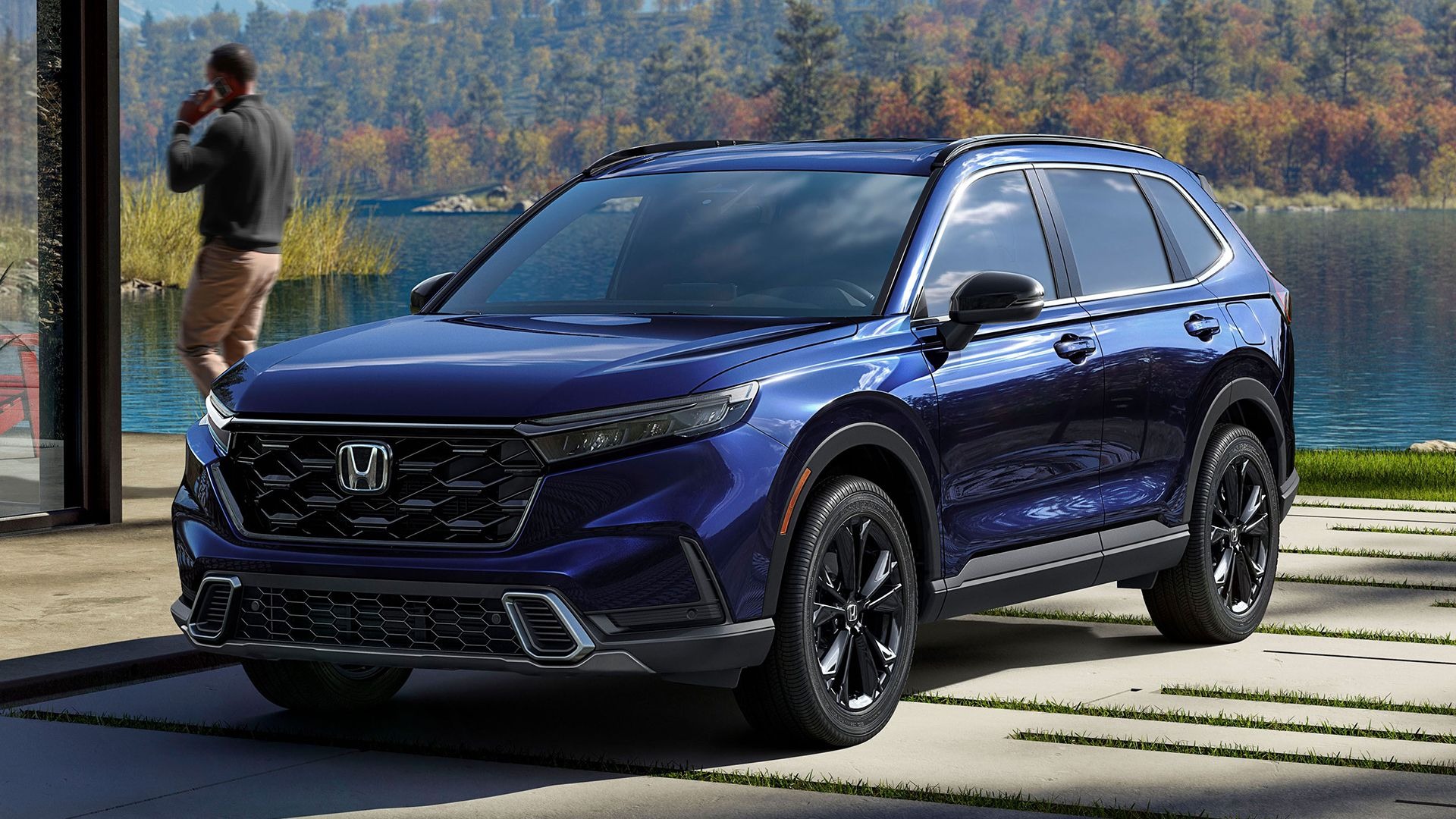
3. Honda CR-V (2021-2022)
The Honda CR-V has long been a popular choice for buyers seeking a practical SUV with ample passenger and cargo space. However, the supplied IIHS findings highlight a rear-seat safety concern in the 2021–2022 models, where testing revealed elevated injury risks, including lap-belt submarining, in which the lap belt slips upward over the pelvis and into the abdomen during a crash.
Submarining occurs when the lap portion of a seat belt moves upward from the pelvis toward the abdomen during a crash. This is concerning because the belt is intended to rest low across the hips, where the body’s skeletal structure can help absorb restraint forces.
If the belt rides onto the abdomen, internal organs may be exposed to greater pressure. The position of the belt, the design of the seat cushion, and the way the restraint system controls a passenger’s movement can all affect crash performance.
A belt may appear properly fastened before a journey but still move during a severe impact if the restraint system does not manage the occupant’s motion effectively.
For families considering a 2021 or 2022 CR-V, the reported result is worth examining before buying. Check the IIHS rating for the exact vehicle and review any available information about its restraint systems.
The result should not be assumed to apply to newer CR-V models without separate evidence. Passengers can help by wearing the lap belt low across the hips, keeping the shoulder belt across the chest, and avoiding placing the belt behind the back or beneath an arm.
These steps support proper belt use, although they cannot correct a design weakness identified in a crash test. The main lesson is that a popular SUV should still be judged by its measured safety performance.
Comfort, fuel economy, and cargo space matter, but rear-seat restraint performance deserves attention when passengers travel regularly.
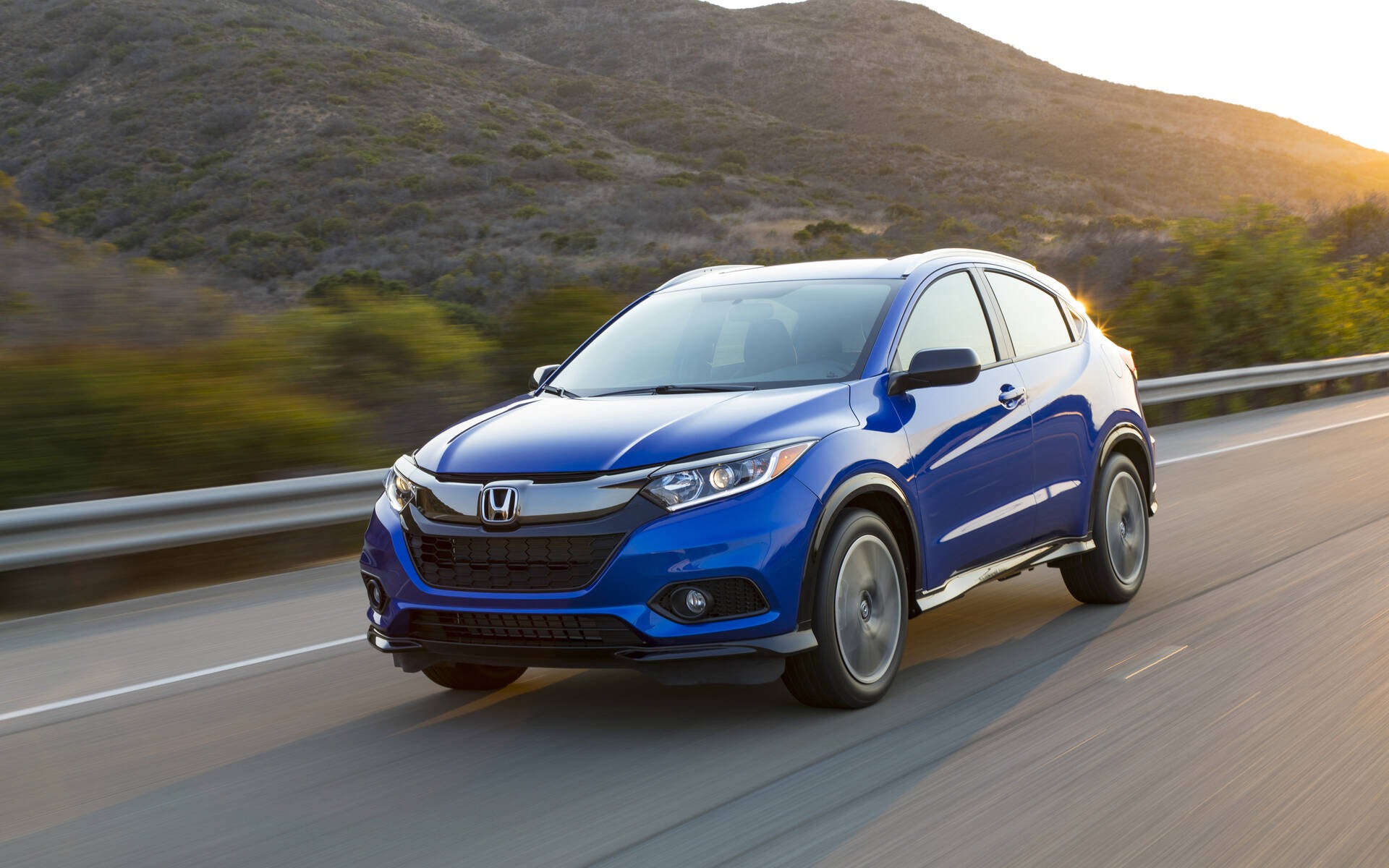
4. Honda HR-V (2021 to 2022)
Smaller sibling, similar story. The Honda HR-V from 2021 to 2022 also earned a Poor rating, with poor belt positioning and submarining increasing concerns about potential chest and abdominal injuries.
Seat belts are the heart of rear-seat protection, since back seats often lack some of the extras found up front. When the belt sits in the wrong place, the forces of a crash can land on the wrong part of the body.
A shoulder belt riding too high can slip toward the neck. A lap belt riding up can press on the abdomen. Two Honda small SUVs sharing this pattern raises a question about seat belt geometry, though the supplied data doesn’t say so directly.
Treat that as an observation, not a conclusion. Here’s a quick routine for every ride. Slide the lap belt low across the hips, and make it snug.
Place the shoulder belt across the middle of the chest and shoulder. Don’t tuck it behind the back or under an arm. For smaller passengers, consider a booster seat until the belt fits properly.
A few seconds of adjustment may matter a great deal.
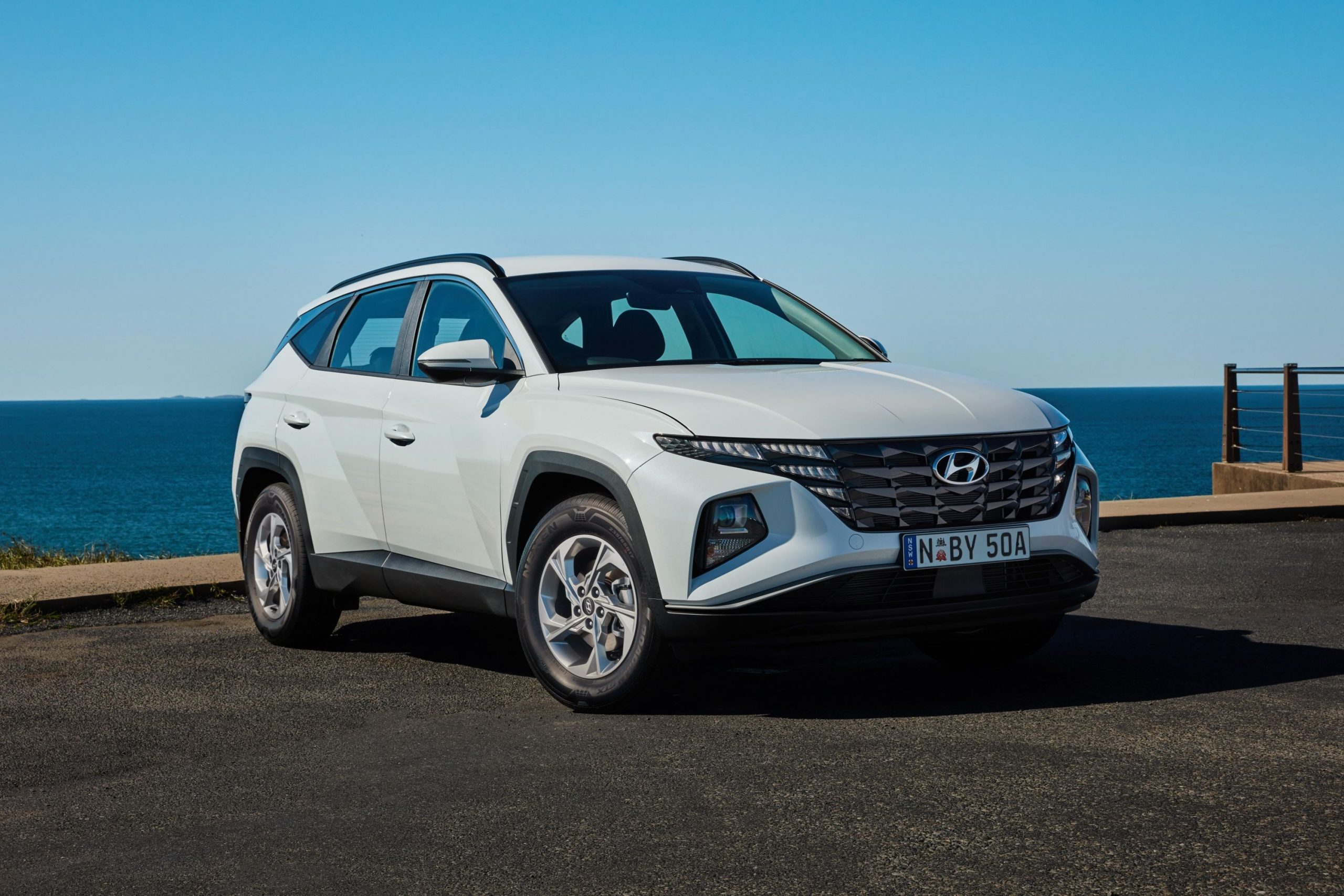
5. Hyundai Tucson (2021)
The 2021 Hyundai Tucson’s rear-seat crash test results highlight two safety concerns. The rear-seat dummy nearly struck the front seatback, while measured forces suggested an elevated risk of chest injuries.
In a frontal collision, the vehicle’s occupants continue moving as the car decelerates. Seat belts and other restraint components are meant to limit that motion and help prevent the body from striking surrounding structures.
When a passenger moves too far forward, contact with the front seatback becomes a concern, particularly if the head approaches the surface.
Chest injury measurements provide another way to assess the forces experienced by a test dummy. These readings help researchers estimate whether the restraint system is managing the crash forces effectively.
They do not predict exactly what will happen to every person in a real collision, but they can reveal weaknesses in a vehicle’s design. For anyone considering a used 2021 Tucson, the reported rating is a reason to examine the model’s crash-test history carefully.
Do not assume that every Tucson model year received the same result, since vehicle designs and restraint systems can differ between generations and updates.
Parents should pay particular attention to the fit and installation of child safety seats. Follow the instructions supplied with both the vehicle and the child restraint, and use the appropriate seating position and installation method.
A Poor rating does not mean the Tucson lacks every useful safety feature. It points to a weakness in the specific rear-seat protection assessment described here.
Shoppers should weigh that information alongside other crash-test ratings and safety equipment before choosing a vehicle.
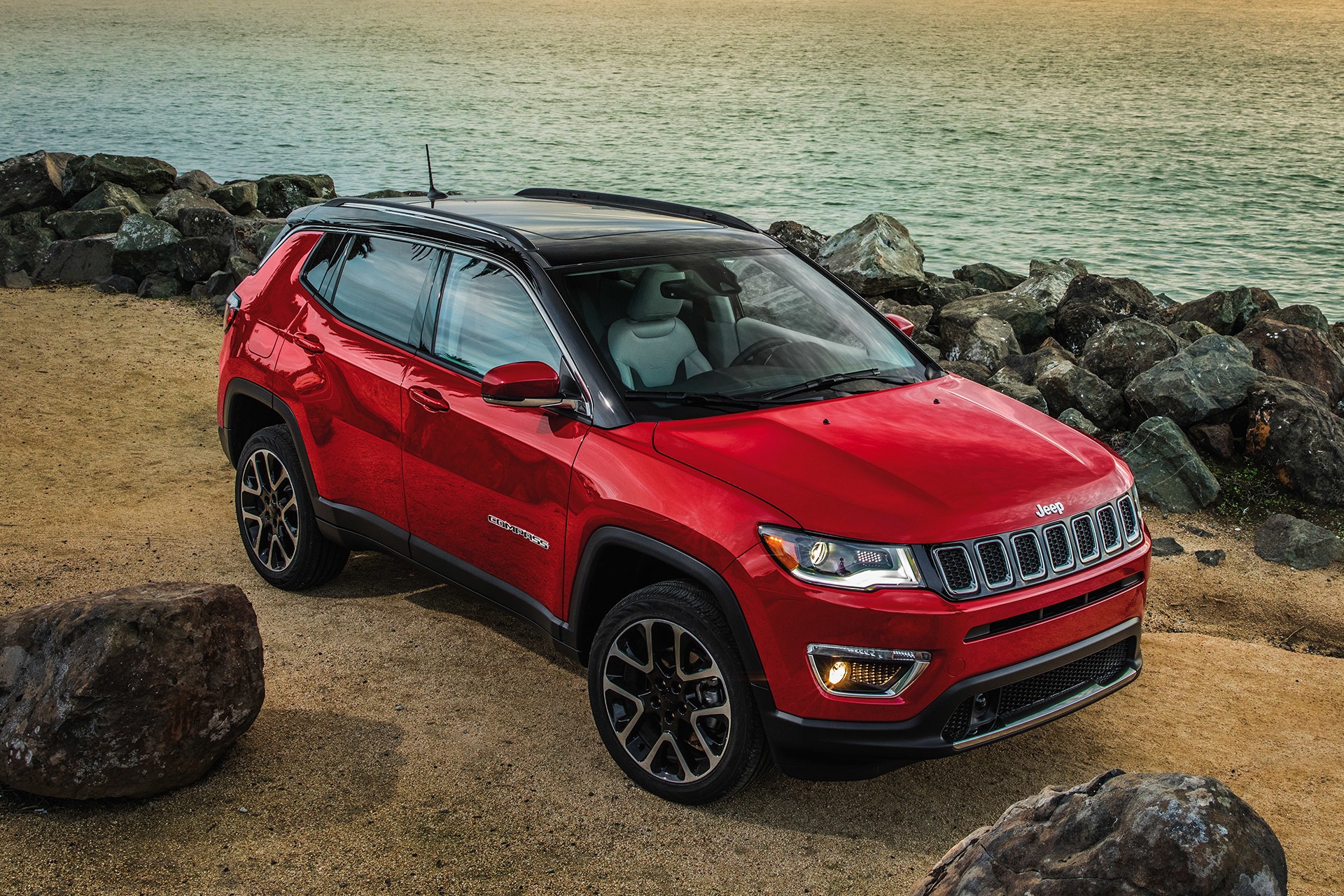
6. Jeep Compass (2021)
The 2021 Jeep Compass received a Poor rear-seat protection rating in the supplied results, with the test identifying concerning head, neck, and chest injury measurements for the rear passenger dummy.
These areas require careful protection during a frontal crash. The head may move forward as the vehicle slows, while the neck can experience forces associated with rapid movement.
The chest can also be subjected to pressure from the restraint system. A well-designed seat belt and seat arrangement should help manage these forces and limit harmful movement.
The updated IIHS moderate-overlap test examines how a vehicle protects a rear-seat occupant in addition to the driver. This matters because a vehicle’s front-seat performance does not automatically tell buyers how well people in the back will be protected.
For Jeep Compass shoppers, the model year is especially important. The supplied information concerns the 2021 vehicle, and it should not be treated as a rating for every Compass produced in later years.
Buyers should consult the official IIHS results for the exact version they intend to purchase. Anyone buying a used Compass should also check the condition of the rear-seat belts and buckles.
Belts that are damaged, twisted, or improperly repaired may not function as intended. These checks are useful, but they cannot replace the vehicle’s crash-test assessment.
Families should compare the Compass with other SUVs using published safety ratings rather than relying entirely on appearance, ground clearance, or the presence of airbags.
Those features may be useful, but the performance of the restraint system during a collision matters just as much. The reported rating is a warning to look closely at rear-seat safety before choosing this particular model year.
It is not a prediction that every Compass will perform poorly in every real-world crash.
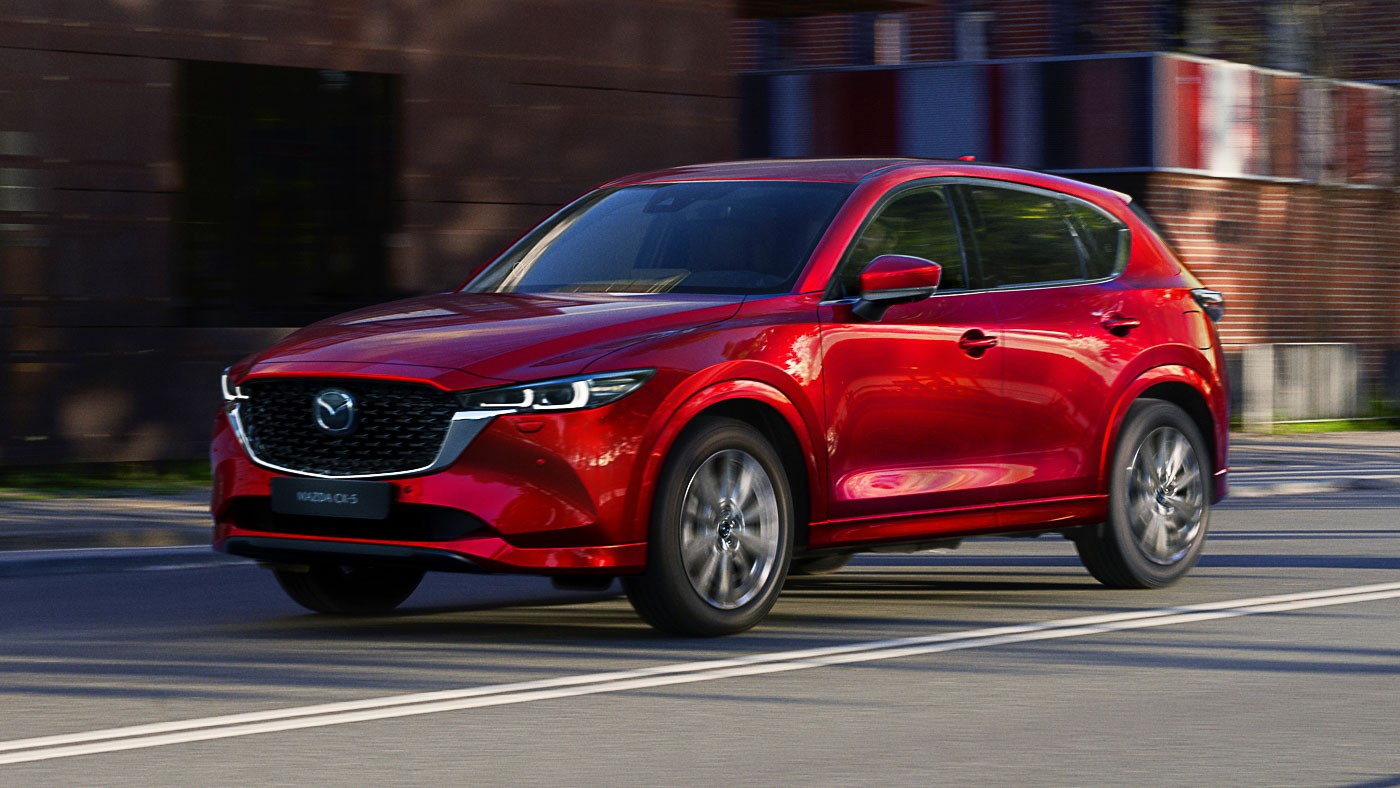
7. Mazda CX-5 (2021 to 2022)
Our last entry is the Mazda CX-5, from the 2021 to 2022 model years. In this test, the lap belt moved from the pelvis toward the abdomen, increasing the potential for abdominal injuries. That’s the same submarining pattern we saw with the Hondas.
IIHS also noted that the position of the rear dummy’s shoulder belt was very high in the CX-5, which can make the restraint system less effective.
Here’s the bigger picture. Of 15 small SUVs tested in the first round, only two, the Ford Escape and Volvo XC40, earned a Good rating.
The Toyota RAV4 got Acceptable, and three others were Marginal. That means a good rear-seat score is achievable, and automakers can build it.
IIHS has said it hopes the test pushes manufacturers to bring front-seat benefits to the back. Since the original announcement in December 2022, the rating criteria were adjusted in 2024 for rear shoulder belt position, so check current results.
For families, the key is to prioritize passenger safety by positioning vulnerable occupants carefully, using child seats and booster seats correctly, ensuring everyone is buckled up on every trip, and checking IIHS safety ratings before purchasing a vehicle.