
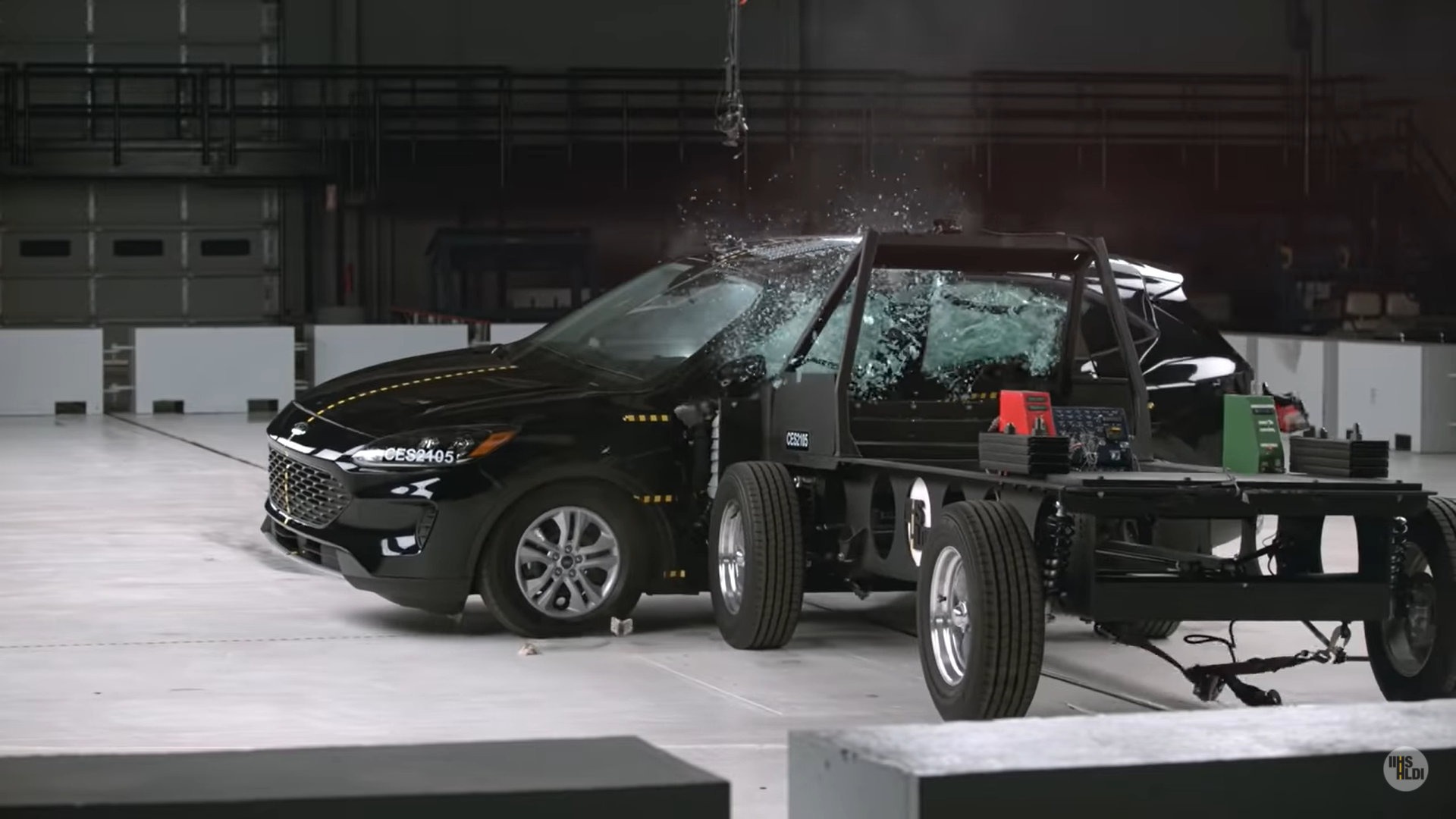
A vehicle may perform well in one crash test yet reveal weaknesses under tougher conditions. This became clear when the Insurance Institute for Highway Safety (IIHS) introduced a more demanding side-impact test for small SUVs. By increasing the barrier’s weight and speed, the institute exposed safety shortcomings in several popular models, resulting in marginal or poor ratings.
The Chevrolet Equinox, Ford Escape, Hyundai Tucson, Jeep Compass, Kia Sportage, Honda HR-V, and Mitsubishi Eclipse Cross all struggled in the updated test. The results raised concerns about occupant protection during side collisions, particularly for rear-seat passengers. However, these findings apply to specific model years, not every version of these SUVs. Buyers should check the exact vehicle’s IIHS rating before making a purchase.
1. Chevrolet Equinox
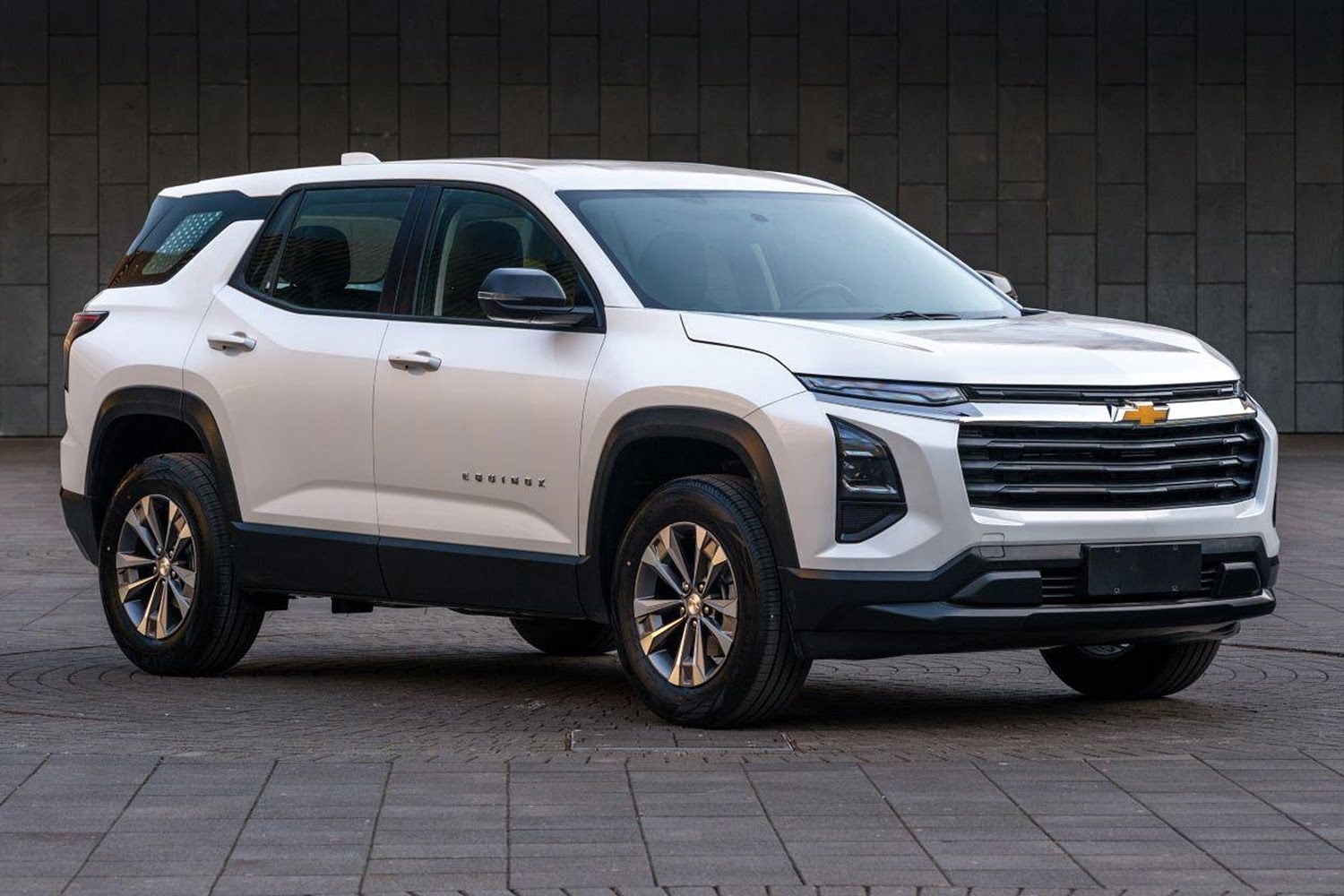
The Chevrolet Equinox received a marginal rating in the IIHS’s tougher side-impact test for the 2021-22 model years. Although its structure performed relatively well in some areas, weaknesses in occupant protection prevented the SUV from earning a higher rating.
The results illustrate why crash-test performance depends on more than whether a vehicle’s body appears strong after a collision. One concern involved head protection for the rear passenger.
During a side impact, the head can move toward the striking vehicle or nearby structures if the restraint system and side airbags do not provide sufficient protection.
The Equinox’s performance in this area contributed to its disappointing result. Driver chest injury measurements also raised concerns, suggesting that the forces experienced during the test could pose a greater risk of injury.
For families who regularly carry passengers in the second row, these findings deserve attention. Rear-seat safety is particularly important when children, teenagers, or adults frequently travel in the vehicle.
A good rating in another crash test cannot automatically compensate for weaknesses identified under a different test procedure.
The Equinox remains a widely recognized compact SUV, but buyers researching the 2021 and 2022 models should review the IIHS report before making a decision.
Anyone shopping for a newer Equinox should check its specific model-year results because manufacturers can revise vehicle structures, airbags, and other safety equipment between generations.
2. Ford Escape
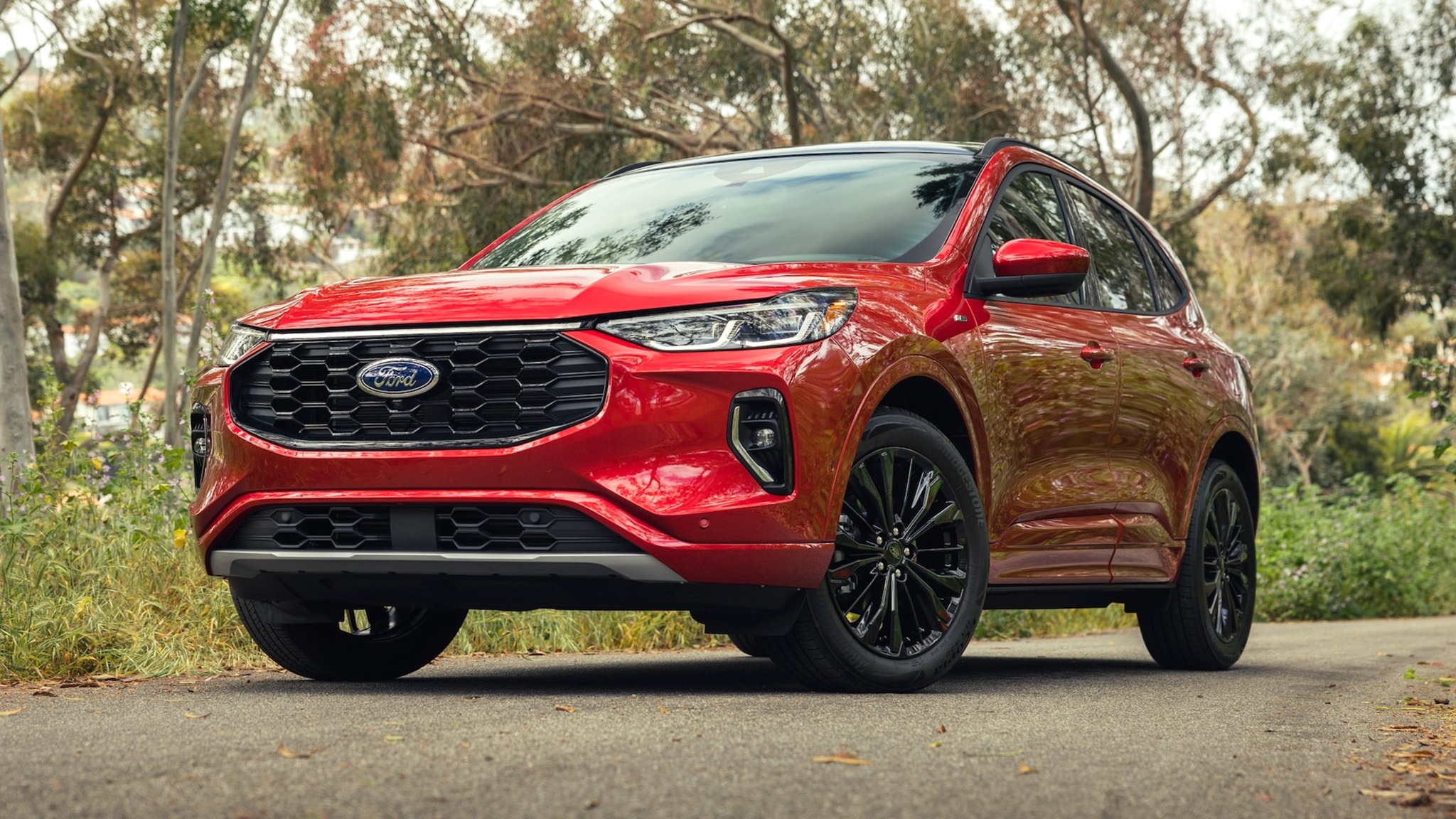
The Ford Escape received a marginal rating in the updated IIHS side-impact test for the 2021-22 model years. The result reflected mixed performance, with chest protection for both the driver and rear passenger raising concerns.
Although the SUV did not receive the poor rating assigned to some other vehicles in the test, its performance fell short of the institute’s highest standard.
Side collisions can expose occupants to forces that differ from those experienced in frontal crashes. A vehicle’s doors, side structure, seat belts, and airbags must work together to limit intrusion and manage the movement of people inside the cabin.
If any part of that system provides insufficient protection, injury risk can rise even when other parts perform reasonably well. The Escape’s results show why buyers should look beyond a vehicle’s reputation, features, or popularity.
A long list of driver-assistance technologies may help prevent certain crashes, but those systems do not replace strong occupant protection when a collision occurs.
Preventing an accident and protecting people during an unavoidable impact are separate safety goals. For used-car shoppers, the model year matters.
The IIHS findings cited here apply to the tested 2021 and 2022 versions, not automatically to every Escape produced afterward. Buyers should consult the institute’s current ratings for the exact year and configuration under consideration.
It is also wise to confirm which airbags and driver-assistance features are fitted to the vehicle rather than assuming every trim includes identical equipment.
3. Hyundai Tucson
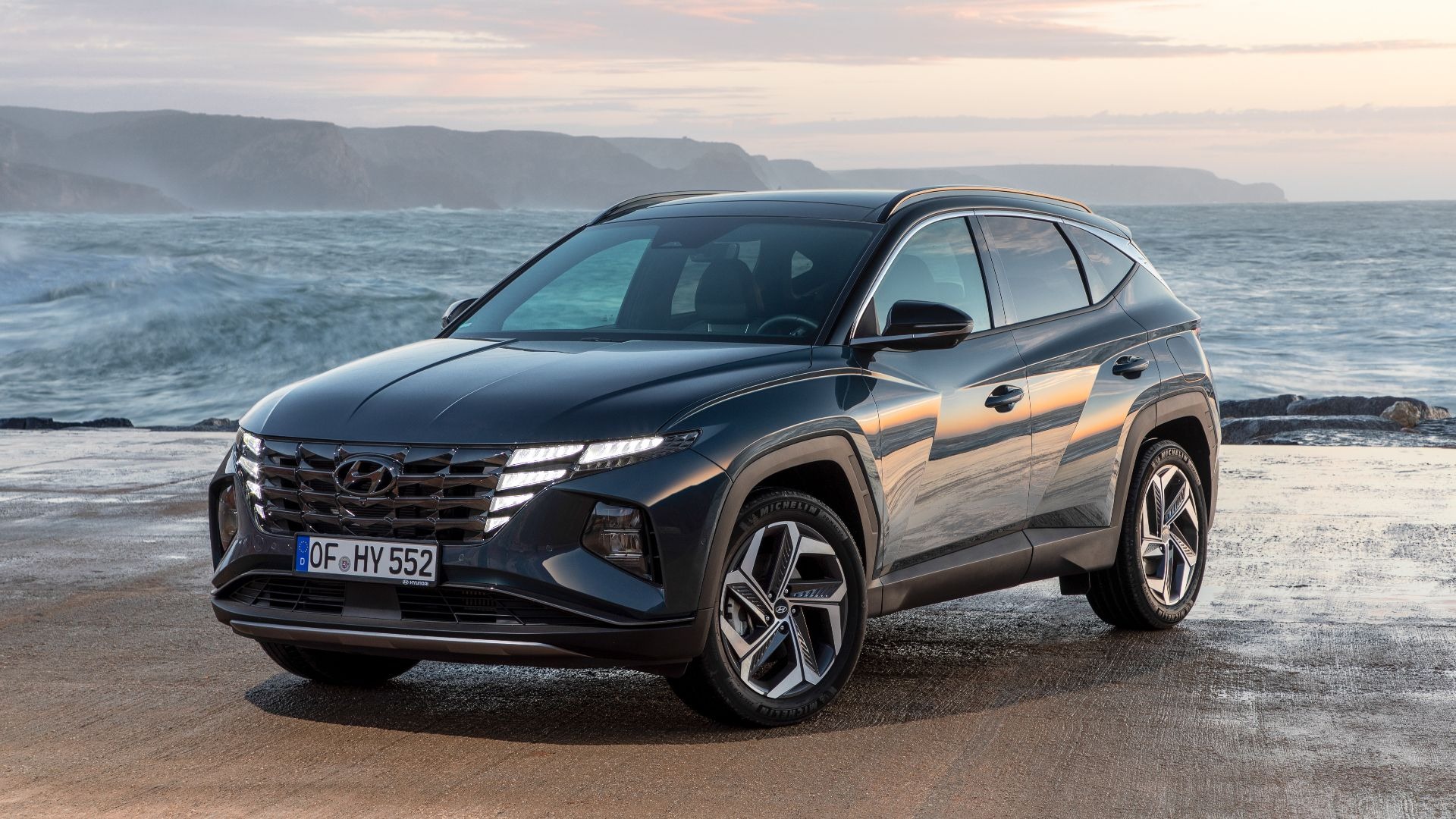
The 2021 Hyundai Tucson received a marginal rating in the IIHS’s tougher side-impact evaluation. The test exposed concerns involving structural performance and injury measurements, including poor protection for the driver’s pelvis.
These findings placed the Tucson among the compact SUVs that struggled to meet the demands of the updated procedure. Pelvis protection matters because the lower body can be exposed to force when a vehicle’s side structure moves inward during a crash.
The door, seat position, and surrounding body structure all influence how those forces reach the occupant. A vehicle may protect one part of the body reasonably well while leaving another area more vulnerable.
The tougher IIHS test was designed to represent a more demanding side collision than its earlier procedure. A heavier barrier moving at a higher speed places additional stress on the vehicle’s structure and restraint systems.
This makes it harder for manufacturers to earn top ratings and can reveal weaknesses that less demanding tests do not show. The Tucson’s result should not be treated as a verdict on every model carrying the same name.
Vehicle designs can change substantially between generations, and later versions may include structural improvements or updated safety technology. The finding discussed here concerns the 2021 model evaluated under the test requirements at that time.
Anyone considering a used 2021 Tucson should review the original IIHS results and compare them with those of competing SUVs from the same period.
Shoppers looking at newer Tucson models should check their own ratings rather than relying on the earlier test alone.
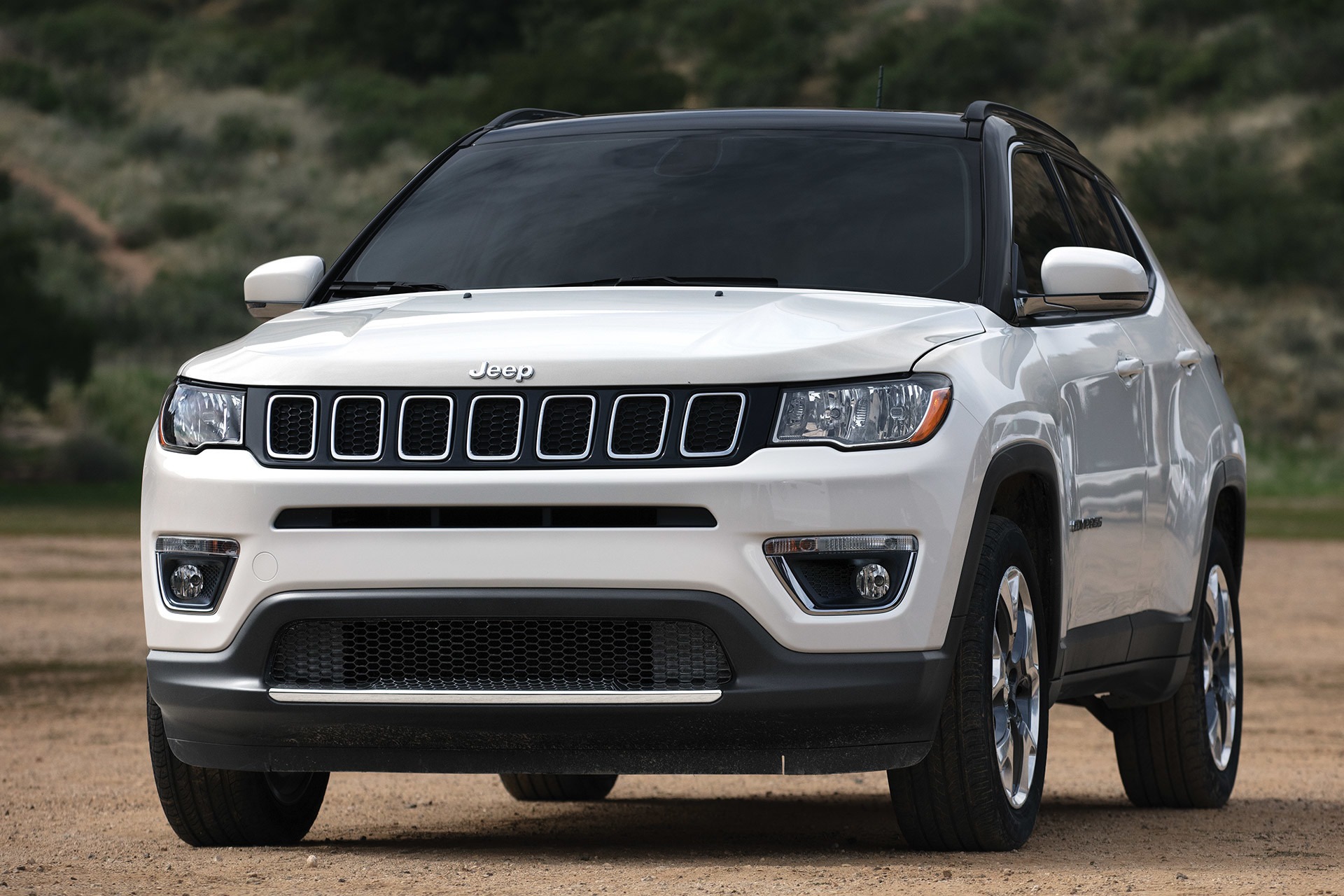
4. Jeep Compass (2021)
Next up is the 2021 Jeep Compass, which received a Marginal rating. According to the supplied information, the vehicle had poor driver pelvis protection in the updated test.
The IIHS table fills in more. The Compass’s structure rated Marginal, driver chest protection rated Acceptable, and rear passenger chest and pelvis measures rated Acceptable.
Head protection and head and neck measures were Good for both occupants. So it’s a case of strong head protection paired with a weaker structure and a Poor pelvis score.
It’s also worth comparing it with the Tucson. Both are 2021 models, both earned Marginal ratings, both had a Marginal structure, and both scored Poor for driver pelvis protection. That pattern suggests a shared challenge, though IIHS didn’t say the vehicles had the same cause.
IIHS also noted that the Compass rating doesn’t carry over to 2022 models, so owners of later years should check separately. The institute rated the Jeep Renegade Marginal too, though it isn’t on this list.
What can you do? Verify the year, wear belts, and look up the detailed ratings before you buy.
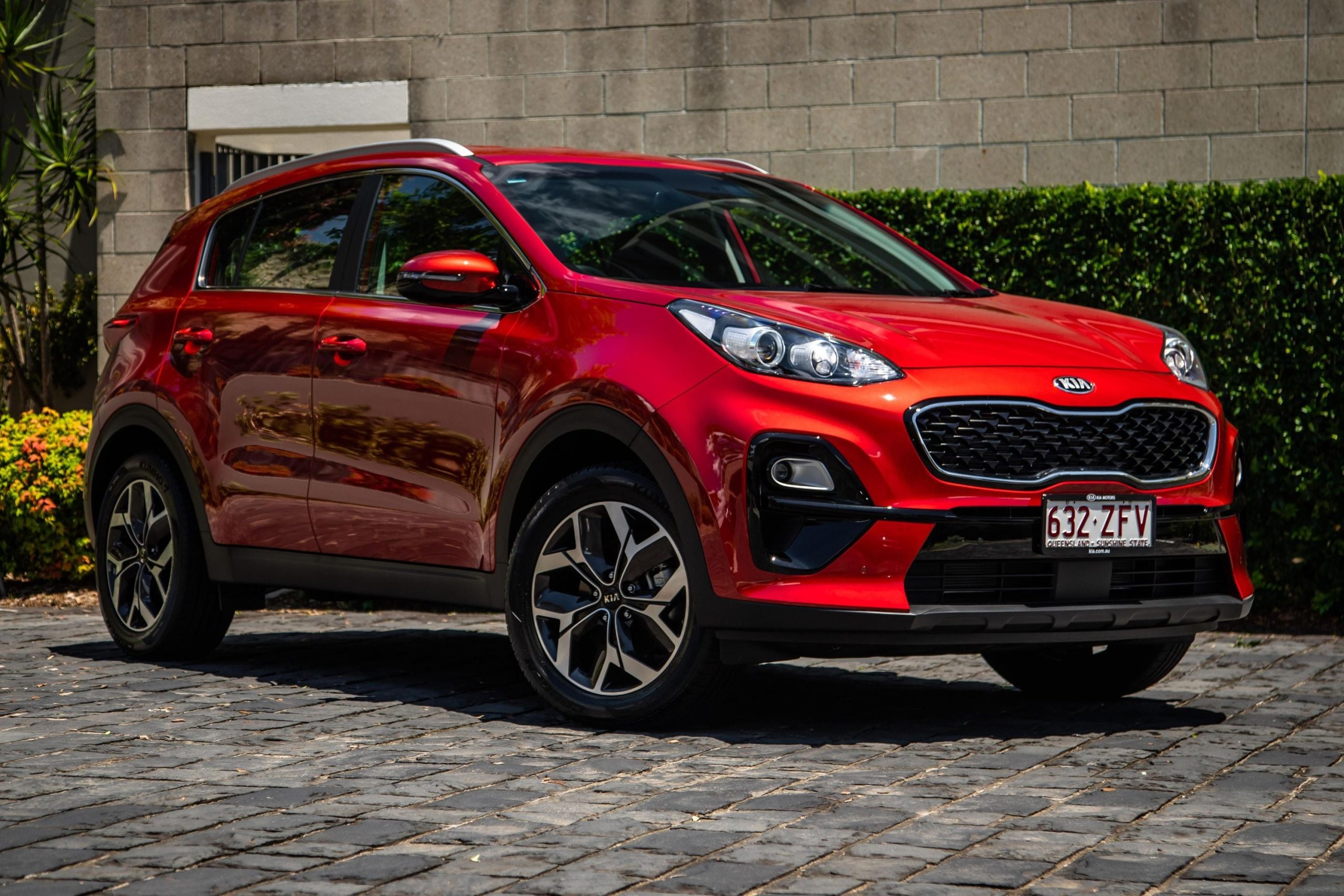
5. Kia Sportage (2021-22)
What pulled the Kia Sportage down? Let’s ask and answer. What rating did it get? Marginal, for the 2021 and 2022 model years.
What was the main problem? Poor driver pelvis protection, according to the supplied information, plus concerns with its performance in the updated test. IIHS’s table also lists a Marginal structure and Marginal rear passenger chest protection.
What went right? Head protection for both occupants rated Good, and driver and rear passenger head and neck measures were Good. So the airbags did a better job around the head than around the pelvis and torso.
How does it compare with its corporate sibling, the Hyundai Tucson? The Kia Sportage and Hyundai Tucson show similar results, with Marginal ratings, Marginal structure scores, and Poor driver pelvis scores. However, IIHS has not identified a shared cause for these findings, so the similarities should be treated as observations rather than evidence of the same underlying issue.
Should you avoid the Sportage? Not on this result alone. The original side test gave Good ratings to all 20 small SUVs. Check your year, read the full IIHS report, and compare with rivals.
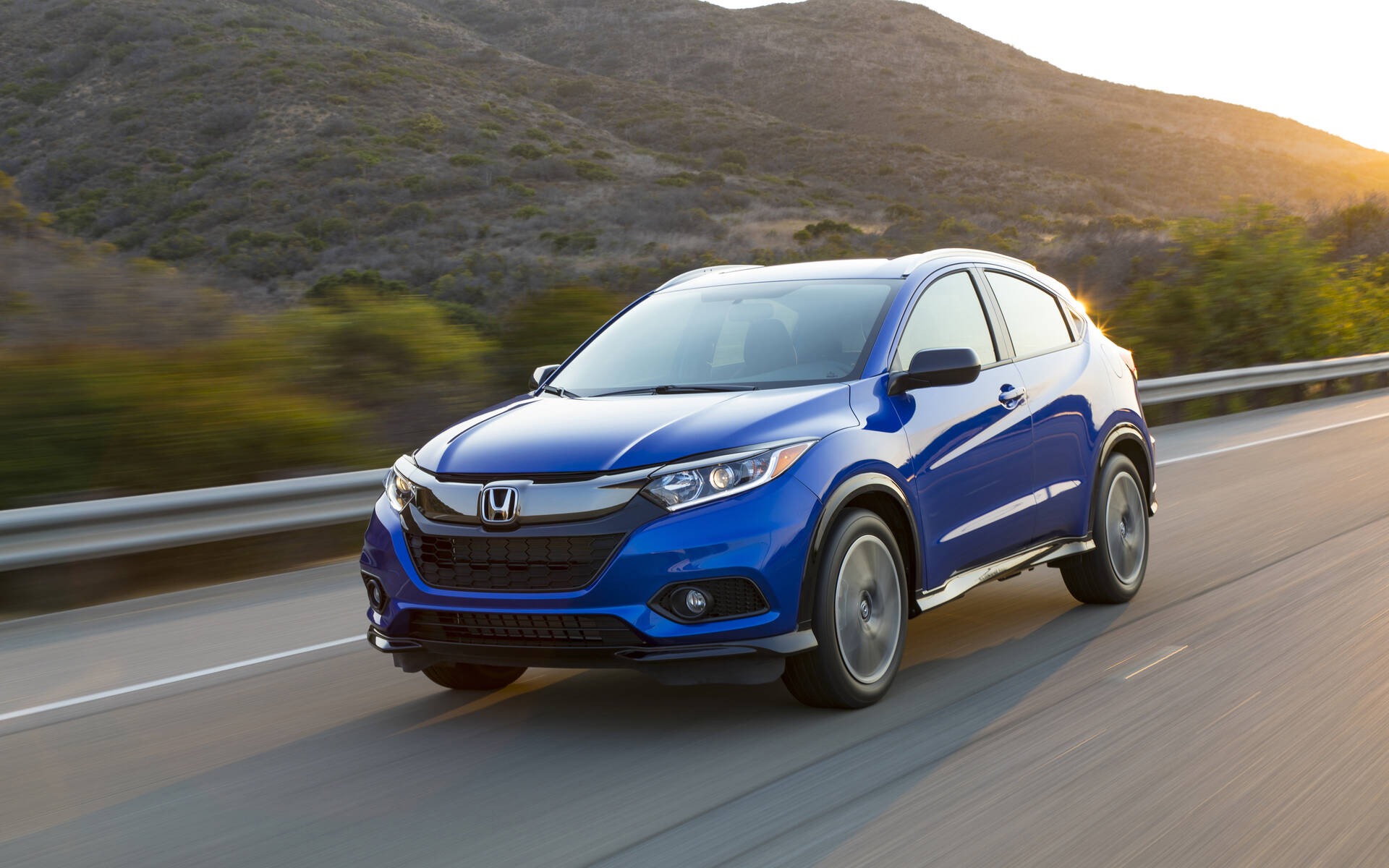
6. Honda HR-V (2021-22)
The 2021-22 Honda HR-V received a poor rating in the tougher IIHS side-impact test. One of the most concerning findings involved the B-pillar, the structural support between the front and rear doors.
During testing, the pillar began tearing away from the frame, allowing the side structure to crush inward. That type of structural failure can reduce the protective space around occupants during a side collision.
When the cabin is pushed inward, people inside may be exposed to greater forces and a higher risk of injury. The HR-V’s test results also indicated concerning injury measurements, reinforcing the effect that structural performance can have on occupant protection.
The poor rating distinguished the HR-V from several other SUVs on this list, which received marginal results. Both ratings indicate that the tested vehicle fell short of the IIHS’s highest performance standard, but a poor result reflects more serious deficiencies under the institute’s scoring system.
For people shopping for a used HR-V from these model years, the finding deserves careful attention. Buyers should examine the IIHS report and compare the vehicle with alternatives that achieved stronger results under the same test.
They should also check the vehicle’s collision history and confirm that its safety equipment is intact. The rating applies to the 2021-22 models evaluated in the original test.
It should not be treated as a rating for every HR-V generation. Later models may differ in structural design and safety technology, so shoppers should look up the precise model year before concluding a particular vehicle.
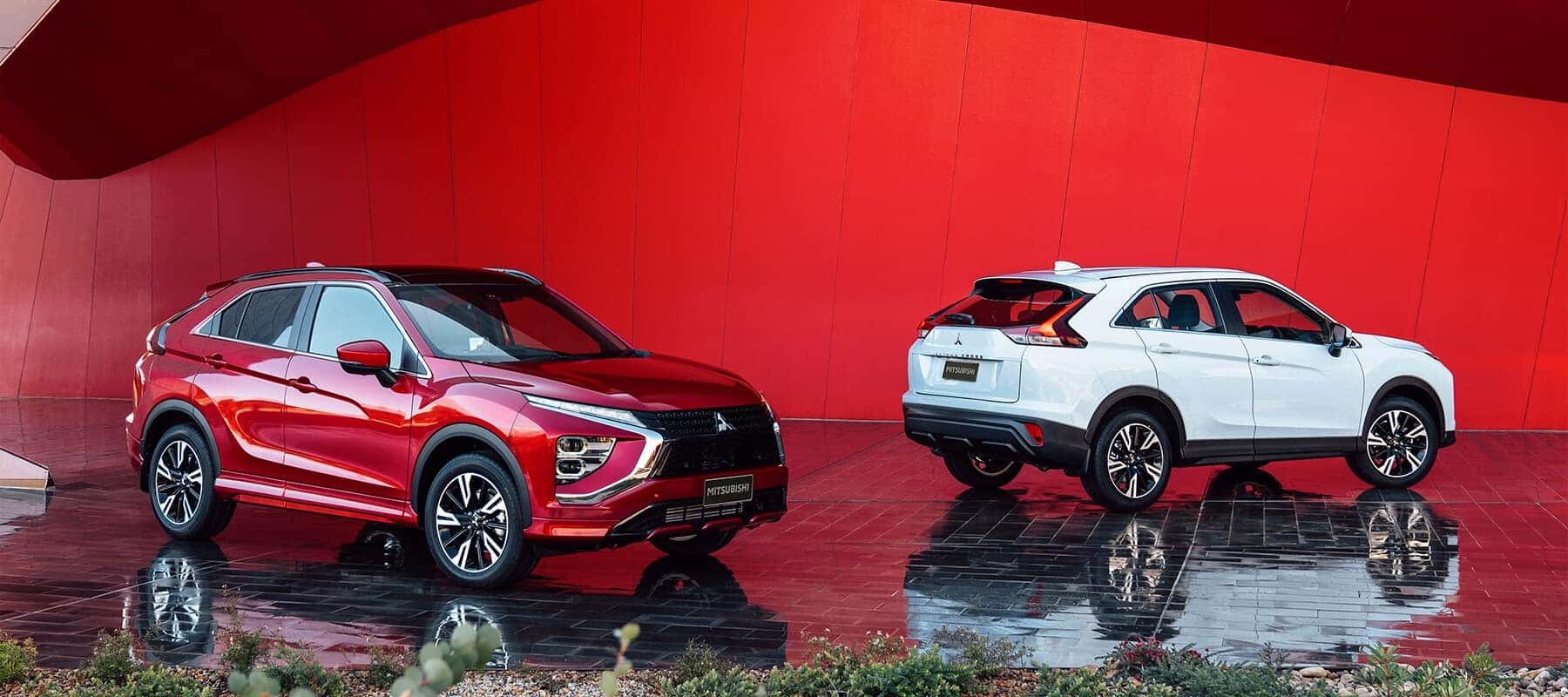
7. Mitsubishi Eclipse Cross (2020 and 2022)
Last on the list, and one of only two Poor ratings. The Mitsubishi Eclipse Cross, tested for the 2020 and 2022 model years, earned a Poor rating. Mitsubishi skipped the 2021 model year for this vehicle, so IIHS tested the 2020 model.
According to the supplied information, structural weakness and inadequate driver torso protection contributed. IIHS says a combination of structural weakness and inadequate seat-mounted torso airbags made the Eclipse Cross the only vehicle to earn a Poor rating for driver chest protection.
Now let’s step back. Out of 20 small SUVs tested, only the Mazda CX-5 earned Good. Nine earned Acceptable, eight Marginal, and two Poor.
These seven popular models fall in the lower tiers, though the list leaves out the GMC Terrain, Jeep Renegade, and Lincoln Corsair, which also earned Marginal ratings.
What should buyers do? Look up the exact year, since the findings concern specific model years tested in 2021. Check newer versions, read the full report, and compare rivals.
Side crashes still accounted for 23% of passenger vehicle occupant deaths in 2019, so side protection deserves a place on your checklist.
