
A cross-country drive puts more hours and miles on a car than most daily trips do. In a high-mileage vehicle, small maintenance issues can become costly delays when repair shops are far from home. Preparing before departure means checking wear items, reviewing service records, and replacing parts that are near the end of their useful life.
The goal is not to replace everything simply because the odometer shows a large number. It is to identify likely failures, address safety concerns, and give the vehicle the best chance of completing the journey reliably. A qualified mechanic can help prioritize repairs before departure.

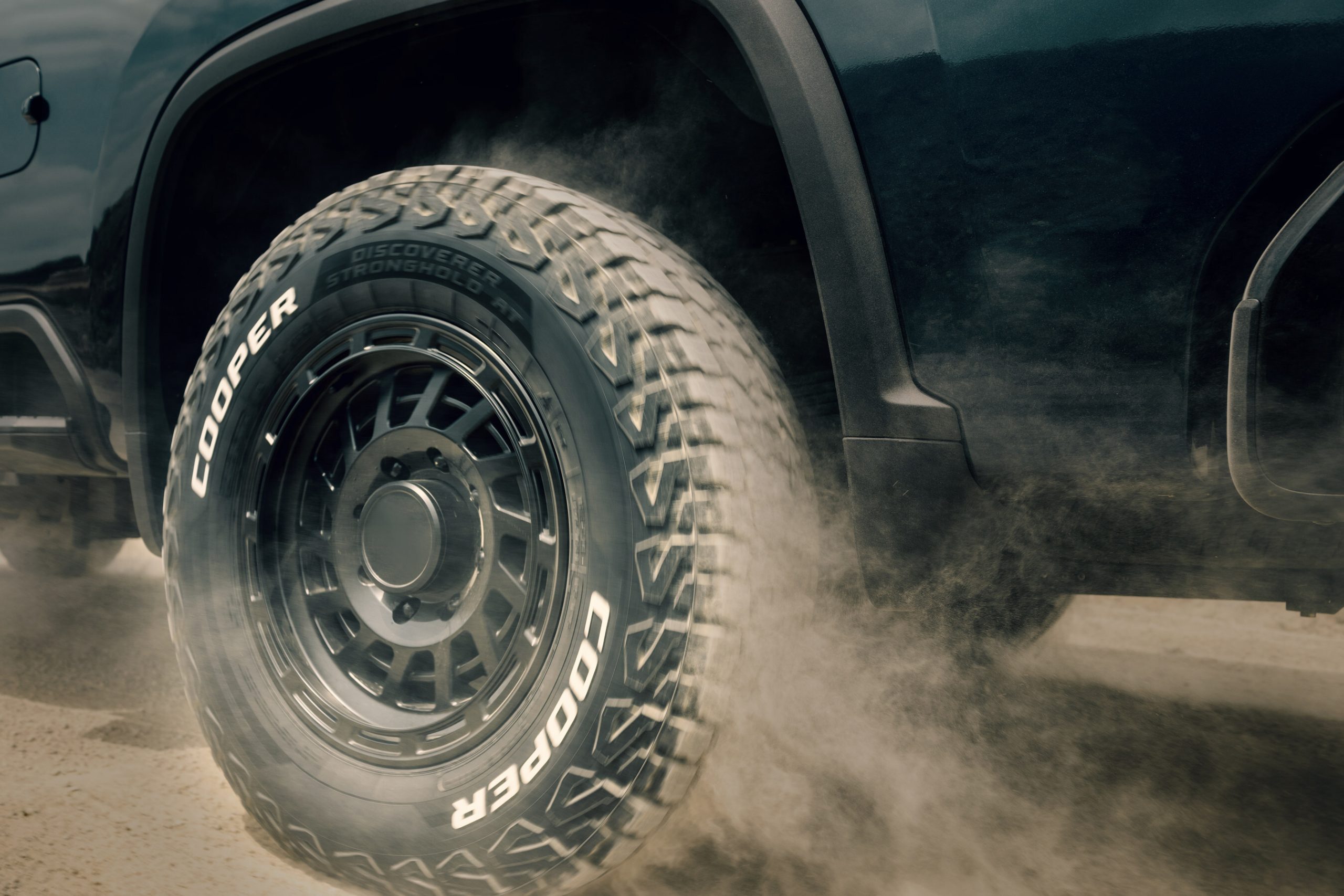
1. Tires: Protect Your Safety and Maintain Reliable Handling
Tires deserve close attention before any long-distance road trip, particularly when a car has accumulated well over 100,000 miles. Extended highway driving generates heat, increases exposure to road hazards, and places sustained demands on the rubber and internal tire structure.
Old or worn tires may struggle to provide reliable traction during sudden braking, heavy rain, or emergency maneuvers. Inspect all four tires carefully and check the spare, since a roadside emergency is a poor time to discover that a tire cannot safely carry the vehicle.
Tread depth is an important indicator of tire condition, but it is not the only factor that matters. In the United States, tires are generally considered legally worn at 2/32 of an inch of remaining tread, subject to applicable state requirements.
Wet-weather performance can deteriorate before that point, making earlier replacement sensible for a long journey. Look for uneven wear, bald patches, exposed cords, cracks, and bulges along the sidewalls. Any structural damage should receive immediate professional attention rather than being treated as a minor cosmetic concern.
Tire age also matters, even when the tread appears adequate. Rubber compounds gradually change with exposure to heat, sunlight, oxygen, and environmental conditions.
Check the manufacturing date stamped on the tire sidewall, usually represented by the final four digits of the DOT identification code. Those digits indicate the week and year of manufacture. Follow the tire manufacturer’s age-related inspection and replacement recommendations, particularly if the vehicle has spent long periods parked outdoors or has been driven infrequently.
Before departure, check tire pressure when the tires are cold and compare the readings with the pressure listed on the vehicle’s door-jamb placard or owner’s manual. Do not rely on the maximum pressure printed on the tire sidewall as the normal operating target.
Proper inflation supports handling, fuel economy, and even tread wear. If the tires show uneven wear, ask a mechanic to inspect wheel alignment, suspension components, and balancing. Installing new tires without correcting an underlying mechanical problem can shorten their service life.
Replacing worn or aging tires before a cross-country trip provides better preparation than waiting for a roadside failure. Choose tires appropriate for the vehicle, expected weather, and driving conditions.
If the route includes mountain passes, frequent rain, or cold temperatures, select a suitable tire type rather than focusing only on purchase price. Have the wheels balanced during installation and confirm that the spare, jack, and lug wrench are usable. These simple steps can reduce avoidable disruptions and help maintain predictable handling over hundreds of miles.
2. Brake Pads and Rotors: Maintain Dependable Stopping Power
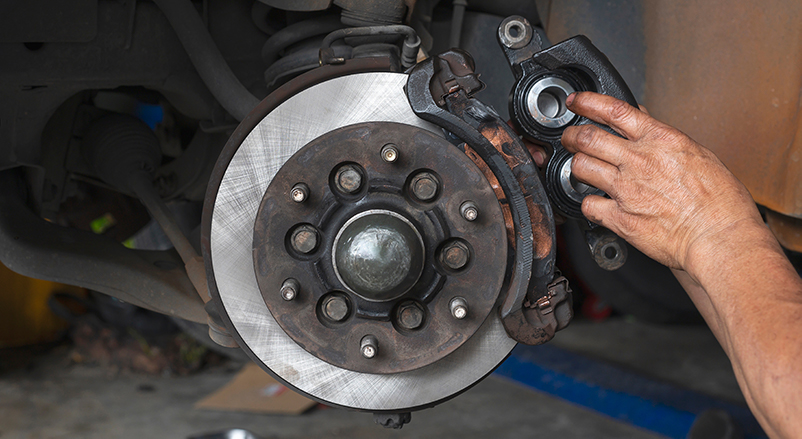
Brakes experience repeated heat and friction during everyday driving, and a lengthy trip can reveal wear that has gone unnoticed around town. Before departure, have a mechanic inspect the brake pads, rotors, calipers, hoses, and parking brake.
A vehicle may still stop normally with partially worn pads, yet the remaining material could be insufficient for the planned mileage. Replacing components before they reach their service limits is a practical way to reduce the risk of brake problems far from home.
Brake pads gradually become thinner as their friction material wears away. Many vehicles include wear indicators that produce a squealing sound when replacement is approaching, but not every vehicle provides an obvious warning.
Grinding noises, a change in pedal feel, or longer stopping distances require prompt investigation. The mechanic should measure the remaining pad thickness and compare it with manufacturer specifications. If the pads are close to their replacement limit, fitting new pads before departure is preferable to gambling on their remaining life.
Brake rotors also deserve inspection because new pads cannot correct every braking problem. Rotors may develop excessive thickness variation, scoring, corrosion, or heat-related damage.
A steering wheel that shakes during braking can indicate rotor variation or other problems in the braking or suspension system. Rotors can sometimes be resurfaced if the manufacturer permits it and sufficient thickness remains. If they are below the specified minimum thickness or damaged beyond acceptable limits, replacement is the safer choice.
Brake fluid is equally important because it transfers force through the hydraulic braking system. Many manufacturers recommend replacing it at specified time intervals, commonly measured in years, rather than according to mileage alone.
Brake fluid can absorb moisture, which may reduce its boiling point and contribute to corrosion within the system. Follow the owner’s manual for the correct fluid specification and service interval. If the fluid is overdue, contaminated, or associated with a hydraulic leak, have the problem corrected before starting the trip.
After brake repairs, ask the mechanic to verify that the system operates correctly and that the wheels turn freely without abnormal resistance. Follow any recommended bedding-in procedure for new pads and rotors, since proper initial use can help establish consistent friction.
During the journey, avoid excessive speed and leave sufficient distance between vehicles. On long downhill stretches, use the transmission’s appropriate lower gear when recommended for the vehicle instead of continuously riding the brakes. These habits help manage heat and preserve braking performance.
3. Battery: Prevent Unexpected Starting Problems
A weak battery can turn an otherwise routine travel stop into an inconvenient breakdown. High-mileage cars may still have their original battery, or a replacement battery that has spent several years dealing with heat, cold, and repeated starting cycles.
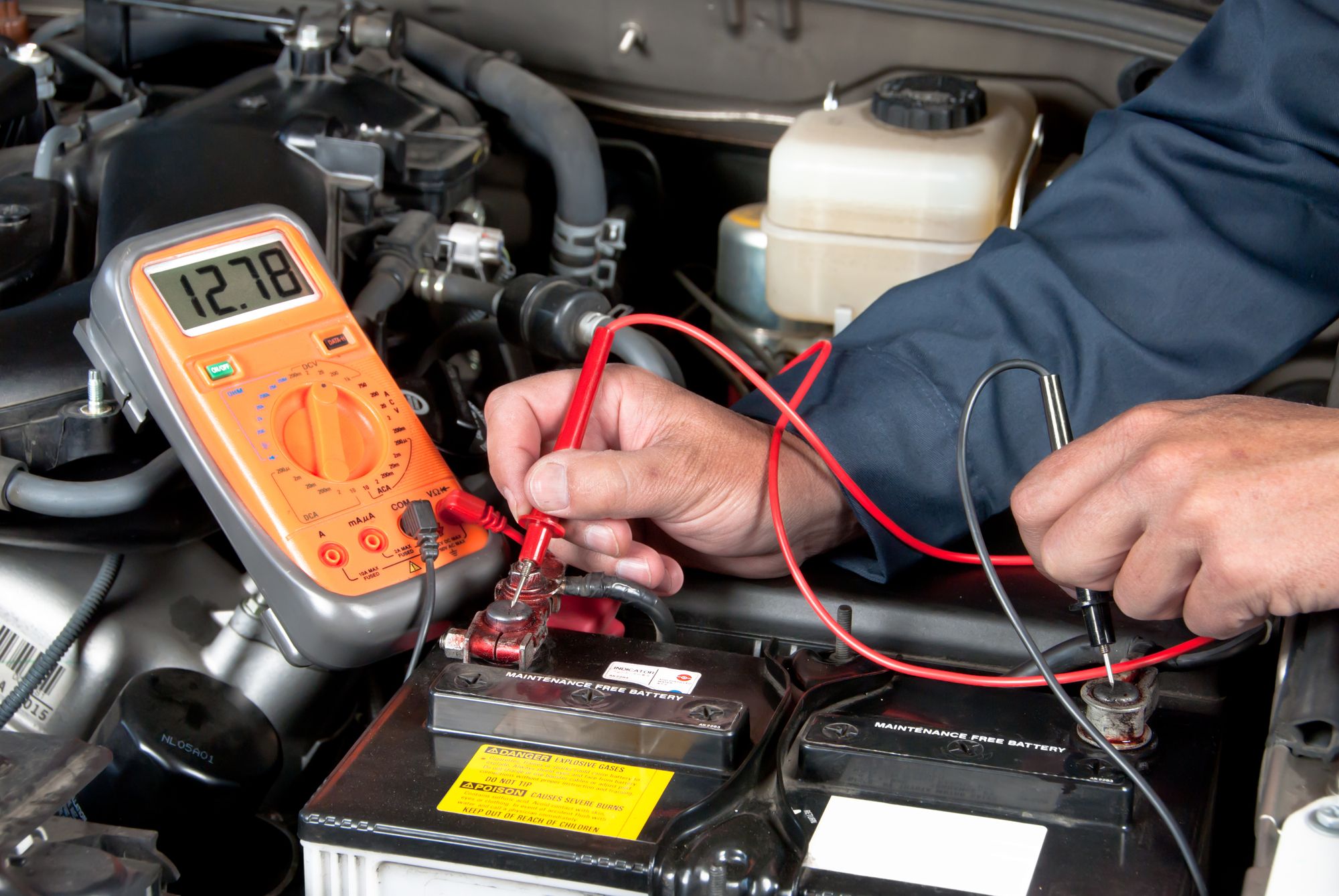
Batteries often deteriorate gradually, but failure can occur with little warning. Before a long drive, check the battery’s age, starting performance, terminal condition, and test results. Replacing a battery that fails a proper load or conductance test can be more sensible than waiting for it to stop working.
Pay attention to symptoms such as slow engine cranking, dim lights during starting, intermittent electrical issues, or a battery warning indicator. These signs do not automatically prove that the battery is defective. A failing alternator, damaged wiring, poor ground connection, or excessive electrical drain can produce similar problems.
A mechanic should test the battery and charging system together so the underlying fault is identified. Installing a fresh battery will not solve a charging problem that continues to drain or damage it.
Battery terminals and cables should be inspected for corrosion, looseness, damaged insulation, and poor connections. Corrosion can interfere with electrical flow, while loose connections may cause intermittent starting difficulties. A technician can clean and secure the connections using the correct procedure and check the battery hold-down.
A battery that moves excessively can suffer damage, especially over rough roads. Because modern vehicles may require specific battery registration or electronic resets, follow the manufacturer’s instructions when installing a replacement.
The alternator also deserves attention before a major journey. It supplies electrical power while the engine runs and replenishes the battery’s charge. A charging-system fault may cause warning lights, flickering headlights, or electrical accessories to behave unpredictably.
Have charging voltage and system performance tested under suitable conditions. On vehicles with smart charging systems, readings can vary according to temperature, battery state, and operating conditions, so diagnosis should follow the manufacturer’s procedure rather than relying on a single universal voltage reading.
When replacement is necessary, select a battery with the correct size, terminal arrangement, capacity, and starting performance for the vehicle. Vehicles equipped with start-stop systems or particular battery-management technology may require an appropriate battery type and installation procedure.
Keep emergency contact details and roadside assistance information accessible, and consider carrying a compatible jump starter if permitted by its instructions and local regulations. A healthy battery, working charging system, and secure electrical connections make starting more dependable during repeated stops across a long route.
4. Engine Oil and Filters: Support Long-Term Engine Health
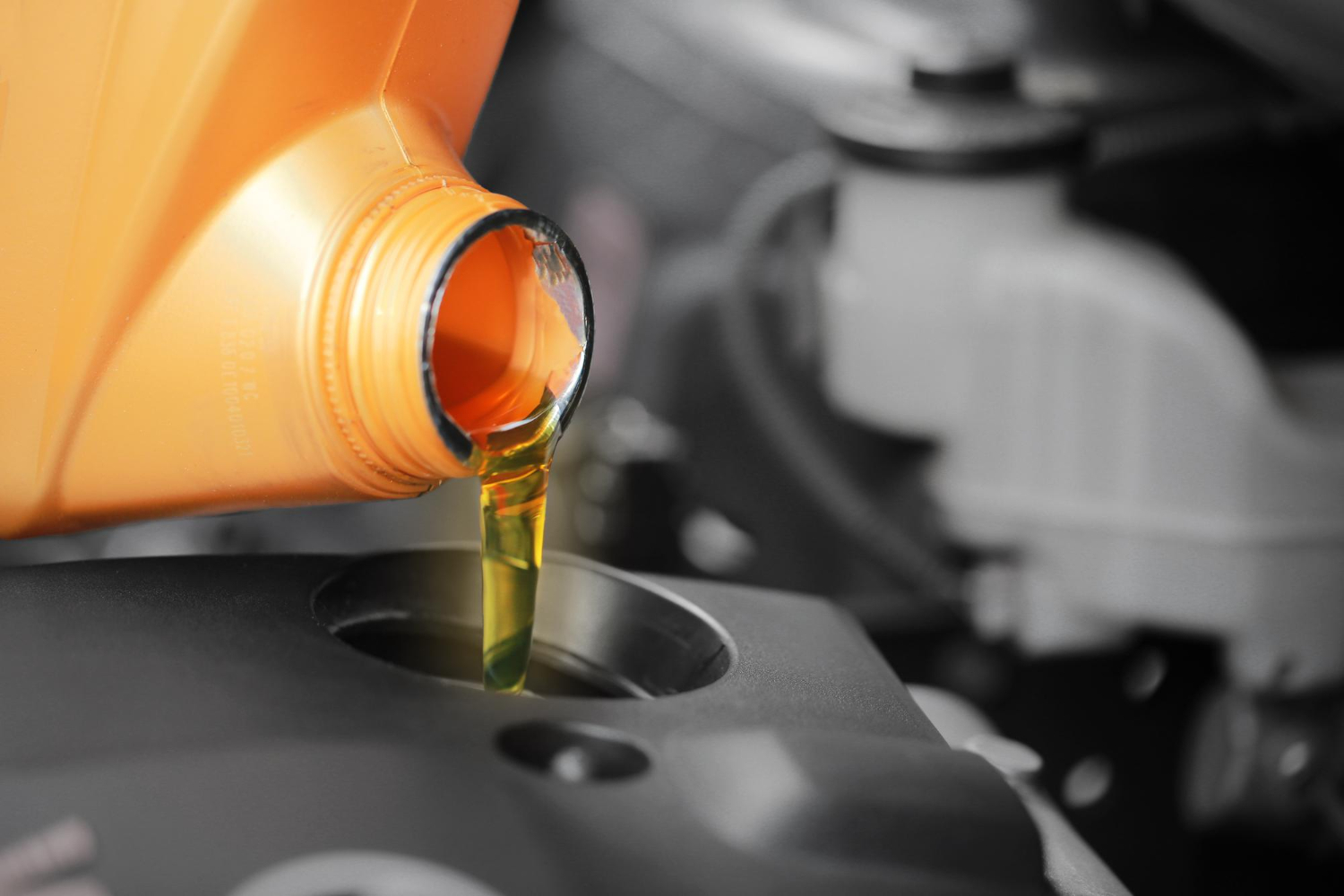
Engine oil reduces friction, helps control heat, suspends contaminants, and protects internal components from wear. In a high-mileage car, oil condition deserves special attention because the engine may have accumulated years of operating stress.
Before leaving, check the service history and confirm that the next oil change will not fall due midway through the journey. If the service interval is approaching, changing the oil and filter beforehand is a sensible precaution. Use the grade and specification required by the vehicle manufacturer.
Older engines may consume more oil than they did when new, particularly if seals, piston rings, or other components have worn. That does not mean every high-mileage engine needs a thicker oil.
The correct choice depends on the manufacturer’s specifications, operating conditions, and any approved guidance for engines with significant mileage. Check the dipstick according to the owner’s manual and look for signs of unusual oil loss. If the level repeatedly drops, investigate the cause rather than assuming that carrying extra oil is a complete solution.
The oil filter traps particles and other contaminants that circulate through the lubrication system. A clogged, damaged, or unsuitable filter can interfere with proper filtration and, depending on its design, affect oil flow. Replacing the filter at the recommended service interval helps maintain the intended protection.
Choose a reputable filter designed for the vehicle and avoid products that do not meet the required specifications. During an oil change, the technician should also inspect the drain plug, filter housing, and surrounding areas for leaks.
Air and fuel filters should also be reviewed as part of pre-trip maintenance. The engine air filter helps prevent dust and debris from entering the intake, while the fuel filter, where separately serviceable, helps protect the fuel system from contamination. Replacement intervals vary by vehicle design and driving environment.
Cars frequently driven on dusty roads may need more frequent air-filter attention than vehicles used mainly in clean urban conditions. Replacing a filter that is dirty or overdue can support proper operation, but unnecessary replacement of a clean filter offers little benefit.
After servicing the engine, check for leaks and verify that the oil level is correct. Carrying a small quantity of the specified engine oil can be useful if the vehicle has a known tendency to consume oil, provided it is stored securely.
Check the level during the trip at intervals appropriate to the vehicle and its operating condition, especially if previous consumption has been documented. If the oil-pressure warning light comes on while driving, stop safely and switch off the engine as soon as practical. Continuing to drive with inadequate oil pressure can cause severe engine damage.
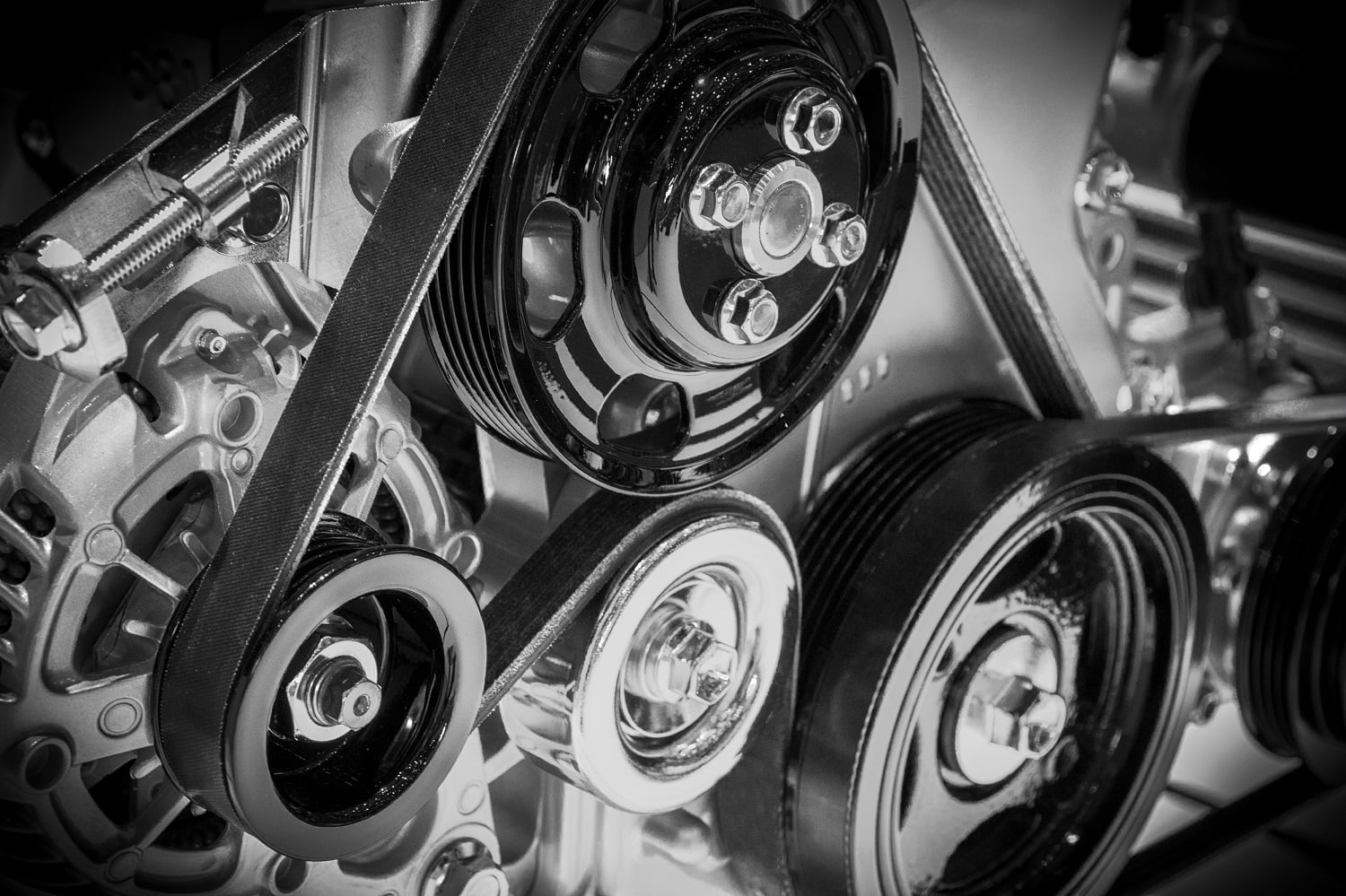
5. Belts and Hoses: Reduce the Risk of Roadside Breakdowns
Rubber belts and hoses perform important jobs that are easy to overlook during routine maintenance. Accessory belts may drive the alternator, water pump, air-conditioning compressor, or power-steering pump, depending on the vehicle’s design.
Hoses carry coolant and other fluids through their respective systems. As these components age, they can develop cracks, swelling, hardening, glazing, leaks, or internal deterioration. Inspecting them before a long journey helps identify weaknesses that might otherwise become serious problems on the highway.
The serpentine belt is particularly important because its failure can affect several vehicle systems at once. A broken belt may stop the alternator from charging the battery and can disable the water pump on designs where that pump is belt-driven.
In some vehicles, a loss of belt-driven power steering can also make steering more difficult. Inspect the belt for fraying, missing ribs, cracking where applicable, contamination, and signs of slipping. Follow the manufacturer’s inspection and replacement schedule instead of relying on appearance alone.
Timing belts require separate consideration because they operate inside or behind protective covers and may not be visible during a basic inspection. If the engine uses a timing belt, check the service records to establish when it was last replaced and whether the specified mileage or age limit is approaching.
A timing belt failure can cause engine damage on interference-engine designs. Replacement intervals vary considerably by model and engine, so use the manufacturer’s schedule. If the history is unknown on a vehicle with an overdue timing belt, obtain professional advice before travelling.
Coolant hoses should be examined for soft spots, bulges, surface cracks, damaged clamps, and dried coolant residue around their connections. A hose may deteriorate internally even when its outer surface looks acceptable. The upper and lower radiator hoses, heater hoses, and smaller coolant lines should all be considered during a thorough inspection.
Replace any hose that shows significant deterioration or leakage. Use the correct hose type and clamps, and make sure connections are secure. Improvised repairs may fail when the cooling system becomes hot and pressurized.
The belt tensioner and idler pulleys also matter because a new belt cannot operate reliably if its supporting hardware is worn. Unusual squealing, rattling, vibration, or visible belt movement may indicate a tensioner or pulley problem.
Ask the technician to inspect these components when replacing an aging belt. Replacing related parts at the same time can reduce repeat labour and lower the likelihood of a second failure during the trip. After repairs, monitor for unusual sounds and never inspect moving belts with the engine running.
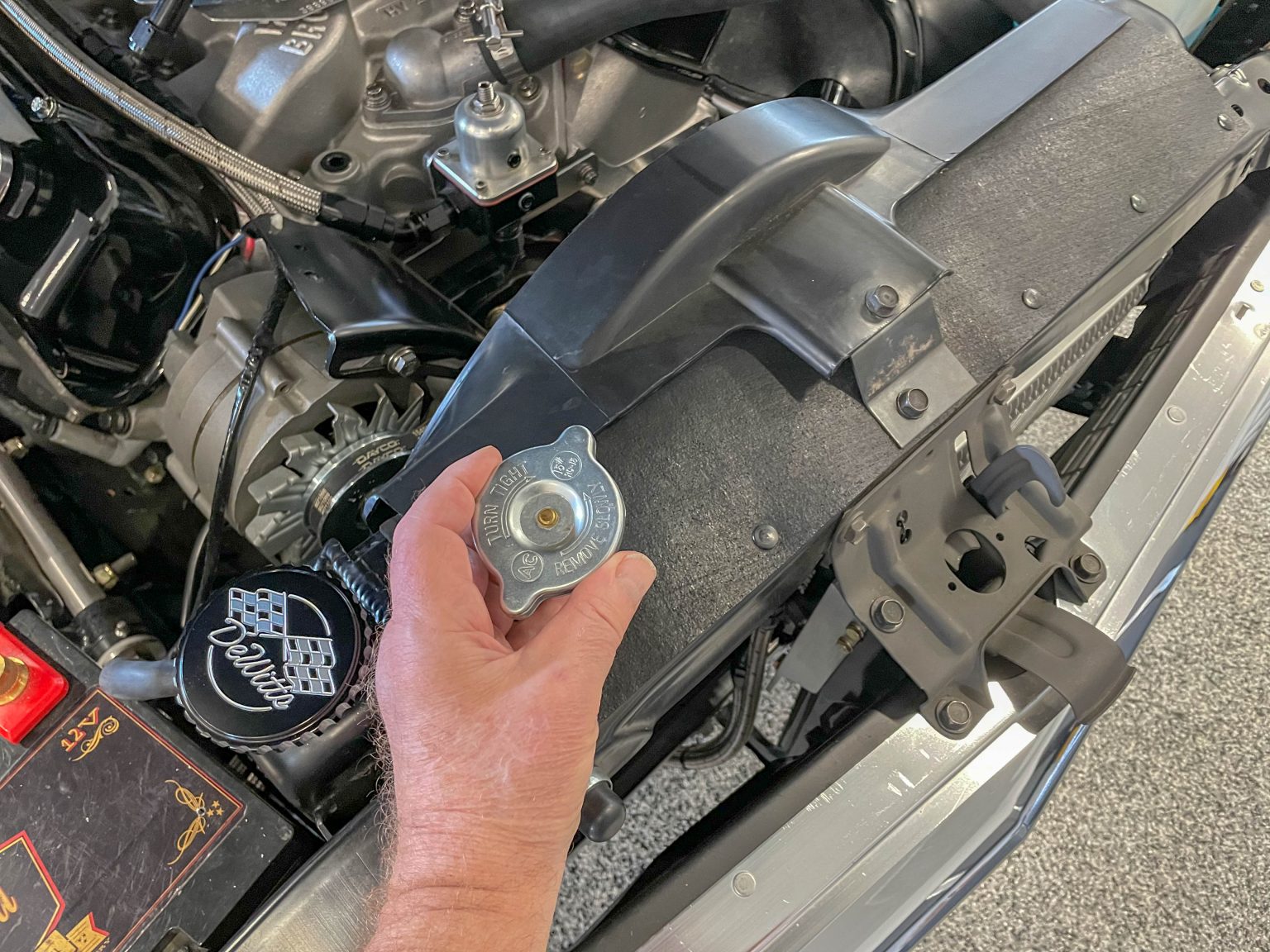
6. Cooling System Components: Keep Engine Temperatures Under Control
A cooling-system failure can quickly turn a road trip into an expensive repair, especially during hot weather, heavy traffic, or steep climbs.
High-mileage vehicles may have aging radiators, water pumps, thermostats, hoses, and seals that are more vulnerable to leakage or reduced performance. Before departure, check the coolant level when the engine is cold and look for visible leaks or dried residue.
If the temperature gauge has been rising above its normal range, diagnose the problem before travelling rather than hoping highway airflow will resolve it.
Coolant loses some of its protective properties over time, and the correct service interval depends on the formulation specified for the vehicle. Different coolant types may use different additive packages and should not be mixed without manufacturer approval.
If the coolant is overdue for replacement, contaminated, or inconsistent with the required specification, have the system serviced correctly. A proper service may include draining, flushing when appropriate, and refilling with the specified mixture. Never remove a radiator cap or pressurized coolant reservoir cap while the engine is hot.
The radiator transfers heat from the coolant to the surrounding air. Corrosion, internal deposits, damaged fins, external debris, or leaks can reduce its ability to perform this job. Inspect the radiator and condenser area for obstructions and visible damage, taking care not to bend delicate fins during cleaning.
A radiator that leaks or cannot maintain adequate cooling may need replacement. If overheating occurs only in slow traffic, the radiator fan, fan controls, airflow, and other cooling components should be checked rather than replacing parts without diagnosis.
The water pump circulates coolant through the engine and radiator. Depending on its design, the pump may be driven by a timing belt, serpentine belt, or an electric motor. Warning signs can include coolant leakage, bearing noise, unusual temperature fluctuations, or overheating.
Some water pumps show few obvious symptoms before failing, which makes service history particularly important when the pump is linked to a scheduled timing-belt replacement. If the pump is due for service or shows signs of failure, replacing it before a long trip may prevent major disruption.
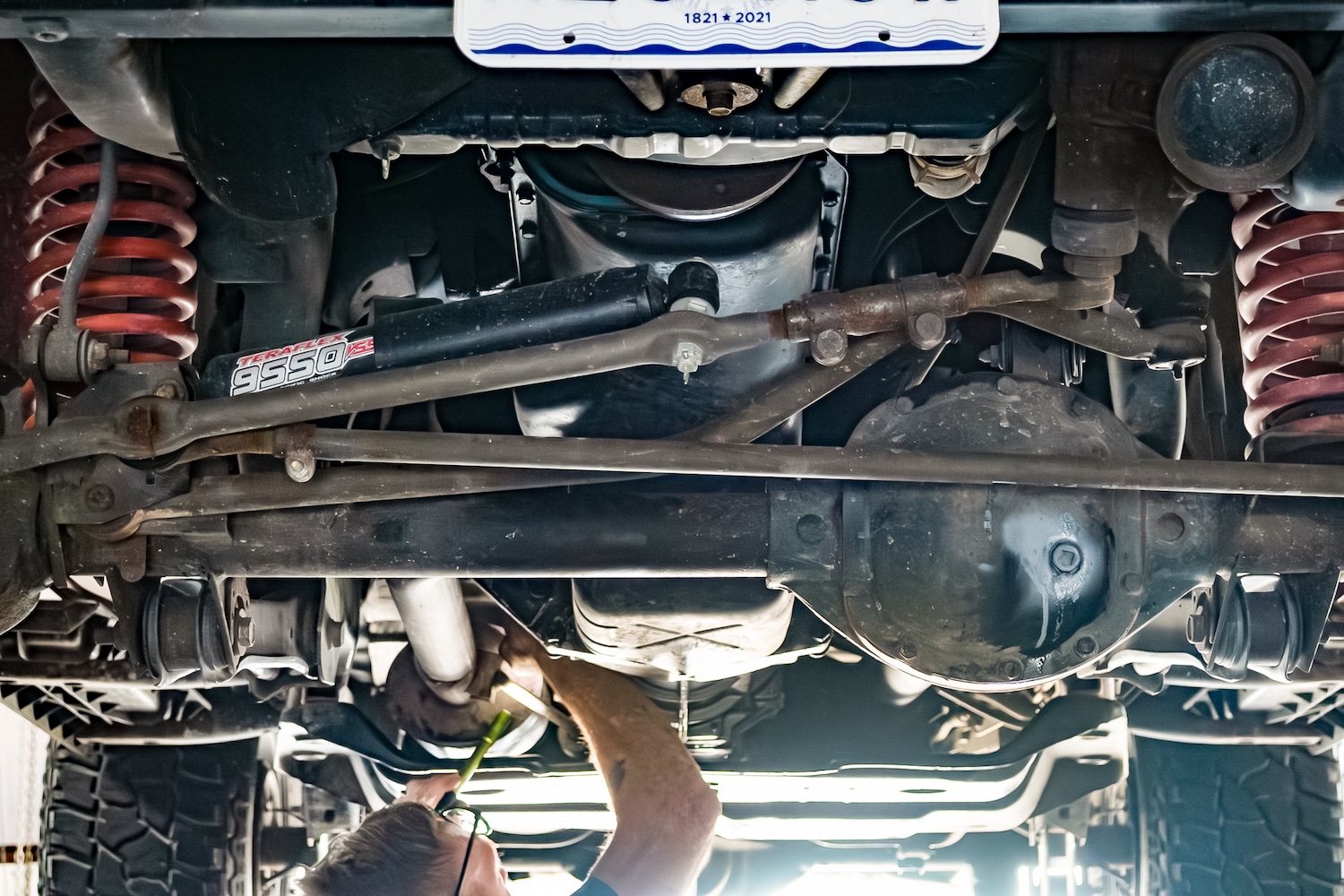
7. Suspension and Steering Parts: Preserve Stability and Control
A high-mileage car’s suspension and steering systems may have experienced years of potholes, rough roads, heavy loads, and repeated cornering.
Worn suspension and steering parts can compromise vehicle handling, accelerate tire wear, reduce ride comfort, and affect braking stability. Before setting off on a long trip, have a mechanic inspect the ball joints, control arms, bushings, tie-rod ends, wheel bearings, and shock absorbers or struts.
The components may differ depending on the vehicle, but the goal is to identify excessive movement, physical damage, fluid leaks, or wear that could make the vehicle harder to control safely.
Shock absorbers and struts help control spring movement and keep the tires in better contact with the road. Worn units may contribute to excessive bouncing, nose-diving during braking, body roll, or reduced stability over uneven surfaces.
Fluid leakage, damaged mounts, and unusual tire wear can provide useful clues, but a visual inspection alone may not reveal every problem. If the vehicle feels unsettled at highway speed or continues bouncing after road imperfections, arrange a professional assessment before setting off.
Steering components should receive similar attention because looseness can make a car difficult to control precisely. Worn tie-rod ends, damaged steering joints, or problems with the steering rack can contribute to vague steering, uneven tire wear, or knocking noises.
A steering wheel that suddenly becomes unusually heavy, develops excessive free play, or fails to return as expected needs prompt inspection. Do not assume these symptoms are simply the result of an older vehicle. Correct diagnosis can reveal whether a component needs adjustment, repair, or replacement.
Wheel bearings support the wheels as they rotate and can deteriorate with age, mileage, impact damage, or contamination. A humming or growling noise that changes with vehicle speed may indicate a bearing problem, though tire noise and other faults can produce similar sounds.
Excessive bearing play or severe damage can create a safety concern. Have suspicious noises investigated before travelling. Replacing a worn bearing in advance is preferable to risking a breakdown or further damage far from home.
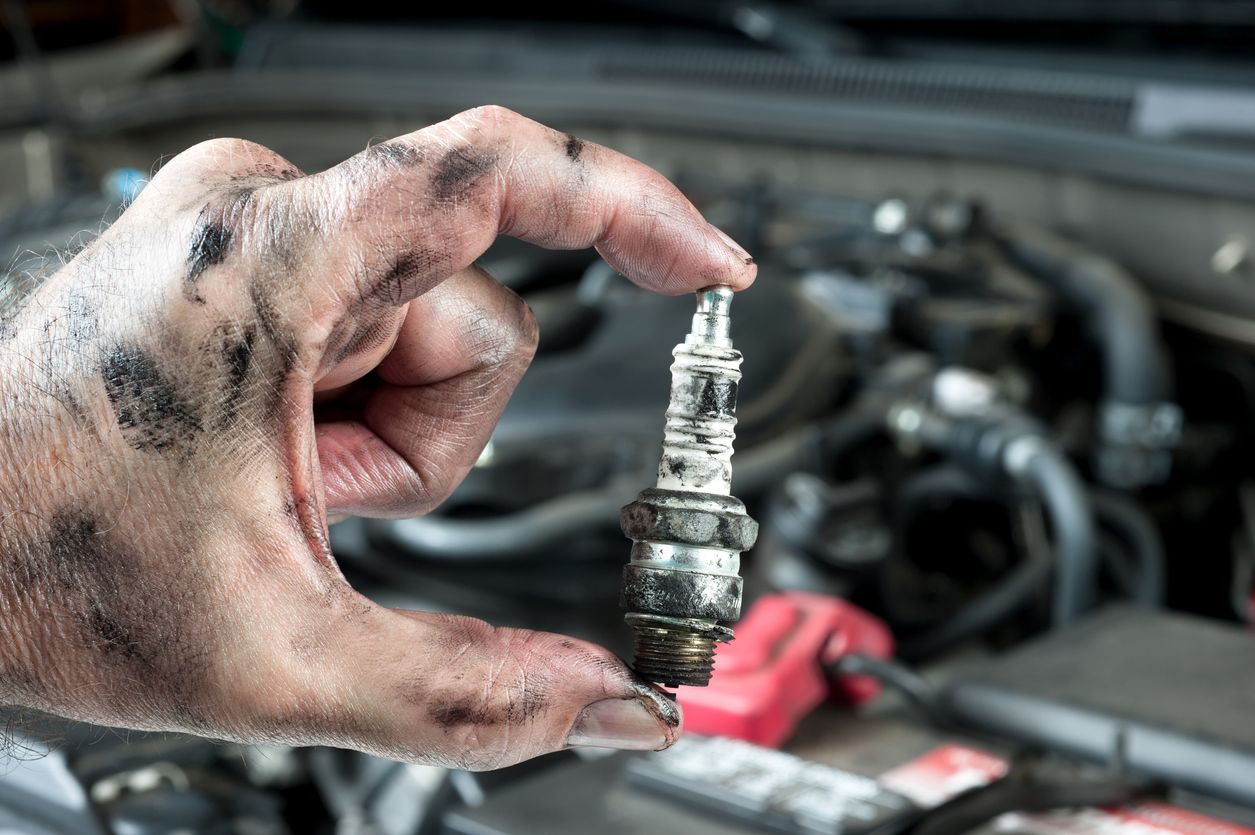
8. Spark Plugs and Ignition Components
Spark plugs play a central role in petrol-engine combustion by producing the spark that ignites the air-fuel mixture. Over time, electrodes wear, deposits may accumulate, and the gap can move outside the intended specification. These changes may contribute to misfires, rough idling, reduced performance, and increased fuel consumption.
Before a long trip, check the maintenance history against the manufacturer’s recommended replacement interval. If the plugs are overdue or inspection reveals damage, replacement can help restore reliable ignition and reduce the chance of a preventable engine problem.
Ignition coils supply the electrical energy needed to create the spark. Their lifespan varies with design, heat exposure, operating conditions, and maintenance history. A failing coil may cause a misfire, an illuminated check-engine light, hesitation under acceleration, or rough running.
Some faults appear only when the engine is hot or under heavy load. If these symptoms have occurred, obtain a diagnostic scan and proper testing before replacing parts. Installing new spark plugs will not resolve a defective coil or a separate fuel-delivery problem.
Spark plug replacement should follow the exact requirements for the engine. Different engines may require particular plug materials, heat ranges, thread specifications, and electrode gaps. Some modern spark plugs have precise factory-set gaps that should not be altered unless the manufacturer permits it.
Incorrect plugs or installation methods can cause misfires or damage engine components. A technician should use the appropriate tools and tightening specifications, particularly on engines with aluminium cylinder heads, where incorrect installation can damage threads.
High-mileage engines can also develop ignition-related symptoms because of other underlying conditions, including vacuum leaks, injector problems, low compression, or faulty sensors. A misfire should not automatically be blamed on spark plugs.
Modern engine-management systems may store diagnostic trouble codes that help narrow down the cause, but those codes need interpretation and testing. If the check-engine light flashes, reduce engine load and stop driving when safe if the engine is running poorly. A flashing light commonly signals a misfire that can damage the catalytic converter.
