
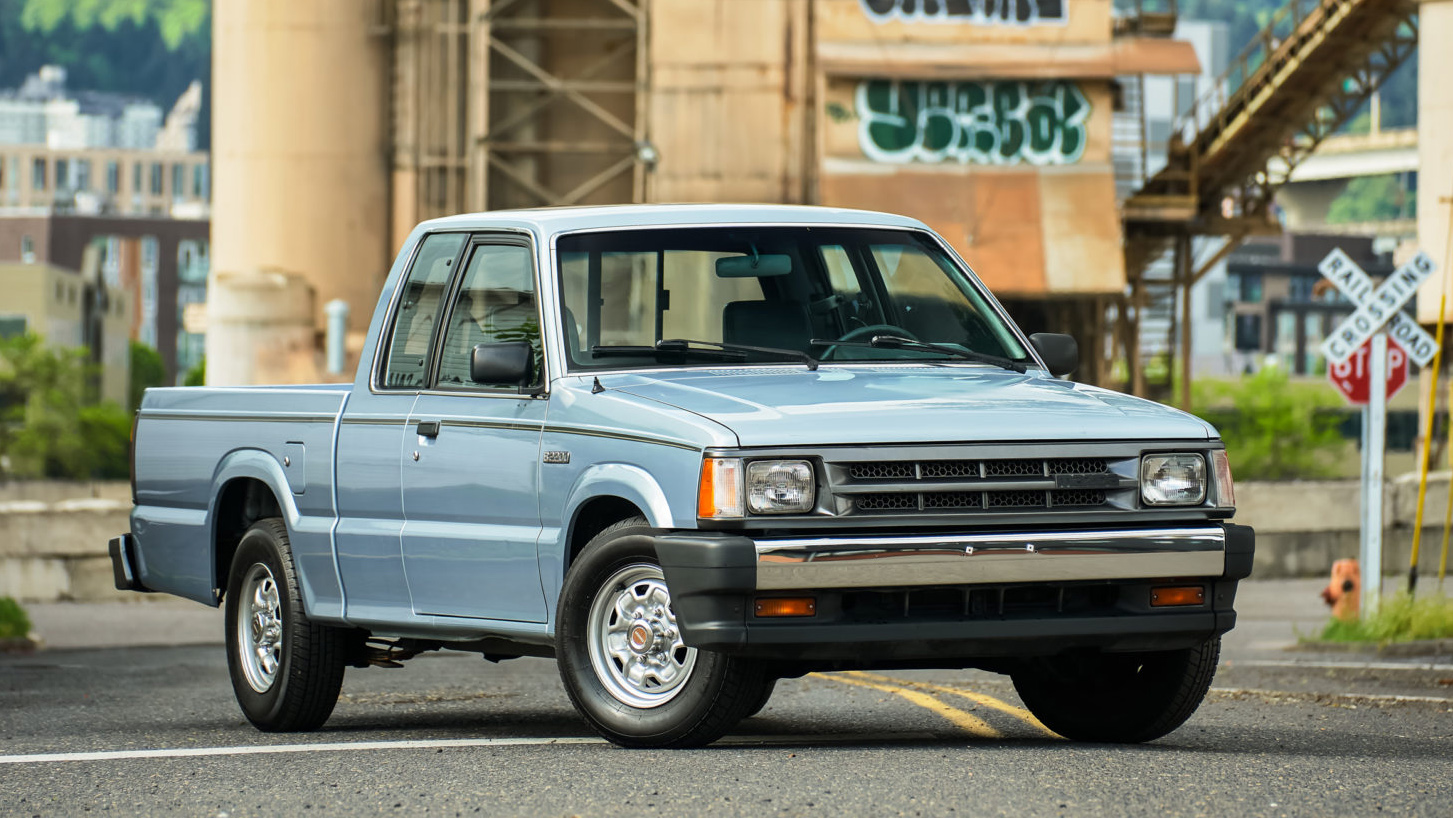
A vehicle recall usually means owners should arrange a repair as soon as possible, but some safety defects demand a much more urgent response.
In the United States, the National Highway Traffic Safety Administration (NHTSA) has issued consumer alerts about vehicles covered by manufacturers’ “Do Not Drive” warnings, particularly older cars with dangerous Takata airbag inflators.
These devices can rupture during deployment and send metal fragments into the passenger compartment. The following cases examine specific vehicles, the safety defects behind the warnings, and why owners were told to keep affected cars parked until the required repairs were completed.
An important distinction is that the automaker issued the actual driving prohibition in several cases, while NHTSA publicized the warning and urged owners to follow it. The advice applies only to vehicles with the relevant unrepaired recall, not every vehicle of the same model.
1. 2004-2006 Ford Ranger
The 2004-2006 Ford Ranger is among the vehicles covered by urgent warnings concerning unrepaired Takata airbag inflators.
On August 13, 2024, NHTSA reported that Ford had issued a “Do Not Drive” warning covering certain unrepaired vehicles equipped with recalled Takata airbags. Ford’s warning included these Ranger model years under earlier recall campaigns.
The defect is particularly concerning because it can turn a safety device into a source of serious injury. An airbag inflator is designed to produce gas rapidly during a crash, inflating the airbag to cushion an occupant.
In affected Takata inflators, the propellant can degrade over time, particularly under certain environmental conditions. When the inflator activates, excessive pressure can cause its metal housing to rupture, firing sharp fragments into the cabin.
The danger is not limited to high-speed collisions. An airbag may deploy in a relatively modest crash, meaning an inflator rupture can expose the driver to potentially fatal injuries even when the original collision might otherwise have been survivable.
NHTSA previously reported a fatal crash involving a 2006 Ford Ranger in which the driver’s Takata inflator ruptured. The agency said the vehicle was already covered by a “Do Not Drive” warning.
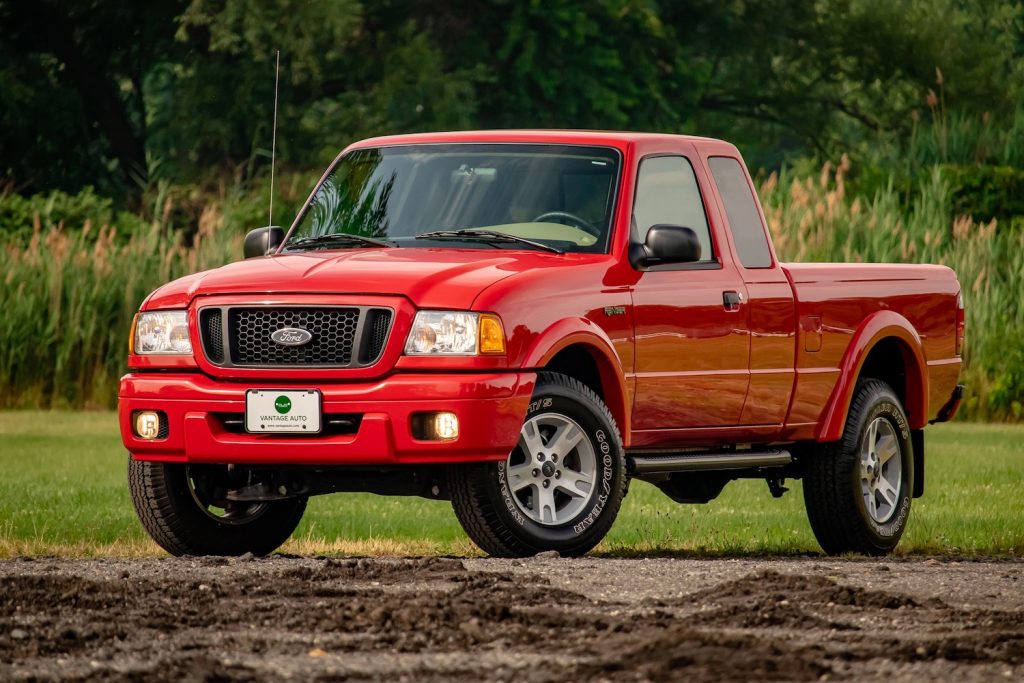
Owners should not drive an affected Ranger until the required repair is complete. The correct next step is to check the vehicle identification number (VIN) against the official recall database and contact a Ford dealer about the free remedy.
Owners should ask about towing arrangements rather than driving to a repair shop. The warning concerns specific vehicles with open recalls, so the model name and year alone cannot confirm whether a particular truck remains affected.
2. Mazda B-Series Pickup
The Mazda B-Series pickup is another older vehicle included in the Takata airbag warnings publicized by NHTSA. The agency’s August 2024 consumer alert said Mazda had issued “Do Not Drive” warnings for vehicles with unrepaired recalls involving non-desiccated Takata airbag inflators.
The alert specifically included the affected Mazda vehicles, while earlier NHTSA information discussed the B-Series among models subject to urgent repair campaigns.
The concern is the inflator, not the pickup’s engine, transmission, or ordinary mechanical condition. Takata inflators can deteriorate as they age, and heat and humidity can accelerate the degradation of the propellant in some affected units.
During airbag deployment, the resulting pressure can rupture the inflator housing. Instead of simply inflating the cushion, the device can propel metal fragments toward the driver or passenger.
This risk explains why an ordinary instruction to schedule a repair may not be sufficient. A recalled airbag is intended to reduce injury in a collision, yet a defective inflator can create an additional source of severe harm.
NHTSA has repeatedly urged owners to take these warnings seriously and to confirm whether their vehicles have outstanding recalls.
If a Mazda B-Series pickup is affected by an open “Do Not Drive” recall, the owner should leave it parked until the remedy is completed. Contact Mazda or an authorized dealer to establish whether the VIN is included and ask how the vehicle can be transported safely.
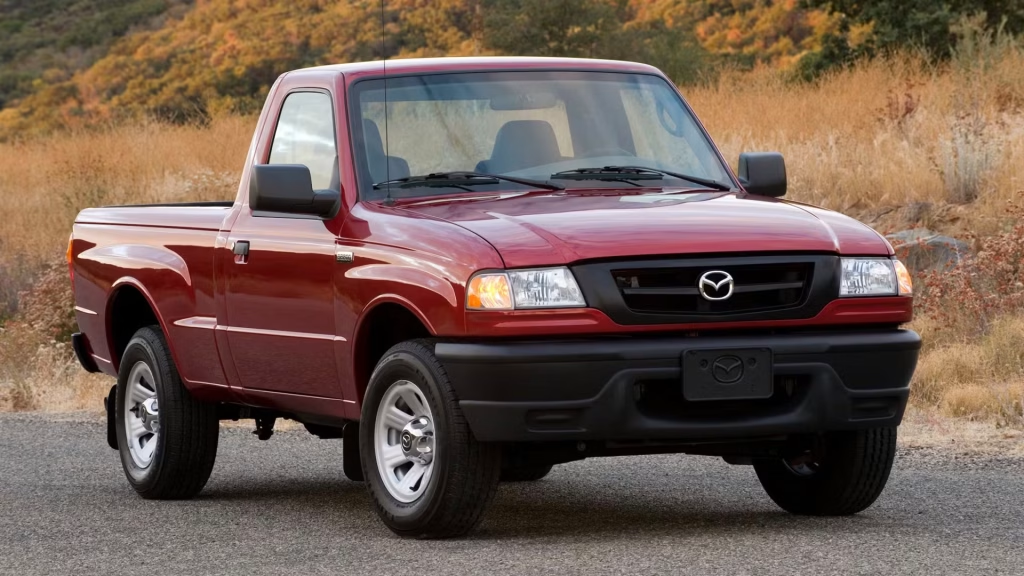
Recall repairs are free, and owners should confirm available towing or alternative transportation support rather than risking a drive to the dealership.
A B-Series pickup that has already received the relevant airbag repair is not automatically subject to the same instruction. The decisive factor is the individual vehicle’s recall status and whether the prescribed remedy has been completed.
3. Ford Mustang (2005-2014)
The Ford Mustang’s performance-car reputation makes the Takata recall especially important, as a vehicle can start, steer, and brake normally while still having a serious hidden safety defect.
NHTSA’s August 2024 alert included certain 2005-2014 Mustangs with unrepaired Takata airbag recalls in Ford’s “Do Not Drive” warning. The instruction applied to affected vehicles that had not received the required repair, not every Mustang from those years.
The danger lies inside the airbag inflator. Certain Takata units use propellant that can deteriorate with age and environmental exposure. If the inflator ruptures when the airbag deploys, metal fragments can be propelled into the passenger compartment.
The airbag is supposed to reduce injury during a collision, but a rupturing inflator can cause severe or fatal wounds.
The issue is especially serious in older vehicles because the inflator’s age is one factor associated with the risk of rupture. NHTSA reported in August 2024 that defective Takata inflators had killed 27 people in the United States and reportedly injured at least 400 others. Those figures covered the wider recall crisis, not just Mustang owners.
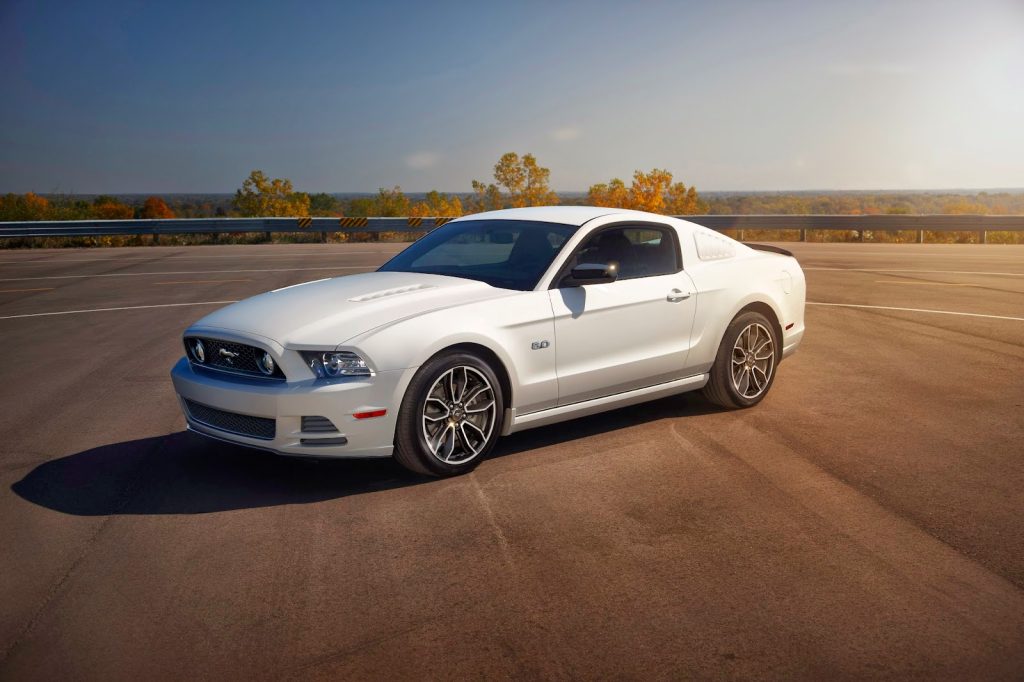
Mustang owners should check the VIN through NHTSA’s recall lookup and contact Ford if the vehicle has an open recall covered by the warning. Ford said it would provide free towing and, where necessary, loaner vehicles for affected customers. Owners should arrange transportation with the dealer rather than drive the car to the repair facility.
A Mustang with the correct recall remedy completed is not subject to the same unresolved defect warning. The key is the vehicle’s individual recall record, not its appearance, performance, or the fact that it may have passed a routine inspection.
4. Honda Accord (2001-2002)
Certain 2001-2002 Honda Accord sedans are included on NHTSA’s current list of vehicles covered by “Do Not Drive” warnings for unrepaired Takata airbags.
The agency’s Takata recall page identifies these model years among the affected Honda vehicles, while advising owners to confirm an open recall using the vehicle identification number.
The Accord is a common used-car choice because of its practicality and long production history, but reliability in everyday operation does not rule out a dangerous airbag defect. A vehicle can run smoothly and show no warning light while still containing an inflator that may rupture during deployment.
This is why recall status must be checked separately from engine condition, service history, and ordinary maintenance.
In affected Takata inflators, propellant degradation can cause a deployment event to generate excessive pressure. The inflator’s metal housing may rupture, sending fragments into the cabin.
The risk can increase as the components age, and hot, humid conditions can accelerate degradation in some recalled inflators. NHTSA says the affected vehicles in its “Do Not Drive” category face a far higher risk of rupture than other recalled Takata airbags.
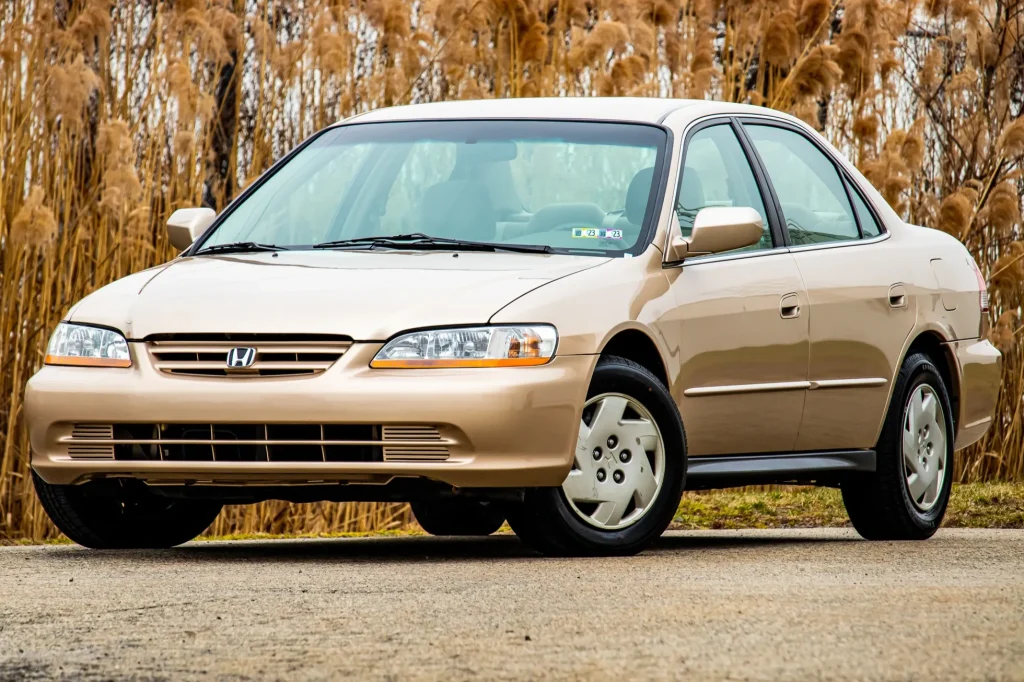
Owners of a 2001-2002 Accord should not assume their car is affected solely because of its age. They should check the VIN in NHTSA’s recall database or contact Honda to determine whether the specific vehicle has an open recall covered by the warning. If it does, follow the manufacturer’s instructions and arrange the free repair before driving it.
For an affected vehicle, the correct response is not to disconnect the airbag or attempt a home repair. NHTSA advises against disabling an airbag because doing so removes its protection in a crash. Contact the dealer for instructions on safe transport and repair.
5. BMW 3 Series (Certain 2000-2006 Models)
The BMW 3 Series is another vehicle covered by NHTSA’s “Do Not Drive” warning for certain unrepaired Takata airbag recalls. The agency identifies specific 2000-2006 3 Series vehicles, including the M3, among the affected models.
The warning does not automatically apply to every BMW from those years, so owners must confirm their vehicle’s recall status before concluding.
The underlying defect can be dangerous even when a car has been carefully maintained. Certain Takata inflators can deteriorate as they age, particularly after prolonged exposure to heat and humidity.
During a crash, the inflator may rupture as the airbag deploys, sending sharp metal fragments into the cabin. Such a failure can cause severe injury or death, turning a device intended to protect occupants into an additional hazard.
BMW’s engineering reputation does not exempt an older vehicle from a safety recall. Nor can a clean inspection report confirm that the original airbag inflator is safe. The defect is internal and may not produce an obvious warning before deployment.
NHTSA therefore urges owners of vehicles included in the “Do Not Drive” category to take the warning seriously and obtain the prescribed repair.
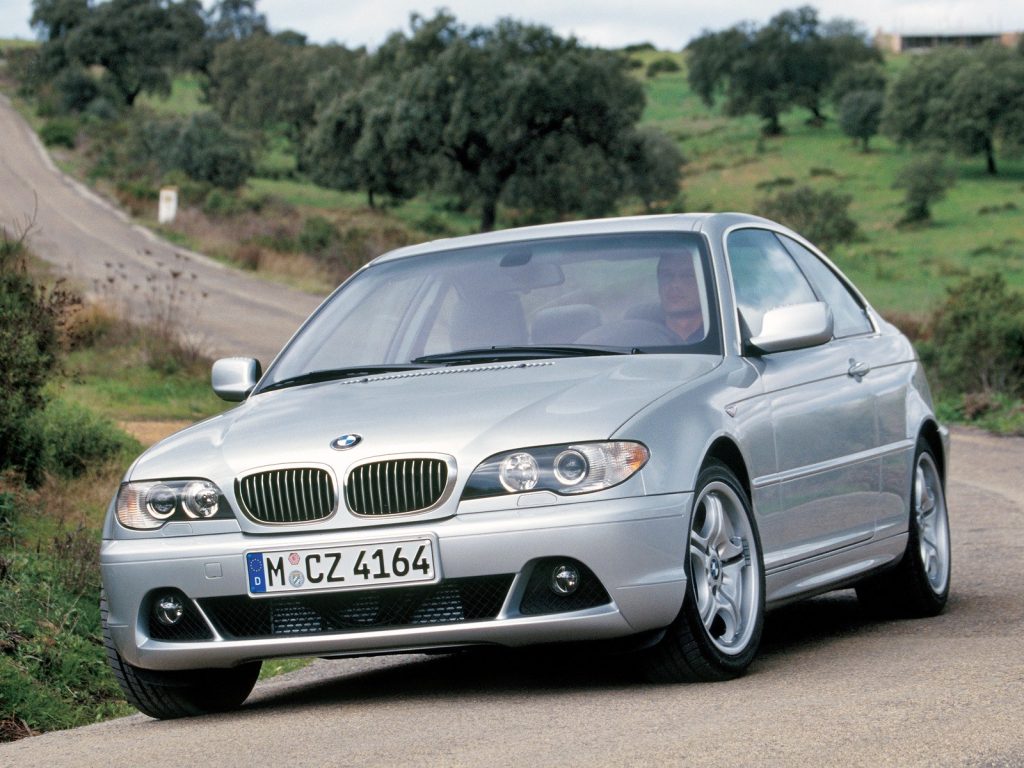
Anyone who owns a potentially affected 3 Series should check the VIN using NHTSA’s recall lookup or contact a BMW dealership. If the vehicle has an open recall covered by the warning, do not drive it until the repair is completed.
Ask the dealership about safe transportation arrangements and the free recall remedy. Because the affected population includes specific vehicles and configurations, the VIN is more reliable than the model name alone.
6. Honda Civic (Certain 2001-2002 Models)
Certain 2001-2002 Honda Civic models appear on NHTSA’s list of vehicles covered by “Do Not Drive” warnings for unrepaired Takata airbags. The agency’s recall guidance specifically identifies these model years, but owners must still check the vehicle identification number to establish whether a particular Civic has an outstanding recall.
The Civic’s popularity as an economical commuter car means many older examples have changed hands several times. That makes recall verification especially important for secondhand buyers.
A previous owner may have misplaced recall letters, and ordinary servicing does not necessarily include checking whether an airbag campaign has been completed. A vehicle can appear mechanically sound while still carrying an unrepaired safety defect.
In affected Takata inflators, the propellant can deteriorate with age and environmental exposure. When the airbag deploys, excessive pressure can rupture the inflator housing and propel metal fragments toward the occupants.
The potential consequences include severe injuries or death. NHTSA identifies the vehicles in its “Do Not Drive” category as having a substantially higher risk of inflator rupture than other recalled Takata airbags.
If you own a Civic from these years, check its VIN through NHTSA or contact Honda before driving if you suspect it may be affected.
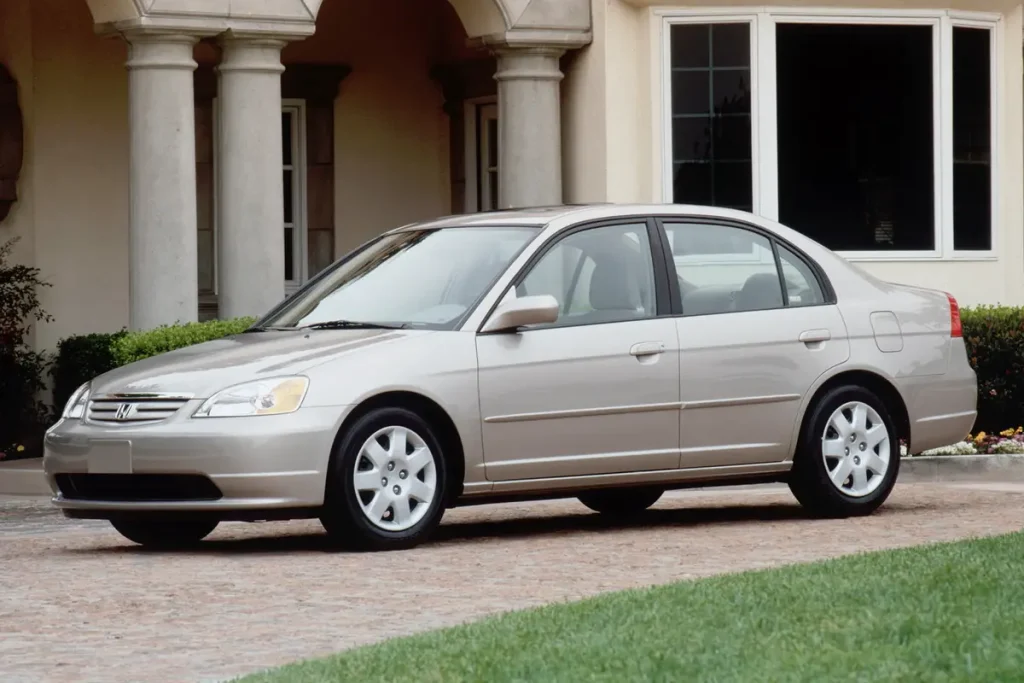
When an open recall falls under the warning, arrange the free repair with the manufacturer and ask the dealership how to transport the vehicle safely. Do not attempt to disable or dismantle the airbag yourself.
The distinction matters because not every 2001 or 2002 Civic is necessarily subject to an active “Do Not Drive” warning. The alert applies to specific vehicles with unrepaired recalls, so owners should check their VIN against the official recall database to determine whether the restriction applies.
7. Honda Pilot (2003 Model)
The 2003 Honda Pilot completes this list of vehicles covered by NHTSA’s urgent “Do Not Drive” warning for certain unrepaired Takata airbag recalls.
The agency specifically identifies the 2003 Pilot among older Honda models fitted with high-risk Takata Alpha driver-side airbag inflators. The warning applies when the vehicle has an outstanding recall requiring the remedy, not simply because it is a 2003 model.
The risk associated with these particular inflators is especially serious. In February 2023, NHTSA said the affected Takata Alpha airbags had a reported 50% risk of rupture. That figure describes the specific inflators covered by the urgent warning, not every Takata airbag or every recalled vehicle.
If the inflator ruptures during deployment, metal fragments can be propelled toward the driver’s face, causing catastrophic or fatal injuries.
The Pilot’s family-friendly design does not reduce this hidden risk. The airbag defect may not produce a dashboard warning or any obvious symptom during everyday driving.
An owner could therefore believe the vehicle is safe because the engine runs normally, the brakes work, and the interior appears well maintained. None of those observations establishes that the recalled inflator has been replaced.
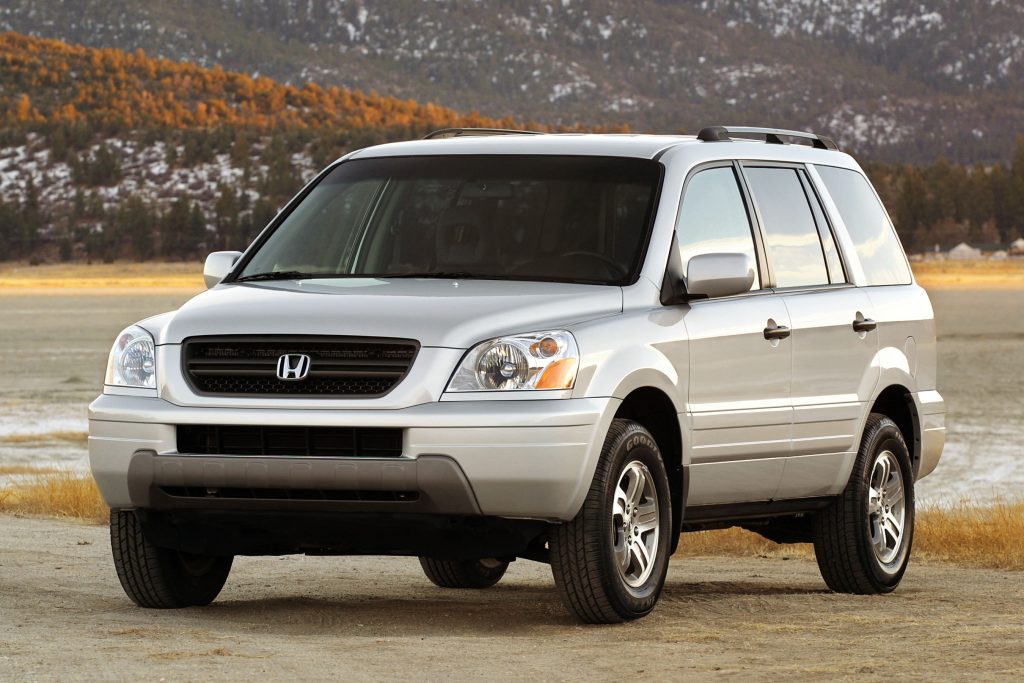
Owners should check the vehicle identification number through NHTSA’s recall lookup or contact Honda to determine whether the recall remains open. If the vehicle is affected, do not drive it until the free repair has been completed.
Contact an authorized Honda dealer for instructions and ask about safe transportation arrangements rather than driving the SUV to the repair facility.
The warning carries a broader lesson for SUV owners because a “Do Not Drive” alert is more serious than a standard recall notice. If your vehicle is affected, check its recall status immediately and follow the manufacturer’s instructions until the defect has been repaired.
