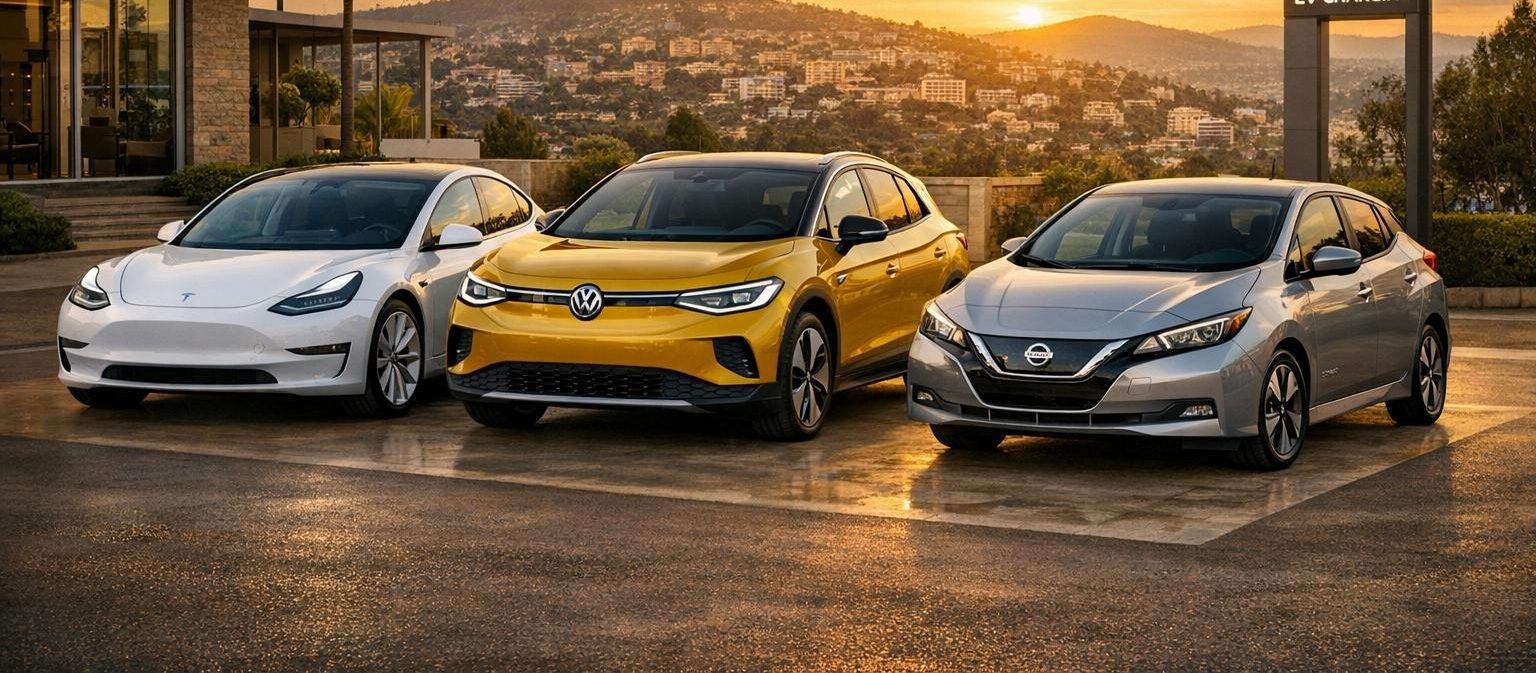
Choosing a car’s paint color is largely a matter of personal taste, but it can also affect resale value. According to iSeeCars’ 2026 color depreciation study, the best-performing color varies by vehicle body style. Yellow and beige each lead in three categories, while orange, green, and white top one category apiece. The most surprising finding is that beige leads three of the nine categories despite making up only around 2% of vehicle sales.
This guide ranks the nine body styles by how little their best color depreciates, from 20.7 percent to 27.9 percent. You’ll see the winners, some possible reasons, and how to use the numbers without overthinking them. Whether you’re buying or selling, a little color knowledge can go a long way.
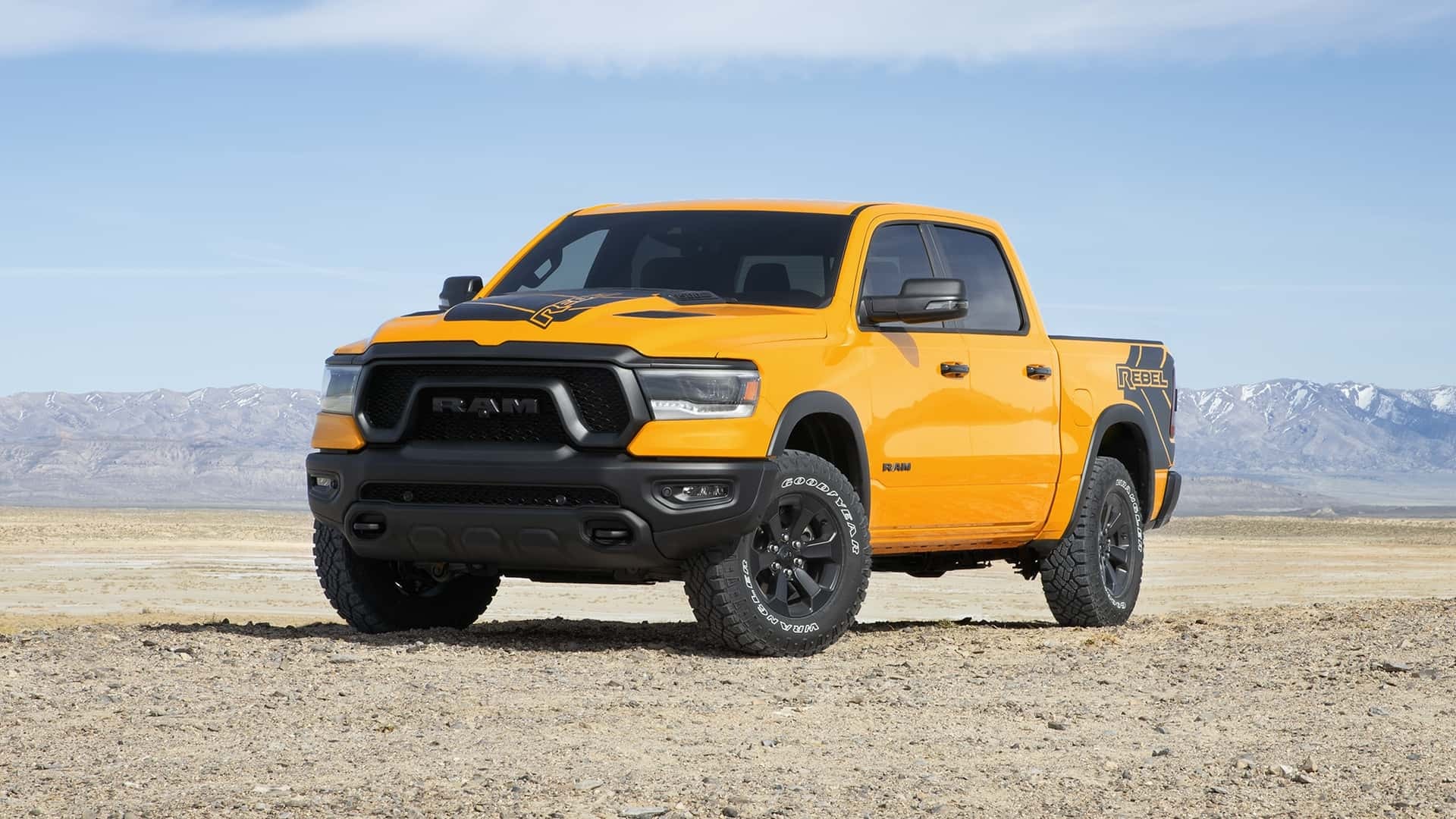
1. Pickups: Yellow at 20.7 Percent
Pickups claim the top spot, and the winning color is bold. Yellow pickups lose the least at 20.7 percent, the lowest figure among all nine body styles in the study.
Why might yellow work here? The study’s numbers don’t explain it, but a few reasonable ideas fit. Yellow trucks are rare, so there’s less supply on the used market. Buyers who want one may be willing to pay for it.
And pickups already hold their value better than many vehicles, so a rare color on a strong-resale body style can double the effect.
Keep one caution in mind. The best color can change from one study to the next. An earlier iSeeCars study, for example, found beige pickups had the lowest depreciation, with white in a distant second. So don’t treat any single result as permanent.
What should a truck shopper do? If you love yellow, you can feel good about it. If you don’t, don’t force it. Brand, trim, mileage, and condition matter far more than paint, and a clean, well-kept truck in any color will beat a neglected yellow one.
Color is a bonus, not a strategy.
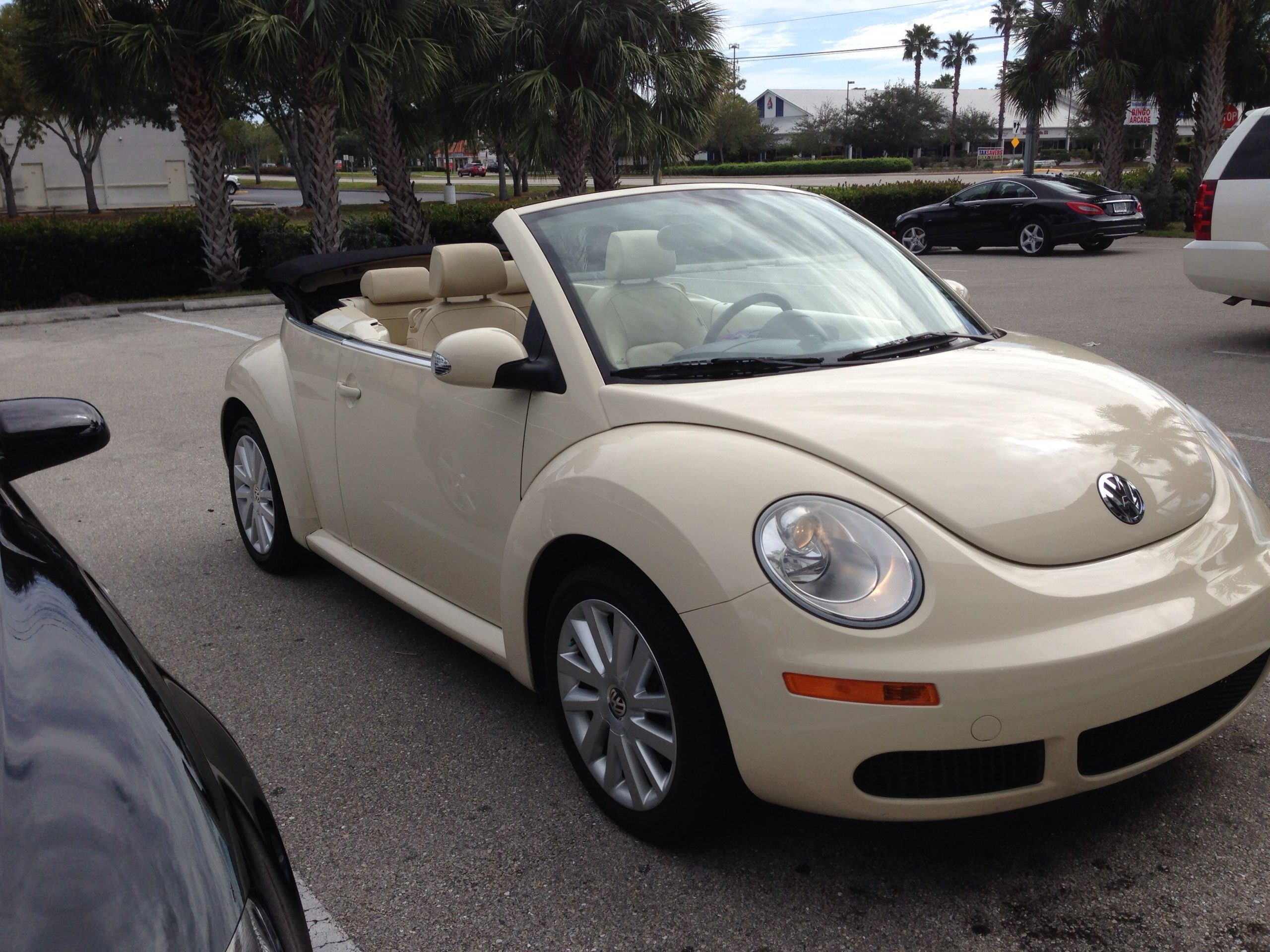
2. Convertibles: Beige at 21.0 Percent
Beige on a convertible? It sounds like a retirement-party car, yet the numbers say otherwise. Beige convertibles lose 21.0 percent, just 0.3 points more than the pickup leader, which makes this the second-best result on the list.
Think about the typical convertible buyer. Many treat these cars as weekend toys, driven in good weather and parked the rest of the year.
That usually means fewer miles and gentler wear, which helps resale in any color. The study’s figures don’t separate these factors, so take that as a general observation.
Why beige, though? Scarcity may play a role. Beige is a rare color, accounting for about 2 percent of sales across all body styles. A rare color can stand out in a listing, and a buyer who wants a classic, understated look may pay up for it.
One thing to keep in mind is that depreciation can vary considerably by color in the convertible market. In an earlier iSeeCars study, green ranked third for value retention, while silver came in ninth and experienced a much steeper loss in value. This suggests that paint color can play a meaningful role in a convertible’s resale value, making it worth considering alongside personal preference when choosing a car.
If you’re shopping, choose the shade you’ll enjoy on a sunny Saturday, then protect the top and the interior. Condition counts.
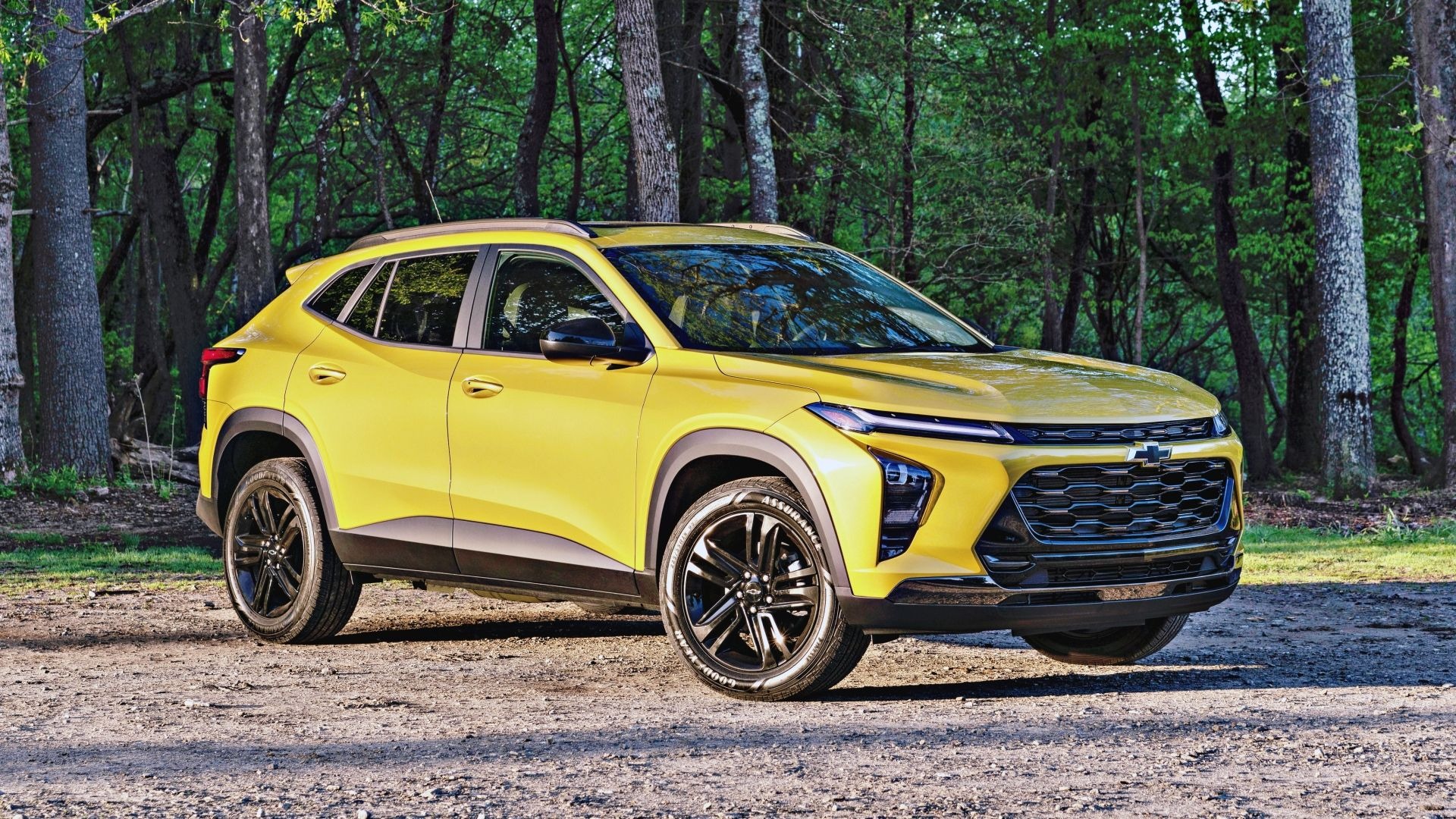
3. SUVs: Yellow at 21.9 Percent
SUVs are the most popular body style in America, so a result here affects a lot of drivers. Yellow SUVs lose the least at 21.9 percent, which places the segment third on our list.
Yellow has been a repeat winner in earlier iSeeCars studies too. In one, yellow SUVs depreciated far less than the next best color, and the study noted that yellow also led for pickups and convertibles. The 2026 results fit that pattern, though the exact gaps differ by year.
Why does this matter? A popular body style means plenty of choice for buyers, and plenty of silver, white, black, and gray vehicles competing for attention. A yellow one stands out, and fewer of them on the market can help hold the price.
Here’s a practical angle. If you plan to keep your SUV for many years, resale color matters less. If you tend to trade every three years or so, it could matter more.
Also consider your local market. Preferences vary by region, and a color that sells quickly in one place may take longer in another. Check listings in your area to see how long similar colors sit before they sell.
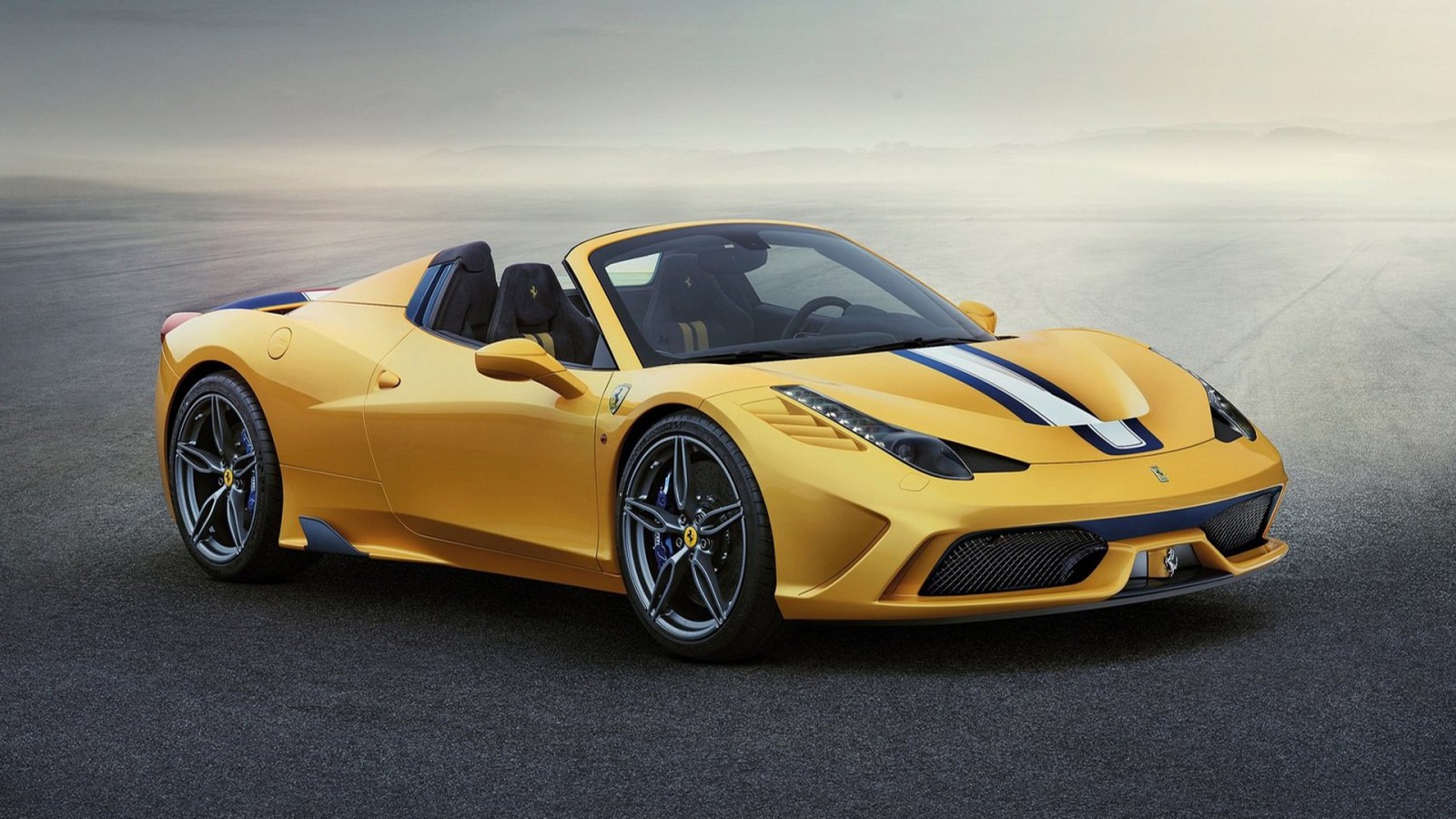
4. Sports Cars: Yellow at 22.4 Percent
Yellow and sports cars go together like fast and fun. Yellow sports cars lose 22.4 percent, the fourth-best result among the nine body styles.
This pairing makes sense on the surface. Sports car buyers often want a car that looks exciting, and bright colors signal performance. A yellow paint job can turn heads in a parking lot and in a listing photo.
Rarity helps too. Most sports cars are sold in black, white, silver, gray, or red, so yellow is the exception. When supply is low and demand exists, prices tend to hold up.
Still, a note of realism. Paint color is only one input. Sports cars depreciate based on brand, model, mileage, condition, and how many were built. A limited-production model in an ordinary color can still outperform a common model in yellow.
Keep in mind that bold paint colors can appeal to some buyers while putting others off. A yellow car, for example, may retain its value well on average but could take longer to sell because fewer shoppers prefer that shade. Resale value is important, but finding the right buyer can also influence how quickly a vehicle sells.
If you’re choosing a color for a sports car, think about how long you’ll keep it. Choose a shade that makes you smile every time you walk to the driveway.
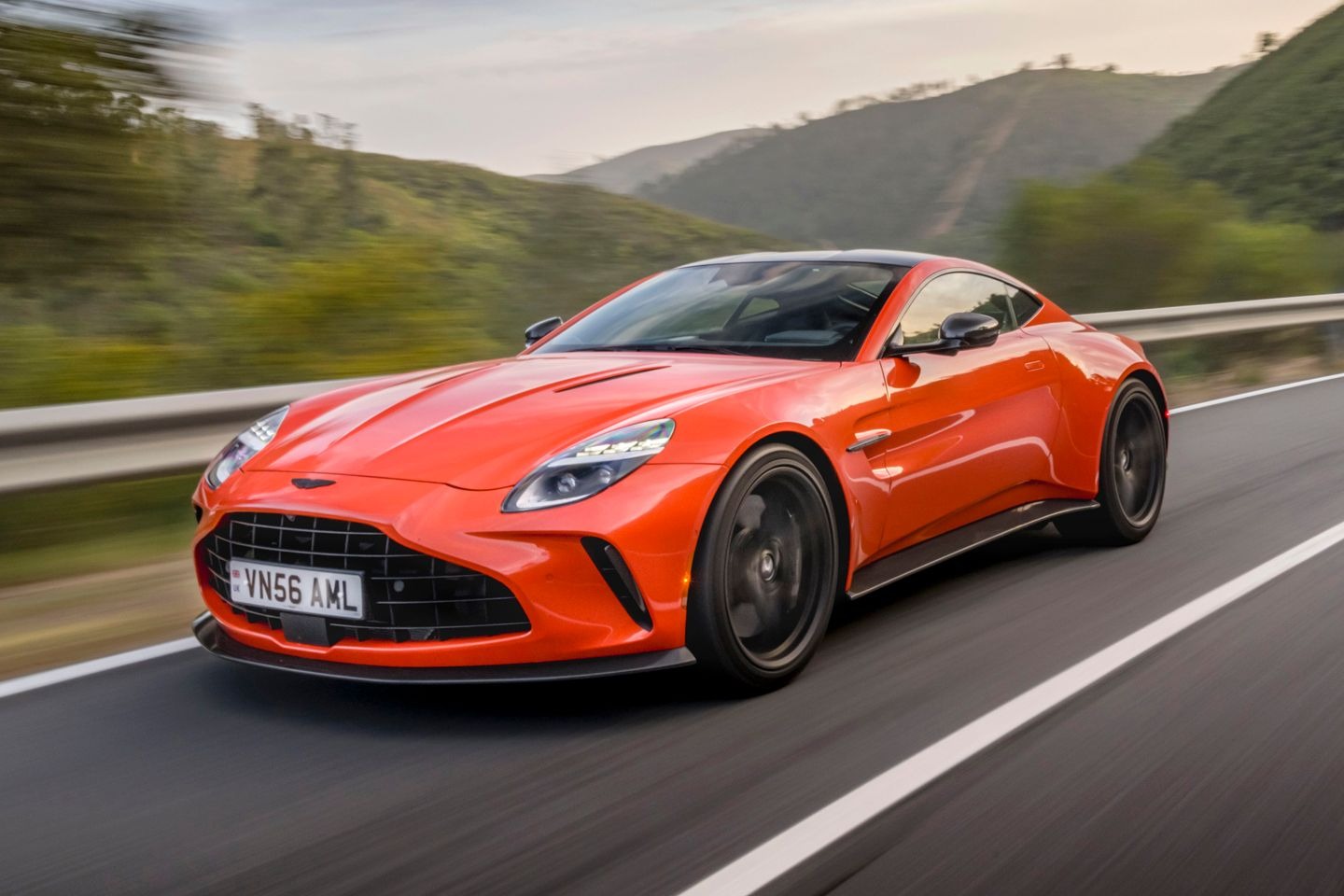
5. Coupes: Orange at 23.8 Percent
Orange takes the coupe crown, losing 23.8 percent. That’s the fifth-best result in the study, and it’s the only category orange wins.
Orange has a strong history in iSeeCars’ work. An executive analyst at the company has said yellow and orange have been among the best colors for retained value since the firm began tracking depreciation by color. That’s a consistent message across years.
Why might orange suit coupes? Coupes are often chosen for style. Their buyers tend to care about looks, and a vivid color expresses personality. Like yellow, orange is rare enough to stand out.
What about the drawbacks? A bright orange coupe isn’t for everyone. A buyer who wants a quiet, low-key car may skip it, so the pool of interested shoppers can be smaller.
A more limited group of interested buyers can make a car harder to sell quickly, even if it holds its value well. If you’re deciding between a bold shade like orange and a more neutral color, think about whether you’ll still enjoy looking at it in your driveway three years from now. The best choice balances resale potential with a color you’ll be happy to live with.
Check what colors are available on the lots near you. And keep the paint in good shape, since chips and fading hurt a vibrant finish more than a neutral one.
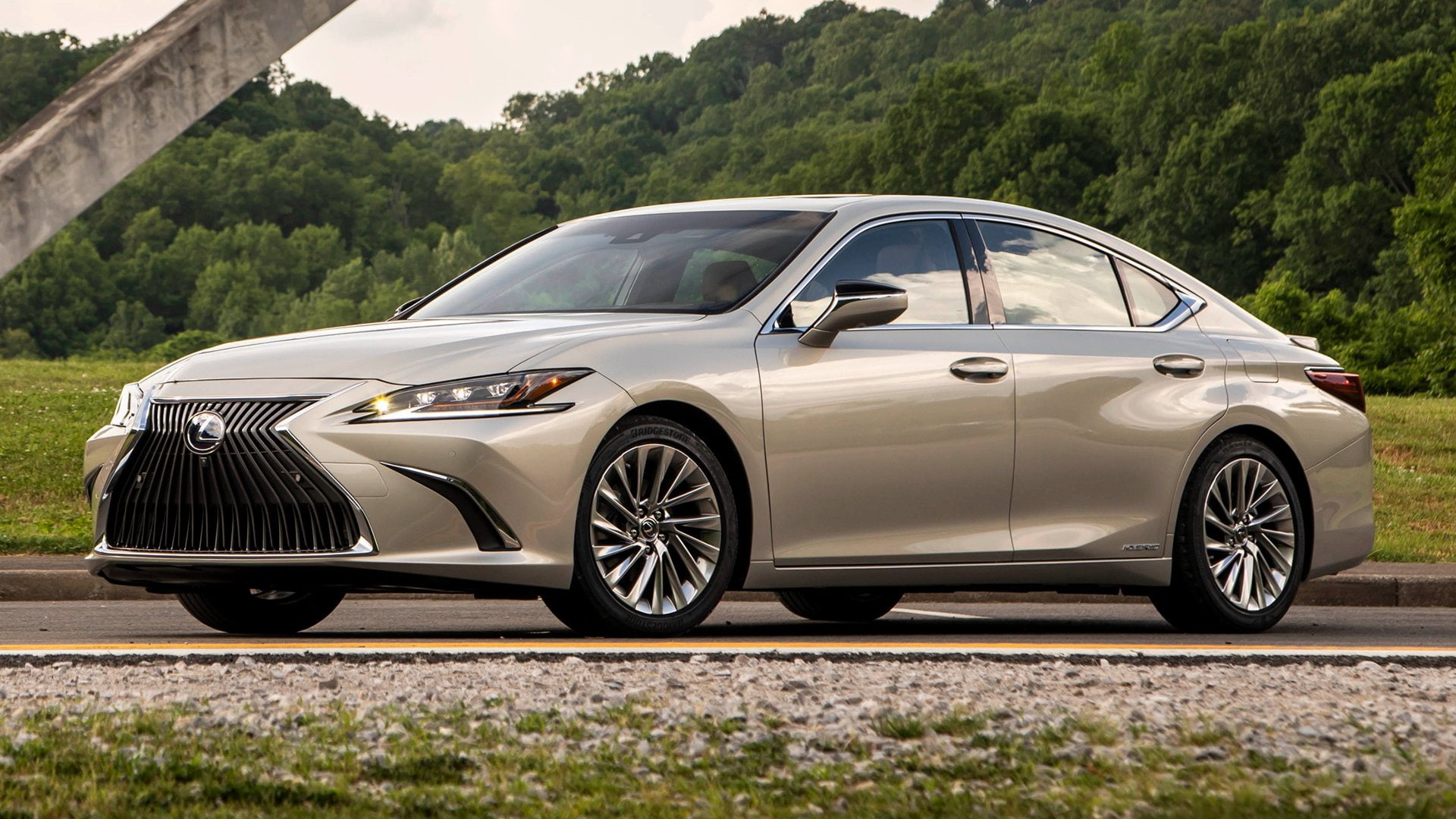
6. Sedans: Beige at 25.1 Percent
Beige stands out in the 2026 iSeeCars study, taking the top spot in three of nine vehicle body styles despite accounting for only about 2 percent of sales. Sedans are among those categories, with beige models recording a depreciation rate of 25.1 percent.
Why does such an uncommon color perform so well? Supply and demand may offer part of the explanation. With fewer beige vehicles available, shoppers searching for this particular shade may have fewer options.
Sellers could have more room to negotiate, especially when a vehicle is in good condition. Beige also appeals to buyers who prefer a simple, understated appearance that does not depend on passing style trends.
Earlier iSeeCars research offers additional context. One sedan study found that color depreciation rankings broadly followed market patterns, with orange, yellow, and beige performing well, while gold, white, and black ranked less favorably.
White and black are among the most common automotive colors, so their widespread availability may give buyers more alternatives when shopping for a used car. However, these findings are not a reason to purchase a beige sedan solely for its resale potential.
The difference in depreciation between paint colors may be relatively small, and factors such as mileage, maintenance records, accident history, and vehicle condition can have a much greater effect on the final selling price.
If you already like beige, the data gives you another reason to consider it. You can enjoy a calm, neutral finish while potentially benefiting from a color that holds its value well.
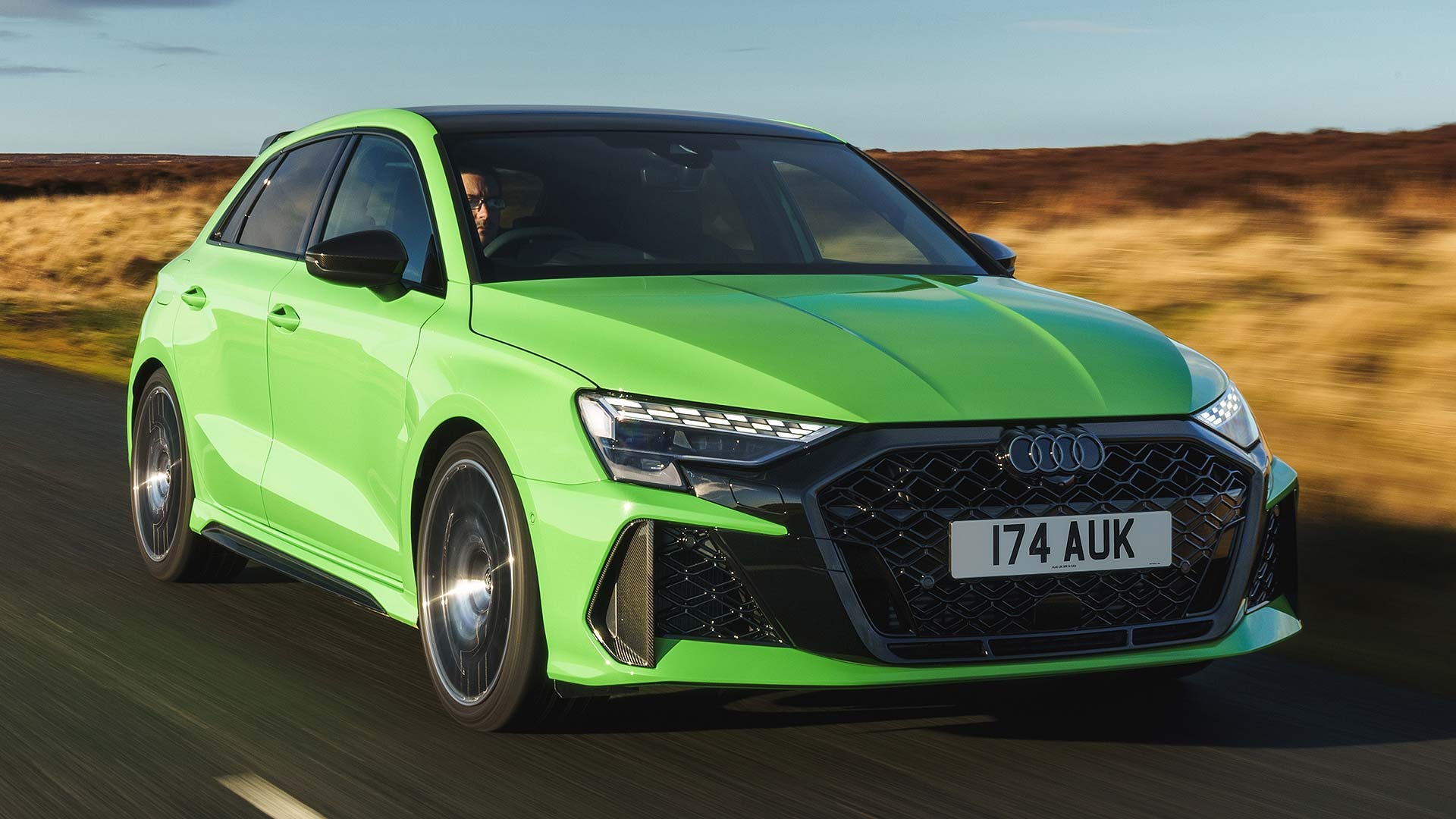
7. Hatchbacks: Green at 26.3 Percent
Green is a color most people either love or avoid, and hatchback buyers seem happy to embrace it. Green hatchbacks lose 26.3 percent, the best result for the body style.
Hatchbacks attract practical, budget-conscious shoppers and some enthusiasts who want a small car with personality. A green paint job fits that spirit, since it feels fun without being loud.
There’s a mild surprise here, since green doesn’t always win. In earlier iSeeCars studies, green ranked second for SUVs and third for convertibles, but it did poorly for sedans. So green can be strong in one body style and weak in another.
That’s why body style matters in color studies. A color that thrives on a hatchback may behave differently on a sedan, and a general ranking of colors can hide those differences.
It is also worth noting that this category ranks seventh out of nine, with depreciation exceeding that of most other vehicle body styles. Even the top-performing color in this group loses more than 25% of its value, showing that choosing the right paint color can help, but it cannot prevent substantial depreciation.
If you’re buying a hatchback, don’t expect color to solve depreciation. Look for a model with a strong reputation, reasonable mileage, and a clean history, then pick a color you like.
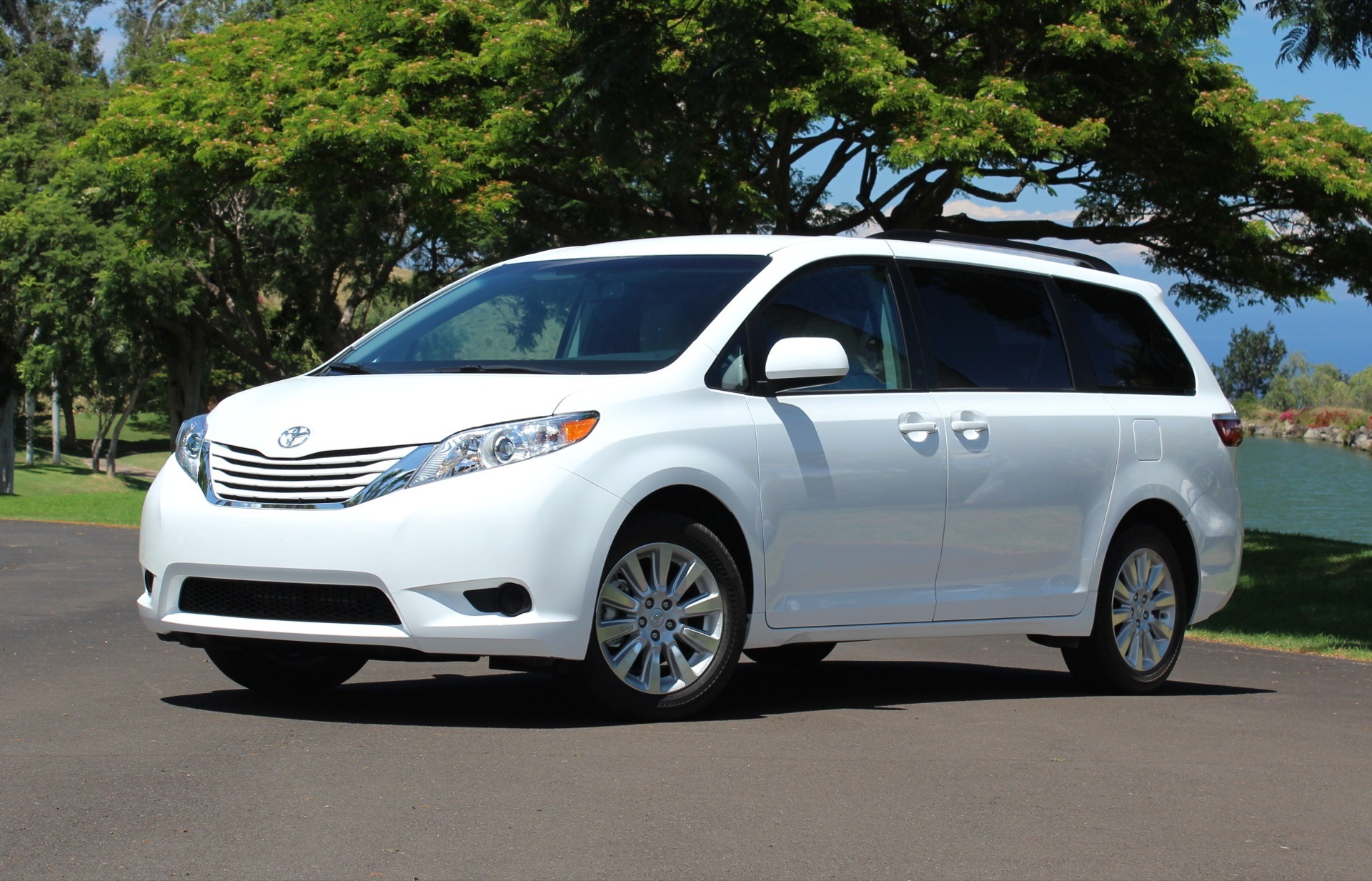
8. Minivans: White at 27.4 Percent
Minivans are the practical choice, and so is their winning color. White minivans lose 27.4 percent, the eighth-best result in the study. White is one of the most common car colors in America, so it’s a different kind of winner than beige or yellow.
Instead of benefiting from scarcity, it may benefit from wide appeal. A family shopping for a used minivan often wants something clean, neutral, and easy to resell later.
That matches how many people think about this body style. A minivan is a tool for carpools, road trips, and big grocery runs, not a fashion statement. Neutral colors fit the job.
Here’s a caution, though. Another iSeeCars study found brown minivans held their value best, so this color isn’t set in stone. Results change between studies and between years.
Notice also how much minivans lose compared with pickups. Even the winning color drops more than a quarter of its value here, while the best pickup color loses about 7 points less. Body style matters more than color.
If you’re buying a minivan, put your effort into condition, mileage, and maintenance records. A well-kept white van will do fine.
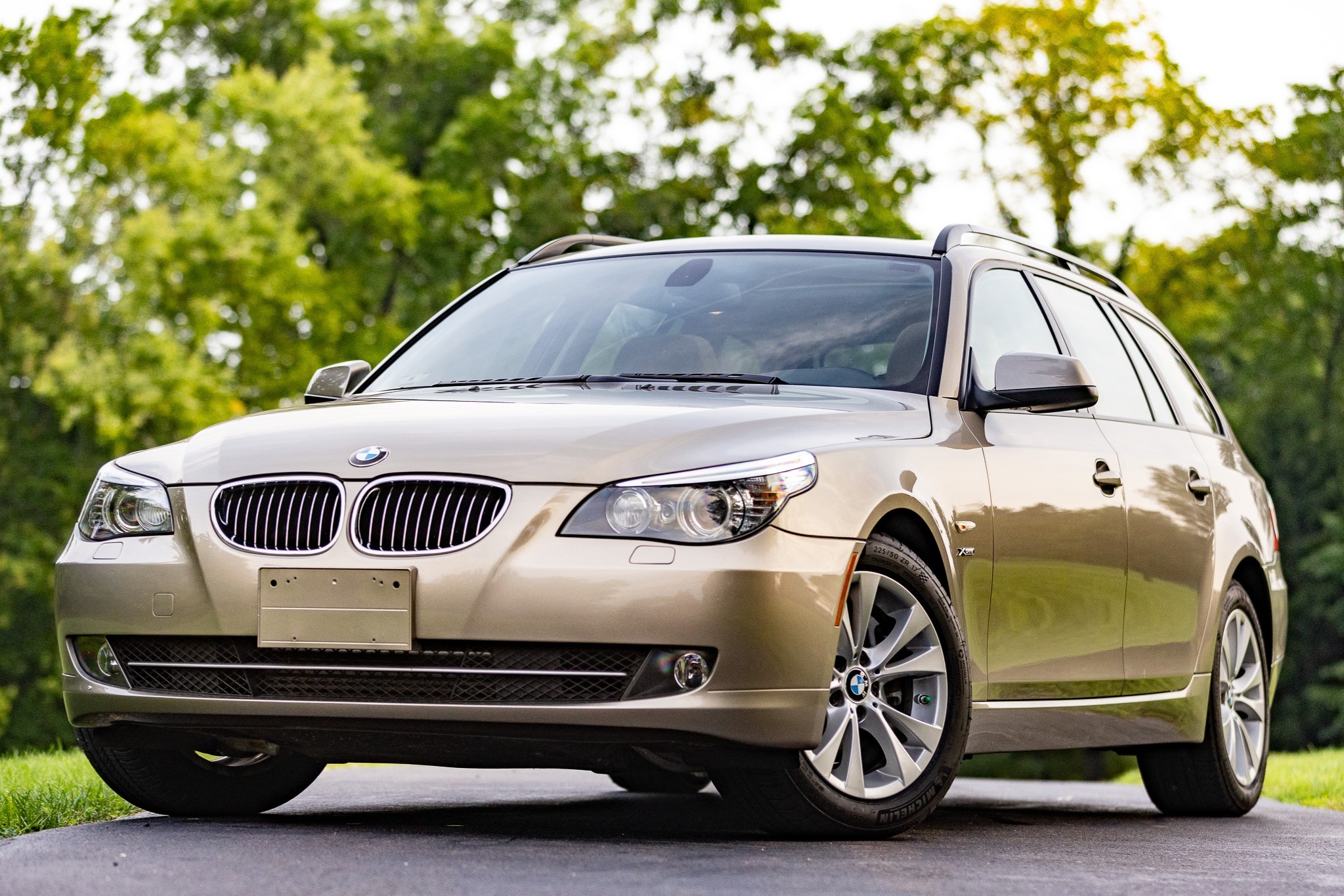
9. Wagons: Beige at 27.9 Percent
Last on the list, wagons post the highest depreciation among the nine winning colors. Beige wagons lose 27.9 percent, and that’s the best result in this body style.
That tells us something. Even the top wagon color loses 7.2 points to the best pickup. Wagons are a niche body style in America, and the market for them is small, which can limit demand regardless of paint.
Beige takes another top spot, bringing its wins to three vehicle categories, namely convertibles, sedans, and wagons. What makes this especially interesting is that beige accounts for only about 2% of car sales. The results suggest that a less common color, combined with a timeless and understated appearance, may help a vehicle retain its value over time.
So what should you take from all nine? First, body style sets the baseline. Second, color can nudge the number, but it can’t rescue a high-mileage or poorly maintained car. Third, the best color changes by segment and by model year, so don’t rely on a single list.
Most importantly, buy a color you can live with. Cars last years, and you’ll see yours every day. A few percentage points of resale value matter less than enjoying the car you drive.