
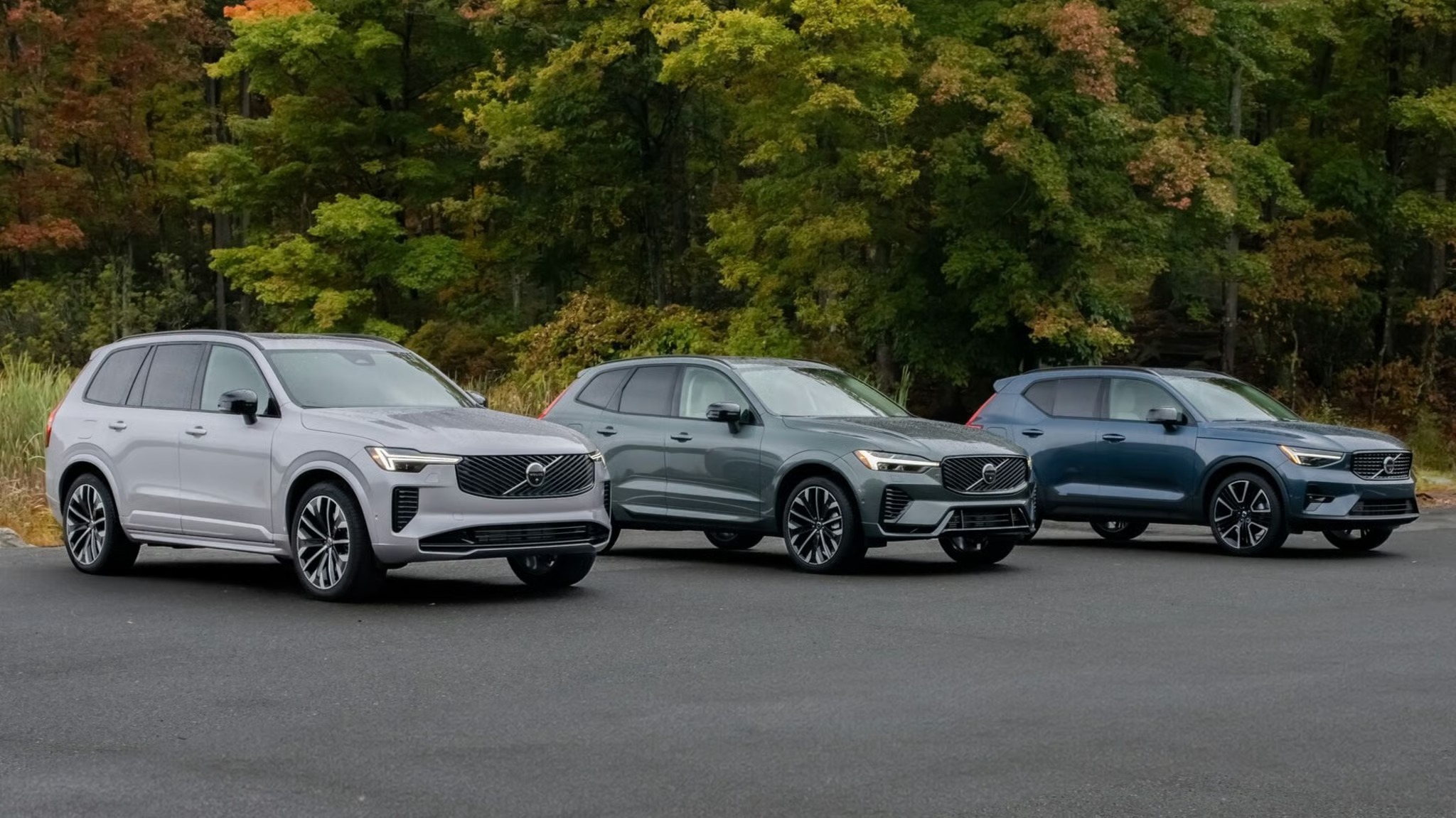
A three-row SUV sounds perfect for family life until you load the kids, buckle everyone in, and discover there’s barely room for the luggage. That problem affects more SUVs than many buyers expect, including some large, expensive models. Manufacturer specifications for the 2026 and 2027 model years show that the nine SUVs below offer between 12.6 and 25.5 cubic feet of cargo space behind the third row.
Those numbers can make a real difference when packing groceries, strollers, sports equipment, or suitcases for a family vacation. If you regularly carry six or seven passengers, checking the trunk capacity with every seat in use is just as important as counting seats. Here are nine family SUVs ranked by their published cargo space.
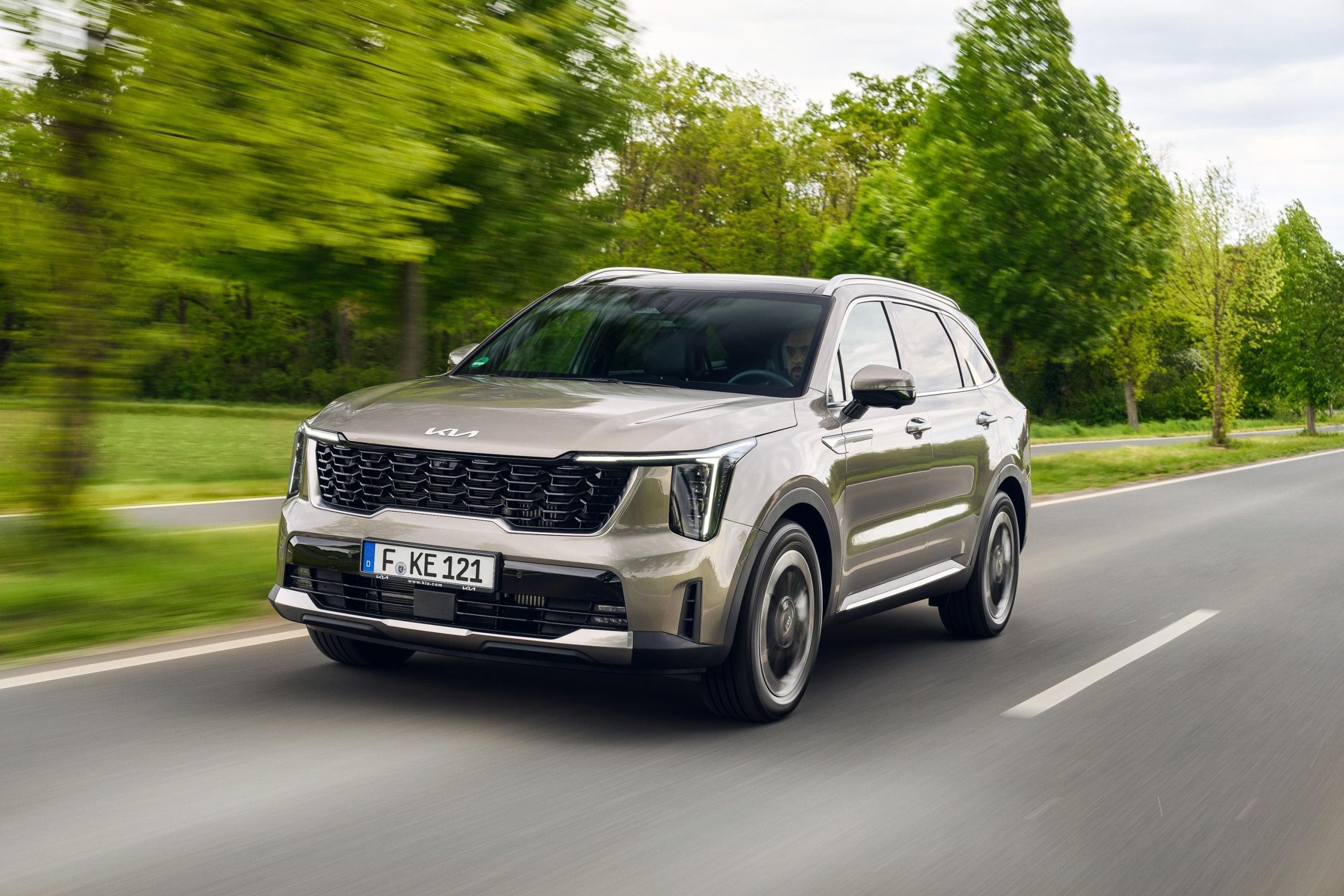
1. Kia Sorento
The Kia Sorento takes the bottom spot on this list with 12.6 cubic feet of cargo space behind its third row, according to Kia’s SAE-based measurement. For a family SUV designed to carry several passengers, that is a tight storage area.
Picture a family of six preparing for a weekend away. Everyone has a small suitcase, one child needs a backpack, and the youngest passenger requires a stroller.
With all three rows occupied, arranging those items can become a frustrating exercise in packing efficiency. Larger suitcases may need to be left behind, placed between passengers where safe and permitted, or accommodated with additional storage solutions.
There is an important measurement detail here. Kia also publishes a 6.3-cubic-foot figure using the European VDA standard. That lower number is often repeated in comparisons without enough explanation.
The SAE and VDA methods measure cargo capacity differently, so the two figures should not be treated as interchangeable. For consistency with the supplied US-market data, this article uses the 12.6-cubic-foot SAE figure.
The Sorento remains appealing to families seeking three rows in a relatively manageable SUV. Its passenger seating and everyday practicality may suit households that rarely travel with every seat occupied.
However, families who routinely carry six or seven people alongside bulky luggage should pay close attention to this limitation. Before buying, bring the stroller, travel bags, or other large items you regularly carry and see how they fit with the third row upright.
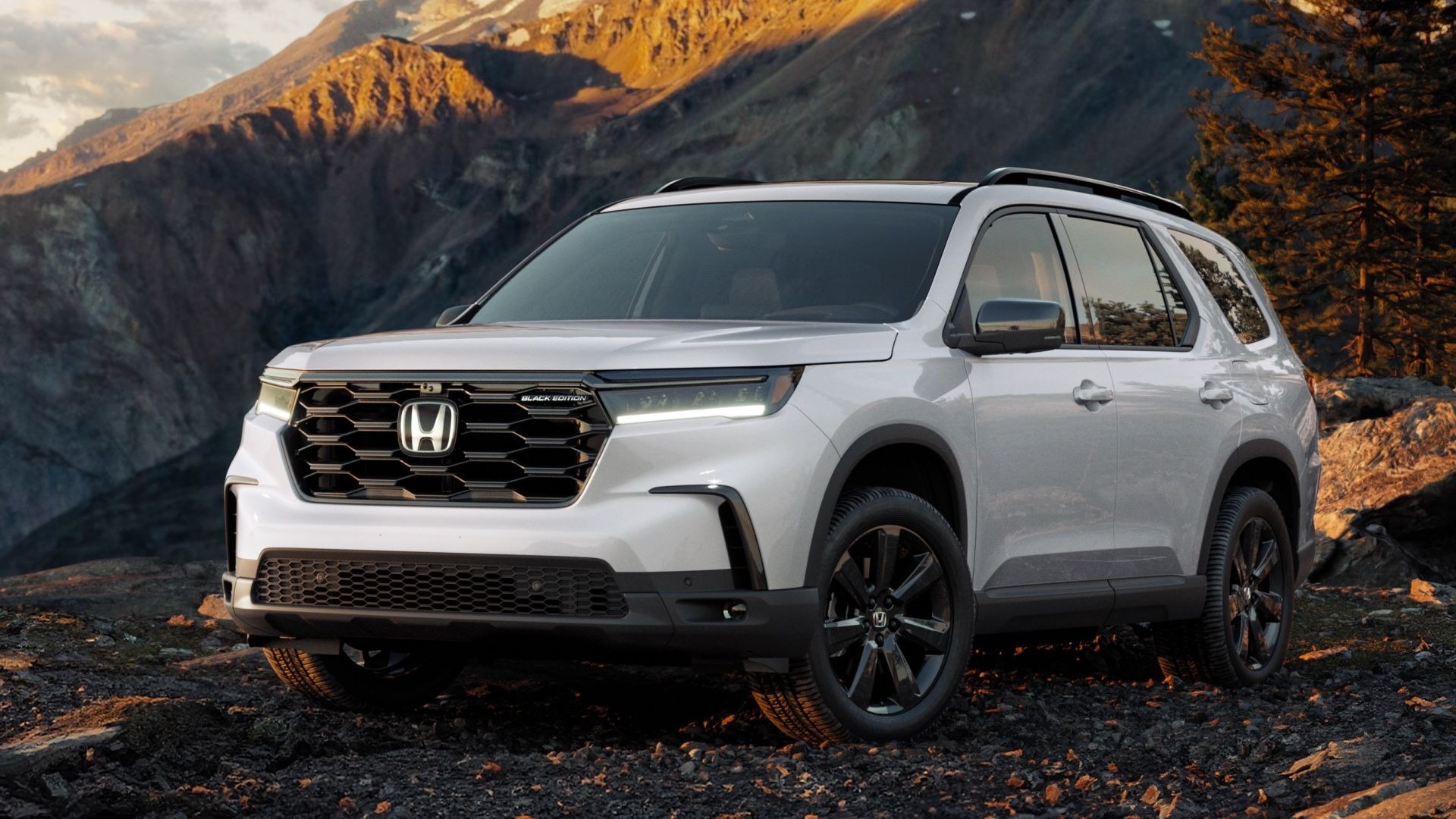
2. Honda Pilot
The Honda Pilot provides 18.6 cubic feet of cargo space behind the third row, according to Honda’s published specifications. That gives it more room than the Sorento, but families should not mistake the extra capacity for a generous luggage compartment.
The Pilot is designed around family transportation, with three rows of seating and space for passengers to travel together. That arrangement is useful for school activities, road trips, and daily errands.
Yet the storage area behind the last row still has to accommodate everything that cannot fit elsewhere in the cabin. Consider a typical airport run.
Four adults and three children may need several carry-on bags, a stroller, and a few larger suitcases. At 18.6 cubic feet, the Pilot may handle a modest load, but the available space can disappear quickly when the third row remains occupied.
Families may need to pack smaller bags or use a suitable cargo carrier when the vehicle and driving conditions permit. Honda’s measurement method also deserves attention.
The company uses its own internal measurement approach rather than the SAE method cited for some vehicles. Cargo figures from different manufacturers are therefore not always directly comparable, even when they use the same unit.
The Pilot’s capacity may be perfectly adequate for households that carry passengers daily but transport luggage only occasionally. Families planning frequent long-distance trips with a full cabin should test the layout before committing to a purchase.
A quick test at the dealership can tell you more than the specifications alone. Keep all three rows of seats upright and load the items you would typically take on a family trip to see how much usable cargo space the vehicle really offers.
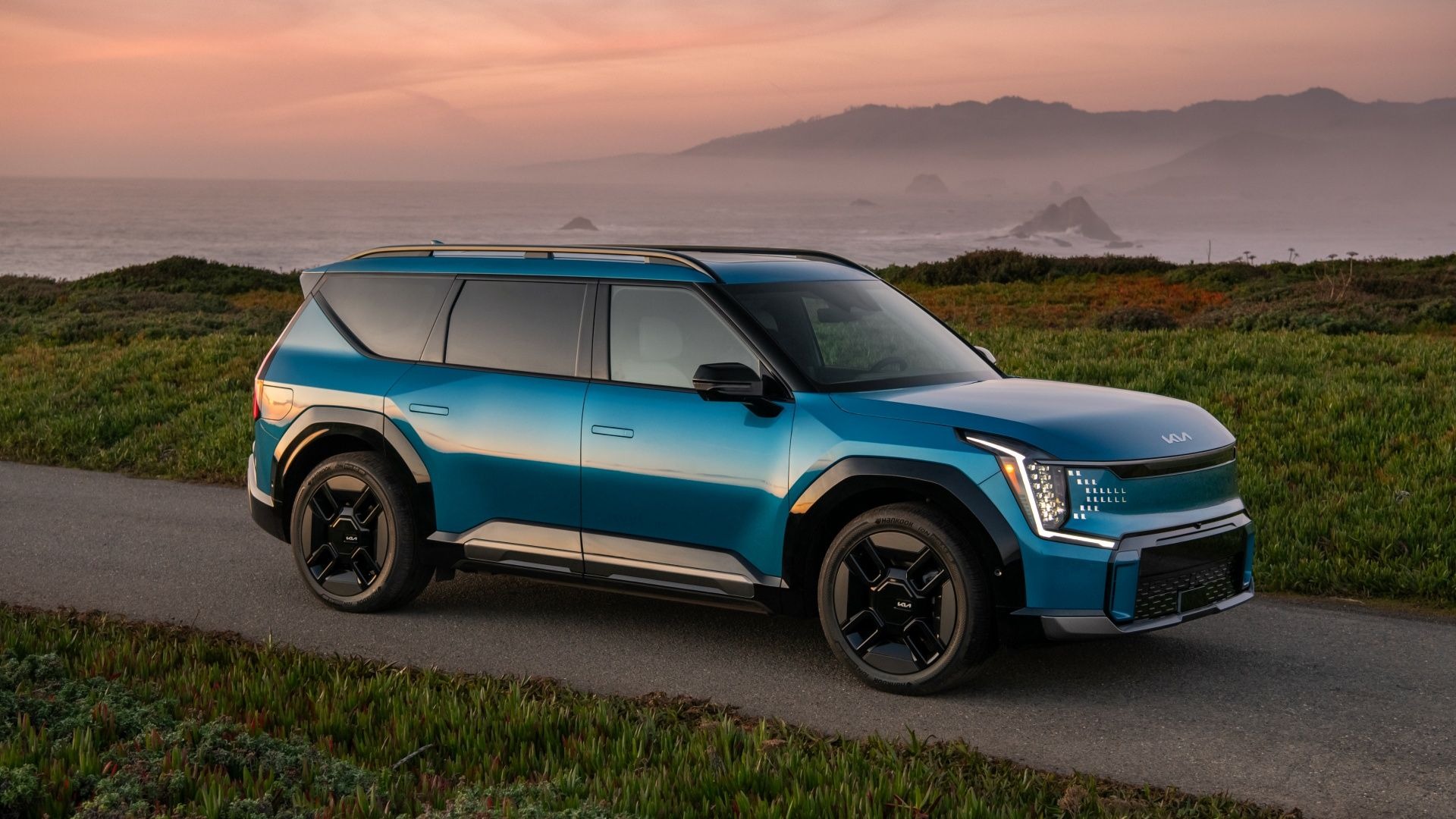
3. Kia EV9
Electric power does not automatically mean a large trunk, and the Kia EV9 illustrates that point. Kia lists 20.2 cubic feet of cargo space behind the third row, placing this three-row electric SUV near the lower end of the figures in this group.
The EV9 offers families an all-electric alternative to conventional gasoline-powered SUVs. Its roomy passenger layout and modern design can appeal to households interested in electric driving without giving up a third row.
For daily commuting, school pickups, and local activities, that combination may be attractive. The difficulty appears when all the seats are occupied, and the family needs to bring substantial luggage.
Twenty-point-two cubic feet provides more space than the Sorento’s published SAE figure, but the remaining compartment still demands careful packing.
A full complement of passengers can leave little flexibility for large suitcases, bulky sports equipment, or several shopping bags. Electric SUVs can offer useful storage solutions in different parts of the vehicle, depending on the model and configuration.
Buyers should check the EV9’s actual storage layout, including any available front storage compartment, rather than assuming all cargo must fit behind the third row. They should also confirm the space available in the exact version they intend to purchase.
For families choosing an electric SUV, the EV9 deserves consideration for its passenger capacity and electric drivetrain. Still, buyers who regularly travel with seven occupants should evaluate luggage capacity just as carefully as charging range and charging access.
A family vehicle must carry both people and their belongings. The EV9’s 20.2-cubic-foot rating is a useful reminder to assess those needs together before making a decision.
4. Kia Telluride
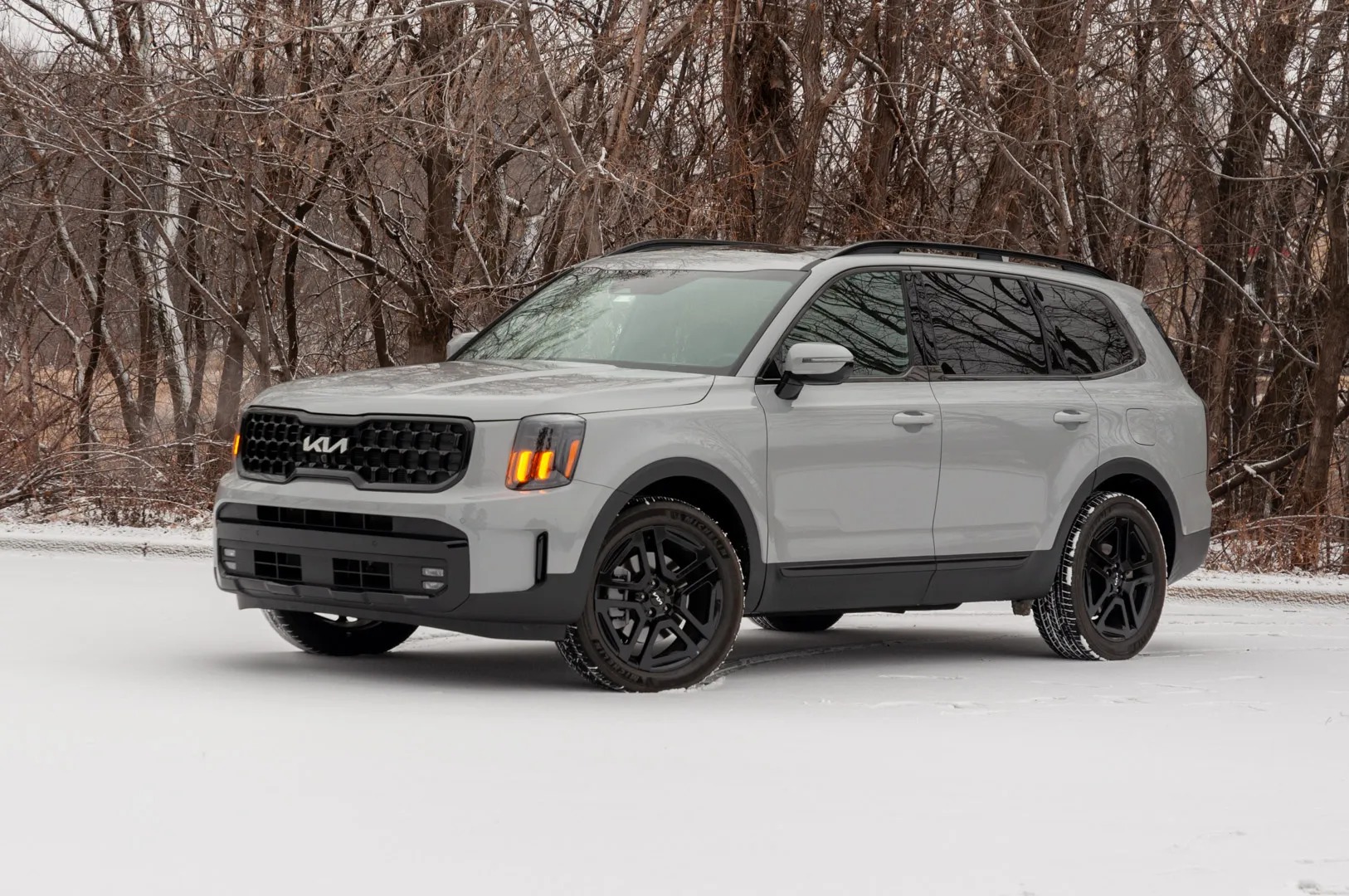
Roomy for people, modest for stuff. That’s the pattern the supplied information describes for the Kia Telluride. The MY2027 model offers 22.3 cubic feet behind the third row.
Is 22.3 a lot or a little? Compared with the Sorento and the Pilot, it’s more. Compared with the 28 to 40 cubic feet the summary says most three-row SUVs offer, it’s on the smaller side. Both statements are true at once, which is why context matters.
Here’s a good way to think about it. Picture a weekend trip with seven people. Everyone has a seat, but the luggage has to share the back with whatever space is left. That’s when 22.3 cubic feet starts to feel tight.
Family hauling strategies help. A rooftop cargo box can add room, though it affects fuel economy. Soft duffel bags fit better than rigid cases. A cargo organizer keeps items from sliding.
Because this is a MY2027 figure, check that it applies to the exact trim you want. Manufacturers sometimes list slightly different numbers by trim, and the supplied data gives one. Ask for the spec sheet.
5. Chevrolet Traverse
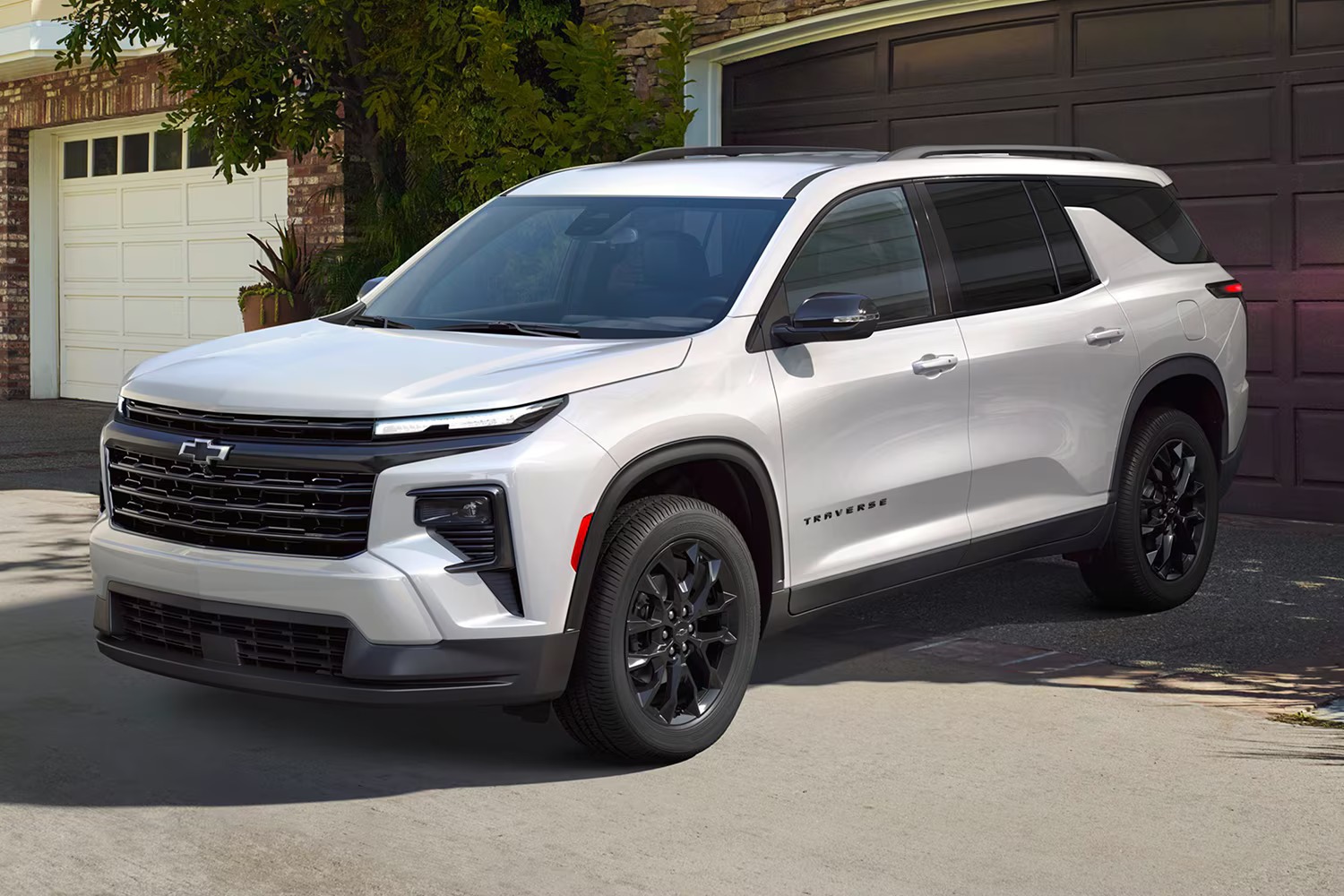
Here’s a surprise. The Chevrolet Traverse is a big SUV, yet its cargo area behind the third row is only 22.9 cubic feet for MY2027, according to the supplied information. The summary calls it a large midsize SUV with a surprisingly small third-row cargo area.
Size on the outside doesn’t always match space on the inside. A wide body and a long wheelbase give passengers room, but the third row can take a big share of the length, leaving less behind it.
How does it compare? It matches two other vehicles on this list at 22.9 cubic feet, and it sits 0.6 above the Telluride. Those differences are tiny, so don’t choose between them on cargo space alone.
Before making a decision, climb into the third row and assess the legroom and headroom for yourself. Next, look at how much cargo space remains behind the seats. This will help you determine whether the available passenger room and storage capacity meet your family’s needs.
If you regularly haul gear, consider where you can put it. A roof carrier, a hitch-mounted cargo tray, or a trailer are options, depending on the vehicle’s ratings. Always check the owner’s manual before adding anything.
6. Ford Expedition
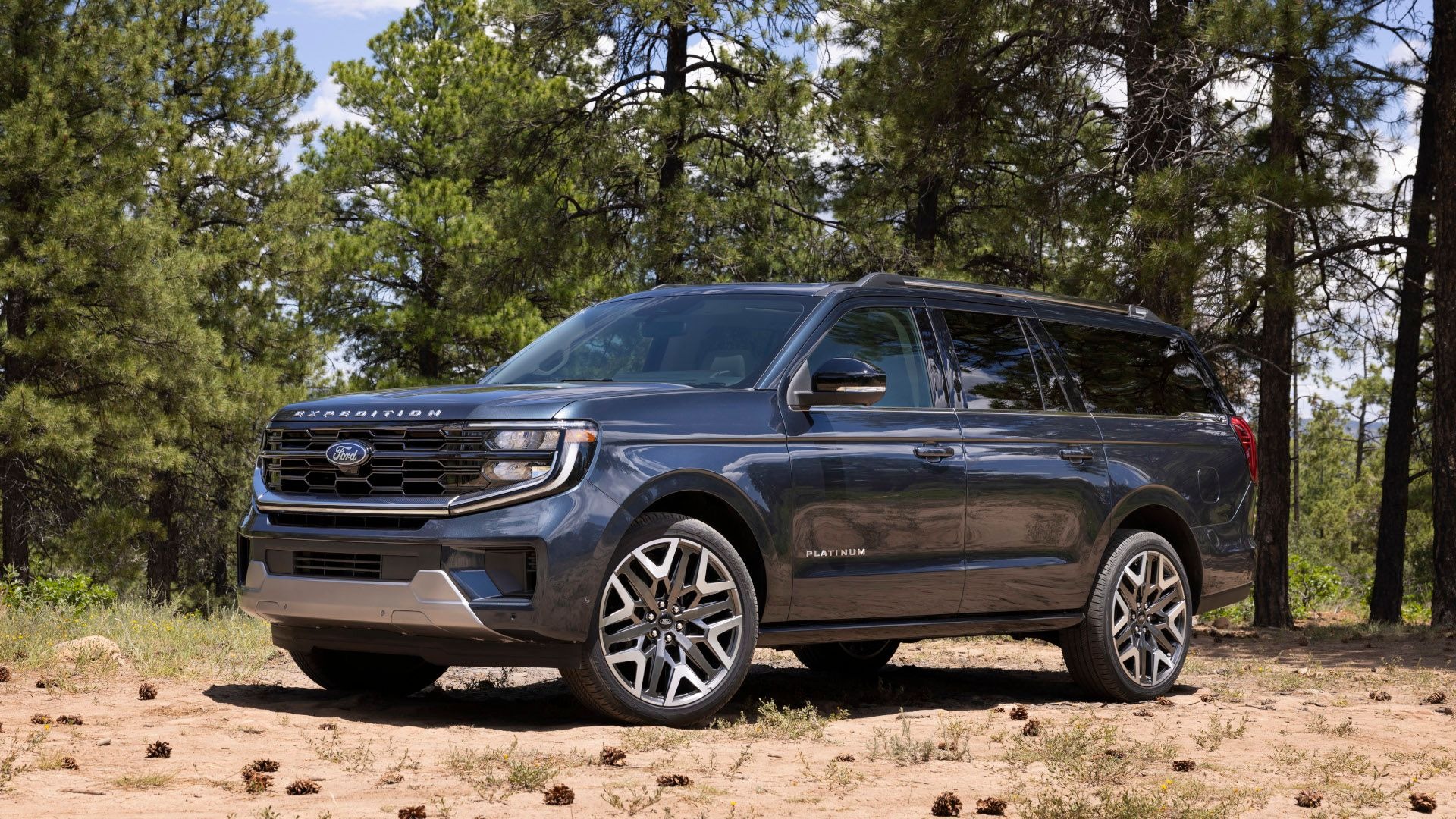
Wheelbase matters, and the Ford Expedition proves it. The standard wheelbase model offers 22.9 cubic feet behind the third row for MY2026. The supplied information says the MAX version is much larger, so the long-wheelbase model fixes the problem.
How does that work? A longer body adds length behind the third row, and that extra length becomes cargo space. It’s simple geometry. The supplied data doesn’t give the MAX number, so check Ford’s specification page for it.
Who should choose which? Families that regularly use all three rows and carry luggage should look closely at the MAX. Households that use the third row occasionally may be fine with the standard length and a folded seat.
There’s a tradeoff. A longer vehicle is harder to park and may not fit in some garages. Measure your garage before you buy, and test a few parking spots on the test drive.
Cost matters too. Longer versions usually cost more, though the supplied data doesn’t list prices. Compare the extra expense with the value of added space.
If you want a full-size SUV that carries seven people and their gear, the choice of wheelbase is a major decision.
7. Lincoln Navigator
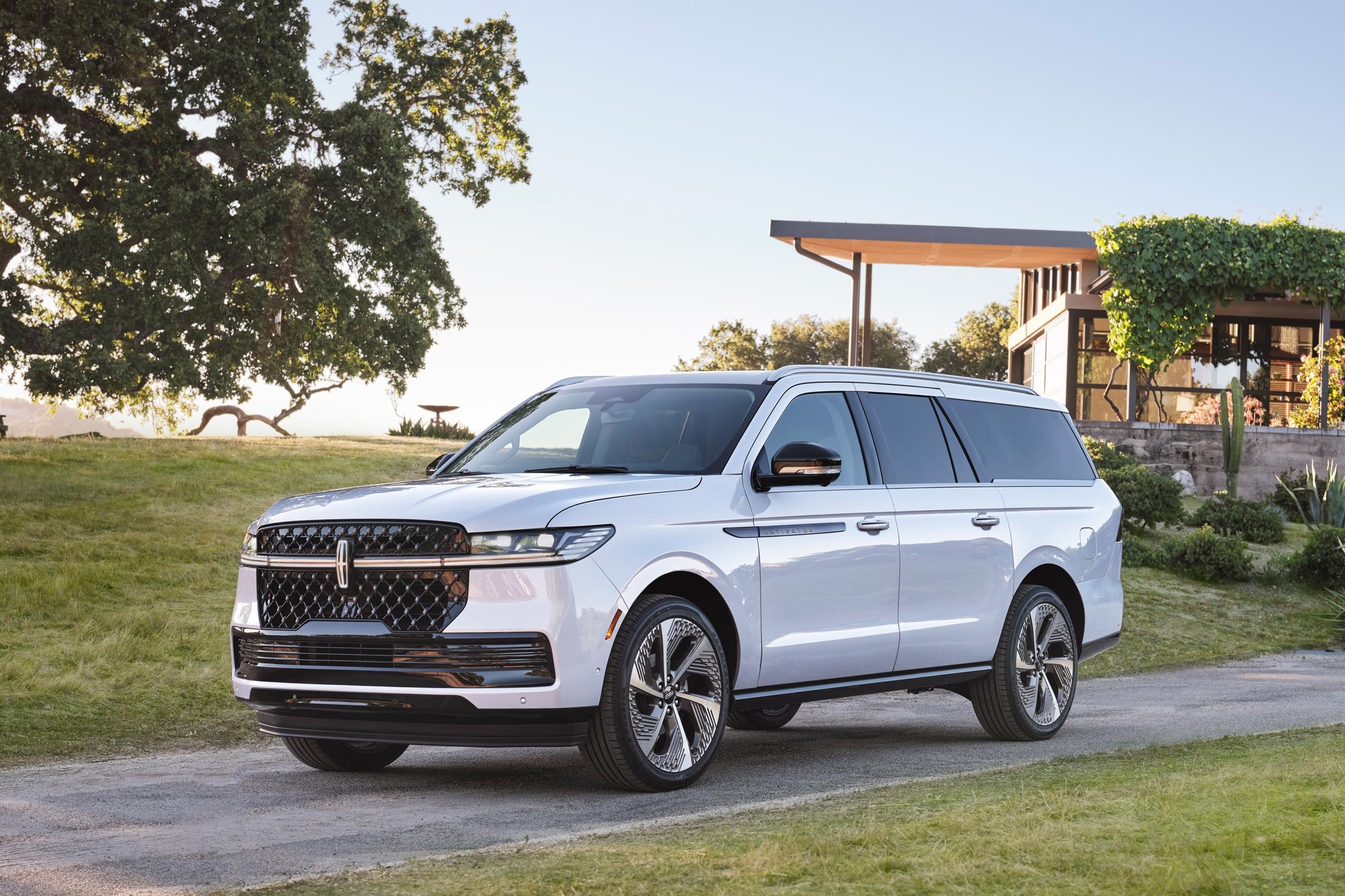
Luxury doesn’t automatically mean luggage space. The Lincoln Navigator in standard wheelbase offers 22.9 cubic feet behind the third row for MY2026, the same as the Ford Expedition standard wheelbase and the Chevrolet Traverse.
Like the Expedition, the Navigator comes in a longer version, the L, that fixes the issue, according to the supplied information. The standard model does not.
That’s worth knowing if you shop by badge. A buyer who wants a premium cabin might assume every Navigator is a cargo hauler. This list shows the standard-length version has the same cargo number as a mainstream SUV.
Let’s talk about how to decide. If you plan to carry six or seven passengers and luggage, the L is the sensible choice. If your family is smaller and you use the third row now and then, the standard Navigator may serve you well.
Test the setup yourself. Fold and raise the third row, and see how easy it is. A power-folding seat is convenient, but the supplied data doesn’t say which trims have one.
Ask the dealer for both versions side by side. The difference in length is easy to see, and easy to feel.
8. GMC Yukon
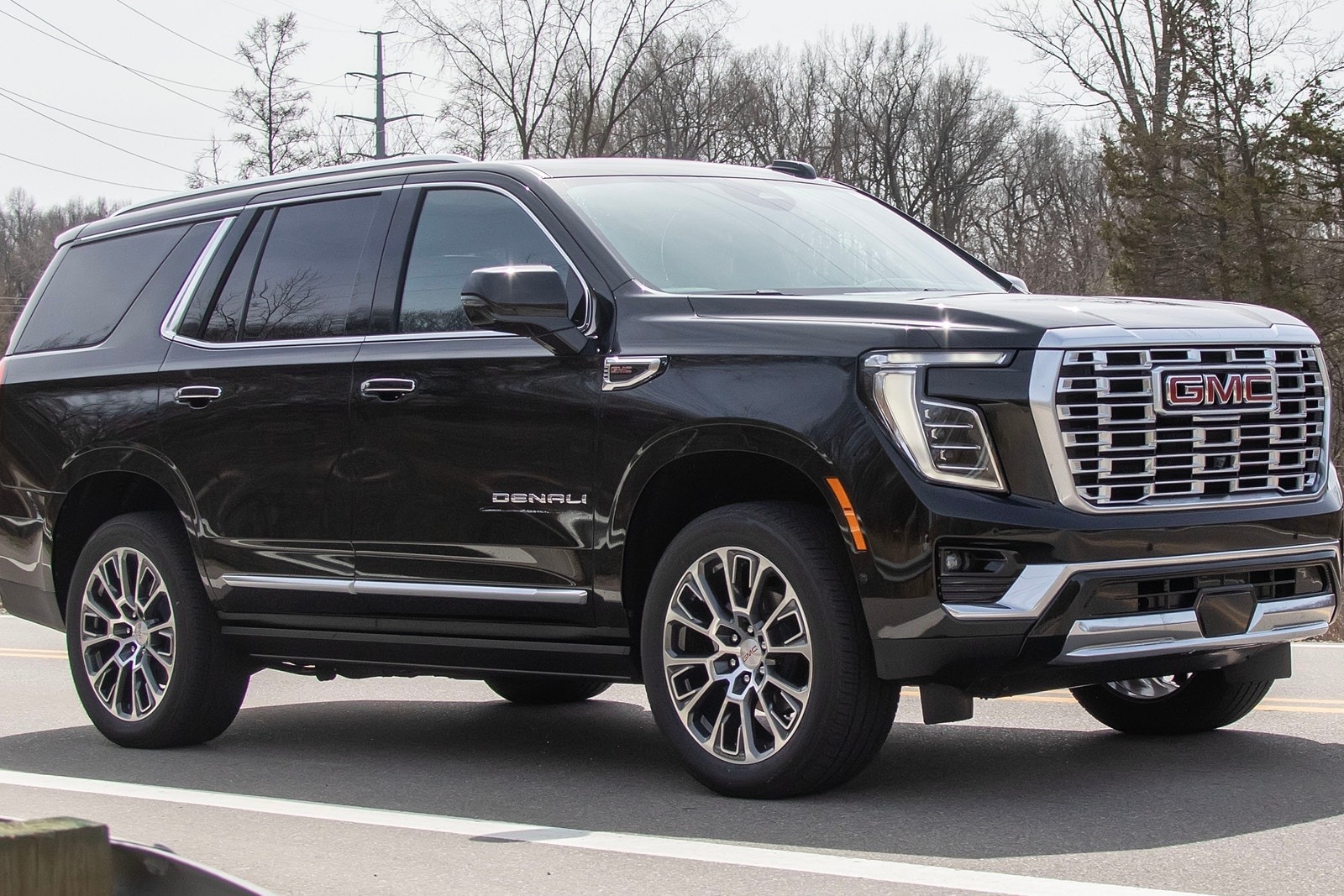
With 25.5 cubic feet, the GMC Yukon in standard wheelbase has the largest cargo area on this list, tied with the Cadillac Escalade. That’s also just above the 25 cubic foot line the supplied summary uses to call a cargo area very tight.
So is it small? The supplied information calls it small for a full-size SUV, and the longer Yukon XL is much larger. Compared with the Sorento’s 12.6, though, the Yukon offers about twice as much space.
Let’s be fair about the title of this list. Phrases like “almost no trunk” fit the lower numbers best. At 25.5 cubic feet, you can fit a good amount of gear, just less than many shoppers expect from a vehicle this big.
What should you do? Think about your typical load. If you carry kids, sports equipment, and weekend luggage, test those items. If you tow, check the vehicle’s tow rating and consider how the third row affects space.
Also compare the XL. Its extra length is easy to notice, and the added cargo room can change how you use the vehicle. Ask for the exact figure from GMC’s specification page.
9. Cadillac Escalade
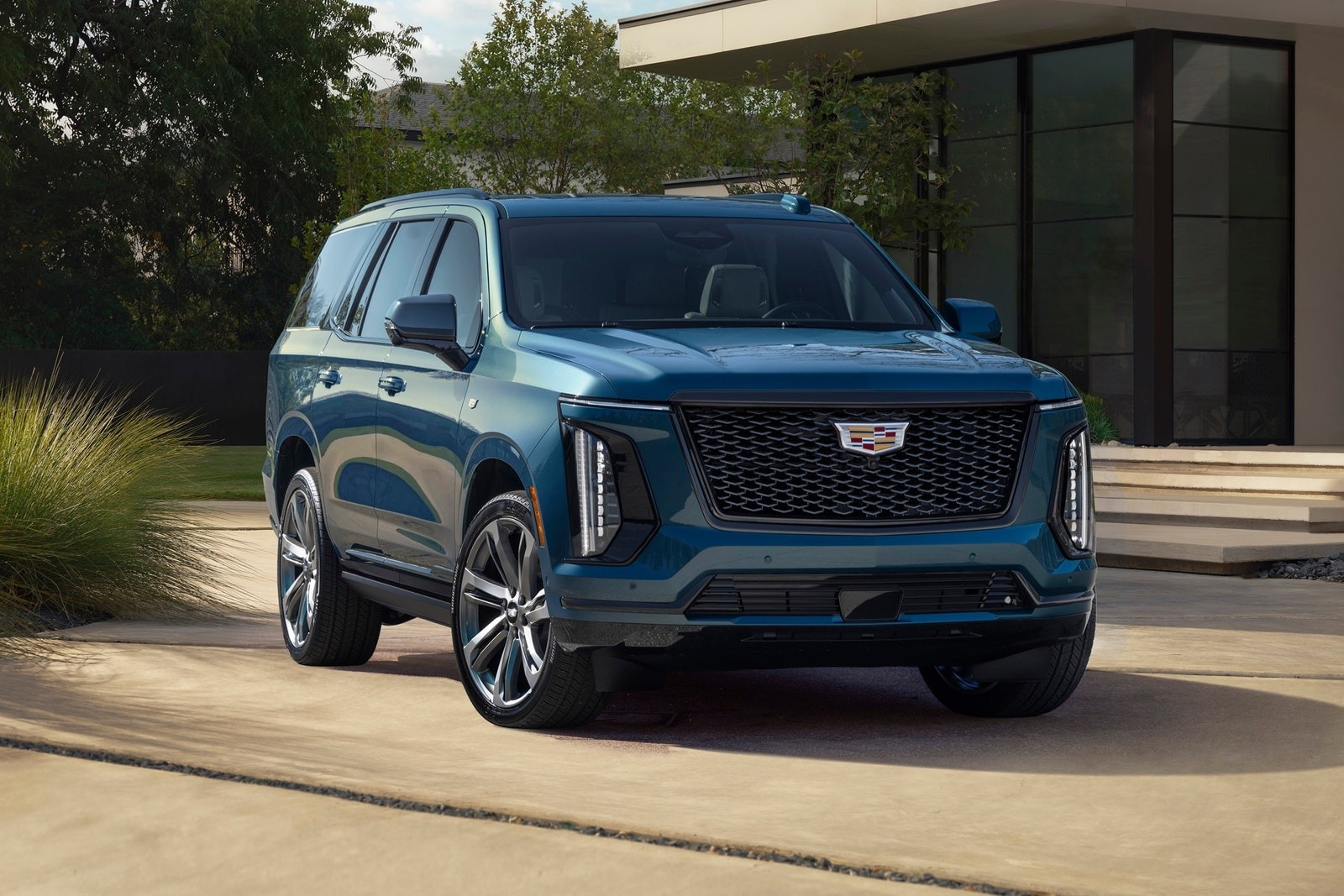
Last on the list, and tied for the roomiest, is the Cadillac Escalade in standard wheelbase at 25.5 cubic feet. The supplied information says it shares the same platform and cargo constraints as the Yukon.
That makes sense. Two vehicles built on the same underlying design tend to share many measurements, even when their styling and prices differ. A luxury badge changes the cabin, not the length behind the third row.
Now let’s pull the nine together. The range runs from 12.6 to 25.5 cubic feet, a difference of nearly 13. Three vehicles tie at 22.9, and two tie at 25.5. Several of the larger models offer longer versions with much more space.
Here’s your checklist. First, compare the same standard, and watch for SAE, VDA, and brand-specific methods. Second, check the wheelbase and trim. Third, load your own gear. Fourth, decide how often you’ll use all three rows.
Finally, be honest about your needs. A tight cargo area isn’t a flaw if you rarely fill every seat. If you do fill them often, the longer versions may be worth the extra cost.
Pick the SUV that fits your family and your stuff.
