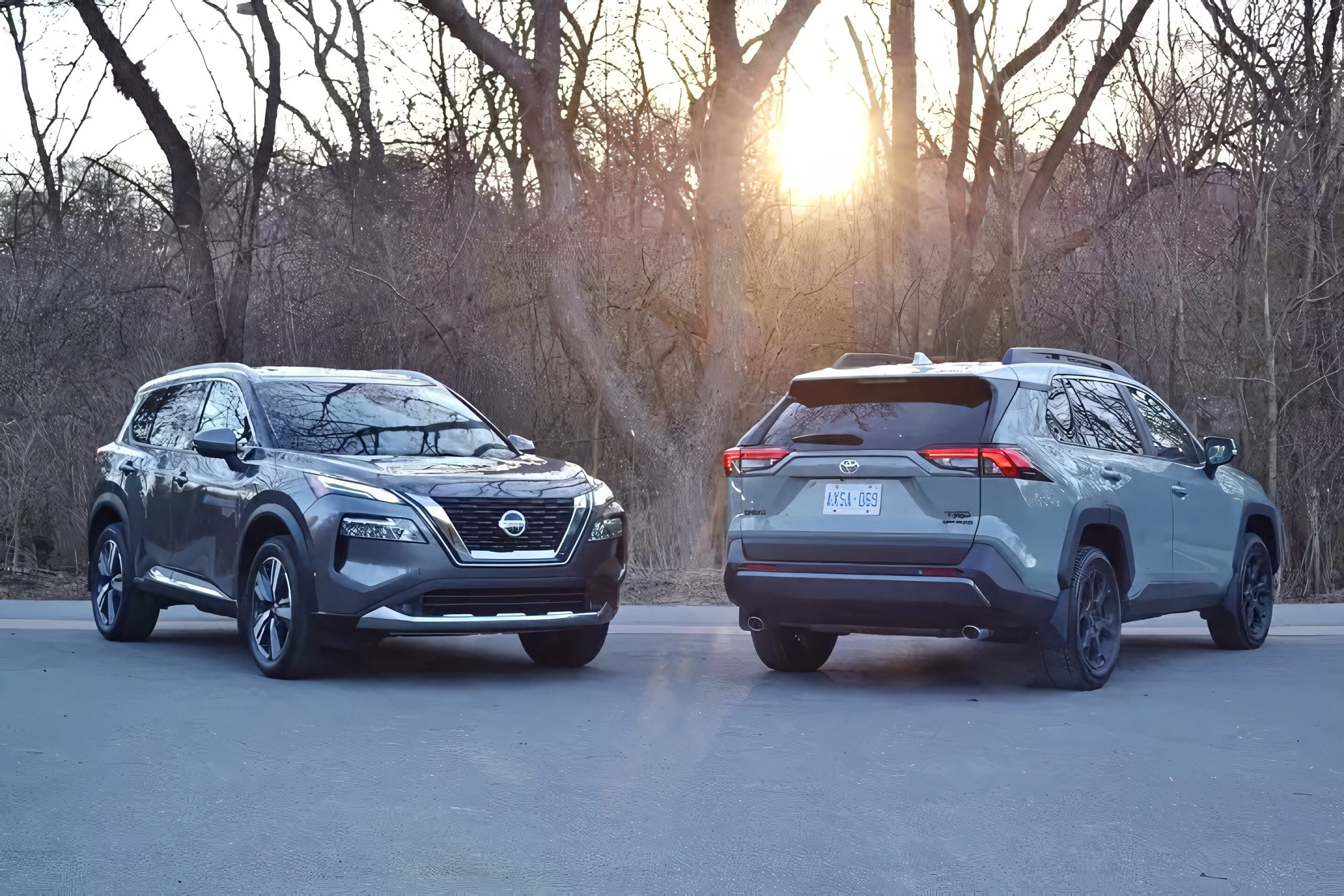
How long do people actually keep their cars? The answer says a lot about what’s worth buying. Some vehicles stay in the same driveway for 15 years or more, while others get traded in long before the loan is paid off. This guide covers six models with the longest average ownership and six with the shortest, using figures from iSeeCars and other supplied data.
Discover which cars owners hold on to for years, which they trade in sooner, and what those trends could mean for your next vehicle purchase. Keep in mind that the two lists rely on different metrics, which we’ll clarify along the way. Whether you’re shopping for a long-term companion or simply curious about owner habits, read on.
Six Cars With the Longest Average Ownership
This list is based on the percentage of vehicles kept 15+ years by original owners, from an iSeeCars study. The average across all vehicles is 6.1%.
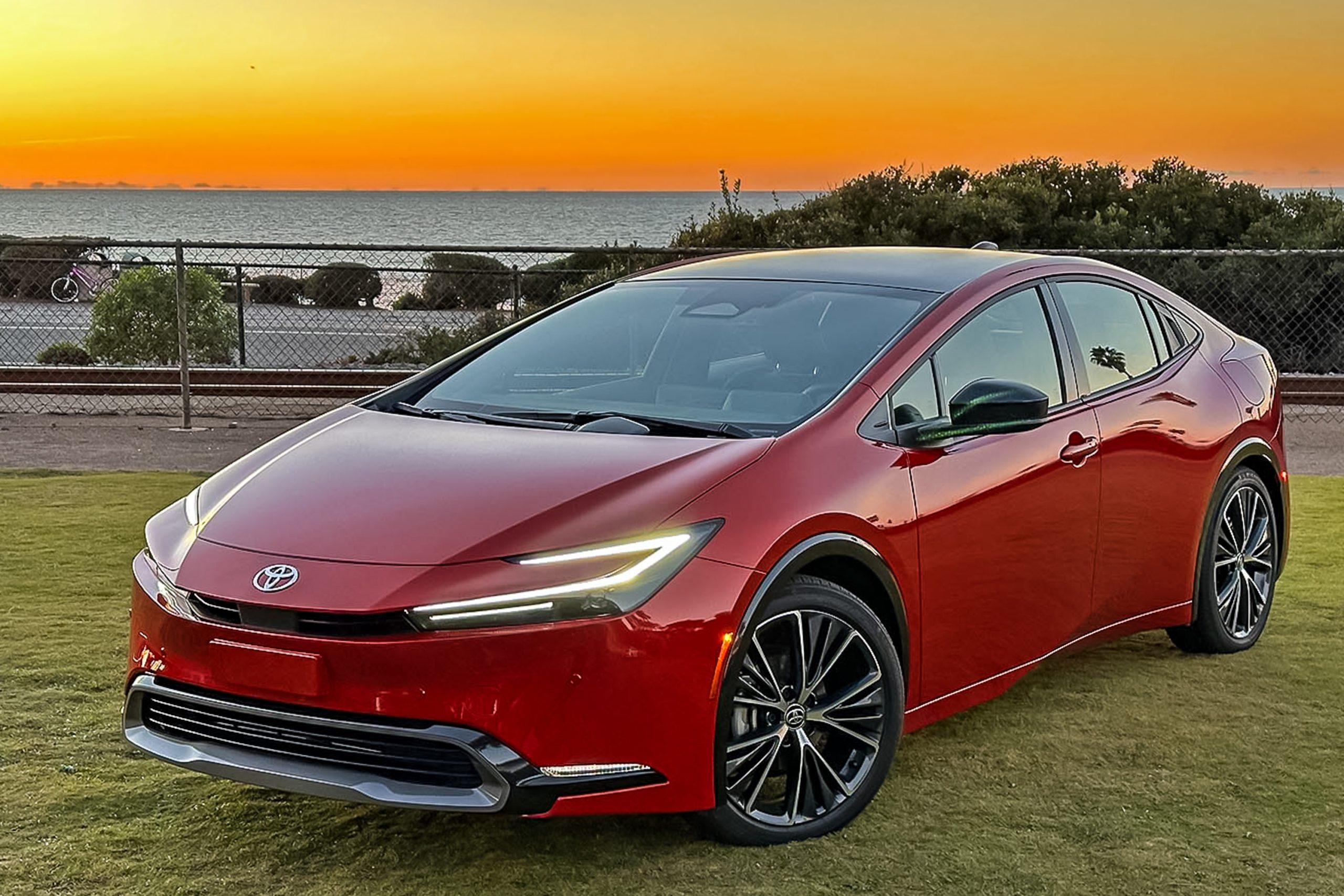
1. Toyota Prius
The Toyota Prius leads the supplied long-term ownership list, with 13.7% of vehicles kept by their original owners for at least 15 years. That figure stands well above the 6.1% average reported for all vehicles in the cited iSeeCars study.
Why would owners hang on to a hybrid hatchback for so long? A major attraction is its focus on fuel efficiency. Drivers who cover substantial distances may appreciate spending less on gasoline than they would with a comparable conventional vehicle.
The Prius also has a long history in the hybrid market, giving many shoppers familiarity with its design and operating principles. Long ownership can make financial sense when a car continues to meet its owner’s needs.
Once a vehicle is paid off, keeping it may eliminate monthly loan payments and reduce the cost of replacing it. If maintenance remains manageable and the car continues to run reliably, there may be little reason to trade it in.
Of course, the 13.7% figure does not mean every Prius will last 15 years without repairs. Battery condition, service history, mileage, driving habits, and climate can affect a particular vehicle’s lifespan.
Buyers considering an older used Prius should review its maintenance records and arrange a professional inspection. Still, the data gives the Prius a strong position among vehicles retained for the long haul.
For drivers who value fuel economy, practical transportation, and the possibility of many years of ownership, it is a model worth considering.
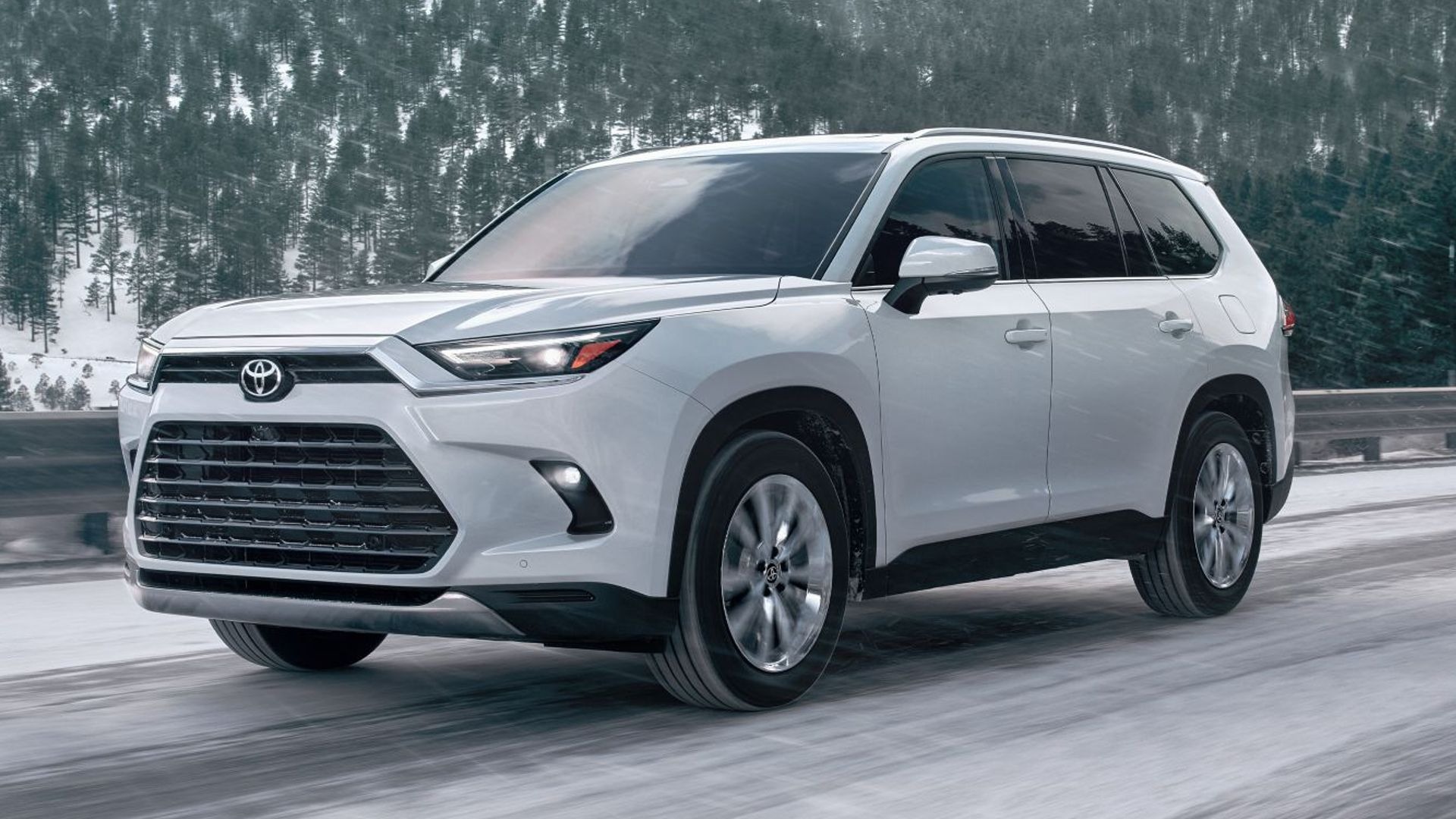
2. Toyota Highlander
The Toyota Highlander ranks second, with 12.4% of vehicles kept by their original owners for 15 years or longer. Its position suggests that many households find enough long-term value in this midsize SUV to keep it well beyond the typical new-car ownership period.
Family vehicles face a demanding routine. They may handle school runs in the morning, grocery shopping in the afternoon, and long highway trips during vacations.
A vehicle that remains comfortable, dependable, and practical through those different tasks can become difficult for a family to replace.
The Highlander’s three-row seating on applicable configurations, passenger comfort, and useful cargo capacity help explain its broad appeal. Families can use it for everyday travel without necessarily moving up to a larger, more expensive SUV.
Buyers also have access to gasoline and hybrid versions in recent model years, depending on the configuration. Long ownership can be particularly attractive for households that want to avoid taking on another car payment every few years.
A well-maintained Highlander may continue serving its owners after the original loan has been paid off, leaving more room in the household budget for other expenses.
However, keeping a vehicle for 15 years requires more than choosing the right badge. Suspension parts, tires, brakes, fluids, air-conditioning components, and other items will need attention as the miles accumulate.
Repair costs may rise as a vehicle ages, even when its basic mechanical design has a good reputation. The Highlander’s 12.4% result puts it well ahead of the study’s 6.1% benchmark.
For families seeking a vehicle they can potentially keep for many years, its ownership record is a useful reason to place it on a shopping list.
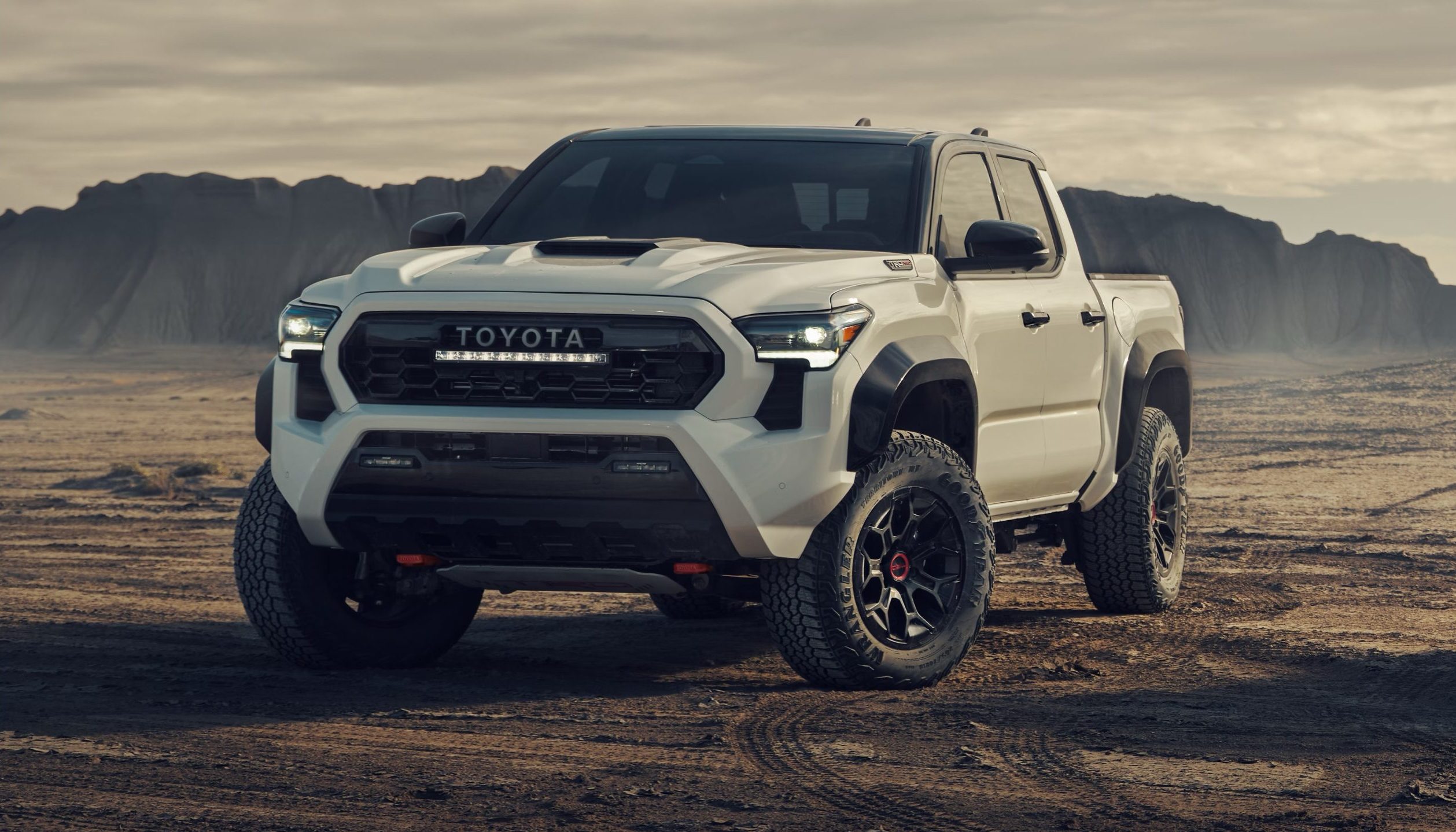
3. Toyota Tacoma
Trucks have a reputation for working until they can’t, and the Toyota Tacoma lives up to it. With 11.6% of vehicles kept 15 or more years by original owners, it ranks third and nearly doubles the 6.1% average.
Tacoma owners who hold on to their trucks for years often include contractors, campers, anglers, and weekend adventurers who rely on them for practical use. They see the truck as a dependable tool, and when a tool continues to perform well, there is little reason to replace it.
Mid-size trucks also tend to hold their value well, though the supplied data doesn’t give resale figures. When a vehicle keeps its value, owners may feel less pressure to replace it.
Here’s a thought experiment. If your truck is paid off, runs well, and still does the job, what would a new one add? Maybe a bigger screen, newer safety tech, or better fuel economy. Those are real benefits, yet many owners decide the old truck is good enough.
For buyers, a well-kept older Tacoma can be a smart find, but check for rust, frame condition, and service history. Off-road use can add wear, so look at the suspension and underbody.
Long ownership says something about satisfaction. It doesn’t replace an inspection.
4. Toyota Sienna
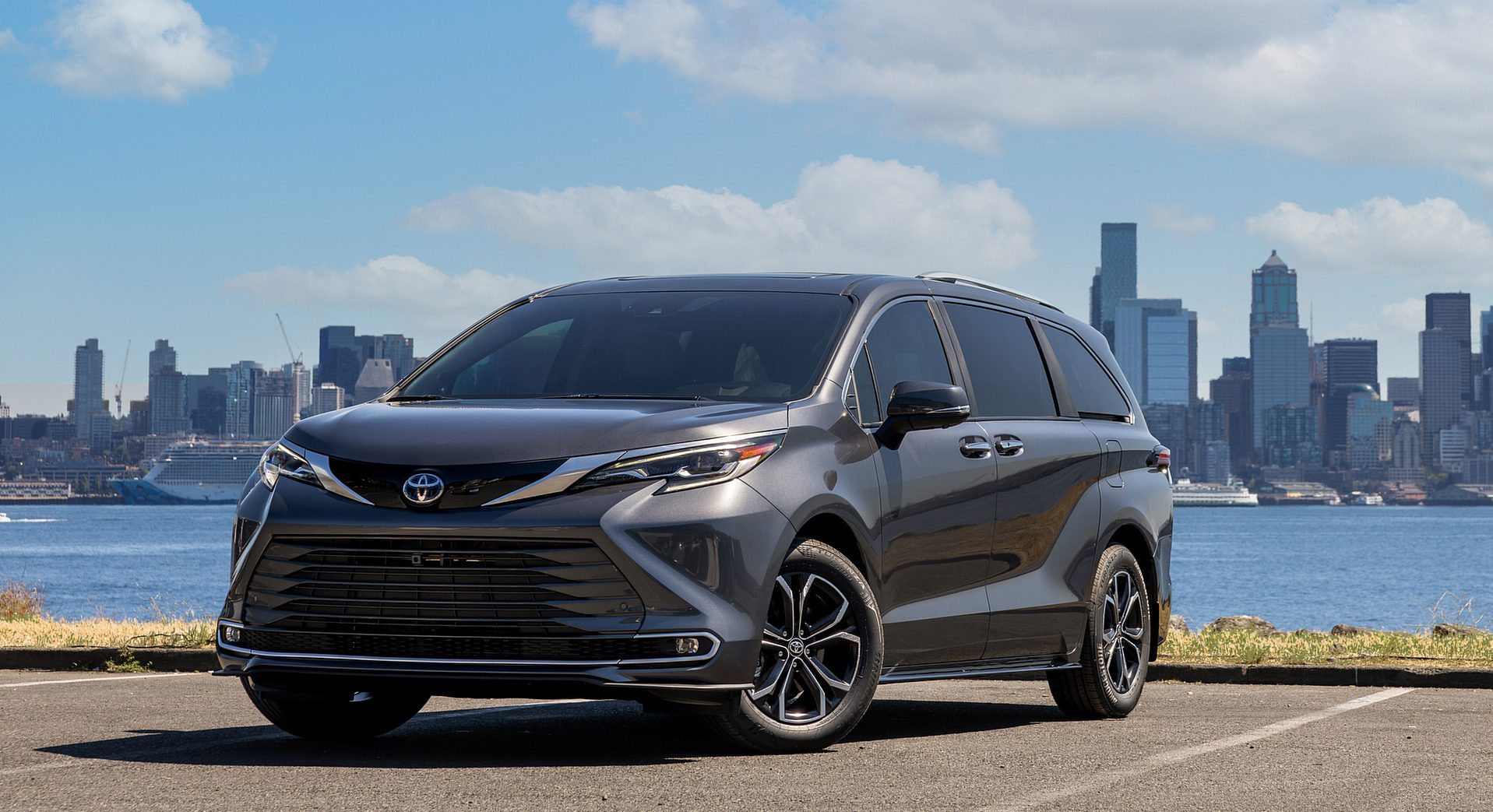
Nobody dreams of owning a minivan, and yet Toyota Sienna owners keep theirs forever. Some 11.5% of Siennas are kept 15 or more years by their original owners, good for fourth place and nearly twice the 6.1% average.
Minivans are practical machines. Sliding doors, flat floors, and cavernous interiors make life easier for families, and the benefits don’t fade as kids grow. A van that hauled toddlers in 2010 might carry teenagers, dogs, and college gear a decade later.
That’s one reason long ownership may happen here. Families who value convenience tend to keep what works. The study doesn’t say that’s the cause, so treat it as a reasonable guess.
The Sienna’s place on the list is also a reminder that popularity and long ownership aren’t the same thing. Many minivans never reach the 15-year mark in the hands of one owner. Reliability, running costs, and how well the vehicle fits daily life all play a part.
Used buyers should look for signs of heavy use. Check sliding door operation, seat condition, and the maintenance record. Interior wear tells a story, since family vehicles take a beating.
A minivan that survives 15 years with the same family has earned some respect.
5. Toyota Tundra
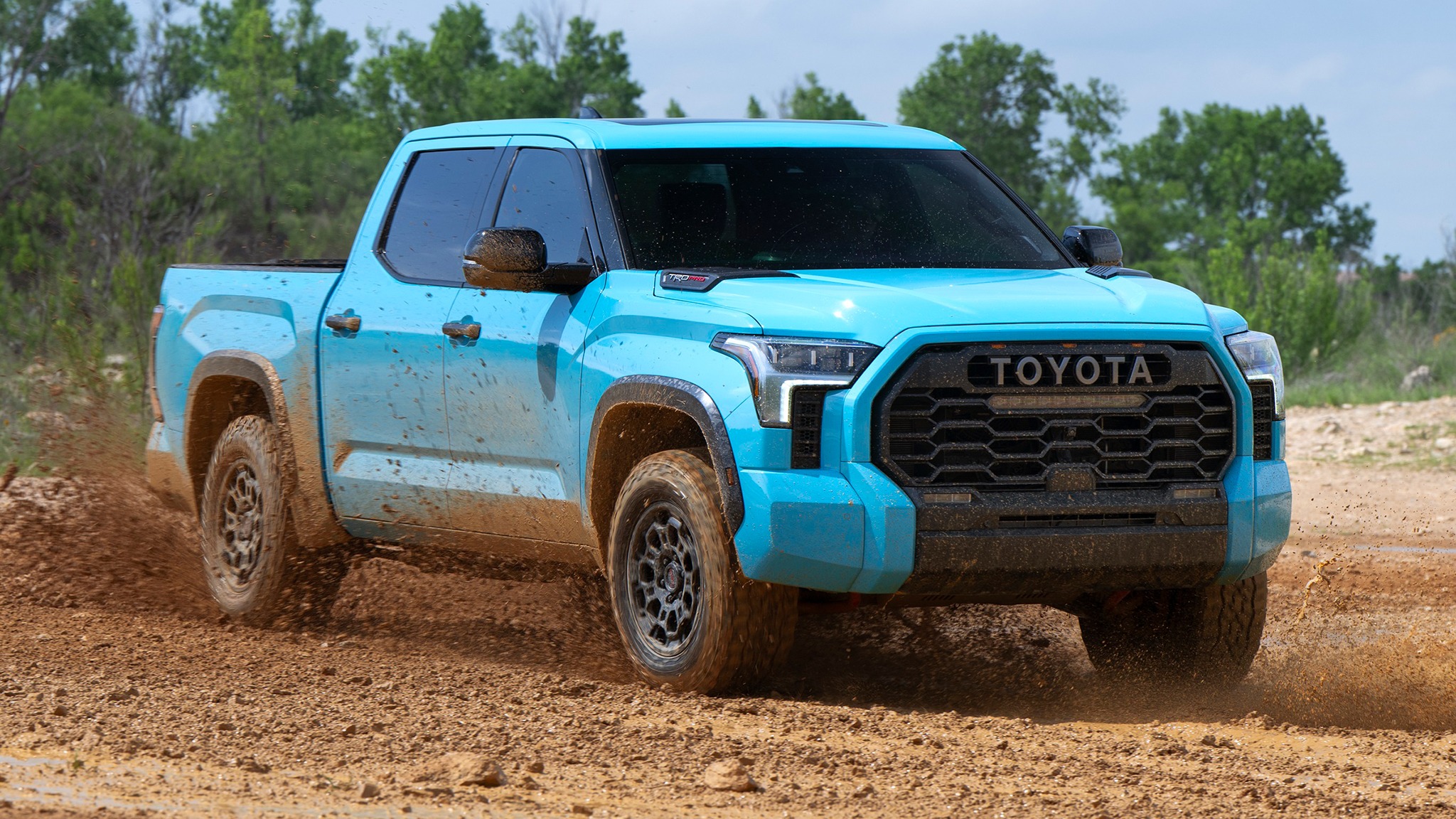
Here’s the full-size entry. The Toyota Tundra comes in fifth at 11.3% of vehicles kept for 15 or more years by their original owners. That’s about 1.85 times the study average of 6.1%.
Notice the pattern. Five of the six longest-kept vehicles are Toyotas, covering a hybrid, an SUV, a mid-size truck, a minivan, and a full-size truck.
That spread suggests the effect isn’t about one body style. It points to something about the brand, whether that’s reliability, owner loyalty, or both. The supplied data doesn’t separate those causes.
A full-size truck costs a lot to replace, and that matters. When a new truck can cost far more than the old one, owners may decide that maintenance is the better deal. Keeping a paid-off truck running can be much cheaper than buying a new one.
Still, long ownership needs care. Full-size trucks work hard, and towing, hauling, and rough roads add wear. Regular fluid changes, tire rotations, and brake checks help trucks last.
If you’re shopping for a used Tundra, ask about towing history, and check the frame, brakes, and drivetrain. A long-term single owner is a good sign, yet it’s no substitute for a test drive and inspection.
6. Honda CR-V
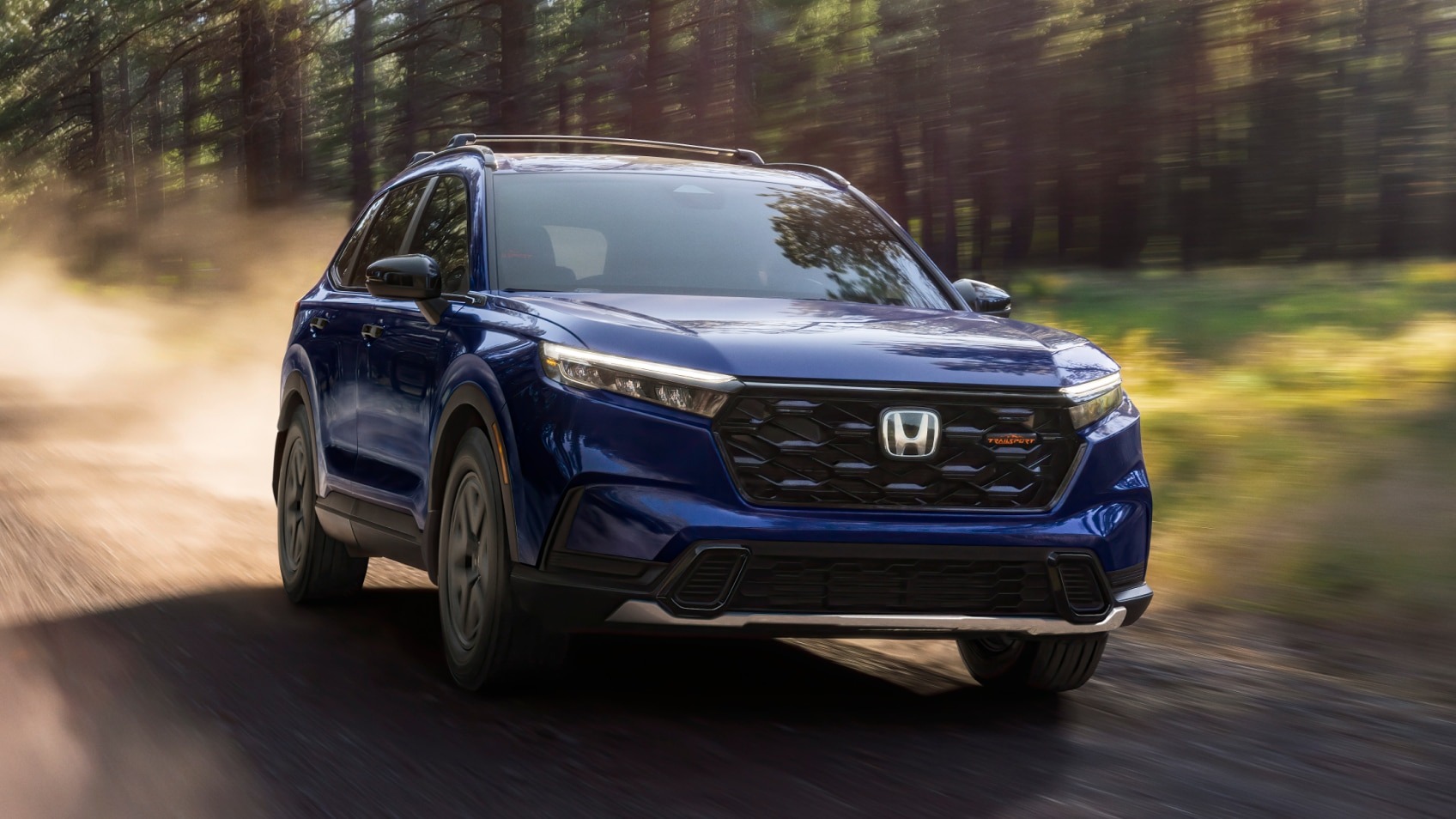
Honda breaks Toyota’s streak. The Honda CR-V finishes the group with 10.7% of vehicles kept for 15 or more years by their original owners, still about 1.75 times the 6.1% average.
The CR-V is among America’s most popular SUVs, which makes this result even more interesting. Popular vehicles often see many sales and trade-ins. Yet a healthy share of CR-V buyers hold on for well over a decade.
What might explain it? The supplied data doesn’t say, but compact SUVs balance practicality, fuel economy, and manageable running costs. Owners who find that balance may see little reason to switch.
Let’s step back and look at the six together. The range runs from 13.7% down to 10.7%, a gap of three percentage points. All six sit well above the 6.1% average, and five are Toyotas. If you want a vehicle that tends to stay in one family, these are the names to start with.
But remember what this measure shows. It counts the share of vehicles still with original owners after 15 years. It doesn’t say how happy owners are, or how much they spent on repairs. A long record is a good sign, not a promise.
Now let’s look at the other side of the spectrum, focusing on cars that owners tend to trade in or replace sooner.
Six Cars With the Shortest Average Ownership
The supplied results don’t include a formal “shortest ownership” list, but they do show the lowest average ownership durations among popular cars, from 6.8 to 8.1 years. The average for new-car ownership is 8.4 years.
1. Nissan Rogue
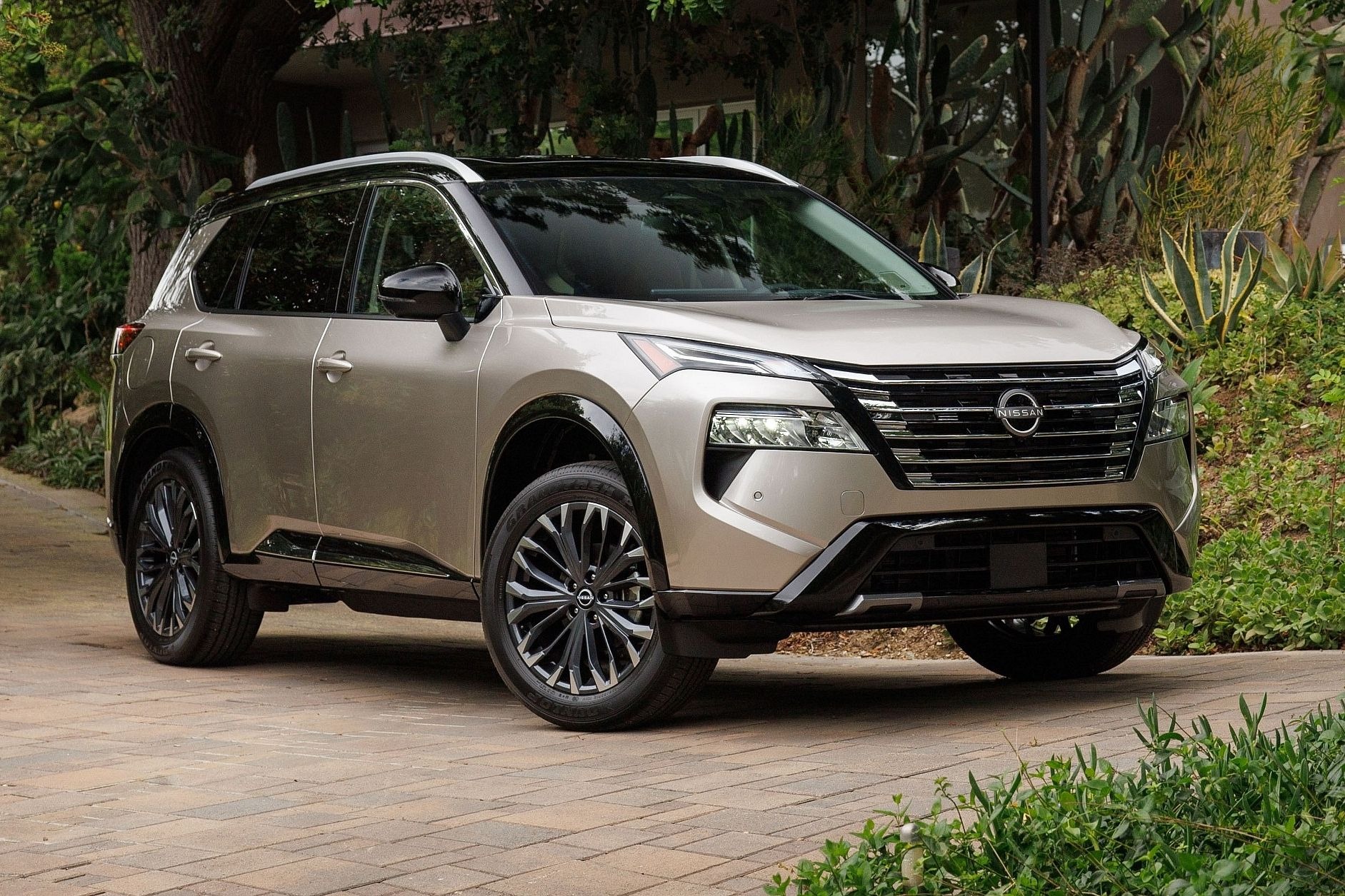
The Nissan Rogue has the shortest average ownership duration among the six vehicles in the supplied data, at 6.8 years. That figure falls below the reported 8.4-year average for new-car ownership.
A shorter ownership period does not automatically mean a vehicle is unreliable. People replace cars for many reasons, including changing family needs, job relocations, lease arrangements, new technology, and the desire for a different vehicle.
The data does not establish which of these factors explains the Rogue’s result. The Rogue competes in the compact SUV segment, where buyers have many alternatives.
Shoppers can compare different brands on price, fuel economy, passenger space, safety equipment, and available technology. When several vehicles meet similar needs, some owners may trade in their cars sooner to obtain newer features or a different driving experience.
The model’s practical size and cargo area can suit everyday errands and small families. Yet a buyer who plans to keep a Rogue for a decade or longer should pay attention to the maintenance schedule and the condition of the specific vehicle.
Powertrain service history, fluid changes, suspension wear, and any outstanding recalls deserve careful review. Average ownership duration is also different from vehicle lifespan.
A car sold after 6.8 years may continue operating for many more years with its next owner. The figure describes how long owners tend to retain vehicles within the relevant data set, not how long those vehicles remain roadworthy.
For shoppers considering a Rogue, the useful lesson is to look beyond a single ownership statistic. Compare the model year, purchase price, expected maintenance costs, and condition of the vehicle.
A well-maintained example may suit your needs even if its model line has a shorter average ownership period than the Toyota vehicles listed earlier.
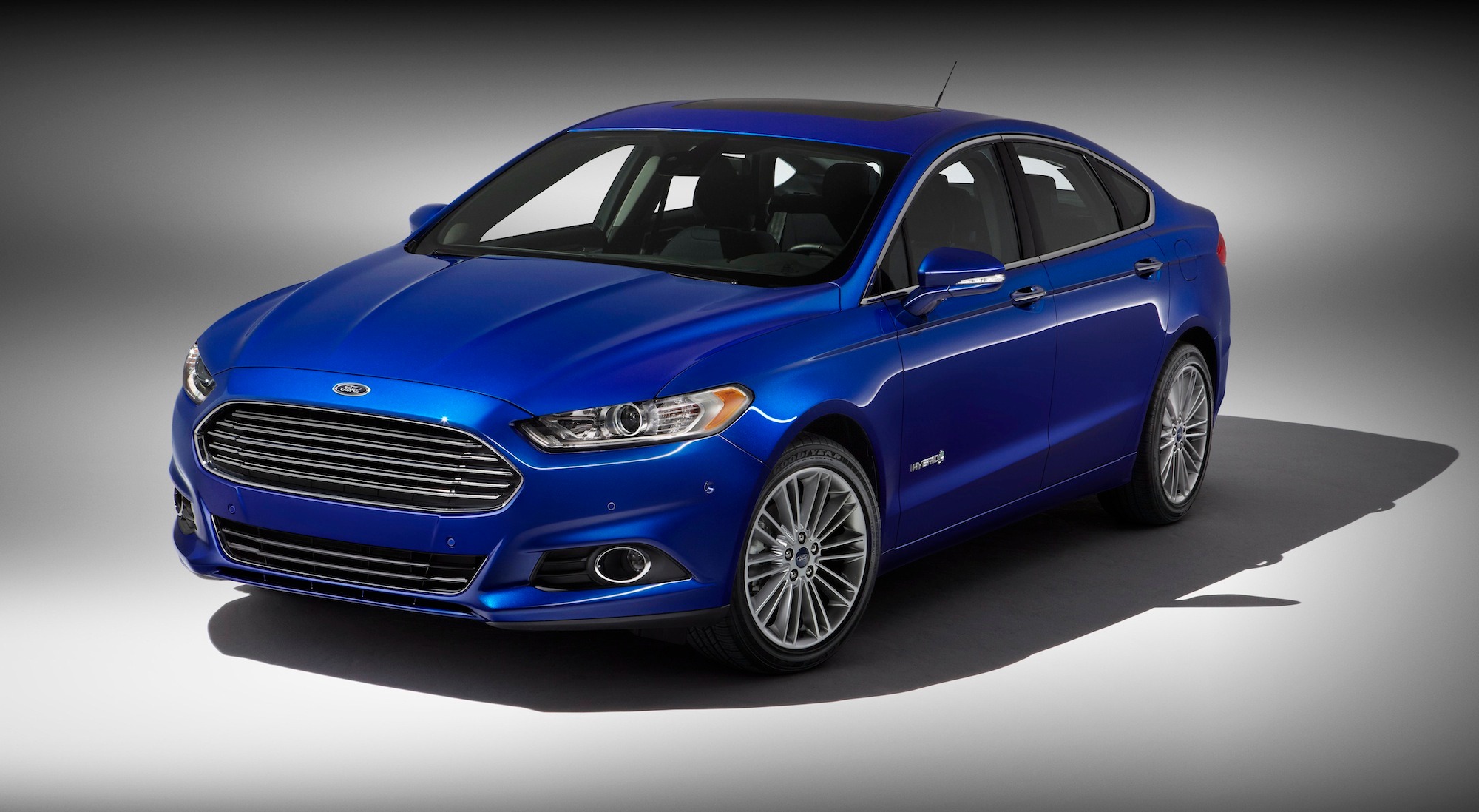
2. Ford Fusion
The Ford Fusion has an average ownership duration of 7.1 years in the supplied figures, placing it near the bottom of the list. That is shorter than the 8.4-year average reported for new-car ownership, although it does not mean every Fusion owner replaces the vehicle at that age.
The Fusion was designed as a midsize sedan for people who wanted comfortable passenger space, a conventional trunk, and a car suited to commuting and highway travel.
Depending on the model year, buyers could choose from different engines and equipment levels, with hybrid versions also offered during its production run.
Sedans compete in a market where consumer preferences have increasingly included crossovers and SUVs. Some owners may have replaced a Fusion with a taller vehicle for easier entry, additional cargo flexibility, or more space for growing families.
Others may simply have traded it for a newer sedan. It would be inaccurate to attribute the 7.1-year figure to one specific cause without supporting evidence.
Ownership duration reflects a combination of owner choices and market conditions, and it does not independently measure mechanical reliability.
The Fusion is no longer sold as a new Ford model in the US market, so shoppers generally encounter it as a used vehicle. That can make condition and maintenance records especially important.
Buyers should inspect the engine, transmission, suspension, electronics, and bodywork, while confirming that any required repairs have been completed.
A used Fusion may still make sense for someone seeking a comfortable sedan at an appropriate price. Its average ownership figure is best treated as background information rather than a reason to rule out every example.
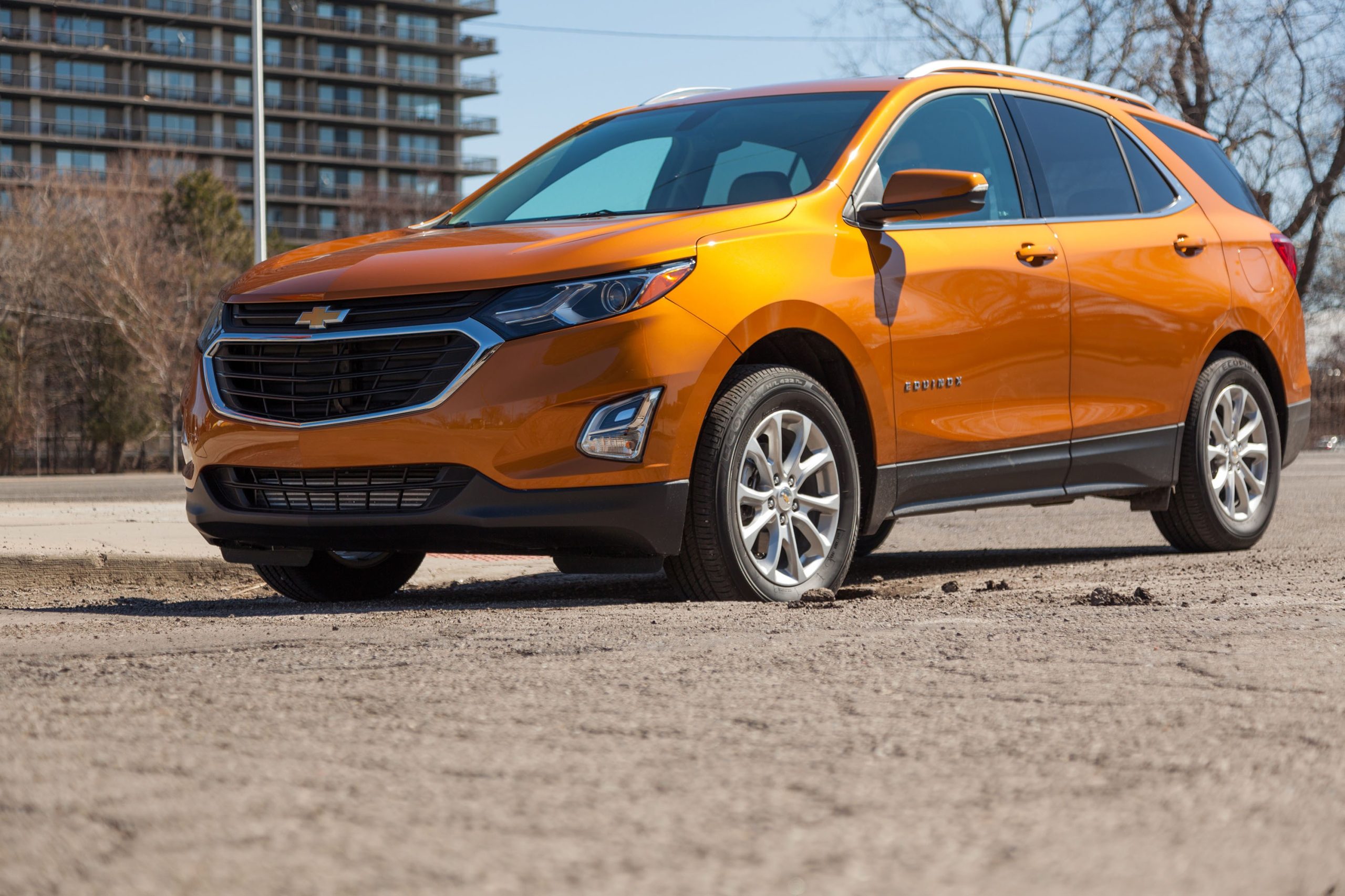
3. Chevrolet Equinox
Tied with the Ford Fusion at 7.1 years, the Chevrolet Equinox is the first SUV on the shortest list. That’s 1.3 years below the 8.4-year average.
Two cars in a tie, one a sedan and one a compact SUV, tell us something. Short ownership isn’t limited to one body style. It touches popular vehicles of different types.
The Equinox sells in large numbers, and the supplied data suggests popular models can show up with shorter average ownership. High sales volume means many owners, including leasers and fleet buyers, whose habits differ from those of long-term keepers. That’s a general idea, not something the study proves.
Another factor could be the competition. The compact SUV segment is crowded, and buyers have many choices. When new models offer fresh features, some owners switch.
Here’s a practical angle for shoppers. A used Equinox is easy to find, so you can compare many examples and negotiate. Look at the service history and check for open recalls. Ask whether the car was leased, since lease returns often have complete maintenance records.
If you’re buying new, ask the dealer about warranty coverage and typical maintenance costs. Planning to keep the car longer than average can save money in the long run.
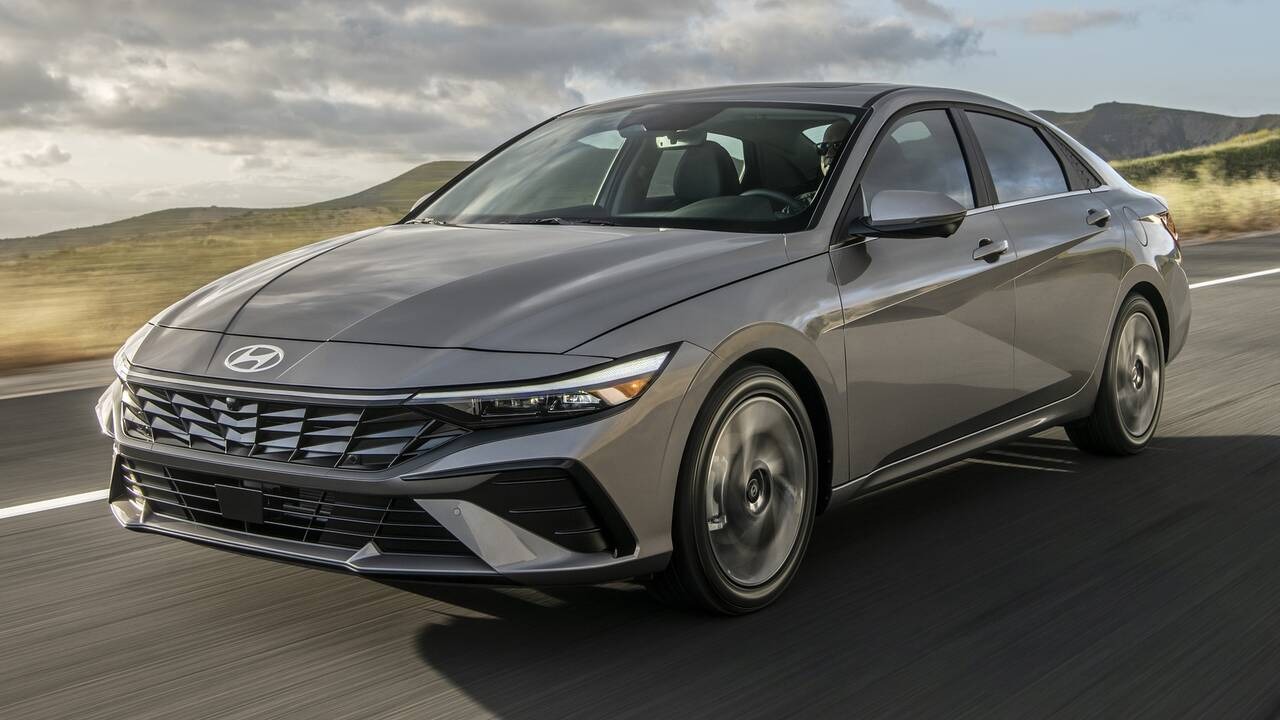
4. Hyundai Elantra
The Hyundai Elantra lands fourth on the shortest list, with an average ownership of 7.9 years, 0.5 years below the 8.4-year average. That’s a small gap, and it shows these differences aren’t always dramatic.
Compact sedans often appeal to first-time buyers, daily commuters, and budget-conscious shoppers. As their circumstances evolve, they may move on to another vehicle to suit a new job, a growing family, or a move to a different city. For example, a student might trade in their first car after graduating.
The supplied data doesn’t give reasons, so treat these ideas as possibilities. Affordable cars may also be traded sooner because the owner wants more space or newer technology.
For used shoppers, an Elantra can be a good value. Newer models often come with modern features, and fuel economy is strong. Check the model year carefully, though, because certain Hyundai and Kia vehicles have faced theft problems tied to a missing engine immobilizer. Ask whether the car has received the software update, and check the recall history.
Here’s a way to think about it. If you plan to keep the car for a decade or more, look for a vehicle with a clean history, regular service, and a design you’ll still like years from now.
A small gap in ownership years is a reminder that averages are only averages.
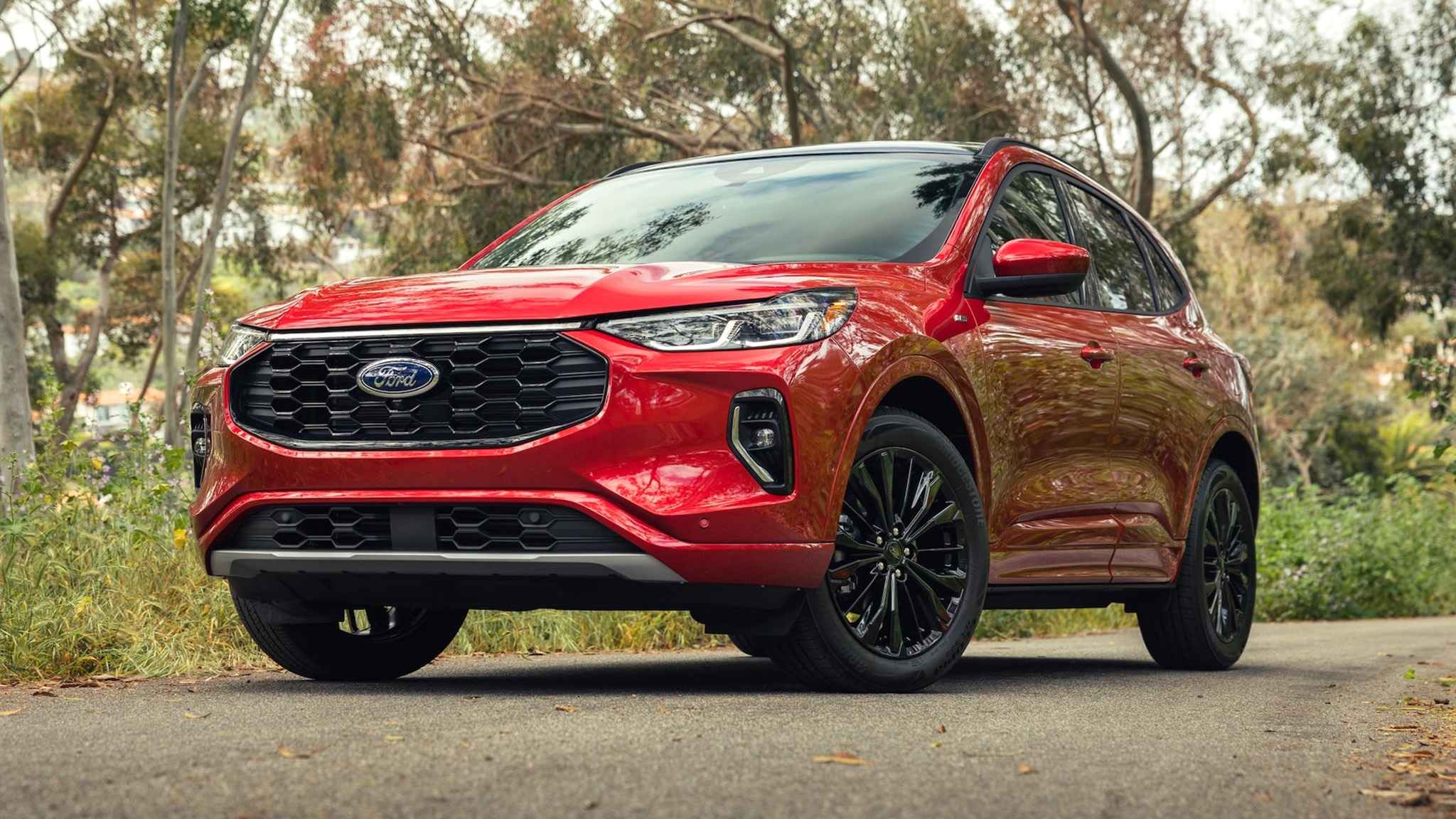
5. Ford Escape
At 8.0 years, the Ford Escape sits just 0.4 years below the 8.4-year average. That’s practically a rounding difference, and it deserves a quick reality check.
Some summaries describe these models as falling well below the average, yet the numbers show a range. The Nissan Rogue is 1.6 years below. The Escape is 0.4 years below. Those are very different distances, and it’s fair to say the lower entries on this list barely trail the norm.
What can we learn? Averages are useful, but they hide variety. Some Escape owners keep their SUVs for 12 years, and others trade within three. The average blends those stories.
Compact SUVs like the Escape often serve as family vehicles, commuters, and first cars. Their owners range widely, so a mix of short and long ownership isn’t surprising.
For buyers, the useful step is to look at the specific vehicle in front of you. How many owners has it had? What does the service record show? Are there open recalls? Ford has issued many recalls across its lineup in recent years, so checking a VIN on NHTSA’s site is wise.
If you plan to keep a vehicle past the average, regular maintenance matters more than the badge on the hood.
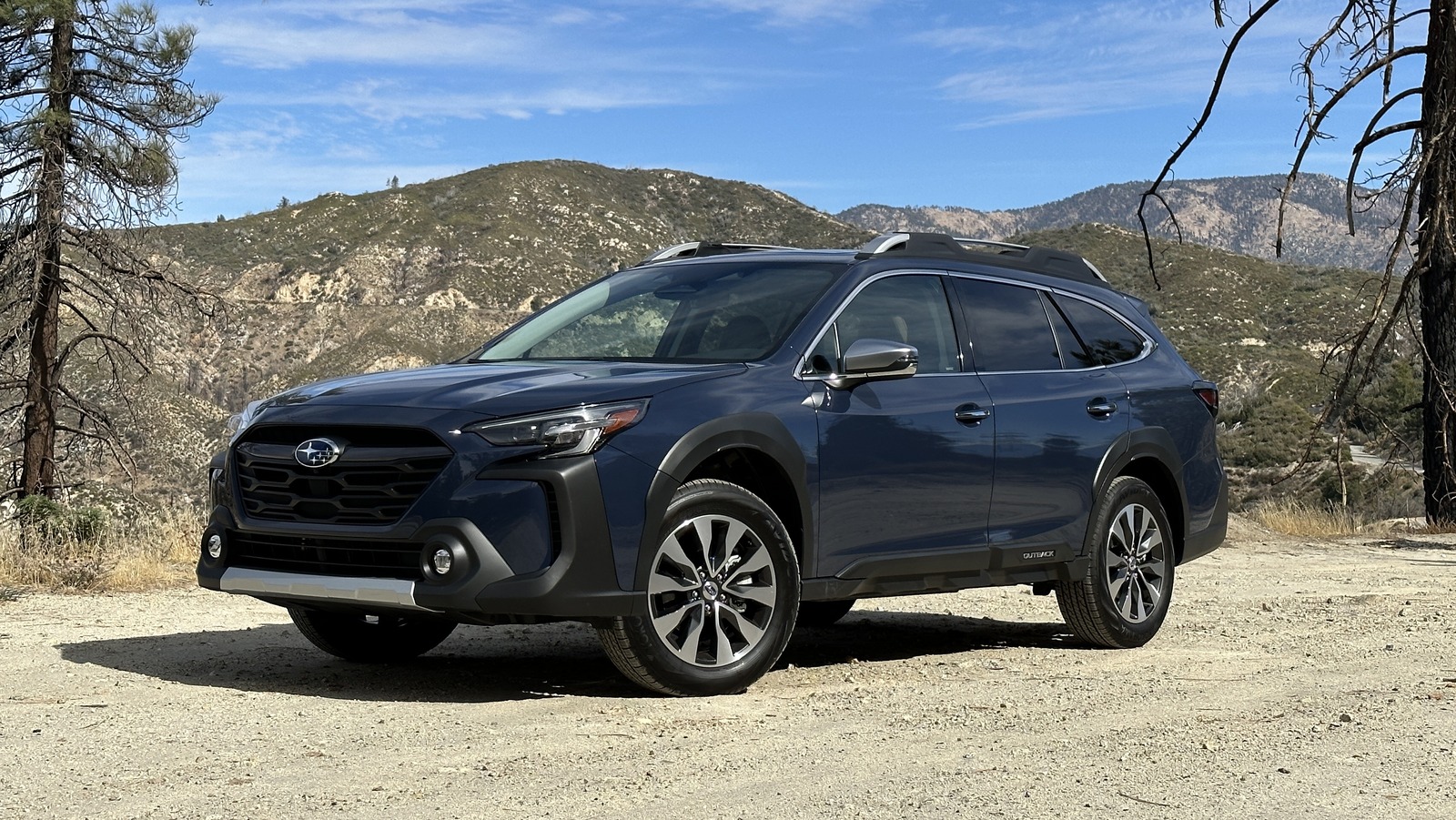
6. Subaru Outback
Last on the list is the Subaru Outback, with an average ownership of 8.1 years, only 0.3 years under the 8.4-year average. It’s the closest to the norm of all six models in this group.
That’s a nice place to end, because it shows that “shortest” is relative. The Outback has a loyal following, and its average sits barely below the mark. Many owners likely keep them for a long time, while others trade sooner.
Let’s compare the two lists. The longest-kept group ran from 13.7% to 10.7% of vehicles still with original owners after 15 years. The shortest group runs from 6.8 to 8.1 years of average ownership.
These are different measures, so a Toyota’s 13.7% and a Rogue’s 6.8 years can’t be placed on the same scale. What we can say is that Toyota and Honda models lead in long ownership, while popular mainstream models such as the Rogue, Fusion, and Equinox show shorter averages.
What should you do with this? Choose the car that fits your life, not just the statistic. If you want to keep a vehicle for 15 years, favor models with strong long-term records, keep up with maintenance, and check for known problems.
If you like changing cars every few years, a popular model is easy to buy and sell. Either way, know your plan before you buy.