
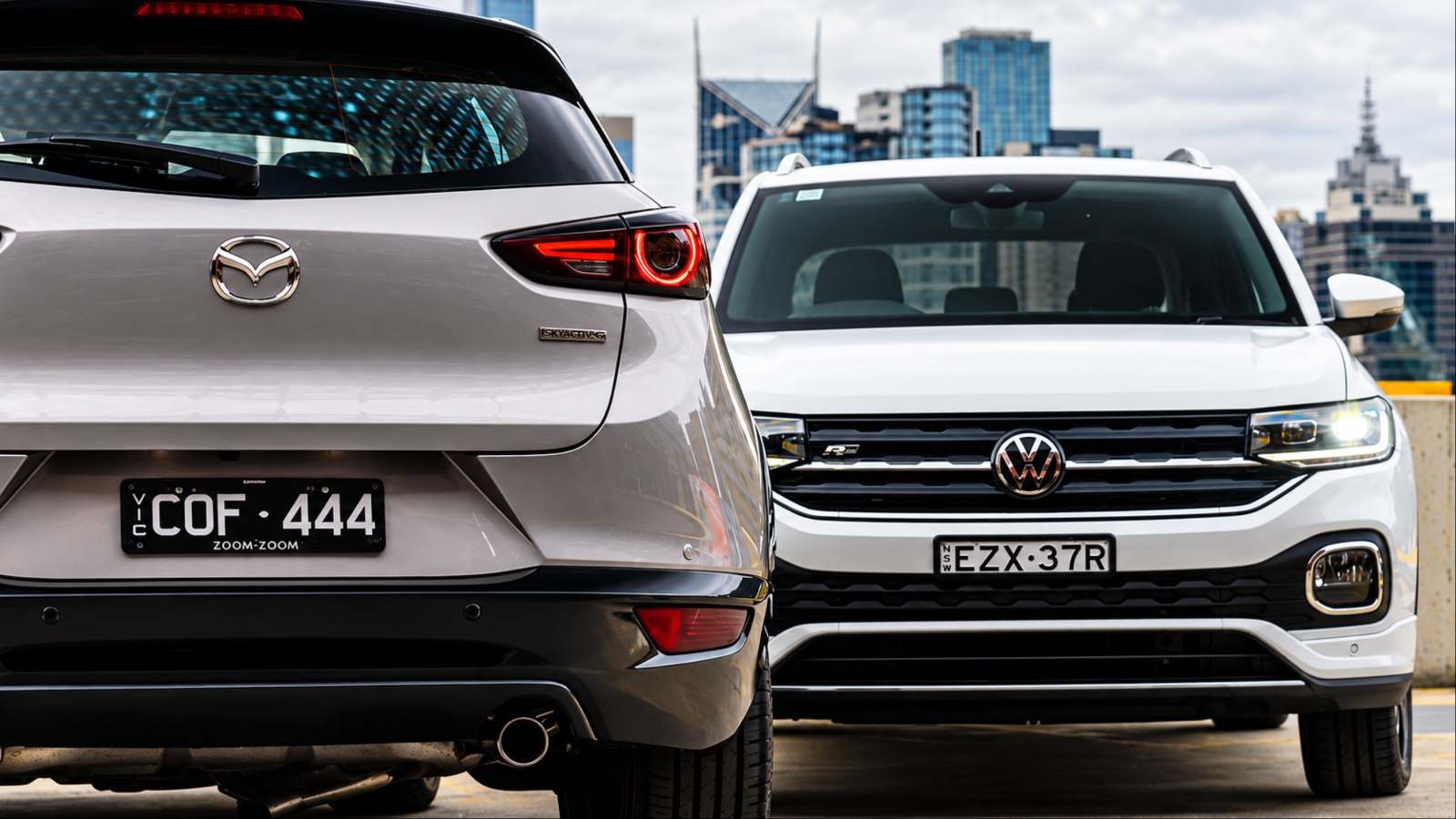
Retirement changes what you need from a car. The long commutes, school runs, and heavy loads are mostly behind you, while comfort, easy access, low running costs, and confidence behind the wheel matter much more. Downsizing doesn’t have to mean giving up quality. A smaller, newer vehicle can be safer than the large sedan or SUV you drove for decades, cheaper to insure and maintain, and far easier to park.
This list covers eight compact cars and crossovers that suit retired drivers well. They were chosen for seat height, visibility, safety technology, fuel economy, and reliability reputation. Availability, trims, and prices differ by country, so treat each entry as a starting point. Test drive before you decide, check local dealer and parts support, and compare insurance and maintenance costs.
1. Toyota Corolla Cross (Hybrid)
The Corolla Cross suits retirees who want a small SUV without the complications. Its seating position is high enough that you can slide in and out without stooping or dropping into a low seat, which is easier on the knees, hips, and back. The cabin is straightforward, with physical controls for climate and audio, so you spend less time hunting through touchscreen menus.
The hybrid version is the one to consider if you want to cut fuel costs. Fuel economy is strong for a vehicle of this size, and stop-and-go traffic is where a hybrid shines, since the system recovers energy that would otherwise be wasted. Toyota’s driver-assistance suite, which typically includes automatic emergency braking, lane departure alerts, and adaptive cruise control, adds a safety margin that matters more as reaction times change with age.
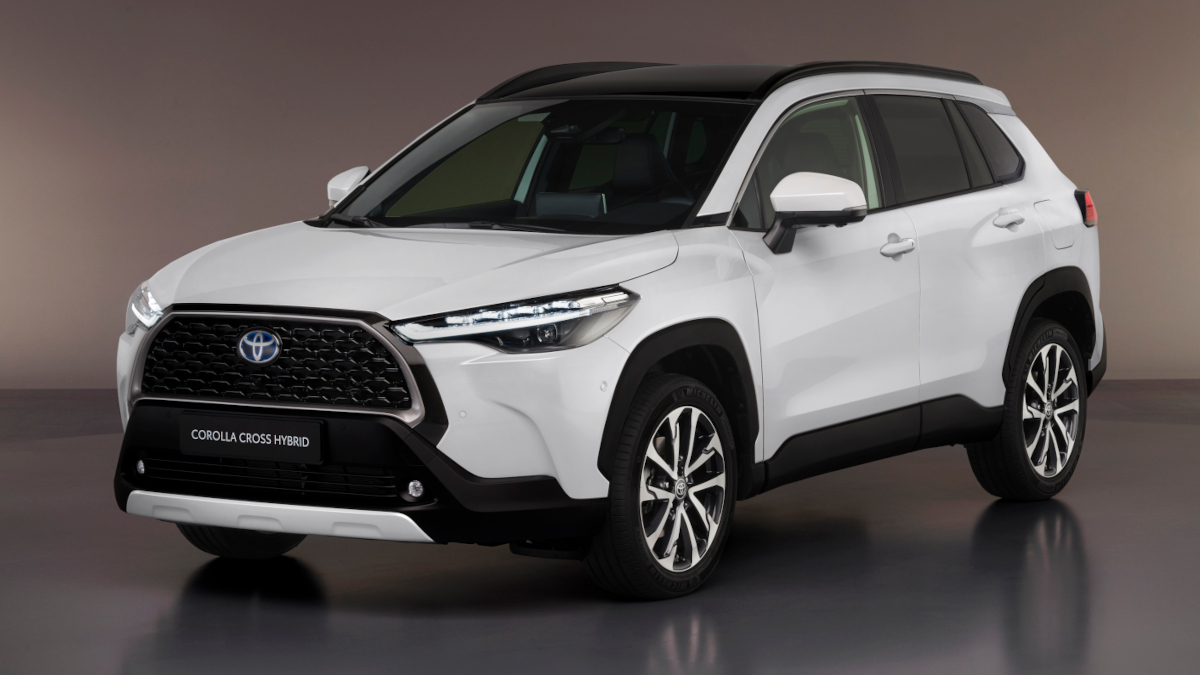
Toyota’s reputation for durability is a real advantage when you want a car that will not demand constant attention. Parts and servicing are widely available in many markets, which keeps maintenance predictable. Cargo space is generous enough for groceries, a folded walker or wheelchair, golf clubs, or luggage for a trip to see family.
The trade-offs are modest. Acceleration is adequate rather than exciting, and the engine can sound busy under hard throttle. Rear seat space is fine for occasional passengers, though tall adults may want more room. Check which trims include the full safety package, since this varies by market.
2. Honda HR-V
The Honda HR-V is a good fit for retirees who want a small crossover that feels refined and easy to live with. The cabin is well laid out, the seats are supportive, and the ride is comfortable on rough roads. A modest ground clearance and a wide door opening make getting in and out simple, and the driving position gives a clear view over the hood.
Visibility is a strength, with a large windshield and sensible pillar design, and many trims include a rearview camera, blind-spot monitoring, and collision mitigation. Honda’s safety package is generally well regarded, and its controls are logical, which helps drivers who prefer not to relearn technology with every new car. Parking is easy thanks to the compact footprint and a tight turning circle.
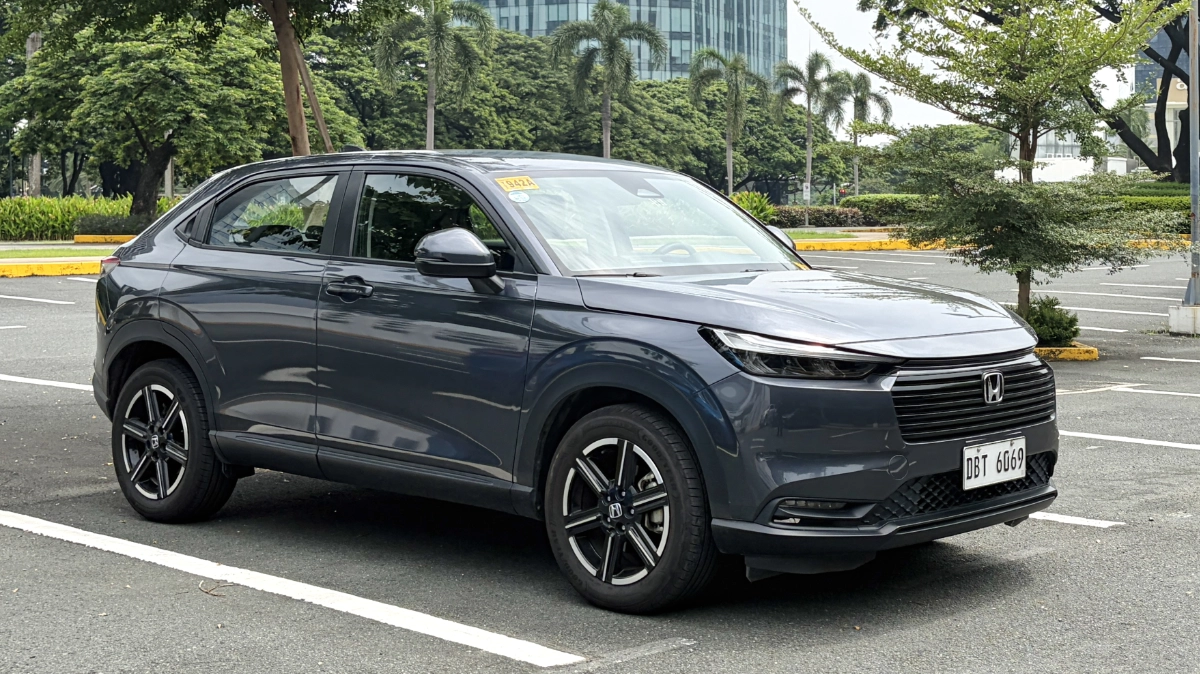
Cargo space is surprisingly flexible. The rear seats fold flat, and the load floor is low enough that lifting heavy items does not strain the back. Honda’s flexible rear seat design in some versions can also help when carrying taller items, such as a small plant or a mobility scooter component.
Running costs are reasonable, with good fuel economy and a long track record for reliability. Honda engines are known for lasting well when serviced on schedule. The drawbacks are that the base engine is not powerful, so highway passing takes planning, and road noise can be noticeable on coarse pavement. Compare trims carefully, as some safety features are reserved for higher grades.
3. Subaru Crosstrek
The Crosstrek is a smart choice for retirees who live where weather can turn rough, or who simply want extra confidence on wet and uneven roads. Standard all-wheel drive in many markets provides better traction on slippery surfaces, gravel driveways, and hilly terrain. Ground clearance is higher than a typical hatchback, which makes it comfortable on rutted roads and when pulling into steep driveways.
The seats are supportive and the doors open wide, making entry and exit easy. Visibility is excellent, thanks to large windows and thin pillars, and Subaru’s EyeSight driver-assist system, offered in many markets, adds adaptive cruise control, lane-keeping assistance, and automatic braking. These features can reduce fatigue on long drives and offer a margin of safety in heavy traffic.
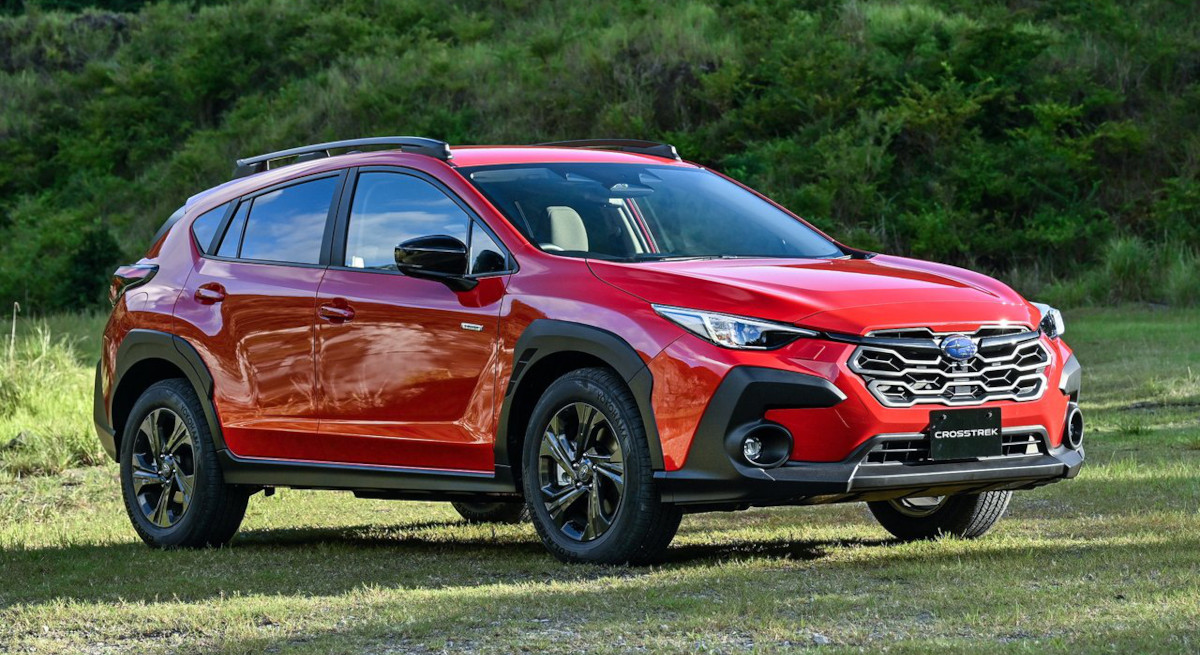
Practicality is a strong point. The cargo area is easy to load, the roof can handle racks for bikes or kayaks if you stay active, and the interior materials are durable and easy to clean, which suits owners who travel with pets or grandchildren. Subaru owners often report strong long-term satisfaction.
Fuel economy is acceptable but not class-leading, because all-wheel drive adds weight and friction. The base engine can feel modest when fully loaded, so consider the larger engine if you drive in mountainous areas. Insurance and parts costs are usually reasonable, though dealer coverage varies by country. If you do not need extra traction, a front-wheel-drive rival may cost less to run.
4. Toyota Prius
The Prius has long been a go-to option for drivers who want to spend less on fuel, and the latest generation is more stylish and enjoyable than earlier versions. For retirees on a fixed income, the main appeal is efficiency. Hybrid technology delivers excellent fuel economy, particularly in city driving, which lowers monthly expenses and reduces how often you need to visit the pump.
The ride is smooth and quiet, with the electric motor doing much of the work at low speeds. This makes errands and short trips relaxing. Controls are easy to find, the dashboard layout is clear, and the standard safety technology in many markets includes pre-collision braking, lane-keeping assistance, and adaptive cruise control. These tools help reduce stress, especially on busy roads.
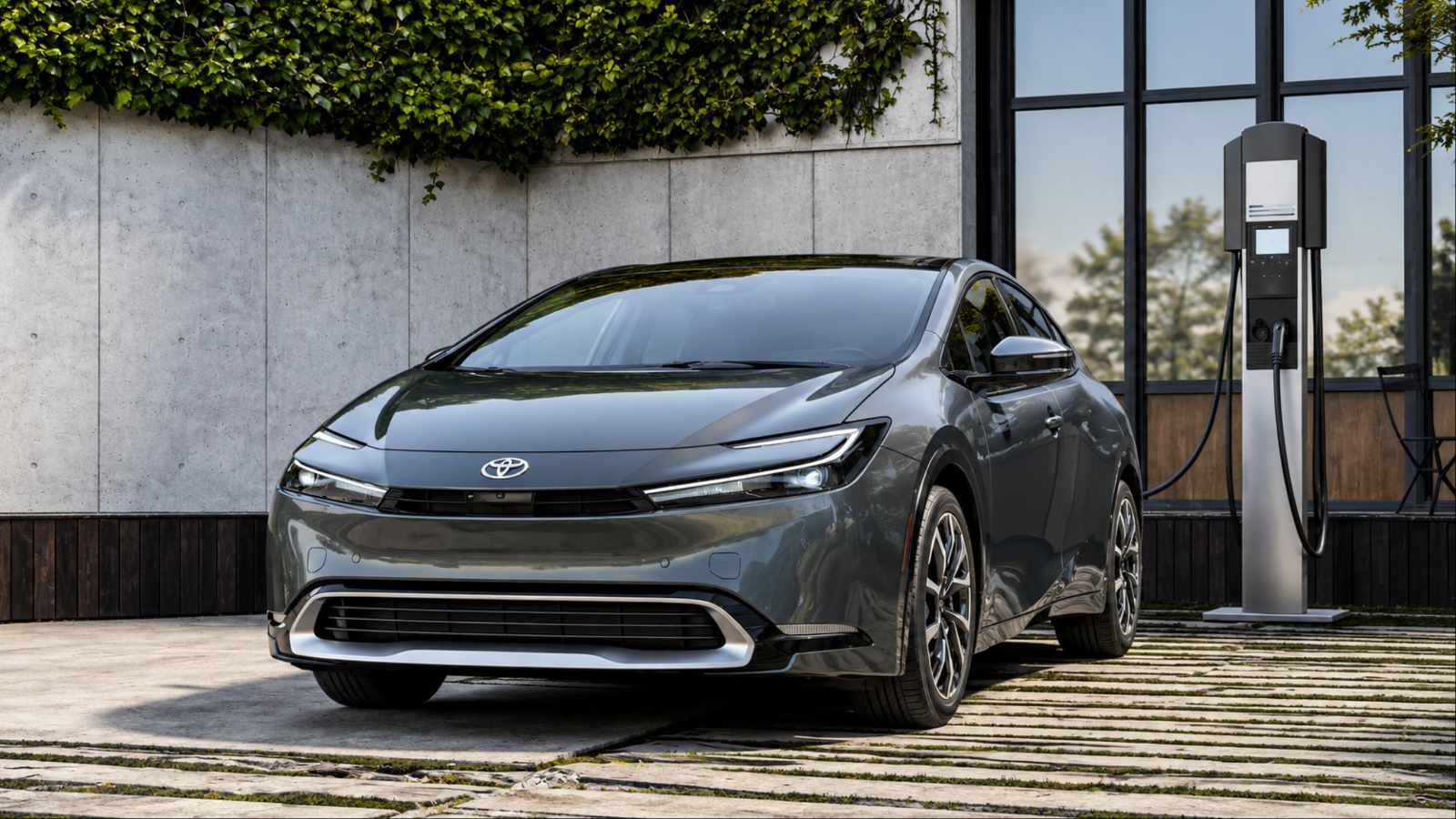
The hatchback body provides versatile cargo space and a wide opening, which makes loading shopping bags or a folded mobility aid simple. Seats are comfortable on longer journeys, and many trims offer heated seats and good climate control.
Toyota’s hybrid system has a strong reputation for durability, and many owners report high mileage with few problems. Resale value tends to be solid, which helps when you eventually replace the car.
The downsides are that the latest design sits lower than a crossover, so getting in and out requires more bending, and rear headroom is tighter than in older versions. Test the seat height before buying, especially if you have knee or hip concerns. Also compare plug-in options if you have home charging.
5. Mazda CX-30
The Mazda CX-30 appeals to retirees who want to downsize without feeling they have settled for something dull. It has a polished, upscale interior, responsive steering, and a composed ride, so it feels more like a premium vehicle than its price suggests. If you still enjoy driving, this is one of the more engaging small crossovers available.
The size is just right. It is compact enough for tight parking spaces and narrow streets, yet tall enough to give a comfortable seating position. The cabin has quality materials, supportive seats, and a driver-focused layout with physical dials for key functions.
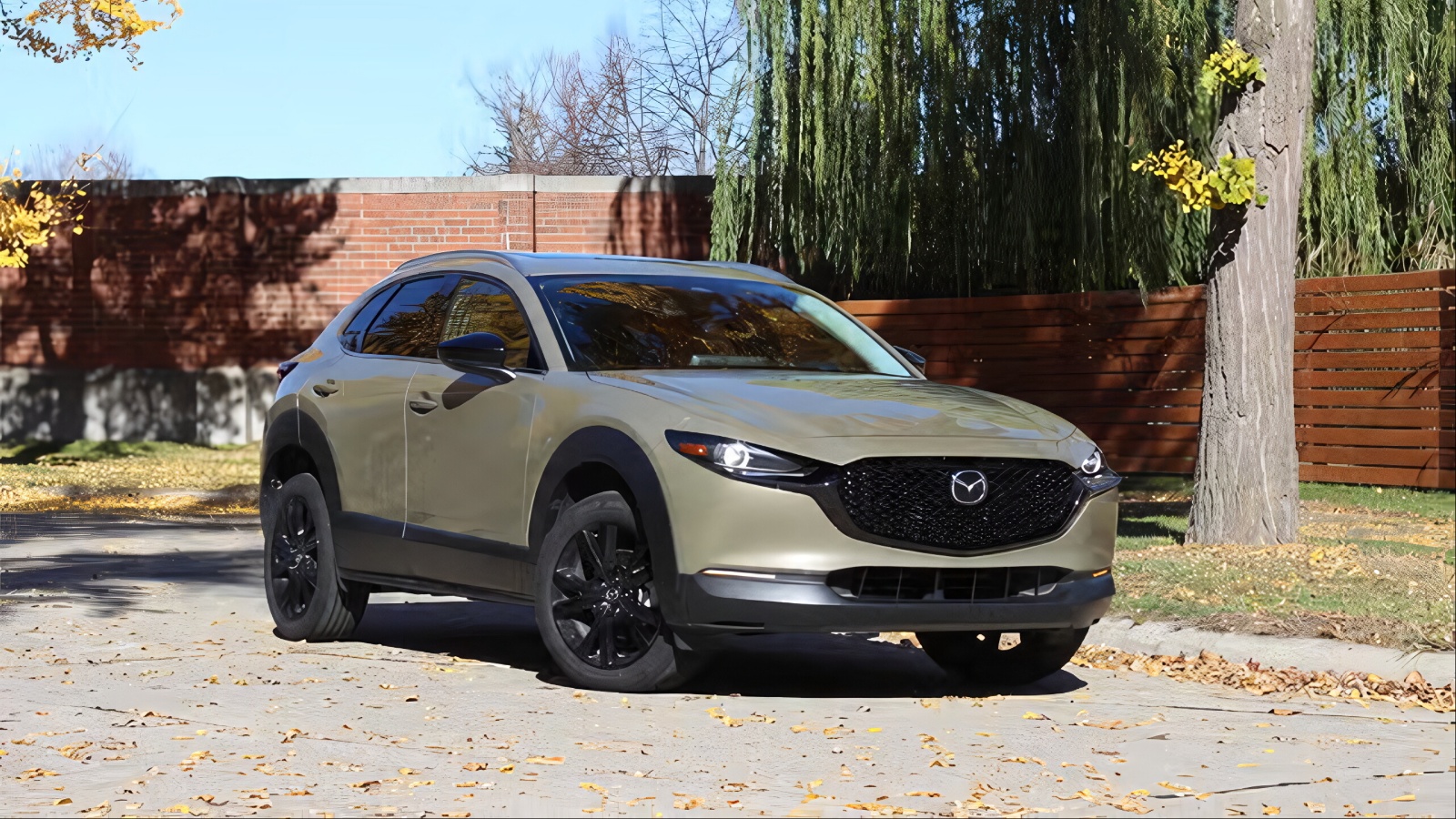
Mazda’s safety technology is comprehensive, usually including automatic emergency braking, blind-spot monitoring, and radar cruise control, with strong crash-test reputations in many markets.
Fuel economy is respectable, particularly with the smaller engines, and some markets offer mild-hybrid variants. Reliability for recent Mazdas has been generally solid, and the naturally aspirated engines are simple and proven.
There are compromises. Rear seat space and cargo room are tighter than in some competitors, so it may not suit those who regularly carry bulky items or tall passengers. The ride is firmer than a comfort-focused rival, especially on larger wheels, so try a lower-trim version with smaller wheels.
The infotainment system uses a rotary controller rather than a touchscreen in some versions, which some drivers find easier and others find unfamiliar. Take an extended test drive on roads you use daily.
6. Hyundai Kona
The Hyundai Kona offers a lot of value in a small package, with several powertrain options depending on the market, including petrol, hybrid, and fully electric versions. That variety lets retirees choose according to their driving habits. A hybrid makes sense for mixed driving, while the electric model suits those with home charging and mostly local trips.
The Kona sits high enough to simplify entry and exit, and the compact dimensions make it easy to park and maneuver. The cabin is modern and well equipped, with clear displays and a good range of comfort features. Hyundai typically includes strong standard safety technology, such as forward collision avoidance, lane-keeping assist, and blind-spot warnings, and many trims offer a surround-view camera, which helps with tight parking.
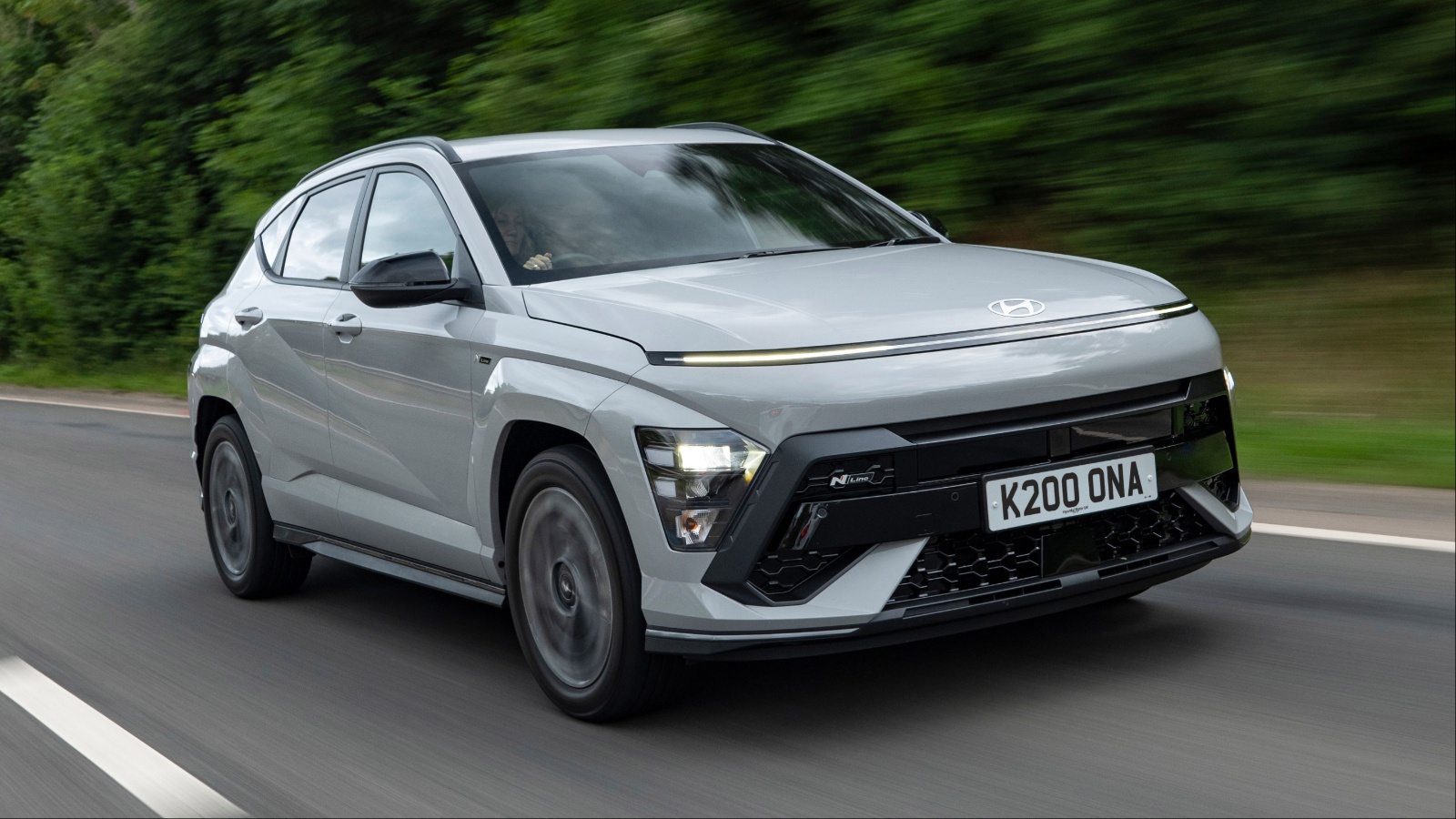
Warranty coverage is a major selling point. Hyundai has traditionally offered generous warranties in many countries, which provides peace of mind and predictable costs in the early years of ownership. Running costs are low, especially for the hybrid and electric versions.
There are some points to check. The cargo area is smaller than in larger crossovers, and some versions have a firm ride. If you consider the electric model, confirm real-world range, charging access at home, and the availability of public chargers on routes you drive. Infotainment can feel busy for those who prefer simplicity, so spend time with the menus before you buy. Compare local servicing networks, since quality varies by region.
7. Toyota Yaris Cross
The Yaris Cross is a compact crossover for retirees who want a very small footprint without giving up a raised seating position. It is shorter than many rivals, which makes it ideal for crowded cities, tight garages, and busy supermarket parking lots. The turning circle is small, visibility is good, and the controls are simple.
Fuel efficiency is a standout in the hybrid versions, which are common in many markets. The hybrid system is smooth in town, and the car can cover a large share of short trips on electric power. That keeps running costs low and suits retirees who drive modest distances each week. Toyota’s safety technology is usually comprehensive, with pre-collision systems, lane tracing assistance, and adaptive cruise control available in many markets.
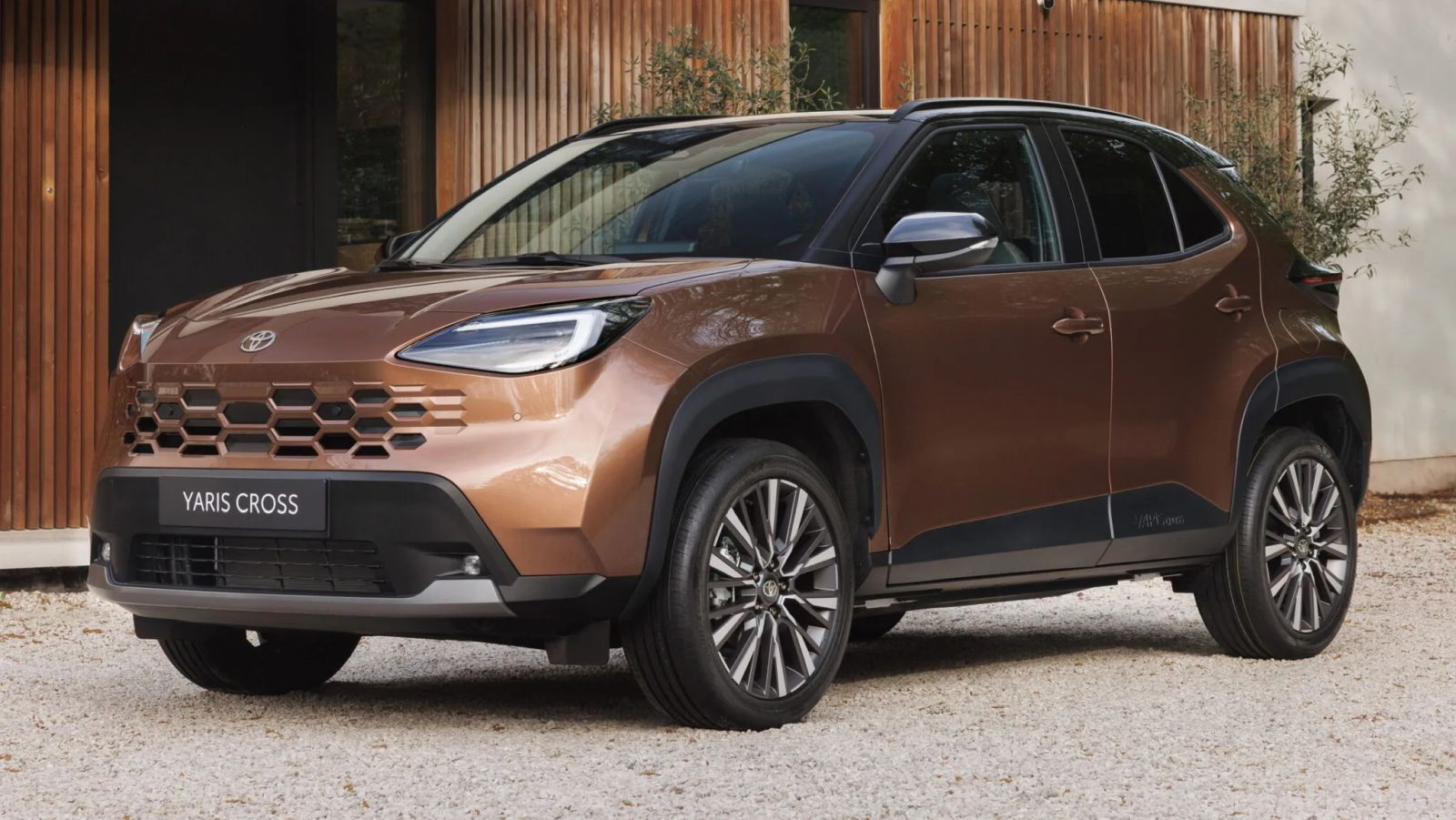
Getting in and out is easy thanks to a higher seat and decent door openings, though it is slightly lower than a larger SUV. The interior is practical, with durable materials and straightforward ergonomics. Toyota’s reliability reputation and wide service network add to the appeal, and resale values tend to hold up well.
The compromise is space. Rear legroom and the boot are modest, so it suits one or two people best, with occasional passengers. Road noise and engine sound can be more noticeable at highway speeds than in larger cars. If you take long trips or carry bulky equipment, test the cargo area with your actual items. Availability differs by country, so check local models.
8. Kia Niro
The Kia Niro is a practical, efficient crossover designed with everyday usability in mind. It comes as a hybrid, plug-in hybrid, and fully electric model in many markets, which gives retirees flexibility depending on how and where they drive. The hybrid version is a sensible all-rounder, while the plug-in suits those who do short daily trips and can charge at home.
The cabin is spacious for the car’s size, with comfortable seats, good rear legroom, and a flat, practical cargo area. The seating height is convenient, making entry and exit comfortable, and the dashboard is logically arranged. Kia’s driver-assistance features usually include automatic emergency braking, lane-keeping assistance, blind-spot monitoring, and smart cruise control, which reduce strain during longer journeys.
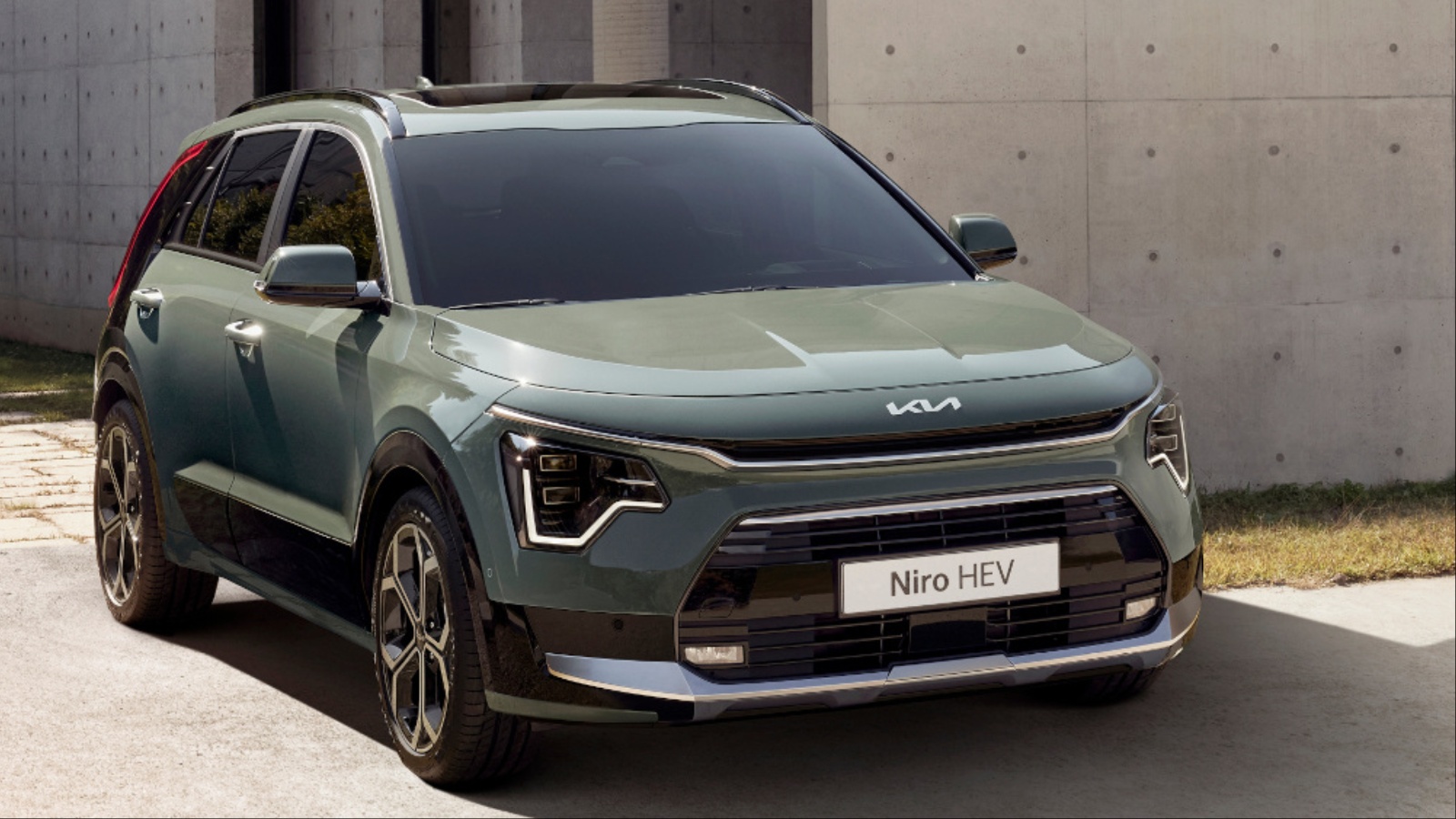
Fuel economy is excellent, particularly in the hybrid and plug-in versions, and the ride is smooth and quiet. That makes it relaxing for errands and road trips alike. Like Hyundai, Kia has been known for long warranties in many regions, which can lower your risk of unexpected repair bills.
There are some points to weigh. Some versions use touch-sensitive controls for climate and audio, which can be harder to use than physical buttons, so test them before you commit. The plug-in and electric versions make sense only if you can charge at home or work. Check the warranty terms, because coverage can differ by country. Compare the Niro against the Corolla Cross and Prius, since all three target similar buyers.
