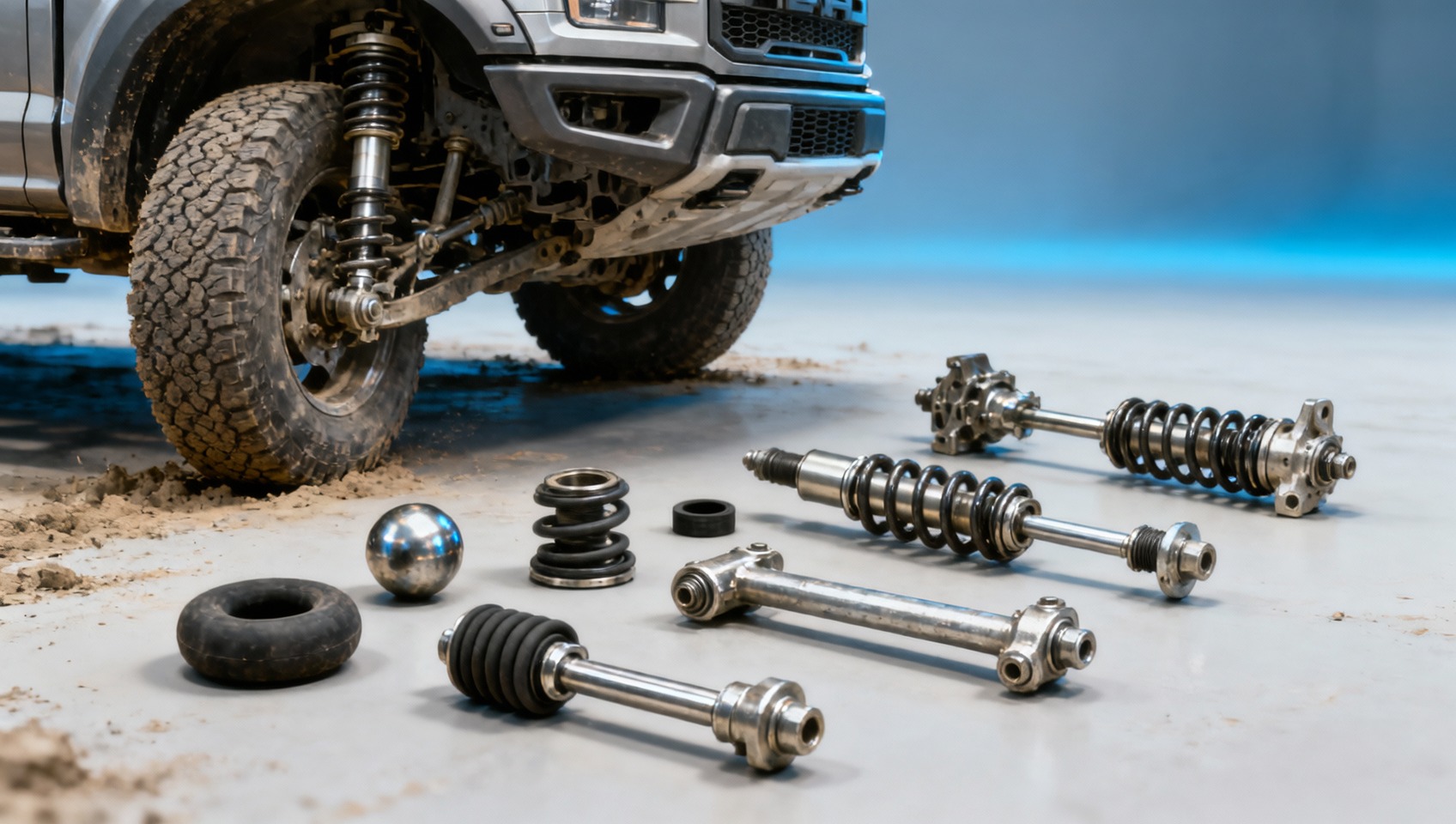
Traffic jams test your patience, but they test your car too. The stop, crawl, stop rhythm of rush hour puts extra strain on parts that cruise along happily on an open highway. This guide covers ten car parts that tend to wear out faster in stop-and-go traffic, based on the supplied information from sources like TravelTweaks and HotCars.
For each one, you’ll see why traffic is hard on it, what warning signs to watch for, and simple habits that can stretch its life. None of this requires a mechanic’s license. A few smart checks and driving habits can save you money and keep you rolling. Ready to give your car a little relief? Let’s get started.
1. Brake Pads
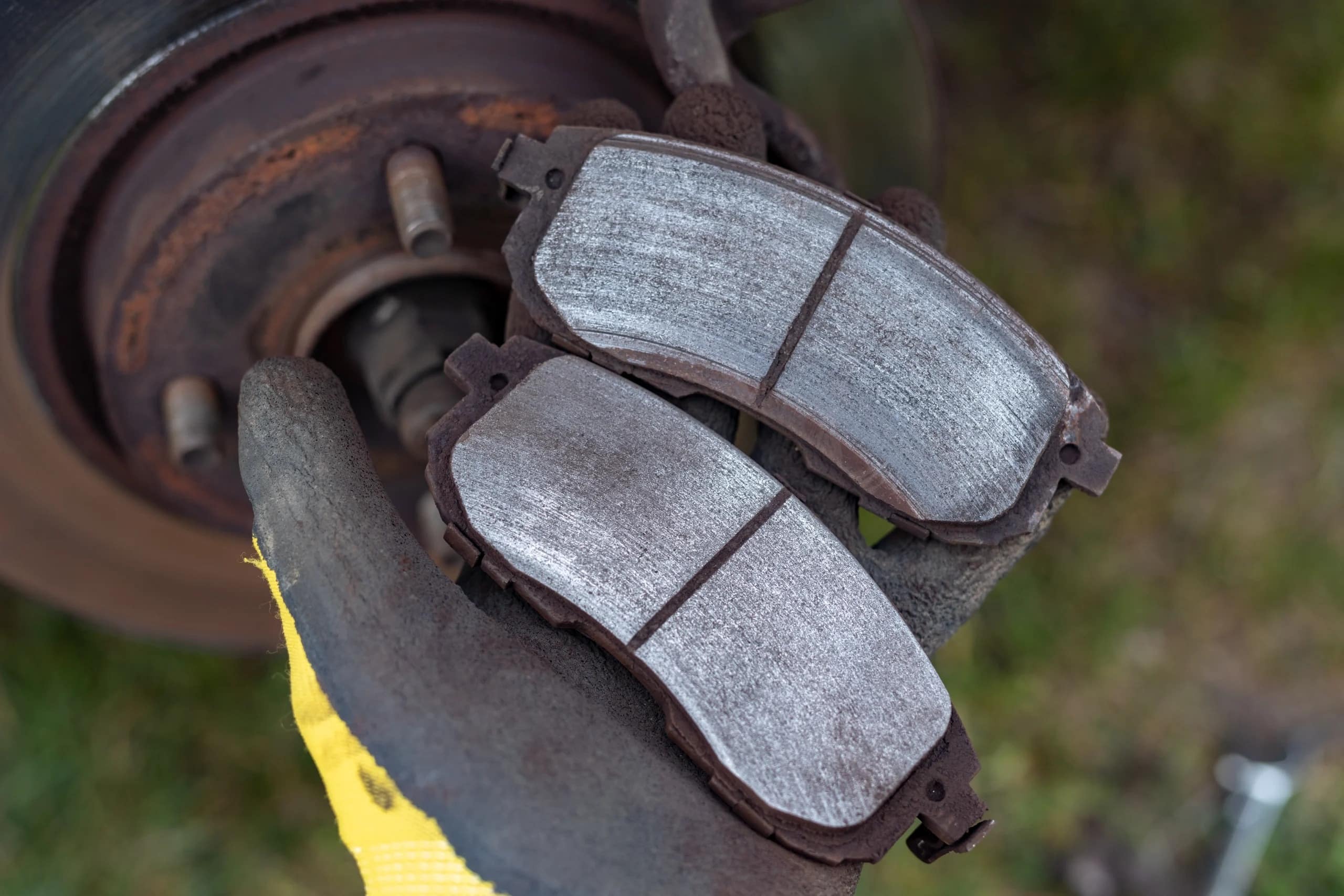
Brake pads are among the first components to suffer when your daily commute involves repeated stops. These parts press against the brake rotors to slow your vehicle, creating friction that gradually wears away the pad material.
Because stop-and-go traffic requires frequent braking, your pads may need replacement sooner than they would with regular highway driving.
On an open highway, drivers can often maintain a steady speed for long stretches. In congested traffic, however, the brakes may be applied dozens or even hundreds of times during a single journey.
Each application generates friction and heat, which contributes to faster pad wear. Repeated hard braking can increase the strain, especially when the vehicle is heavily loaded.
Your driving habits also matter. Following too closely, accelerating aggressively, and braking hard at the last moment can make the problem worse.
Leaving enough space between your car and the vehicle ahead allows you to slow down more gently. Anticipating traffic lights and slowing gradually, whenever conditions permit, can also reduce unnecessary brake use.
Listen for squealing sounds, pay attention to grinding noises, and arrange an inspection if your stopping distance increases or the brake pedal feels unusual.
Grinding can indicate that the pads have worn through their friction material and are damaging other brake components. Never ignore these warning signs, as worn brakes can compromise your ability to stop safely.
Regular maintenance helps prevent unexpected repairs. Follow your manufacturer’s maintenance schedule and ask a qualified technician to inspect the braking system when needed.
AAA recommends routine brake inspections, with closer attention when driving conditions contribute to faster wear. Replacing worn pads promptly helps protect the rotors, maintain reliable stopping performance, and keep your vehicle safer during daily commutes.
2. Brake Rotors
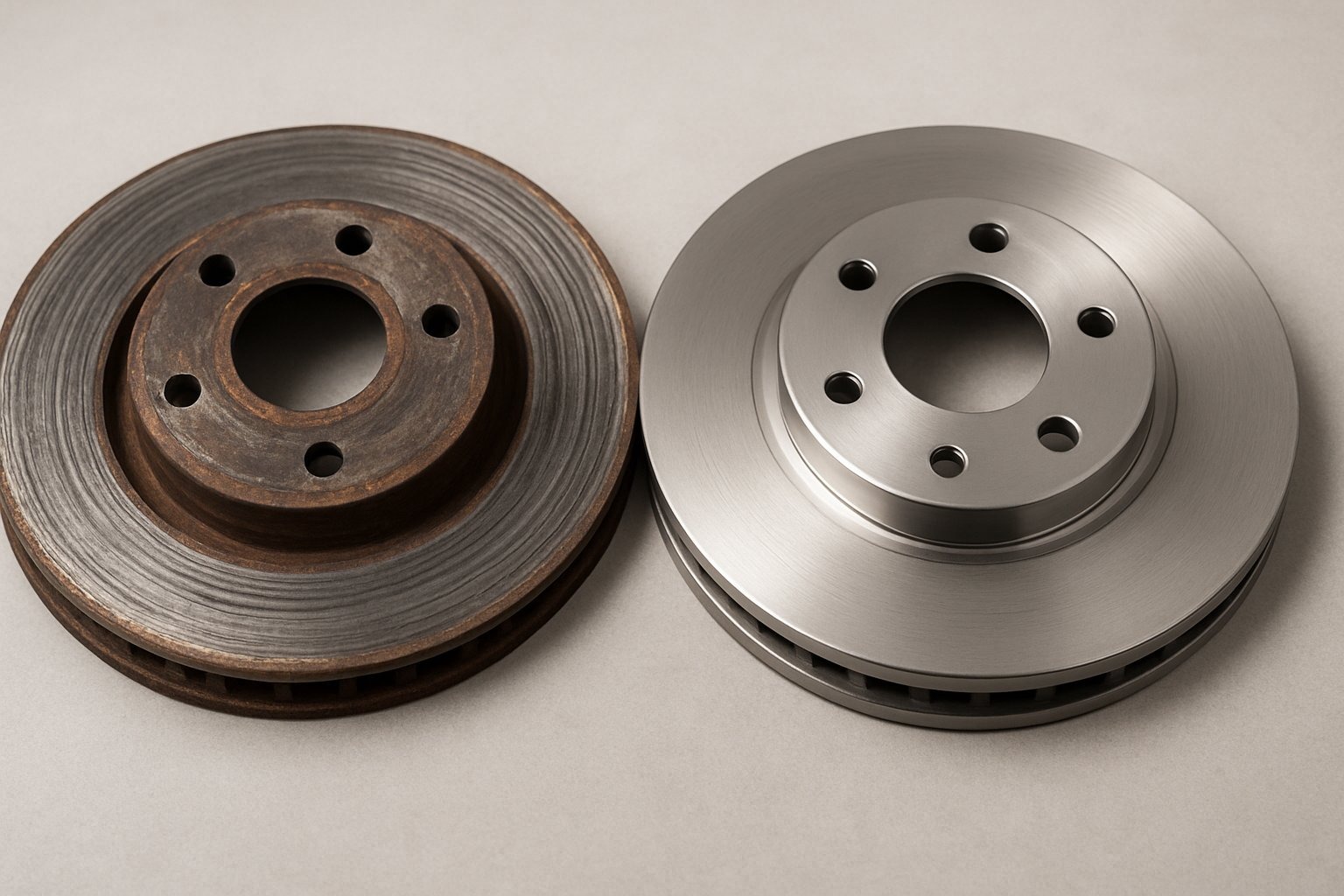
Brake rotors do an enormous amount of work during a traffic-heavy commute, even though drivers rarely think about them. These metal discs rotate with the wheels, and the brake pads clamp against their surfaces whenever the driver slows down.
Repeated braking creates heat, and frequent cycles of heating and cooling can contribute to rotor wear. Hard braking, worn pads, corrosion, and poor-quality replacement parts can make the situation worse.
Rotors may develop deep grooves, uneven surfaces, or thickness variations that affect braking performance. A common warning sign is vibration through the brake pedal or steering wheel when slowing down.
You might also hear scraping noises or notice that the brakes no longer feel as smooth as they once did. These symptoms deserve a professional inspection because several brake problems can produce similar sensations.
Not every rotor that vibrates needs replacement, and heat does not automatically mean a rotor has warped. A technician can measure rotor thickness, check surface condition, and determine whether resurfacing is permitted or replacement is necessary.
Avoid resting your foot on the brake pedal unnecessarily while creeping forward. Gentle, controlled braking can reduce needless heat buildup and help preserve both pads and rotors.
3. Clutch (Manual Cars)
If you drive a manual in traffic, your left leg already knows the truth. Stop-and-go driving means constant clutch engagement, which leads to rapid clutch wear and reduced smoothness, according to the supplied information.
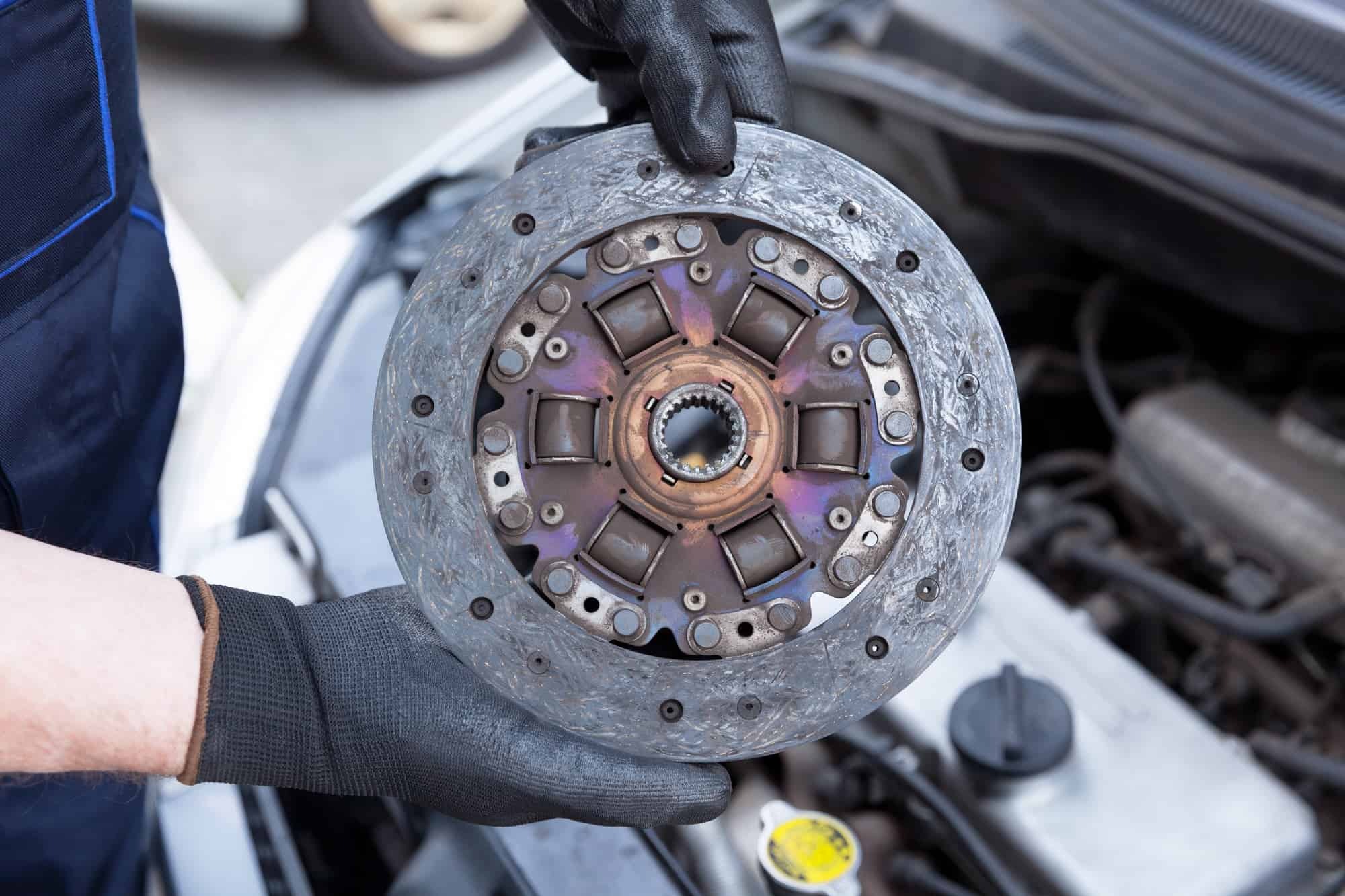
The clutch connects the engine to the wheels. Every time you pull away from a stop, the clutch plate slips a little against the flywheel until the two spin together. A bit of slipping is normal. A lot of it, repeated hundreds of times in a jam, wears the friction material.
How can you tell it’s wearing out? You might notice the engine revving without the car picking up speed, a burning smell, a pedal that feels different, or difficulty changing gears.
Here are some habits that help. Don’t rest your foot on the clutch pedal while driving. In a slow queue, when there’s a long gap, put the car in neutral and release the pedal instead of creeping forward with constant slipping. Avoid revving high while releasing the clutch.
Smooth, quick engagement beats long, slow slipping. If you drive a manual daily in traffic, ask your mechanic to check the clutch at service visits. Catching wear early can save a bigger repair.
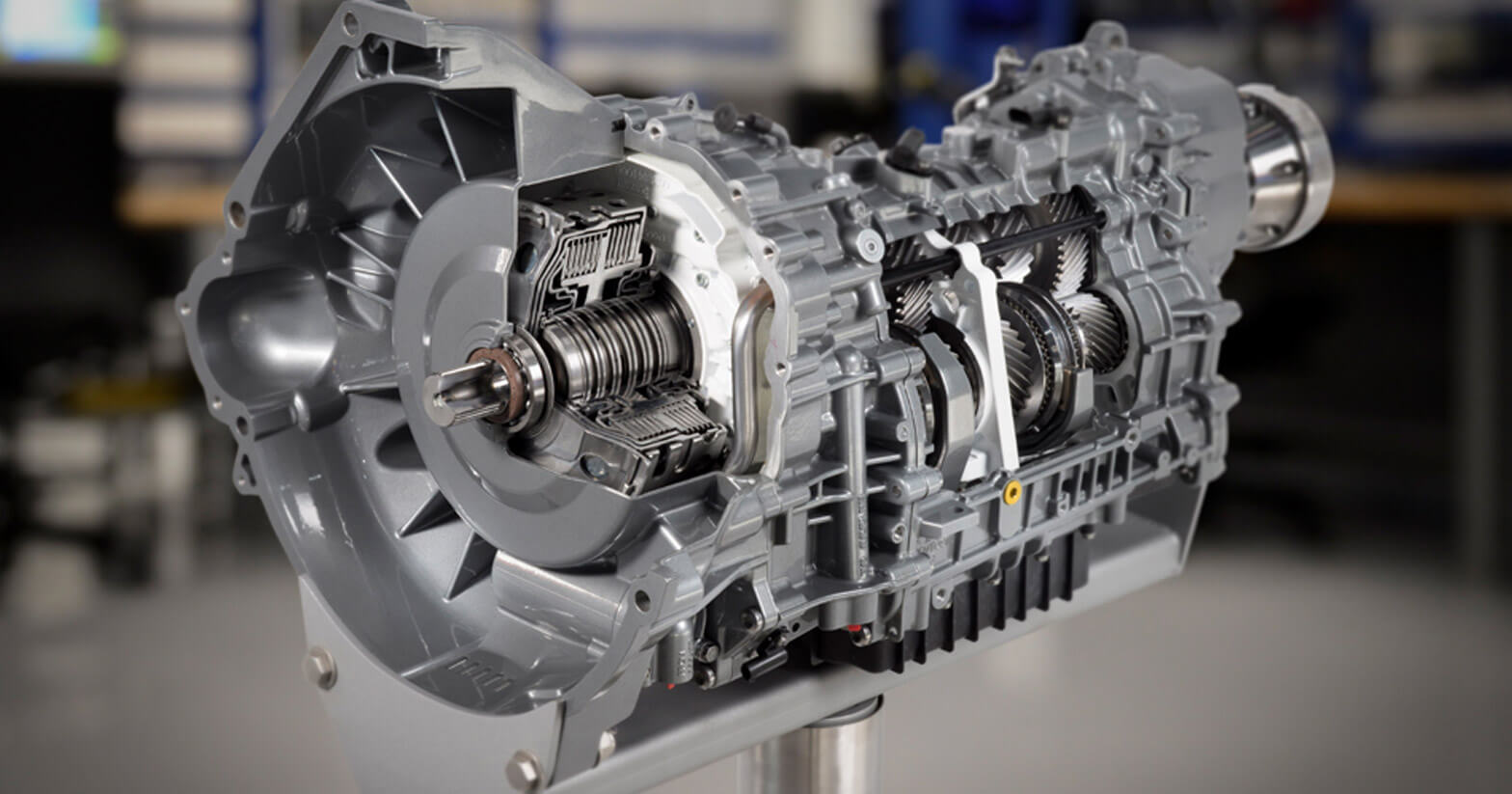
4. Automatic Transmission Components
Automatic transmissions work hard in traffic, even if you never touch a lever. Low-speed crawling increases heat and stress on the transmission and causes faster degradation of internal components, according to the supplied information.
Why heat? Inside an automatic, fluid carries power and cools parts. Constant changes between gears and slow creeping make the fluid work harder. Hot fluid breaks down faster, and worn fluid protects less.
Look out for delayed or harsh shifting, transmission slipping, unusual whining or humming noises, burning odors, and dashboard warning lights. Any of these symptoms should be checked promptly by a qualified mechanic.
The best protection is fluid care. Check your owner’s manual for service intervals, and don’t ignore them, especially if you drive in heavy traffic often. Some manuals list a shorter interval for severe driving conditions, which can include stop-and-go use. Ask your mechanic whether your driving qualifies.
To reduce transmission wear, use the brakes rather than the accelerator to keep the vehicle stationary on a hill, and come to a complete stop before shifting between drive and reverse. Avoid towing heavy loads in stop-and-go traffic unless the vehicle is properly rated for the task.
Transmission repairs can be expensive, so prevention pays.
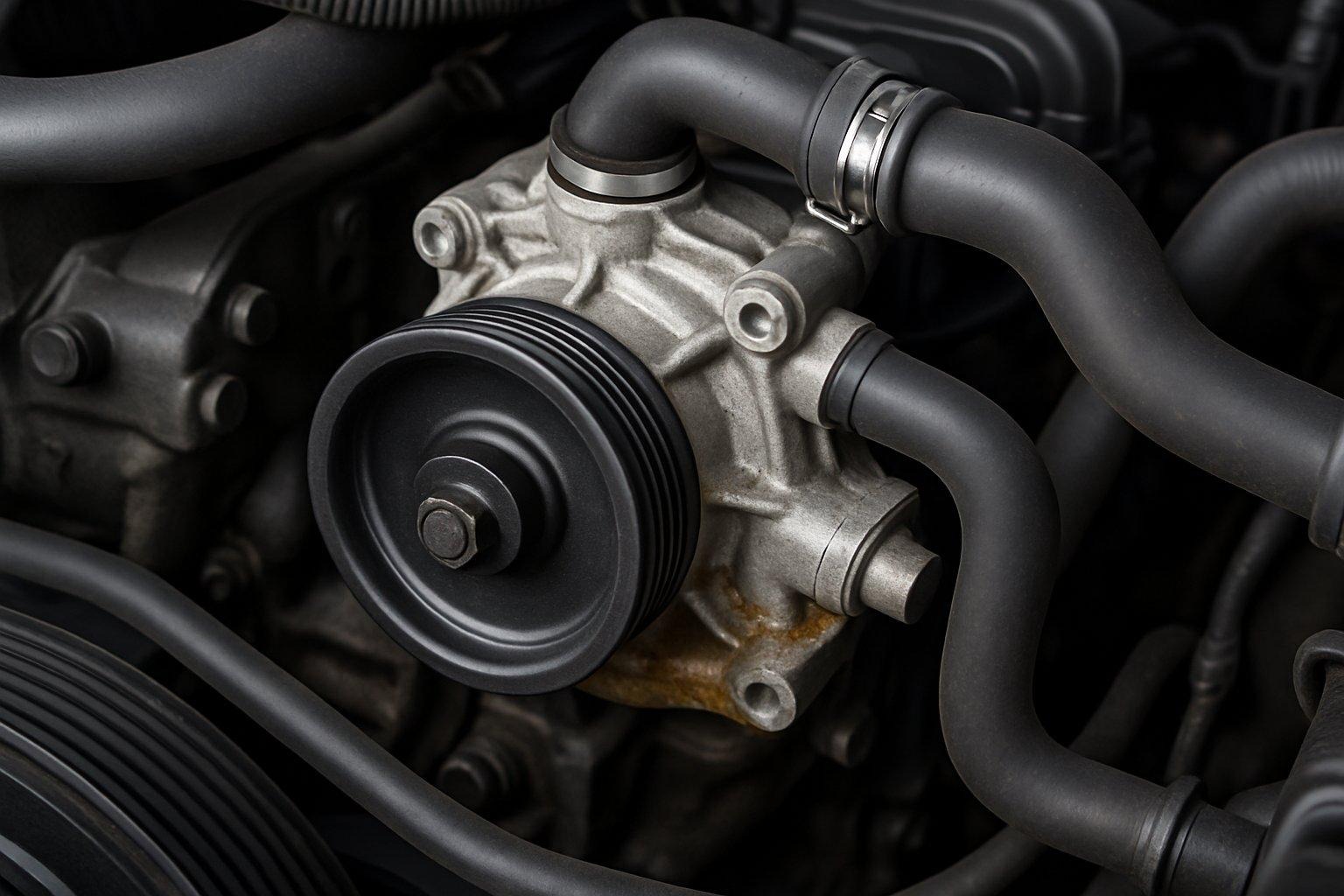
5. Engine Cooling System (Water Pump & Cooling Fans)
A traffic jam can put your engine’s cooling system under pressure, particularly on hot days when the air conditioning is running. While a moving vehicle benefits from airflow through the radiator, a car sitting still receives less natural airflow.
The cooling system must compensate to keep engine temperature within its intended range. The water pump circulates coolant through the engine and radiator, while the radiator’s electric cooling fans help move air through the radiator when vehicle speed is low.
Depending on the design, other components, including thermostats, belts, and hoses, also contribute to temperature regulation. Prolonged idling does not automatically damage these parts, since modern cooling systems are designed to handle stationary operation.
However, an existing fault, blocked radiator, failing pump, damaged hose, or malfunctioning cooling fan can become apparent during a long traffic delay.
Watch the temperature gauge and take dashboard warnings seriously. If the engine begins overheating, pull over somewhere safe as soon as possible and switch off the engine when appropriate.
Never remove a hot radiator cap because pressurized coolant can cause severe burns. Keep coolant at the recommended level, inspect hoses for leaks, and have unusual temperature changes investigated.
Regular cooling-system maintenance can help prevent an overheated engine from turning a routine commute into a costly repair.
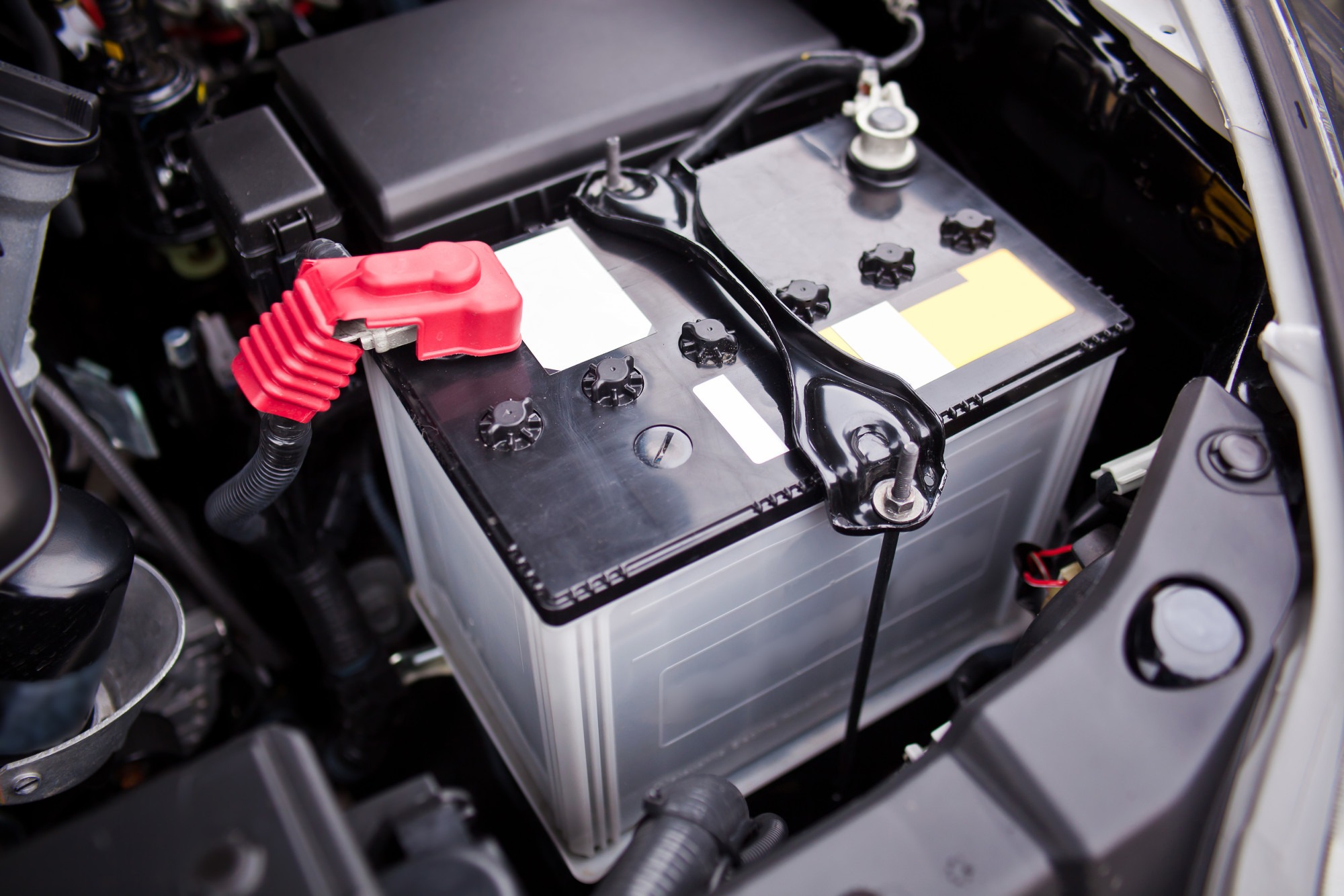
6. Battery
Imagine crawling through traffic at dusk with the air conditioning running, headlights switched on, music playing, and your phone charging.
Your car’s electrical system is supporting several demands simultaneously, and the battery plays an important role in keeping everything operating properly.
The battery supplies power to start the engine and supports electrical equipment when needed. Once the engine is running, the alternator generally supplies the vehicle’s electrical power and recharges the battery.
However, prolonged idling may provide less charging capacity than driving at higher engine speeds, depending on the vehicle and electrical load.
Frequent engine restarts can also place additional demands on the battery. Vehicles equipped with automatic stop-start systems are generally designed with suitable battery technology and charging controls, so their maintenance requirements may differ from those of conventional cars.
Warning signs include slow engine cranking, dim lights, electrical accessories behaving erratically, or repeated difficulty starting the vehicle.
These symptoms can also point to an alternator problem or poor electrical connections, so replacing the battery without testing may not solve the issue.
Have the battery and charging system tested periodically, particularly as the battery ages. Keep terminals clean and connections secure, and use the battery type specified for your vehicle.
AAA advises routine battery checks because corrosion, poor connections, and declining battery condition can leave drivers stranded.
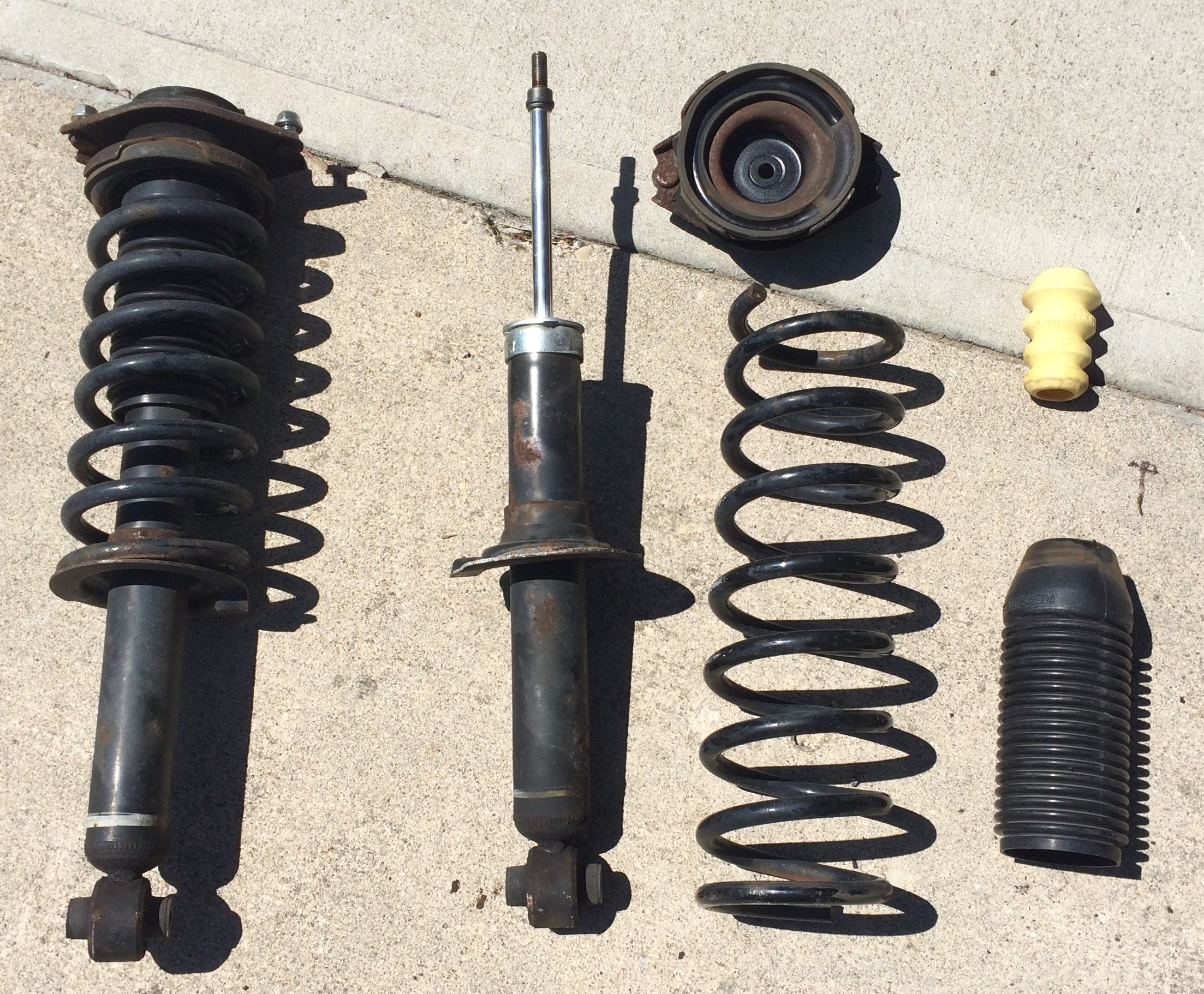
7. Suspension Components (Shocks & Struts)
City streets can be tough on your car’s suspension. Potholes, speed bumps, and uneven pavement put repeated pressure on shocks and struts, while frequent braking transfers the vehicle’s weight forward.
When these conditions occur during daily commutes, suspension components may wear faster, especially on poorly maintained roads.
What do shocks and struts actually do? They control how your vehicle responds to bumps, helping keep the tires in contact with the road and maintaining a stable, comfortable ride.
When these parts deteriorate, you may notice excessive bouncing, the front of the car dipping during braking, or the vehicle leaning more than usual when turning.
Watch for warning signs such as clunking noises over bumps, uneven tire wear, fluid leaking from a shock absorber, or reduced stability on rough roads.
You can perform a basic bounce test by pressing down firmly on one corner of your parked vehicle and releasing it. Repeated bouncing may indicate worn suspension parts, although a professional inspection is needed to confirm the cause.
Fortunately, careful driving can reduce unnecessary suspension stress. Slow down before speed bumps, avoid potholes when it is safe to do so, and never exceed your vehicle’s recommended load capacity.
Maintain proper tire pressure because underinflated tires can increase the effects of road impacts. Arrange a suspension inspection if you notice changes in handling or ride quality.
Worn shocks and struts can affect braking stability and steering control, making timely repairs important for safety as well as comfort.
8. Tyres
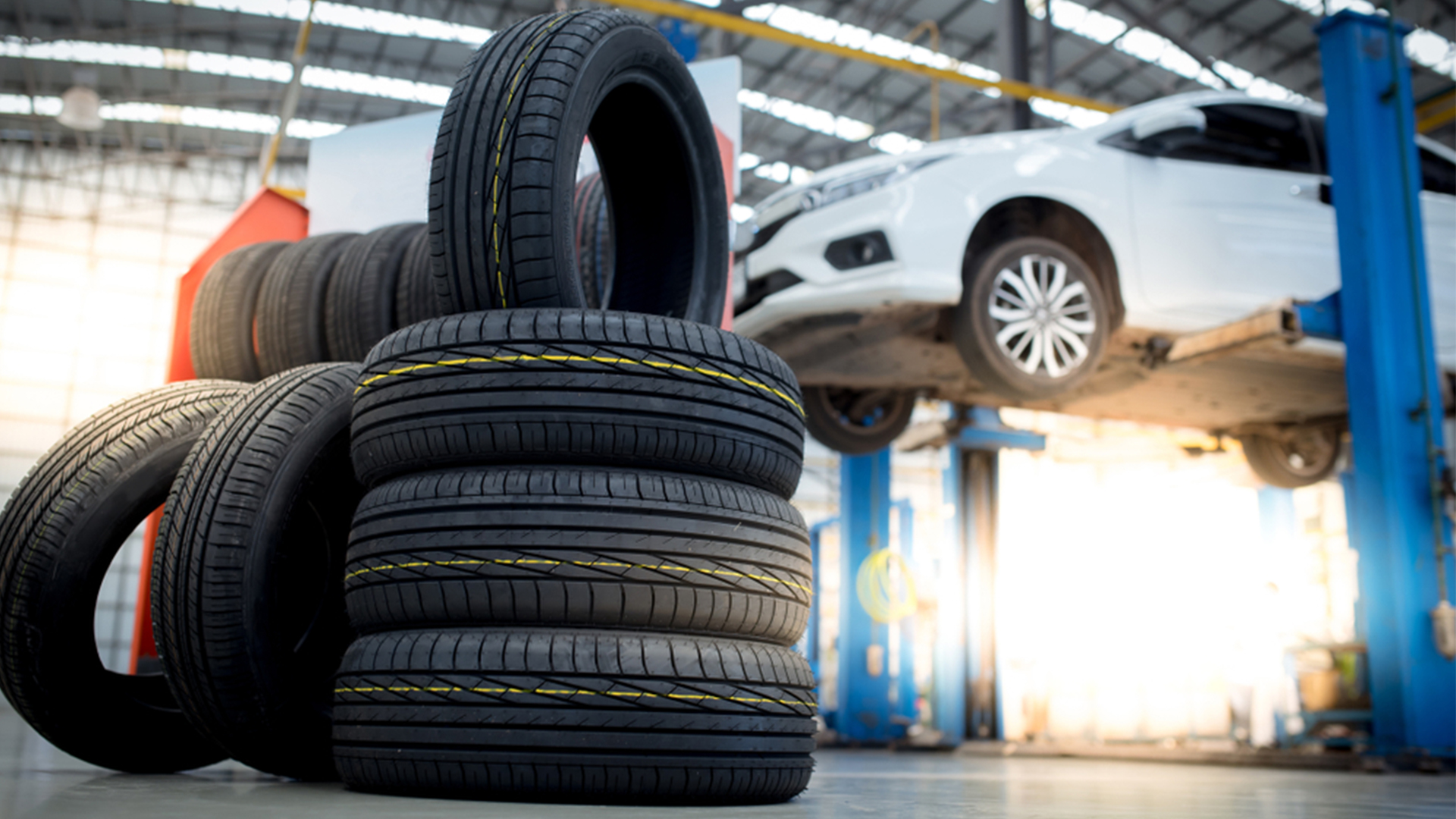
Tires experience considerable wear during stop-and-go driving because they must repeatedly grip the road during acceleration, braking, and turning.
Add potholes, rough pavement, and frequent encounters with curbs, and your tires may require replacement sooner than expected. Think about your daily commute.
Each time you accelerate away from a traffic light, your tires transfer engine power to the road. When you brake for another vehicle or pedestrian, they provide the grip needed to slow down safely.
Repeating these actions throughout the day creates additional demands, particularly when you accelerate aggressively or brake suddenly.
Wheel alignment also deserves attention. Hitting a deep pothole or striking a curb can affect alignment, causing the tires to wear unevenly.
You might notice the vehicle pulling to one side, a steering wheel that sits crooked, or one edge of the tread wearing faster than the rest. Fortunately, several simple habits can help extend tire life.
Accelerate gently, maintain a safe following distance so you can brake smoothly, and avoid potholes whenever it is safe to steer around them.
Check tire pressure at least monthly, using the recommended figures listed in your owner’s manual or on the driver’s door-jamb label. Rotate your tires according to the manufacturer’s schedule, and request an alignment inspection if your car begins pulling to one side.
Measure tire tread depth using a tread-depth gauge or another appropriate tool. In the United States, you can also perform a quick penny test by placing a penny into the tread groove with Lincoln’s head pointing downward to get a preliminary indication of tire wear.
If you can see the top of his head, the tread may be too worn for safe use, and replacement should be considered promptly. Proper tire care can improve handling, maintain traction, and help you get more useful miles from every set.
9. Spark Plugs
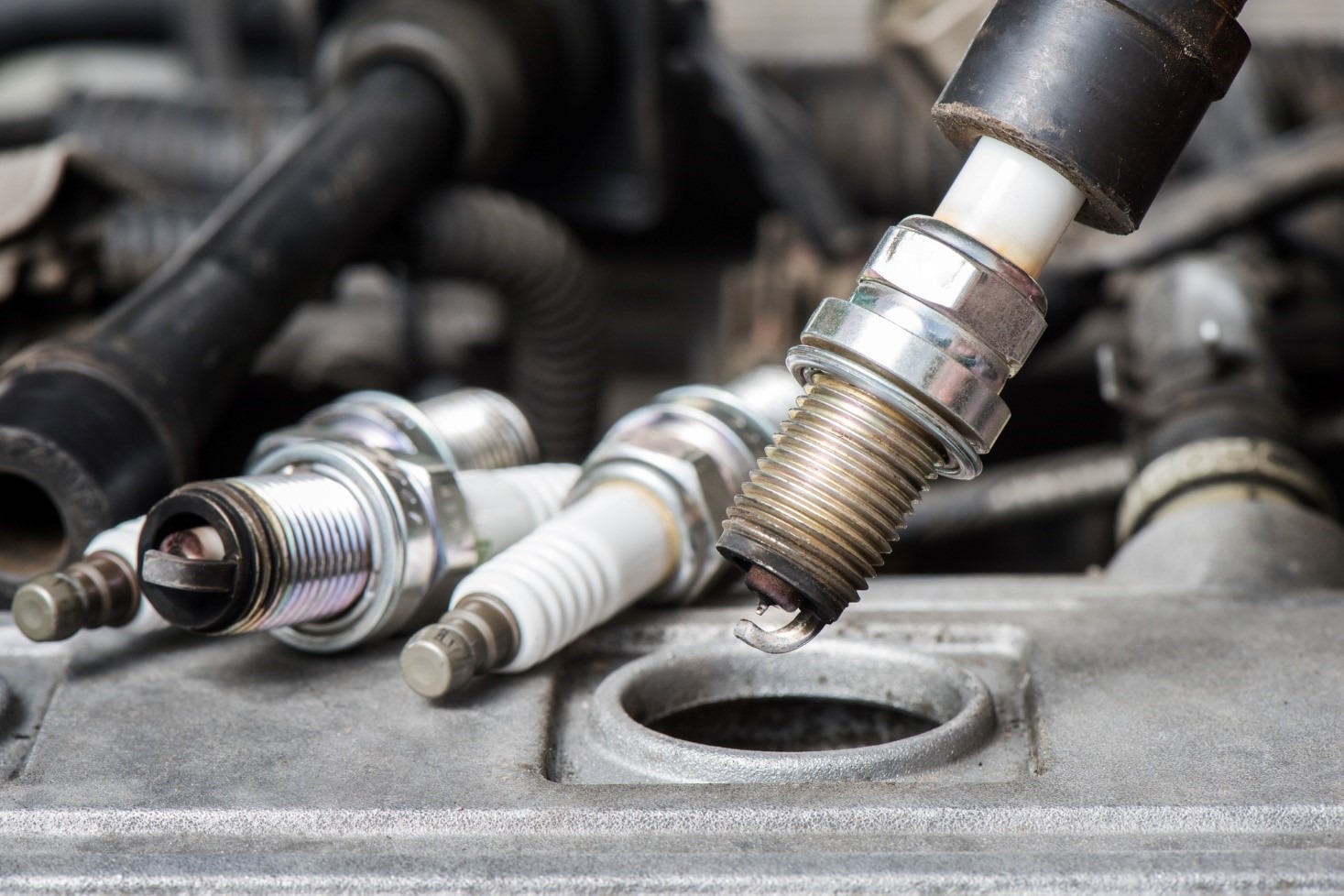
Spark plugs may seem unrelated to traffic congestion, yet they play an essential role in keeping a gasoline engine running smoothly. Each plug produces the spark needed to ignite the air-fuel mixture inside its cylinder.
When spark plugs become worn, dirty, or damaged, the engine may struggle to start, idle smoothly, or deliver consistent power during acceleration.
Stop-and-go driving often involves extended idling and frequent acceleration from low engine speeds. These conditions can expose existing ignition or combustion problems, particularly in vehicles with worn spark plugs, faulty ignition coils, or other maintenance issues.
However, idling alone does not automatically cause rapid spark plug wear. Their lifespan depends on the plug material, engine condition, fuel quality, and the manufacturer’s maintenance recommendations.
Watch for warning signs such as rough idling, difficult starting, sluggish acceleration, reduced fuel economy, and engine misfires. A flashing check-engine light may indicate an active misfire that requires prompt attention.
Continuing to drive with a serious misfire can damage the catalytic converter, leading to an expensive repair. Replacing spark plugs too early can waste money, while leaving worn plugs in service may reduce engine performance and reliability.
Check your owner’s manual for the recommended replacement interval, and arrange an inspection if symptoms develop. A qualified technician can examine the plugs for worn electrodes, carbon deposits, or other signs of trouble.
They can also determine whether the problem originates from the ignition system or another engine component. Keeping your spark plugs in good condition helps your vehicle start reliably, run efficiently, and handle demanding daily commutes with fewer interruptions.
10. Air Filters (Engine & Cabin)
Air filters are easy to overlook because they rarely attract attention until a problem develops. Yet both the engine air filter and cabin air filter perform important jobs, and frequent driving through dusty, polluted, or debris-filled streets can make their condition worth checking regularly.
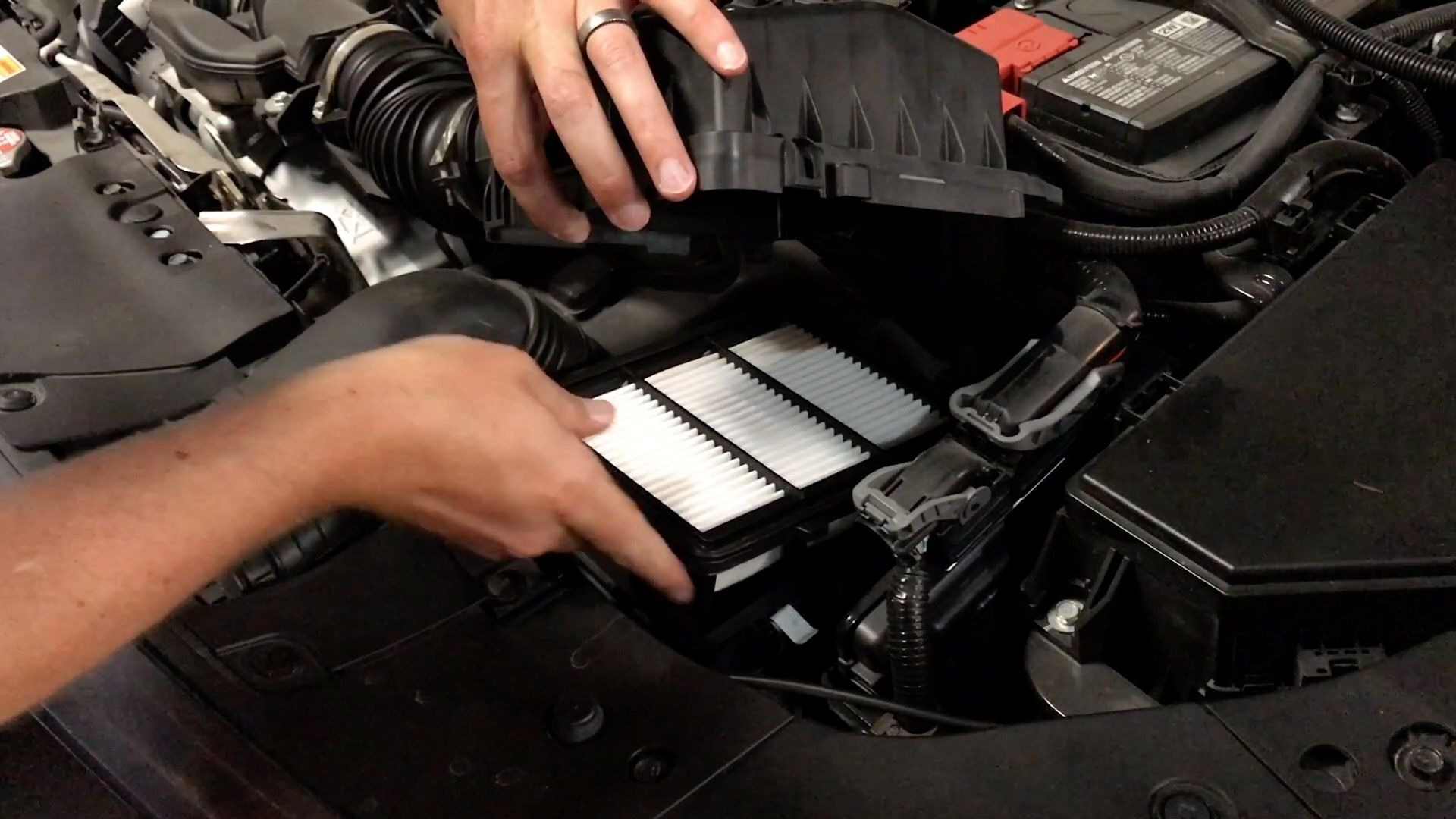
The engine air filter traps dirt and other particles before they enter the engine’s air intake. When it becomes clogged, airflow can be restricted, potentially affecting engine performance and fuel efficiency.
The extent of the effect depends on the engine design and how heavily the filter is obstructed. The cabin air filter serves a different purpose.
It helps remove dust, pollen, and other airborne particles from the air entering the passenger compartment. A dirty cabin filter may reduce airflow from the heating and air conditioning vents, making the interior less comfortable.
Heavy traffic can expose a vehicle to exhaust residue and airborne debris, especially near construction sites or dusty roads. However, the rate at which filters clog depends on the environment, filter design, and driving conditions rather than congestion alone.
Watch for weak airflow from the vents, unusual odors, or a visibly dirty filter. An engine air filter inspection can also help identify excessive contamination. Follow the replacement intervals in your owner’s manual, but ask for an earlier inspection if you regularly drive in dusty conditions.
Replacing a clogged filter when necessary is a simple maintenance task that can support engine operation and improve cabin comfort.