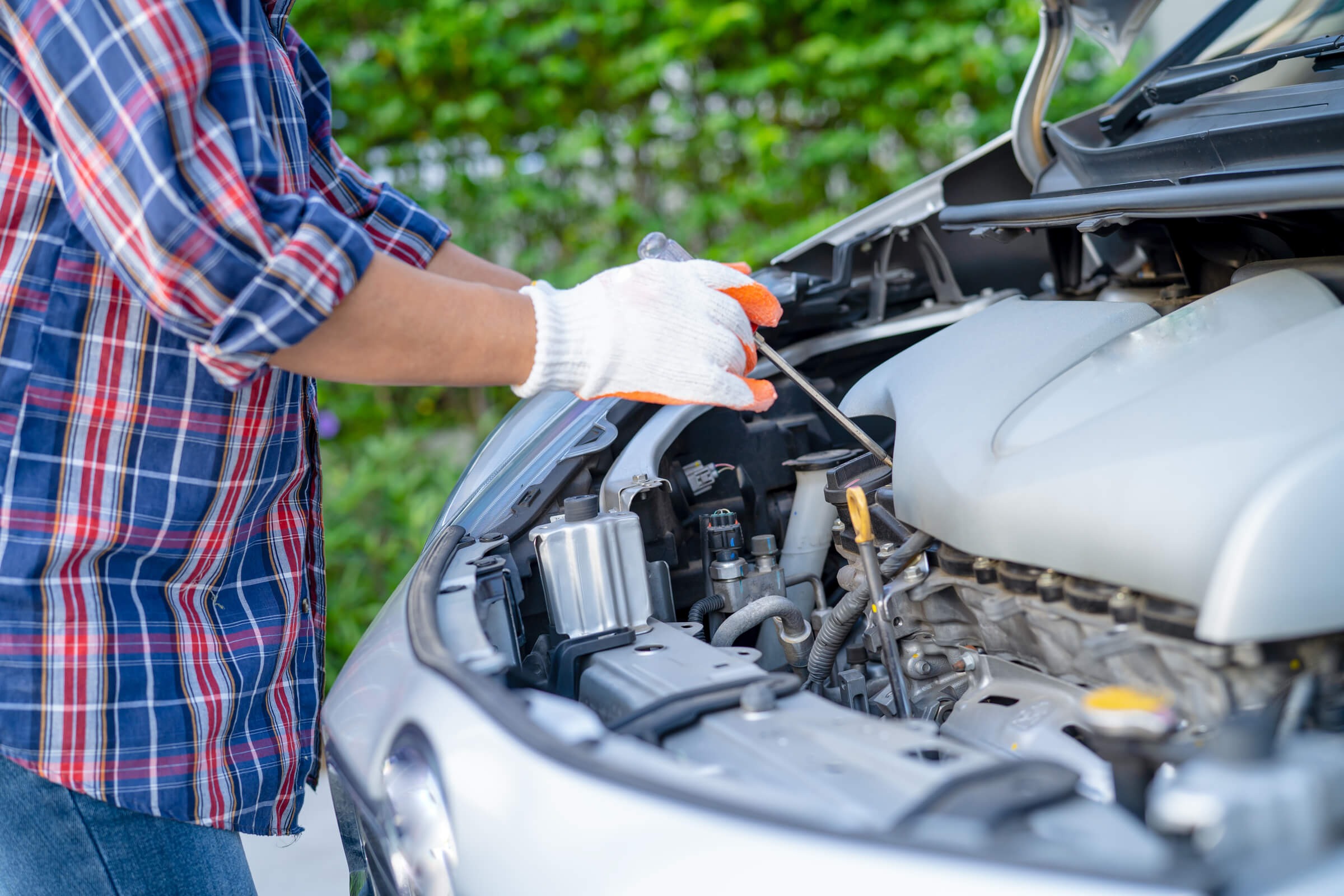
Unexpected repair costs are something every driver hopes to avoid. What makes them especially frustrating is that many expensive repairs start with small, inexpensive issues that go unnoticed. A squeaking brake, a minor fluid leak, or a tiny crack in the windshield might not seem urgent during a busy day. However, leaving these problems unattended for weeks can allow them to worsen and eventually lead to repair bills that cost thousands of dollars.
The good news is that you can stop this pattern with a little knowledge and some quick action. This guide covers eight common car problems, what they cost when caught early, and what can happen when they are not. Keep these warning signs in mind, and your wallet will thank you. Note that all costs here are illustrative US estimates, not guaranteed prices.
1. Brake Pad Wear → Rotor & System Damage
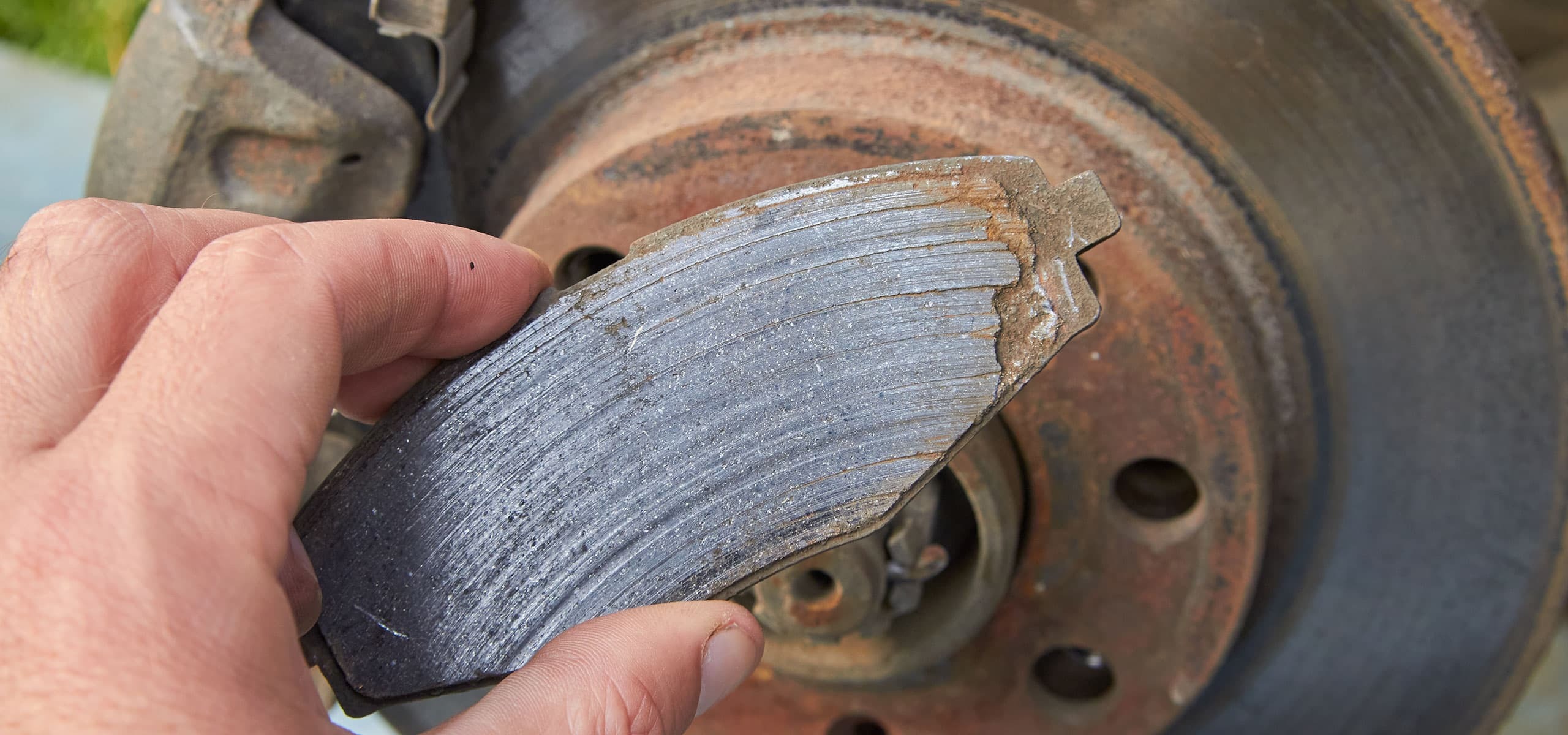
Replacing worn brake pads usually costs a few hundred dollars. RepairPal puts the US average between $335 and $394, though your price depends on your vehicle and where you live. That is a fair deal for something that keeps you safe.
Now picture waiting too long. Brake pads are built to wear down slowly, and once the friction material disappears, the metal backing grinds directly against the rotors.
That metal-on-metal contact can chew up the rotors fast. If you keep driving, the calipers and other braking parts can suffer too. Repair costs climb when several components need replacing at once.
Extensive work can reach $1,000 or more, and a bill above $2,000 is possible in some cases, though it is not typical for routine brake jobs.
Your car will usually warn you first. Listen for grinding or a persistent squeal. Notice vibrations when you brake, and pay attention to any change in how the pedal feels under your foot. Any of these signs is a reason to book an inspection promptly.
The rule is simple. If your brakes suddenly lose significant stopping power, pull over safely, stop driving, and contact a professional for assistance. Your brakes are essential to your safety, and taking risks with them is never worth it.
Delayed repairs hurt your budget, but they can also compromise your safety and the safety of everyone sharing the road with you.
2. Engine Misfires → Catalytic Converter Failure
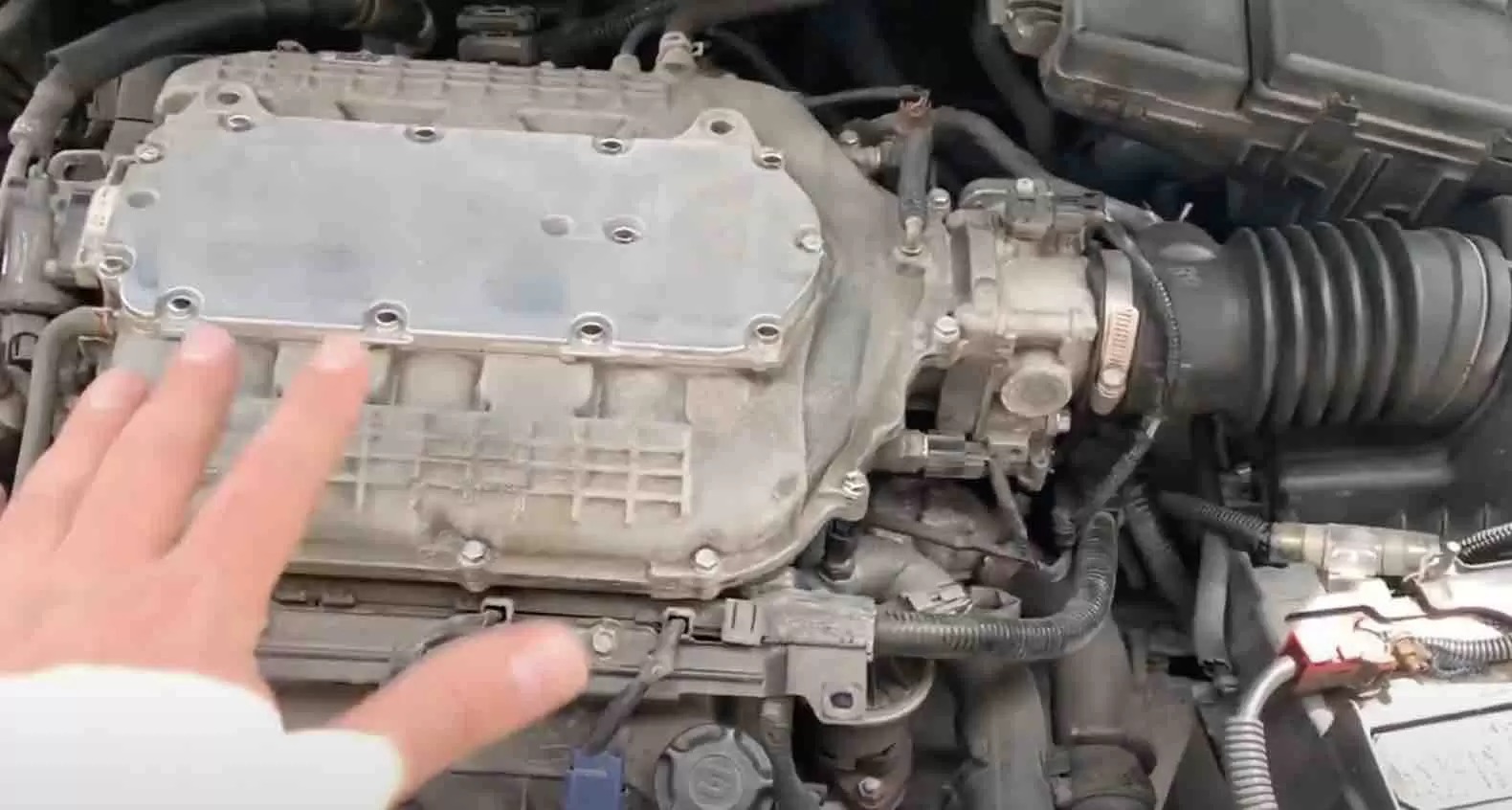
An engine misfire may seem harmless at first. Perhaps the car shakes at a stoplight, hesitates during acceleration, or idles unevenly. It is tempting to keep driving, especially when the vehicle still starts and gets you where you need to go.
However, ignoring these symptoms can turn a relatively small repair into an expensive problem. Misfires can result from worn spark plugs, a failing ignition coil, fuel delivery issues, or other engine faults.
Sometimes, replacing a faulty component resolves the issue without a major expense. The challenge is identifying the actual cause before spending money on unnecessary parts.
Here is where the cost can rise. Certain misfires allow unburned fuel to enter the exhaust system. When that fuel ignites inside the catalytic converter, excessive heat can damage its internal components.
RepairPal estimates catalytic converter replacement at $2,280 to $2,480 in the United States, although the actual price varies by vehicle and location. Replacing the converter without correcting the original fault can lead to further damage.
Watch for rough idling, engine shaking, reduced power, poor fuel economy, or an illuminated check engine light. A flashing light can indicate an active misfire that threatens the emissions system.
Arrange prompt professional diagnosis if these symptoms appear. If the light flashes or the engine runs severely, stop driving when safe and seek assistance.
Addressing the cause early can prevent a minor ignition or fuel system repair from becoming a much larger expense.
3. Coolant Leaks → Blown Head Gasket
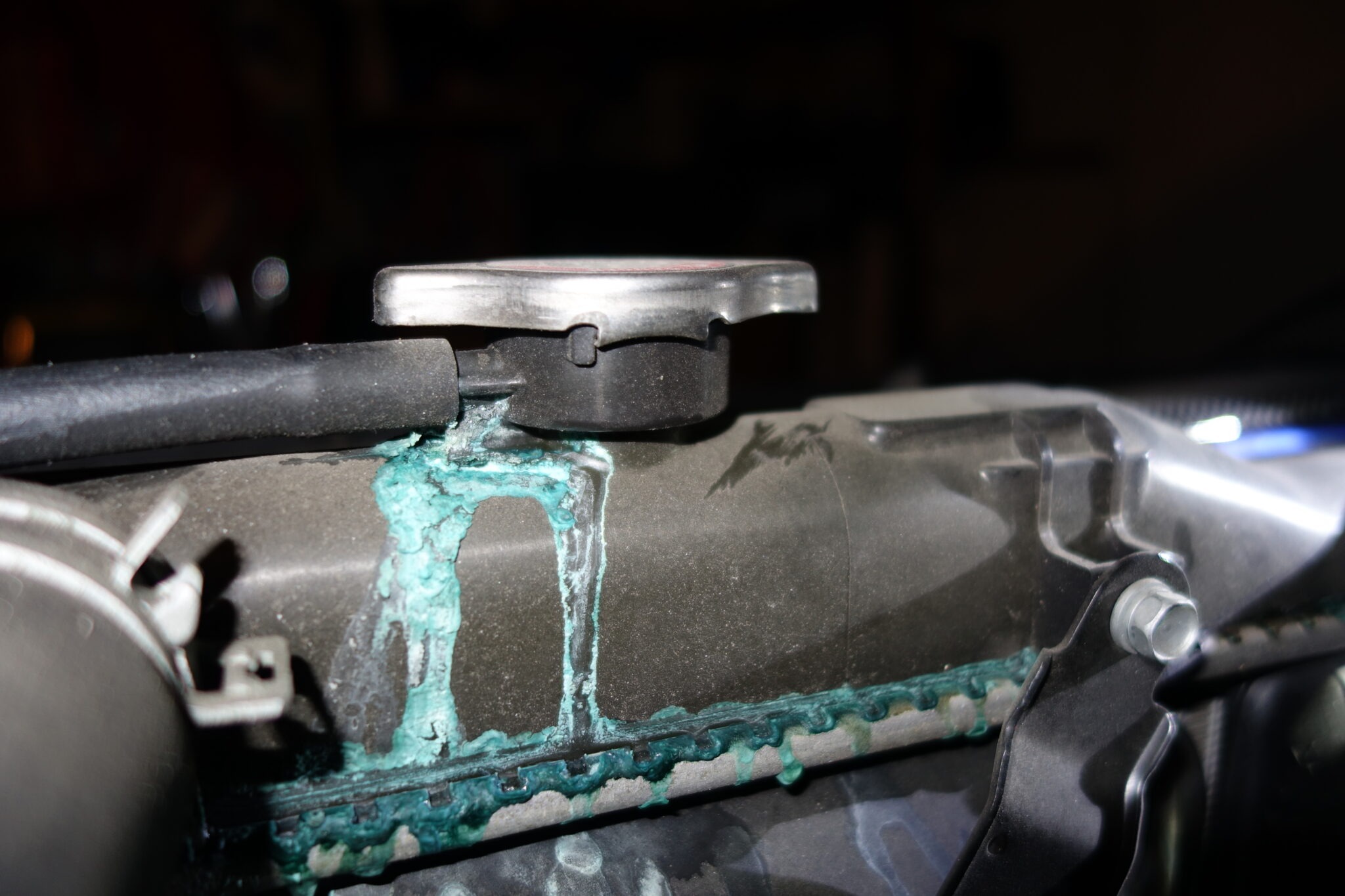
Your engine produces considerable heat while running, and coolant helps keep its temperature within a safe operating range. When coolant escapes through a damaged hose, loose connection, or leaking seal, the cooling system may struggle to do its job.
What appears to be a minor leak can become an expensive engine problem if ignored. Fortunately, the initial repair may be relatively inexpensive.
Replacing a worn hose or tightening a faulty connection can cost much less than repairing internal engine damage. The price depends on the leak’s location, the parts involved, and whether other cooling system components need attention.
The trouble begins when coolant loss causes the engine to overheat. Severe or repeated overheating can damage the cylinder head, distort engine components, or cause the head gasket to fail.
RepairPal estimates head gasket replacement at $2,572 to $3,386 in the United States, although actual costs vary. A repair that initially involved a hose can therefore lead to a much larger bill.
Watch for recurring low coolant levels, colored fluid beneath the vehicle, steam from under the hood, or a temperature gauge rising above its normal range.
White exhaust smoke or oil and coolant mixing may indicate an internal fault, but professional testing is needed to confirm the cause.
Never remove a radiator cap while the engine is hot. If the engine overheats, pull over safely, switch it off, and arrange an inspection. Fixing a coolant leak promptly can help protect your engine and prevent avoidable repair expenses.
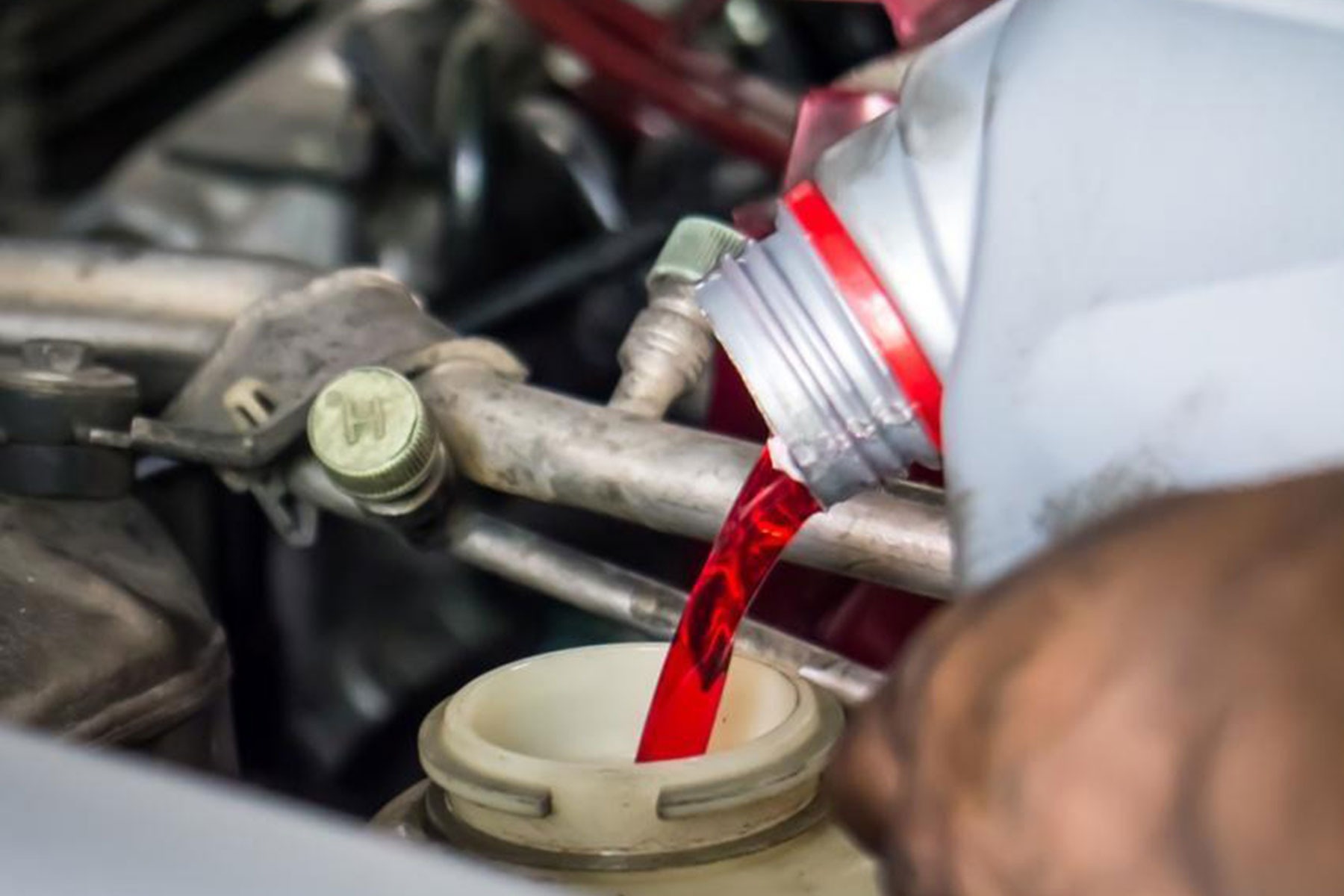
4. Transmission Fluid Neglect → Transmission Failure
Transmission fluid rarely receives as much attention as engine oil, yet it plays an essential role in keeping your vehicle running properly. Many drivers remember routine oil changes but overlook transmission maintenance until shifting problems appear.
Transmission fluid service costs vary depending on the vehicle, fluid type, and procedure required. Some services cost a few hundred dollars, making preventive maintenance much cheaper than repairing major transmission damage.
Your owner’s manual provides the recommended service schedule because different transmission designs have different maintenance needs.
Neglecting fluid maintenance can contribute to overheating, poor lubrication, and internal wear. Low fluid levels, contamination, or incorrect fluid can also affect transmission performance. In many automatic transmissions, fluid provides hydraulic pressure needed for smooth gear changes.
If damage progresses, rebuilding or replacing the transmission may cost several thousand dollars. RepairPal estimates transmission replacement at $6,238 to $6,764 in the United States, although actual prices depend on the vehicle and repair method.
Watch for fluid leaks, slipping gears, delayed engagement, harsh shifting, unusual noises, dashboard warnings, or a burning smell. These symptoms can have different causes, so proper diagnosis is important.
Changing the fluid will not necessarily repair an already damaged transmission. Some vehicles require specific fluids and service procedures, and incorrect maintenance may cause further problems.
If you notice unusual shifting or leaking fluid, arrange an inspection promptly. Following the manufacturer’s maintenance recommendations can reduce wear and help prevent costly repairs.
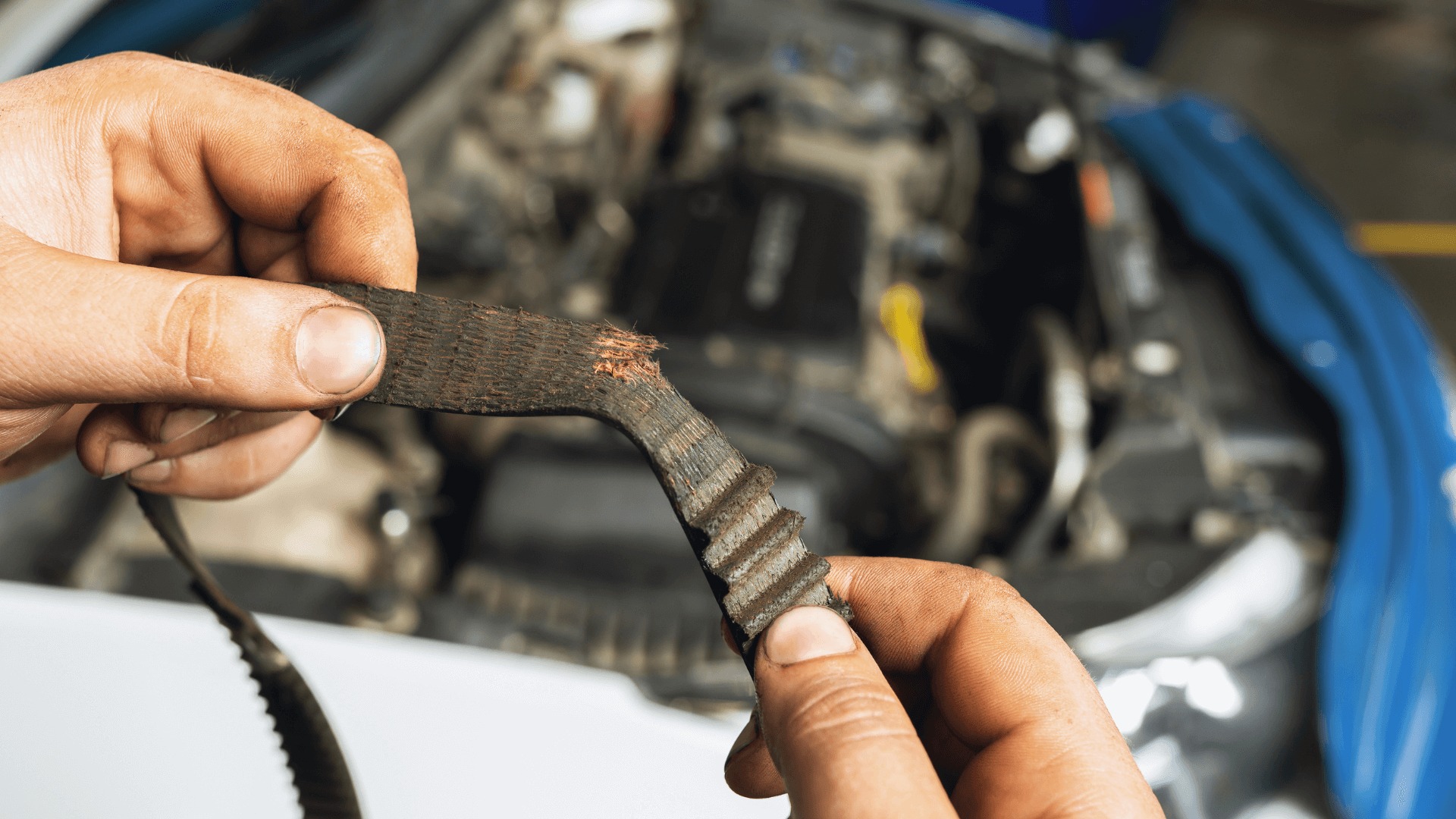
5. Timing Belt Wear → Catastrophic Engine Damage
Few parts hide a bigger risk than the timing belt. It sits out of sight, quietly doing its job, until the day it does not. Then the result can be dramatic.
Replacing the belt on the manufacturer’s schedule counts as preventive maintenance. Prices vary with engine design, labor requirements, and whether related parts, such as tensioners or the water pump, should be replaced at the same time.
When a worn belt slips or breaks, the relationship between the crankshaft and camshaft is disrupted. In an interference engine, pistons and valves can collide, causing extensive internal damage.
Repairs may exceed $2,000, and severe damage can make engine replacement necessary. If the belt fails while the engine runs, the damage can be immediate. Not every engine is an interference design, so the consequences depend on your specific engine.
One common mistake is assuming a belt is in good condition simply because it looks fine. While some belts develop visible cracks or frayed edges, internal deterioration can go unnoticed during a routine inspection. Even if the belt appears undamaged, it may still need replacement based on the manufacturer’s recommended maintenance schedule.
So what is the smart move? Check your owner’s manual or maintenance records for the recommended interval. Bought a used car with unknown history?
Ask a qualified mechanic to assess the belt and advise on replacement. Preventive maintenance usually costs far less than repairing an engine after a failure.
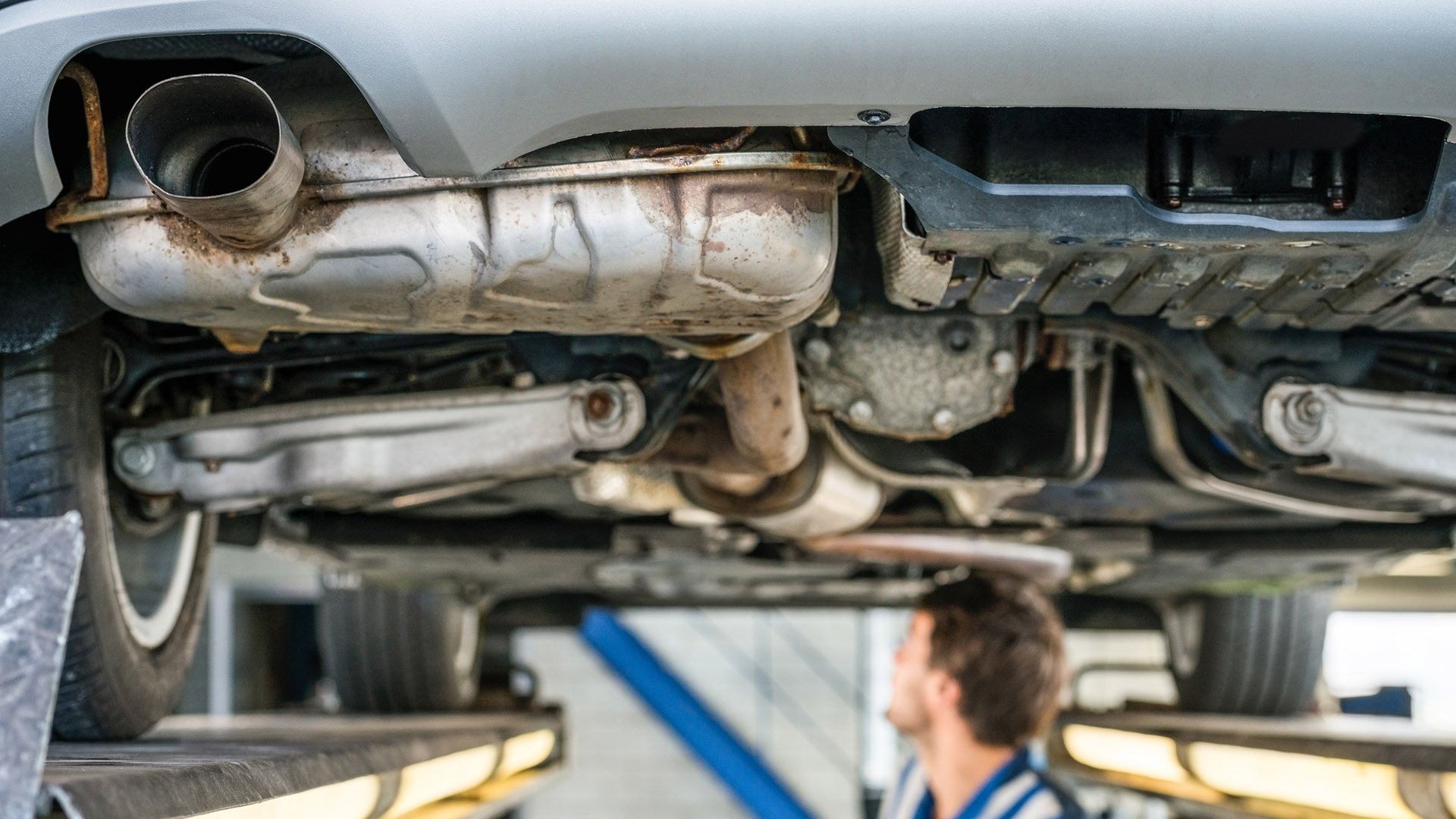
6. Small Exhaust Leaks → Costly Exhaust Repairs
A small exhaust leak might begin as a faint tick or a slightly louder rumble. Easy to ignore. Easy to blame on an older car. Yet this quiet problem deserves respect, for both financial and health reasons.
The early repair is often inexpensive. A loose connection, a damaged gasket, or a minor localized defect may be fixed at modest cost. The final price depends on the leak’s location, the level of corrosion, and whether a part must be replaced rather than repaired.
Left alone, leaks can worsen. Corrosion spreads, joints deteriorate, and vibration stresses damaged parts. A job that started with a gasket might eventually call for a new pipe, a muffler, or another exhaust component.
Exhaust systems face constant heat, moisture, and vibration, so small defects can become harder to fix economically. Catalytic converter replacement can cost more than $2,000 on many vehicles.
Still, a small leak does not automatically damage the converter, and replacing it is unnecessary unless testing confirms failure. Do not let a shop upsell you without proof.
Now the serious part. Exhaust gases can contain carbon monoxide, which is dangerous and cannot be reliably detected by smell. If fumes enter the cabin, stop driving and seek professional help. Listen for ticking or roaring, look for rust or visible damage, and have leaks inspected promptly.
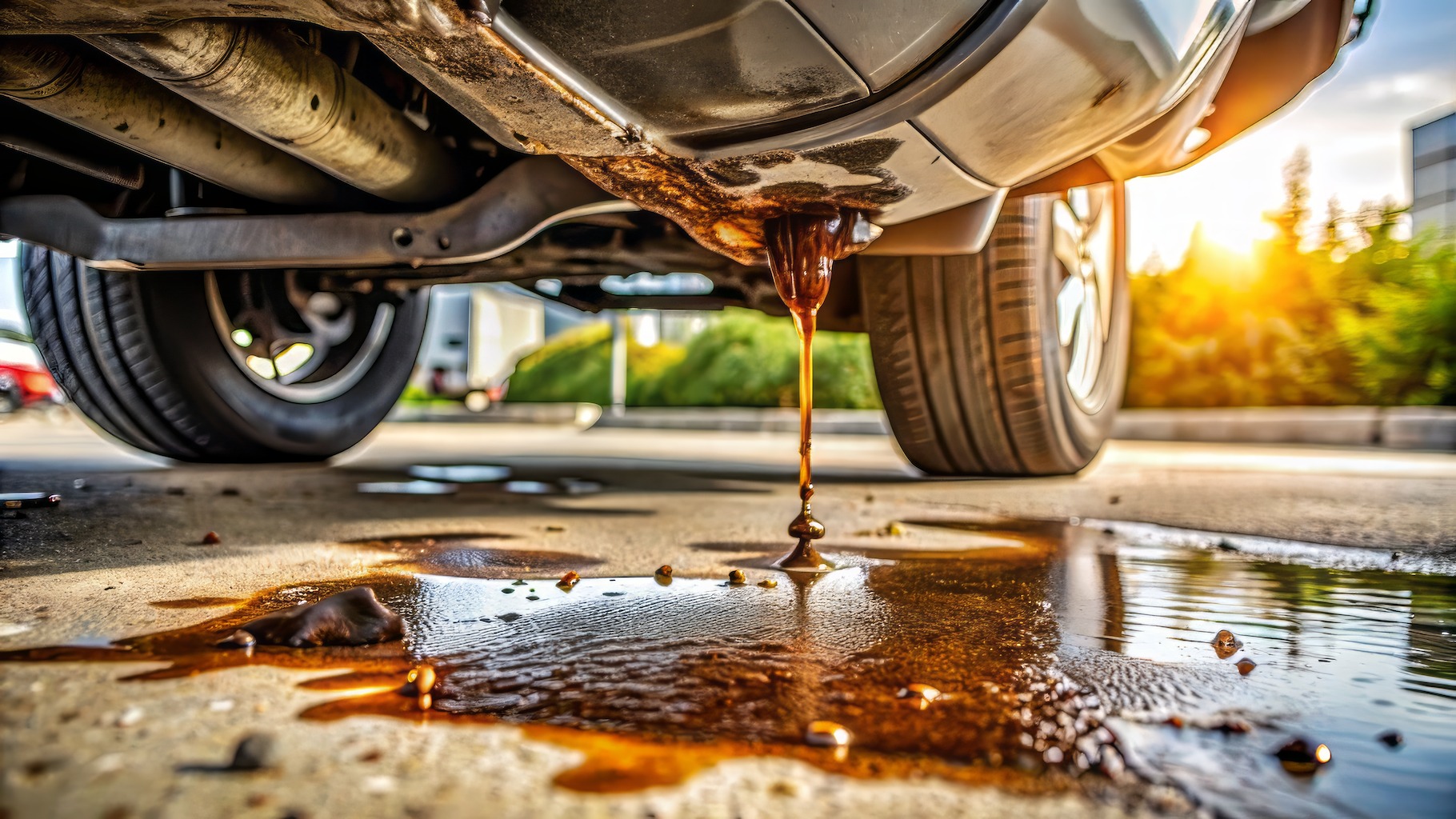
7. Oil Leaks → Engine Damage or Seized Engine
A small oil spot on the driveway may seem harmless, especially when your car still starts normally. However, ignoring an oil leak can lead to expensive engine damage.
Leaks often come from worn gaskets, loose drain plugs, or damaged seals. Depending on the cause and location, repairs may cost a few hundred dollars or more. Labor charges can increase the bill when mechanics must remove other components to reach the faulty part.
The main danger begins when the oil level drops too low. Engine oil protects moving parts from friction and helps carry heat away from internal components. Without enough oil, temperatures rise, and bearings and other parts can wear rapidly.
Severe oil loss can destroy an engine, leaving you with a costly rebuild or replacement. That expense can far exceed the price of repairing the original leak.
Watch for oily spots beneath your vehicle, falling dipstick readings, a burning-oil smell, or an oil-pressure warning light. Check your oil according to the owner’s manual and investigate recurring drops.
If the oil-pressure warning light appears while driving, pull over safely and switch off the engine promptly. Continuing to drive could cause serious damage. Always use the oil grade recommended by your vehicle manufacturer.

8. Small Windshield Chips → Full Windshield Replacement
A tiny chip caused by a flying pebble may seem harmless. However, temperature changes, road vibration, moisture, and everyday driving can cause it to spread into a long crack.
Small chips may be repairable with specialized resin. Depending on the damage and provider, repairs can cost less than $100 or several hundred dollars. Repair eligibility depends on the chip’s size, depth, location, and effect on the driver’s view.
When a crack grows too long, reaches the windshield’s edge, or obstructs visibility, a complete replacement may be necessary. Costs can reach several hundred dollars or more. Some specialized vehicles may require repairs exceeding $2,000.
Modern windshields contribute to vehicle structure and support proper airbag deployment. Many newer cars also have cameras and driver-assistance sensors near the glass. Replacement may require sensor calibration, adding to the final bill.
Look for spreading cracks, chips directly in your line of sight, and damage near the edges. Ask a qualified professional to assess the damage promptly.
Addressing a small chip early may prevent the need for a full replacement. Regular vehicle checks and prompt repairs can help control maintenance costs and keep your windshield safe for driving.