
Most carmakers spread their risk. They sell sedans, crossovers, trucks, and hatchbacks under one badge. A few brands do the opposite. For these companies, one nameplate carries the business. When it sells, the brand thrives. When it stalls, the whole balance sheet feels it.
This pattern is not random. Startups launch with a single product to save on tooling and engineering. Luxury makers lean on one SUV because buyers want it. Truck brands let one pickup family outsell everything else they build.
The upside is clear. Production scales faster. Costs fall. Marketing stays focused, and the supply chain gets simpler. The downside is just as real. A recall hits harder. A rival launch hurts more. A botched refresh can sink a year.
The nine brands below show both sides of this bet. Some chose it on purpose. Others drifted into it because one model simply outran the rest. Each entry covers how the model got there and what the dependence means.
1. Tesla: Model Y
Tesla sells a handful of models. One of them dominates the rest. The Model Y accounts for roughly two-thirds of the company’s deliveries. Deliveries began in 2020. The crossover body style was a perfect fit for global demand. Buyers wanted height, space, and a hatchback.
Four factories now build it. Those are Fremont, Shanghai, Berlin, and Austin. That spread gave Tesla huge volume and short delivery times. In 2023, the Model Y became the best-selling vehicle by registrations. It beat the Toyota Corolla and the Ford F-Series.
No electric car had ever done that. The Model 3 is the second pillar. Together, the two make up the vast majority of Tesla sales. The Model S, Model X and Cybertruck add only a small slice.
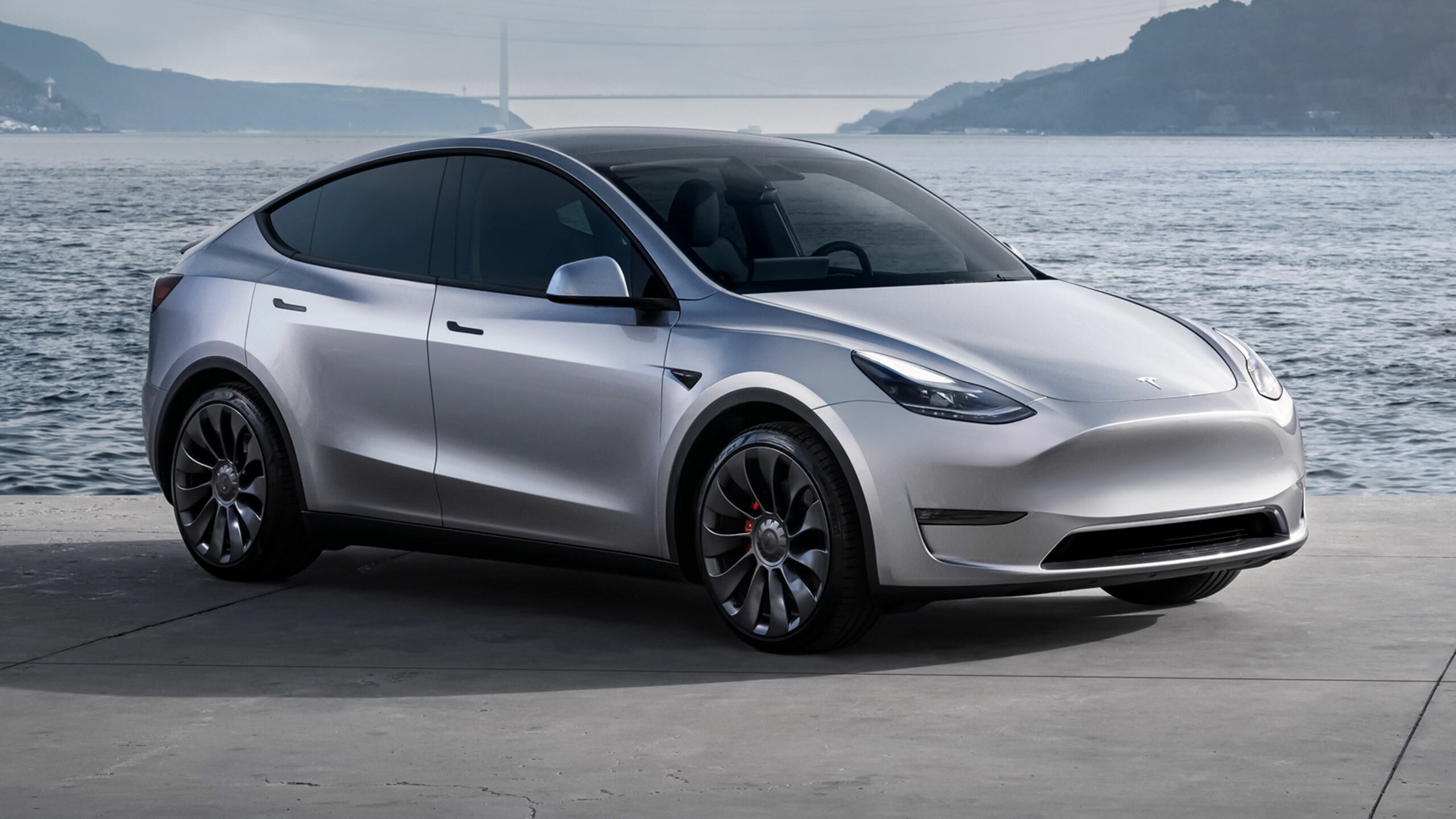
This concentration has made Tesla very efficient. Shared parts and common platforms cut costs. Giga casting in particular simplified how the Model Y body is built.
The risk is obvious. Any demand dip for the Model Y shows up directly in quarterly results. A refreshed version arrived in early 2025, and the changeover slowed output for a while.
Competition is also closing in. Chinese brands now sell rival electric crossovers at lower prices. Legacy makers have their own launches too. Tesla’s answer has been price cuts and finance offers. Those protect volume but squeeze margins. It is the classic trade-off of a one-model strategy.
The Model Y shows how far one product can take a brand. It also shows how exposed that brand becomes. Tesla’s future leans heavily on one crossover staying ahead.
2. Lamborghini: Urus
Lamborghini once sold only a few thousand cars a year. The supercar business was small and exclusive. Then the Urus arrived. The super SUV launched in 2018. It used a twin-turbo 4.0-litre V8. Output started at around 641 horsepower.
Sales exploded almost at once. Annual deliveries roughly doubled within a couple of years. Lamborghini crossed 10,000 cars annually in 2023. The Urus now makes up well over half of all sales. In some years it has approached 60 percent. The Huracán and Aventador successors share what remains.
The model has been updated several times. The Urus S and Performante sharpened the formula. In 2024 came the Urus SE, a plug-in hybrid making around 789 horsepower. That hybrid matters. It lets the brand meet tightening emissions rules. It also keeps its most important product legal in strict markets.
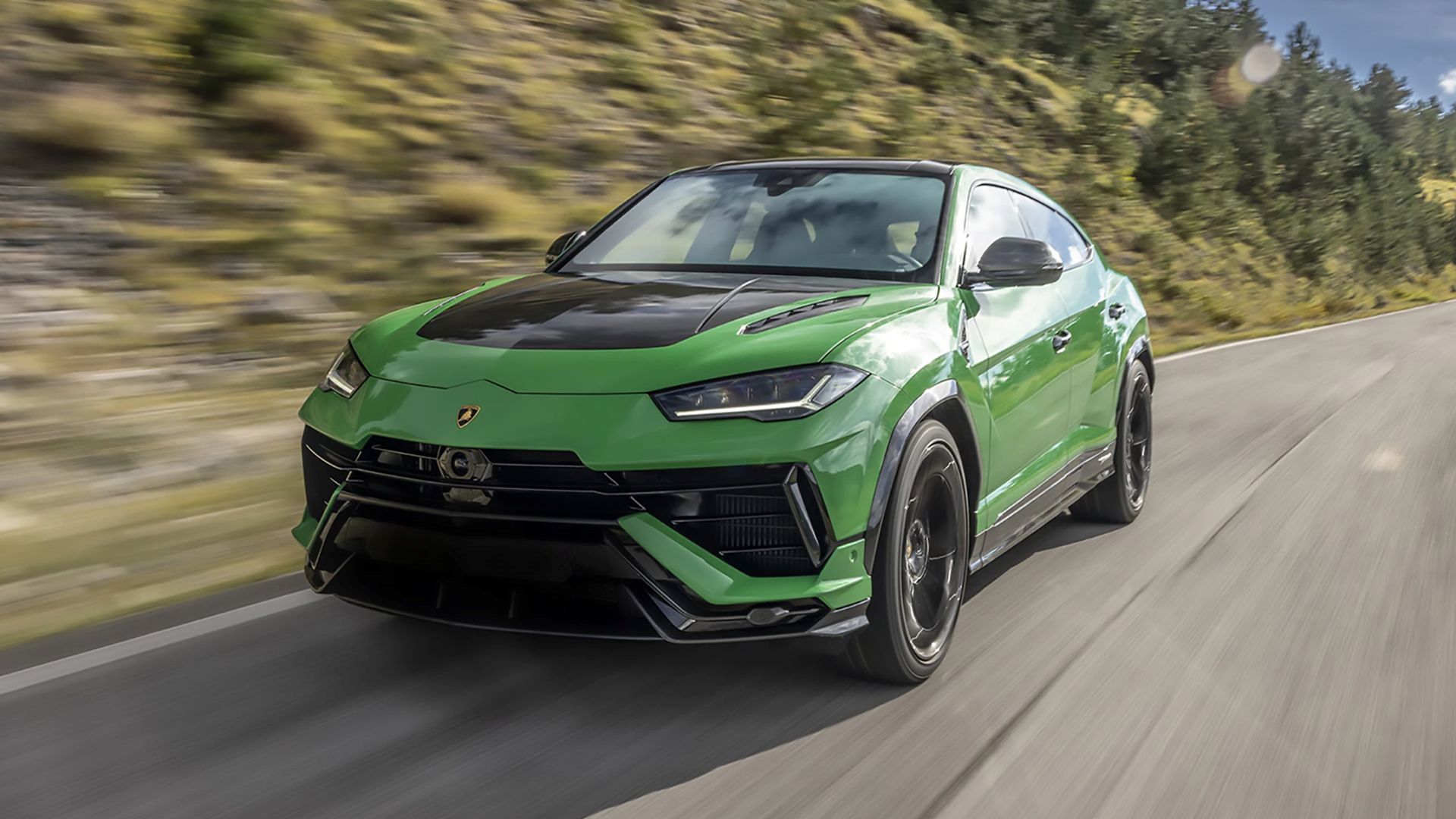
Buyers are a key part of the story. Many Urus owners already have a garage of supercars. They want a daily driver that still wears the bull badge. That use case is unusually profitable. The Urus shares its platform with other Volkswagen Group SUVs. This cuts development costs sharply.
The dependence carries risk. If SUV demand cooled, Lamborghini would feel it fast. A single design flaw or recall would hurt far more than it would at a broader brand.
Lamborghini is managing this by electrifying its whole range. The Revuelto hybrid supercar replaced the Aventador. Still, the Urus remains the volume engine. It is a rare case of one SUV rescuing a supercar maker’s economics. It also changed how other exotic brands think about volume.
3. Ram: 1500 Pickup
Ram became its own brand in 2010. It split from Dodge to focus on trucks and vans. That focus shows in the sales numbers. The Ram 1500 is the center of the lineup. It sells in far larger numbers than the heavy-duty trucks or the ProMaster van. Pickups of all kinds drive the overwhelming share of Ram volume.
The 1500 competes in the toughest segment in America. Rivals include the Ford F-150 and Chevrolet Silverado. Ram usually sits third in the full-size ranking.
Ram’s edge has long been the ride. It adopted coil springs at the rear when rivals used leaf springs. That gave it a smoother feel on the road. The interior is another selling point. Ram pushed big touchscreens and premium trims early. Models like the Limited and Tungsten sell at very high prices.
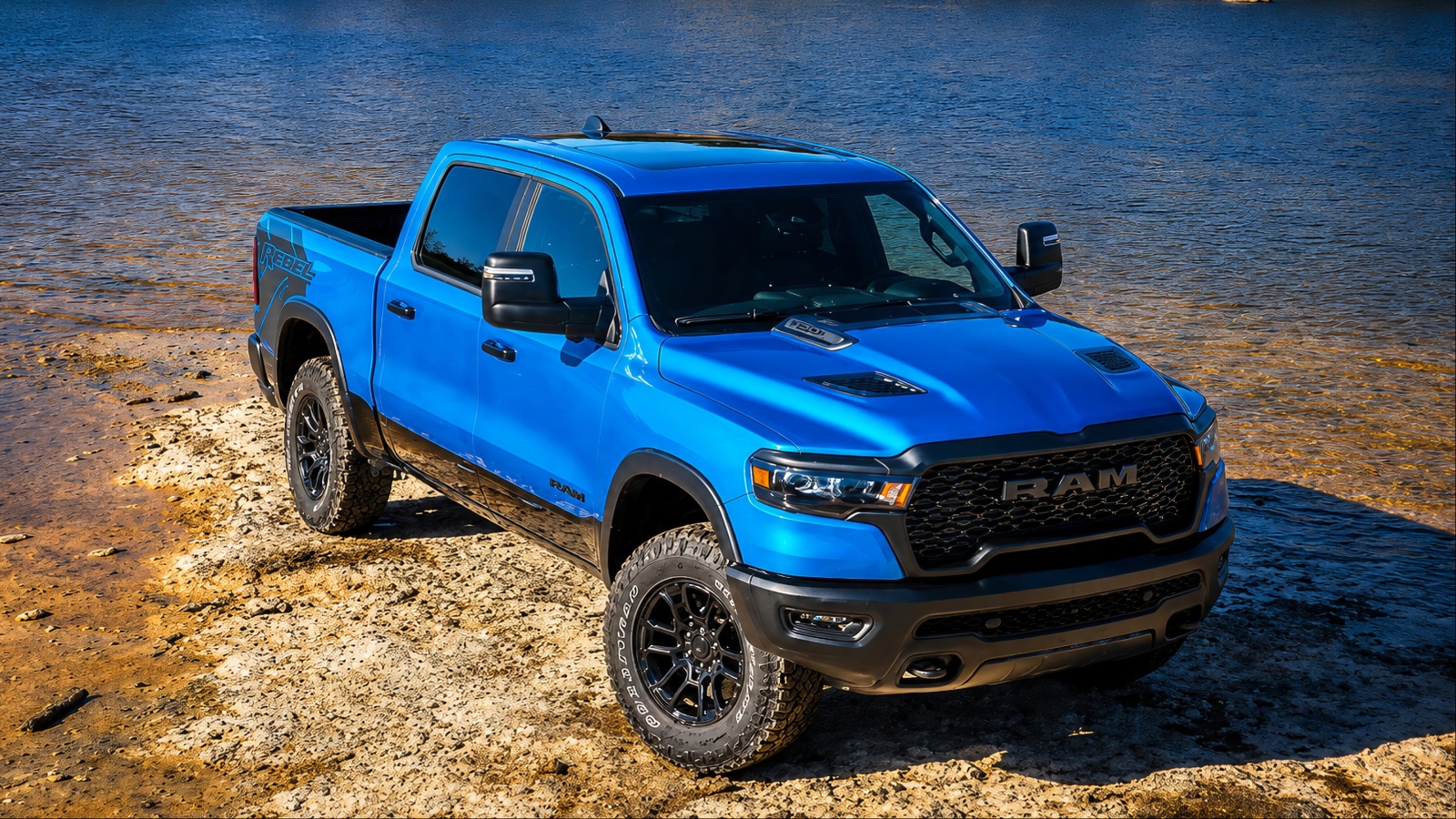
The brand also kept the old-generation truck alive. The Ram 1500 Classic stayed on sale beside the newer model. That gave buyers a cheaper entry point.
Powertrains have been a recent storyline. The Hemi V8 was dropped from the 1500 for a while. It then made a return after customers asked for it.
Ram has also explored electrification. A range-extender version, the Ramcharger, was planned. The goal is to keep truck buyers who want electric torque without range anxiety.
The concentration cuts both ways. Truck profits are huge, so the 1500 funds much of the company. But a downturn in truck demand or a rise in fuel prices would hit hard. Ram has few passenger cars to cushion a drop. The 1500 effectively is the brand for most buyers. That makes every update a high-stakes event.
4. GMC: Sierra
GMC is a truck and SUV brand. It sells only trucks, crossovers and SUVs. Within that group, the Sierra is the heavyweight. The Sierra shares its basics with the Chevrolet Silverado. GMC positions it as the more upscale version. That means higher trims and higher prices.
In the United States, the Sierra delivers roughly half of GMC’s volume, or more in some years. Yukon, Terrain, Acadia and Canyon share the rest. The Hummer EV and Sierra EV add small numbers.
The upmarket push has worked well. The Denali trim became a brand within a brand. Buyers pay a large premium for the badge. GMC added the AT4 and AT4X trims as well. These target off-road buyers. They helped the Sierra stretch into new groups.
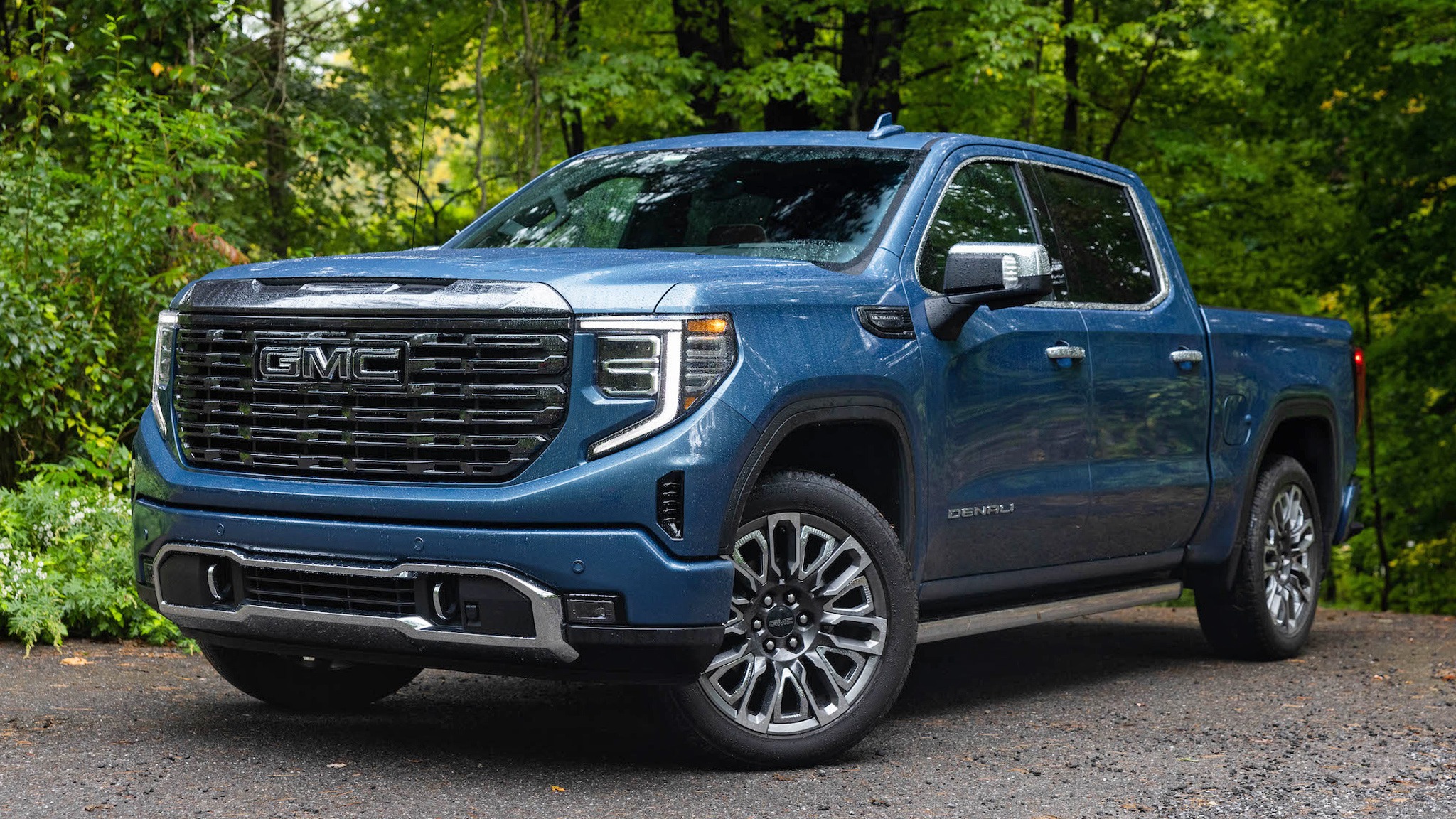
Technology is another hook. The MultiPro tailgate became a signature feature. It splits into sections for easier loading. Pricing is the reason this matters. The average transaction price at GMC is among the highest of any mainstream brand. A strong Sierra year lifts the whole brand’s profit.
The electric Sierra EV tries to carry this reputation forward. It uses GM’s Ultium battery tech. It also offers a lot of power and a large range figure. The risk mirrors Ram’s. Pickup demand is strong now but sensitive to fuel prices and interest rates. Pricey trucks are the first thing buyers delay when money tightens.
GM also has an internal issue. The Sierra overlaps with the Silverado. Both draw from the same buyer pool. Still, GMC has turned that overlap into profit. The Sierra is the engine of one of America’s most lucrative truck brands.
5. Mazda: CX-5
Mazda is a small carmaker in a tough market. It lacks the scale of Toyota or Honda. That makes its best seller even more important. The CX-5 is that best seller. In the United States, it has delivered roughly a third to 40 percent of Mazda’s sales in recent years. Globally, it has been the brand’s top model for much of the last decade.
The compact crossover launched in 2012. It was the first car built fully on Mazda’s Skyactiv technology. It put the brand’s efficiency and handling story into one package.
The CX-5 stands out for driving feel. The steering is precise. The chassis is balanced in a segment that often feels bland. Mazda also pushed the interior upmarket. Materials in the upper trims rival entry luxury cars. That helped the brand move away from the discount image.
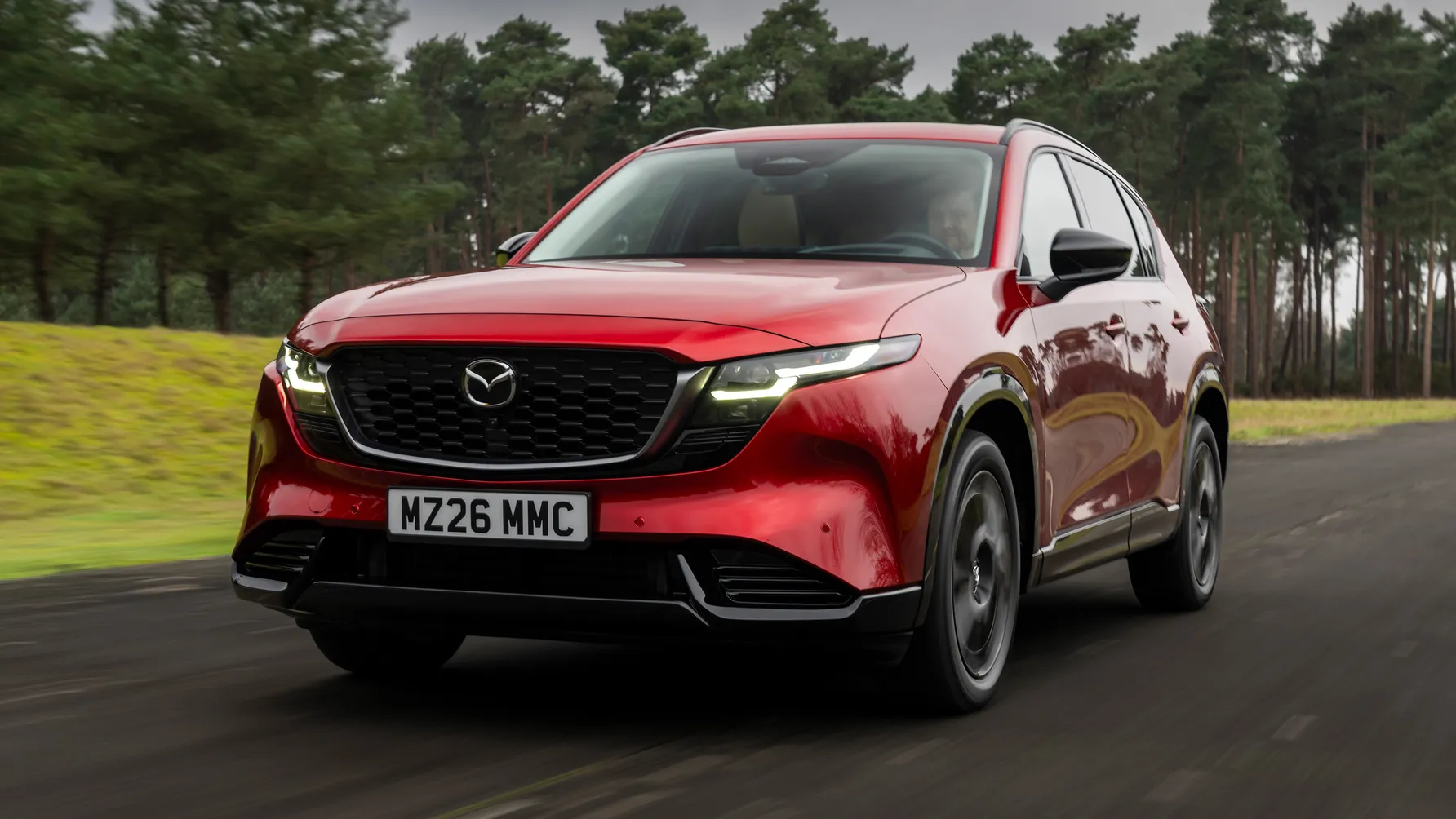
Turbocharged versions sell in lower numbers. They offer strong torque and attract enthusiasts. The standard engine handles the bulk of sales. The CX-5 has benefited from steady updates rather than total redesigns. Mazda kept improving the same platform for years. That kept costs low and quality high.
The dependence is clear in the numbers. The CX-30, CX-50 and Mazda3 sell well. But none matches the CX-5’s volume. This leaves Mazda exposed. A rival’s new compact crossover can take share quickly. The Toyota RAV4 and Honda CR-V sell in much larger numbers.
Mazda is working to broaden the range. The CX-50, CX-70 and CX-90 all push into larger segments. The goal is to spread risk across more models. Until that works, the CX-5 remains the brand’s anchor. It is a lesson in how one well-executed crossover can sustain a small carmaker.
6. Polestar: Polestar 2
Polestar started as a performance arm of Volvo. It was reborn as a standalone electric brand. Its first mass-market product was the Polestar 2. The Polestar 2 is a fastback sedan with a crossover stance. It launched in 2020. It was built to take on the Tesla Model 3.
For several years, the Polestar 2 was effectively the entire brand. The Polestar 1 was a limited hybrid coupe. It ended after a small run. That meant the Polestar 2 made up nearly all sales through 2023. Annual deliveries climbed past 50,000 units. Few startups reach that scale so fast.
The car’s strengths were clear. The design was clean and Scandinavian. The Google-based infotainment system was a first of its kind in a car. The Polestar 2 also benefited from Volvo’s engineering. It shares the CMA platform with Volvo models. That gave it strong safety credentials.
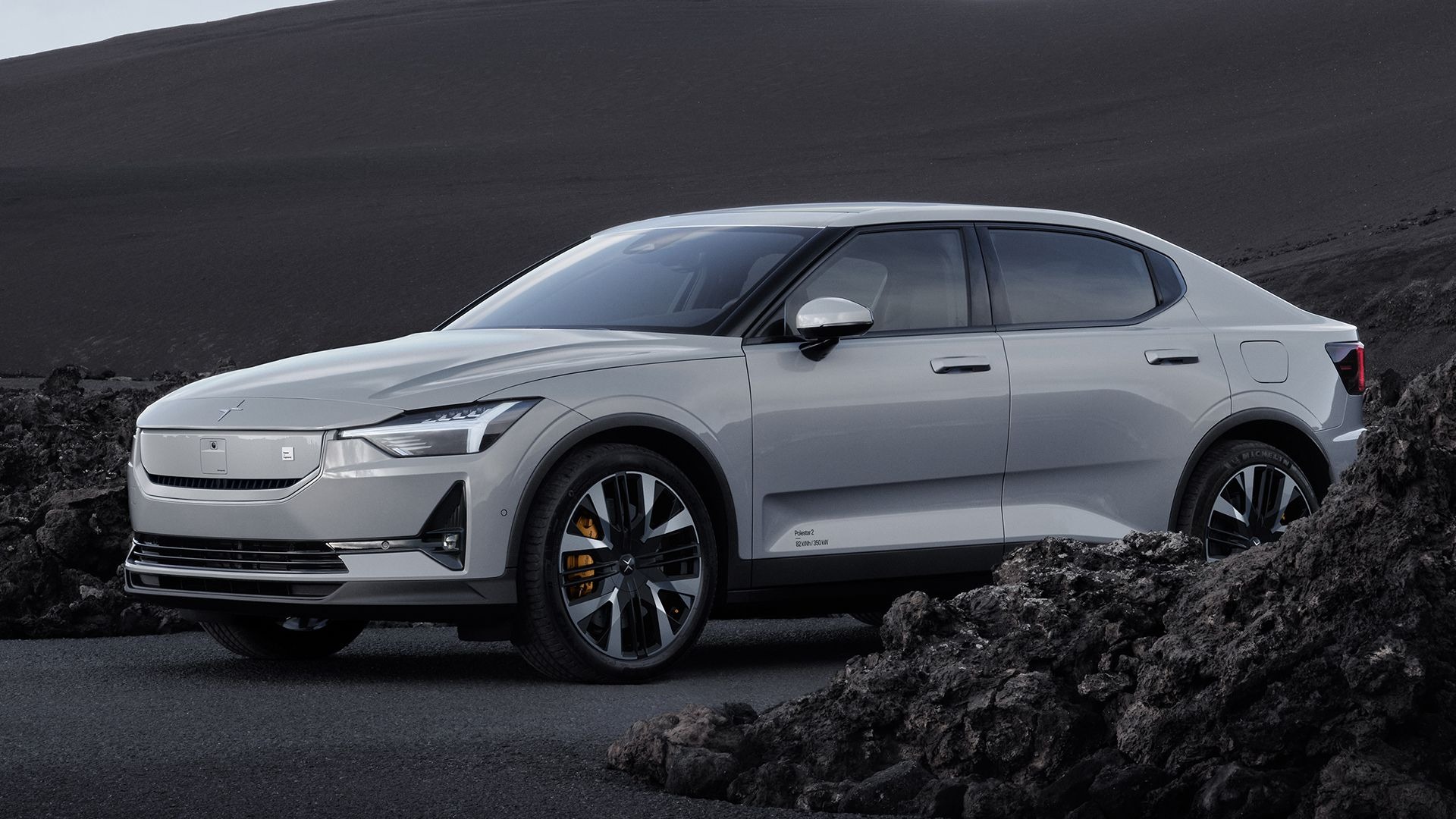
Updates arrived in 2024. A rear-drive version moved the motor to the back axle. Range and power both improved. The Polestar 3 and Polestar 4 began deliveries after that. They added SUV bodies, which buyers prefer. Even so, the Polestar 2 still carries a large share of volume.
The brand’s finances show the downside. Losses have been heavy. Tariffs on cars made in China also created trouble, because the Polestar 2 is built there.
The company has responded by shifting some production. It also plans to build more models in other regions. That should lower the tariff burden. Polestar proves how a single car can launch a brand. It also shows how long it takes to move beyond that first product.
7. Lucid: Air
Lucid is another electric startup built around one car. That car is the Lucid Air. It is a luxury sedan with a strong focus on range and efficiency. Deliveries began in 2021. The top Air Dream Edition set a record for range. It reached over 500 miles on the EPA cycle, a first for any production EV.
The Air has stayed Lucid’s only product for most of its life. Annual deliveries have grown from a few hundred to several thousand. In 2024, they passed 9,000.
The car’s technology is its main selling point. Lucid designs its own motors, batteries and software in-house. The motors are small yet extremely powerful.
Performance figures are extreme. The Air Sapphire trim pushes past 1,200 horsepower. It rivals hypercars in a four-door body. The cabin is spacious thanks to compact drivetrain packaging. Rear legroom is a standout. Lucid also uses a large glass canopy roof on some trims.
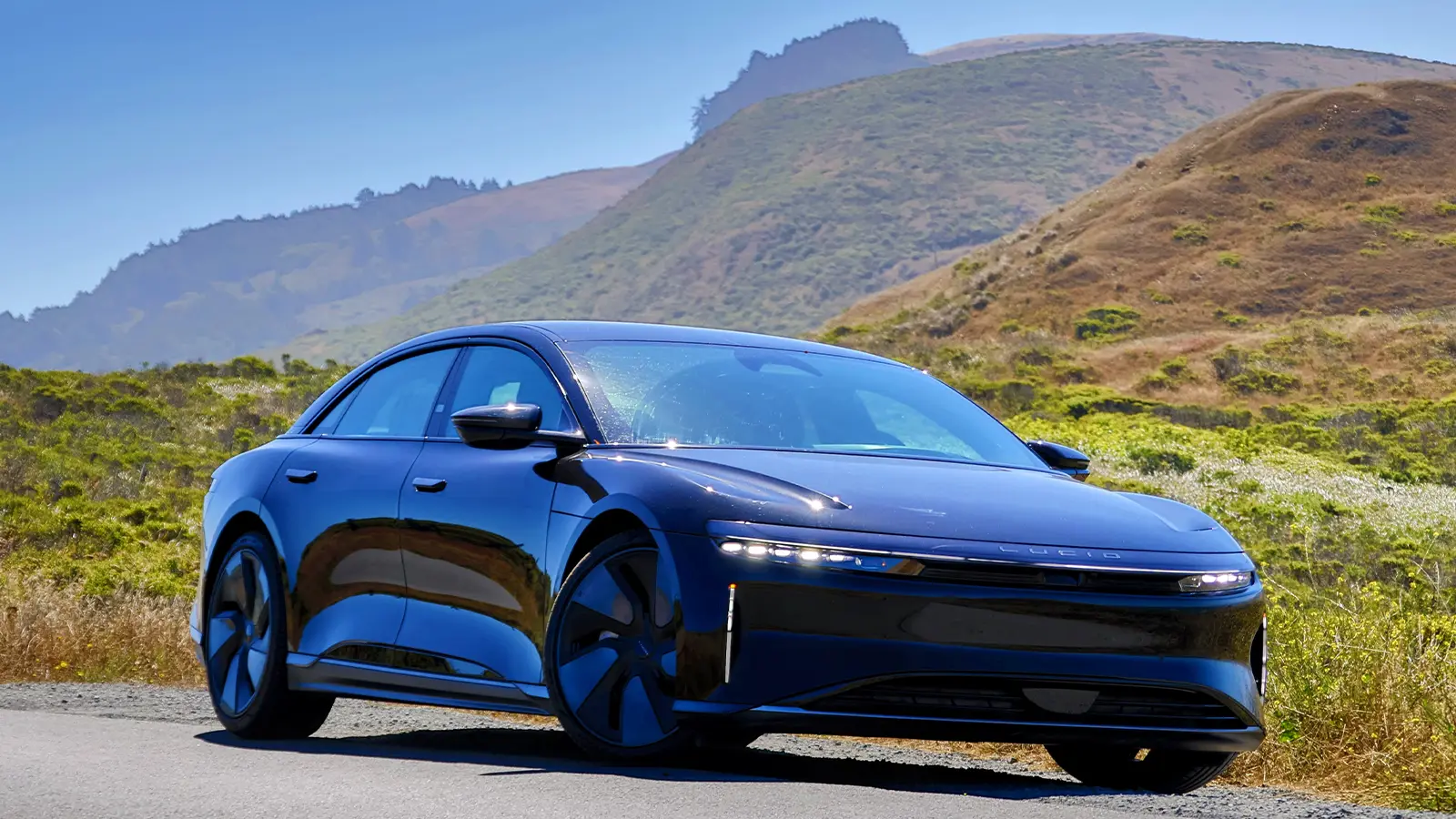
Lucid has ties to Saudi Arabia’s Public Investment Fund. That money has kept the company funded through heavy losses. The firm also built a factory in Saudi Arabia.
The weakness is the single-product exposure. Large sedans are a shrinking segment in many markets. Buyers lean toward SUVs. Lucid’s answer is the Gravity, a three-row SUV. It started deliveries in 2025. A cheaper midsize platform is also planned.
Until those volumes build, the Air remains central to the brand. It shows how far engineering depth can go. It also shows how tough it is to grow with a single sedan.
8. Ineos: Grenadier
Ineos Automotive is a newcomer with an old-school idea. It builds a boxy, rugged off-roader. That vehicle is the Grenadier. The story began in a pub. Billionaire Jim Ratcliffe was upset that Land Rover had stopped making the classic Defender. He decided to build a spiritual successor.
The Grenadier launched in 2022. It is built in Hambach, France, in a plant bought from Mercedes-Benz. Production has been modest compared with mass-market rivals.
The truck is aimed at serious users. It has solid axles front and rear. It also has a ladder frame, locking differentials and a very upright body. Power comes from BMW. Buyers can choose a straight-six petrol or diesel engine. Both use the same eight-speed automatic gearbox.
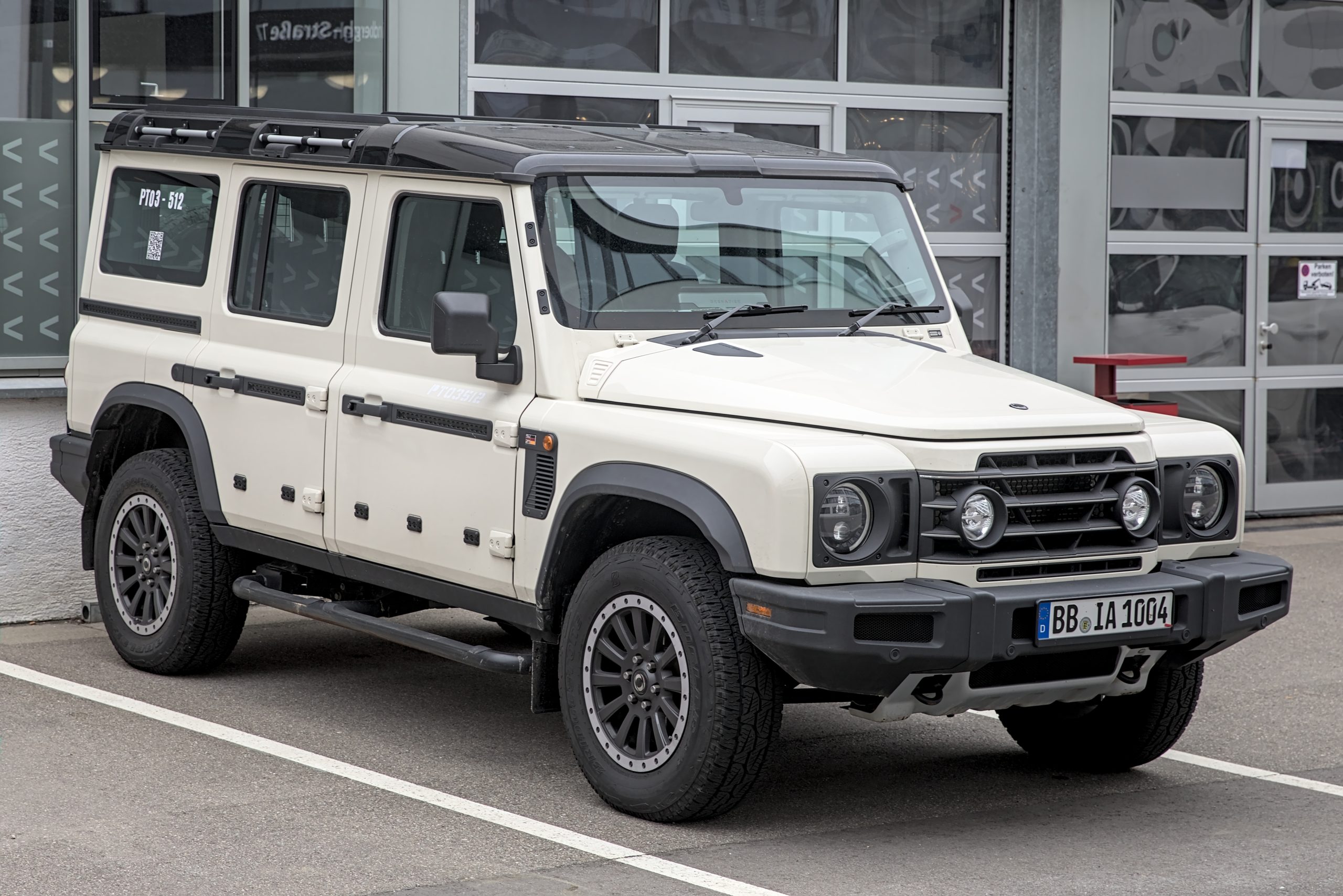
Inside, the layout is practical. Buttons are large and clearly labelled. There is a row of switches overhead, like an aircraft cockpit. The Grenadier is not the only Ineos product. The Quartermaster pickup is a version of the same platform. Still, both share nearly everything beneath the skin.
So the brand depends almost entirely on this one design. The vehicle has built a loyal following. Farmers, explorers and fleet buyers all take interest.
The challenge is cost. The truck is expensive, and tariffs have complicated pricing in some markets. Small volumes also make quality control more important. Ineos has hinted at future expansion. A hydrogen-powered version was explored. An electric model has also been discussed.
For now, the Grenadier is the brand. It proves that a clear idea can find buyers, even in a crowded market. It also shows the risk of betting everything on one shape.
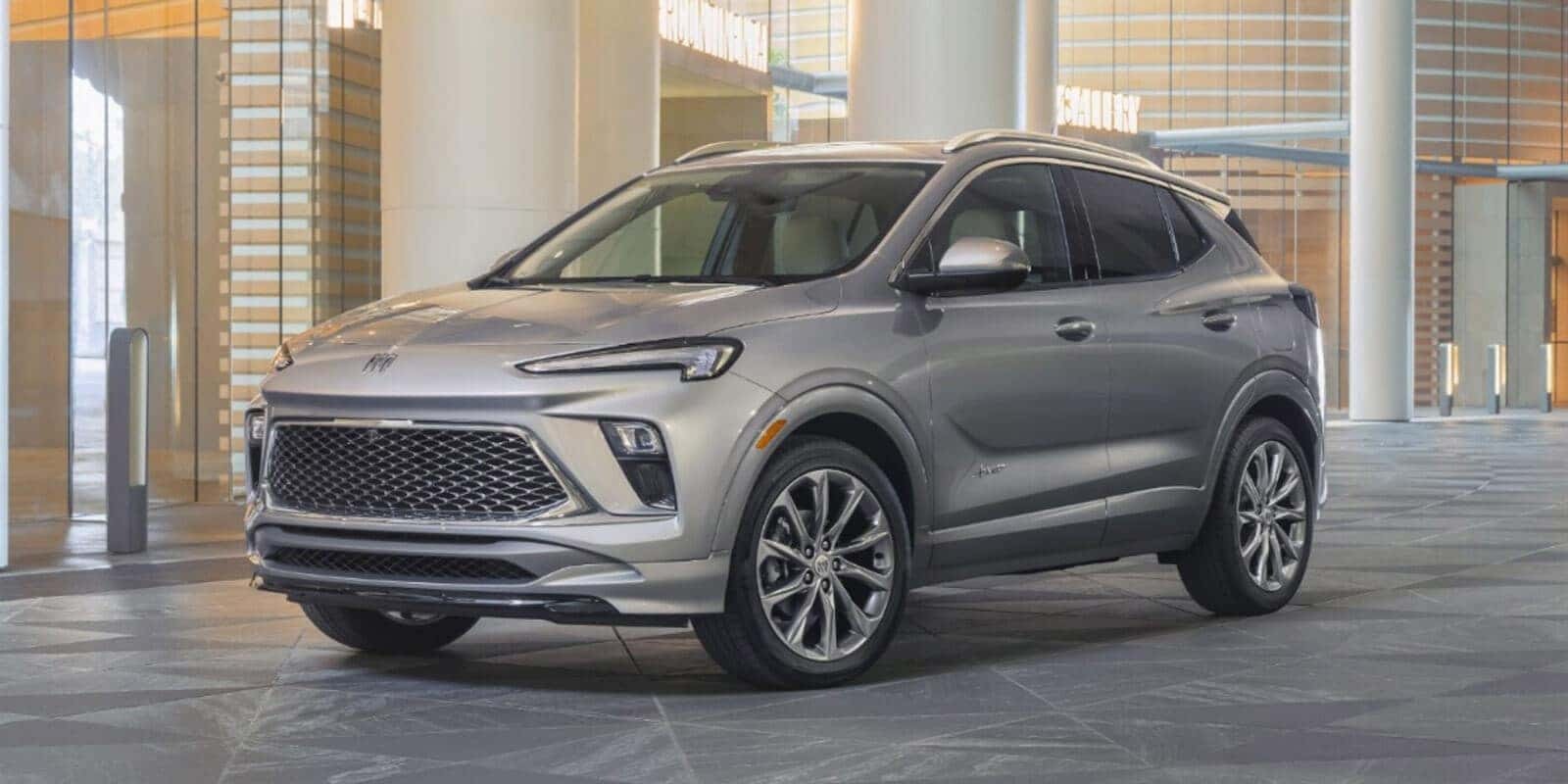
9. Buick: Encore GX
Buick is an old American brand that has been reshaped. It now sells mainly crossovers. Among them, the Encore GX stands out. The Encore GX is a small crossover. It is built by GM in South Korea. It slots below the Envision and Enclave.
It became Buick’s volume leader in the United States. In recent years, it has supplied close to half of the brand’s sales, though the number shifts as new models arrive. That is a huge share for one small SUV.
The reasons are simple. It is affordable and quiet. It also has a surprisingly premium feel for the price. Engines are small and efficient. A turbocharged three-cylinder is standard in most versions. It focuses on fuel economy rather than speed.
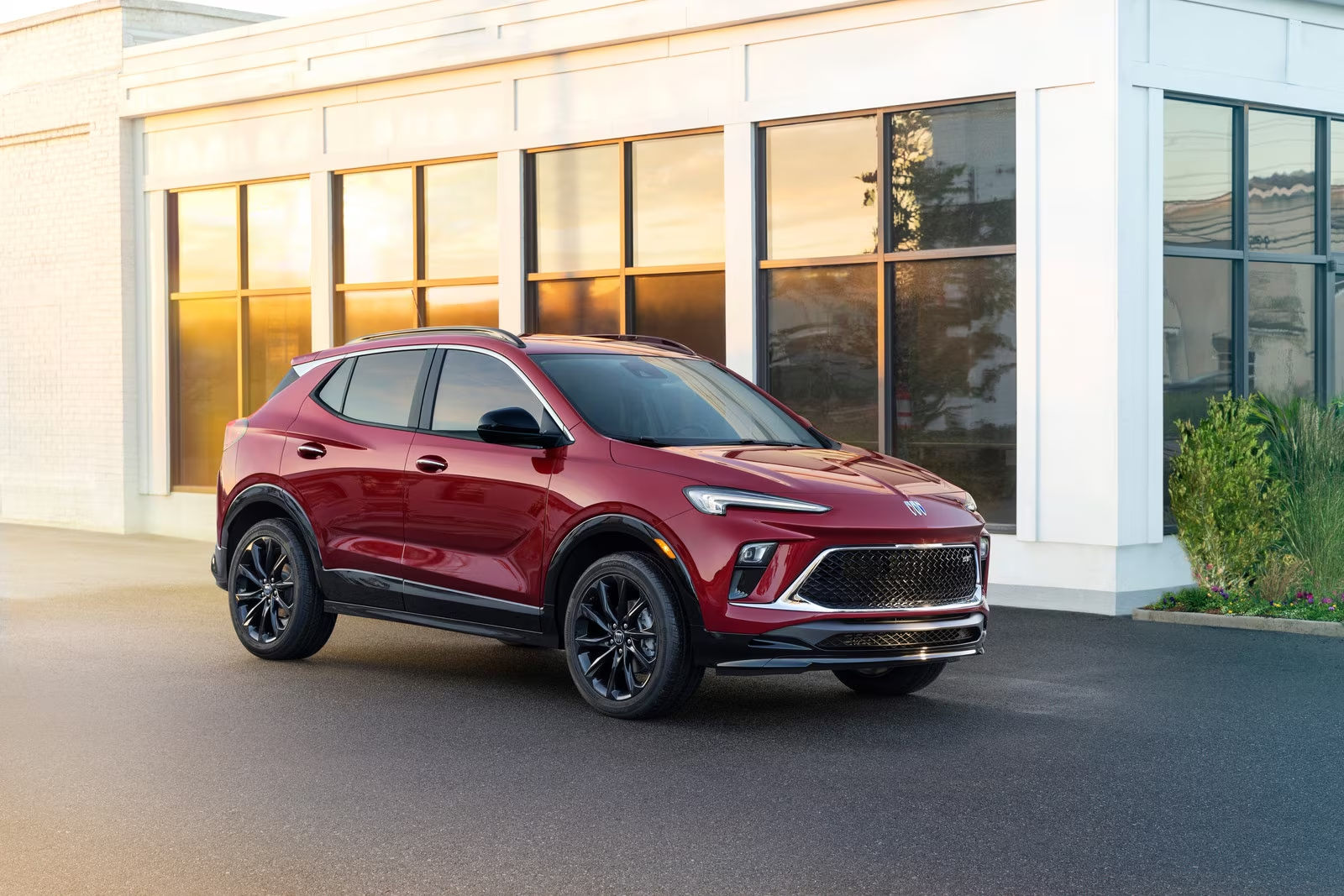
Buick’s quiet cabin approach is a signature. It uses sound-deadening glass and careful tuning. That helps it stand apart from noisier rivals. The Encore GX also draws a younger audience. Many buyers are first-time Buick owners. That matters for a brand with an older customer base.
Other Buick models have shifted the balance. The Envista, launched for 2024, is a smaller and sportier crossover. It targets a similar group but at a lower price.
The Envision is built in China. It faces tariff issues for the US market. That adds to the Encore GX’s importance because it is made elsewhere. Buick has no sedans left in the US. Its range is now crossovers only.
That leaves little cushion if demand for small SUVs drops. The Encore GX shows how a low-cost crossover can anchor a heritage brand. It also shows how a brand can shrink its lineup yet stay profitable.
