A five-star badge sounds simple. It is not. Euro NCAP and the American testers measure different things in different ways. Euro NCAP scores adult protection, child protection, pedestrian safety and driver-assist technology. It folds them into one star rating. The weakest area can cap the final result.
The Insurance Institute for Highway Safety works differently. It grades each test Good, Acceptable, Marginal, or Poor. Its side test uses a heavier barrier at a higher speed.
That gap matters. A car can shine in Europe and stumble in America. Rear-seat protection, side strength and crash-prevention software are common weak spots.
Time plays a role too. Euro NCAP ratings expire after about six years. The IIHS keeps raising its own bar as well. This list covers six models that earned five stars in Europe.
Each one then received lower grades in American testing. Some have since been fixed. Others are still waiting. The details show why one rating should never be read alone.
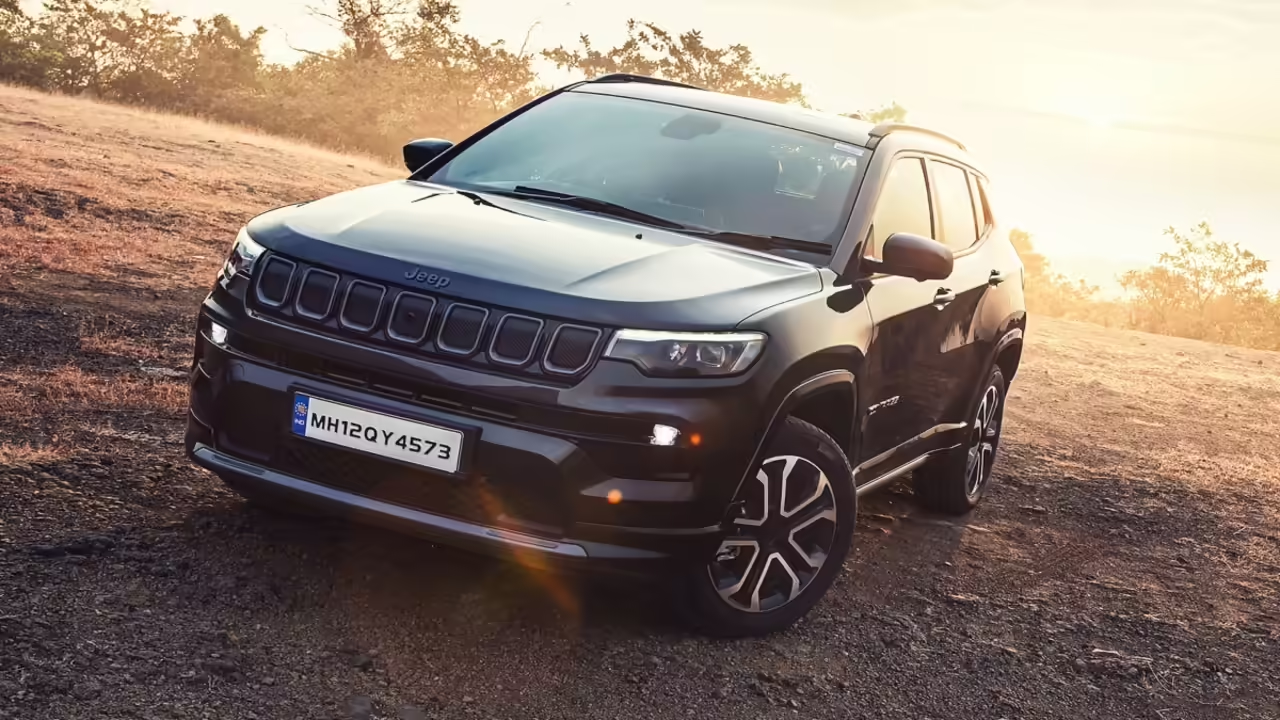
1. Jeep Compass
The Jeep Compass earned five stars from Euro NCAP in 2017. That was the pre-facelift model. It looked like a very safe small SUV. Euro NCAP did flag one weak point. In the side pole test, chest readings on the dummy crossed the limit for earning points. They stayed below the level that signals life-threatening harm. The star count held, but the warning was real.
Europe tested the Compass again in 2025. This time it scored four stars. Euro NCAP said the car lost points for less capable crash-avoidance technology. Newer rules reward active safety far more than the 2017 rules did.
American testing is harder on structure. The IIHS rates the 2026 Compass Good in the small overlap test. That test hits 25 percent of the car’s width at 40 mph. It is the best news on the report card.
Almost everything else is weaker. The updated moderate overlap front test gave the Compass a Poor rating. That test hits 40 percent of the front at 40 mph. It also puts a dummy in the rear seat.
The updated side test returned a Marginal rating. A rig shaped like an SUV strikes the driver’s door at 37 mph. Many small SUVs failed it when it debuted. The Compass was one of eight rated Marginal in that first round.
Crash-prevention scores were mixed. The vehicle-to-vehicle braking system earned Marginal in the updated test. The pedestrian system earned Acceptable. Headlights also landed at Acceptable.
Small details dragged the sheet down further. Seat belt reminders were Marginal. Child-seat anchors were Marginal as well. Neither shows up in a star rating.
This does not make the Compass reckless to drive. It still protects the driver well in a small overlap crash. But a Poor and a Marginal in key tests rule out any IIHS award. The lesson is clear. A star rating can hide rear-seat and side-impact gaps. Parents who carry kids in the back should read the IIHS sheet closely.
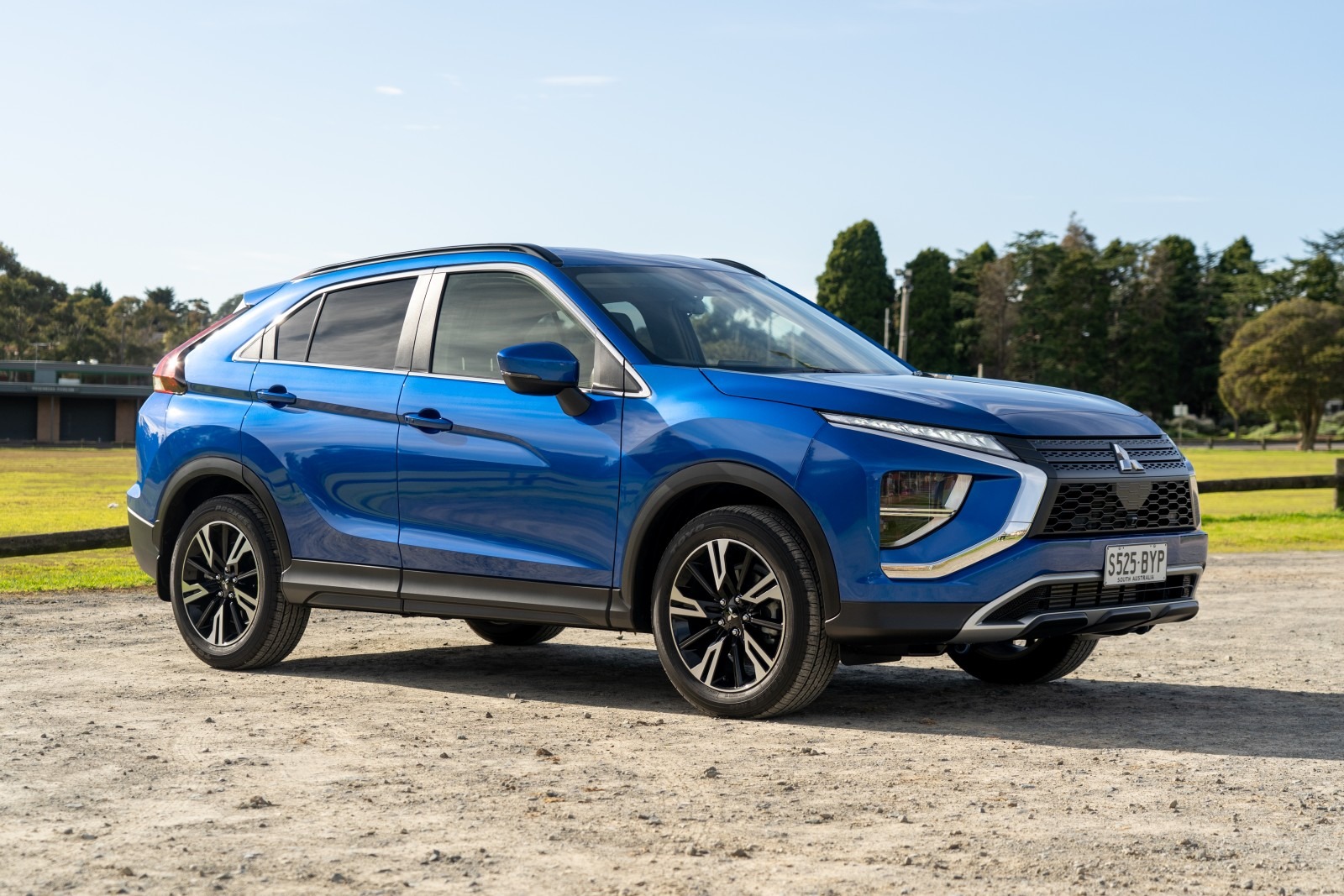
2. Mitsubishi Eclipse Cross
The Eclipse Cross earned five stars from Euro NCAP at its 2017 debut. Europe tested it again in December 2025. It earned five stars once more. On paper, it looks like a standout.
America tells a different story. The IIHS ran its tougher side test on small SUVs from the 2020 and 2021 model years. Only one of twenty earned Good. The Eclipse Cross was one of two that earned Poor.
The IIHS explained why. The structure was weak. The seat-mounted torso airbags were inadequate. Together they produced the only Poor rating for driver chest protection in that group.
The front of the car fared little better. On the 2026 model, the small overlap test earned Good. That is a genuine strength. The updated moderate overlap test earned Poor.
That second test matters for families. It measures protection for a rear-seat passenger as well as the driver. A Poor result points to weak protection in the back. Parents often overlook this area.
Side protection also stayed at Poor on the 2026 model. The car has had years to improve. The rating suggests the problem is baked into the design. A fix would need serious engineering work.
Seat belt reminders earned Poor too. The IIHS judges how well a car nags unbuckled passengers. Poor is the lowest grade possible. It is a small issue with real consequences.
There was one bright spot. Child-seat anchors earned Good. Installing a car seat is easy in this SUV. That counts for something. Crash-prevention and headlight grades are missing. The IIHS listed both as not tested. Shoppers get no clear answer on those systems.
Why the gap? The IIHS side barrier is heavier than the European one. It also rides higher, like a modern SUV or pickup. A small crossover with a weak pillar suffers most.
The Eclipse Cross shows how test design shapes results. European results favor strong crash avoidance and balanced scores. American results punish structural weak spots. Buyers should check both before trusting a badge.
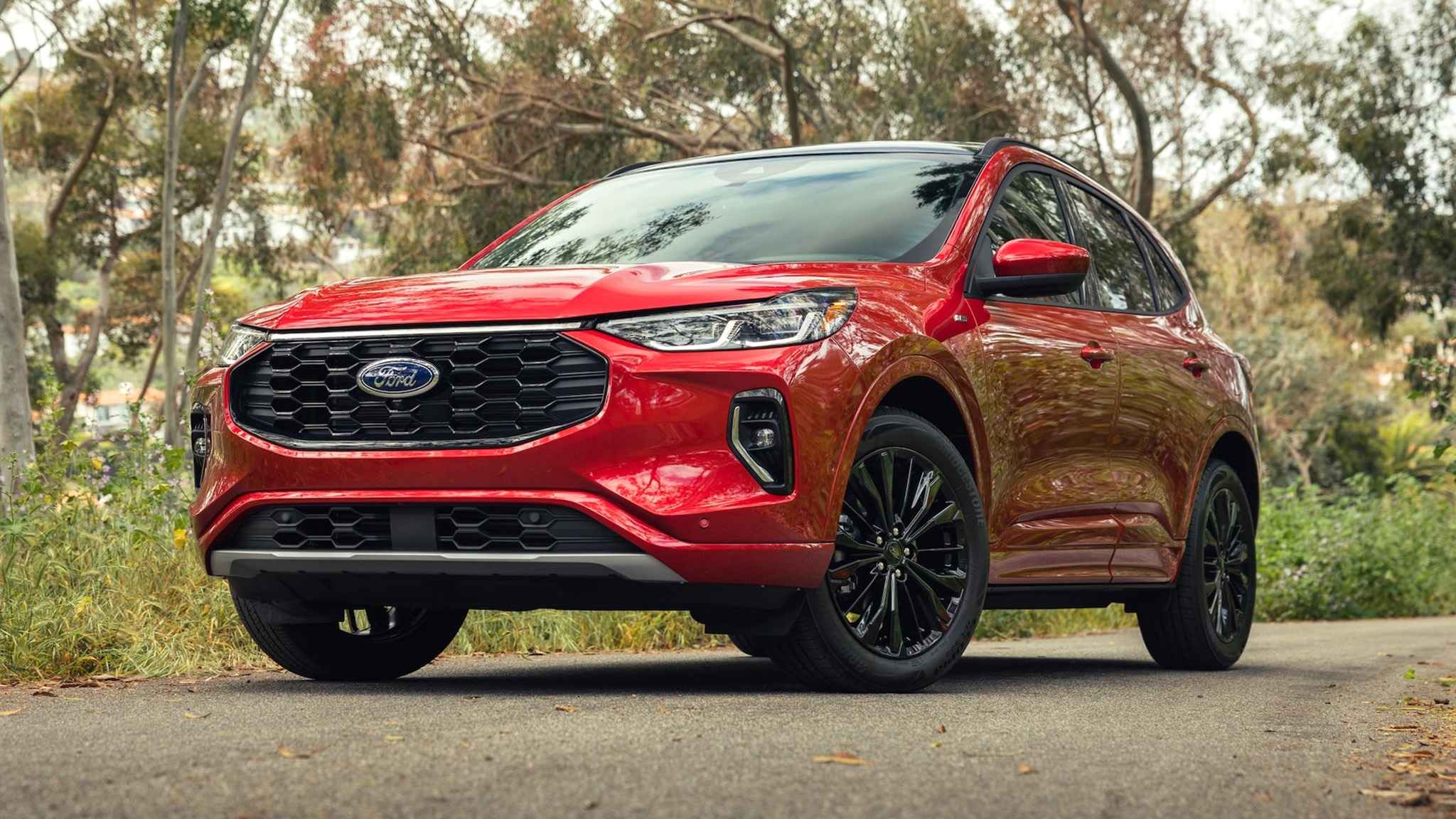
3. Ford Escape (Kuga in Europe)
The Ford Kuga shares its platform and body structure with the American Escape. Euro NCAP gave it five stars in 2019. The scores were strong. Adult protection hit 92 percent. Child protection reached 86 percent. Pedestrian protection and safety assist each reached 82 percent.
That Euro NCAP rating has since expired. Ratings last up to six years. Even so, those numbers sold plenty of buyers on the Kuga. The Escape carried the same reputation.
American results were more uneven. The IIHS rated the 2025 Escape Good in the small overlap test. It also earned Good in the updated moderate overlap test. Those are strong results.
The updated side test told another story. The rating was Marginal. The structure and safety cage earned Acceptable. The torso and pelvis both earned Marginal.
The IIHS singled out the driver’s head. The dummy’s head moved down past the side curtain airbag. It struck the window sill of the door hard. The report called the head protection inadequate.
That detail is worrying. Side crashes with taller vehicles are common. A head hitting a hard sill can cause serious injury. The airbag did deploy, but it did not do enough.
Other grades held the Escape back. The standard vehicle-to-vehicle braking system earned Marginal. Headlights earned Acceptable. Together, these ruled out any Top Safety Pick award.
The rear seat received mixed news. Ford improved the rear seat belt on Escapes built after May 2022. That change helped rear passengers in moderate overlap crashes. Even so, the rear restraints earned only Acceptable.
The NHTSA gave the 2025 Escape five stars. That includes five stars for frontal and side crashes. Rollover earned four stars. This is why shoppers saw “five stars” and felt safe.
Ford ended Escape production in December 2025. Used buyers will see these cars for years. The five-star badge in ads does not tell the whole story. The IIHS side result should be part of any used-car check.
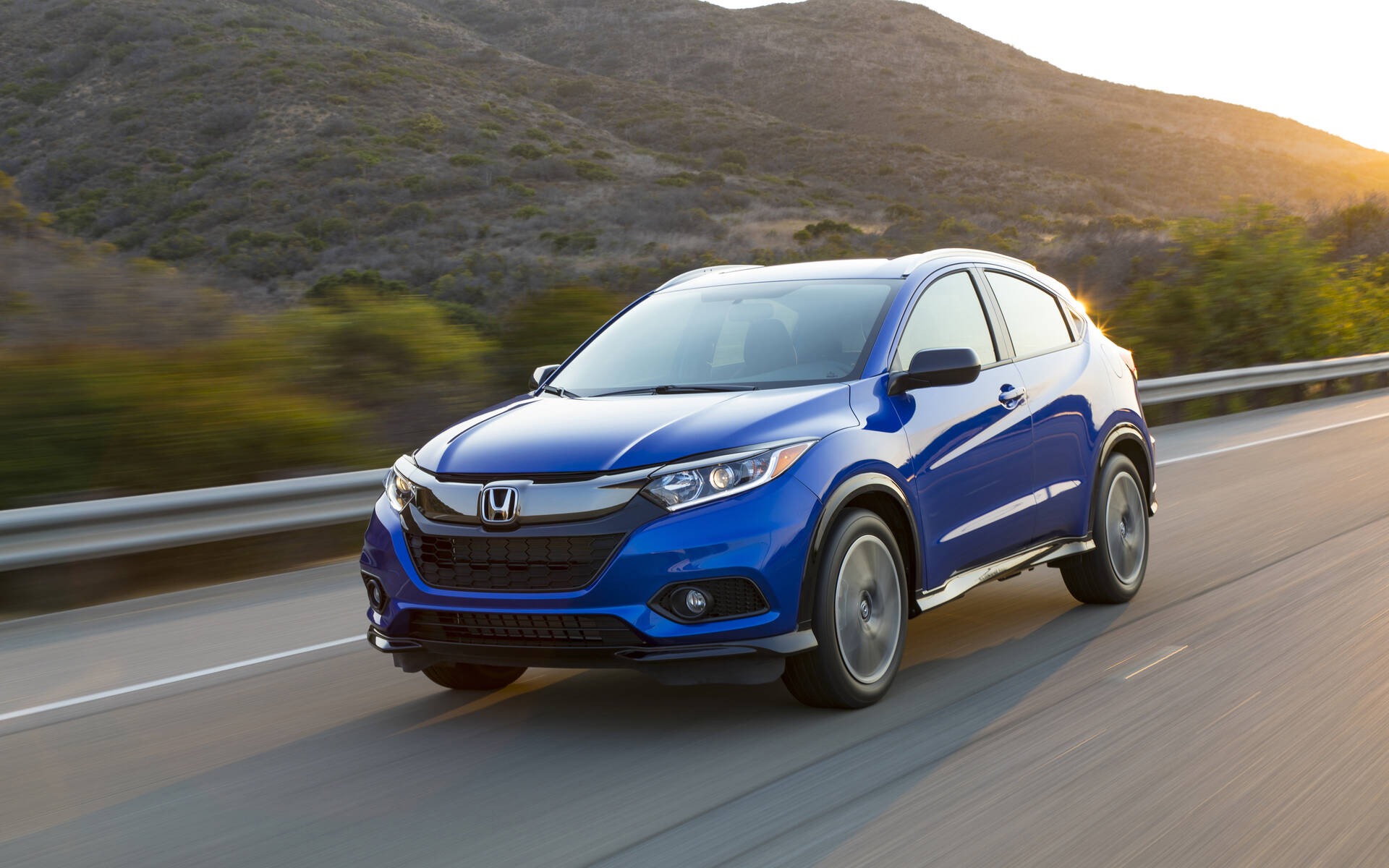
4. Honda HR-V (Previous Generation)
The previous-generation Honda HR-V carried a five-star Euro NCAP rating. It built a reputation as a safe and practical crossover. Honda sold it in large numbers around the world.
The first IIHS results were decent. The 2016 model earned Acceptable in the driver-side small overlap test. Original tests were mostly Good. The picture looked fine.
Then the IIHS made its tests harder. In the updated side test, the 2020 HR-V earned Poor. It was one of only two Poor results among twenty small SUVs. The other was the Mitsubishi Eclipse Cross.
The 2022 HR-V showed a second problem. The updated moderate overlap front test also earned Poor. That test includes a dummy in the rear seat. Rear passengers did not get the protection they needed.
Honda knew about weak points. From the 2019 model year, it reinforced the front door hinge pillars and the front-end structure. Those changes improved small overlap and moderate overlap performance. The small overlap rating became Good on both sides.
Even so, the older tests had been easy. The original side test and the original moderate overlap test both earned Good. Only the harder versions exposed the problems. That shows how much a test’s design matters.
Government ratings were also less perfect than people assume. The NHTSA gave the 2022 HR-V four stars for driver and passenger frontal protection. Side protection earned five stars. Rollover earned four stars.
The story flips with the new generation. Euro NCAP tested the third-generation HR-V in 2022. It scored only four stars. Testers said rear child restraint performance was not as robust as expected.
Meanwhile, the IIHS now loves the redesigned HR-V. The 2025 model earned Good in the small overlap, updated moderate overlap and updated side tests. It earned a Top Safety Pick+. That is the highest American honor.
This is the most ironic case on the list. The old HR-V was better in Europe than in America. The new one is better in America than in Europe. The two testers clearly do not share the same priorities.
5. Mazda CX-5 (Previous Generation)
The previous-generation Mazda CX-5 earned five stars from Euro NCAP in 2017. It was a favorite among drivers who wanted handling and style. Safety was a selling point too.
In America, the CX-5 started strong. In the IIHS updated side test, it was the only small SUV out of twenty to earn Good. The IIHS said the result proved that strong protection in severe side crashes is possible. That is a major compliment.
So why is it on this list? The story changed as the IIHS added new tests. The updated vehicle-to-vehicle front crash prevention test arrived with higher speeds. It also added motorcycles and large trucks as targets.
The results were rough. In the first ten small SUVs tested, only the Subaru Forester earned Good. The CX-5 earned Poor. So did the Chevrolet Equinox, Mitsubishi Outlander and Volkswagen Taos.
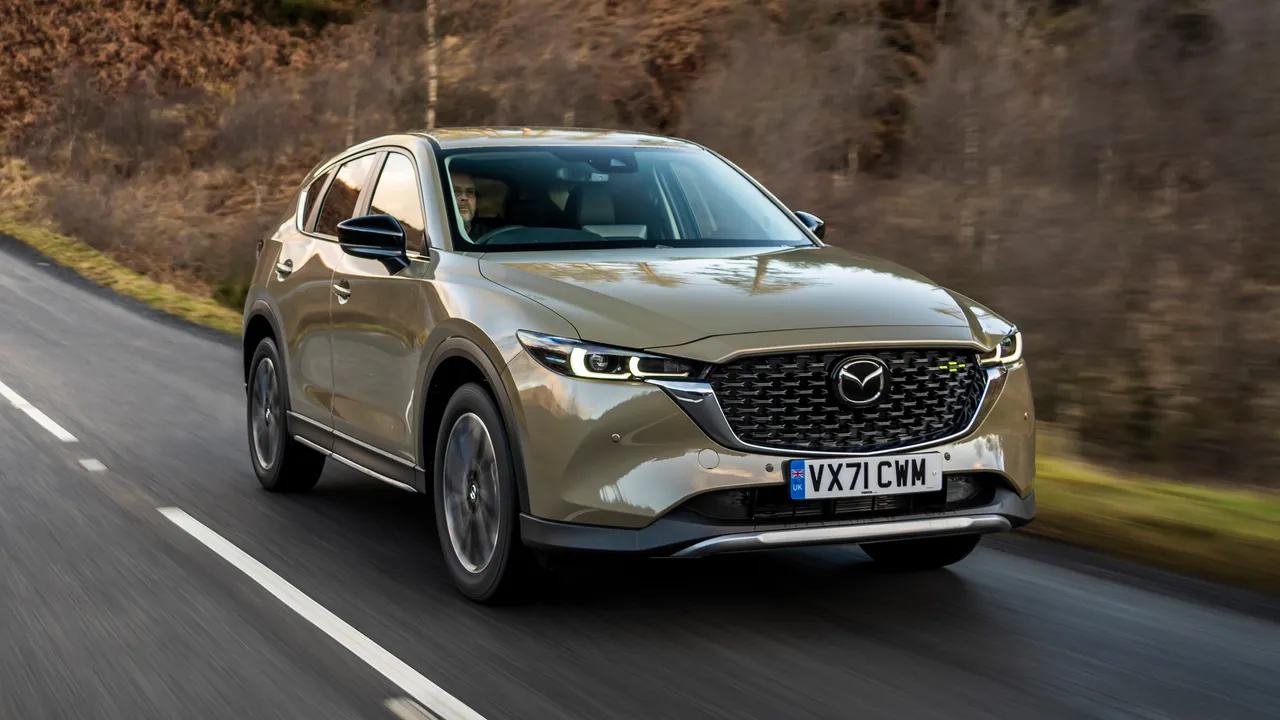
The same Poor rating followed the 2025 CX-5. It meant the car could not earn a Top Safety Pick award. A great structure was not enough. The braking software had to keep up.
The IIHS did note that even Marginal cars beat the old Good standard. The old test was simply easier. Mazda’s system worked well before the bar moved. It did not work well enough after.
Also consider the updated moderate overlap test. The CX-5 had its rating assigned from a 2024 test. The IIHS also adjusted its criteria in February 2024. That change made the grading stricter for rear passengers.
Mazda answered with an all-new CX-5. Euro NCAP tested it in 2025. It earned five stars, with 93 percent for vulnerable road users. Euro NCAP did call driver chest protection marginal.
The IIHS then rated the 2026 CX-5 Good in the small overlap, moderate overlap and side tests. It earned a Top Safety Pick+. The car also earned Good in front crash prevention.
This is the mildest example here. The old CX-5 was always a solid car. It simply lagged in one American test. The new model shows that the fix is possible.
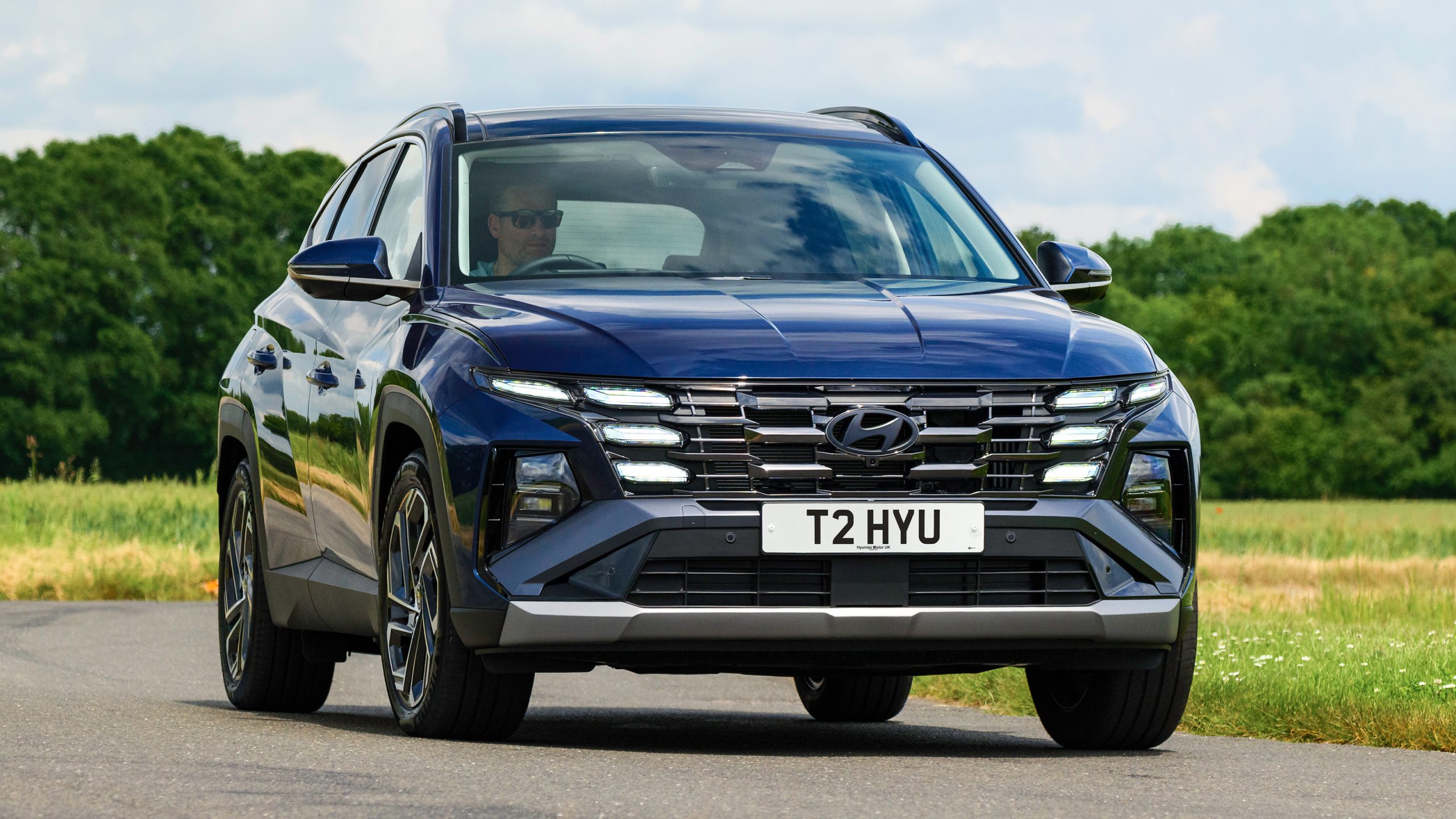
6. Hyundai Tucson
The Hyundai Tucson earned five stars from Euro NCAP in 2021. The numbers were solid. Adult protection scored 86 percent. Child protection scored 87 percent. Safety assist scored 88 percent.
One number stood out. Pedestrian protection scored only 63 percent. That was the weakest area. It showed room for improvement in how the front end treats people outside the car.
Its sibling, the Kia Sportage, earned five stars in 2022. The pair shared their strengths and weaknesses. Both were praised in Europe. Both were popular in America.
The IIHS had a different view of early Tucsons. Its updated vehicle-to-vehicle front crash prevention test tested the 2023 and 2024 models. The Tucson earned Marginal. Only the Subaru Forester earned Good among the first ten small SUVs.
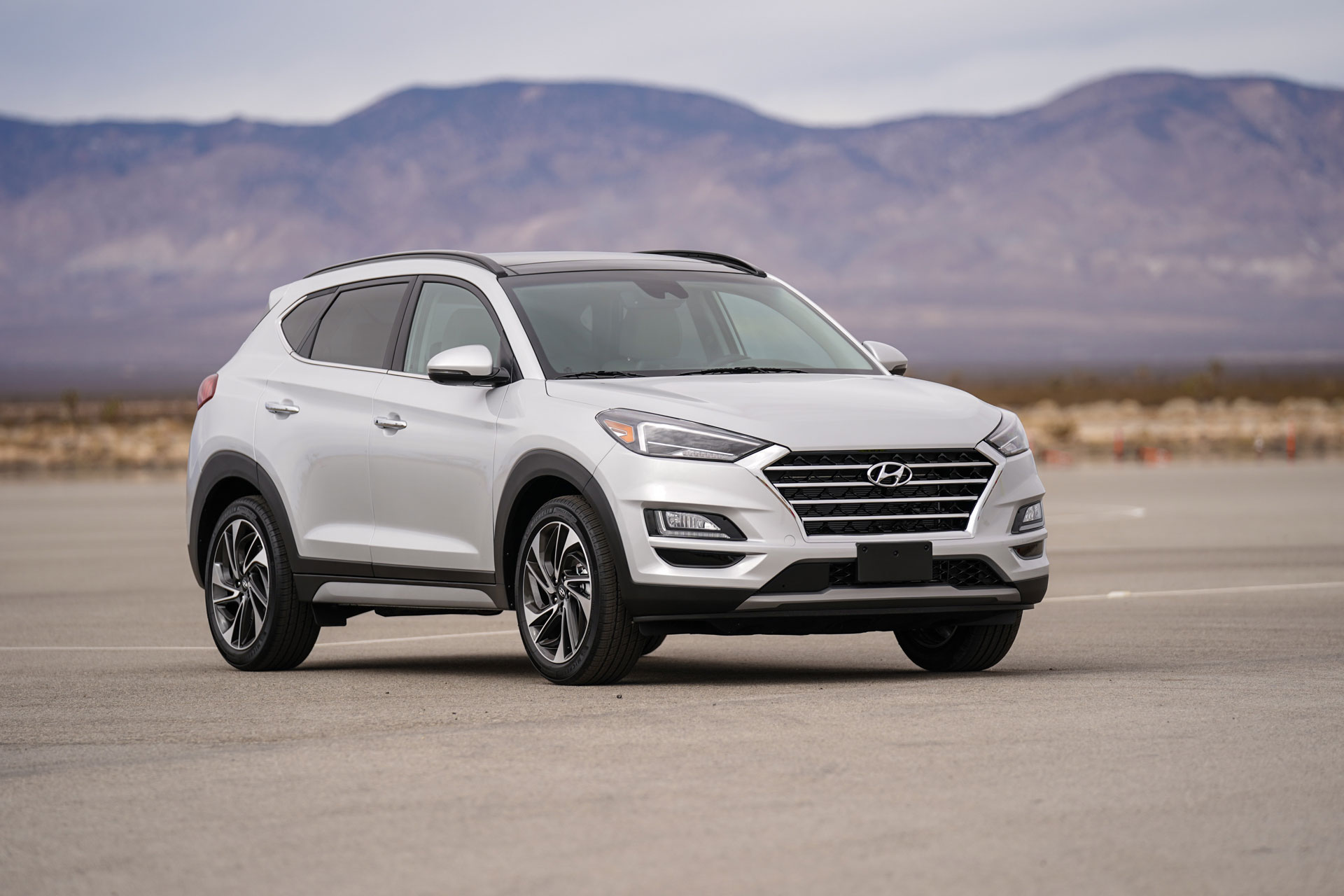
Marginal is not a failure. The IIHS said even Marginal cars beat the old Good standard. The test simply raised the speeds. It also added motorcycles and large trucks as targets.
Still, that grade mattered. A Top Safety Pick needs strong results across the board. Crash avoidance is now part of the formula. A car that crashes well but brakes late cannot win.
The Tucson also shows how quickly things change. Hyundai kept improving it. The IIHS now lists the 2025 Tucson as a Top Safety Pick+. The 2026 Tucson earns the same award.
The Sportage followed the same path. The 2026 model earned a Top Safety Pick+. The IIHS noted the award applies to vehicles built after May 2025. Build date matters when you shop used.
That detail is easy to miss. Two identical-looking Tucsons can carry different safety results. Early cars may lack the improvements. Later cars may earn the award.
For a family car, this is useful advice. Check the build date on the door label. Then check the IIHS page for that model year. A small difference in production can mean a big difference in safety.
The Tucson is the gentlest case in this article. It is not a bad car. It simply shows that a European five-star rating is only the start. American results can change the picture.