
Buying a three-year-old car can offer substantial savings, but some models lose so little value that the difference between a used example and a new one is surprisingly small. These vehicles tend to retain their appeal because of strong demand, limited discounts, practical designs, or enthusiast interest.
For American shoppers, comparing three-year resale values with new-car prices can help identify models that hold their value particularly well.
CarEdge’s three-year resale rankings provide a useful starting point, measuring estimated retained value rather than simply comparing advertised prices. The following models stand out for their ability to preserve a large share of their value.
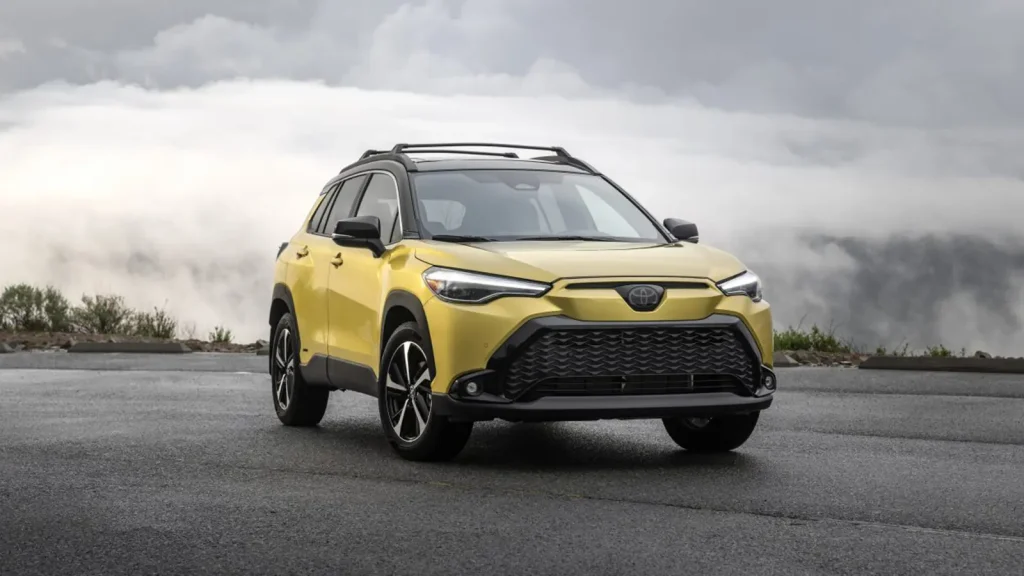
1. Toyota Corolla Cross
The Toyota Corolla Cross leads CarEdge’s three-year resale rankings, retaining an estimated 87.9% of its value after three years. That places it among the strongest vehicles for buyers comparing the cost of a new model with a lightly used alternative.
The figure represents estimated resale-value retention, not a guaranteed selling price for every vehicle.
Its appeal comes from occupying a practical middle ground between a compact sedan and a larger SUV. American buyers get a higher seating position, useful cargo space, and a footprint that remains manageable in crowded parking lots. These characteristics give the Corolla Cross a broad potential audience, from commuters to small families.
Toyota’s established presence in the U.S. market also helps make the model familiar to used-car shoppers. However, strong brand recognition alone does not guarantee that every example will retain the same percentage of its original price. Trim level, mileage, accident history, condition, and regional demand can all change the resale equation.
For someone shopping the three-year-old market, the important question is whether the discount justifies giving up a new-car warranty period, the latest equipment, and the ability to select a preferred color or trim. If the used example costs almost as much as a comparable new one, the new vehicle may offer better value.
Before deciding, compare actual asking prices for matching trims and check whether new-car incentives reduce the price gap. The Corolla Cross’s high retention percentage makes it a strong candidate for this comparison, but the final decision should depend on the real dollar difference rather than the ranking alone.
2. Toyota Corolla Hatchback
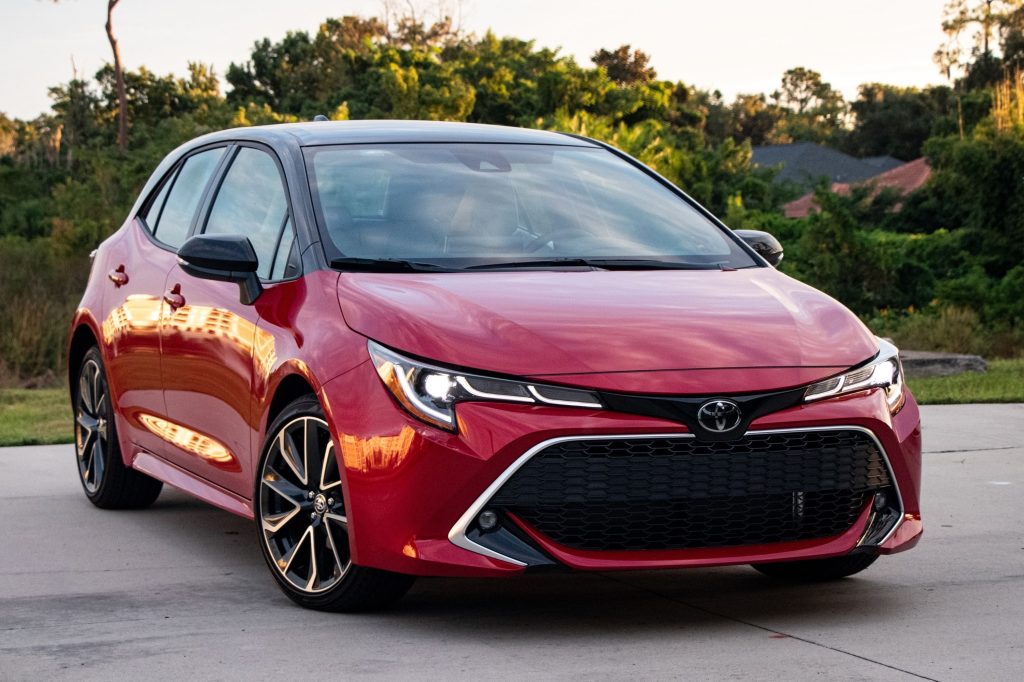
The Toyota Corolla Hatchback ranks second in CarEdge’s three-year resale-value list, retaining an estimated 86.2% of its value after three years. That strong result suggests relatively limited depreciation compared with vehicles that lose a larger share of their original value during the same period.
Unlike the Corolla Cross, this model appeals to buyers who prefer a lower, compact hatchback rather than an SUV-style driving position. Its rear hatch provides practical access to the cargo area, while folding rear seats offer flexibility for carrying luggage, shopping, or larger everyday items. That combination makes it a useful alternative to a traditional compact sedan.
A smaller price gap between new and used examples can be a mixed blessing. Owners may benefit when selling, but shoppers hoping to save substantially by purchasing a three-year-old vehicle may find the discount disappointing.
Comparing the original manufacturer’s suggested retail price with current used listings is not enough by itself, because dealer incentives and equipment differences can distort the comparison.
Check the exact trim, transmission, mileage, and installed options before deciding whether a used Corolla Hatchback represents good value. A lower-priced example with accident history or overdue maintenance may not be a bargain, while a well-kept vehicle with documented servicing can justify a stronger asking price.
For American buyers, the Corolla Hatchback’s high retention rate makes it worth checking against new inventory. If the used-car discount is small, a new model may offer a longer warranty period and the reassurance of being the first owner.
If the price difference is meaningful, a carefully inspected three-year-old example may be the more economical choice.
3. Toyota GR86
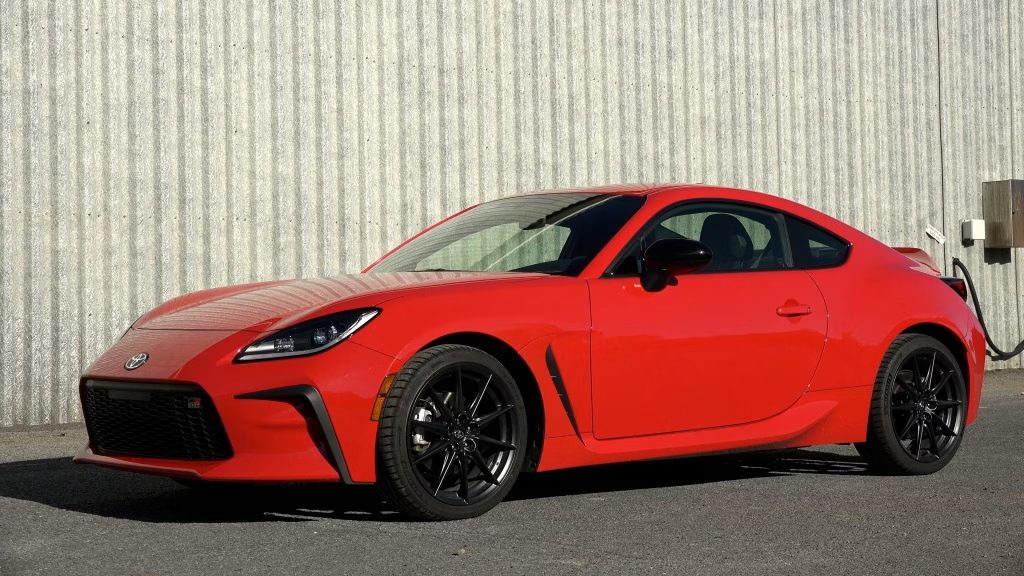
CarEdge estimates that the Toyota GR86 retains 84.7% of its value after three years. Its strong resale performance reflects demand from enthusiasts looking for an affordable, rear-wheel-drive sports coupe, a segment with relatively few direct competitors.
The GR86 is built around driving enjoyment rather than luxury or maximum practicality. Its naturally aspirated 2.4-liter flat-four engine produces 228 horsepower and 184 lb-ft of torque in U.S.-market specifications. Rear-wheel drive, a low seating position, and a compact chassis give it a distinctly driver-focused character.
That focus can help its appeal in the used market, particularly among enthusiasts who want a lightweight sports car without paying premium-brand prices.
However, resale value depends on condition. Cars that have been modified, driven hard on racetracks, or involved in collisions may attract less interest than well-maintained examples with documented service histories.
For buyers comparing a new GR86 with a three-year-old one, the small depreciation gap may be frustrating. A used example might have accumulated meaningful mileage while costing nearly as much as a new car. Check the original equipment, transmission, tire condition, brake wear, and any aftermarket modifications before deciding.
The GR86’s resale performance makes it worth considering, but buyers should compare actual transaction prices rather than relying only on estimated retained value. If dealer incentives or financing offers make a new model competitive, buying new may provide better value.
4. Subaru BRZ
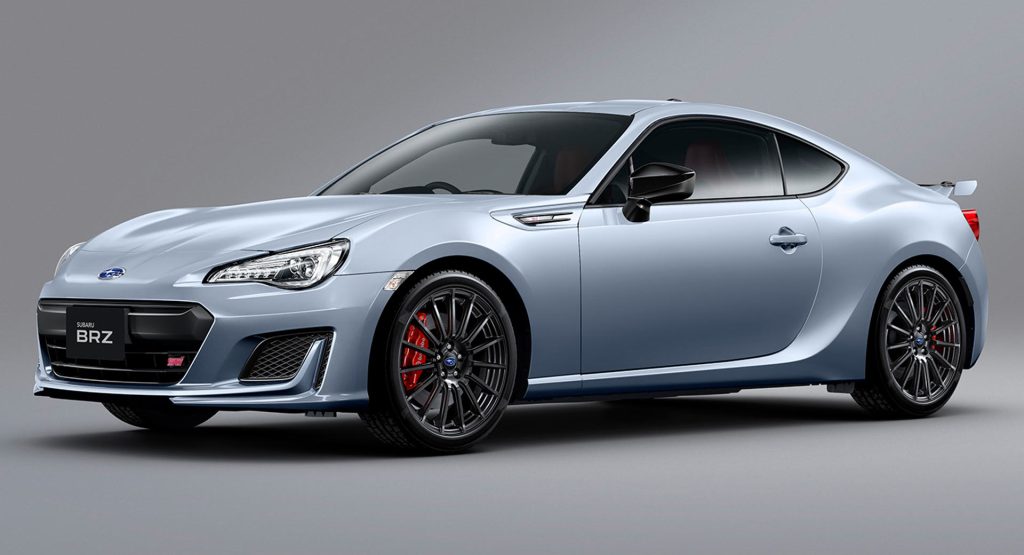
Subaru’s BRZ retains an estimated 83.4% of its value after three years, placing it near the top of CarEdge’s resale rankings. Its close relationship with the Toyota GR86 means that both vehicles appeal to drivers who prioritize balanced handling and an engaging driving experience over additional space or luxury features.
The BRZ uses a naturally aspirated 2.4-liter flat-four engine producing 228 horsepower and 184 lb-ft of torque in U.S.-market specifications. Power goes to the rear wheels, and buyers can choose a manual or automatic transmission, depending on the model year and configuration.
The BRZ’s appeal comes from its focused design. It offers sports-car handling without requiring the purchase price or operating expenses associated with many high-performance luxury models. That makes it attractive to enthusiasts shopping for a used coupe, especially those who want a relatively modern car with a traditional rear-wheel-drive layout.
There are trade-offs. The rear seats are small, cargo space is limited compared with a hatchback, and insurance and performance-tire expenses can exceed those of an ordinary compact car. Buyers should also inspect vehicles carefully for signs of track use, aftermarket modifications, accident repairs, and neglected maintenance.
When comparing a three-year-old BRZ with a new one, examine the mileage and service history alongside the price. A lightly used example may justify a small discount, but a heavily driven car should not command nearly the same price as a new vehicle.
Its high resale retention is encouraging, yet the right purchase depends on condition and the actual difference in dollars.
5. Ford Maverick
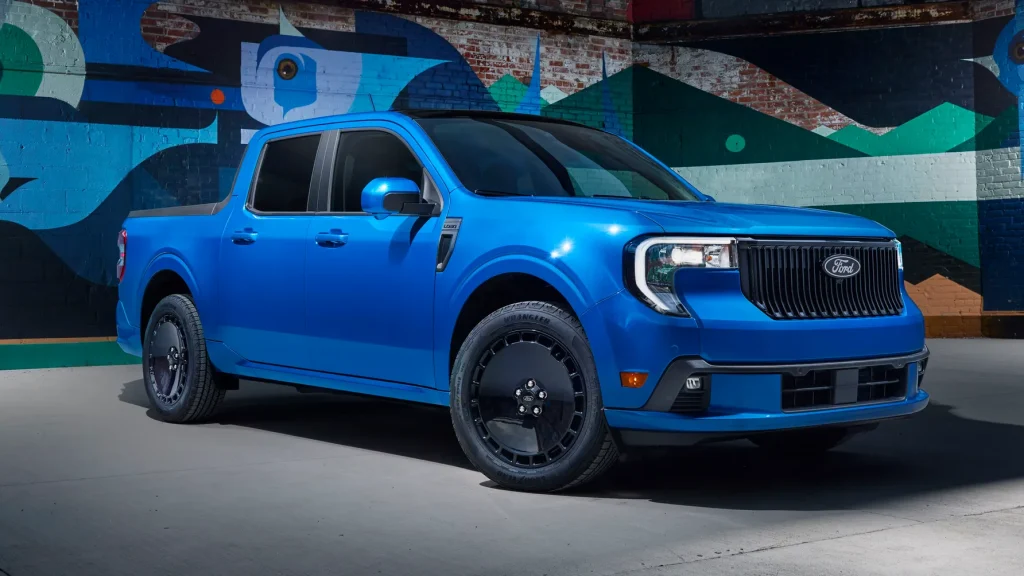
The Ford Maverick retains an estimated 83.0% of its value after three years, according to CarEdge’s rankings. Its compact dimensions and pickup-bed utility give it a distinctive position in the American market, where many truck buyers want practical cargo capability without the size of a full-size pickup.
The Maverick is available with different powertrain and drivetrain configurations depending on model year. U.S. models have offered a hybrid powertrain as well as a turbocharged gasoline engine, giving buyers a choice between fuel efficiency and different capability requirements.
Specifications and towing limits vary, so shoppers should verify the details for the particular truck.
Demand for smaller pickups can help support resale value because the Maverick serves drivers who might otherwise consider a compact SUV or sedan. Its open bed can carry home-improvement supplies, outdoor equipment, and bulky items that are awkward to fit inside a passenger car.
The truck’s condition still matters considerably. Inspect the bed for dents and damage, examine the suspension and tires, and look for signs of heavy hauling or towing. Verify that the powertrain and equipment match the original specifications, particularly if the truck has been modified for work or recreation.
A high retained-value percentage also means used buyers may find limited savings compared with buying new. Compare dealer inventory, incentives, and the exact equipment fitted to each vehicle. A new Maverick may offer a better financial deal if a lightly used truck is priced close to its original MSRP.
The model’s resale performance makes it worth considering, but buyers should not confuse strong demand with guaranteed future value. A fair price and a thorough inspection remain essential.
6. Chevrolet Silverado 3500HD
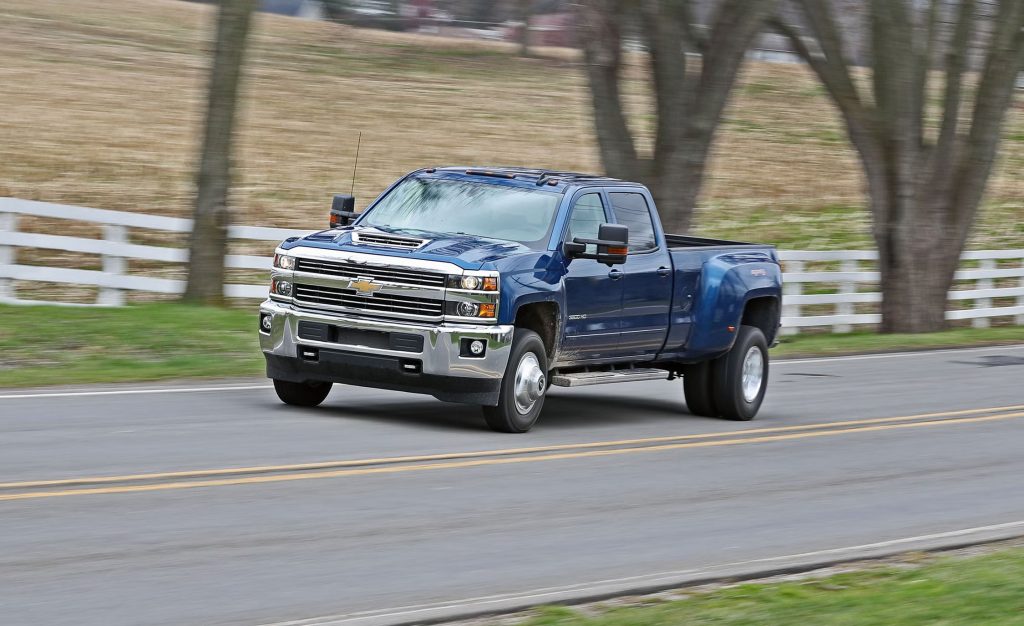
The Chevrolet Silverado 3500HD retains an estimated 82.9% of its value after three years, placing it among the highest-retaining vehicles in CarEdge’s rankings. Unlike compact cars or sports coupes, this heavy-duty pickup is designed for demanding work, including substantial towing and hauling when properly equipped.
Its appeal is closely tied to capability. Depending on configuration, the Silverado 3500HD has been offered with gasoline V8 engines or a Duramax turbo-diesel V8. Cab style, bed length, drivetrain, axle ratio, and equipment can significantly influence towing and payload ratings, so the specific truck’s factory specifications matter.
Heavy-duty pickups can maintain strong used-market demand because buyers may need their capabilities for trailers, equipment, agricultural work, or commercial applications.
However, that demand does not mean every used example is a safe purchase. Work trucks may have accumulated substantial engine hours, repeated towing loads, or wear that an odometer reading alone does not reveal.
Inspect the frame, suspension, brakes, tires, hitch equipment, and drivetrain. Ask about the truck’s towing history and look for signs of overloading, corrosion, or poorly executed modifications. Diesel versions deserve particular attention to maintenance records and emissions-system condition.
The high retained-value percentage also reflects the vehicle’s price category. A small percentage loss on an expensive truck can still mean thousands of dollars, and running costs can be substantial.
For buyers who genuinely need heavy-duty capability, a carefully inspected Silverado 3500HD may justify its resale strength. Those who only need occasional light hauling should compare smaller trucks before paying for capacity they will rarely use.
7. GMC Sierra 3500HD
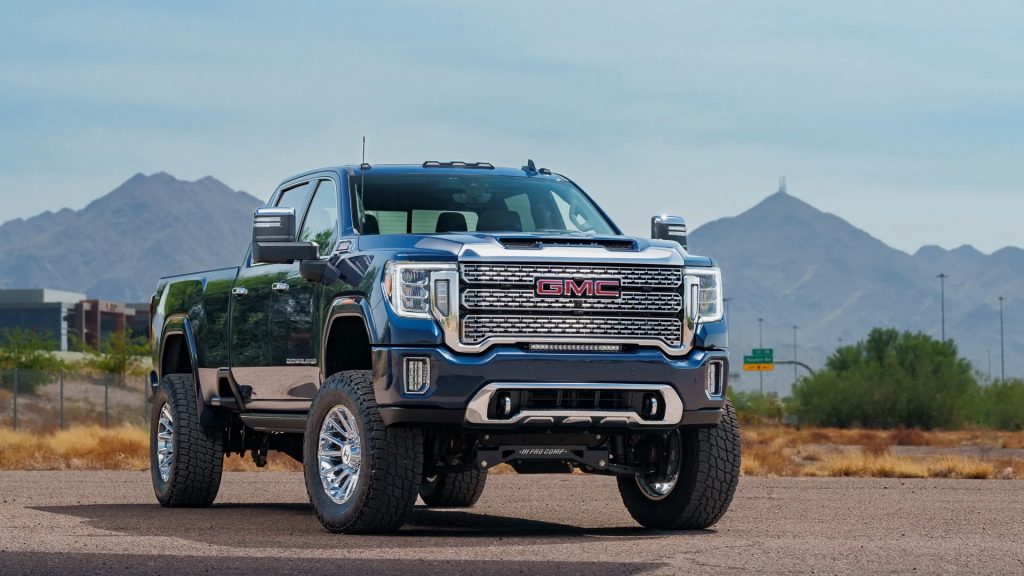
The GMC Sierra 3500HD retains an estimated 82.4% of its value after three years in CarEdge’s rankings. As a heavy-duty pickup, it appeals to buyers who require serious towing and hauling capability, with higher trim levels also offering additional comfort and convenience equipment.
The Sierra 3500HD shares much of its underlying engineering with the Chevrolet Silverado 3500HD, although styling, trim availability, and equipment packages differ. Depending on model year and configuration, buyers may find gasoline V8 or Duramax diesel power, single- or dual-rear-wheel setups, and different cab and bed combinations.
These trucks often attract buyers with specific requirements, such as towing large trailers or transporting equipment. That specialized demand can help preserve used values, particularly for configurations that match common work needs.
Nevertheless, condition and specification can create large price differences between two trucks that appear similar in photographs.
Before purchasing, verify the factory towing and payload ratings for the exact configuration. Inspect the hitch, frame, suspension, tires, brakes, and underbody for evidence of demanding use.
Diesel buyers should review service records and check for warning lights or emissions-system faults. A professional inspection is especially important if the truck has been used commercially.
A strong resale percentage should not encourage buyers to overlook operating expenses. Heavy-duty pickups can consume substantial amounts of fuel and require costly tires and maintenance. Their size may also make them less convenient for everyday parking and commuting.
If you need a truck of this class, compare the Sierra with equivalent Silverado models and examine the price difference for matching equipment. The Sierra’s retention figure is a useful starting point, but the best deal is the truck that meets your needs without carrying unnecessary cost.
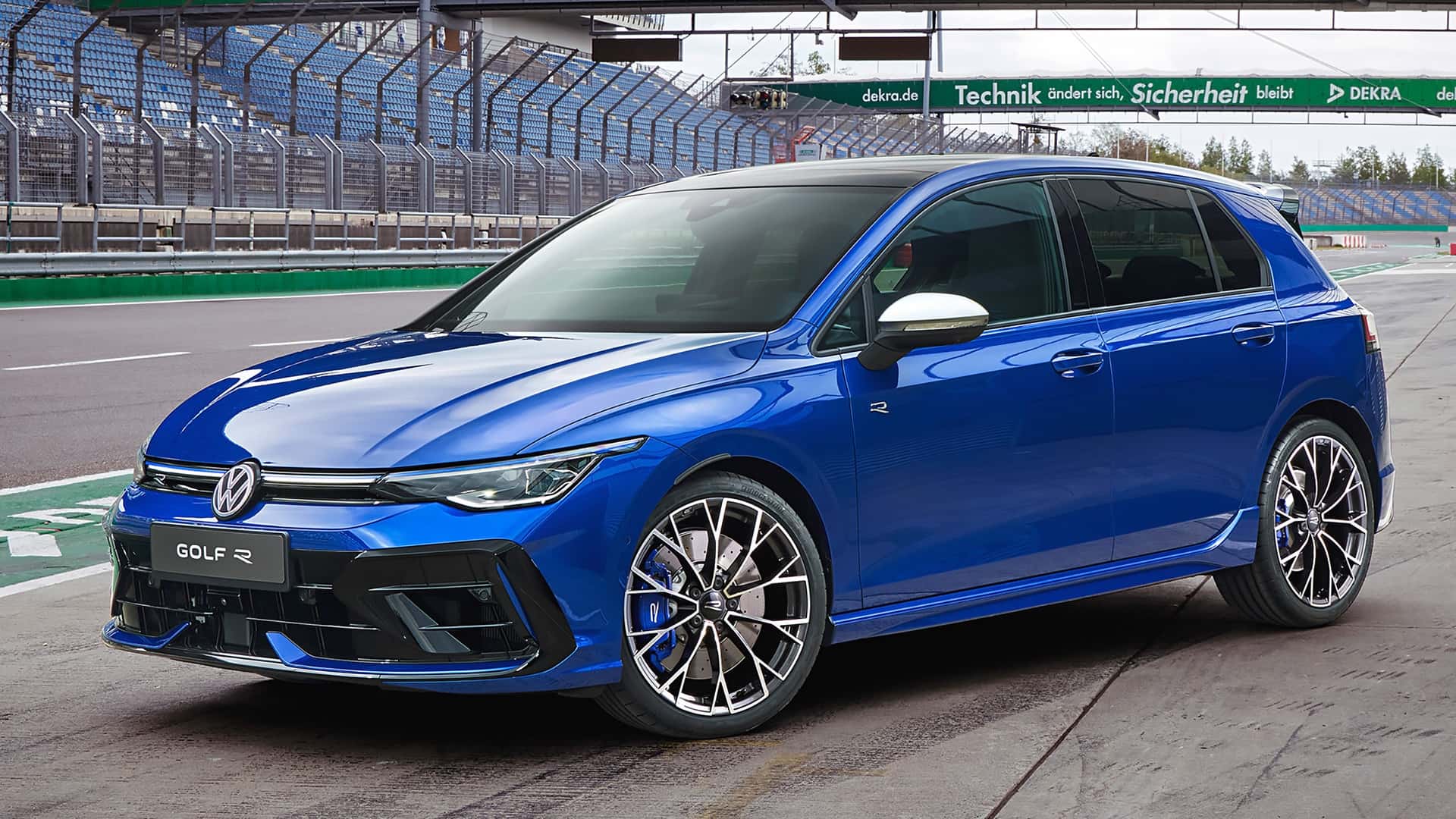
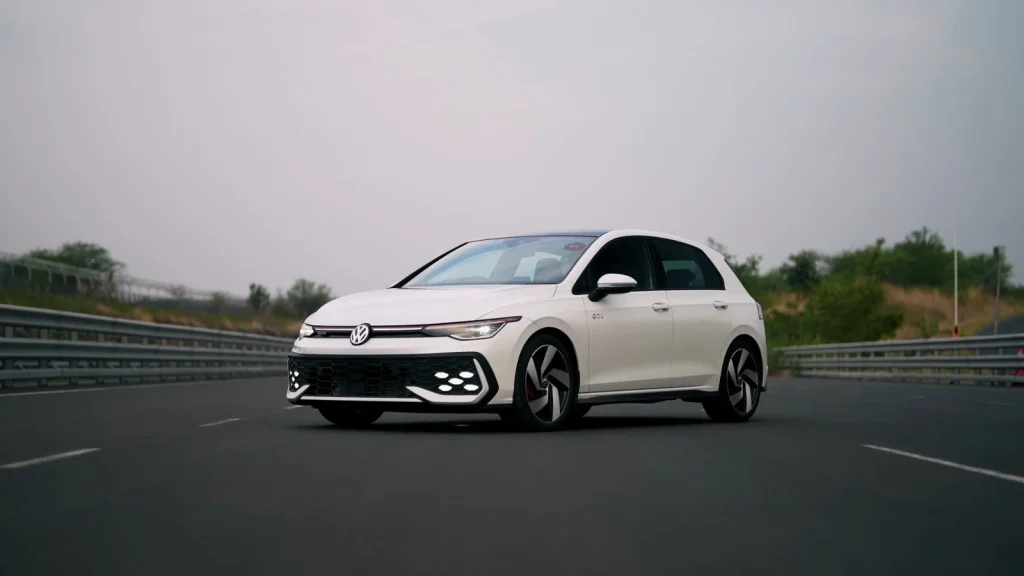
8. Volkswagen Golf R
The Volkswagen Golf R retains an estimated 81.7% of its value after three years, according to CarEdge’s rankings. Its combination of compact dimensions, turbocharged performance, and all-wheel drive gives it a different appeal from conventional economy cars.
In U.S.-market specifications, the newer Golf R uses a turbocharged 2.0-liter four-cylinder engine producing 315 horsepower in the 2022 to 2024 model years. The car combines that output with all-wheel drive and a practical hatchback body, making it suitable for drivers who want performance without sacrificing everyday usability.
Its resale performance reflects the appeal of a specialized hot hatch. Enthusiasts may value the combination of strong acceleration, year-round traction, and cargo flexibility, particularly because relatively few compact hatchbacks offer the same performance package.
However, buyers should confirm the model year and transmission because equipment and specifications have changed over time.
Maintenance deserves careful attention. Turbocharged engines and performance-oriented drivetrains can require more expensive servicing than basic commuter cars.
Check the service history, tire condition, brakes, and operation of the all-wheel-drive system. Look for evidence of engine tuning, suspension modifications, or track use, and confirm whether any modifications affect warranty coverage.
For a three-year-old Golf R, compare the used asking price with a new vehicle’s actual transaction price. If the discount is small, the new car may offer a longer period of warranty coverage and a known history.
The Golf R’s high retained value makes it a compelling option for enthusiasts, but a well-maintained, fairly priced example is more important than a strong ranking alone.
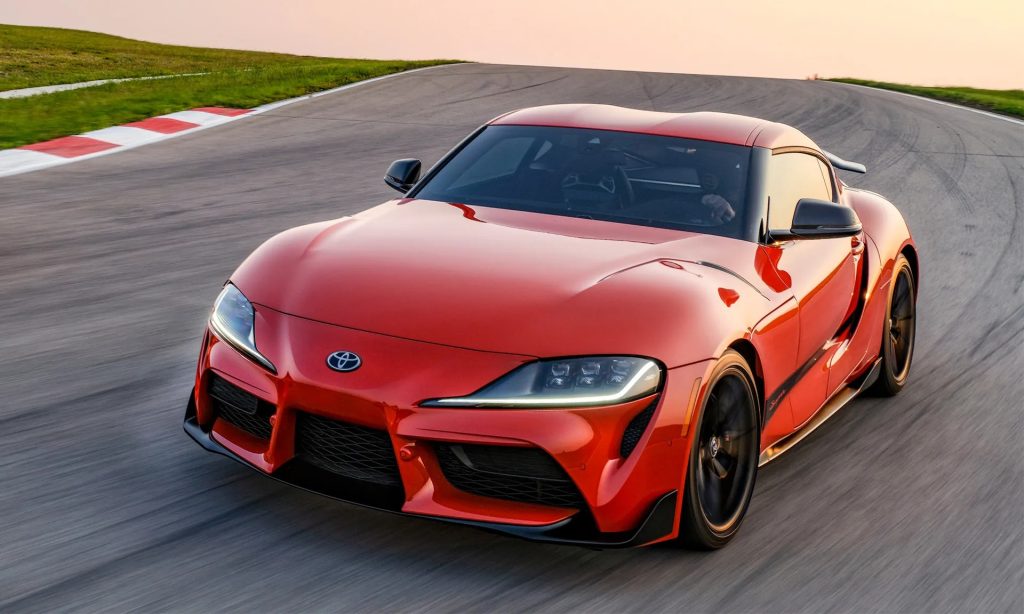
9. Toyota GR Supra
The Toyota GR Supra retains an estimated 81.2% of its value after three years in CarEdge’s rankings. Its rear-wheel-drive layout, turbocharged powertrains, and two-seat coupe body distinguish it from more practical Toyota models.
The fifth-generation Supra returned to the U.S. market for the 2020 model year. Depending on model year and trim, it has been available with a turbocharged four-cylinder engine or a turbocharged inline-six. The six-cylinder version is particularly associated with the car’s performance identity, while the smaller engine provides a different entry point into the lineup.
Its resale appeal is connected to enthusiast demand. Buyers seeking a modern sports coupe with substantial performance may consider the Supra alongside more expensive sports cars. Yet its two-seat layout and limited cargo space make it less versatile than a hatchback or sedan.
Used examples should be inspected carefully for accident repairs, modifications, tire wear, brake condition, and evidence of hard driving.
Ask for service records and confirm that the powertrain and equipment match the advertised specification. A vehicle with undocumented tuning or poor-quality modifications may be harder to evaluate and resell.
The Supra’s strong retained-value percentage can make lightly used examples expensive relative to new inventory. Compare actual prices, available incentives, and warranty coverage before deciding. A new car may be preferable if the used discount is minimal, while a clean used example can make sense when the savings are meaningful.
Its resale performance reflects a strong niche appeal, but buyers should remember that sports-car values can shift with supply, demand, and changes in enthusiast preferences.
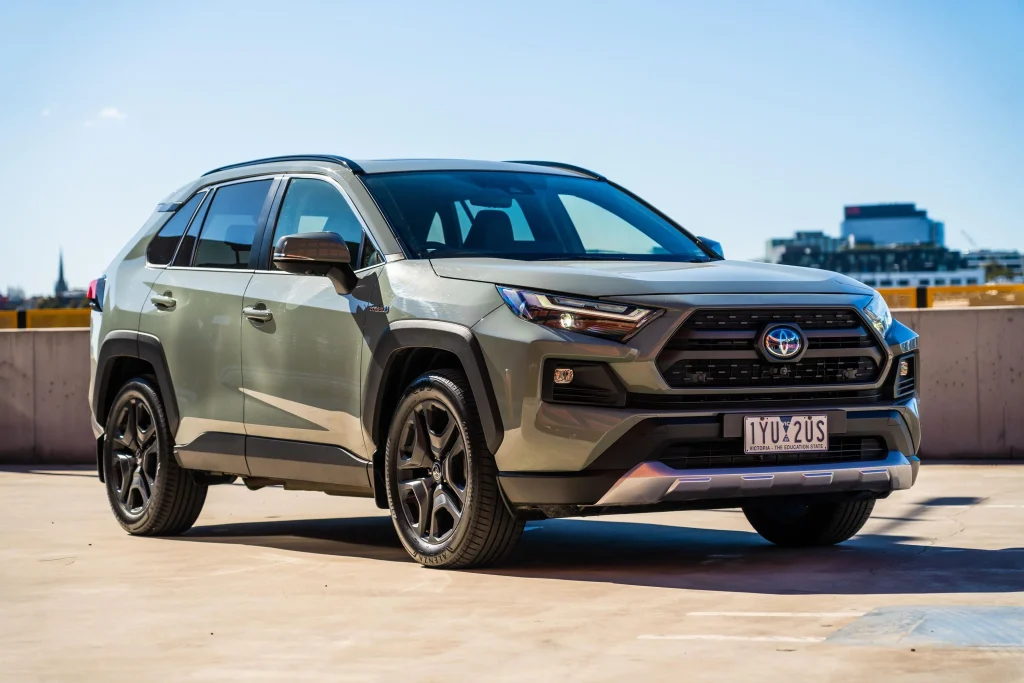
10. Toyota RAV4
The Toyota RAV4 retains an estimated 81.1% of its value after three years, according to CarEdge’s rankings. Its position reflects the continued appeal of compact SUVs among American buyers who want passenger space, cargo flexibility, and a manageable footprint.
The RAV4 has been offered in conventional gasoline, hybrid, and plug-in hybrid configurations, depending on model year. These versions differ in powertrain, fuel economy, equipment, and purchase price, so buyers should compare matching trims rather than treating every RAV4 as identical.
Its broad usefulness helps explain why it remains desirable in the used market. It can serve as a commuter vehicle, family transport, or road-trip companion, while available all-wheel drive can appeal to drivers who encounter snow or rough weather.
The hybrid version may be especially attractive to shoppers seeking improved fuel economy, although its used price must be weighed against the initial cost difference.
Before purchasing, inspect service records, tires, brakes, suspension, and the operation of safety and infotainment systems. Hybrid buyers should also check for warning lights and have the hybrid system assessed if its condition is uncertain. Verify accident history and compare the vehicle’s mileage and trim with similar listings.
Because the RAV4 retains a large share of its value, a three-year-old example may not be dramatically cheaper than a new one. Compare dealer discounts and financing offers alongside used prices. The used vehicle should offer enough savings to justify its mileage and reduced warranty period.
For buyers seeking a versatile compact SUV, the RAV4’s resale performance makes it worth considering. Its strong retention is useful evidence, but a fair transaction price and documented condition should guide the final decision.
